
Pian Upe Wildlife Reserve
Pian Upe Wildlife Reserve – Amazing Wildlife & Untouched Uganda Safari Guide
Pian Upe Wildlife Reserve is one of Uganda’s most fascinating yet least-explored wildlife destinations, offering enormous savannah landscapes, rugged mountains, rare plains wildlife and a genuine feeling of traveling beyond the country’s established safari circuit. Located in eastern Uganda north of Mount Elgon, the reserve presents a completely different experience from heavily visited destinations such as Queen Elizabeth National Park and Murchison Falls. Its rolling grasslands, seasonal waterways, wooded savannah and distant mountains create a wild setting where travelers can enjoy game drives, nature walks, birdwatching and cultural experiences without the crowds associated with more established parks.
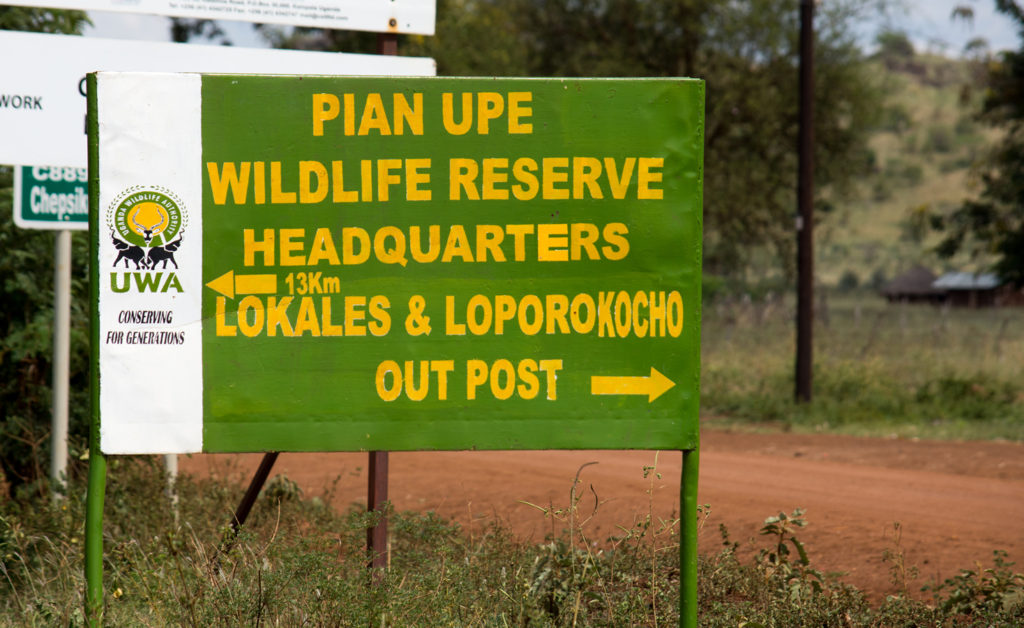
For adventurous travelers, Pian Upe is particularly appealing because the destination still feels raw and undeveloped. Uganda Wildlife Authority describes it as a hidden tourism destination positioned between Mount Elgon and the wider northeastern wildlife landscapes, with opportunities for game drives, birdwatching, nature walks and interactions with neighboring communities. A visit can work particularly well for travelers exploring eastern Uganda or those continuing farther north toward Karamoja and Kidepo Valley.
About Pian Upe Wildlife Reserve
Pian Upe Wildlife Reserve was established in 1964, after the area had previously been designated as the Debasien Animal Sanctuary. Today it covers approximately 231,400 hectares, or about 2,314 square kilometers, making it an extensive protected landscape. The reserve lies north of Mount Elgon in eastern Uganda and forms part of a broader ecological system connected toward Matheniko Wildlife Reserve through the Bokora corridor.
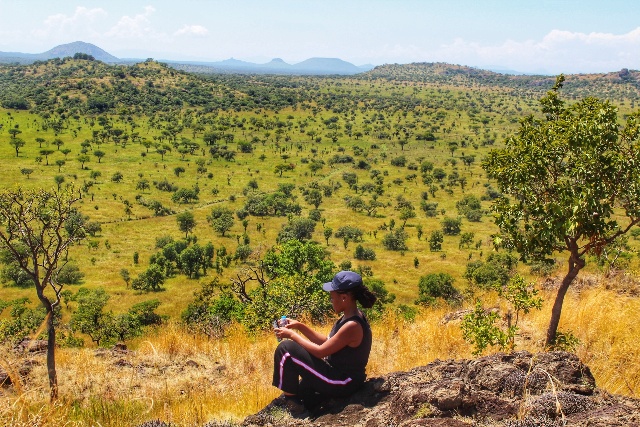
The sheer size of Pian Upe is one of the first things visitors notice. Unlike compact safari destinations where wildlife is concentrated around a small network of tourist tracks, Pian Upe consists of enormous rolling plains crossed by seasonal watercourses. Much of the landscape is wooded savannah grassland, while higher areas support additional vegetation and patches of forest. This creates an environment that feels open, isolated and distinctly different from Uganda’s wetter western safari regions.
The reserve is also undergoing a longer-term conservation and tourism-development process. In 2022, Uganda Wildlife Authority entered a co-management partnership involving Space for Giants and surrounding district governments with the aim of restoring wildlife, improving conservation management and increasing economic benefits for communities around the reserve.
Where Is Pian Upe Wildlife Reserve?
Pian Upe Wildlife Reserve lies in eastern Uganda, north of Mount Elgon and within the broader Karamoja landscape. Its location makes it particularly attractive for travelers who want to explore the less-visited eastern and northeastern parts of Uganda rather than concentrating exclusively on the popular western safari circuit.
One of the reserve’s dominant geographical features is Mount Kadam, formerly known as Mount Debasien. Rising to approximately 3,068 meters, Mount Kadam is the highest point within the reserve landscape and provides a dramatic mountainous backdrop to the surrounding plains. The lower parts of Pian Upe sit around 1,000 meters above sea level, creating considerable variation in altitude across the protected area.
The combination of mountains and open savannah is particularly attractive for photography. Wildlife can sometimes be viewed against distant ridges rather than against an uninterrupted flat horizon, producing landscapes that feel closer to the remote wilderness of northern Kenya than to many of Uganda’s better-known national parks.
Why Visit Pian Upe Wildlife Reserve?
The strongest reason to visit Pian Upe Wildlife Reserve is its sense of wilderness. Travelers who have already experienced popular African safari destinations often look for quieter environments where the landscape itself becomes as important as the wildlife. Pian Upe provides exactly that type of experience.
The reserve is not a destination where travelers should expect constant concentrations of safari vehicles around major predators. Instead, the experience involves searching extensive plains, observing wildlife in an enormous natural environment and appreciating the isolation of eastern Uganda. This makes Pian Upe particularly appealing to adventurous travelers, wildlife photographers, birdwatchers and repeat safari visitors.
Its wildlife diversity adds another reason to visit. Uganda Wildlife Authority lists species associated with Pian Upe including giraffes, buffaloes, waterbucks, Uganda kobs, mountain reedbucks, roan antelopes, Jackson’s hartebeests and oribis. Lions, leopards and cheetahs are also listed within the reserve’s fauna, although these predators should be regarded as difficult and potentially rare sightings rather than guaranteed safari encounters.
Wildlife in Pian Upe Wildlife Reserve
Wildlife viewing is one of the principal attractions of Pian Upe. The open grassland environment supports a notable collection of plains mammals, some of which are difficult to encounter in many other areas of Uganda.
Among the most interesting species is the roan antelope, a large and striking antelope distinguished by its powerful build, long curved horns and distinctive facial markings. Pian Upe has historically been one of Uganda’s important landscapes for this species. Other antelopes include Uganda kob, waterbuck, mountain reedbuck, oribi, Jackson’s hartebeest, topi and eland.
Zebras are also associated with the wider Pian Upe–Bokora–Matheniko ecosystem. UWA notes that elands, topis and zebras historically move between these connected landscapes according to breeding and seasonal rainfall patterns. This connectivity shows why protecting corridors between wildlife reserves is important rather than managing each protected area as an isolated island.
Buffaloes occur within the reserve, while smaller mammals and numerous less conspicuous species contribute to the broader ecosystem. Because Pian Upe is an expansive wilderness rather than a highly developed safari park, wildlife sightings can require patience and experienced guiding.
Giraffes in Pian Upe Wildlife Reserve
Giraffes are an increasingly important part of the Pian Upe wildlife story. Uganda Wildlife Authority began translocating giraffes to Pian Upe Wildlife Reserve in 2019, starting with a planned seed population intended to help restore the species within the landscape. UWA continues to list Pian Upe among Uganda’s protected areas where giraffes occur.
Seeing giraffes crossing Pian Upe’s broad savannah is particularly impressive because of the scale of the landscape. Their silhouettes can appear against Mount Kadam and other distant ridges, creating beautiful wildlife photography opportunities.
The restoration of giraffes also illustrates the conservation potential of Pian Upe. Instead of viewing the reserve only according to wildlife numbers recorded in previous decades, visitors should understand that it forms part of a changing conservation landscape where habitat restoration, wildlife protection and species recovery remain important priorities.
Lions, Leopards and Cheetahs
Large carnivores add considerable excitement to any Pian Upe safari. Uganda Wildlife Authority includes lion, leopard and cheetah among the species recorded within the reserve’s fauna. However, travelers should approach predator viewing with realistic expectations.
Pian Upe is not currently a destination to choose instead of Queen Elizabeth National Park or Murchison Falls solely because you want guaranteed opportunities to photograph lions. Wildlife occurs across a huge landscape, infrastructure is less developed and carnivore densities may be much lower than in Uganda’s established game-viewing destinations.
For adventurous travelers, however, that uncertainty is part of the attraction. Discovering tracks, searching distant grasslands and understanding how predators use such a large ecosystem can create a more exploratory form of safari. Any quality sighting of one of Pian Upe’s major carnivores should be treated as an exceptional wildlife encounter rather than an expected daily event.
Game Drives in Pian Upe
Game drives are one of the main ways to explore Pian Upe Wildlife Reserve. Uganda Wildlife Authority currently identifies game viewing as one of the reserve’s visitor activities. The experience is noticeably different from driving through Uganda’s highly developed national parks.
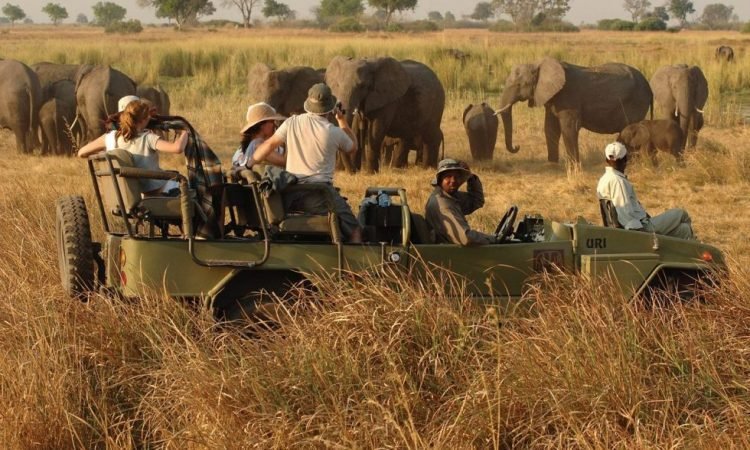
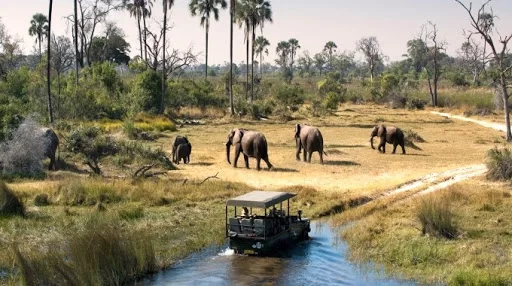
Instead of moving between heavily used safari circuits, visitors travel through an enormous landscape searching for wildlife across grasslands, woodland and seasonal drainage areas. Giraffes, buffaloes and different antelope species may be encountered as guides carefully scan the plains.
Early mornings are generally attractive because temperatures are cooler, wildlife tends to be more active and the low sunlight creates beautiful conditions for photography. Late afternoons can be equally rewarding as temperatures decline and golden light spreads across the grasslands.
A strong Pian Upe game drive should never be rushed. The appeal lies in allowing enough time to appreciate both the animals and the vastness of the surroundings.
Nature Walks and Exploring Pian Upe on Foot
Nature walks offer another way to experience Pian Upe. UWA includes guided nature walking among the tourism experiences available within the reserve. Walking changes the safari completely because travelers begin noticing features that are easily missed from a vehicle.
Animal tracks, plants, insects, smaller birds and subtle changes in vegetation become part of the experience. Visitors also gain a much better understanding of how large the landscape really is when moving through sections of it on foot.
Any wildlife walk should be undertaken with properly authorized guides or rangers and according to current reserve regulations. Pian Upe contains large wild animals and should never be approached as an unrestricted hiking area.
For photographers and travelers interested in ecology rather than simply checking animals off a list, combining game drives with a guided walk can make the safari significantly richer.
Birdwatching in Pian Upe Wildlife Reserve
Birdwatching is one of the strongest reasons to explore Pian Upe Wildlife Reserve, particularly for travelers interested in species associated with Uganda’s drier eastern and northeastern ecosystems. UWA specifically promotes Pian Upe for birdwatching, and historical conservation information identifies species such as the ostrich, secretary bird and yellow-billed shrike within the reserve.
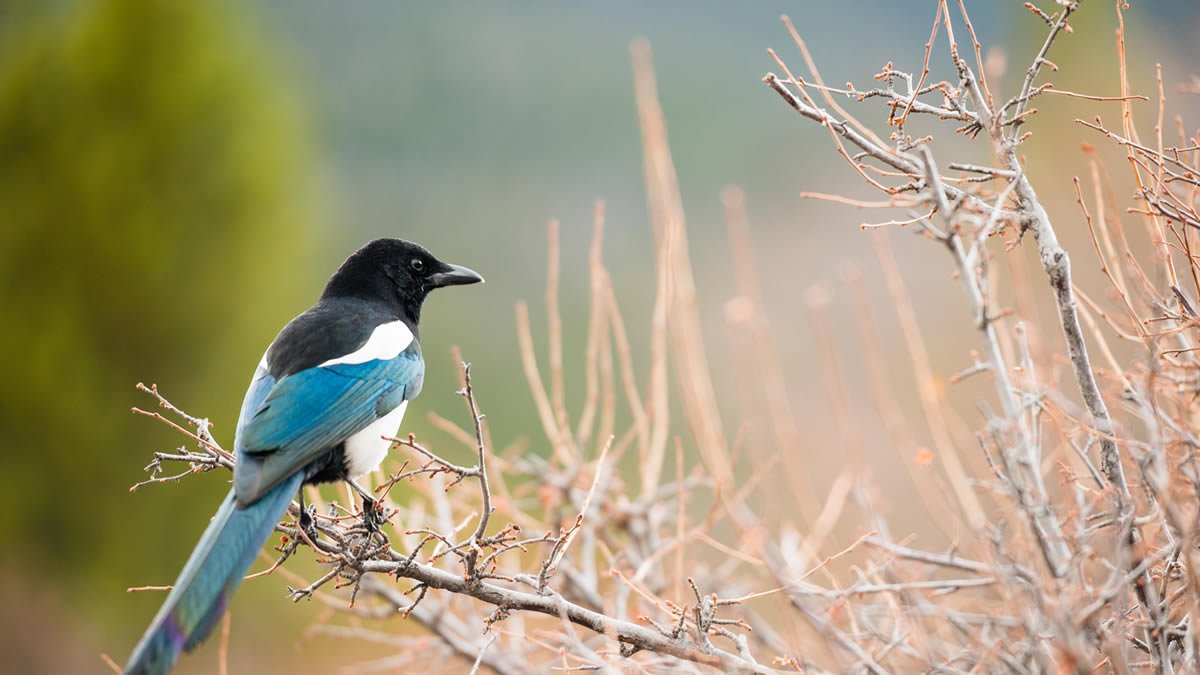
The varied habitats create opportunities to find birds associated with open grasslands, wooded savannah and seasonal wet areas. Raptors can often be particularly interesting in open environments where visibility extends across considerable distances.
The possibility of encountering ostriches adds special interest because they have a limited distribution within Uganda compared with many of the country’s more widespread birds. Seeing these enormous birds moving across open savannah adds to the distinctly northeastern character of the reserve.
Dedicated birdwatchers should allow more time than general safari visitors because Pian Upe’s size rewards patient exploration rather than a quick drive through one small section.
Landscapes and Mount Kadam
The scenery of Pian Upe deserves almost as much attention as its animals. The reserve occupies a high plateau consisting largely of rolling plains crossed by intermittent watercourses. During rainy periods, portions of the landscape may become inundated, while the dry season can transform the same areas into expansive grasslands.
Mount Kadam dominates parts of the reserve, reaching approximately 3,068 meters and creating a powerful backdrop to the lower savannah. Its presence makes Pian Upe especially attractive to landscape photographers and travelers who appreciate destinations where dramatic geography complements wildlife.
The visual character changes considerably throughout the day. Morning light can illuminate distant mountains while the plains remain cool and subdued. By late afternoon, warm sunlight often produces golden grasslands and long shadows beneath scattered trees.
Travelers should therefore resist treating Pian Upe merely as somewhere to search for specific animals. The wilderness landscape itself is one of the principal attractions.
Cultural Experiences Around Pian Upe
Pian Upe lies within a region where wildlife conservation and local communities are closely connected. UWA identifies cultural interaction with surrounding communities as one of the visitor experiences associated with the reserve.
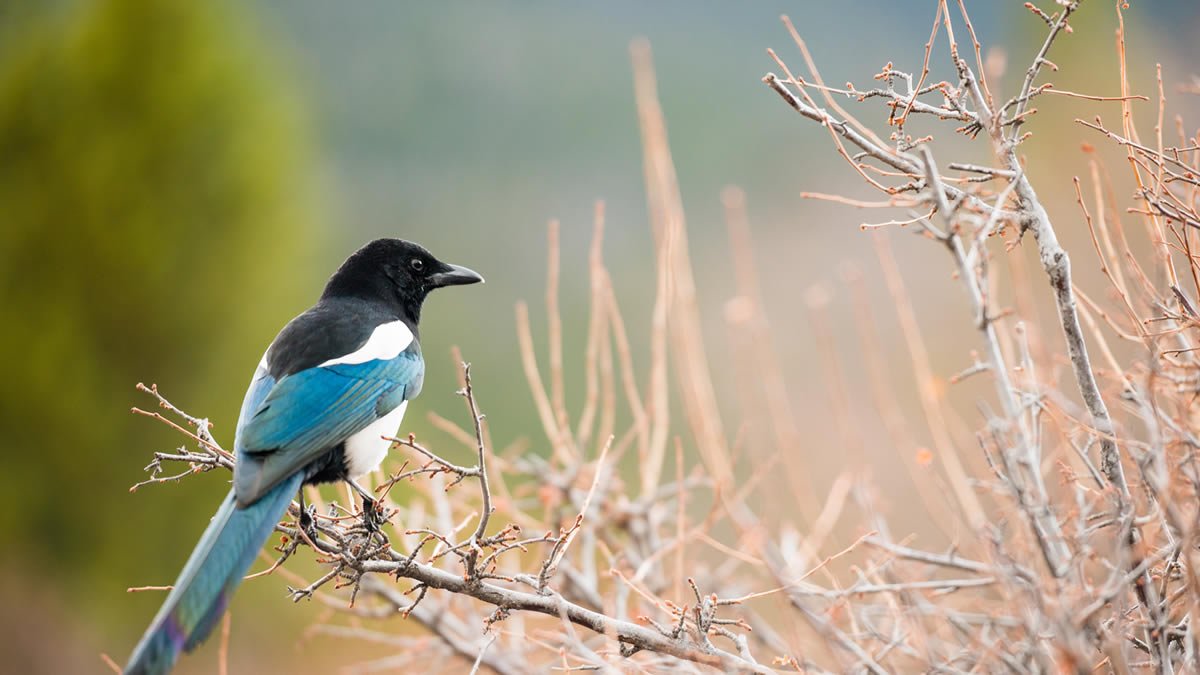
A responsibly organized cultural visit can help travelers understand the pastoral traditions, livelihoods and changing lifestyles of communities living around the protected landscape. Rather than reducing culture to brief staged performances, the strongest experiences focus on genuine interaction and understanding how people have historically lived alongside livestock, seasonal resources and wildlife.
Community involvement is also important to the future of Pian Upe. The co-management arrangements established for the reserve were designed not only around wildlife restoration but also around increasing conservation-related economic opportunities for neighboring districts and communities.
Nextgen Safaris can incorporate cultural experiences where suitable community programs are available and where visits provide genuine benefits to local residents.
Best Time to Visit Pian Upe Wildlife Reserve
Pian Upe can be explored at different times of the year, but rainfall has a significant influence on both the landscape and wildlife distribution. During drier periods, vegetation can become shorter and animals may be easier to locate around available water. Road and track conditions may also be more straightforward.
During the rains, the reserve changes dramatically. Grasslands become greener and seasonal watercourses fill, creating beautiful scenery and excellent conditions for landscape photography. However, UWA notes that sections of the reserve can experience inundation during the rainy season because of its soils and drainage patterns.
Travel dates should therefore be selected according to the overall itinerary and the type of experience desired. Travelers interested primarily in wildlife viewing may prefer generally drier conditions, while photographers and birders may appreciate the greener appearance of the wet season.
Because infrastructure and road conditions can change, current access should always be checked while planning the safari rather than relying entirely on general seasonal assumptions.
How Many Days Do You Need at Pian Upe?
For most travelers, two nights provide a practical introduction to Pian Upe Wildlife Reserve. This gives enough time for an afternoon exploration after arrival, a fuller wildlife-viewing day and another morning activity before departure.
Three nights are better for birdwatchers, photographers and travelers who specifically enjoy remote destinations. Pian Upe covers more than 2,300 square kilometers, so attempting to understand the reserve through one short game drive does not do justice to its scale.
Visitors incorporating Pian Upe into a longer eastern Uganda journey may also use the destination as part of a slow-travel itinerary rather than treating it as an isolated attraction. The most important consideration is not simply the number of nights but ensuring there is sufficient time for game viewing without spending the entire visit transferring between destinations.
Accommodation Around Pian Upe Wildlife Reserve
Accommodation around Pian Upe remains more limited than in established destinations such as Murchison Falls, Queen Elizabeth National Park or Bwindi. This is part of the reserve’s remote character and should be considered when designing an itinerary.
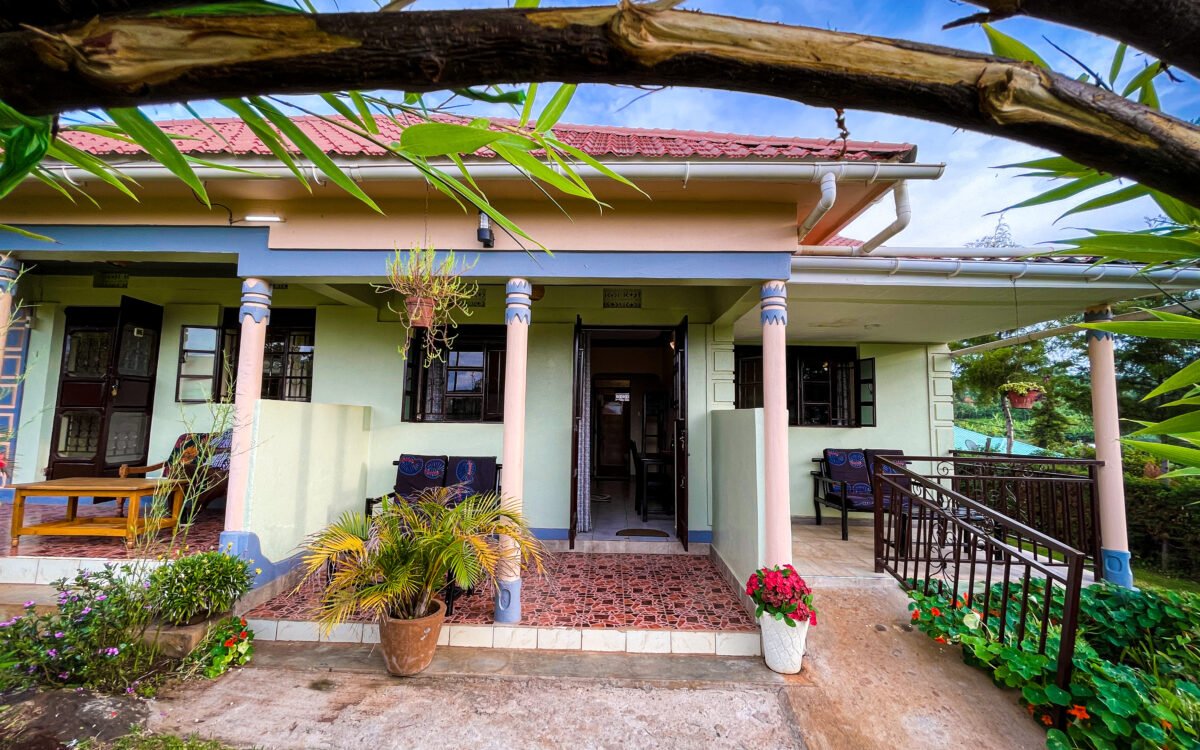
Travelers should expect accommodation arrangements to focus more heavily on practicality, location and access rather than a large selection of luxury safari lodges. Depending on the itinerary, it may also be practical to use accommodation outside the reserve and travel into Pian Upe for activities.
Because tourism infrastructure continues to develop alongside broader conservation investment, available properties and operational arrangements can change. The safest approach is therefore to confirm current accommodation options at the time of travel rather than relying on older lists found online.
Nextgen Safaris can match accommodation with the route being used, the activities planned and the traveler’s comfort expectations.
How to Get to Pian Upe Wildlife Reserve
Pian Upe is reached primarily by road. Its eastern Uganda location makes it particularly suitable for travelers already exploring the Mount Elgon region or continuing toward northeastern Uganda.
The reserve is considerably less developed for mass tourism than Uganda’s major national parks, so a suitable 4×4 vehicle and knowledgeable guide are especially valuable. Seasonal weather can affect some tracks, particularly because portions of the reserve are susceptible to wet conditions during periods of significant rainfall.
Travelers should approach the journey as part of the adventure rather than expecting the same infrastructure available around Uganda’s most visited parks. Road conditions, access points and activity availability should be verified close to travel dates.
This remoteness is precisely what appeals to many visitors. Arriving at Pian Upe feels like entering a part of Uganda that relatively few international safari travelers experience.
Combining Pian Upe with Kidepo Valley
One of the most exciting ways to use Pian Upe Wildlife Reserve is as part of a longer journey through eastern and northeastern Uganda. UWA itself describes Pian Upe as being positioned between Mount Elgon and Kidepo Valley National Park from a tourism perspective.
A longer northern journey can eventually continue toward Kidepo Valley, where travelers experience huge wilderness landscapes and a different concentration of savannah wildlife. This type of itinerary is particularly suitable for repeat African safari visitors who prefer remote landscapes and fewer tourist vehicles.
Pian Upe adds value to such a journey because it prevents the route from becoming simply a long transfer toward Kidepo. Instead, eastern Uganda becomes an important part of the safari experience in its own right.
Combining Pian Upe with Gorilla Trekking
Travelers with more time can also include Pian Upe within a comprehensive Uganda safari that eventually reaches southwestern Uganda for gorilla trekking. The contrast between the destinations could hardly be greater.
Pian Upe offers open plains, dry savannah, distant mountains and classic plains wildlife. Bwindi Impenetrable National Park offers steep rainforest landscapes and the opportunity to trek through dense vegetation in search of habituated mountain gorillas.
Such an itinerary requires more time because the two destinations lie in very different parts of Uganda, but it can create an exceptionally diverse safari for travelers wanting to experience more than the conventional tourist circuit.
Combining remote eastern wilderness with mountain gorillas demonstrates the extraordinary variety of landscapes that can be experienced within a single Uganda journey.
Conservation of Pian Upe Wildlife Reserve
Pian Upe has experienced significant conservation challenges over its history, including livestock pressure, settlement, habitat encroachment and historical poaching. UWA documentation acknowledges these pressures, while more recent conservation initiatives have focused on restoration and stronger management.
The 2022 co-management agreement between Uganda Wildlife Authority, Space for Giants and surrounding district governments represented an important step in that process. The partnership was established to mobilize conservation investment, restore wildlife and habitat, strengthen management and expand benefits to communities around Pian Upe.
This makes Pian Upe particularly interesting to travelers who enjoy seeing conservation areas during periods of recovery and development. It is not simply another mature safari park competing with Uganda’s established destinations. It is a landscape with considerable ecological potential whose future depends on effective wildlife protection, community participation and responsible tourism.
Is Pian Upe Wildlife Reserve Worth Visiting?
Pian Upe Wildlife Reserve is worth visiting for travelers who understand what makes it special. It is best suited to people seeking wilderness, unusual wildlife, birding, landscape photography and a journey away from Uganda’s mainstream safari routes.
Travelers whose only priority is seeing the maximum possible number of lions, elephants and other famous animals within a short period may be better served by one of Uganda’s established national parks. Pian Upe provides a different kind of value: space, remoteness, exploration and the chance to experience a conservation landscape still developing its tourism potential.
Roan antelopes, giraffes, buffaloes, ostriches, secretary birds and extensive savannah landscapes provide plenty of interest, while the possibility of encountering other rarer wildlife adds excitement.
For experienced safari travelers especially, Pian Upe can become one of those destinations remembered precisely because it does not feel like everywhere else.
Frequently Asked Questions About Pian Upe Wildlife Reserve
1. Where is Pian Upe Wildlife Reserve located?
Pian Upe Wildlife Reserve is located in eastern Uganda, north of Mount Elgon and within the wider Karamoja landscape. The reserve covers a vast area of savannah, seasonal wetlands, wooded grassland and mountainous terrain. Its remote location makes it an excellent destination for travelers looking for a quieter Uganda safari away from the country’s more frequently visited national parks.
2. What animals can be seen in Pian Upe Wildlife Reserve?
Wildlife in Pian Upe Wildlife Reserve includes giraffes, buffaloes, roan antelopes, Uganda kobs, Jackson’s hartebeests, oribis, waterbucks, elands and other plains animals. Predators such as lions, leopards and cheetahs have also been recorded in the wider reserve landscape, although sightings are uncommon. The reserve is especially interesting for travelers hoping to see species associated with Uganda’s drier eastern regions.
3. Is Pian Upe Wildlife Reserve worth visiting?
Yes, Pian Upe Wildlife Reserve is worth visiting for travelers who enjoy remote wilderness, birdwatching, wildlife photography and destinations with fewer tourists. It is not as developed for tourism as Murchison Falls or Queen Elizabeth National Park, but that is part of its appeal. Visitors experience wide-open landscapes, mountains and wildlife in a more adventurous safari environment.
4. What activities can I do in Pian Upe Wildlife Reserve?
Popular activities in Pian Upe Wildlife Reserve include game drives, birdwatching, guided nature walks, landscape photography and selected cultural experiences with communities around the reserve. The large open landscapes make game viewing particularly scenic, while birders can search for species associated with eastern Uganda’s dry savannah habitats.
5. What is the best time to visit Pian Upe Wildlife Reserve?
The best time to visit Pian Upe Wildlife Reserve generally depends on wildlife interests and road conditions. Drier periods can make wildlife easier to locate because vegetation is shorter and animals may gather around available water sources. Wetter periods bring greener landscapes and excellent scenery but can make some tracks more difficult to navigate.
6. How many days do I need in Pian Upe Wildlife Reserve?
Most travelers should consider spending around two nights in Pian Upe Wildlife Reserve. This provides enough time for game viewing, birdwatching and exploration without rushing through the reserve. Three nights may be better for photographers, birdwatchers and travelers who want a slower safari experience in this remote part of Uganda.
7. Can I see roan antelopes in Pian Upe Wildlife Reserve?
Yes. Pian Upe Wildlife Reserve is one of Uganda’s important landscapes for roan antelopes. These large antelopes are known for their strong build, distinctive facial markings and long curved horns. Sightings are never guaranteed because the animals move naturally across a large area, but Pian Upe remains an important destination for travelers interested in Uganda’s less commonly seen wildlife species.
8. Can Pian Upe Wildlife Reserve be combined with Kidepo Valley?
Yes. Combining Pian Upe Wildlife Reserve with Kidepo Valley National Park creates an excellent eastern and northeastern Uganda safari. Travelers can explore Pian Upe’s open plains and mountain landscapes before continuing farther north toward Kidepo for additional wildlife viewing. This combination is especially suitable for travelers who want a remote safari away from Uganda’s busiest tourism routes.
9. Can I combine Pian Upe Wildlife Reserve with gorilla trekking?
Yes. Travelers with enough time can combine Pian Upe Wildlife Reserve with gorilla trekking in Bwindi Impenetrable National Park. The two destinations offer completely different experiences, with Pian Upe featuring open savannah and plains wildlife while Bwindi offers tropical rainforest and mountain gorilla encounters. Nextgen Safaris can design a longer Uganda itinerary linking both regions efficiently.
10. How can I book a Pian Upe Wildlife Reserve safari?
You can book a Pian Upe Wildlife Reserve safari with Nextgen Safaris as a standalone eastern Uganda adventure or as part of a longer itinerary including Mount Elgon, Sipi Falls, Kidepo Valley, Murchison Falls or Bwindi. The safari can be customized according to your travel dates, budget, preferred accommodation level and wildlife interests.
Book Your Pian Upe Wildlife Reserve Safari with Nextgen Safaris
A Pian Upe Wildlife Reserve safari can be arranged as a dedicated eastern Uganda wildlife adventure or incorporated into a longer journey exploring Uganda’s remote northeastern landscapes. Depending on your available time, the safari can focus on game drives, birdwatching, guided nature experiences, photography and cultural interactions before continuing to other parts of Uganda.
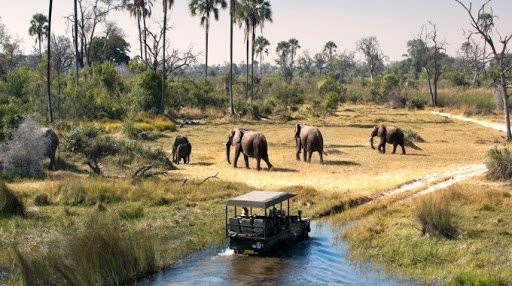
Nextgen Safaris can organize private transportation, experienced safari guiding, suitable accommodation and customized routing according to your travel dates, preferred level of comfort and the other destinations you would like to explore.
For travelers seeking something beyond Uganda’s traditional safari circuit, Pian Upe offers an exciting combination of wildlife, broad savannah, mountains and genuine wilderness.Contact Nextgen Safaris to plan your Pian Upe Wildlife Reserve safari and discover one of eastern Uganda’s most remarkable emerging wildlife destinations.