
Are Credit Cards Accepted in Uganda, Rwanda, Kenya, and Tanzania?
Should I Carry Cash or a Credit Card on an African Safari? Ultimate Money Guide
Are Credit Cards Accepted in Uganda, Rwanda, Kenya, and Tanzania? When planning an African safari, one of the most practical questions you may have is whether you should carry cash or rely on a credit card. The best answer is to carry both, because each payment method serves a different purpose during your journey. A credit card can be extremely convenient for major expenses, established hotels, safari companies, restaurants and other formal businesses, while cash remains useful for smaller purchases, tips, local markets and places where card facilities may not be available.
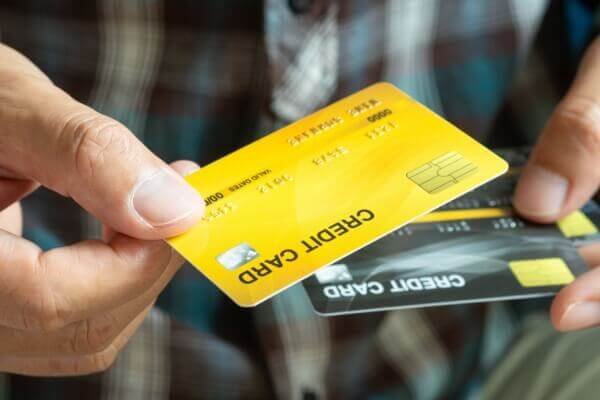
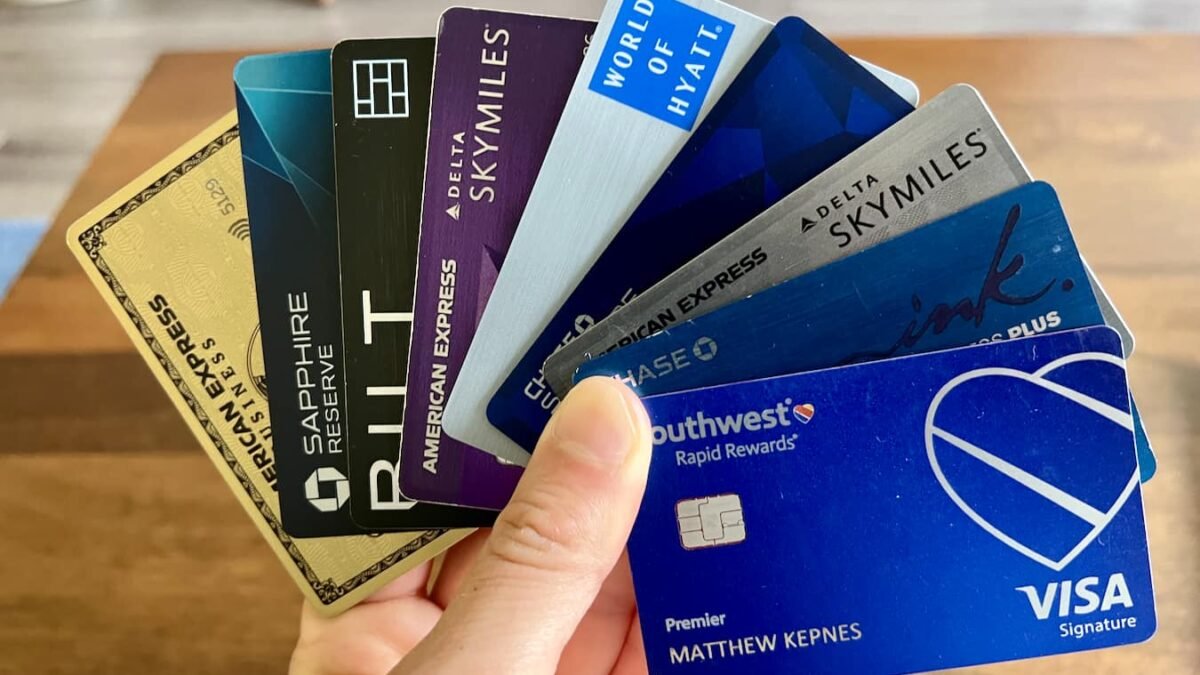
Your payment strategy can also change as you move between major cities and remote wildlife areas. In capital cities such as Kigali, Nairobi, Kampala and Arusha, you are more likely to find ATMs, banks, hotels, restaurants and businesses equipped for electronic payments. Once your safari vehicle leaves the city and heads towards a national park or remote conservation area, however, payment options can become less predictable. This is why relying exclusively on your credit card is not recommended.
The safest approach is to pay major safari expenses in advance where possible, carry an appropriate amount of local cash for everyday needs and keep at least one working credit or debit card available as a backup. This gives you flexibility without requiring you to carry excessive amounts of cash. It also means that a temporary card failure, poor network connection or unavailable ATM does not disrupt your safari.
Why You Should Carry Both Cash and a Credit Card
Cash and credit cards should not be viewed as competing payment methods. They complement each other. Your credit card is particularly useful for larger, planned expenses, while cash gives you flexibility in situations where electronic payment is unavailable or inconvenient. A safari can take you through several different environments in one day, and the payment method that works in a modern hotel may not work at a small roadside shop or community market.
When you book a safari through a professional operator, most of your major expenses can usually be arranged before you travel. Accommodation, transportation, permits, park activities and other major services may form part of your safari package, meaning you do not need to carry enough physical cash to pay for the entire trip. Your remaining personal expenses can then be handled using a combination of cash and cards.
Carrying both also gives you a safety net. If your credit card is temporarily blocked, you still have cash. If you lose your wallet or run short of local currency, you may still have access to your card. Rather than asking which one is better, think about how you can use each one strategically throughout your African safari.
When a Credit Card Is the Better Option
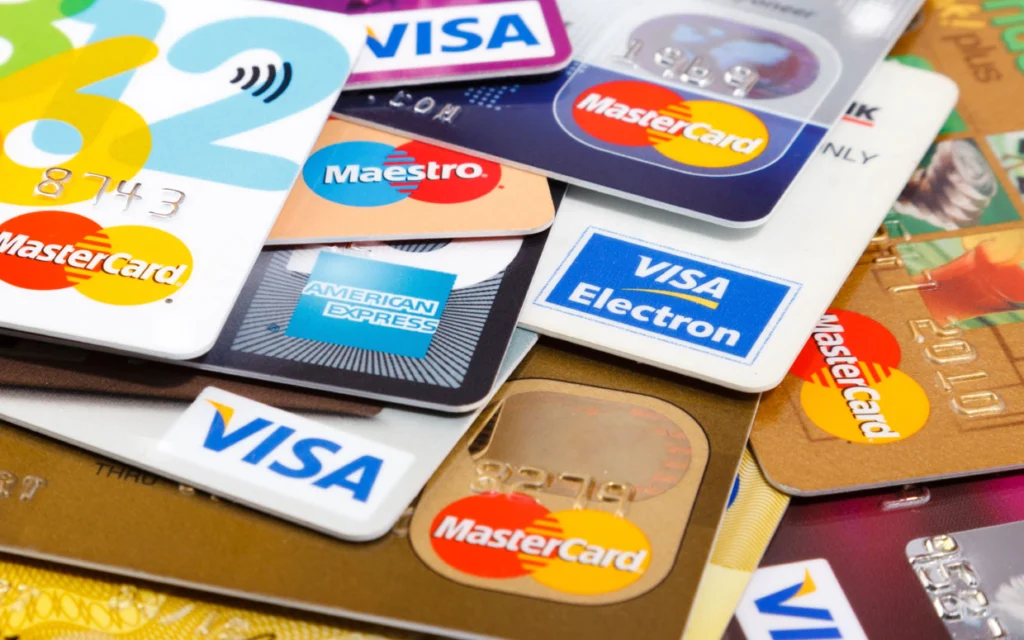
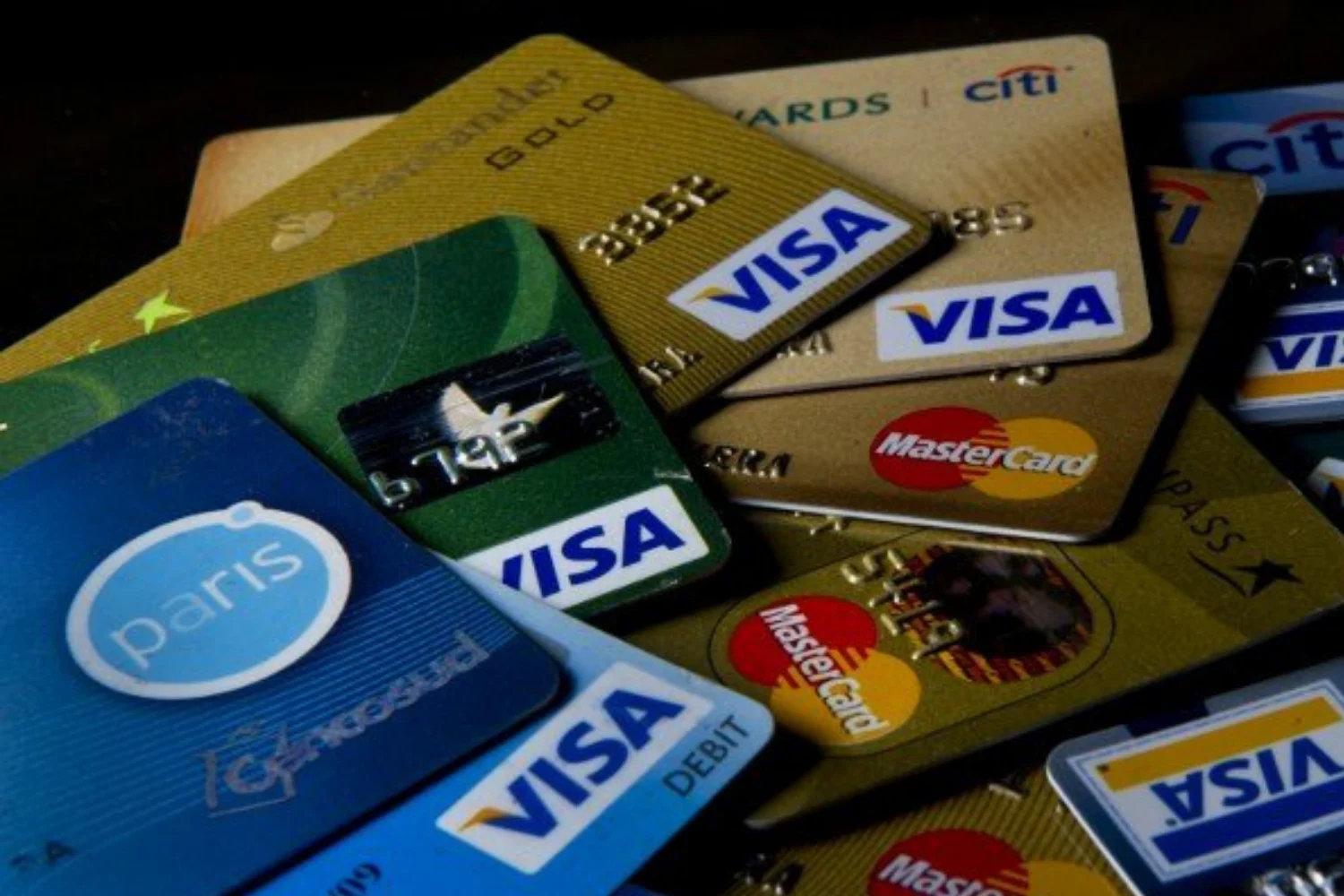
A credit card is particularly useful when you are making a relatively large payment at an established business. Hotels, safari companies, restaurants, airlines and larger tourism establishments may provide card payment facilities, making it unnecessary to carry large amounts of physical money.
Your card is also useful before you even arrive in Africa. When booking your safari from overseas, you may be able to pay a deposit or final balance electronically. This can be much more convenient than arranging international cash payments or carrying large amounts of foreign currency when you arrive.
Credit cards can also make record-keeping easier. Your transaction appears on your card statement, while the safari company should provide an invoice or receipt. Keeping both records gives you a clear history of your major travel expenses. If your safari is a significant investment, this documentation can be particularly useful for managing your travel budget.
However, you should always check whether the business accepts your particular card network and whether an additional payment-processing or foreign-exchange charge applies. Your card issuer may also impose its own international transaction charges.
When Cash Is the Better Option
Cash becomes particularly useful for smaller transactions and situations where electronic payment is uncertain. You may want to buy a handmade craft, purchase a drink from a small local business, pay for a minor personal expense or leave a tip for a service provider. In these situations, cash can be simpler and faster than trying to find a card terminal.
Cash can also be valuable in remote safari areas. A safari lodge may accept cards for your accommodation but not necessarily have a convenient card facility for every small purchase. Connectivity can also vary in remote areas, so a card terminal may occasionally be unavailable even when the property normally accepts cards.
Local currency is usually the most practical form of cash for everyday spending. In some tourist environments, US dollars may also be accepted, particularly for major tourism services, but you should not assume that every local business will accept foreign currency. Having an appropriate amount of local money gives you greater flexibility.
Should You Carry US Dollars on an African Safari?
US dollars can be useful on many African safari itineraries, particularly for international tourism services, but you should not treat dollars as a universal replacement for local currency. The usefulness of US dollars varies between countries, businesses and types of transactions.
Your safari company may quote your itinerary in US dollars, and some hotels or tourism businesses may also display prices in dollars. However, smaller shops, markets and local service providers commonly operate in the country’s local currency.
For this reason, you can carry some appropriate foreign currency if it is useful for your itinerary while also obtaining local currency for everyday spending. Your safari operator can advise you about the payment environment along your specific route.
It is also important to avoid carrying more cash than you actually need. Splitting your money between secure locations and keeping only a small amount accessible at any one time can make travelling more comfortable.
Should You Carry Local Currency?
Yes. Local currency is one of the most useful forms of spending money to have during an African safari.
Uganda uses the Ugandan shilling, Rwanda uses the Rwandan franc, Kenya uses the Kenyan shilling and Tanzania uses the Tanzanian shilling. If your safari crosses borders, you should pay attention to the currency you are carrying because money from one country may not be convenient or widely accepted in another.
Local currency is particularly useful for small purchases, markets, roadside stops, personal expenses and situations where a card terminal is unavailable. Even when major hotels and safari companies accept international cards, you may still encounter smaller businesses that operate almost entirely in cash.
The ideal amount depends on your itinerary, the number of days you will spend away from major towns and how many personal expenses you expect to have. You do not need to carry your entire spending budget in cash. Instead, maintain a practical amount and replenish it when necessary.
Should You Carry Cash in Rwanda?
Rwanda is one of the easier East African destinations for travellers who prefer electronic payments, particularly in Kigali and established tourism businesses. However, cash remains useful, especially when travelling outside major urban areas.
The Rwandan franc is the country’s principal currency, while US dollars can also be useful for certain tourism-related transactions. International cards are increasingly accepted, but acceptance is not universal. This means that you should not arrive in Rwanda expecting to pay for every small purchase with your credit card.
If your safari includes Kigali, Volcanoes National Park, Lake Kivu, Nyungwe or Akagera, your payment needs may vary considerably. Kigali provides a stronger banking and card-payment environment, while more remote areas may require greater reliance on cash.
If you are travelling to Volcanoes National Park for gorilla trekking, you should also think about personal expenses separately from the permit and safari package. Your major safari arrangements should ideally be confirmed before you travel, leaving you to carry only the cash needed for personal spending and appropriate tips.
Should You Carry Cash in Uganda?
Yes. Cash remains an important backup for travellers in Uganda, even if your safari company and many hotels accept cards.
Kampala and Entebbe have more developed banking and electronic payment facilities, but Uganda’s safari routes often take you far from the capital. Destinations such as Bwindi, Kibale, Queen Elizabeth National Park, Murchison Falls and other protected areas can involve long journeys through rural areas.
This makes it sensible to obtain appropriate local currency before entering a remote safari region. You may not need large amounts, especially if your accommodation and meals are already included in your safari package, but having cash available gives you peace of mind.
A credit card remains useful for major formal expenses and as an emergency backup. Your safari operator can help you estimate how much personal spending money is practical for your specific route.
Is It Safe to Carry Cash on an African Safari?
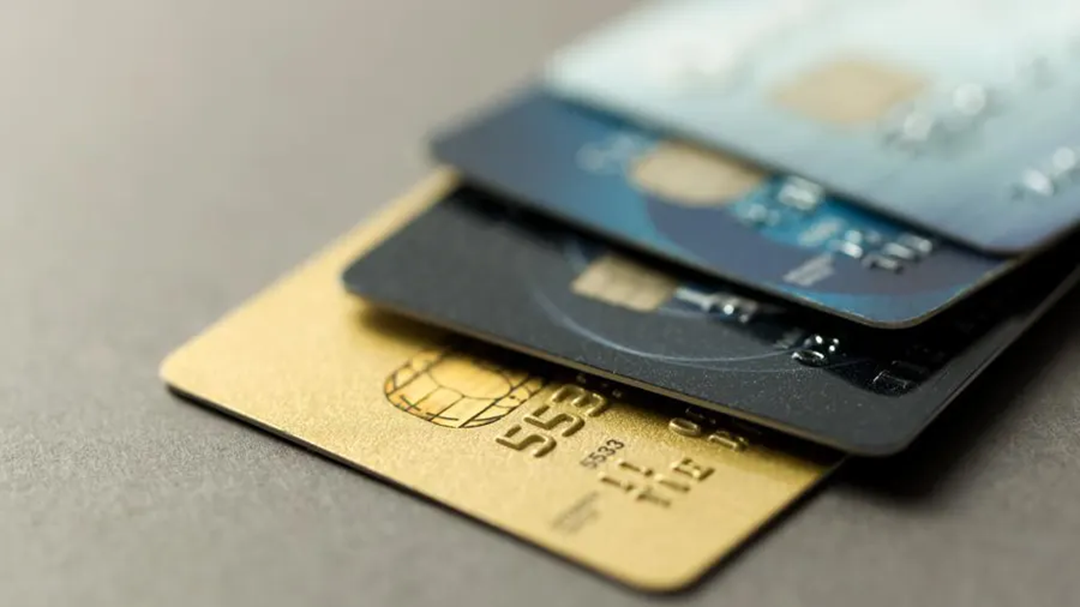
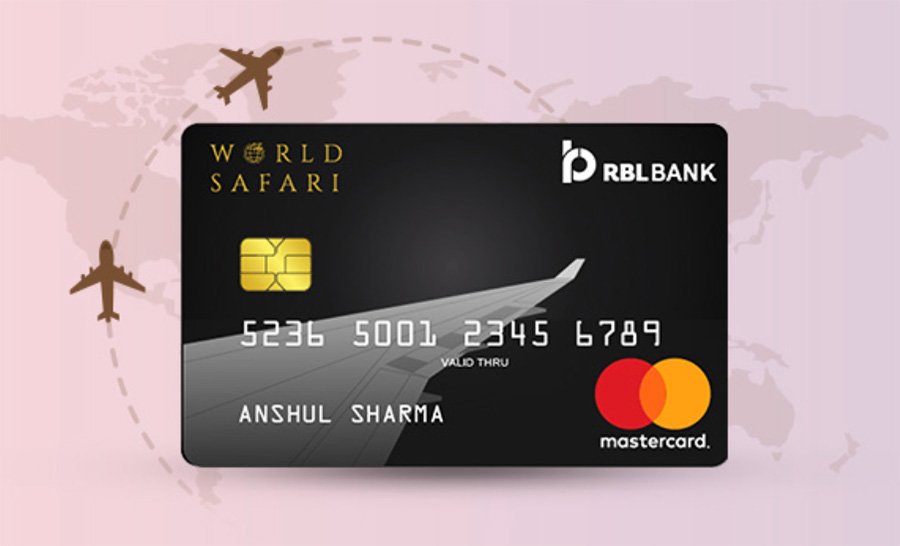
Carrying reasonable amounts of cash can be safe when you take sensible precautions. The important thing is to avoid displaying large amounts of money unnecessarily and to keep your cash secure.
Instead of placing all your money in one wallet, consider dividing it into separate secure locations. Keep the amount you need for the day accessible while storing the remainder securely at your accommodation or in another appropriate location.
You should also avoid counting large amounts of cash publicly. When exchanging currency, use reputable banks or licensed foreign-exchange providers rather than informal individuals offering unusually attractive rates.
Your safari guide or accommodation team can often provide practical advice about the safest way to manage money in the specific destination you are visiting.
Is It Safe to Use a Credit Card on Safari?
Using a credit card can be convenient and secure when you use it through established businesses and recognised payment systems.
Before entering your card details online, make sure you are dealing with the correct safari company or payment provider. When paying at a physical establishment, keep your card under your supervision where practical and check the amount on the payment terminal before approving the transaction.
You should also monitor your account during your trip. Most modern banking applications allow you to receive notifications whenever your card is used, which can help you identify unexpected transactions quickly.
Before travelling, inform your card issuer that you may be making international purchases. This can reduce the likelihood of legitimate safari-related transactions being blocked by automated security systems.
What If Your Credit Card Does Not Work?
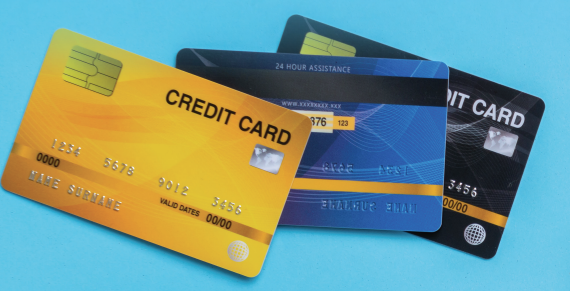
A card can fail for many reasons, and the problem does not necessarily mean that the country does not accept your card. Your bank may have blocked an unusual international transaction, you may have reached a spending limit or the payment terminal may temporarily be offline.
This is why you should never travel with only one payment method.
If your primary card stops working, you can use your backup card or cash while contacting your bank. Keep your bank’s international customer-service information somewhere secure and make sure you know how to freeze or replace the card if necessary.
Having a second card from a different payment network can provide additional flexibility. If one network is not accepted by a particular merchant, another may work.
Should You Carry Two Credit Cards?
Carrying two cards is a sensible strategy for an international safari. You do not necessarily need two expensive premium cards; what matters most is having a reliable backup.
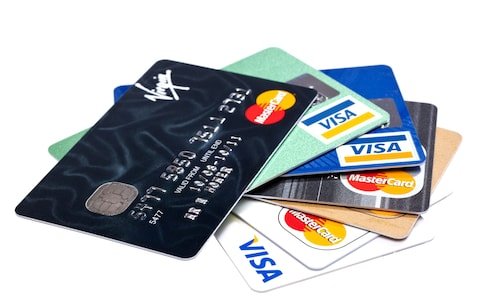
If possible, use cards from different networks. For example, having a Visa and Mastercard can provide greater flexibility than carrying two cards that use exactly the same payment network.
Do not keep both cards in the same wallet. If your wallet is lost or stolen, you want to retain access to an alternative payment method.
Your backup card should also be enabled for international transactions and should have enough available credit to handle an emergency expense.
Credit Card vs Cash for Safari Tips
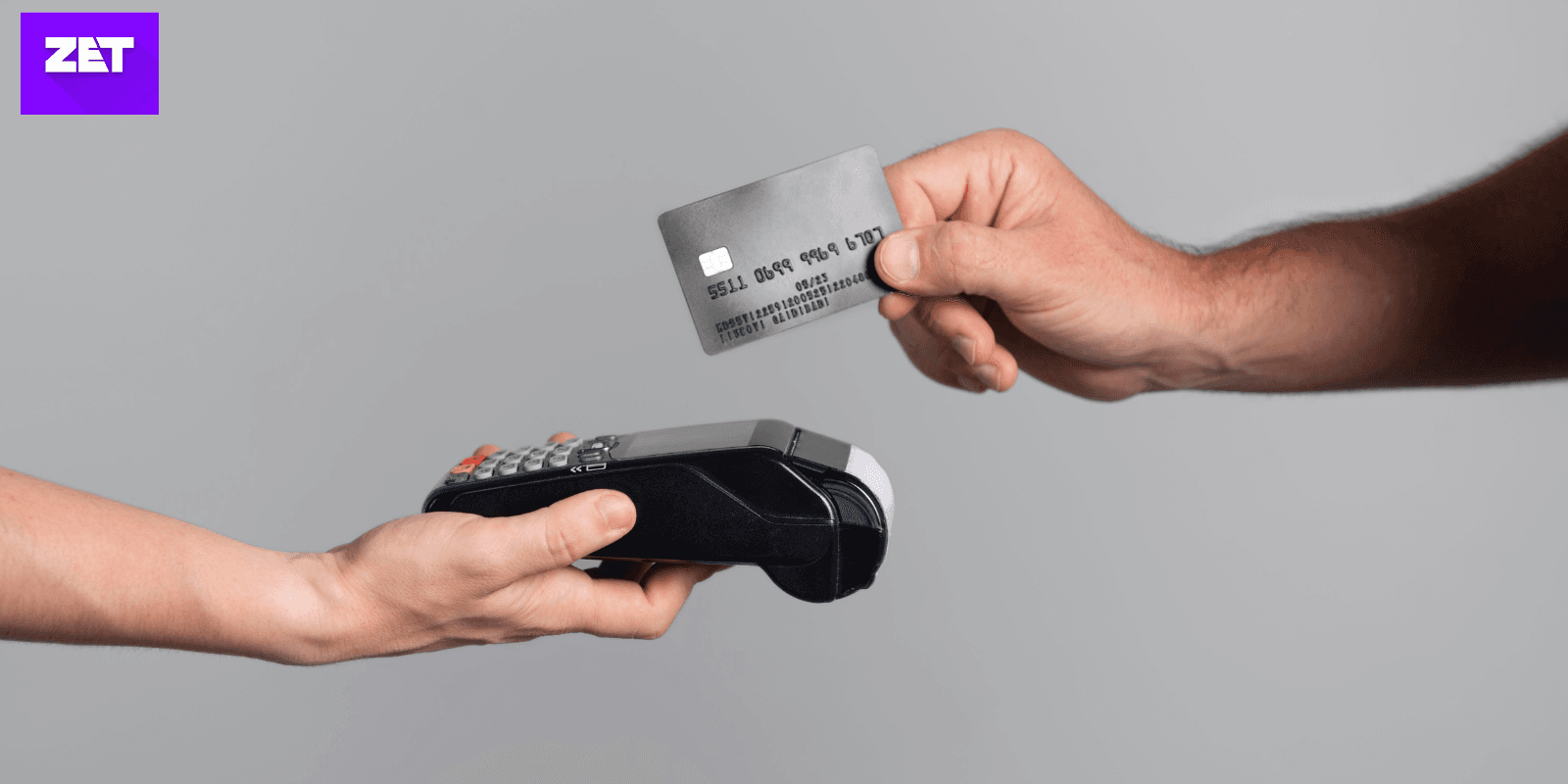
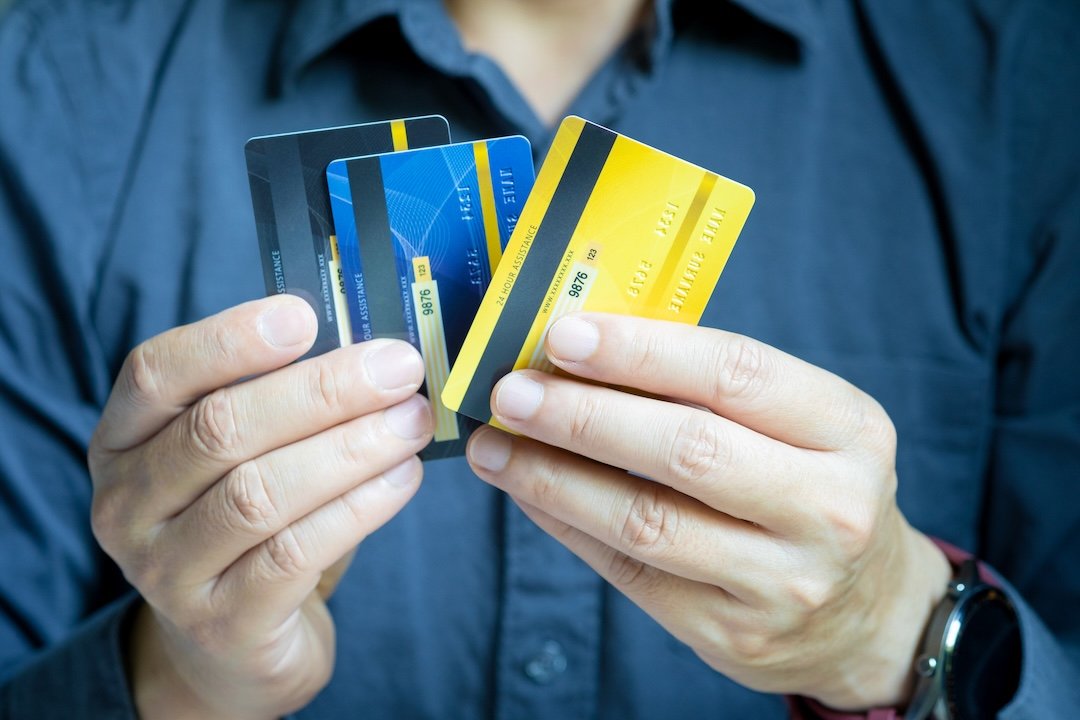
Tips are one area where cash can remain particularly useful. Depending on the country, accommodation and safari arrangement, you may want to tip guides, drivers, trackers, porters, lodge staff or other service providers.
Although some businesses may allow tips to be added to a card transaction, cash can make tipping more straightforward, especially when you want to recognise a specific individual for excellent service.
The amount you tip is a personal decision and should reflect the quality of service and your own budget. Your safari operator can provide general guidance about customary tipping practices for your destination.
It is useful to carry smaller denominations so that you do not have to ask someone to provide change for a larger note.
Credit Card vs Cash for Shopping and Souvenirs
Cash can be particularly convenient when shopping for local crafts and souvenirs. Small markets, community craft centres and independent artisans may not have card terminals, while cash can allow you to make a simple purchase without depending on internet connectivity.
At established shops and larger retail centres, cards are more likely to be accepted.
If you plan to buy substantial souvenirs, artwork or other locally made products, ask about the payment method before making your purchase. You should also keep your spending within the budget you established before the trip.
Shopping is one of the reasons it is useful to have both cash and a card rather than depending exclusively on one payment method.
Can You Withdraw Cash From ATMs During an African Safari?
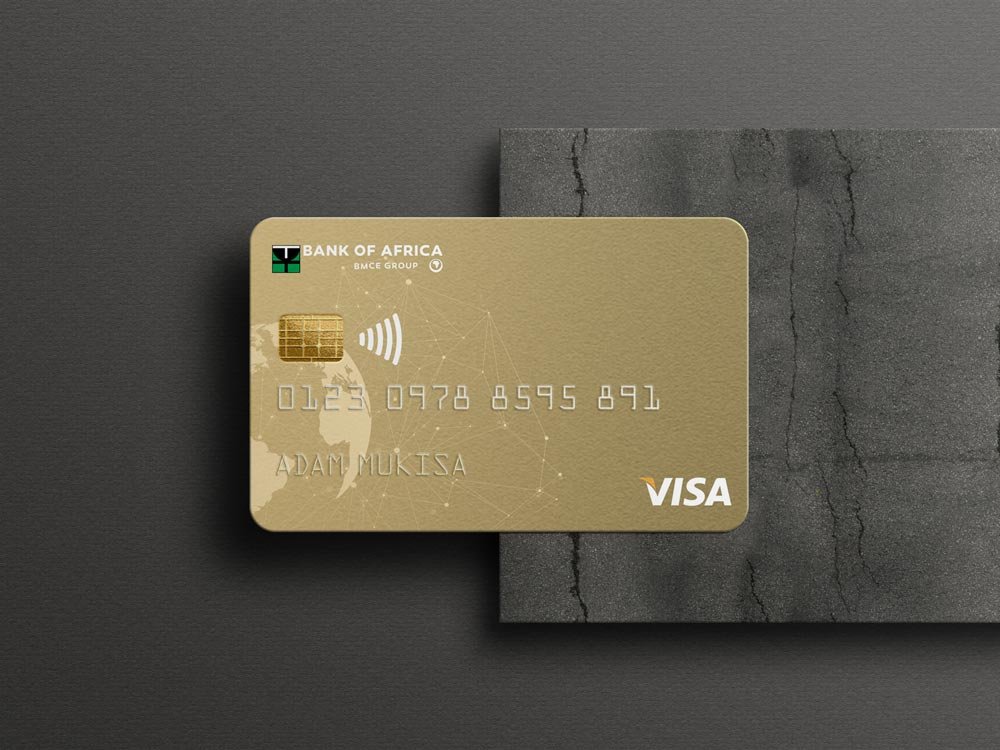
ATMs are available in major cities and many larger towns across East Africa, but their availability becomes less predictable as you move towards remote safari areas.
This means you should not wait until you are deep inside a national park to discover that you need additional cash. If you know that you will spend several days away from a major town, plan your cash requirements beforehand.
Your safari operator can advise you about the last practical opportunity to access banking services before reaching a particular national park or remote lodge.
When using an ATM, use one located at a reputable bank or established commercial location where possible, and be aware that your own bank may charge an international withdrawal or currency-conversion fee.
Should You Exchange Money Before Your Safari?
It can be useful to arrive with some accessible spending money, but you do not necessarily need to exchange your entire travel budget before departure.
Your requirements will depend on the country you are visiting and whether your safari package already covers the majority of your expenses. If you are travelling through multiple countries, exchanging too much of one country’s currency can also become inconvenient when you cross a border.
A balanced approach is to arrange the major safari payments in advance, carry a suitable emergency reserve and obtain local currency when needed through reputable financial institutions or authorised exchange providers.
Avoid exchanging large amounts of money through informal individuals simply because they promise a better rate.
Should You Use Your Credit Card for Everything?
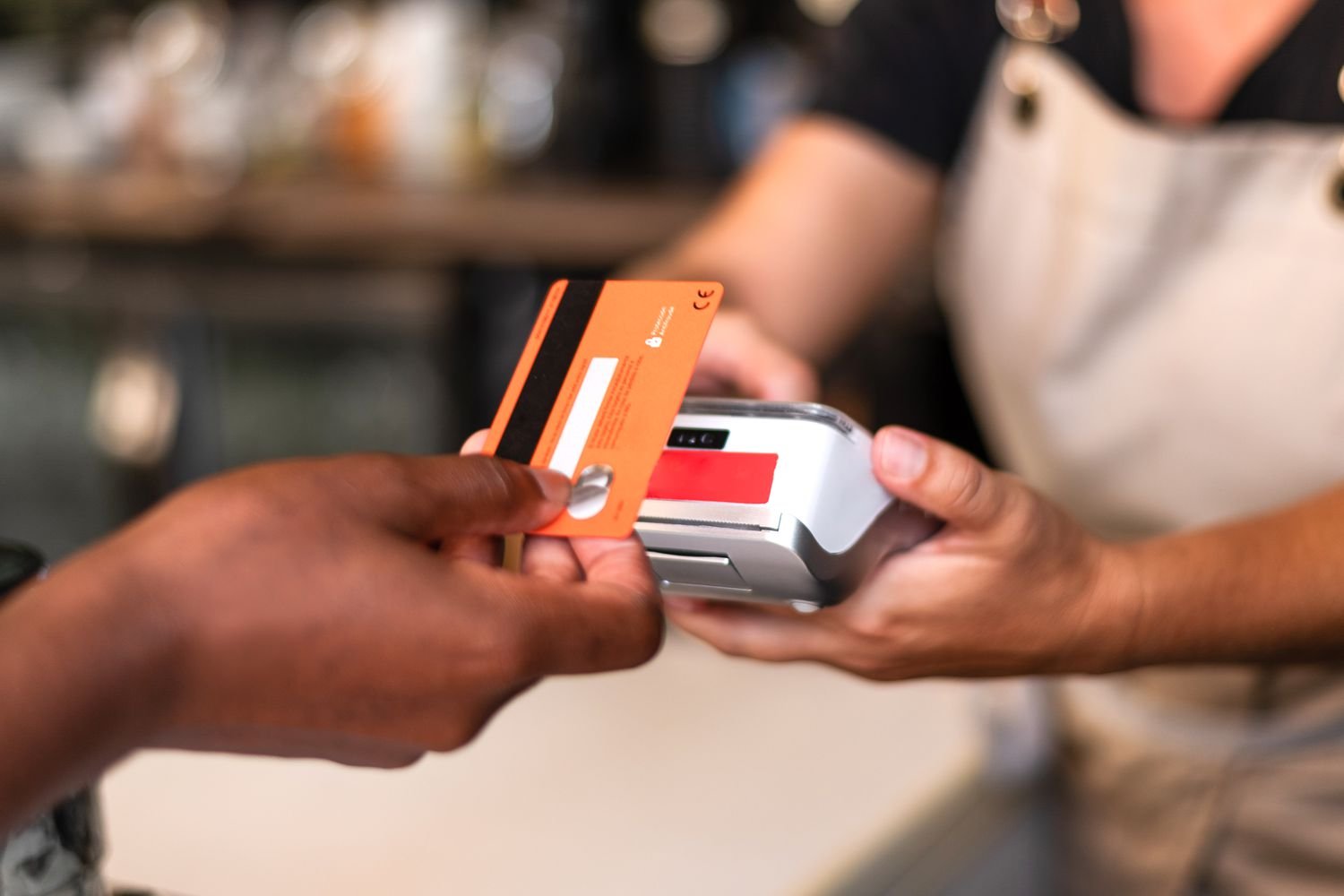
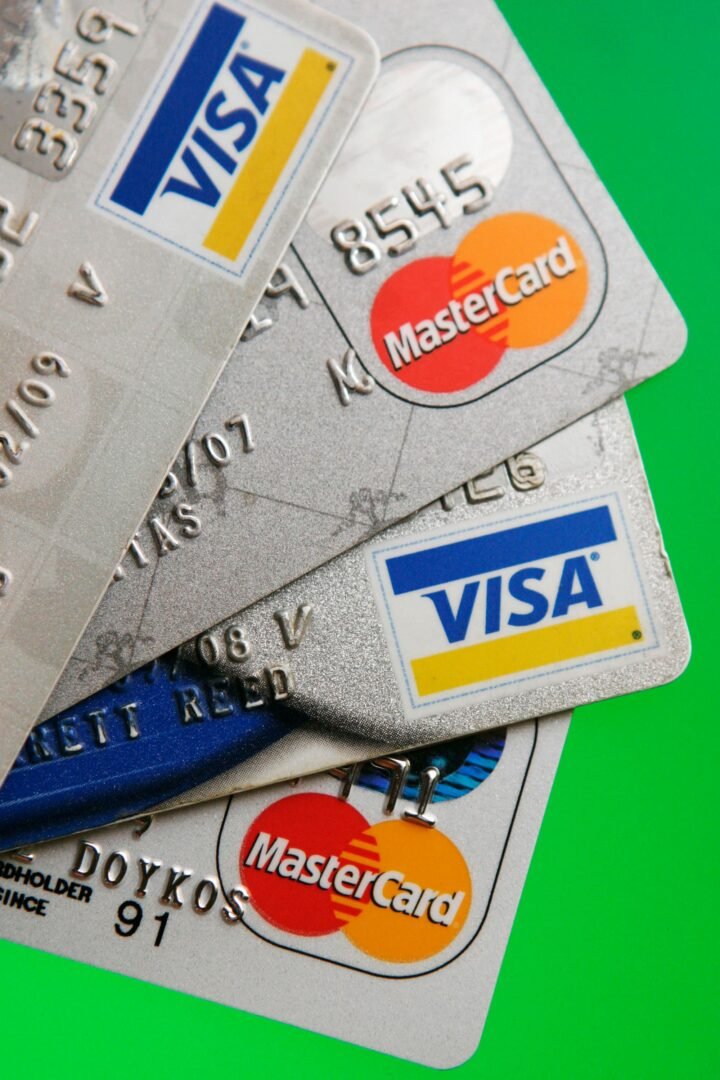
No. Although using your card for everything may seem convenient, it can create unnecessary problems if you travel into areas with unreliable connectivity or limited card facilities.
You may also incur foreign transaction fees every time you use the card, depending on your bank’s terms. Small purchases can therefore become more expensive if your card issuer applies a fee to each transaction.
Using a combination of payment methods gives you greater control. Use your card for major purchases and formal businesses, while using local cash where it is more practical.
This approach is especially useful on a long safari where you may move through several different environments.
What Payment Method Is Best for a Gorilla Safari?
For a gorilla safari, the best strategy is to arrange your major expenses before travelling. Gorilla permits are date-specific and form an important part of the overall itinerary, so you should not plan to arrive at the park with the expectation that you can simply pay for everything in cash on the day.
Your safari operator can help coordinate the permit, accommodation, transportation and other activities before your arrival. This leaves your credit card and cash available primarily for personal expenses during the safari.
If you are trekking in Rwanda, the official tourism information indicates that card use is growing and that ATMs are available in Kigali and major cities, while cash remains useful for local services.
For Uganda, UWA provides card-payment facilities for its products and services, but your safari route can take you far beyond major urban centres.
What Payment Method Is Best for a Kenya Safari?
Kenya offers a strong combination of card and electronic payment options, particularly in established tourism businesses. Kenya Wildlife Service currently provides an online park-entry payment system for self-organised visitors that accepts Visa Card, M-Pesa and direct bank transfer, while package-tour park fees can be included by the tour operator.
Even with these options, carrying cash remains sensible because your safari may include rural communities, small shops, markets and other places where card payment is less predictable.
A credit card is therefore excellent for major formal expenses, while cash provides flexibility when you are away from the main tourism infrastructure.
What Payment Method Is Best for a Tanzania Safari?
Tanzania is well suited to travellers who use a combination of cards and cash. Official tourism guidance states that credit and debit cards, as well as cash, are widely accepted in major hotels, restaurants and shops.
However, safari travel can take you far from major urban areas. If you are spending several days in the Serengeti, Ngorongoro or other remote destinations, it is sensible to have cash available before leaving the main town.
Your credit card remains useful for larger expenses, while cash can cover smaller personal purchases, tips and situations where a card terminal is unavailable.
What Payment Method Is Best for a Rwanda Safari?
Rwanda is particularly convenient for travellers who prefer cards, especially in Kigali and established tourism businesses. Official tourism information states that ATMs and point-of-sale devices accept several major international card networks, while local services can still require cash.
If your safari includes Volcanoes National Park, Akagera, Nyungwe and Lake Kivu, your payment needs may change as you travel through different areas.
The ideal approach is therefore to use your card for larger formal transactions and carry local currency for smaller expenses. If your safari is already fully organised, your personal cash requirements may be relatively modest.
What Payment Method Is Best for a Uganda Safari?
Uganda is another destination where a combination of card and cash is recommended. Major hotels, safari operators and formal tourism businesses may accept international cards, while remote destinations can have fewer electronic payment options.
UWA’s official guidelines confirm that its products and services can be paid for using card facilities at designated payment centres and that its POS machines accept Visa-enabled cards.
Nevertheless, a Uganda safari can take you into remote areas such as Bwindi, Kibale, Queen Elizabeth National Park and Murchison Falls. You should therefore make sure you have appropriate cash before leaving major urban centres.
The Best Money Strategy for a Multi-Country Safari
If you are combining Uganda, Rwanda, Kenya and Tanzania in one journey, payment planning becomes even more important because each country uses a different local currency.
Rather than carrying large quantities of several currencies, arrange your major safari services before travelling and use cards for larger formal payments where accepted. Obtain local currency as you enter each destination or when your itinerary reaches a suitable banking centre.
A backup credit card becomes especially valuable on a multi-country journey because you have more opportunities to encounter different payment systems.
Your safari operator can also help you understand when you should access cash before entering a remote destination.
Should I Carry Cash or a Credit Card on an African Safari? The Final Answer
If you are still asking, “Should I carry cash or a credit card on an African safari?”, the best answer is simple: carry both, but use them for different purposes.
Your credit card is ideal for major planned expenses, established hotels, safari companies, larger restaurants and other formal businesses. It can also be used to pay for your safari before arrival where the operator or payment provider accepts your card.
Cash is your practical backup for smaller purchases, tips, local markets, community experiences, roadside stops and places where card facilities are unavailable.
Do not carry your entire travel budget in cash, and do not assume that your credit card will work everywhere. A combination of the two gives you the greatest flexibility and peace of mind.
Book Your African Safari With Nextgen Safaris
Once your payment arrangements are clear, the next step is to plan the safari itself. Rwanda Family Tours can help you organise a complete African safari around your preferred destinations, travel dates, accommodation level and wildlife interests.
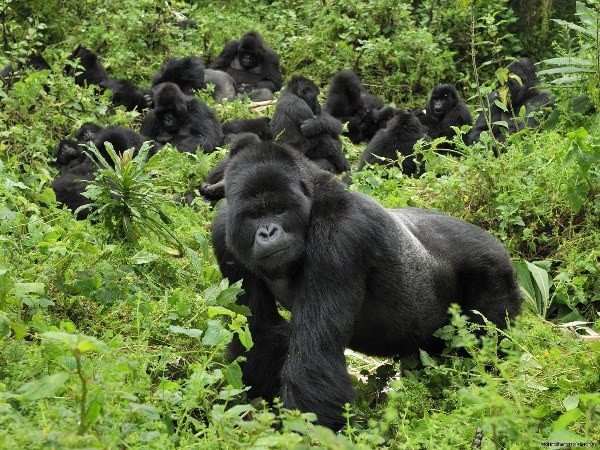
Whether you want to track mountain gorillas in Rwanda or Uganda, search for the Big Five in Kenya or Tanzania, explore chimpanzee habitats, enjoy a family safari, plan a honeymoon or create a luxury multi-country African journey, your itinerary can be designed around the experiences that matter most to you.
When you book your safari in advance, major expenses such as accommodation, transportation, permits and planned activities can be incorporated into the quotation. This means you can travel with a clearer idea of what has already been paid and how much personal spending money you are likely to need.
If you are travelling with children, include their ages. If you are planning gorilla trekking, provide your preferred trekking country and dates. Photographers, birders and wildlife enthusiasts should also mention their specialist interests because these can influence the pace and structure of the itinerary.
Whether you dream of mountain gorillas in Rwanda, gorilla trekking in Uganda, the Maasai Mara in Kenya, the Serengeti in Tanzania, chimpanzee trekking, Big Five wildlife or a luxury multi-country safari, Rwanda Family Tours can help you create a journey around your priorities.
Send us your travel dates, number of travellers, preferred destinations, accommodation style and safari interests to request your personalised quotation.
Once your safari is organised, you can travel with your major arrangements confirmed, your credit card available for larger expenses and an appropriate amount of local cash for the smaller experiences that make an African journey memorable.
Plan wisely, carry both cash and a card, and get ready for an unforgettable African safari.