
Bigodi Wetland Walk
Ultimate Bigodi Wetland Walk: Discover Uganda’s Hidden Nature Paradise Near Kibale Forest
The Bigodi Wetland Walk is one of Uganda’s most rewarding nature experiences, offering travelers an opportunity to explore a beautiful community-managed wetland ecosystem filled with wildlife, bird species, plants, and fascinating cultural encounters. Located near Kibale Forest National Park in western Uganda, Bigodi provides a peaceful alternative to traditional wildlife activities while showcasing the incredible connection between conservation and local communities.

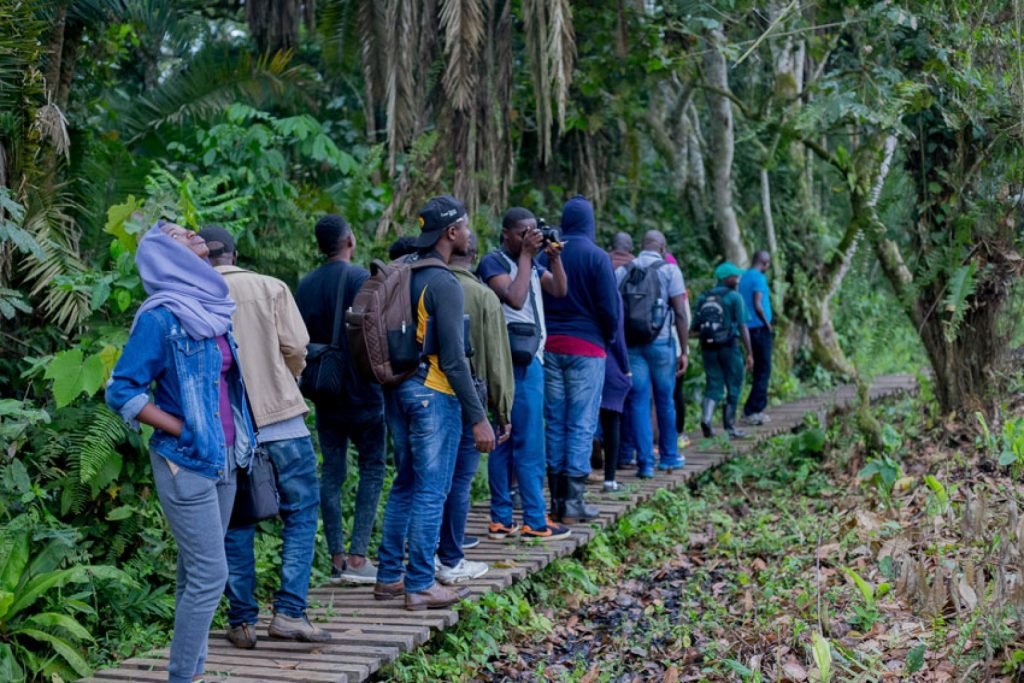

Unlike a typical forest excursion, the Bigodi Wetland Walk combines nature exploration with cultural discovery. Visitors follow guided trails through wetlands, forests, and local landscapes while learning about the importance of protecting natural habitats. The experience allows travelers to discover Uganda’s biodiversity at a slower pace while enjoying close encounters with birds, primates, and unique plant species.
At Nextgen Safaris, we include the Bigodi Wetland Walk as an excellent addition to chimpanzee trekking and Kibale Forest safaris. Our carefully planned experiences allow travelers to explore the wetland, learn from knowledgeable local guides, and appreciate how community conservation efforts are protecting one of Uganda’s most important ecosystems.
Overview of the Bigodi Wetland Walk
The Bigodi Wetland Walk takes place in the Bigodi area, located close to Kibale Forest National Park, one of Africa’s most important rainforest destinations. The wetland is managed by the local community through conservation initiatives that aim to protect biodiversity while improving the livelihoods of people living around the ecosystem.
The wetland consists of swamps, small streams, forest patches, and rich vegetation that provide habitats for many wildlife species. Although it is not a national park, Bigodi has become one of Uganda’s most famous community tourism destinations because of its exceptional biodiversity and successful conservation model.
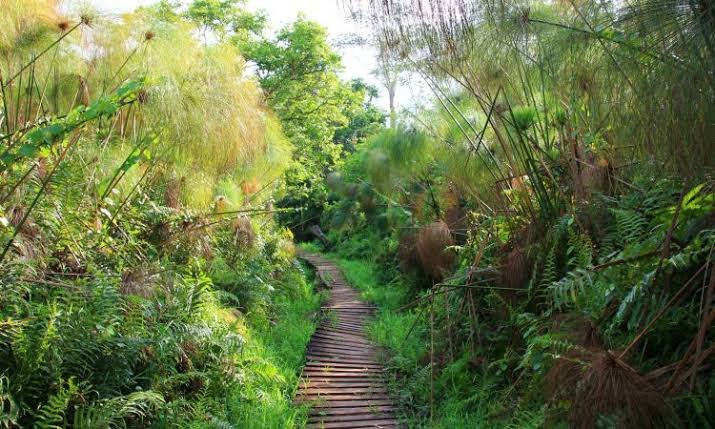
The guided walk usually takes visitors along well-maintained trails where they can observe wildlife, learn about traditional uses of plants, and understand how local communities work together to preserve the environment. It is an experience that combines nature, education, and cultural interaction.
Why the Bigodi Wetland Walk Is Special
The uniqueness of the Bigodi Wetland Walk comes from its combination of wildlife, conservation, and community involvement. While many safari experiences focus mainly on large animals, Bigodi provides a deeper look into the smaller details of Uganda’s natural world, including birds, butterflies, plants, and primates.
The wetland is especially famous among bird watchers because of the incredible variety of bird species found within its habitats. The combination of wetlands and forest vegetation creates ideal conditions for both common and rare bird species, making it one of the best birding locations near Kibale Forest.
Beyond wildlife, the experience also highlights the importance of community-led conservation. Local guides who lead the walks are knowledgeable about the environment, wildlife behavior, traditional practices, and the history of the area, creating a more meaningful experience for visitors.
Wildlife Found During the Bigodi Wetland Walk
One of the highlights of the Bigodi Wetland Walk is the opportunity to observe a variety of wildlife species within a relatively small area. The wetland provides a safe habitat for several primates, mammals, birds, and reptiles that depend on this unique ecosystem.
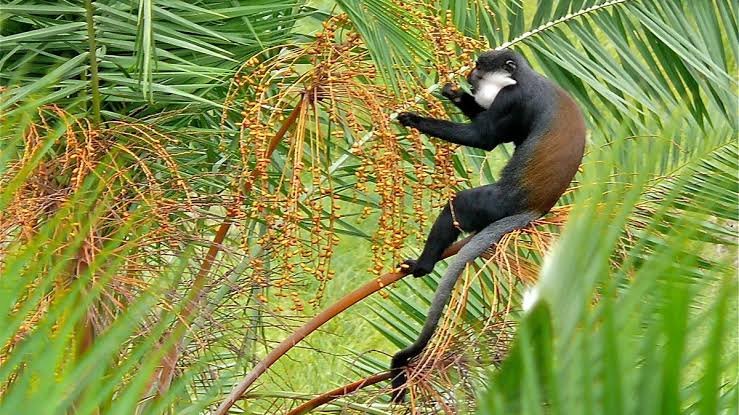

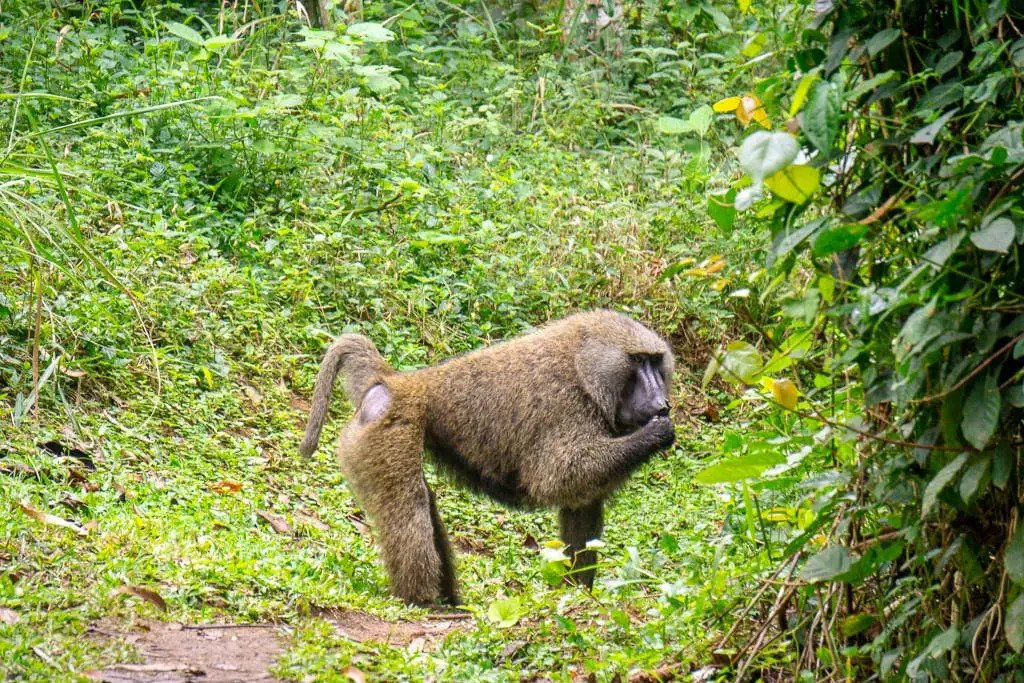
Visitors may encounter primates such as red-tailed monkeys, black-and-white colobus monkeys, blue monkeys, and olive baboons moving through the trees. These sightings provide excellent photography opportunities and allow travelers to appreciate the diversity of Uganda’s forest wildlife.
Other wildlife species that may be seen include bushbucks, mongooses, squirrels, and different reptiles. While sightings are not guaranteed, the excitement of exploring the wetland comes from discovering unexpected wildlife moments along the way.
Bird Watching During the Bigodi Wetland Walk
Bigodi Wetland is considered one of Uganda’s top birding destinations because it supports a remarkable variety of bird species. The combination of wetlands, forests, and agricultural landscapes creates diverse habitats where many birds thrive.
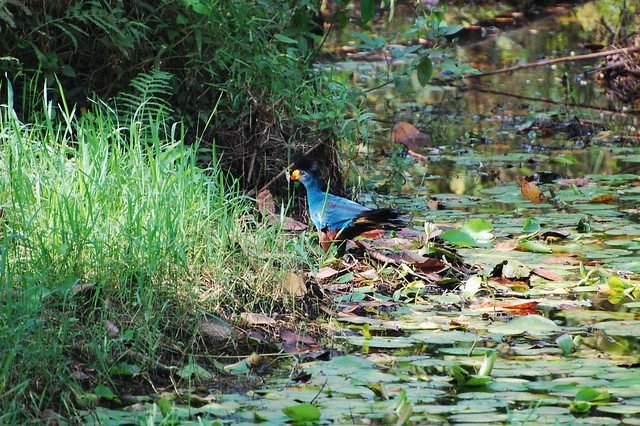
Bird enthusiasts visiting Bigodi may spot species such as the great blue turaco, African pitta, hornbills, kingfishers, herons, and many colorful forest birds. The peaceful walking trails provide excellent opportunities for bird photography and observation.
Professional local guides help visitors identify different species and explain their behaviors, habitats, and importance within the ecosystem. For bird lovers, the Bigodi Wetland Walk offers a rewarding experience that complements chimpanzee trekking in Kibale Forest.
The Role of Community Conservation in Bigodi
The success of the Bigodi Wetland Walk is closely connected to community conservation efforts. Local residents play an important role in protecting the wetland by participating in tourism activities and conservation programs.

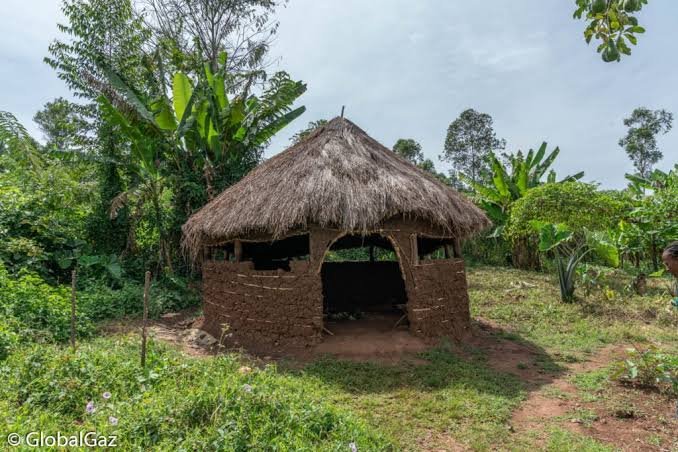
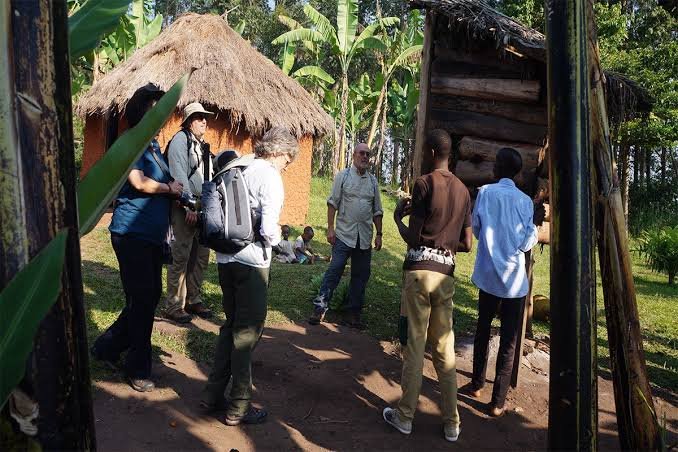
Before community tourism initiatives were introduced, many natural areas faced pressure from human activities. The development of the wetland walk created an alternative way for communities to benefit economically from protecting the environment.
Income generated from guided walks supports local projects, education programs, and community development initiatives. This demonstrates how responsible tourism can create a positive relationship between wildlife protection and local livelihoods.
Cultural Experiences Around Bigodi Wetland
The Bigodi Wetland Walk is not only about wildlife; it also provides visitors with opportunities to experience local culture and traditions. Community guides share stories about local lifestyles, traditional practices, and the relationship between people and the environment.
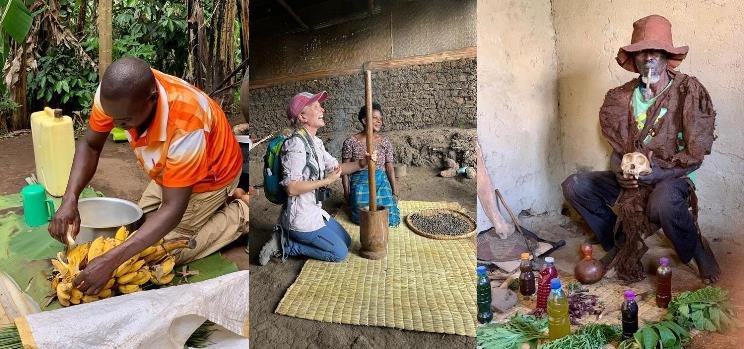
Visitors may learn about traditional medicine, local farming methods, food preparation, and cultural beliefs connected to nature. These interactions create a deeper understanding of the communities that live around Kibale Forest.
Cultural experiences make the wetland walk more personal and meaningful because travelers gain insight into everyday life in rural Uganda while supporting community-based tourism.
Combining Bigodi Wetland Walk with Chimpanzee Trekking
A Complete Kibale Forest Wildlife Experience
Combining the Bigodi Wetland Walk with chimpanzee trekking in Kibale Forest creates one of the most complete wildlife experiences in Uganda. Although both activities take place within the same incredible rainforest ecosystem, they offer completely different perspectives of the natural world. Chimpanzee trekking focuses on discovering Uganda’s intelligent primates in their natural habitat, while the Bigodi Wetland Walk provides a deeper appreciation of the smaller details that make the ecosystem thrive.
Many travelers include both experiences in their Uganda safari itinerary because they complement each other perfectly. After spending time following chimpanzees through the forest and observing their social interactions, visitors can explore Bigodi’s wetlands to discover colorful birds, unique plant species, smaller primates, and the important role local communities play in conservation.
Together, these activities create a balanced Kibale adventure that combines excitement, education, nature exploration, and cultural discovery. Travelers leave with a broader understanding of how different species, habitats, and communities are connected within Uganda’s remarkable rainforest environment.
Discovering Chimpanzees in Kibale Forest
Chimpanzee trekking is the highlight of many visits to Kibale Forest National Park and provides an opportunity to encounter one of the closest living relatives of humans. Guided by experienced trackers, visitors enter the forest in search of habituated chimpanzee communities and spend time observing their natural behaviors.

During the trek, travelers may witness chimpanzees feeding, climbing trees, communicating, grooming each other, and moving through the forest as a social group. These encounters provide a rare opportunity to see the intelligence, emotions, and complex relationships of these fascinating primates.
The experience is active and adventurous, involving forest walks through natural trails while listening for chimpanzee calls and following signs of their movement. Professional guides enhance the experience by explaining chimpanzee behavior, conservation efforts, and the importance of protecting their habitat.
Exploring the Hidden Biodiversity of Bigodi Wetland
While chimpanzee trekking focuses on one of Uganda’s most famous wildlife species, the Bigodi Wetland Walk reveals the incredible diversity of life that exists beyond the forest’s most recognized animals. The wetland provides a peaceful environment where visitors can slow down and appreciate the smaller but equally important parts of the ecosystem.
During the walk, travelers can observe different bird species, butterflies, plants, and primates living within the wetland habitat. Species such as red-tailed monkeys, black-and-white colobus monkeys, and various forest birds may be encountered while exploring the trails with a knowledgeable local guide.
The experience also introduces visitors to the relationship between people and nature. Through community-led tourism, travelers learn how local residents protect the wetland while benefiting from conservation-based activities, creating a stronger connection between wildlife protection and community development.
Experiencing Two Different Sides of Kibale’s Ecosystem
One of the greatest advantages of combining chimpanzee trekking with the Bigodi Wetland Walk is experiencing two different sides of the same ecosystem. Chimpanzee trekking takes visitors deep into the rainforest, where the focus is on primate behavior, forest exploration, and wildlife encounters.
The Bigodi experience provides a different atmosphere by focusing on wetlands, birdlife, traditional knowledge, and community conservation. Instead of searching for one specific species, visitors explore the entire ecosystem and discover how different plants and animals contribute to the balance of nature.
Together, these experiences create a more complete understanding of Kibale Forest. Travelers do not only see chimpanzees; they discover the wider environment that supports them and learn why protecting every part of the ecosystem is essential.
The Perfect Addition to a Kibale Safari Itinerary
Including both activities in a Kibale safari itinerary allows travelers to maximize their time in one of Uganda’s most important wildlife destinations. Many visitors spend several days in the area to enjoy chimpanzee trekking, the Bigodi Wetland Walk, bird watching, and cultural experiences.
For photographers, combining both activities provides diverse opportunities to capture Uganda’s natural beauty. Chimpanzee trekking offers powerful wildlife moments, while Bigodi provides excellent opportunities for bird photography, landscape images, and cultural storytelling.
At Nextgen Safaris, we design Kibale safari experiences that combine these activities seamlessly. Our team organizes permits, transportation, accommodation, and expert guides to ensure travelers enjoy an unforgettable journey exploring chimpanzees, wetlands, and the incredible biodiversity of Uganda’s rainforest ecosystem.
Best Time for the Bigodi Wetland Walk
The Bigodi Wetland Walk can be enjoyed throughout the year because the ecosystem remains active in all seasons. However, different periods offer unique advantages depending on traveler preferences.
The dry seasons from June to September and December to February are popular because walking trails are generally easier to navigate. These months are ideal for travelers combining Bigodi with chimpanzee trekking and other Uganda safari activities.
The rainy seasons also provide excellent experiences because vegetation becomes greener, bird activity increases, and photographers can capture beautiful landscapes filled with fresh colors.
What to Expect During the Bigodi Wetland Walk
The Bigodi Wetland Walk usually begins with a briefing from local guides who introduce visitors to the ecosystem and explain what to expect during the experience. The walk then follows natural trails through wetlands, forests, and surrounding community areas.
Visitors should expect a relaxed walking experience rather than a physically demanding hike. The focus is on observation, learning, photography, and appreciating the smaller details of nature.
The guides provide information throughout the walk, explaining wildlife sightings, plant species, conservation efforts, and local traditions. This educational approach makes the experience enjoyable for travelers of different ages and interests.
What to Pack for the Bigodi Wetland Walk
Proper preparation helps travelers enjoy the Bigodi Wetland Walk comfortably. Since the experience involves walking through natural environments, suitable clothing and equipment are recommended.
Travelers should carry comfortable walking shoes, lightweight clothing, rain protection, insect repellent, drinking water, and a small backpack. Binoculars and cameras are highly recommended for bird watching and wildlife photography.
Because weather conditions can change quickly near Kibale Forest, visitors should be prepared for both sunshine and rainfall. A well-prepared traveler can fully enjoy the beauty and diversity of the wetland.
Accommodation Near Bigodi Wetland
Visitors exploring the Bigodi Wetland Walk can choose from several accommodation options around Kibale Forest. These range from budget-friendly lodges to comfortable mid-range properties and luxury forest retreats

Staying near Bigodi provides easy access to both the wetland and Kibale chimpanzee trekking areas. Many accommodations are located in peaceful natural surroundings, allowing guests to enjoy the sounds and beauty of the forest environment.
At Nextgen Safaris, we help travelers select accommodation options that match their preferred comfort level, budget, and safari plans while ensuring convenient access to Bigodi and other Kibale attractions.
Conservation Importance of the Bigodi Wetland Walk
The Bigodi Wetland Walk represents an excellent example of how tourism can support conservation. By creating value from protecting natural habitats, community tourism encourages local people to preserve wetlands and wildlife.
Wetlands are important ecosystems that support biodiversity, regulate water systems, and provide habitats for many species. Protecting these areas benefits both wildlife and surrounding communities.
Through responsible tourism, visitors contribute to conservation while enjoying an authentic experience that goes beyond traditional safari activities.
Why Choose Nextgen Safaris for Your Bigodi Experience?
At Nextgen Safaris, we design authentic Uganda safari experiences that connect travelers with nature, wildlife, and local communities. Our Bigodi Wetland Walk experiences are carefully planned to provide meaningful encounters with Uganda’s biodiversity.
We work with experienced guides who understand the ecosystem and provide valuable insights throughout the journey. Combined with chimpanzee trekking, wildlife safaris, and cultural experiences, Bigodi becomes part of a complete Uganda adventure.
Our goal is to create memorable experiences while supporting conservation and ensuring travelers discover the true beauty of Uganda responsibly.
Frequently Asked Questions About Bigodi Wetland Walk
1. What is the Bigodi Wetland Walk?
The Bigodi Wetland Walk is a guided nature experience near Kibale Forest National Park that allows visitors to explore a community-managed wetland ecosystem filled with wildlife, birds, plants, and cultural attractions.
The walk provides an opportunity to discover Uganda’s biodiversity beyond chimpanzee trekking while learning about conservation efforts and the relationship between local communities and nature.
2. Where is the Bigodi Wetland Walk located?
The Bigodi Wetland Walk is located in the Bigodi village area, near Kibale Forest National Park in western Uganda.
Its location makes it a popular activity for travelers visiting Kibale for chimpanzee trekking, as it can easily be combined with primate experiences and other Uganda safari adventures.
3. What wildlife can I see during the Bigodi Wetland Walk?
During the Bigodi Wetland Walk, visitors may encounter different wildlife species including red-tailed monkeys, black-and-white colobus monkeys, blue monkeys, olive baboons, bushbucks, squirrels, and various reptiles.
Although wildlife sightings are not guaranteed, the wetland provides excellent opportunities to observe smaller forest species and enjoy Uganda’s rich biodiversity.
4. Is Bigodi Wetland Walk good for bird watching?
Yes, Bigodi Wetland is one of Uganda’s excellent birding locations, especially for travelers interested in forest and wetland bird species.
Visitors can spot birds such as the great blue turaco, African pitta, hornbills, kingfishers, herons, and many other colorful species with the help of experienced local guides.
5. How long does the Bigodi Wetland Walk take?
The Bigodi Wetland Walk usually takes around 2 to 3 hours, depending on the pace of visitors, wildlife sightings, photography opportunities, and areas explored.
The experience is designed as a relaxed nature walk where travelers can take time to observe birds, plants, wildlife, and cultural features along the trails.
6. Can I combine the Bigodi Wetland Walk with chimpanzee trekking?
Yes, combining the Bigodi Wetland Walk with chimpanzee trekking in Kibale Forest is one of the most popular ways to explore the area.
Chimpanzee trekking provides an exciting encounter with Uganda’s famous primates, while Bigodi offers a slower experience focused on birds, wetlands, plants, and community conservation.
7. What should I bring for the Bigodi Wetland Walk?
Travelers should bring comfortable walking shoes, lightweight clothing, insect repellent, drinking water, a camera, and binoculars if interested in bird watching.
A rain jacket is also recommended because weather around Kibale Forest can change quickly, especially during the wet seasons.
8. Is the Bigodi Wetland Walk suitable for families?
Yes, the Bigodi Wetland Walk is suitable for families and is a great educational experience for children.
Families can enjoy learning about wildlife, plants, birds, and local traditions while exploring the wetland at a comfortable walking pace.
9. What makes the Bigodi Wetland Walk unique?
The Bigodi Wetland Walk is unique because it combines wildlife viewing, bird watching, cultural experiences, and community conservation in one activity.
Unlike traditional wildlife safaris focused mainly on large animals, Bigodi allows travelers to discover the smaller details of Uganda’s ecosystem while interacting with local communities.
10. What role does the Bigodi Wetland Walk play in conservation?
The Bigodi Wetland Walk supports conservation by creating economic value from protecting natural habitats.
Revenue from tourism helps support community initiatives, conservation programs, and local livelihoods, encouraging residents to protect the wetland and surrounding environment.
11. What is the best time to visit Bigodi Wetland?
The Bigodi Wetland Walk can be enjoyed throughout the year. The dry seasons from June to September and December to February are popular because trails are generally easier to walk.
The rainy seasons also provide excellent experiences because the vegetation becomes greener, bird activity increases, and photographers can capture beautiful natural scenery.
12. Is Bigodi Wetland Walk physically challenging?
The Bigodi Wetland Walk is generally a moderate and relaxed walking experience suitable for most travelers.
The trails are not extremely difficult, but visitors should be comfortable walking through natural environments with uneven ground, vegetation, and changing weather conditions.
13. Can I take photographs during the Bigodi Wetland Walk?
Yes, photography is encouraged during the Bigodi Wetland Walk. The experience provides excellent opportunities to photograph birds, primates, plants, landscapes, and cultural encounters.
Travelers should follow guide instructions and avoid disturbing wildlife while capturing images.
14. What accommodation options are available near Bigodi Wetland?
Visitors can choose from a variety of accommodation options near Bigodi and Kibale Forest, including budget lodges, mid-range properties, and luxury forest retreats. Nextgen Safaris helps travelers select accommodations based on their preferred comfort level, budget, and overall safari itinerary.
15. Why book a Bigodi Wetland Walk with Nextgen Safaris?
Nextgen Safaris provides professionally organized Bigodi Wetland Walk experiences combined with chimpanzee trekking, wildlife safaris, and cultural adventures. Our experienced guides, reliable transportation, and carefully planned itineraries ensure travelers enjoy an authentic and memorable exploration of Uganda’s incredible natural landscapes.
Book Your Bigodi Wetland Walk Today
The Bigodi Wetland Walk offers a unique opportunity to explore Uganda’s natural beauty through wildlife, bird watching, cultural encounters, and community conservation. Located near the famous Kibale Forest, this experience adds depth and meaning to any Uganda safari.
From colorful birds and playful primates to local traditions and conservation stories, Bigodi provides an unforgettable journey into one of Uganda’s most fascinating ecosystems.
Contact Nextgen Safaris today and let our experts create your perfect Kibale Forest adventure featuring chimpanzee trekking, the Bigodi Wetland Walk, and unforgettable wildlife experiences in Uganda.