
Burundi Travel Guide: Everything You Need to Know Before Visiting
Burundi is one of East Africa’s lesser-known destinations, offering a fascinating combination of cultural heritage, scenic highlands, historic towns and the beautiful shores of Lake Tanganyika. This Burundi Travel Guide explains everything international travellers should know before planning a visit, including entry requirements, travel safety, places of interest, accommodation, transportation and practical advice. Situated within Africa’s Great Lakes region, Burundi appeals to travellers interested in discovering local traditions, beautiful landscapes and experiences beyond the region’s established safari circuits.
Whether you are considering a cultural holiday, a lakeside retreat or a carefully planned journey through the country, understanding local conditions is essential. At Nextgen Safaris Africa, we help travellers research customised East African experiences, including Burundi itineraries where travel conditions permit. Our Burundi Travel Guide provides a practical starting point for making informed decisions about your destination, itinerary and travel arrangements.
Through this comprehensive Burundi Travel Guide, you can understand the country’s principal attractions, learn about travel requirements and identify the considerations involved in arranging an enjoyable and responsible holiday. We also explain how Burundi may fit into a wider East African journey, while highlighting the importance of checking current travel restrictions before booking.
Where Is Burundi Located?
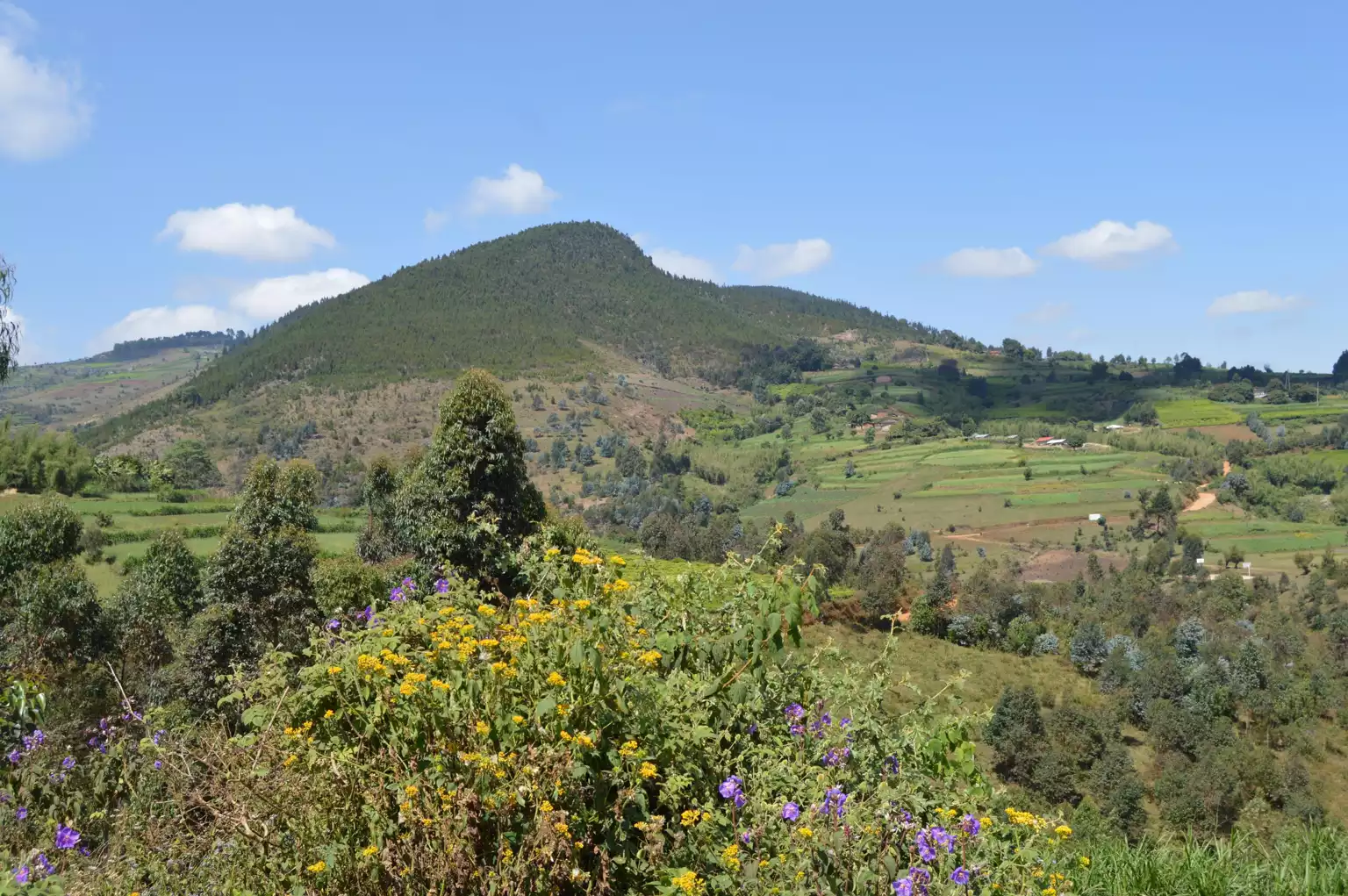
Burundi is a landlocked country in the African Great Lakes region, bordered by Rwanda to the north, Tanzania to the east and south, and the Democratic Republic of the Congo to the west. Despite its relatively small geographical size, the country features remarkable natural diversity, including fertile hills, mountain landscapes, tropical forests and the northeastern shoreline of Lake Tanganyika. Its varying elevations create differences in temperature and vegetation, making journeys between the lake region and interior highlands particularly scenic.
Gitega became Burundi’s political capital in 2019, while Bujumbura remains its economic capital and largest city. Most international travellers enter through Melchior Ndadaye International Airport near Bujumbura. Kirundi, French and English are official languages, with Swahili also used in some commercial settings. Learning a few basic Kirundi or French greetings can make interactions with local communities more enjoyable.
An important geographical consideration in this Burundi Travel Guide is that destinations which appear close together on a map may require longer journeys than expected. Mountain roads, infrastructure limitations, fuel availability and changing travel conditions should all be considered when planning transfers between cities and attractions.
Why Visit Burundi?
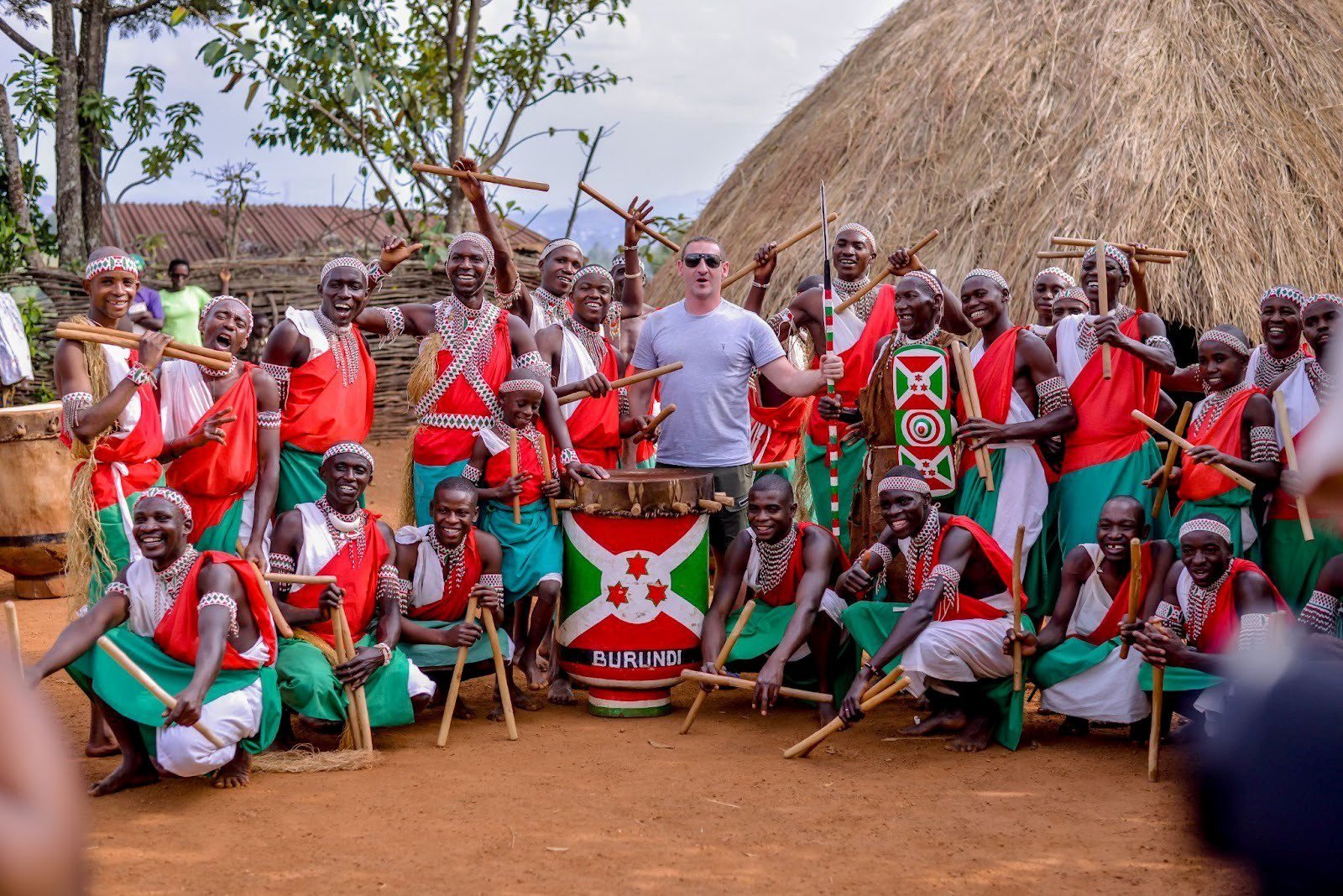
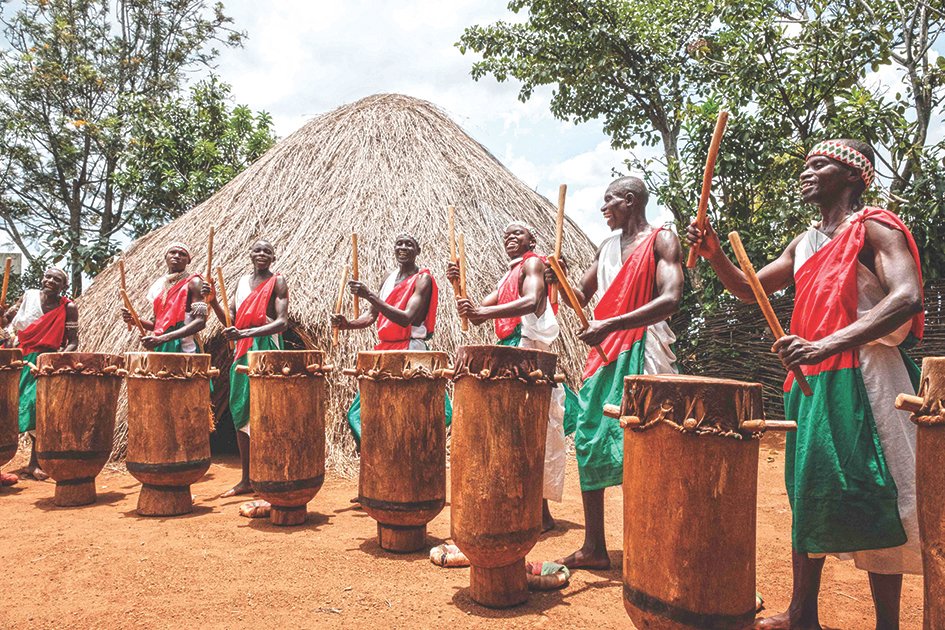
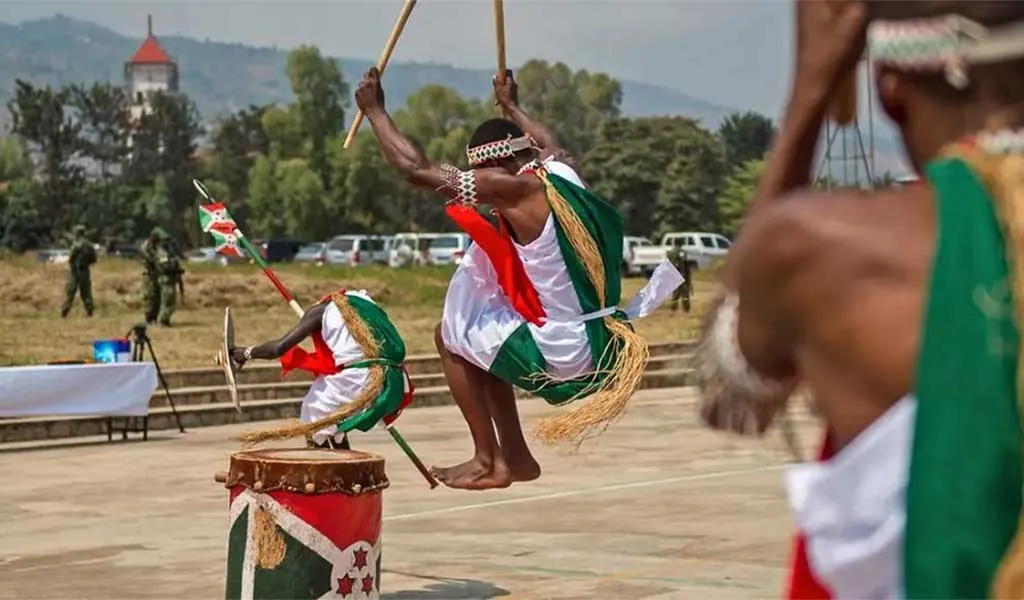
A major attraction of Burundi is its rich cultural identity. Traditional music, royal drumming, local craftsmanship and community customs provide visitors with opportunities to understand the country’s history. The famous Royal Drummers of Burundi represent one of its most celebrated cultural traditions, while Gitega offers important historical and cultural attractions.
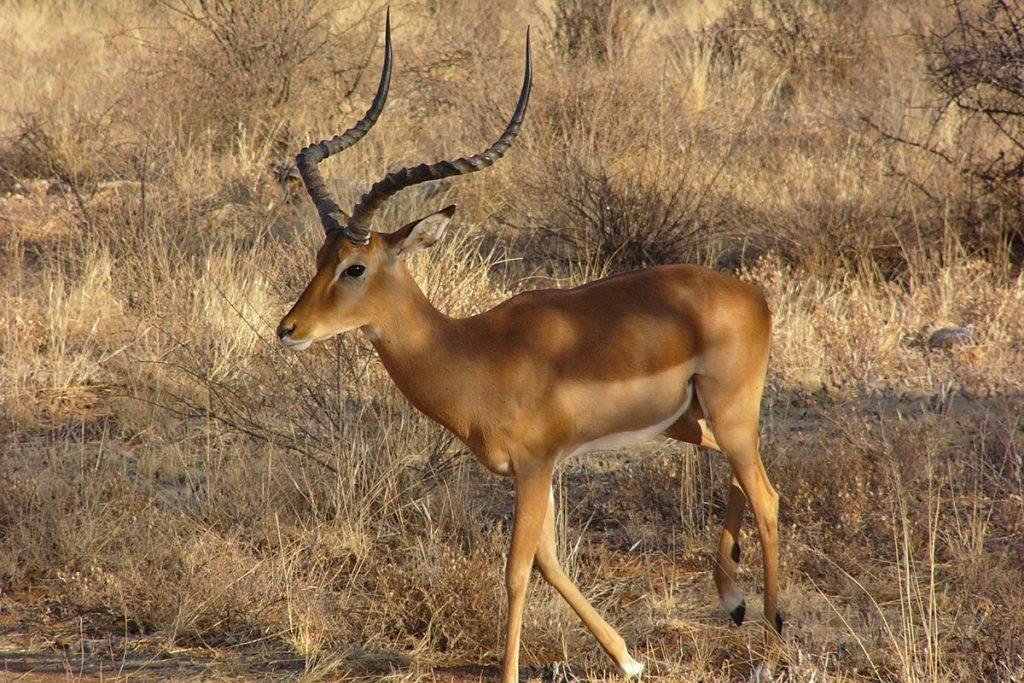
The landscape provides another reason for visiting. Lake Tanganyika, rolling agricultural hills, tea-growing areas and dramatic waterfalls create opportunities for scenic exploration and photography. Unlike Uganda and Tanzania, Burundi is not primarily a destination for large-scale Big Five safaris. Its strongest appeal lies in cultural tourism, lake scenery and smaller-scale nature experiences.
This Burundi Travel Guide particularly recommends understanding the country’s cultural attractions before selecting an itinerary. Travellers who enjoy heritage, traditional performances, historical sites and local communities may find Burundi especially interesting. However, the suitability of any visit must be assessed against current security and transportation conditions.
Burundi currently faces significant security and transportation challenges. Travellers should evaluate government travel advisories before deciding whether a leisure visit is appropriate. Our guide to choosing a Burundi tour operator provides additional information about the planning services involved in organising a personalised journey.
Burundi Visa Requirements and Entry Procedures
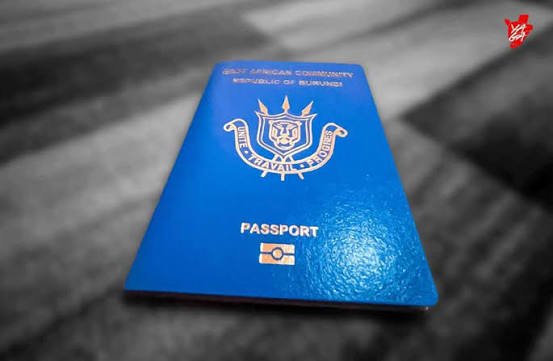
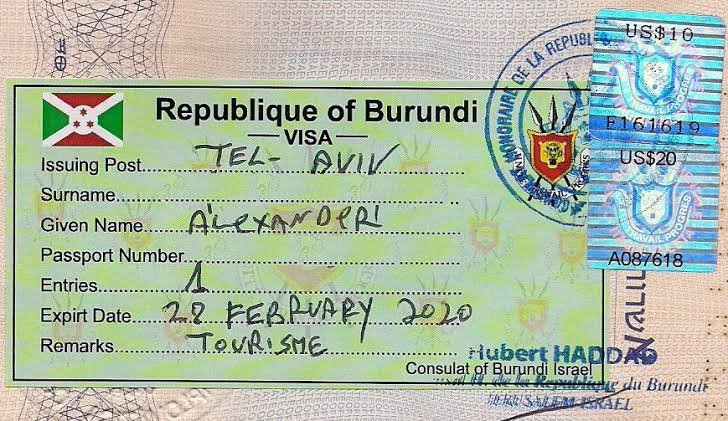
Understanding entry requirements is an important part of this Burundi Travel Guide. Visa conditions depend on nationality, purpose of travel and the passport used. Nationals of East African Community member states may qualify for visa exemptions, while many other international visitors require a visa. Travellers should establish which category applies to them before purchasing flights or making non-refundable reservations.
Burundi operates an online visa application process, and eligible visitors may receive their visas upon arrival after completing required pre-arrival procedures. Travellers should not rely on arriving without prior registration or documentation. The applicable immigration procedures, visa categories and documentation should always be confirmed with the responsible authorities before departure.
Visa fees can vary according to nationality and visa category. Some published visitor guidance has listed a one-month visa at approximately US$90, while other published fee schedules differ. Because charges and procedures can change, this Burundi Travel Guide recommends confirming the amount applicable to your particular application rather than treating a single advertised price as universally valid.
For many international passports, at least six months of validity beyond arrival and a blank passport page may be required. Visitors should also prepare accommodation details, return or onward travel information and any supporting documents requested during the application process. These requirements should be checked against the rules applicable to the traveller’s nationality.
Before your trip, keep digital and printed copies of your passport details, visa confirmation, accommodation reservation and travel itinerary. This Burundi Travel Guide also recommends checking whether your intended arrival point accepts your visa category and whether any additional health or arrival declarations are necessary.
Is Burundi Safe to Visit?
Travel safety deserves particular attention in any Burundi Travel Guide. As of November 2026, several governments advise against non-essential travel to Burundi overall, while others advise against all travel to specific regions. Security concerns include political unrest, violent crime, armed-group activity and instability affecting areas close to the Democratic Republic of the Congo.
The security situation is especially serious in parts of the northwestern border region. Travel warnings cover specified areas near the Democratic Republic of the Congo border, including sections associated with Rusizi National Park, and roads through parts of Kibira National Park. These destinations should not be included automatically in a tourist itinerary simply because they appear on traditional attraction lists.
Burundi’s land border with Rwanda also remains closed as of November 2026. Travellers should not plan a Rwanda–Burundi road transfer unless official reopening has been confirmed and the relevant route is considered safe. Fuel shortages, roadblocks and limited emergency services can further complicate travel.
The safety advice in this Burundi Travel Guide is intended to help visitors make informed travel decisions rather than suggest that every attraction can currently be visited. Travellers should review their own government’s latest guidance, avoid demonstrations and isolated locations, and understand that travel insurance may exclude journeys undertaken against government warnings.
When requesting a customised itinerary, ask your operator to explain the proposed routes, transport arrangements, local access restrictions and emergency procedures. No operator can guarantee safety, and postponing or changing a destination may be the more responsible choice when conditions are unsuitable.
Best Time to Visit Burundi
The Burundi Travel Guide recommends considering both seasonal weather and current travel conditions when choosing dates. Burundi experiences a relatively dry season from June to September and a shorter drier period around December to February. These months can provide more convenient conditions for sightseeing and road travel, although weather patterns vary by location and year.
The wetter periods bring greener hillsides, fuller waterfalls and beautiful agricultural scenery. However, heavy rainfall may create muddy roads, localised flooding and delays, particularly in mountainous areas. Visitors planning rural excursions should allow flexibility and confirm road conditions before departure.
Temperatures are generally warmer around Bujumbura and Lake Tanganyika, while Gitega and the higher central plateau experience cooler conditions. Lightweight clothing is useful around the lake, but a jacket or warmer layer is recommended for highland evenings.
While researching the best months, use this Burundi Travel Guide alongside up-to-date weather information and current travel advisories. A favourable climate does not automatically mean that road journeys, border crossings or every sightseeing attraction will be accessible.
Best Places to Visit in Burundi
Burundi’s main attractions reflect its cultural heritage and geographical diversity. The following destinations are worth understanding when researching an itinerary, although actual visits must depend on current security advice, accessibility and local conditions. This Burundi Travel Guide introduces the country’s most recognisable locations without assuming that all are presently suitable for tourism.
Bujumbura – Burundi’s Economic Capital
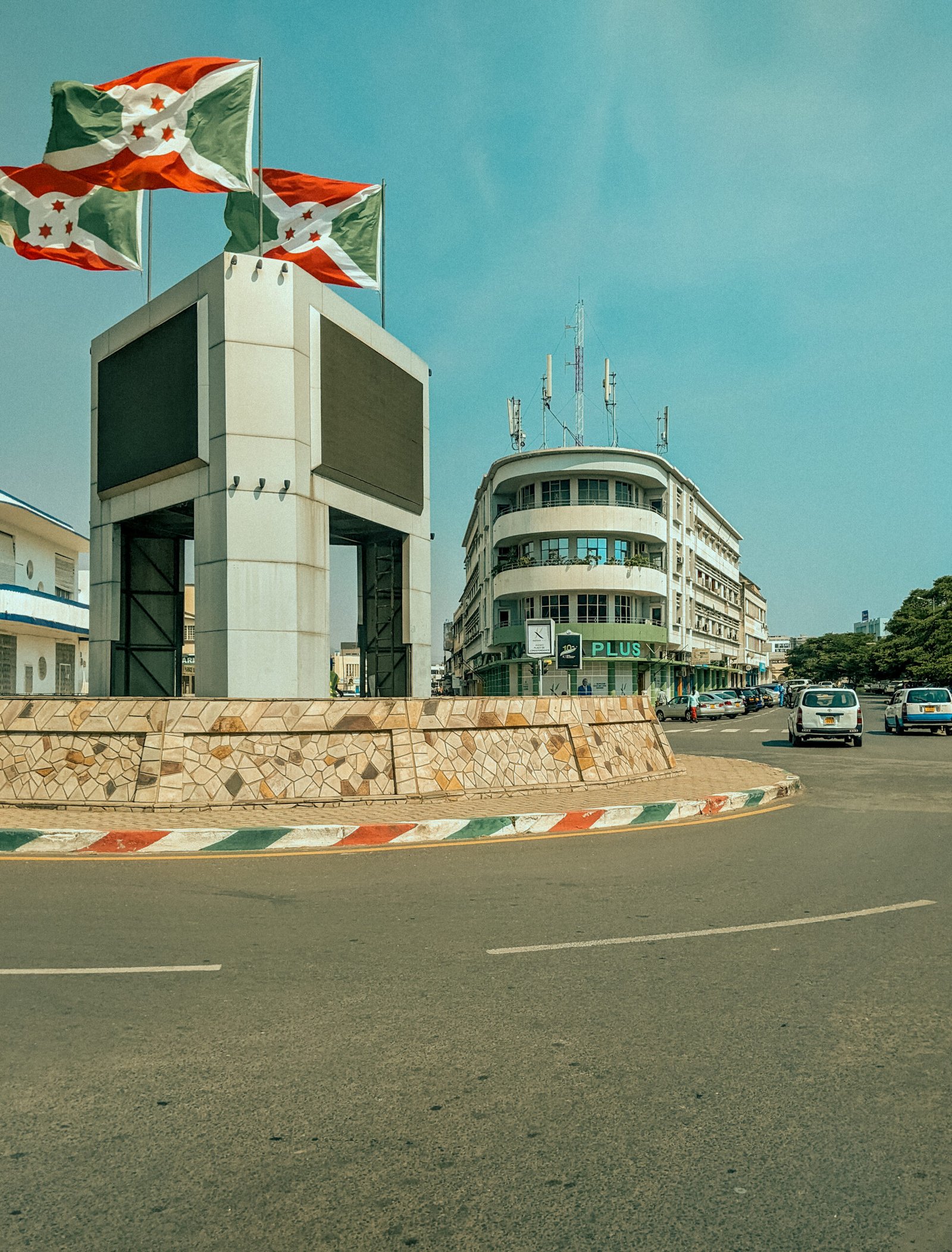
Bujumbura is the principal commercial centre and international gateway to Burundi. Located beside Lake Tanganyika, the city combines busy streets, markets, restaurants, historical landmarks and attractive lakeside scenery. Visitors can experience elements of everyday urban life and explore selected cultural attractions where conditions permit.
A carefully organised city visit may include established restaurants, suitable shopping areas and scenic locations along the lakeshore. Visitors should exercise particular caution in crowded markets, transport areas and locations identified in travel warnings. Explore our things to do in Bujumbura guide for additional attraction ideas, subject to current safety conditions.
For travellers arriving by air, this Burundi Travel Guide recommends treating Bujumbura as the natural starting point for understanding the country’s history, local food and commercial life. Before arranging sightseeing, confirm the suitability of each location, the opening hours of selected attractions and transport arrangements for returning to your hotel.

Lake Tanganyika – Beautiful Lakeside Scenery
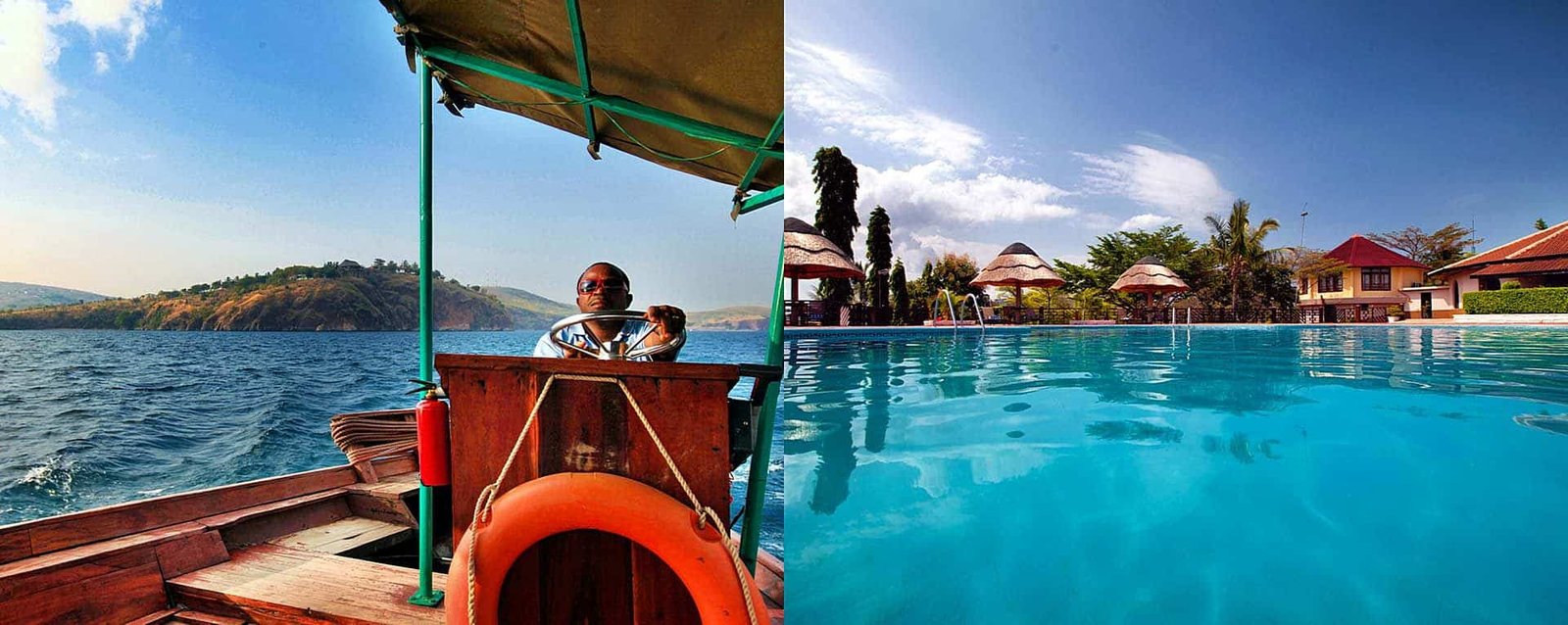
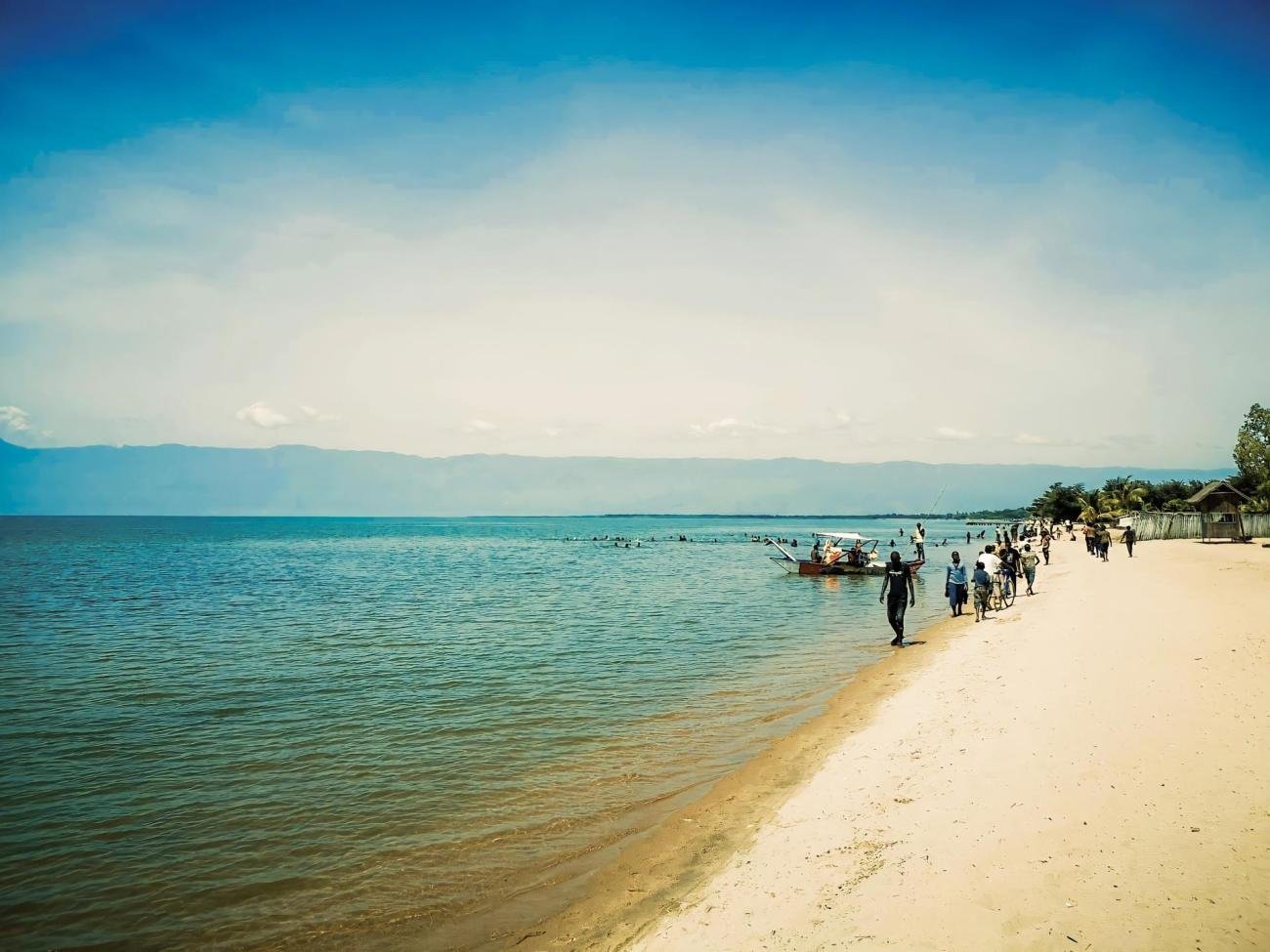
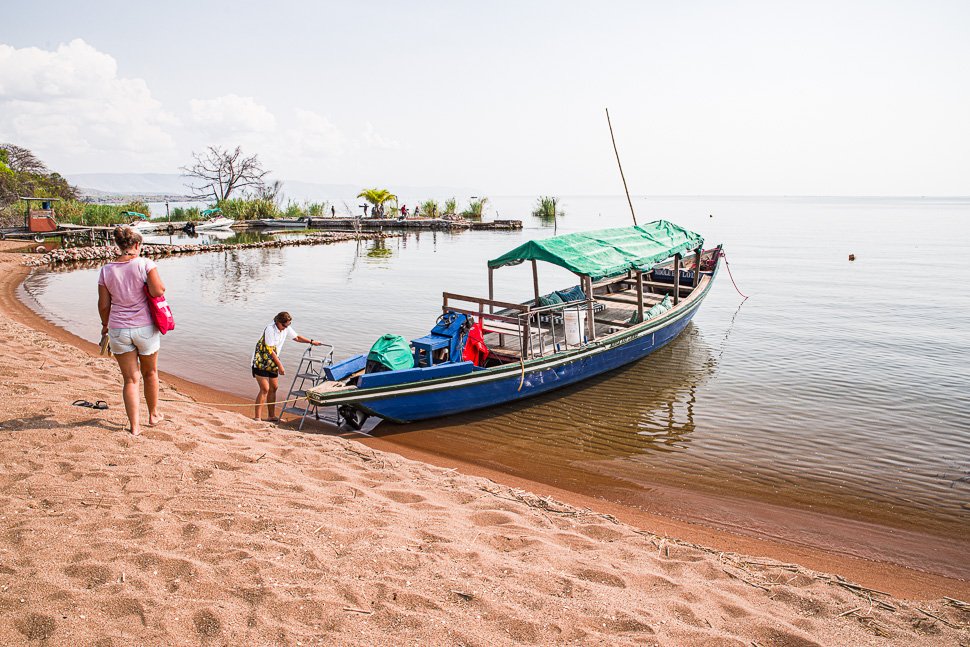
Lake Tanganyika is one of the world’s deepest and oldest freshwater lakes, extending along Burundi’s western boundary. The lake is known for its beautiful shoreline, fishing communities, scenic sunsets and important ecological diversity. Visitors staying around Bujumbura may appreciate lakeside views from established hotels and suitable restaurants.
Some operators offer boating and other water-based activities, but conditions and safety standards must be checked carefully. Swimming should not be assumed safe because freshwater environments can present health hazards, including schistosomiasis, as well as risks associated with wildlife and water conditions.
Lake Tanganyika features prominently in this Burundi Travel Guide because its scenery forms an important part of the country’s tourism identity. Visitors interested in photography, lakeside dining or a relaxing hotel stay should choose locations that are appropriate under current safety guidance and confirm arrangements beforehand.
Gitega – Burundi’s Political and Cultural Capital
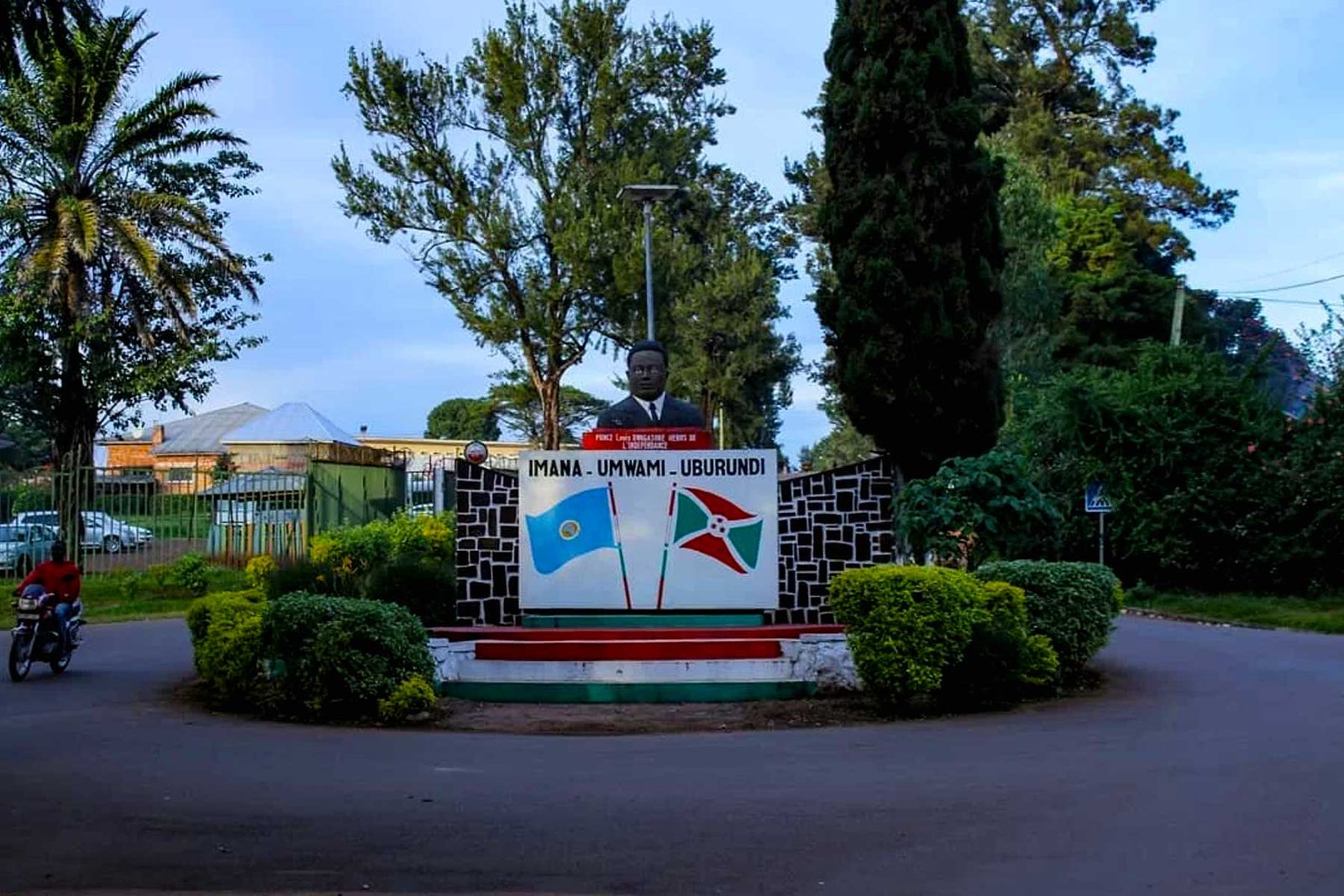
Gitega is an important destination for travellers interested in Burundi’s history, traditions and cultural identity. Located within the country’s interior highlands, the city is associated with historical institutions, cultural collections and the country’s royal heritage.
The National Museum of Gitega is an important cultural attraction, although opening arrangements should be confirmed before visiting. Travellers interested in Burundi’s traditions may combine Gitega with a prearranged visit to the nearby Gishora Drum Sanctuary, depending on current travel conditions and the availability of local cultural programmes.
Our Burundi Travel Guide highlights Gitega for its historical importance rather than treating it as merely a stop between sightseeing destinations. A meaningful visit can help travellers understand the development of Burundian institutions, the significance of traditional ceremonies and the cultural connections between communities.

Gishora Drum Sanctuary – Traditional Royal Drumming
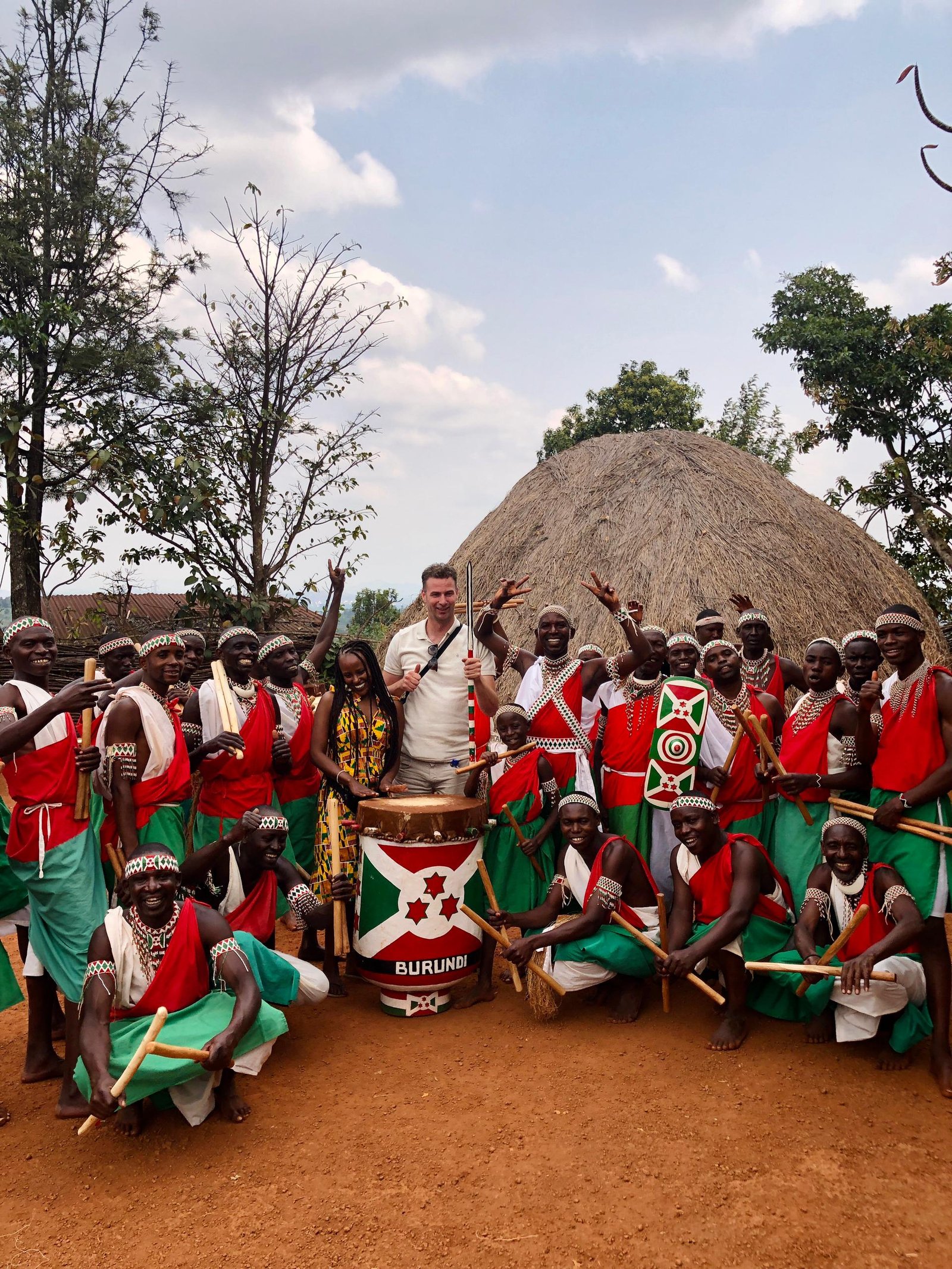
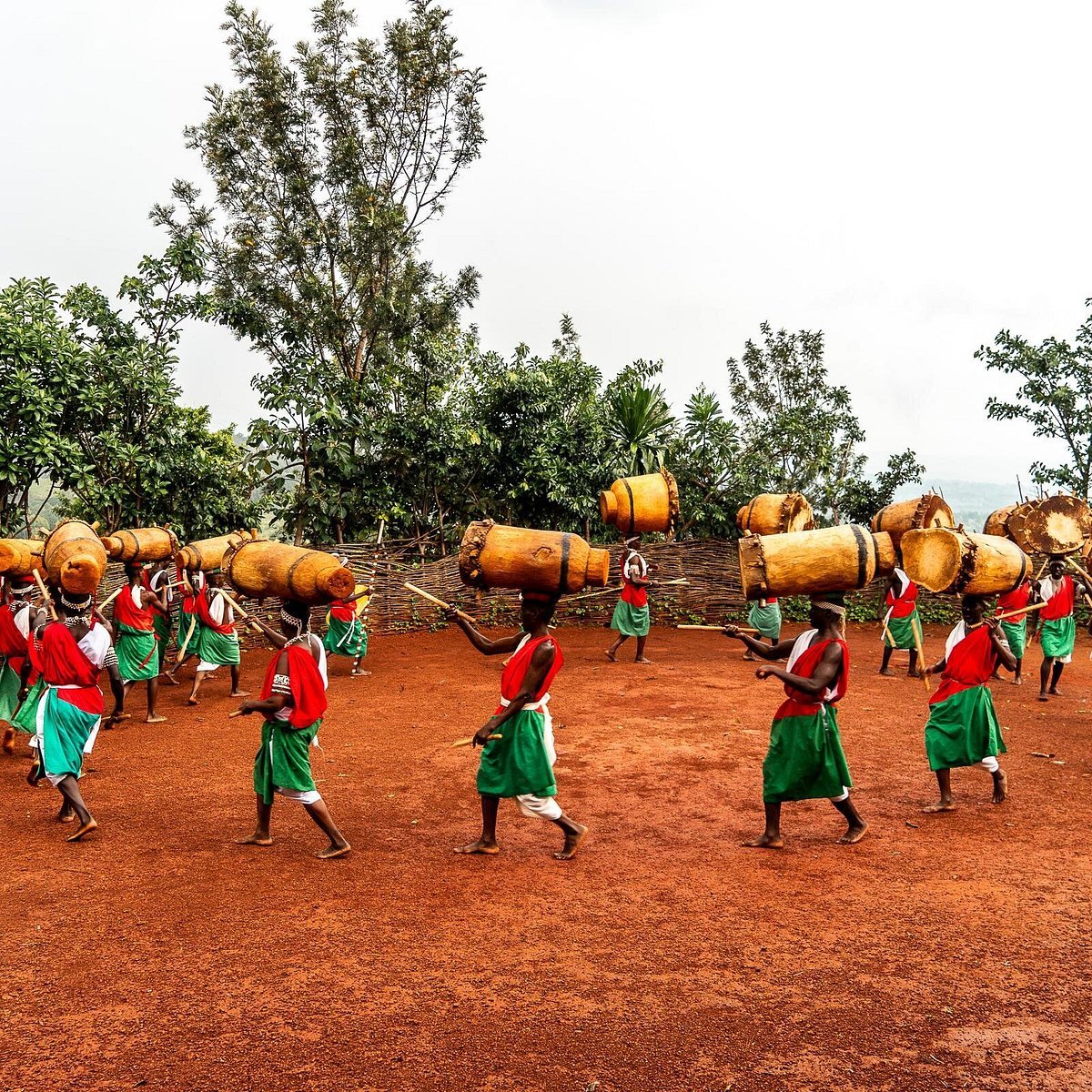
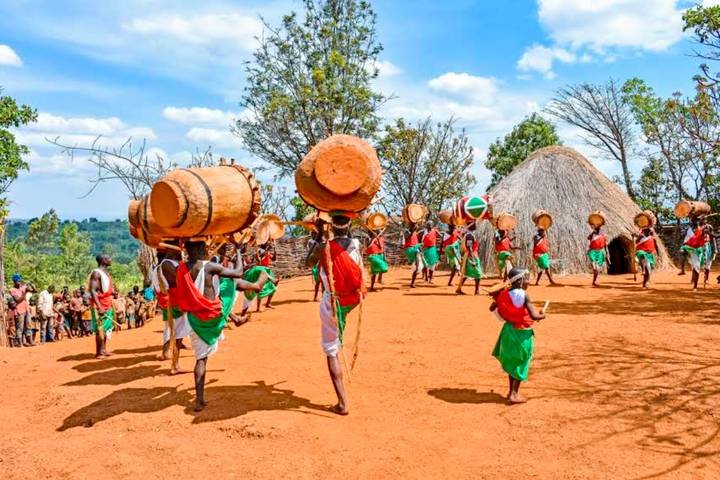
Gishora Drum Sanctuary is one of Burundi’s most distinctive cultural attractions. Located near Gitega, it preserves the country’s famous royal drumming tradition through performances involving rhythmic music, movement and ceremonial symbolism.
The ritual dance of the royal drum was inscribed on UNESCO’s Representative List of the Intangible Cultural Heritage of Humanity in 2014. Performances provide an opportunity to appreciate a cultural tradition closely associated with Burundi’s identity and history. Visits should be arranged in advance with an appropriate local cultural representative.
For readers using this Burundi Travel Guide to identify cultural experiences, Gishora offers an important illustration of how music, history and performance contribute to national identity. Travellers should respect photography rules, follow the directions of local hosts and understand the cultural significance of the performances.
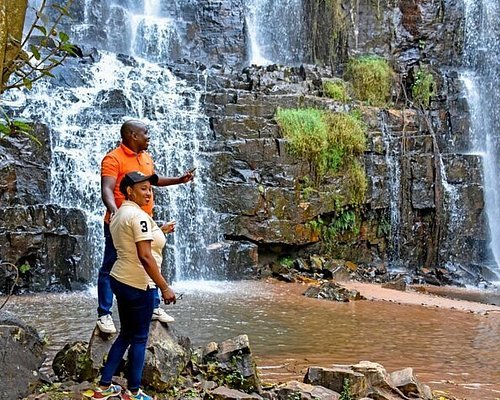
Karera Waterfalls – Scenic Natural Landscapes
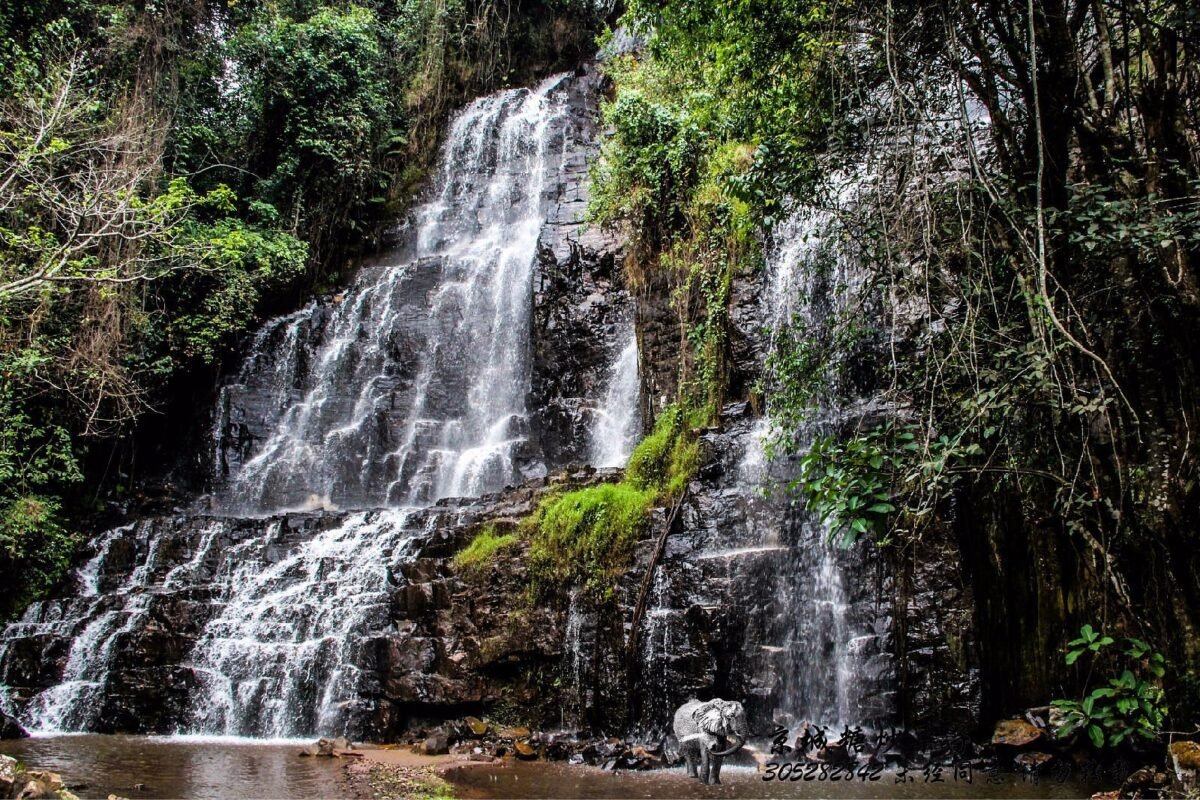
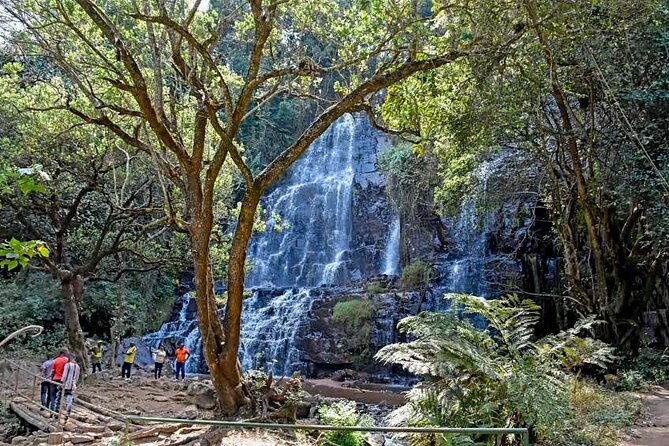
Karera Waterfalls, in southeastern Burundi, are among the country’s notable natural attractions. The waterfalls descend through several beautiful cascades surrounded by vegetation, offering an attractive environment for landscape photography and nature appreciation.
A visit may require walking on uneven or slippery paths, particularly after rainfall. Travellers should confirm local access conditions, guiding availability and the suitability of the wider road journey before planning an excursion.
Karera Waterfalls appear in this Burundi Travel Guide because of their natural beauty and importance to the country’s scenic tourism potential. However, visitors should not assume that a popular attraction is automatically accessible. Practical road conditions, local guidance and current security information should always determine whether an excursion proceeds.

Kibira and Rusizi National Parks – Important but Restricted Areas
Kibira National Park is an important montane forest ecosystem, while Rusizi National Park protects valuable wetlands and wildlife habitats. Both are frequently mentioned in traditional Burundi tourism guides because of their ecological significance.
However, travel warnings cover important sections of these areas and their access routes. They should therefore be treated as destinations requiring careful security review rather than routine sightseeing recommendations. Visitors should not enter restricted or high-risk areas simply to complete a wildlife itinerary.
Including these protected areas in the Burundi Travel Guide helps explain the country’s biodiversity, but it does not mean they should be promoted as immediately available excursions. Responsible travel planning requires separating a destination’s natural significance from the question of whether tourism activities can currently be undertaken safely and legally.


Culture and Traditions in Burundi
Culture is central to the Burundi Travel Guide because the country’s heritage provides a distinctive travel experience. Royal drumming, traditional songs, dances, storytelling and craftsmanship remain important expressions of Burundian identity.
Kirundi is widely spoken throughout the country, and visitors will encounter local customs associated with greetings, hospitality and community life. Respectful cultural interactions should always be arranged with appropriate permission, particularly when visiting villages, markets or private gatherings.
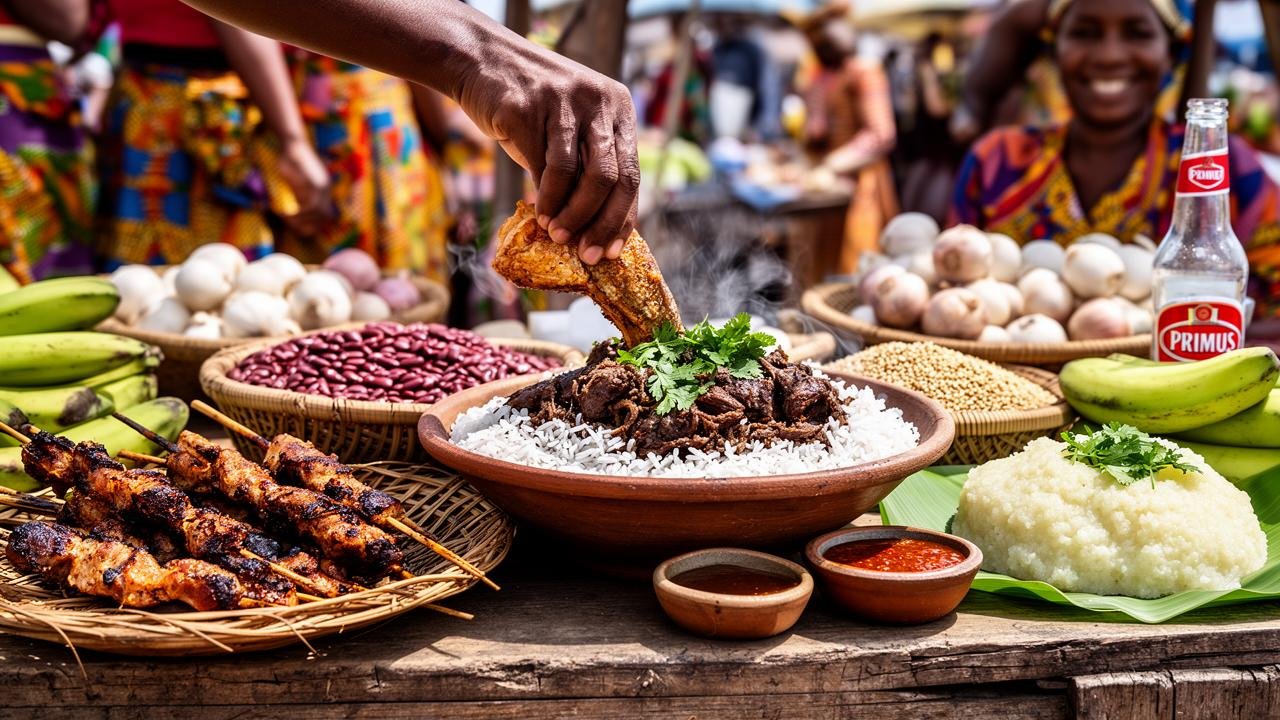
Traditional cuisine commonly includes beans, plantains, rice, cassava, vegetables and locally prepared fish. Meals around Lake Tanganyika can offer opportunities to sample regional dishes. Travellers should choose reputable food establishments and follow appropriate food and drinking-water precautions.
This Burundi Travel Guide encourages visitors to approach cultural experiences with genuine curiosity and respect. Local traditions should not be treated simply as entertainment; they form part of a living heritage maintained by communities and cultural practitioners. Seeking permission before photography and supporting appropriately organised local experiences can help make cultural encounters more meaningful.
How to Get to Burundi
Most international visitors arrive at Melchior Ndadaye International Airport in Bujumbura. Available flight routes vary by airline and season, with international connections generally involving regional aviation hubs. Travellers should confirm operating services directly with their airline before booking accommodation or onward activities.
Burundi has road connections with neighbouring countries, but border accessibility must be checked individually. The Rwanda–Burundi land border remains closed as of November 2026, meaning a road itinerary from Kigali to Bujumbura should not be advertised as an available tourist transfer. The Tanzania border has been reported as operational, although road transportation can be affected by fuel shortages and other disruptions.
This Burundi Travel Guide recommends establishing the actual international arrival and departure arrangements before finalising a sightseeing schedule. Travellers combining Burundi with other East African destinations may require flights or alternative routes, and a journey should not be built around an assumed border crossing.
Our team at Nextgen Safaris Africa can review the practical requirements of a proposed multi-country journey before accommodation and transport services are confirmed.
Getting Around Burundi
Transportation requires careful planning because road conditions, fuel availability and security restrictions can affect travel between destinations. Private transfers with an experienced, locally knowledgeable driver may be more convenient than relying on unfamiliar public transport, but they do not remove the risks associated with road travel.
Public buses and motorcycle taxis operate in some locations, although vehicle maintenance, driving standards and journey reliability can vary. Travellers should avoid unnecessary night driving, keep travel documents accessible and allow flexibility for security checks or unexpected delays.
Fuel shortages remain a significant operational concern. A well-planned itinerary should include realistic driving distances, sufficient time for transfers and contingency arrangements where possible. As emphasised throughout this Burundi Travel Guide, transport reliability is an essential part of determining whether a proposed journey is practical.
Accommodation in Burundi
Burundi offers accommodation ranging from city hotels and lakeside properties to smaller guesthouses and locally operated establishments. Bujumbura generally provides the widest choice of hotels with facilities suitable for international travellers.
Accommodation options may include Hotel Club du Lac Tanganyika, Roca Golf Hotel and other established properties, subject to current operations and availability. Travellers should confirm room standards, security arrangements, electricity backup, airport transfers and accepted payment methods before booking.
Outside Bujumbura, accommodation choices can be more limited. Visitors planning an overnight stay near Gitega or another destination should verify the property’s location, access conditions and essential services in advance. Our Burundi tour planning guide explains the importance of coordinating accommodation with the wider travel itinerary.
Accommodation recommendations in this Burundi Travel Guide should be considered starting points rather than confirmed reservations. Travellers seeking premium facilities, family-friendly rooms or particular accessibility arrangements should request current information and confirm exactly what is included before paying.
Burundi Travel Costs and Currency
This Burundi Travel Guide recommends preparing a realistic budget that accounts for accommodation, transfers, visas, meals, entrance fees and unexpected travel disruptions. Burundi uses the Burundian franc (BIF), and cash remains important for everyday transactions.
International credit cards are not widely accepted outside selected hotels and larger establishments. Foreign-currency shortages and differences between official and unofficial exchange rates can complicate payments. Visitors should use authorised exchange services and avoid relying on ATM withdrawals as their only source of cash.
The total cost of a Burundi tour depends on the number of travellers, accommodation category, travel dates and selected activities. Fuel availability and transport arrangements may also significantly affect the final quotation. Rather than providing uncertain package prices, we recommend requesting an itemised proposal based on confirmed services.
For accurate budgeting, this Burundi Travel Guide recommends asking whether airport transfers, guiding, park or attraction fees, meals, local transport and accommodation taxes are included. A detailed quotation makes it easier to compare arrangements and avoids confusion about additional expenses during the trip.
Health, Vaccinations and Travel Insurance
Health preparation is essential before visiting Burundi. A valid yellow fever vaccination certificate is generally required for travellers, subject to applicable age and medical exemptions. Visitors should consult a travel-health professional well before departure and confirm the current entry rules.
Malaria is a significant health concern, and travellers should discuss suitable preventive medication and mosquito protection with a qualified healthcare provider. Other health risks include cholera, dengue and illnesses associated with unsafe food or water. Drink treated or properly sealed water, use suitable insect repellent and practise careful food hygiene.
Regional disease outbreaks can also result in additional health screening at international entry points. Medical facilities outside Bujumbura may be limited, making comprehensive travel insurance and emergency medical evacuation coverage especially important.
A responsible Burundi Travel Guide must recognise that medical preparedness is as important as the sightseeing itinerary. Visitors should check vaccination requirements, the availability of any necessary prescription medication and whether their insurance policy covers both their intended activities and the destination under current travel advisories.
Essential Travel Tips Before Visiting Burundi
A successful visit requires more than choosing attractive destinations. Travellers should confirm visa approval, passport validity, medical requirements and accommodation arrangements before leaving home. Carry copies of important documents and ensure that relatives or trusted contacts know the intended itinerary.
Respect local customs and ask permission before photographing individuals, sensitive locations or official buildings. Photography restrictions may apply around military facilities, airports and government installations. Avoid political demonstrations and follow instructions issued by local authorities.
Mobile connectivity and electricity supplies may be unreliable, particularly outside major centres. Keep essential contact details available offline, carry a suitable power bank and avoid depending entirely on mobile applications for navigation or payment.
Another essential recommendation from this Burundi Travel Guide is to leave flexibility in your schedule. Avoid arranging tightly timed road transfers or non-refundable onward bookings when local transport reliability is uncertain. Discuss emergency contacts, airport arrangements and realistic alternatives with your travel organiser before departure.
Can You Combine Burundi with Uganda, Rwanda or Tanzania?
A Burundi Travel Guide would be incomplete without discussing regional travel. Burundi’s location makes it geographically relevant to wider East African itineraries, including journeys through Uganda, Tanzania and Rwanda. However, practical travel routes depend on current security conditions, international flight schedules and border operations.
A combined Uganda and Burundi holiday could theoretically include gorilla trekking in Bwindi or a Queen Elizabeth National Park safari, provided the relevant international connections and travel advisories allow the itinerary to proceed.
Travellers considering Rwanda should remember that the land border with Burundi is closed. Any potential air connection must be verified directly rather than assuming normal cross-border travel is available. Tanzania may also feature in regional planning, but border conditions and practical transport arrangements need individual confirmation.
The regional travel section of this Burundi Travel Guide is particularly useful for visitors who want to combine cultural experiences with established wildlife destinations. At Nextgen Safaris Africa, we can review possible international connections, permit arrangements and practical routing before providing a customised proposal.
Frequently Asked Questions About the Burundi Travel Guide
Is Burundi worth visiting?
Burundi offers distinctive cultural traditions, beautiful Lake Tanganyika scenery and historical attractions. As explained in this Burundi Travel Guide, travellers must weigh these attractions against current government travel warnings and decide whether the trip is appropriate for their circumstances.
Is Burundi safe for tourists?
Several governments currently advise against non-essential travel to Burundi or against all travel to particular regions. Conditions vary by location and can change quickly. Our Burundi Travel Guide recommends reviewing official advisories before making reservations.
What is the capital of Burundi?
Gitega is Burundi’s political capital, while Bujumbura remains the economic capital and largest city. Both destinations feature in this Burundi Travel Guide because of their historical, cultural and commercial importance.
Do I need a visa to visit Burundi?
Visa requirements depend on nationality. Many international travellers must complete an application or pre-arrival procedure, while eligible East African Community nationals may qualify for exemptions. The entry section of this Burundi Travel Guide explains the importance of confirming individual requirements.
What is the best time to visit Burundi?
June to September is generally the main dry season, with another relatively dry period around December to February. Seasonal weather is only one consideration; current travel conditions are equally important when following this Burundi Travel Guide.
What are the main attractions in Burundi?
Important attractions include Lake Tanganyika, Bujumbura, Gitega, Gishora Drum Sanctuary and Karera Waterfalls. Kibira and Rusizi are ecologically significant but affected by serious travel warnings in important areas. Our Burundi Travel Guide covers these destinations in greater detail above.
Can I travel by road from Rwanda to Burundi?
Not currently. Burundi’s land border with Rwanda has remained closed since January 2024. Travellers should verify any change with the relevant authorities before considering a road journey.
What language is spoken in Burundi?
Kirundi is widely spoken, while French and English are also official languages. Swahili is used in some commercial and regional contexts. Learning a few greetings can improve your experience of local culture.
What currency is used in Burundi?
The official currency is the Burundian franc. Cash is important, and international credit-card acceptance is limited outside selected establishments. This Burundi Travel Guide recommends planning payment arrangements before arrival.
Is yellow fever vaccination required?
A valid yellow fever vaccination certificate is generally required for travellers aged nine months or older, subject to recognised medical exemptions. Confirm the rules with your travel-health professional and the relevant entry authority.
How many days do I need to explore Burundi?
A short itinerary might focus on Bujumbura, Lake Tanganyika and selected cultural experiences, while a longer itinerary could include Gitega and other permitted destinations. The actual duration should reflect current access restrictions and realistic transport conditions.
Can I combine Burundi with gorilla trekking?
A combined regional itinerary may be possible where suitable international connections and travel conditions exist. Visitors can explore Uganda gorilla trekking experiences as part of a carefully reviewed East African journey.
Is Burundi suitable for a family holiday?
Suitability depends on the children’s ages, medical requirements, accommodation standards and current security conditions. Families should pay particular attention to government advisories and the availability of appropriate healthcare.
How can I organise a Burundi tour?
Start by checking your government’s current travel advice, entry requirements and available flights. If conditions allow a suitable itinerary, contact Nextgen Safaris Africa with your preferred dates, number of travellers and travel interests. Our Burundi Travel Guide and Burundi tour planning resources can help you identify the arrangements worth discussing.
Plan Your Burundi Holiday with Nextgen Safaris Africa
Our Burundi Travel Guide highlights a country with remarkable cultural traditions, beautiful landscapes and meaningful historical attractions. From the shores of Lake Tanganyika to the royal drumming heritage of Gishora, Burundi offers experiences that appeal to travellers interested in understanding the diversity of East Africa.
At Nextgen Safaris Africa, we help travellers plan personalised journeys by considering destination interests, transport arrangements, accommodation requirements and practical travel restrictions. Burundi itineraries should only proceed where current official guidance, operating conditions and the traveller’s circumstances make the journey appropriate.
If you are considering a cultural tour, lakeside holiday or combined East African itinerary, our reservations team can review the available options and prepare a personalised proposal. Where travel to Burundi is unsuitable, we can also discuss alternatives in Uganda or other destinations.
Use this Burundi Travel Guide as your starting point, then speak with our team about your preferred travel dates, accommodation category, interests and budget. We can help you understand which arrangements require further verification before you make a booking decision.
Request Your Personalised Burundi Travel Quotation
Planning a journey to Burundi or considering an alternative East African safari? Tell us your travel dates, number of guests and preferred experiences. Our team will help you assess suitable itinerary options and available arrangements.
REQUEST YOUR BURUNDI TRAVEL QUOTATION