
Can a Silverback Be Friendly With Humans? 9 Amazing Facts About Gorilla Behaviour
Can a Silverback Be Friendly With Humans? Deep within the tropical rainforests of Uganda and Rwanda, visitors occasionally encounter enormous silverback gorillas displaying unexpectedly calm and peaceful behaviour around people. Despite their powerful bodies, impressive muscles, and intimidating appearance, habituated mountain gorillas can learn to tolerate human observers without reacting aggressively. This remarkable behaviour makes gorilla trekking in Uganda and Rwanda gorilla trekking tours some of Africa’s most extraordinary wildlife experiences. However, understanding the difference between tolerance, friendliness, and domestication is essential when visiting Bwindi Impenetrable National Park or planning luxury gorilla trekking safaris.
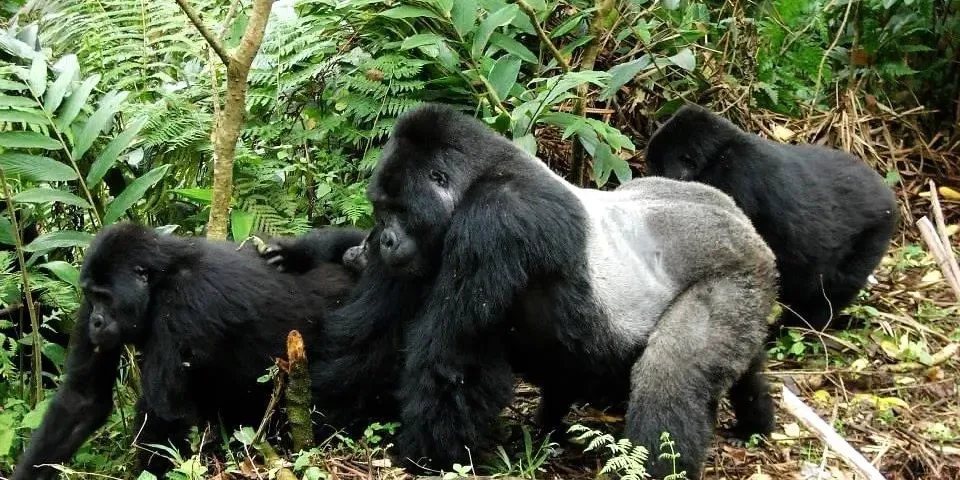
Understanding Can a Silverback Be Friendly With Humans? requires examining the intelligence, social behaviour, and natural instincts of these remarkable primates. Silverbacks are not naturally interested in developing friendships with tourists, but individuals accustomed to controlled human presence may continue feeding, resting, or interacting with their families while visitors observe nearby. Their reactions depend on previous experiences, individual temperament, environmental conditions, and the behaviour of people around them. Travellers planning mountain gorilla trekking in Bwindi, private Uganda gorilla safaris, or gorilla trekking and habituation experiences should understand these differences before encountering wild gorillas.
Can a Silverback Be Friendly With Humans in the Wild?
Yes, a silverback can behave calmly and appear friendly toward humans, particularly after becoming accustomed to respectful human observation. However, scientists generally describe this behaviour as habituation or tolerance rather than friendship. Habituated silverbacks have gradually learned that the presence of trained trackers, researchers, and controlled tourist groups does not necessarily represent a threat. As a result, they may continue their ordinary activities without displaying fear or aggression. This behaviour is fundamental to Uganda gorilla trekking experiences, Rwanda mountain gorilla tours, and conservation-focused visits to Bwindi’s gorilla families.
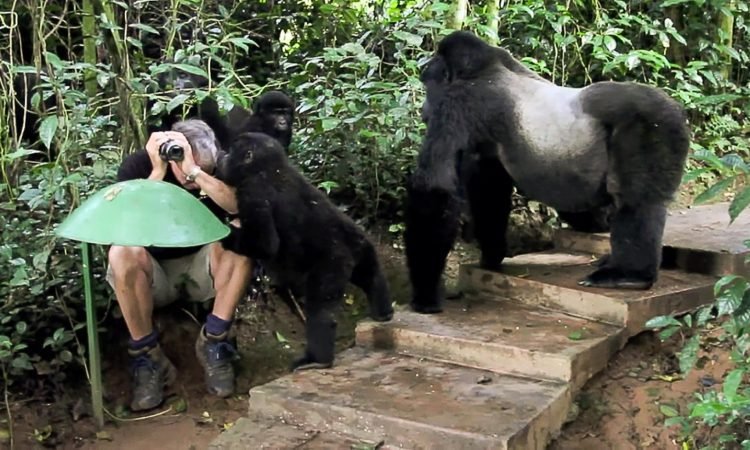
Can a Silverback Be Friendly With Humans? The answer must always acknowledge that even a peaceful silverback remains a powerful wild animal. His calm behaviour does not mean visitors may approach him, touch him, imitate his movements, or attempt to interact with him personally. Gorillas can respond defensively when they feel threatened, especially when dependent infants or other family members are nearby. Professional ranger supervision and responsible viewing practices are therefore essential during guided gorilla trekking safaris.
Amazing Facts About Silverbacks and Human Interactions
Habituated Silverbacks Can Remain Calm Around Humans
Habituation is the gradual process through which wild gorillas become accustomed to the controlled presence of human observers. Rangers and researchers repeatedly visit a selected gorilla group while carefully monitoring the animals’ responses. Over time, some individuals become less fearful and continue feeding, resting, or travelling despite nearby observers. Can a Silverback Be Friendly With Humans? Habituated individuals may appear friendly because they tolerate people calmly, but this does not mean they have been trained as domestic animals. Travellers exploring gorilla trekking and habituation in Uganda, Bwindi mountain gorilla trekking, gorilla habituation tours, and luxury Uganda gorilla holidays can appreciate the importance of this carefully managed process.
Silverbacks Are Intelligent and Socially Aware Animals
Mountain gorillas possess sophisticated social abilities that help them maintain relationships with other group members and respond to changing situations. Mature silverbacks can recognise familiar individuals, communicate through vocalisations and body language, and adjust their behaviour during social encounters. Their responses to human observers may also change as they gain experience. Can a Silverback Be Friendly With Humans? A habituated male may become less reactive to familiar patterns of human presence, although his precise interpretation of individual people cannot be assumed. Understanding mountain gorilla behaviour and observing silverbacks in Bwindi can provide fascinating insights into primate intelligence and social behaviour.
Silverbacks Are Not Naturally Aggressive Toward Every Human
The impressive appearance of a mature silverback sometimes creates the misconception that gorillas are constantly aggressive. In reality, mountain gorillas spend much of their time feeding, resting, travelling, and maintaining social relationships. Their daily lives are not dominated by confrontations with humans or neighbouring gorilla groups. Can a Silverback Be Friendly With Humans? A silverback may tolerate respectful observation without displaying aggression, particularly when the group is well habituated. Nevertheless, unfamiliar people entering a gorilla’s space unexpectedly could trigger defensive behaviour. Guided experiences such as Uganda gorilla trekking tours, Rwanda gorilla trekking holidays, and private luxury gorilla safaris are designed around controlled wildlife encounters.
Individual Silverbacks Have Different Responses to People
Not every silverback reacts to human observers in the same way. Some habituated males may continue feeding or resting while visitors watch, whereas others may occasionally move away or display signs of discomfort. Differences in temperament, previous experiences, group composition, and surrounding conditions can influence these responses. Can a Silverback Be Friendly With Humans? One individual may appear exceptionally relaxed while another remains more cautious, even within a population accustomed to researchers and tourists. Scientific observations of gorilla habituation demonstrate why the process requires patience and careful monitoring. Visitors planning gorilla trekking in Bwindi, Uganda gorilla tours, or gorilla habituation safaris should respect these differences rather than expecting identical encounters.
Silverbacks May Become Protective When Their Families Feel Threatened
A dominant silverback often plays an important protective role within his family. When unfamiliar individuals approach too closely or behave unpredictably, he may respond by changing posture, vocalising, chest beating, or performing intimidating displays. Such reactions can communicate discomfort or defensive intentions without necessarily leading to physical contact. Can a Silverback Be Friendly With Humans? Even an otherwise calm silverback may become defensive if the circumstances change. This is particularly important when infants and adult females are present. Visitors participating in Bwindi gorilla trekking safaris, Rwanda gorilla tours, or Uganda wildlife adventures must follow ranger instructions throughout the encounter.
Peaceful Silverbacks Can Continue Their Natural Activities Near Visitors
One of the most remarkable aspects of gorilla trekking is observing how habituated families sometimes continue their ordinary daily routines while tourists watch from a regulated distance. A mature silverback may strip leaves from vegetation, rest quietly, move through the undergrowth, or interact with youngsters without paying much attention to human observers. Can a Silverback Be Friendly With Humans? These peaceful encounters demonstrate tolerance, not an invitation to interact. The most responsible tourism experiences allow gorillas to behave naturally without unnecessary disturbance. Visitors exploring mountain gorilla trekking in Uganda, Bwindi gorilla experiences, luxury gorilla safaris, and Rwanda gorilla trekking can experience these extraordinary moments.
Silverbacks Can Display Curiosity but Must Never Be Encouraged to Approach
Gorillas may occasionally notice human observers, pause to look in their direction, or change their movements while tourists are present. Such behaviour should not automatically be interpreted as curiosity, affection, or a desire for friendship. Wild animals respond to their surroundings for many reasons, and their motivations cannot always be determined from observation alone. Can a Silverback Be Friendly With Humans? A seemingly curious silverback still requires the same respectful distance as every other wild gorilla. Visitors should never encourage closer contact, offer food, or attempt to attract attention. Responsible Uganda gorilla trekking experiences and Rwanda gorilla safaris prioritise safe observation without influencing the gorillas’ behaviour.
Silverbacks Can Recognise Familiar Human Presence Without Being Tame
Gorillas possess the capacity to learn from repeated experiences, and habituation depends on their gradually becoming less reactive to predictable, non-threatening human observation. Some gorillas may respond differently to familiar trackers than to unfamiliar visitors, although recognising repeated human presence should not be confused with forming human-style friendships. Can a Silverback Be Friendly With Humans? A habituated gorilla may appear comfortable around people while remaining fully independent and capable of defensive reactions. The objective of gorilla habituation experiences is not to tame gorillas, but to make carefully regulated observation possible. This distinction is essential to the success of mountain gorilla conservation tourism.
Respectful Human Behaviour Helps Maintain Peaceful Gorilla Encounters
The behaviour of tourists has a major influence on the safety and quality of mountain gorilla encounters. Sudden movements, unnecessary noise, attempts to approach animals, or disregard for ranger instructions can create disturbance and increase risk. Conversely, maintaining the required distance and allowing gorillas to continue their natural activities supports more responsible observation. Can a Silverback Be Friendly With Humans? Habituated silverbacks can tolerate carefully managed human presence, but visitors must never assume that tolerance guarantees safety in every situation. Travellers booking guided Uganda gorilla trekking safaris, luxury Bwindi gorilla holidays, Rwanda gorilla trekking tours, or private mountain gorilla experiences should prioritise ethical wildlife viewing.
How Does Gorilla Habituation Make Silverbacks Comfortable Around Humans?
Gorilla habituation involves repeated, carefully managed encounters conducted by trained researchers, trackers, and conservation personnel. Initially, unhabituated gorillas may avoid observers or respond defensively. As encounters continue, some gorillas gradually learn that predictable human presence does not necessarily represent danger. The process can take years and varies considerably between families. Researchers must evaluate how individual gorillas respond rather than assuming that all animals become comfortable at the same pace.
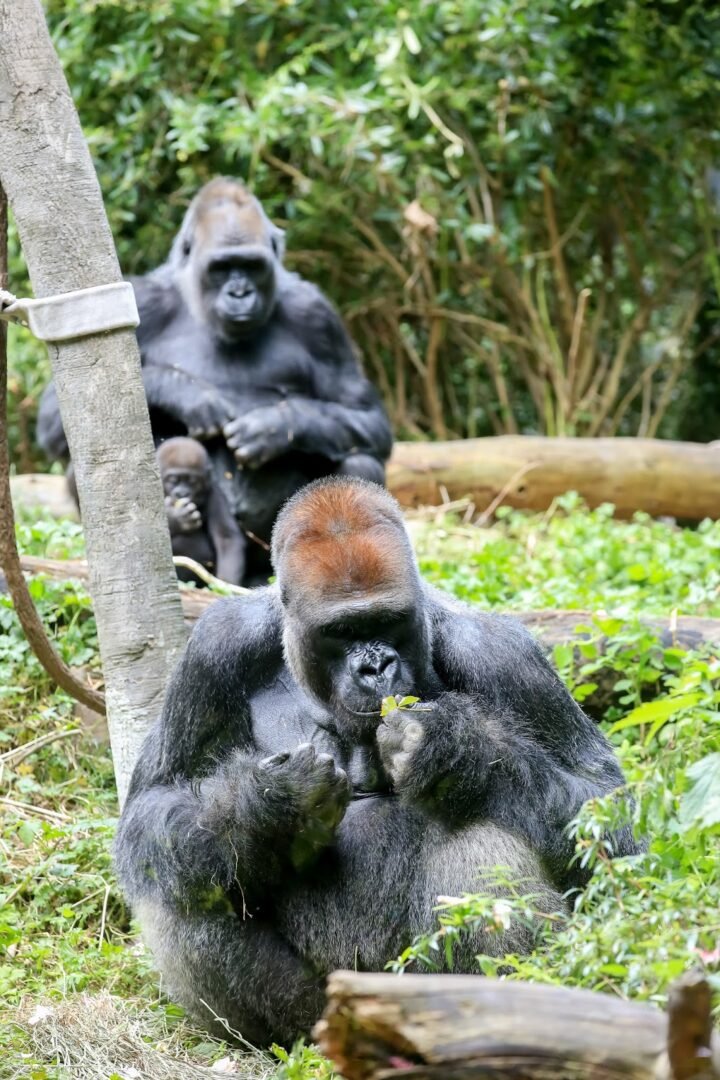
Can a Silverback Be Friendly With Humans? Habituation explains why some wild gorillas tolerate tourists while others actively avoid people. Uganda offers a specialised Gorilla Habituation Experience in Bwindi, providing a different form of observation from standard trekking. Visitors can explore gorilla habituation tours in Uganda, four-day gorilla trekking and habituation packages, and Uganda gorilla trekking holidays when planning their safari.
Can a Silverback Gorilla Become Friends With a Human?
The word friendship can be misleading when describing relationships between wild gorillas and humans. Silverbacks form complex social bonds within their own groups, but their tolerance of trackers, researchers, or tourists does not necessarily represent emotional attachment comparable to human friendship. A habituated gorilla may recognise familiar patterns of human presence and behave peacefully without seeking companionship or interaction. Scientists therefore generally prefer terms such as habituation, tolerance, and behavioural response.
Can a Silverback Be Friendly With Humans? The closest scientifically supported answer is that some wild silverbacks become accustomed to respectful human presence and behave calmly around observers. Their peaceful behaviour is extraordinary precisely because they remain wild animals making their own decisions. Visitors can appreciate this distinction through Bwindi gorilla trekking, Rwanda gorilla trekking holidays, and personalised Uganda gorilla safaris.
Are Silverback Gorillas Dangerous to Humans?
Silverbacks possess immense physical strength and can cause serious injuries if they react defensively. However, this does not mean that every silverback is naturally hostile toward people. In habituated groups, professionally managed encounters can allow tourists to observe gorillas without provoking aggression. Safety depends on respecting the animals, maintaining appropriate distance, following health precautions, and obeying instructions from experienced rangers.
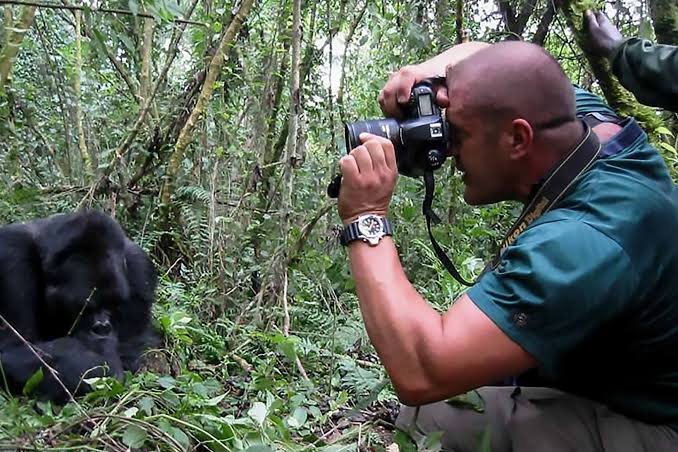
Can a Silverback Be Friendly With Humans? A silverback may appear peaceful, but visitors should never mistake calm behaviour for permission to touch or approach him. Chest beating, unusual vocalisations, rapid movements, or other displays should be interpreted by the accompanying ranger. During Uganda gorilla trekking safaris and Rwanda mountain gorilla encounters, trained guides manage visitor behaviour to reduce unnecessary risks to both humans and gorillas.
How Close Can Humans Safely Get to Silverback Gorillas?
Uganda’s published gorilla trekking regulations require visitors to maintain a distance of at least 10 metres from gorillas. Viewing rules in Rwanda should also be followed exactly as communicated by park authorities and rangers. These restrictions help minimise disturbance and reduce the possibility of transmitting human infections to endangered primates. Even apparently healthy visitors may carry infectious agents, making responsible distance and hygiene precautions essential.
Can a Silverback Be Friendly With Humans? A gorilla’s willingness to remain near observers does not override the required safety distance. If a gorilla approaches unexpectedly, visitors should remain calm and follow the ranger’s directions rather than attempting to touch, photograph at extremely close range, or retreat suddenly without instruction. Before travelling, guests should review gorilla trekking planning information and arrange their Uganda gorilla trekking experience through qualified safari professionals.
Where Can Visitors Observe Calm Silverback Gorillas in Africa?
Bwindi Impenetrable National Park, Uganda
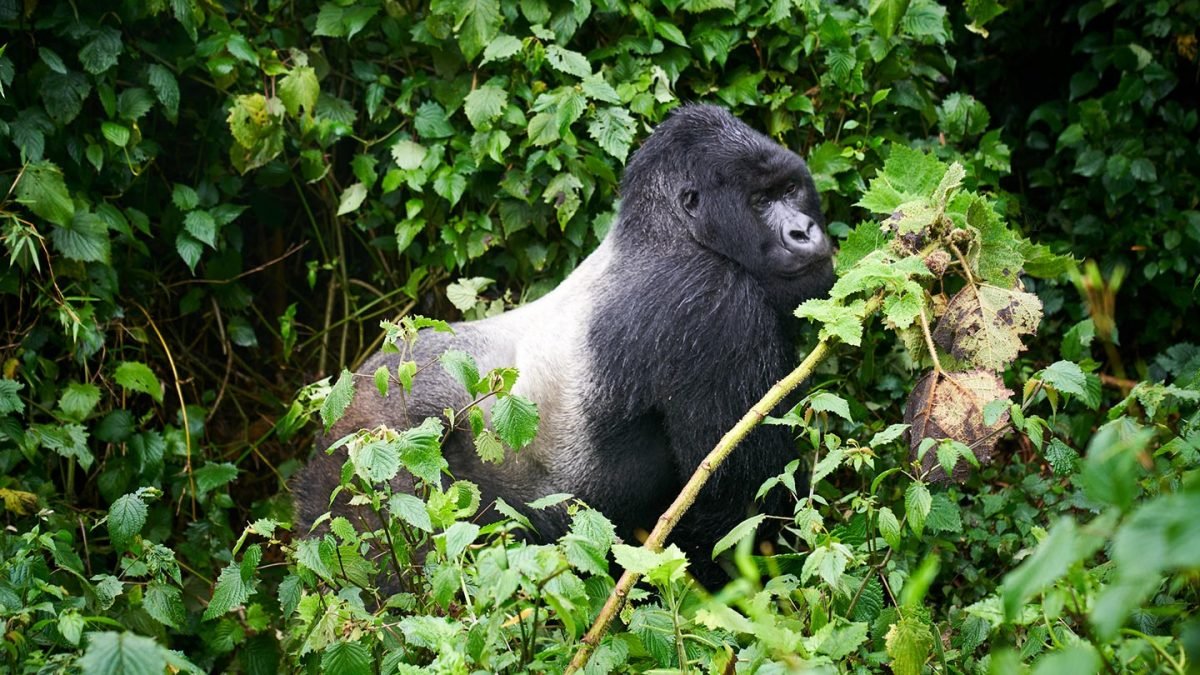
Bwindi Impenetrable National Park is one of Africa’s best-established mountain gorilla trekking destinations. Its Buhoma, Ruhija, Rushaga, and Nkuringo sectors provide access to habituated gorilla families under ranger supervision. Can a Silverback Be Friendly With Humans? Visitors may observe peaceful silverbacks feeding, resting, and interacting with family members, but their behaviour cannot be guaranteed. Explore Bwindi gorilla trekking tours, three-day gorilla safaris, and luxury Uganda gorilla holidays.
Mgahinga Gorilla National Park, Uganda
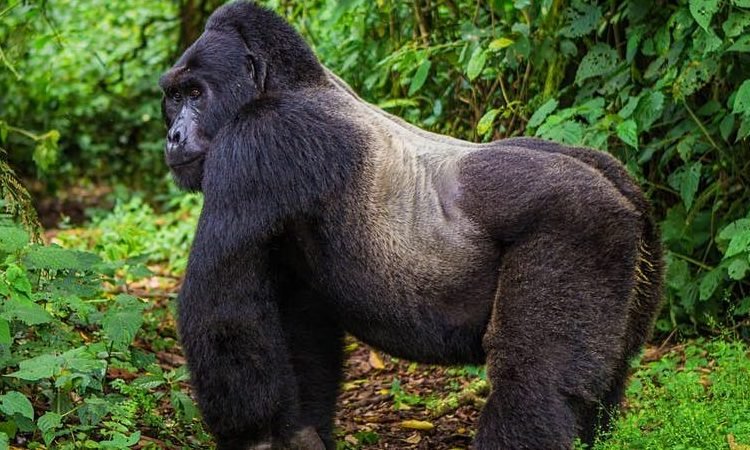
Mgahinga Gorilla National Park protects mountain gorilla habitat within Uganda’s section of the Virunga Mountains. Its volcanic landscapes and montane forests provide opportunities to observe gorillas living in their natural environment. Can a Silverback Be Friendly With Humans? Habituated individuals may tolerate observation, but their responses remain influenced by their own behaviour and circumstances. Travellers can incorporate Mgahinga into Uganda gorilla trekking holidays or combine the experience with Uganda wildlife safaris.
Volcanoes National Park, Rwanda
Rwanda’s Volcanoes National Park is internationally recognised for mountain gorilla conservation and research. Visitors can observe habituated gorilla families within a magnificent volcanic landscape under the supervision of trained park personnel. Can a Silverback Be Friendly With Humans? Some silverbacks appear relaxed while tourists watch, but respectful distance and appropriate behaviour remain essential. Explore Rwanda gorilla trekking tours, luxury Rwanda gorilla holidays, and romantic Rwanda honeymoon safaris.
Frequently Asked Questions About Silverbacks and Humans
Can a Silverback Be Friendly With Humans During Gorilla Trekking?
A habituated silverback can behave calmly around tourists, but this does not mean he is domesticated or seeking human friendship. Responsible observation requires following ranger instructions. Explore Uganda gorilla trekking for guided safari experiences.
Can Humans Touch a Friendly Silverback Gorilla?
No. Visitors must never attempt to touch wild gorillas, regardless of how relaxed they appear. Physical contact can expose gorillas to human diseases and create safety risks. Learn more about responsible gorilla trekking.
Are Silverback Gorillas Friendly or Aggressive?
Silverbacks can display peaceful, tolerant, defensive, or aggressive behaviour depending on their circumstances. Their behaviour should never be reduced to a single personality label. Observe mountain gorillas in Bwindi with trained rangers.
Can a Silverback Be Friendly With Humans Who Visit Regularly?
Repeated respectful human presence can reduce some gorillas’ fear through habituation. However, familiarity does not create a guarantee of peaceful behaviour or justify approaching the animal. Discover gorilla habituation in Uganda.
Do Silverbacks Recognise Human Faces?
Gorillas possess sophisticated recognition abilities, but the extent to which wild silverbacks identify individual human faces in natural trekking conditions is not firmly established. Visitors should not assume recognition means affection. Explore mountain gorilla experiences.
Can a Silverback Be Friendly With Humans and Still Attack?
Yes. A gorilla that usually tolerates people can respond defensively when threatened, disturbed, or unexpectedly approached. Calm previous encounters never guarantee future safety. Follow rangers during guided gorilla trekking tours.
Can Baby Gorillas Be Friendly With Humans?
Young gorillas may appear playful or inquisitive, but they remain wild animals and must not be encouraged to approach visitors. Mothers and silverbacks may respond protectively. Discover Bwindi gorilla families.
Is It Safe to Look Directly at a Silverback Gorilla?
Visitors should avoid deliberately staring at gorillas, especially during tense encounters, because prolonged direct eye contact may be perceived as confrontational. Always follow the ranger’s guidance on posture and observation. Explore Rwanda gorilla trekking tours.
Why Do Silverbacks Sometimes Ignore Tourists?
Habituated silverbacks may continue ordinary activities because repeated controlled encounters have reduced their responses to nearby observers. Ignoring tourists is often consistent with successful habituation rather than friendship. Learn about Uganda gorilla habituation experiences.
Where Can You See Peaceful Silverback Gorillas?
Habituated mountain gorilla families can be visited in Uganda’s Bwindi and Mgahinga national parks and Rwanda’s Volcanoes National Park. Calm behaviour is possible but never guaranteed. Arrange a personalised gorilla trekking safari.
Book Your Silverback Gorilla Trekking Safari With Nextgen Safaris
Discovering Can a Silverback Be Friendly With Humans? provides a fascinating introduction to the peaceful behaviour, remarkable intelligence, and natural instincts of mountain gorillas. Observing a mature silverback resting near young gorillas or continuing to feed while visitors watch from a respectful distance can be one of the most unforgettable wildlife experiences in Africa.
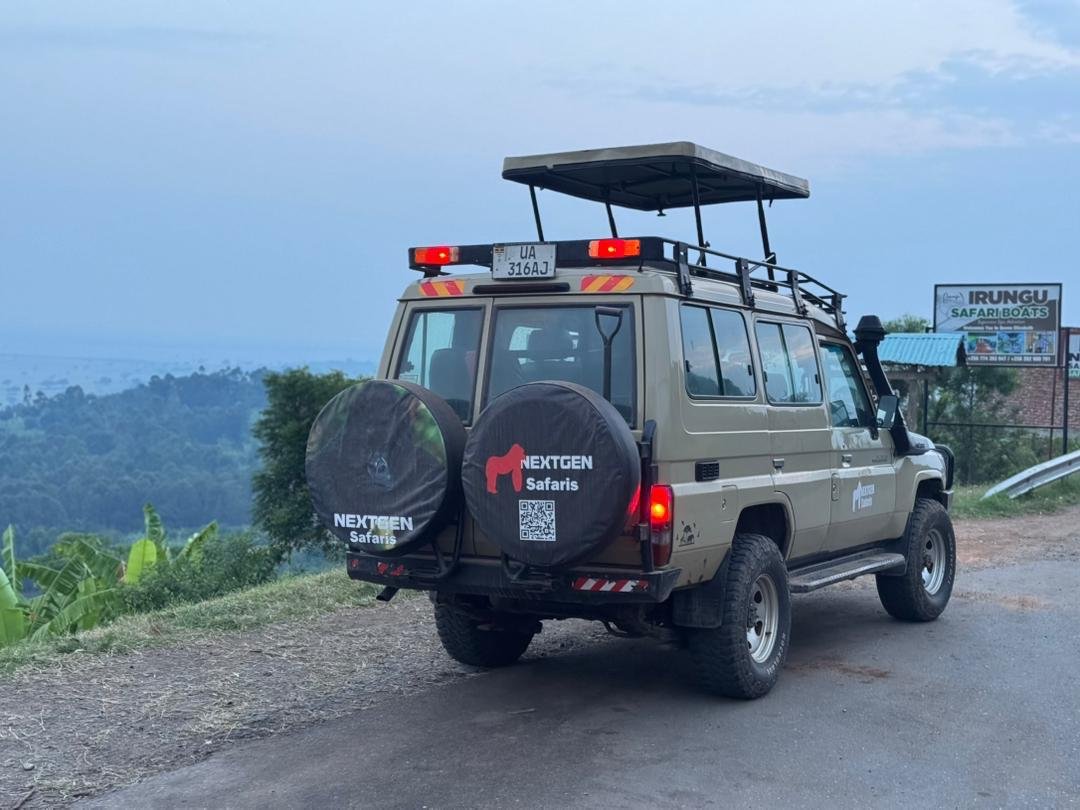
At Nextgen Safaris, we organise personalised Uganda gorilla trekking safaris, Rwanda gorilla trekking holidays, luxury gorilla trekking experiences, and gorilla trekking and habituation adventures. Our safari arrangements include permit coordination, accommodation, private transportation, and experienced guides, allowing travellers to focus on the extraordinary experience of observing mountain gorillas responsibly.