
Can Mountain Gorilla Families Recognise Each Other? Amazing Secrets of Gorilla Memory and Social Bonds
Can Mountain Gorilla Families Recognise Each Other? This fascinating question reveals one of the most remarkable aspects of mountain gorilla intelligence, social behaviour and family relationships. Mountain gorillas are highly social primates that establish meaningful connections with other members of their families and sometimes maintain familiarity with individuals living in different groups. Within the dense forests of Uganda and Rwanda, gorilla families interact, separate, reunite and occasionally encounter neighbouring groups. These encounters provide valuable insights into gorilla communication, recognition, memory and social organisation. Travellers interested in mountain gorilla trekking, Uganda gorilla safaris, Rwanda gorilla experiences, luxury gorilla holidays and private wildlife adventures can discover these fascinating relationships in their natural habitat.
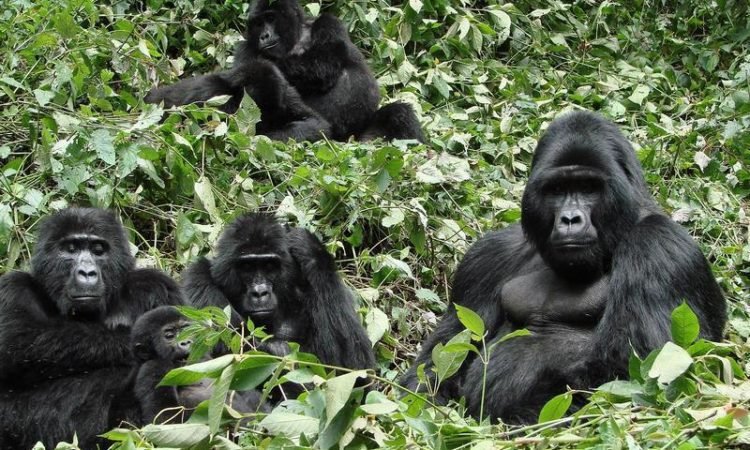
Can Mountain Gorilla Families Recognise Each Other? Scientific observations indicate that gorillas can retain social familiarity with individuals outside their current family groups. Their reactions to other gorillas may depend on previous relationships, shared group membership, communication signals and the location of an encounter. Families that once belonged to the same larger group may respond more peacefully to one another than completely unfamiliar families, although aggression remains possible. Understanding these relationships adds an extraordinary dimension to gorilla trekking in Uganda, mountain gorilla encounters in Rwanda, Bwindi gorilla trekking tours, gorilla habituation experiences and romantic African safari holidays.
Can Mountain Gorilla Families Recognise Each Other? Understanding Gorilla Social Recognition
Can Mountain Gorilla Families Recognise Each Other? Research into mountain gorilla behaviour suggests that social recognition extends beyond the boundaries of an individual family. Gorilla groups are not completely isolated social units. They inhabit overlapping landscapes, encounter neighbouring families and sometimes contain individuals that previously lived together. These shared histories can influence how gorillas behave when meeting animals outside their current group. Familiarity may contribute to peaceful encounters, while unfamiliarity and competition can increase tension. Visitors exploring Uganda gorilla trekking tours, gorilla trekking safaris and luxury gorilla adventures gain a deeper appreciation of these complex social relationships.
Recognition in mountain gorillas involves more than simply noticing another animal. It may include identifying familiar individuals, responding to previous interactions and assessing whether approaching gorillas present opportunities or risks. Researchers evaluate these abilities by studying observable behaviour rather than assuming gorillas understand family identity in exactly the same way humans do. Can Mountain Gorilla Families Recognise Each Other? The strongest evidence concerns familiarity between individuals and the influence of shared social history on encounters between groups. These relationships make Bwindi Impenetrable National Park, Volcanoes National Park gorilla trekking and African primate safaris particularly interesting for wildlife enthusiasts.
How Mountain Gorillas Recognise Familiar Individuals
Mountain gorillas communicate through a sophisticated combination of visual expressions, body movements, vocalisations and physical interactions. These communication methods may help individuals distinguish familiar companions from strangers. Gorillas regularly observe the behaviour and appearance of animals around them, creating opportunities to develop recognition through repeated contact. Although researchers have not established precisely how every sensory cue contributes to recognition in wild encounters, visual and acoustic information clearly play important roles in gorilla social life. Guests joining guided gorilla trekking, private gorilla safaris or gorilla habituation experiences can observe elements of this communication under professional supervision.
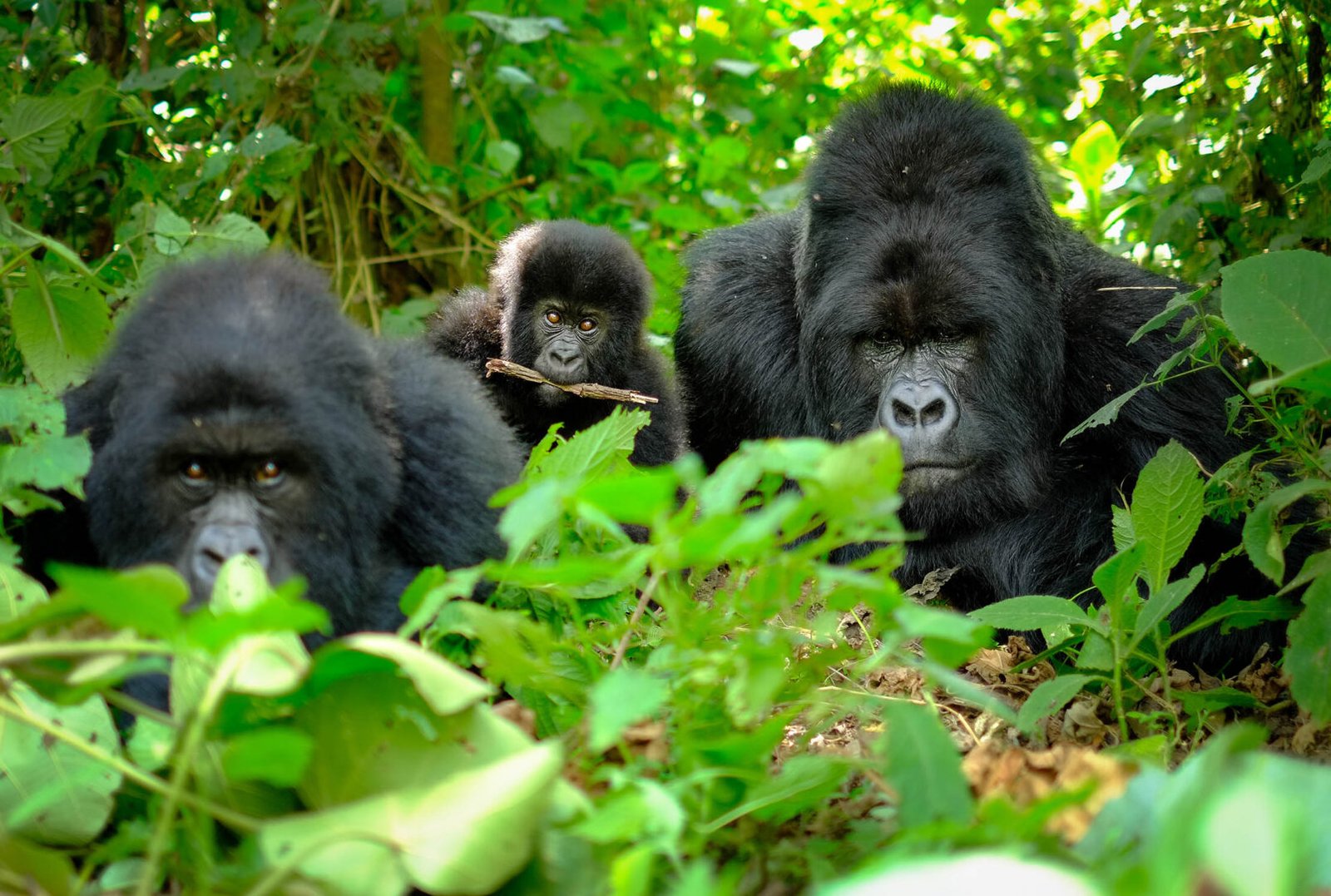
Can Mountain Gorilla Families Recognise Each Other? Familiarity with individuals may be maintained through remembered appearances, vocal behaviour and previous social interactions, although the specific contribution of each mechanism is still being investigated. Within established families, gorillas spend considerable time feeding, resting, grooming and moving together. Such repeated experiences help establish social relationships that may remain relevant after group changes. Adult gorillas also communicate through grunts, expressive postures and other signals that can help coordinate behaviour. Travellers seeking Uganda gorilla trekking packages, Rwanda luxury gorilla safaris and gorilla trekking holiday packages can witness these fascinating social exchanges.
Can Mountain Gorilla Families Recognise Each Other After Living Apart?
Can Mountain Gorilla Families Recognise Each Other? Long-term research indicates that previous social relationships can continue influencing interactions even after gorillas have lived in separate groups for many years. Mountain gorilla families sometimes divide when individuals disperse or changes in group leadership alter their social structure. When this happens, formerly associated animals may continue occupying neighbouring forest areas. Studies of mountain gorillas in Rwanda have found that groups sharing a common history can show greater tolerance during encounters than groups without that history. This remarkable finding suggests that familiarity has a lasting influence on gorilla behaviour. Explore mountain gorilla safaris in Rwanda and Uganda gorilla trekking holidays.
For example, two gorilla groups may have originated from a larger family before separating into independent social units. If they encounter each other years later, their reactions may differ from those displayed toward completely unfamiliar groups. However, peaceful behaviour is not automatic, and particular areas of the forest can still provoke territorial defence. Can Mountain Gorilla Families Recognise Each Other? Evidence suggests that social memory and shared history contribute to how these encounters unfold, even though the exact cognitive mechanisms remain difficult to observe directly. These discoveries highlight the extraordinary social complexity that visitors may learn about during Bwindi gorilla safaris, luxury Uganda gorilla trekking and African gorilla expeditions.
What Happens When Two Mountain Gorilla Families Meet?
When two mountain gorilla families encounter one another, several different interactions are possible. They may remain at a distance, exchange vocal signals, display defensive behaviour or gradually move away from each other. Occasionally, individuals approach closely enough for peaceful interactions, while other encounters involve aggression between adult males. Can Mountain Gorilla Families Recognise Each Other? Familiarity may influence whether an encounter develops peacefully, but the surrounding circumstances are equally important. Such meetings occur naturally within gorilla habitats, including the forests surrounding Bwindi gorilla trekking destinations and Rwanda mountain gorilla habitats.
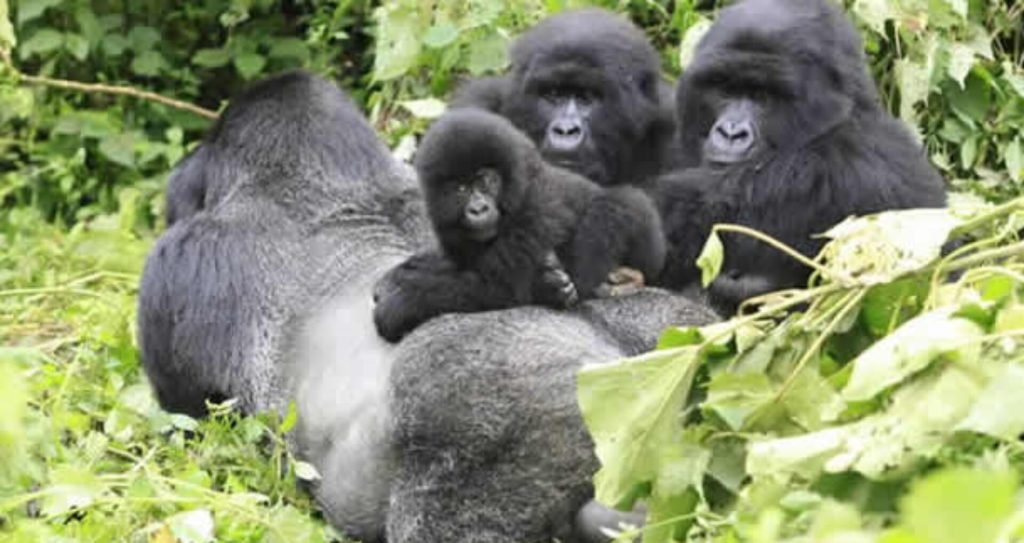
Silverbacks are especially important during encounters because they influence family movements and may respond directly to potential competitors. An adult male might stand prominently, vocalise, beat his chest or position himself between another group and vulnerable members of his family. These actions do not necessarily result in physical fighting, since displays can help communicate strength without direct contact. Can Mountain Gorilla Families Recognise Each Other? Previous familiarity can influence the level of aggression, while the presence of infants, reproductive competition and the location of the meeting may also matter. Guests enjoying responsible gorilla trekking, luxury safari experiences and private Uganda wildlife journeys should never expect or encourage encounters between different families.
Do Silverbacks Recognise Other Silverbacks?
Silverback gorillas are mature adult males that often play central roles in protecting and coordinating their families. They monitor their surroundings, respond to possible threats and influence how their groups behave when another family approaches. Can Mountain Gorilla Families Recognise Each Other? Recognition between familiar adult males may contribute to the behaviour observed during intergroup encounters, particularly when males previously lived in the same group. Nevertheless, a familiar silverback can still become a competitor under different circumstances. Wildlife enthusiasts planning gorilla trekking in Uganda, gorilla trekking in Rwanda or luxury African gorilla safaris can learn about silverback leadership through guided observation.
One of the most recognisable displays used by male gorillas is chest beating. Research has shown that acoustic characteristics of chest beats can convey information about male body size, potentially helping other gorillas evaluate rivals without fighting. It remains uncertain whether an individual chest beat reliably communicates the identity of a particular gorilla in every situation. Can Mountain Gorilla Families Recognise Each Other? Communication signals may contribute to recognition, but no single display explains the full complexity of gorilla social memory. During gorilla trekking experiences and gorilla habituation safaris, visitors sometimes observe these impressive displays while maintaining the required viewing distance.
Can Female Mountain Gorillas Recognise Former Family Members?
Female mountain gorillas provide particularly valuable evidence about recognition because they may transfer between groups throughout their lives. Such movements create opportunities for individuals to maintain connections with gorillas living outside their current families. Long-term research has found that females may prefer joining groups containing other females they previously knew. These findings suggest that familiar relationships can remain important even after prolonged separation. Can Mountain Gorilla Families Recognise Each Other? Female dispersal behaviour provides compelling evidence that the social history of an individual gorilla can influence its future choices. Travellers exploring Uganda gorilla holidays and Rwanda gorilla trekking adventures can appreciate the importance of these enduring relationships.
Female gorillas also establish strong relationships through shared feeding activities, resting nearby and maintaining social contact over extended periods. Although these relationships can change following group transfers, familiarity may help individuals navigate new social environments. Researchers continue investigating whether familiar companions provide advantages when females enter unfamiliar groups and how these relationships influence group stability. Can Mountain Gorilla Families Recognise Each Other? The evidence points toward a social system in which relationships can extend beyond current family membership. This behaviour adds another fascinating dimension to gorilla trekking expeditions, luxury gorilla holidays and romantic gorilla safari experiences.
Why Familiar Gorilla Families May Behave Peacefully
Peaceful encounters between mountain gorilla groups can include remaining near one another without confrontation, allowing limited social interactions or tolerating neighbouring individuals. Such behaviour challenges the assumption that every meeting between wild gorilla families must result in aggression. Can Mountain Gorilla Families Recognise Each Other? Research suggests that previously shared group membership can increase the likelihood of peaceful encounters, particularly outside the central areas of family home ranges. Nevertheless, researchers caution against assuming that familiarity eliminates competition entirely. Visitors interested in Uganda gorilla trekking tours, Rwanda mountain gorilla safaris and gorilla conservation adventures can learn about these complex relationships.
The location of a meeting can dramatically influence how gorillas respond to one another. Encounters near important areas of a group’s home range may produce stronger defensive reactions, even when the families share a previous connection. Competition, the presence of other adult males and the need to protect group members can also affect behaviour. Can Mountain Gorilla Families Recognise Each Other? Yes, familiarity appears to matter, but it operates alongside other social and environmental influences. Understanding this balance helps travellers appreciate why guided mountain gorilla trekking, responsible primate tourism and well-organised African safaris emphasise patient observation rather than dramatic wildlife encounters.
Do Mountain Gorilla Families Recognise Their Neighbours?
Mountain gorilla families often occupy home ranges that overlap with those of neighbouring groups. However, they may concentrate their daily activities in different areas and avoid direct encounters whenever possible. Researchers have documented patterns of movement and behaviour suggesting that groups respond differently depending on their social history and the areas they occupy. Can Mountain Gorilla Families Recognise Each Other? Familiarity with neighbouring individuals may help shape their reactions, although recognition should not be interpreted as proof that gorillas maintain fixed boundaries or formal alliances. Travellers discovering Bwindi Impenetrable Forest gorilla trekking, Rwanda gorilla destinations and Uganda safari experiences can gain insight into this complex forest society.
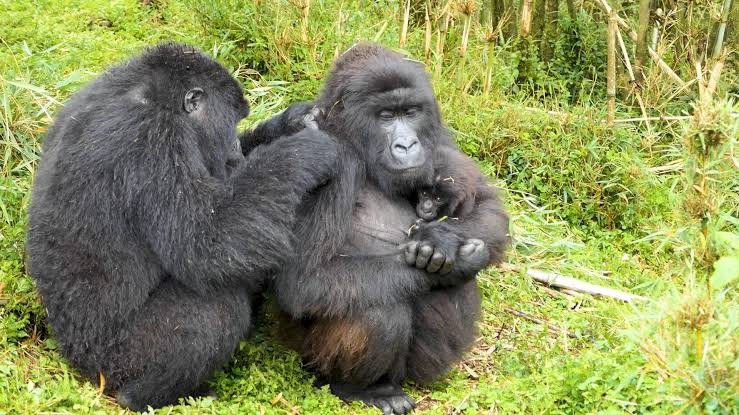
Neighbouring groups may also adjust their movements according to feeding opportunities, forest conditions and the presence of other families. Mountain gorillas consume a wide variety of vegetation, and their feeding patterns influence daily travel distances and preferred resting locations. Although group ranges can overlap, animals may avoid certain areas when other gorillas are present. Can Mountain Gorilla Families Recognise Each Other? Recognition and remembered encounters could contribute to this flexibility, alongside environmental and social factors. Understanding gorilla movement makes Uganda gorilla trekking packages, gorilla trekking and habituation safaris and private gorilla holidays especially educational.
Why Gorilla Recognition Matters for Conservation
Understanding how mountain gorillas recognise and respond to familiar individuals helps researchers investigate population dynamics, family stability, group dispersal and habitat use. Social relationships influence where animals travel and how groups form or change over time. Can Mountain Gorilla Families Recognise Each Other? Evidence of lasting familiarity suggests that conservation efforts should account for the relationships connecting animals across group boundaries. Protecting suitable habitats and maintaining responsible monitoring programmes are essential to understanding these complex populations. Travellers booking responsible gorilla trekking holidays, Uganda wildlife safaris and Rwanda gorilla adventures contribute through regulated tourism that supports conservation and local economies.
Conservation programmes must also minimise unnecessary disturbance, protect gorillas from infectious diseases and support the continued monitoring of habituated families. Mountain gorillas remain wild animals, even when they are accustomed to controlled human observation. Visitors should follow park regulations, maintain the required distance and avoid attempting to attract gorilla attention. Can Mountain Gorilla Families Recognise Each Other? Understanding their social intelligence reinforces the importance of preserving natural behaviour instead of manipulating encounters for photographs. Nextgen Safaris helps travellers organise regulated gorilla trekking experiences, while visitors can arrange Uganda gorilla trekking permits before their journey.
Experience Mountain Gorilla Family Behaviour in Uganda and Rwanda
Observing mountain gorillas in their natural habitat provides an exceptional opportunity to witness family relationships, protective behaviour, feeding activities and communication. During a standard gorilla trek, visitors are guided to an assigned habituated family and normally receive up to one hour of viewing time once the gorillas are located. Every encounter is different, and the natural behaviour of the animals determines what visitors observe. Can Mountain Gorilla Families Recognise Each Other? Although meetings between separate families cannot be promised, ordinary interactions within a family can reveal remarkable social intelligence. Explore Uganda gorilla trekking, Rwanda luxury gorilla trekking, private gorilla safari packages and affordable gorilla trekking options.
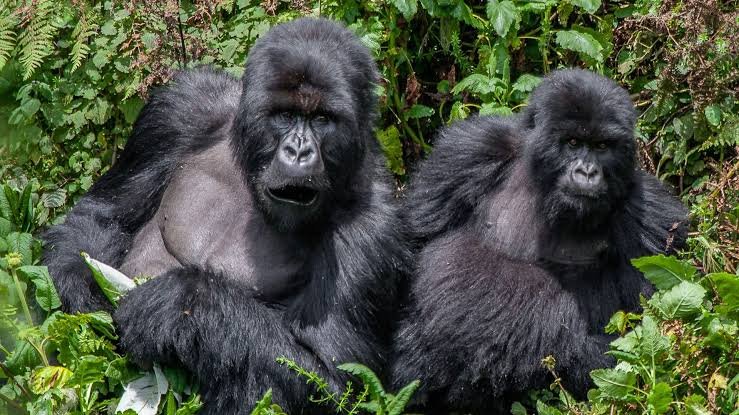
For travellers interested in observing gorilla behaviour for longer, Uganda also offers a specialised gorilla habituation experience under controlled conservation arrangements. This activity provides an opportunity to spend more time with a designated group undergoing habituation, subject to official park rules and permit availability. It is not a guarantee of witnessing intergroup meetings or specific recognition behaviour. Can Mountain Gorilla Families Recognise Each Other? A thoughtfully organised safari can help visitors understand the evidence through expert explanations and respectful observation. Discover gorilla trekking and habituation packages, Uganda gorilla permits, gorilla habituation permits and luxury Uganda gorilla adventures.
Frequently Asked Questions About Mountain Gorilla Family Recognition
Can Mountain Gorilla Families Recognise Each Other?
Research suggests that mountain gorillas can retain familiarity with individuals living in other groups. Shared group history influences the likelihood of peaceful encounters, although it does not eliminate conflict. Visitors can explore these relationships during Uganda gorilla trekking or Rwanda gorilla safaris.
Can Mountain Gorilla Families Recognise Each Other After Many Years?
Yes, evidence indicates that social familiarity may remain influential for many years after groups separate. Researchers have documented greater tolerance between groups sharing a common history, although responses vary according to circumstances. Learn more through mountain gorilla trekking holidays.
How Do Mountain Gorillas Recognise Familiar Individuals?
Mountain gorillas use visual information, vocalisations, physical expressions and remembered social experiences in their interactions. Scientists are still investigating precisely which recognition cues are most important. Travellers may observe communication during guided gorilla trekking expeditions.
Can Mountain Gorilla Families Recognise Each Other Through Sounds?
Sounds may contribute to gorilla recognition, but researchers have not established that vocalisations alone allow entire families to identify one another. Acoustic communication helps gorillas exchange information about their surroundings and social situations. Explore gorilla behaviour on safari.
Do Mountain Gorilla Families Remember Their Former Members?
Evidence from group encounters and female dispersal suggests that gorillas can maintain familiarity with former companions. Such relationships may influence their behaviour after separation. Discover mountain gorilla social behaviour through responsible wildlife experiences.
Do Silverbacks Recognise Other Silverbacks?
Familiarity between adult males may influence their behaviour during encounters, particularly if they previously belonged to the same group. However, recognition does not prevent competition or defensive displays. Explore silverback gorilla encounters.
Can Two Mountain Gorilla Families Become Friends?
Different groups may interact peacefully, especially when they share previous social relationships. However, scientists generally describe these behaviours using terms such as familiarity and social tolerance rather than assuming human-like friendship. Discover gorilla trekking safaris.
Why Do Some Mountain Gorilla Families Fight?
Aggression can arise from competition between adult males, threats to vulnerable group members or encounters in important areas of a family’s home range. Familiarity may influence the outcome but does not guarantee peaceful behaviour. Explore gorilla trekking in Rwanda.
Can Mountain Gorilla Families Recognise Each Other in Bwindi?
Mountain gorillas in Bwindi possess complex social relationships, although specific conclusions about recognition require careful observation of identified individuals. Long-term studies in Rwanda provide strong evidence of the influence of shared group history. Plan Bwindi gorilla trekking with experienced guides.
Where Can Tourists Observe Mountain Gorilla Family Behaviour?
Tourists can observe habituated mountain gorilla families in Uganda’s Bwindi Impenetrable and Mgahinga Gorilla national parks and Rwanda’s Volcanoes National Park. Encounters between different families are not guaranteed or deliberately arranged. Book Uganda and Rwanda gorilla trekking tours for a responsible experience.
Book Your Gorilla Trekking Safari With Nextgen Safaris
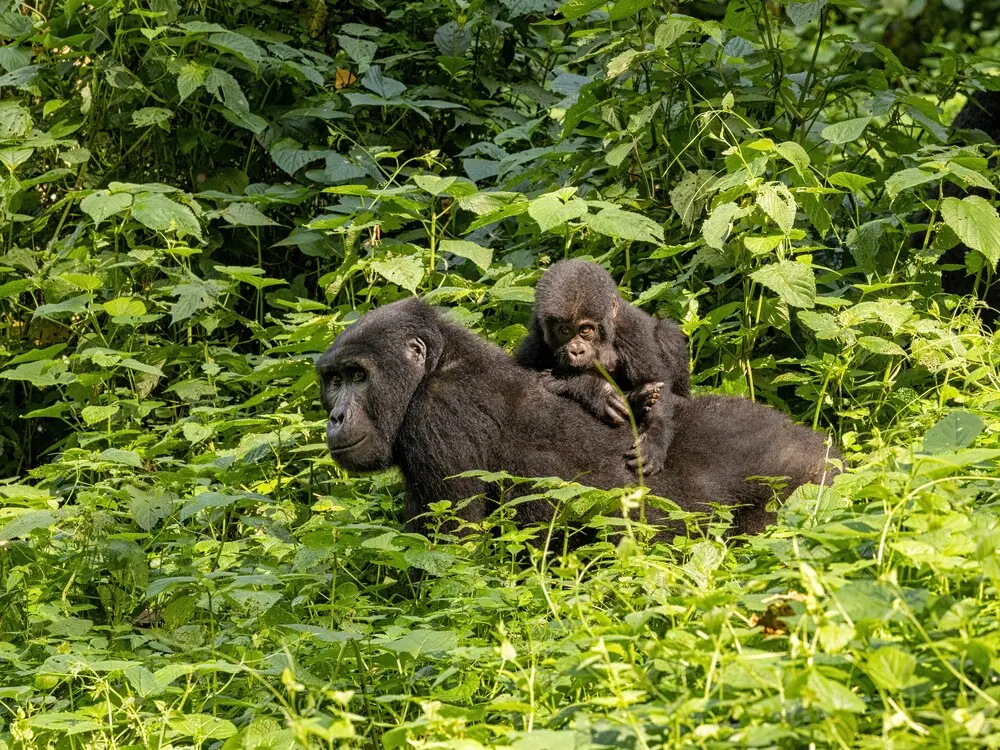
Can Mountain Gorilla Families Recognise Each Other? Understanding the remarkable social intelligence of mountain gorillas makes observing these endangered primates an even more meaningful experience. From the deep forests of Bwindi to the volcanic slopes of Rwanda, every gorilla family has its own relationships, history and social dynamics. Nextgen Safaris offers expertly organised gorilla trekking adventures for travellers seeking close wildlife observation, professional guiding, comfortable accommodation and unforgettable African experiences. Discover our Uganda gorilla trekking safaris, Rwanda luxury gorilla holidays, gorilla and chimpanzee adventures, luxury Uganda safaris and romantic gorilla safari holidays.