
Carbon crediting in Africa
Carbon crediting in Africa is no longer just an environmental concept, it is a transformative movement reshaping how tourism, conservation, and investment intersect across the continent. As global awareness around climate change intensifies, Africa has emerged as one of the most important regions for carbon offset projects due to its vast forests, biodiversity hotspots, and growing commitment to sustainable development.
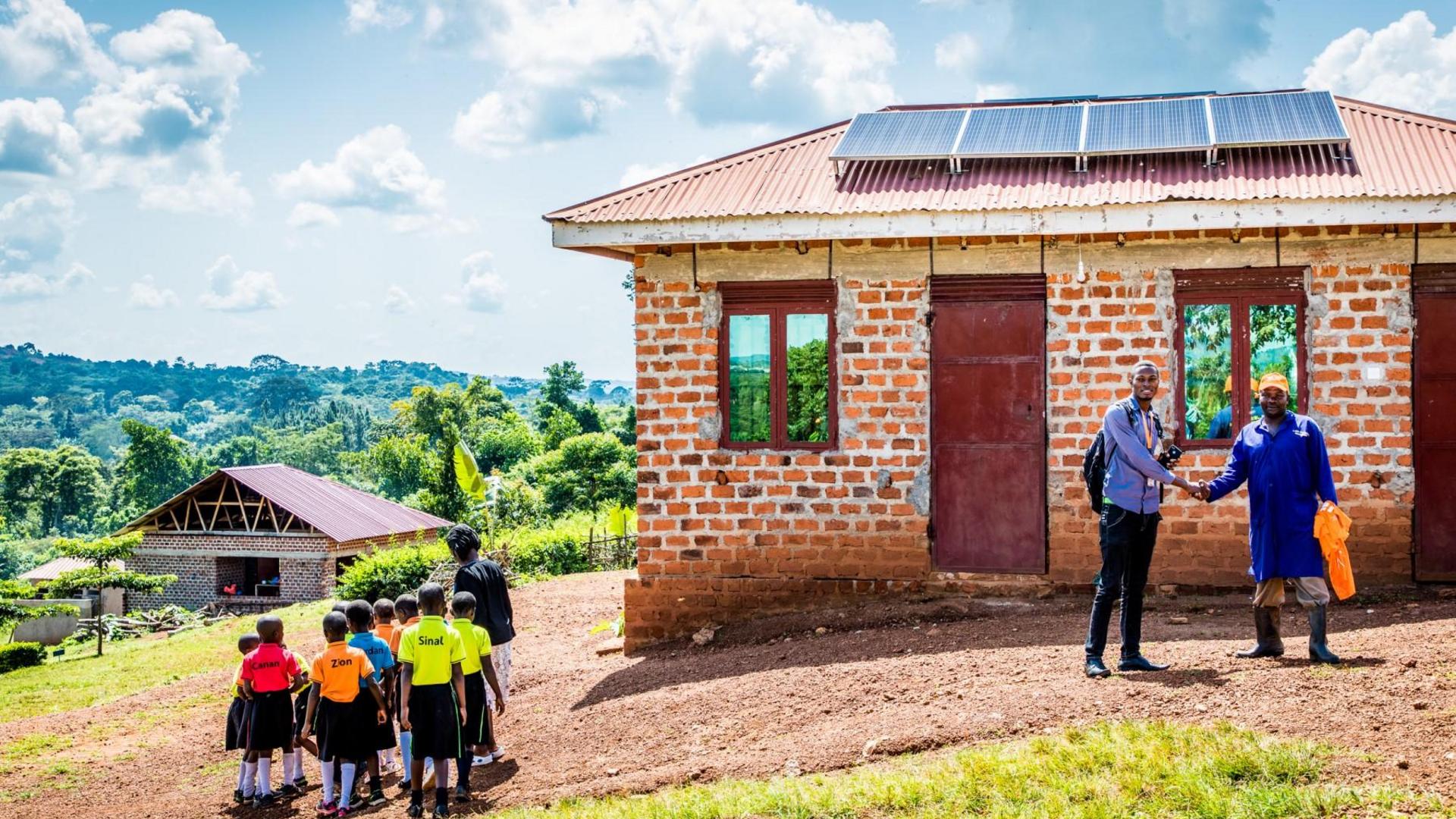


Carbon credit tourism in Africa allows travelers to explore iconic destinations while actively contributing to climate solutions. Through structured carbon offset programs, visitors can balance their travel emissions by supporting verified projects that remove or reduce carbon dioxide from the atmosphere. This creates a powerful model where tourism not only generates economic value but also protects ecosystems and empowers local communities.
At the same time, carbon credit investments in Africa are attracting global attention from corporations, institutions, and private investors seeking credible and impactful climate solutions. These projects are not only environmentally significant but also economically transformative, creating jobs, improving livelihoods, and strengthening resilience in vulnerable regions.
How Carbon Crediting Works in Africa
Carbon crediting in Africa operates through a structured system that connects travelers, investors, and conservation initiatives into a measurable and transparent environmental impact model.
1. Offsetting Carbon Footprint
Travelers participating in carbon credit tourism offset emissions generated from flights, transport, and accommodation by purchasing carbon credits. These credits represent verified reductions in carbon emissions through projects such as reforestation, renewable energy, and sustainable agriculture.
2. Investment in Conservation Projects
Funds generated from carbon credits are reinvested into environmental initiatives including forest restoration, wildlife protection, and ecosystem rehabilitation across Africa.
3. Community Empowerment
Carbon credit projects in Africa actively involve local communities, creating employment through tree planting, conservation work, eco-tourism, and sustainable enterprises.
4. Measurable Environmental Impact
Using internationally recognized standards, carbon credit projects track and verify emission reductions, ensuring transparency and accountability.
Carbon Crediting Projects in Uganda
Uganda is one of Africa’s leading countries in carbon credit development, with diverse projects focused on climate mitigation and sustainable livelihoods.
Key Carbon Credit Projects:
Clean Cookstoves Initiative
Reduces deforestation and indoor pollution by replacing traditional cooking methods.
Afforestation & Reforestation
Large-scale tree planting projects restore degraded land and capture carbon emissions.
Renewable Energy Projects
Solar, hydro, and wind energy initiatives reduce dependence on fossil fuels.
Sustainable Agriculture
Agroforestry and climate-smart farming improve productivity while reducing emissions.
Waste Management Projects
Innovations such as composting and biogas reduce landfill emissions and improve urban sustainability.
Top Carbon Crediting Destinations in Africa
Africa’s carbon credit landscape is deeply tied to its natural ecosystems, conservation priorities, and tourism potential. The following destinations stand out not only for their biodiversity but also for their ability to generate measurable carbon impact while offering meaningful travel and investment opportunities.
Kenya
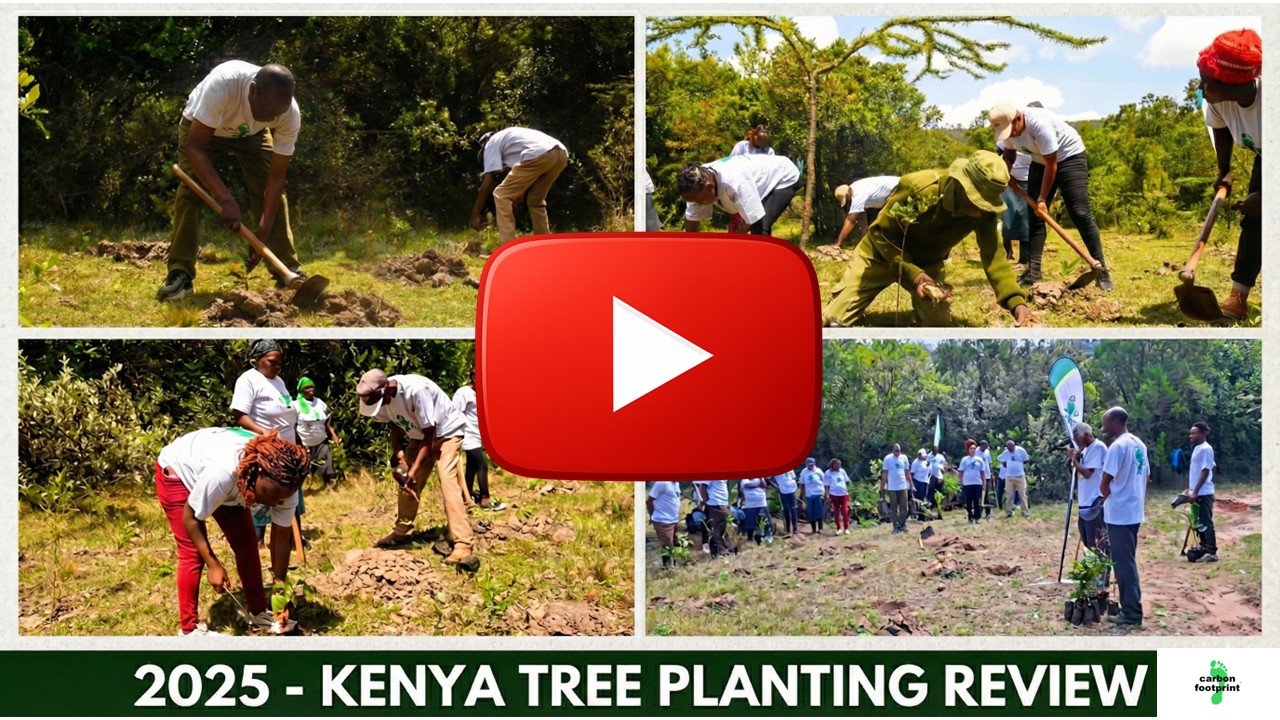
Kenya has positioned itself as one of Africa’s most advanced carbon credit markets, particularly in forestry and renewable energy. Large-scale reforestation and afforestation initiatives are actively restoring degraded land while generating verified carbon credits. At the same time, Kenya’s investment in wind and solar energy projects continues to reduce reliance on fossil fuels.
What makes Kenya unique is its integration of carbon projects with eco-tourism. Travelers can visit conservation areas, participate in sustainability programs, and directly contribute to climate initiatives. This combination of tourism and carbon crediting makes Kenya one of the most accessible and mature destinations for both investors and eco-conscious travelers.
Uganda
Uganda offers one of the most compelling environments for carbon crediting due to its rich forest cover and biodiversity. Home to Bwindi Impenetrable National Park, the country plays a critical role in carbon sequestration through forest conservation and reforestation projects.
Carbon credit initiatives in Uganda often focus on agroforestry, forest restoration, and sustainable land use practices. These projects not only reduce emissions but also support local communities through employment and eco-tourism development. Uganda’s growing tourism sector, particularly gorilla trekking, aligns naturally with carbon credit tourism, making it an ideal destination where conservation and travel intersect.
Tanzania
Tanzania is globally recognized for its vast landscapes and conservation programs, making it a key player in carbon crediting through REDD+ initiatives (Reducing Emissions from Deforestation and Forest Degradation). Protected areas such as Serengeti National Park and the slopes of Mount Kilimanjaro contribute significantly to carbon storage and biodiversity protection.
Carbon credit projects in Tanzania are often linked to forest preservation, sustainable agriculture, and wildlife conservation. These initiatives provide both environmental benefits and economic opportunities for local communities, reinforcing the country’s position as a leader in conservation-based carbon markets.
Madagascar
Madagascar is one of the most unique carbon credit destinations in the world due to its exceptional biodiversity and high rate of endemism. Forest conservation and restoration projects are central to the country’s carbon strategy, as its ecosystems play a critical role in absorbing carbon emissions.
Carbon credit initiatives here focus on protecting fragile habitats, restoring degraded forests, and supporting sustainable livelihoods for local communities. For travelers and investors, Madagascar offers a rare opportunity to contribute to projects that protect species and ecosystems found nowhere else on Earth.
Carbon Credit Investment Opportunities in Africa
Carbon crediting in Africa has evolved into one of the most attractive climate investment sectors globally. As international demand for carbon offsets continues to rise, Africa’s natural resources, land availability, and project scalability position it as a key destination for high-impact investments.
Investors entering the African carbon market can participate in a wide range of projects, each offering both environmental returns and long-term economic value.
Forestry and Reforestation Projects
Forestry remains the backbone of carbon crediting in Africa. Large-scale tree planting and forest restoration projects absorb significant amounts of carbon dioxide while restoring ecosystems and protecting biodiversity. These projects often generate long-term carbon credits and provide employment opportunities for local communities.
Renewable Energy Infrastructure
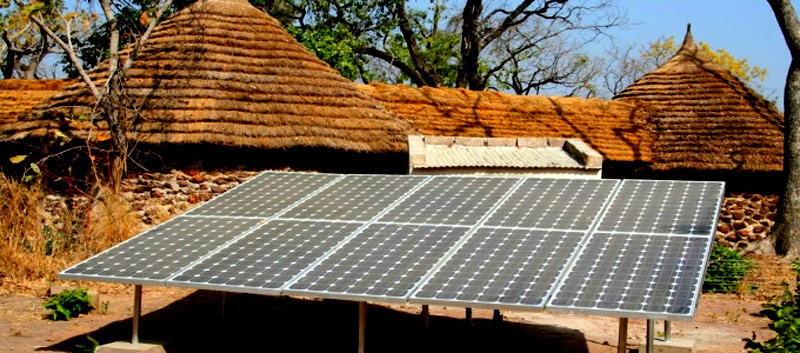
Africa’s transition to clean energy presents a major investment opportunity. Solar, wind, and hydroelectric projects not only reduce emissions but also improve energy access in underserved regions. Carbon credits generated from these initiatives contribute to global climate goals while supporting economic development.
Sustainable Agriculture Initiatives
Agriculture is both a challenge and an opportunity in carbon crediting. Projects focused on agroforestry, conservation farming, and improved land management reduce emissions while increasing productivity and resilience. These initiatives are particularly impactful in rural communities where agriculture is a primary livelihood.
Conservation-Linked Tourism
Carbon credit tourism is emerging as a powerful hybrid model that combines travel with climate action. Investors can support eco-lodges, conservation programs, and wildlife protection initiatives that generate carbon credits while attracting high-value tourism. This model creates a sustainable loop where tourism revenue directly supports environmental conservation.
Africa offers a rare combination of scale, impact, and diversity in carbon credit investments. For forward-thinking investors, it represents not just an opportunity for returns, but a chance to be part of a global climate solution.
Are Carbon Credits in Africa Worth Investment?
Carbon credits in Africa represent one of the most compelling investment opportunities in today’s climate-focused economy. As global corporations, governments, and institutions commit to net-zero targets, the demand for verified carbon credits continues to increase rapidly.
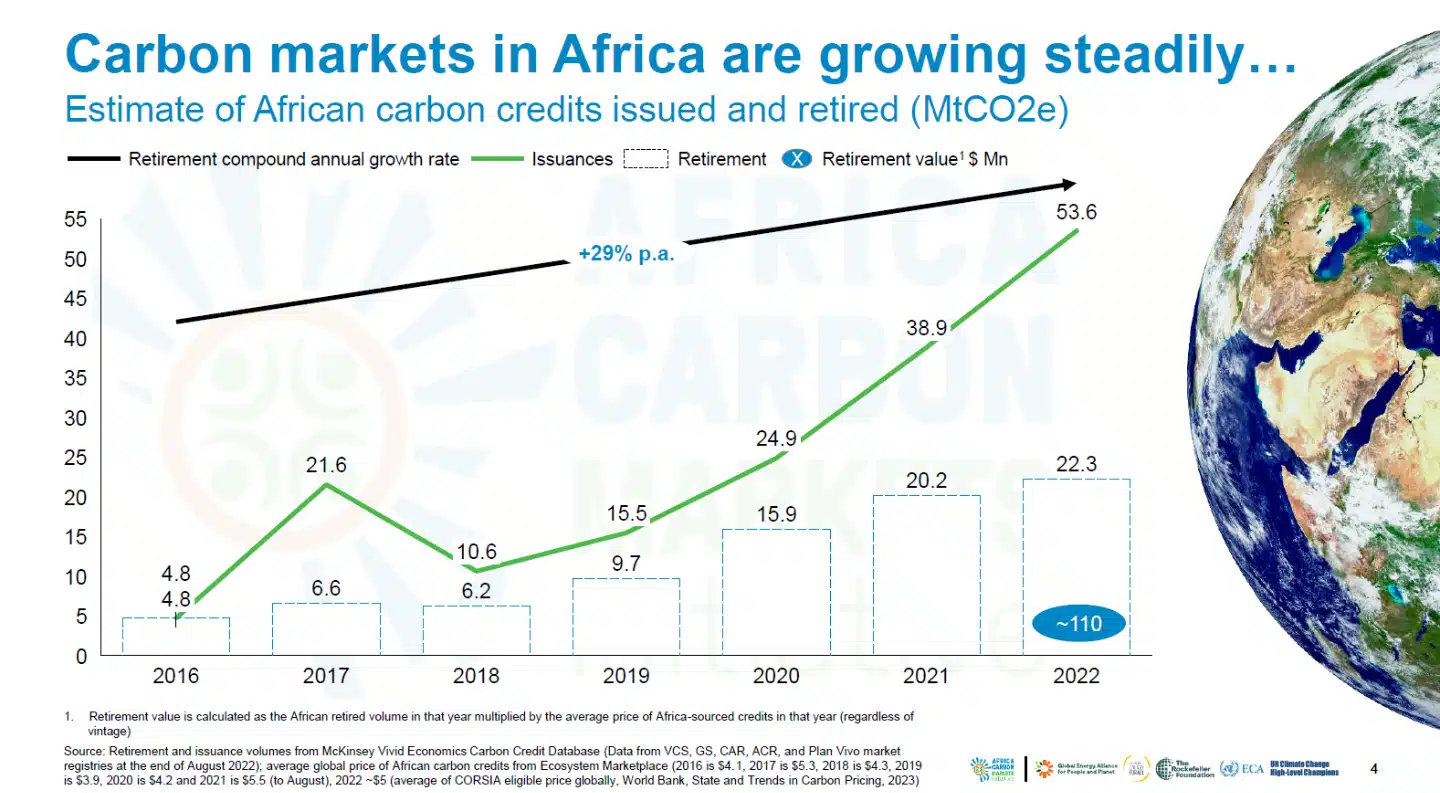
Africa is uniquely positioned to meet this demand. Its vast forest landscapes, renewable energy potential, and agricultural systems provide the foundation for scalable carbon projects. At the same time, investment in these projects delivers measurable environmental impact while supporting local economies and communities.
What makes carbon credit investment in Africa particularly attractive is its dual benefit. Investors are not only participating in climate mitigation but also contributing to social development, job creation, and biodiversity conservation. This combination of environmental and social returns strengthens the long-term value of these investments.
While due diligence is essential, including verification of standards and project credibility, the overall outlook for carbon crediting in Africa is strong. For investors seeking both impact and opportunity, Africa remains one of the most promising regions globally.
Key Organizations and Standards in Carbon Crediting
The credibility of carbon credit projects depends heavily on the organizations and standards that regulate and verify them. Understanding these frameworks is essential for both investors and travelers who want to ensure their contributions are meaningful and legitimate.
Key organizations involved in carbon crediting include:
- United Nations Framework Convention on Climate Change, which provides global leadership on climate agreements and frameworks
- Clean Development Mechanism, which supports emission reduction projects in developing countries
Equally important are the certification standards that ensure transparency and accountability:
- Verified Carbon Standard (VCS), widely used for validating carbon reduction projects
- Gold Standard, known for its strong emphasis on environmental integrity and community impact
Working with projects that meet these standards ensures that carbon credits are real, measurable, and aligned with global climate goals.
Travel Guide for Carbon Crediting Tours in Africa
Planning a carbon credit tour in Africa requires preparation, but it also offers a unique opportunity to experience the continent in a meaningful and responsible way.
Entry Requirements
Travelers must have a valid passport and meet visa requirements based on their destination. It is advisable to check embassy guidelines before travel.
Language
English and Swahili are widely spoken across East Africa, making communication accessible for international travelers.
Currency
US Dollars are commonly accepted, and major credit cards are usable in most hotels and lodges. Local currencies are also available for smaller transactions.
Health
Travelers should consult a medical professional prior to travel, particularly regarding malaria prevention and recommended vaccinations.
Packing
Lightweight, breathable clothing is recommended for daytime activities, along with warmer layers for mornings and evenings. Comfortable footwear is essential for excursions.
Carbon credit tours are not just about travel—they are about participation. Visitors are encouraged to engage with conservation activities, learn from local communities, and gain a deeper understanding of sustainability practices.

Invest or Travel with Purpose in Africa
Carbon crediting in Africa represents a powerful opportunity to align travel, investment, and environmental responsibility into one meaningful experience. Whether you are exploring Africa’s landscapes or investing in its future, your contribution plays a role in shaping sustainable development across the continent.
At Nextgen Safaris, we specialize in designing experiences that connect travelers and investors with real, impactful carbon credit initiatives across Africa.
Start Your Carbon Credit Safari or Investment Journey
Email: info@nextgensafaris.com
WhatsApp: +4915754711313
Take the Next Step
Carbon crediting in Africa is more than a concept—it is a movement toward a more sustainable future. Whether you choose to travel, invest, or both, this is your opportunity to be part of something that truly matters.