
Chimpanzee Conservation
Powerful Chimpanzee Conservation: Protecting Uganda’s Intelligent Primates and Their Forest Homes
Chimpanzees are among the most intelligent and fascinating wildlife species on Earth, but their survival is increasingly threatened by human activities and environmental changes. Chimpanzee Conservation plays a critical role in protecting these remarkable primates, preserving their natural habitats, and ensuring future generations can continue to experience them in the wild.
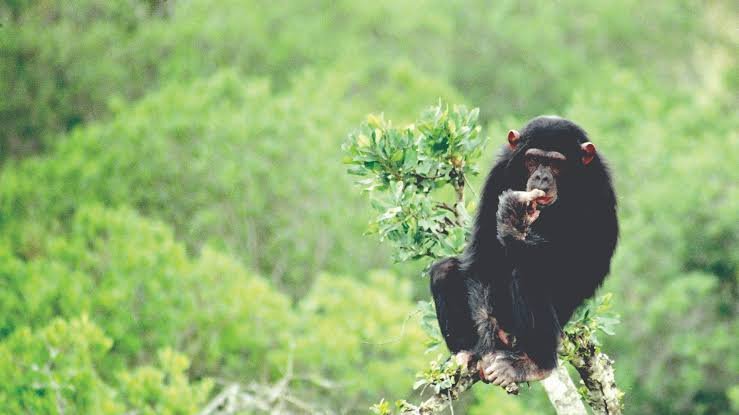
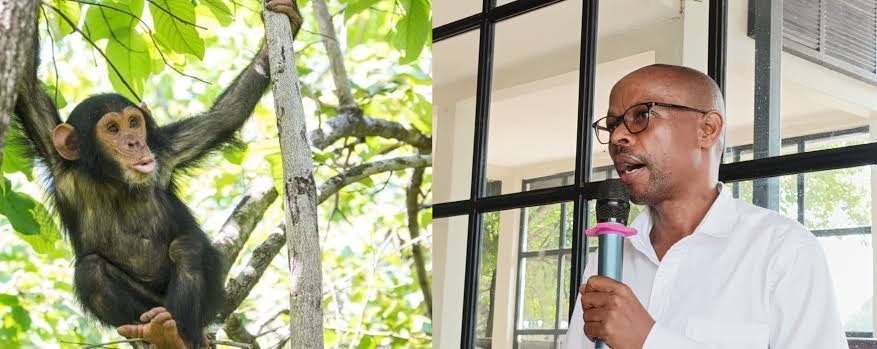
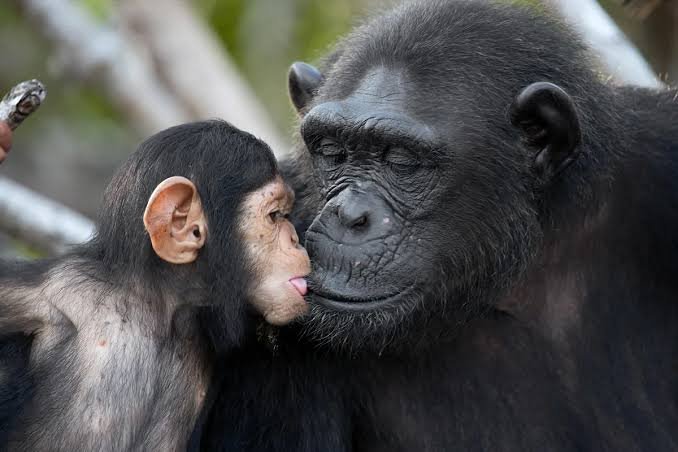
Chimpanzees depend heavily on tropical forests for food, shelter, and social activities. However, decades of forest destruction, agricultural expansion, illegal wildlife activities, and human-wildlife conflicts have reduced their available habitat across Africa. Without strong conservation efforts, chimpanzee populations face increasing pressure that could threaten their long-term survival.
Uganda has become one of Africa’s leading destinations for chimpanzee conservation due to its protected forests, research programs, and responsible wildlife tourism initiatives. Through national parks such as Kibale Forest National Park, Budongo Forest, and Queen Elizabeth National Park, Uganda provides safe environments where chimpanzees can thrive while visitors experience these incredible animals responsibly.
At Nextgen Safaris, we believe that every chimpanzee safari should contribute to conservation. By educating travelers about chimpanzee protection, supporting responsible tourism, and promoting sustainable experiences, we help create a future where chimpanzees and their forest ecosystems remain protected.
Why Chimpanzee Conservation Is Important
Chimpanzees are not only fascinating animals but also an important part of Africa’s natural ecosystems. As intelligent great apes with complex behaviors, they contribute significantly to forest biodiversity and provide valuable insights into evolution, animal intelligence, and the connection between humans and wildlife.
Protecting chimpanzees means protecting the forests where they live. Tropical forests are home to thousands of plant and animal species, many of which depend on the same ecosystems as chimpanzees. When forests are preserved for chimpanzees, countless other species also benefit from habitat protection.
Chimpanzees also have enormous scientific and educational importance. Because they share a close genetic relationship with humans, studying their behavior, communication, and social structures helps researchers understand human evolution and the development of intelligence. Conservation ensures these opportunities continue while maintaining healthy ecosystems.
The Current Status of Chimpanzee Populations
Chimpanzees are currently classified as an endangered species, with their populations experiencing significant declines across Africa over recent decades. Once widespread across large areas of tropical forest, chimpanzee numbers have been reduced by several human-driven and environmental pressures, including habitat destruction, illegal hunting, disease outbreaks, and increasing human activities near forest ecosystems. These challenges have placed many chimpanzee communities under growing pressure and made conservation efforts more important than ever.
The greatest threat to chimpanzee populations today is the continued loss and fragmentation of their natural habitat. Tropical forests, which provide chimpanzees with food, shelter, and safe areas for raising their young, are being reduced due to agricultural expansion, infrastructure development, settlements, and resource extraction. As forests become smaller and separated, chimpanzee communities face difficulties finding enough food, maintaining social groups, and moving safely between different areas.
Despite these challenges, conservation organizations, governments, researchers, and local communities are working together to protect chimpanzees and restore their habitats. Through forest protection initiatives, scientific research, population monitoring, community education, and sustainable wildlife tourism, conservation programs are helping to create better conditions for chimpanzee survival. These combined efforts provide hope for stabilizing chimpanzee populations and ensuring that future generations can continue to experience these remarkable primates in the wild.
Protecting Chimpanzee Habitats in Uganda
Uganda is one of Africa’s most important destinations for chimpanzee conservation because it protects some of the continent’s most valuable rainforest habitats. These forests provide essential environments where chimpanzee communities can survive, find food, raise their young, and maintain their natural social behaviors. Protecting these habitats is a key part of ensuring the long-term survival of chimpanzees, as their existence depends heavily on healthy and connected forest ecosystems.
Kibale Forest National Park is Uganda’s most famous chimpanzee conservation area and one of the most important chimpanzee habitats in Africa. Often referred to as the “Primate Capital of the World,” Kibale protects one of the largest populations of chimpanzees while supporting a diverse ecosystem filled with other primates, forest elephants, birds, butterflies, and countless plant species. The protection of this forest allows chimpanzees to continue their natural activities, including feeding, nesting, traveling, and social interactions within their communities.
Beyond Kibale Forest, Uganda protects several other important chimpanzee habitats that contribute greatly to conservation efforts. Budongo Forest within the Murchison Falls Conservation Area, Kyambura Gorge in Queen Elizabeth National Park, and Kalinzu Forest Reserve provide safe environments for chimpanzees while supporting research, monitoring programs, and responsible tourism activities. These conservation areas not only protect chimpanzees but also help preserve Uganda’s wider biodiversity and create opportunities for communities to benefit from wildlife protection.
Threats Facing Chimpanzees and Their Survival
Habitat Loss and Deforestation
Habitat destruction is the greatest threat to chimpanzee survival. Chimpanzees require large forest areas because they depend on trees for food, movement, nesting, and protection. When forests are cleared, chimpanzee communities lose access to essential resources.
Deforestation also separates chimpanzee groups by creating isolated forest patches. This fragmentation makes it harder for individuals to move between areas, find food, and maintain healthy populations through natural breeding.
Chimpanzee Conservation programs focus heavily on protecting existing forests, restoring damaged habitats, and creating connections between fragmented forest areas. Protecting forests is one of the most effective ways to secure the future of chimpanzees.
Illegal Wildlife Trade and Human Activities
Although chimpanzees are protected by law, illegal wildlife activities remain a threat in some regions. Young chimpanzees may be captured for illegal trade, while adults may be harmed during these activities.
Human expansion into forest areas can also create conflicts between people and chimpanzees. As communities grow closer to wildlife habitats, encounters between humans and chimpanzees become more common.
Conservation programs work to reduce these threats through law enforcement, education, community involvement, and alternative livelihood programs that encourage people to protect wildlife rather than exploit it.
Disease Transmission
Because chimpanzees are closely related to humans, they are vulnerable to many human diseases. Illnesses that are harmless or manageable for humans can have serious consequences for chimpanzee populations.
This is why chimpanzee tourism follows strict health and safety guidelines. Visitors who are sick may be restricted from participating in trekking activities, and travelers are required to maintain safe distances from chimpanzees.These precautions protect both chimpanzees and visitors while ensuring that wildlife encounters remain safe and responsible.
The Role of Chimpanzee Tourism in Conservation
Responsible tourism plays a vital role in supporting Chimpanzee Conservation by creating a sustainable source of funding for protecting endangered primates and their natural habitats. Revenue generated through chimpanzee trekking permits, national park fees, guiding services, accommodation, and other tourism activities contributes to important conservation programs such as forest protection, wildlife monitoring, scientific research, and ranger operations. These financial resources help ensure that protected areas remain secure environments where chimpanzees can continue to survive.
When travelers visit chimpanzee destinations responsibly, they directly contribute to the preservation of these remarkable animals and the ecosystems they depend on. Tourism creates economic value from protecting forests rather than destroying them, encouraging governments, conservation organizations, and local communities to support long-term habitat protection. By choosing responsible chimpanzee experiences, visitors help demonstrate that living chimpanzees and healthy forests provide greater benefits than activities that threaten their survival.
Beyond financial support, chimpanzee tourism plays an important role in increasing global awareness about wildlife conservation. Visitors who encounter chimpanzees in their natural environment often develop a stronger connection with these animals and become advocates for their protection. After returning home, many travelers share their experiences, support conservation initiatives, and encourage others to protect endangered wildlife, creating a wider positive impact beyond the safari itself.
Chimpanzee Trekking and Conservation Education
Chimpanzee trekking provides much more than an exciting opportunity to observe wildlife; it is also a powerful educational experience that connects travelers with nature and conservation. During a chimpanzee trekking adventure, visitors learn about chimpanzee behavior, social structures, feeding habits, communication methods, and the important role these primates play within forest ecosystems. Understanding these aspects helps travelers appreciate that chimpanzees are not simply animals to observe but intelligent species with complex lives that deserve protection.
Professional guides and trackers play a crucial role in delivering conservation education during chimpanzee trekking experiences. Their knowledge of chimpanzee behavior, forest ecology, and conservation programs allows them to explain how chimpanzees survive, the challenges they face, and the efforts being made to protect them. Guides also help visitors understand responsible tourism practices, including maintaining safe distances, respecting wildlife behavior, and following guidelines that reduce disturbance to chimpanzee communities.
Through education, chimpanzee trekking creates stronger awareness and support for wildlife conservation. When people understand the importance of chimpanzees and experience their intelligence and social connections firsthand, they are more likely to support efforts aimed at protecting them. This connection between tourism and education makes chimpanzee trekking an important conservation tool, helping preserve endangered primates while inspiring travelers to become advocates for wildlife protection.
Research and Scientific Conservation Programs
Scientific research is one of the most important pillars of Chimpanzee Conservation, providing valuable knowledge needed to protect these intelligent primates and their natural habitats. Researchers study different aspects of chimpanzee life, including behavior, population health, genetics, communication, movement patterns, and their relationship with the forest ecosystem. This information helps conservationists understand the needs of chimpanzee communities and develop effective strategies to support their long-term survival.
Uganda’s forests have become important centers for long-term chimpanzee research, with studies providing valuable insights into chimpanzee social structures, feeding habits, reproduction, and survival strategies. Research conducted in areas such as Kibale Forest National Park and Budongo Forest has helped scientists understand how chimpanzees interact with their environment and how different factors influence their populations. This knowledge allows conservation teams to make informed decisions about forest management, habitat protection, and wildlife protection programs.
Scientific monitoring also plays a critical role in identifying challenges before they become serious threats. Researchers regularly track chimpanzee populations, study changes in their behavior, and monitor health conditions within different communities. By understanding population trends and detecting potential risks such as disease outbreaks, habitat changes, or human impacts, conservation teams can respond quickly and introduce measures that protect vulnerable chimpanzee groups for future generations.
Community Involvement in Chimpanzee Conservation
Local communities play one of the most important roles in successful chimpanzee conservation. People living near forests directly influence whether chimpanzee habitats remain protected or become threatened.
Conservation programs work with communities through education, employment opportunities, healthcare initiatives, and sustainable development projects. When communities benefit from conservation, they become stronger partners in protecting wildlife.
Tourism creates jobs for local guides, drivers, lodge staff, and conservation workers. These opportunities demonstrate that protecting chimpanzees and forests can provide long-term economic benefits.
The Importance of Responsible Chimpanzee Encounters
Protecting Chimpanzees Through Ethical Wildlife Experiences
Responsible wildlife encounters are a fundamental part of successful Chimpanzee Conservation because they help protect chimpanzees while allowing visitors to enjoy meaningful experiences in their natural environment. Unlike traditional wildlife viewing, chimpanzee trekking involves entering the natural habitat of highly intelligent and sensitive animals, making responsible behavior essential for their wellbeing.
Chimpanzees share many similarities with humans, including complex emotions, social relationships, and communication systems. Because of this close connection, unnecessary stress or disturbance can negatively affect their natural behaviors. Responsible tourism ensures that visitors can observe chimpanzees while allowing them to continue their normal activities, including feeding, resting, traveling, and interacting within their communities.
By following ethical wildlife practices, travelers become active participants in conservation rather than simply observers. Every responsible encounter contributes to protecting chimpanzee populations and maintaining the delicate balance of forest ecosystems.
Following Conservation Guidelines During Chimpanzee Encounters
During chimpanzee trekking experiences, visitors are required to follow strict conservation guidelines designed to protect both chimpanzees and humans. Maintaining a safe distance from chimpanzees helps reduce stress and minimizes the risk of disease transmission between people and wildlife.
Other important guidelines include avoiding loud noises, sudden movements, and attempts to attract chimpanzees for photographs. Visitors are also advised to follow the instructions of professional guides, who understand chimpanzee behavior and know how to manage encounters responsibly.
Limiting the amount of time spent with chimpanzee communities is another important conservation measure. These regulations ensure that chimpanzees are not overwhelmed by human presence and can continue their natural behaviors with minimal disruption.
Supporting Sustainable Chimpanzee Tourism
Responsible tourism allows travelers to enjoy incredible chimpanzee encounters while supporting long-term conservation efforts. Revenue from regulated chimpanzee trekking activities contributes to forest protection, research programs, ranger operations, and community conservation initiatives.
When visitors choose responsible safari experiences, they help create economic value from protecting wildlife and natural habitats. This encourages local communities and conservation organizations to continue protecting forests that are essential for chimpanzee survival.
Every visitor has an important role in supporting sustainable conservation practices. By respecting wildlife guidelines, learning about chimpanzees, and choosing ethical tourism providers, travelers help ensure that these remarkable primates remain protected for future generations.
How Travelers Can Support Chimpanzee Conservation
Travelers can contribute to chimpanzee conservation by choosing responsible safari companies, following wildlife guidelines, and supporting communities around protected areas.
Booking official chimpanzee trekking experiences ensures that tourism revenue contributes to conservation programs. Visitors can also support local businesses, purchase community products, and learn more about wildlife protection.
Small actions can create meaningful impacts. Every responsible traveler helps strengthen conservation efforts and contributes to the survival of chimpanzees.
Chimpanzee Conservation with Nextgen Safaris
At Nextgen Safaris, we believe wildlife tourism should create positive change. Our chimpanzee experiences are designed to provide unforgettable encounters while supporting conservation efforts throughout Uganda.
We work with professional guides, trusted conservation partners, and responsible tourism practices to ensure every safari contributes to protecting chimpanzees and their habitats.
Whether you are planning chimpanzee trekking in Kibale Forest, a chimpanzee photography safari, or a combined gorilla and chimpanzee adventure, Nextgen Safaris helps you experience Uganda’s wildlife responsibly while supporting conservation.
Frequently Asked Questions About Chimpanzee Conservation
1. What is Chimpanzee Conservation?
Chimpanzee Conservation refers to the efforts made to protect chimpanzees, their natural habitats, and the ecosystems they depend on for survival. These efforts include forest protection, scientific research, wildlife monitoring, community involvement, and responsible tourism.
The main goal of chimpanzee conservation is to prevent population decline and ensure that chimpanzees continue to thrive in their natural environments for future generations.
2. Why is Chimpanzee Conservation important?
Chimpanzee conservation is important because chimpanzees are endangered species facing serious threats such as habitat loss, illegal hunting, disease, and human-wildlife conflict.
Protecting chimpanzees also helps preserve tropical forests, which support thousands of other plant and animal species while maintaining important ecological systems.
3. Where can I support Chimpanzee Conservation in Uganda?
Travelers can support chimpanzee conservation by visiting protected areas such as Kibale Forest National Park, Budongo Forest, Kyambura Gorge, and Kalinzu Forest Reserve.
Participating in responsible chimpanzee trekking helps generate funds that support forest protection, research programs, wildlife monitoring, and local conservation initiatives.
4. How does chimpanzee tourism help conservation?
Chimpanzee tourism supports conservation by providing funding through trekking permits, park fees, and tourism-related services.
The revenue generated helps support activities such as ranger operations, habitat protection, scientific research, and community development projects around chimpanzee habitats.
5. What are the biggest threats facing chimpanzees?
The biggest threats facing chimpanzees include habitat destruction, deforestation, illegal wildlife trade, disease transmission, and human expansion into forest areas.
As forests disappear, chimpanzees lose access to food sources, nesting areas, and safe spaces needed for their survival.
6. How does research help Chimpanzee Conservation?
Scientific research helps conservationists understand chimpanzee behavior, health, genetics, communication, population changes, and ecological needs.
Research findings allow conservation teams to develop better protection strategies, monitor chimpanzee communities, and respond quickly to emerging threats.
7. How can visitors practice responsible chimpanzee tourism?
Visitors can support responsible chimpanzee tourism by following conservation guidelines during trekking experiences.
Important practices include maintaining a safe distance, avoiding loud noises, respecting viewing limits, following guide instructions, and never disturbing chimpanzees for photographs.
8. Why is protecting chimpanzee habitats important?
Protecting chimpanzee habitats is important because forests provide everything chimpanzees need to survive, including food, shelter, nesting areas, and space for social activities.
Forest protection also benefits other wildlife species and helps maintain biodiversity within important ecosystems.
9. How do local communities contribute to chimpanzee conservation?
Local communities play an important role in chimpanzee conservation by protecting forests, supporting responsible tourism, and participating in conservation programs.
Tourism creates employment opportunities and provides economic benefits that encourage communities to protect wildlife and natural habitats.
10. How can I book a chimpanzee conservation safari with Nextgen Safaris?
You can book a chimpanzee conservation safari with Nextgen Safaris by contacting our experienced team to design a personalized itinerary based on your interests, budget, and travel plans.
We organize chimpanzee trekking experiences, transportation, accommodation, professional guides, and conservation-focused adventures that allow travelers to explore Uganda’s chimpanzees responsibly while supporting their protection.
Book Your Chimpanzee Conservation Safari Today
Chimpanzee Conservation is essential for protecting one of Africa’s most intelligent, fascinating, and endangered species. Through dedicated habitat protection, scientific research, community involvement, and responsible wildlife tourism, conservation efforts are creating a better future for chimpanzees and ensuring that these remarkable primates continue to survive in their natural environments.
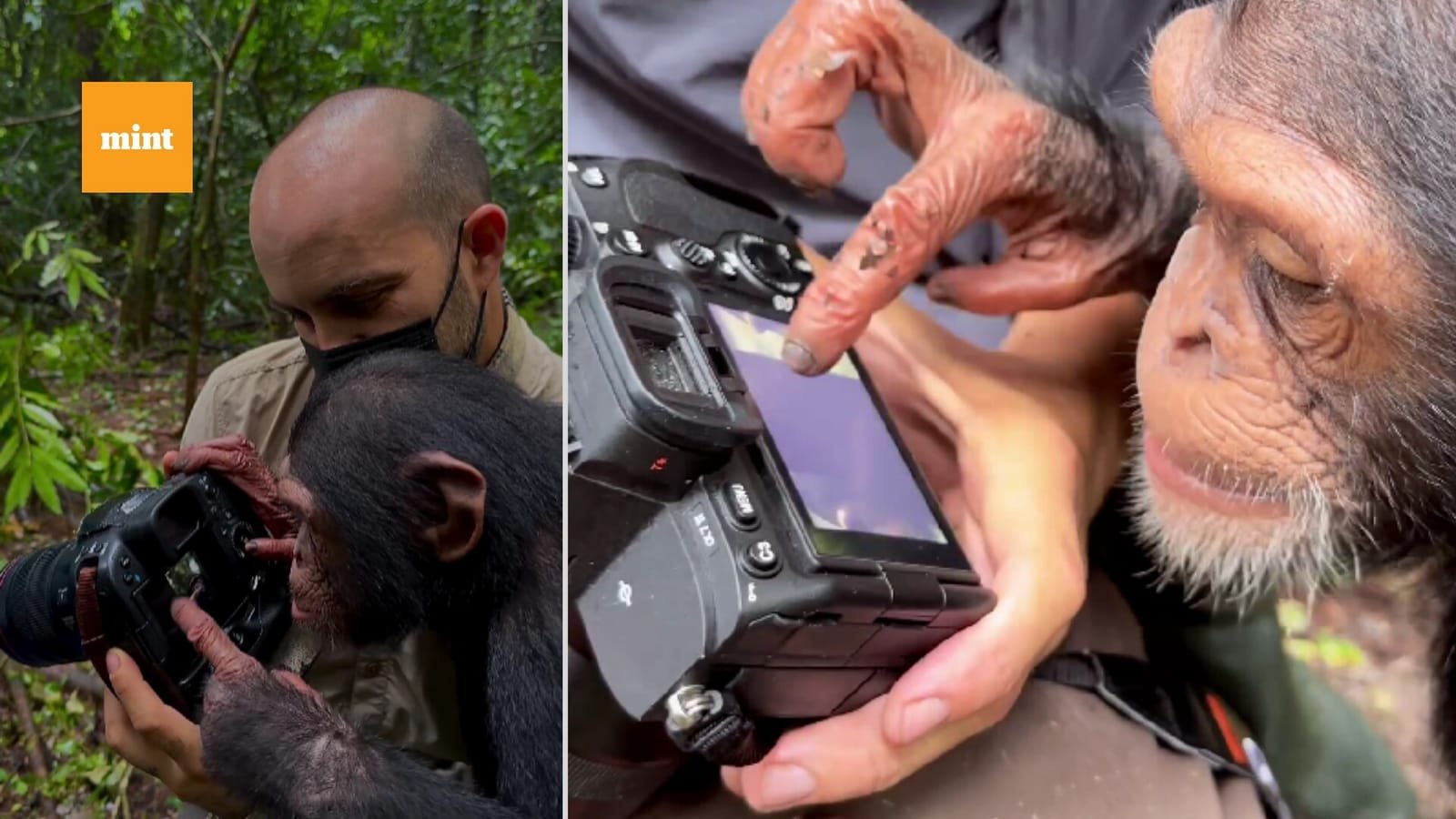
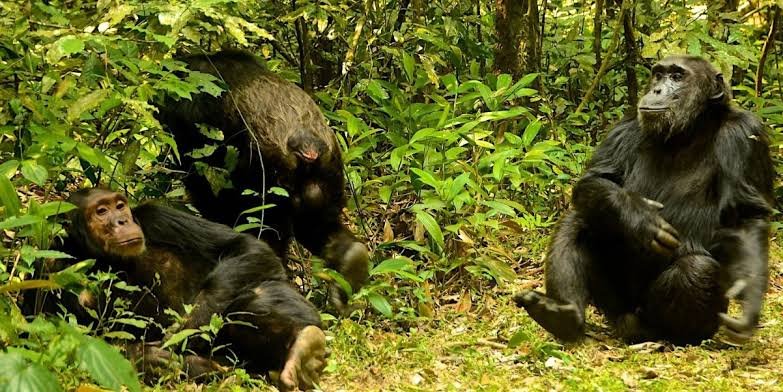
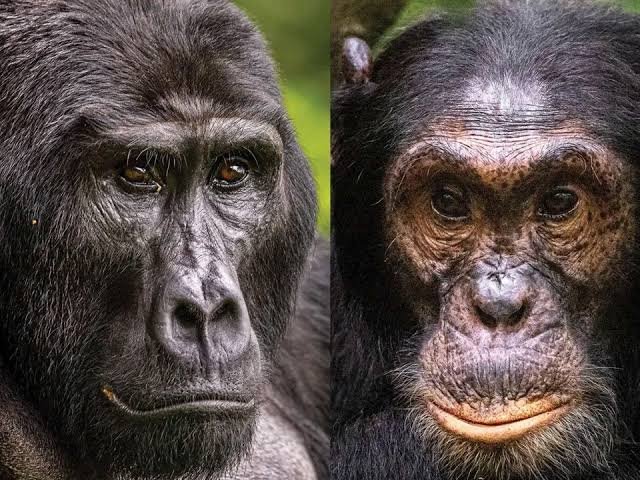
Uganda provides travelers with a unique opportunity to experience chimpanzees in the wild while directly contributing to conservation initiatives that protect forests, support research, and benefit local communities. A chimpanzee safari is not only an unforgettable wildlife adventure but also a meaningful way to learn about conservation and support the protection of endangered species.
Contact Nextgen Safaris today and let our expert team create your unforgettable chimpanzee conservation safari filled with responsible wildlife encounters, expert guidance, conservation education, and meaningful experiences exploring Uganda’s incredible forests and chimpanzee habitats.