
Chimpanzee Habituation Experience
Ultimate Chimpanzee Habituation Experience: Complete Guide to Uganda’s Exclusive Primate Adventure
Uganda is one of Africa’s most remarkable destinations for primate encounters, offering travelers the rare opportunity to spend extended time observing chimpanzees in their natural rainforest environment. While regular chimpanzee trekking provides an incredible introduction to these intelligent primates, the Chimpanzee Habituation Experience offers a deeper and more immersive opportunity to understand chimpanzee behavior, social structures, and daily activities.
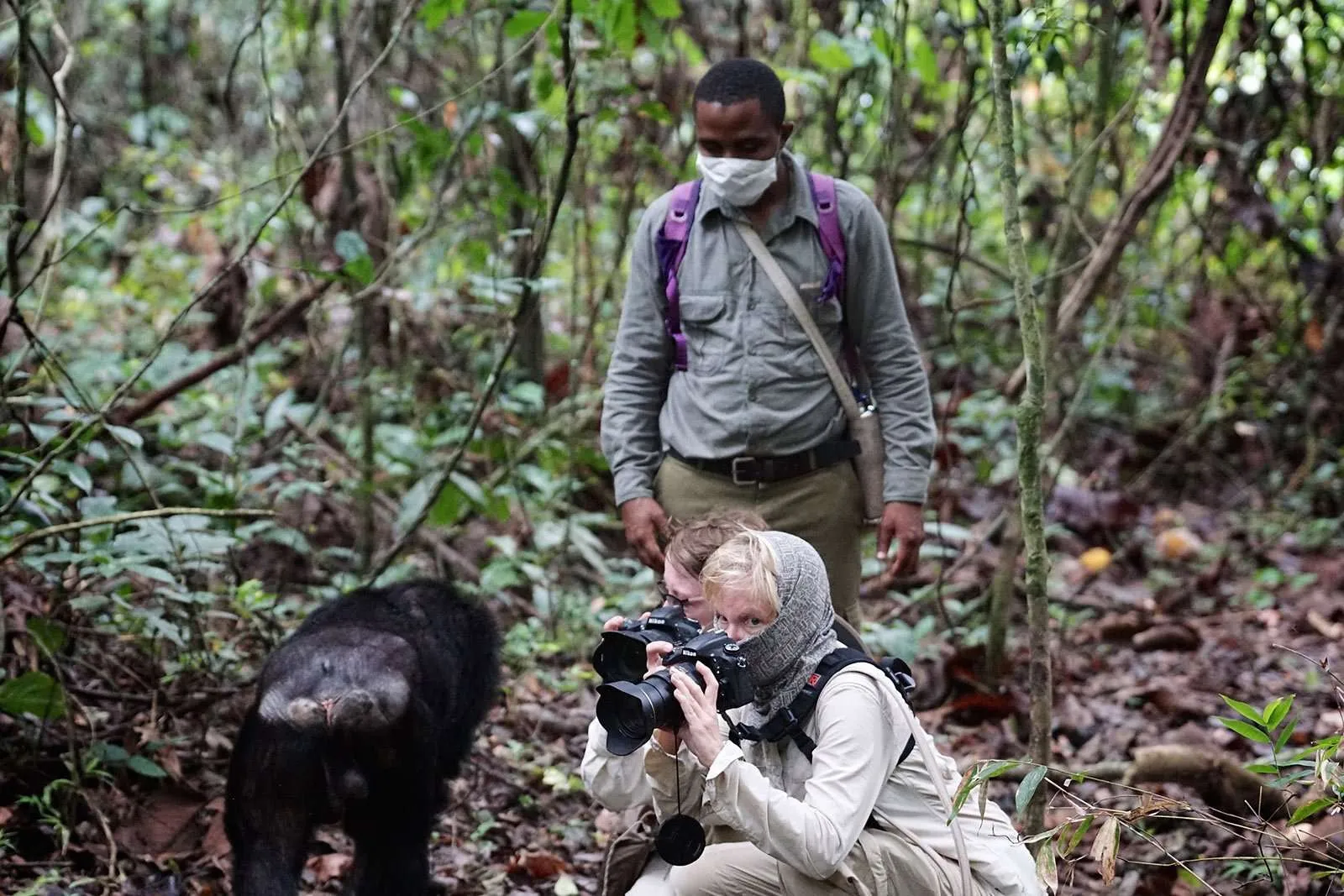
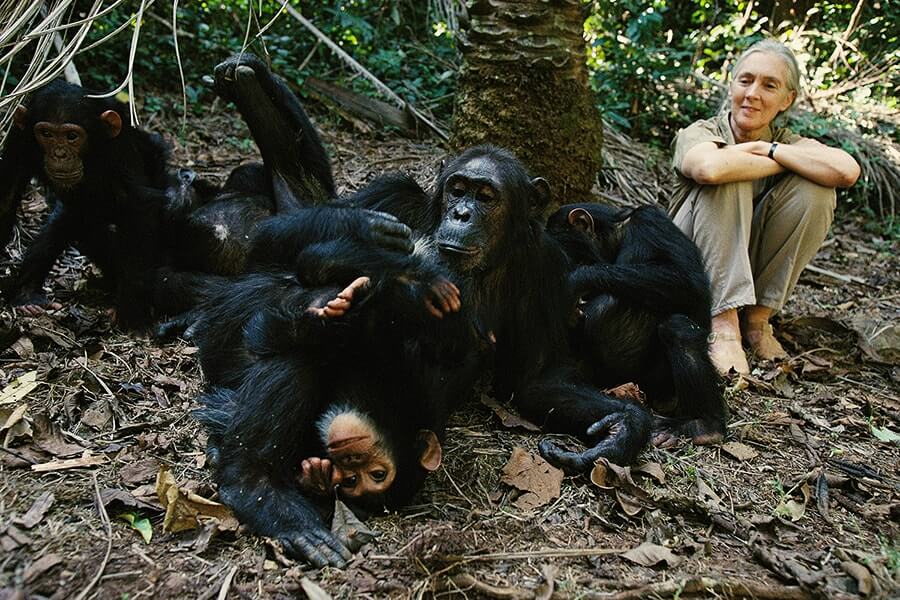
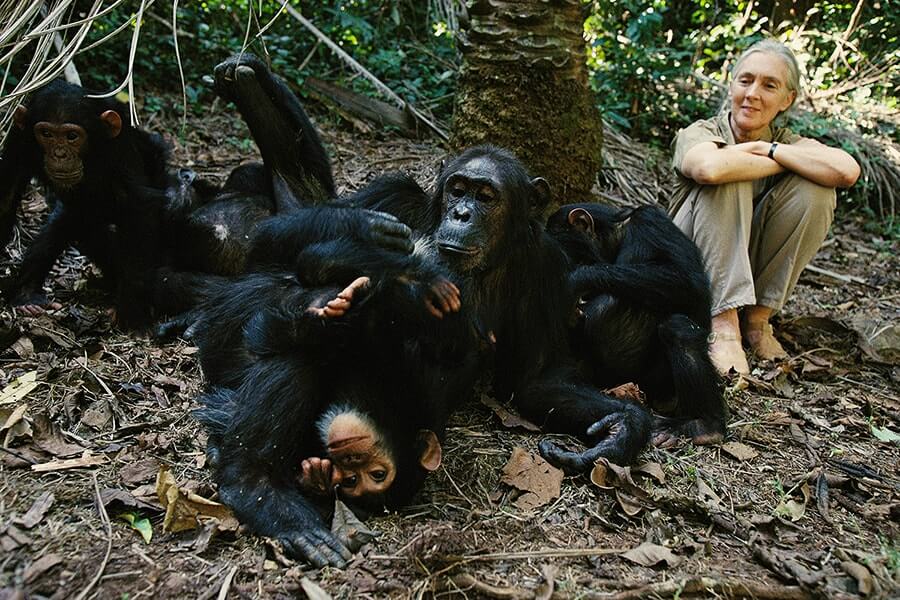
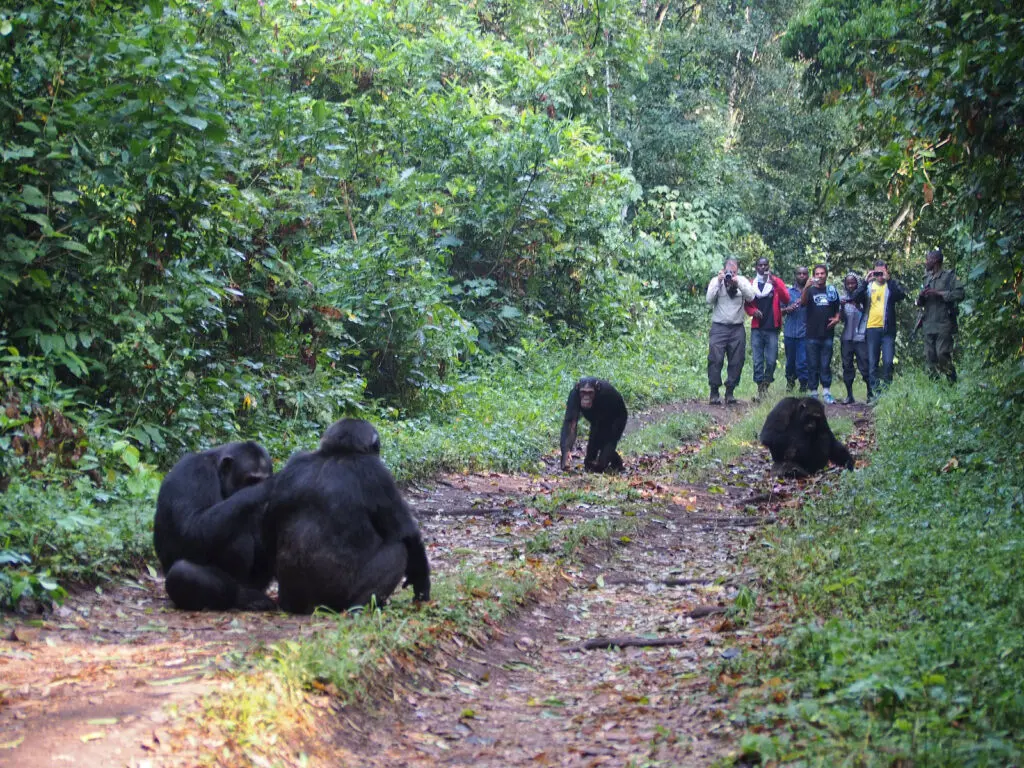
Unlike standard chimpanzee trekking, where visitors spend approximately one hour with a habituated chimpanzee community, the habituation experience allows travelers to spend several hours following chimpanzees as they become gradually accustomed to human presence. This creates a more detailed wildlife encounter where visitors can observe feeding patterns, communication, movement, grooming, nesting behaviors, and interactions between different members of the community.
At Nextgen Safaris, we create carefully planned chimpanzee habituation safaris that allow travelers to experience Uganda’s incredible primates in a responsible and comfortable way. From arranging permits and transportation to selecting the best accommodation and providing experienced guides, we ensure every part of your journey is organized professionally. Whether you are a wildlife photographer, researcher, or passionate nature traveler, our customized chimpanzee experiences provide unforgettable memories.
What Is the Chimpanzee Habituation Experience?
The Chimpanzee Habituation Experience is a special wildlife activity that allows visitors to spend extended time with chimpanzee communities that are still undergoing the habituation process. Habituation is the gradual process of helping wild chimpanzees become comfortable with the presence of researchers, conservation teams, and visitors without changing their natural behaviors.
The process is carefully managed by researchers, trackers, and wildlife authorities who monitor chimpanzee groups daily. Unlike domesticated animals, these chimpanzees remain completely wild, and the goal is not to train them but to allow peaceful coexistence between humans and chimpanzees for conservation, research, and responsible tourism purposes.
This experience gives travelers a rare opportunity to witness chimpanzees in a more natural state. Visitors can observe how chimpanzees begin their day, search for food, interact socially, communicate with each other, and prepare their sleeping nests. The additional time spent in the forest provides a deeper understanding of these fascinating animals.
Where Can You Experience Chimpanzee Habituation in Uganda?
Uganda’s leading destination for the Chimpanzee Habituation Experience is Kibale Forest National Park, located in western Uganda. Known as the “Primate Capital of the World,” Kibale protects one of Africa’s most important rainforest ecosystems and contains one of the highest concentrations of chimpanzees on the continent.
Kibale Forest is home to approximately 1,500 chimpanzees, including several communities that have been studied and monitored through conservation programs. The park’s dense tropical forest provides the perfect environment for chimpanzees and offers visitors a truly authentic rainforest adventure.
Beyond chimpanzees, Kibale National Park is rich in biodiversity. During the habituation experiences, visitors may encounter other primates, colorful birds, butterflies, and unique plant species. The surrounding area also offers cultural experiences, nature walks, and opportunities to explore Uganda’s beautiful western landscapes.
How the Chimpanzee Habituation Experience Works
The experience begins early in the morning with a briefing from park authorities and professional guides. During the briefing, visitors learn about chimpanzee behavior, safety guidelines, conservation practices, and what to expect during the forest adventure.
After the briefing, visitors enter the forest accompanied by experienced trackers who have been monitoring the chimpanzee community. Unlike regular trekking, where the focus is finding and observing chimpanzees for a limited period, habituation involves following the chimpanzees throughout different stages of their daily activities.
The length of time spent with chimpanzees allows visitors to observe behaviors that may not be visible during a shorter encounter. Travelers may witness chimpanzees feeding, grooming each other, communicating through calls, moving through trees, interacting with infants, and establishing social relationships within their community.
Why Choose the Chimpanzee Habituation Experience?
Many travelers choose the Chimpanzee Habituation Experience because it provides a much deeper connection with nature compared to standard chimpanzee trekking. Spending more time with chimpanzees allows visitors to understand their personalities, relationships, and complex social behaviors.
The experience is particularly valuable for wildlife enthusiasts and photographers who want more opportunities to capture meaningful moments. With additional time in the forest, photographers can patiently observe chimpanzee movements and prepare for unique photography opportunities.
Beyond photography and wildlife viewing, chimpanzee habituation provides an educational experience. Visitors learn how conservation teams study chimpanzees, protect their habitats, and contribute to the survival of one of the world’s most intelligent animal species.
Chimpanzee Habituation Experience for Wildlife Photographers
The Chimpanzee Habituation Experience is considered one of the best primate photography opportunities in Africa. The extended time with chimpanzees allows photographers to capture more natural behaviors and create more meaningful wildlife stories.

Unlike short encounters where photographers may feel rushed, habituation provides time to understand the movements and habits of chimpanzee communities. Photographers can observe different individuals, anticipate behaviors, and capture interactions between family members.
The rainforest environment also creates incredible photography opportunities beyond chimpanzees. Visitors can photograph ancient forest landscapes, colorful birds, other primates, and the unique atmosphere of Uganda’s tropical forests.
Best Time for the Chimpanzee Habituation Experience
The Chimpanzee Habituation Experience can be enjoyed throughout the year, making Uganda a flexible destination for travelers. However, certain seasons offer different advantages depending on weather conditions and personal preferences.
The dry seasons from June to September and December to February are generally popular because forest trails are easier to navigate and rainfall is lower. These periods are ideal for travelers combining chimpanzee habituation with gorilla trekking or other Uganda safari experiences.
The rainy seasons from March to May and October to November also provide rewarding experiences. During these months, the forest becomes greener, food availability increases, and photography conditions can be excellent. Fewer visitors during these periods may also provide a more peaceful experience.
Preparing for the Chimpanzee Habituation Experience
Proper preparation is important for enjoying a comfortable and successful chimpanzee habituation adventure. Since the experience takes place deep inside the rainforest, visitors should be ready for walking through natural environments with changing conditions.
Comfortable waterproof hiking boots are essential because forest trails can become muddy and slippery. Long trousers, long-sleeved shirts, and gardening gloves are recommended to protect against vegetation and insects while moving through the forest.
Travelers should also carry drinking water, snacks, a small backpack, rain protection, insect repellent, and camera equipment if they plan to photograph the experience. A reasonable level of fitness is helpful because the activity involves several hours of walking.
Difference Between Chimpanzee Trekking and Chimpanzee Habituation
Chimpanzee trekking and chimpanzee habituation are two incredible ways to experience Uganda’s famous primates, but they provide different levels of interaction, learning, and time spent observing chimpanzees. Both experiences take place in protected rainforest environments, especially in Kibale National Park, which is recognized as one of Africa’s best destinations for chimpanzee encounters.

Choosing between the two depends on what kind of experience you are looking for. Some travelers prefer a shorter wildlife encounter that fits easily into a broader Uganda safari itinerary, while others want a deeper conservation experience with more time to understand chimpanzee behavior. Understanding the differences helps travelers select the option that best matches their interests and expectations.
Chimpanzee Trekking: A Classic Wildlife Encounter
Chimpanzee trekking is the most common way travelers experience chimpanzees in Uganda. This activity involves visiting chimpanzee communities that are already fully habituated to human presence, meaning the animals have undergone a successful process of becoming comfortable with controlled human observation.
During a normal chimpanzee trek, visitors begin with a briefing from park authorities before entering the forest with professional guides and trackers. The team follows signs such as chimpanzee calls, footprints, and feeding areas to locate the community. Once the chimpanzees are found, visitors spend approximately one hour observing them while learning about their behavior and social interactions.
Chimpanzee trekking is ideal for travelers who want an unforgettable primate experience while combining it with other Uganda safari activities. Many visitors choose standard trekking because it provides an incredible opportunity to see chimpanzees in the wild while allowing enough time to explore destinations such as Bwindi Impenetrable National Park, Queen Elizabeth National Park, or Murchison Falls National Park.
Chimpanzee Habituation Experience: A Deeper Conservation Journey
The Chimpanzee Habituation Experience offers a more immersive opportunity to understand chimpanzees and their natural behaviors. Instead of visiting fully habituated communities, travelers spend time with chimpanzee groups that are still undergoing the gradual process of becoming comfortable with human presence.
The habituation process is carefully managed by researchers, trackers, and conservation teams who spend time monitoring chimpanzee communities. The goal is not to change their natural behavior but to allow researchers and responsible visitors to observe them while ensuring the animals remain wild.
During the experience, visitors can follow chimpanzees for several hours and observe different stages of their daily lives. They may witness chimpanzees waking up, searching for food, communicating, grooming each other, caring for young ones, moving through the forest, and building nests before resting.
Which Experience Supports Conservation More?
Both chimpanzee trekking and habituation contribute to conservation efforts in Uganda. Tourism revenue helps support forest protection, research programs, wildlife monitoring, and community development projects around chimpanzee habitats.
Chimpanzee habituation plays a particularly important role because it directly supports research and conservation efforts aimed at understanding chimpanzee behavior and ensuring responsible interaction between humans and wildlife.
By participating in either experience, travelers contribute to protecting Uganda’s forests and helping conserve chimpanzee populations for future generations.
Combining Chimpanzee Habituation with Other Uganda Safaris
One of the advantages of choosing Uganda is the ability to combine chimpanzee habituation with other incredible safari experiences. Many travelers create multi-destination itineraries that include primates, wildlife, landscapes, and cultural encounters.
A popular combination includes Kibale Forest for chimpanzee habituation followed by Bwindi Impenetrable National Park for mountain gorilla trekking. This allows travelers to experience two of Africa’s most famous primate encounters in one journey.
Other combinations include Queen Elizabeth National Park for game drives and Kazinga Channel boat cruises, Murchison Falls National Park for wildlife viewing, or Lake Bunyonyi for relaxation and scenic experiences.
Accommodation Near Kibale National Park
Accommodation plays an important role in creating a comfortable chimpanzee habituation safari. Kibale National Park offers a range of accommodation options, including budget lodges, mid-range properties, and luxury forest retreats.
Budget accommodations provide comfortable rooms, meals, and convenient locations for travelers who want an affordable primate experience. These options are ideal for visitors who spend most of their time exploring the forest.
Mid-range and luxury lodges provide additional comfort, excellent dining, beautiful surroundings, and relaxing environments after a long day of forest exploration. At Nextgen Safaris, we carefully select accommodation based on location, quality, comfort, and traveler preferences.
Why Choose Nextgen Safaris for Your Chimpanzee Habituation Safari?
At Nextgen Safaris, we specialize in creating authentic primate experiences across Uganda. Our team understands the importance of careful planning when organizing a unique experience like chimpanzee habituation.
We assist with every part of the journey, including permit arrangements, transportation, accommodation, professional guides, and customized safari planning. Our local knowledge ensures travelers enjoy a smooth and rewarding experience from arrival to departure.
Whether you are a photographer, wildlife enthusiast, couple, or first-time visitor, we create personalized itineraries that allow you to experience Uganda’s chimpanzees responsibly while enjoying comfort and expert support.
Frequently Asked Questions About Chimpanzee Habituation Experience
1. What is the Chimpanzee Habituation Experience?
The Chimpanzee Habituation Experience is a special wildlife activity that allows visitors to spend extended time with chimpanzee communities that are gradually becoming accustomed to human presence. Unlike normal chimpanzee trekking, which offers a shorter viewing period, habituation provides a deeper opportunity to observe chimpanzees throughout their daily activities.
During the experience, visitors accompany researchers, trackers, and guides as they follow chimpanzees through the forest. This allows travelers to learn more about chimpanzee behavior, communication, social structures, and conservation efforts.
2. Where can I do the Chimpanzee Habituation Experience in Uganda?
The main destination for the Chimpanzee Habituation Experience in Uganda is Kibale Forest National Park. Located in western Uganda, Kibale is known as the “Primate Capital of the World” because of its large chimpanzee population and exceptional primate diversity.
The park provides an ideal environment for observing chimpanzees in their natural habitat while also offering opportunities to see other primates, birds, and rainforest wildlife.
3. How long does the Chimpanzee Habituation Experience take?
The chimpanzee habituation experience takes longer than standard chimpanzee trekking because visitors spend more time observing chimpanzee communities.
The exact duration depends on the movements of the chimpanzees and the daily research activities, but visitors can spend several hours following and observing the chimpanzees as they move, feed, communicate, and interact within the forest.
4. What is the difference between chimpanzee trekking and habituation?
Chimpanzee trekking involves visiting chimpanzee groups that are already fully habituated to human presence and spending approximately one hour observing them.
The Chimpanzee Habituation Experience involves visiting chimpanzee communities that are still undergoing the habituation process. Visitors spend more time with these chimpanzees while researchers continue studying their behavior and helping them become comfortable with responsible human observations.
5. Is the Chimpanzee Habituation Experience worth the cost?
Yes, many travelers consider chimpanzee habituation worth the additional cost because it offers a more detailed and immersive wildlife experience.
The extended time allows visitors to observe more natural behaviors, understand chimpanzee social relationships, enjoy better photography opportunities, and gain deeper knowledge about conservation efforts.
6. Is chimpanzee habituation difficult?
The Chimpanzee Habituation Experience can be physically challenging because it takes place inside a natural rainforest environment. Visitors may walk through uneven terrain, muddy trails, dense vegetation, and areas with changing conditions.
A reasonable level of fitness, proper hiking shoes, and preparation before the trip can make the experience more comfortable and enjoyable.
7. What should I pack for chimpanzee habituation?
Travelers should pack waterproof hiking shoes, long trousers, long-sleeved clothing, a rain jacket, gardening gloves, insect repellent, drinking water, snacks, and a small backpack.
Visitors interested in photography should also carry extra batteries, memory cards, and waterproof protection for cameras because rainforest conditions can change quickly.
8. Can photographers participate in the Chimpanzee Habituation Experience?
Yes, chimpanzees habituation is highly recommended for wildlife photographers because it provides more time to observe and capture natural behaviors.
The extended viewing period allows photographers to capture chimpanzees feeding, grooming, communicating, climbing trees, and interacting with family members without feeling rushed.
9. What chimpanzee behaviors can I see during habituation?
During the Chimpanzee Habituation Experience, visitors may observe a wide range of natural behaviors, including feeding, grooming, playing, resting, vocal communication, movement through trees, and social interactions.
Because the experience lasts longer than regular trekking, travelers have a greater chance of witnessing different aspects of chimpanzee daily life.
10. What is the best time for chimpanzee habituation in Uganda?
Chimpanzee habituation can be experienced throughout the year in Uganda. However, the dry seasons from June to September and December to February are often preferred because forest trails are usually easier to navigate.
The rainy seasons also offer excellent experiences because the forest becomes greener, food availability increases, and there are often fewer visitors, creating a more peaceful adventure.
11. How much does the Chimpanzee Habituation Experience cost?
The cost of the Chimpanzee Habituation Experience depends on several factors, including the permit price, accommodation, transportation, guide services, and the length of your safari.
Travelers should also consider additional expenses such as meals, flights, visas, travel insurance, and optional activities. At Nextgen Safaris, we create customized packages based on different budgets and travel preferences.
12. Can I combine chimpanzee habituation with gorilla trekking?
Yes, combining chimpanzee habituation with gorilla trekking is one of the most popular Uganda safari combinations.
Many travelers visit Kibale Forest for chimpanzee habituation and continue to Bwindi Impenetrable National Park for a mountain gorilla experience. This creates an incredible primate-focused safari featuring two of Africa’s most famous species.
13. What other activities can I do near Kibale National Park?
Besides the Chimpanzee Habituation Experience, visitors can enjoy several activities around Kibale National Park.
Popular experiences include the Bigodi Wetland Sanctuary walk, bird watching, cultural visits, nature walks, and exploring nearby destinations such as Queen Elizabeth National Park for wildlife safaris and boat cruises.
14. Is the Chimpanzee Habituation Experience safe?
Yes, chimpanzee habituation is generally safe when conducted with professional guides, trackers, and following park regulations.
Guides provide safety instructions, explain chimpanzee behavior, and ensure visitors maintain appropriate distances while respecting the animals and their natural environment.
15. Why book the Chimpanzee Habituation Experience with Nextgen Safaris?
Nextgen Safaris specializes in creating unforgettable chimpanzee and primate safari experiences across Uganda. We provide complete support, including permit arrangements, transportation, accommodation, professional guides, and customized itineraries.
Whether you are a wildlife photographer, researcher, couple, or adventure traveler, our team ensures you experience the Chimpanzee Habituation Experience safely, comfortably, and responsibly while discovering Uganda’s incredible rainforest ecosystems.
Book Your Chimpanzee Habituation Experience Today
The Chimpanzee Habituation Experience offers travelers one of Uganda’s most immersive wildlife adventures. Spending extended time with chimpanzees in their natural rainforest environment provides a rare opportunity to understand their intelligence, behaviors, and social world.
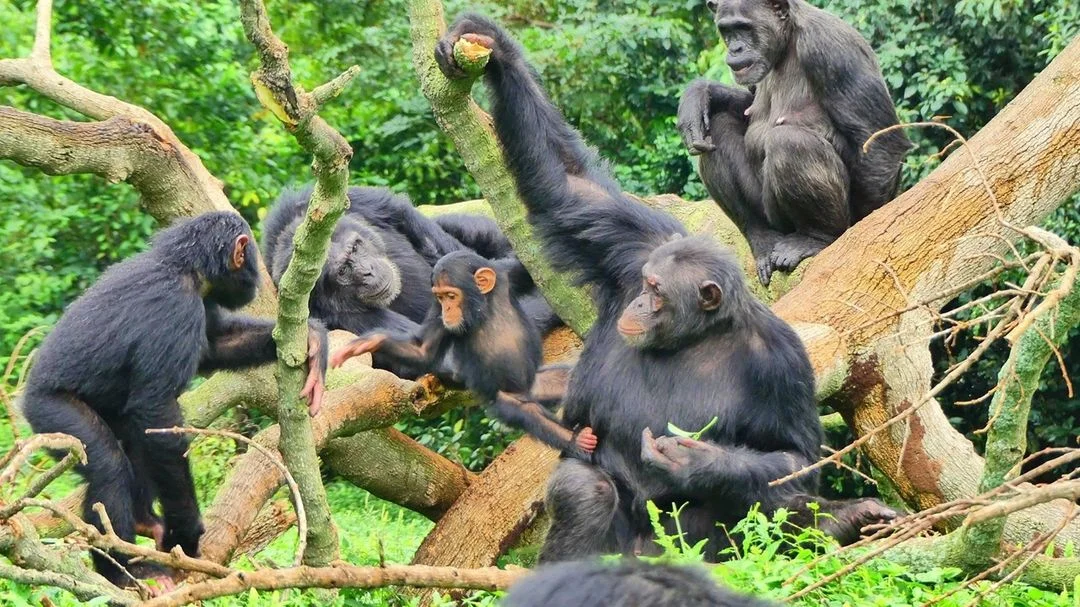

With expert planning from Nextgen Safaris, you can enjoy a professionally organized safari that combines conservation, adventure, and unforgettable wildlife moments. Start planning your chimpanzee habituation adventure today and discover the incredible experience of walking through Uganda’s forests alongside some of the world’s most fascinating primates.