
Chimpanzee Tracking in Uganda – Complete Safari Guide
Chimpanzee tracking in Uganda is one of the most rewarding wildlife experiences in Africa, offering a close and immersive encounter with one of the most intelligent primates in the wild. It is an activity that goes beyond simple wildlife viewing, allowing us to step into the natural habitat of chimpanzees and observe their behavior in real time.
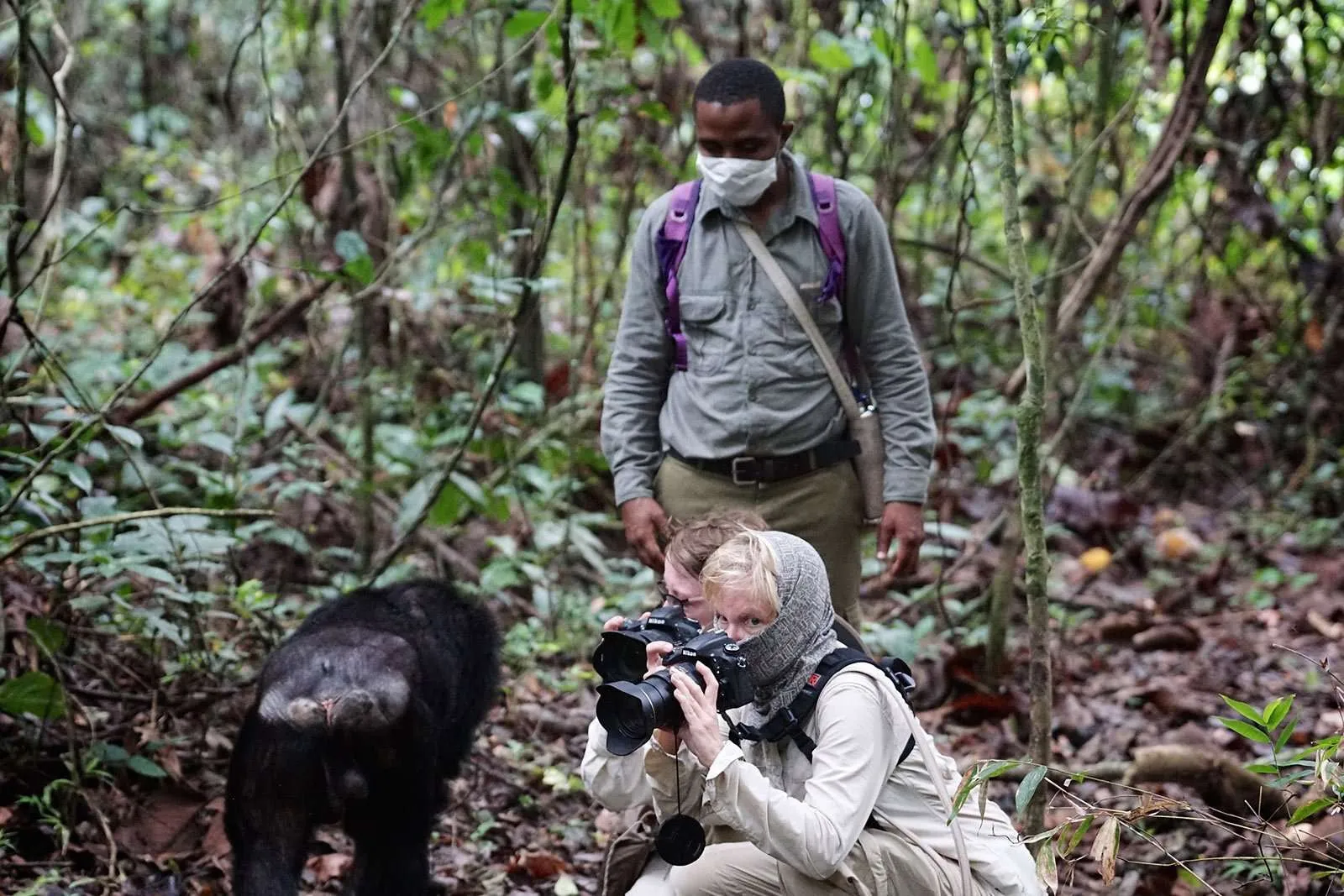
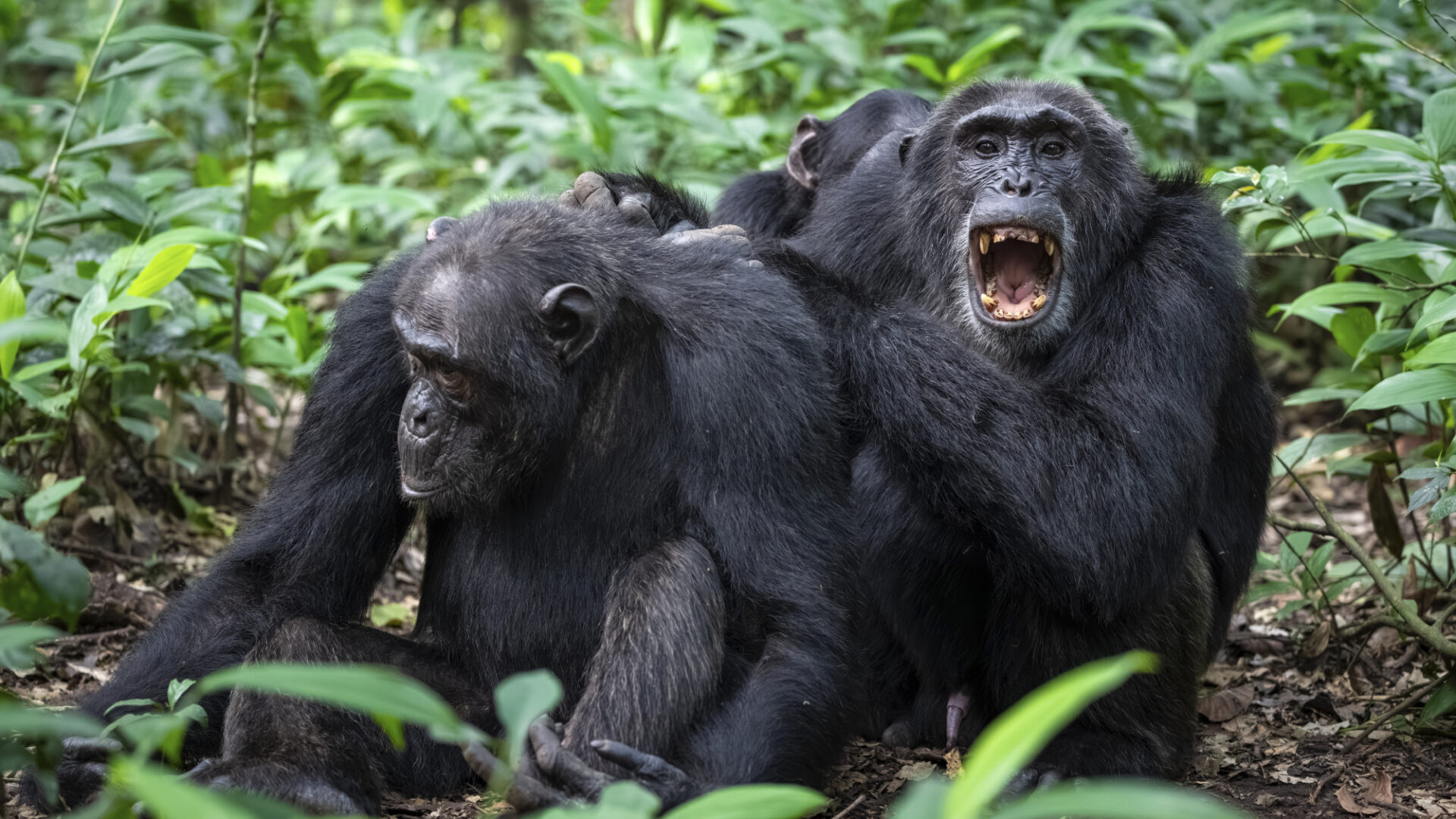
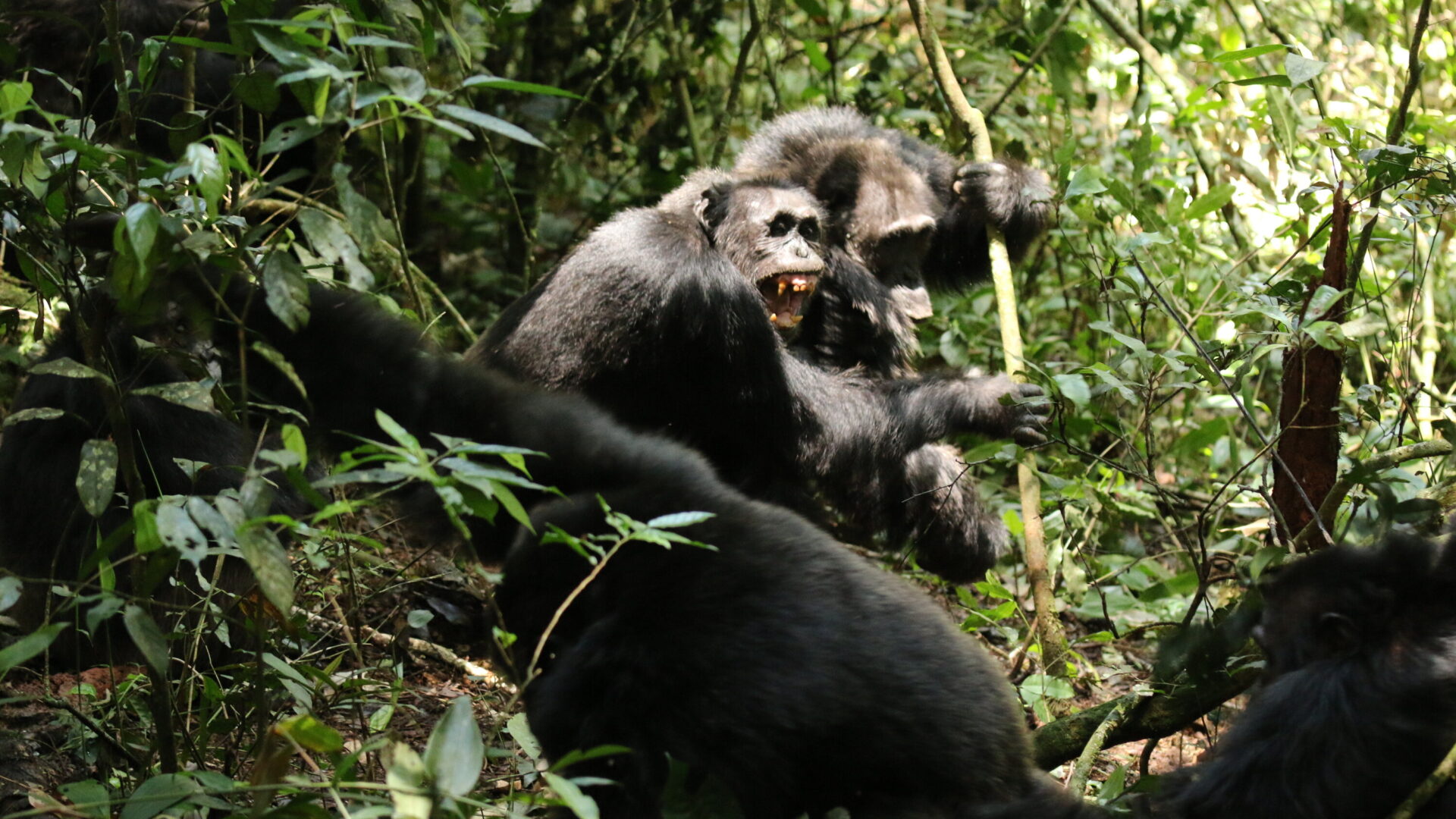
Uganda is home to several chimpanzee habitats, with Kibale National Park standing out as the most established and reliable destination. Often referred to as the primate capital of the world, Kibale supports one of the highest concentrations of chimpanzees in Africa, making it the leading location for chimpanzee tracking Uganda.
Across the country, chimpanzees can also be found in other forest ecosystems, creating a diverse range of tracking experiences. This guide provides a complete understanding of chimpanzee tracking in Uganda, covering where to go, how the experience works, permit costs, safety, and what to expect during a safari.
What Is Chimpanzee Tracking
Chimpanzee tracking in Uganda is a guided forest experience that allows us to follow and observe chimpanzees in their natural environment. Unlike traditional safaris conducted in open savannah, this activity takes place within dense tropical forests where chimpanzees live in structured social groups.
The experience begins with a briefing at the park headquarters, where trained rangers explain the guidelines and prepare us for entry into the forest. From there, we move in small groups accompanied by guides and trackers who locate chimpanzees based on their movements, vocalizations, and feeding patterns.
Chimpanzees tracked during these experiences belong to habituated groups. This means they have undergone a gradual process of becoming accustomed to human presence without altering their natural behavior. Habituation allows us to observe them at a close but controlled distance while maintaining their comfort and safety.
Tracking itself is an active process. We move through forest trails, listening for calls and watching for movement in the canopy. The duration varies depending on the location of the chimpanzees, typically ranging between two and five hours.
Once the chimpanzees are located, we spend one hour in their presence. During this time, we observe their interactions, including feeding, grooming, communication, and movement within the group. This one-hour observation period is carefully regulated to minimize disturbance while allowing a meaningful and detailed experience.
Chimpanzee tracking in Uganda is therefore not just an activity, but a structured wildlife encounter that combines exploration, learning, and direct observation of one of the most complex animal societies in the wild.
Best Places for Chimp Tracking in Uganda
Uganda has several important chimpanzee habitats, but not all destinations offer the same experience. The differences come down to chimpanzee population, forest type, accessibility, habituation levels, permit cost, and how easily chimpanzee tracking can be combined with other safari activities. For travelers planning chimpanzee tracking in Uganda, understanding these differences is essential because the best destination depends not only on where chimpanzees live, but on the quality and consistency of the overall experience.
Kibale National Park – The Best Destination for Chimpanzee Tracking in Uganda
Kibale National Park is widely regarded as the best place for chimpanzee tracking in Uganda and one of the finest chimpanzee destinations in Africa. The park is often described as the primate capital of the world because of its remarkable primate diversity and its strong, well-established chimpanzee tracking infrastructure.

Kibale protects a large tropical rainforest ecosystem in western Uganda and is home to more than 1,500 chimpanzees, making it the most important chimpanzee habitat for tourism in the country. This large population is one of the reasons Kibale consistently delivers the highest success rate for chimp tracking in Uganda. The forest supports habituated chimpanzee communities that are regularly monitored, which greatly improves the quality and reliability of the tracking experience.
The most well-known starting point for standard chimpanzee tracking in Kibale is Kanyanchu Visitor Centre. This is where morning and afternoon tracking sessions begin, and it is the heart of the Kibale chimpanzee experience. Kanyanchu tracking is highly organized, professionally managed, and suitable for a wide range of travelers. Rangers and trackers work closely together to locate chimpanzees before visitors enter the forest, which means the experience is not based on guesswork but on active field monitoring.
What makes Kibale particularly strong is the combination of dense chimpanzee population and a forest environment that supports long-term habituation and research. We do not just enter the forest hoping for an encounter; we enter one of the most established chimp trekking systems in East Africa. Once tracking begins, the forest quickly comes alive with calls, rustling branches, and signs of movement above and around us. The moment we locate a chimpanzee group, the experience becomes immersive. We watch chimpanzees feed on fruit, groom one another, vocalize, move through the canopy, and interact socially in ways that reveal their intelligence and complexity.
Another major strength of Kibale is that it offers far more than chimpanzees alone. The park is also home to other primates such as red-tailed monkeys, black-and-white colobus monkeys, L’Hoest’s monkeys, grey-cheeked mangabeys, and baboons. This means the forest itself is rich and active even before chimpanzees are found. For birders and nature lovers, the broader ecosystem adds even more value to the trekking experience.
Kibale is also very strong from an itinerary design perspective. It is easy to combine with Queen Elizabeth National Park, Semuliki, crater lakes, and other western Uganda destinations. This makes it the ideal base for travelers who want chimpanzee tracking to be part of a longer safari rather than a standalone activity. For all these reasons, population size, success rate, organization, accessibility, and the overall quality of the forest experience, Kibale National Park remains the best destination for chimpanzee tracking in Uganda.
Budongo Forest – The Best Chimp Tracking Option Near Murchison Falls
Budongo Forest offers one of the most attractive alternatives to Kibale and is especially valuable for travelers combining chimpanzee tracking with a traditional wildlife safari in northern Uganda. Budongo lies within the greater Murchison Falls conservation area and provides a very different forest setting compared to Kibale, while still offering a strong chimpanzee experience.
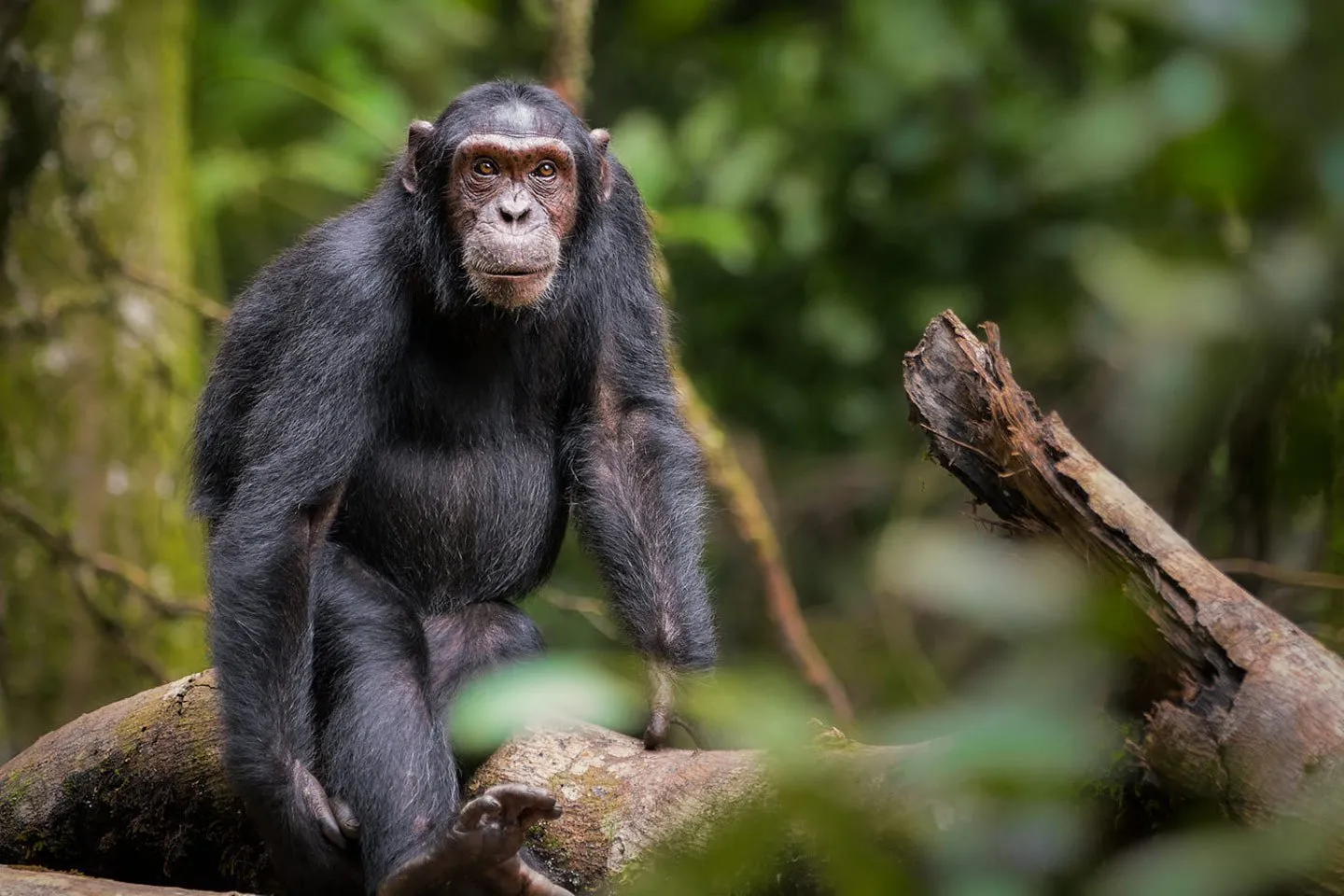
Budongo is known for its mahogany and ironwood forest, its long history of primate research, and its chimpanzee population of around 600 individuals. The most recognized chimp tracking area in Budongo is Kaniyo Pabidi, where tourism-based chimpanzee tracking takes place. Kaniyo Pabidi has built a reputation as a quiet and rewarding forest destination, particularly for travelers who want to add primate tracking to a Murchison Falls safari.
The atmosphere in Budongo is different from Kibale. While Kibale is the flagship chimp destination with larger tourism volume and the strongest brand recognition, Budongo feels more secluded and less crowded. The forest is beautiful, mature, and distinctive, and the experience often appeals to travelers who enjoy combining safari variety within a single route. In practical terms, Budongo works extremely well because we can move from classic savannah wildlife experiences in Murchison Falls to a forest primate encounter without needing to travel to western Uganda first.
This combination is one of Budongo’s biggest advantages. A traveler can enjoy game drives in Murchison Falls National Park and encounter lions, elephants, giraffes, buffaloes, leopards, antelopes, and other iconic wildlife, then shift into the forest for chimpanzee tracking at Kaniyo Pabidi. That combination of chimpanzees and Big Five safari makes Budongo especially attractive for itineraries focused on variety and efficiency.
Chimpanzee tracking in Budongo is well guided and professionally organized, though the forest experience is somewhat different in feel from Kibale. The trails, canopy, and habitat create a different visual atmosphere, and many visitors appreciate the fact that the experience feels quieter and more remote. In addition to chimpanzees, Budongo is also home to several monkey species and a strong birdlife population, making the forest interesting from a broader ecological perspective.
Budongo may not have the same scale or reputation as Kibale, but it remains one of Uganda’s most important chimpanzee trekking destinations. It is particularly strong for travelers who want a multi-experience safari in northern Uganda and who value the convenience of combining chimpanzee tracking with Murchison Falls National Park.
Kyambura Gorge – A Unique Chimpanzee Tracking Experience in Queen Elizabeth National Park
Kyambura Gorge offers one of the most unusual chimpanzee tracking settings in Uganda. Located within Queen Elizabeth National Park, Kyambura Gorge is often described as a forest hidden below the savannah because it cuts dramatically into the landscape, creating a lush, sunken ecosystem that stands in striking contrast to the open plains above.
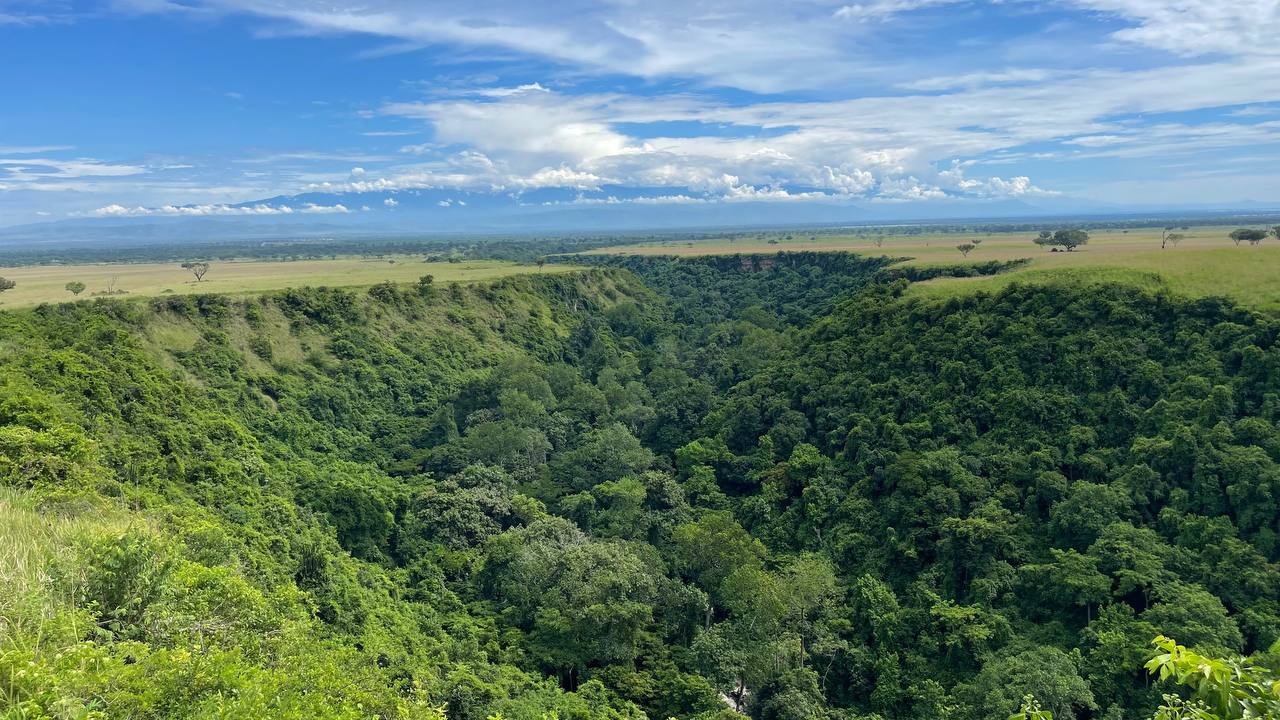
This destination is not the strongest in terms of chimpanzee population size, and the chimpanzee community here is smaller than the populations in Kibale and Budongo. However, what Kyambura lacks in numbers, it makes up for in setting and exclusivity. Tracking chimpanzees in Kyambura Gorge feels completely different from entering a large tropical forest like Kibale. The descent into the gorge is itself part of the experience. We move from open savannah into a hidden forest corridor where the climate, vegetation, and soundscape shift suddenly.
Because the population is smaller, the experience can feel more selective and less predictable than Kibale. Yet this is also what gives it character. Tracking in Kyambura often appeals to travelers who are already visiting Queen Elizabeth National Park and want to enrich their safari with a primate experience without changing regions. It allows a rare combination of classic game drives, Kazinga Channel boat cruises, tree-climbing lions in Ishasha, and chimpanzee tracking within the same greater safari circuit.
The gorge setting is a major part of the appeal. It offers a dramatic environment that feels isolated from the wider park, and for many travelers the atmosphere alone makes the experience memorable. It also adds diversity to a Queen Elizabeth itinerary, especially for those who want more than just savannah wildlife. While Kibale remains the best destination for pure chimpanzee tracking Uganda, Kyambura Gorge is valuable because it offers a very distinct and scenic version of the experience within one of Uganda’s top safari parks.
For travelers focused specifically on the strongest chimpanzee encounter, Kibale remains the top choice. For those prioritizing itinerary efficiency and wanting to combine chimpanzees with other safari activities in Queen Elizabeth National Park, Kyambura Gorge becomes a highly worthwhile addition.
Chimp Trekking Experience in Uganda – Step by Step
Chimpanzee trekking in Uganda is not simply a walk into the forest. It is a guided wildlife experience that follows a clear structure from briefing to final observation, and understanding this flow helps travelers know exactly what to expect. While the process is broadly similar across destinations, the most established version of the experience is in Kibale National Park, especially through Kanyanchu.

Arrival at Kanyanchu Visitor Centre
The experience begins at Kanyanchu Visitor Centre, the main tourism base for chimpanzee tracking in Kibale National Park. We usually arrive in the morning for the first session or early afternoon for the second session, depending on the permit booked. Kanyanchu serves as the operational starting point where all participants gather before entering the forest.
At this stage, there is already a sense of anticipation. Visitors check in, permits are verified, and the forest environment immediately sets the tone for the day. Because Kibale is an active primate habitat, the experience feels immersive from the beginning, even before the actual tracking starts.
Briefing Before Entering the Forest
Before entering the forest, park rangers conduct a full briefing. This part is essential because it explains the structure of the activity, the expected behavior in the forest, and the rules designed to protect both chimpanzees and visitors.
During the briefing, we are informed about the basics of chimpanzee movement, how the trackers work, what to do when the chimpanzees are located, and how to maintain the required viewing distance. The briefing also reinforces health and conservation rules such as avoiding close contact, not using flash photography, and remaining calm during the observation period.
This stage is not just administrative. It prepares us mentally for the experience and helps frame the encounter as a conservation-based activity rather than simple sightseeing.
Entering the Forest
After briefing, we head into the forest in small guided groups. The atmosphere changes immediately as we leave the open area behind and enter the network of trails under Kibale’s dense canopy.
This part of the experience is active and immersive. We move through tall trees, listening for distant calls and watching for signs of recent chimpanzee activity. The guides and trackers interpret the forest constantly, paying attention to broken branches, feeding traces, vocalizations, and movement overhead.
Because chimpanzees are wild animals and move freely, tracking is dynamic rather than fixed. The forest itself becomes part of the experience, with birds, monkeys, and shifting sounds around us making the walk rich even before the chimpanzees are found.
Tracking the Chimpanzees
The actual tracking phase can last anywhere from two to five hours, depending on where the chimpanzee group is located that day. Sometimes the encounter comes relatively quickly, especially if the chimpanzees are feeding nearby. On other days, the search takes longer and involves following signs deeper into the forest.
This uncertainty is part of what gives chimpanzee tracking in Uganda its authenticity. We are not being led to a staged viewing point; we are actively following wild chimpanzees in a living forest system. As the group gets closer, the trackers often pick up vocalizations, drumming on buttress roots, or movement in the canopy, signaling that the chimpanzees are near.
The final approach is handled carefully. Rangers position the group so that the encounter is controlled and safe while still allowing a strong view of the chimpanzees in their natural environment.
One Hour with the Chimpanzees
Once the chimpanzees are located, the one-hour observation period begins. This is the central highlight of the experience.
During this hour, we observe chimpanzees at a close but controlled distance, usually within a few meters depending on how the animals move through the forest. The exact distance changes naturally because chimpanzees are active and often shift between ground level and the canopy, but the encounter is generally intimate enough to clearly observe facial expressions, movement, communication, grooming, and feeding behavior.
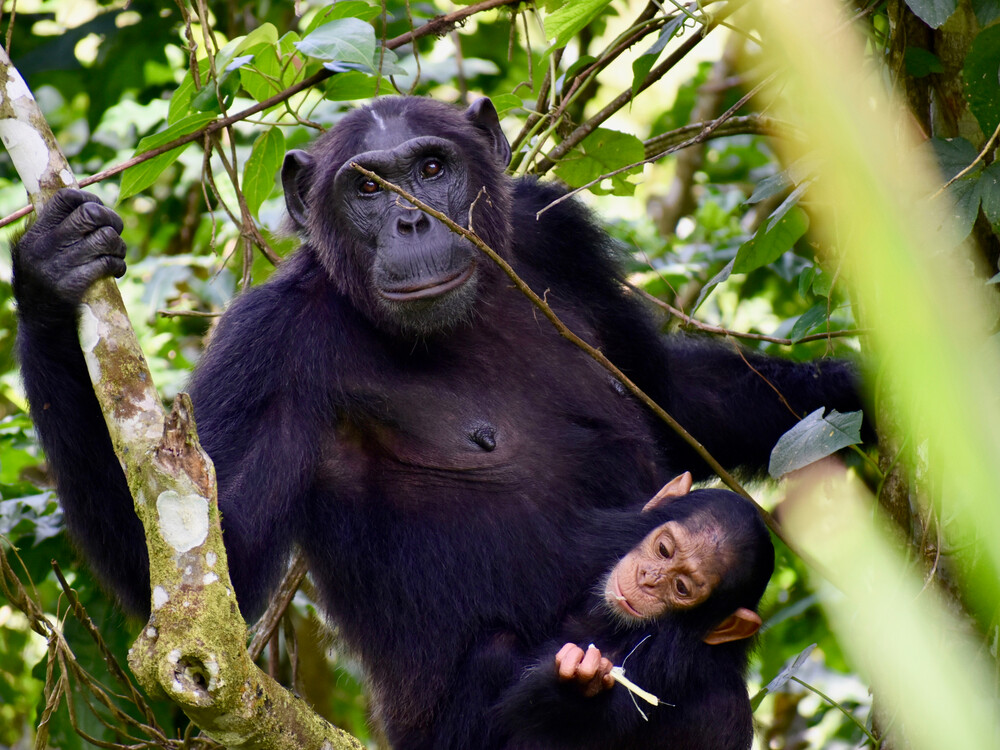
This is where the chimpanzee trekking experience becomes truly memorable. We see how individuals relate to one another, how mothers interact with young, how males assert themselves, and how the group communicates through sound and body language. Some remain in the trees, others descend briefly, and the energy of the group can change from calm feeding to bursts of movement and calling.
The one-hour limit is strictly controlled to reduce pressure on the chimpanzees and ensure the experience remains sustainable. When the observation period ends, we withdraw under ranger guidance and make our way back through the forest.
What Makes the Experience Special
What sets chimpanzee trekking in Uganda apart is the combination of movement, unpredictability, intelligence, and closeness. Unlike many wildlife experiences where animals are observed from a vehicle at a distance, chimp tracking happens on foot, inside the animals’ habitat, with direct sensory engagement from the forest around us.
The duration of two to five hours, combined with the close encounter during the one-hour observation, makes the experience feel active, real, and deeply immersive. It is not only about seeing chimpanzees, but about following their presence through the forest and then sharing space with them in a way that feels immediate and unforgettable.
Rules and Guidelines for Chimpanzee Tracking in Uganda
Chimpanzee tracking in Uganda is conducted under clearly defined guidelines to protect both visitors and chimpanzees, while ensuring the experience remains sustainable and respectful of wildlife. These rules are communicated during the pre-trek briefing and are strictly enforced by park rangers throughout the activity.
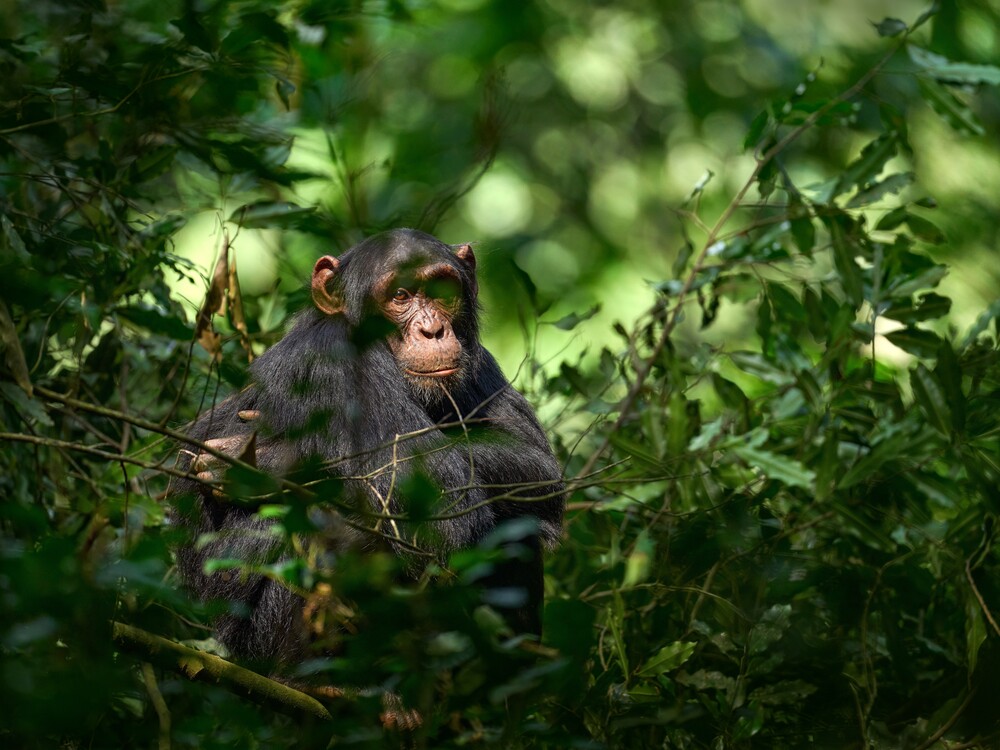
The minimum age for chimpanzee tracking is 15 years. This requirement ensures that participants are physically capable of handling the forest terrain and can follow instructions during the encounter.
A minimum distance of seven meters must be maintained at all times when observing chimpanzees. This distance is important for reducing the risk of disease transmission and preventing disturbance to the animals. Rangers guide positioning during the encounter to ensure this distance is respected.
Flash photography is not permitted. The use of flash can disturb chimpanzees and interfere with their natural behavior, especially in the dense forest environment where lighting conditions are already sensitive.
Feeding chimpanzees is strictly prohibited. Chimpanzees must remain fully wild and self-sufficient, and any form of feeding can disrupt their natural diet and behavior patterns.
In addition to these core rules, visitors are expected to remain calm, avoid sudden movements, and follow ranger instructions at all times. These guidelines are not restrictive but are designed to create a safe, controlled, and meaningful wildlife experience while protecting one of Uganda’s most important primate populations.
Cost of Chimpanzee Tracking in Uganda
The cost of chimpanzee tracking in Uganda is determined primarily by the permit, which grants access to a guided tracking experience in designated forests. Permit prices vary depending on the location, level of demand, and management of the chimpanzee groups.
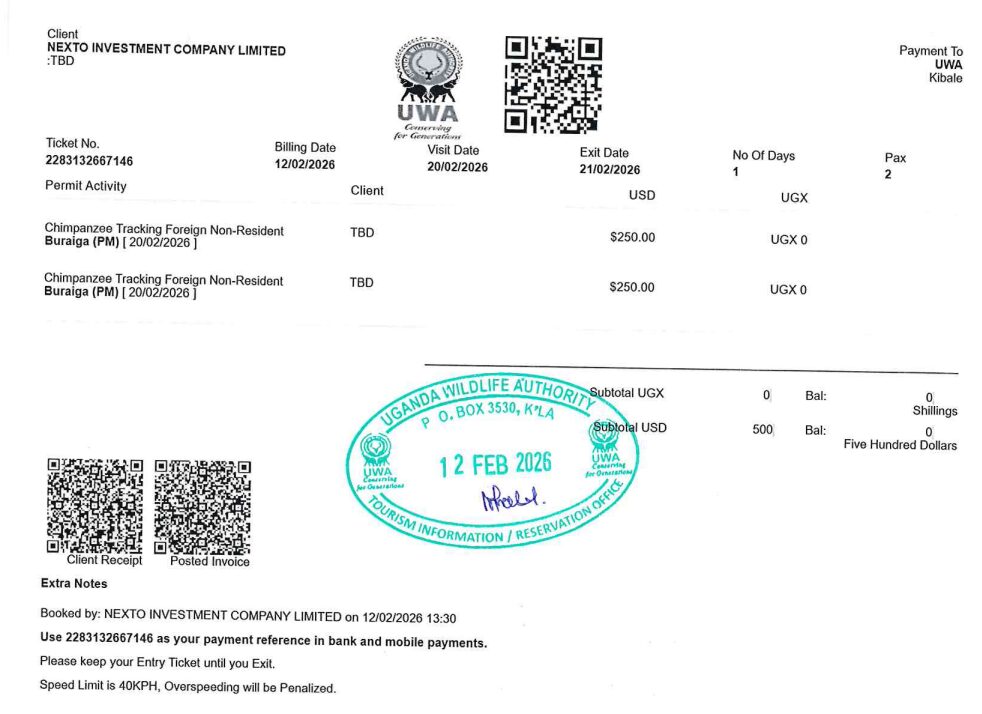
In Kibale National Park, which is the most established chimpanzee tracking destination, the current permit price is USD 250 per person. This will increase to USD 300 per person starting 1st January 2027, reflecting its high demand, strong success rate, and well-developed tracking system.
In Budongo Forest, chimpanzee tracking permits are more affordable, with a cost of approximately USD 130 per person. This lower price reflects its quieter setting and its position as an alternative destination often combined with Murchison Falls safaris.
In Kyambura Gorge, the permit cost is expected to be USD 200 per person starting 1st January 2027. This reflects its unique location within Queen Elizabeth National Park and the more exclusive nature of the experience.
What the Permit Includes
Chimpanzee tracking permits include access to the forest, services of trained rangers and trackers, and the guided trekking experience itself. The permit also allows one hour of observation once the chimpanzees are located.
In addition, permit fees contribute directly to conservation efforts, habitat protection, and the long-term management of chimpanzee populations in Uganda.
Why Permit Prices Differ
The variation in permit prices is influenced by several factors. These include the size of the chimpanzee population, the reliability of sightings, the level of tourism infrastructure, and the overall demand for each destination.
Kibale National Park commands the highest price because of its large chimpanzee population, high success rate, and well-established tourism system. Budongo Forest is more affordable due to its quieter and less commercialized setting. Kyambura Gorge falls between the two in terms of pricing, offering a unique but less predictable experience within a dramatic landscape.
Understanding these costs helps in planning chimpanzee tracking in Uganda effectively, allowing travelers to choose a destination that aligns with their expectations, budget, and overall safari itinerary.
Best Time for Chimp Tracking in Uganda
Chimpanzee tracking in Uganda can be done throughout the year, but the overall experience is influenced by seasonal weather patterns, which affect trekking conditions, forest visibility, and comfort during the activity. Understanding these seasonal differences helps in choosing the most suitable time for chimpanzee tracking in Kibale National Park and other destinations.
Dry Season: June to October and December to February
The dry seasons are generally considered the most favorable time for chimpanzee tracking in Uganda. These months include June, July, August, September, and October, as well as December, January, and February.
During this period, forest trails are drier and easier to navigate, making trekking more comfortable and less physically demanding. The reduced vegetation density also improves visibility, allowing clearer observation of chimpanzees once they are located.
Chimpanzees remain active throughout the year, but the stable weather conditions during the dry season make planning easier and increase overall comfort. This is also the peak travel season, so permits should be secured in advance due to high demand.
Wet Season: March to May and November
The wet seasons occur from March to May and again in November. During these months, the forest becomes lush, green, and vibrant, creating a visually rich environment for chimpanzee tracking.
Food availability in the forest is higher during this time, which often keeps chimpanzees within smaller areas. This can sometimes reduce the distance required to locate them, although movement through the forest can be more challenging due to muddy and slippery trails.
The wet season is also a quieter travel period, with fewer visitors, which creates a more exclusive and less crowded experience. For travelers who value scenery and a more private setting, this season offers a different but equally rewarding perspective.
Choosing the Best Time
Chimpanzee tracking Uganda remains consistent across seasons, and sightings are strong year-round. The choice depends on personal preference. The dry season offers easier trekking and predictable conditions, while the wet season provides a richer forest environment and fewer crowds.
Other Activities in Kibale National Park
While chimpanzee tracking is the main highlight of Kibale National Park, the park offers a range of additional activities that enhance the overall safari experience. These activities allow us to explore the forest ecosystem more deeply and create a more complete itinerary beyond primate tracking.
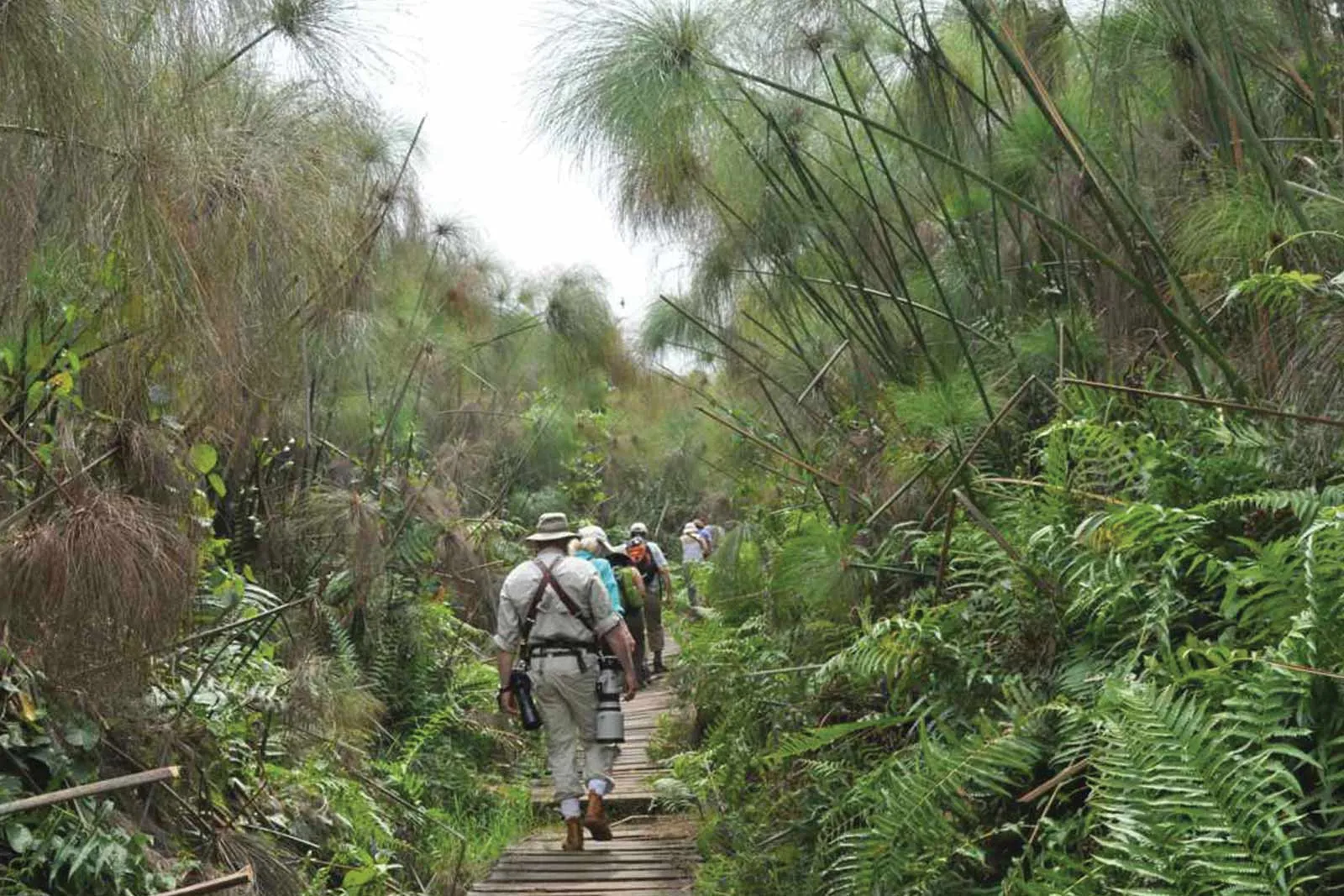
Bigodi Wetland Walk
The Bigodi Wetland Sanctuary, located near Kibale, is one of the most rewarding nature walks in Uganda. This guided walk takes us through a rich wetland ecosystem known for its biodiversity and community-based conservation efforts.
During the walk, we encounter a wide range of bird species, monkeys, and other wildlife within a peaceful and well-managed environment. The experience also includes interaction with local communities, providing insight into conservation initiatives and daily life around Kibale.
Bird Watching in Kibale Forest
Kibale National Park is a major destination for birding, with over 370 bird species recorded within the forest and surrounding areas. The diverse habitats, including forest, wetlands, and grasslands, support a wide variety of species.
Bird watching in Kibale is not limited to specialists. Even during chimpanzee tracking or nature walks, we encounter colorful and active birdlife that adds depth to the overall experience. For dedicated birders, guided birding excursions provide a focused and rewarding activity.
Cultural and Community Experiences
Cultural tours around Kibale offer the opportunity to engage with local communities and understand the relationship between people and the forest.
These experiences include visits to nearby villages, traditional practices, storytelling, and demonstrations of local livelihoods. They provide a meaningful contrast to wildlife activities and add a human dimension to the safari.
Together, these activities make Kibale National Park more than just a chimpanzee destination. They create a well-rounded experience that combines wildlife, nature, and culture within one of Uganda’s most important ecosystems.
Combine Chimpanzee Tracking with a Full Uganda Safari
Chimpanzee tracking in Uganda is rarely done as a standalone experience. One of its greatest strengths is how easily it fits into a broader safari itinerary, allowing us to combine primate encounters with classic wildlife viewing and scenic landscapes across the country.
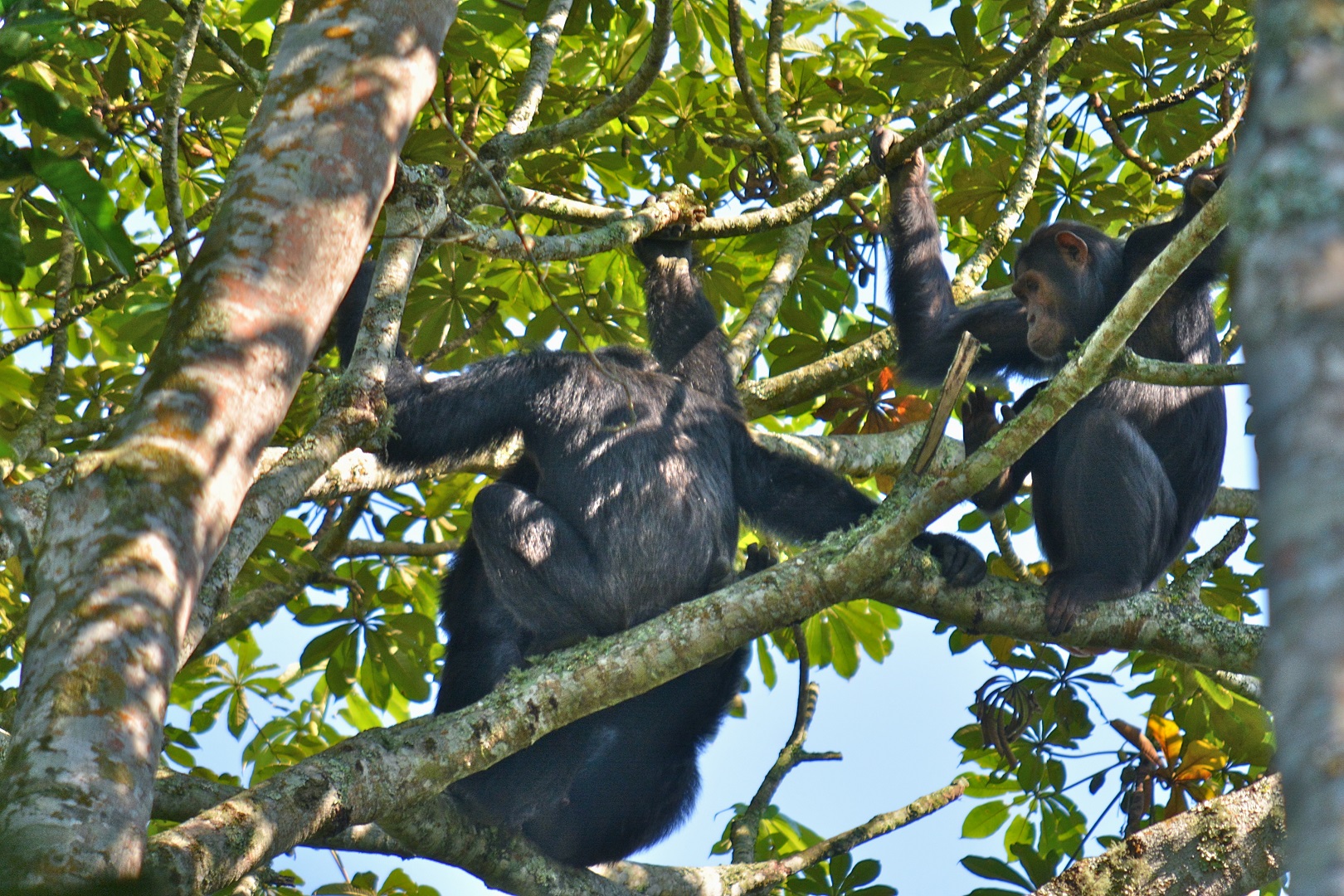
A well-planned route creates a seamless journey that connects forests, savannah parks, and mountain ecosystems into one complete safari experience.
Chimpanzee Tracking and Murchison Falls National Park
Combining chimpanzee tracking with Murchison Falls National Park creates a balanced safari that includes both forest primates and Big Five wildlife.
In this itinerary, we begin with game drives across the open plains of Murchison Falls, where we encounter lions, elephants, giraffes, buffaloes, and leopards. The experience is complemented by a Nile boat safari, where hippos, crocodiles, and large herds of animals gather along the riverbanks.
Chimpanzee tracking is then added through Budongo Forest, located within the greater Murchison ecosystem. This combination allows us to experience both savannah wildlife and primates without long transfers between distant regions.
Chimpanzee Tracking and Queen Elizabeth National Park
Another strong combination links chimpanzee tracking in Kibale National Park with Queen Elizabeth National Park, one of Uganda’s most diverse wildlife destinations.
This route allows us to move from dense tropical forest into open savannah landscapes. In Queen Elizabeth National Park, we encounter elephants, buffaloes, lions, antelopes, and a wide range of birdlife. The Kazinga Channel boat cruise adds another dimension, bringing us close to hippos and wildlife along the water’s edge.
Chimpanzee tracking can also be experienced within Queen Elizabeth itself at Kyambura Gorge, offering a unique variation within the same safari region.
Chimpanzee Tracking and Gorilla Trekking in Bwindi
For travelers seeking the ultimate primate safari, chimpanzee tracking in Kibale National Park is best combined with gorilla trekking in Bwindi Impenetrable National Park.
This combination brings together two of the most significant wildlife experiences in Africa within one itinerary. We track chimpanzees in the rainforest of Kibale, then continue south to Bwindi, where we trek through dense forest to encounter mountain gorillas in their natural habitat.
The journey between these destinations passes through crater lakes, tea plantations, and scenic highlands, creating a continuous and well-connected safari route.
A Complete Uganda Safari Experience
By combining chimpanzee tracking with these destinations, we create a safari that includes primates, Big Five wildlife, and diverse landscapes within a single journey. This approach maximizes time in Uganda and delivers a richer, more complete experience than focusing on one activity alone.
Is Chimpanzee Tracking in Uganda Safe?
Chimpanzee tracking in Uganda is a safe and professionally managed activity when conducted through established parks such as Kibale National Park.
The chimpanzees visited during trekking belong to habituated groups, meaning they are familiar with human presence and do not react aggressively under normal conditions. This habituation process is carefully managed over time and ensures that chimpanzees continue to behave naturally while allowing controlled observation.
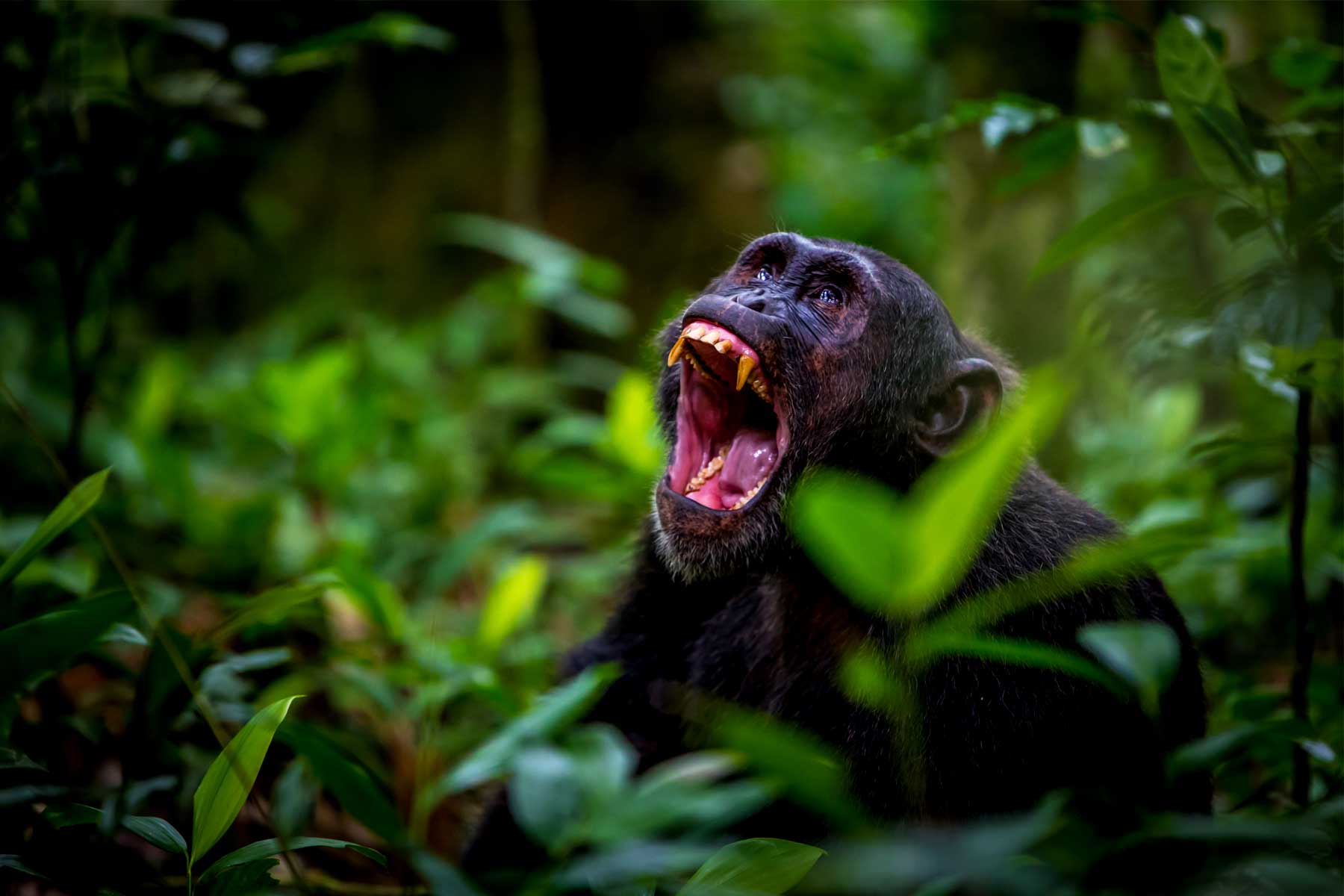
All trekking experiences are guided by trained rangers and trackers who manage movement within the forest, maintain appropriate viewing distances, and ensure that all safety guidelines are followed. Visitors are never left alone and are always accompanied by experienced professionals who understand chimpanzee behavior and forest conditions.
In addition, trekking takes place in designated areas that are separate from research zones where wild chimpanzee conflicts may occur. This ensures that visitors experience chimpanzees in a controlled and stable environment.
Chimpanzee tracking Uganda remains one of the most secure and rewarding wildlife experiences in Africa, combining close observation with strong safety standards and professional guidance throughout the activity.
Frequently Asked Questions About Chimpanzee Tracking in Uganda
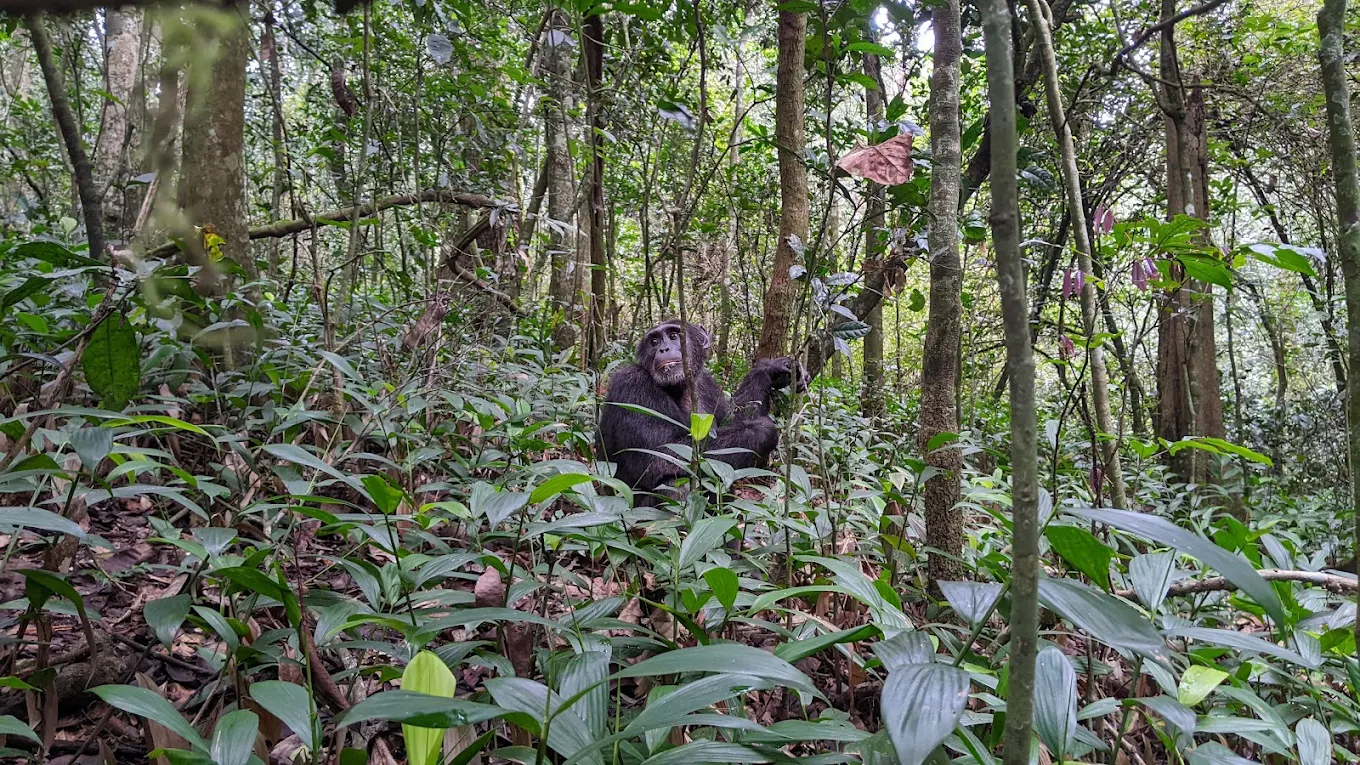
How long does chimpanzee tracking take?
Chimpanzee tracking in Uganda typically takes between two and five hours, depending on how quickly the chimpanzees are located. Once we find them, we spend one full hour observing their behavior in their natural habitat.
How close do we get to the chimpanzees?
We observe chimpanzees at a controlled distance of approximately seven meters. However, because chimpanzees move freely, they may occasionally come closer. Rangers ensure that interactions remain safe and respectful at all times.
Are chimpanzee sightings guaranteed?
Chimpanzee sightings in Kibale National Park are very reliable due to the high population and continuous tracking by rangers. While sightings cannot be 100 percent guaranteed, success rates are extremely high.
What should we wear for chimpanzee tracking?
We wear long trousers, long-sleeved shirts, and comfortable hiking shoes suitable for forest terrain. Neutral colors are recommended, and a light rain jacket is useful due to changing weather conditions in the forest.
Is chimpanzee tracking difficult?
Chimpanzee tracking requires a moderate level of fitness. The forest terrain can include slopes, dense vegetation, and uneven ground, but the pace is managed by guides to suit the group.
What is the minimum age for chimpanzee tracking?
The minimum age for chimpanzee tracking in Uganda is 15 years. This ensures participants can manage the physical demands of the activity and follow safety instructions.
What is included in a chimpanzee trekking permit?
A chimpanzee trekking permit includes park entry, ranger and tracker services, and one hour with the chimpanzees once they are located. It also contributes to conservation and protection of chimpanzee habitats.
Which is the best place for chimpanzee tracking in Uganda?
Kibale National Park is the best destination for chimpanzee tracking due to its large population, high success rate, and well-organized trekking experience.
Can chimpanzee tracking be combined with other safaris?
Yes, chimpanzee tracking is often combined with wildlife safaris in Murchison Falls National Park, Queen Elizabeth National Park, and gorilla trekking in Bwindi Impenetrable National Park.
What is the best time for chimpanzee tracking in Uganda?
Chimpanzee tracking is available year-round. The dry seasons from June to October and December to February offer easier trekking conditions, while the wet seasons provide lush scenery and fewer crowds.
Is chimpanzee tracking safe?
Chimpanzee tracking in Uganda is safe. The experience is guided by trained rangers, and chimpanzees visited are habituated to human presence, ensuring controlled and secure encounters.
Do we need to book chimpanzee permits in advance?
Yes, permits should be booked in advance, especially during peak travel seasons, as availability is limited per day

Book Your Chimpanzee Tracking Safari in Uganda
Chimpanzee tracking in Uganda offers a rare opportunity to explore tropical forests and observe one of the most intelligent primates in the wild. With proper planning, expert guidance, and secured permits, the experience becomes seamless, safe, and deeply rewarding.
Packages that Feature Chimpanzee Trekking
3 Days Budget Chimpanzee Trekking in Uganda
3 Days Midrange Chimpanzee Trekking in Uganda
3 Days Luxury Chimpanzee Trekking in Uganda
3 Days Chimpanzee Habituation in Uganda
3 Day Chimpanzee Trekking and Cultural Experience
4 Day Chimpanzee and Gorilla Trekking Safari
Read about
10 Things you Should NOT DO on an African Safari.
What to expect on a safari in Uganda.
Bwindi Impenetrable National Park
How to Choose the Best Tour Operate for Your Safari in Africa