
Luxury Coffee Tasting Experience in Uganda | Community-Led Farm to Cup Project in Kyotera
Why Uganda Is One of Africa’s Finest Coffee Origins
Coffee Tasting Experience in Uganda
Uganda is quietly emerging as one of Africa’s most compelling coffee destinations, not only for production but for immersive, high-quality Coffee Tasting Experience in Uganda journeys that connect travelers directly to the land, the people, and the craft behind every cup. While countries like Ethiopia and Kenya have long dominated global coffee storytelling, Uganda offers something increasingly rare in today’s coffee world: authenticity, diversity, and depth that has not been over-commercialized.
Located in the heart of East Africa, Uganda sits on a unique ecological crossroads. The country’s varied altitude, fertile volcanic soils, consistent rainfall, and equatorial sunlight create ideal conditions for coffee cultivation across multiple regions. Unlike monoculture coffee landscapes found in many large-scale producing countries, Uganda’s coffee grows in layered ecosystems where bananas, shade trees, and food crops coexist alongside coffee plants. This natural integration directly influences flavor complexity while preserving soil health and biodiversity.
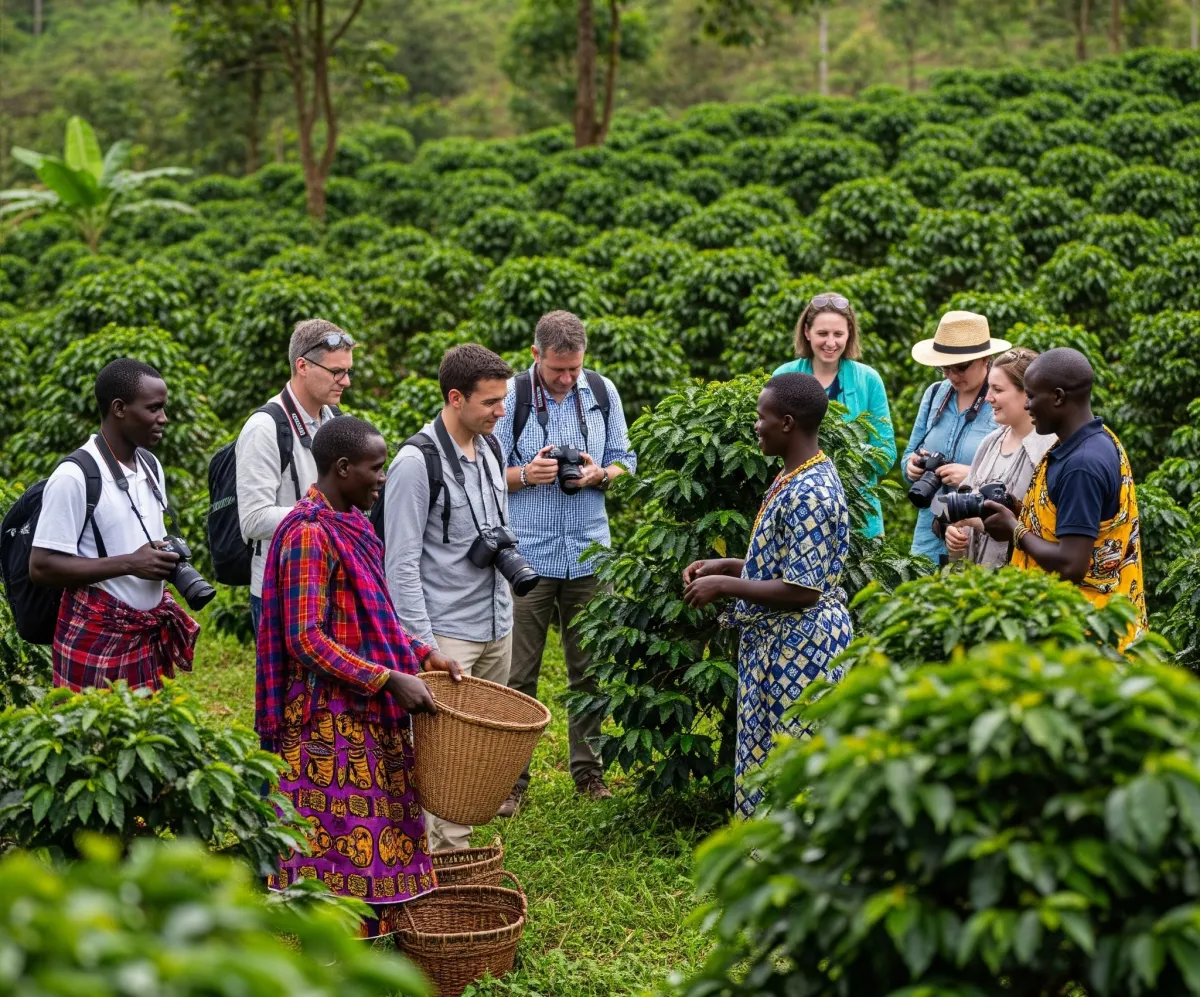
Uganda’s Finest Coffee Origins
Discover why Uganda is an undiscovered luxury coffee destination.
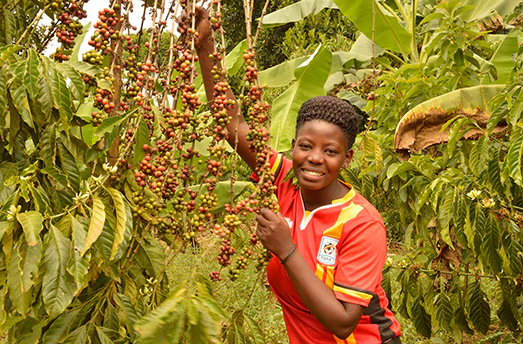
Kyotera Community Coffee Project
A women-led farm-to-cup experience rooted in local leadership.
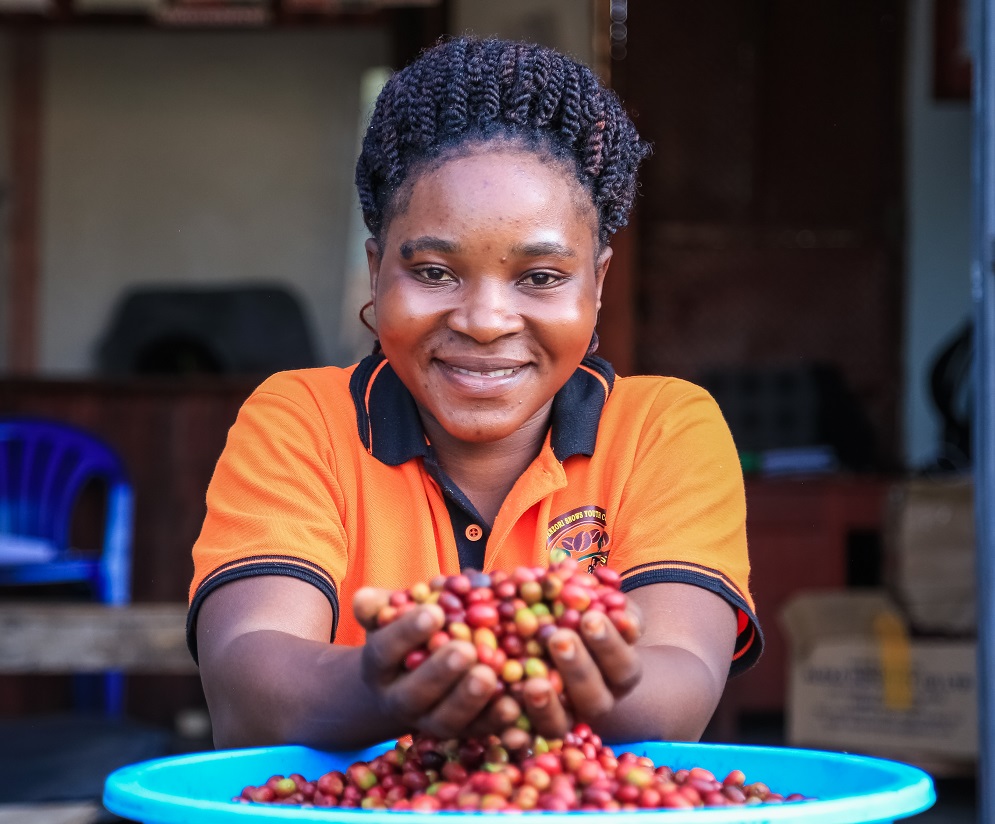
Farm-to-Cup Learning
Follow the full coffee journey from nursery beds to a private tasting.
From a traveler’s perspective, this is what makes a Coffee Tasting Experience in Uganda fundamentally different from factory-style coffee tours elsewhere in the world. Here, coffee is not separated from daily life or landscape. It is woven into family routines, community economies, and generational knowledge systems that guests can see, touch, and experience firsthand.
Climate, Altitude, and Natural Conditions That Shape Flavor
Uganda’s climate is one of its greatest assets as a coffee origin. The country benefits from two rainy seasons, moderate temperatures, and elevations ranging from approximately 900 to over 2,300 meters above sea level. This variation allows coffee to mature slowly, developing deeper sugars and more balanced acidity.
In regions such as Kyotera District, where our project is based, coffee thrives in warm daytime temperatures followed by cooler evenings. These conditions are ideal for producing beans with rounded body, subtle sweetness, and clean finish. Unlike harsher high-altitude zones that can produce overly sharp acidity, Uganda’s growing conditions create coffees that are approachable yet layered, a profile increasingly appreciated by specialty and luxury coffee consumers.
For guests participating in a farm to cup coffee Uganda experience, these environmental factors are not abstract concepts. They are observed directly in the fields, felt in the soil, and tasted in the final cup during guided coffee tasting sessions.
Arabica vs Robusta: Uganda’s Rare Dual Identity
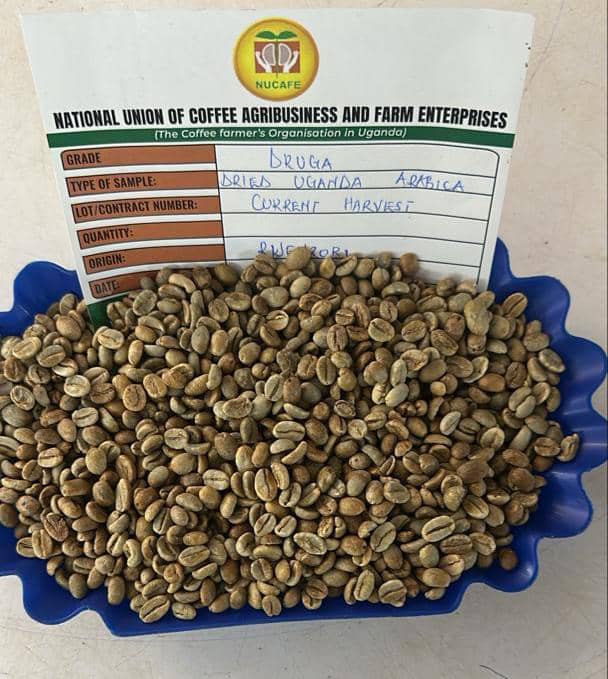

One of Uganda’s most distinctive strengths is its ability to produce both high-quality Arabica and world-class Robusta coffee. This dual identity sets Uganda apart from most African coffee countries and adds exceptional educational value to any Uganda coffee experience.
Arabica coffee in Uganda is typically grown at higher altitudes, particularly along mountainous regions, producing beans with brighter acidity, floral aromas, and refined flavor notes. Robusta, by contrast, thrives at lower elevations and has long been misunderstood globally as inferior. In Uganda, however, traditional Robusta varieties are indigenous, carefully cultivated, and naturally resilient. When grown and processed correctly, Ugandan Robusta delivers deep body, chocolate undertones, low acidity, and remarkable smoothness.
During a Coffee Tasting Experience in Uganda, guests are able to compare these profiles side by side, gaining a deeper understanding of how variety, altitude, and processing methods influence taste. This comparative learning is rarely possible in countries that specialize in only one coffee type, making Uganda uniquely suited for educational, luxury-focused coffee experiences.
Undiscovered Luxury in a World of Overexposed Origins
Despite being one of Africa’s largest coffee producers, Uganda remains an undiscovered luxury origin in the experiential travel and specialty coffee space. This is precisely what makes it so compelling for discerning travelers.
Uganda’s coffee story has not been diluted by mass tourism, scripted tours, or heavily branded plantations designed for quick visits. Instead, coffee here is still grown primarily by smallholder farmers using knowledge passed down through generations. The absence of industrialized coffee estates means guests experience coffee in its most honest form — cultivated by people who live on the land, not corporations managing production metrics.
For luxury travelers, this sense of discovery is invaluable. A farm to cup coffee Uganda journey does not feel staged or commercial. It feels personal, educational, and meaningful. Guests are welcomed into real working farms, guided through authentic processes, and invited to engage directly with the people whose livelihoods depend on coffee cultivation.
This understated authenticity positions Uganda as a destination for travelers who value depth over spectacle and learning over consumption.
Authentic Community Farms vs Commercial Plantations
The difference between authentic community-led coffee farms and commercial plantations is central to understanding Uganda’s appeal as a coffee destination.
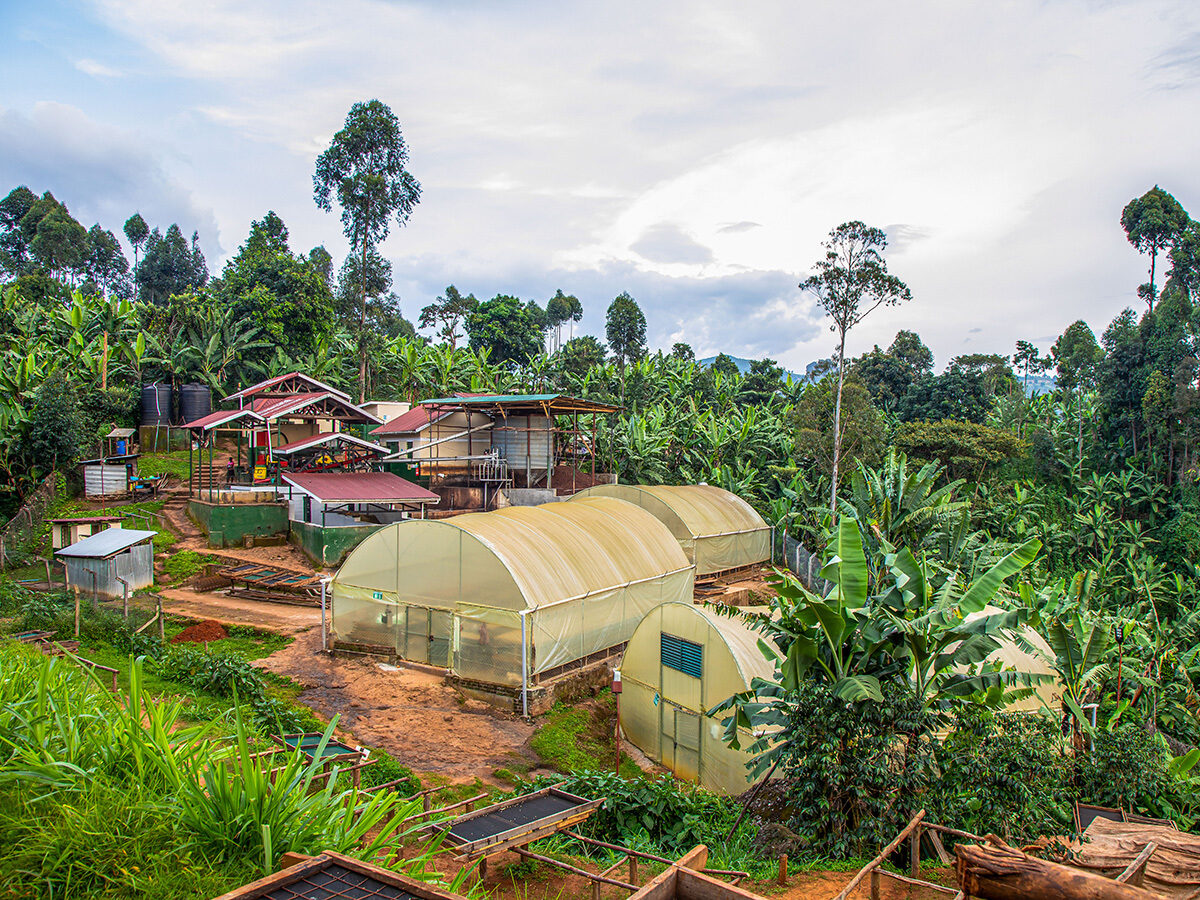
Commercial Coffee Plantations
Large-scale production focused on volume, uniformity, and efficiency.
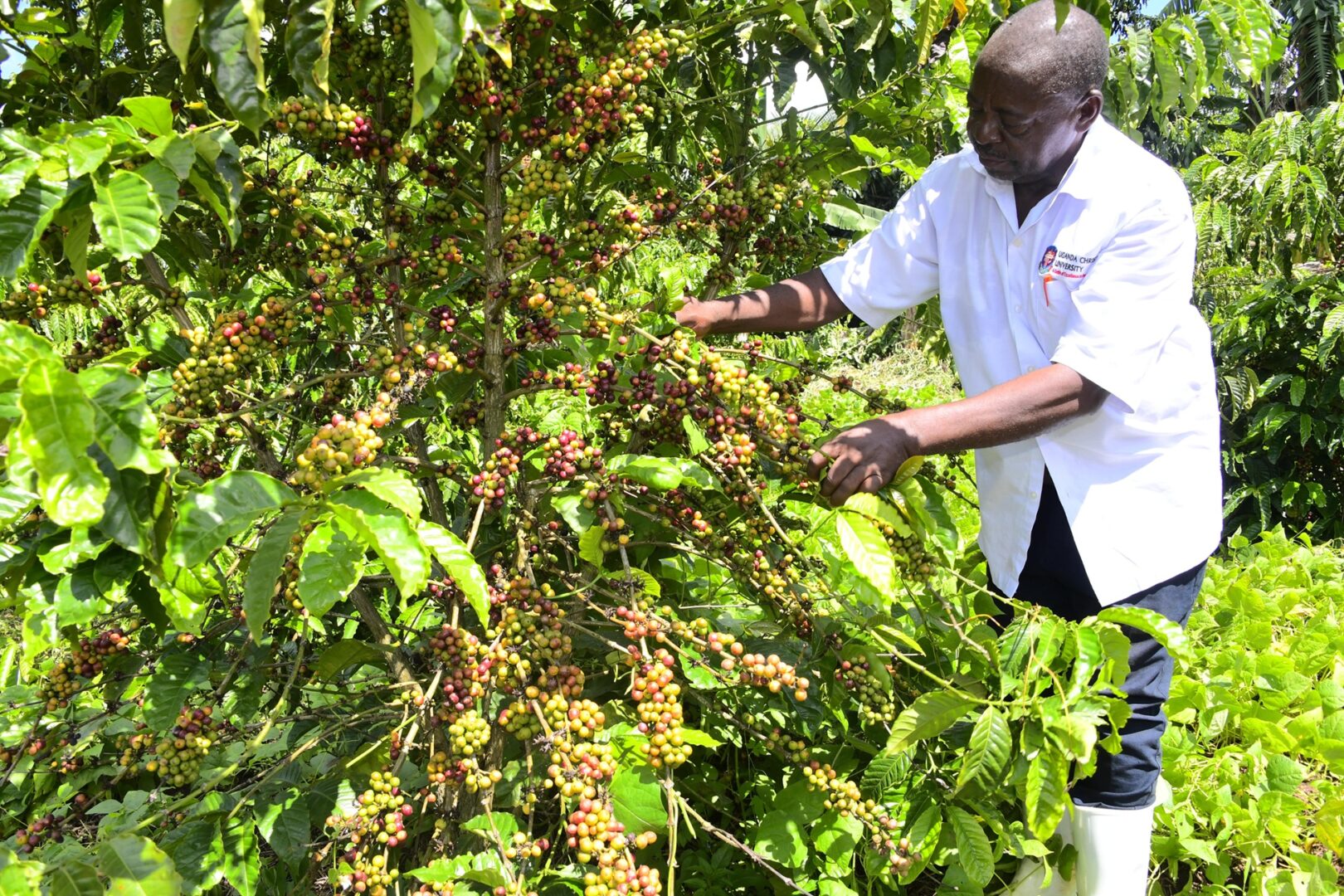
Authentic Community Farms
Community-led, quality-driven farming where guests learn coffee at the source.
Commercial plantations, common in many producing countries, prioritize scale, efficiency, and uniformity. While they may offer visual appeal, they often disconnect visitors from the human story behind coffee. By contrast, Uganda’s small-scale farming model emphasizes relationship, resilience, and shared knowledge.
In community settings like Kyotera, coffee is grown on family plots where every stage of the process is visible and explained. Guests witness how nursery beds are prepared, how young plants are protected, how harvesting decisions are made, and how drying and processing are carried out using time-tested methods. This transparency transforms a simple coffee tasting in Uganda into a holistic learning experience.
More importantly, it ensures that tourism revenue flows directly into the community, supporting farmers, creating employment opportunities, and encouraging younger generations to remain engaged in sustainable agriculture rather than abandoning it.
The Kyotera Coffee Project – A Community-Led Luxury Experience
The Kyotera Coffee Project is not defined by signposts, visitor centers, or polished façades. Its value lies in place, people, and purpose. Set in Kyotera District, in and around Kalisizo, and rooted deeply in Matale Kinaawa, this project represents a different kind of luxury, one grounded in authenticity, human connection, and quiet excellence rather than scale or spectacle.
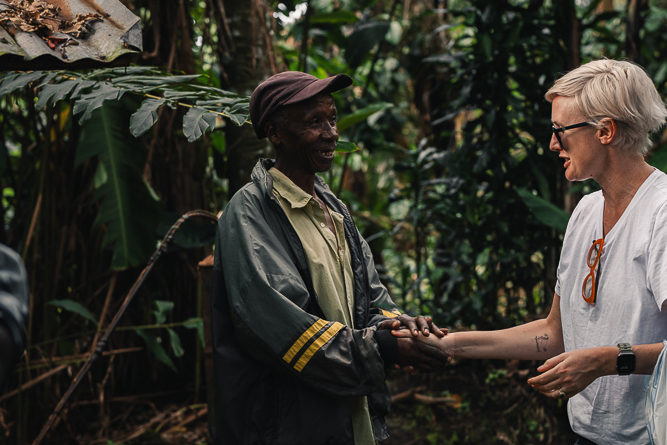
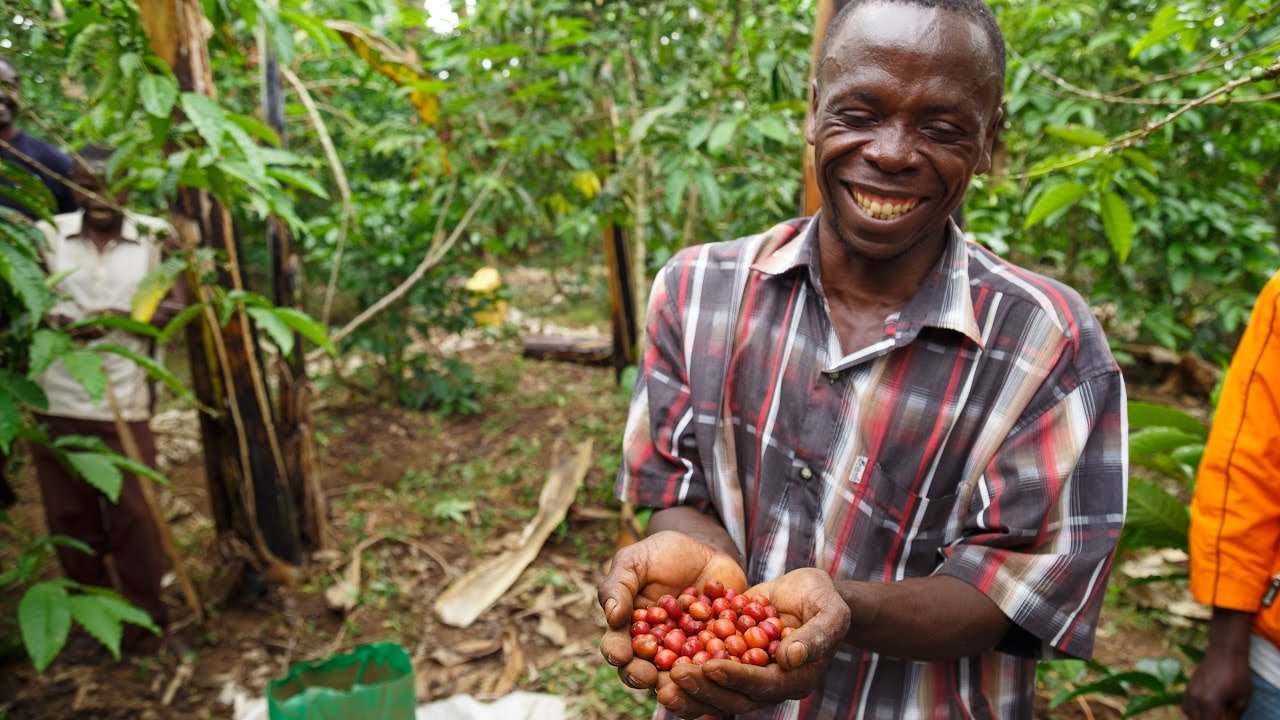
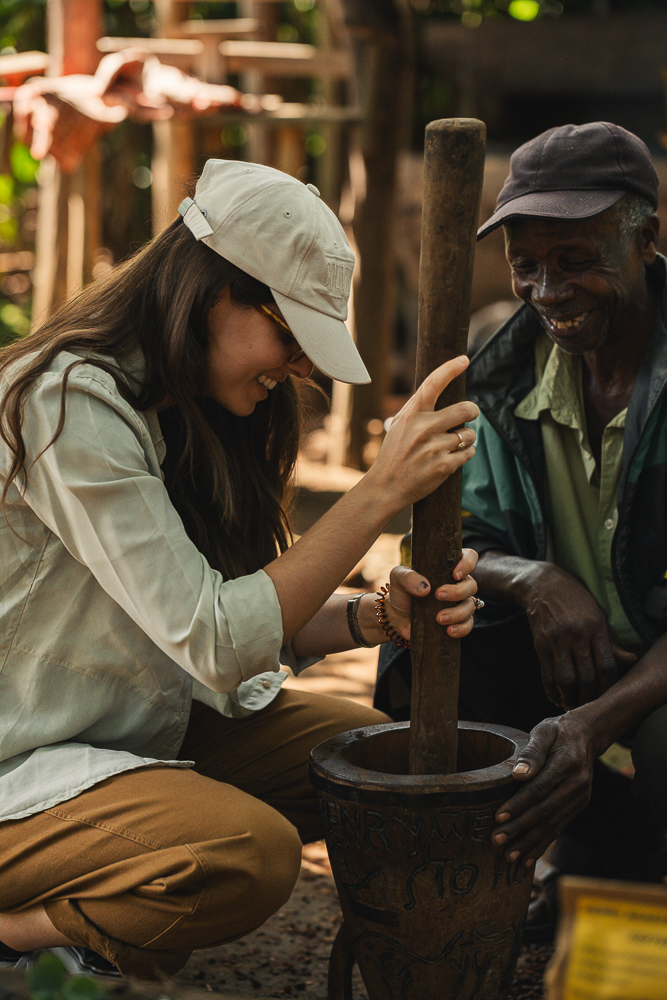
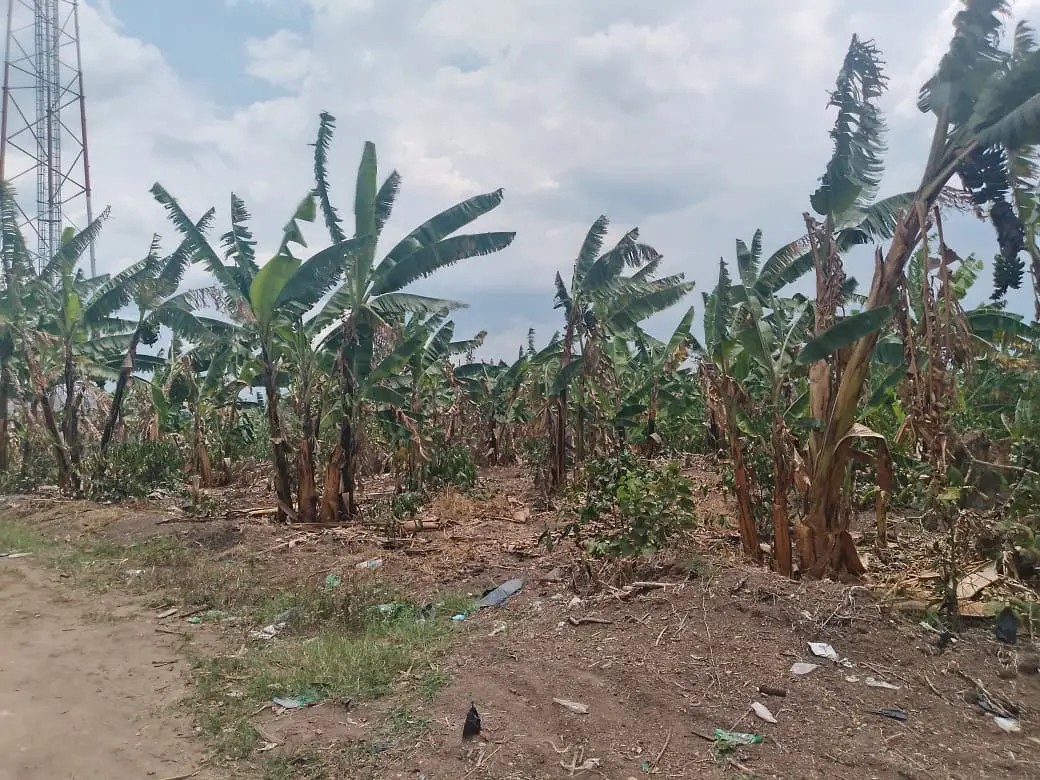
Kyotera is an agricultural heartland where coffee is not an export concept but a way of life. The landscape is defined by fertile red soils, gentle rolling hills, and family farms that have been cultivated across generations. Coffee here grows alongside food crops, shade trees, and homesteads, creating a living agricultural mosaic rather than a single-purpose production zone. This natural integration is exactly why the region matters. It preserves soil health, encourages biodiversity, and produces coffee that carries a sense of place both in flavor and in story.
In contrast to industrial coffee estates found elsewhere, Kyotera’s strength lies in small-scale farming. These are not vast plantations designed for mechanization and volume. They are carefully managed plots where every coffee tree is known, tended, and valued. Decisions are made by people who walk the fields daily, who understand seasonal shifts instinctively, and who measure success not only in yield but in sustainability. For guests, this distinction is immediately visible. A visit here does not feel like observing production from the outside; it feels like being welcomed into a working landscape where coffee is grown with intention and pride.
This is what elevates the Kyotera Coffee Project into a true luxury experience. Luxury, in this context, is time spent learning directly from those who grow the coffee. It is the opportunity to trace the journey from nursery bed to mature tree while standing beside the farmer who planted it. It is the ability to ask questions, handle the soil, observe harvesting decisions, and understand why certain practices are chosen over others. Nothing is rushed, staged, or simplified. Guests are invited into a real process, unfolding at its natural pace.
The personal connection with locals is at the heart of the experience. The project is led by a local female farmer—both a mother and a respected community leader—whose farm is also a center of opportunity for others. Through her leadership, young people gain access to farming skills, seasonal employment, and mentorship that extends beyond coffee alone. Visitors do not encounter anonymous labor or scripted explanations. They engage with individuals whose livelihoods, aspirations, and resilience are inseparable from the land itself.
In Matale Kinaawa village, this connection becomes tangible. Guests are not treated as spectators but as participants in a shared exchange. Conversations flow easily, stories are told openly, and knowledge is passed in both directions. This human dimension transforms the Kyotera Coffee Project from a simple farm to cup coffee Uganda experience into something deeper: a moment of cultural understanding, respect, and mutual value.
By choosing Kyotera over industrial estates, the project intentionally preserves what makes Uganda’s coffee story exceptional. It prioritizes people over volume, learning over display, and long-term community benefit over short-term gain. For travelers seeking a refined yet meaningful Uganda coffee experience, Kyotera offers something increasingly rare, a place where luxury is measured not by scale, but by sincerity, depth, and impact.
Meet the Woman Behind the Coffee Tasting Experience in Uganda
At the heart of the Kyotera Coffee Project is a woman whose story embodies resilience, leadership, and quiet excellence. She is not presented as a symbol or a success story for display, but as a partner—a local female farmer whose knowledge, values, and commitment shape every aspect of this experience.
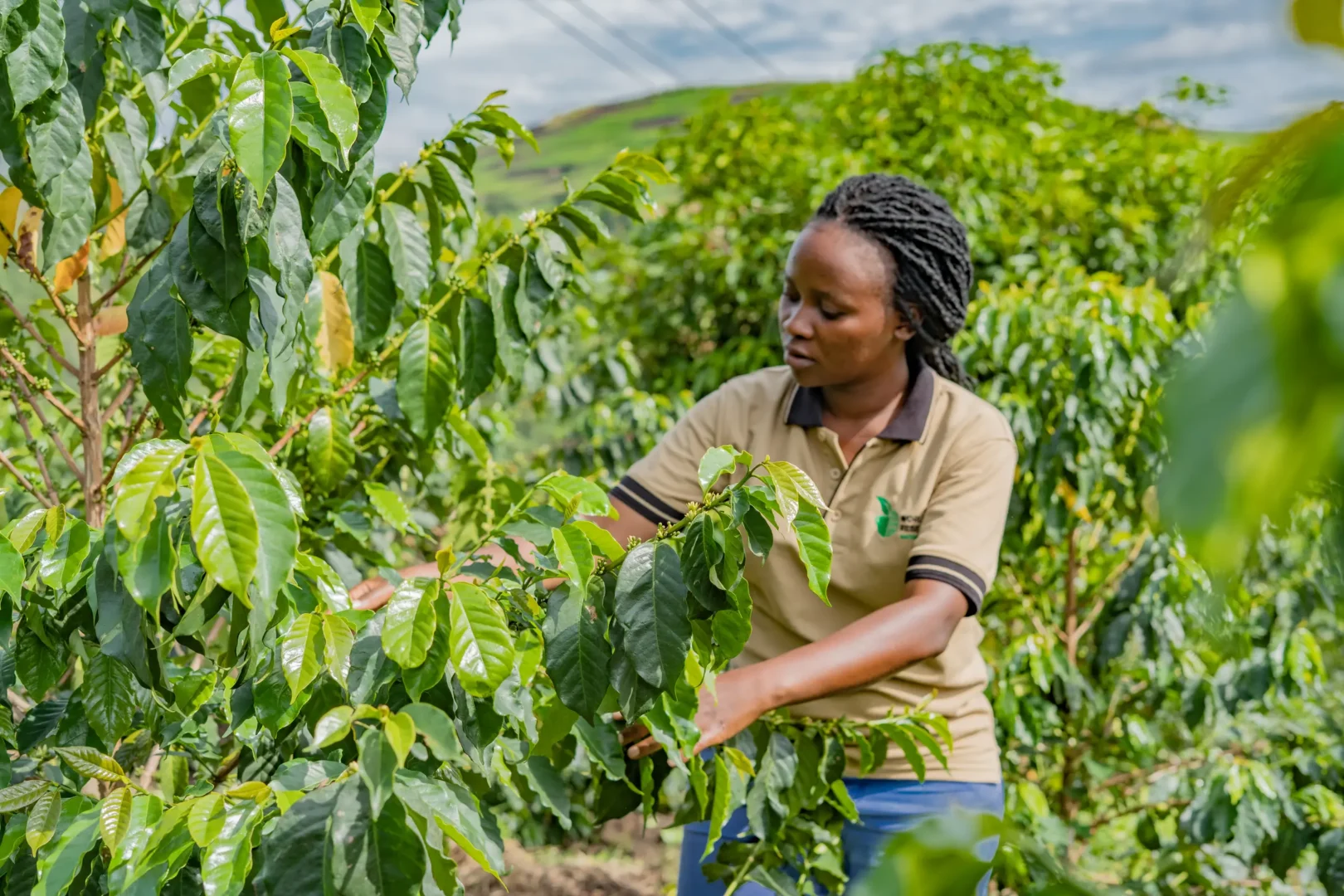
Born and raised in Kyotera District, she learned coffee farming not from manuals or training workshops, but through lived experience. Coffee has been part of her life since childhood, woven into daily routines, family responsibility, and community survival. Over time, what began as a small household farm grew into a model of sustainable, community-centered agriculture rooted in trust and long-term vision.
As a mother, her perspective on farming extends beyond production. Every decision she makes—how seedlings are raised, how harvesting is paced, how income is reinvested, is informed by the future she wants for her children and for the next generation of Kyotera’s youth. This sense of responsibility gives the project its depth. Guests quickly sense that the farm is not just a workplace, but a living system designed to support families, education, and stability.
Her role as a community leader is equally important. She is widely respected not because of title, but because of consistency. Young people come to her for guidance, not only on coffee farming but on how to build sustainable livelihoods in a rural setting. Women seek her out for advice on balancing farming, family, and financial independence. Through example rather than instruction, she has become a point of reference for what is possible when agriculture is approached with dignity and intention.
As a mentor to young farmers, she actively transfers skills that are often lost in regions affected by rural migration. She teaches how to prepare nursery beds, how to recognize healthy seedlings, how to time harvesting for quality rather than speed, and how to process coffee in ways that preserve flavor and value. These lessons are practical, hands-on, and rooted in real outcomes. For visiting guests, witnessing this mentorship adds a powerful human dimension to the Coffee Tasting Experience in Uganda, transforming it from observation into understanding.
The farm also functions as a job creation hub. Seasonal and long-term opportunities are provided to women and youth from the surrounding villages, offering income, skills development, and a reason to remain engaged in agriculture rather than abandoning it. Employment here is not extractive or temporary; it is designed to build confidence and capability. This approach ensures that the benefits of tourism and coffee production circulate locally, strengthening the community from within.
Importantly, she is never positioned as a beneficiary of the project. She is a co-creator and host. Guests are welcomed onto her land not as spectators, but as participants in a shared exchange. She explains processes openly, answers questions candidly, and invites conversation rather than performance. This dynamic creates trust—both for travelers and for partners—because it is clear that the project exists through collaboration, not charity.
This leadership-centered narrative is what gives the Kyotera Coffee Project its credibility and press-worthiness. It demonstrates real impact without exaggeration, empowerment without dependency, and luxury without detachment. From an E-E-A-T perspective, her lived experience, authority within the community, and direct involvement establish authenticity that no external endorsement could replicate.
For guests, meeting her is often the most memorable part of the journey. Not because she is presented as an attraction, but because she represents the soul of the project, grounded, generous, and forward-looking. Her presence anchors the experience in reality, ensuring that every cup tasted carries not just flavor, but story, responsibility, and respect.
From Nursery Bed to Coffee Tree – Understanding the Journey
The journey of coffee in Kyotera begins quietly, long before cherries appear on branches or cups are lifted for tasting. It starts in the nursery beds, where life is measured not in harvests but in patience. Here, rows of young coffee seedlings emerge from carefully prepared soil, their leaves tender and bright against the deep red earth. The air carries a faint, earthy scent, damp soil mixed with morning dew—signaling the beginning of a process that cannot be rushed.
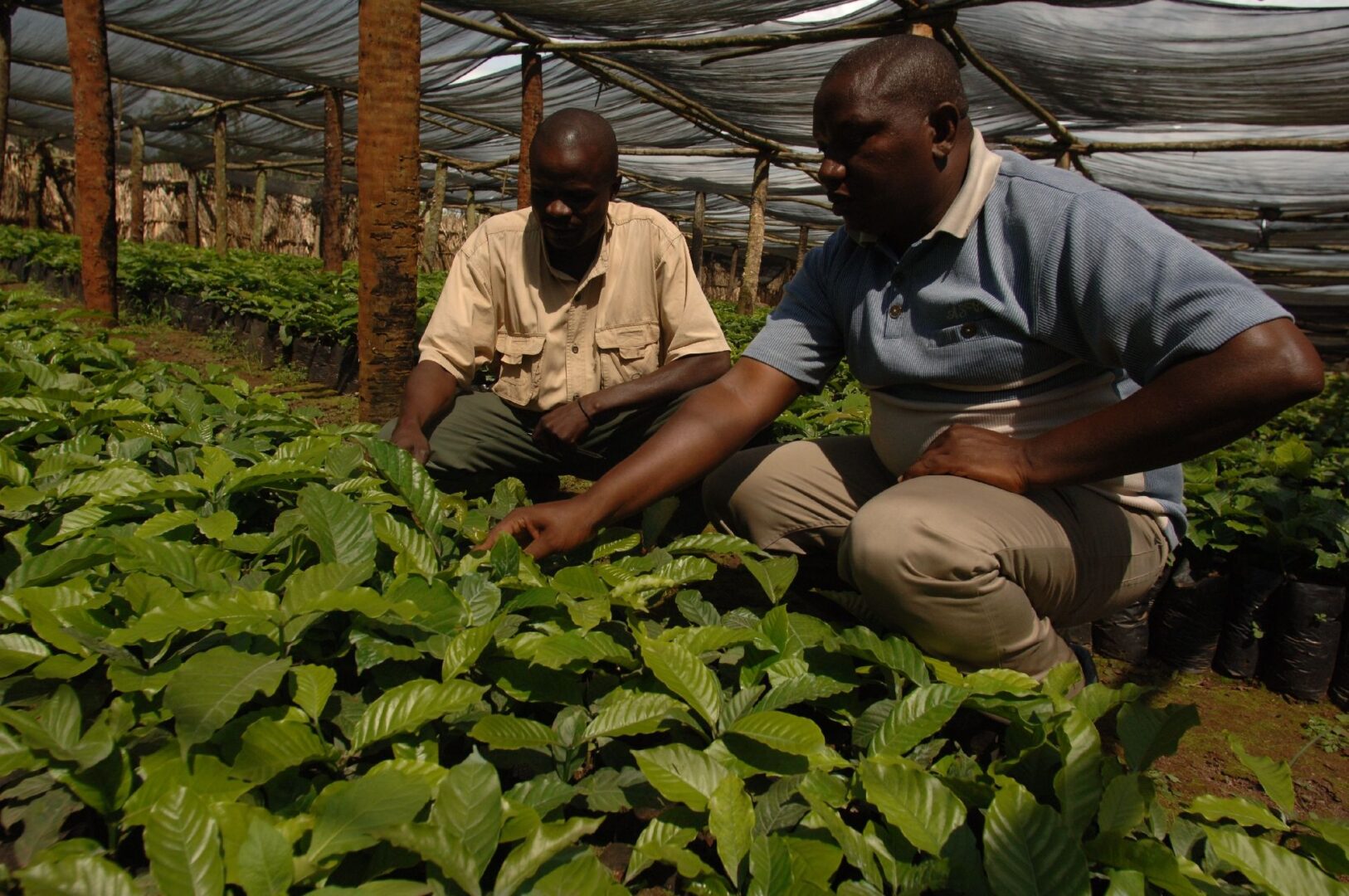
Each seedling is raised under close attention. The nursery is visited daily, often in the early morning when the air is cool and the land is still. Watering is done by hand, shade is adjusted according to the sun, and unhealthy seedlings are gently removed to protect the rest. This stage reflects generational knowledge passed down through observation rather than instruction. There is an unspoken understanding of when a plant is strong enough to move on, and when it needs more time.
Transplanting marks a significant moment in the life of the coffee plant. Seedlings are carried from the nursery to prepared fields, where holes have already been enriched with organic matter. The soil is loosened by hand, releasing a warm, mineral scent that speaks of fertility and care. Planting is done with intention, spacing each tree to allow air, light, and future growth. In these moments, farming feels ceremonial—an act of faith in seasons yet to come.
The early months after transplanting are critical. Young coffee trees require constant observation, protection from excessive sun, and careful watering. Mulch is applied to retain moisture, and surrounding plants are managed to provide natural shade. These sustainable growing methods are not adopted for trend or certification, but because they have proven effective over decades. They protect the soil, reduce erosion, and ensure the long-term health of the land.
Community labor plays a central role throughout this process. Farming here is not isolated work. Neighbors assist one another during planting seasons, sharing labor and experience in ways that strengthen social ties. Younger farmers learn by doing, guided by older hands that have shaped the land for years. Skills are transferred naturally—from how to recognize healthy roots to how to respond when weather patterns shift unexpectedly.
As the coffee trees grow taller and stronger, they become part of the landscape, indistinguishable from the rhythm of daily life. Morning routines continue around them—children preparing for school, farmers tending nearby crops, conversations carried across fields. Coffee is not treated as a standalone product, but as part of a living system that sustains families and community.
For guests, walking this journey from nursery bed to established coffee tree offers a rare perspective. It transforms coffee from a finished product into a living process shaped by time, care, and human connection. This understanding deepens every farm to cup Coffee Tasting Experience in Uganda, grounding it in the smells of soil, the quiet of early mornings, and the accumulated wisdom of generations who have learned to listen to the land before asking it to give.
Harvesting, Drying & Preparing Coffee the Traditional Way
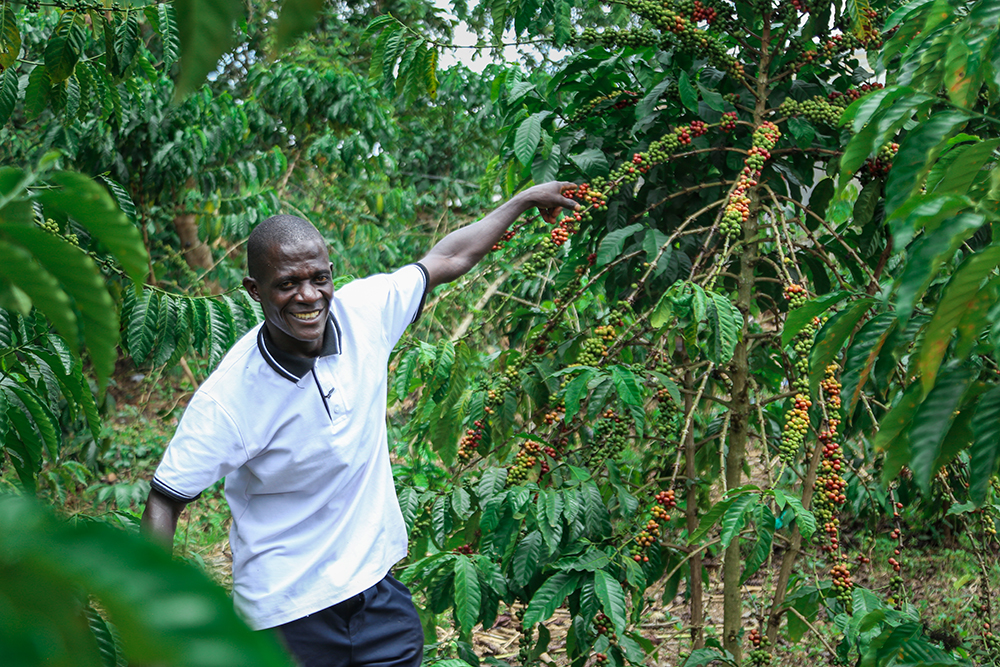
When harvest season arrives in Kyotera, the pace of life changes subtly but deliberately. Coffee harvesting here is not driven by machines or volume targets; it is guided by sight, touch, and experience. The work begins early in the day, when the air is cool and the light is soft, allowing farmers to move slowly through the trees and select only cherries that have reached perfect ripeness. Each cherry is hand-picked, one by one, ensuring that underripe or overripe fruit never enters the process. This careful selection is the foundation of quality, and it is one of the reasons a Coffee Tasting Experience in Uganda reveals such clarity and balance.
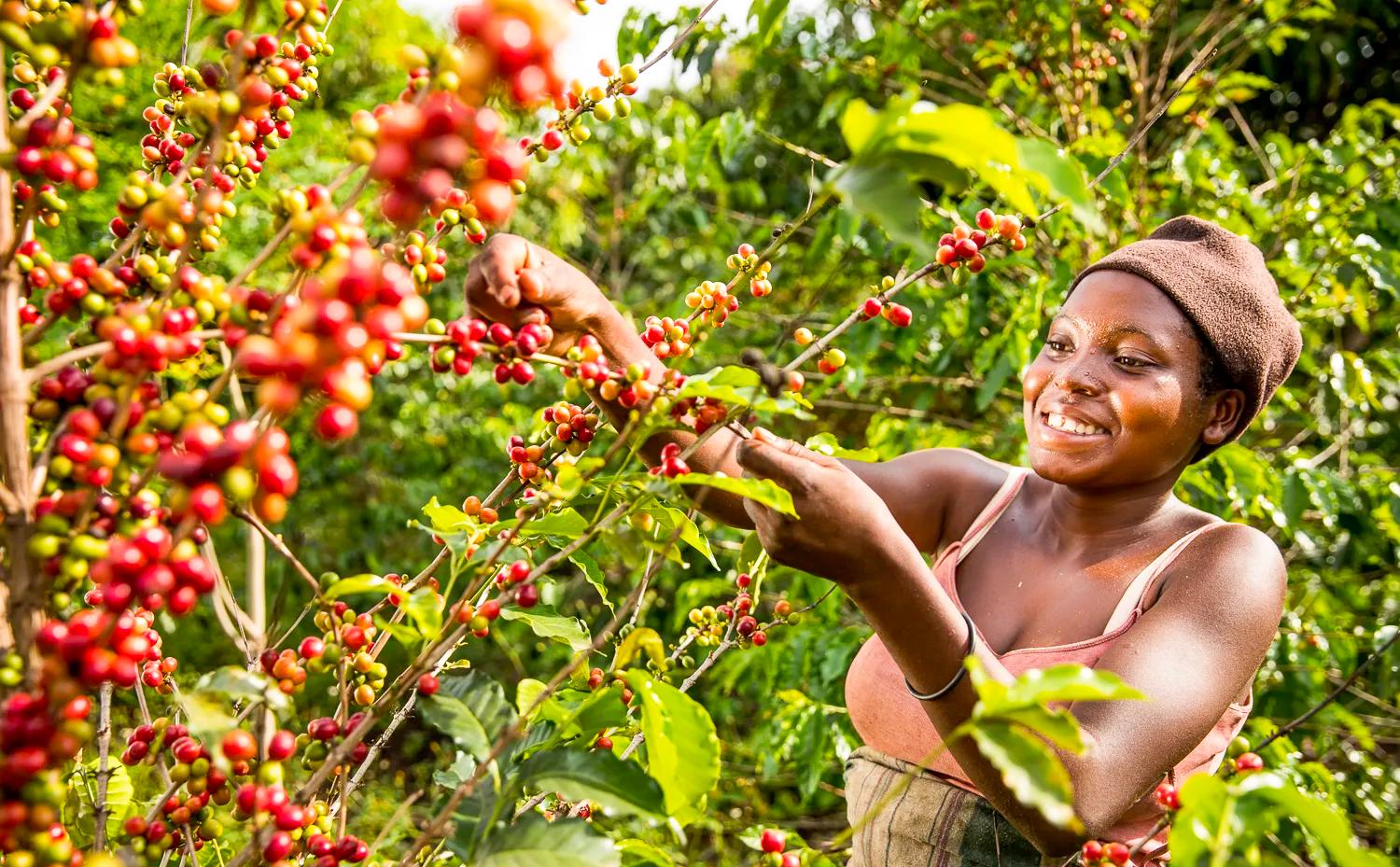
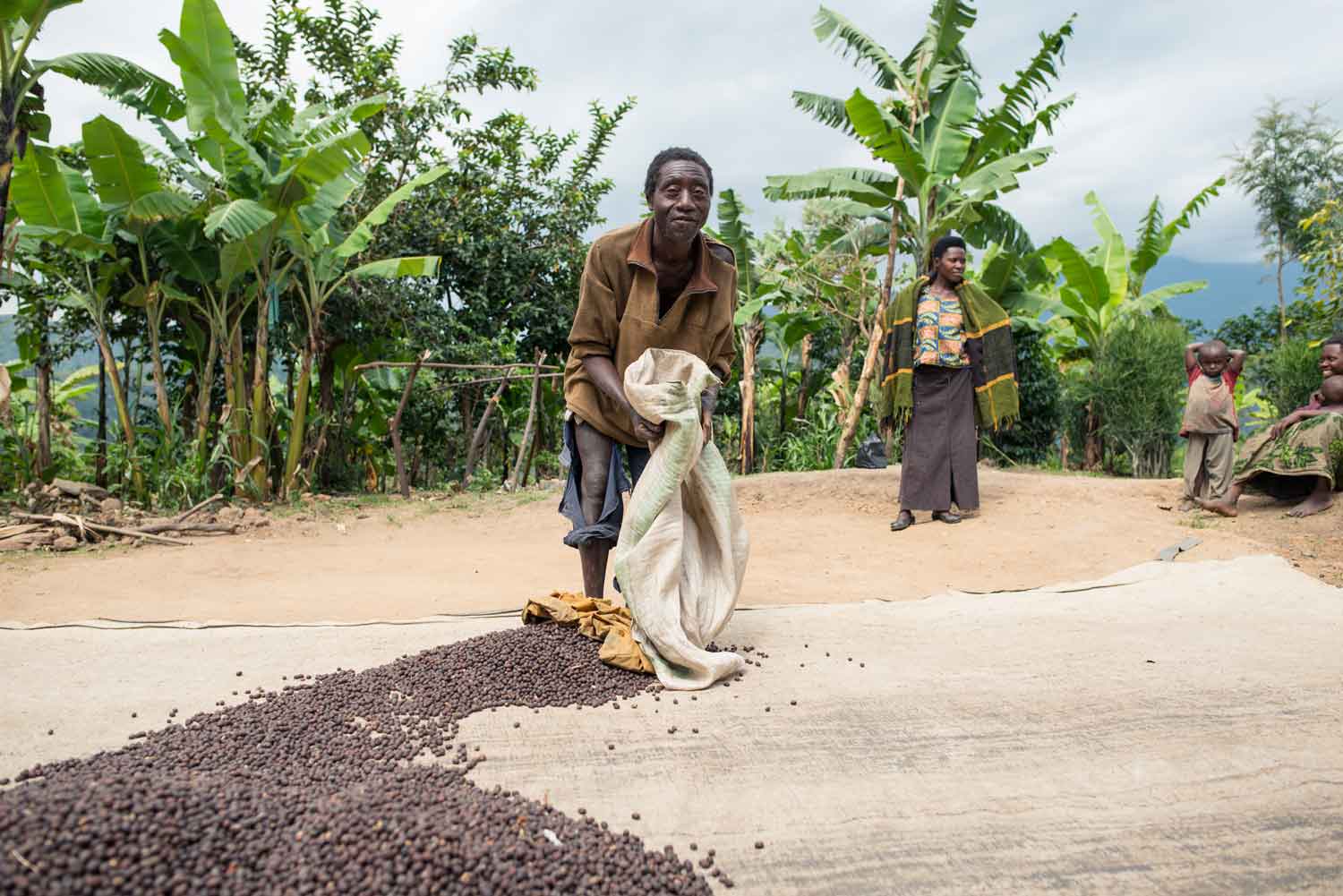
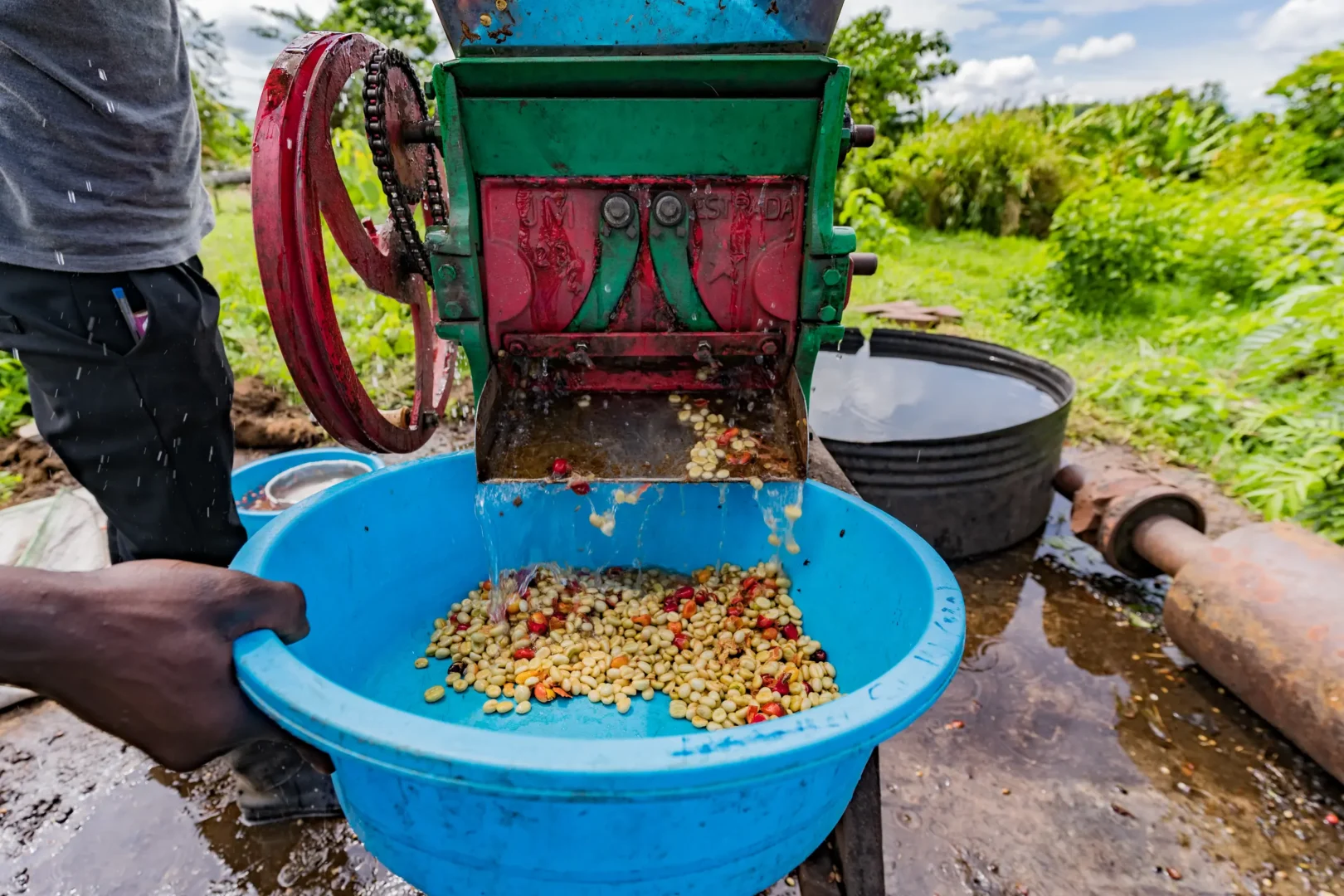
Hand-picking is an intimate act. Fingers brush against leaves still damp with morning moisture, and the subtle difference between a ripe and unripe cherry is felt instantly. The sound of cherries dropping gently into baskets replaces the noise of machinery, creating an atmosphere that feels calm and purposeful. For guests, participating in this stage offers immediate insight into why traditional methods matter. Quality here is not inspected at the end; it is protected from the very beginning.
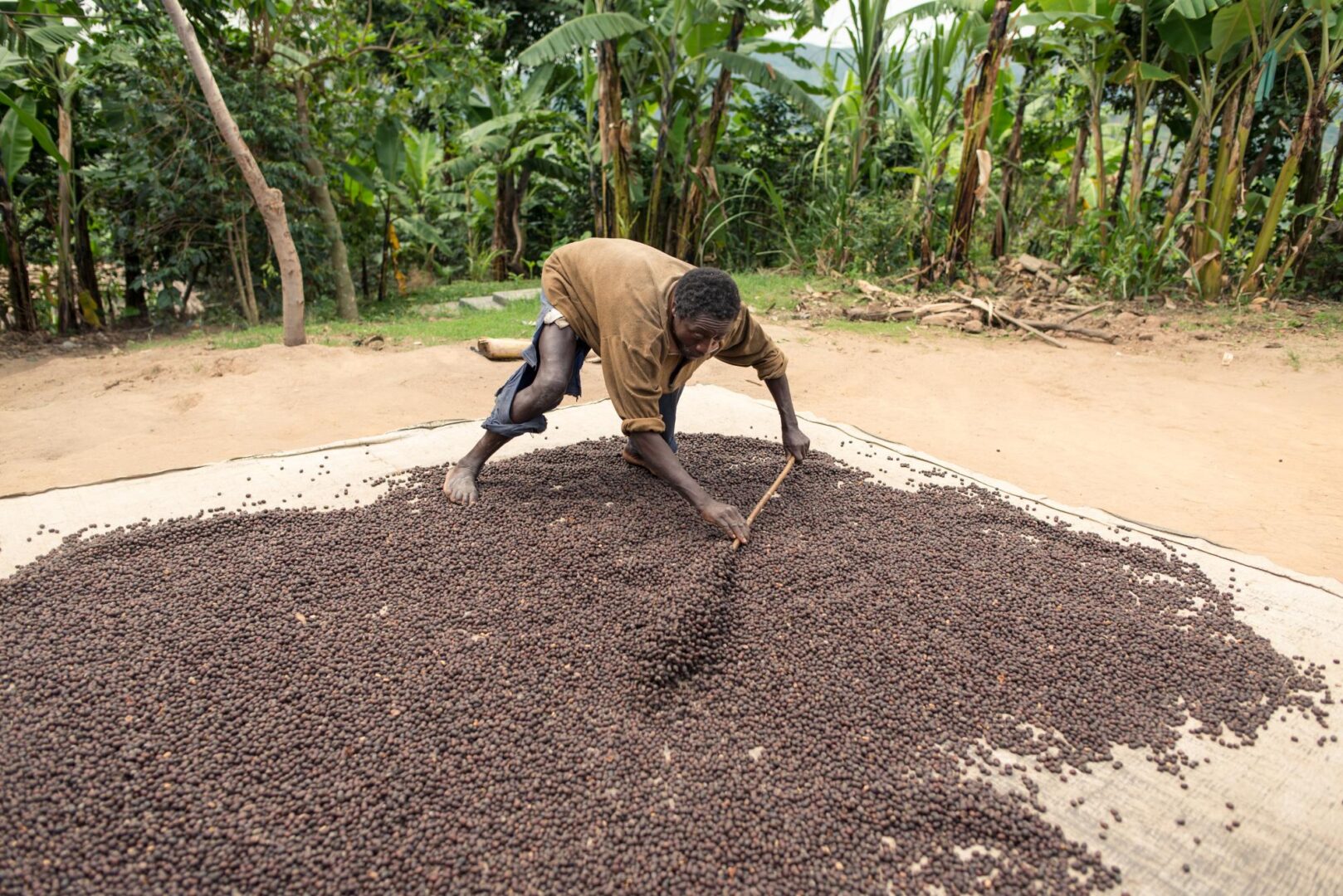
Once harvested, the cherries are prepared for drying using time-honored methods that rely on sunlight rather than artificial heat. Drying mats are laid out in open spaces where air circulates freely, and cherries are spread evenly to ensure consistent exposure. Throughout the day, they are turned by hand to prevent uneven drying and fermentation. The warmth of the sun draws out moisture slowly, allowing sugars within the cherries to develop naturally. This patience preserves flavor complexity, creating coffees with depth rather than sharpness.
Drying is followed by sorting and grading, a process that demands concentration and precision. Beans are examined visually and by feel, separating those that meet quality standards from those that do not. This step is often carried out collectively, with experienced farmers guiding younger hands, explaining what to look for and why it matters. There is pride in this work, not because it is fast, but because it is exacting. Every decision made here directly influences the final cup.
What elevates this process into a luxury experience is not exclusivity, but intention. The slow rhythm allows guests to engage fully, ask questions, and learn through doing. There is time to understand how small variations in drying time affect aroma, or how careful grading enhances consistency. Rather than observing from a distance, visitors are invited to participate, gaining a tactile understanding of coffee that cannot be learned in a tasting room alone.
This traditional approach preserves flavor because it respects the natural characteristics of the coffee. By avoiding shortcuts and excessive processing, the beans retain their inherent sweetness, body, and balance. The result is a coffee that reflects its origin honestly, carrying the imprint of soil, climate, and human care.
For travelers seeking a refined Coffee Tasting Experience in Uganda, this stage is often the most revealing. It demonstrates that true luxury lies in attention to detail, in processes that value quality over speed, and in the opportunity to learn directly from those who have perfected their craft over generations.
Coffee Tasting Experience – From Processing to Cup
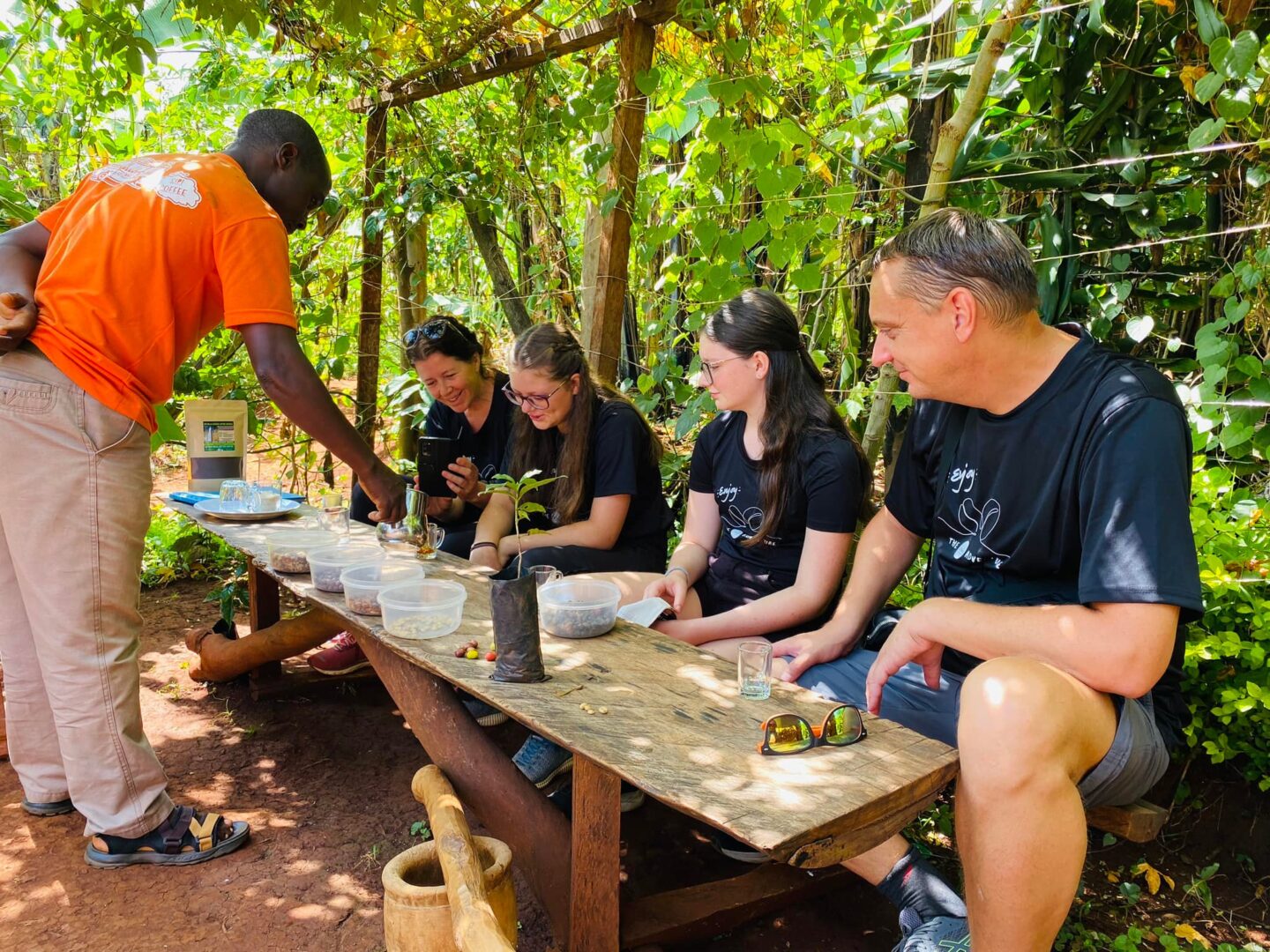
The coffee tasting experience in Kyotera is where knowledge, craft, and luxury come together in the most personal way. This is not a quick sampling or a scripted demonstration. It is a private coffee tasting designed to slow guests down, sharpen the senses, and reveal how every decision made in the field ultimately expresses itself in the cup.
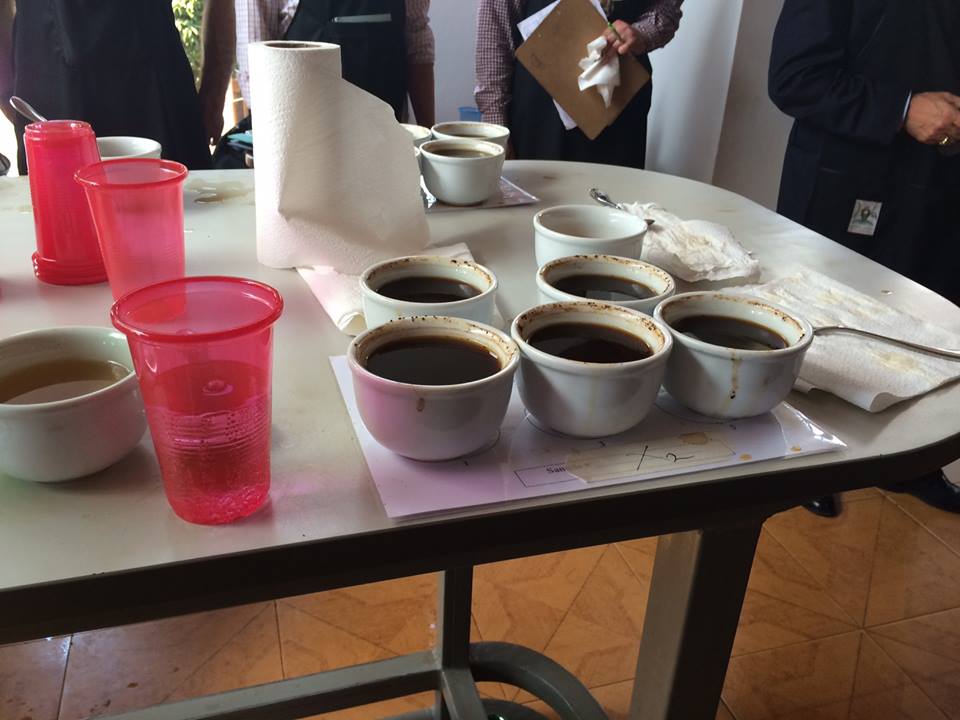
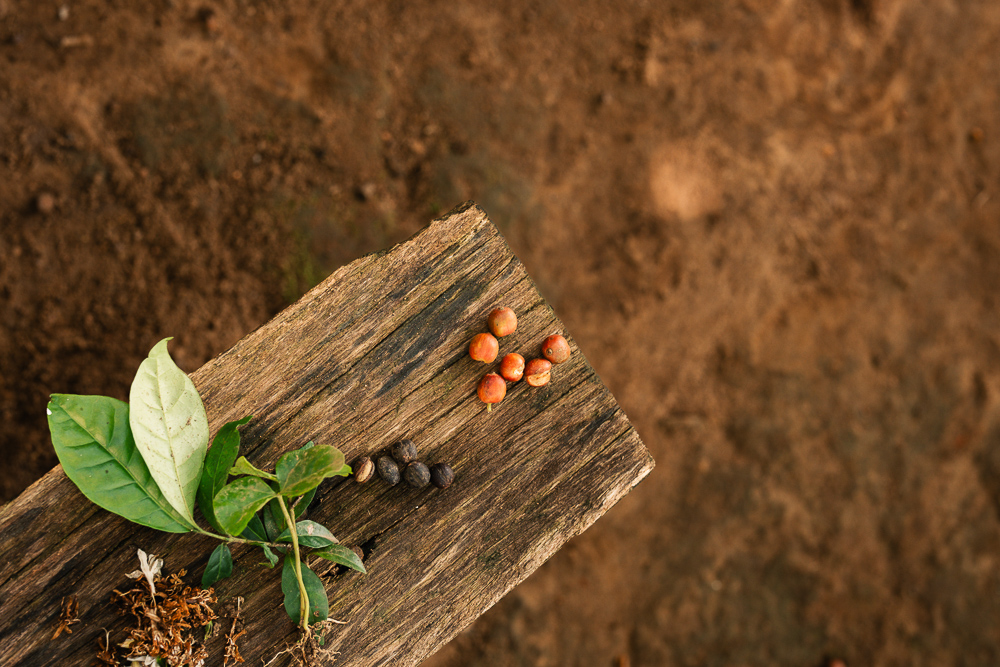
The experience begins with roasting, a moment where transformation becomes visible. Small batches of coffee are roasted carefully, often over controlled heat that allows constant adjustment. Guests observe how aroma changes as beans darken, how crackling sounds signal chemical reactions within the bean, and how timing influences flavor development. This stage is explained patiently, with attention given to how lighter roasts preserve origin characteristics while deeper roasts enhance body and richness. There is no single “correct” roast here, only intentional choices guided by desired outcomes.
Grinding follows, and once again, detail matters. Beans are ground moments before tasting to preserve freshness, and different grind sizes are demonstrated to show how extraction changes texture and flavor. Guests are encouraged to feel the grounds between their fingers, notice the release of aroma, and understand why consistency plays such a crucial role. This hands-on involvement transforms the tasting into true farm-to-cup learning, connecting processing techniques directly to sensory results.
The guided cupping session is the heart of the experience. Cups are prepared methodically, allowing guests to compare coffees side by side. The focus is not on memorizing professional terminology, but on learning to trust the senses. Guests are guided to notice first impressions, mouthfeel, sweetness, acidity, and finish. Descriptions emerge naturally—notes of chocolate, fruit, earth, or spice rooted in personal perception rather than instruction.
What elevates this into a true guided sensory experience is comparison. Local consumption styles are tasted alongside export-oriented profiles, revealing how processing and roasting choices are adapted for different markets. Guests begin to understand why coffee enjoyed locally may feel fuller and more comforting, while export styles often emphasize brightness and clarity. This comparison deepens appreciation for the diversity within Ugandan coffee and challenges assumptions about what “premium” coffee should taste like.
Throughout the tasting, conversation flows easily. Questions are welcomed, preferences are discussed openly, and there is time to linger over each cup. The atmosphere is calm and unhurried, allowing guests to engage intellectually and emotionally with the coffee in front of them. There is no pressure to perform or evaluate, only an invitation to experience.
For luxury travelers, this moment often becomes the highlight of the project. It brings together everything learned along the journey from nursery beds and harvesting to drying and processing and expresses it in the simplest, most powerful form: taste. The coffee in the cup is no longer anonymous. It carries context, memory, and meaning, making this coffee tasting in Uganda not just an activity, but a lasting sensory connection to place and people.
Where Guests Stay – Nabisere Hotel, Kalisizo
During the Kyotera Coffee Project experience, guests stay at Nabisere Hotel, a well-regarded local hotel that reflects the values of the project itself: comfort without excess, authenticity without compromise, and hospitality rooted in genuine care.
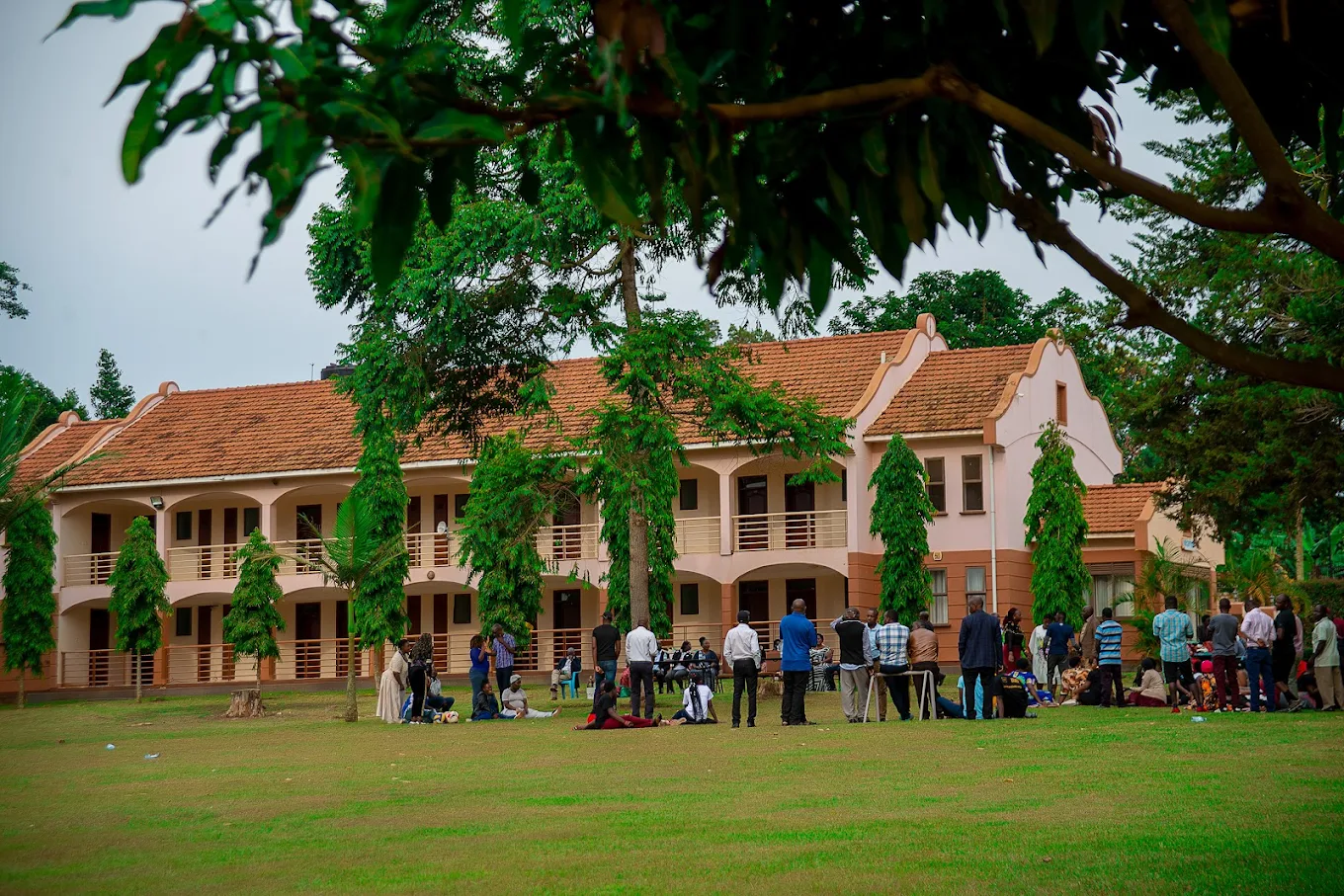
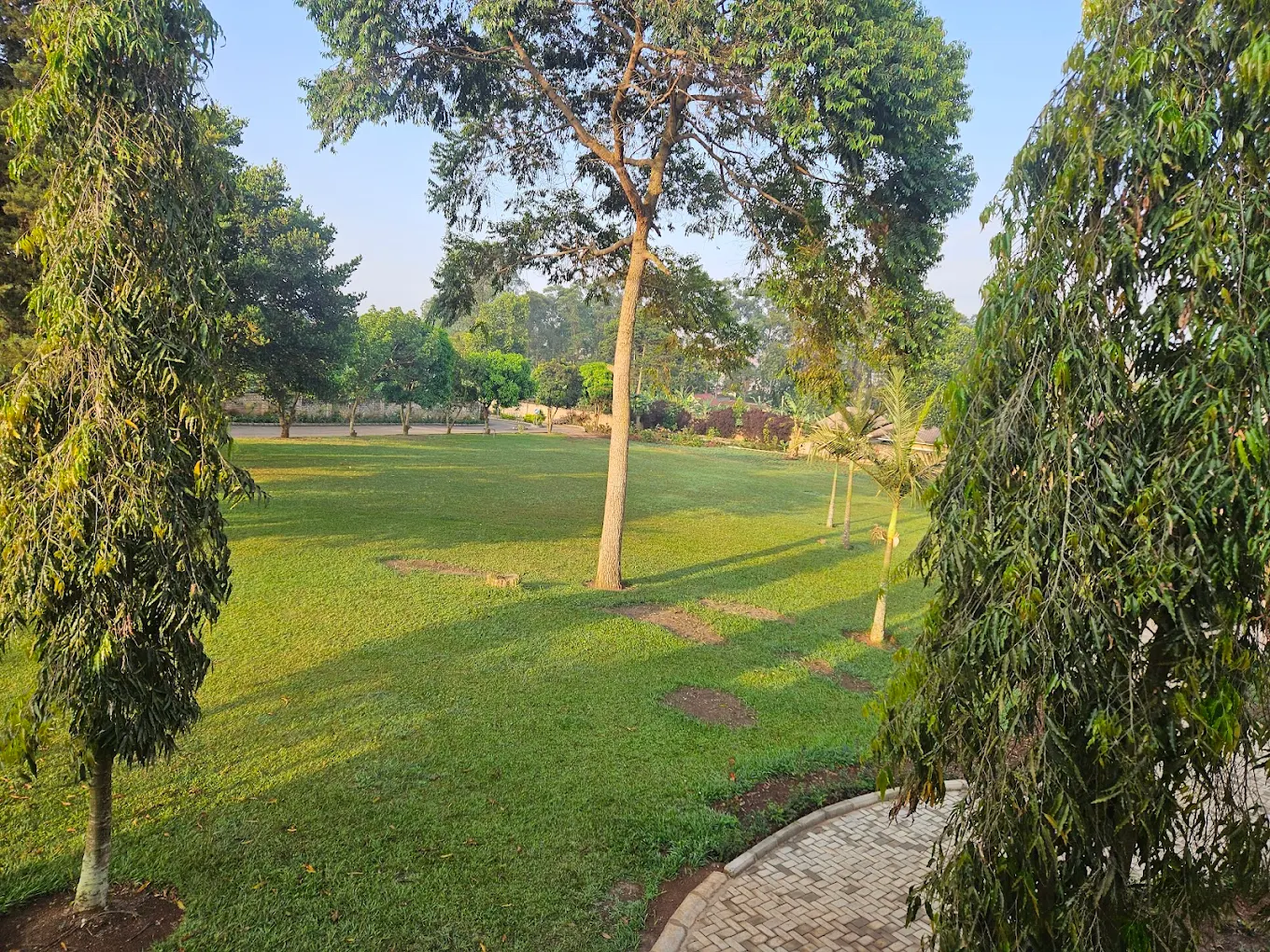
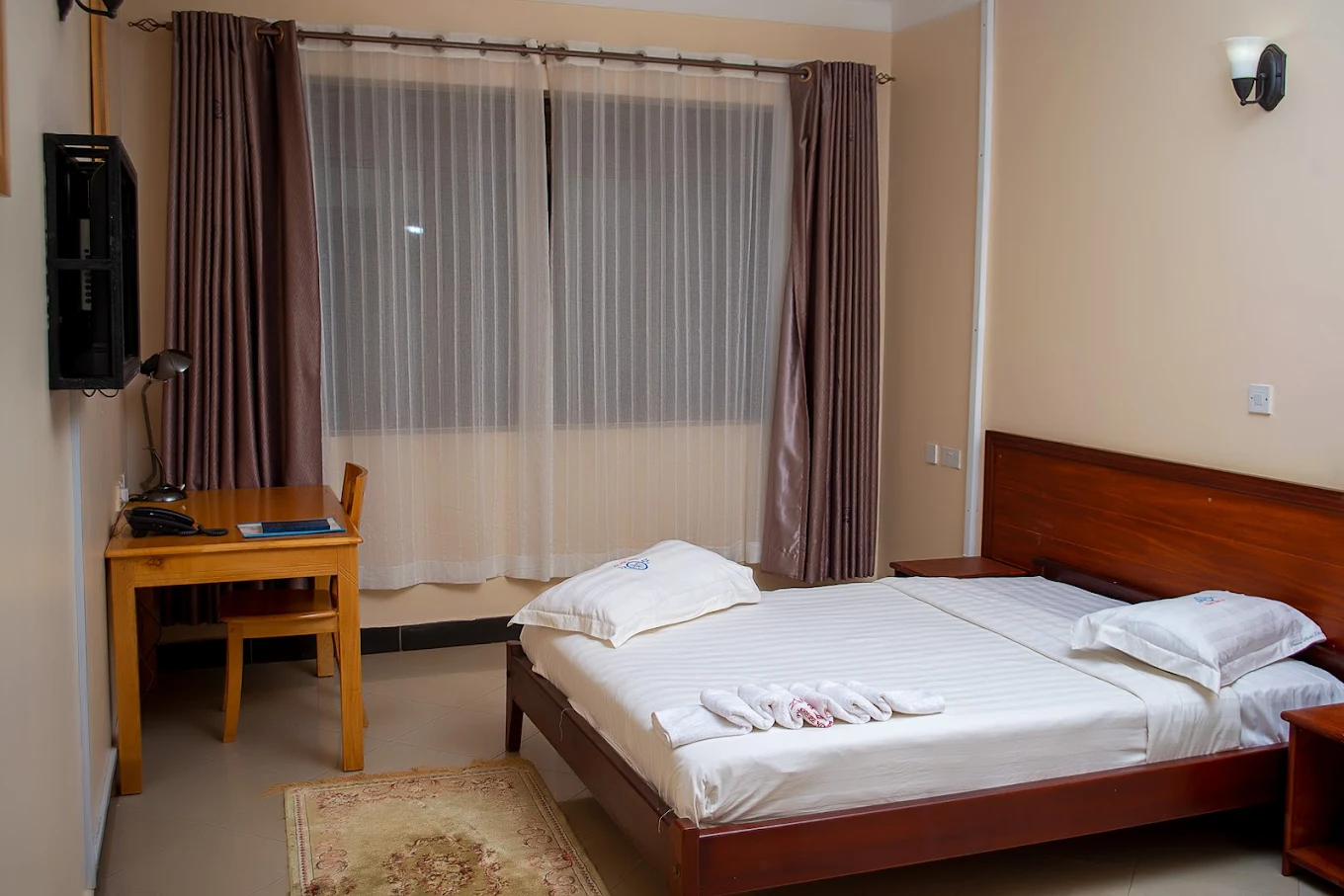
Nabisere Hotel offers a level of comfort that allows guests to rest well and feel at ease while remaining closely connected to the surrounding community. Rooms are clean, thoughtfully maintained, and designed to provide a calm retreat after days spent in the fields and coffee processing areas. Attention to cleanliness and order is evident throughout the property, creating an environment where guests can relax confidently and focus fully on the experience.
What truly distinguishes Nabisere Hotel is its sense of local hospitality. Staff welcome guests warmly, not as passing visitors but as respected guests in their town. Meals are prepared with familiarity and pride, often drawing on local ingredients and regional flavors, reinforcing the feeling of being hosted rather than accommodated. Conversations come easily, and service feels personal rather than procedural.
Its location in Kalisizo is also intentionally chosen. The hotel provides easy and convenient access to the coffee project in Matale Kinaawa, minimizing travel time and allowing days to begin unhurriedly. Mornings can start calmly, without long transfers, aligning perfectly with the slow, immersive rhythm of the Uganda coffee experience.
Importantly, staying at Nabisere Hotel directly supports the local economy. Revenue remains within the community, sustaining jobs and reinforcing small-scale businesses rather than diverting value outward. This choice reflects the project’s philosophy: luxury travel can be comfortable and refined while still being responsible and community-centered.
Positioned this way, Nabisere Hotel is not presented as a luxury resort in the conventional sense, but as comfortable, authentic accommodation that supports the local economy, a place that complements the coffee journey by extending its values beyond the farm and into every aspect of the stay.
How This Coffee Project Supports the Community
The Kyotera Coffee Project is built on partnership, not assistance. Its impact is measured not by handouts or short-term support, but by the opportunities it creates and the systems it strengthens within the community. Every element of the project is designed to ensure that value remains local, skills are shared, and long-term resilience is reinforced.
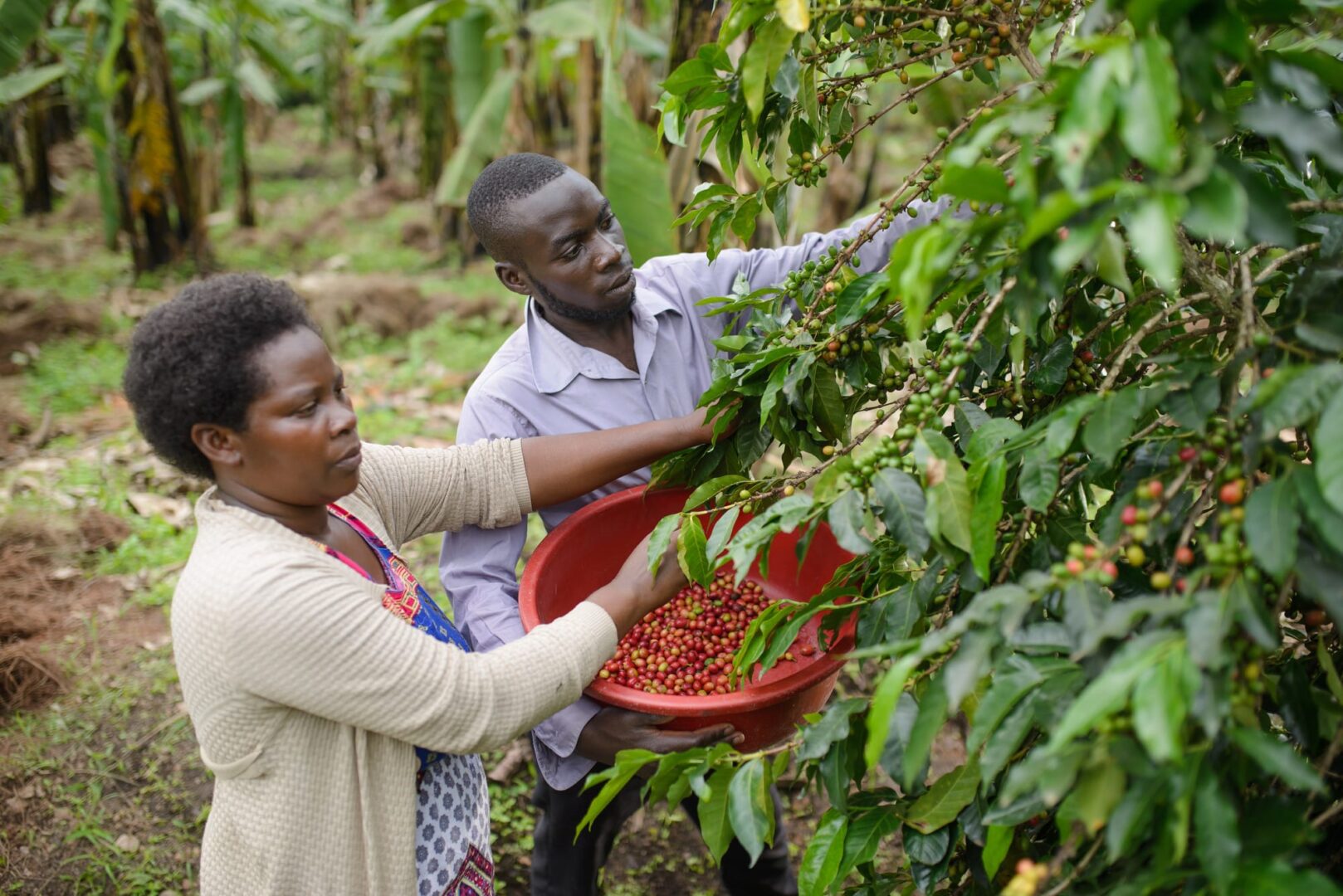
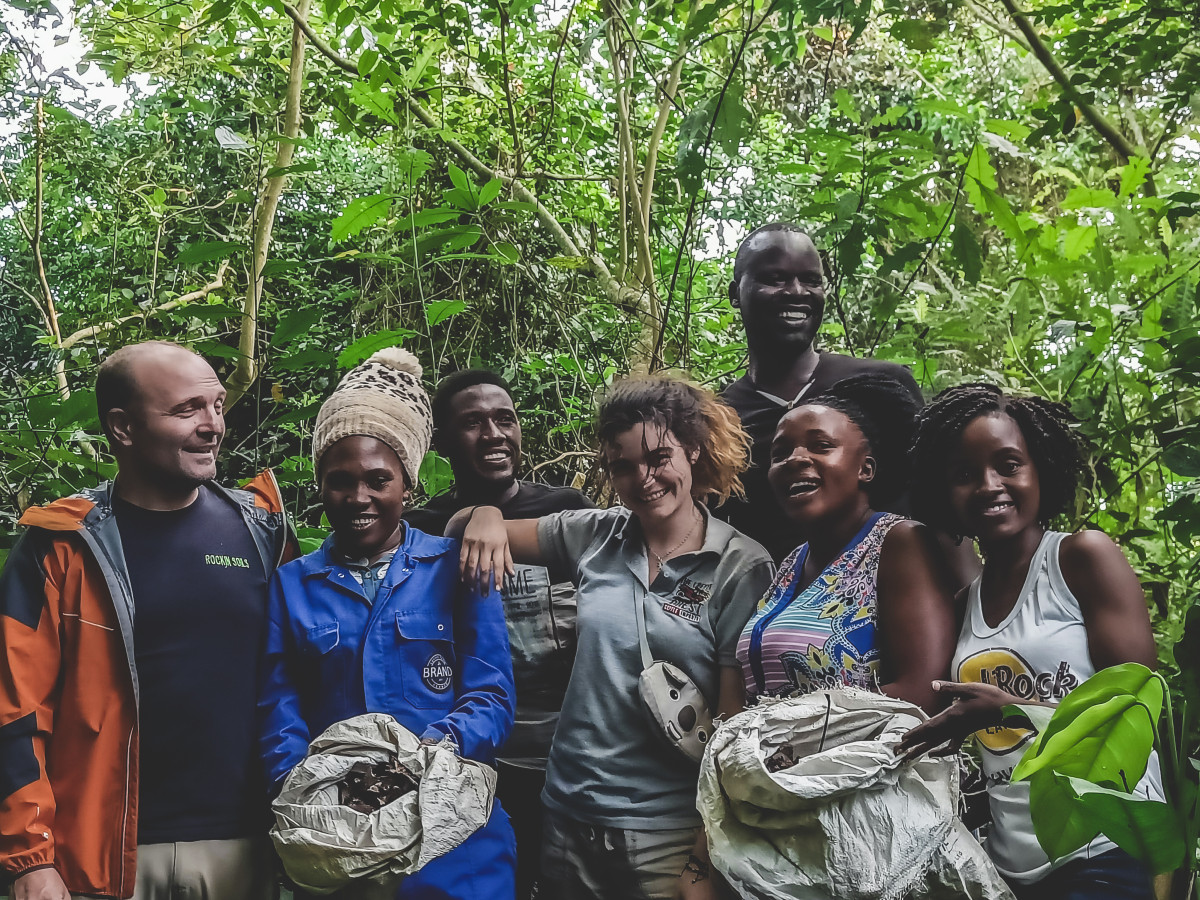
At the most immediate level, the project creates jobs. Coffee farming, processing, and hosting guests require consistent labor throughout the year, providing both seasonal and ongoing employment opportunities. These roles are filled by people from the surrounding villages, ensuring that income generated through the project directly benefits local households. Employment here is dignified and skill-based, offering more than temporary work, it provides experience that can be carried forward into other agricultural or entrepreneurial activities.
A strong emphasis is placed on youth training. Young people are actively involved in all stages of the coffee journey, from nursery management to harvesting and processing. Through hands-on participation, they learn practical farming techniques, quality control principles, and basic business understanding. This training helps position agriculture as a viable and respected livelihood, countering the pressure many young people face to leave rural areas in search of uncertain opportunities elsewhere.
Women empowerment is woven naturally into the structure of the project. Women participate not only as workers, but as decision-makers, mentors, and leaders within the farming process. The presence of a female-led farm sets a visible example of what is possible, encouraging other women to engage confidently in agriculture and community leadership. This empowerment is not symbolic; it is expressed through income, influence, and ownership of knowledge.
The project also contributes to income stability for participating families. By focusing on quality and direct engagement with guests, the coffee produced here commands greater value than bulk commodity sales. This stability allows families to plan ahead, invest in education, and maintain consistent livelihoods despite fluctuations in broader markets. Income is diversified through tourism integration, reducing reliance on a single seasonal outcome.
Perhaps most importantly, the project prioritizes agricultural knowledge transfer. Skills are shared openly across generations and between farmers, ensuring that traditional techniques are preserved while new insights are incorporated. This exchange strengthens the entire local farming network, improving yields, sustainability, and confidence over time.
By approaching community engagement as a collaboration, the Kyotera Coffee Project demonstrates how tourism and agriculture can work together without distortion. Guests do not “support” the community through consumption alone; they participate in an ecosystem where learning, respect, and shared value are central. This partnership-driven model ensures that the benefits of the project extend well beyond the visit itself, contributing to lasting growth rooted firmly in local expertise and ownership.
Supporting Education Through Our Giving Back Program
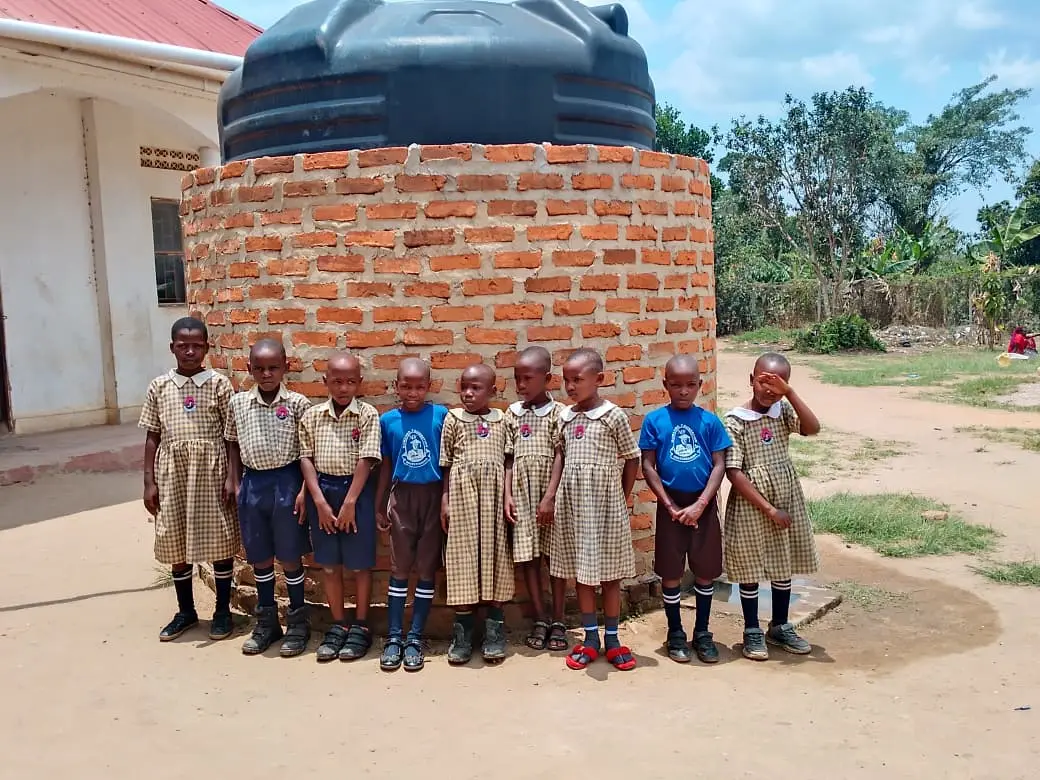
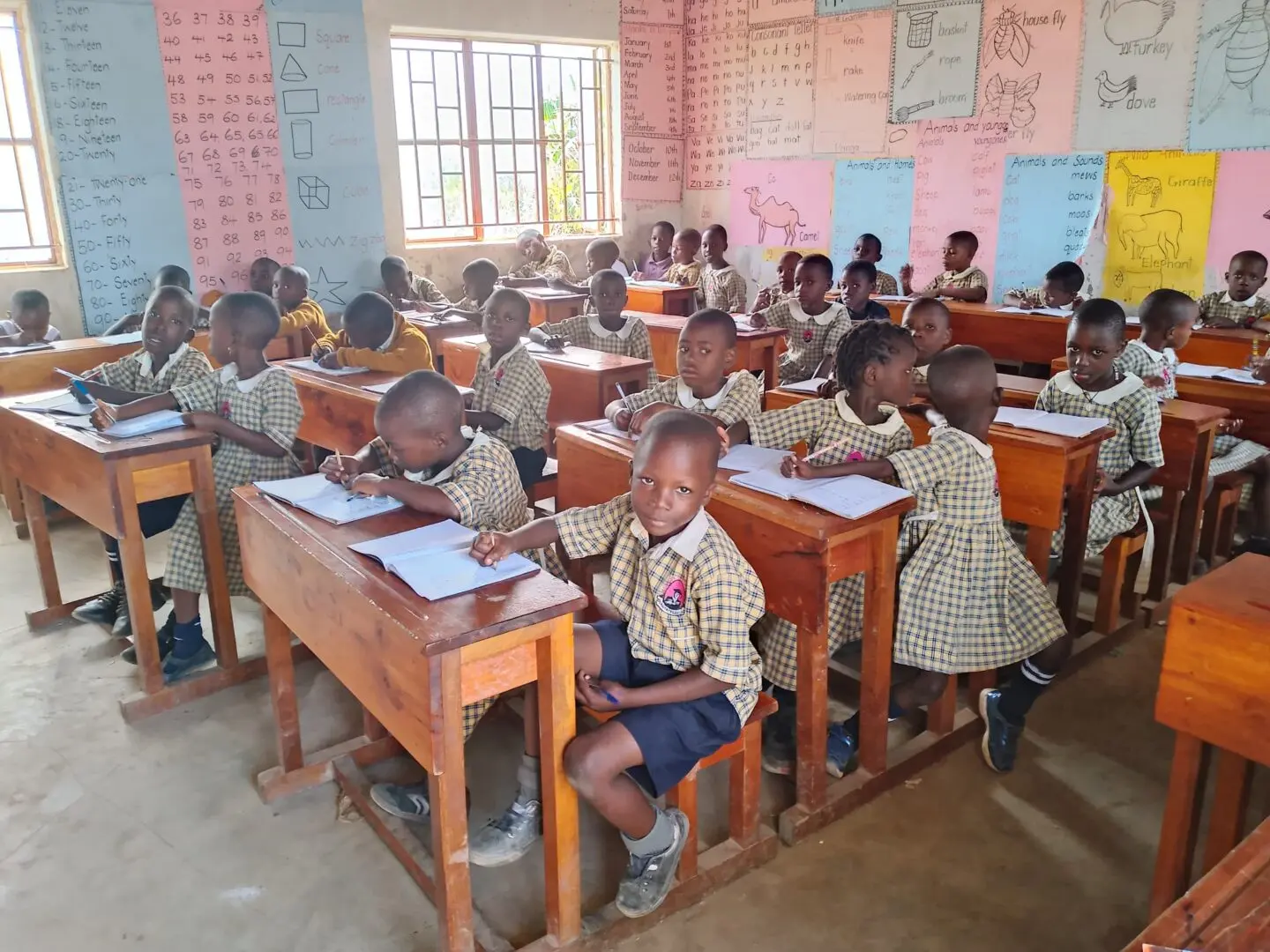
The Kyotera Coffee Project is directly connected to Nextgen Safaris’ Giving Back Program, not as an abstract promise, but through a clearly defined financial and operational link. A pre-agreed portion of the revenue generated from this coffee experience is allocated to education-focused initiatives supported by Nextgen Safaris, with a primary focus on Good Hope Junior School and related community education projects.

You can see the full Giving Back framework here: GIVING BACK
How the Support Works in Practice
When guests take part in the Kyotera Coffee Project whether as a standalone cultural experience or as part of a broader safari itinerary, a portion of the experience fee is set aside to support education on the ground. These funds are not pooled vaguely or redirected later; they are earmarked as part of the project’s design and tracked as part of Nextgen Safaris’ responsible tourism commitment.
This contribution helps support:
- Daily school meals, ensuring children can learn without hunger
- Learning materials and school supplies, including books and basic classroom needs
- Operational stability for the school, helping it remain open and functional year-round
- A safe and inclusive learning environment for children from vulnerable and low-income households
Rather than relying solely on donations, the Giving Back Program is structured so that travel itself becomes the engine of support. Every booking contributes, meaning impact grows naturally as the project grows.
Education as Long-Term Sustainability, Not Short-Term Aid
Education is treated as a long-term investment, not a one-off intervention. Supporting schooling alongside agricultural livelihoods creates a cycle of stability: farming generates income, tourism adds value, and education ensures that families have options and resilience for the future.
For the coffee-farming families in Kyotera, this connection is tangible. Parents involved in the project know that their work contributes not only to household income, but also to the education of children within their wider community. This reinforces trust and shared ownership of the project’s success.
Why This Matters to Guests
For guests, this clarity is important. Travelers are increasingly conscious of where their money goes and what impact it has. With the Kyotera Coffee Project, guests know exactly how their experience contributes:
- They are not “donating” out of obligation
- They are participating in a system that channels value responsibly
- Their visit supports education in a measurable, ongoing way
This transparency builds confidence and emotional connection. Guests leave knowing that their farm-to-cup coffee experience in Uganda helped support classrooms, meals, and learning opportunities without disrupting dignity or creating dependency.
By clearly linking tourism revenue to education through the Giving Back Program, Nextgen Safaris ensures that this project delivers impact that is specific, traceable, and sustainable. It transforms travel into a partnership, one that benefits guests, farmers, and the next generation alike.
How Guests Can Experience This Coffee Project
The Kyotera Coffee Project is designed to be experienced with intention. It is not sold as a stand-alone attraction or offered to large groups. Instead, it is thoughtfully integrated into private, tailor-made journeys, ensuring that every visit respects the community, the pace of the project, and the expectations of discerning travelers. This approach preserves quality, authenticity, and exclusivity while allowing guests to engage deeply with the experience.
Integrated Into Luxury Uganda Safaris
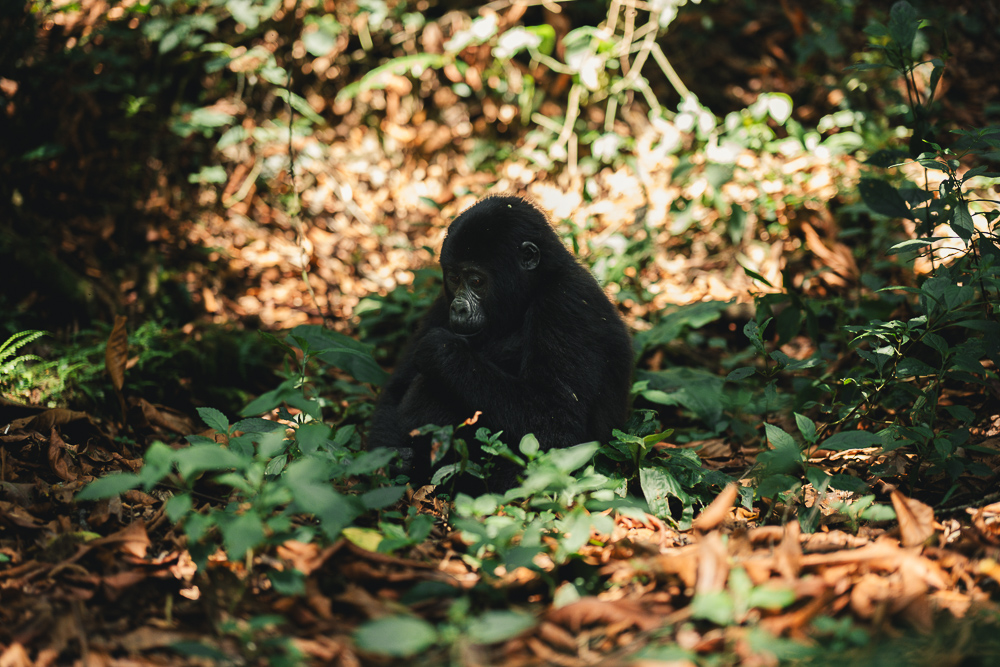
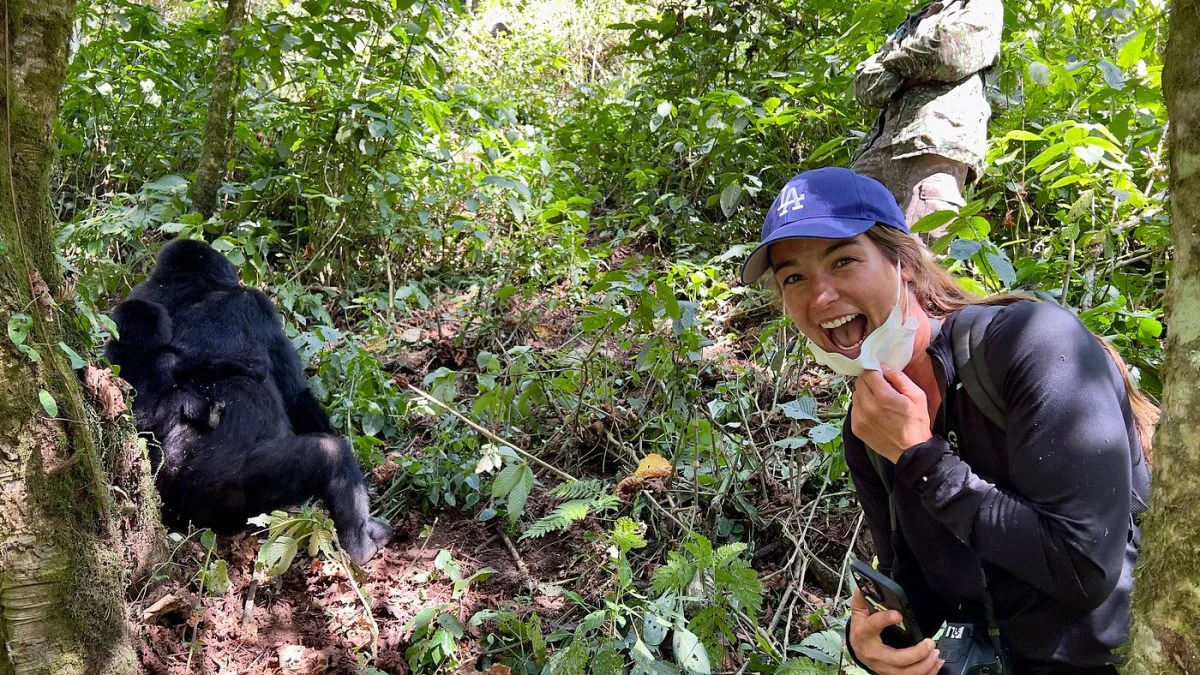
For guests traveling on luxury Uganda safaris, the coffee project is introduced as a refined cultural and educational extension rather than a diversion from the journey. It pairs naturally with itineraries that include southern Uganda, Bwindi Impenetrable National Park for Gorilla Trekking, Gorilla Habituation and Lake Mburo National Park or Entebbe entry and exit routes. The experience adds depth to wildlife-focused safaris by offering a human and agricultural counterbalance—one that enriches understanding of Uganda beyond its national parks.
Timing is flexible and curated. Visits are scheduled to avoid fatigue, often as a gentle transition between destinations or as a reflective pause within a longer itinerary. Accommodation at Nabisere Hotel in Kalisizo allows guests to enjoy comfort while remaining close to the project, keeping days unhurried and immersive.
A Meaningful Cultural Extension
The coffee project functions seamlessly as a cultural extension for travelers seeking more than scenic highlights. Rather than visiting staged cultural villages or brief encounters, guests spend meaningful time within a working community. Learning unfolds through conversation, participation, and observation, offering insight into daily life, agricultural heritage, and leadership at the local level.
This extension is especially appealing to travelers who value education, sustainability, and authenticity. The experience complements Uganda’s cultural diversity by focusing on contemporary rural life, how people live, work, and innovate today rather than presenting culture as something static or performative.
Perfect for Slow-Travel Itineraries
The Kyotera Coffee Project aligns naturally with slow-travel itineraries, where depth is prioritized over distance. Guests who choose this style of travel value time, presence, and connection. Days are intentionally left open to allow learning to unfold organically, without strict schedules or rushed transitions.
In this context, the coffee project becomes a place to pause, reflect, and engage fully. Guests are encouraged to stay curious, ask questions, and take part at their own pace. The result is an experience that feels restorative rather than demanding, educational rather than transactional.
Private Experiences Only
Crucially, this is not a mass tourism activity. The coffee project is offered exclusively as a private experience, either for individual travelers, couples, families, or small private parties traveling together. There are no fixed departure dates, no group departures, and no crowds.
This exclusivity protects the integrity of the project and ensures that interactions remain genuine. It also allows hosts to tailor the experience to guest interests whether that means focusing more on farming techniques, processing, leadership, or tasting. Privacy fosters trust, meaningful conversation, and a level of engagement that would be impossible in a group setting.
By limiting access and integrating the experience carefully into curated itineraries, the Kyotera Coffee Project maintains its essence. Guests do not “visit” the project; they are welcomed into it. The experience becomes a quiet highlight of the journey; personal, purposeful, and deeply connected to the people who make it possible.
Who This Experience Is Perfect For
The Kyotera Coffee Project is ideally suited to travelers who value depth, meaning, and refinement over spectacle. For luxury travelers, this experience offers a different expression of luxury—one defined by privacy, access, and authenticity rather than opulence. It appeals to those who appreciate carefully curated moments, personal interaction, and experiences that cannot be replicated elsewhere or consumed quickly.
For ethical travelers, the project resonates because it is built on partnership and transparency. Guests engage with a community-led initiative where value flows both ways, and where tourism supports livelihoods, education, and long-term sustainability without compromising dignity. The experience allows travelers to explore responsibly, knowing their presence contributes to systems that strengthen rather than extract.
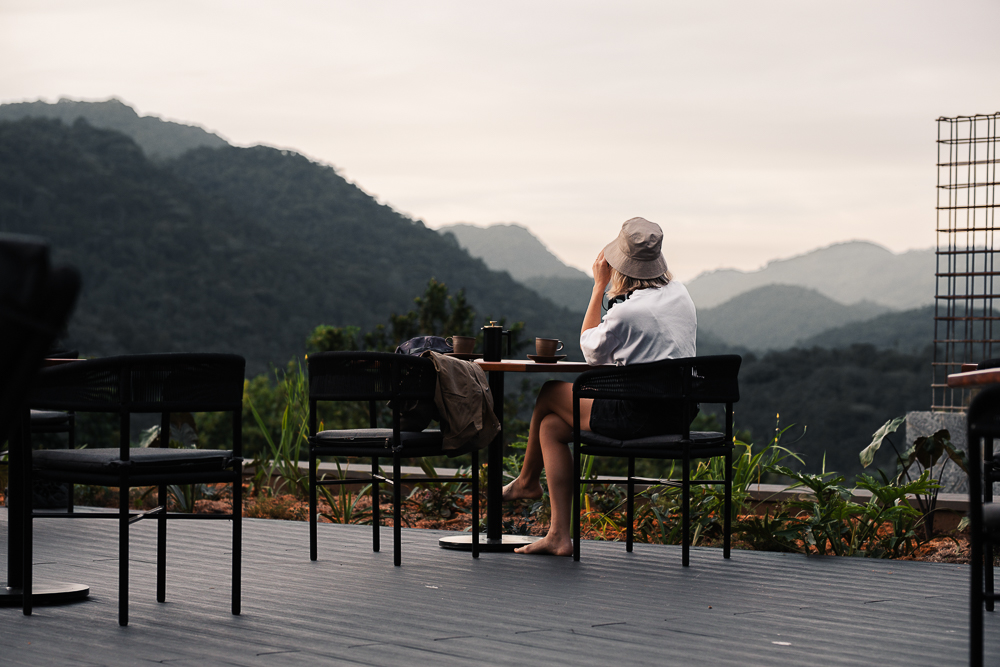
Slow-travel guests find the Kyotera Coffee Project especially rewarding. The experience unfolds at a natural pace, allowing time for learning, reflection, and conversation. There are no tight schedules or performative demonstrations. Instead, guests are encouraged to be present,to listen, to observe, and to understand. This rhythm aligns perfectly with travelers who believe that meaningful journeys are shaped by connection rather than distance covered.
For coffee lovers, the project offers rare access to the full story behind the cup. From nursery beds to harvesting, processing, and tasting, guests gain insight into coffee as a living craft rather than a finished product. The opportunity to participate in a private coffee tasting and guided sensory experience elevates appreciation, turning curiosity into understanding and enjoyment into knowledge.
Cultural explorers are drawn to the human dimension of the experience. The project opens a window into contemporary rural life in Uganda, how leadership, farming, education, and community intersect. Rather than observing culture from the outside, guests engage with it through shared activity and genuine exchange, gaining perspectives that extend far beyond the visit itself.
In essence, this experience is for travelers who seek substance, not surface; connection, not consumption; and stories that stay with them long after the journey ends.
Add the Kyotera Luxury Coffee Experience to Your Uganda Journey
Discover a private, community-led coffee experience that combines learning, luxury, and lasting impact.