
Crater Lakes around Kibale
Spectacular Crater Lakes Around Kibale: Discover Uganda’s Hidden Volcanic Landscapes and Natural Wonders
The Crater Lakes Around Kibale are among Uganda’s most beautiful and fascinating natural attractions, offering travelers a unique combination of breathtaking scenery, peaceful landscapes, cultural experiences, and unforgettable photography opportunities. Located near Kibale Forest National Park in western Uganda, these ancient volcanic lakes provide a perfect complement to chimpanzee trekking and other wildlife experiences in the region.
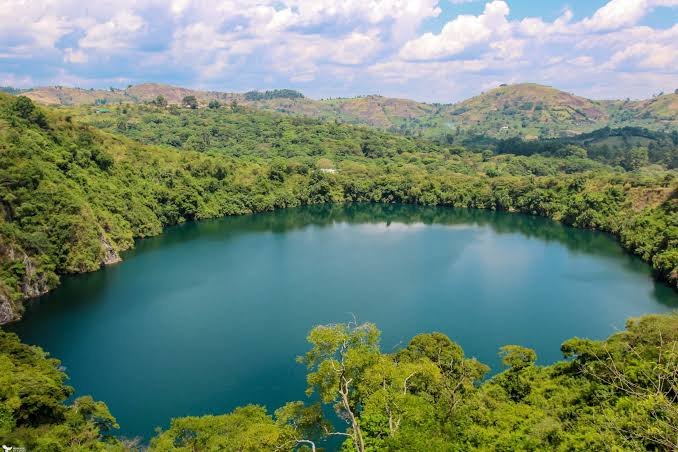
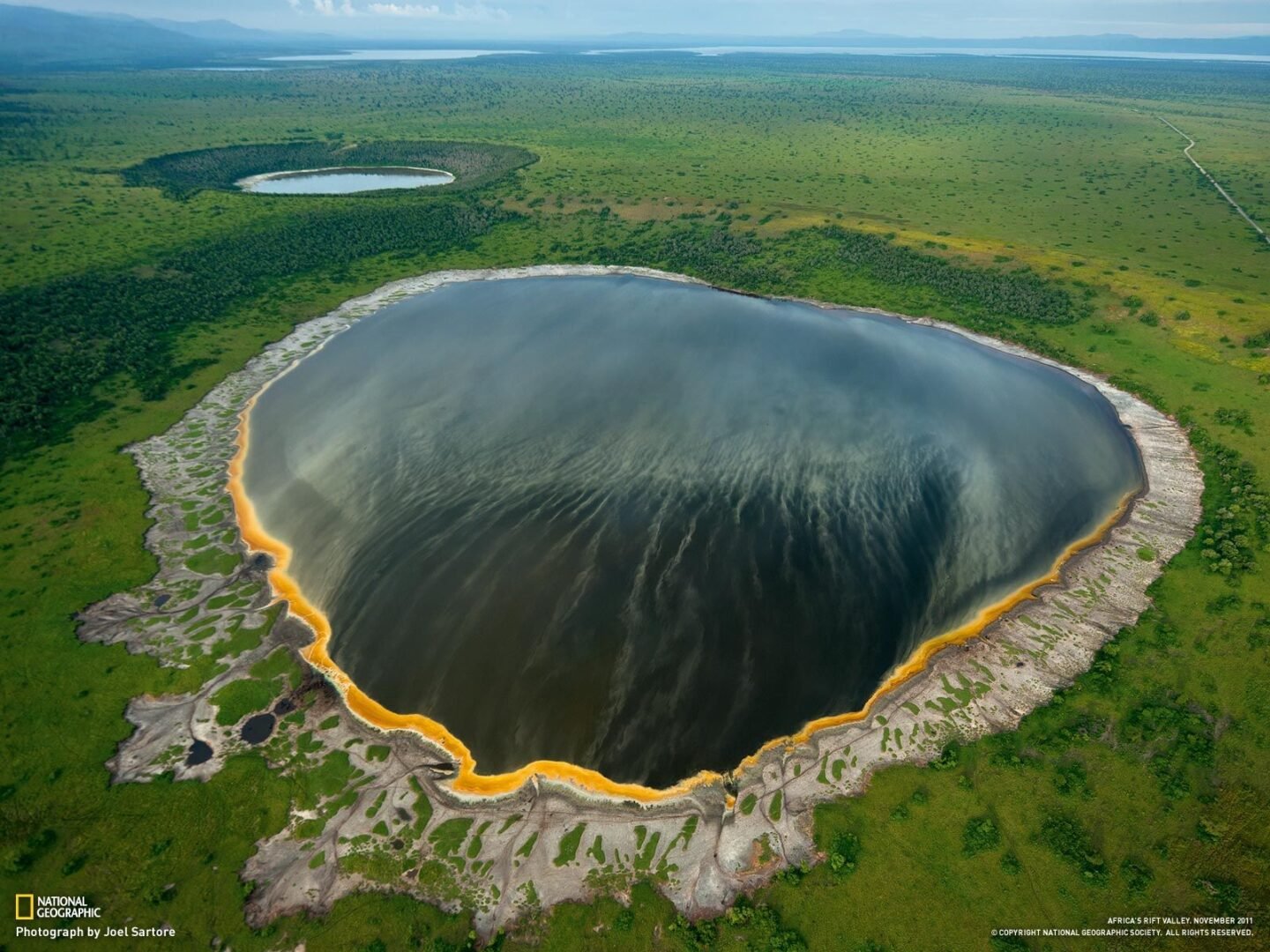
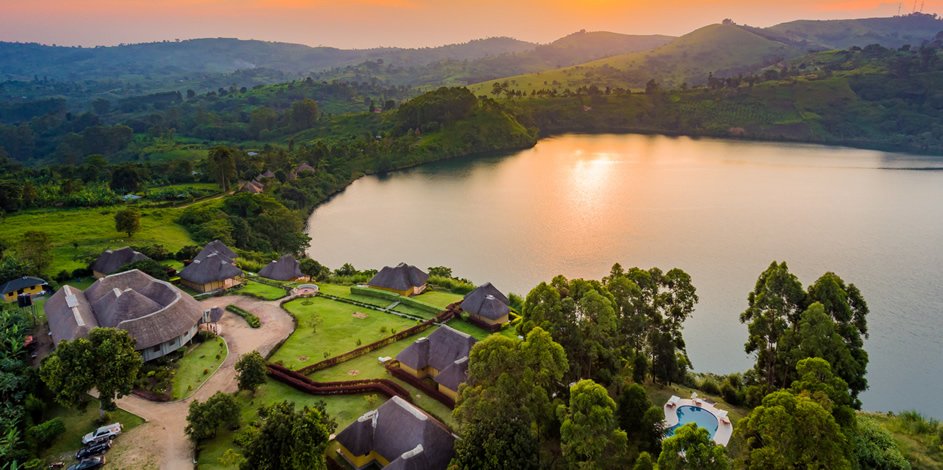
While Kibale Forest is internationally recognized for its incredible chimpanzee population and rich biodiversity, the surrounding crater lake region reveals another side of Uganda’s natural beauty. The area is characterized by rolling green hills, fertile volcanic landscapes, dramatic viewpoints, tea plantations, local communities, and stunning crater lakes surrounded by lush vegetation.
At Nextgen Safaris, we include the Crater Lakes Around Kibale as an important addition to Uganda safari itineraries, especially for travelers looking to explore beyond traditional wildlife experiences. These scenic destinations provide peaceful moments, incredible views, and deeper connections with Uganda’s landscapes and local cultures.
Understanding the Crater Lakes Around Kibale
The crater lakes around Kibale were formed thousands of years ago through volcanic activity that shaped much of western Uganda’s landscape. These volcanic formations created natural depressions that later filled with water, producing some of the most scenic lakes in the region.
Unlike Uganda’s larger lakes such as Lake Victoria or Lake Albert, the crater lakes are smaller, more secluded, and often surrounded by dramatic landscapes. Many are hidden among green hills, forests, and farmlands, creating peaceful environments away from busy tourist routes.
The region around Kibale contains numerous crater lakes, each with its own character, scenery, and cultural importance. Some offer spectacular viewpoints, while others provide opportunities for nature walks, bird watching, photography, and community interactions.
Why Visit the Crater Lakes Around Kibale?
The crater lakes around Kibale offer a completely different experience from chimpanzee trekking, allowing travelers to slow down and appreciate Uganda’s natural beauty from a new perspective. After exploring the rainforest, these peaceful landscapes provide the perfect place to relax and enjoy breathtaking views.
One of the biggest attractions of the crater lake region is the scenery. Visitors can enjoy panoramic views of deep blue lakes surrounded by green hills, forests, and agricultural landscapes. The combination of volcanic formations and tropical vegetation creates some of the most beautiful landscapes in western Uganda.
The area is also ideal for travelers interested in photography, nature, and cultural experiences. Sunrise and sunset views over the crater lakes create incredible opportunities for capturing Uganda’s stunning scenery, while local communities provide insight into traditional lifestyles around these unique environments.
The Most Famous Crater Lakes Near Kibale
Lake Nyabikere
Lake Nyabikere is one of the most popular crater lakes near Kibale Forest National Park. Its name means “lake of frogs” in the local language, reflecting the natural characteristics of the area.
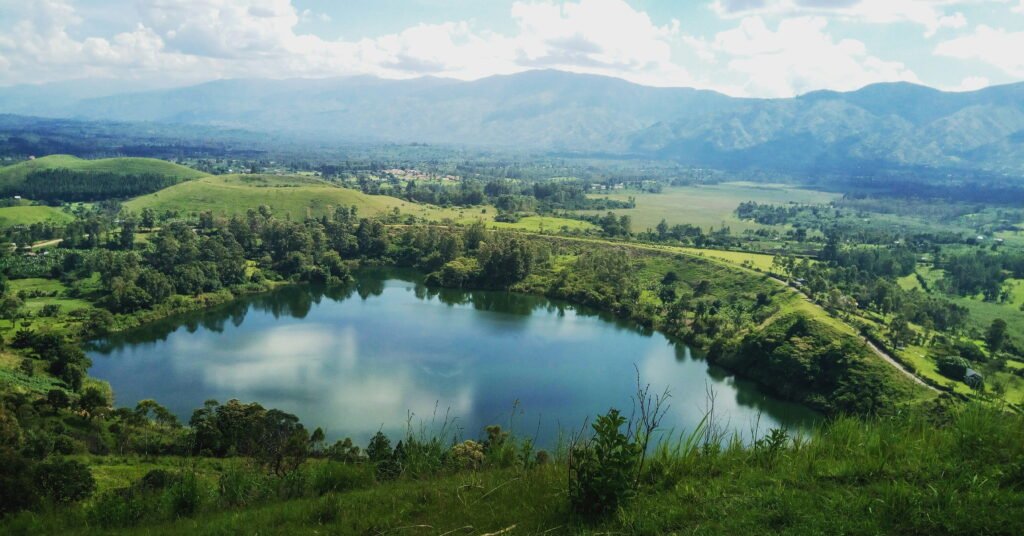
The lake is surrounded by beautiful vegetation and rolling landscapes, making it a peaceful destination for travelers exploring the Kibale region. Its location near the national park makes it easy to combine with chimpanzee trekking and other forest activities.
Visitors can enjoy scenic views, nature walks, bird watching, and photography around the lake. The peaceful environment provides a relaxing contrast after an active day exploring Kibale Forest.
Lake Nkuruba
Lake Nkuruba is another beautiful crater lake located near Kibale Forest. It is particularly popular because of its scenic surroundings, community tourism initiatives, and opportunities to observe wildlife.
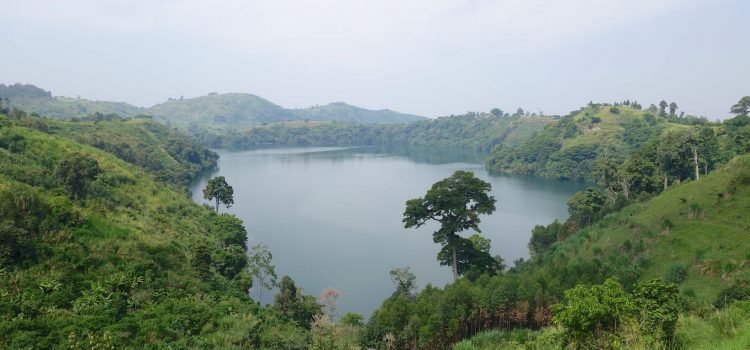
The area around Lake Nkuruba supports various bird species and primates, including monkeys that can often be seen moving through nearby vegetation. This makes it an excellent destination for travelers interested in combining landscapes with wildlife observation.
The lake also supports community-based tourism, where visitors can interact with local residents and learn how tourism contributes to conservation and community development.
Lake Kyaninga
Lake Kyaninga is one of the most spectacular crater lakes near Kibale and is famous for its dramatic scenery. The lake sits within a deep volcanic crater surrounded by steep green slopes, creating one of the most impressive landscapes in the region.
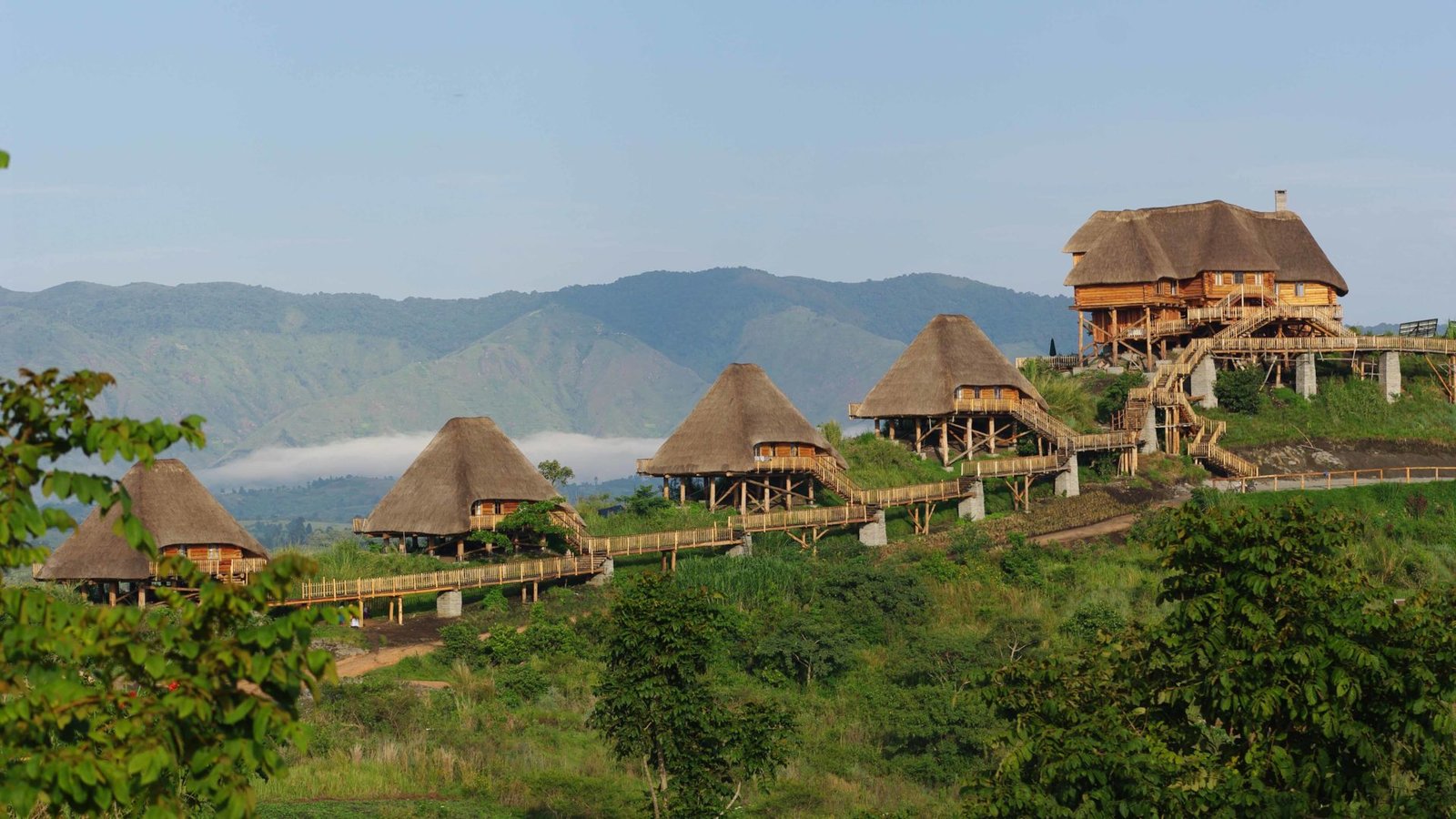
The views around Lake Kyaninga are especially popular among photographers and travelers seeking peaceful nature experiences. The combination of the blue waters, surrounding hills, and lush vegetation creates a postcard-perfect setting.
Visitors can enjoy nature walks, scenic viewpoints, and relaxing moments while appreciating the unique geological history of the area.
Crater Lakes and Kibale Chimpanzee Safaris
The crater lakes around Kibale are often combined with chimpanzee trekking because they are located within the same region. This makes them a convenient addition to a primate-focused Uganda safari.
After spending time searching for chimpanzees in Kibale Forest, travelers can explore the surrounding crater lake landscapes and experience a different side of western Uganda. The combination creates a balanced itinerary that includes wildlife, scenery, culture, and relaxation.
At Nextgen Safaris, we design itineraries that combine chimpanzee trekking, Bigodi Wetland Walks, crater lake exploration, and other attractions around Kibale to create complete and memorable safari experiences.
Scenic Photography Opportunities Around the Crater Lakes
The crater lakes around Kibale are among Uganda’s best locations for landscape photography. Their unique volcanic formations, surrounding hills, forests, and reflections on calm waters create excellent opportunities for photographers.
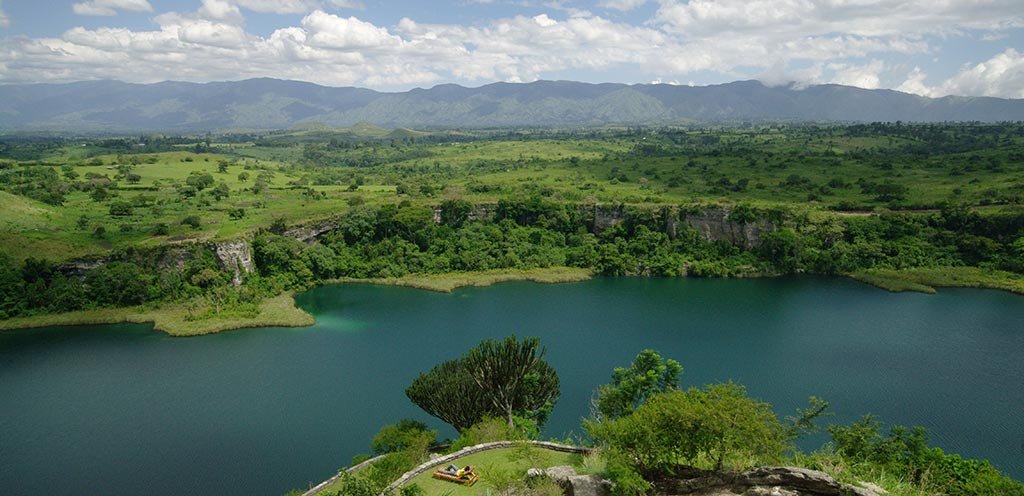
Early mornings and late afternoons provide the best lighting conditions, with soft sunlight creating dramatic views across the lakes and surrounding landscapes. Photographers can capture everything from wide landscape images to detailed shots of vegetation, birds, and local life.
The peaceful nature of these locations also allows photographers to work without large crowds, making the crater lakes ideal for travelers seeking authentic and beautiful images of Uganda’s countryside.
Bird Watching Around the Crater Lakes
The crater lake region near Kibale supports diverse birdlife due to the combination of forests, wetlands, farmland, and lake environments. Bird enthusiasts can discover many species while exploring trails around the lakes.
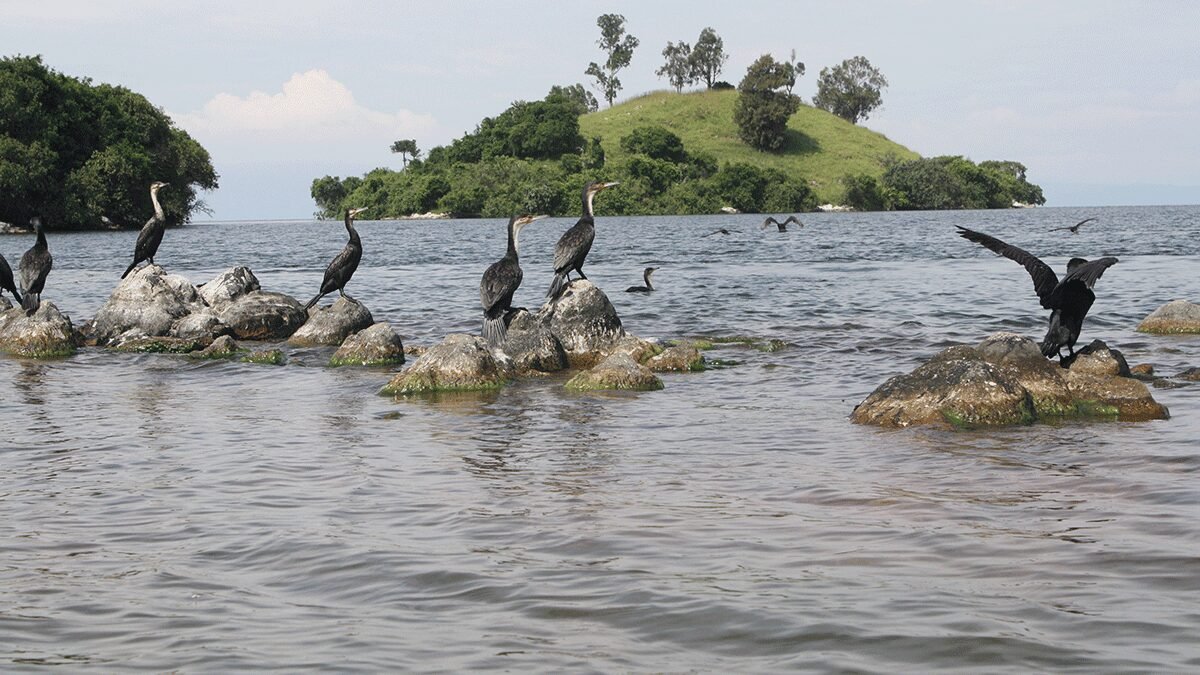
The area attracts both forest and water-associated birds, creating opportunities to observe different species within a relatively small region. Combined with Kibale Forest, the crater lakes provide an excellent birding experience.
Experienced local guides can help visitors identify different birds while explaining their behavior and ecological importance within the surrounding environment.
Cultural Experiences Around the Crater Lakes
The communities living around the crater lakes have strong connections with the land and natural environment. Visiting these areas provides travelers with opportunities to learn about local traditions, farming practices, and daily life.
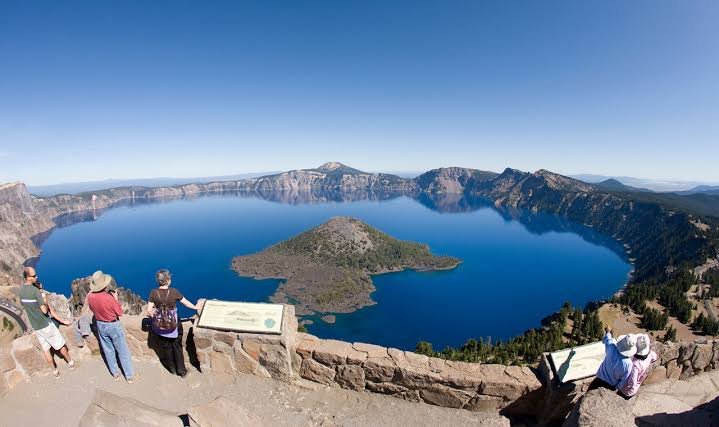
Many communities around Kibale depend on agriculture, including tea, coffee, bananas, and other crops that thrive in the fertile volcanic soils. Travelers can gain insight into how local people use and protect their environment.
Cultural interactions add depth to the crater lake experience by allowing visitors to connect with Uganda beyond wildlife and landscapes.
Nature Walks and Hiking Experiences
The crater lakes around Kibale provide excellent opportunities for nature walks and gentle hiking experiences. Trails around the lakes allow visitors to explore forests, hills, viewpoints, and local communities at a relaxed pace.
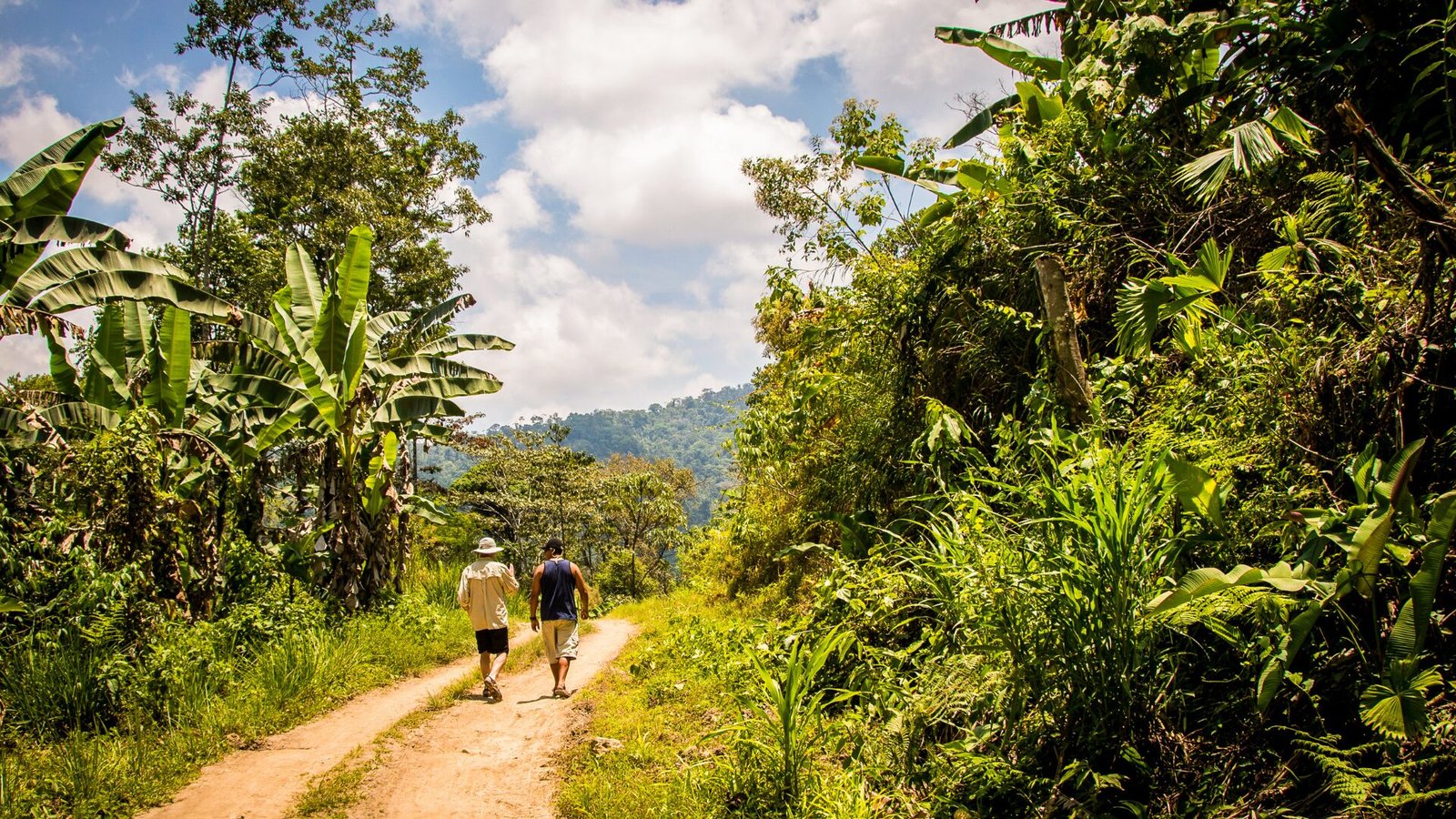
Unlike challenging mountain hikes, most crater lake walks are suitable for travelers looking for peaceful exploration rather than intense physical activity. The focus is on enjoying scenery, wildlife, and the surrounding environment.
These walks are especially rewarding for photographers and nature lovers who want to discover hidden landscapes away from the more traditional safari routes.
Best Time to Visit the Crater Lakes Around Kibale
The crater lakes around Kibale can be visited throughout the year, but different seasons offer different experiences. The dry seasons from June to September and December to February are popular because trails are generally easier to explore and views are often clearer.
The rainy seasons also have their advantages, with greener landscapes, fuller vegetation, and beautiful scenery created by fresh rainfall. Photographers often enjoy this period because the environment becomes vibrant and colorful.
Since crater lake visits are not dependent on wildlife movements, travelers can enjoy the area in any season as part of a wider Uganda safari itinerary.
Accommodation Options Near the Crater Lakes
Travelers visiting the crater lakes around Kibale have several accommodation options ranging from budget lodges to luxury properties. Many accommodations are located near Kibale Forest, making them convenient for combining crater lake exploration with chimpanzee activities.
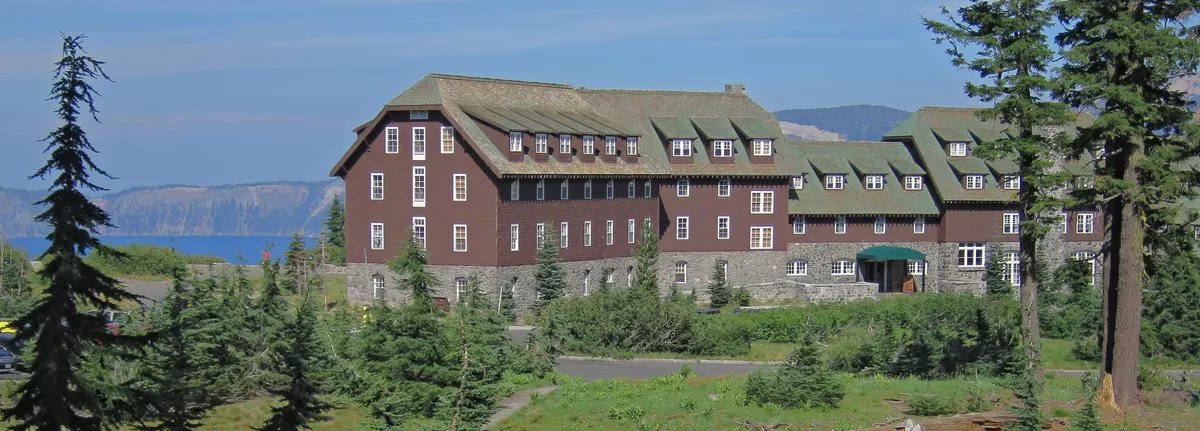
Budget accommodations provide comfortable options for travelers focusing on experiences while keeping costs manageable. Mid-range and luxury lodges offer additional comfort, scenic views, and personalized services.
At Nextgen Safaris, we help travelers select accommodation that matches their safari style, ensuring easy access to Kibale activities and the surrounding crater lake attractions.
Conservation Importance of the Crater Lake Region
The crater lakes around Kibale are important not only for tourism but also for environmental conservation. These landscapes support biodiversity, protect water systems, and provide habitats for many species.
Responsible tourism helps encourage protection of these natural areas by creating economic opportunities for local communities. When visitors explore the region sustainably, they contribute to conservation efforts.
Protecting the crater lakes also helps preserve the wider Kibale ecosystem, ensuring that forests, wetlands, wildlife, and communities continue benefiting from responsible tourism.
Why Choose Nextgen Safaris for Crater Lakes Around Kibale Experiences?
At Nextgen Safaris, we create authentic Uganda safari experiences that combine wildlife, landscapes, and cultural discovery. Our crater lake excursions are designed to complement Kibale chimpanzee adventures and provide travelers with a complete understanding of western Uganda.
Our experienced guides share knowledge about geology, wildlife, local communities, and conservation while ensuring comfortable and reliable travel throughout the journey.
Whether you are interested in photography, nature, chimpanzee trekking, or simply discovering Uganda’s hidden landscapes, Nextgen Safaris helps you explore the incredible beauty of the crater lakes around Kibale.
Frequently Asked Questions About Crater Lakes Around Kibale
1. What are the Crater Lakes Around Kibale?
The Crater Lakes Around Kibale are a collection of beautiful volcanic lakes located near Kibale Forest National Park in western Uganda. These lakes were formed thousands of years ago through volcanic activity that created natural depressions that later filled with water.
Today, the crater lakes are popular attractions because of their breathtaking scenery, peaceful surroundings, cultural experiences, and opportunities for photography, nature walks, and relaxation.
2. Where are the Crater Lakes Around Kibale located?
The crater lakes are located in the Fort Portal and Kibale region of western Uganda, close to Kibale Forest National Park.
Their location makes them easy to combine with chimpanzee trekking, Bigodi Wetland Walk, bird watching, and other activities around Kibale, creating a complete western Uganda safari experience.
3. Which are the most famous crater lakes near Kibale?
Some of the most popular crater lakes near Kibale include Lake Nyabikere, Lake Nkuruba, and Lake Kyaninga.
Each lake offers a unique experience, with some known for dramatic landscapes, others for community tourism, wildlife viewing, scenic viewpoints, and peaceful natural surroundings.
4. Why should I visit the Crater Lakes Around Kibale?
The crater lakes provide a different experience from traditional wildlife safaris by offering beautiful landscapes, quiet environments, and opportunities to explore Uganda’s volcanic scenery.
Visitors can enjoy photography, nature walks, bird watching, cultural interactions, and relaxing views of blue waters surrounded by green hills.
5. Can I combine the crater lakes with chimpanzee trekking in Kibale?
Yes, combining the Crater Lakes Around Kibale with chimpanzee trekking is one of the best ways to explore the region.
After an exciting chimpanzee trekking experience in Kibale Forest, travelers can relax and discover the peaceful crater lake landscapes, creating a balanced safari experience that combines wildlife and scenery.
6. What activities can I do around the crater lakes?
Visitors can enjoy several activities including scenic sightseeing, photography, nature walks, bird watching, cultural experiences, and community visits.
Some locations also offer opportunities for hiking, exploring viewpoints, and learning about the volcanic history and local traditions of the area.
7. Are the crater lakes suitable for photography?
Yes, the crater lakes around Kibale are excellent destinations for photography. The combination of volcanic landscapes, blue waters, green hills, forests, and local communities creates beautiful scenes.
Sunrise and sunset provide especially impressive photography opportunities, allowing visitors to capture dramatic landscapes and peaceful moments.
8. What wildlife can I see around the crater lakes?
The crater lake region supports various wildlife species, including different bird species, butterflies, and some primates such as red-tailed monkeys and black-and-white colobus monkeys.
When combined with Kibale Forest, visitors can enjoy an even wider range of wildlife experiences, including chimpanzees and other forest species.
9. What is the best time to visit the Crater Lakes Around Kibale?
The crater lakes can be visited throughout the year. The dry seasons from June to September and December to February are popular because trails are generally easier to explore and visibility is often clearer.
The rainy seasons also offer beautiful experiences with greener landscapes, fresh vegetation, and excellent conditions for photography
10. How were the crater lakes around Kibale formed?
The crater lakes were formed through ancient volcanic activity that created large depressions in the landscape. Over thousands of years, these depressions collected rainwater and underground water, forming the lakes seen today.
Their volcanic origins are responsible for the unique landscapes, fertile soils, and dramatic scenery found throughout the region.
11. How long should I spend exploring the crater lakes?
The time needed depends on the number of lakes and activities included in your itinerary. Many travelers explore the crater lakes as a half-day or full-day activity while visiting Kibale.
For travelers interested in photography, cultural experiences, and nature walks, spending more time allows for a deeper exploration of the area.
12. Are the crater lakes around Kibale suitable for families?
Yes, the crater lakes are suitable for families because they offer relaxed activities that do not require difficult physical effort.
Families can enjoy scenic views, nature walks, bird watching, and cultural experiences while learning about Uganda’s landscapes and communities.
13. What should I pack for a crater lake experience?
Travelers should pack comfortable walking shoes, lightweight clothing, sunscreen, insect repellent, drinking water, a camera, and binoculars if interested in bird watching.
A rain jacket is also recommended because weather conditions in western Uganda can change quickly.
14. What accommodation options are available near the crater lakes?
Visitors can choose from different accommodation options around Kibale and Fort Portal, including budget lodges, comfortable mid-range properties, and luxury forest retreats.
Nextgen Safaris helps travelers select accommodation based on their preferred comfort level, budget, and safari itinerary.
15. Why visit the Crater Lakes Around Kibale with Nextgen Safaris?
Nextgen Safaris provides professionally planned experiences combining the crater lakes with chimpanzee trekking, Bigodi Wetland Walk, wildlife safaris, and cultural activities.
Our experienced guides, reliable transportation, and customized itineraries ensure travelers discover the beauty, history, and natural wonders of Uganda’s crater lake region in a comfortable and memorable way.
Book Your Crater Lakes Around Kibale Adventure Today
The Crater Lakes Around Kibale offer a remarkable opportunity to discover Uganda’s hidden volcanic landscapes, peaceful waters, rich biodiversity, and vibrant communities. Combined with chimpanzee trekking and other Kibale experiences, they create a complete safari adventure filled with discovery and unforgettable memories.
From breathtaking viewpoints and scenic photography opportunities to cultural encounters and nature walks, the crater lakes reveal a different side of Uganda’s natural beauty.
Contact Nextgen Safaris today and let our experts create your unforgettable Kibale safari featuring chimpanzee trekking, crater lake exploration, and authentic experiences in Uganda’s beautiful western landscapes.