
Ebola Outbreak in Kenya 2026: Latest Safari Travel Advice
Ebola Outbreak in Kenya 2026: Latest Safari Travel Advice and Essential Safety Updates
The Ebola Outbreak in Kenya 2026: Latest Safari Travel Advice is an important topic for international travellers planning wildlife holidays, beach vacations, family safaris, and private guided adventures across Kenya. Following the confirmation of Ebola cases in October 2026, many visitors have questions about whether it is safe to travel, whether national parks remain suitable destinations, and what additional health precautions may be necessary. Kenya remains one of Africa’s most celebrated safari destinations, offering extraordinary wildlife encounters in the Maasai Mara, Amboseli, Lake Nakuru, Tsavo, and other protected areas. However, responsible travel planning requires accurate information about confirmed infections, public health measures, government advisories, and the potential implications for upcoming journeys.
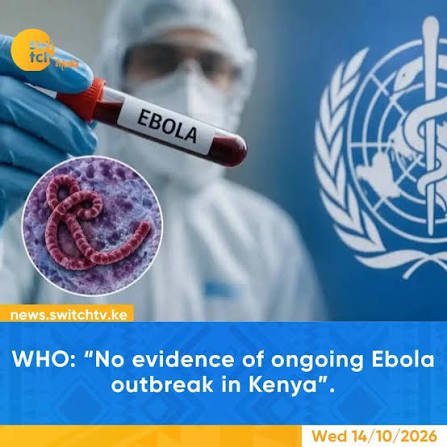
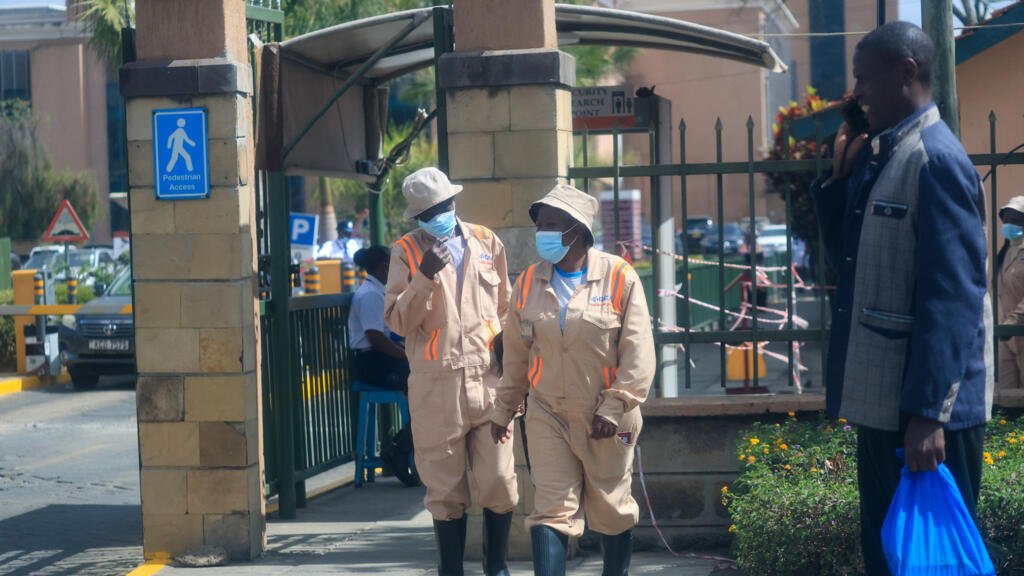
As of 15 October 2026, the latest publicly reported information confirms two epidemiologically linked Ebola cases in Kenya, including one death. The Ebola Outbreak in Kenya 2026: Latest Safari Travel Advice, The first case involved a Kenyan national who had travelled from the Democratic Republic of the Congo through Uganda before arriving in Nairobi. The second case involved a close relative who had already been identified as a contact and placed in quarantine. Kenyan authorities reported on 14 October that there was no evidence of wider community transmission, although surveillance and contact tracing remain essential. Travellers considering Maasai Mara wildlife safaris, Lake Nakuru safari experiences, or other Kenya holiday destinations should understand the difference between confirmed imported infections and widespread community transmission.
This travel guide explains the latest situation, how Ebola spreads, what the confirmed cases mean for safari tourism, and which practical precautions international visitors should follow. It also explores Kenya’s current entry requirements, health screening measures, insurance considerations, and travel-planning decisions for visitors combining several African destinations. The information is intended to help you evaluate your trip with appropriate caution rather than unnecessary panic or false reassurance. Because public health situations can change quickly, travellers should consult current official medical and government advice before making final decisions.
Latest Ebola Outbreak in Kenya 2026: Confirmed Cases and Government Updates
Kenya confirmed its first imported case of Bundibugyo virus disease, a form of Ebola disease, in early October 2026. According to the Kenyan Ministry of Health and the World Health Organization, the patient had been living in the Democratic Republic of the Congo, where a substantial Ebola outbreak has been ongoing since May 2026.The Ebola Outbreak in Kenya 2026: Latest Safari Travel Advice, The individual travelled through Uganda before arriving in Nairobi on 3 October. After seeking medical attention, laboratory testing confirmed infection, and the patient subsequently died on 5 October. Kenyan health authorities responded by introducing contact tracing, laboratory investigations, quarantine arrangements, and additional public health measures intended to identify possible secondary infections.
On 14 October 2026, the Kenyan Ministry of Health confirmed a second Ebola infection involving a 39-year-old close relative of the first patient. This individual had already been identified through contact tracing and placed in quarantine before developing symptoms. Health officials reported that the two infections were linked and that there was no evidence of community transmission at the time of the announcement. The Ebola Outbreak in Kenya 2026: Latest Safari Travel Advice, Approximately 128 contacts associated with the first case had been identified, with many placed under quarantine or monitoring. The confirmation of a second case highlights the importance of careful surveillance and early detection, even when the initial imported infection appears to have been contained.
It is essential to interpret these developments accurately when planning a Kenyan safari. Two confirmed linked infections do not establish that Ebola is spreading throughout Nairobi, the Maasai Mara, Amboseli, Lake Nakuru, or every other Kenyan destination. Equally, the absence of reported community transmission should not be interpreted as a guarantee that further cases will not occur. Public health authorities continue investigating potential exposures, tracing contacts, and strengthening preparedness. Anyone planning wildlife experiences in the Maasai Mara or safaris around Lake Nakuru should evaluate the latest verified information near their actual departure date rather than relying on outdated headlines.
Is Kenya Safe for Tourists and Wildlife Safaris During the Ebola Situation?
The question of whether Kenya is safe for safari travellers requires a balanced assessment of the available evidence. The latest confirmed cases were linked to a known exposure chain, and Kenyan health authorities reported no evidence of wider community spread as of 14 October. The Ebola Outbreak in Kenya 2026: Latest Safari Travel Advice, This is an important distinction because the risk associated with an imported case under active investigation differs from the risk posed by uncontrolled transmission across numerous communities. The World Health Organization’s guidance published on 8 October advised against general travel and trade restrictions based solely on the regional Bundibugyo outbreak information then available. Nevertheless, each traveller should consider their route, medical circumstances, travel history, insurance coverage, and the latest destination-specific government advice.
A safari holiday usually involves travel between airports, hotels, private safari vehicles, national parks, and designated wildlife accommodation. Ebola is not transmitted through ordinary casual proximity in the same way as airborne respiratory infections, meaning that being in the same general destination does not automatically constitute a significant exposure. Transmission requires particular forms of contact with infectious bodily fluids or contaminated materials. The Ebola Outbreak in Kenya 2026: Latest Safari Travel Advice, However, airports, healthcare environments, and personal interactions still require sensible precautions, especially if someone becomes ill. Visitors exploring Kenya’s renowned Maasai Mara wildlife destination should avoid unnecessary assumptions about risk and rely on professional medical advice when evaluating any known exposure.
Travellers should also distinguish Ebola-related concerns from the other established health and security considerations associated with visiting Kenya. Malaria prevention, food and water hygiene, road safety, wildlife safety, and regional security advisories remain important even when Ebola dominates international headlines. The Ebola Outbreak in Kenya 2026: Latest Safari Travel Advice, Some foreign governments advise against travel to specific parts of Kenya for security reasons unrelated to the current Ebola cases. Before confirming accommodation or transportation, review the precise regions on your itinerary, ensure that emergency medical arrangements are appropriate, and discuss any relevant personal health concerns with a qualified travel-health professional. A carefully arranged safari should take all significant travel risks into account rather than focusing on one disease alone.
How Ebola Spreads and What Safari Travellers Should Understand
Ebola disease is caused by viruses belonging to the orthoebolavirus group, with the current regional outbreak involving Bundibugyo virus. Infection can spread when blood or other bodily fluids from a person who is sick with Ebola enter another person’s body through broken skin or mucous membranes, including the eyes, nose, or mouth. Transmission can also occur through contact with contaminated objects or surfaces, or through unsafe handling of infected bodies. People generally do not transmit Ebola before developing symptoms. The Ebola Outbreak in Kenya 2026: Latest Safari Travel Advice, The disease is not spread through ordinary airborne transmission between people who simply happen to be visiting the same national park or staying in different rooms at a hotel.
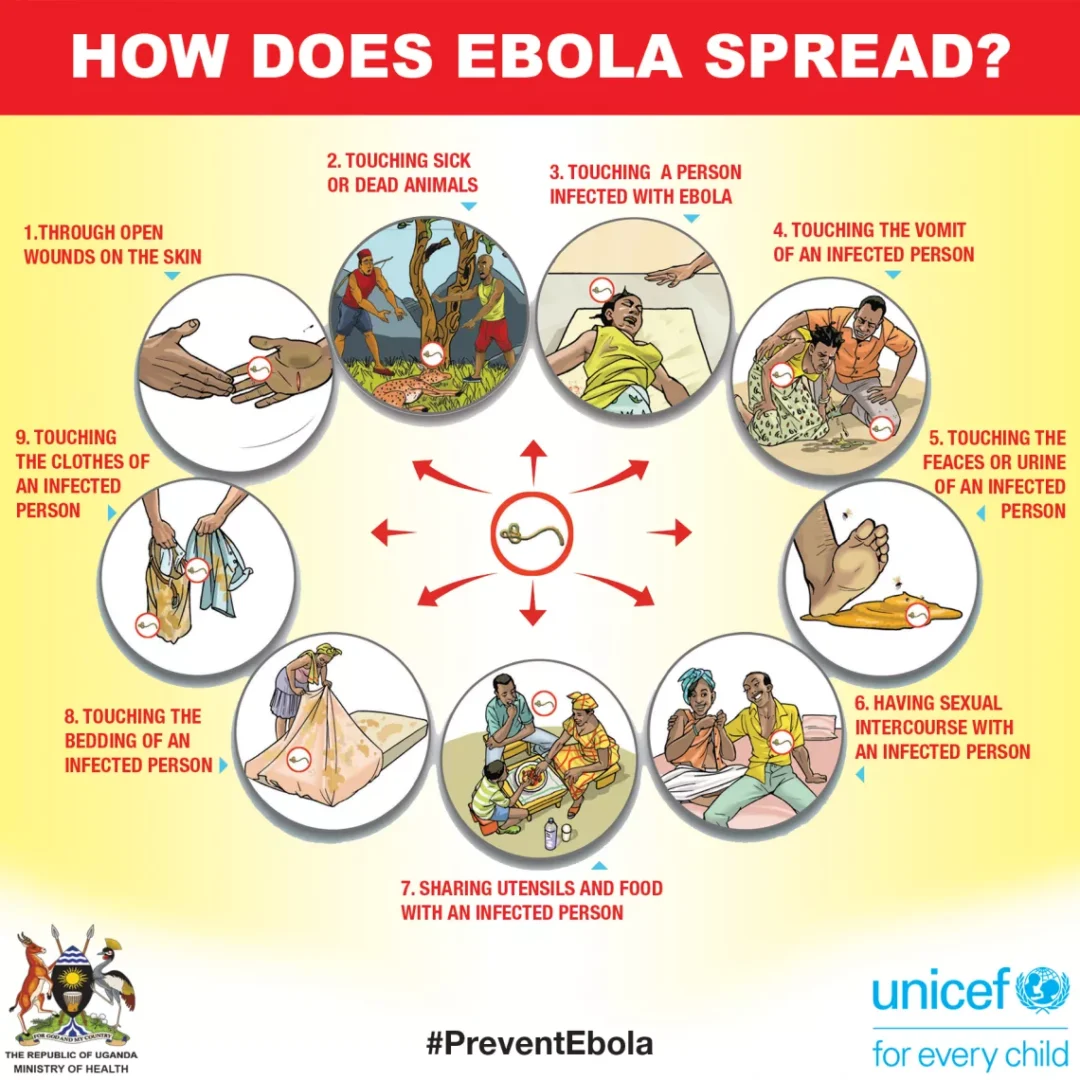
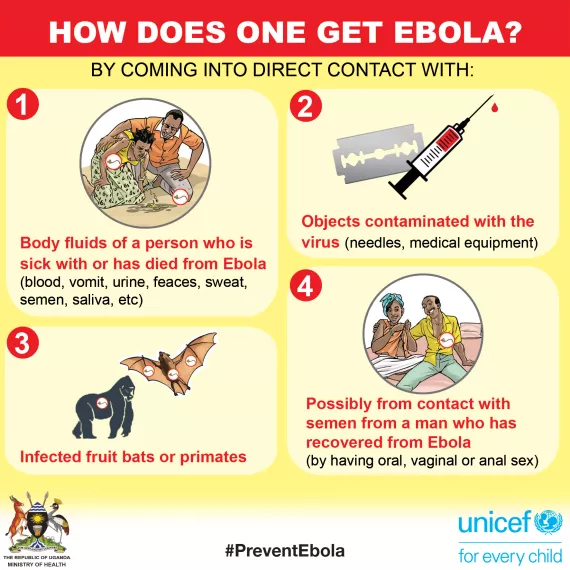
The incubation period generally ranges from two to twenty-one days following exposure. Early symptoms may include fever, fatigue, headache, muscle pain, and sore throat, with vomiting, diarrhoea, abdominal discomfort, or other symptoms developing later. Bleeding is not present in every case and should not be treated as a necessary sign of infection. These symptoms can overlap with malaria, influenza, typhoid fever, and other illnesses encountered in tropical destinations. Consequently, travellers should never attempt to diagnose Ebola themselves. The Ebola Outbreak in Kenya 2026: Latest Safari Travel Advice, Anyone who becomes unwell after a possible exposure should contact medical professionals promptly, explain their travel and contact history, and follow instructions designed to prevent possible transmission.
Safari visitors should also understand the distinction between observing wild animals and handling potentially infected animals or animal products. Watching giraffes, lions, elephants, zebras, and other wildlife from a properly managed safari vehicle is not equivalent to exposure to infected bodily fluids. The more relevant prevention measures include avoiding contact with sick or dead animals, not handling raw bushmeat, and following the instructions of national park authorities and professional guides. Travellers visiting the Maasai Mara’s wildlife habitats or Lake Nakuru’s protected ecosystems should observe animals responsibly from designated viewing areas without attempting to touch, feed, or handle them.
Kenya Safari Destinations: Maasai Mara, Amboseli, Lake Nakuru and Tsavo
The Maasai Mara National Reserve remains one of Kenya’s most famous wildlife destinations, attracting international visitors interested in big cats, open savannah scenery, and the annual movements of migratory wildlife. The Ebola Outbreak in Kenya 2026: Latest Safari Travel Advice, Its extraordinary concentration of animals makes it a major attraction for photographers, honeymooners, families, and experienced safari enthusiasts. The confirmed Ebola cases reported in October 2026 were associated with Nairobi and a specific chain of contacts; the reports reviewed for this article do not establish transmission within the Maasai Mara. Nevertheless, travellers planning Maasai Mara safari adventures should confirm that their intended travel arrangements remain consistent with current government guidance and any requirements established by accommodation providers or airlines.

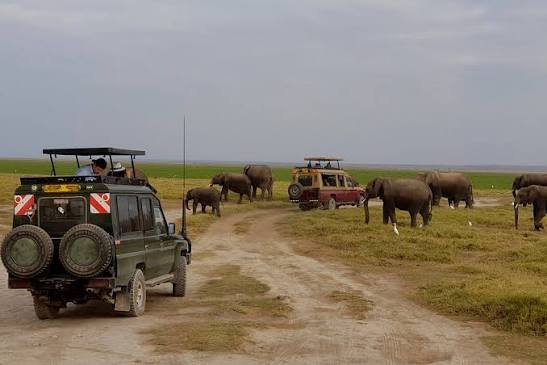
Amboseli National Park is particularly celebrated for its elephant populations, beautiful plains, and remarkable views toward Mount Kilimanjaro. Lake Nakuru National Park offers a different experience, with wooded landscapes, attractive lake scenery, rhinoceroses, and rewarding birdwatching opportunities. The Ebola Outbreak in Kenya 2026: Latest Safari Travel Advice, These destinations can be combined within a longer Kenya safari for travellers who want varied ecosystems and different wildlife encounters. When preparing an itinerary that includes Lake Nakuru’s wildlife attractions, visitors should confirm transport schedules, accommodation policies, and any updated public health arrangements. Health precautions apply throughout the journey, including transfers and overnight stops, rather than only inside national parks.
Tsavo East and Tsavo West provide another extraordinary safari region, with expansive wilderness, distinctive landscapes, and opportunities to observe elephants, lions, giraffes, buffaloes, and other animals. The Ebola Outbreak in Kenya 2026: Latest Safari Travel Advice, Kenya’s coastal destinations, including Diani and Mombasa, offer attractive extensions for visitors who want to combine wildlife viewing with beach relaxation. A wider safari itinerary may involve domestic flights, long-distance road transfers, and several different accommodation properties. Because the health situation can evolve, travellers should request updated information for each stage of their journey rather than assuming that one nationwide statement covers every practical travel arrangement. Selecting flexible bookings and reliable local support can help you respond if new restrictions or operational changes arise.
Kenya Airports, Border Screening and Entry Requirements in October 2026
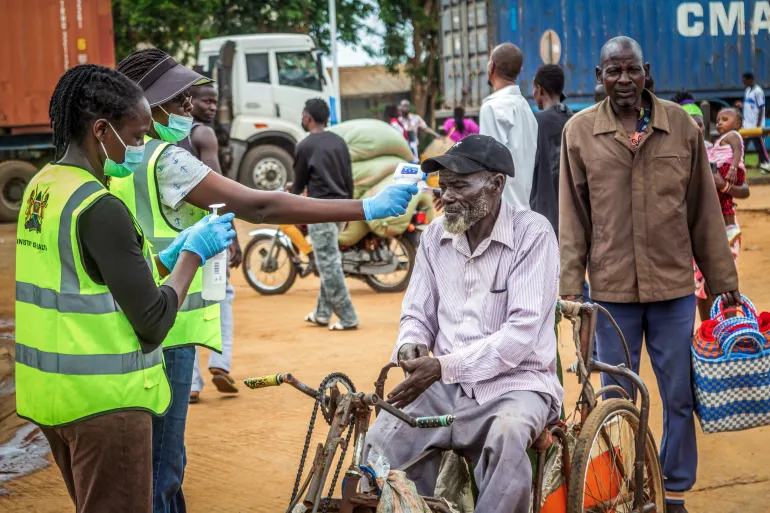
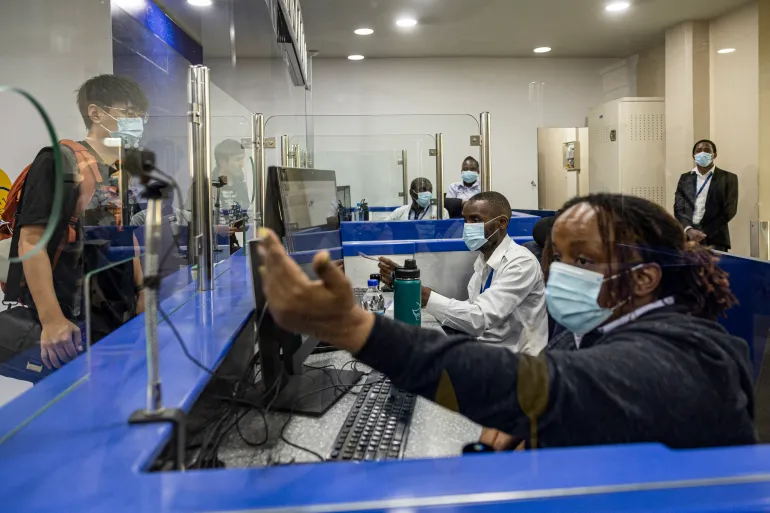
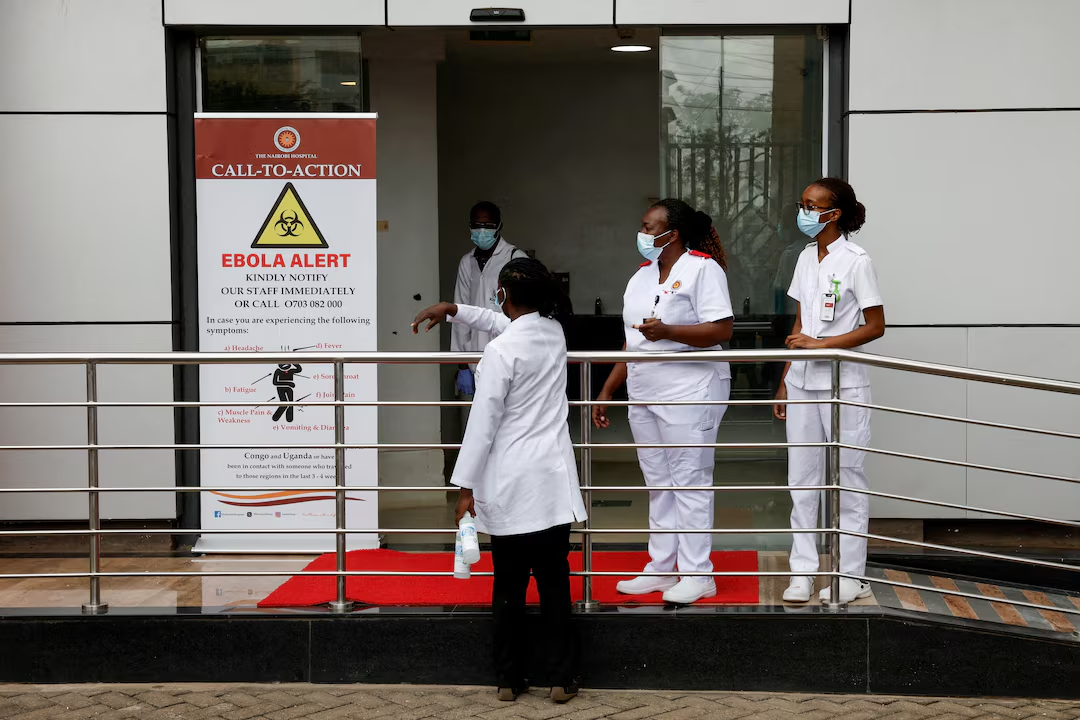
Kenya has strengthened Ebola-related screening and surveillance at airports and land border crossings in response to the regional outbreak and confirmed imported cases. The Ebola Outbreak in Kenya 2026: Latest Safari Travel Advice, Travellers arriving from the Democratic Republic of the Congo, Uganda, and certain other countries may be subject to additional screening or questions about their recent travel history and health status. Screening arrangements can change according to the latest public health assessments, and individual travellers may receive different instructions based on where they have recently travelled or whether they have been identified as contacts. It is important to answer health questions accurately and comply with any lawful quarantine, isolation, or medical assessment directions issued by Kenyan authorities.
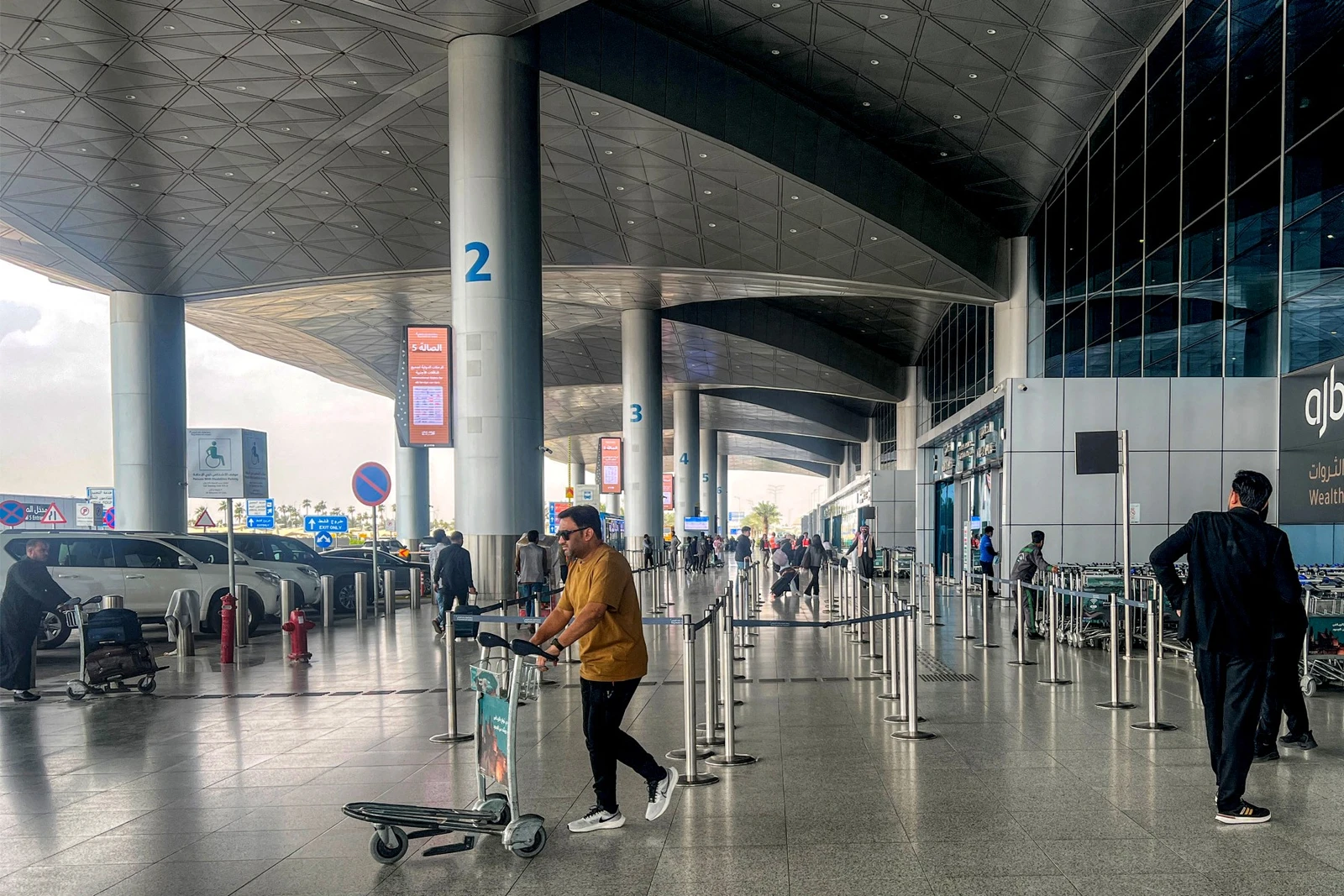
International visitors should also consider Kenya’s electronic travel authorisation requirements. Many foreign nationals need an approved eTA before travelling, although exemptions apply to eligible travellers, including citizens of East African Community partner states. Passport validity, accommodation information, arrival and departure details, and additional supporting documents may be required according to nationality and immigration status. Kenya has also introduced a government-provided travel health insurance requirement effective from 5 October 2026 for many short-term visitors. Where applicable, this insurance forms part of the eTA process or must be obtained through the designated government arrangements. A separate private insurance policy does not replace the mandatory Kenyan cover when that requirement applies.
The government-provided travel health insurance should not be confused with comprehensive travel insurance. Visitors should still consider coverage for medical treatment, emergency evacuation, interruption or cancellation, and changes to travel plans, subject to the actual policy terms. Yellow fever vaccination certification may also be necessary for travellers arriving from certain countries with transmission risk, and this requirement is separate from Ebola prevention. Before travelling for a Maasai Mara wildlife holiday, a Lake Nakuru safari, or a multi-country African itinerary, check the entry rules that apply specifically to your passport, recent travel history, and intended route.
Essential Health Precautions Before and During Your Kenya Safari
Preparation for a Kenya safari should begin with an appropriate travel-health consultation, ideally well before departure. A qualified healthcare professional can review recommended vaccinations, malaria prevention, existing medical conditions, and any additional precautions relevant to the destinations you plan to visit. For the Bundibugyo virus responsible for the current regional outbreak, there is no licensed vaccine specifically approved to prevent infection as of October 2026. The existing licensed Ervebo Ebola vaccine is intended for a different Ebola virus species and is not routinely recommended for Bundibugyo prevention outside approved research protocols. Travellers should therefore focus on established prevention measures rather than assuming that an ordinary travel vaccination can eliminate their Ebola risk.
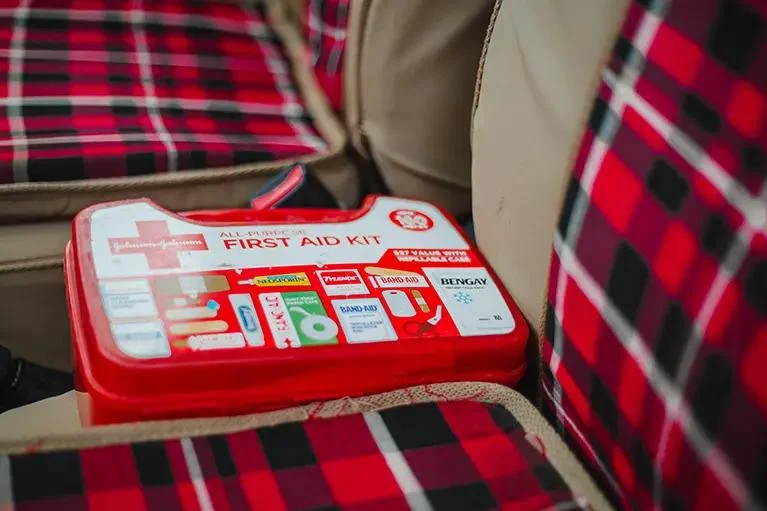
During your journey, avoid direct contact with anyone who is suspected of having Ebola, particularly exposure to blood, vomit, diarrhoea, or other bodily fluids. Maintain appropriate personal hygiene, follow public health instructions, and avoid touching or handling sick or dead wildlife. Report any significant symptoms and relevant exposure history promptly rather than continuing with planned activities. If you develop symptoms compatible with Ebola after a possible exposure, contact local health authorities or medical services before presenting in person so that staff can advise you on safe transport and assessment. Do not board a public flight or continue a group safari while awaiting medical instructions for a suspected infection.
It is also important to maintain practical health precautions unrelated to Ebola. Use appropriate insect-bite protection in malaria-risk areas, drink safe water, follow sensible food hygiene practices, and carry medication required for existing health needs. Visitors planning Maasai Mara game drives or Lake Nakuru wildlife excursions should carry sufficient personal supplies and discuss emergency arrangements with their safari operator. Accommodation providers and professional guides can assist with logistics, but they should not be treated as substitutes for qualified medical advice when symptoms or potential exposures require urgent assessment.
Should You Cancel, Postpone or Continue Your Kenya Safari in 2026?
The decision to continue or postpone a safari depends on your circumstances and the public health information available close to departure. The confirmation of two linked Ebola cases does not, by itself, mean that every journey across Kenya must be cancelled. At the same time, it is inappropriate to promise that all travellers face no risk or that future restrictions are impossible. Visitors should review current government advisories, consider their personal medical circumstances, and establish whether their flights, accommodation, and activities remain available. Travellers who are pregnant, immunocompromised, or have other relevant health concerns should seek individualised guidance from an appropriate healthcare professional before making decisions about travel.
Booking flexibility can be particularly valuable when a public health situation remains under investigation. Before making substantial payments, review the cancellation and postponement conditions associated with safari accommodation, domestic flights, international air tickets, and professional guiding services. Travel insurance policies may have different exclusions for epidemics, government restrictions, or changes made because of personal concern rather than a formally covered event. Do not assume that a public health announcement automatically entitles every traveller to a full refund. Visitors planning private Maasai Mara safaris or wildlife holidays near Lake Nakuru should request written confirmation of any flexible conditions before paying a deposit.
If your itinerary includes the Democratic Republic of the Congo, Uganda, or another country connected with regional Ebola surveillance measures, additional travel restrictions may affect your entire route rather than only the Kenya portion. For example, United States public health requirements have included temporary restrictions affecting certain travellers recently present in the Democratic Republic of the Congo, while monitoring or arrival-screening procedures may apply to other travel histories. Travellers should evaluate their return-country rules as carefully as their Kenyan entry requirements. A multi-country safari involving Kenya, mountain gorilla trekking in Rwanda, or other East African experiences should be arranged only after confirming that all border crossings, permits, and onward flights comply with current regulations.
What Kenya’s Ebola Response Means for International Safari Tourism
The confirmation of Ebola cases can influence travellers’ perceptions even when infections are geographically limited and connected to a known exposure chain. Public health incidents often attract substantial international attention, particularly in countries that receive visitors from Europe, North America, Asia, and other regions. The Ebola Outbreak in Kenya 2026: Latest Safari Travel Advice, For Kenya, which depends on tourism in destinations such as the Maasai Mara, Amboseli, Lake Nakuru, Tsavo, and its coastal resorts, accurate communication is especially important. Travellers need clear information about confirmed cases, contact tracing, entry requirements, and the actual implications for their journeys. Exaggerating the scale of an outbreak or dismissing genuine concerns can both undermine confidence.
Kenya’s response has included surveillance, laboratory testing, contact identification, quarantine, border screening, and preparation of specialist healthcare facilities. These interventions are designed to detect infections promptly and reduce the likelihood of further transmission. The existence of isolation facilities or additional screening measures should not automatically be interpreted as evidence of widespread disease transmission. Equally, the effectiveness of control measures must be assessed through continuing surveillance and updated public health reports. Travellers considering Kenya’s Maasai Mara wildlife experiences or Lake Nakuru National Park safaris benefit from following developments through authoritative sources rather than relying on rumours circulating online.
Responsible safari tourism also has an important role in supporting conservation, local employment, and communities connected with Kenya’s protected areas. Safari guides, accommodation staff, conservation organisations, transport providers, and nearby businesses all form part of the travel industry. The Ebola Outbreak in Kenya 2026: Latest Safari Travel Advice, However, supporting tourism should never take priority over protecting visitors, workers, or local residents during a public health emergency. The best approach is to maintain transparent communication, follow health authority instructions, and adapt travel arrangements when evidence justifies doing so. Visitors can enjoy the country’s remarkable wildlife responsibly by selecting well-organised itineraries and making decisions based on verified information rather than speculation.
Plan a Flexible Kenya Safari with Trusted Local Travel Assistance
A carefully organised safari provides a practical way to manage transportation, accommodation, and wildlife activities while maintaining flexibility in a changing travel environment. Travellers who prefer private arrangements can choose itineraries with dedicated vehicles, professional driver-guides, and accommodation selected according to their comfort requirements. Private safaris allow greater control over daily schedules, sightseeing stops, and the pace of travel, although they do not eliminate infection risk or replace official health precautions. The Ebola Outbreak in Kenya 2026: Latest Safari Travel Advice, Visitors can explore Maasai Mara safari experiences and Lake Nakuru wildlife destinations while discussing suitable transport and booking conditions in advance.
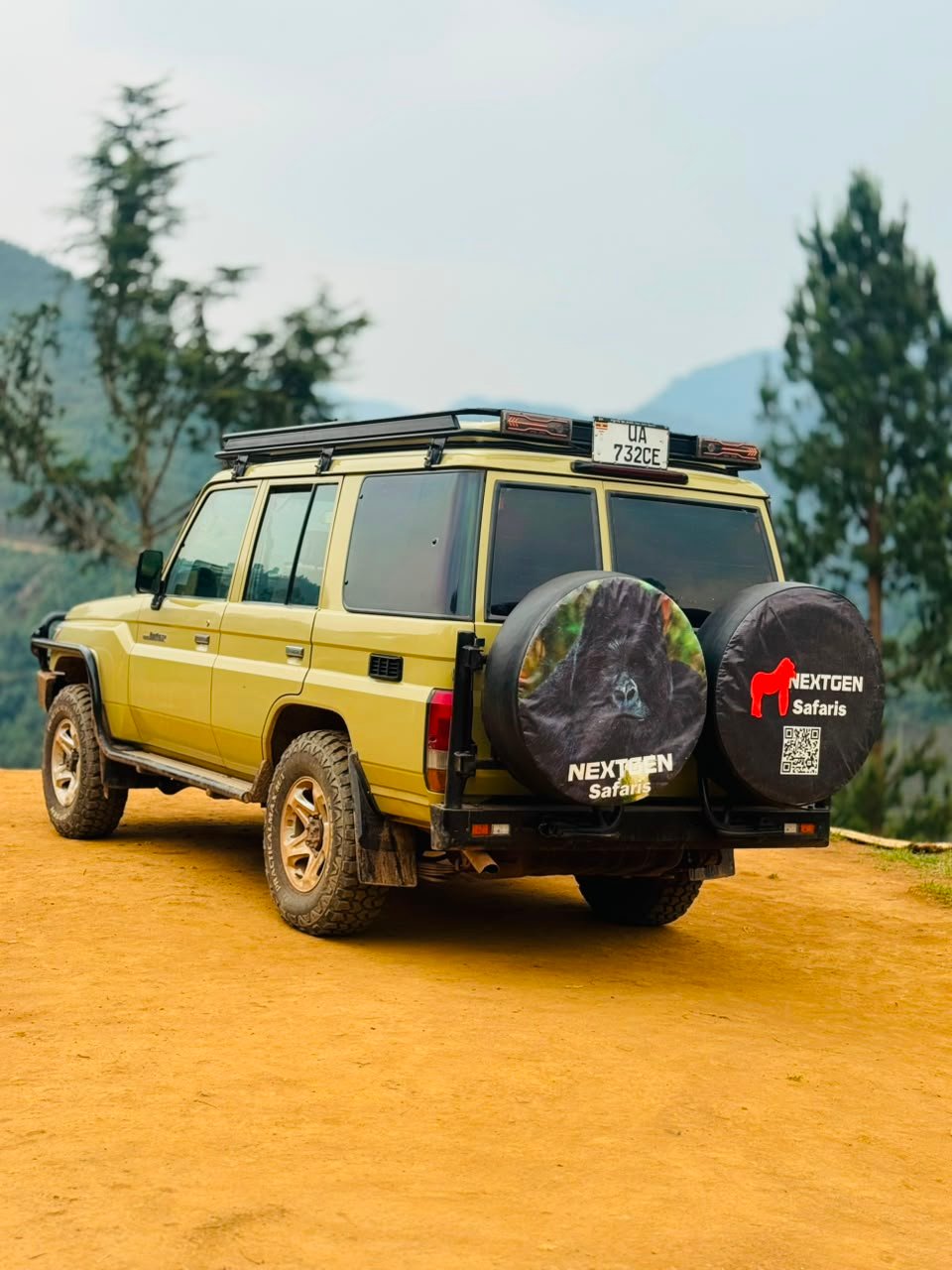
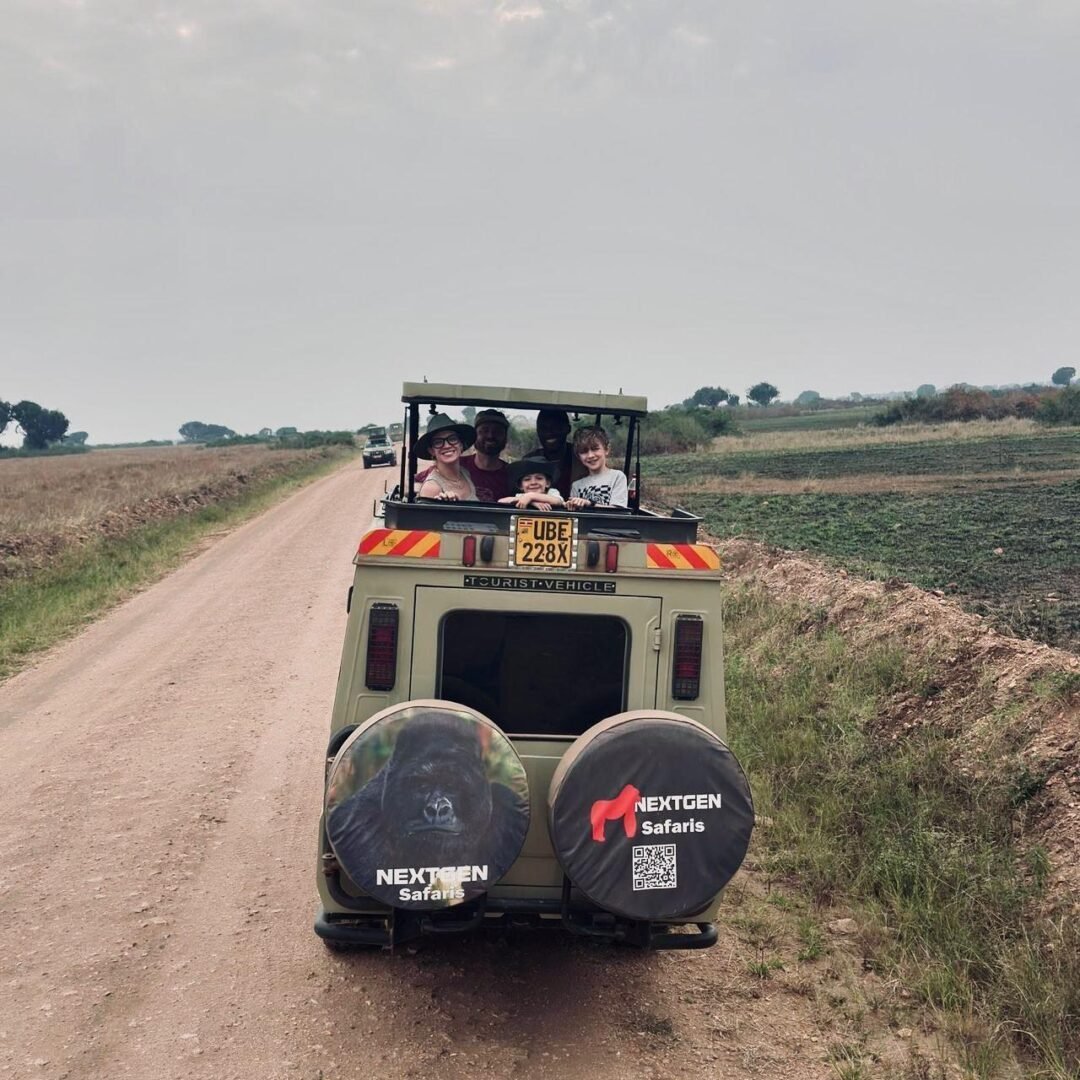
Your itinerary can focus on one wildlife destination or combine several national parks according to the time available. Shorter holidays may concentrate on the Maasai Mara, while longer journeys can include Amboseli, Lake Nakuru, Tsavo, or a relaxing coastal extension.The Ebola Outbreak in Kenya 2026: Latest Safari Travel Advice, The ideal arrangement depends on your interests, travel budget, preferred accommodation standard, and current health or entry requirements. Travellers considering multi-country holidays should pay particular attention to restrictions affecting border crossings and return journeys. A personalised safari quotation should explain the major inclusions, transportation arrangements, accommodation categories, and any cancellation terms that may become important if travel conditions change.
Nextgen Safaris can assist with planning private East African safari itineraries and providing information about the travel arrangements included in your proposed holiday.The Ebola Outbreak in Kenya 2026: Latest Safari Travel Advice, For Kenya journeys, accommodation requests, vehicle arrangements, national park activities, and broader itinerary combinations can be assessed according to current operational conditions. Travellers should continue to rely on official government and medical sources for Ebola-specific health decisions, with their safari operator assisting in adjusting logistics where permitted and practical. Clear communication before departure can help you prepare for your journey with appropriate expectations while allowing room for adjustments if new public health guidance emerges.
Frequently Asked Questions About Ebola Outbreak in Kenya 2026: Latest Safari Travel Advice
1. Is there an Ebola outbreak in Kenya in 2026?
Yes. Kenya confirmed its first imported Ebola case on 6 October 2026 and a second linked case on 14 October. The infections involve the Bundibugyo virus, which is responsible for the ongoing outbreak in the Democratic Republic of the Congo. Kenyan authorities reported no evidence of wider community transmission as of 14 October.
2. How many Ebola cases have been confirmed in Kenya in 2026?
As of 15 October 2026, Kenya has reported two confirmed Ebola cases and one death. The second patient is a close relative of the first and was already under quarantine when symptoms developed. Health authorities are monitoring identified contacts and strengthening surveillance to prevent further transmission.
3. Is it safe to travel to Kenya for a safari during the Ebola outbreak?
Kenya remains a possible safari destination, but travellers should assess current health advisories before departure. The two reported infections are linked, with no evidence of wider community spread as of 14 October. Visitors should follow official health guidance, maintain appropriate precautions, and confirm their travel arrangements.
4. Are Maasai Mara, Amboseli and other Kenya safari destinations affected by Ebola?
The latest reports do not identify Ebola transmission within Maasai Mara, Amboseli, Lake Nakuru, or Tsavo National Parks. However, travellers should not assume future restrictions are impossible. Before departure, confirm the latest national park operations, accommodation arrangements, and health requirements affecting your chosen destinations.
5. How does Ebola spread, and can tourists become infected?
Ebola spreads primarily through direct contact with infectious bodily fluids or contaminated materials. It does not normally spread through casual proximity to healthy people or ordinary airborne transmission. Travellers should avoid contact with potentially infected individuals, contaminated objects, and sick or dead animals while following local public health advice.
6. What are the symptoms of Ebola that travellers should watch for?
Early Ebola symptoms may include fever, severe fatigue, headache, muscle pain, and sore throat. Vomiting, diarrhoea, and other complications can develop later. Symptoms generally appear within 2–21 days after infection. If you become unwell following a possible exposure, contact healthcare professionals immediately and explain your travel and contact history.
7. Are there Ebola-related travel restrictions or airport screening measures in Kenya?
Kenya has strengthened health surveillance and screening at airports and selected border crossings. Additional checks may apply to travellers arriving from affected areas or those with relevant exposure histories. Requirements can change quickly, so confirm the latest immigration, entry, and public health instructions before travelling.
8. Is there an Ebola vaccine required for Kenya safari travellers?
There is currently no licensed vaccine specifically approved against Bundibugyo virus, the strain involved in the 2026 outbreak. Kenya does not generally require an Ebola vaccination certificate for ordinary safari entry. The Ebola Outbreak in Kenya 2026: Latest Safari Travel Advice, Travellers should still review yellow fever requirements and other recommended vaccinations with a qualified travel-health professional.
9. Should I cancel my Kenya safari because of the Ebola outbreak?
Cancellation is not automatically necessary simply because Kenya has confirmed two linked cases. The Ebola Outbreak in Kenya 2026: Latest Safari Travel Advice, Your decision should depend on current official advisories, your personal health circumstances, insurance coverage, and travel arrangements. Review cancellation terms before making changes and seek professional medical advice if you have particular health concerns.
10. Can Nextgen Safaris help organise a Kenya safari during the Ebola situation?
Yes. Nextgen Safaris can help plan private Kenya wildlife holidays, including accommodation, transportation, professional driver-guides, and safari activities. Your itinerary can be designed with suitable booking flexibility where available. The Ebola Outbreak in Kenya 2026: Latest Safari Travel Advice, Travellers should continue to follow official health updates and confirm any changing travel requirements before departure.
Book Your Kenya Safari with Nextgen Safaris
Kenya offers some of Africa’s most extraordinary wildlife experiences, from the open savannah of the Maasai Mara to the elephant landscapes of Amboseli, the bird-rich ecosystems of Lake Nakuru, and the expansive wilderness of Tsavo. These destinations remain highly attractive to visitors seeking remarkable scenery, professional wildlife guiding, comfortable accommodation, and unforgettable African adventures. If you are planning a holiday during the evolving Ebola situation, the most responsible approach is to combine enthusiasm for Kenya’s natural attractions with careful attention to current government health guidance. Travellers can begin exploring Maasai Mara safari destinations and Lake Nakuru wildlife experiences while checking the requirements applicable to their departure date.
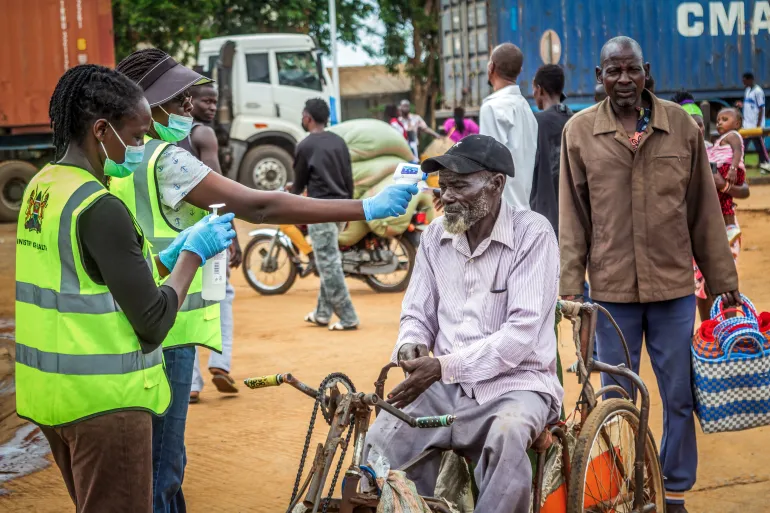
Nextgen Safaris can help design a private Kenya safari suited to your preferred travel style, budget, and wildlife interests. Whether you want a short big-cat safari, a family wildlife holiday, a photographic adventure, or a longer East African journey, your accommodation, transportation, and activities can be planned around an agreed itinerary. The Ebola Outbreak in Kenya 2026: Latest Safari Travel Advice, The Ebola Outbreak in Kenya 2026: Latest Safari Travel Advice, Any request for postponement or modification should be assessed against supplier terms and the actual health or travel restrictions in force at the time. We encourage travellers to follow official public health instructions and seek professional medical advice where needed.
The Ebola Outbreak in Kenya 2026: Latest Safari Travel Advice should be understood as a developing public health issue that requires attention, not as evidence that every Kenyan safari destination is experiencing widespread infection. As of 15 October, the latest reported cases remain linked, with authorities stating that wider community spread has not been demonstrated. Future developments may alter travel recommendations, and visitors should reassess the situation shortly before departure. With reliable information, sensible precautions, and appropriately flexible travel arrangements, you can make a more informed decision about your Kenya holiday. Plan your Kenya wildlife safari with personalised assistance and flexible travel arrangements where available.