Travelers planning a safari or luxury gorilla trekking holiday in Uganda or Rwanda are understandably concerned following the recent reported Ebola Outbreak in Uganda and DRC. While the situation is being closely monitored by health authorities, it is important to understand the facts, the actual tourism impact, and what travelers should do if they already have a holiday booked.
As of May 27, 2026, Uganda has confirmed two (2) additional Ebola cases linked to the ongoing Bundibugyo Ebola outbreak that originated in eastern Democratic Republic of Congo (DRC) bringing the confirmed number of Ebola cases in Uganda to seven (7) cases. The newest confirmed cases include two health workers in Kampala, the capital city of Uganda who were exposed while caring for infected patients. Ugandan health authorities and the World Health Organization (WHO) continue intensive contact tracing, screening and treatment efforts to prevent further spread.
The WHO has officially declared the Ebola outbreak in the DRC and Uganda a Public Health Emergency of International Concern (PHEIC) due to the increasing cross-border spread and rising number of infections. The outbreak is caused by the rare Bundibugyo strain of Ebola, which currently has no approved vaccine.
In eastern DRC, particularly in Ituri Province, the outbreak continues to worsen with hundreds of suspected cases and over 220 suspected deaths reported. Health officials warn that insecurity, attacks on health facilities, population movement and community mistrust are making containment efforts increasingly difficult.
Uganda’s Ministry of Health, together with WHO and international partners, has strengthened surveillance at borders, hospitals, and major entry points while urging the public to remain alert and report suspected Ebola symptoms early
What Is Happening with the Ebola Outbreak in Uganda and DRC?
Uganda and the Democratic Republic of Congo (DRC) are currently responding to a new Ebola outbreak linked to the Bundibugyo strain of the Ebola virus, also known as Bundibugyo Ebola Virus Disease (BDBV). The outbreak was first identified in eastern DRC, particularly in Ituri Province, which borders western Uganda and is known for regular cross-border movement between the two countries.
Health authorities in both Uganda and DRC, together with the World Health Organization (WHO), are actively monitoring and responding to the situation to prevent further spread of the virus.
Ebola Cases Reported in Eastern DRC
According to health reports, eastern DRC has experienced:
- More than 240 suspected Ebola cases
- Approximately 80 suspected deaths
- Multiple laboratory-confirmed Ebola infections
- Increased surveillance in border districts connecting DRC and Uganda
The outbreak is concentrated mainly in parts of Ituri Province in eastern DRC, an area that has experienced several Ebola outbreaks over the years due to its proximity to remote forested regions and frequent population movement.
Confirmed Ebola Cases in Uganda
Uganda’s Ministry of Health confirmed imported Ebola cases connected to travelers arriving from the Democratic Republic of Congo. The first confirmed patient was a 59-year-old Congolese man who traveled into Uganda and later died at Kibuli Muslim Hospital in Kampala after showing Ebola symptoms.
Additional suspected and confirmed cases are currently under investigation, while health officials continue conducting:
- Contact tracing
- Community surveillance
- Border screening
- Isolation procedures
- Public awareness campaigns
Uganda has quickly activated emergency response systems in Kampala and border districts to contain the outbreak and prevent widespread transmission.
Understanding the Bundibugyo Ebola Virus Strain
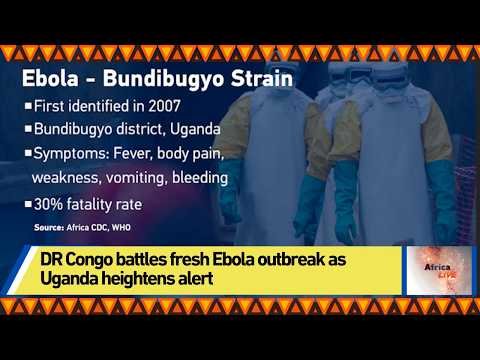
The current outbreak involves the Bundibugyo strain of Ebola, one of the rarer Ebola virus strains compared to the more common Zaire strain that caused previous major outbreaks in West Africa.
Health experts describe the Bundibugyo strain as highly contagious through direct contact with infected bodily fluids, although it has historically shown slightly lower fatality rates compared to the Zaire strain.
One major concern is that:
- There is currently no fully approved vaccine specifically designed for the Bundibugyo strain
- There are limited targeted treatment options available
- Health authorities are relying heavily on containment and surveillance measures
Because of this, Uganda and neighboring countries have increased health screening and preparedness efforts, especially at airports, border crossings, hospitals, and public transport hubs.
Why Travelers Are Concerned About the Ebola Outbreak
The announcement of Ebola cases in Uganda and DRC has naturally raised concerns among travelers planning gorilla trekking safaris, wildlife holidays, and luxury gorilla tours in East Africa.
Many travelers are asking:
- Is Uganda safe for tourism?
- Is gorilla trekking still operating?
- Should I cancel my Uganda safari?
- Are Rwanda and Uganda still safe for luxury travel?
- What happens if I already booked a gorilla trekking holiday?
While the outbreak is serious and closely monitored, most tourism areas remain open and continue operating normally under enhanced safety procedures.
Is Uganda Safe for Tourists Right Now?
Many travelers planning gorilla trekking holidays, wildlife safaris, and luxury tours in East Africa are understandably asking whether Uganda remains safe to visit following the recent Ebola outbreak linked to the Democratic Republic of Congo (DRC).
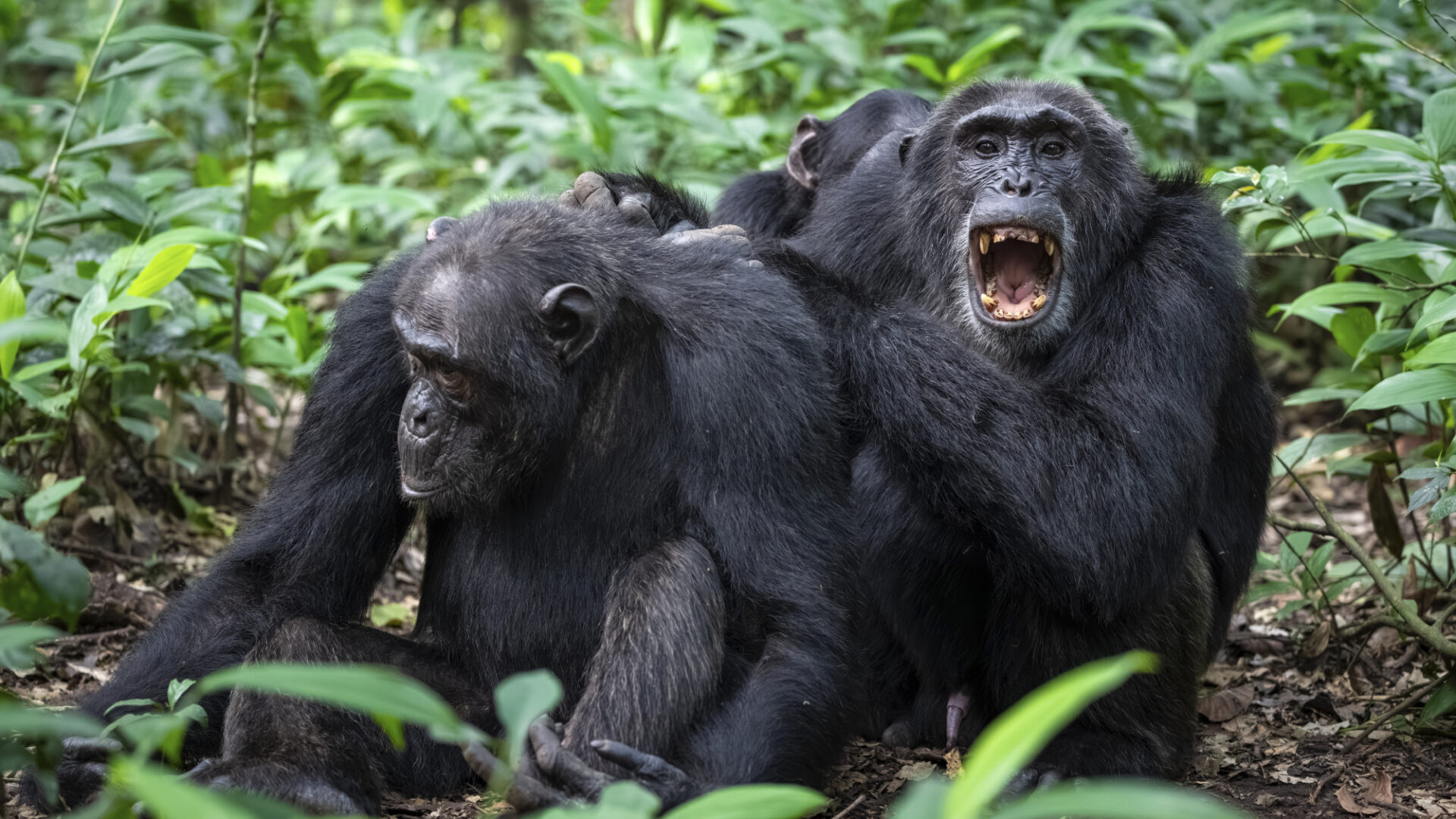
At the moment, Uganda’s major tourism destinations remain open, operational, and accessible to international visitors. The Uganda Ministry of Health, together with international health organizations, has intensified monitoring and prevention measures while allowing tourism activities to continue normally in most parts of the country.
Most Tourist Destinations in Uganda Remain Safe
The majority of Uganda’s most popular safari and gorilla trekking destinations are located far from the currently affected areas associated with the Ebola outbreak.
Tourism continues normally in key national parks and safari regions including:
- Bwindi Impenetrable National Park
- Mgahinga Gorilla National Park
- Queen Elizabeth National Park
- Kibale National Park
- Murchison Falls National Park
These tourism regions continue receiving international visitors for:
- Gorilla trekking
- Chimpanzee trekking
- Luxury safaris
- Wildlife game drives
- Birdwatching experiences
- Cultural tours
- Luxury honeymoon safaris
Most safari lodges, camps, and tour operators are operating normally while following additional health and hygiene precautions.
Uganda Has Strengthened Health Monitoring Procedures
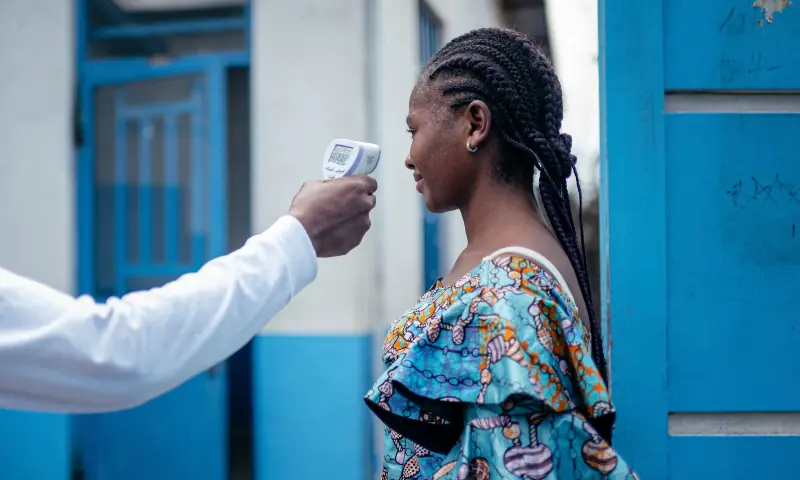
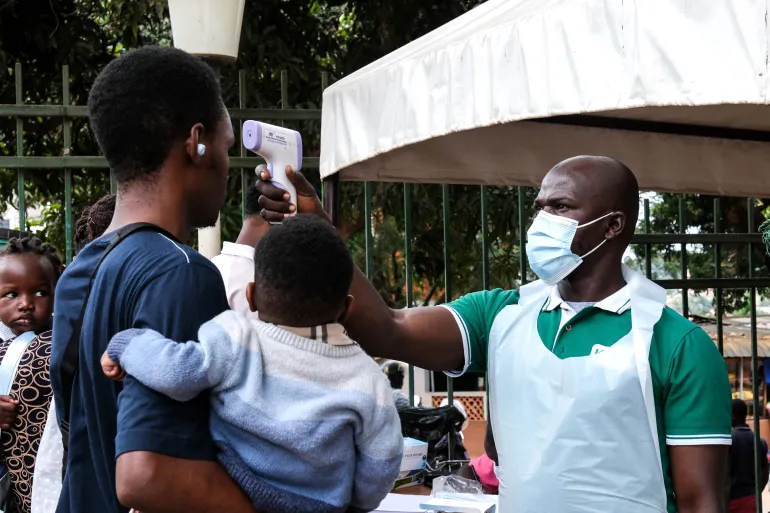
Travelers visiting Uganda may notice enhanced health screening procedures at:
- International airports
- Border crossings
- Hotels and safari lodges
- Public transportation hubs
- Major tourism entry points
Some of the measures currently being implemented include:
- Temperature screening
- Hand sanitation stations
- Health monitoring questionnaires
- Increased medical surveillance
- Rapid response teams in key districts
These procedures are intended to detect and isolate suspected cases quickly while minimizing the risk of transmission.
Ebola Cases in Uganda Are Mostly Linked to Imported Infections
According to Uganda’s Ministry of Health, the confirmed Ebola cases identified so far have mainly been associated with imported infections linked to travelers crossing from eastern DRC into Uganda.
At this stage, health authorities have not reported widespread uncontrolled transmission across Uganda’s tourism regions.
This distinction is important for travelers because:
- Most safari destinations remain unaffected
- Gorilla trekking parks are operating normally
- Tourist movements are not currently heavily restricted
- National parks continue welcoming visitors
Health authorities are focusing primarily on border monitoring and rapid containment efforts.
Uganda Has Experience Managing Ebola Outbreaks
Uganda is considered one of Africa’s most experienced countries in responding to Ebola outbreaks. The country has successfully managed and contained several previous Ebola incidents through:
- Fast contact tracing
- Community health surveillance
- Isolation facilities
- Emergency medical response systems
- Coordination with the World Health Organization (WHO)
Uganda’s health system has already activated emergency Ebola response mechanisms, especially in high-risk border regions and urban centers such as Kampala.
The country’s previous outbreak experience has helped improve:
- Screening capacity
- Public awareness
- Hospital preparedness
- Border surveillance
- Rapid response coordination
What This Means for Gorilla Trekking and Luxury Safaris
For travelers planning gorilla trekking safaris or luxury wildlife holidays in Uganda, tourism activities are still continuing in most destinations.
However, visitors should:
- Stay updated on official travel advisories
- Travel with reputable safari operators
- Maintain travel insurance
- Follow all health guidelines
- Remain flexible in case travel advisories change
Most luxury safari companies are actively monitoring the situation and adjusting logistics where necessary to ensure guest safety and comfort.
How Does the Ebola Outbreak in Uganda and DRC Affect Gorilla Trekking and Luxury Safaris in Uganda?
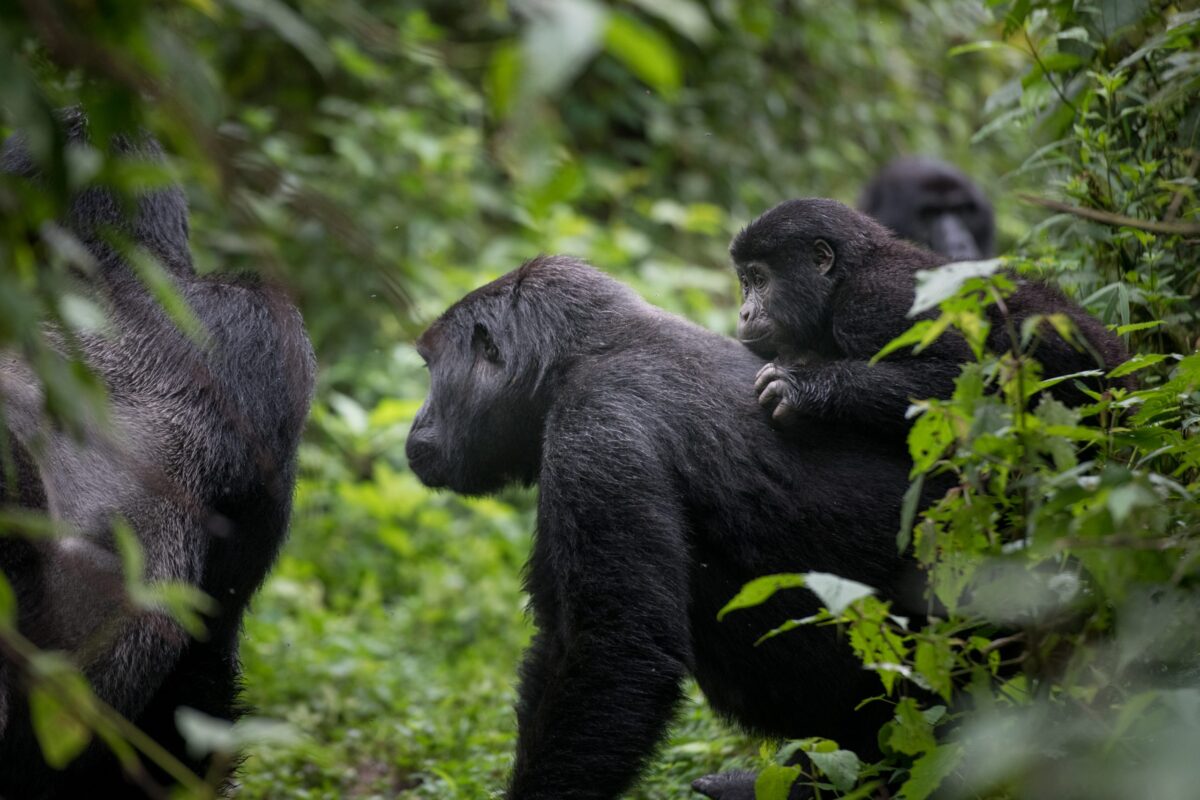
Many travelers planning gorilla trekking safaris in Uganda and Rwanda are concerned about whether the current Ebola outbreak will affect their travel plans, luxury safari experiences, or gorilla trekking permits. While the situation is being monitored carefully by health authorities, most tourism activities in Uganda are currently continuing under enhanced safety and health protocols.
At the moment:
- Gorilla trekking activities are continuing normally
- Uganda’s national parks remain open to visitors
- International airports are operational
- Luxury safari lodges and camps are still welcoming guests
- Scheduled wildlife safaris and luxury gorilla tours are ongoing
However, travelers should expect increased health precautions and additional travel procedures during their visit.
Gorilla Trekking in Uganda Is Still Operating
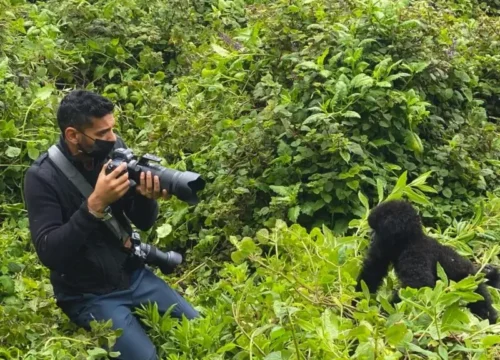
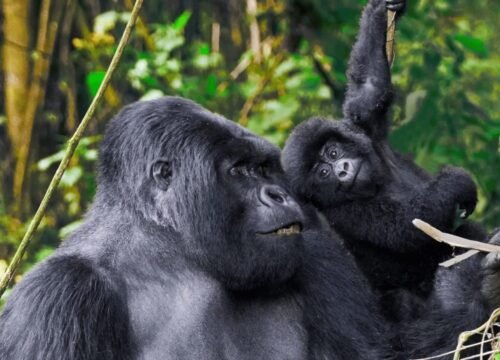
Uganda’s gorilla trekking experiences in:
- Bwindi Impenetrable National Park
- Mgahinga Gorilla National Park
continue operating with enhanced health and safety measures in place.
Gorilla trekking remains one of Uganda’s most important tourism activities, and authorities are working carefully to ensure that:
- Visitors remain safe
- Local communities are protected
- Gorilla conservation efforts continue uninterrupted
- Tourism operations remain organized and monitored
Travelers participating in gorilla trekking may experience:
- Temperature screening before activities
- Additional hand sanitation procedures
- Increased health monitoring by park authorities
- More attention to illness symptoms before trekking
- Enhanced lodge and vehicle hygiene practices
Because gorillas are highly susceptible to human diseases, Uganda Wildlife Authority and safari operators are already experienced in implementing strict health guidelines during trekking activities.
Uganda National Parks Remain Open
Uganda’s major safari destinations continue receiving visitors for wildlife safaris, chimpanzee trekking, luxury holidays, and gorilla trekking experiences.
Tourism activities are still operating in parks including:
- Queen Elizabeth National Park
- Kibale National Park
- Murchison Falls National Park
- Lake Mburo National Park
Most of these safari regions are located far from the currently affected outbreak areas linked to eastern Democratic Republic of Congo.
Game drives, boat safaris, luxury lodge stays, birdwatching experiences, and cultural activities continue normally in most tourism circuits.
International Airports and Travel Connections Are Still Open
Uganda’s main international gateway:
- Entebbe International Airport
remains operational and continues receiving international arrivals and departures.
Travelers arriving in Uganda should expect:
- Health screening upon arrival
- Temperature checks at airports
- Possible health declaration forms
- Increased sanitation procedures in terminals
- Monitoring by health officials
Regional border crossings and domestic transportation services are also operating, although some areas near the DRC border may experience increased surveillance and travel monitoring.
Luxury Safari Lodges Are Increasing Safety Measures
Most luxury lodges and safari camps across Uganda and Rwanda continue operating while strengthening health and sanitation procedures.
Luxury safari operators are implementing:
- Enhanced room sanitation
- Increased cleaning of safari vehicles
- Staff health monitoring
- Hand sanitizing stations
- Reduced physical contact during check-in procedures
- Emergency response protocols if symptoms are detected
Luxury travelers can still expect:
- High-end accommodations
- Personalized safari experiences
- Private gorilla trekking tours
- Helicopter transfers
- Fine dining experiences
- Exclusive safari activities
while benefiting from increased safety precautions.
Travelers Should Expect Additional Health Procedures
Although tourism is continuing, travelers should prepare for more health-related procedures during their safari holiday.
Possible measures include:
- Temperature screening at airports and lodges
- Handwashing stations at public locations
- Health questionnaires
- Monitoring for Ebola symptoms
- Travel history checks
- Enhanced screening near border regions
Some governments may also issue updated travel advisories depending on how the outbreak develops.
For this reason, travelers are advised to:
- Monitor official travel guidance
- Stay informed before departure
- Maintain flexible travel arrangements
- Follow all health recommendations during travel
Should You Cancel Your Uganda Safari?
Many travelers planning luxury gorilla trekking holidays are wondering whether they should cancel their Uganda safari due to the Ebola outbreak.
In most situations, health experts and tourism operators advise travelers not to panic or immediately cancel their trips, especially when traveling to Uganda’s established tourism regions that remain operational and far from the main outbreak zones.
Most Safari Destinations Continue Operating Normally
Uganda’s tourism industry continues functioning in most safari regions, and many travelers are still safely visiting the country for:
- Gorilla trekking
- Chimpanzee tracking
- Luxury safaris
- Wildlife tours
- Honeymoon holidays
- Family safari vacations
The majority of tourism activities are taking place away from the outbreak-affected areas associated with eastern DRC border regions.
Monitor Official Travel Advisories
Rather than canceling immediately, travelers should:
- Follow updates from the World Health Organization (WHO)
- Monitor guidance from their government’s foreign affairs office
- Stay informed through Uganda Ministry of Health updates
- Consult trusted safari operators for local information
Travel advisories may change depending on how the outbreak develops, so regular monitoring is important before departure.
Stay in Contact With Your Safari Operator
Professional safari companies are actively monitoring the Ebola situation and coordinating with health authorities, lodges, airlines, and park management teams.
Travelers should communicate regularly with their tour operator regarding:
- Safari safety updates
- Park access conditions
- Route adjustments
- Alternative accommodation options
- Border-area restrictions
- Health requirements before travel
Experienced safari operators can often modify itineraries if conditions change.
Flexible Travel Insurance Is Important
Travelers visiting Uganda during this period are strongly encouraged to have:
- Comprehensive travel insurance
- Medical evacuation coverage
- Flexible cancellation protection
- Emergency medical support coverage
Travel insurance policies can help protect travelers in case:
- Flights are rescheduled
- Travel advisories change
- Medical emergencies occur
- Itinerary modifications become necessary
Some Safari Routes May Be Adjusted
If your itinerary includes regions closer to the DRC border, your safari operator may recommend alternative routing for additional safety.
Possible adjustments may include:
- Using different road transfer routes
- Changing overnight lodge locations
- Limiting border-region movement
- Adding domestic flights or helicopter transfers
- Shifting activities to lower-risk tourism areas
Most adjustments are precautionary and designed to maintain traveler safety while allowing the safari to continue smoothly.
What If You Already Paid for a Uganda Holiday?
Travelers who already booked and paid for a luxury gorilla safari or Uganda holiday should remain calm and communicate directly with their tour operator before making any rushed decisions.
Most professional safari companies are already working closely with health authorities and tourism partners to manage the situation responsibly.
Contact Your Safari Operator Immediately
Your first step should be speaking with your tour company to understand:
- Current travel conditions
- Park accessibility
- Health precautions in place
- Flexible postponement options
- Alternative safari arrangements
Many safari operators are offering updated guidance regularly as the situation evolves.
Ask About Flexible Postponement Policies
Because the Ebola outbreak situation may continue changing, many travel companies are introducing more flexible booking arrangements for travelers who feel uncomfortable traveling immediately.
Depending on the operator, options may include:
- Rescheduling travel dates
- Postponing gorilla permits
- Adjusting safari itineraries
- Transferring bookings to alternative destinations
- Flexible payment arrangements
Policies vary between operators, airlines, and lodges.
Review Your Travel Insurance Coverage
Travelers should carefully review their insurance policy to understand:
- Medical emergency coverage
- Trip interruption coverage
- Cancellation terms
- Emergency evacuation support
- Coverage for government travel advisories
Some insurance providers may offer additional flexibility during public health emergencies.
Monitor Airline Policies and Flight Updates
Airlines operating flights to Uganda and Rwanda may adjust schedules depending on:
- Regional travel advisories
- Passenger demand
- Health monitoring procedures
Travelers should monitor:
- Airline notifications
- Schedule changes
- Flexible ticket policies
- Transit requirements through connecting countries
Many Safaris May Continue Normally
In many cases:
- Gorilla trekking tours may continue operating normally
- Luxury lodges may remain fully operational
- Safari activities may proceed without major disruption
- Travelers may still enjoy their planned experiences safely
However, some precautionary adjustments may occur depending on evolving health conditions.
Possible changes may include:
- Route modifications
- Reduced border-region movement
- Alternative park suggestions
- Increased health screening
- Additional lodge safety measures
The most important step for travelers is staying informed and maintaining close communication with trusted safari professionals throughout the planning process.
Areas Travelers Should Avoid During the Ebola Outbreak in Uganda and DRC
Although most tourism destinations in Uganda remain open and continue operating normally, travelers are still advised to exercise caution and stay informed about areas currently affected by the Ebola outbreak in eastern Democratic Republic of Congo (DRC) and nearby border regions.
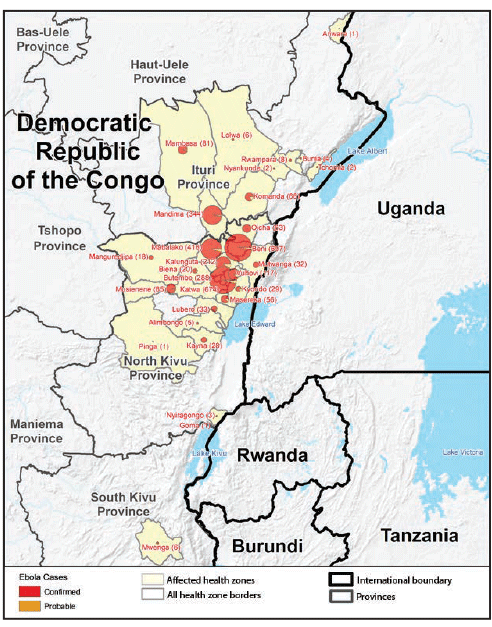
Health authorities are particularly concerned about areas experiencing active Ebola transmission, especially in parts of Ituri Province in eastern DRC near the Uganda border. Travelers are strongly advised to avoid non-essential travel to outbreak zones where confirmed or suspected Ebola cases are being treated and monitored.
Border regions connecting eastern DRC and western Uganda may also experience increased health surveillance, movement restrictions, and emergency response operations. While border crossings remain important for trade and local movement, tourists should avoid unnecessary travel near affected crossing points unless advised otherwise by authorities or professional tour operators.
Visitors are also advised to avoid hospitals, treatment centers, and medical facilities managing Ebola patients unless medical care is absolutely necessary. Ebola spreads through direct contact with infected bodily fluids, making healthcare environments high-risk areas during active outbreaks.
At the same time, travelers should understand that Uganda’s major tourism destinations are not currently considered outbreak hotspots. Most gorilla trekking parks, wildlife safari regions, and luxury tourism areas continue operating safely under increased health monitoring procedures.
Popular tourism destinations such as:
- Bwindi Impenetrable National Park
- Mgahinga Gorilla National Park
- Queen Elizabeth National Park
- Kibale National Park
remain far from the main outbreak areas and continue receiving tourists for gorilla trekking and safari experiences.
Travelers visiting Uganda should still remain cautious, follow local health guidance, and avoid unnecessary travel into regions where active community transmission has been reported.
Important Health Advice for Travelers Visiting Uganda and Rwanda
The World Health Organization (WHO) and the Centers for Disease Control and Prevention (CDC) have issued precautionary guidance for travelers visiting Uganda, Rwanda, and nearby regions during the Ebola outbreak.
While the risk to most tourists remains relatively low, travelers should take preventive health measures seriously throughout their journey.
One of the most important recommendations is maintaining proper hygiene practices during travel. Frequent handwashing with soap and clean water, or the use of alcohol-based hand sanitizers, is strongly encouraged at airports, hotels, safari lodges, restaurants, and public areas.
Travelers should also avoid direct contact with bodily fluids such as blood, saliva, vomit, sweat, urine, or other fluids from individuals who may be ill. Ebola spreads primarily through direct physical contact with infected fluids or contaminated surfaces.
Visitors are advised to avoid close contact with anyone showing symptoms such as:
- Fever
- Vomiting
- Severe weakness
- Diarrhea
- Bleeding
- Persistent fatigue
Health authorities also caution travelers against attending funeral gatherings or burial ceremonies in affected regions, as Ebola transmission has historically occurred through contact with infected bodies during traditional burial practices.
In some forested regions of Central Africa, travelers are additionally advised to avoid contact with bats and wild animals that may potentially carry infectious diseases. Although safari tourism activities remain safe when conducted professionally, unnecessary exposure to caves, mines, or bat-inhabited areas should be avoided during active outbreaks.
Ebola Symptoms Travelers Should Monitor
Travelers visiting affected regions should monitor their health carefully both during and after travel. Ebola symptoms can sometimes appear several days after exposure, with the incubation period lasting up to 21 days.
Common symptoms associated with Ebola may include:
- Fever
- Fatigue and weakness
- Muscle and joint pain
- Headaches
- Vomiting
- Diarrhea
- Abdominal pain
In severe cases, Ebola can also cause internal or external bleeding, although not all patients experience bleeding symptoms.
Because some early Ebola symptoms can resemble common illnesses such as malaria or flu, travelers should not ignore persistent sickness after visiting affected regions.
What Travelers Should Do If Symptoms Develop
Anyone who develops symptoms consistent with Ebola after traveling in affected areas should seek medical attention immediately and inform healthcare providers about their recent travel history.
Early reporting is extremely important because it:
- Helps protect other travelers and communities
- Allows rapid medical evaluation
- Supports early isolation and treatment if necessary
- Reduces the risk of wider transmission
Travelers should avoid self-treatment or hiding symptoms, especially after visiting regions under active Ebola surveillance.
Most importantly, travelers should remain calm and informed. Uganda and Rwanda have extensive experience managing infectious disease outbreaks, and tourism authorities continue working closely with health agencies to maintain traveler safety while protecting local communities and wildlife tourism operations.
What About Rwanda?
Rwanda continues to operate normally as a tourism destination despite increased regional concern surrounding the Ebola outbreak in eastern Democratic Republic of Congo (DRC) and neighboring Uganda. Due to Rwanda’s proximity to eastern DRC, the Rwandan government has strengthened health surveillance measures across the country while maintaining tourism operations in its major safari and gorilla trekking destinations.
Rwanda has long been recognized for its strong public health systems, rapid emergency response capabilities, and organized border monitoring procedures. Following reports of Ebola cases in the region, authorities quickly intensified screening procedures at border crossings, airports, and key transportation hubs to reduce the risk of imported infections.
Travelers entering Rwanda may notice:
- Increased temperature screening
- Hand sanitation checkpoints
- Health monitoring procedures
- Enhanced medical surveillance at entry points
- Additional health-related travel declarations
Despite these additional precautions, Rwanda’s tourism industry remains active and operational.
Popular tourism destinations including:
continue welcoming international travelers for gorilla trekking, chimpanzee trekking, luxury safaris, cultural experiences, and wildlife tours.
Gorilla trekking activities in Volcanoes National Park are continuing under carefully monitored health protocols designed to protect both travelers and mountain gorillas, which are highly vulnerable to human-transmitted illnesses.
Luxury lodges, hotels, safari operators, and tourism providers across Rwanda are also maintaining strict hygiene and guest safety measures while continuing to deliver high-end safari experiences.
At this stage, Rwanda remains one of the most organized and proactive tourism destinations in East Africa regarding public health monitoring and tourism safety management.
How the Tourism Industry Is Responding to the Ebola Outbreak
The tourism industry in Uganda and Rwanda is taking the Ebola outbreak seriously while working carefully to maintain traveler confidence and ensure visitor safety across safari destinations and gorilla trekking regions.
Tour operators, safari lodges, conservation organizations, airlines, and park authorities have already implemented additional health and safety procedures to minimize risks for both visitors and local communities.
Many luxury safari lodges and camps are increasing sanitation efforts by:
- Conducting more frequent cleaning of guest rooms and public areas
- Installing additional hand sanitizing stations
- Enhancing hygiene protocols in dining and lounge areas
- Increasing sanitation of safari vehicles and shared equipment
Safari companies are also training guides, drivers, lodge staff, and operational teams on outbreak response awareness, symptom monitoring, emergency procedures, and guest safety communication.
In some cases, tour operators are actively monitoring guest movements and adjusting travel logistics where necessary to avoid unnecessary exposure near high-risk regions or border areas connected to eastern DRC.
The tourism sector is also working closely with:
- National health authorities
- Wildlife authorities
- International health organizations
- Border control agencies
- Conservation partners
to ensure tourism activities continue responsibly and safely.
Many companies are additionally offering flexible booking policies and postponement options to travelers concerned about changing travel conditions. This flexibility is helping reassure visitors who may already have gorilla trekking permits, safari bookings, or luxury holiday arrangements in place.
Importantly, Uganda’s tourism industry has previous experience managing Ebola-related concerns. The country has successfully contained earlier outbreaks while maintaining tourism operations in major safari destinations without long-term collapse of wildlife tourism or gorilla trekking activities.
This past experience has helped strengthen preparedness across:
- National parks
- Safari lodges
- Tour operators
- Medical response systems
- Tourism safety protocols
making the industry better equipped to respond calmly and professionally during public health situations.
Final Update for Travelers Planning Gorilla Trekking Holidays
The current Ebola outbreak in eastern DRC and Uganda is a serious public health concern that should continue to be monitored carefully by travelers planning safaris or gorilla trekking holidays in East Africa. However, the situation does not currently mean that all travel to Uganda or Rwanda should stop.
Most major tourism destinations in Uganda and Rwanda remain open, operational, and geographically distant from the primary outbreak zones. Gorilla trekking parks, luxury safari lodges, wildlife reserves, and tourism infrastructure continue functioning under enhanced health and safety protocols.
Both Uganda and Rwanda have significant experience managing infectious disease outbreaks and have already activated:
- Border surveillance systems
- Contact tracing operations
- Airport health screening
- Medical response teams
- Community health monitoring procedures
These measures are designed to detect and contain potential cases quickly while protecting travelers, local communities, tourism workers, and wildlife conservation operations.
For travelers with upcoming gorilla trekking holidays, the most important steps right now are staying informed, remaining flexible, and communicating regularly with trusted safari operators.
Rather than panicking or immediately canceling travel plans, visitors are encouraged to:
- Follow updates from official health authorities
- Use reputable and experienced safari companies
- Maintain comprehensive travel insurance
- Monitor airline and border travel advisories
- Follow all health and hygiene recommendations during travel
Most luxury safari operators are actively updating guests about the situation and are prepared to adjust itineraries if necessary to maintain safety and comfort.
Travelers who remain informed and cautious can still safely enjoy many of East Africa’s most remarkable wildlife experiences, including gorilla trekking safaris in Uganda and Rwanda, while health authorities continue working to contain the outbreak.
Sources and Latest Ebola Updates
For the most accurate and up-to-date information regarding the Ebola outbreak in Uganda and DRC, travelers should monitor official public health sources regularly: