Gorilla Trekking on a Tight Budget
Gorilla Trekking on a Tight Budget – The Ultimate Smart Guide to an Affordable Gorilla Safari
Gorilla Trekking on a Tight Budget is entirely possible when the journey is planned around the expenses that genuinely matter. Mountain gorilla trekking is never going to be a conventional low-cost wildlife activity because permits are deliberately limited and a significant part of the price supports conservation, park management and communities around gorilla habitats. However, travelers do not need luxury lodges, expensive internal flights or unnecessarily long itineraries to stand inside an African rainforest and spend an extraordinary hour observing mountain gorillas.
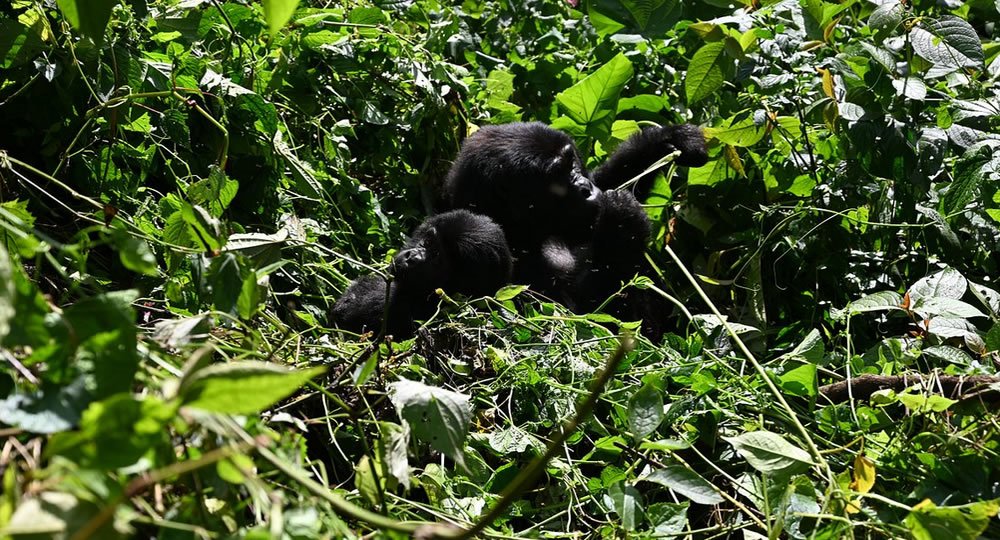
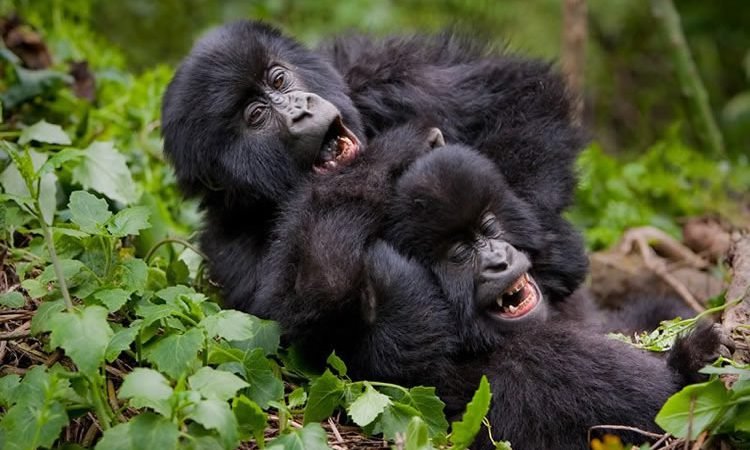
For travelers whose priority is the gorillas rather than luxury accommodation, Uganda is usually the strongest starting point. Gorilla Trekking on a Tight Budget, Uganda Wildlife Authority’s published tariff lists a regular foreign non-resident gorilla tracking permit at US$800, while a February 2026 UWA notice introduced a discounted US$600 foreign non-resident low-season permit for April, May and November. UWA states that these discounted permits cannot be rescheduled. Rwanda’s official tourism platform currently lists its gorilla permit at US$1,500 per person per day, making permit selection alone one of the largest considerations when designing a budget-focused gorilla safari.
At Nextgen Safaris, we approach Gorilla Trekking on a Tight Budget by protecting the core experience while reducing unnecessary spending around it. The objective is not to make a gorilla safari uncomfortable or unreliable. Gorilla Trekking on a Tight Budget, It is to spend money where it matters—on the permit, safe transportation, appropriate accommodation and professional logistics—while avoiding unnecessary upgrades that do not improve the actual gorilla encounter.
Is Gorilla Trekking Possible on a Tight Budget?
Yes. Gorilla Trekking on a Tight Budget is realistic, particularly in Uganda, but travelers must understand where the major costs come from. The gorilla permit is normally the largest unavoidable expense. Once that permit has been secured, transportation, accommodation, meals and the number of safari days become the areas where thoughtful planning can reduce the final price substantially.
The easiest mistake is assuming that an affordable gorilla safari must involve poor accommodation, unreliable transport or an unprofessional operator. That is not the right approach. A strong budget safari should still include a suitable vehicle, a realistic itinerary and accommodation close enough to the trekking sector to avoid difficult early-morning transfers. Savings should come from selecting comfortable budget or lower mid-range lodges, sharing transportation when appropriate, avoiding unnecessary domestic flights and keeping the itinerary focused.
Travelers should also separate budget travel from cheap travel at any cost. Mountain gorilla trekking involves remote forest regions where transportation and logistics matter. An unrealistically low quotation can sometimes mean that important costs have been omitted or that the itinerary has been structured poorly. The better objective is to find the lowest realistic total cost while protecting the quality and reliability of the journey.
Choose Uganda for Budget Gorilla Trekking
For most international travelers trying to experience gorillas while controlling costs, Uganda deserves serious consideration. Mountain gorilla trekking takes place in Bwindi Impenetrable National Park and Mgahinga Gorilla National Park. UWA identifies Bwindi’s four principal trekking sectors as Buhoma, Ruhija, Rushaga and Nkuringo, while Mgahinga provides an additional mountain gorilla trekking option in Uganda’s Virunga region.
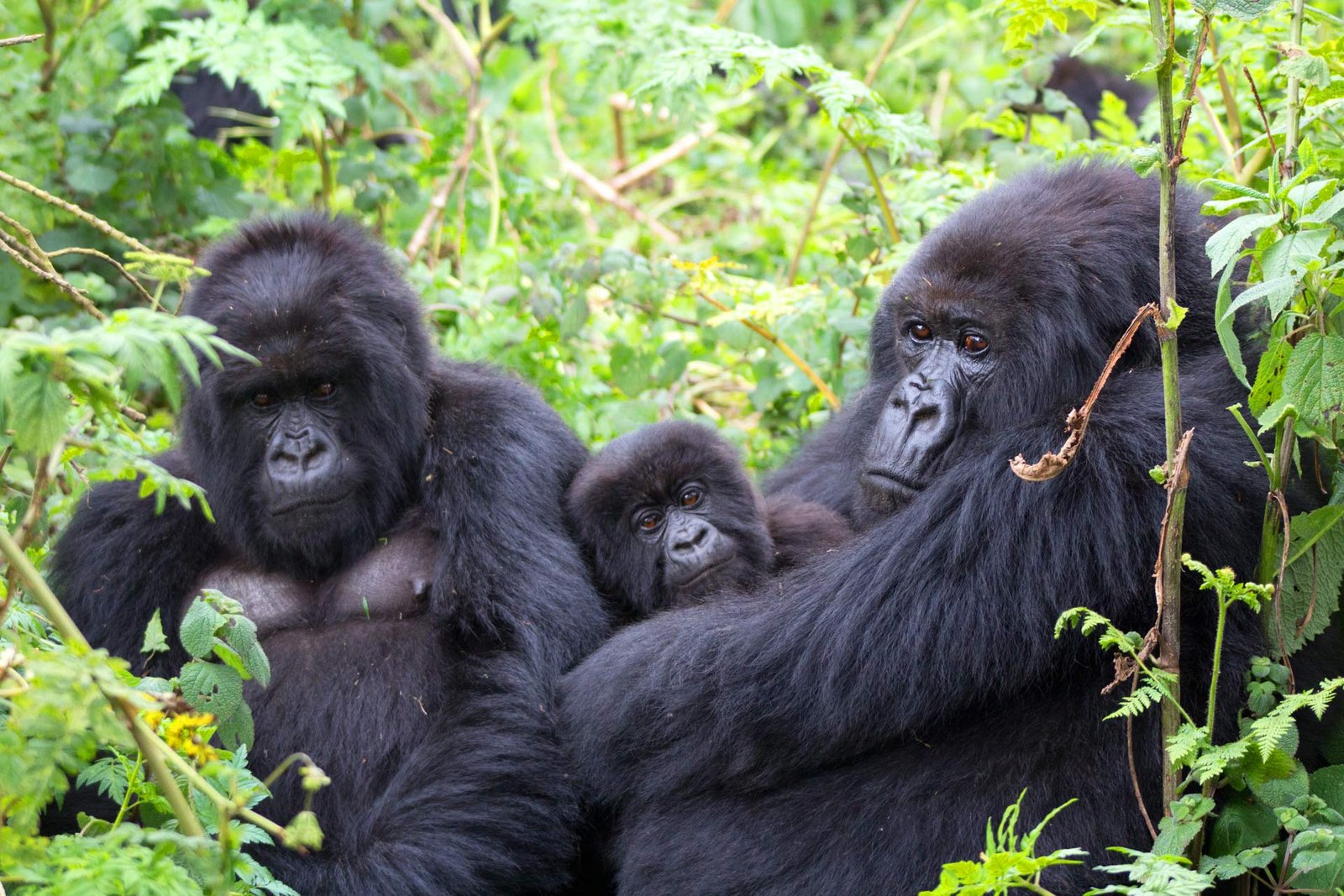
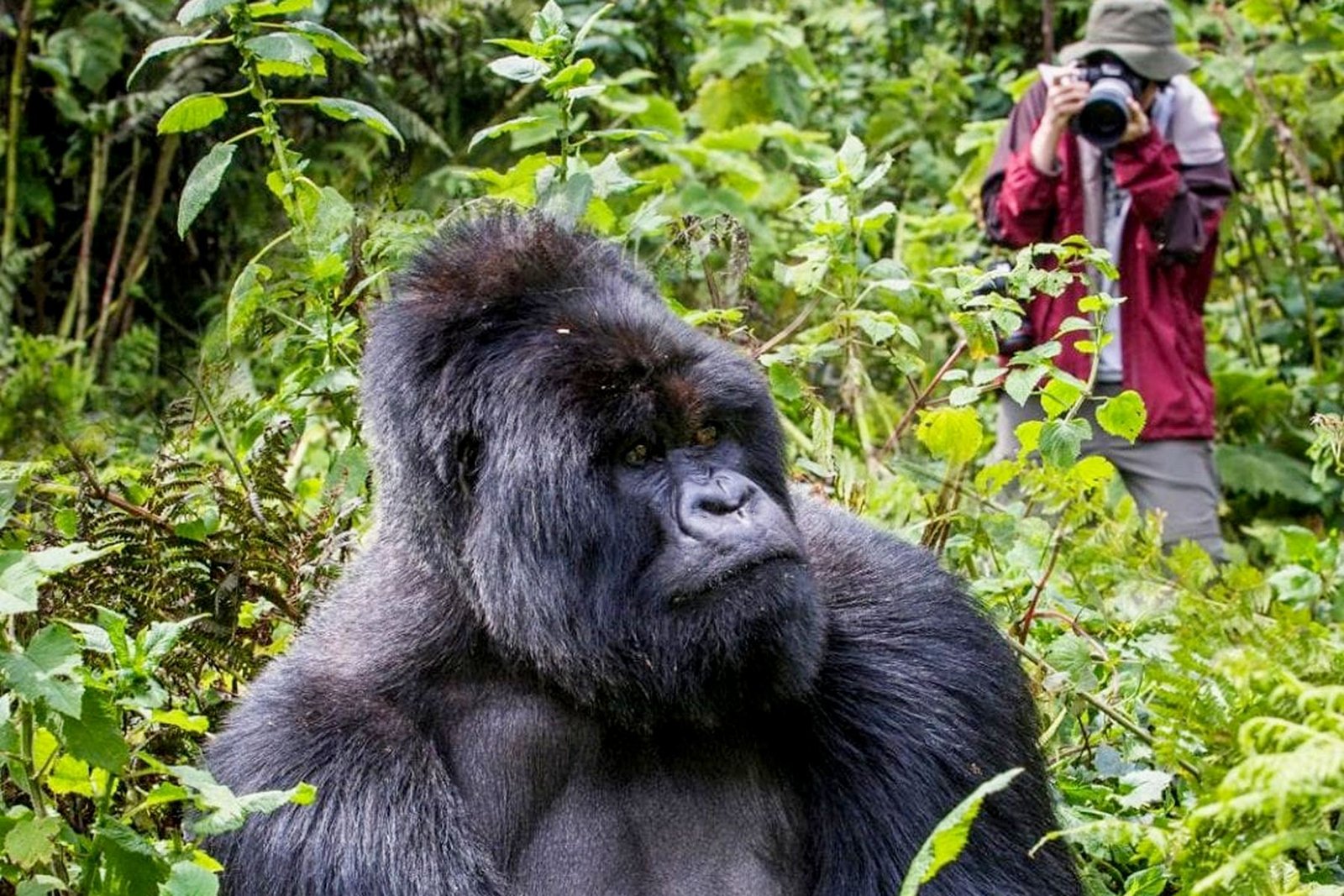
Uganda’s permit structure is particularly significant for budget travelers. The published UWA conservation tariff set the foreign non-resident gorilla permit at US$800, and UWA’s 2026 tariff update introduced US$600 low-season permits during April, May and November. The same update states that the regular foreign non-resident gorilla tracking tariff remains US$800 when the revised tariff structure takes effect on 1 January 2027.
This makes Uganda especially attractive for travelers whose primary objective is spending time with mountain gorillas rather than staying in premium forest lodges. A short Uganda gorilla safari can concentrate spending on the permit and transportation while using clean, comfortable accommodation around Bwindi or Mgahinga.
The experience with the gorillas is not reduced because you sleep in a less expensive lodge. Trekkers using different accommodation categories may join the same park briefing and trek habituated gorilla families under the same conservation rules. The major difference occurs before and after the trek, not in the fundamental wildlife experience itself.
Take Advantage of Uganda’s Low-Season Gorilla Permit
For travelers with flexible dates, the most powerful strategy for Gorilla Trekking on a Tight Budget is choosing an eligible low-season month in Uganda. Uganda Wildlife Authority announced discounted gorilla tracking rates for April, May and November, with foreign non-residents paying US$600 and qualifying foreign residents paying US$500. UWA also specifically states that these low-season permits cannot be rescheduled.
For a foreign non-resident traveler, that creates a US$200 saving compared with Uganda’s US$800 standard permit. For two travelers, the permit saving alone becomes US$400. A group of four can save US$800 before accommodation or transportation is even considered.
The tradeoff is weather. April, May and November can bring wetter forest conditions, meaning trails may become muddy and more demanding. However, gorilla trekking continues during these periods, and travelers who pack appropriate footwear, waterproof clothing and gloves can still have an extraordinary experience. Budget travelers should also understand the restriction attached to the discount. Because UWA states that low-season permits cannot be rescheduled, travel dates should be carefully confirmed before making payment.
Uganda vs Rwanda for Gorilla Trekking on a Tight Budget
When comparing Uganda and Rwanda strictly from a permit-cost perspective, the difference is substantial for many foreign international visitors. Gorilla Trekking on a Tight Budget, Visit Rwanda currently lists a standard gorilla permit at US$1,500 per person per day for gorilla tracking in Volcanoes National Park. Uganda’s published standard foreign non-resident rate is US$800, with the special low-season rate falling to US$600 in April, May and November.
For one traveler, choosing Uganda at the US$800 standard rate can therefore leave US$700 that can be allocated toward accommodation and ground transportation instead of the permit alone. Gorilla Trekking on a Tight Budget, During Uganda’s US$600 low-season offer, the permit difference compared with Rwanda reaches US$900 per person.
Rwanda can still make sense for travelers prioritizing particular logistics, Volcanoes National Park or a wider Rwanda itinerary. Budget is not the only consideration when selecting a gorilla destination. However, when the question is specifically how to trek mountain gorillas while spending as little as reasonably possible, Uganda normally deserves to be compared first.
Nextgen Safaris can also design cross-border itineraries depending on the traveler’s flights and wider plans, allowing guests to explore Rwanda while trekking gorillas in Uganda when this produces a stronger overall itinerary.
Keep Your Gorilla Safari Short
One of the simplest ways to reduce the total cost of a gorilla safari is to avoid adding unnecessary nights. Every additional safari day usually adds accommodation, meals, vehicle use, fuel and guiding costs. If mountain gorillas are the main priority, a short itinerary can deliver the essential experience without turning the trip into a seven- or ten-day holiday.
A 3-day gorilla trekking safari is one of the strongest formats for budget-conscious travelers. Day one is normally used to reach the gorilla region, day two is devoted to trekking, and day three returns the traveler toward the departure point. This gives the core experience its own day while keeping accommodation and transportation costs controlled.
Trying to reduce the itinerary too aggressively can become counterproductive. A trek should not be placed between unrealistic overnight drives or immediately before an international flight with no buffer. Gorilla Trekking on a Tight Budget, Saving one hotel night is not worthwhile if it creates a stressful or unreliable journey.The best budget safari is therefore short but logistically sensible.
Consider Starting Your Gorilla Safari From Kigali
Depending on flight schedules, nationality, border requirements and the exact trekking sector, Kigali can be considered as a starting point for gorilla trips into southwestern Uganda.
This option can be particularly interesting for travelers focusing on Rushaga, Nkuringo or other parts of the southern Bwindi region because a cross-border route may fit efficiently into a short itinerary. Rather than building a much longer Uganda circuit, the traveler can focus almost entirely on reaching the gorillas and returning after the trek.
A Kigali start can also allow visitors to spend time in Rwanda before crossing into Uganda, creating opportunities to combine a brief Kigali experience with a more affordable Uganda gorilla trek.
However, cross-border travel should always be designed around current immigration requirements, visas, permit allocation and actual driving conditions. The cheapest-looking route on a map is not automatically the most practical. Nextgen Safaris therefore considers the complete journey—international arrival airport, passport requirements, Bwindi trekking sector, accommodation and departure flight—before recommending Kigali or Entebbe as the better gateway.
Choose Budget Accommodation Near Your Trekking Sector
Accommodation is one of the easiest areas in which to reduce costs without compromising the gorilla experience. Gorilla Trekking on a Tight Budget, Bwindi has accommodation across a wide price range, from practical budget lodges and guesthouses to sophisticated luxury forest properties. Travelers pursuing Gorilla Trekking on a Tight Budget do not need the most expensive lodge. What matters more is cleanliness, safety, reliable meals, appropriate service and a location that corresponds with the trekking sector printed on the permit.
That final point is critical. Bwindi is not one single entrance where every guest reports in the morning. UWA identifies multiple trekking sectors, including Buhoma, Ruhija, Rushaga and Nkuringo. Booking a cheap lodge in the wrong part of Bwindi can create difficult transfers and may eliminate whatever small saving the traveler hoped to achieve.
A practical budget lodge relatively close to the correct briefing point is usually far better value than a slightly cheaper property requiring a long pre-dawn transfer.Gorilla Trekking on a Tight Budget, Nextgen Safaris matches the lodge with the permit sector first and then works within the traveler’s accommodation budget.
Share Safari Transportation Where Practical
Private transportation is comfortable and flexible, but the vehicle cost becomes particularly significant for solo travelers and couples because the same vehicle expense is divided among fewer people. Joining a small departure or sharing transportation with compatible travelers can therefore make Gorilla Trekking on a Tight Budget much more achievable. Fuel, vehicle and driver-guide costs can be divided across several participants rather than being carried by one traveler.
This does not mean joining a large coach group. Gorilla regions are better suited to smaller vehicles and carefully managed itineraries. A small shared arrangement can retain much of the safari experience while reducing the per-person cost.
Groups of friends also have a natural cost advantage. Four travelers sharing one safari vehicle and twin rooms will generally achieve a lower per-person ground cost than a solo traveler requiring the same overall transportation route. Travelers should compare packages on total value rather than only the headline price. A seemingly cheap shared trip may become expensive if it excludes meals, permit arrangements, border transfers or accommodation.
Travel Overland Instead of Flying
Domestic and charter flights can make safari travel faster, but they also increase the total trip cost substantially. Gorilla Trekking on a Tight Budget, Travelers whose priority is affordability should usually consider overland transportation. A road transfer allows the safari company to use one vehicle for the entire journey, combining transportation, luggage movement and guiding. It also gives travelers an opportunity to see rural landscapes, towns, farms and highland scenery between the airport and the gorilla region.
The tradeoff is time. Gorilla Trekking on a Tight Budget, Reaching Bwindi by road can involve a long travel day depending on the starting point and sector. Budget travelers therefore need to decide whether saving money is more important than minimizing travel time. For many people planning Gorilla Trekking on a Tight Budget, the answer is yes. Spending several additional hours on the road can be worthwhile when it protects hundreds of dollars that would otherwise be spent on flights and separate transfers.
Book the Gorilla Permit Before Non-Refundable Accommodation
The gorilla permit determines whether the most important activity in the itinerary is available. Gorilla Trekking on a Tight Budget, Accommodation should therefore be planned around the permit rather than the other way around. This has become particularly important in Uganda because UWA announced that, effective 1 March 2026, the previous seven-day reservation window was suspended. According to UWA, operators must now secure permits through full payment at the time of booking rather than temporarily holding them unpaid for seven days.
For budget travelers, this means decisions need to be more deliberate. Once the desired permit date and trekking area are available, the permit should be treated as the foundation of the safari. Accommodation, transport and flights can then be aligned around it. Booking cheap non-refundable hotels before knowing whether the correct gorilla permit can be secured may create additional expenses rather than savings. At Nextgen Safaris, permit availability is considered at the beginning of the planning process so that the rest of the itinerary follows logically.
Do Not Waste Money Chasing Luxury You Do Not Need
Luxury gorilla safaris can be exceptional, but luxury is optional. The gorilla encounter itself does not require a private plunge pool, premium wine cellar or elaborate lodge architecture. If your dream is simply to trek mountain gorillas, direct your budget toward the permit and the logistics required to reach the forest safely and comfortably. A basic but well-managed lodge can provide a hot shower, comfortable bed, dinner and breakfast—everything you realistically need before reporting for an early-morning trek.
This is where budget travelers can save significant amounts. Gorilla Trekking on a Tight BudgetPremium forest lodges can cost many times more than practical mid-range or budget accommodation, yet every eligible permit holder ultimately enters the same protected forest system under park regulations. That does not make luxury accommodation poor value for travelers who genuinely want it. It simply means that someone pursuing Gorilla Trekking on a Tight Budget should not feel that expensive accommodation is necessary for a meaningful gorilla experience.
Save on Meals Without Making the Safari Uncomfortable
Food is rarely the biggest cost of a gorilla safari, but unnecessary restaurant spending can accumulate quickly. Many lodges around Bwindi operate with meal plans because the properties are located in rural areas where guests cannot simply walk to several restaurants. Selecting accommodation that includes breakfast and dinner—or full board where appropriate—can make total costs more predictable.
On long transfer days, packed lunches or planned meal stops can also help avoid expensive last-minute options. The objective should not be to skip meals before trekking. Gorilla trekking can involve several hours of physical activity, and travelers should begin the morning properly fed and carry the recommended water and packed provisions. Saving money by choosing sensible meals is useful. Saving money by arriving at a mountain trek hungry and dehydrated is not.
Travel With a Small, Practical Packing List
Overpacking can create hidden costs, particularly for travelers combining international flights, regional flights and road safaris. Gorilla Trekking on a Tight Budget, For gorilla trekking, the essentials are relatively straightforward: suitable walking footwear, long trousers, a long-sleeved top, rain protection, gloves, a small backpack and appropriate personal items. Expensive specialist expedition equipment is unnecessary for most visitors.
Uganda Wildlife Authority requires visitors to follow specific trekking rules, including restrictions on flash photography and food or drink while actually with the gorillas. The official tariff guide also sets the minimum gorilla tracking age at 15 and limits visits to one hour with a gorilla group. Budget travelers can therefore concentrate on practical equipment they already own rather than purchasing an entirely new safari wardrobe. Comfort and functionality matter more than looking like an expedition photographer.
Should You Hire a Porter When Traveling on a Tight Budget?
A porter is technically an additional expense, but this is one area where the cheapest possible decision is not always the smartest. Gorilla trekking terrain can be steep, muddy and physically demanding. A porter can carry your daypack and provide useful assistance through difficult sections, helping you conserve energy for the actual gorilla encounter.
For travelers worried about fitness, senior trekkers or anyone carrying photography equipment, the service can dramatically improve the day. It also provides direct earning opportunities for people from communities around the gorilla parks. If your budget is extremely restricted, you may choose to carry your own small backpack. However, when possible, leaving room in the budget for a porter is worthwhile. Gorilla Trekking on a Tight Budget should mean cutting unnecessary costs—not eliminating every service that could meaningfully improve the experience.
Do You Need Expensive Camera Equipment?
No. Some of the most memorable gorilla photographs are now taken using modern smartphones. Professional cameras can produce exceptional results, especially in difficult forest light, but they are not required to enjoy the trek. Renting or buying expensive camera equipment solely for a one-hour gorilla encounter can significantly increase the total cost of the holiday.
Travelers should also remember that photography is only one part of the experience. Gorilla trekking becomes far more meaningful when visitors occasionally lower the camera and simply observe the animals.
UWA rules prohibit flash photography during gorilla encounters, so whichever camera you use should be capable of operating without flash. Budget-conscious travelers should therefore work with equipment they already understand rather than investing heavily just before the safari.
Avoid Unnecessary Safari Add-Ons
Uganda offers enormous amounts to see, and it is tempting to turn a simple gorilla trek into a complete multi-week safari. Chimpanzees in Kibale, tree-climbing lions around Ishasha, Queen Elizabeth National Park, Lake Bunyonyi, golden monkeys, Murchison Falls and many other destinations are worthwhile. However, every additional destination adds transport, accommodation, park fees and activities.
If the objective is Gorilla Trekking on a Tight Budget, keep the first itinerary focused. You can always return to Uganda for a longer wildlife safari in the future. There is no requirement to see the entire country simply because you have already flown to East Africa. A carefully planned three-day gorilla safari can provide the experience you genuinely came for while maintaining a manageable overall budget.
Budget Gorilla Trekking for Solo Travelers
Solo travelers face a particular challenge because transportation and guiding costs cannot automatically be divided among several guests. Gorilla Trekking on a Tight Budget, The permit costs the same whether you travel alone or with friends, but the vehicle may represent a much larger per-person expense. Joining a scheduled small-group departure can therefore be one of the most effective strategies for solo travelers.
Another option is keeping the itinerary extremely short and using budget accommodation. Removing unnecessary extra days becomes particularly important when one person is carrying most ground costs.
Solo travelers should also ask for the complete trip cost, not simply the price excluding the gorilla permit. A low ground price can initially look attractive until the permit, meals, transportation and other essential charges are added afterward. Nextgen Safaris can structure short Uganda gorilla journeys for solo travelers and, where suitable departures exist, explore cost-sharing possibilities.
Budget Gorilla Trekking for Couples
Couples often have greater flexibility because accommodation and transportation can already be shared. Gorilla Trekking on a Tight Budget, A double or twin room usually provides better per-person value than single occupancy, while two travelers can split the vehicle cost between them. Traveling with another couple can reduce ground transportation costs even further.
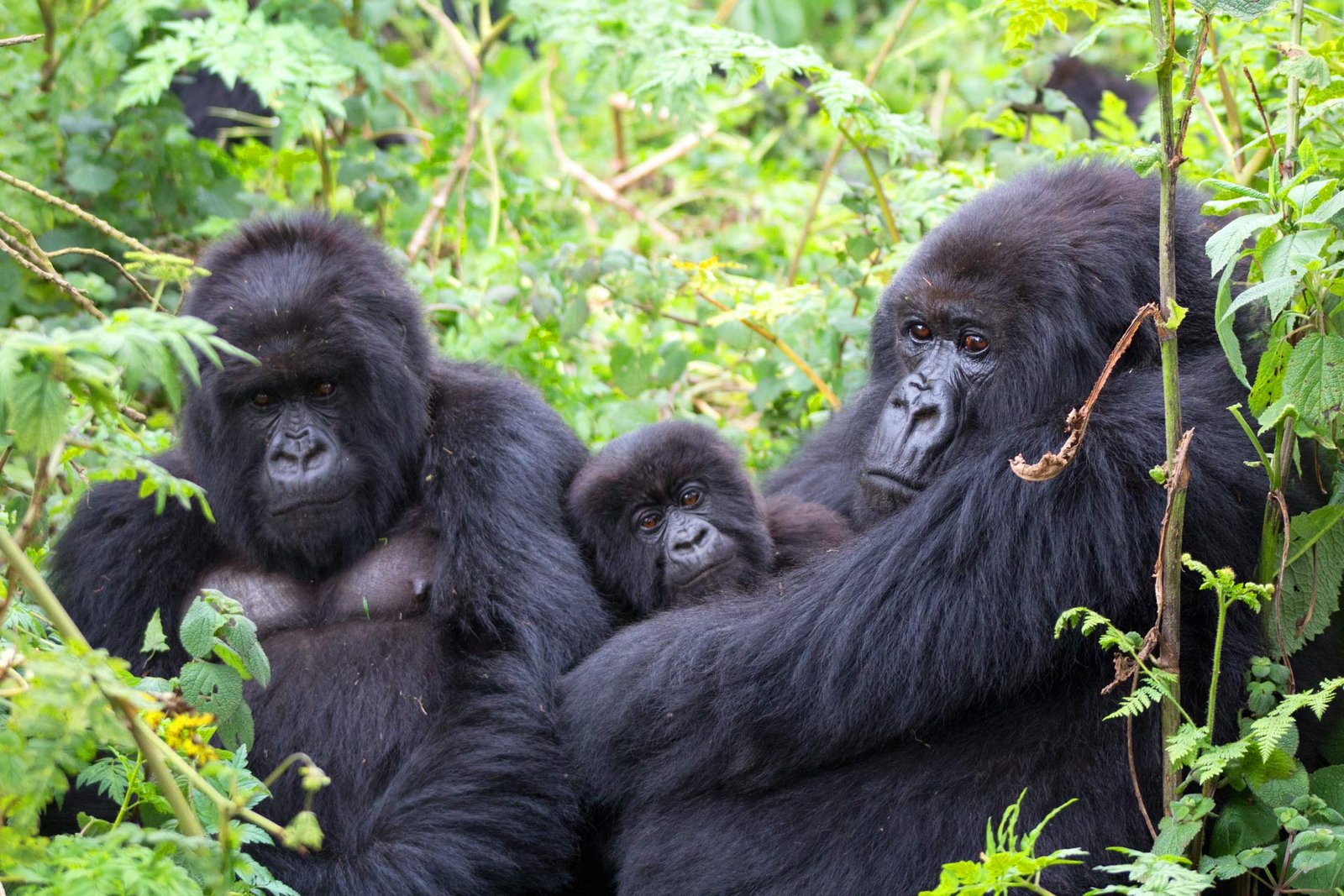
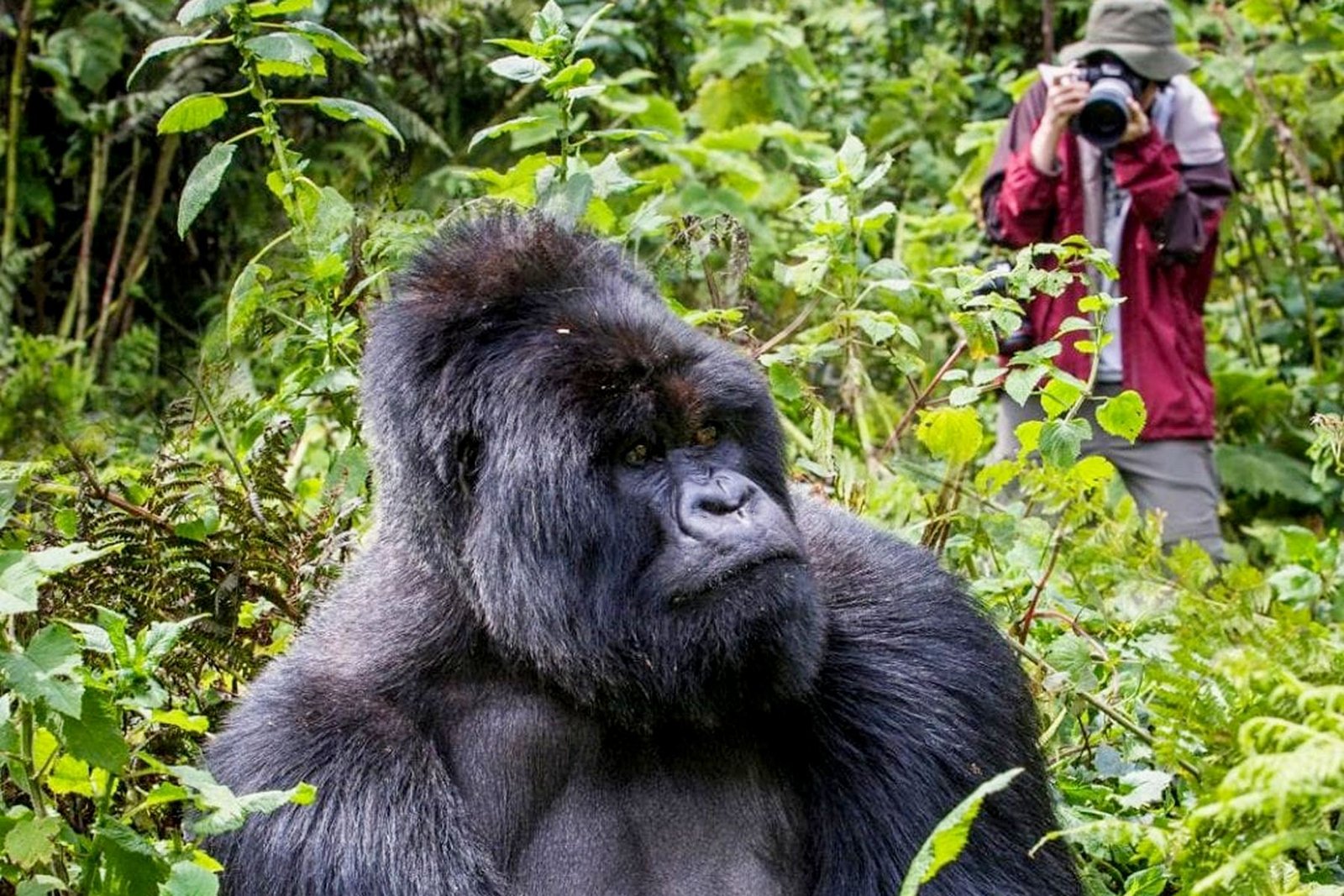
For a couple planning Gorilla Trekking on a Tight Budget, one of the strongest approaches is a short three-day itinerary using comfortable budget accommodation and overland transfers.
If travel can be scheduled during Uganda’s April, May or November low-season permit periods, the potential saving becomes even more significant because each foreign non-resident traveler may qualify for the published US$600 low-season permit rather than the standard US$800 tariff, subject to the applicable UWA conditions. Gorilla Trekking on a Tight Budget, This means budgeting strategically before departure can produce greater savings than attempting to cut small expenses during the safari.
A 3-Day Gorilla Trekking on a Tight Budget Safari
Day One is dedicated to travelling toward Bwindi Impenetrable National Park or Mgahinga Gorilla National Park. Guests stay in a practical lodge positioned according to the confirmed trekking area and prepare for the following morning.
Day Two is the gorilla trekking day. After an early breakfast, travelers continue to the designated briefing location before entering the forest with park guides and trackers. UWA’s published trekking rules state that visits with the assigned gorilla group are limited to one hour. After the trek, guests return to their lodge and rest rather than immediately beginning another major transfer.
Day Three completes the return journey toward Kigali, Entebbe or another agreed departure point depending on how the safari has been structured.This simple format avoids unnecessary nights while preserving a full dedicated trekking day.
What Should a Budget Gorilla Safari Include?
A properly priced budget gorilla package should clearly explain what the traveler is paying for. The essential structure normally includes the gorilla permit, transportation according to the agreed itinerary, driver-guide services, accommodation, specified meals and the necessary transfers to the trekking region. Exact inclusions can differ between packages, which is why travelers should read a quotation carefully instead of comparing only the final number.
International flights, visas, insurance, personal purchases, optional activities, tips and drinks outside the agreed meal plan are commonly treated separately depending on the package.The important point is transparency. Gorilla Trekking on a Tight Budget, A quotation that appears several hundred dollars cheaper can actually cost more if essential items have simply been excluded. When comparing Gorilla Trekking on a Tight Budget offers, compare what is included line by line rather than selecting the smallest number on the page.
Can You Trek Gorillas for Under US$1,000?
The answer depends on what is being counted.For a foreign non-resident traveling during Uganda’s published low-season months, the gorilla permit itself can currently be US$600 under the applicable UWA low-season offer. However, the permit is not the complete safari. The traveler still needs transportation to the gorilla region, accommodation, food and other travel logistics.
A complete private trip under US$1,000 can therefore be difficult, particularly for a solo traveler. Small groups, residents qualifying for different permit categories or travelers sharing transport may be able to approach lower total figures depending on the exact itinerary.
Rather than beginning with an unrealistic number, budget travelers should begin with the compulsory permit and then construct the most efficient ground package around it.That approach produces a realistic budget rather than an attractive headline followed by unexpected charges.
Is Cheap Gorilla Trekking Safe?
Budget does not need to mean unsafe. Gorilla Trekking on a Tight Budget, The actual gorilla tracking activity inside Bwindi and Mgahinga is regulated by Uganda Wildlife Authority. UWA’s published rules cover minimum age, group sizes, distance from the gorillas, health precautions and behavior during the encounter.
Where travelers need to be careful is with the surrounding logistics. Vehicles should be appropriate for the journey, accommodation should be legitimate, and the itinerary should allow sufficient travel time.
A quotation should also clearly explain the gorilla permit arrangements. Gorilla Trekking on a Tight Budget, UWA’s published 2024–2026 tariff notes that foreign non-resident and Rest of Africa gorilla permits are booked through licensed tour operators. Choosing a reliable safari organizer is therefore more important than choosing whichever quotation is cheapest by a few dollars.
When Should You Book Budget Gorilla Trekking?
Budget travelers often assume that waiting until the last minute will produce a better deal. Gorilla trekking does not always work that way because permit availability is limited. UWA limits the number of visitors assigned to each gorilla group, with the published tracking rules stating a maximum of eight visitors per gorilla group. Once permits for the desired date and area have been allocated, obtaining cheaper accommodation nearby becomes irrelevant because the actual trek may no longer be available.
The 2026 suspension of Uganda’s former seven-day unpaid reservation window also means permits now require full payment to be secured in the operator booking system. Travelers with fixed international flights should therefore plan early. Those with flexible dates have more freedom to target low-season months, shared departures and competitively priced lodges.
Why Book Gorilla Trekking on a Tight Budget With Nextgen Safaris?
At Nextgen Safaris, budget planning begins with one question: what does the traveler actually want from the journey?If the answer is mountain gorillas, we do not need to build an unnecessarily complicated safari around them. Gorilla Trekking on a Tight Budget, We can concentrate on securing the appropriate permit, choosing accommodation that corresponds with the trekking area and designing the shortest sensible transportation route.
Our budget-focused itineraries can begin from Kigali or Entebbe depending on the wider travel plan and can use practical accommodation rather than premium forest lodges. For couples, groups and solo travelers, we can also consider the implications of transport sharing and itinerary length when calculating the total price.
Most importantly, we distinguish between reducing unnecessary expenses and compromising the safari. Gorilla Trekking on a Tight Budget, A dependable vehicle, correct permit, suitable lodge location and realistic schedule remain essential even when the traveler has a limited budget. That is how Gorilla Trekking on a Tight Budget should be planned.
Plan Your Affordable Gorilla Safari With Nextgen Safaris
Gorilla Trekking on a Tight Budget does not require giving up the experience that makes the journey special. The mountain gorilla you encounter does not know whether you stayed in a US$80 room or a US$1,000 luxury lodge the previous night. Gorilla Trekking on a Tight Budget, Once you enter the forest, the experience is defined by the trek, the landscape and the extraordinary moment when your guide finally points through the vegetation toward a gorilla family.
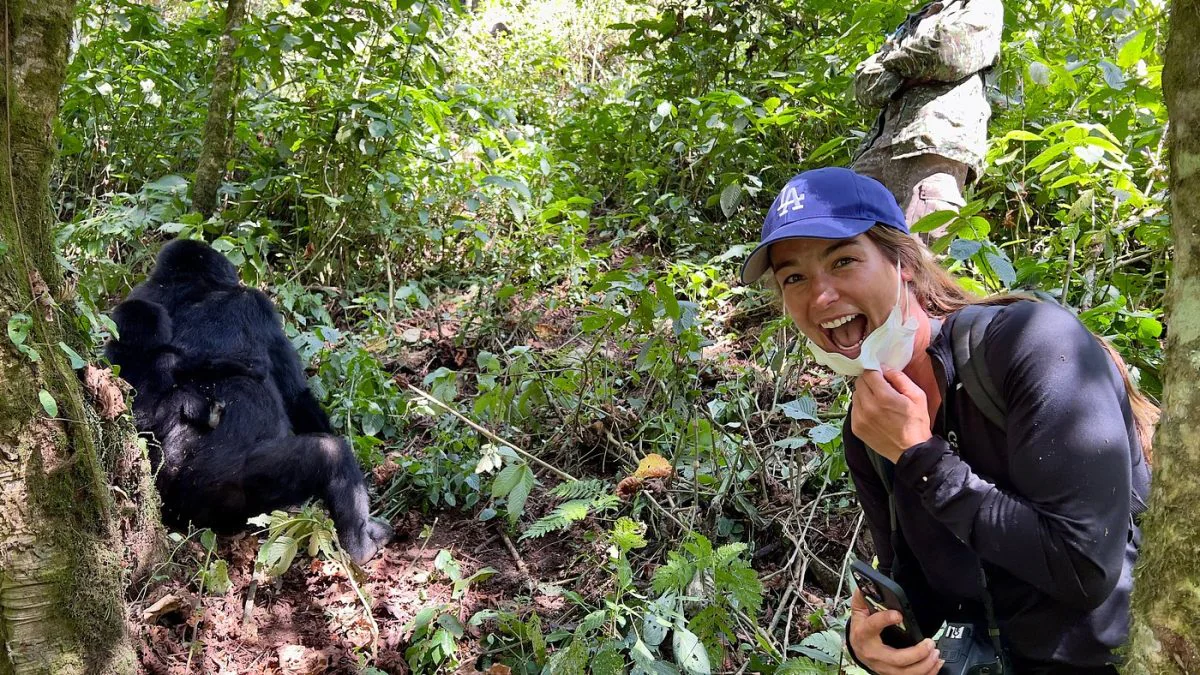
The smartest savings happen before the trek. Gorilla Trekking on a Tight Budget, Choose Uganda when it provides the stronger permit value, consider April, May or November when eligible for UWA’s current low-season rate, travel overland, keep the itinerary short, use comfortable budget accommodation and share transportation when practical. Uganda’s official 2026 low-season structure can reduce the foreign non-resident permit to US$600 during those designated months, while Rwanda’s standard gorilla permit remains US$1,500 per person per day.
At Nextgen Safaris, we can design a budget gorilla trek around your actual available funds instead of automatically adding activities and expensive accommodation you do not need. Whether you are a solo backpacker, a couple saving for a once-in-a-lifetime journey, students travelling after graduation, friends sharing costs or simply a traveler who believes experiences matter more than luxury, an affordable mountain gorilla safari can be achievable with careful planning.