
Gorilla Trekking Rwanda for Seniors (50+, 60+, 70+) | Elderly & People with Disabilities
Gorilla Trekking Rwanda for Seniors – What Older Travelers Need to Know First
Gorilla trekking in Rwanda is often imagined as a physically demanding adventure reserved for young, athletic travelers. That assumption is one of the biggest misconceptions surrounding the experience. In reality, Gorilla Trekking Rwanda for Seniors is not only possible, but increasingly common for travelers in their 50s, 60s, and even 70s when planned correctly.
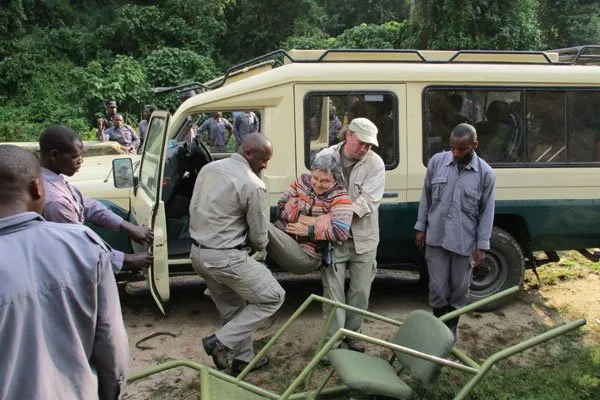
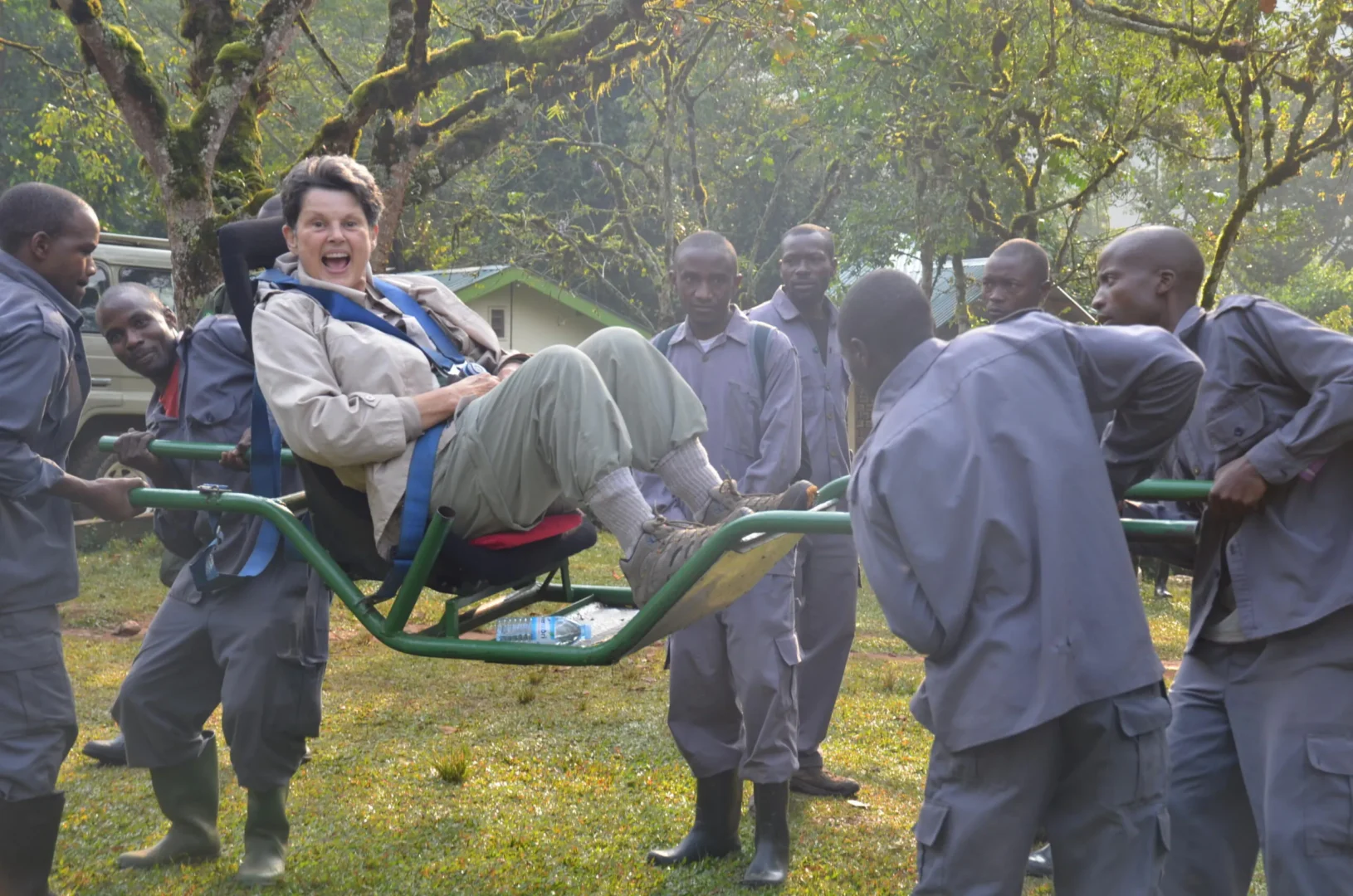
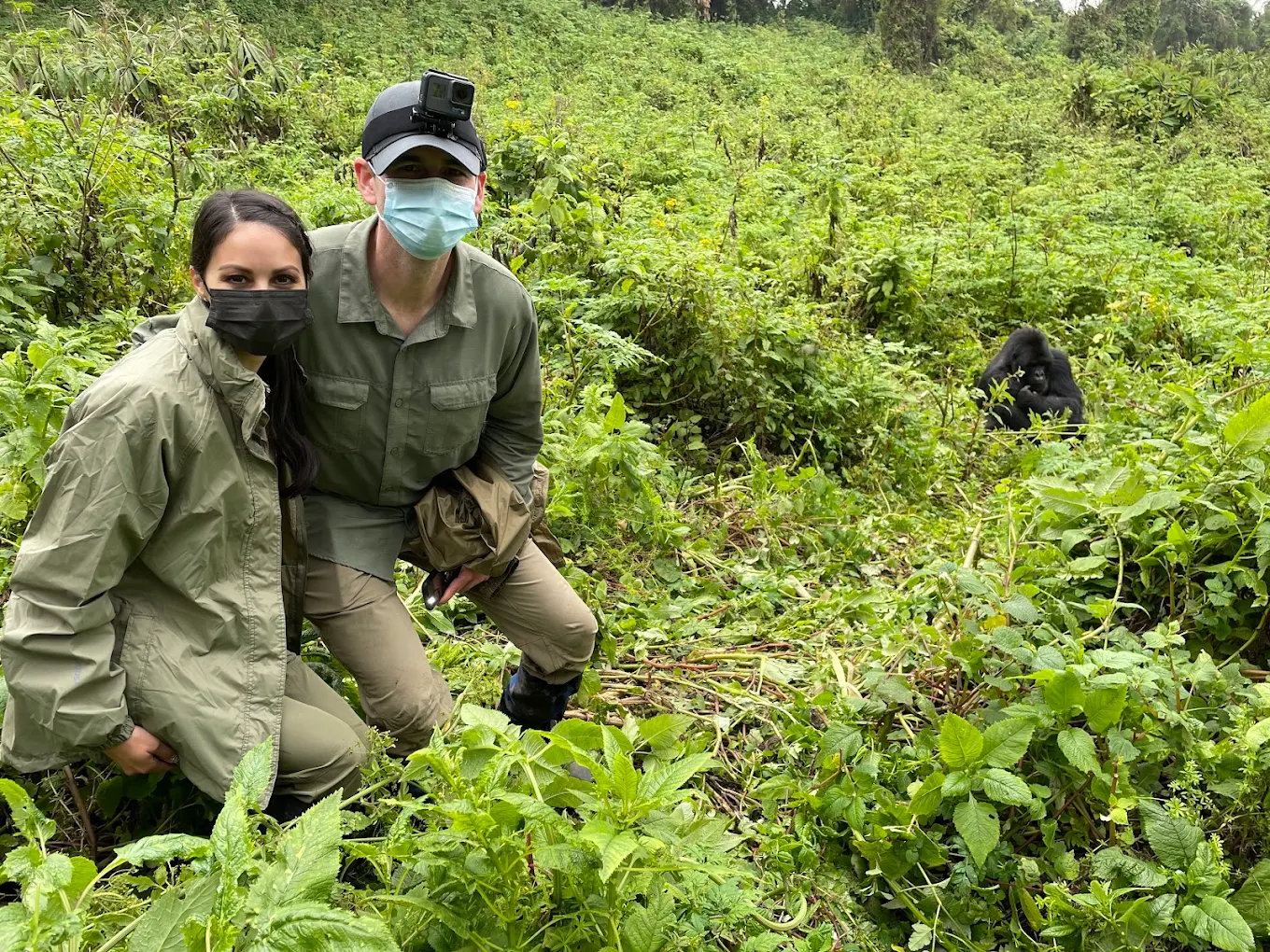
The key distinction is this: gorilla trekking is not a hiking challenge, and it is not a competition. It is a guided, regulated wildlife experience designed around safety, pacing, and conservation. Rwanda’s trekking system, infrastructure, and support mechanisms make it one of the most suitable destinations in Africa for older travelers and people with limited mobility.
For seniors, retirees, and travelers with disabilities, the success of gorilla trekking depends far less on age and far more on planning, honesty, and appropriate support. This page exists to explain those realities clearly, without exaggeration or false reassurance.
Senior-Friendly Gorilla Trekking Rwanda Itineraries (50+, 60+, 70+)
These itineraries are carefully designed for Gorilla Trekking Rwanda for Seniors, with slower pacing, porter support, optional sedan chair arrangements, and comfortable lodges close to trekking points. All trips are private and adapted to individual mobility needs.
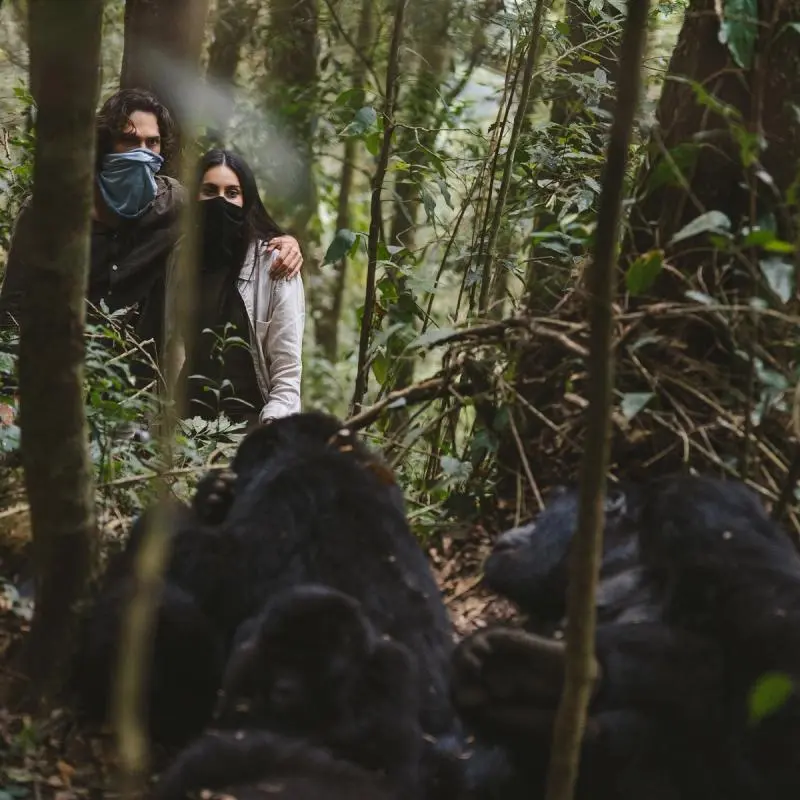
3 Days Gorilla Trekking Rwanda for Seniors – Gentle Volcanoes Safari
A calm, unrushed itinerary focused on one gorilla trek with senior-friendly pacing and accommodation close to the park.
Request a Quote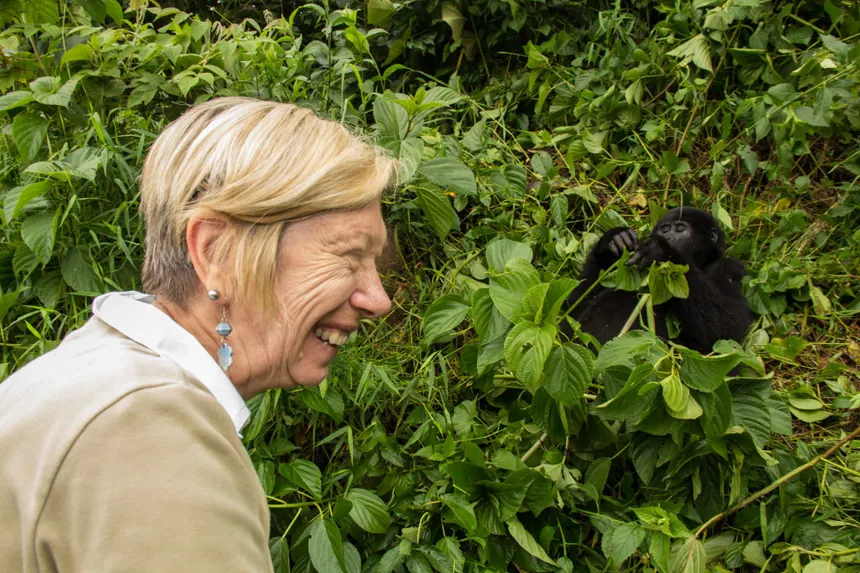
4 Days Gorilla Trekking Rwanda for Seniors – Relaxed Arrival & Recovery
Includes extra rest time before and after trekking, ideal for seniors who prefer a slower and more comfortable pace.
Request a Quote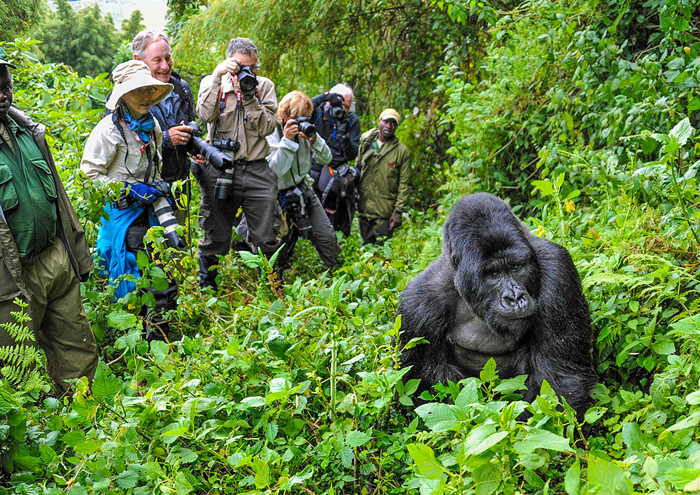
5 Days Gorilla Trekking Rwanda for Seniors – Best-Value Comfort Safari
A balanced itinerary combining gorilla trekking with comfortable lodges and flexible daily scheduling.
Request a Quote4 Days Gorilla Trekking Rwanda for Seniors with Limited Mobility
Designed for seniors requiring sedan chair support, with full coordination and dignity-focused assistance.
Request a Quote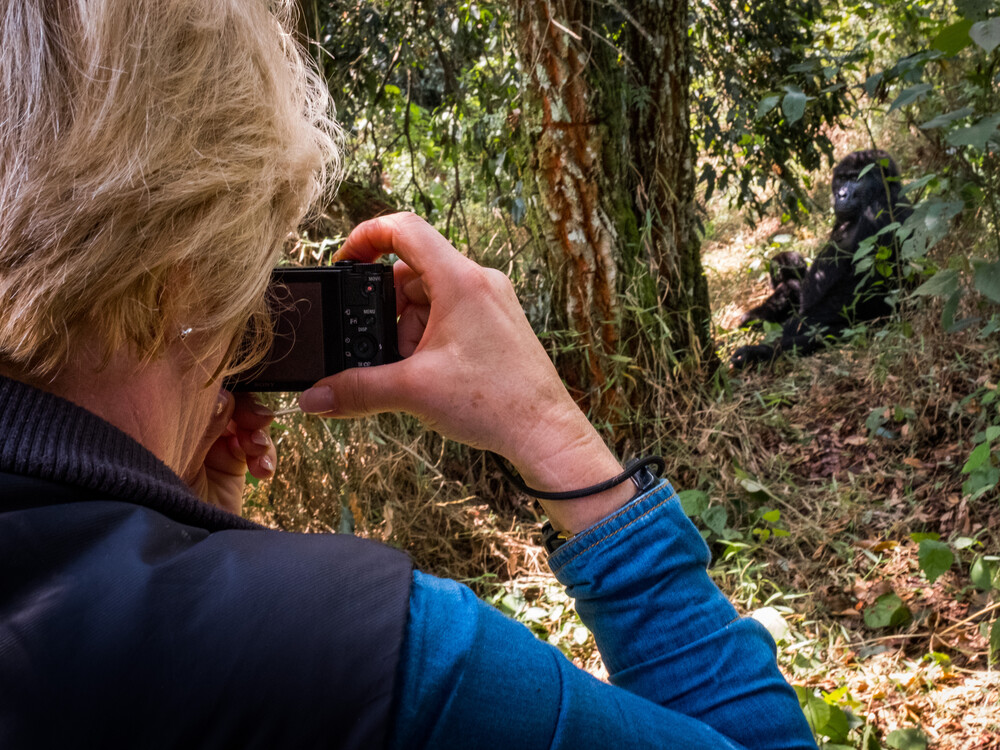
6 Days Gorilla Trekking Rwanda & Uganda for Seniors – Gentle Double Trek
A carefully paced double gorilla trekking safari for seniors wanting two experiences without physical pressure.
Request a Quote
5 Days Gorilla Habituation Experience for Active Seniors
For fit seniors seeking deeper gorilla time, with additional support and longer but well-managed forest walks.
Request a Quote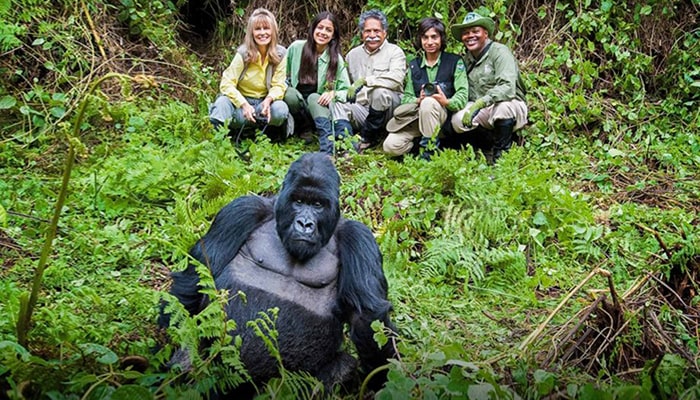
4 Days Gorilla Trekking Rwanda for Seniors – Less Steep Trek Option
Planned around gentler trekking terrain whenever possible, matched carefully to senior mobility levels.
Request a Quote
6 Days Gorilla Trekking Rwanda for Senior Couples
A private, relaxed itinerary combining gorilla trekking with scenic moments and senior-friendly lodges.
Request a Quote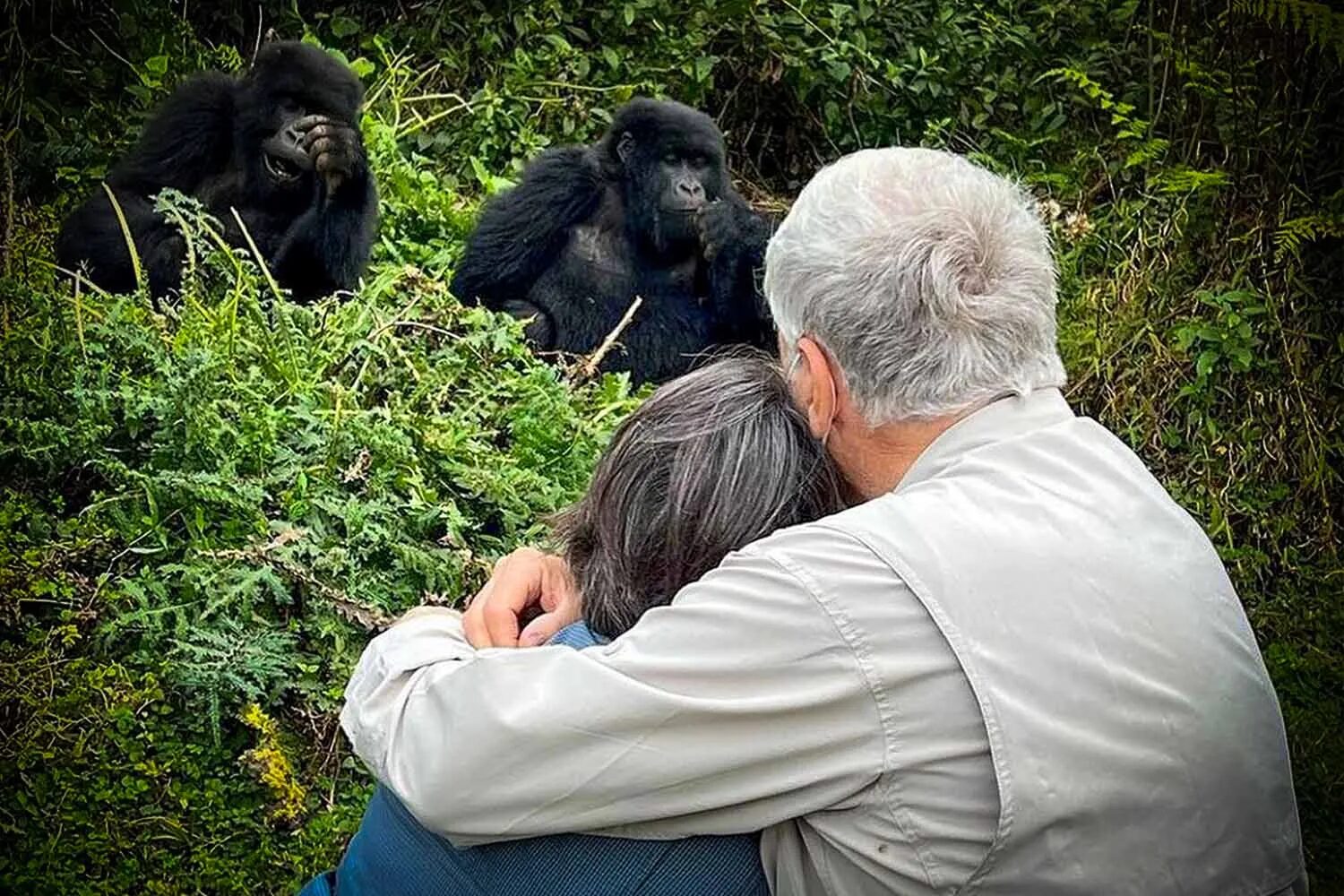
7 Days Gorilla Trekking Rwanda for Seniors – Volcanoes & Lake Kivu
Combines gorilla trekking with lakeside relaxation, ideal for seniors who want recovery time built in.
Request a Quote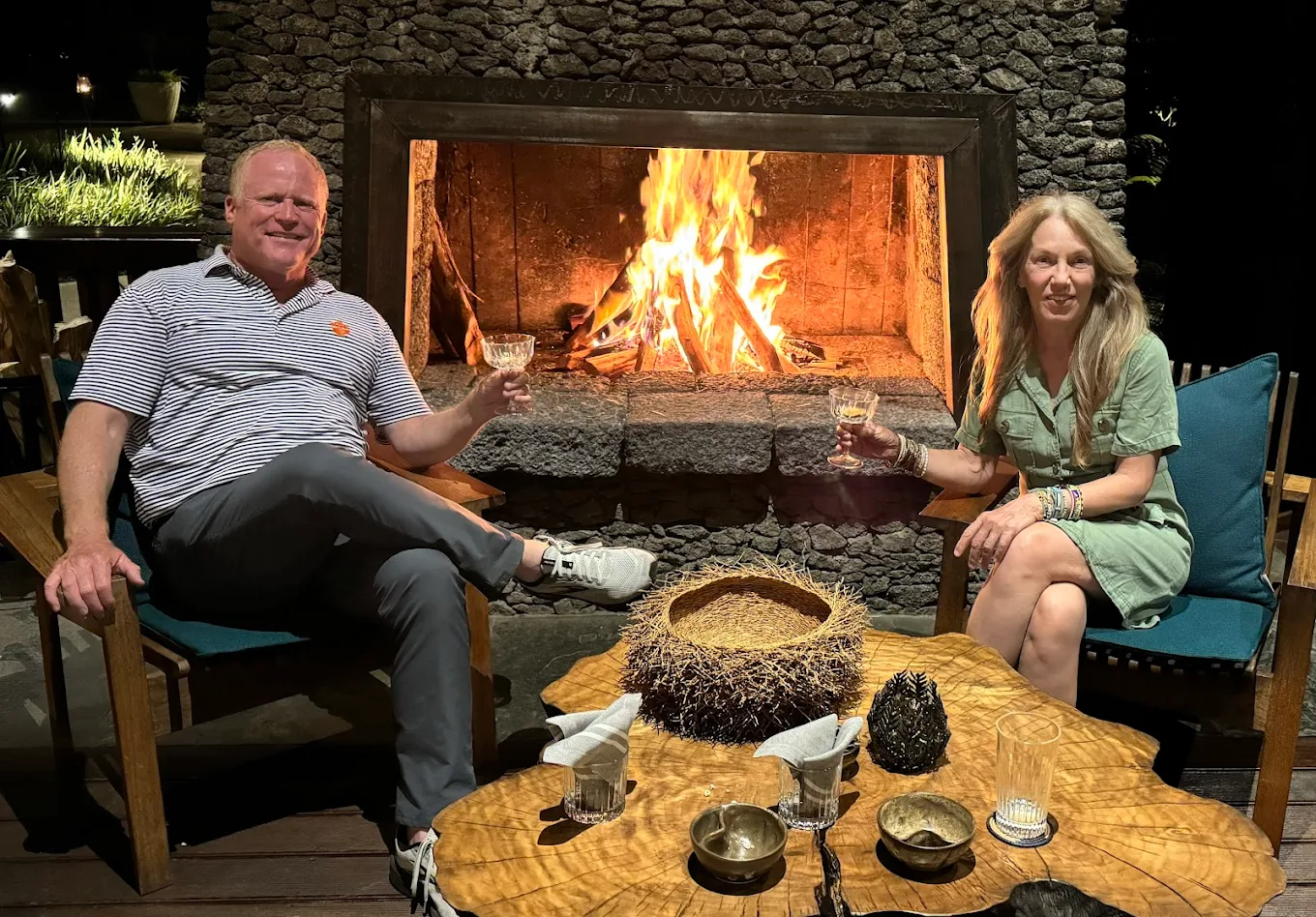
5 Days Luxury Gorilla Trekking Rwanda for Seniors
High-comfort senior-focused itinerary with premium lodges, minimal transfers, and maximum recovery.
Request a Quote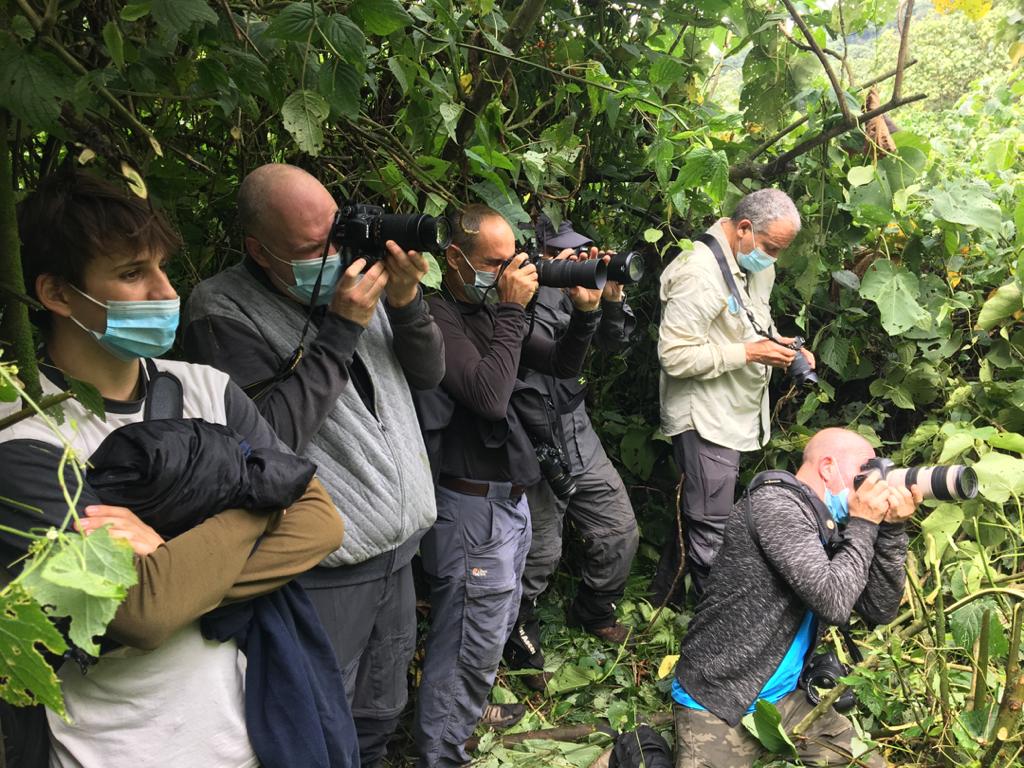
4 Days Gorilla Trekking Rwanda for Seniors – First-Timers
Perfect for seniors new to Africa, with clear briefings, porter support, and gentle pacing throughout.
Request a Quote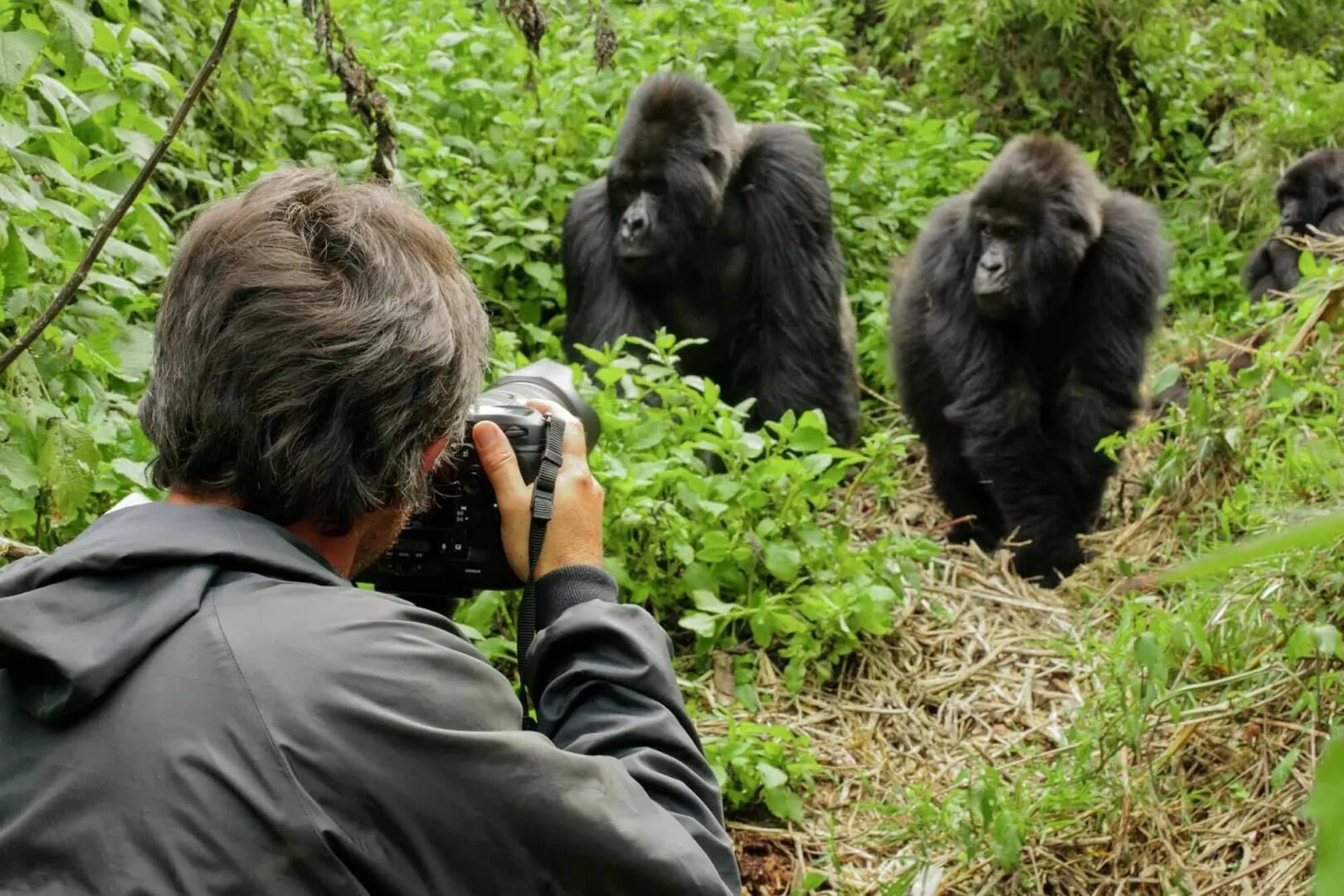
7 Days Gorilla Trekking Rwanda for Seniors – Ultimate Comfort Circuit
The most comprehensive senior-friendly Rwanda itinerary, blending gorillas, scenery, and generous rest days.
Request a QuoteWhy Rwanda Is the Best Choice for Senior Gorilla Trekking
When it comes to Gorilla Trekking Rwanda for Seniors, Rwanda stands apart from other destinations because of how intentionally the experience is structured.
Gorilla trekking in Rwanda takes place exclusively in Volcanoes National Park, a compact and well-managed conservation area in the north of the country. Unlike destinations that require long, exhausting drives or complex logistics, Rwanda offers a short and smooth transfer from Kigali, typically around 2.5 to 3 hours on paved roads.
For seniors, this matters enormously. Less time on the road means less fatigue, fewer physical demands before the trek, and more energy reserved for the experience itself. Rwanda’s tourism model prioritizes efficiency and predictability, which is exactly what older travelers need.
Additionally, Rwanda’s medical infrastructure, national security, and emergency response systems are among the strongest in East Africa. For travelers over 50 or those with health considerations, this added layer of reassurance is not a luxury, it is essential.
Is There an Age Limit for Gorilla Trekking in Rwanda?
One of the first and most important questions older travelers ask when researching Gorilla Trekking Rwanda for Seniors is whether age itself is a limiting factor. The clear and reassuring answer is no. Rwanda does not impose any upper age limit for gorilla trekking and there is no policy that excludes travelers simply because they are in their 50s, 60s, or 70s.
The only formal age restriction in Rwanda is a minimum age of 15 years, which exists to protect both gorillas and visitors. Beyond that, eligibility is determined by an individual’s mobility, overall health and comfort with walking on natural terrain rather than by chronological age. In practice, travelers well into their 60s and 70s participate in gorilla trekking in Rwanda every year, often successfully and comfortably, when the experience is planned with their needs in mind.
Rwanda’s park authorities and ranger teams are accustomed to working with older travelers. They understand that senior trekkers require a different pace, more flexibility, and sometimes additional assistance. Whenever possible, gorilla family assignments are adjusted so that older participants are matched with groups that are likely to require shorter or less demanding treks. This adaptive approach is a key reason why Gorilla Trekking Rwanda for Seniors is not only feasible but increasingly popular.
What truly matters is not age, but whether a traveler can walk steadily, even if slowly, whether they can accept assistance when needed, and whether their itinerary allows for adequate rest before and after the trek. When those conditions are met, age itself becomes largely irrelevant.
How Physically Demanding Is Gorilla Trekking for Seniors?
Physical difficulty is the concern that most often causes hesitation among older travelers considering Gorilla Trekking Rwanda for Seniors, and it deserves honest, detailed explanation rather than reassurance alone. Gorilla trekking in Rwanda can range from relatively easy to moderately demanding, but it is rarely extreme when managed properly.
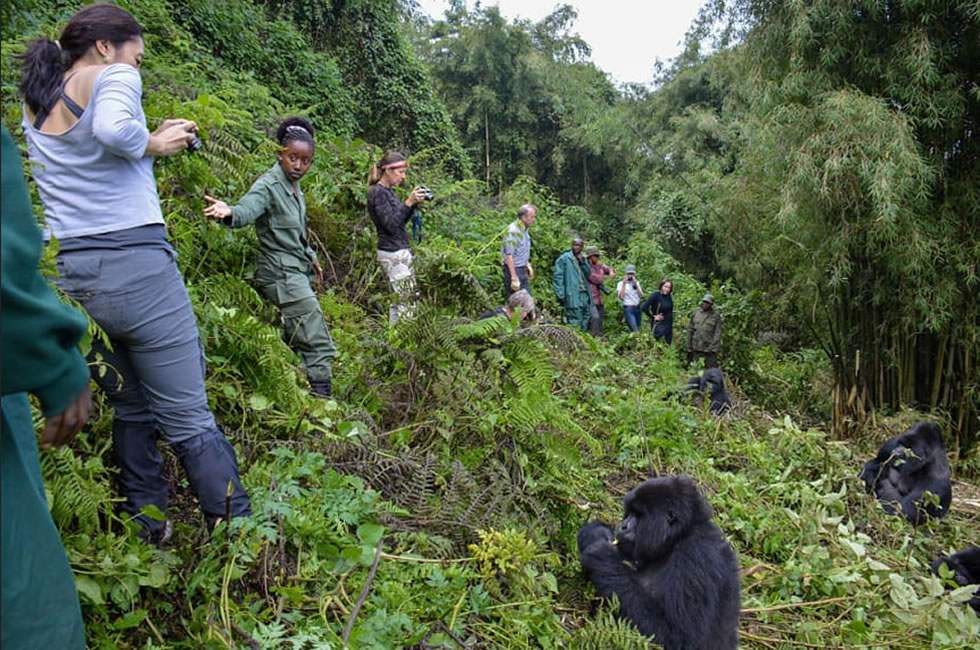
The level of difficulty on any given day depends primarily on where the gorilla family is located. Gorilla groups move freely within Volcanoes National Park, and their position on the morning of the trek determines how far and how steep the walk will be. Weather also plays a role, as rain can make trails slippery and vegetation denser. Individual mobility, balance, and stamina naturally influence how the trek feels to each person.
What is crucial for seniors to understand is that there is no fixed distance, no set hiking time, and no expectation to move quickly. Rangers set the pace based on the slowest participant in the group, and rest breaks are taken whenever needed. Gorilla trekking is not rushed, and there is no pressure to “keep up.” The trek only begins after trackers have already located the gorillas, and once the gorillas are reached, every visitor is entitled to the same one-hour viewing period, regardless of how long it took to get there.
For older travelers, this means the emotional heart of the experience, spending time quietly observing a gorilla family at close range is never shortened or compromised because of age or pace. The journey to reach that moment is managed carefully to ensure safety and comfort, which is why so many seniors describe the experience as challenging but deeply rewarding rather than exhausting.
The Role of Porters in Gorilla Trekking Rwanda for Seniors
Porters play a central and often underestimated role in making Gorilla Trekking Rwanda for Seniors both safe and enjoyable. A porter is not an emergency backup; they are an integral part of the trekking system and one of the most effective ways to reduce physical strain for older travelers.
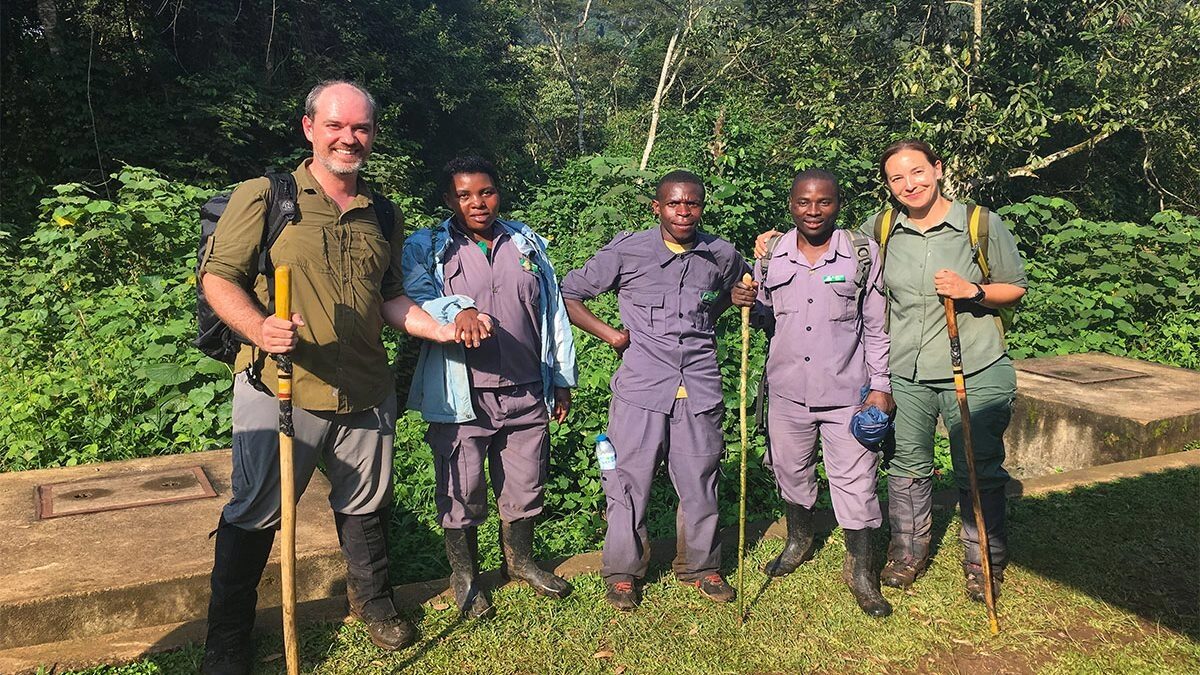
A porter walks alongside the trekker, carrying personal items and offering discreet physical support when terrain becomes uneven, muddy, or steep. For seniors with knee issues, hip stiffness, balance concerns, or general fatigue, this assistance can make a profound difference. Having a porter allows travelers to focus on the experience rather than on every step they take.
Many senior travelers initially hesitate to use a porter, worrying that it signals inability or weakness. In reality, porters are widely used by travelers of all ages, including very fit visitors. Among seniors, however, they are often described as the single most important factor in transforming the trek from stressful to manageable. Confidence increases, movement becomes steadier and anxiety about falling or slowing others down disappears.
For anyone planning Gorilla Trekking Rwanda for Seniors, arranging a porter in advance should be considered a standard part of responsible preparation, not an optional extra.
Gorilla Trekking Rwanda for Seniors with Disabilities
One of Rwanda’s least publicized strengths is its willingness to accommodate travelers with disabilities or significant mobility limitations. Gorilla Trekking Rwanda for Seniors is not limited to those who can walk independently for extended periods. For travelers who cannot trek on foot, Rwanda offers adaptive solutions that preserve dignity and safety.
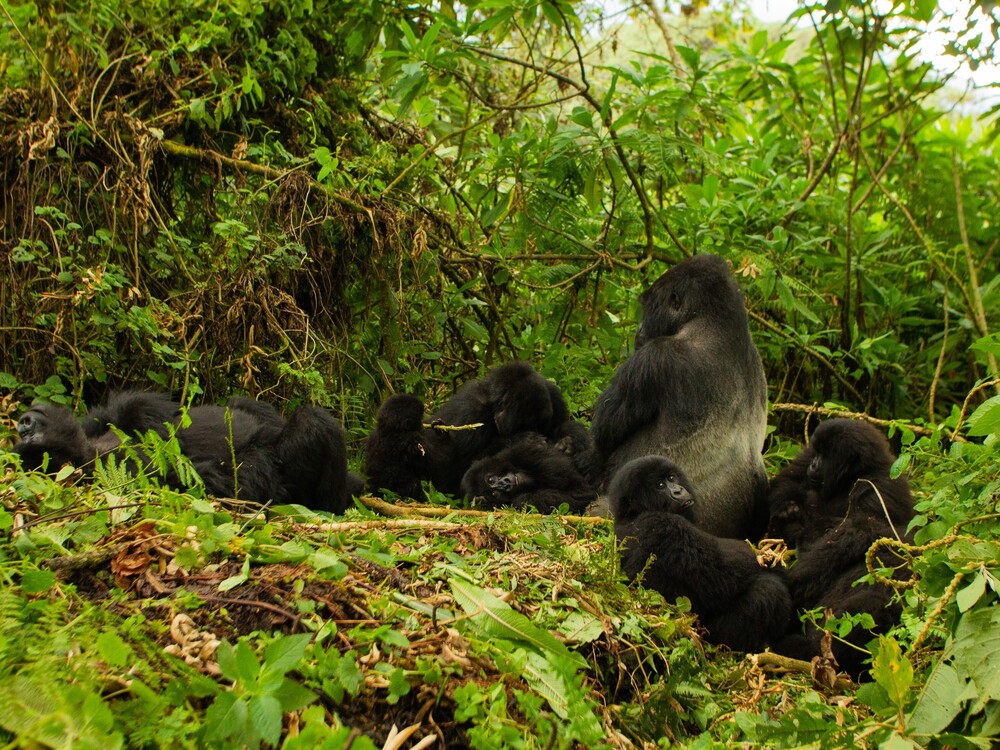
One such option is sedan chair transport, sometimes referred to as stretcher transport. In this system, trained teams carry the traveler to and from the gorilla family using a secure, supported chair. This allows people with limited mobility, joint conditions, or other physical constraints to experience gorilla trekking without attempting the hike itself.
This option is not suitable for every medical condition, and it requires careful advance coordination with park authorities. Medical disclosure and honest assessment are essential. However, for many seniors who would otherwise assume gorilla trekking is impossible, this system has made the experience accessible and deeply meaningful.
The existence of these adaptive options reinforces an important truth: Gorilla Trekking Rwanda for Seniors is not defined by physical perfection, but by thoughtful planning and openness about individual needs.
Medical Considerations for Seniors Trekking Gorillas in Rwanda
Responsible planning for Gorilla Trekking Rwanda for Seniors includes acknowledging medical realities without exaggerating risk. The majority of senior travelers complete gorilla trekking safely and without incident, but certain health considerations should be addressed proactively.
Conditions such as controlled blood pressure, joint or knee issues, balance challenges, and reduced stamina are common among older travelers and do not automatically exclude anyone from trekking. What matters is that these conditions are stable, disclosed in advance, and factored into itinerary design.
Volcanoes National Park sits at a higher elevation, which can affect some travelers more than others. While altitude sickness is uncommon, slower pacing, proper hydration, and avoiding overly packed schedules are important. Well-designed senior itineraries prioritize gentle arrival days, comfortable accommodation close to the park, and sufficient recovery time after the trek.
Rwanda’s ranger teams are trained in first aid, and evacuation protocols exist, but the emphasis is always on prevention rather than response. When itineraries are paced correctly and support is in place, medical issues are rare.
Why Planning Matters More for Seniors Than Any Other Group
For younger travelers, mistakes in planning may result in inconvenience. For seniors, they can shape the entire experience. This is why Gorilla Trekking Rwanda for Seniors demands a higher level of customization and care than standard safari packages.
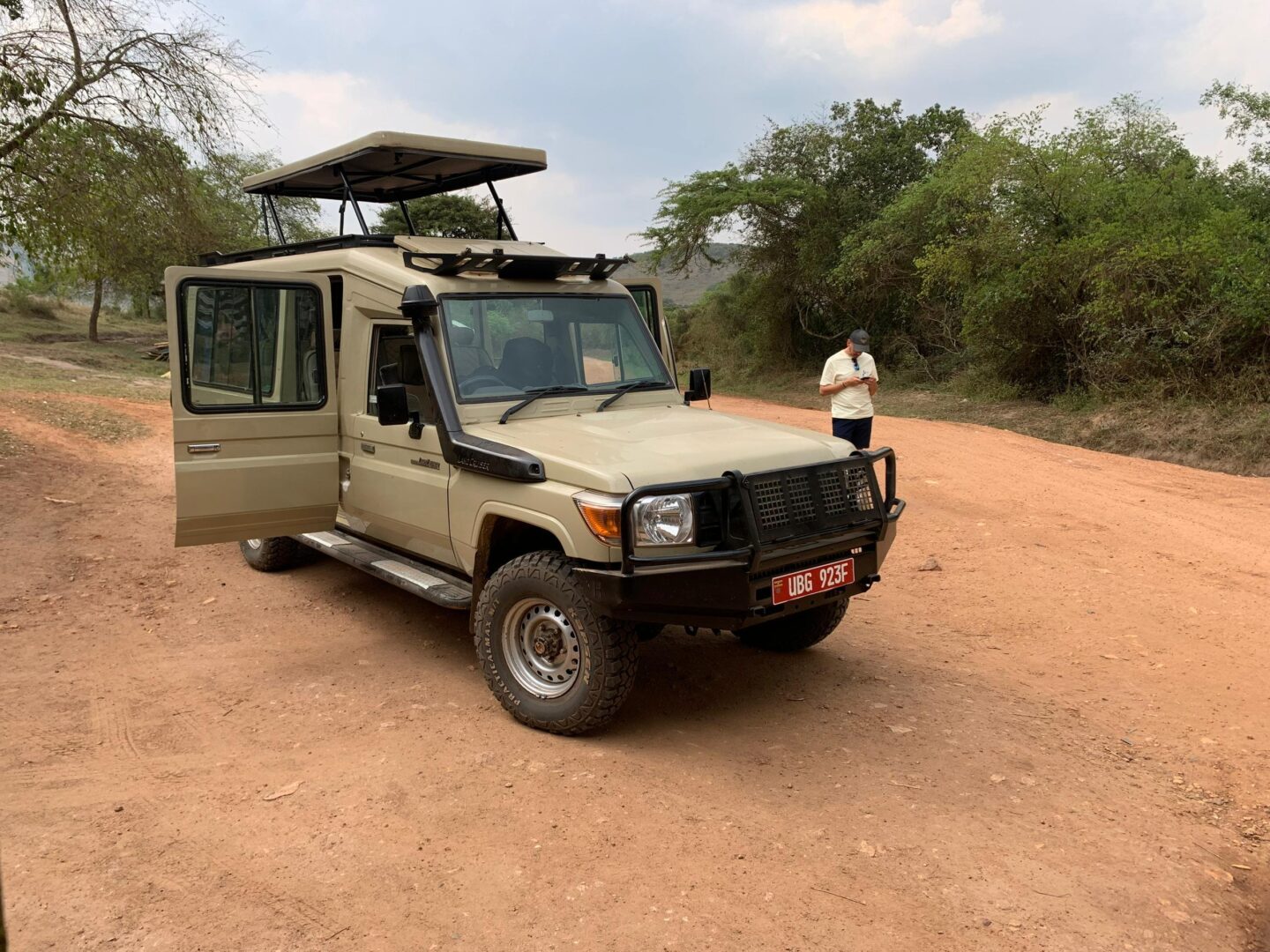
Planning determines which gorilla family is assigned, how early the trekking day begins, how long the walk is likely to be, and whether assistance is immediately available. It also determines how much rest is built into the days surrounding the trek and whether accommodation supports recovery rather than adding strain.
Poor planning creates pressure, anxiety, and physical stress. Good planning creates confidence, calm, and enjoyment. The difference between the two is rarely fitness alone; it is preparation.
For seniors, gorilla trekking should never be treated as a generic product. It is a deeply personal experience that deserves honest discussion, realistic pacing, and careful sequencing. When that approach is taken, Gorilla Trekking Rwanda for Seniors becomes not only possible, but one of the most profound wildlife experiences available at any age.
Best Gorilla Trekking Rwanda for Seniors Itineraries (3–7 Days)
For older travelers, itinerary structure is just as important as the trek itself. The best Gorilla Trekking Rwanda for Seniors itineraries are not rushed, not overpacked, and not built for “adventure speed.” They are designed around recovery, predictability, and flexibility.

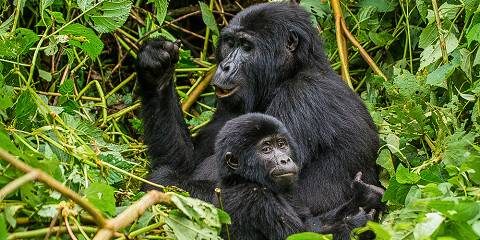
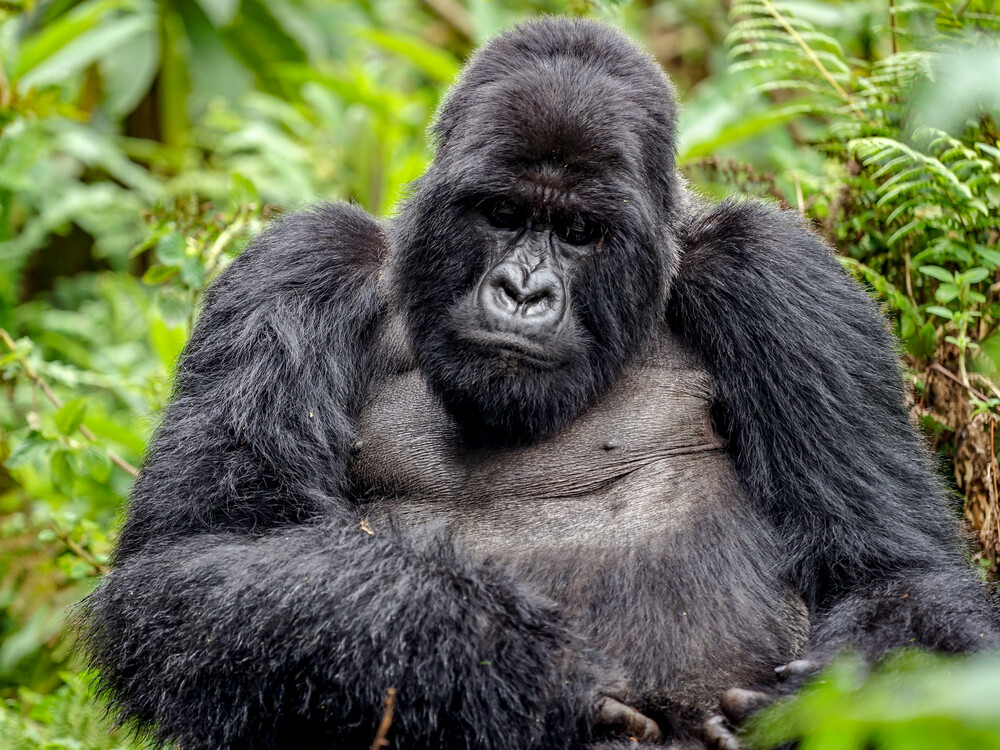
Shorter itineraries of three days work well for seniors who are comfortable traveling efficiently and want to focus exclusively on the gorilla experience. These trips typically include arrival in Kigali, a relaxed transfer to the Volcanoes region, one gorilla trek, and a return to Kigali without unnecessary detours. When planned correctly, even a short itinerary can feel calm rather than compressed.
Four- and five-day itineraries are often the most comfortable choice for seniors. This structure allows an easy arrival day, a night close to the park before trekking, a full recovery day after the trek, and flexibility in case of weather or fatigue. Many travelers in their 60s and 70s prefer this pacing because it removes pressure from the trekking day itself.
Longer itineraries of six or seven days are ideal for seniors who want to combine gorilla trekking with relaxation. Adding Lake Kivu or cultural experiences allows the journey to feel balanced rather than physically focused. These itineraries are particularly well suited to retirees, couples, and travelers celebrating milestone birthdays or anniversaries.
In all cases, the best Gorilla Trekking Rwanda for Seniors itineraries are those that leave room for rest and do not treat the trek as something to “push through.”
Accommodation That Works Best for Seniors in Rwanda
Accommodation choice plays a decisive role in the success of Gorilla Trekking Rwanda for Seniors. For older travelers, comfort is not about luxury branding alone; it is about accessibility, calm environments, and proximity to the trekking briefing point.
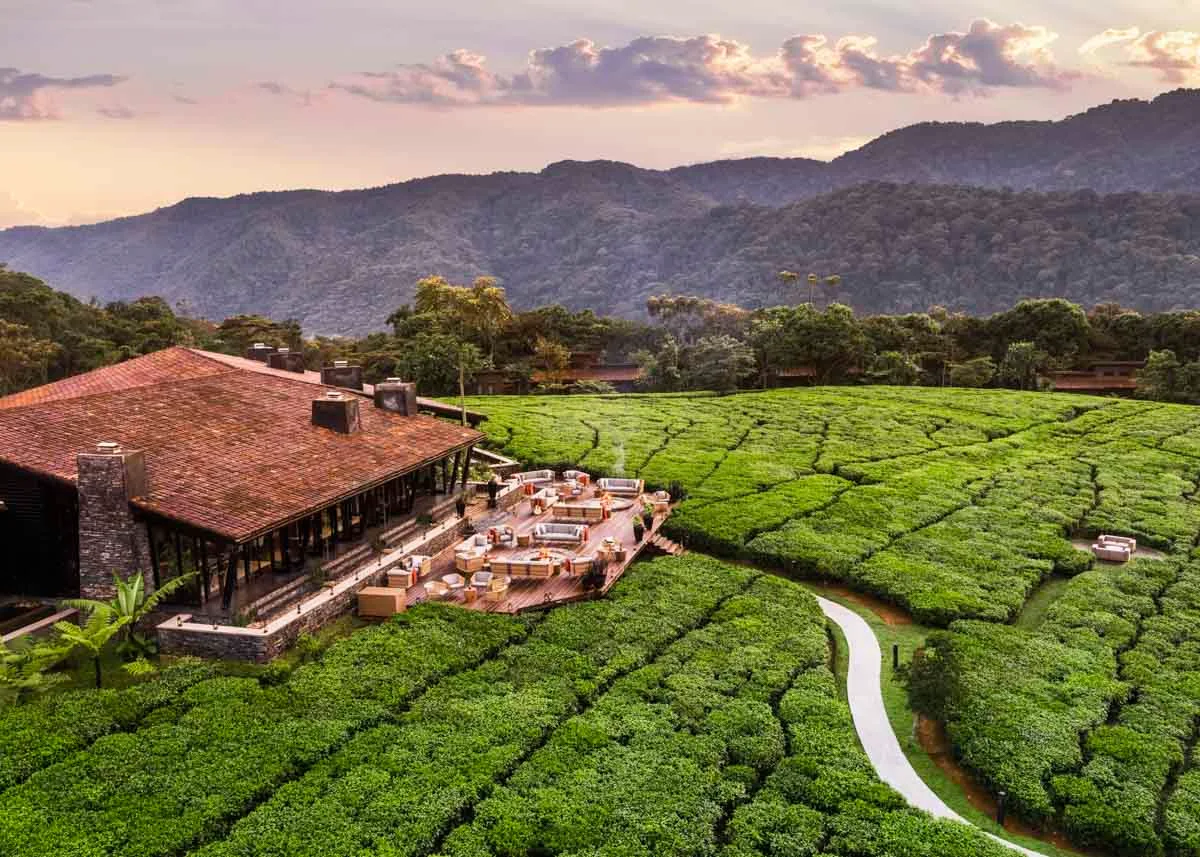
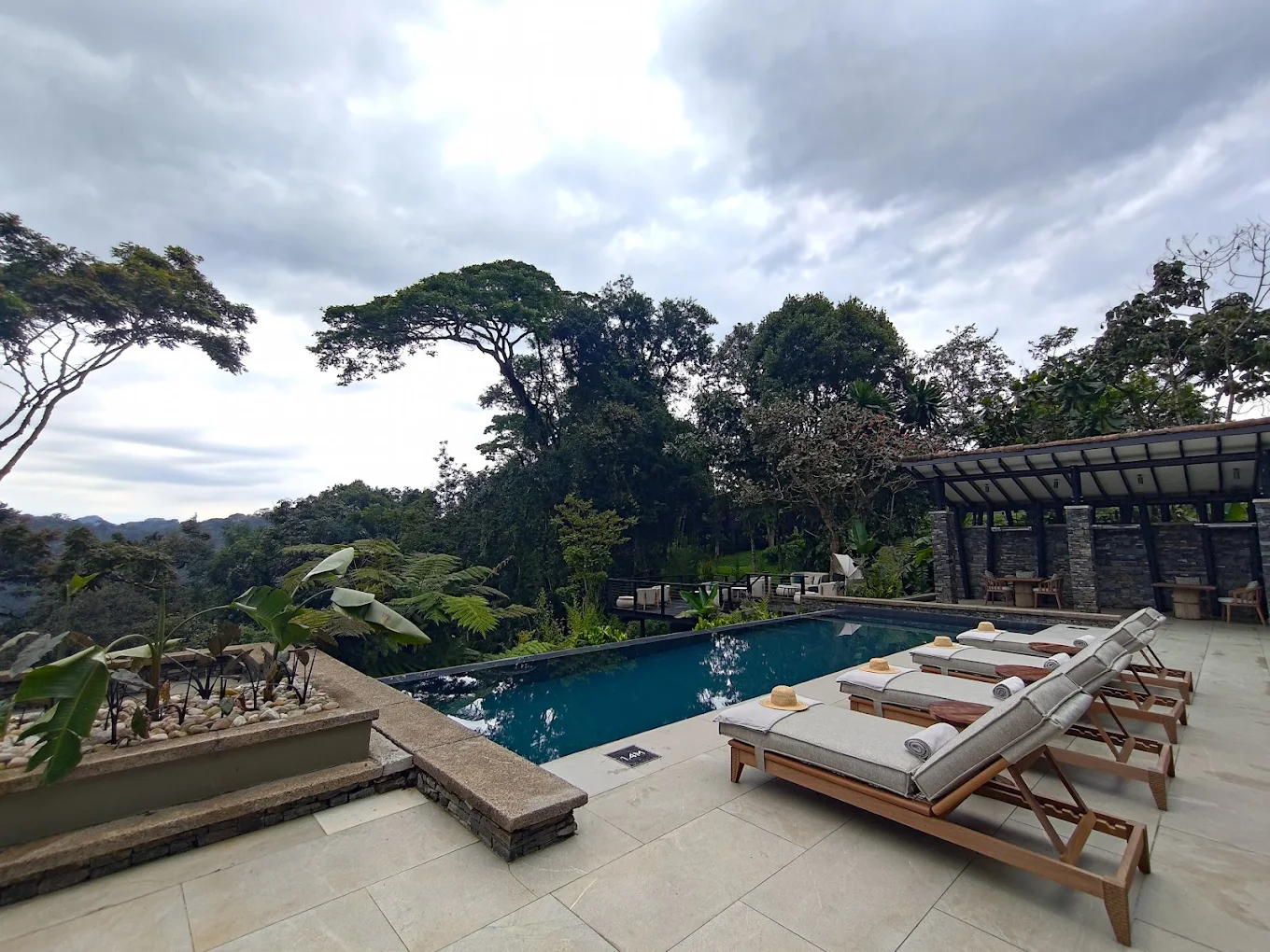
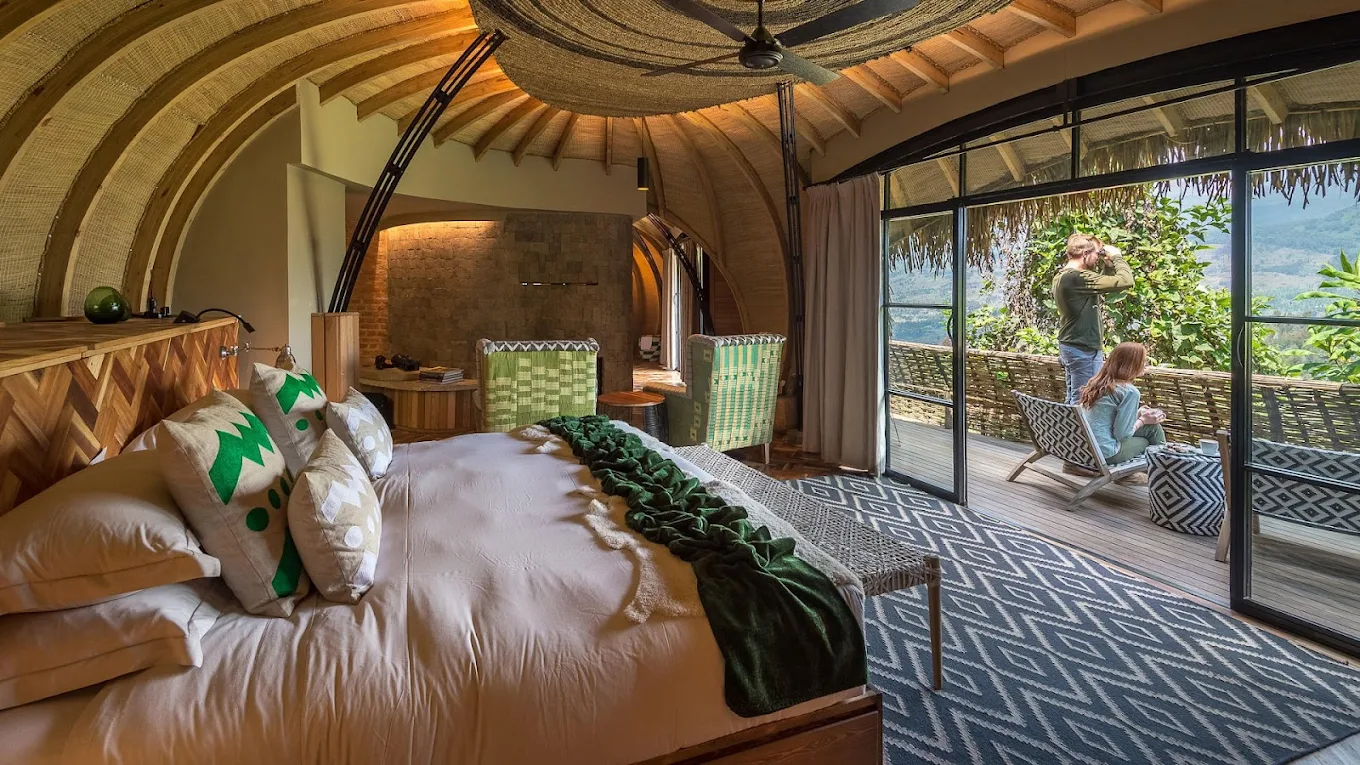
Senior-friendly lodges near Volcanoes National Park typically offer easy access, minimal steps, attentive staff, and quiet surroundings. Being close to the park reduces early-morning travel and allows seniors to conserve energy for the trek itself. Warm hospitality, good heating, and private bathrooms are not indulgences in this context, they are essential elements of recovery and comfort.
Mid-range and luxury lodges are often the most practical choice for seniors because they combine comfort with reliability. Budget accommodation can work for some travelers, but it often involves steeper paths, fewer staff, and less flexibility, which may increase physical strain.
For seniors with mobility concerns, accommodation selection should always be discussed carefully during planning. The right lodge can make the difference between a restful experience and an exhausting one.
Cost of Gorilla Trekking Rwanda for Seniors
The cost of Gorilla Trekking Rwanda for Seniors follows Rwanda’s national pricing structure and does not change based on age. The gorilla trekking permit remains the largest fixed cost, and all senior-focused itineraries are built around that permit.
What does change for seniors is how the rest of the budget is allocated. Senior-friendly planning often prioritizes better accommodation, private transport, and additional nights for rest rather than extra activities. While this can increase overall cost slightly compared to rushed itineraries, it dramatically improves comfort and safety.
For many seniors, the value lies not in minimizing cost, but in maximizing confidence and enjoyment. When viewed that way, Rwanda’s structured pricing model becomes an advantage rather than a drawback.
Best Time of Year for Gorilla Trekking Rwanda for Seniors
Rwanda is a year-round gorilla trekking destination, but certain months are particularly well suited to Gorilla Trekking Rwanda for Seniors.
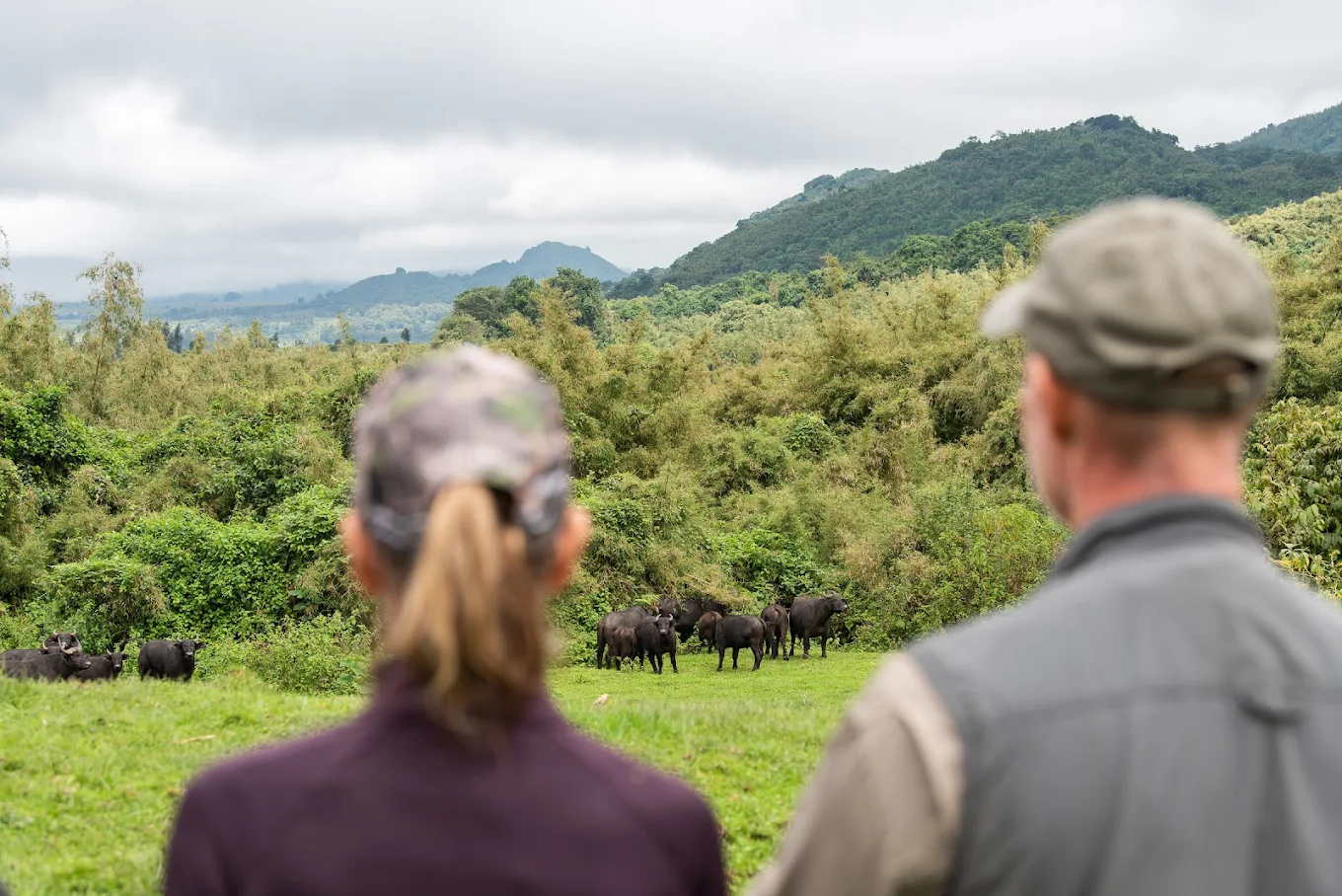
Dry-season months generally offer firmer trails and easier walking conditions, which many seniors prefer. However, these months are also busier and require earlier permit booking. Green-season months bring more rain and muddier trails, but they also offer fewer crowds and greater permit availability, which can reduce stress and planning pressure. Best time of the year for Gorilla Trekking Guide
For seniors, the best time to go is often less about weather perfection and more about predictability and access. Planning early and choosing a comfortable itinerary matters far more than avoiding every possible rain shower.
Rwanda vs Uganda for Senior Gorilla Trekking
A common question among older travelers is whether Rwanda or Uganda is better for senior gorilla trekking. Both destinations offer extraordinary experiences, but Rwanda has distinct advantages for seniors.
Rwanda’s shorter transfer times, stronger infrastructure, and compact trekking area make logistics simpler and less physically demanding before the trek even begins. Uganda offers lower permit costs and more trekking regions, but it often involves longer drives and more variable conditions.
For seniors prioritizing comfort, efficiency, and predictability, Rwanda is often the preferred choice. For those who are more budget-conscious and comfortable with longer travel days, Uganda may also be considered. The best choice depends on personal priorities rather than age alone.
Common Fears Seniors Have — and Why They Are Often Unfounded
Many seniors worry that they will slow others down, struggle physically, or feel out of place among younger trekkers. In reality, Gorilla Trekking Rwanda for Seniors groups are mixed by ability rather than age, and rangers are trained to manage different pacing needs discreetly.
Seniors are not expected to “keep up.” They are expected to enjoy the experience safely. With porters, adjusted pacing, and proper planning, most fears dissolve once the trek begins.
Another common concern is regret, the fear of attempting something too demanding later in life. Ironically, many seniors report the opposite: that gorilla trekking becomes one of the most meaningful experiences of their lives precisely because it is undertaken with intention, awareness, and gratitude.
Why Gorilla Trekking Rwanda for Seniors Is Often Life-Changing
For many older travelers, gorilla trekking is not about ticking off an adventure. It is about connection — with nature, with conservation, and with a sense of wonder that transcends age.
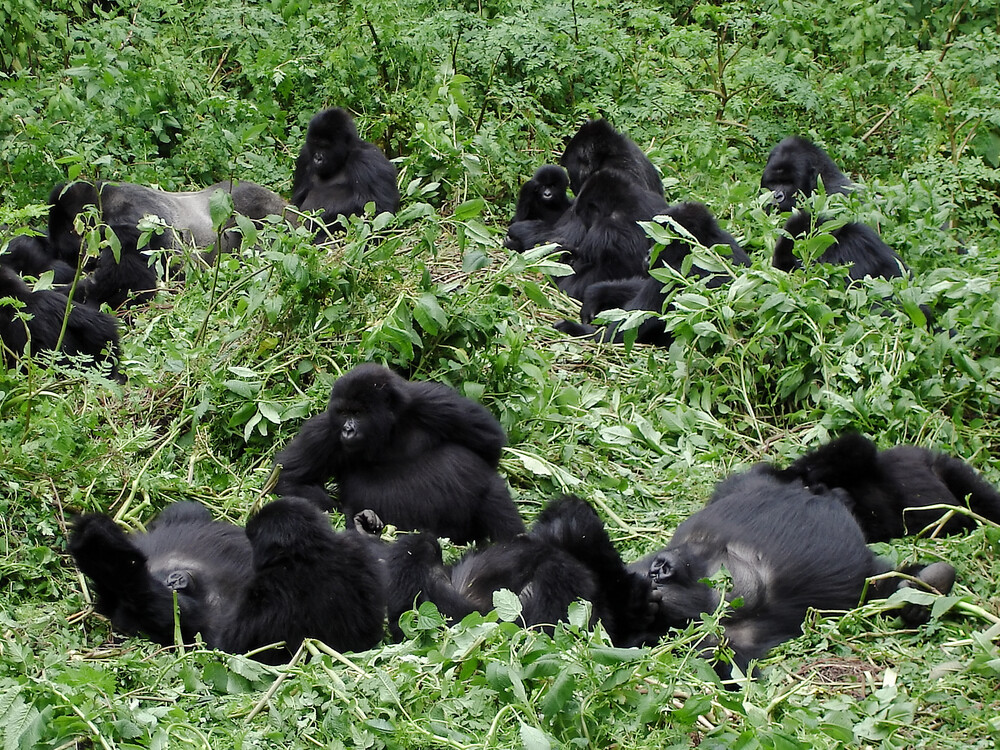
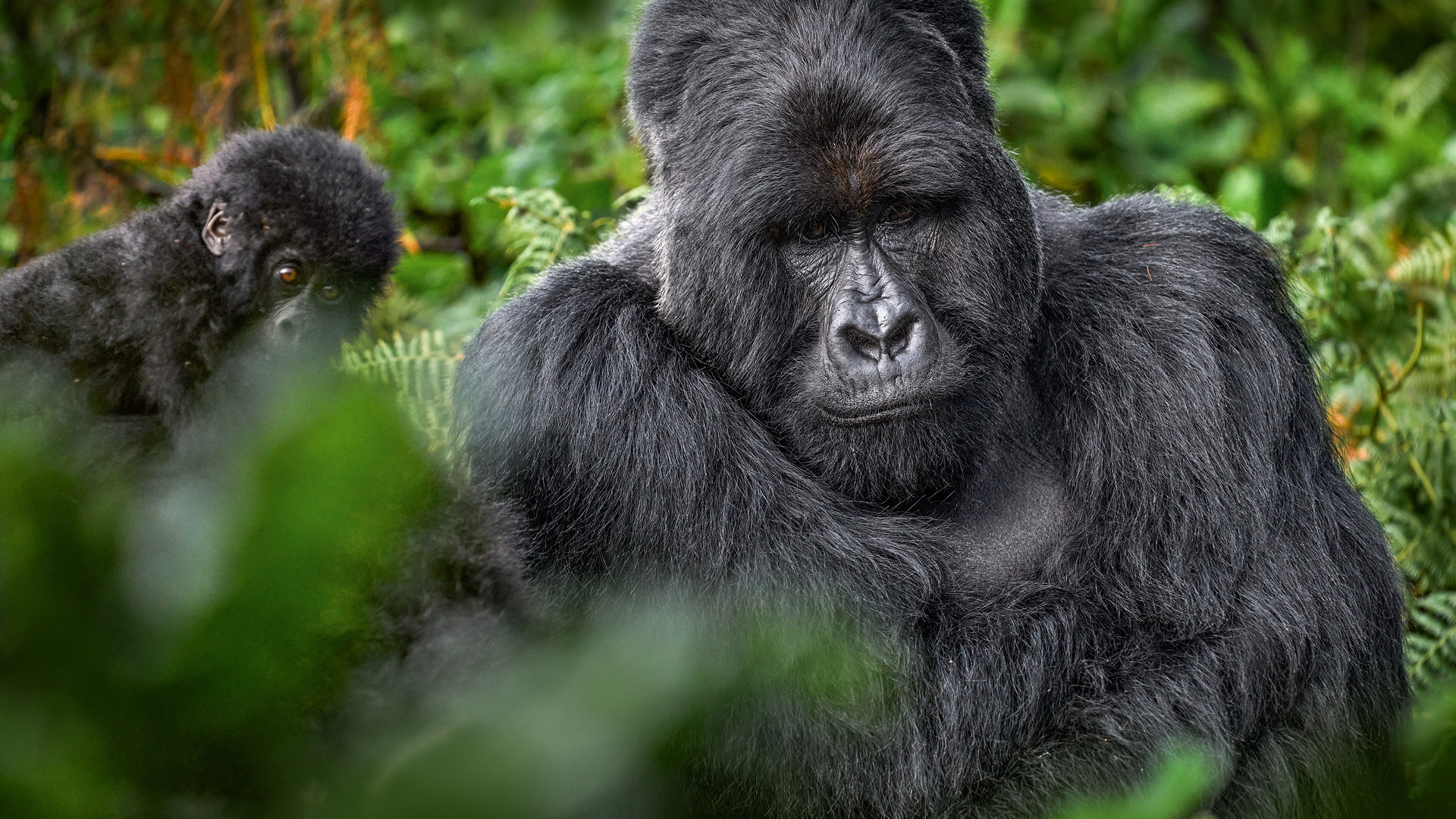
Standing quietly in the presence of a gorilla family often reframes how seniors view travel, effort, and reward. It is not an adrenaline experience; it is an emotional one. And when planned correctly, it is accessible, safe, and deeply fulfilling.
This is why Gorilla Trekking Rwanda for Seniors continues to grow in popularity among travelers in their 50s, 60s, and 70s. Not because it is easy, but because it is meaningful and because Rwanda’s system allows it to be experienced with dignity and care.
Final Guidance for Seniors Considering Gorilla Trekking in Rwanda
The most important message for seniors is simple: gorilla trekking is not about proving anything. It is about experiencing something rare, responsibly, and on your own terms.
With honest planning, the right itinerary, appropriate assistance, and realistic expectations, Gorilla Trekking Rwanda for Seniors is not only possible, it is one of the most rewarding travel experiences available at any stage of life.
Gorilla Trekking Rwanda for Seniors – Frequently Asked Questions
Is Gorilla Trekking Rwanda for Seniors really possible at 60, 70, or older?
Yes. Gorilla Trekking Rwanda for Seniors is possible well into your 60s and 70s, and travelers in these age groups trek gorillas in Rwanda every year. Rwanda has no upper age limit for gorilla trekking. Eligibility is based on mobility and health rather than age, and with proper planning, seniors regularly complete treks safely and comfortably in 2025, 2026, and 2027.
Is Gorilla Trekking Rwanda for Seniors safe for older travelers?
Gorilla trekking in Rwanda is considered one of the safest wildlife experiences in Africa when planned professionally. Treks are guided by trained rangers, gorilla groups are monitored daily, and visitor movement is tightly controlled. For seniors, safety is enhanced through porter support, flexible pacing, and careful itinerary design. These systems remain consistent for future travel years such as 2026 and 2027.
How difficult is Gorilla Trekking Rwanda for Seniors physically?
The physical difficulty of Gorilla Trekking Rwanda for Seniors varies by day and by gorilla family location. Some treks are short and relatively gentle, while others involve steeper terrain. Seniors are never rushed, the pace is set by the slowest participant, and rest breaks are allowed. With porter assistance, most seniors describe the trek as manageable rather than strenuous.
Is there a maximum age limit for gorilla trekking in Rwanda?
No. Rwanda does not impose a maximum age limit. Seniors in their 60s and 70s regularly participate in gorilla trekking. What matters is the ability to walk with assistance if needed and to move safely on uneven terrain at a slow pace. This policy applies equally in 2025, 2026, and 2027.
Can seniors with knee, hip, or balance issues do gorilla trekking in Rwanda?
Yes, many seniors with knee, hip, or balance concerns successfully take part in Gorilla Trekking Rwanda for Seniors. Porter assistance plays a major role in providing stability and reducing strain. During planning, trekking difficulty can be matched as closely as possible to individual mobility levels.
Is Gorilla Trekking Rwanda for Seniors possible for people with disabilities?
Yes, in certain cases. Rwanda offers adaptive solutions such as sedan chair (stretcher) transport for travelers with limited mobility. This allows seniors and people with disabilities to be carried to and from the gorilla family by trained teams. Advance planning and medical disclosure are essential, but this option has made gorilla trekking accessible to many elderly travelers.
How long does a gorilla trek usually take for seniors?
There is no fixed duration. Treks can last anywhere from 30 minutes to several hours, depending on where the gorillas are located on the day of the trek. Seniors are allowed to move at their own pace, and the one-hour gorilla viewing time is guaranteed regardless of how long the walk takes.
Do seniors need to be very fit to trek gorillas in Rwanda?
No. Gorilla trekking does not require athletic fitness. It requires basic mobility, balance, and the ability to walk slowly on natural terrain. Seniors do not need hiking experience. The combination of ranger pacing, porter assistance, and adaptive planning makes Gorilla Trekking Rwanda for Seniors accessible to many travelers who do not consider themselves fit.
What is the best age-friendly itinerary length for Gorilla Trekking Rwanda for Seniors?
For most seniors, 4–5 days is the most comfortable itinerary length. This allows time to arrive, rest before trekking, recover afterward, and avoid rushing. Three-day itineraries can work for active seniors, while 6–7 day itineraries are ideal for retirees who want a slower pace and added relaxation in places like Lake Kivu.
What is the best time of year for Gorilla Trekking Rwanda for Seniors?
Rwanda is a year-round gorilla trekking destination. Many seniors prefer drier months for easier trail conditions, but green-season months can offer fewer crowds and better permit availability. The best time for Gorilla Trekking Rwanda for Seniors in 2026 or 2027 depends more on comfort preferences and permit availability than on weather alone.
Is altitude a problem for seniors during gorilla trekking in Rwanda?
Volcanoes National Park is located at higher elevation, but altitude sickness is rare. Seniors who plan gradual arrivals, stay hydrated, and avoid rushing generally tolerate the altitude well. Planning rest days and choosing comfortable accommodation further reduces risk.
Can seniors travel alone for Gorilla Trekking Rwanda?
Yes. Solo senior travelers regularly book Gorilla Trekking Rwanda for Seniors. Private guiding, porter support, and well-organized logistics make solo travel safe and comfortable. Many solo seniors find the experience particularly meaningful.
How far in advance should seniors book gorilla trekking in Rwanda for 2026 or 2027?
For future years like 2026 and 2027, seniors should ideally book 6–12 months in advance. This ensures access to preferred travel dates, senior-friendly lodges, and appropriately matched gorilla families. Early booking also reduces stress and allows time to plan at a comfortable pace.
Is Gorilla Trekking Rwanda for Seniors worth the cost?
For many seniors, gorilla trekking becomes a once-in-a-lifetime experience that justifies the cost. The emotional impact, conservation value, and careful support systems often outweigh concerns about price, especially when the trip is planned thoughtfully and at the right pace.
What is the biggest mistake seniors make when planning gorilla trekking?
The most common mistake is underestimating how much planning matters. Treating gorilla trekking like a generic tour rather than a personalized experience can lead to unnecessary strain. Proper planning is what turns Gorilla Trekking Rwanda for Seniors into a safe, rewarding, and confidence-building journey.
Is Gorilla Trekking Rwanda for Seniors still recommended in 2026 and 2027?
Yes. Rwanda’s gorilla trekking system is stable, well-regulated, and expected to operate consistently through 2026 and 2027. For seniors planning ahead, future-year travel offers better availability, more choice, and smoother preparation.