
The Great Migration Safaris in Serengeti National Park – Ultimate Guide & Safari Packages
What Is the Great Migration in Serengeti?
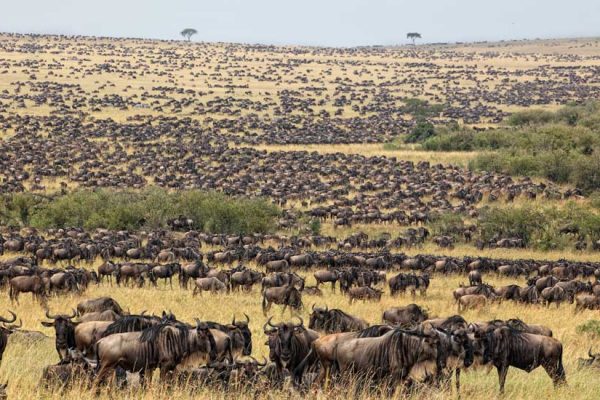
The Great Migration Safaris in Serengeti National Park revolve around one of the most extraordinary wildlife spectacles on Earth, the annual movement of over 1.5 million wildebeest, accompanied by hundreds of thousands of zebra and gazelle across the vast plains of Serengeti National Park.
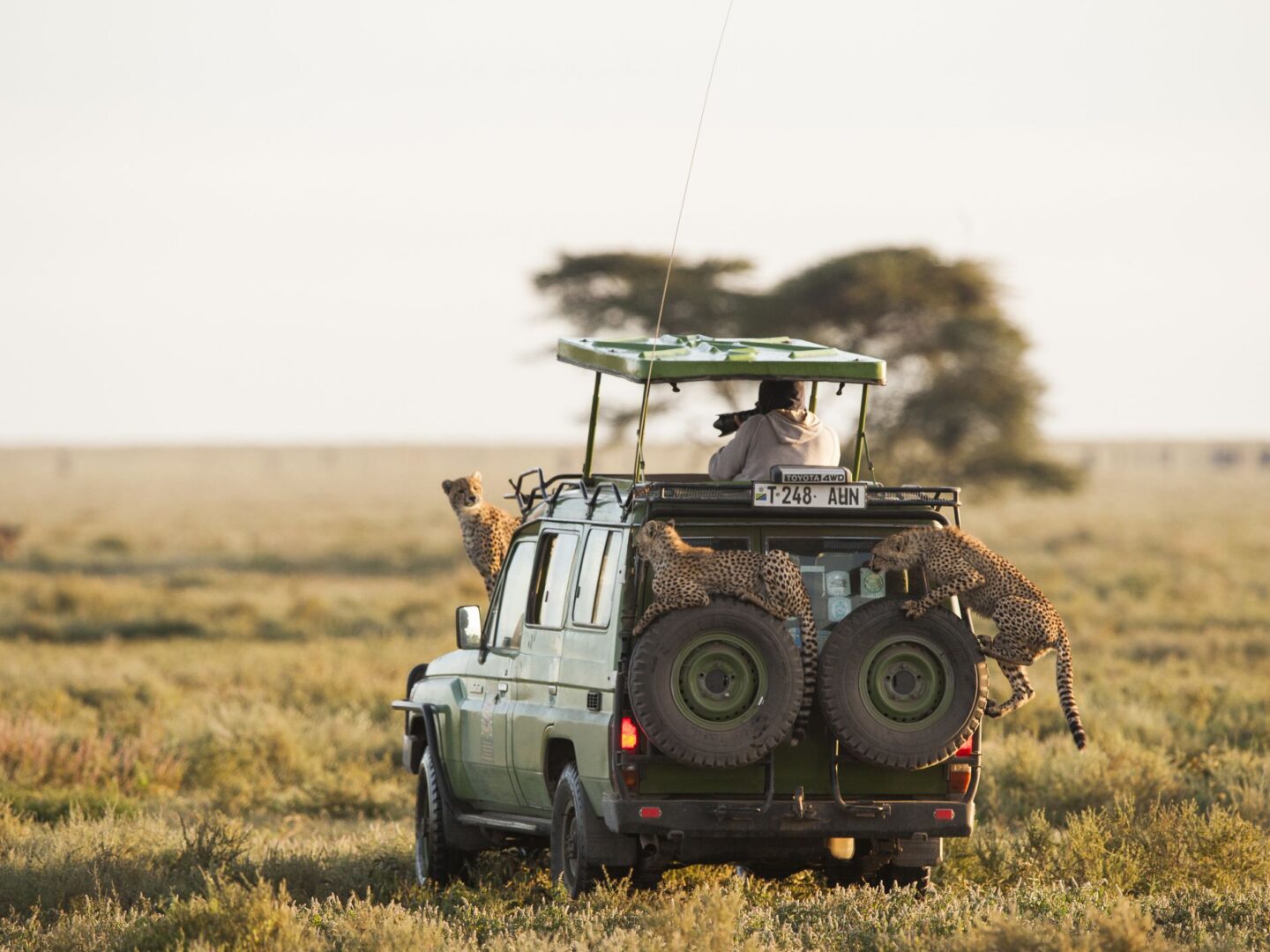
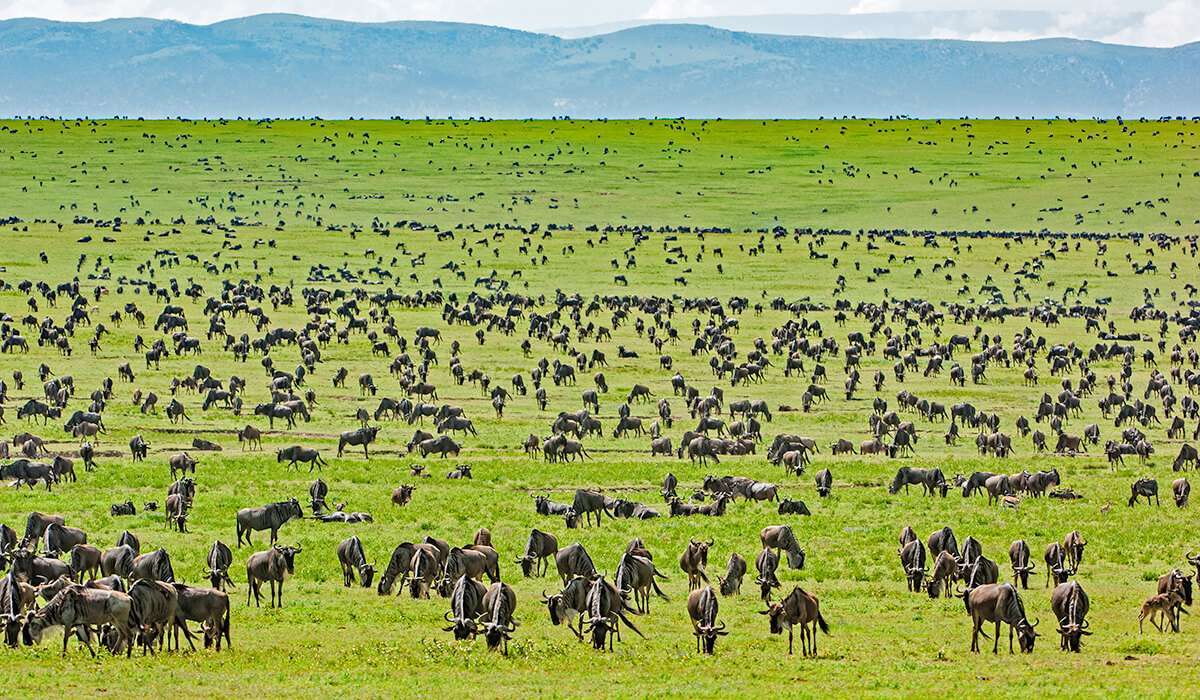
The Great Migration is not a one-time event. It is a continuous, circular, year-round movement driven by rainfall patterns and fresh grazing. This natural rhythm creates one of the most dramatic and predictable wildlife cycles in Africa, making Great Migration Safaris in Serengeti National Park among the most sought-after safari experiences in the world.
Great Migration Safaris in Serengeti National Park – 3 to 15 Day Safari Itineraries
3 Days Great Migration Safaris in Serengeti National Park
A short, high-impact Great Migration Safari focused on peak herd zones in Serengeti National Park, ideal for tight schedules and first-time Tanzania travelers seeking real migration action.
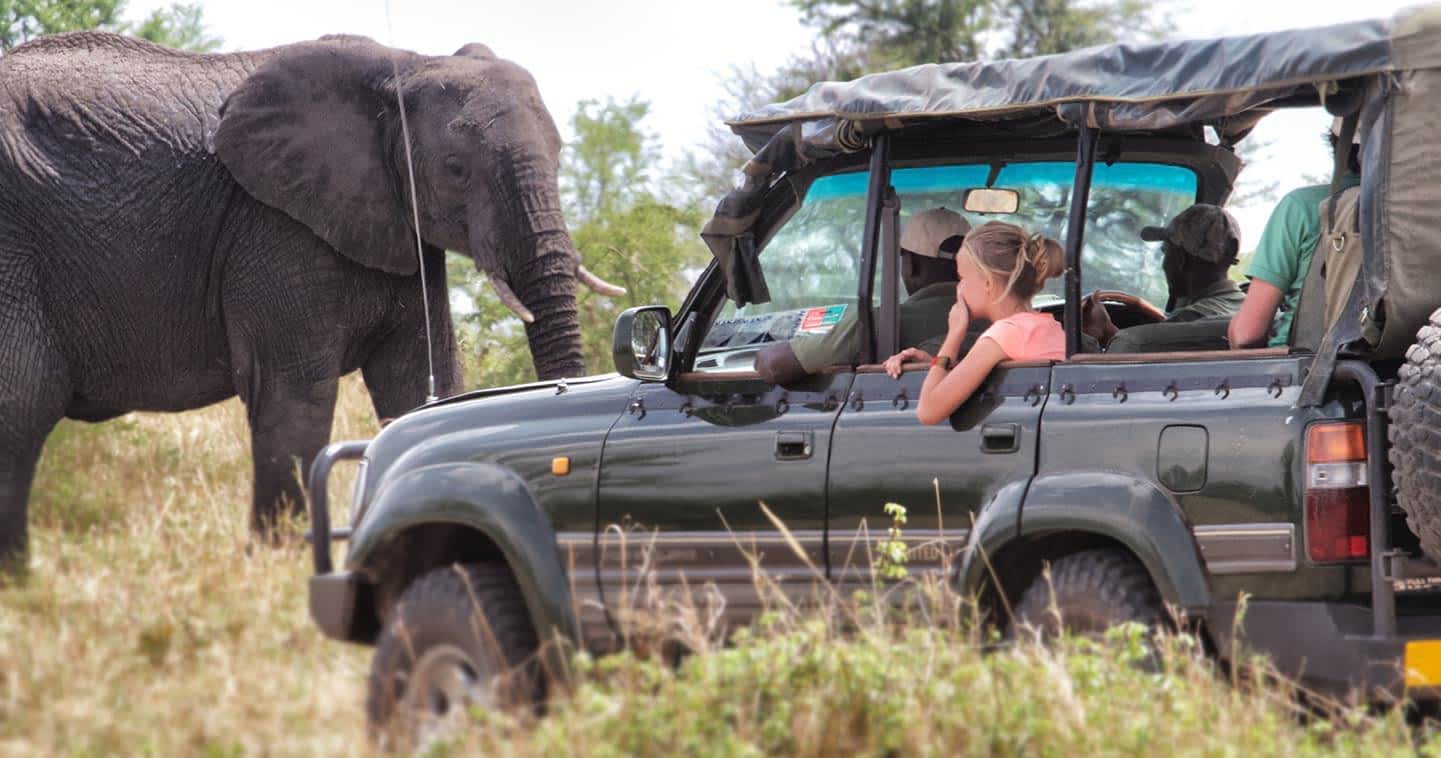
4 Days Great Migration Safaris in Serengeti National Park
A balanced Great Migration Safari itinerary with deeper game-drive coverage across Serengeti migration corridors, increasing chances of predator encounters and large herd movement.

5 Days Great Migration Safaris in Serengeti National Park (River Crossing Focus)
A Great Migration Safari built around Northern Serengeti positioning for river crossing season, with flexible game drives to track herd build-up and crossing attempts.
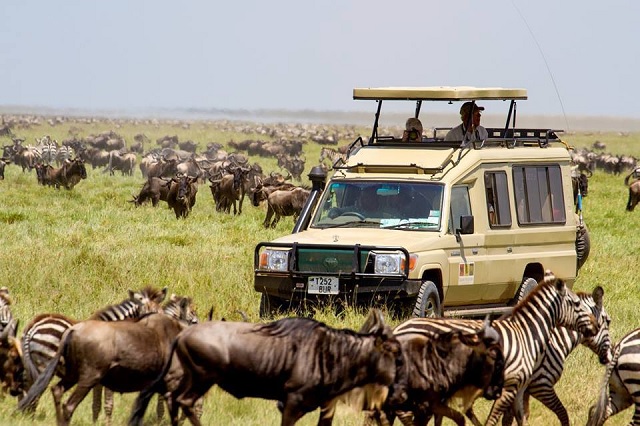
6 Days Great Migration Safaris in Serengeti National Park
An extended Great Migration Safari that improves timing and positioning, allowing multiple full-day game drives to follow the herds and increase crossing probabilities in season.
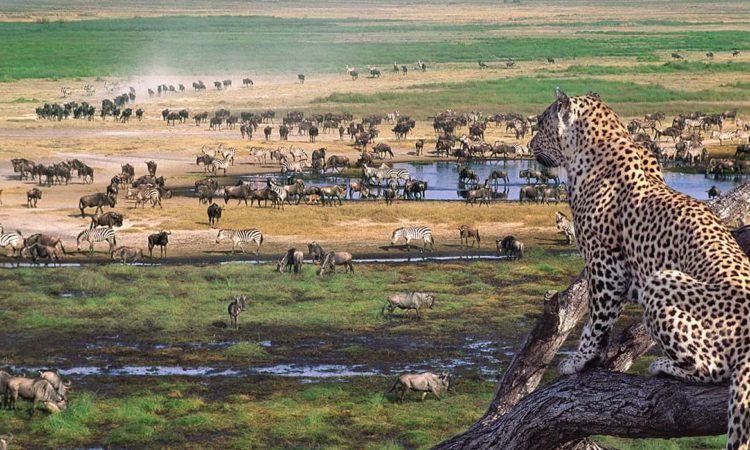
7 Days Great Migration Safaris in Serengeti National Park + Ngorongoro
A signature Great Migration Safari combining Serengeti migration tracking with Ngorongoro Crater for dense wildlife viewing, ideal for travelers wanting migration plus classic Big Five landscapes.
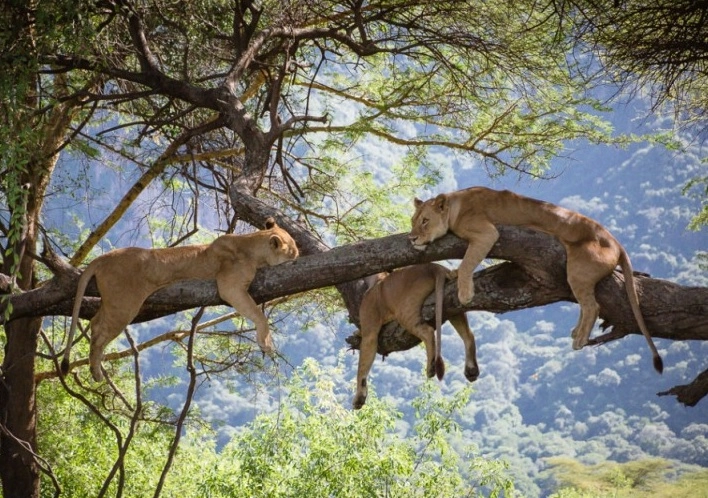
8 Days Great Migration Safaris in Serengeti National Park + Lake Manyara
A refined Great Migration Safari itinerary adding Lake Manyara for scenic diversity and iconic tree-climbing lions, then focusing on Serengeti migration zones aligned to the season.
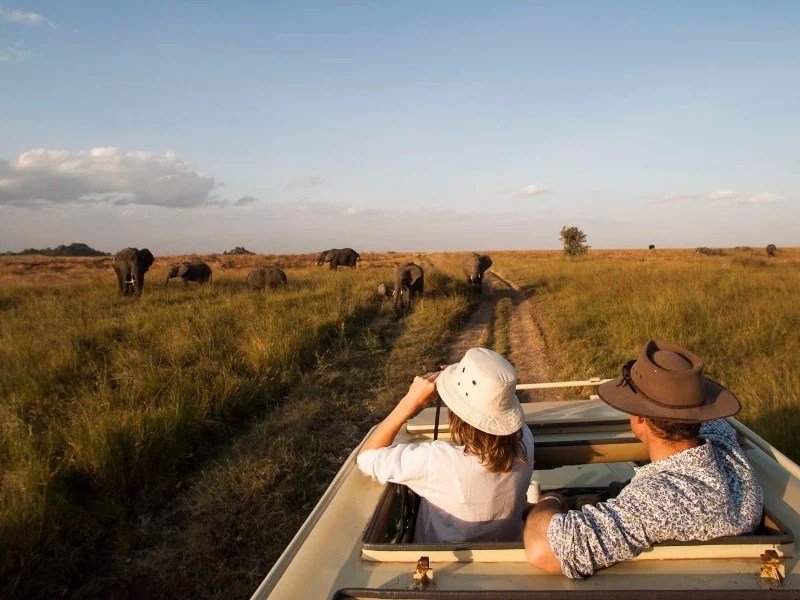
9 Days Great Migration Safaris in Serengeti National Park (Honeymoon)
A romantic Great Migration Safari with premium lodges and private game drives, designed for couples seeking migration drama, sundowners, and seamless luxury across Tanzania’s Northern Circuit.
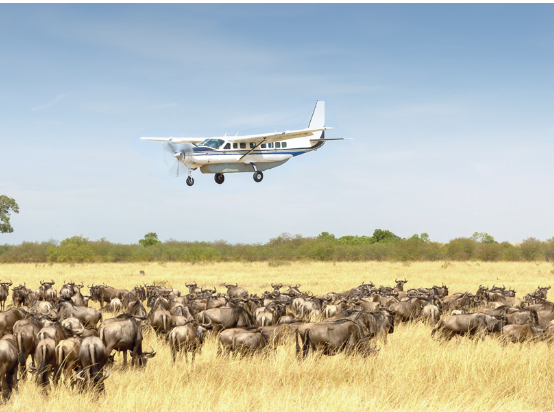
10 Days Great Migration Safaris in Serengeti National Park (Northern Circuit)
A complete Great Migration Safari itinerary combining Tarangire, Ngorongoro, and Serengeti, with routing adapted to the Serengeti migration calendar for maximum herd access.
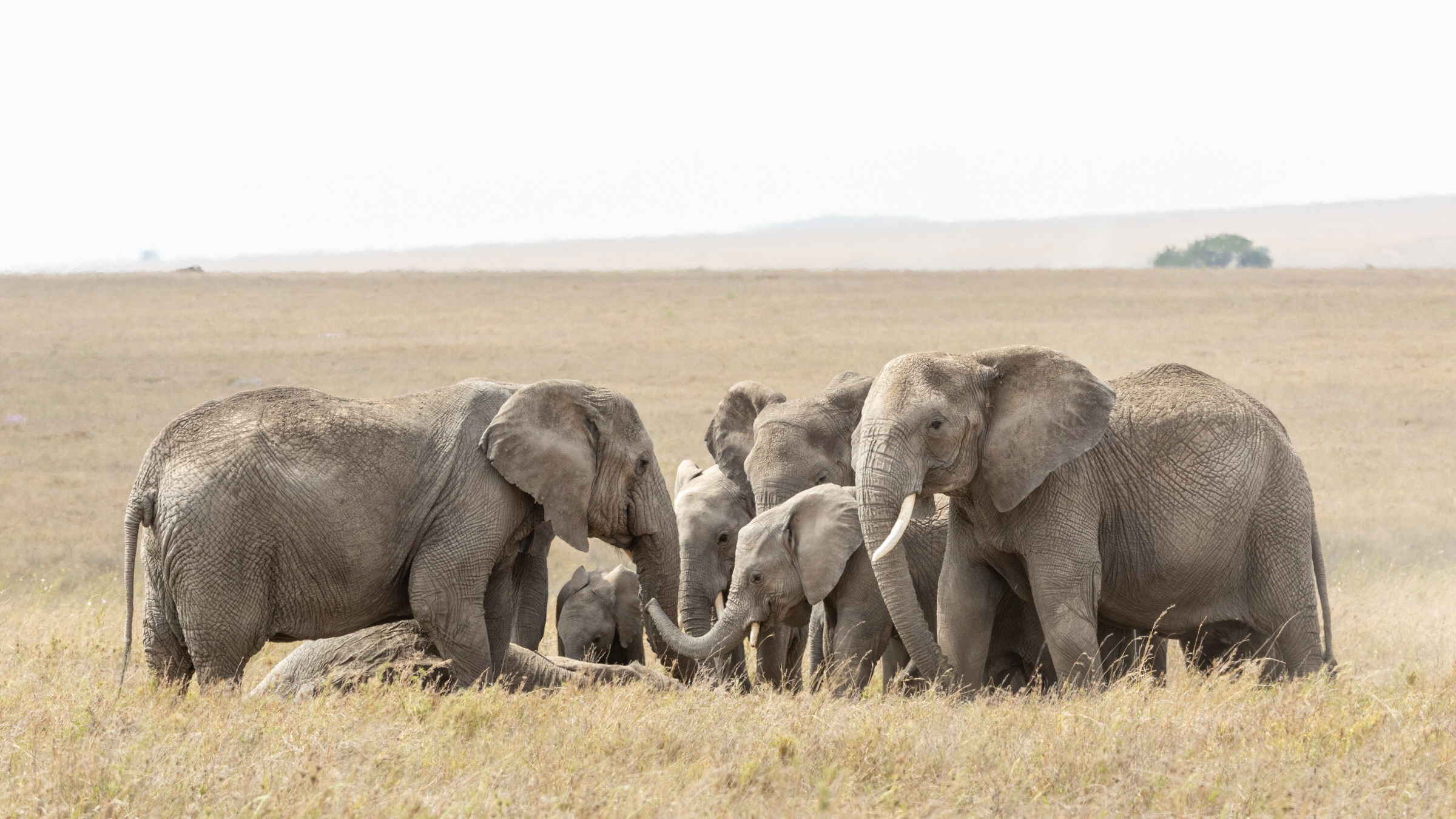
11 Days Great Migration Safaris in Serengeti National Park + Culture
A Great Migration Safari enhanced with cultural immersion and carefully paced safari days, ideal for travelers who want migration wildlife viewing plus authentic local experiences across Tanzania.
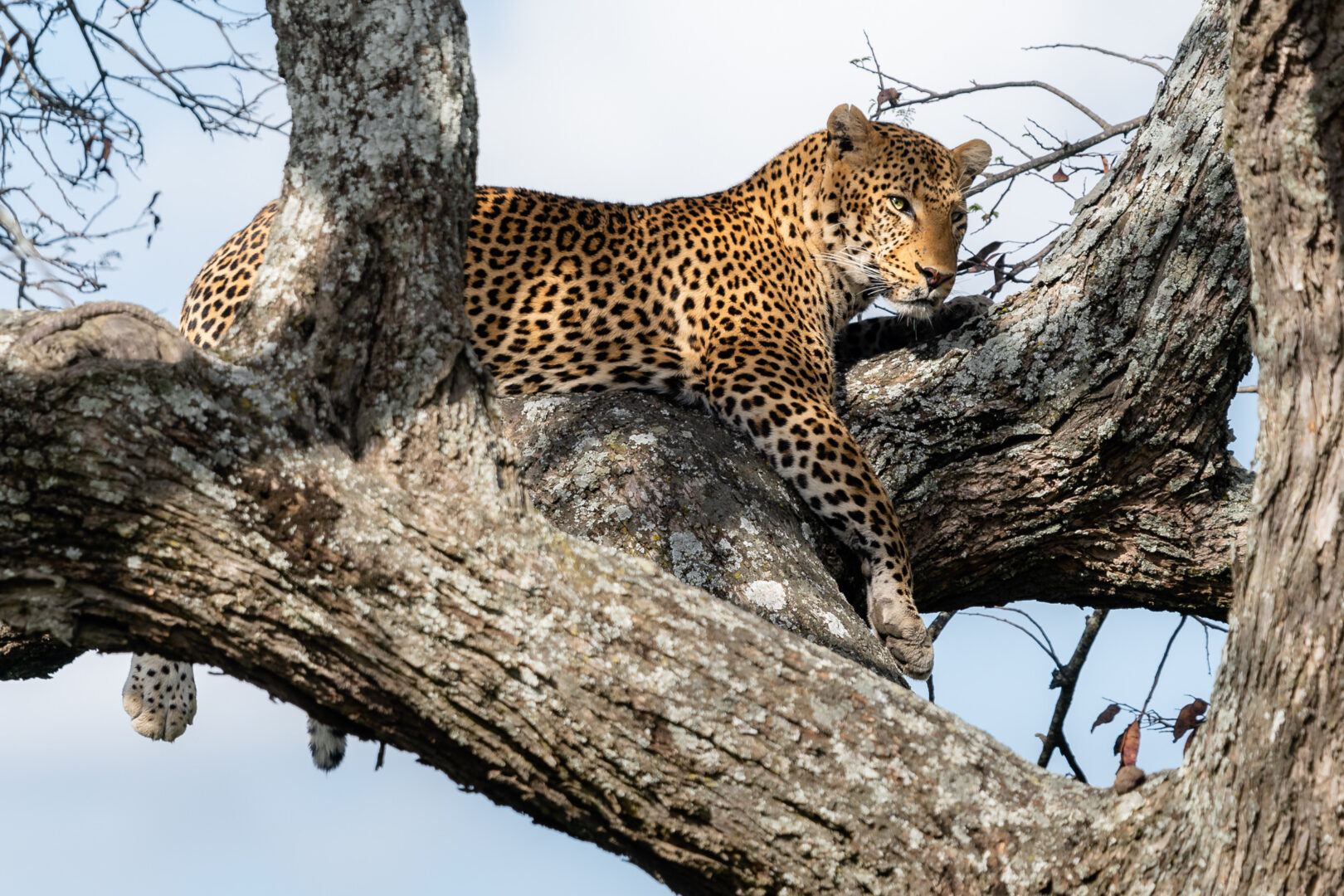
12 Days Great Migration Safaris in Serengeti National Park (Photography)
A photography-led Great Migration Safari with longer game-drive windows and migration-zone positioning, ideal for capturing predator action, herd movement, and river crossing attempts.

13 Days Great Migration Safaris in Serengeti National Park (Value Explorer)
A value-rich Great Migration Safari that increases Serengeti time and reduces rushing, offering strong migration tracking potential across key regions based on the season and herd location.
15 Days Great Migration Safaris in Serengeti National Park (Ultimate Tanzania)
The ultimate Great Migration Safari across Tanzania’s Northern Circuit with extended Serengeti migration coverage, ideal for travelers seeking the most complete Serengeti migration story in one journey.
The Scale of the Migration
Every year, approximately:
- 1.5 to 2 million wildebeest
- 200,000–300,000 zebra
- Hundreds of thousands of Thomson’s gazelles
move across the Serengeti ecosystem in search of greener pastures. This migration is considered the largest overland mammal movement on the planet.
Unlike other wildlife events that occur in short bursts, the Great Migration unfolds across months, creating multiple safari opportunities from calving season in the southern Serengeti to the dramatic Mara River crossings in the north.
The Annual Circular Movement
The migration follows a roughly circular route through the Serengeti ecosystem. It begins in the nutrient-rich southern plains between January and March, where calving season attracts predators and offers incredible photographic moments.
As the rains shift, the herds move northwest toward the Western Corridor around April to June. By July and August, they gather in the northern Serengeti, where the famous river crossings occur. Later in the year, the herds gradually return south to complete the cycle.
This continuous movement means that Great Migration Safaris in Serengeti National Park can be planned at different times of year, depending on the type of experience travelers seek, calving season, predator action, or river crossing drama.
Predator Interaction and Survival Drama
One of the reasons the Great Migration draws global attention is the intense predator interaction that follows the herds. Lions, cheetahs, leopards, hyenas, and crocodiles rely on the migration for survival.
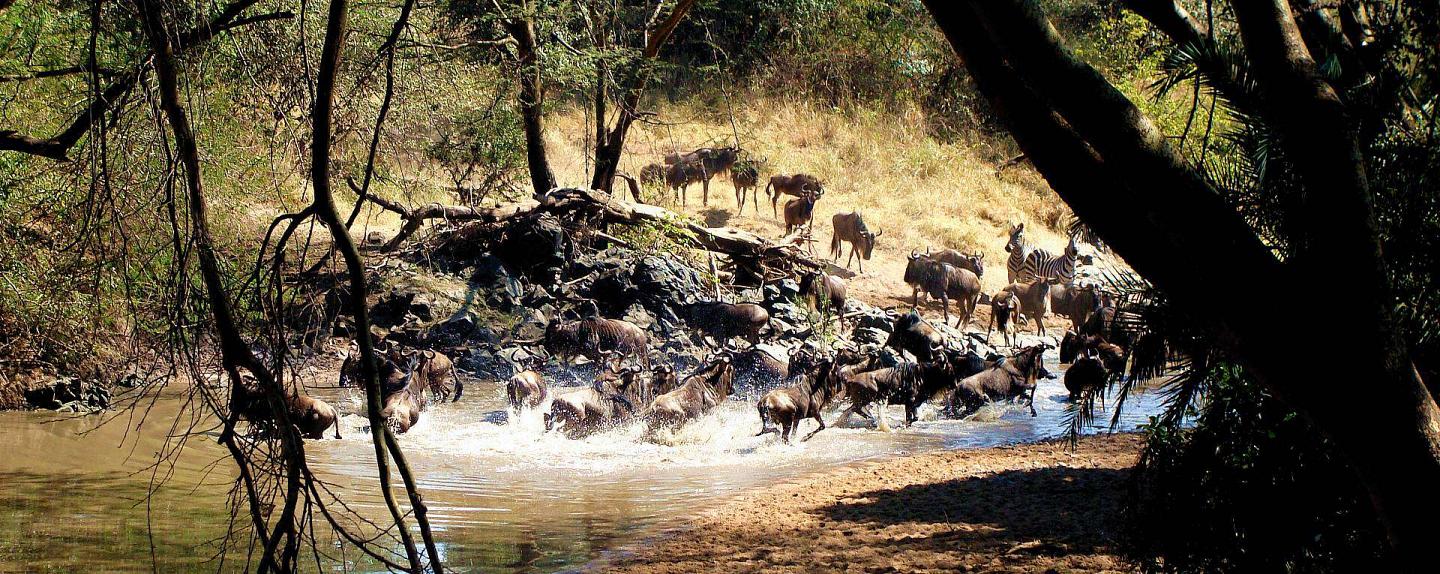
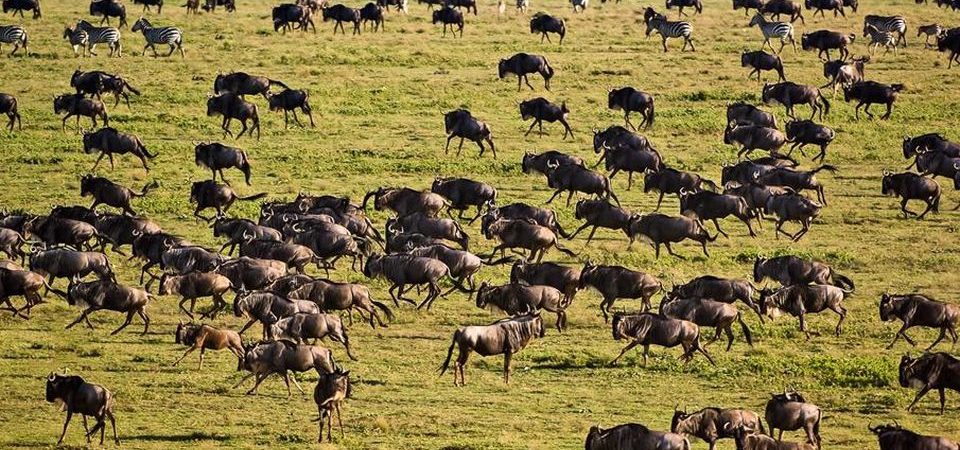
During calving season, thousands of newborn wildebeest are born within weeks, attracting predators across the plains. In the northern Serengeti, crocodiles lie in wait at river crossings, creating some of the most dramatic wildlife scenes ever witnessed.
This constant interaction between prey and predator makes Great Migration Safaris in Serengeti National Park not just a wildlife viewing experience, but a raw display of survival, instinct, and natural balance.
The Legendary River Crossings
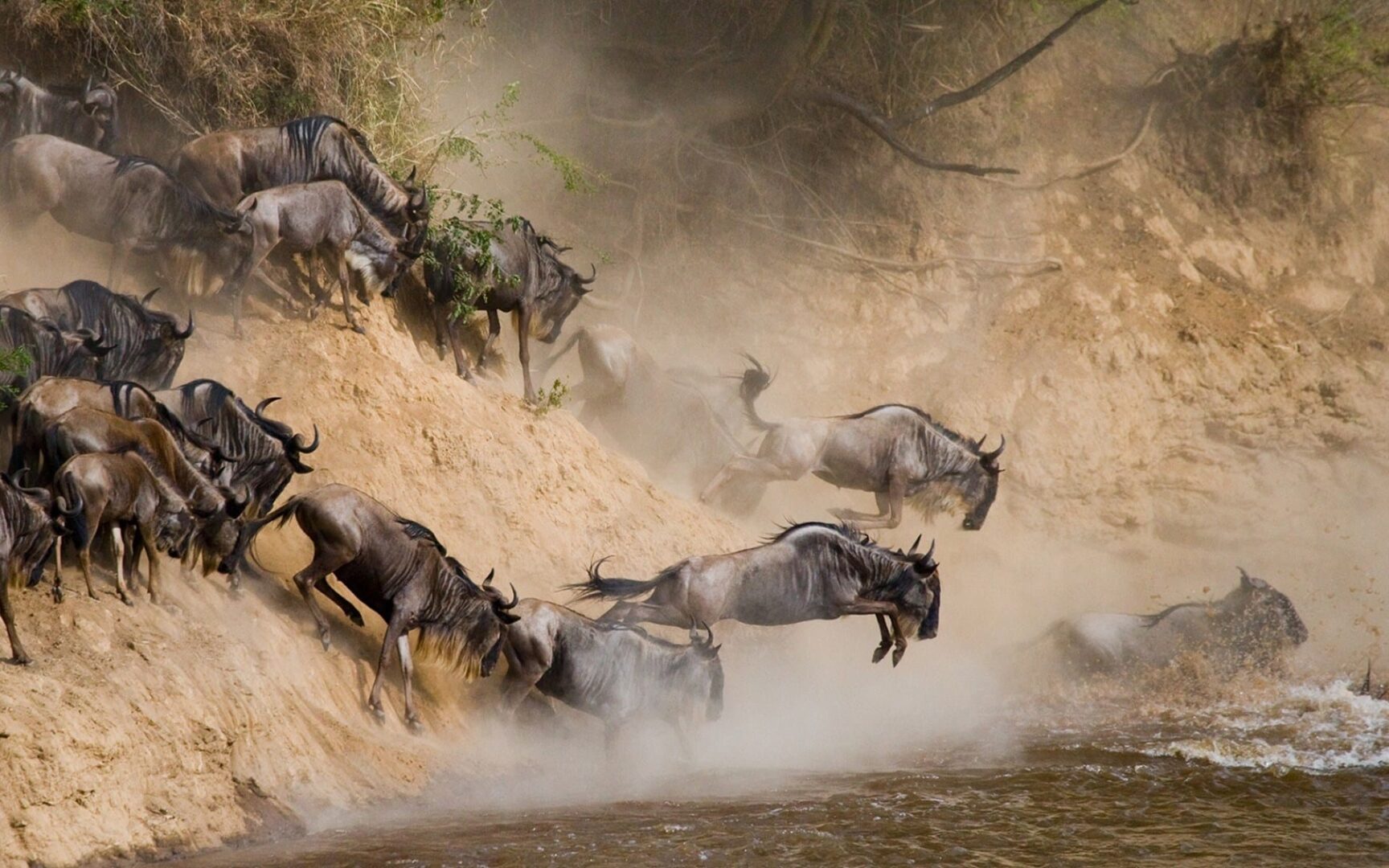
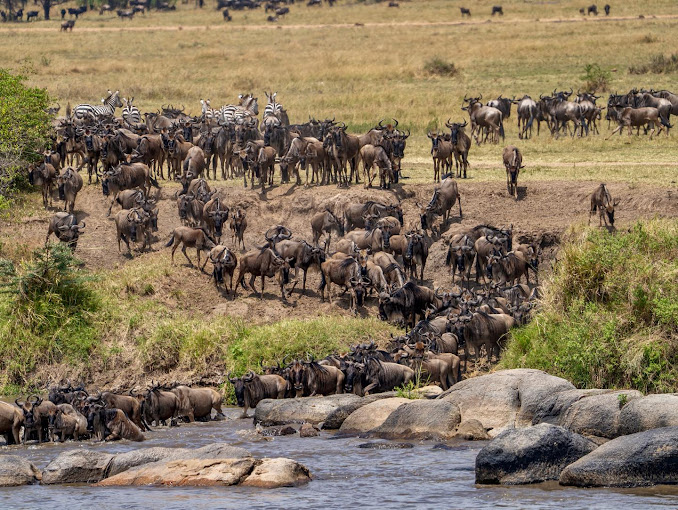
Perhaps the most iconic moment of the Great Migration is the river crossing. As the herds gather at the banks of the Mara River or Grumeti River, tension builds. Wildebeest hesitate, cluster, and suddenly surge into the water in chaotic waves.
These crossings are unpredictable and powerful. They may occur multiple times a day or not at all, depending on herd movement and environmental conditions. The drama of river crossings is one of the primary reasons travelers specifically search for Serengeti river crossing safaris and book northern Serengeti itineraries during peak months.
A UNESCO World Heritage Setting
Serengeti National Park is a UNESCO World Heritage Site, recognized for its outstanding ecological importance and exceptional biodiversity. The Serengeti ecosystem spans approximately 14,750 square kilometers of protected savannah, woodland, and riverine habitat.
Its conservation status ensures that the Great Migration remains one of the last intact large-scale wildlife movements on Earth. The park’s management and protection allow travelers to witness this ancient cycle in its natural state.
Why the Great Migration Defines Serengeti Safaris
The Great Migration is not simply a wildlife event, it is the defining heartbeat of Serengeti National Park. It shapes safari routes, determines camp locations, and influences travel seasons.
Because the movement is continuous, Great Migration Safaris in Serengeti National Park can be tailored for different interests:
- Calving season photography safaris
- Luxury river crossing safaris
- Family migration safaris
- Private migration expeditions
- Budget Serengeti migration tours
This flexibility is what makes Serengeti migration safaris stand out from all other African wildlife experiences.
In essence, the Great Migration in Serengeti National Park is the world’s most dramatic wildlife journey — a year-round spectacle of movement, survival, and natural wonder that continues to define African safari travel.
Why Choose Great Migration Safaris in Serengeti National Park?
When travelers search for the best migration safari in Africa, the answer consistently leads to Serengeti National Park. While the Great Migration extends into Kenya’s Masai Mara, the Serengeti remains the heart, engine, and primary stage of this extraordinary wildlife phenomenon.
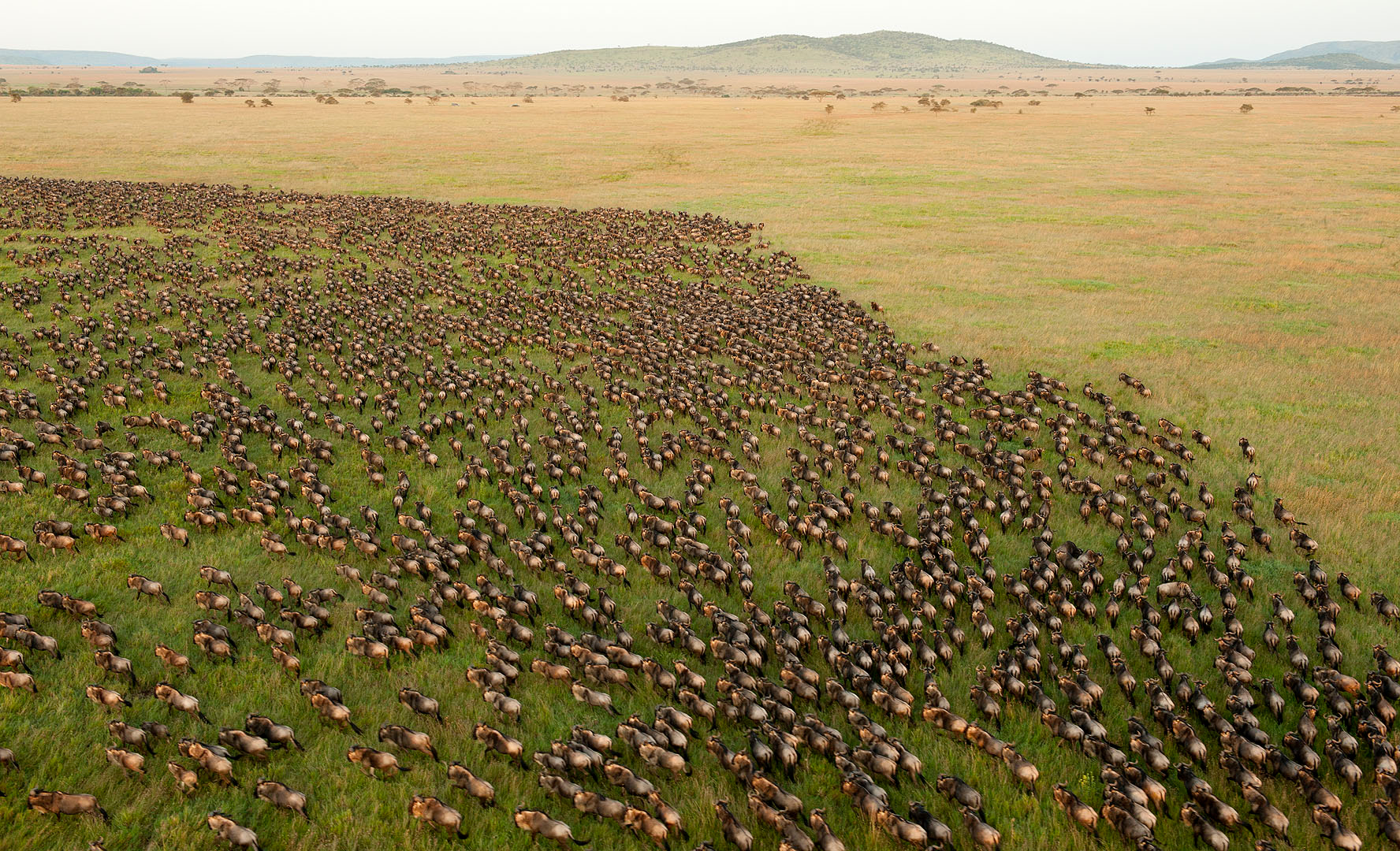
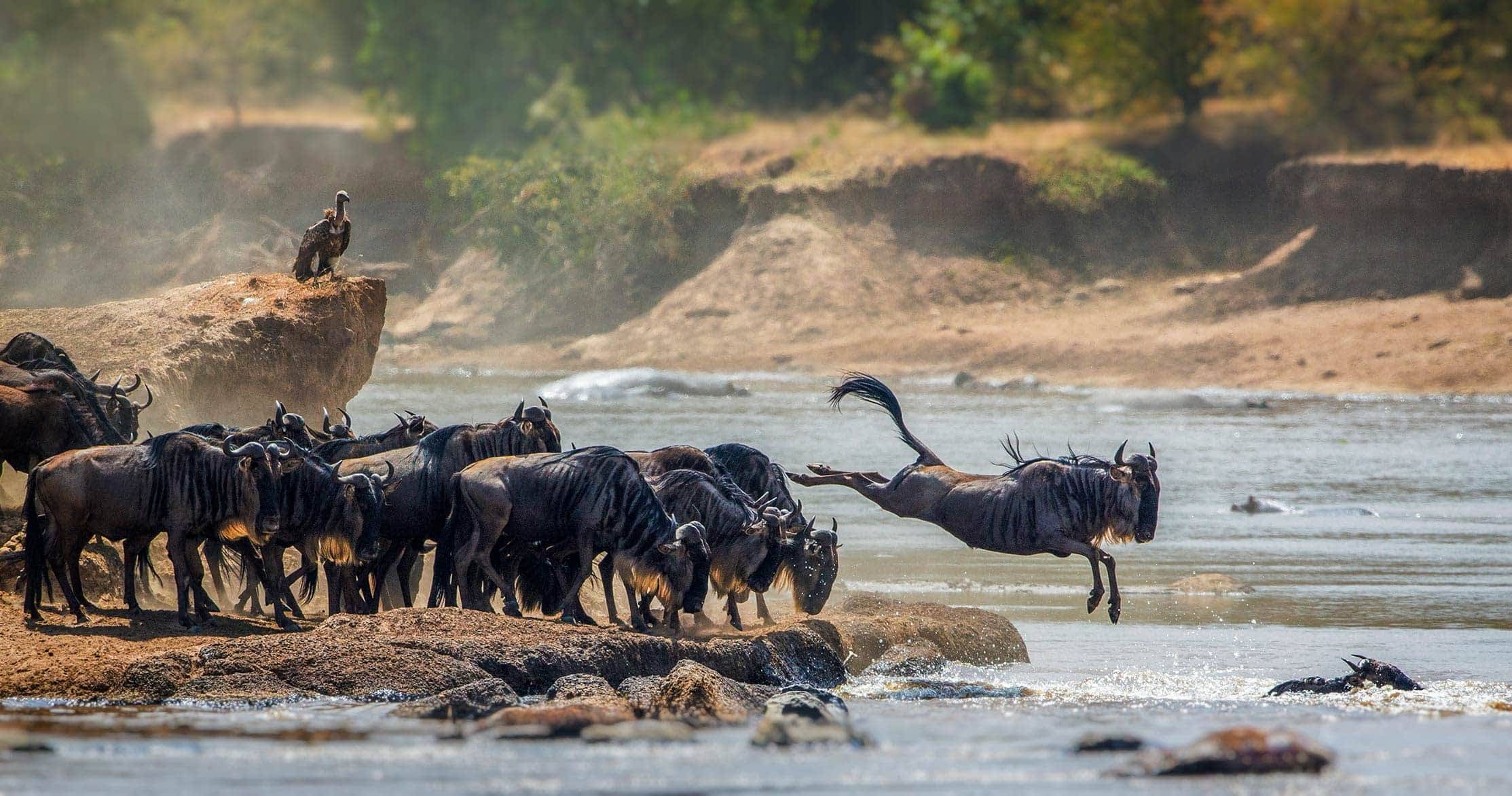
Choosing Great Migration Safaris in Serengeti National Park means positioning yourself at the center of the world’s largest overland mammal movement not just witnessing a fragment of it, but experiencing its full annual cycle.
The Central Ecosystem of the Great Migration
The Serengeti ecosystem is the origin and primary range of the migration. The southern plains serve as calving grounds between January and March, where hundreds of thousands of wildebeest give birth within a short window. As seasonal rains shift, the herds move westward and northward through the park before eventually crossing into Kenya.
This makes the Serengeti the only destination where you can witness:
- Calving season in the southern plains
- Massive herd movement across central Serengeti
- Western Corridor gatherings near Grumeti
- Northern Serengeti river crossings
Because the entire circular route begins and ends in Tanzania, Great Migration Safaris in Serengeti National Park offer a more comprehensive experience than any other location.
Legendary River Crossings – Mara River and Grumeti River
For many travelers, the highlight of a Serengeti river crossing safari is the dramatic moment when thousands of wildebeest surge into crocodile-filled waters.
The Grumeti River crossings, typically occurring in the Western Corridor between May and June, offer an earlier and often less crowded spectacle. The Mara River crossings in the northern Serengeti between July and October are among the most photographed wildlife events in the world.
Unlike the Masai Mara, where crossings occur only in a limited area, the northern Serengeti provides extended stretches of river where herds gather and cross at multiple points. This wider distribution increases viewing opportunities during peak season.
For those specifically seeking a Serengeti river crossing safari, Tanzania offers broader geography, multiple crossing sites, and lower vehicle density compared to the Mara.
Year-Round Great Migration Movement
One of the key reasons Serengeti is considered the best migration safari in Africa is the fact that the migration is present within the park throughout the year.
In the Masai Mara, the migration appears for a few months before returning south. In contrast, the Serengeti hosts the migration during calving season, transitional movements, river crossings, and the return journey. This year-round presence allows travelers to plan Great Migration Safaris in Serengeti National Park across multiple seasons depending on the experience they desire.
Whether witnessing newborn wildebeest in the Ndutu plains, watching predator hunts in central Serengeti, or observing river crossings in the north, the Serengeti offers migration encounters in nearly every month.
Exceptional Predator Density
The Great Migration attracts one of the highest predator concentrations in Africa. Lions, cheetahs, leopards, hyenas, and Nile crocodiles rely on the migration cycle for survival.
The southern Serengeti during calving season becomes a hotspot for lion and cheetah activity, while the northern Serengeti hosts dramatic predator ambushes during river crossings. Central Serengeti maintains stable resident predator populations year-round.
This density of big cats and scavengers elevates Great Migration Safaris in Serengeti National Park beyond simple herd viewing. It becomes a front-row seat to nature’s most intense survival drama.
Scale and Space Compared to Masai Mara
While the Masai Mara is famous for its river crossings, its protected area is significantly smaller than the Serengeti. The Serengeti spans nearly 15,000 square kilometers of protected land, allowing the migration to disperse across vast plains.
This scale provides:
- Greater herd movement variety
- More space between safari vehicles
- A stronger sense of wilderness
- Diverse landscapes from open savannah to riverine forest
Because of its size and ecological diversity, Serengeti offers a broader migration narrative — from birth to movement to river crossings and return.
For travelers comparing Serengeti vs Masai Mara migration safaris, Tanzania delivers the full migration cycle within one national park. This continuity is why many safari experts regard Great Migration Safaris in Serengeti National Park as the most complete and authentic migration experience in Africa.
Best Time to See the Great Migration in Serengeti
One of the most searched questions about Great Migration Safaris in Serengeti National Park is: When is the best time to see the Great Migration? The answer depends on what type of migration experience you are seeking. The migration is not a single event but a year-round, circular movement across the vast plains of Serengeti National Park.
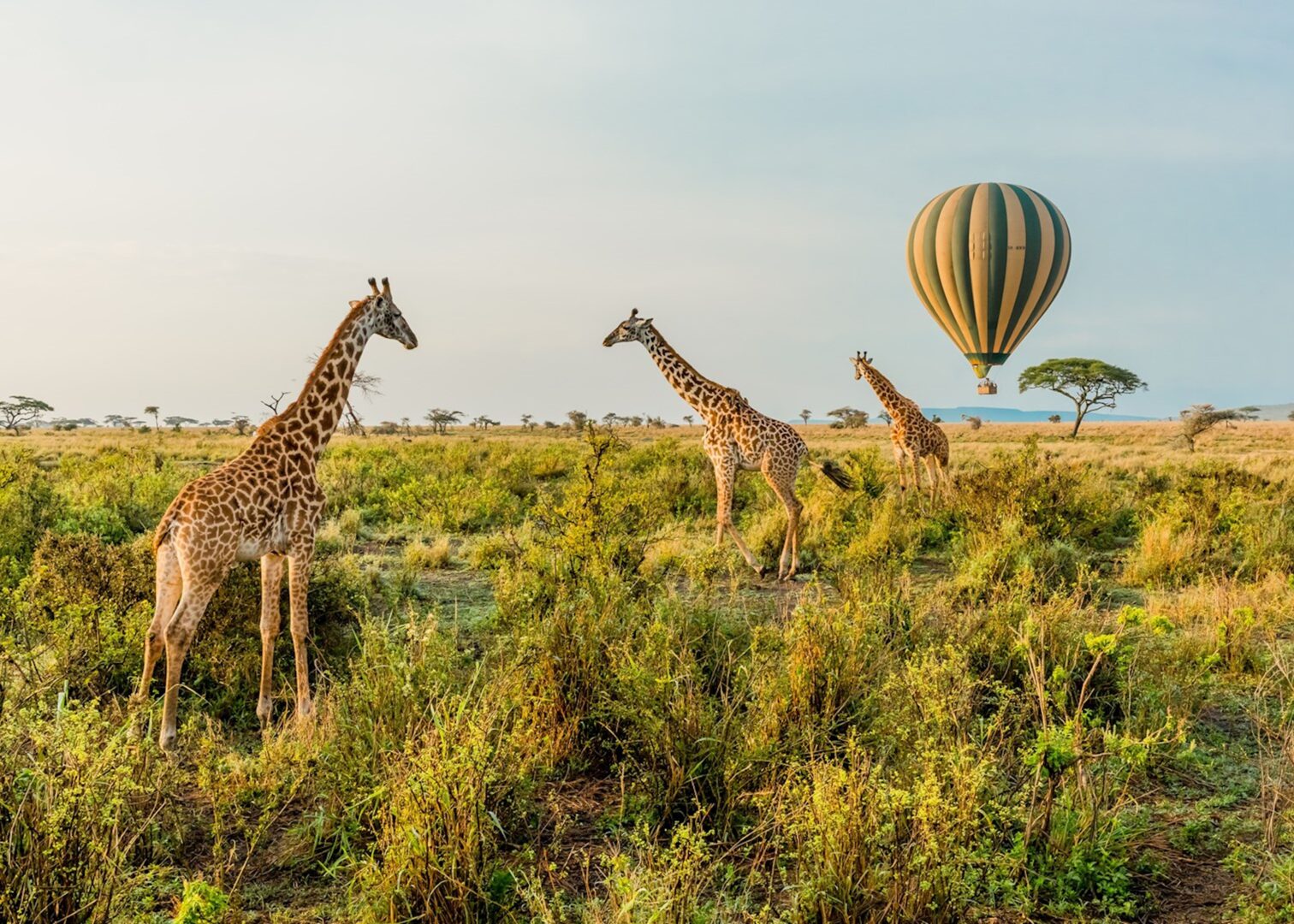
Understanding the Serengeti migration calendar is essential when planning itineraries, especially for travelers targeting calving season, predator interaction, or dramatic river crossings. Below is a detailed month-by-month breakdown designed to help you choose the perfect timing for your safari.
January–March: Calving Season – Southern Serengeti
Between January and March, the Great Migration concentrates in the nutrient-rich short-grass plains of southern Serengeti and the Ndutu region. This is widely regarded as one of the most rewarding periods for Great Migration Safaris in Serengeti National Park.
During this time, approximately half a million wildebeest calves are born within a few short weeks. The open plains provide visibility and nutrient-dense grazing that supports newborn survival. Calving season transforms the landscape into a wildlife theatre filled with predator action.
Lions, cheetahs, hyenas, and jackals patrol the plains closely, taking advantage of vulnerable newborns. For photographers and wildlife enthusiasts, this is arguably the most dynamic and emotionally powerful phase of the migration cycle.
If your goal is predator interaction and dramatic wildlife encounters rather than river crossings, January to March may be considered the best month to see the Great Migration in Serengeti.
April–May: Green Season Movement
As the long rains begin, the herds gradually move northwest toward central and western Serengeti. April and May are often referred to as the “green season” because the landscape becomes lush and vibrant.
During this period, Great Migration Safaris in Serengeti National Park offer fewer crowds and dramatic skies ideal for photography. The herds stretch across wide corridors, forming long columns as they begin their westward journey.
Although heavy rainfall can affect road conditions, this season provides excellent value for travelers seeking quieter safari experiences. The migration movement during April and May is less about spectacle and more about scale and landscape immersion.
For travelers consulting the Serengeti migration map, this period represents the transition from the southern plains toward the Western Corridor.
June–July: Western Corridor – Grumeti River Crossings
By June, the herds reach the Western Corridor of Serengeti near the Grumeti River. This marks the beginning of the first major water crossings in the migration cycle.
The Grumeti River crossings are often less crowded than the later Mara River crossings but equally dramatic. Massive Nile crocodiles lie in wait as wildebeest test the waters. Some crossings happen swiftly; others build tension for hours before herds surge forward.
June and July are excellent months for travelers seeking a Serengeti river crossing safari without the higher peak-season density of northern Serengeti. The landscapes during this period include riverine forest, open plains, and acacia woodland, creating diverse safari environments.
This stage of the Serengeti migration calendar combines movement, river drama, and increasing predator pressure.
August–October: Northern Serengeti – Mara River Crossings
From August through October, the Great Migration reaches the northern Serengeti near the Mara River. This is the most famous phase of the migration and often considered the highlight of Great Migration Safaris in Serengeti National Park.
The Mara River crossings are unpredictable and intense. Herds gather at the riverbanks, sometimes waiting hours or days before crossing. When movement begins, thousands of wildebeest plunge into the water in chaotic waves while crocodiles attack from below and predators wait on the opposite bank.
This is peak river crossing season and one of the most photographed wildlife spectacles in Africa. It is also the most requested period for Serengeti safari itineraries, making early booking essential.
For travelers searching for the best time to see the Great Migration river crossings, August to October remains the prime window.
November–December: Return South
With the onset of short rains in November, the herds begin moving southward again, gradually dispersing across central Serengeti before returning to the southern plains.
This phase is often overlooked but offers exceptional safari opportunities. The returning herds create dramatic movement scenes across open landscapes, and predator activity remains high.
By December, the migration cycle nears completion as herds settle once more in the southern Serengeti in preparation for calving season.
For travelers seeking a quieter alternative to peak river crossing months, November and December provide excellent migration viewing with fewer vehicles.
Understanding the Serengeti Migration Calendar
The Great Migration does not follow exact dates. It responds to rainfall, grazing conditions, and ecological pressures. However, the general migration pattern remains consistent enough to allow strategic safari planning.
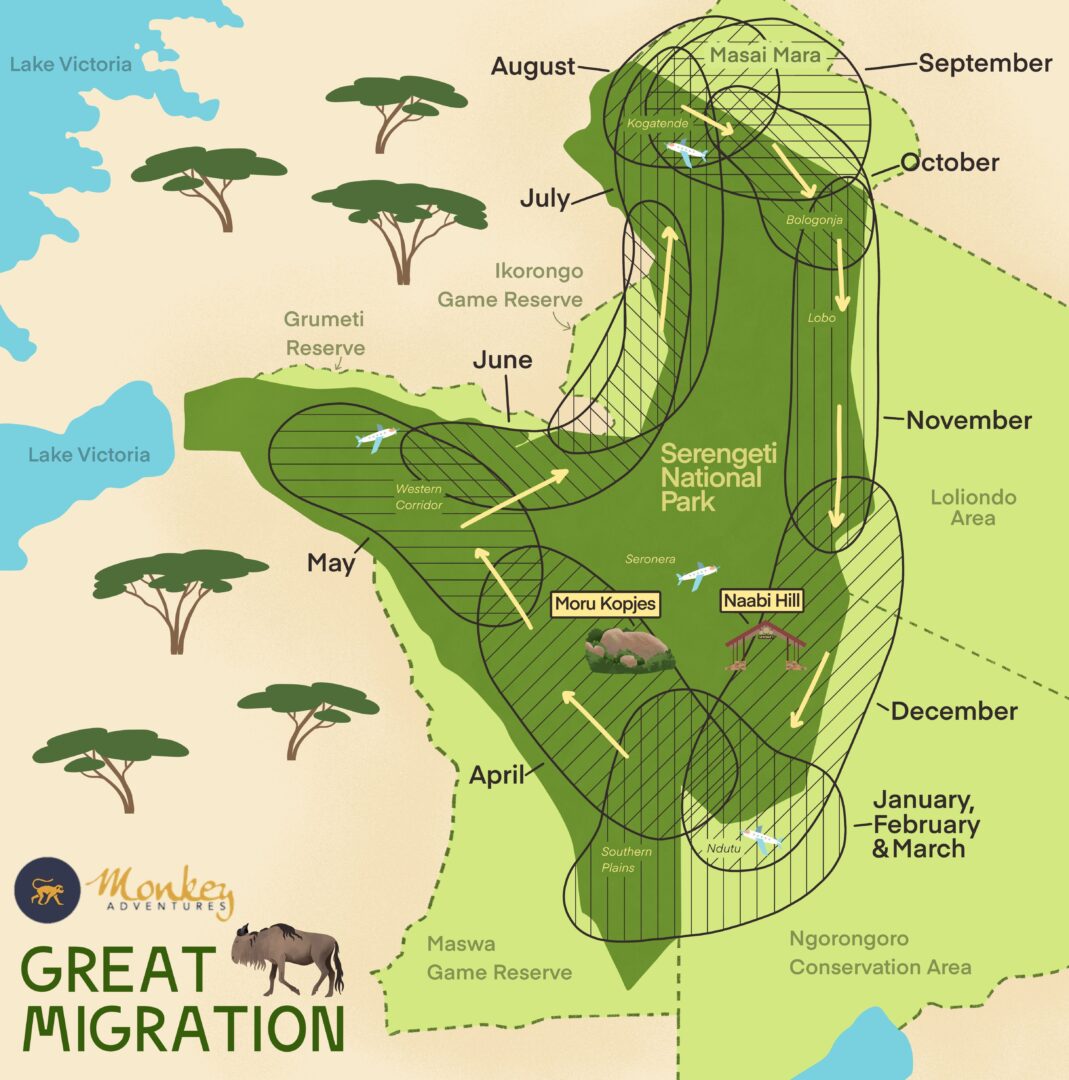
When designing Great Migration Safaris in Serengeti National Park, it is crucial to match itinerary location with the time of year:
- Southern Serengeti for calving season
- Western Corridor for Grumeti crossings
- Northern Serengeti for Mara River crossings
- Central Serengeti for transitional movement
This month-by-month understanding allows travelers to choose the best month to see the Great Migration based on personal priorities, whether that is newborn wildlife, predator hunts, or dramatic river crossings.
Types of Great Migration Safaris in Serengeti National Park
One of the reasons Great Migration Safaris in Serengeti National Park attract such a wide range of travelers is the flexibility in how the experience can be structured. Whether you are seeking ultra-luxury tented camps overlooking the Mara River or a well-organized mid-range mobile safari following the herds, Serengeti offers tailored migration experiences for every type of traveler.
Understanding the different types of Serengeti migration safari packages allows you to match comfort level, budget, travel style, and expectations with the right itinerary.
Luxury Great Migration Safari
A luxury migration safari in Serengeti National Park is designed for travelers who want premium comfort without compromising wildlife access. These safaris typically include high-end tented camps or lodges strategically positioned near migration routes, especially in the Northern Serengeti during river crossing season.
Luxury Great Migration Safaris in Serengeti National Park often include:
- Private 4×4 safari vehicles
- Top-tier professional guides
- All-inclusive gourmet dining
- Butler-level service
- Scenic bush breakfasts and sundowners
During river crossing season, luxury camps near the Mara River provide fast access to crossing points while maintaining exclusivity and low guest density. Many luxury itineraries also combine Serengeti with Ngorongoro Crater or Tarangire National Park to create a complete Northern Circuit safari.
Luxury migration safaris are ideal for honeymooners, high-end safari travelers, and clients seeking the best migration safari in Africa with maximum comfort.
Mid-Range Great Migration Safari
Mid-range migration safaris provide excellent value while maintaining high-quality guiding and well-located accommodations. These safaris typically use permanent tented camps or comfortable lodges positioned near migration corridors.
A mid-range Great Migration Safari in Serengeti National Park balances cost and experience. Guests enjoy:
- Shared or private safari vehicles
- Comfortable ensuite rooms or tents
- Full board meals
- Experienced English-speaking guides
Mid-range safaris are particularly popular during calving season and western corridor migration months, where accommodation pricing is more flexible compared to peak northern Serengeti river crossing months.
For many travelers, mid-range options offer the perfect balance between affordability and immersive wildlife experience.
Budget Great Migration Safari
Budget Serengeti migration safaris focus on maximizing wildlife time while keeping accommodation simple and cost-effective. These safaris typically involve camping or basic lodges, shared safari vehicles, and set departure itineraries.
While accommodations may be simpler, the migration experience itself remains extraordinary. Wildebeest herds, zebra movement, predator interactions, and seasonal migration patterns are accessible regardless of budget level.
Budget Great Migration Safaris in Serengeti National Park are ideal for adventurous travelers, backpackers, students, and those prioritizing wildlife viewing over luxury comfort.
Fly-In Great Migration Safari
A fly-in Serengeti migration safari eliminates long road transfers and allows guests to access remote regions of the park quickly. Flights operate from Arusha to airstrips such as Seronera, Grumeti, or Kogatende, depending on migration movement.
Fly-in safaris are particularly valuable during northern Serengeti river crossing season when road travel from Arusha can take up to eight hours. By flying directly into the migration zone, travelers maximize time in the field.
Fly-in Great Migration Safaris in Serengeti National Park are popular among time-sensitive travelers, luxury guests, and families seeking comfort and efficiency.
Private Great Migration Safari
A private migration safari offers complete flexibility in routing, timing, and daily schedule. Guests have exclusive use of the vehicle and guide, allowing for extended time at river crossings or focused tracking of specific wildlife sightings.
Private Great Migration Safaris in Serengeti National Park are ideal for:
Couples seeking privacy
Families with children
Photographers requiring positioning flexibility
High-end travelers wanting personalized pacing
Private safaris also allow itinerary adjustments based on herd movement and real-time migration updates.
Family Great Migration Safari
Serengeti migration safaris can be adapted for families, with tailored pacing and accommodations suitable for children. Family-friendly camps offer larger tents or interconnected rooms, flexible meal times, and child-focused guiding approaches.
During calving season, family safaris provide educational wildlife experiences, while peak river crossing months offer thrilling but safe viewing from designated riverbanks.
Family-focused Great Migration Safaris in Serengeti National Park balance adventure with comfort and safety considerations.
Photographic Great Migration Safari
Photographic Serengeti migration safaris are designed for wildlife photographers seeking optimal light positioning, extended game drives, and strategic camp locations.
These safaris often include:
Open-sided photography vehicles
Bean bags and camera mounts
Early departure times
Expert wildlife guides familiar with predator behavior
Photographic Great Migration Safaris in Serengeti National Park are particularly popular during calving season for predator action and during Mara River crossing season for dramatic herd movement.
The unpredictability of river crossings requires patience, and dedicated photographic itineraries allow flexibility to wait for the right moment.
Combine the Serengeti Great Migration with Gorilla Trekking in Rwanda or Uganda
Many travelers visiting Serengeti National Park to witness the spectacular Great Wildebeest Migration often choose to extend their safari with one of Africa’s most extraordinary wildlife encounters, gorilla trekking. Combining these two experiences creates a truly once-in-a-lifetime African journey that showcases both the dramatic wildlife plains of East Africa and the ancient rainforests where mountain gorillas live.
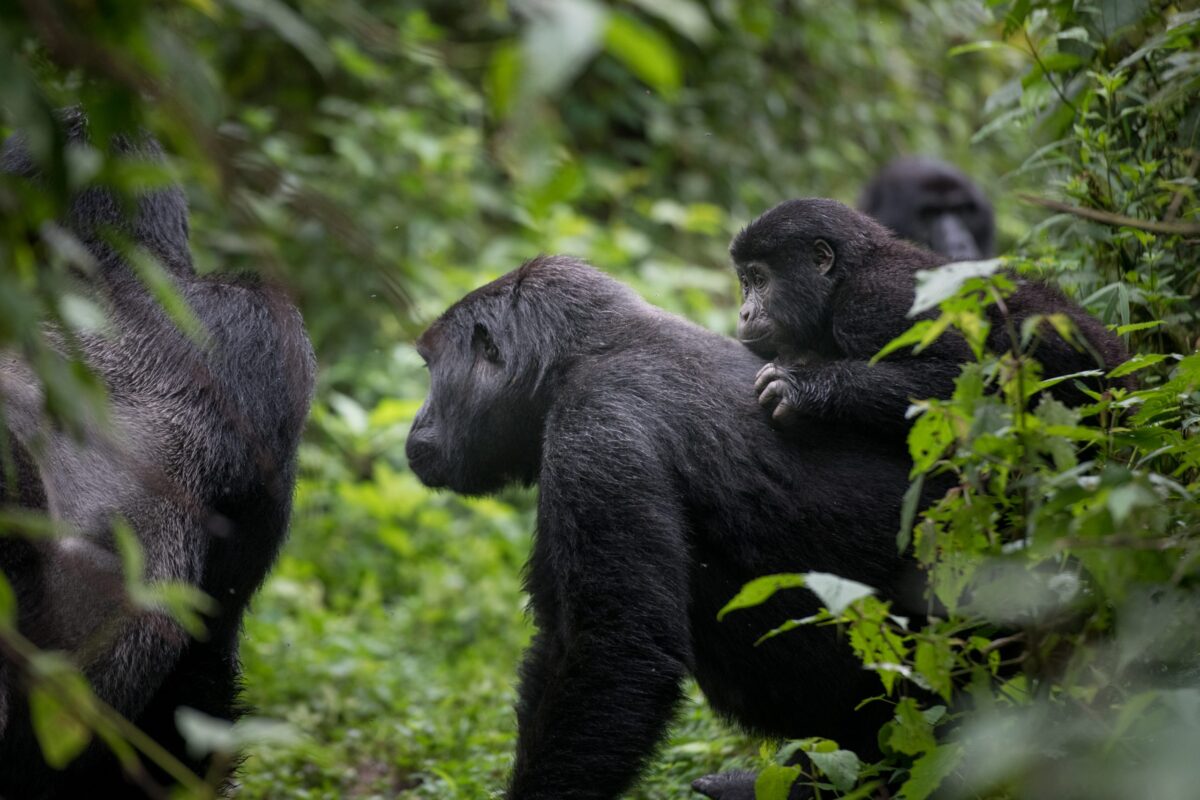
After experiencing the breathtaking Serengeti Great Migration, travelers can continue their safari to the misty volcanic landscapes of Volcanoes National Park or the dense jungles of Bwindi Impenetrable National Park, two of the world’s most important habitats for the endangered mountain gorilla.
In Volcanoes National Park, located in the Virunga Mountains of Rwanda, visitors trek through bamboo forests and volcanic slopes to encounter habituated gorilla families in their natural environment. The experience offers a close and deeply moving encounter as travelers spend an unforgettable hour observing the gentle giants interacting, feeding, and caring for their young.
Uganda offers another remarkable setting for gorilla trekking in Bwindi Impenetrable National Park, a UNESCO World Heritage Site famous for its dense rainforest and exceptional biodiversity. Bwindi hosts nearly half of the world’s remaining mountain gorillas and provides a more diverse trekking environment with multiple sectors where visitors can track different gorilla families.
Combining the Serengeti Great Migration safari with gorilla trekking in Rwanda or Uganda allows travelers to experience two of Africa’s greatest wildlife spectacles in a single journey — the dramatic movement of millions of wildebeests across the Serengeti plains and the intimate encounter with mountain gorillas deep in the African rainforest.
With expert planning, Nextgen Safaris can design seamless itineraries that connect Tanzania’s Serengeti ecosystem with Rwanda or Uganda through regional flights, creating unforgettable multi-destination East African safaris that bring together the very best of African wildlife experiences.
Popular combined safari options include:
- 7 Days Serengeti Great Migration & Rwanda Gorilla Trekking Safari
- 10 Days Serengeti Safari and Bwindi Gorilla Trekking Tour
- 12 Days Tanzania Wildlife Safari and Uganda Gorilla Trekking Adventure
These combined itineraries allow travelers to witness the Great Migration in the Serengeti and come face to face with mountain gorillas in the forests of Rwanda or Uganda, two of the most extraordinary wildlife encounters on Earth.
Choosing the Right Great Migration Safari
The diversity of options ensures that Great Migration Safaris in Serengeti National Park can be customized for nearly any traveler profile. Whether seeking luxury river crossing safaris, mid-range wildlife exploration, budget-friendly adventures, or high-end private expeditions, Serengeti delivers scale, drama, and ecological authenticity.
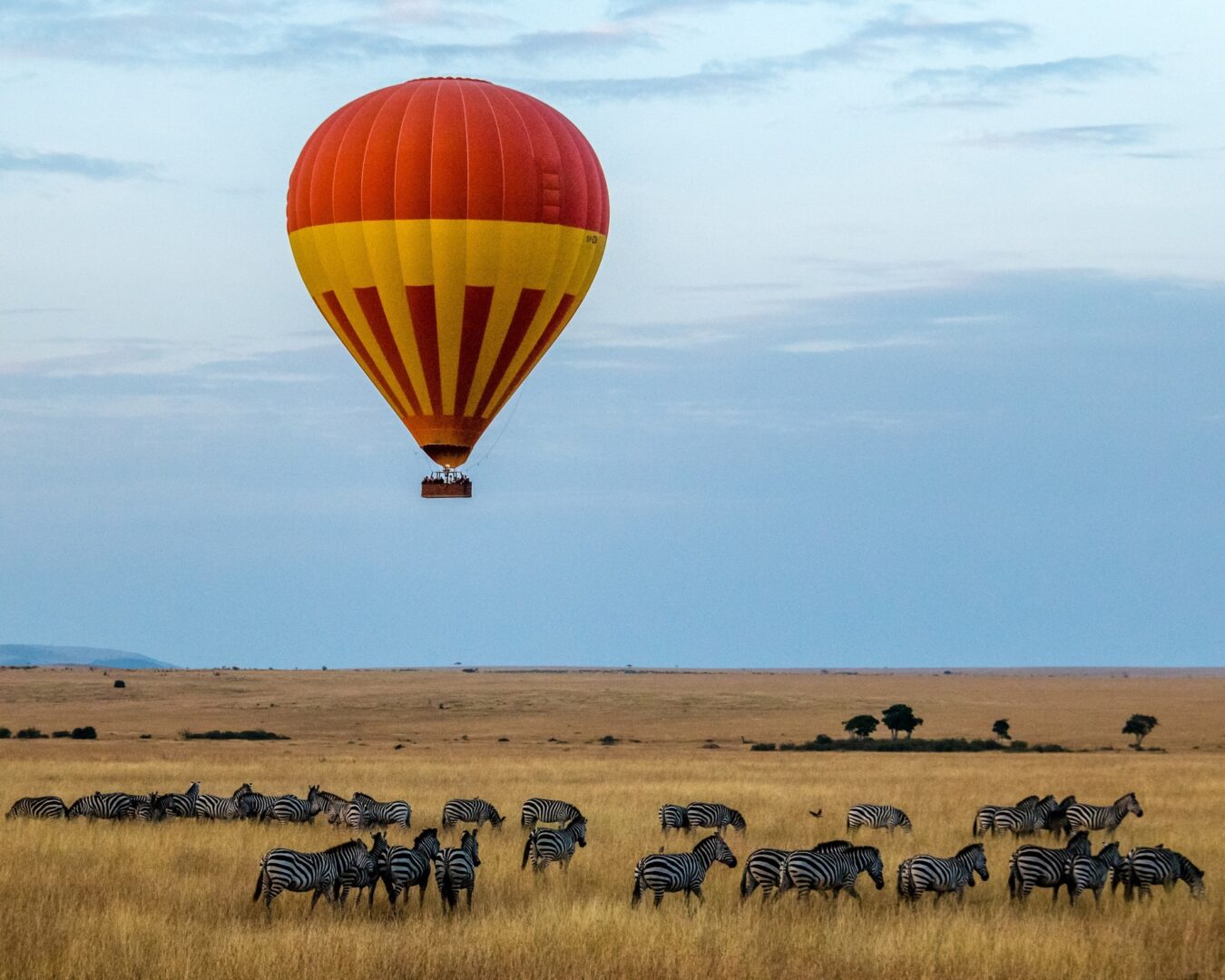
Selecting the right safari type depends on travel season, budget, wildlife goals, and desired comfort level. With careful planning, Serengeti migration itineraries can be structured to maximize both wildlife viewing and personal travel style.
Best Great Migration Safari Itineraries
Each itinerary begins in Arusha, the primary safari gateway to northern Tanzania.
3 Days Serengeti Migration Safari
This short but powerful itinerary is designed for travelers who want focused migration action within limited time. The safari flies or drives from Arusha directly into the Serengeti region where the migration is currently concentrated.
During calving season (January to March), this itinerary focuses on southern Serengeti and Ndutu plains. During river crossing season (July to October), it shifts to northern Serengeti for Mara River activity.
Ideal Months: January–March (calving), July–October (river crossings)
Starting Point: Arusha
Accommodation Tier: Mid-range, luxury tented camps, or fly-in premium lodges
This is one of the most searched Serengeti migration safari packages for time-sensitive travelers seeking concentrated wildlife viewing.
4 Days Serengeti Migration Safari
The 4-day option allows deeper exploration of migration corridors and increases the chance of witnessing herd movement or predator interaction.
In southern Serengeti during calving season, guests enjoy extended game drives across open plains. In western or northern Serengeti during mid-year, the itinerary targets river systems such as the Grumeti River or Mara River.
Ideal Months: January–March, June–October
Starting Point: Arusha
Accommodation Tier: Mid-range or luxury mobile camps
This itinerary ranks strongly for travelers searching for a balanced Great Migration Safari in Serengeti National Park with improved sighting opportunities.
5 Days Serengeti River Crossing Safari
This itinerary is specifically designed for travelers targeting the dramatic river crossing season. The focus is northern Serengeti between August and October when herds gather along the Mara River.
With additional days, this safari maximizes positioning at key crossing points and allows flexibility to wait for herd movement. It can also combine central Serengeti for resident big cats.
Ideal Months: July–October
Starting Point: Arusha (drive or fly-in to Kogatende airstrip)
Accommodation Tier: Luxury riverfront camps or high-end tented lodges
This is a high-converting itinerary for travelers searching for Serengeti river crossing safari packages and is considered one of the most requested Great Migration experiences.
7 Days Great Migration & Ngorongoro Safari
This itinerary combines the migration spectacle in Serengeti with the wildlife concentration of Ngorongoro Crater. It provides both migration drama and year-round Big Five sightings.
Guests explore the migration zone based on season and then descend into Ngorongoro Crater, one of Africa’s most wildlife-dense environments.
Ideal Months: Year-round, with migration positioning adjusted seasonally
Starting Point: Arusha
Accommodation Tier: Mid-range lodges or luxury crater-view properties
This safari is ideal for travelers wanting both migration movement and guaranteed wildlife diversity in one itinerary.
10 Days Northern Circuit Migration Safari
The 10-day Northern Circuit itinerary includes Serengeti migration tracking alongside Tarangire National Park and Ngorongoro Crater.
This extended safari allows guests to experience different landscapes while maintaining strong focus on Great Migration Safaris in Serengeti National Park. It adapts location based on the Serengeti migration calendar and maximizes seasonal positioning.
Ideal Months: Year-round
Starting Point: Arusha
Accommodation Tier: Mid-range to ultra-luxury
This itinerary captures high-value search traffic such as 10 day Tanzania migration safari and Northern Circuit Great Migration package.
14 Days Tanzania Ultimate Migration Safari
This comprehensive safari follows the migration across multiple Serengeti regions depending on timing. It includes extended days in both southern and northern Serengeti if seasonally appropriate, plus Ngorongoro Crater and optional Zanzibar beach extension.
Guests enjoy a complete immersion into the Serengeti ecosystem, with opportunities to witness calving, predator interaction, and river crossings within one extended journey if seasonal movement allows.
Ideal Months: February (calving focus) or August–October (river crossing focus)
Starting Point: Arusha
Accommodation Tier: Luxury tented camps, private safari lodges, or fly-in exclusive camps
This itinerary targets high-end travelers searching for the best migration safari in Africa and delivers a full-spectrum Serengeti migration experience.
Choosing the Right Great Migration Safari Itinerary
Selecting the ideal Great Migration Safari in Serengeti National Park depends on travel season, budget level, and wildlife priorities. Shorter itineraries focus on specific migration moments, while extended safaris allow broader ecosystem exploration.
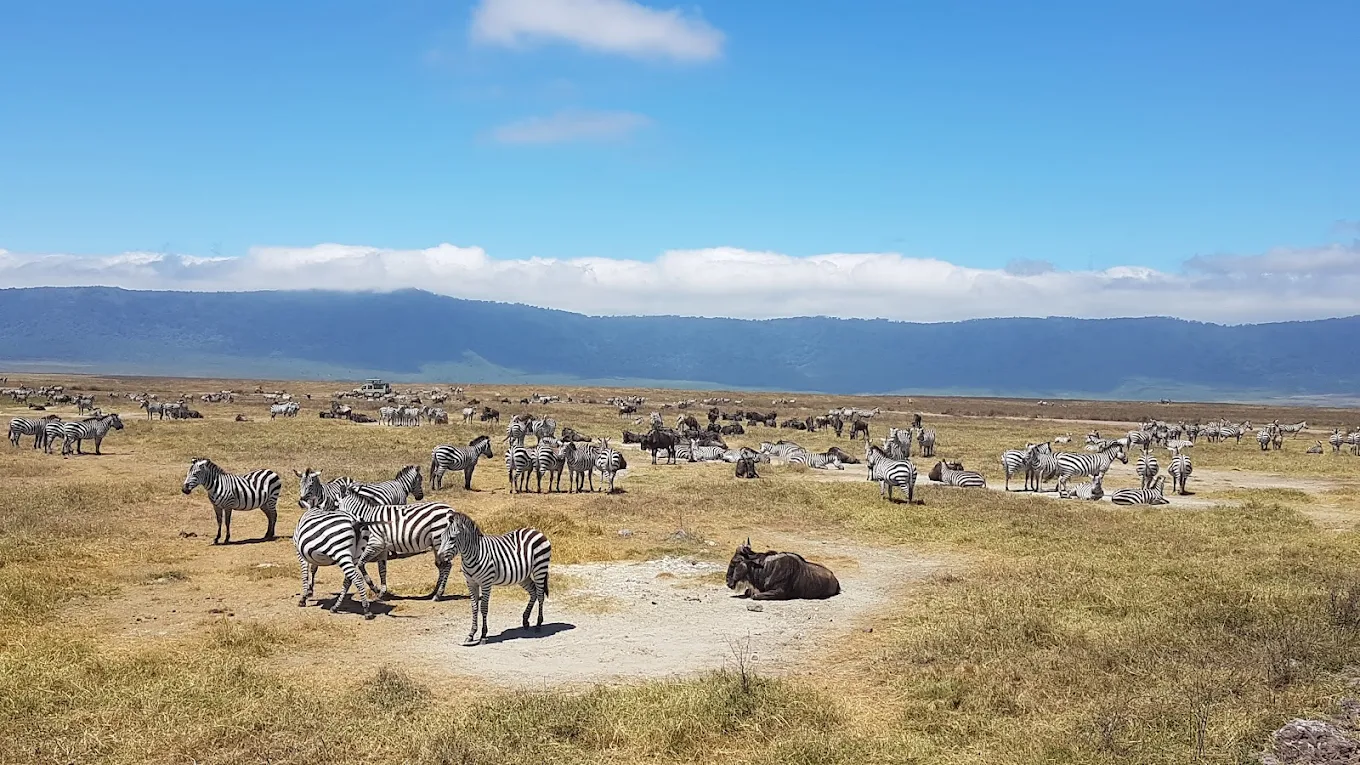
Because the migration is dynamic, professional itinerary structuring is critical. The location of camps and routing must align with herd movement during the selected month. This is what transforms a standard Serengeti safari into a true Great Migration experience.
How Much Does a Great Migration Safari Cost?
One of the most searched questions when planning Great Migration Safaris in Serengeti National Park is simple: How much does it cost? The answer depends on travel season, accommodation level, park logistics, and the structure of the itinerary.
Understanding the real Serengeti safari cost requires looking beyond a single number. Migration safari pricing is influenced by accommodation tier, park fees, concession charges, vehicle type, and guide quality. Below is a realistic breakdown to help travelers understand the migration safari price structure in Tanzania for 2026 and beyond.
Luxury Great Migration Safari Cost Per Day
Luxury Great Migration Safaris in Serengeti National Park typically range between USD 1,200 to USD 2,500 per person per day, depending on season and camp location.
During peak river crossing season in northern Serengeti (July to October), prices are at their highest due to demand and prime camp positioning near the Mara River. Luxury camps include private verandas, premium dining, expert guiding, and often fly-in access to minimize transfer time.
These high-end safaris usually include:
All park fees
Full board accommodation
Private safari vehicles
Professional guide services
Internal flights where applicable
Luxury pricing reflects both exclusivity and location, especially when staying at riverfront camps during migration peak.
Mid-Range Migration Safari Cost Per Day
Mid-range Great Migration Safaris in Serengeti National Park typically range from USD 600 to USD 1,100 per person per day.
These safaris offer well-appointed tented camps or lodges with ensuite facilities and strong guiding standards. While not ultra-luxury, they provide excellent positioning in migration corridors and deliver strong value for money.
Mid-range itineraries are popular during calving season (January–March) and the green season (April–May), when accommodation pricing is slightly lower compared to peak river crossing months.
For travelers searching for an affordable but immersive Tanzania safari cost 2026, mid-range options represent the best balance between comfort and wildlife access.
Budget Great Migration Safari Cost Per Day
Budget Serengeti migration safaris typically range between USD 300 to USD 600 per person per day, depending on group size and accommodation style.
These safaris often use basic campsites or simpler lodges and may operate on shared vehicle departures. While comfort levels are lower, wildlife access remains excellent, particularly during central Serengeti migration phases.
Budget migration safaris are ideal for adventurous travelers focused primarily on wildlife viewing rather than accommodation luxury.
Serengeti Park Fees and Concession Fees
A significant portion of the Serengeti safari cost comes from park and conservation fees. Serengeti National Park charges daily park entry fees, which vary depending on residency status and season.
In addition to park entry fees, many luxury camps in prime migration areas are located within private concession zones. These areas may require concession fees that increase the overall migration safari price but offer lower vehicle density and more exclusive wildlife viewing.
For travelers planning river crossing safaris, concession areas in northern Serengeti provide premium positioning but add to overall cost.
Vehicle Type and Its Impact on Cost
Vehicle quality significantly influences the final migration safari price. Private 4×4 Land Cruisers with pop-up roofs are standard for most Serengeti safaris, but upgraded photographic vehicles with open sides and stabilizing mounts increase cost.
Private-use vehicles cost more than shared vehicles but provide flexibility to wait at river crossings or follow specific wildlife sightings without time restrictions.
For photographers and families, investing in a private vehicle enhances the migration experience considerably.
Guide Expertise and Cost Difference
The quality of your safari guide directly impacts your Great Migration experience. Experienced guides understand migration patterns, predator behavior, and river crossing timing. Highly trained guides command higher daily rates, which are reflected in safari pricing.
Professional guiding increases the likelihood of being positioned correctly when crossings occur and enhances overall wildlife interpretation.
In Great Migration Safaris in Serengeti National Park, guide expertise is often the difference between witnessing movement from a distance and being present at the moment of dramatic action.
What Influences Tanzania Safari Cost in 2026?
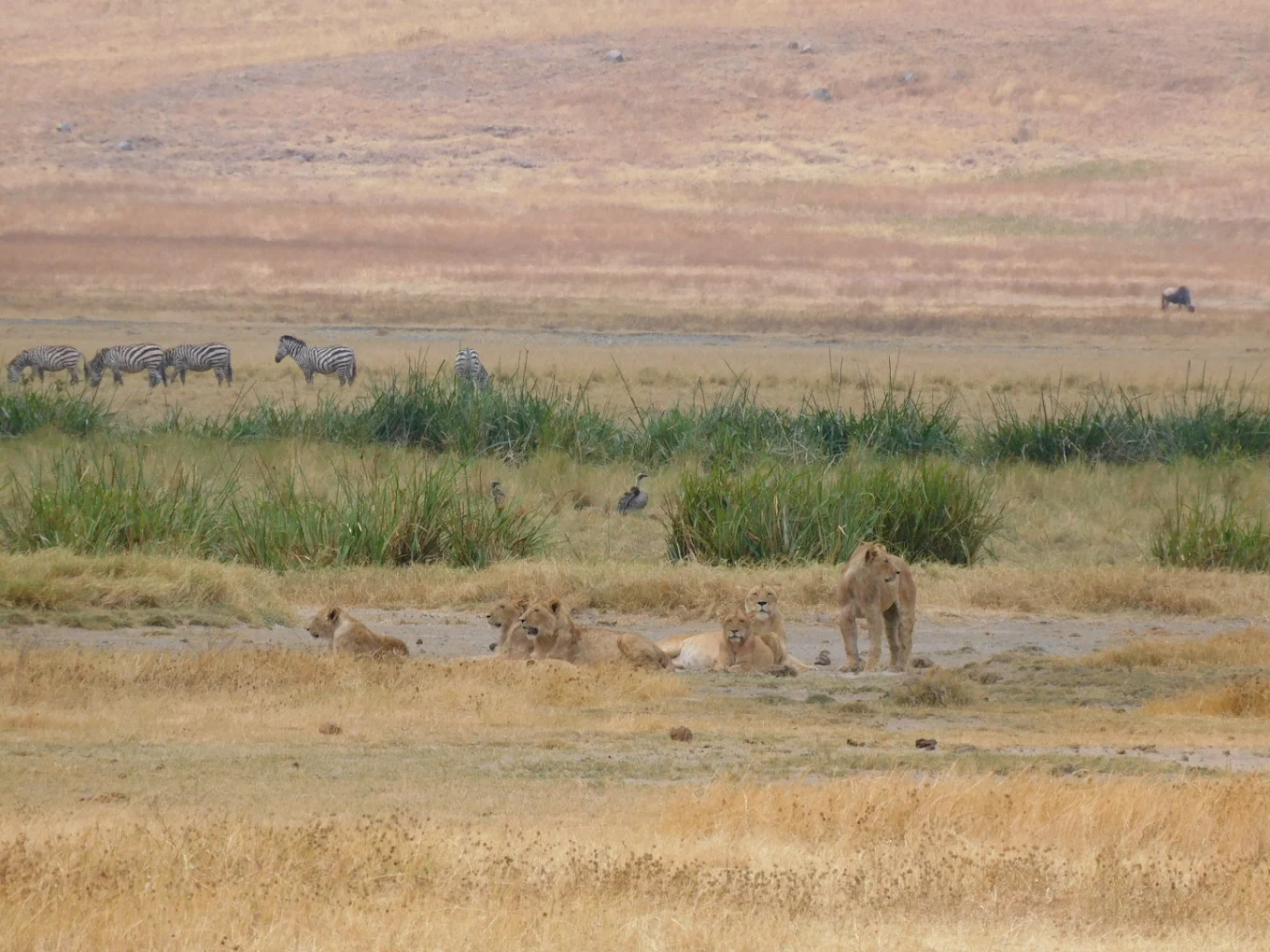
Several factors determine the final cost of Great Migration Safaris in Serengeti National Park:
Travel season, especially peak river crossing months
Accommodation category
Location of camp relative to migration movement
Private versus shared vehicle use
Internal flights versus road transfers
Length of itinerary
Longer safaris reduce per-day transport cost averages but increase overall package price. Fly-in safaris increase comfort and time efficiency but add flight expenses.
Average Total Migration Safari Cost Examples
To provide a general estimate:
A 4-day mid-range migration safari may range between USD 2,400 and USD 4,000 per person depending on season.
A 7-day luxury river crossing safari may range between USD 8,000 and USD 15,000 per person during peak months.
A 10-day Northern Circuit migration safari combining Serengeti and Ngorongoro may range between USD 6,000 and USD 12,000 per person depending on accommodation level.
These figures position Serengeti migration safaris among the most premium wildlife experiences in Africa, largely due to conservation costs and seasonal demand.
Is the Great Migration Safari Worth the Cost?
When evaluating the migration safari price, travelers must consider scale, exclusivity, and rarity. The Great Migration represents one of the last intact large-scale wildlife movements on Earth. River crossings, predator interactions, and year-round ecosystem dynamics make it a once-in-a-lifetime safari experience.
For travelers comparing Serengeti safari cost versus Masai Mara or other African destinations, Serengeti provides a broader ecosystem, longer migration window, and larger conservation landscape.
Ultimately, the value of Great Migration Safaris in Serengeti National Park lies not just in wildlife density, but in witnessing one of nature’s most powerful annual events within a protected UNESCO ecosystem.
Best Lodges & Camps for the Great Migration
Where you stay during Great Migration Safaris in Serengeti National Park determines how close you are to the action. The migration moves seasonally across the ecosystem, and the most successful Serengeti migration itineraries position guests strategically according to herd movement.
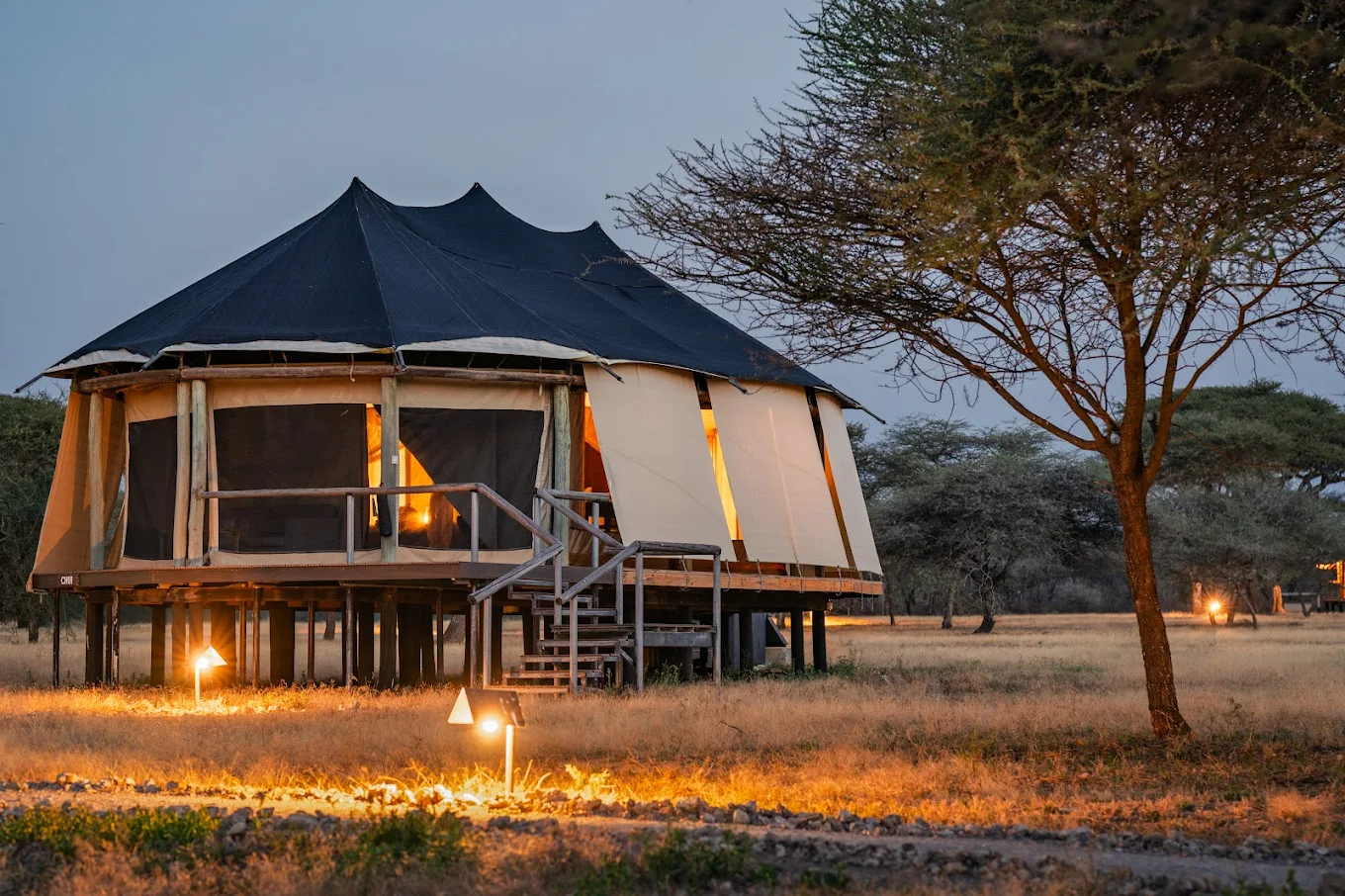
Choosing the right camp is not just about comfort, it is about geography. Below is a season-by-season breakdown of the best migration camps in Serengeti, structured to help travelers target calving season, Grumeti crossings, or Mara River drama.
Southern Serengeti – Calving Season (January to March)
During calving season, the herds concentrate in the short-grass plains of southern Serengeti and the Ndutu region. This is one of the most productive wildlife periods of the year and requires camps positioned within the migration corridor itself.
Among the most sought-after properties during this period is Ndutu Safari Lodge, located in the Ndutu area where calving activity peaks. Its strategic position allows rapid access to newborn herds and predator interactions.
Luxury travelers often choose Lake Masek Tented Camp, which offers elegant tented accommodation overlooking the plains where thousands of wildebeest give birth.
Mobile luxury operators such as Serengeti Safari Camp reposition camps seasonally to follow the migration into the southern plains. These mobile camps are particularly popular for guests seeking immersive, location-driven Serengeti luxury safari camps during calving season.
Southern Serengeti accommodation focuses on open savannah visibility, predator sightings, and proximity to herd concentrations.
Western Corridor – Grumeti River (May to July)
As the long rains shift and the herds move northwest, the Western Corridor near the Grumeti River becomes the focal point of Great Migration Safaris in Serengeti National Park.
The Grumeti River crossings are less crowded than Mara River crossings but equally dramatic. Camps in this region offer river access and woodland landscapes.
One of the most exclusive properties in this region is Singita Grumeti, located within a private concession bordering the Serengeti. It offers exceptional privacy, guiding, and access to migration routes.
Another strong option is Grumeti Serengeti River Lodge, positioned close to river crossing sites and migration corridors.
Western Corridor camps combine migration access with lower vehicle density compared to northern peak season. For travelers seeking the best migration camps Serengeti without extreme high-season congestion, this region provides balance and exclusivity.
Northern Serengeti – Mara River (July to October)
The northern Serengeti is synonymous with river crossing season. Between July and October, the herds gather along the Mara River, creating some of the most dramatic wildlife spectacles in Africa.
For travelers booking Serengeti river crossing safari packages, staying close to crossing points is essential.
Among the most renowned luxury properties is Sayari Camp, known for its proximity to major Mara River crossing locations. Sayari is widely regarded as one of the top Serengeti luxury safari camps during peak migration months.
Another highly positioned property is Mara Under Canvas, a seasonal mobile camp that relocates to follow migration patterns closely.
For ultra-luxury travelers, Lemala Kuria Hills Lodge offers elevated views, modern design, and strong access to river crossing zones.
Northern Serengeti camps are typically priced at a premium due to demand, exclusivity, and strategic river access. However, they provide the highest probability of witnessing the iconic Mara River crossings that define peak-season Great Migration Safaris in Serengeti National Park.
Choosing the Best Migration Camp
The key to selecting the best migration camp is aligning season with location. A luxury camp in the wrong region during a specific month will not deliver the intended migration experience.
Southern Serengeti camps are ideal for calving and predator action.
Western Corridor camps position guests for Grumeti crossings and woodland migration movement.
Northern Serengeti camps offer prime Mara River crossing access during peak season.
Travelers searching for the best migration camps Serengeti or the most exclusive Serengeti luxury safari camps should prioritize seasonal positioning over brand name alone.
When planning Great Migration Safaris in Serengeti National Park, camp selection is as important as itinerary length. Strategic accommodation placement transforms a standard safari into a front-row migration experience.
Serengeti vs Masai Mara – Where Is the Best Migration Experience?
One of the most searched comparisons in African safari planning is Serengeti vs Masai Mara for the Great Migration. Travelers often ask which destination offers the best migration experience, the most dramatic river crossings, or the highest wildlife density.
The answer depends on timing, travel style, and expectations, but when considering the full annual cycle, scale, and ecological depth, Great Migration Safaris in Serengeti National Park offer the most complete migration experience.
Size and Ecosystem Scale
Serengeti National Park spans nearly 15,000 square kilometers, forming the core of the Serengeti–Mara ecosystem. In contrast, Masai Mara National Reserve covers approximately 1,500 square kilometers.
This difference in scale directly impacts safari experience. The Serengeti’s vastness allows herds to disperse widely across plains, woodlands, and river systems. It also reduces vehicle concentration, particularly outside peak northern Serengeti months.
The Masai Mara is smaller and more compact, which can mean concentrated wildlife sightings but also higher vehicle density during peak migration season.
For travelers prioritizing space, wilderness immersion, and year-round migration presence, Serengeti offers greater ecological depth.
Migration Duration and Continuity
The Great Migration is a year-round circular movement that begins and ends in Tanzania. While the herds spend several months in Kenya’s Masai Mara during peak river crossing season, the Serengeti hosts the migration for the majority of the year.
Calving season from January to March occurs exclusively in southern Serengeti. Western Corridor movement and Grumeti River crossings also occur within Tanzania. Northern Serengeti hosts the Mara River crossings before the herds briefly move into Kenya.
For travelers seeking the best migration safari in Africa, Serengeti provides access to every phase of the migration cycle, not just the river crossing window.
River Crossings – Serengeti vs Masai Mara
Both Serengeti and Masai Mara offer Mara River crossings, but the experience differs significantly.
In the northern Serengeti, river crossings occur along extended stretches of river with multiple crossing points. Camps are strategically positioned near key areas, and concession zones reduce crowding in certain sections.
In the Masai Mara, crossings are dramatic but concentrated in a smaller geographic area. Because of the reserve’s size and popularity, vehicle density can increase significantly during peak season.
Travelers specifically booking a Serengeti river crossing safari often benefit from a broader geographic spread and the possibility of observing crossings in less congested settings.
Predator Density and Wildlife Diversity
Both Serengeti and Masai Mara boast exceptional predator populations. Lions, cheetahs, leopards, hyenas, and crocodiles thrive in both ecosystems.
However, Serengeti’s size allows for a wider distribution of predator territories. Central Serengeti, for example, maintains strong resident big cat populations even outside peak migration months.
Masai Mara is known for high predator visibility due to its smaller size and open plains. Wildlife encounters can feel more immediate, though sometimes busier.
For travelers seeking continuous predator interaction throughout different seasons, Great Migration Safaris in Serengeti National Park provide more flexibility across regions.
Accessibility and Logistics
Masai Mara can be accessed quickly from Nairobi by short flight or road transfer, making it appealing for shorter itineraries.
Serengeti typically requires access through Arusha with either road transfer or scheduled flights into various airstrips. While travel distances may be longer, Serengeti itineraries often combine seamlessly with Ngorongoro Crater, Tarangire National Park, and Zanzibar beach extensions.
For travelers planning longer, immersive Tanzania itineraries, Serengeti offers broader circuit options.
Crowd Levels and Exclusivity
During peak migration season, both destinations experience high demand. However, Serengeti’s size disperses safari vehicles more effectively across its vast landscape.
Private concessions in northern and western Serengeti provide more exclusive migration viewing opportunities. In contrast, Masai Mara’s public reserve areas can become congested during prime crossing periods.
For travelers seeking privacy, space, and lower vehicle density, Serengeti often delivers a more expansive wilderness experience.
Which Is the Best Migration Experience?
If your goal is to witness the Mara River crossing within a compact and easily accessible area, Masai Mara offers dramatic action within a shorter travel window.
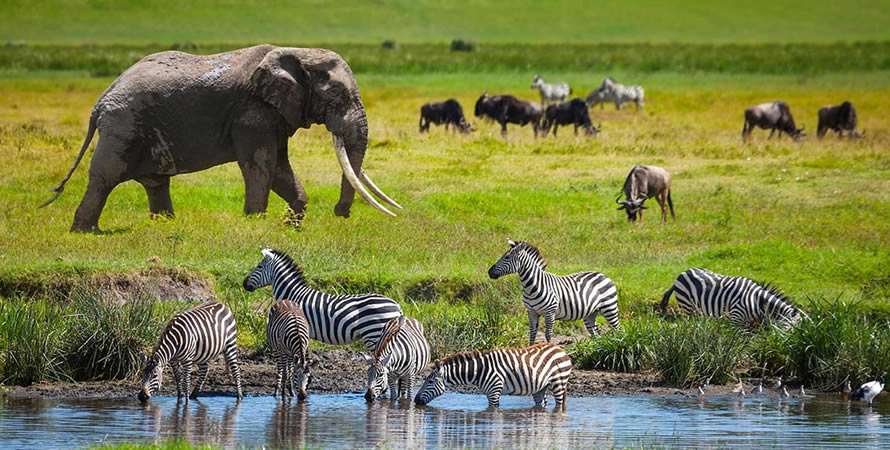
If you want the full migration story from calving season to Grumeti crossings to Mara River drama and the return south, then Great Migration Safaris in Serengeti National Park provide the most comprehensive and seasonally diverse experience.
Serengeti is not simply a river crossing destination. It is the birthplace, engine, and anchor of the Great Migration itself.
For travelers comparing Serengeti vs Masai Mara migration safaris, the ultimate decision depends on timing and travel goals. However, for scale, continuity, and ecological depth, Serengeti remains the most complete migration destination in Africa.
Mara River Crossings – What to Expect
For many travelers booking Great Migration Safaris in Serengeti National Park, the ultimate goal is witnessing a Mara River crossing. This is the moment that defines the migration in global imagination — a surge of hooves, splashing water, rising dust, predator ambush, and raw survival unfolding in seconds.
Located in the northern reaches of Serengeti National Park, the Mara River becomes the stage for one of the most dramatic wildlife spectacles on Earth between July and October. But what truly happens during a Serengeti river crossing safari is more complex and more emotional than most travelers expect.
The Build-Up: Tension Before the Crossing
A Mara River crossing rarely happens instantly. Herds gather at the riverbanks, sometimes for hours or even days. Wildebeest cluster together, restless and uncertain. Leaders approach the edge, retreat, then return again. The atmosphere is charged with hesitation.
This period of waiting is part of the experience. On Great Migration Safaris in Serengeti National Park, patience is not optional, it is essential. The most powerful crossings often occur after long stretches of silence and tension.
Dust rises from thousands of hooves as animals push toward the front. The air feels heavy with anticipation. Every movement at the riverbank matters.
The Surge: Chaos and Instinct
When the first wildebeest finally leaps into the water, hesitation collapses into chaos. Within seconds, hundreds follow. The river erupts into a storm of splashing bodies.
The sound is overwhelming, hooves striking rock, animals grunting, water churning. Zebras and wildebeest scramble across slick riverbanks, sometimes slipping, sometimes turning back.
This is the moment that defines Serengeti river crossing safari photography. It is unpredictable, explosive, and impossible to script.
Predator Ambush and Crocodile Attacks
The Mara River is home to enormous Nile crocodiles that have waited months for this event. Hidden beneath murky water, they launch upward in sudden, violent strikes. The speed is shocking.
Lions and hyenas patrol the exit banks, targeting exhausted animals struggling up steep embankments. Survival depends on timing, strength, and luck.
On Great Migration Safaris in Serengeti National Park, predator interaction during river crossings is not guaranteed, but when it happens, it is unforgettable. The intensity of these encounters creates some of the most powerful wildlife photography moments in Africa.
The Dust and the Aftermath
Once herds reach the far bank, dust clouds rise as thousands regroup. Some animals re-cross in confusion, creating repeated crossing events within a single day.
The landscape becomes a living painting of motion swirling dust, golden light, silhouettes against the horizon. For photographers, the interplay of light, dust, and movement provides extraordinary creative opportunities.
The dust is not simply an inconvenience. It is part of the migration’s visual identity — a reminder of scale and movement.
Patience Is the Key to Witnessing a Crossing
One of the biggest misconceptions about Great Migration Safaris in Serengeti National Park is that river crossings happen on demand. They do not.
A successful Serengeti river crossing safari often requires positioning near the Mara River for multiple days. Crossings can occur in minutes or be delayed for hours. Guides monitor herd movement constantly to anticipate likely crossing points.
Patience rewards those who stay.
When the crossing happens, it unfolds in waves of intensity, a release of tension that no photograph or video can fully capture.
The Emotional Weight of a River Crossing
A Mara River crossing is not just wildlife viewing. It is witnessing the brutal beauty of survival.
You feel the hesitation of the herd. You hear the splash of impact. You see strength, fear, instinct, and resilience collide in a matter of seconds.
For many travelers, this is the defining moment of their Great Migration Safari in Serengeti National Park , a raw encounter with nature that remains etched in memory long after the dust settles.
Serengeti River Crossing Guide
A Serengeti river crossing safari is one of the most requested experiences in Africa. But river crossings are often misunderstood. They are dramatic, unpredictable, and require strategy.
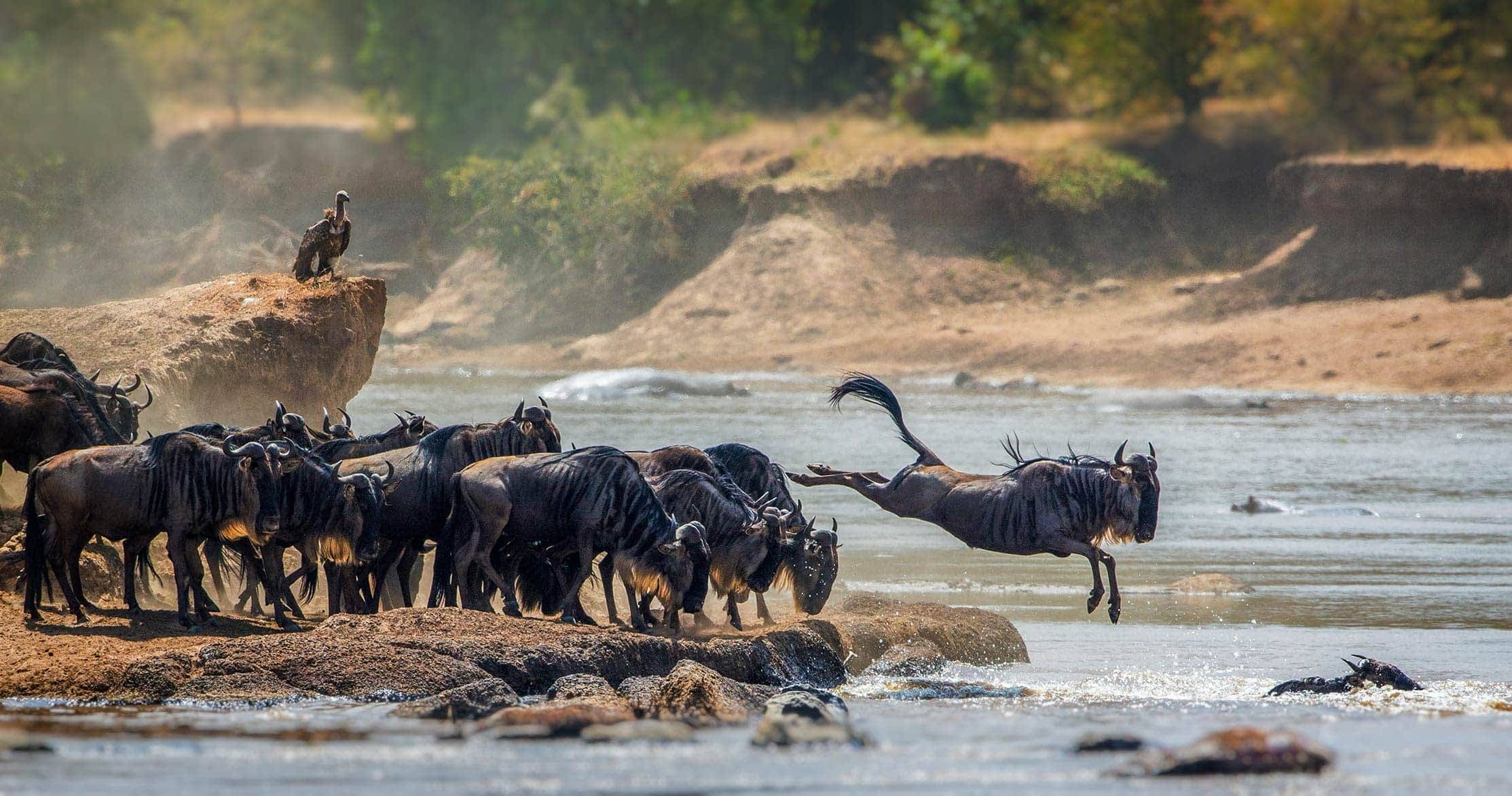
Here is what you need to know.
Where Do River Crossings Happen?
River crossings occur in two primary locations inside Serengeti National Park:
The Grumeti River in the Western Corridor
The Mara River in Northern Serengeti
The Mara River crossings are the most famous and typically occur between July and October.
What Makes Mara River Crossings So Dramatic?
The Mara River is deep, fast-moving, and filled with Nile crocodiles. Herds gather at steep riverbanks, hesitating before plunging into the water.
The crossing moment is chaotic. Wildebeest leap simultaneously, creating a stampede effect. Crocodiles strike quickly. Lions and hyenas wait on the opposite side.
This combination of:
Predator ambush
Crocodile attacks
Dust and splashing water
Sheer herd scale
creates one of the most intense wildlife events on Earth.
Are River Crossings Guaranteed?
No. River crossings are driven by instinct and rainfall patterns. Herds may gather for hours or days before crossing.
The key to maximizing your chance is staying multiple nights in the northern Serengeti during peak season.
On Great Migration Safaris in Serengeti National Park, experienced guides monitor herd behavior and position vehicles strategically at likely crossing points.
Best Camps for River Crossings
Northern Serengeti camps near the Mara River provide the best access to crossings. Strategic positioning reduces travel time when herds move suddenly.
Staying too far from the river dramatically reduces your chance of witnessing crossings.
Photography Tips for River Crossings
Early morning and late afternoon offer the best light. Dust clouds create dramatic golden backdrops. Patience is essential, crossings may happen suddenly after long periods of waiting.
A private vehicle enhances positioning flexibility, especially during peak river crossing season.
Is Serengeti or Masai Mara Better for River Crossings?
While both offer Mara River crossings, Serengeti provides broader crossing points along extended river stretches and more seasonal flexibility within Tanzania’s ecosystem.
For travelers searching specifically for a Serengeti river crossing guide, northern Serengeti remains one of the most reliable and dramatic river crossing destinations in Africa.
Frequently Asked Questions About the Great Migration in Serengeti
When is the Great Migration in Serengeti?
The Great Migration in Serengeti National Park happens year-round. Calving season occurs between January and March in southern Serengeti. Grumeti River crossings typically occur in June and July in the Western Corridor. Mara River crossings usually happen between July and October in northern Serengeti. The herds return south in November and December.
What is the best month to see the Great Migration in Serengeti?
The best month depends on the experience you want. January and February are best for calving season and predator action. July to October is best for dramatic Mara River crossings. June offers Grumeti River crossings with fewer crowds.
Where are the river crossings in Serengeti?
River crossings occur in two main areas: the Grumeti River in western Serengeti (May–July) and the Mara River in northern Serengeti (July–October). The northern Serengeti near Kogatende is the most famous crossing region.
How many wildebeest migrate in Serengeti?
Approximately 1.5 to 2 million wildebeest migrate annually, accompanied by around 200,000–300,000 zebra and hundreds of thousands of gazelles. It is the largest overland mammal migration on Earth.
Is Serengeti better than Masai Mara for the Great Migration?
Serengeti offers the full annual migration cycle, including calving season, western movement, and river crossings. Masai Mara hosts the migration for a shorter period during peak river crossing months. For a complete migration experience, Serengeti provides broader seasonal coverage and larger wilderness scale.
How many days do you need for a Great Migration Safari?
A minimum of 3–4 days in Serengeti is recommended for migration viewing. For river crossings, 5–7 days increases the chance of witnessing dramatic action. Longer itineraries allow greater flexibility to follow herd movement.
Is the Great Migration worth it?
Yes. The Great Migration is considered one of the most extraordinary wildlife events in the world. The scale, predator interaction, river crossings, and ecological drama make it a once-in-a-lifetime safari experience.
What is the best camp for the Great Migration in Serengeti?
The best camp depends on the season. Southern Serengeti camps are best during calving season. Western Corridor camps are ideal during Grumeti crossings. Northern Serengeti camps near the Mara River are best during river crossing season.
Can you see the Big Five during the Great Migration?
Yes. Serengeti supports lion, leopard, elephant, buffalo, and rhinoceros (though rhinos are rare in Serengeti and more reliably seen in Ngorongoro Crater). Lions and cheetahs are particularly active during migration periods.
Are river crossings guaranteed?
No. River crossings are unpredictable and depend on herd behavior and rainfall patterns. Staying multiple nights near the Mara River increases the chance of witnessing a crossing.
When is calving season in Serengeti?
Calving season typically occurs from late January to early March in southern Serengeti and Ndutu plains, when thousands of wildebeest calves are born daily.
Is Serengeti crowded during migration season?
Northern Serengeti during peak river crossing months can attract more vehicles, but the park’s vast size allows dispersal across large areas. Private concessions and strategic camp selection reduce congestion.
How much does a Great Migration Safari cost?
Migration safari costs range from approximately USD 300 per person per day for budget safaris to USD 2,500+ per person per day for luxury fly-in safaris, depending on accommodation tier and season.
Can you combine Serengeti migration with Ngorongoro Crater?
Yes. Many migration itineraries combine Serengeti with Ngorongoro Crater for additional wildlife density and Big Five viewing.
Do the wildebeest migrate every year?
Yes. The Great Migration is an annual, cyclical movement driven by rainfall and grazing patterns within the Serengeti ecosystem.
Is the Great Migration only in Serengeti?
The migration moves between Serengeti in Tanzania and Masai Mara in Kenya, but Serengeti hosts the migration for most of the year and is the origin of the cycle.
What is the Serengeti migration calendar?
The Serengeti migration calendar tracks herd movement by month: southern plains (Jan–Mar), western corridor (Apr–Jun), northern Serengeti river crossings (Jul–Oct), and return south (Nov–Dec).
What makes the Serengeti migration unique?
Its scale, year-round movement, predator interaction, UNESCO-protected ecosystem, and dramatic river crossings make it the most iconic wildlife migration in Africa.