
How Do Gorillas Clean Themselves? 9 Fascinating Grooming Secrets Revealed
How do gorillas clean themselves? Gorillas maintain their bodies and thick coats of fur through several natural grooming behaviors, including scratching, rubbing, inspecting their skin, and using their fingers to remove loose dirt and debris. Unlike humans, gorillas do not depend on soap, shampoo, or regular bathing to maintain their bodies. Instead, these intelligent primates have developed natural grooming habits that help them remain comfortable while living in tropical and mountain forests. Visitors exploring gorilla trekking in Bwindi, mountain gorillas in Rwanda, Mgahinga gorilla trekking, Volcanoes National Park, and luxury gorilla trekking tours may have opportunities to observe these fascinating behaviors.
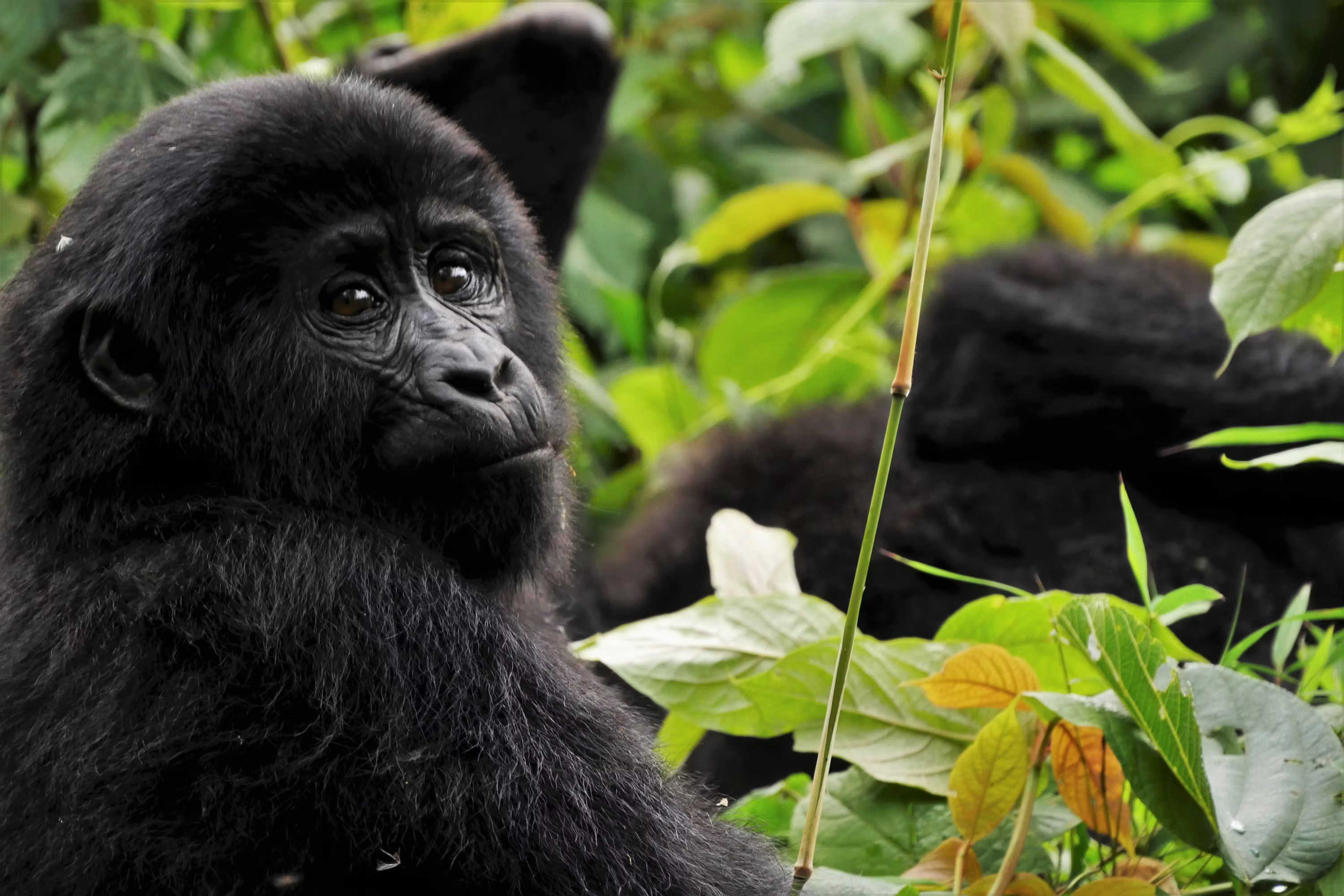
At Nextgen Safaris, we believe that understanding gorilla behavior makes every wildlife encounter more rewarding. Mountain gorillas spend much of their day feeding, moving through the forest, resting, and interacting with other members of their families. During quieter periods, visitors may observe a gorilla scratching its shoulder, examining its fur, or gently grooming an infant. Although grooming is generally less frequent among gorillas than among chimpanzees, it remains an important aspect of their natural behavior. Discover these fascinating primates through our Bwindi gorilla trekking safaris, Rwanda gorilla encounters, three-day Uganda gorilla safari, luxury gorilla adventures, and personalized wildlife tours.
Gorillas Clean Themselves Through Natural Self-Grooming

One of the primary ways gorillas maintain their bodies is through self-grooming, also known as autogrooming. How do gorillas clean themselves? This behavior involves using their hands and fingers to examine accessible areas of their bodies, scratch uncomfortable spots, and manipulate their fur. Gorillas possess remarkably dexterous fingers that allow them to perform precise movements, including separating sections of hair and investigating small objects caught within their coats. Self-grooming may take place while an animal is sitting, resting, or pausing between feeding activities. Travelers interested in observing this behavior can explore Bwindi Impenetrable National Park, Mgahinga Gorilla National Park, Rwanda’s Volcanoes National Park, Uganda gorilla trekking tours, and private primate safaris.
Gorillas Use Their Hands to Remove Dirt and Debris
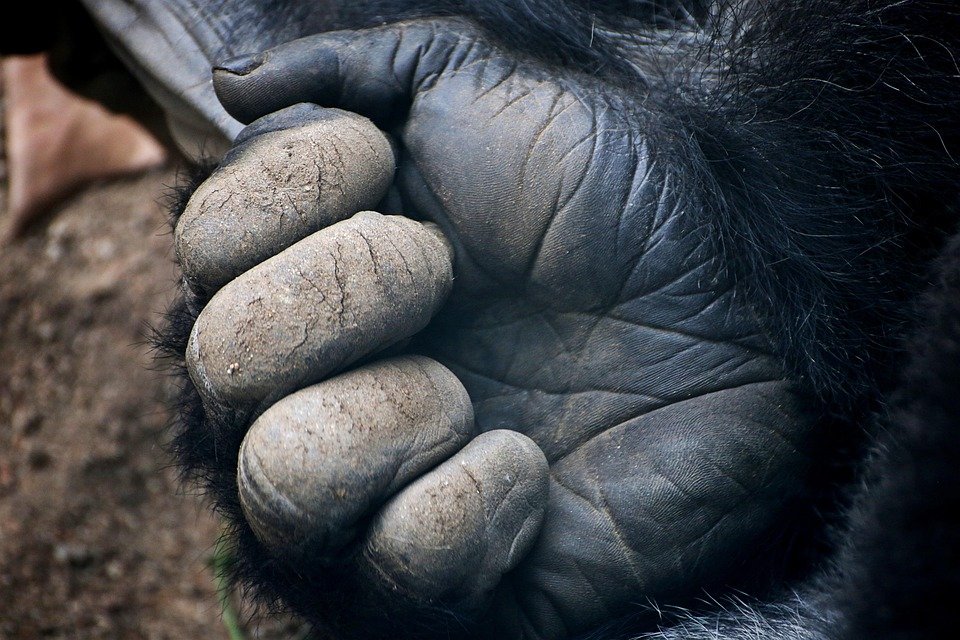
Mountain gorillas regularly move through vegetation, moist forest floors, and dense undergrowth, meaning loose leaves, soil, and other natural materials can become caught in their fur. When grooming themselves, gorillas may use their fingers to inspect or remove unwanted material from accessible parts of their bodies. Their powerful hands combine strength with fine motor control, enabling them to handle small objects with remarkable precision. How do gorillas clean themselves?However, removing visible dirt is not always their main concern, and a gorilla’s coat may remain muddy after ordinary forest activities. Visitors enjoying gorilla trekking in Uganda, Rwanda forest safaris, Mgahinga gorilla adventures, Bwindi wildlife holidays, and guided gorilla encounters can appreciate how naturally these primates interact with their surroundings.
Scratching and Rubbing Help Gorillas Maintain Their Comfort
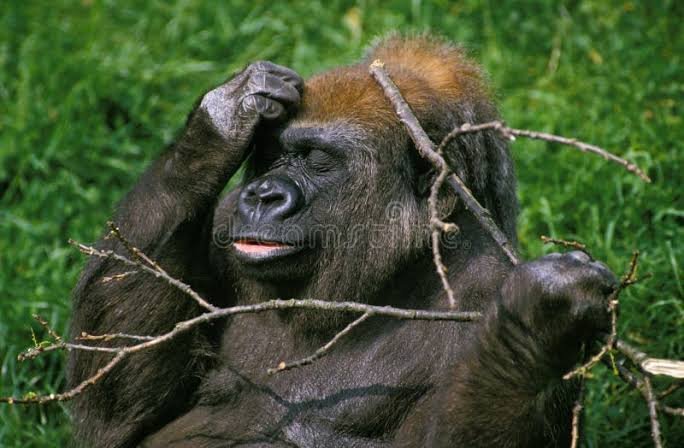
Another important part of understanding how gorillas clean themselves is recognizing the role of scratching and rubbing. Gorillas may scratch their shoulders, backs, arms, legs, or other accessible body regions when experiencing an itch or irritation. How do gorillas clean themselves?They can also rub parts of their bodies against vegetation or other surfaces during ordinary movements. Not every scratch indicates dirt or parasites; scratching may simply relieve temporary discomfort. Researchers consider scratching and self-directed grooming useful behaviors to observe, although their meaning depends on the situation. Such activities may be visible during Bwindi gorilla trekking, Rwanda mountain gorilla safaris, Mgahinga primate adventures, Volcanoes National Park excursions, and personalized gorilla trekking holidays.
Do Gorillas Groom Each Other to Stay Clean?
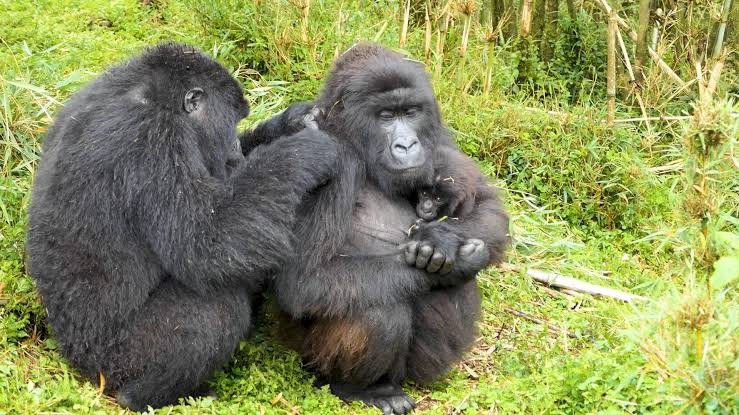
Gorillas sometimes groom other members of their social groups, a behavior known as allogrooming or social grooming. How do gorillas clean themselves?During these interactions, one gorilla may use its fingers to examine another individual’s fur, potentially removing loose debris or material from areas that are difficult to reach independently. Grooming can also provide opportunities for peaceful physical contact between family members. However, gorillas generally engage in less social grooming than chimpanzees and many other primates. It is therefore inaccurate to imagine gorilla families constantly cleaning one another throughout the day. Travelers can observe gorilla family relationships during Bwindi gorilla safaris, Rwanda gorilla trekking tours, Mgahinga trekking adventures, luxury Uganda gorilla holidays, and private wildlife experiences.
How Gorilla Mothers Clean and Groom Their Babies
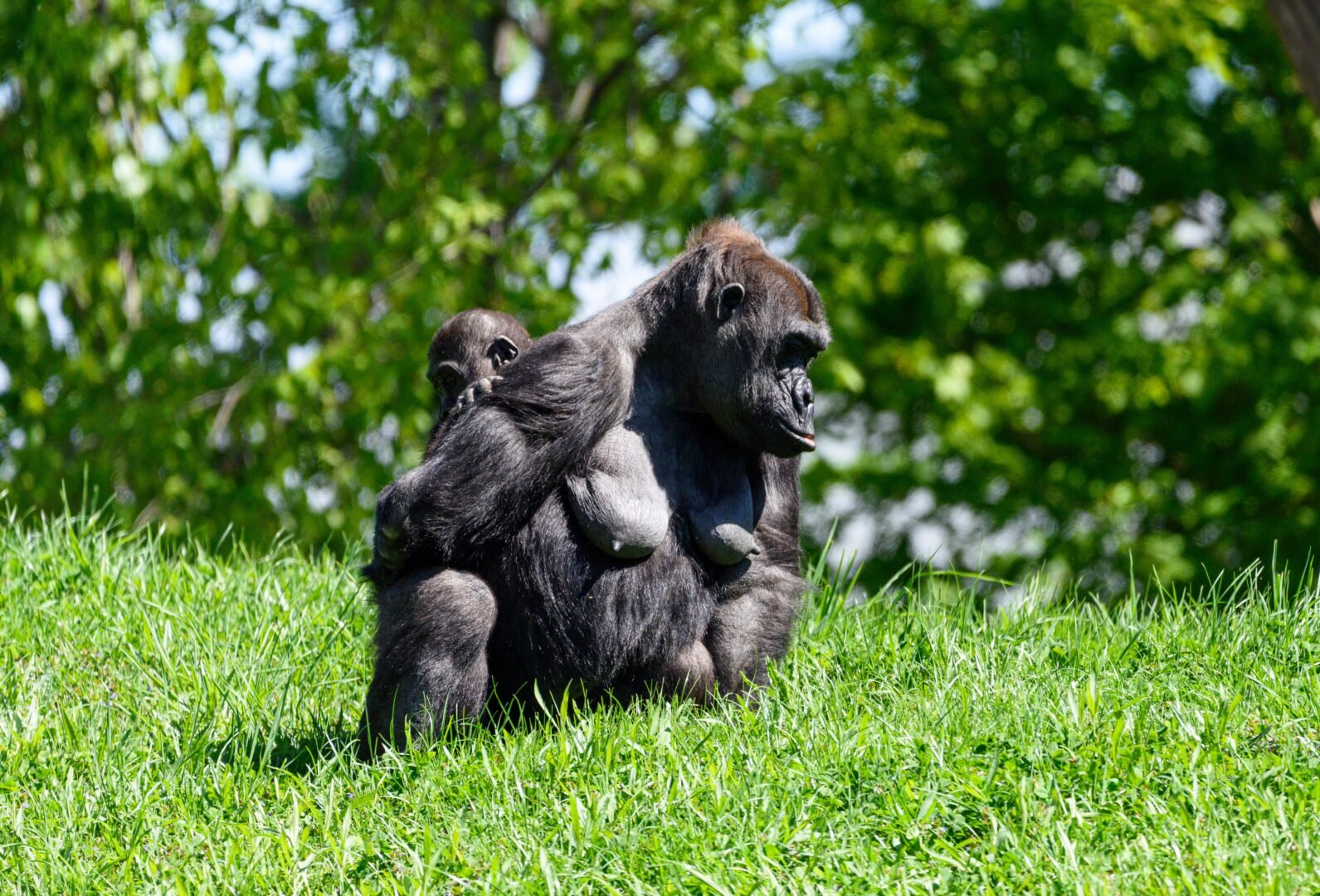
Mother gorillas play an especially important role in grooming and caring for their infants. Young gorillas depend heavily on their mothers for protection, transportation, feeding, warmth, and physical care. A mother may inspect her infant’s fur, gently touch different parts of its body, and remove loose material while holding the baby close. How do gorillas clean themselves?These grooming interactions provide opportunities for physical contact and may contribute to the close relationship between mother and offspring. Infants can also wriggle or move away when they become more active. Observing maternal care is a memorable possibility during Bwindi gorilla trekking safaris, Volcanoes National Park experiences, Rwanda gorilla holidays, luxury forest safaris, and guided mountain gorilla tours.
Young Gorillas Gradually Develop Grooming Behaviors
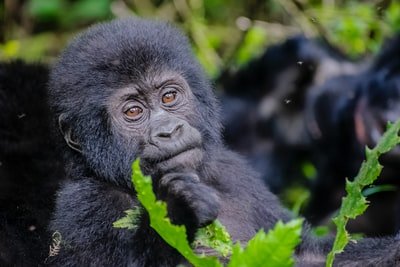
As gorilla infants grow, they become increasingly curious about their bodies, surroundings, and other family members. How do gorillas clean themselves?Very young infants depend on their mothers for grooming, while older individuals gradually develop the coordination needed for independent scratching, touching, and fur inspection. Juvenile gorillas may also participate in social grooming interactions as their relationships within the family develop. These activities form part of a much broader process of learning to feed independently, travel through the forest, and interact appropriately with other gorillas. Travelers seeking to understand gorilla development can explore Bwindi Impenetrable National Park, Uganda gorilla trekking experiences, Rwanda mountain gorilla tours, Mgahinga gorilla trekking, and private gorilla safari itineraries.
How Silverback Gorillas Keep Themselves Clean
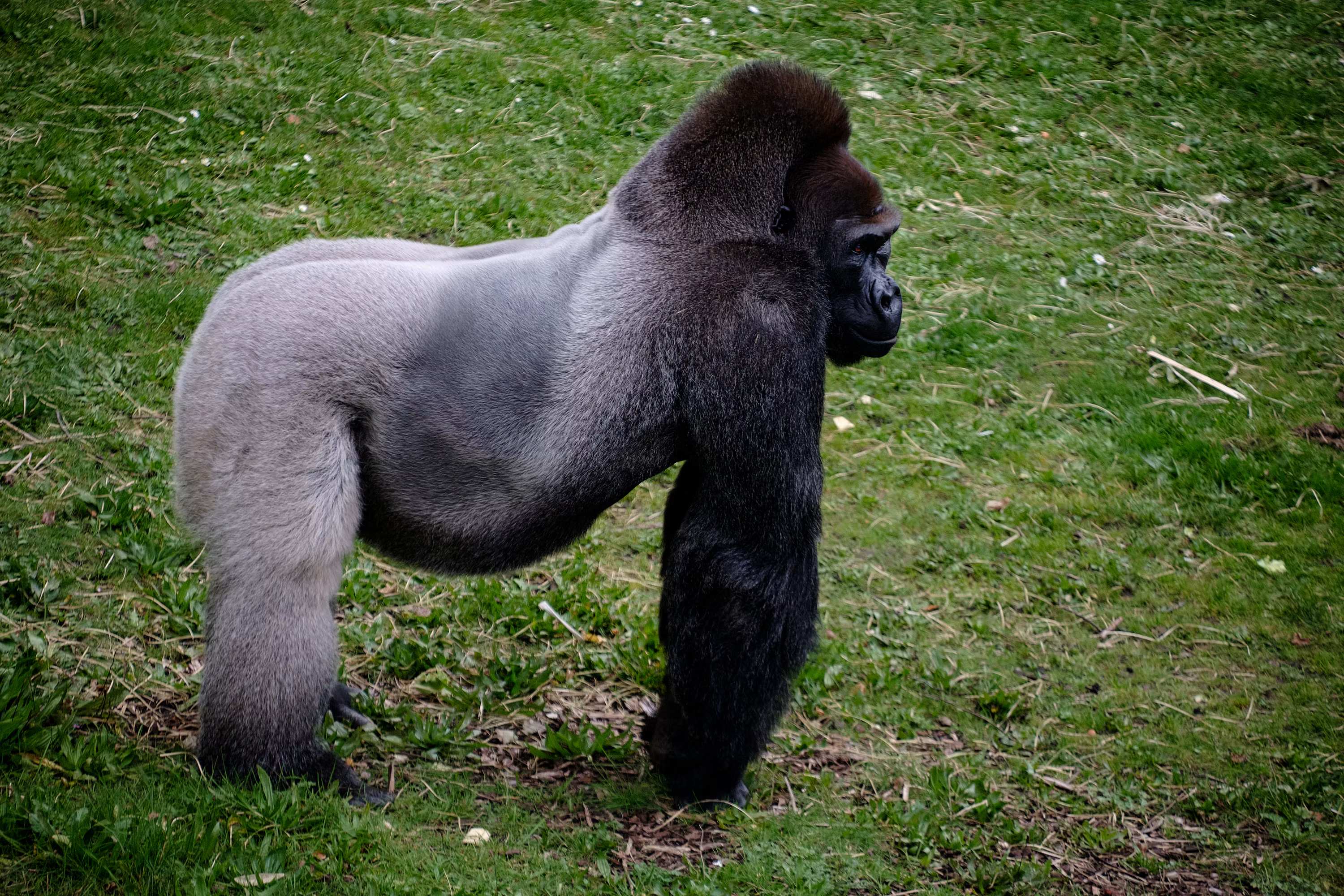
Silverbacks are mature male gorillas recognized by the distinctive silver-colored hair across their backs. Despite their enormous size and physical strength, silverbacks also engage in ordinary self-directed behaviors such as scratching, rubbing, and occasionally inspecting their fur. Their daily lives generally revolve around feeding, resting, traveling, and maintaining social relationships within the group. Some silverbacks may receive grooming from younger or other group members, although these interactions are not continuous. A silverback resting calmly while attending to an itch can be just as fascinating as a dramatic display. Experience silverback behavior through Bwindi mountain gorilla trekking, Rwanda gorilla safaris, Mgahinga forest adventures, luxury Uganda primate tours, and personalized gorilla holidays.
Grooming May Help Gorillas Manage Parasites and Skin Irritation
Grooming in primates can help remove external parasites, debris, and other material from their coats. Gorillas may inspect their fur or scratch areas experiencing irritation, but grooming alone does not eliminate every parasite or prevent every skin condition. How do gorillas clean themselves?Researchers distinguish between the potential hygienic benefits of grooming and its role in social interactions. Importantly, there is no reason to assume that every gorilla grooming movement involves searching for insects. Some movements may reflect ordinary itching, comfort, or self-directed behavior. Visitors interested in responsible wildlife observation can explore gorilla trekking in Bwindi, Rwanda gorilla trekking, Volcanoes National Park, Mgahinga forest safaris, and guided gorilla safari packages.
Gorilla Grooming Helps Maintain Social Relationships
Although gorillas groom one another less frequently than chimpanzees, social grooming can still play a role in their relationships. Gentle physical contact may accompany relaxed interactions between mothers and offspring, juveniles, or familiar adults. Research on mountain gorillas has examined grooming alongside proximity and other social behaviors to understand how long-term relationships develop within groups. However, grooming should not be interpreted as proof of affection in every situation, because its purpose can differ between individuals and contexts. How do gorillas clean themselves?Watching these subtle interactions provides insight into gorilla society. Discover group behavior through Uganda gorilla trekking, Volcanoes National Park, Rwanda primate experiences, luxury gorilla trekking holidays, and private guided safaris.
Do Gorillas Bathe or Wash Themselves with Water?
Unlike humans, gorillas do not normally take regular baths or deliberately wash themselves with soap and water. Mountain gorillas live in environments where rainfall, wet vegetation, streams, and moist ground are natural features of everyday life. Their fur may become wet during rainfall or forest movements, but getting wet is not necessarily an intentional cleaning activity. Gorillas rely primarily on normal skin and coat functions together with occasional grooming behaviors rather than structured bathing routines. This distinction is useful for visitors planning Bwindi rainforest safaris, Rwanda gorilla trekking tours, Mgahinga gorilla experiences, Volcanoes National Park holidays, and private forest adventures.
Do Gorillas Use Their Tongues or Teeth for Grooming?
Gorilla grooming is primarily discussed in terms of hand movements, scratching, rubbing, and fur manipulation. Licking may occur as a self-directed behavior in gorillas, but they should not be portrayed as routinely washing their entire coats with their tongues like domestic cats. How do gorillas clean themselves?Nor is there good reason to suggest that mountain gorillas systematically use their teeth as grooming combs. Their dexterous hands are especially useful for inspecting and handling material. Visitors interested in how gorillas use their bodies can observe everyday behavior during Bwindi gorilla safaris, Rwanda primate trekking, Mgahinga forest tours, luxury wildlife holidays, and customized gorilla adventures.
Why Gorillas Groom Less Frequently Than Chimpanzees
One fascinating difference between gorillas and chimpanzees is how frequently they engage in social grooming. Chimpanzees often spend substantial time grooming companions as part of their complex social relationships, while gorillas generally devote considerably less time to this behavior. Gorilla relationships are also maintained through proximity, play, communication, and other forms of social interaction. This does not mean gorillas are less social or lack strong family bonds. Instead, it demonstrates the diversity of behavior among great apes. How do gorillas clean themselves?Travelers can compare primate experiences by combining Bwindi gorilla trekking, Kibale chimpanzee and gorilla safaris, Rwanda mountain gorilla encounters, Queen Elizabeth National Park, and customized primate safari packages.
Does Grooming Affect Gorilla Health and Wellbeing?
Grooming is one component of a gorilla’s wider behavioral and physical wellbeing. Its potential benefits include removing some unwanted material from the coat, relieving irritation, and providing opportunities for social contact. However, gorilla health depends on many additional factors, including suitable habitat, nutrition, disease exposure, group stability, and conservation protection. Frequent scratching alone does not establish that an animal is sick, just as the absence of visible grooming does not indicate poor hygiene. Responsible wildlife observation requires considering the animal’s complete behavior and circumstances. Conservation-focused travelers can discover Bwindi Impenetrable National Park, Uganda gorilla trekking, Rwanda gorilla conservation experiences, gorilla trekking permits, and responsible safari holidays.
Can Visitors Watch Gorillas Cleaning Themselves During Trekking?
Visitors may observe gorilla grooming during a guided mountain gorilla trek, although the behavior cannot be guaranteed. Once a habituated gorilla family is located, tourists are generally permitted one regulated hour to observe its natural activities.How do gorillas clean themselves? Depending on the moment, a family may be feeding, resting, traveling, playing, or occasionally grooming. A mother attending to her infant or a silverback scratching his shoulder can offer fascinating photographic opportunities. Rangers explain appropriate observation procedures and help ensure that tourists do not disturb the animals. Arrange your encounter through Bwindi gorilla trekking tours, Rwanda gorilla safaris, three-day Uganda gorilla trekking, luxury gorilla holidays, and private safari bookings.
Best Places to Observe Natural Gorilla Behavior in Africa
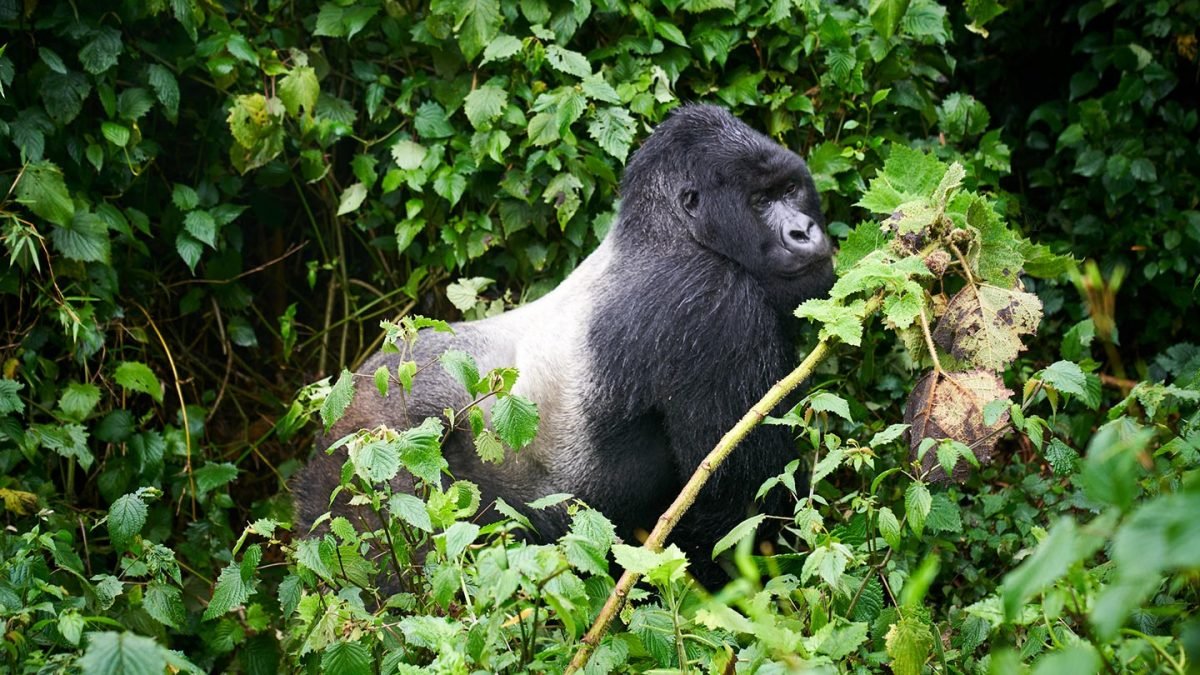
Mountain gorillas can be observed in their natural habitat during regulated trekking experiences in Uganda and Rwanda. In Uganda, Bwindi Impenetrable National Park offers several trekking sectors, including Buhoma, Ruhija, Rushaga, and Nkuringo, while Mgahinga Gorilla National Park protects another important mountain gorilla habitat. Rwanda’s Volcanoes National Park offers guided trekking experiences among the Virunga Mountains. The best destination depends on travel logistics, permit availability, accommodation preferences, and individual interests. Discover Bwindi gorilla trekking, Mgahinga gorilla safaris, Rwanda mountain gorilla trekking, Volcanoes National Park, and personalized gorilla safari itineraries.
How Gorilla Trekking Supports Mountain Gorilla Conservation
Responsible gorilla trekking contributes to the wider conservation effort by generating revenue for protected-area management and supporting tourism-related livelihoods. Gorilla permits help fund regulated wildlife viewing and broader conservation work, while surrounding communities may benefit from employment, guiding opportunities, and tourism services. Visitors also play a role by respecting distance requirements, avoiding trekking when ill, and following instructions that protect gorillas from disturbance and potential disease transmission. Understanding everyday behaviors such as grooming can deepen appreciation for the importance of protecting these animals. Travelers can explore Uganda gorilla permits, Bwindi gorilla trekking, Rwanda gorilla holidays, luxury conservation-focused safaris, and responsible safari planning.
Frequently Asked Questions About How Gorillas Clean Themselves
How do gorillas clean themselves in the wild?
Gorillas clean themselves through natural behaviors such as scratching, rubbing, and using their hands to inspect or manipulate their fur. They may also occasionally receive grooming from other group members. These habits help manage debris and discomfort without human-style bathing. Visitors can observe gorilla behavior through Bwindi gorilla trekking, Rwanda gorilla safaris, Mgahinga gorilla adventures, luxury forest holidays, and private gorilla tours.
Do gorillas groom themselves every day?
Gorillas may perform self-directed grooming or scratching during ordinary daily activities, but there is no fixed grooming schedule that applies to every individual. Grooming frequency depends on circumstances, age, and behavior. Learn about gorilla life through Bwindi Impenetrable National Park, Uganda gorilla trekking tours, Rwanda gorilla experiences, Mgahinga forest safaris, and guided wildlife holidays.
Do gorillas clean each other’s fur?
Yes. Gorillas sometimes engage in social grooming, during which one individual examines or manipulates another’s coat. This behavior is particularly important in some mother-infant relationships and may also occur between other group members. Discover gorilla family interactions in Bwindi, Rwanda gorilla trekking, Volcanoes National Park, luxury gorilla adventures, and private trekking packages.
How do mother gorillas clean their babies?
Mother gorillas groom their infants by inspecting and gently manipulating their fur while maintaining close physical contact. Grooming is one aspect of the extensive care mothers provide during infancy. Observe maternal behavior during Bwindi gorilla trekking, Rwanda mountain gorilla safaris, Mgahinga forest encounters, luxury primate tours, and personalized gorilla holidays.
Do gorillas use water to wash themselves?
Gorillas do not normally follow a deliberate bathing routine comparable to humans. Their coats can become wet from rainfall or contact with water, but their ordinary grooming behaviors primarily involve their bodies, hands, and fur. Explore Bwindi rainforest trekking, Rwanda gorilla tours, Mgahinga gorilla safaris, Volcanoes National Park, and private gorilla trekking packages.
Why do gorillas scratch themselves so often?
Scratching can help relieve an itch, respond to irritation, or form part of ordinary self-directed behavior. It does not necessarily mean that the gorilla has parasites or poor hygiene. Visitors may observe scratching during Bwindi gorilla trekking, Rwanda gorilla encounters, Mgahinga trekking adventures, luxury forest safaris, and guided wildlife holidays.
Do gorillas groom more than chimpanzees?
No. Gorillas generally spend less time engaged in social grooming than chimpanzees, although both species use grooming in different ways. Gorilla social relationships also involve proximity, communication, and play. Compare primate behavior through Bwindi gorilla trekking, Kibale chimpanzee and gorilla safaris, Rwanda gorilla trekking, Volcanoes National Park, and personalized primate tours.
Can tourists watch gorillas cleaning themselves during a safari?
Yes, visitors may see gorillas scratching, inspecting their fur, or grooming another group member during a regulated trekking encounter. However, gorillas are wild animals, and no particular behavior can be guaranteed. Explore Bwindi gorilla trekking experiences, Rwanda gorilla safaris, Mgahinga forest adventures, luxury gorilla trekking holidays, and private safari reservations.
Book Your Mountain Gorilla Trekking Safari with Nextgen Safaris
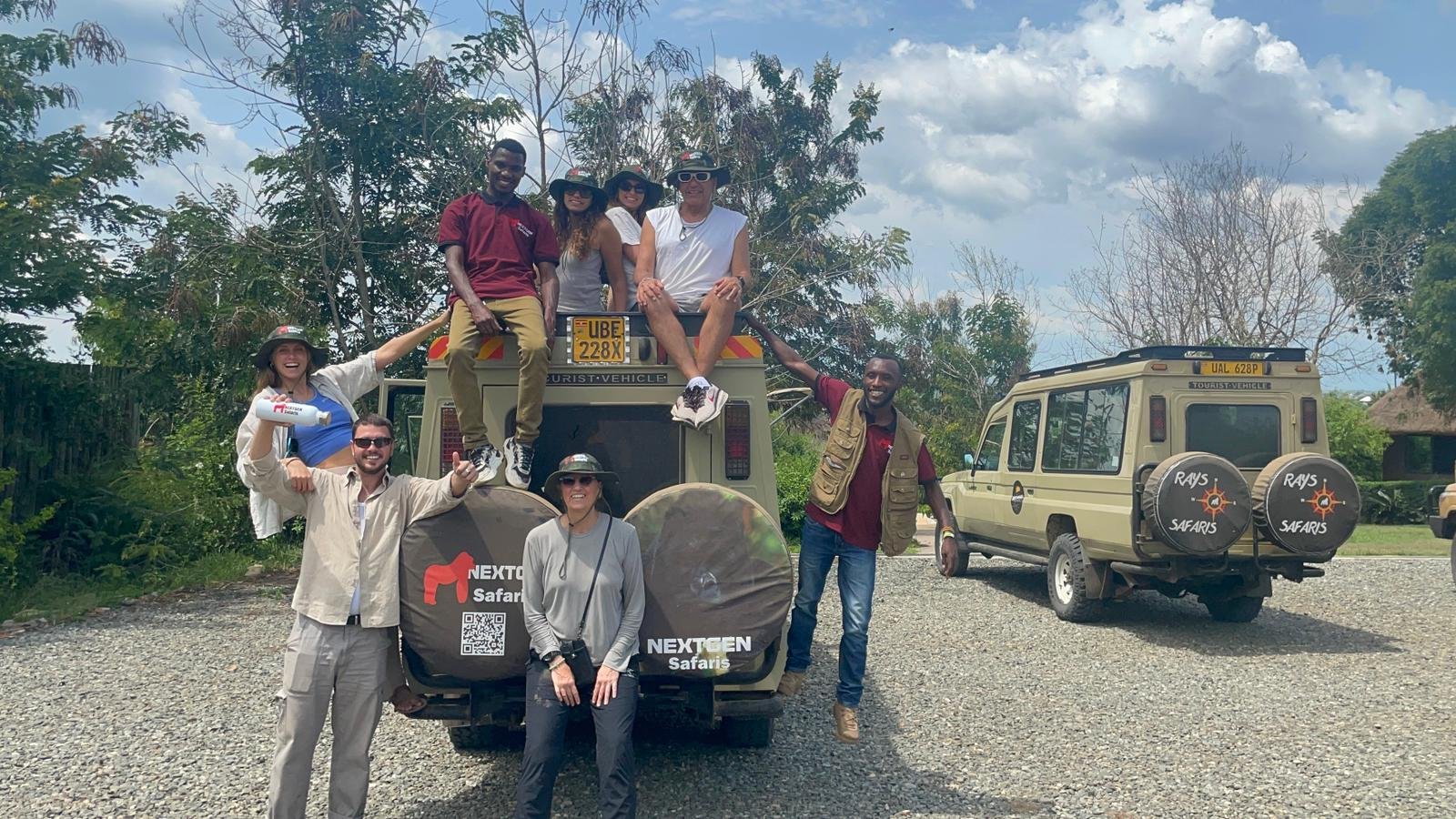
Discover the fascinating world of mountain gorillas with Nextgen Safaris, where we create personalized gorilla trekking adventures in Uganda and Rwanda. Whether you want to observe gorilla family relationships, witness mothers caring for their infants, photograph silverbacks, or learn about everyday behaviors such as grooming, our experienced safari planning team can organize a rewarding wildlife experience. We coordinate trekking permits, accommodation, professional guides, and private transportation according to your preferred travel dates. Explore our Bwindi gorilla trekking packages, Rwanda gorilla trekking experiences, Mgahinga gorilla safaris, luxury Uganda gorilla holidays, and personalized safari booking services to begin planning your adventure.