
How Do You Avoid Foreign Transaction Fees on an African Safari?
How Do You Avoid Foreign Transaction Fees on an African Safari? 12 Powerful Ways to Save Money
Planning an African safari involves more than choosing beautiful destinations, comfortable accommodation, and unforgettable wildlife experiences. Understanding how international payments work is equally important, especially when you are paying for safari packages, gorilla trekking permits, luxury lodges, domestic flights, transportation, and other travel expenses. One question many international travelers ask before booking their adventure is: How Do You Avoid Foreign Transaction Fees on an African Safari?
Foreign transaction fees can increase the overall cost of your African safari, particularly when you make several international payments using credit cards, debit cards, bank transfers, or online payment platforms. Although some charges appear relatively small, their combined impact can become significant when your safari costs several thousand dollars. Understanding how your bank processes international transactions, choosing appropriate payment methods, and avoiding unnecessary currency conversions can help you protect your travel budget.
Whether you are planning a Uganda gorilla trekking safari, a wildlife adventure in Kenya, a luxury holiday in Tanzania, or a multi-country African safari, knowing how to manage international payments allows you to concentrate on enjoying your experience rather than worrying about unexpected banking charges.
This comprehensive guide explains how foreign transaction fees work, why they occur, which payment methods can reduce them, and how you can make informed financial decisions when booking an African safari.
What Are Foreign Transaction Fees on an African Safari?

Foreign transaction fees are additional charges that certain banks and financial institutions apply when you make payments involving international merchants or currencies. These charges are commonly associated with credit cards and debit cards, although international bank transfers and some online payment services can also carry separate processing, conversion, or transfer fees.
When you book an African safari from the United States, United Kingdom, Canada, Australia, Europe, or another international market, your payment may be processed by a safari company or financial institution operating in an African country. Even when the safari quotation is presented in US dollars, the payment can sometimes qualify as an international transaction because the merchant or payment processor is located outside your card’s issuing country.
For example, you might book a Uganda safari costing USD 5,000 and use a credit card that applies a 3% foreign transaction fee. In this situation, your bank could charge an additional USD 150, increasing your total payment to USD 5,150. If you subsequently pay for accommodation upgrades, additional activities, or other travel arrangements using the same card, you may encounter further charges.
It is important to understand that foreign transaction fees are not necessarily charges imposed by your safari operator. They may originate from your bank, card issuer, merchant payment processor, or currency conversion provider. Identifying the source of each charge is essential because different fees require different strategies to reduce or avoid them.
Why Do Foreign Transaction Fees Occur When Booking African Safaris?
Foreign transaction fees occur because international payments frequently involve more than one financial institution, payment processing network, or currency. When you authorize an international card transaction, your card issuer and the payment network may process the purchase across borders and, where necessary, convert the transaction currency into your account’s billing currency.
Some banks apply an additional percentage charge for cross-border transactions, while others offer travel-oriented accounts and cards that do not charge foreign transaction fees. Currency conversion costs may also be reflected in exchange rates rather than appearing as separate charges on your statement.
African safari bookings are particularly relevant because many international visitors pay substantial amounts before arriving in their destination country. Safari packages can include accommodation, park entrance fees, gorilla trekking permits, chimpanzee tracking permits, professional guides, private vehicles, and internal flights. Payments for these services may involve several suppliers and different currencies, depending on how the holiday is organized.
Travelers exploring Uganda, Rwanda, Kenya, Tanzania, Botswana, Namibia, Zambia, Zimbabwe, or South Africa should therefore review their payment arrangements carefully. Although international tourism businesses frequently accept major international payment methods, that does not automatically mean every transaction will be processed without additional charges.
1. Choose a Credit Card With No Foreign Transaction Fees
One of the most effective answers to How Do You Avoid Foreign Transaction Fees on an African Safari? is to select a credit card that explicitly offers zero foreign transaction fees. Certain international travel credit cards allow cardholders to make overseas purchases without paying the additional percentage normally imposed by some issuing banks.
This can be particularly beneficial when booking expensive safari packages because even a relatively modest transaction fee becomes substantial on a high-value purchase. If you are booking a USD 10,000 luxury safari, for example, a 3% foreign transaction fee would add USD 300 to your payment. Using an eligible card without that fee could eliminate this particular charge, although other merchant or conversion costs might still apply.
Before choosing a card, examine its international transaction policy, annual membership fees, currency conversion arrangements, spending limits, and any applicable travel benefits. Some cards advertise zero foreign transaction fees but carry annual charges that may outweigh the savings for travelers who rarely make international purchases. Other cards provide additional features such as travel insurance benefits, reward points, airport lounge access, or purchase protections, although their availability and conditions vary.
A suitable travel credit card should align with your expected safari expenditure and broader travel habits. Rather than selecting a card simply because it is promoted as suitable for international travel, verify the terms directly with the issuing institution and confirm that the zero-fee policy applies to the types of transactions you expect to make.
2. Avoid Dynamic Currency Conversion When Paying Abroad

Dynamic currency conversion is one of the most important payment concepts to understand before traveling internationally. It occurs when a merchant, payment terminal, or ATM offers to convert a transaction into your home currency instead of processing it in the original transaction currency.
For example, when paying for a hotel in Uganda, a payment terminal might offer to charge your card in Ugandan shillings or convert the amount into British pounds, euros, or US dollars. Although seeing the amount in your familiar currency may appear convenient, the conversion offered by the merchant or ATM provider can include an additional markup.
In many circumstances, declining dynamic currency conversion and allowing your card network or issuer to handle the conversion can produce a better result. However, this does not guarantee that every foreign transaction fee will disappear. Your bank may still impose its own international transaction charges according to your card agreement.
Visa specifically explains that dynamic currency conversion may include additional fees or an exchange-rate markup and that cardholders should be offered a clear choice to accept or decline it.
When traveling through African destinations, read the payment terminal carefully before approving any currency conversion. Ask the cashier to explain the options if necessary, and confirm the amount and currency on the receipt. For a transaction genuinely priced in the local currency, declining an unfavorable merchant conversion can help prevent unnecessary exchange-rate costs.
3. Compare International Bank Transfer Fees Before Paying Your Safari Deposit
International bank transfers remain an important payment option for travelers booking African safari packages, especially when large deposits or final balances are involved. However, the total cost of a bank transfer depends on more than the amount your bank charges to initiate the transaction.
Depending on the banks, countries, currencies, and transfer route involved, additional fees may be charged by intermediary or receiving institutions. Currency conversion can introduce further costs if the money is converted before reaching the safari company’s account. Consequently, a transfer advertised as having a relatively low sending fee may still result in a less favorable overall payment cost.
Before arranging an international transfer, request accurate bank details and a formal invoice from your safari operator. Confirm the beneficiary’s name, receiving currency, bank location, account information, and any reference required to identify your booking. You should also ask your bank whether it can estimate the total transfer costs and clarify who is responsible for charges deducted along the payment route.
Where available, compare the costs of bank transfers with card payments and reputable international money transfer services. The cheapest method is not always the one displaying the lowest initial fee. A proper comparison should consider the total amount debited from your account, the amount received by the safari company, the exchange rate, processing time, and payment protection arrangements.
For large safari balances, even small differences can matter. Nevertheless, it is equally important to select an established, secure payment channel rather than prioritizing a lower fee at the expense of financial security.
4. Pay in the Currency Specified on Your Safari Invoice

Safari quotations are frequently prepared in US dollars, particularly when international travelers are booking wildlife holidays, gorilla trekking experiences, or multi-country itineraries. However, some hotels, restaurants, transport providers, and smaller tourism businesses may price their services in local currencies.
If your safari operator issues an invoice in US dollars, paying that invoice in US dollars may help avoid an unnecessary conversion by the recipient or payment provider. This is most useful when your bank account or payment service can genuinely settle the transaction in that currency at a competitive total cost.
For example, if you maintain an eligible US-dollar account and receive a USD 4,500 safari invoice, you may be able to pay without converting funds from another currency first. Nevertheless, a US-dollar transaction processed by a foreign merchant can still attract cross-border charges from certain card issuers. Paying in dollars therefore does not automatically eliminate foreign transaction fees.
Similarly, if a lodge in Rwanda presents an invoice in Rwandan francs, it may be more economical to pay in the invoiced currency using a suitable card than to accept an unfavorable conversion offered by the merchant.
The essential principle is to understand the original transaction currency and compare how different payment methods will settle that transaction. Avoid making unnecessary currency conversions simply because an alternative amount appears more familiar.
5. Consider a Multi-Currency Account or Travel Payment Card
Multi-currency accounts and travel payment cards can provide additional flexibility when organizing payments across several African countries. Depending on the financial institution, these products may allow travelers to hold, exchange, or spend selected foreign currencies without relying entirely on a conventional bank account.
Such arrangements may be useful if your African safari combines destinations with different national currencies. For example, a journey through Uganda, Rwanda, Kenya, and Tanzania can involve Ugandan shillings, Rwandan francs, Kenyan shillings, and Tanzanian shillings. Some safari-related services may also be quoted in US dollars.
A multi-currency account may help you plan currency exchanges ahead of time, compare conversion rates, or reduce certain transaction charges. However, supported currencies and countries vary substantially between providers. Some services do not offer balances in particular African currencies, while others may impose conversion charges, card fees, ATM withdrawal limits, or restrictions on payments to certain recipients.
It is therefore important to examine the complete fee schedule rather than assuming that a multi-currency account guarantees free international transactions.
For travelers undertaking an extended African safari, a suitable multi-currency arrangement can complement a traditional bank account and travel credit card. It can also provide an additional payment option if one method becomes unavailable during the journey.
6. Understand ATM Withdrawal Fees Before Traveling
Although many African safari packages are prepaid, travelers may still require cash for small personal purchases, tips, refreshments, local markets, and expenses that are not included in their itinerary. ATMs can be convenient in major cities and selected towns, but cash withdrawals may involve multiple fees.
Your bank may charge an international ATM withdrawal fee, the ATM operator may add a separate service charge, and your account provider may apply a currency conversion markup. Credit card withdrawals can be particularly expensive because they may be treated as cash advances, potentially attracting additional fees and interest.
Before departing, review your debit card’s international withdrawal conditions and identify any daily transaction limits. If an ATM displays its own fee before you authorize a withdrawal, evaluate whether the charge is acceptable. Where practical and safe, making a smaller number of planned withdrawals rather than numerous frequent withdrawals can help reduce repeated fixed charges.
Travelers should also understand that access to ATMs varies between urban areas and remote safari destinations. While major international airports and established cities generally provide more banking facilities, wilderness lodges and isolated national park areas may have limited opportunities to obtain cash.
Carrying a reasonable amount of securely stored cash for personal expenses can therefore be useful. However, avoid withdrawing unnecessarily large amounts or carrying more money than you comfortably need.
7. Ask Your Safari Operator About Payment Processing Charges
A safari operator can play an important role in helping you understand the cost of an international booking. Before making a deposit, ask whether the company accepts international credit cards, debit cards, bank transfers, or approved online payment methods and whether any additional processing charges apply.
A payment processing charge is not necessarily the same as a foreign transaction fee. The former may be imposed by the merchant or payment provider, while the latter may come from your card issuer. In some cases, both may apply to a single transaction.
For example, if a safari package costs USD 6,000 and a particular payment method adds a 3% processing charge, that would represent an additional USD 180. If your bank independently charges a 3% foreign transaction fee on the card amount, your total cost would rise further. Clarifying these charges before payment helps you make a meaningful comparison.
A professional safari operator should provide a clear quotation, invoice, booking conditions, and accepted payment methods. Where several methods are available, you can ask for the total amount payable through each option before selecting the most appropriate one.
For travelers booking gorilla trekking, chimpanzee trekking, or luxury wildlife holidays, this conversation is especially useful because initial deposits may be substantial and some travel arrangements require advance confirmation.
8. Plan Your Safari Payments Before Traveling to Africa

Making major safari payments before departure can make your travel experience considerably more convenient. Many African safari itineraries require advance arrangements for accommodation, transportation, national park activities, and specialist experiences such as gorilla trekking.
By paying your agreed deposit and final balance through suitable, verified payment channels before traveling, you can reduce the number of large transactions you need to make while moving between countries or staying in remote locations.
Advance payment also provides an opportunity to compare international transaction costs while you have reliable access to your bank, payment provider, and safari operator. You can review invoices carefully, confirm exchange rates, and investigate any unexpected charges before beginning your journey.
However, paying early does not itself eliminate foreign transaction fees. The benefit comes from giving yourself sufficient time to choose an economical payment method and avoid urgent transfers or unnecessary conversions.
Travelers should only make payments according to the confirmed booking terms and cancellation policies of their safari operator. Always verify the recipient’s bank or payment details independently, especially if payment instructions change unexpectedly.
An experienced safari operator can simplify international travel arrangements by providing a detailed quotation and explaining the available payment methods before your booking is confirmed.
Rather than concentrating exclusively on transaction fees, travelers should consider the full value of the safari package. A clearly organized itinerary may include accommodation, transportation, professional guiding services, park entrance fees, and selected wildlife activities, reducing the need to make numerous separate payments during the holiday.
For example, a privately organized Uganda safari can combine gorilla trekking, chimpanzee tracking, wildlife game drives, and comfortable accommodation under one agreed itinerary. A consolidated booking may make payment planning easier, although it does not automatically guarantee lower fees than booking services individually.
When requesting a quotation, explain your preferred payment currency and ask whether card payments, bank transfers, or other accepted options have different charges. Confirm how the booking deposit and remaining balance will be calculated, whether the quotation is fixed in the stated currency, and how any exchange-rate differences will be handled.
Clear communication before booking helps avoid confusion and allows you to understand the full financial commitment associated with your safari holiday.
How Do You Avoid Foreign Transaction Fees When Booking Gorilla Trekking?
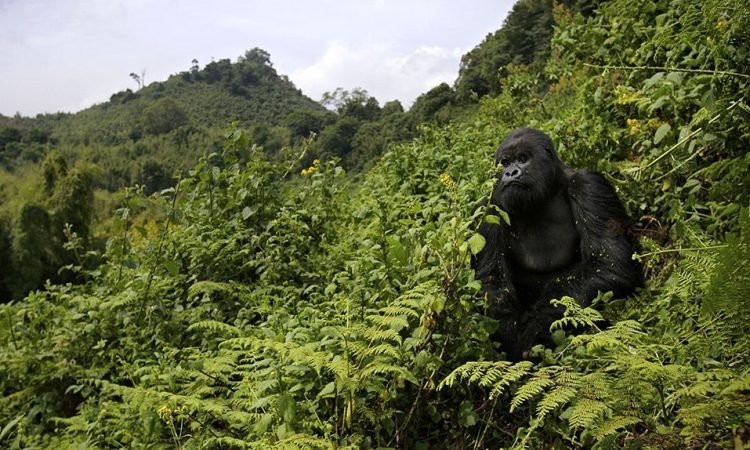
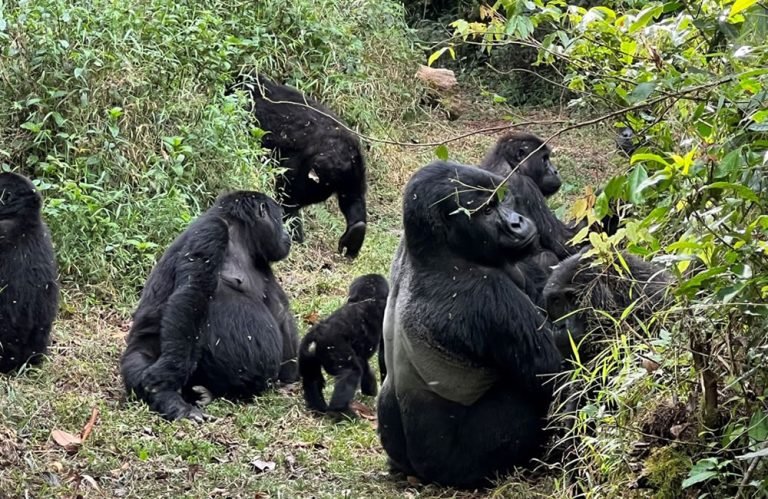
Gorilla trekking is one of Africa’s most sought-after wildlife experiences, and the costs associated with permits and organized safaris make payment planning especially important. Travelers booking gorilla trekking in Uganda or Rwanda may be required to make advance payments so that the operator can arrange the necessary permits and accommodation.
A gorilla trekking holiday can involve several substantial expenses, including the trekking permit, private transport, accommodation, guide services, and other activities. As a result, even a relatively small foreign transaction fee can become meaningful.
Before paying, request a detailed safari quotation and confirm the amount that must be received to complete your booking. Ask whether your chosen payment method involves additional processing costs and whether payment can be made in the currency shown on the invoice.
If you are using a credit card, review its international transaction policy before making the payment. If you prefer a bank transfer, confirm the applicable charges and ensure the full required amount will reach the operator.
It is also important to allow sufficient time for payment confirmation, particularly where permit availability and booking deadlines are involved. Payment convenience and savings should support your safari arrangements rather than delay important reservations.
Frequently Asked Questions About Foreign Transaction Fees on African Safaris
How Do You Avoid Foreign Transaction Fees on an African Safari?
Use an eligible card with no foreign transaction fees, avoid unnecessary currency conversions, and compare the complete cost of bank transfers and other payment methods before booking.
Do African Safari Companies Charge Foreign Transaction Fees?
Some safari operators or their payment providers may charge processing fees, but foreign transaction fees are often imposed separately by the traveler’s bank or card issuer.
Can I Pay for an African Safari in US Dollars?
Many international safari companies accept US-dollar payments, although accepted currencies vary. Paying in dollars does not automatically prevent cross-border card fees.
Is It Cheaper to Pay for an African Safari by Bank Transfer?
It can be, particularly for large payments, but costs depend on sending fees, intermediary charges, conversion rates, and receiving-bank fees.
Do Visa and Mastercard Charge Foreign Transaction Fees?
International transaction charges depend on the issuing bank and card agreement. Some Visa and Mastercard products have no foreign transaction fees, while others impose additional charges.
Should I Choose Local Currency When Paying by Card in Africa?
When offered dynamic currency conversion, choosing the original local transaction currency can help avoid an unfavorable merchant conversion. Your card issuer may still apply other charges.
Are ATMs Expensive to Use During an African Safari?
International ATM withdrawals can involve operator fees, issuer charges, and currency conversion costs. Review your card terms before traveling.
Can I Use a Multi-Currency Card for an African Safari?
Potentially, yes. Availability depends on the provider, supported countries, currencies, and merchant acceptance.
Can Foreign Transaction Fees Apply to Online Safari Bookings?
Yes. Some card issuers charge cross-border transaction fees when payments are processed by foreign merchants, even when the payment is made online from your home country.
How Can I Find Out Whether My Bank Charges Foreign Transaction Fees?
Review your card’s published terms or contact your bank directly to confirm its international purchase, cash withdrawal, and conversion policies.
Book Your African Safari With Confidence
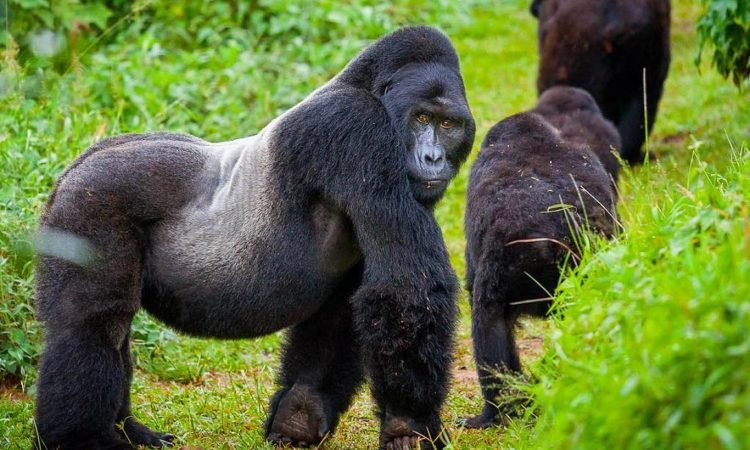
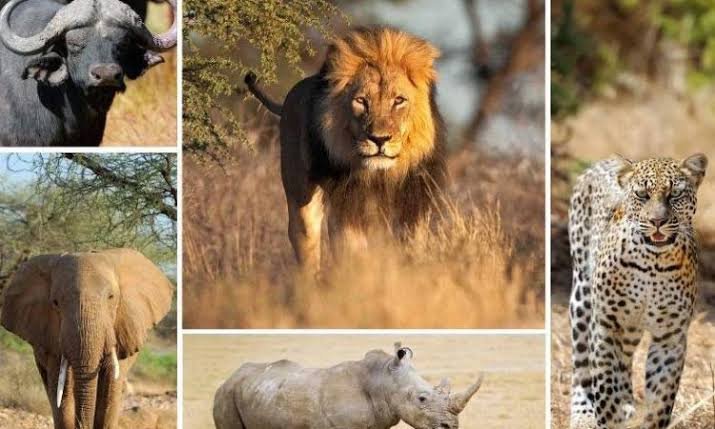
An unforgettable African safari should begin with clear travel arrangements, a carefully planned itinerary, and a straightforward understanding of your booking costs. Whether you dream of tracking mountain gorillas in Uganda, exploring the wildlife-rich plains of Kenya and Tanzania, discovering Rwanda’s remarkable landscapes, or combining several African destinations, Nextgen Safaris can help you organize an experience around your interests, travel dates, and preferred accommodation standard.
When requesting your safari quotation, you can ask about accepted payment methods, booking deposits, final balance requirements, and any operator-side processing charges. Your own bank or card provider can then confirm the additional fees that may apply to your chosen payment method.
An African safari represents an opportunity to experience extraordinary wildlife, beautiful landscapes, remarkable cultures, and some of the world’s most memorable natural environments. Thoughtful financial planning helps ensure that unnecessary banking costs do not distract from those experiences.
By comparing payment methods before booking, confirming the total amount payable, and selecting secure transaction channels, you can approach your African safari with greater financial confidence and dedicate more of your budget to the experiences that matter most.
Editorial verification: Payment guidance reflects information from Visa and Mastercard. Fees, exchange rates, card benefits, and payment acceptance vary by issuer and provider; confirm current terms before paying