
How Do You Tell a Silverback Apart From Other Gorillas? 9 Amazing Signs to Recognise a Silverback
How Do You Tell a Silverback Apart From Other Gorillas? The easiest way is to look for the distinctive silver-grey hair covering the back and hips of a mature male gorilla. Silverbacks are also generally larger, with broader shoulders, powerful chests, muscular arms, and more pronounced head crests than younger gorillas and adult females. These remarkable physical characteristics make mature males particularly recognisable during Uganda gorilla trekking, Bwindi gorilla encounters, and Rwanda gorilla trekking safaris.
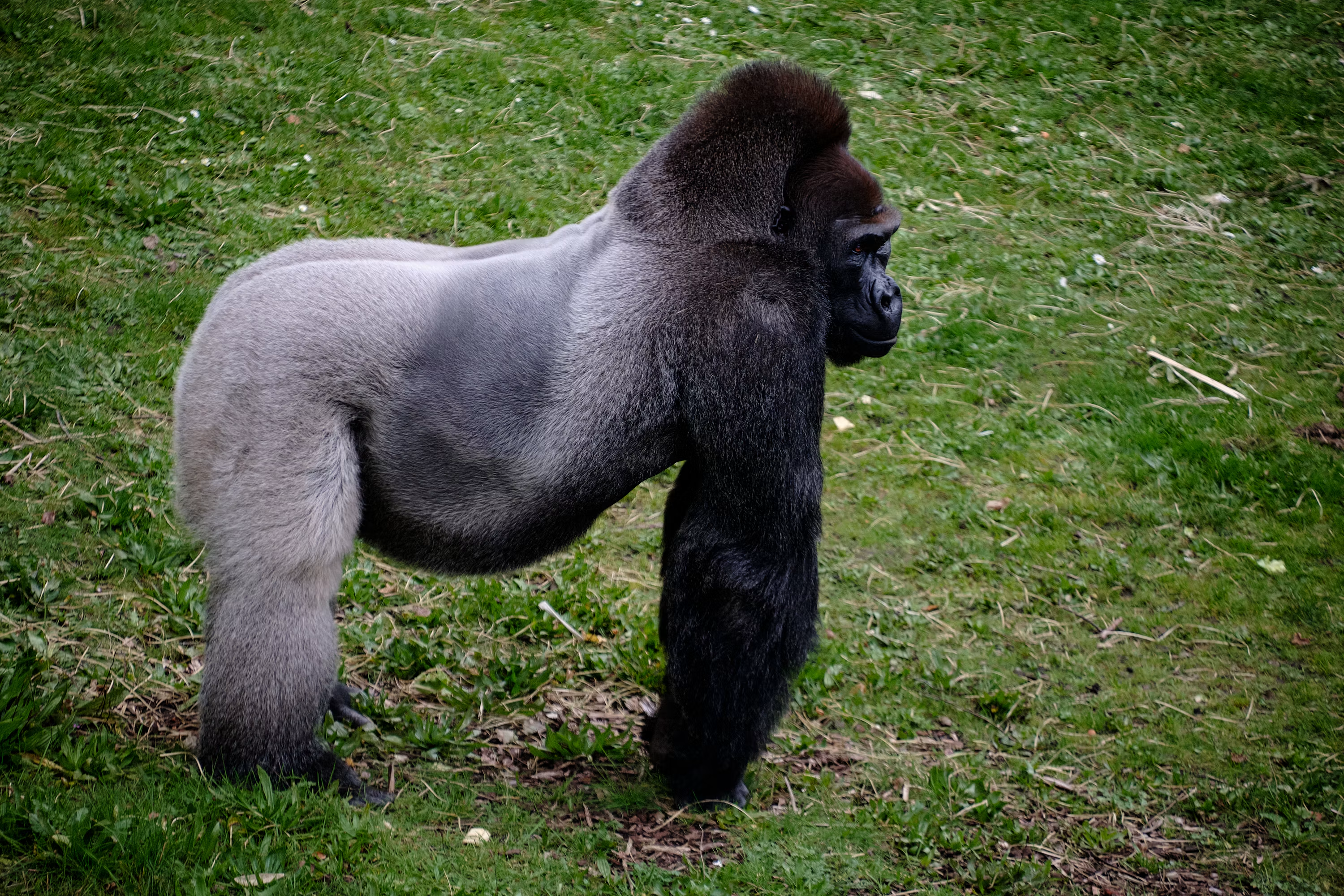
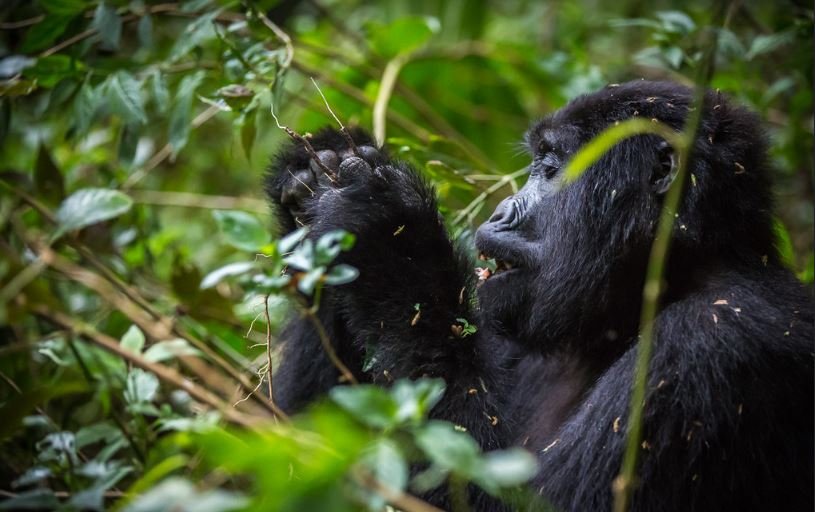
Understanding How Do You Tell a Silverback Apart From Other Gorillas? can make your African wildlife experience more rewarding. Mountain gorilla families contain infants, juveniles, adult females, younger males known as blackbacks, and mature silverbacks. Each age and sex category has distinctive physical and behavioural characteristics. Visitors exploring Bwindi Impenetrable National Park, Mgahinga Gorilla National Park, or Rwanda’s mountain gorilla experiences can learn to recognise these differences while observing habituated gorilla families under professional ranger supervision.
What Is a Silverback Mountain Gorilla?
A silverback is a physically mature male gorilla that has developed the characteristic silver-grey saddle of hair across his back. The term does not describe a separate gorilla species or automatically indicate that the animal is the dominant leader of a family. How Do You Tell a Silverback Apart From Other Gorillas? Male mountain gorillas generally begin developing this silver coloration around 12 years of age, with the pattern becoming more pronounced as they mature. Understanding mountain gorilla behaviour, gorilla family relationships, and Uganda mountain gorilla trekking helps visitors appreciate why silverbacks are important members of gorilla society.
How Do You Tell a Silverback Apart From Other Gorillas? His appearance provides the clearest evidence, but careful observers can also identify differences in body proportions and physical development. A gorilla family may contain more than one silverback, particularly when younger mature males remain with older relatives. One male generally holds the dominant position, while others may occupy subordinate roles. These relationships can be observed during private gorilla trekking safaris and guided gorilla holidays in Africa.
9 Amazing Signs That Distinguish Silverbacks From Other Gorillas
1. The Distinctive Silver-Grey Hair Across the Back
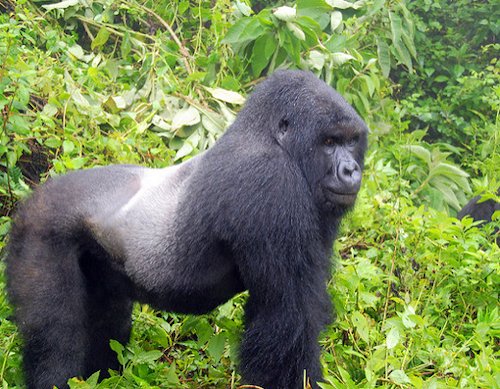
The most reliable visible characteristic of a silverback is the silver-grey hair that develops across his back and hips. This coloration creates a distinctive saddle-shaped pattern that contrasts with the predominantly black hair covering the rest of his body. How Do You Tell a Silverback Apart From Other Gorillas? Younger males generally lack this feature, while adult females do not normally develop the same extensive silver saddle. The colour change is part of normal male maturation rather than evidence of poor health or advanced old age.
How Do You Tell a Silverback Apart From Other Gorillas? Look for the grey saddle when the animal turns sideways or moves away, but never change your viewing distance to obtain a better look. The contrast may be especially noticeable when a mature male walks through vegetation or rests in a forest clearing. Visitors on Bwindi gorilla trekking tours, Uganda gorilla safaris, and Rwanda gorilla trekking adventures may observe these distinctive features naturally.
2. Silverbacks Have Much Larger Bodies
Mature male mountain gorillas are substantially larger than adult females and younger males. Their bodies become heavier and more muscular as they approach full adulthood, creating the imposing appearance associated with silverbacks. Adult mountain gorilla males commonly weigh around 140–200 kilograms, although individual body masses vary considerably. How Do You Tell a Silverback Apart From Other Gorillas? Adult females are usually much lighter. These differences are an example of sexual dimorphism, where males and females develop noticeably different physical characteristics.

How Do You Tell a Silverback Apart From Other Gorillas? Compare the overall body proportions rather than relying on height alone. A mature male commonly appears broader, heavier, and more powerfully built than the females and juveniles around him. How Do You Tell a Silverback Apart From Other Gorillas? This contrast can become particularly apparent when a group rests or feeds together. Travellers exploring mountain gorilla encounters in Uganda, luxury gorilla trekking holidays, or gorilla families in Bwindi can observe these physical differences.
3. Broad Shoulders and a Powerful Chest
Silverbacks possess exceptionally broad shoulders, thick upper arms, and heavily developed chest muscles. Their muscular build supports climbing, travelling across challenging terrain, manipulating vegetation, and performing physical displays. Although all gorillas are strong animals, mature males have a particularly imposing upper-body appearance. How Do You Tell a Silverback Apart From Other Gorillas? Their physical proportions can make them appear considerably wider than the younger males and adult females sharing their family group.
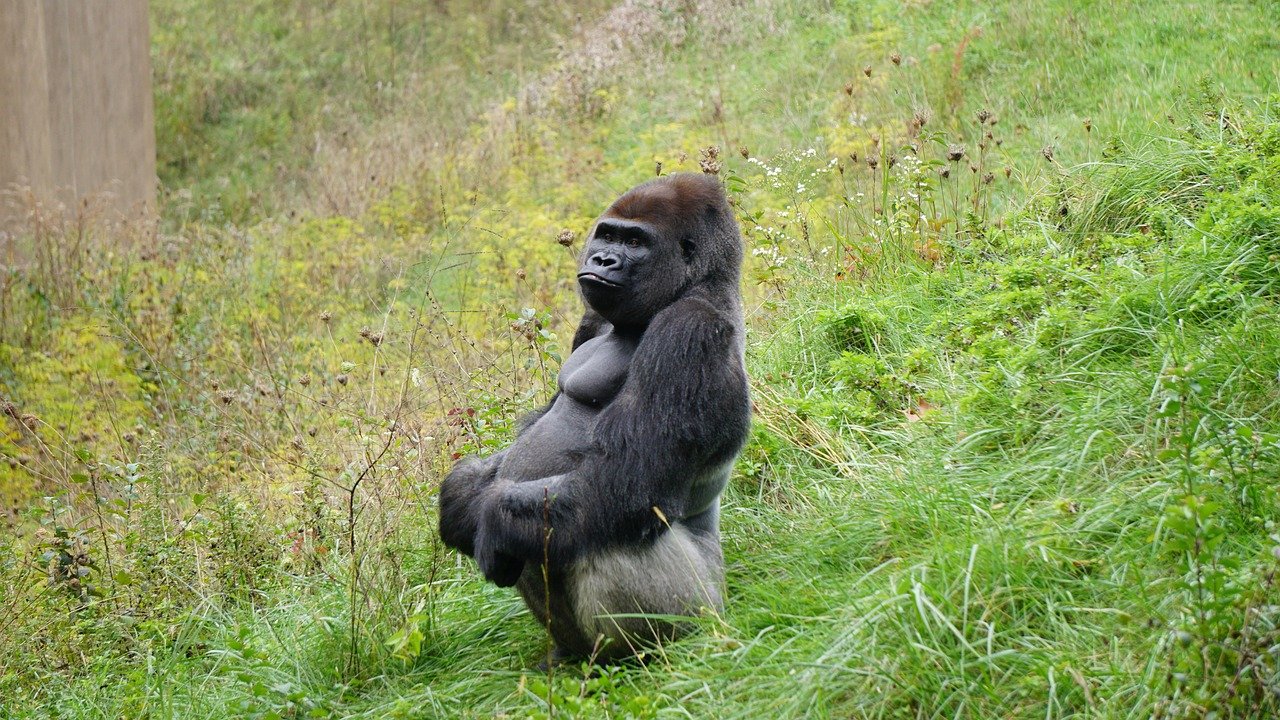
How Do You Tell a Silverback Apart From Other Gorillas? The shoulder width and chest development offer useful supporting clues, especially when the silver saddle is partially hidden by foliage. However, body size should not be used as the only identification feature because gorillas vary naturally in physical development. Visitors joining gorilla trekking in Uganda, guided Bwindi forest safaris, or private Rwanda gorilla tours can ask their ranger to explain these differences.
4. A More Prominent Crest on the Head
A mature male gorilla often has a distinctive head shape caused partly by the development of a pronounced sagittal crest. This bony ridge provides attachment for powerful jaw muscles involved in chewing tough vegetation. The combination of a pronounced crest, strong jaw muscles, and substantial facial structure contributes to the recognisable appearance of a mature silverback. Female gorillas also possess skull structures associated with chewing muscles, but these are generally less pronounced.
How Do You Tell a Silverback Apart From Other Gorillas? Observe the shape of the head and the development of the upper skull when the gorilla is resting or feeding. A mature male frequently has a more prominent, elongated cranial profile than a younger individual. However, viewing angles and individual variation affect appearances, making the silver saddle a more dependable identification feature. Visitors interested in mountain gorilla identification, gorilla trekking experiences, and Bwindi wildlife encounters can learn more through ranger interpretation.
5. Stronger Jaws and Large Canine Teeth
Silverbacks have powerful jaws and well-developed canine teeth. Their teeth support a variety of feeding and social functions, while large canines can also be important during defensive displays and confrontations. Mature males generally have more prominent canines than adult females. Nevertheless, gorillas do not use their canine teeth simply because they are aggressive, and most of their daily activities involve peaceful feeding, travelling, and resting.
How Do You Tell a Silverback Apart From Other Gorillas? Facial proportions and visible teeth may offer clues, but visitors should never attempt to make a gorilla display its teeth or open its mouth for identification. Such behaviour would disturb the animal and could create serious safety risks. Instead, enjoy natural observations during Uganda gorilla trekking holidays, Rwanda gorilla safari experiences, or responsibly organised gorilla tours.
6. The Silver Saddle Becomes More Developed With Age
Silverbacks do not suddenly develop their full adult appearance on a particular birthday. The silver-grey hair usually begins appearing around the transition into adulthood and gradually becomes more visible over time. Younger males may show early signs of silvering before developing the broader saddle associated with mature silverbacks. The extent of silver coloration varies between individuals, meaning two adult males may not display identical patterns.
How Do You Tell a Silverback Apart From Other Gorillas? Age-related changes in hair coloration are useful, but the exact age of a wild gorilla cannot be determined confidently from coat colour alone. Researchers combine physical development with long-term observations when estimating age categories. Visitors exploring mountain gorilla behaviour in Bwindi, Uganda gorilla trekking tours, and Rwanda mountain gorilla safaris may encounter mature males with slightly different silver patterns.
7. Silverbacks Look Different From Blackback Gorillas
Blackbacks are younger male gorillas that have not yet developed the characteristic silver saddle of fully mature males. In mountain gorilla research, blackbacks are commonly classified as males around eight to eleven years old, although age categories vary somewhat between gorilla populations and research projects. Their hair remains predominantly dark, and their bodies are generally smaller and less heavily developed than those of mature silverbacks.
How Do You Tell a Silverback Apart From Other Gorillas? Comparing a silverback with a blackback is particularly revealing because both are males at different developmental stages. The older male generally has a broader body, stronger adult features, and the characteristic grey saddle. Blackbacks may remain within their birth families while developing social relationships and preparing for adulthood. These differences can be observed during Bwindi gorilla trekking, Uganda mountain gorilla experiences, and guided gorilla safaris in Rwanda.
8. Female Gorillas Are Usually Smaller and Remain Darker
Adult female mountain gorillas generally have smaller bodies, narrower shoulders, and less pronounced head crests than mature males. Their hair is predominantly dark, and they do not normally develop the extensive silver-grey saddle that characterises adult male silverbacks. Females also play essential roles in maintaining gorilla families, particularly through infant care, social relationships, and reproductive decisions. Their smaller appearance should not be mistaken for weakness or limited social importance.
How Do You Tell a Silverback Apart From Other Gorillas? Comparing a mature male with an adult female often reveals obvious differences in body size and upper-body proportions. A female carrying or nursing an infant may be easy to recognise through her behaviour, although not every adult female has a dependent youngster. Visitors interested in gorilla family interactions, Uganda gorilla and wildlife safaris, and Rwanda gorilla trekking experiences can appreciate these complex family relationships.
9. Silverbacks Often Have Important Social Responsibilities
Beyond physical appearance, mature male gorillas can occupy important positions within their families. A dominant silverback may influence group movements, respond to rival males, and maintain strong social relationships with females and youngsters. His presence can contribute to group cohesion and the protection of dependent infants. However, silverback status does not automatically mean leadership, because mountain gorilla groups may contain several mature males with different social positions.
How Do You Tell a Silverback Apart From Other Gorillas? Behaviour can help provide context, but it should never replace physical identification. A male resting near infants may be dominant, subordinate, or simply familiar with the youngsters. Likewise, chest beating is not exclusive to dominant silverbacks. Professional guides can help visitors understand these differences during Uganda gorilla trekking safaris, Rwanda gorilla encounters, and luxury gorilla trekking holidays.
Is Every Adult Male Gorilla a Silverback?
Most male mountain gorillas develop a silver saddle as they reach full adulthood, but the timing and extent of coloration can differ. A physically mature male may already be a silverback even when he does not lead a family. Some mature males live independently, while others remain within groups dominated by older silverbacks. The word silverback therefore describes an age-related physical stage rather than a guaranteed leadership position.
How Do You Tell a Silverback Apart From Other Gorillas? The most reliable approach combines the silver-grey saddle with adult male body proportions, rather than judging whether the gorilla appears to be the leader. Researchers may also consider documented age and social history. Understanding these differences enriches mountain gorilla trekking in Uganda and gorilla family encounters in Rwanda.
Where Can You See Silverback Mountain Gorillas in Africa?
Bwindi Impenetrable National Park, Uganda

Bwindi Impenetrable National Park is one of Africa’s best-established destinations for observing wild mountain gorillas. Its Buhoma, Ruhija, Rushaga, and Nkuringo sectors provide opportunities to visit habituated gorilla families with trained park rangers. Visitors may observe silverbacks alongside adult females, blackbacks, juveniles, and infants. Travellers can explore Bwindi gorilla trekking tours, Uganda gorilla trekking packages, and luxury Uganda gorilla holidays.
Mgahinga Gorilla National Park, Uganda
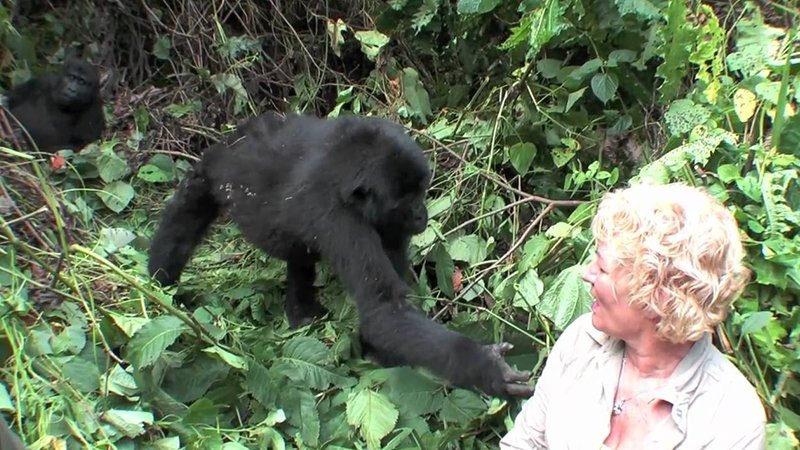
Mgahinga Gorilla National Park protects mountain gorilla habitat in the spectacular Virunga volcanic landscape of southwestern Uganda. Gorilla trekking here provides opportunities to observe mature males and their family members within montane vegetation and bamboo forests. Visitors can combine Mgahinga gorilla trekking with Bwindi gorilla safaris or a longer Uganda wildlife adventure.
Volcanoes National Park, Rwanda
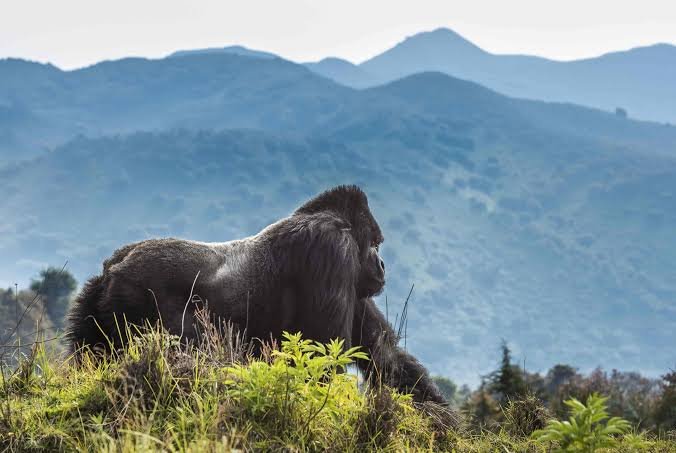
Rwanda’s Volcanoes National Park offers another exceptional setting for learning to distinguish silverbacks from younger gorillas and females. Its habituated families live among volcanic slopes, bamboo vegetation, and high-altitude forest habitats. Travellers can explore Rwanda gorilla trekking tours, luxury gorilla trekking safaris, and romantic Rwanda gorilla honeymoons.
How Can Tourists Identify Silverbacks Safely During Gorilla Trekking?
The safest way to recognise a silverback is to observe the animal from the permitted distance while listening to your ranger’s explanations. Do not move closer to examine the silver saddle, attempt to photograph teeth at close range, or encourage chest-beating displays. Mountain gorillas are powerful wild animals, and even habituated individuals can react defensively if disturbed. Respecting their space helps protect both visitors and gorillas.
How Do You Tell a Silverback Apart From Other Gorillas? Look for the combination of silver-grey back hair, large body size, broad shoulders, and mature male facial features. Ask the ranger to identify the dominant silverback or explain the group’s age structure when appropriate. Travellers planning guided gorilla trekking, Uganda gorilla safaris, or gorilla trekking and habituation experiences can learn these identification skills responsibly.
Frequently Asked Questions About Identifying Silverback Gorillas
How Do You Tell a Silverback Apart From Other Gorillas?
The clearest feature is the silver-grey hair across the back and hips of a mature male. Large body size, broad shoulders, and pronounced head features provide supporting clues. Observe these characteristics during Bwindi gorilla trekking.
At What Age Does a Gorilla Become a Silverback?
Male mountain gorillas generally begin developing the silver saddle around 12 years of age. Their adult appearance becomes more pronounced as they mature, although the timing varies individually. Learn about mountain gorilla trekking in Uganda.
What Is the Difference Between a Silverback and a Blackback?
A blackback is a younger male whose hair remains predominantly dark. A silverback is a mature male that has developed the characteristic grey saddle and stronger adult physical features. Explore gorilla families in Bwindi.
How Do You Tell a Silverback Apart From a Female Gorilla?
Silverbacks are generally larger and more muscular, with a distinctive grey saddle. Adult females usually have smaller bodies and predominantly dark hair. These differences can be observed during Rwanda gorilla trekking.
Can a Gorilla Be a Silverback Without Leading a Family?
Yes. Silverback status reflects physical maturity rather than leadership. A gorilla family can contain several silverbacks, including subordinate adult males. Discover Uganda gorilla trekking tours.
Are All Silverbacks Male?
Yes. In standard gorilla age classifications, silverback refers to a mature male displaying characteristic silver-grey back coloration. Adult females do not normally develop the same extensive silver saddle. Explore mountain gorilla behaviour.
Can Young Gorillas Have Silver Hair?
Young male gorillas may begin developing some silver coloration as they approach adulthood. However, they do not normally possess the fully developed saddle characteristic of mature silverbacks. Learn about gorilla trekking in Bwindi.
Do Silverbacks Always Beat Their Chests?
No. Chest beating is a form of communication that occurs in different social contexts, but silverbacks do not constantly perform these displays. Other gorillas can also beat their chests. Explore guided Rwanda gorilla safaris.
Are Silverbacks More Dangerous Than Other Gorillas?
Silverbacks are physically powerful and capable of defensive aggression, but they spend much of their lives feeding, resting, and maintaining social relationships. Tourists must respect all gorillas equally. Plan responsible gorilla trekking experiences.
Where Is the Best Place to Photograph Silverback Gorillas?
Uganda’s Bwindi and Mgahinga national parks and Rwanda’s Volcanoes National Park provide established opportunities to photograph habituated mountain gorillas. Sightings and photographic conditions vary naturally. Explore Uganda gorilla trekking safaris and Rwanda gorilla trekking tours.
Book Your Silverback Gorilla Trekking Safari With Nextgen Safaris
Now that you understand How Do You Tell a Silverback Apart From Other Gorillas?, seeing these remarkable animals in their natural habitat offers an unforgettable opportunity to appreciate their physical characteristics, social relationships, and family behaviour. Watching a mature silverback feeding beside younger gorillas or resting quietly within his family can become one of the most memorable experiences of an African safari.
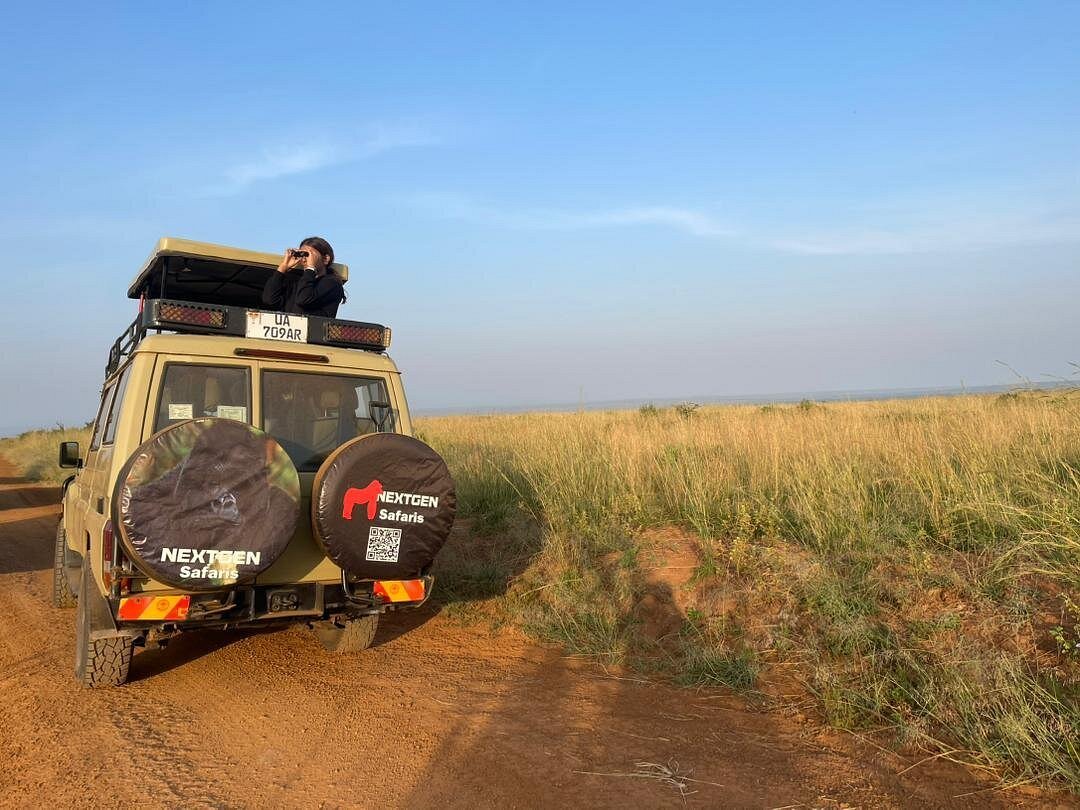
At Nextgen Safaris, we organise personalised Uganda gorilla trekking holidays, Rwanda gorilla trekking tours, luxury gorilla safari experiences, gorilla trekking and habituation adventures, and gorilla and chimpanzee safaris.
Our safari planning includes gorilla permit coordination, private transportation, accommodation selection, and experienced guides to help you enjoy an exceptional mountain gorilla encounter.