
How Do Young Gorillas Learn From Their Families? 9 Amazing Secrets of Gorilla Intelligence Revealed
How Do Young Gorillas Learn From Their Families? Young mountain gorillas develop essential survival skills through observation, social interactions, play, exploration and close relationships with their mothers, silverbacks and other family members. From their earliest months, these intelligent primates begin learning how to recognise food, communicate with companions, navigate difficult forest environments and participate in the complex social life of a gorilla family. Their development demonstrates the remarkable intelligence and adaptability of mountain gorillas living in Uganda and Rwanda. Travellers enjoying Uganda gorilla trekking, Rwanda gorilla trekking tours, Bwindi Impenetrable National Park, luxury gorilla safaris and African primate adventures can observe fascinating examples of gorilla family behaviour.
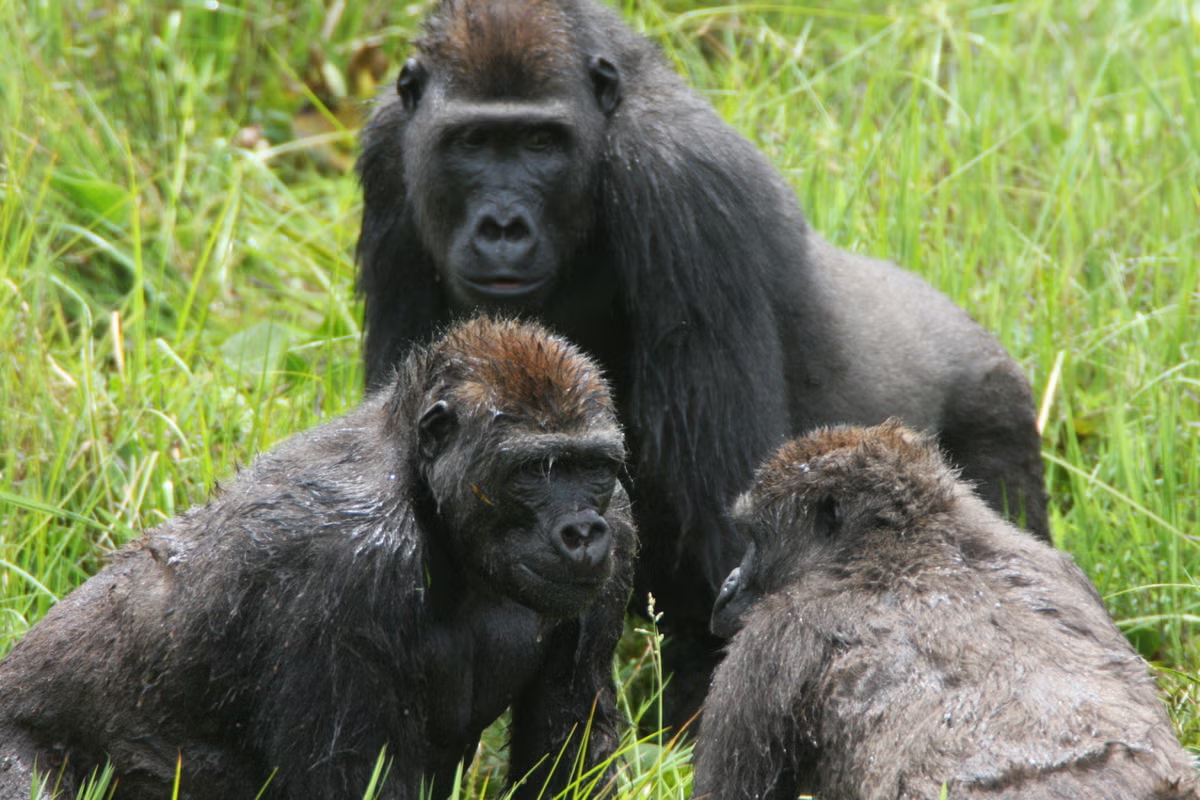
How Do Young Gorillas Learn From Their Families? Their education is not organised through formal lessons like human schooling. Instead, young gorillas acquire knowledge through repeated experiences, watching familiar companions, experimenting with objects and responding to interactions within their social groups. Mothers provide the earliest opportunities for learning, while siblings, juvenile companions and adult males contribute to their expanding social experiences. Over several years, infants gradually become confident young gorillas capable of feeding independently and navigating their surroundings. Understanding this process makes mountain gorilla trekking experiences, gorilla habituation safaris, Rwanda gorilla holidays, private Uganda wildlife journeys and romantic gorilla honeymoon adventures especially meaningful.
How Do Young Gorillas Learn From Their Families? Understanding Social Learning
How Do Young Gorillas Learn From Their Families? Social learning occurs when an animal acquires information or develops behaviour through observing or interacting with other individuals. Mountain gorillas spend much of their lives within established family groups, creating frequent opportunities to encounter the behaviour of experienced companions. A youngster might watch its mother select vegetation, observe another gorilla manipulating leaves or encounter unfamiliar movements during play. However, not every similarity between two gorillas proves imitation, because individual exploration and natural development also influence behaviour. Visitors exploring Bwindi gorilla trekking, Uganda mountain gorilla tours, Volcanoes National Park, Rwanda gorilla trekking experiences and guided African primate safaris can appreciate these interactions.
Young gorillas combine socially acquired information with individual practice. Watching an experienced animal handle a plant may direct a youngster’s attention toward that food, but the infant still needs to develop the coordination necessary to manipulate and eat it. Similarly, interactions with companions create opportunities to practise communication without requiring deliberate teaching. This combination of observation, exploration and experience makes mountain gorilla development particularly interesting. Travellers booking private gorilla trekking tours, Uganda gorilla safari packages, Rwanda gorilla adventures, luxury gorilla holidays and romantic Uganda honeymoon safaris can learn about these developmental processes.
1. Gorilla Mothers Provide the First Learning Opportunities
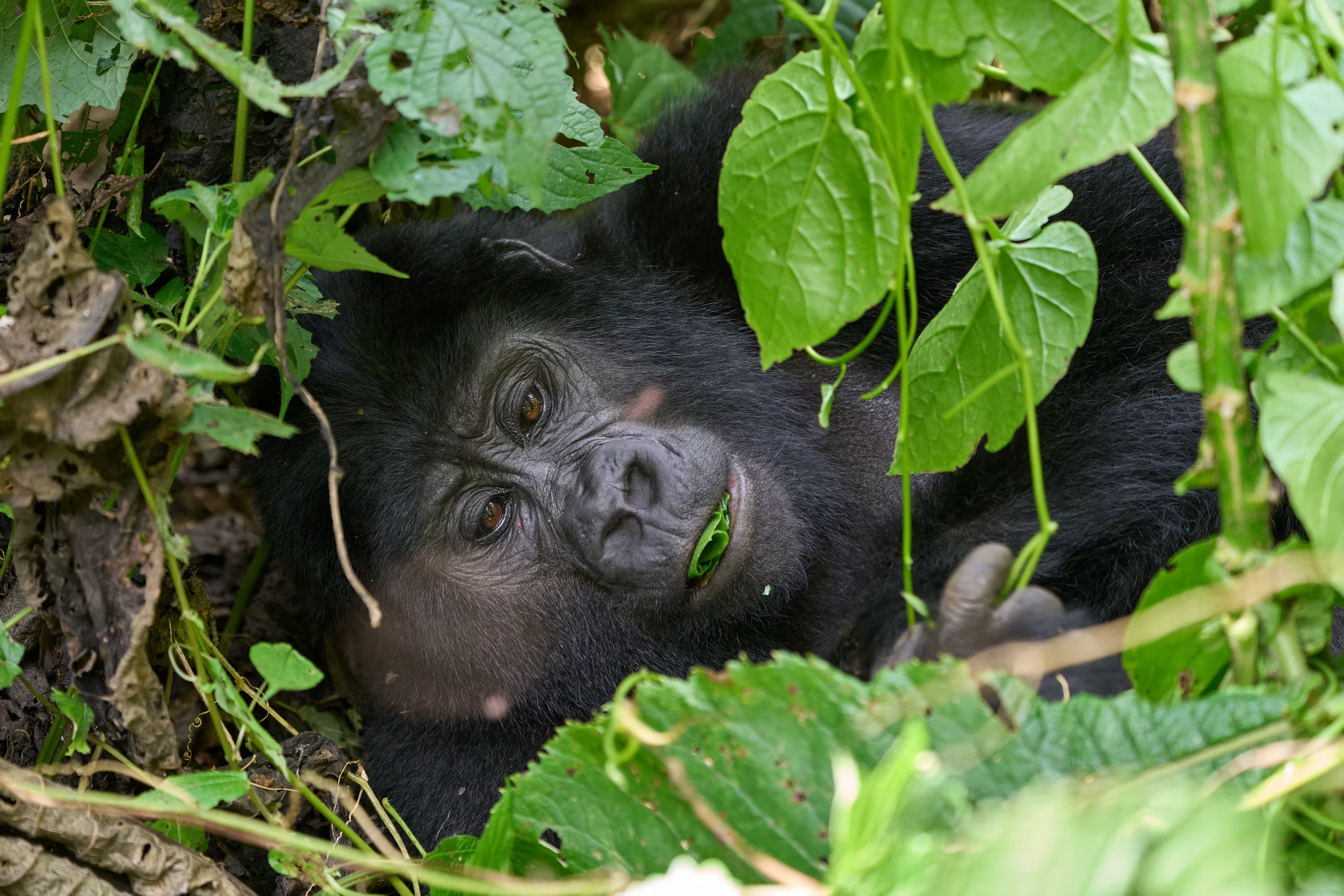
Mothers are central to the earliest development of mountain gorillas because infants depend on them for nursing, carrying, protection and close physical contact. This constant proximity creates opportunities for youngsters to observe everyday activities, including feeding, movement and interactions with other family members. How Do Young Gorillas Learn From Their Families? During infancy, the mother’s behaviour provides an important source of information about the surrounding environment. As young gorillas gradually become more independent, they continue benefiting from familiar social relationships. Visitors exploring Uganda gorilla trekking, Bwindi forest adventures, Rwanda gorilla safaris, gorilla habituation experiences and private mountain gorilla tours may observe these important relationships.
2. Young Gorillas Learn Which Forest Plants to Eat
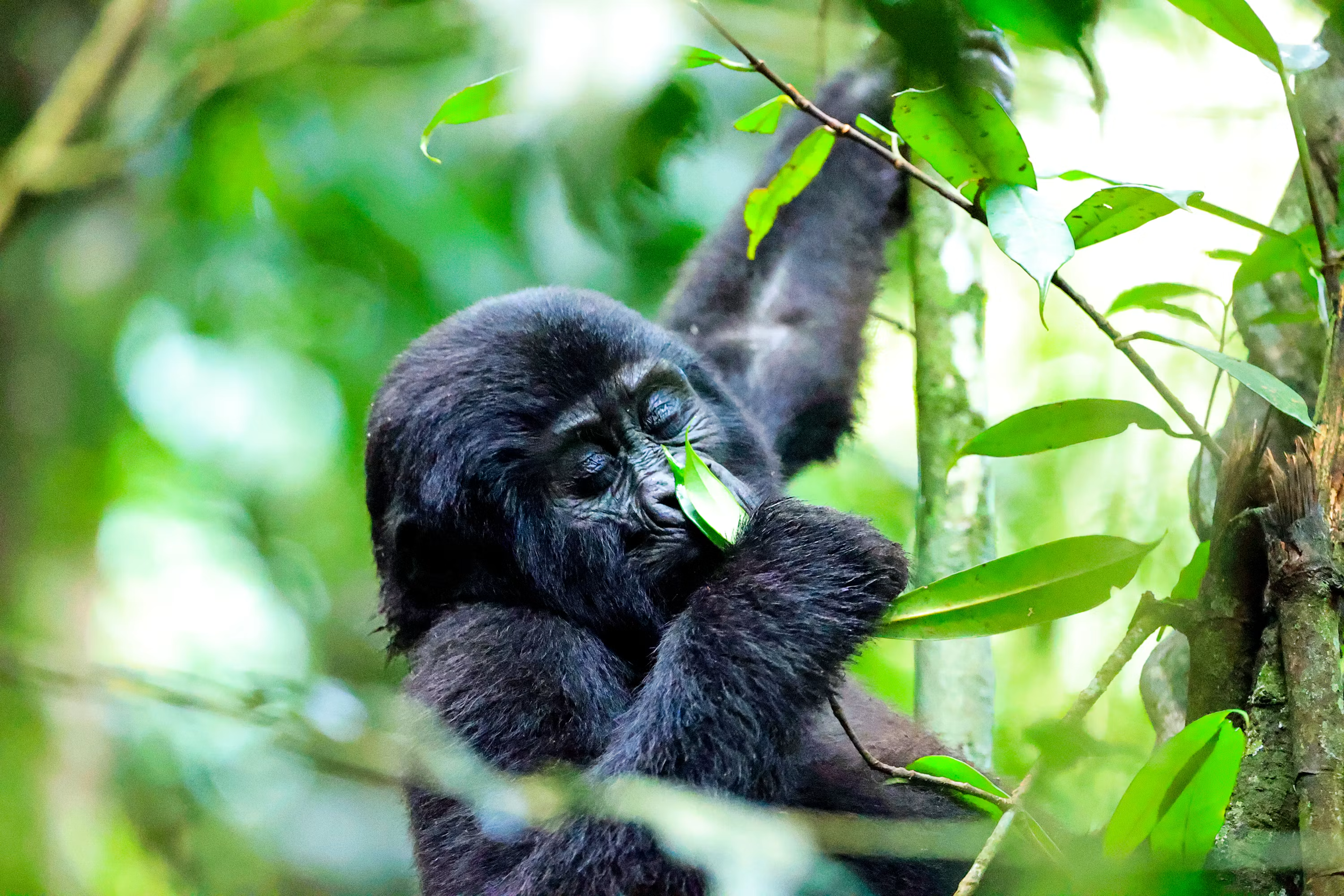
Food selection provides some of the clearest evidence of learning within mountain gorilla families. Research on wild mountain gorillas in Rwanda found that infants beginning to consume solid food often selected the same plant species their mothers were eating, sometimes choosing different parts of those plants. This pattern demonstrates how close maternal association influences early feeding experiences. How Do Young Gorillas Learn From Their Families? By encountering foods used by experienced companions, youngsters gradually expand their diets while developing independent feeding abilities. Their diets eventually include leaves, stems, shoots and other vegetation available within their habitats. Explore Bwindi gorilla trekking, Uganda wildlife safaris, Rwanda gorilla trekking holidays, Volcanoes National Park adventures and luxury African gorilla experiences.
3. Gorilla Families Help Youngsters Develop Food-Handling Skills
Mountain gorillas sometimes process vegetation through several coordinated movements before eating it. Certain plants require leaves to be folded, stems to be stripped or unsuitable parts to be removed. Research into gorilla plant-processing techniques suggests that both individual learning and social transmission may contribute to these abilities, although the relative importance of each remains debated. How Do Young Gorillas Learn From Their Families? Youngsters gain opportunities to observe experienced gorillas handling vegetation while developing their own strength and coordination through practice. These sophisticated activities are fascinating to witness during Uganda gorilla trekking, Rwanda gorilla trekking tours, Bwindi forest safaris, gorilla habituation adventures and private gorilla safari experiences.
4. Young Mountain Gorillas Develop Movement Through Exploration
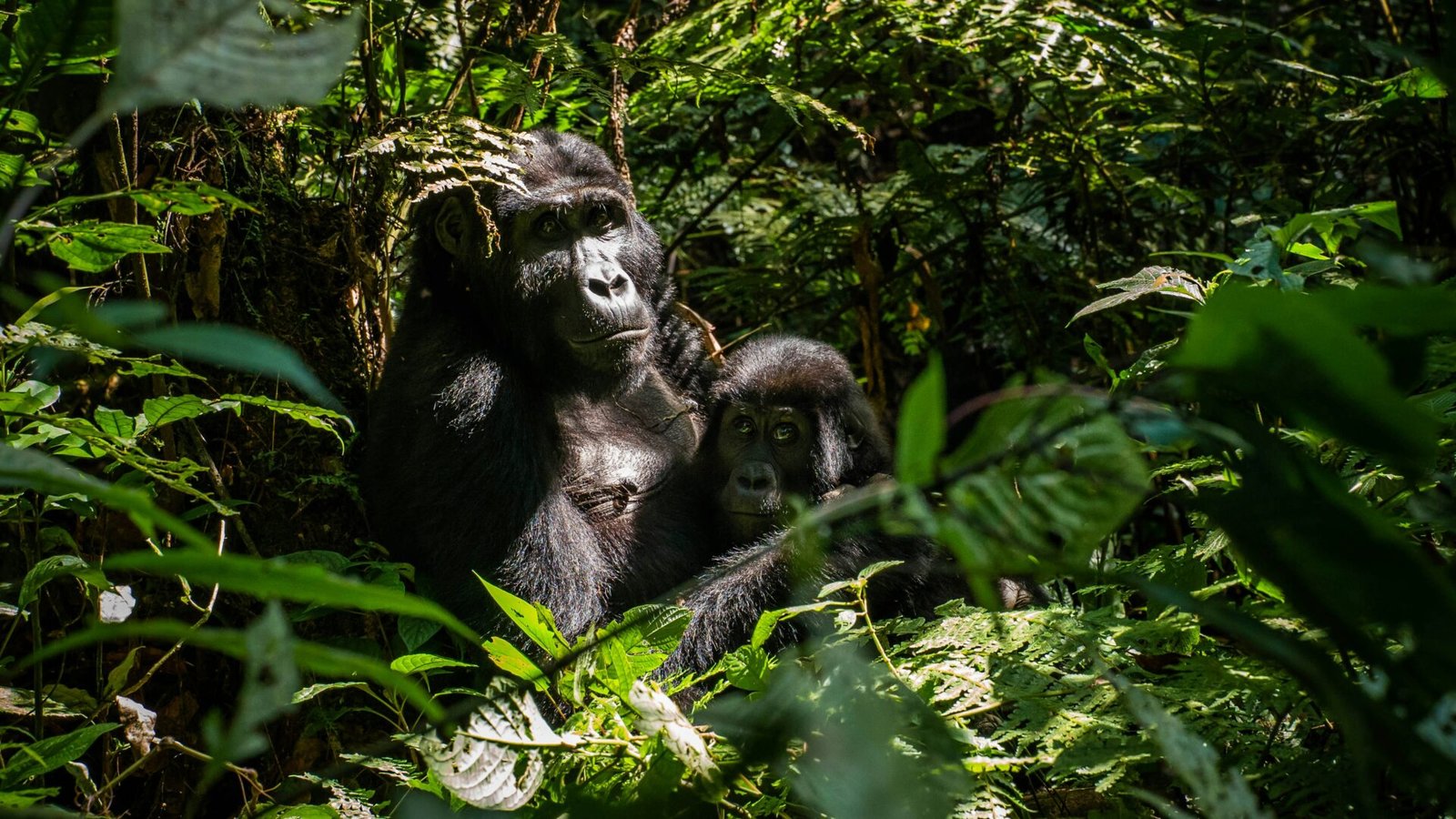
Walking, climbing and balancing develop gradually as infant gorillas become physically stronger. During their earliest months, babies depend on their mothers for transportation before beginning short independent movements. As they mature, they explore fallen branches, uneven ground and surrounding vegetation, practising movements that become increasingly controlled. How Do Young Gorillas Learn From Their Families? Physical development involves natural maturation, repeated practice and opportunities created by living among active companions. Watching other gorillas move through the forest may provide useful information, but walking itself is not simply copied from adults. Travellers enjoying Bwindi gorilla trekking, Uganda gorilla safaris, Rwanda mountain gorilla holidays, luxury forest adventures and guided trekking experiences can observe different stages of mobility.
5. Playing With Other Young Gorillas Develops Important Skills
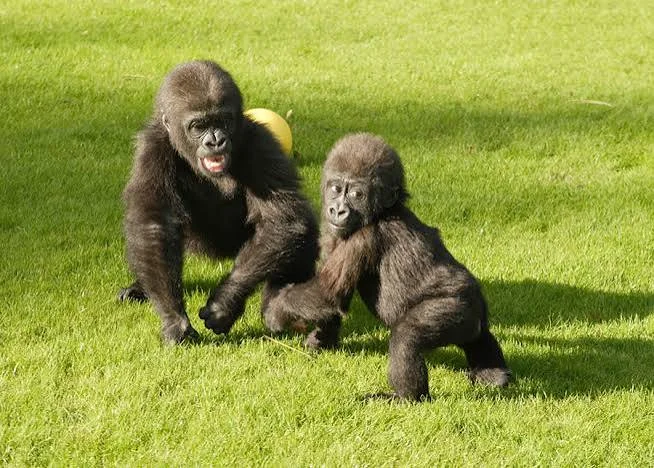
Social play is an important part of mountain gorilla development. Youngsters frequently engage in chasing, wrestling, climbing and rolling, allowing them to practise physical coordination and social interactions. Research on immature mountain gorillas in Bwindi has identified relationships between play, physical development and social factors. How Do Young Gorillas Learn From Their Families? Play provides opportunities to respond to companions, adjust movements and experience different kinds of interaction. Although youngsters are not consciously attending lessons, these activities may contribute to abilities useful later in life. Discover Uganda gorilla trekking tours, Bwindi Impenetrable National Park, Rwanda gorilla trekking packages, gorilla habituation safaris and romantic African wildlife holidays.
6. Siblings and Juveniles Become Important Social Companions
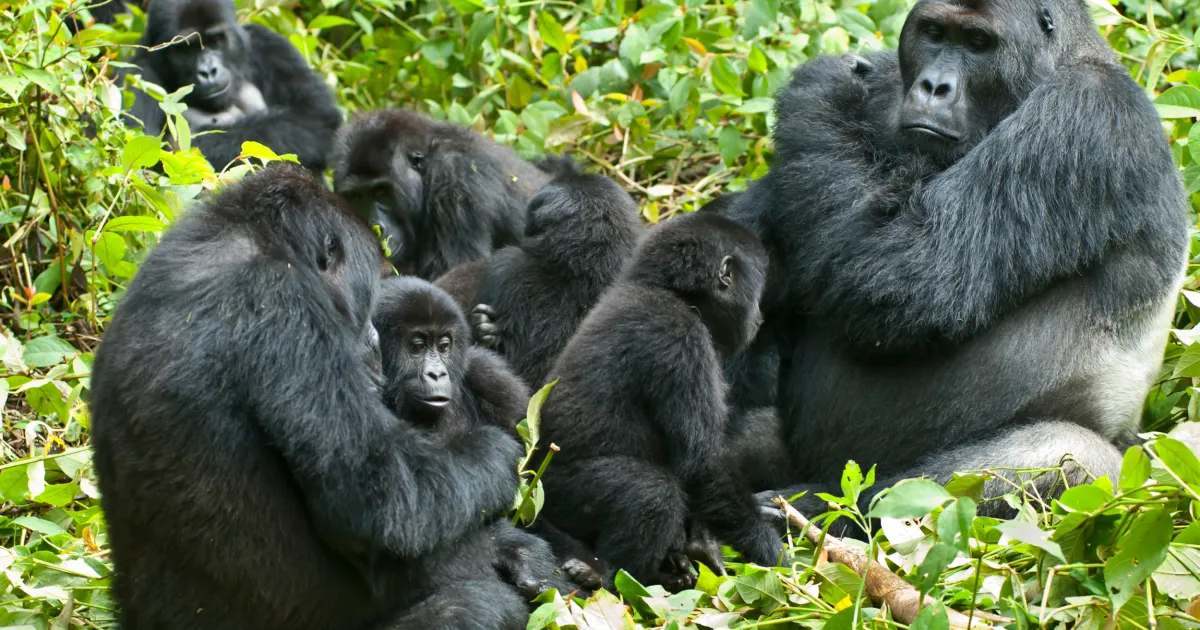
Siblings and similarly aged gorillas provide opportunities for repeated interactions throughout infancy and childhood. Youngsters may choose familiar companions for play, practise responding to gestures and experience situations involving cooperation or competition. These encounters help create the social relationships that characterise gorilla family life. How Do Young Gorillas Learn From Their Families? Through repeated interactions with other youngsters, they gain experience navigating different social situations. Peer relationships become increasingly important as infants spend more time away from direct maternal contact. Visitors planning Uganda mountain gorilla safaris, Rwanda gorilla holidays, Bwindi gorilla expeditions, private primate tours and luxury gorilla adventures may witness these fascinating friendships.
7. Silverbacks Influence Social Development and Group Stability
Dominant silverbacks occupy important social positions within mountain gorilla families. They influence group movements, respond to threats and sometimes maintain close relationships with infants and juveniles. Young gorillas may rest near familiar adult males or approach them during playful interactions, providing additional opportunities for social experience. How Do Young Gorillas Learn From Their Families? Their relationships with silverbacks may influence how they interact with mature males and participate in family life. However, this does not mean silverbacks deliberately teach formal leadership lessons. Their importance is better understood through protection, social familiarity and repeated contact. Explore Bwindi gorilla trekking, Uganda gorilla holidays, Rwanda gorilla trekking, luxury African safaris and romantic gorilla honeymoons.
8. Young Gorillas Develop Communication Through Family Interactions
Mountain gorillas communicate using vocalisations, facial expressions, body postures and gestures. Young individuals gradually develop their ability to respond to these signals during everyday interactions with familiar companions. Research on gorilla communication suggests that experience and social interaction contribute to communicative development, although findings from different gorilla populations must be interpreted carefully. How Do Young Gorillas Learn From Their Families? By participating in repeated social encounters, youngsters develop increasingly flexible ways to interact with others. A playful gesture, contact call or change in posture may influence how companions respond. Learn more through Uganda gorilla trekking, Bwindi gorilla family experiences, Rwanda gorilla safaris, guided primate adventures and private trekking arrangements.
9. Young Gorillas Gradually Learn to Navigate Family Life
Mountain gorilla society includes relationships between mothers, infants, juveniles, adult females and mature males. Young gorillas gradually gain experience of different companions and circumstances through everyday group activities. How Do Young Gorillas Learn From Their Families? Repeated interaction helps them become familiar with social patterns, including how companions respond to approaches, play invitations and occasional disagreements. They may learn to avoid unwanted interactions or seek contact with tolerant individuals. However, scientists do not assume gorillas consciously memorise fixed social rules in the human sense. Visitors exploring Uganda gorilla trekking packages, Rwanda mountain gorilla safaris, Bwindi wildlife holidays, luxury gorilla trekking and African honeymoon adventures can appreciate these social dynamics.
Do Young Gorillas Learn Through Imitation or Individual Experience?
One fascinating question in gorilla research concerns how much behaviour develops through direct imitation rather than individual experimentation. Studies of plant-processing techniques have produced evidence consistent with social transmission, but other experiments demonstrate that gorillas can independently develop complex manipulation skills. How Do Young Gorillas Learn From Their Families? The most scientifically supported explanation is that development combines social opportunities, exploration, maturation and experience, with the balance differing between behaviours. This makes mountain gorilla intelligence more complex than simply copying adult movements. Discover Bwindi gorilla trekking, Uganda gorilla tours, Rwanda trekking holidays, gorilla habituation experiences and private African safaris.
How Young Gorillas Learn Resting and Nesting Habits
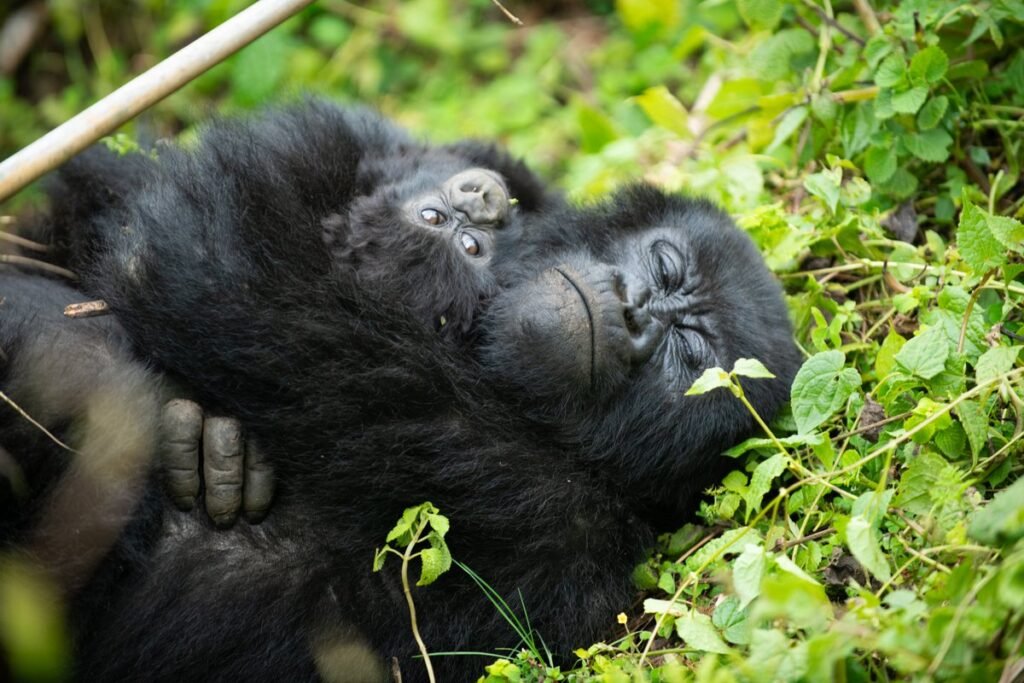
Mountain gorillas regularly construct resting nests from surrounding vegetation, including nests used overnight. Young infants initially rest in close association with their mothers before gradually developing greater independence. As they grow older, they encounter nesting behaviour repeatedly within their family groups and eventually become capable of constructing their own resting places. How Do Young Gorillas Learn From Their Families? Observation may provide useful opportunities to become familiar with nesting materials, while physical development and individual practice also contribute. Researchers distinguish these possibilities rather than assuming every nesting action is directly taught. Explore Uganda mountain gorilla trekking, Bwindi forest experiences, Rwanda gorilla holidays, luxury gorilla trekking packages and responsible gorilla tourism.
How Gorilla Families Influence Responses to Potential Danger
Young mountain gorillas encounter unfamiliar sounds, movements and social situations while living in forest habitats. Mothers may carry infants away from disturbances, while silverbacks sometimes respond defensively when another gorilla approaches. How Do Young Gorillas Learn From Their Families? Repeated experiences may help youngsters become familiar with environmental and social cues, although researchers cannot always determine exactly what an infant learns from a particular event. Family protection gives young gorillas opportunities to develop within a relatively secure social environment. Visitors should never deliberately create disturbances to observe defensive behaviour. Explore Uganda gorilla trekking, Bwindi gorilla adventures, Rwanda gorilla trekking packages, private mountain gorilla safaris and luxury wildlife experiences.
How Gorilla Learning Changes From Infancy to Adolescence
How Do Young Gorillas Learn From Their Families? Their developmental experiences change throughout infancy, childhood and adolescence. During the earliest months, infants rely heavily on maternal contact while beginning to explore nearby objects. As they become mobile, they participate in more frequent play and develop independent feeding abilities. Older juveniles expand their relationships with peers and adult group members, while adolescents gain increasing experience navigating complex social situations. Development continues beyond the earliest years, and individuals mature at different rates. Travellers can observe these life stages during Bwindi gorilla trekking, Uganda gorilla safari holidays, Rwanda mountain gorilla tours, gorilla habituation experiences and personalised African wildlife journeys.
Where Can Tourists Observe Young Gorillas Learning?
Bwindi Impenetrable National Park, Uganda
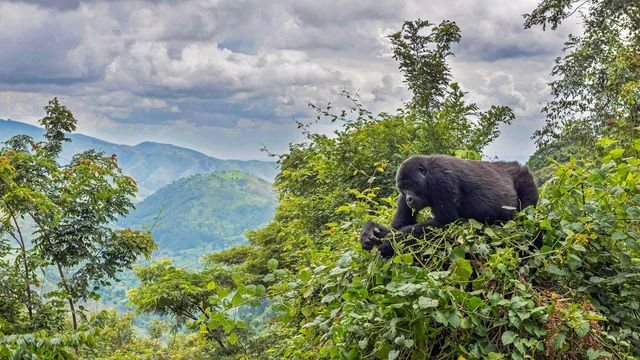
Bwindi Impenetrable National Park offers exceptional opportunities to observe mountain gorilla family life within southwestern Uganda’s dense forests. Habituated groups occupy the Buhoma, Ruhija, Rushaga and Nkuringo trekking sectors, where visitors may encounter infants, juveniles and adults engaged in everyday activities. How Do Young Gorillas Learn From Their Families? Watching youngsters feed near their mothers, play with companions or explore forest vegetation can provide fascinating examples of development. Specific behaviours cannot be guaranteed because the gorillas remain wild. Discover Bwindi Impenetrable National Park, Uganda gorilla trekking packages, gorilla habituation experiences, four-day Uganda gorilla safaris and private safari bookings.
Mgahinga Gorilla National Park, Uganda
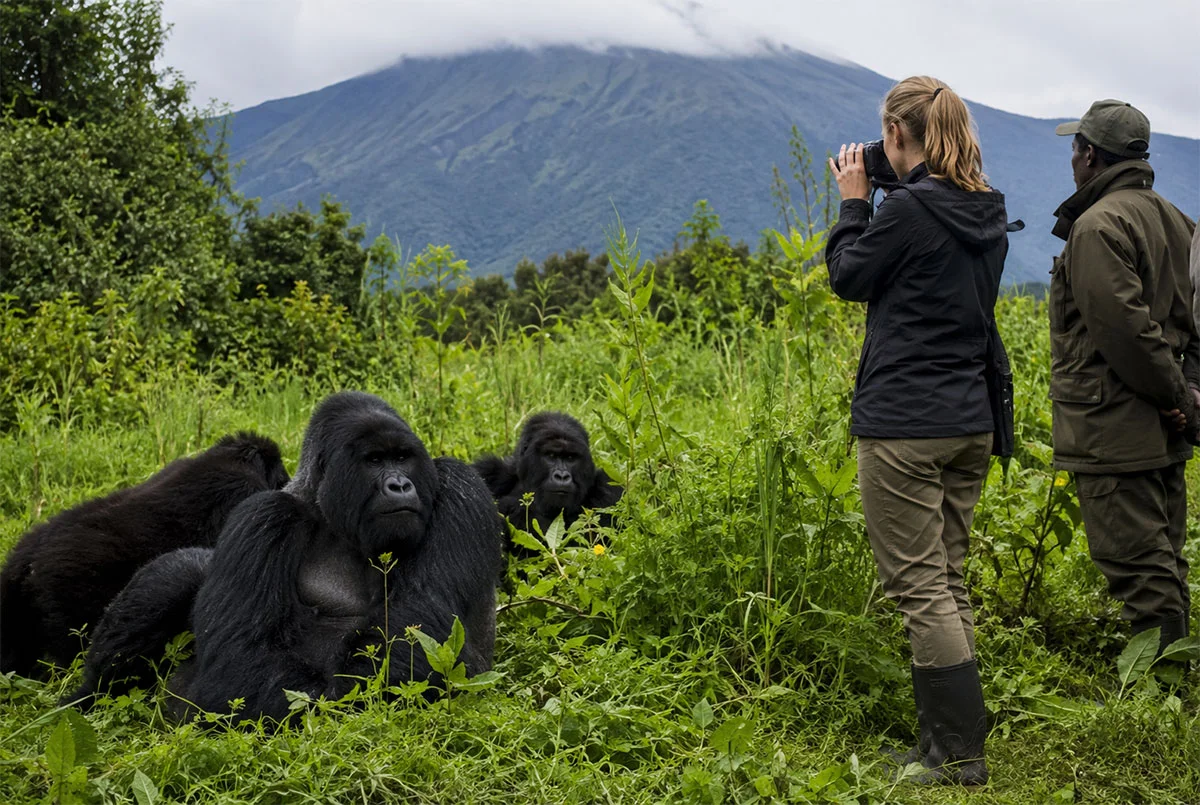
Mgahinga Gorilla National Park protects mountain gorilla habitat within the spectacular Virunga Mountains. Its bamboo forests, volcanic landscapes and mountain vegetation provide an extraordinary setting for observing natural gorilla behaviour. Young gorillas may practise climbing, investigate plants or interact with companions while their families feed and rest. Visitors can explore Uganda gorilla trekking tours, Uganda safari experiences, private gorilla trekking arrangements, luxury African gorilla holidays and Nextgen Safaris when planning an immersive mountain gorilla journey.
Volcanoes National Park, Rwanda

Volcanoes National Park is Rwanda’s leading destination for observing wild mountain gorilla families. Habituated groups offer opportunities to witness feeding, communication, maternal care and social play in their natural environment. How Do Young Gorillas Learn From Their Families? Visitors may observe the developmental interactions described throughout this guide, depending on the age composition and activities of their assigned family. Explore Volcanoes National Park, Rwanda gorilla trekking packages, Rwanda gorilla trekking guides, luxury Rwanda gorilla holidays and romantic Rwanda honeymoon safaris.
Why Understanding Gorilla Learning Matters for Conservation
Studying how mountain gorillas develop feeding abilities, communication and social relationships helps researchers understand the importance of stable family environments. Young gorillas benefit from maternal care and opportunities to interact with familiar companions throughout development. How Do Young Gorillas Learn From Their Families? Their behaviour demonstrates why protecting natural family relationships is an important consideration in conservation management. Habitat protection, veterinary monitoring, anti-poaching programmes and responsible tourism all contribute to the long-term survival of mountain gorillas. Travellers can support these efforts through Uganda gorilla trekking, Rwanda gorilla trekking tours, Bwindi conservation experiences, responsible safari bookings and Nextgen Safaris.
Frequently Asked Questions About How Young Gorillas Learn From Their Families
How Do Young Gorillas Learn From Their Families?
Young gorillas develop skills through observation, interaction, exploration and repeated practice. Their mothers provide early opportunities to encounter feeding and movement patterns, while siblings and other companions contribute to social experiences. Discover Uganda gorilla trekking and Rwanda gorilla tours.
Do Baby Gorillas Copy Their Mothers?
Baby gorillas sometimes perform behaviours similar to those of their mothers, particularly during feeding. However, similarities can arise through social learning, individual exploration and physical development. Learn about gorilla family behaviour.
How Do Young Gorillas Learn What to Eat?
Research indicates that young mountain gorillas often begin eating plants currently being consumed by their mothers. Repeated exposure and individual exploration contribute to developing their feeding preferences. Explore mountain gorilla trekking.
Do Silverbacks Teach Young Gorillas?
Silverbacks influence group movements, protection and social relationships, providing important experiences for youngsters. However, deliberate instruction comparable to human teaching has not been demonstrated for most everyday gorilla behaviours. Discover Rwanda gorilla trekking.
How Do Young Gorillas Learn From Their Families Through Play?
Playing with siblings and other companions provides opportunities to practise coordination, communication and social responses. Research suggests play contributes to both physical and social development. Explore Bwindi gorilla trekking.
Can Baby Gorillas Learn to Communicate?
Yes. Young gorillas develop increasingly flexible communication through vocalisations, gestures, body movements and repeated social interaction. Their abilities change as they mature. Discover gorilla habituation experiences.
Do Young Gorillas Learn From Their Siblings?
Young gorillas interact frequently with siblings and other juveniles during play, providing opportunities for social experience and physical practice. Their relationships become increasingly important as independence grows. Explore Uganda gorilla safaris.
How Long Does It Take Young Gorillas to Become Independent?
Development occurs over several years. Young gorillas gradually become capable of feeding and travelling independently while continuing to maintain important social relationships. Individual maturation varies. Explore Rwanda gorilla safari packages.
Can Tourists Watch Young Gorillas Learning in Uganda?
Yes. Visitors may observe young gorillas feeding, climbing, communicating or playing during guided treks in Bwindi or Mgahinga. Particular behaviours and infant sightings cannot be guaranteed. Book Uganda gorilla trekking tours.
Where Is the Best Place to Observe Gorilla Family Learning?
Bwindi Impenetrable National Park, Mgahinga Gorilla National Park and Rwanda’s Volcanoes National Park provide guided opportunities to observe habituated mountain gorilla families. Each offers a valuable wildlife experience. Discover Uganda gorilla trekking and Rwanda gorilla holidays.
Book Your Mountain Gorilla Trekking Safari With Nextgen Safaris
How Do Young Gorillas Learn From Their Families? Their development reveals a remarkable combination of maternal care, social learning, physical exploration, play and individual experience. Watching a young gorilla experiment with forest vegetation, imitate a familiar movement or interact with siblings can become one of the most unforgettable parts of an African wildlife safari. Nextgen Safaris organises personalised gorilla trekking journeys in Uganda and Rwanda, combining professional planning, private transportation, comfortable accommodation and assistance with official trekking permits. Discover Uganda gorilla trekking packages, Rwanda mountain gorilla safaris, Bwindi gorilla trekking adventures, luxury gorilla holidays and romantic African honeymoon experiences.
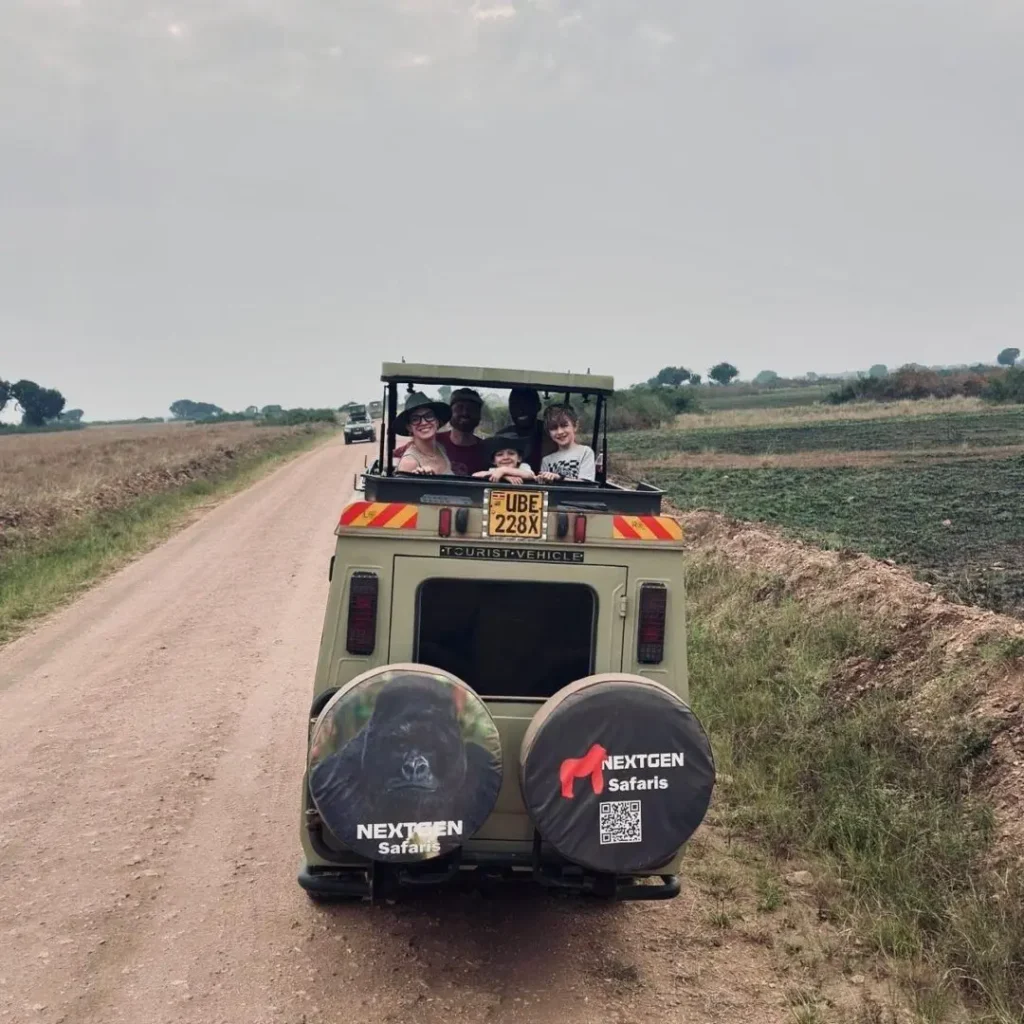
Whether you prefer a short gorilla trekking journey from Kigali, a private Bwindi forest experience or an extended safari combining gorillas, chimpanzees and traditional wildlife viewing, our team can design an itinerary around your travel dates, accommodation preferences and budget. Every safari prioritises responsible observation and the protection of wild gorilla families, allowing visitors to appreciate natural behaviour without interference.