
How Does a Silverback Decide Where the Family Goes? 9 Amazing Facts About Gorilla Leadership
How Does a Silverback Decide Where the Family Goes? Deep inside the mountainous rainforests of Uganda, Rwanda, and the Democratic Republic of Congo, dominant silverback gorillas play important roles in guiding their families through complex forest environments. These magnificent primates influence group movements, feeding activities, resting periods, and encounters with neighbouring gorillas. Their decisions are shaped by food availability, social relationships, familiar surroundings, and the behaviour of other group members. Visitors exploring gorilla trekking in Uganda, Bwindi Impenetrable National Park, or Rwanda gorilla trekking can observe these remarkable family relationships in the wild.
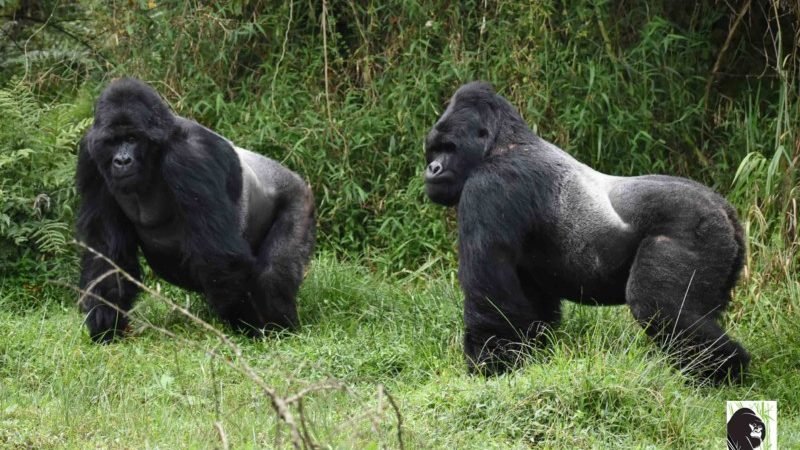
Understanding How Does a Silverback Decide Where the Family Goes? reveals that mountain gorilla leadership is more complex than simply following the strongest animal. Although the dominant male often influences the direction and timing of group movement, other gorillas also respond to environmental conditions and may contribute to collective activities. These relationships help families remain together as they navigate dense vegetation, steep valleys, and feeding areas. Learning about silverback gorilla behaviour makes a mountain gorilla trekking safari particularly rewarding.
Understanding How a Silverback Leads His Gorilla Family
A silverback is a mature male gorilla recognised by the silver-grey hair that develops across his back. Within many mountain gorilla families, one dominant silverback occupies the highest social position and exerts considerable influence over the group’s activities. His role includes maintaining relationships, responding to disturbances, and contributing to group cohesion. Other mature males may also live within the family, creating a hierarchy that influences social interactions. How Does a Silverback Decide Where the Family Goes? These relationships are important for understanding gorilla family behaviour and the daily activities visitors may witness during Bwindi gorilla trekking.
How Does a Silverback Decide Where the Family Goes? Traditional observations of mountain gorillas describe dominant males initiating travel and influencing the direction of movement. However, this does not mean every family member follows without contributing. Research on western gorillas has demonstrated that adult females and other individuals can participate in collective departure decisions. Although western gorilla findings should not automatically be applied to mountain gorillas, they highlight the complexity of great ape leadership.
9 Amazing Factors That Influence Where a Silverback Leads His Family
Finding Suitable Feeding Areas
Food availability is one of the most important influences on mountain gorilla movements. Gorillas feed primarily on vegetation, including leaves, stems, shoots, pith, and various other plant materials. Fruit also contributes to their diet, particularly in Bwindi, where its availability changes throughout the year. A gorilla family must regularly move between feeding locations to obtain sufficient nutrition. Understanding mountain gorilla feeding behaviour helps explain why groups move through different parts of their forest habitats.
How Does a Silverback Decide Where the Family Goes? The dominant male’s experience with familiar feeding areas may contribute to the group’s travel direction, while food availability shapes the routes the family uses. Different members may also influence movement through their own feeding activities. Visitors exploring Bwindi Impenetrable Forest may observe gorillas feeding among dense vegetation, stripping stems, or moving between nearby patches of preferred plants. These activities form an important part of the experience offered through Uganda gorilla trekking tours.
Remembering Familiar Forest Areas
Mountain gorillas regularly use established home ranges rather than travelling endlessly through unfamiliar forests. Over time, adult gorillas develop experience with feeding locations, resting areas, forest slopes, and neighbouring groups. Familiarity with these surroundings may help experienced individuals navigate their environment efficiently. This is an important aspect of mountain gorilla social intelligence and their ability to live successfully within complex forest ecosystems.
How Does a Silverback Decide Where the Family Goes? His accumulated experience may influence where the group travels, particularly when returning to previously used areas. However, researchers cannot directly determine the exact thoughts or memories behind each movement decision. What scientists can observe is that gorilla groups repeatedly use familiar areas and adjust their movements in response to ecological conditions. These patterns make mountain gorilla trekking in Uganda an opportunity to appreciate the animals’ relationship with their environment.
Responding to Seasonal Changes in Food Availability
Mountain gorilla movements can change as the availability of different foods fluctuates. Bwindi’s forest contains a wider variety of fruiting plants than the higher-altitude Virunga habitats, and fruit consumption can influence how much time gorillas spend feeding, travelling, and resting. Consequently, movements may vary between populations and across different periods of the year. Travellers interested in Uganda’s gorilla habitats can discover how ecological differences shape gorilla behaviour.
How Does a Silverback Decide Where the Family Goes? Changes in feeding opportunities may influence the family’s movements, sometimes encouraging travel toward areas containing suitable seasonal foods. However, there is no simple rule that gorillas always travel farther during every wet or dry season. Their responses depend on local vegetation and environmental conditions. Understanding these variations is useful when planning gorilla trekking safaris in Uganda, because the gorillas’ location cannot be predicted precisely from the month alone.
Navigating Steep Ridges and Forest Valleys
Mountain gorillas inhabit landscapes that include steep slopes, thick undergrowth, ridges, valleys, and uneven forest floors. These physical characteristics influence the routes available to travelling groups. Gorillas are capable climbers and powerful terrestrial animals, but movement through challenging terrain requires energy. Researchers studying ranging behaviour consider habitat structure and travel costs alongside food availability when examining how groups use their home ranges.
How Does a Silverback Decide Where the Family Goes? A dominant male’s movements may guide the family along a particular route, but it would be inaccurate to assume that researchers know he consciously selects the easiest path every time. The group’s route emerges within a landscape shaped by vegetation, terrain, and familiar pathways. Visitors participating in gorilla trekking in Bwindi quickly discover how demanding this terrain can be. For travellers concerned about hiking difficulty, Nextgen Safaris can help discuss suitable trekking arrangements.
Choosing When to Rest and Build Night Nests
Mountain gorillas spend substantial portions of their days feeding and resting. As evening approaches, they generally settle and construct nests from nearby vegetation, although young infants typically share nests with their mothers. Nesting areas may be located on the ground or occasionally in suitable vegetation. The location of nightly resting sites is influenced by environmental conditions, available nesting materials, and the family’s movement throughout the day.
How Does a Silverback Decide Where the Family Goes? His influence on the group’s movement helps determine the general area where the family eventually settles, although each gorilla typically constructs its own nest. Scientists study nesting patterns to understand habitat use and population ecology. Visitors learning about mountain gorilla behaviour may also discover how trackers use evidence from previous resting locations to understand where gorilla groups have travelled. Such knowledge contributes to the organisation of guided gorilla trekking experiences.
Keeping the Family Together During Movement
Maintaining group cohesion is an important aspect of silverback leadership. Mountain gorilla families contain individuals of different ages, including infants, juveniles, adult females, and mature males. These individuals vary in their movement abilities, feeding interests, and social relationships. The dominant male frequently occupies a central position within group activities, and his movements can influence how other members travel together. This behaviour helps explain the organisation of mountain gorilla families in their natural habitats.
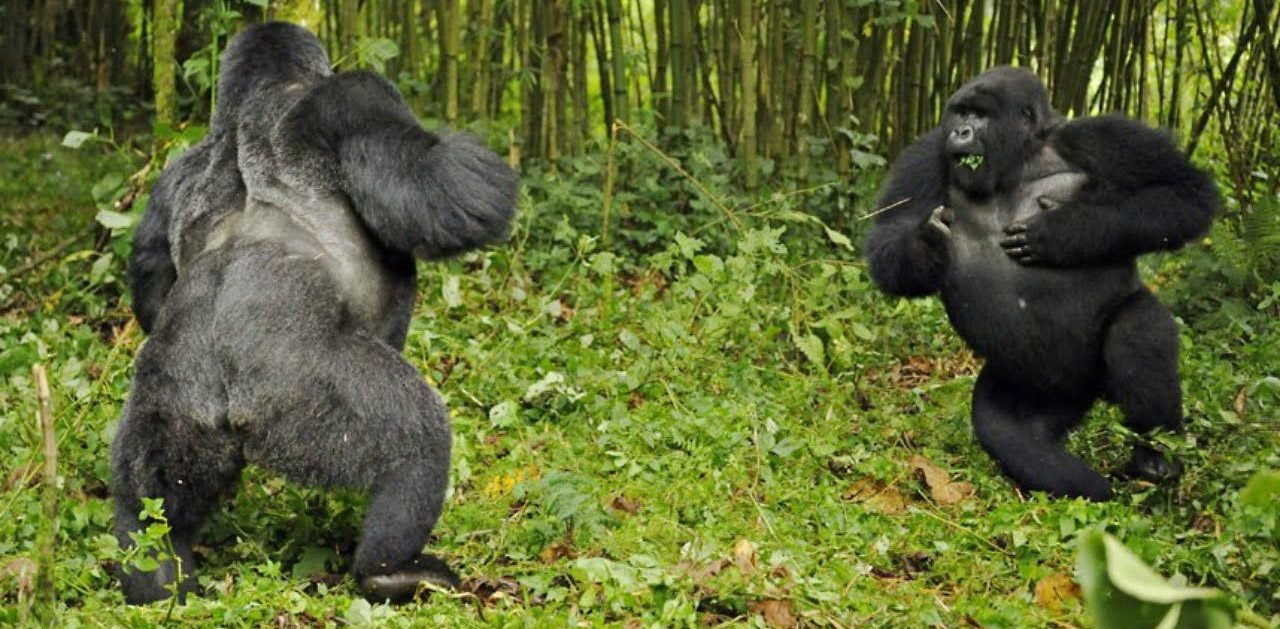
How Does a Silverback Decide Where the Family Goes? Group movement involves maintaining social contact while travelling between feeding and resting areas. However, it should not be assumed that the silverback always chooses routes specifically to accommodate the youngest members. Mothers carry dependent infants, while older juveniles increasingly move independently. Observing these relationships during Uganda gorilla trekking safaris offers visitors an extraordinary opportunity to see how different family members behave together.
Communicating Before the Family Moves
Gorillas communicate through vocalisations, gestures, body postures, and other social signals. These behaviours can help coordinate interactions when individuals are feeding or resting near one another. Studies of western gorillas have shown that vocal exchanges can play a role in determining the timing of group departures. Mountain gorilla observations also describe adult males vocalising in association with movement, although the precise contribution of each group member requires further study.
How Does a Silverback Decide Where the Family Goes? Communication may help the family coordinate departures, while the dominant male’s actions can influence the direction of travel. The available evidence does not establish that one universal decision-making system applies to every gorilla population. Visitors exploring Rwanda gorilla trekking and Uganda mountain gorilla safaris can observe these subtle social interactions, which are often more revealing than dramatic displays.
Responding to Neighbouring Gorilla Families
Mountain gorilla groups have home ranges that may overlap with those of neighbouring families. Encounters sometimes involve peaceful interactions, but they can also produce chest beating, vocalisations, chasing, or physical aggression between adult males. Research indicates that gorilla groups may use particular core areas more exclusively while tolerating overlap elsewhere. These patterns influence how neighbouring families share forest landscapes.
How Does a Silverback Decide Where the Family Goes? The presence of another group can influence movement decisions, particularly when unfamiliar males create tension. A family may continue travelling, pause, or move away from an encounter. However, silverbacks do not necessarily avoid every neighbouring group, and their relationships can be affected by familiarity. Understanding these encounters enriches gorilla trekking in Bwindi and helps explain the complex social organisation of mountain gorillas in Rwanda.
Responding to the Behaviour of Adult Females and Other Group Members
Although dominant silverbacks are important leaders, gorilla family movement is not necessarily controlled through a series of completely independent male decisions. Adult females have their own feeding requirements, social relationships, and behavioural preferences. Research on western gorillas has demonstrated that higher-ranking females can influence intended travel directions and that multiple adults participate in departure timing. Mountain gorilla movement has traditionally been described as more strongly influenced by dominant males, making comparisons between populations particularly interesting.
How Does a Silverback Decide Where the Family Goes? The most accurate answer acknowledges the silverback’s substantial influence without overlooking the role of other group members. Observing a family involves watching how individuals respond to one another throughout the day. These natural relationships are part of what makes mountain gorilla trekking tours and private Uganda gorilla safaris so memorable.
Does the Silverback Make Every Decision for His Family?
A dominant silverback often has significant influence over travel direction, social relationships, and group organisation, but it would be misleading to describe his family as entirely controlled by one individual. Research on mountain gorillas has traditionally emphasised male leadership, while more recent research on western gorillas demonstrates that group departures can involve contributions from several adults. These studies examine related but different gorilla species, so their findings should be distinguished rather than treated as identical.
How Does a Silverback Decide Where the Family Goes? His behaviour forms part of a broader social process influenced by group relationships and ecological conditions. Some movements may be strongly directed by the dominant male, while other activities involve responses from multiple family members. This balance between leadership and social coordination makes the mountain gorilla experience especially interesting for travellers who want to understand wildlife beyond the usual sightseeing experience.
How Far Does a Silverback Lead His Family Each Day?
Mountain gorilla families typically travel relatively short distances compared with some other great apes, but the distance varies across habitats and feeding conditions. Published research reports average daily travel distances of roughly half a kilometre to around one kilometre for some mountain gorilla populations, although individual days can differ considerably. Bwindi gorillas may spend more time moving when fruit consumption increases, demonstrating the connection between diet and activity.
How Does a Silverback Decide Where the Family Goes? Daily movements are influenced by food distribution, resting activities, habitat characteristics, and social encounters rather than a fixed distance or schedule. A family may remain within a relatively small area when food is abundant or travel farther when conditions change. This unpredictability is why gorilla trekking in Uganda can involve varying hiking distances and durations, even when tourists visit the same national park.
Where Can Visitors Observe Silverback Gorilla Leadership?
Bwindi Impenetrable National Park, Uganda
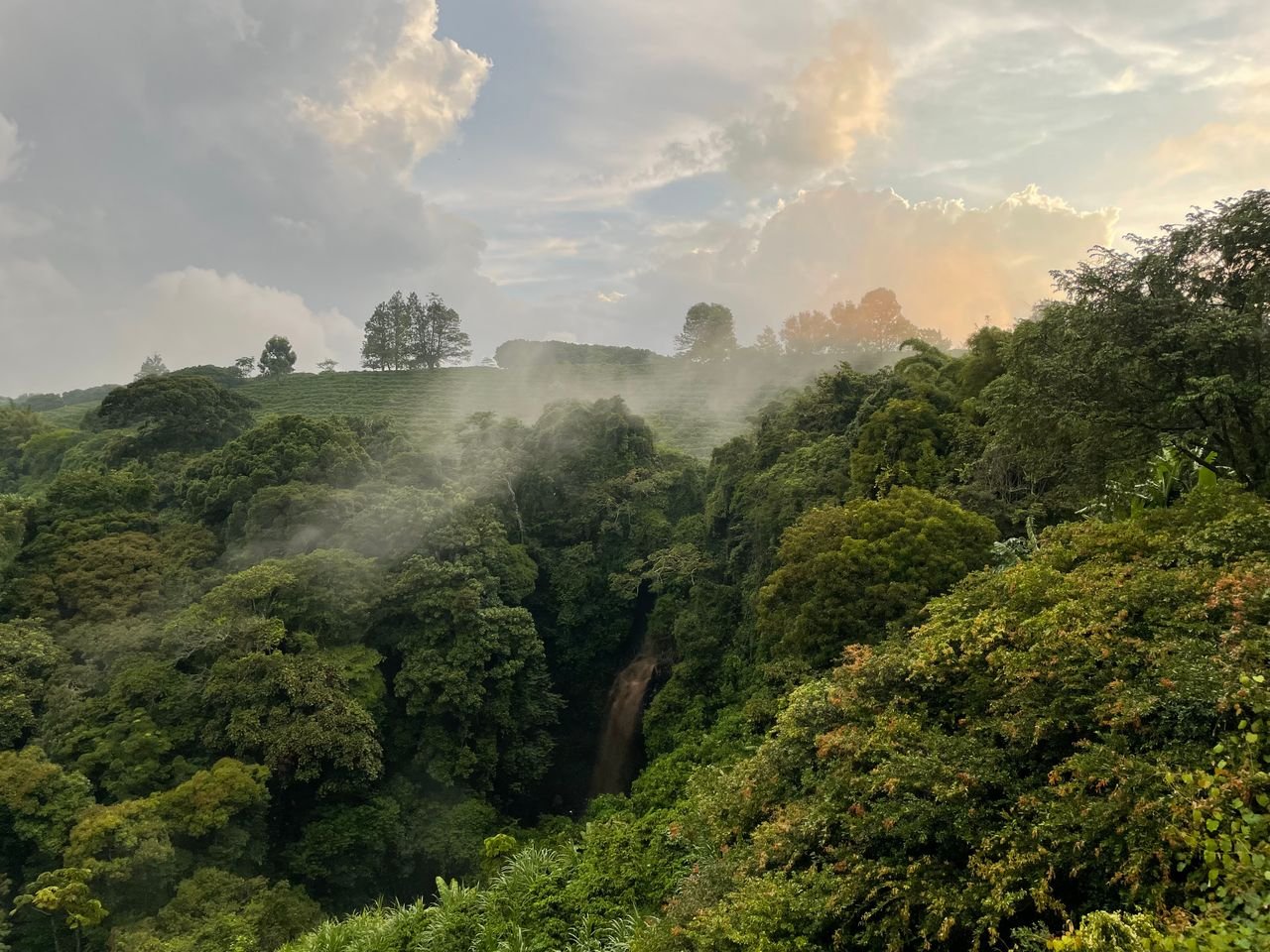
Bwindi Impenetrable National Park is one of Africa’s leading destinations for observing mountain gorilla family behaviour. Its Buhoma, Ruhija, Rushaga, and Nkuringo sectors provide opportunities to visit habituated groups under the supervision of experienced rangers. Visitors may observe silverbacks feeding, resting, interacting with younger gorillas, or influencing family movements. Travellers can explore Uganda gorilla trekking packages, compare Bwindi gorilla safari options, and organise private gorilla trekking tours.
Mgahinga Gorilla National Park, Uganda
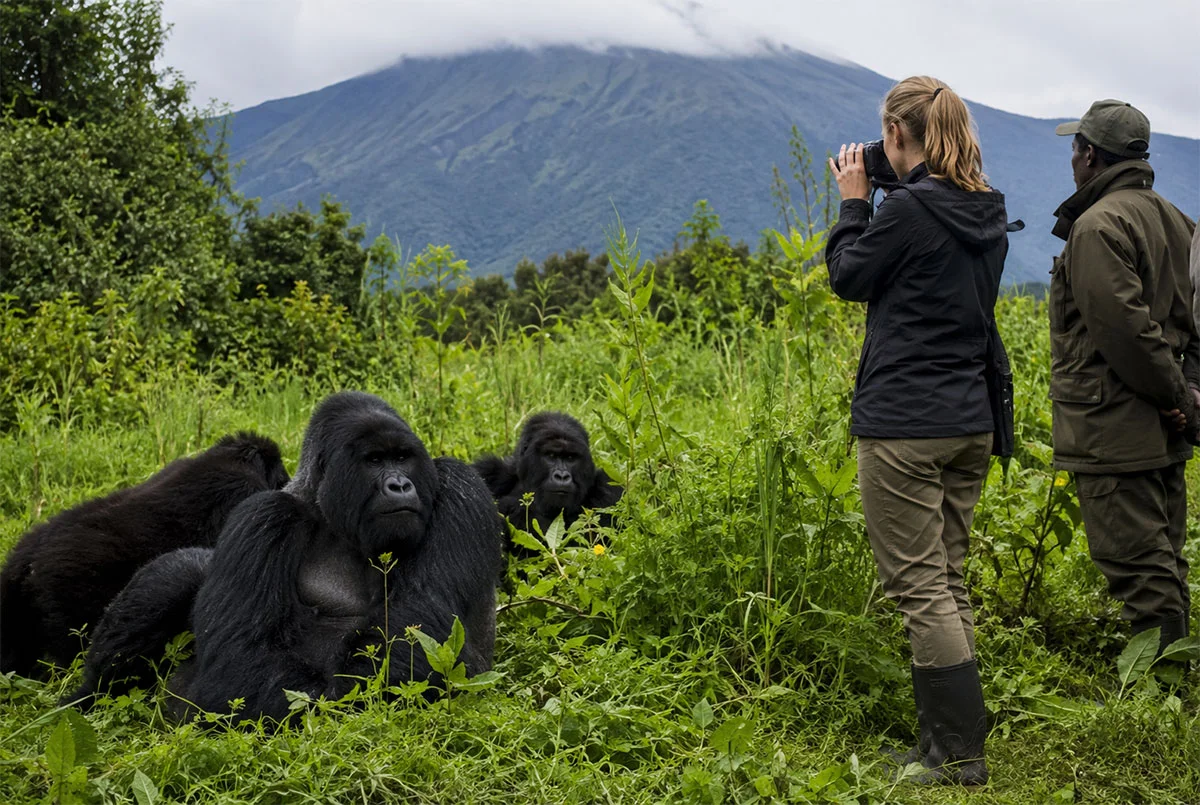
Mgahinga Gorilla National Park provides mountain gorilla trekking within the dramatic Virunga volcanic landscape of southwestern Uganda. Its vegetation, altitude, and terrain create a distinctive environment for understanding mountain gorilla movement. Visitors can explore Mgahinga gorilla trekking safaris or combine the park with Bwindi gorilla trekking experiences for a more extensive Uganda wildlife holiday.
Volcanoes National Park, Rwanda
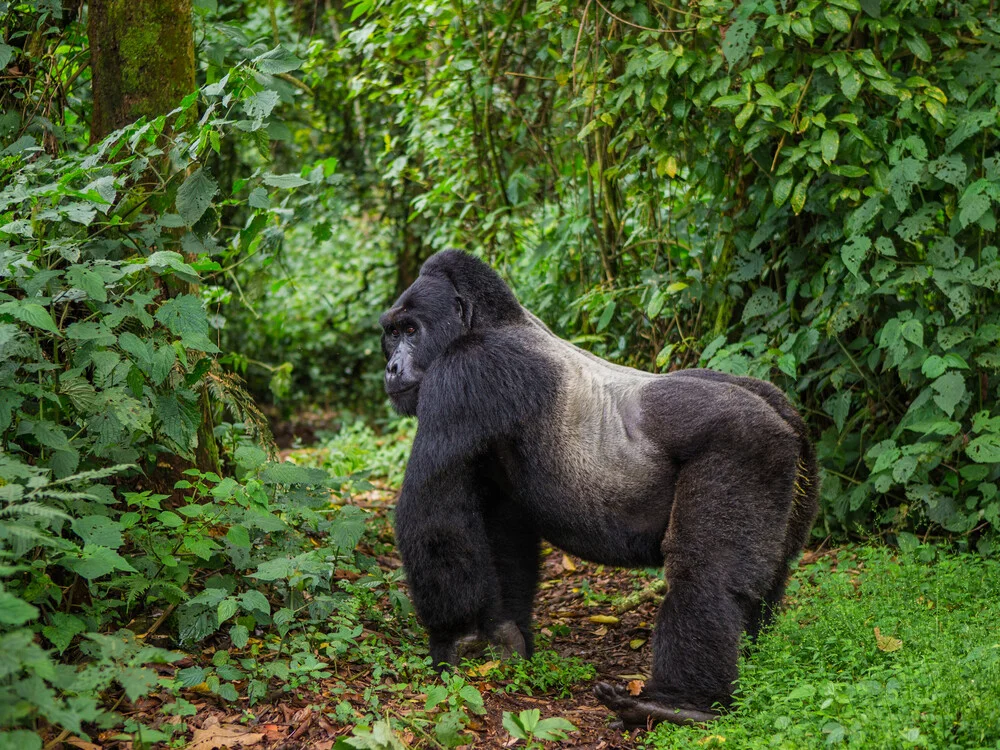
Rwanda’s Volcanoes National Park offers exceptional opportunities to observe silverback gorillas and their social groups. The park’s volcanic slopes and bamboo habitats provide a memorable setting for understanding the movements and daily activities of habituated mountain gorillas. Travellers can arrange Rwanda gorilla trekking safaris, discover luxury Rwanda gorilla holidays, or explore romantic Rwanda honeymoon experiences.
Frequently Asked Questions About Silverback Gorilla Movement Decisions
How Does a Silverback Decide Where the Family Goes?
A dominant silverback influences group movement through his leadership position, experience, and daily activities. Food availability, familiar home ranges, environmental conditions, and social relationships all affect travel. Learn more about mountain gorilla behaviour.
Does a Silverback Always Walk in Front of His Family?
No. A silverback does not always occupy the front position. His location can change according to the group’s activities and circumstances. Visitors may observe these arrangements during Bwindi gorilla trekking.
How Does a Silverback Decide Where the Family Goes for Food?
Feeding opportunities strongly influence gorilla ranging patterns. A family may move between areas containing suitable vegetation or seasonal fruit, with the dominant silverback often influencing travel direction. Explore Uganda mountain gorilla trekking.
Can Female Gorillas Influence Where the Family Travels?
Yes. Adult females contribute to gorilla social life, and research on western gorillas demonstrates their involvement in collective travel decisions. The exact distribution of decision-making authority in mountain gorillas requires careful interpretation. Discover Rwanda gorilla trekking.
How Does a Silverback Decide Where the Family Goes to Sleep?
A silverback’s influence over group movement can affect the general area where the family settles. Individual gorillas then typically construct nests from nearby vegetation. Learn about mountain gorilla habitats.
Do Mountain Gorillas Follow the Same Route Every Day?
No. Gorilla families use familiar home ranges but adjust daily routes according to food availability, resting activities, and social circumstances. Their movements vary naturally. Discover gorilla trekking in Bwindi.
Can Another Silverback Change the Family’s Direction?
In groups containing multiple mature males, social hierarchy can influence movement and group relationships. Subordinate males do not necessarily control travel decisions, but changes in dominance may affect leadership. Explore mountain gorilla trekking tours.
How Does a Silverback Decide Where the Family Goes During the Rainy Season?
Weather and seasonal food availability can influence gorilla activity, but there is no universal rainy-season route. Movements depend on local habitat conditions and food distribution. Learn about Uganda gorilla trekking experiences.
Why Do Gorilla Families Sometimes Travel Through Steep Terrain?
Mountain gorillas inhabit naturally rugged landscapes, so reaching feeding and resting areas may require travelling across slopes, valleys, and ridges. Their routes reflect the forest environment in which they live. Explore Mgahinga Gorilla National Park.
Can Tourists Watch a Silverback Leading His Family?
Yes. Visitors may observe a dominant male moving ahead of, alongside, or within his group during a permitted gorilla encounter. Specific behaviours cannot be guaranteed because the animals remain free-ranging. Book a guided Uganda gorilla safari to experience their natural behaviour responsibly.
Book Your Silverback Gorilla Trekking Experience With Nextgen Safaris
Understanding How Does a Silverback Decide Where the Family Goes? offers a fascinating introduction to the intelligence, leadership, and social relationships of mountain gorillas. Watching a silverback influence group movements, interact with adult females, or rest beside younger gorillas can create unforgettable memories during a carefully organised wildlife adventure.
At Nextgen Safaris, we help travellers organise personalised Uganda gorilla trekking safaris, Rwanda gorilla trekking holidays, luxury gorilla trekking experiences, and gorilla and chimpanzee safaris. Our team can assist with gorilla permits, private transport, accommodation, experienced guides, and customised safari itineraries.