
How Does a Silverback Protect His Family? 9 Incredible Ways Mountain Gorillas Defend Their Groups
How Does a Silverback Protect His Family? Deep within the tropical forests of Bwindi Impenetrable National Park, the mountainous landscapes of Uganda, and Rwanda’s volcanic forests, silverback gorillas demonstrate remarkable protective behaviours. These powerful adult males play important roles in maintaining the stability of mountain gorilla families, defending vulnerable infants, responding to rival males, and influencing group movements. Their enormous physical strength is impressive, but their intelligence, communication abilities, and established social relationships are equally important to the survival of their families.
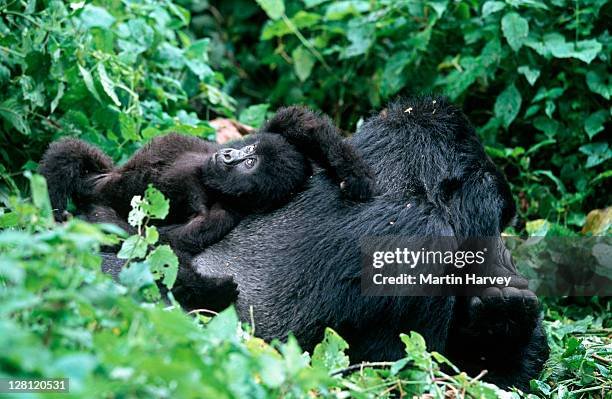
Understanding How Does a Silverback Protect His Family? reveals why observing these magnificent primates is one of the most rewarding experiences during Uganda gorilla trekking safaris. Silverbacks are not simply aggressive animals defending their territory. They are socially sophisticated individuals that frequently use communication and established relationships to maintain group cohesion. Visitors exploring mountain gorilla trekking in Uganda or gorilla trekking tours in Rwanda can discover these fascinating interactions under the supervision of experienced park rangers.
Understanding the Protective Role of a Silverback Gorilla
A silverback mountain gorilla is a mature adult male recognised by the distinctive silver-grey hair that develops across his back. Although several silverbacks may live within a single group, one male generally occupies the dominant position. His social influence often extends to group movements, interactions with unfamiliar gorillas, and responses to potential danger. Within the fascinating world of mountain gorilla social behaviour, these relationships are essential to understanding how families function.
How Does a Silverback Protect His Family? His protective role combines physical ability with experience and social awareness. A dominant male may confront threatening rivals, communicate through displays, or position himself during tense encounters. However, adult females also make important contributions to group decisions and infant protection. Visitors taking guided gorilla trekking tours can appreciate that protection involves complex group relationships rather than strength alone.
9 Incredible Ways a Silverback Protects His Family
Protecting His Family Against Rival Silverback Gorillas
One of the most important responsibilities of a dominant silverback involves responding to unfamiliar adult males. Encounters between mountain gorilla families can sometimes lead to aggressive displays, competition over females, and physical confrontations. When a rival approaches, the resident male may rise, vocalise, beat his chest, or advance toward the challenger. His behaviour can communicate an intention to resist interference and may discourage some competitors from approaching further.
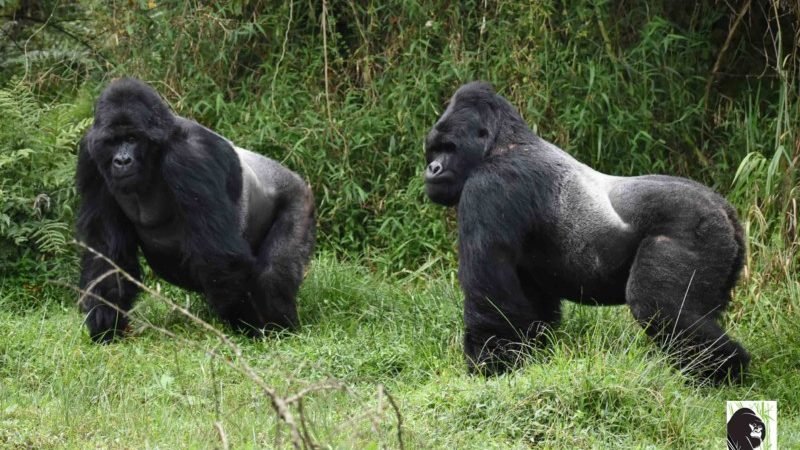
How Does a Silverback Protect His Family? During these encounters, the male may attempt to defend his group without immediately fighting. Physical confrontations carry serious risks, including injuries that can affect future survival and social standing. Consequently, displays and communication are important parts of silverback gorilla behaviour. Travellers interested in understanding these interactions can explore gorilla trekking in Bwindi while learning about gorilla relationships from professional guides.
Using Chest Beating to Communicate Strength
Chest beating is one of the most recognisable behaviours associated with mature male gorillas. A silverback may rise into an upright posture and rapidly strike his chest with cupped hands, producing a distinctive drumming sound. Scientific observations indicate that these acoustic displays can communicate information about body size, allowing other males to assess potential competitors. This remarkable aspect of mountain gorilla communication demonstrates how physical displays can influence social encounters.
How Does a Silverback Protect His Family? His chest-beating displays may help communicate strength and discourage challenges without direct combat. However, chest beating is not always aggressive; it also occurs during other social situations. Visitors participating in luxury gorilla trekking safaris may occasionally witness such performances, although they cannot be predicted or guaranteed. Understanding these behaviours makes gorilla trekking in Uganda more educational and rewarding.
Defending Baby Gorillas From Unfamiliar Males
Infant protection is one of the most significant contributions adult males make to mountain gorilla society. Young gorillas depend primarily on their mothers, but the presence of protective silverbacks can reduce risks during dangerous encounters. In particular, unfamiliar adult males may pose a threat to dependent infants during group takeovers or serious intergroup conflicts. These risks make established male-infant relationships an important subject in mountain gorilla conservation.
How Does a Silverback Protect His Family? A resident male may defend vulnerable infants by responding to approaching rivals and maintaining his presence within the family. Some silverbacks also tolerate youngsters playing nearby or resting close to them. These peaceful interactions contrast with their powerful defensive displays and demonstrate the complexity of gorilla family relationships. Travellers arranging Bwindi gorilla trekking experiences may observe this gentle side of silverback behaviour.
Maintaining Strong Social Bonds Within the Gorilla Family
The stability of a mountain gorilla family depends partly on established relationships between adult males, females, and younger members. A dominant silverback often occupies a central social position, and other gorillas may spend considerable time resting or feeding nearby. These associations help maintain group cohesion and can influence responses to unfamiliar individuals. Visitors interested in mountain gorilla family life often discover that most daily interactions are peaceful rather than aggressive.
How Does a Silverback Protect His Family? By maintaining familiar social relationships, the dominant male contributes to continuity and stability within the group. His presence can be especially important when young gorillas seek proximity to trusted adults. Nevertheless, females also develop strong relationships and make important social choices. Observing these interactions during Uganda luxury gorilla trekking tours reveals a more complete picture of silverback gorilla leadership.
Responding Quickly to Potential Danger
Mountain gorillas inhabit forests where dense vegetation can restrict visibility and create unpredictable encounters. Unfamiliar sounds, sudden movements, and approaching gorillas may cause adult males to become alert. A silverback may respond by adjusting his posture, producing vocalisations, or moving toward a disturbance. His reaction depends on the circumstances, and not every unusual event produces aggression. This awareness forms part of the broader complexity of mountain gorilla behaviour.
How Does a Silverback Protect His Family? A dominant male can respond to threatening situations in ways that influence the behaviour of nearby group members. His actions may discourage an unfamiliar male or help the group remain together during an encounter. These responses are particularly fascinating in the natural setting of Bwindi Impenetrable Forest, where visitors can observe gorillas moving through challenging terrain during guided Uganda gorilla safaris.
Communicating Through Vocalisations and Body Language
Silverback gorillas communicate through a combination of vocal sounds, facial expressions, gestures, and body postures. Grunts, hoots, and other calls occur in different social contexts, while intimidating displays can accompany encounters with unfamiliar males. These behaviours allow gorillas to convey information even when dense vegetation limits direct visual contact. The communication abilities of mountain gorillas in Rwanda and Uganda reveal their remarkable social complexity.
How Does a Silverback Protect His Family? Communication helps a silverback respond to disturbances and influence interactions with other gorillas. Quiet sounds may accompany peaceful group activities, while louder vocalisations and displays can occur during confrontations. Understanding these differences is an important part of interpreting silverback gorilla behaviour. Travellers exploring gorilla trekking in Volcanoes National Park can gain valuable insights through experienced guides.
Using His Enormous Strength as a Defensive Advantage
Mature male mountain gorillas possess broad shoulders, powerful muscles, strong jaws, and substantially larger bodies than adult females. These physical characteristics give them considerable advantages during serious confrontations. Nevertheless, a silverback’s strength does not mean that he is constantly fighting. Much of his daily life involves feeding, resting, travelling, and social interaction. This contrast is one of the most fascinating aspects of observing silverback mountain gorillas in their natural environment.
How Does a Silverback Protect His Family? His size and physical presence may discourage competing males, while his strength becomes important if an encounter escalates. Avoiding unnecessary fighting can be beneficial because serious injuries may weaken an adult male. Visitors booking Uganda gorilla trekking holidays often find that the peaceful presence of a powerful silverback is just as impressive as dramatic displays.
Protecting Young Gorillas Through Social Relationships
Young mountain gorillas frequently interact with adult males in ways that demonstrate familiarity and trust. Infants and juveniles may approach silverbacks, rest nearby, or play around them. Studies have shown that some males spend more time interacting with infants than others, and these relationships can have important social and reproductive consequences. Such observations highlight the value of understanding mountain gorilla family behaviour beyond simple ideas of dominance.
How Does a Silverback Protect His Family? Alongside responding to potential threats, his familiar presence can contribute to the social environment in which youngsters develop. Mothers remain the primary caregivers, but interactions with mature males can be important. Travellers seeking meaningful wildlife encounters can explore gorilla trekking packages in Uganda or plan luxury Rwanda gorilla trekking to observe these relationships responsibly.
Supporting Family Stability During Leadership Changes
The loss of a dominant silverback can significantly affect a gorilla family. Depending on the number of mature males present, another silverback may assume leadership, or the group may experience separation and changes in membership. The consequences of leadership changes are especially important for mothers with dependent infants. These situations help explain why the social organisation of mountain gorilla groups matters to long-term population conservation.
How Does a Silverback Protect His Family? His established position can provide continuity during ordinary family life, while the presence of additional mature males may influence what happens after a leadership change. Multi-male groups demonstrate that protection can involve several adult individuals rather than one dominant gorilla alone. Understanding these differences enriches the experience of visiting Bwindi’s gorilla families and exploring gorilla conservation in Uganda.
Can More Than One Silverback Protect the Same Gorilla Family?
Yes. Mountain gorilla groups sometimes contain multiple adult silverbacks, including one dominant male and several subordinate males. These males can participate in social relationships, respond to unfamiliar gorillas, and maintain associations with females and youngsters. Their roles are not identical, and the dominant male generally has the greatest influence, but subordinate silverbacks may still contribute to group defence.
How Does a Silverback Protect His Family? In a multi-male group, protective behaviour can involve more than one mature male, depending on their relationships and the circumstances. These family structures are particularly interesting for travellers exploring gorilla trekking tours in Rwanda or mountain gorilla experiences in Uganda. Observing several silverbacks within one family offers insight into the flexibility of gorilla social organisation.
Does a Silverback Fight to the Death for His Family?
Serious confrontations between adult male gorillas can sometimes result in severe injuries or death. However, many encounters involve vocalisations, chest beating, posturing, and other displays rather than immediate physical combat. A silverback does not automatically fight every unfamiliar male he encounters. His behaviour depends on the circumstances, the rival’s actions, and the relationships between the groups.
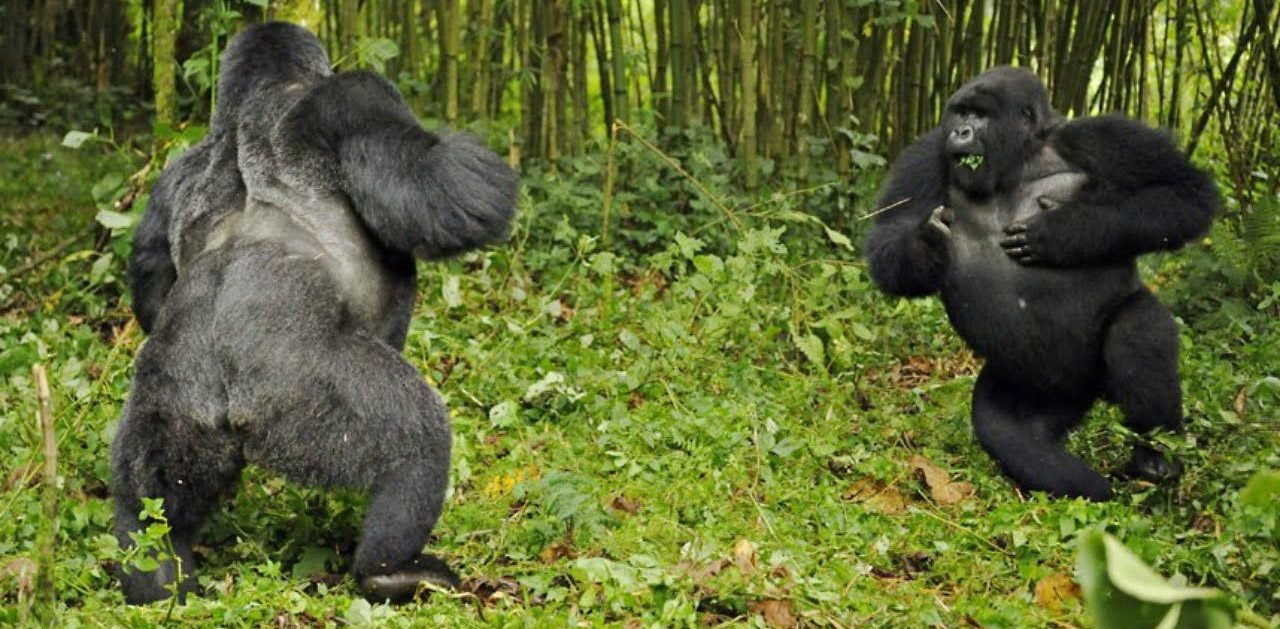
How Does a Silverback Protect His Family? Often, effective defensive communication helps reduce the need for dangerous physical confrontation. This ability to combine displays with social awareness is an important part of silverback gorilla behaviour. Visitors should never attempt to provoke a defensive response during gorilla trekking experiences, because disturbing wild gorillas can endanger both animals and people.
Where Can You Observe Silverback Gorilla Family Behaviour in Africa?
Bwindi Impenetrable National Park, Uganda
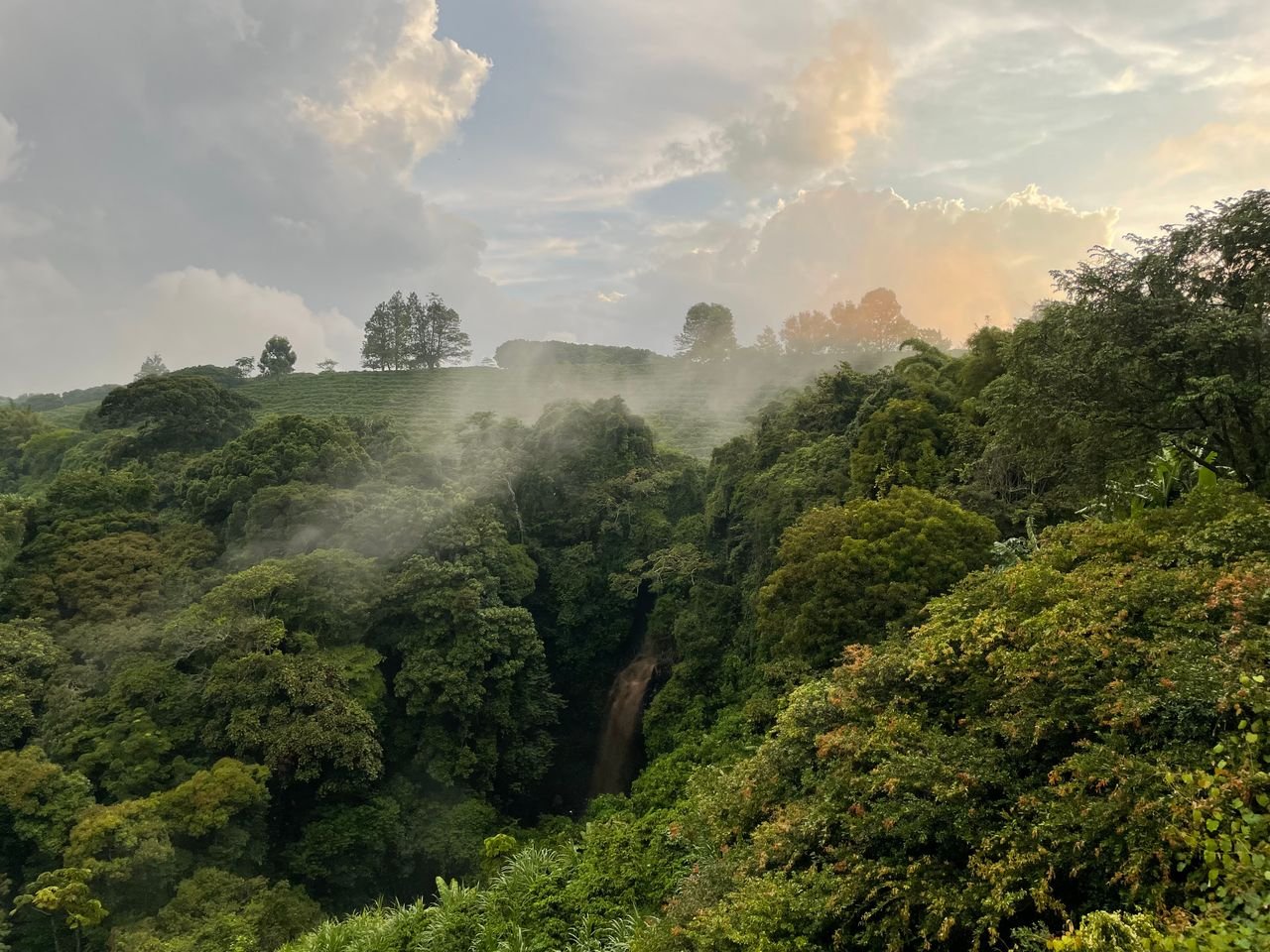
Bwindi Impenetrable National Park is one of Africa’s leading mountain gorilla trekking destinations. Its Buhoma, Ruhija, Rushaga, and Nkuringo sectors provide access to habituated gorilla families under ranger supervision. Travellers can explore Uganda gorilla trekking tours, review gorilla permit information, and arrange luxury gorilla safari accommodation for an unforgettable wildlife adventure.
Mgahinga Gorilla National Park, Uganda
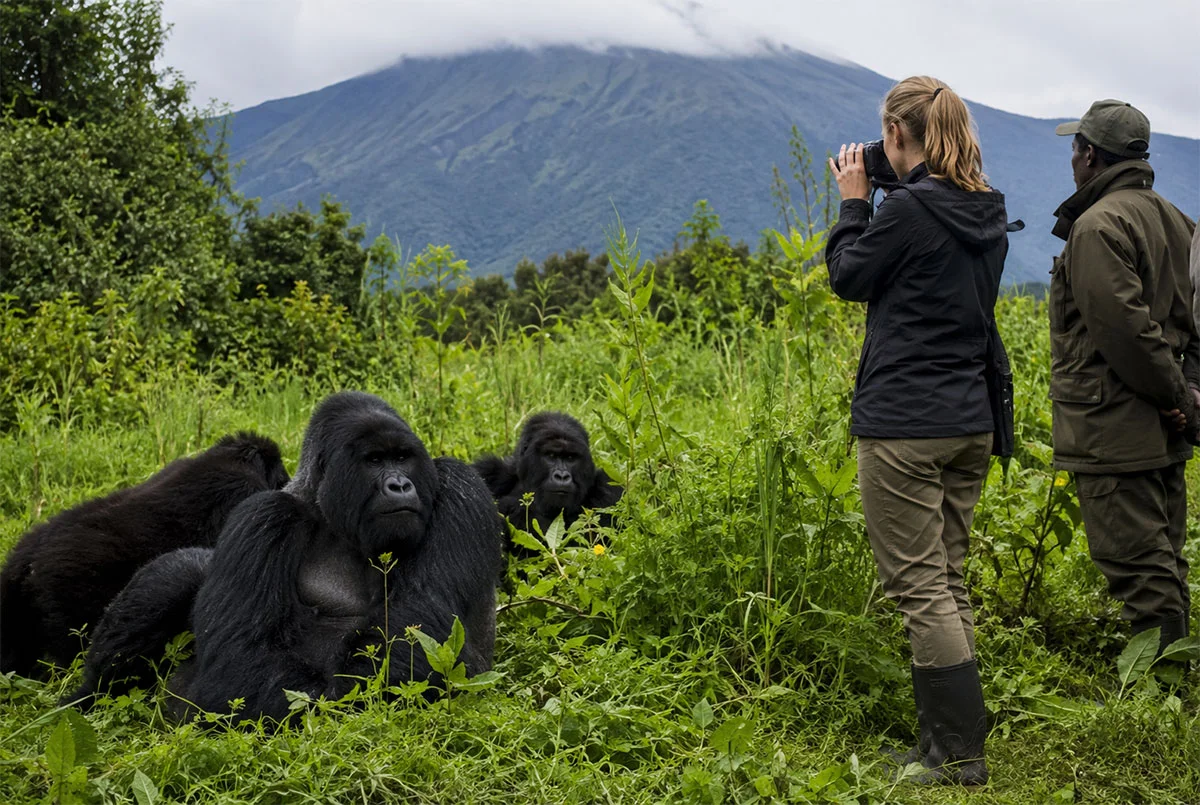
Mgahinga Gorilla National Park protects part of the Virunga mountain ecosystem in southwestern Uganda. Its volcanic scenery provides a remarkable environment for observing mountain gorillas. Visitors can incorporate Mgahinga into a personalised Uganda gorilla safari while consulting Uganda gorilla permit availability before confirming their travel dates.
Volcanoes National Park, Rwanda
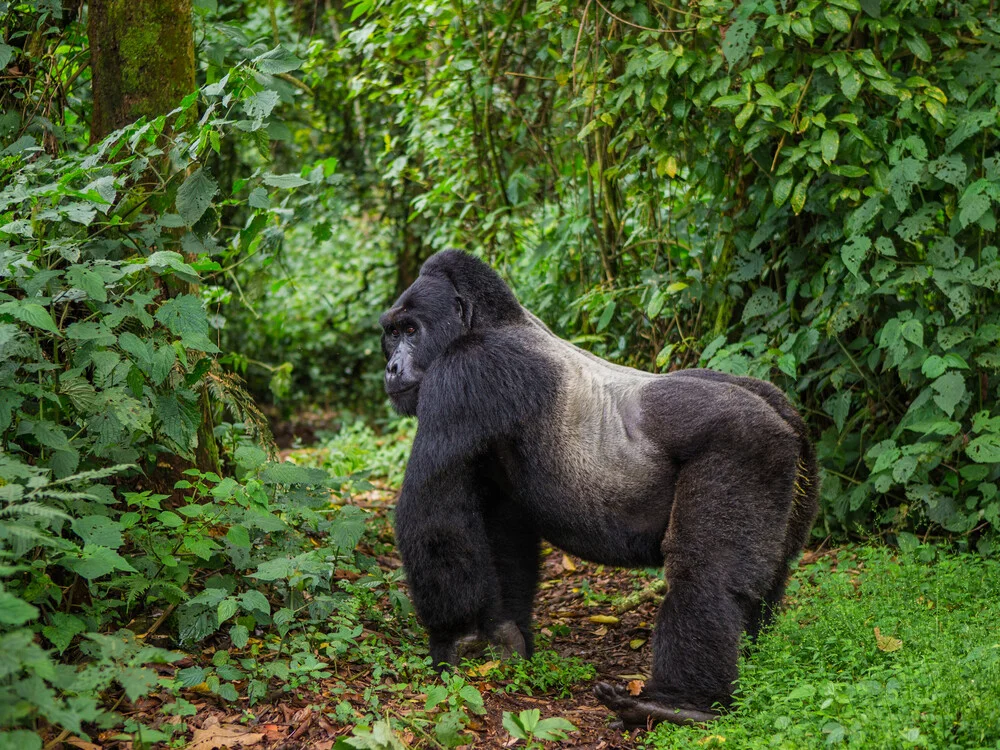
Rwanda’s Volcanoes National Park offers exceptional opportunities to observe mature silverbacks and their families. Travellers can arrange Rwanda gorilla trekking tours or choose luxury Rwanda gorilla safari experiences. Couples looking for a romantic wildlife adventure can also explore Pieland Honeymoon Safaris for additional honeymoon inspiration.
How Can Visitors Safely Observe Protective Silverback Gorillas?
Visitors observing mountain gorillas in Uganda must follow park regulations and the instructions of trained rangers. Maintain the required viewing distance, avoid sudden movements, and never approach or touch gorillas. A silverback displaying protective behaviour should never be challenged or provoked. Responsible wildlife observation focuses on appreciating natural behaviour without interfering with the animals’ daily activities.
How Does a Silverback Protect His Family? Understanding his reactions helps visitors recognise why safety rules are essential. Travellers should avoid trekking when experiencing potentially infectious illnesses, because mountain gorillas are susceptible to human diseases. Before travelling, visitors can arrange Uganda gorilla trekking permits and plan their private gorilla safari with an experienced operator.
Frequently Asked Questions About Silverback Gorilla Family Protection
How Does a Silverback Protect His Family From Rival Gorillas?
A silverback may respond to unfamiliar males with chest beating, vocalisations, threatening postures, or direct confrontation. These behaviours can discourage rivals and help protect dependent infants. Visitors can learn about these interactions during guided mountain gorilla trekking in Uganda.
How Does a Silverback Protect His Family Without Fighting?
Silverbacks use visual displays, body language, and vocal communication to express their presence and physical capabilities. These signals may reduce the need for direct physical conflict. Understanding gorilla communication provides valuable insight into these behaviours.
How Does a Silverback Protect His Family’s Babies?
Resident silverbacks can defend infants from unfamiliar males and maintain close social relationships with youngsters. Their protective presence is particularly important during potentially dangerous encounters. Learn more about mountain gorilla families in Bwindi.
Why Do Silverbacks Beat Their Chests When Threatened?
Chest beating can communicate information about a male’s physical size and competitive ability. It may occur during tense encounters, but it is not exclusively an aggressive behaviour. Visitors may occasionally observe displays during Rwanda gorilla trekking tours.
Can a Silverback Protect His Family From Leopards?
Silverbacks have the physical strength to respond defensively to threatening animals, but documented observations of wild mountain gorillas defending against leopard attacks are limited. Rival male gorillas represent a particularly well-studied danger to infants. Discover more about mountain gorilla habitats.
Do Female Gorillas Help Protect Their Families?
Yes. Female gorillas protect their infants, respond to social disturbances, and maintain relationships that influence family stability. Mothers provide most direct infant care, while adult males can contribute to protection. These relationships are central to mountain gorilla social life.
What Happens When a Dominant Silverback Dies?
Another mature male may assume leadership, or the family may split and undergo changes in membership. The outcome depends on the group’s composition and existing relationships. Understanding these changes is part of appreciating mountain gorilla conservation.
Can Tourists Watch Silverbacks Protecting Their Families?
Visitors can observe natural gorilla behaviour during Bwindi gorilla trekking and Rwanda gorilla trekking. Defensive encounters are unpredictable, and ethical tourism never involves deliberately provoking a silverback.
How Does a Silverback Protect His Family During Group Encounters?
A silverback may approach competing males, display his strength, vocalise, or engage physically when necessary. Other group members also influence the encounter. These behaviours demonstrate the complex social organisation of wild mountain gorillas.
Are Silverback Gorillas Always Aggressive?
No. Silverbacks spend much of their time feeding, resting, and maintaining peaceful social relationships. Aggressive displays form only one part of their behaviour. Travellers seeking to observe their gentler side can arrange luxury gorilla trekking safaris.
Is Gorilla Trekking Safe When a Silverback Is Present?
Gorilla trekking is conducted under trained ranger supervision, with established guidelines designed to protect both visitors and wildlife. Travellers should follow all instructions and maintain the required viewing distance. Plan your experience through Nextgen Safaris and review Uganda gorilla permit information.
Book Your Mountain Gorilla Trekking Safari With Nextgen Safaris
Discovering How Does a Silverback Protect His Family? offers a remarkable introduction to the intelligence, strength, and social relationships of mountain gorillas. Observing a silverback resting near youngsters, communicating with adult females, or responding to unfamiliar gorillas can create unforgettable memories during a responsibly organised African wildlife safari.
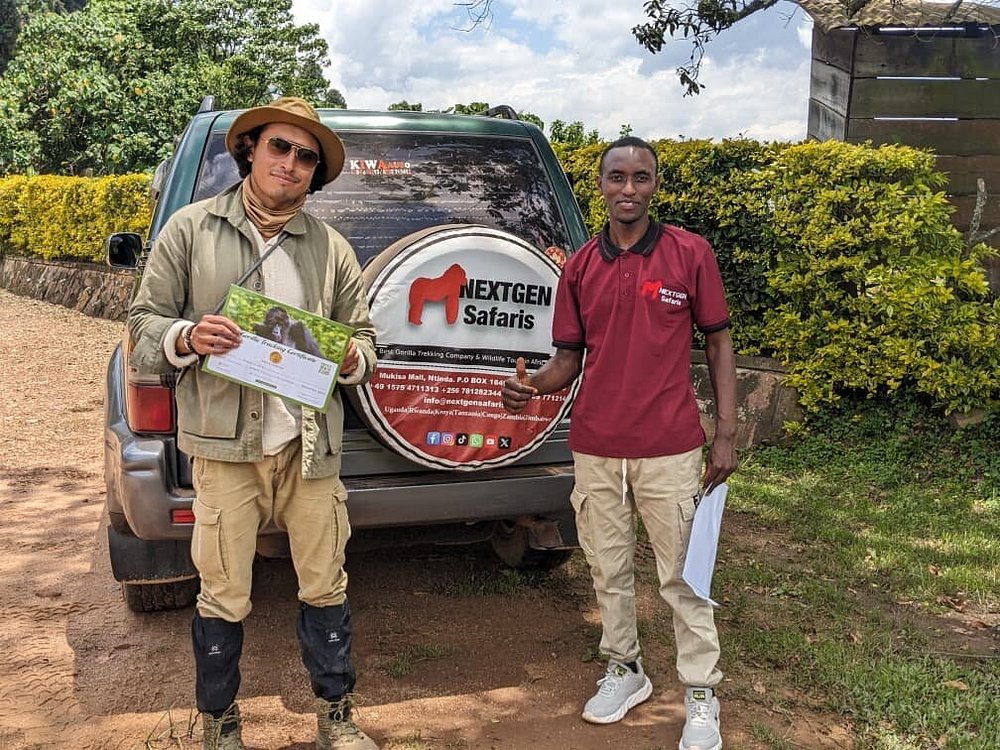
At Nextgen Safaris, we help travellers plan personalised Uganda gorilla trekking tours, luxury gorilla safaris, Rwanda gorilla trekking holidays, and combined gorilla and chimpanzee trekking adventures. Our safari planning includes accommodation, private transportation, permit coordination, and carefully selected wildlife experiences.