
How Much to Tip on a Gorilla Trekking Tour? A Complete Expert Guide for First-Time and Repeat Travelers
Understanding how much to tip on a gorilla trekking tour is one of the most common concerns for travelers planning a once-in-a-lifetime encounter with mountain gorillas in Uganda, Rwanda, or the Democratic Republic of Congo. Unlike flights or permits, tipping is not always clearly priced, yet it plays a meaningful role in the experience, the local economy, and the people who make gorilla trekking possible.
For many travelers, especially those visiting Africa for the first time, tipping can feel confusing or uncomfortable. Questions often arise about who should be tipped, how much is appropriate, whether tipping is mandatory, and how tipping norms differ between countries. This guide was created to remove that uncertainty and provide clear, honest, experience-based guidance on how to tip on a gorilla trekking tour without stress, embarrassment, or guesswork.
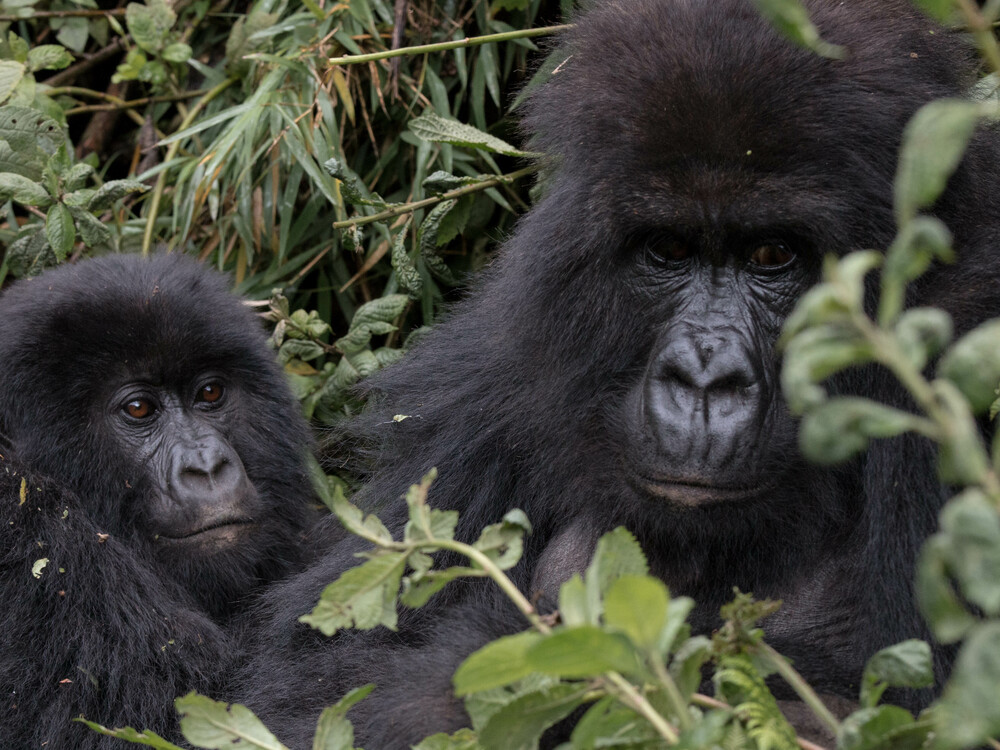
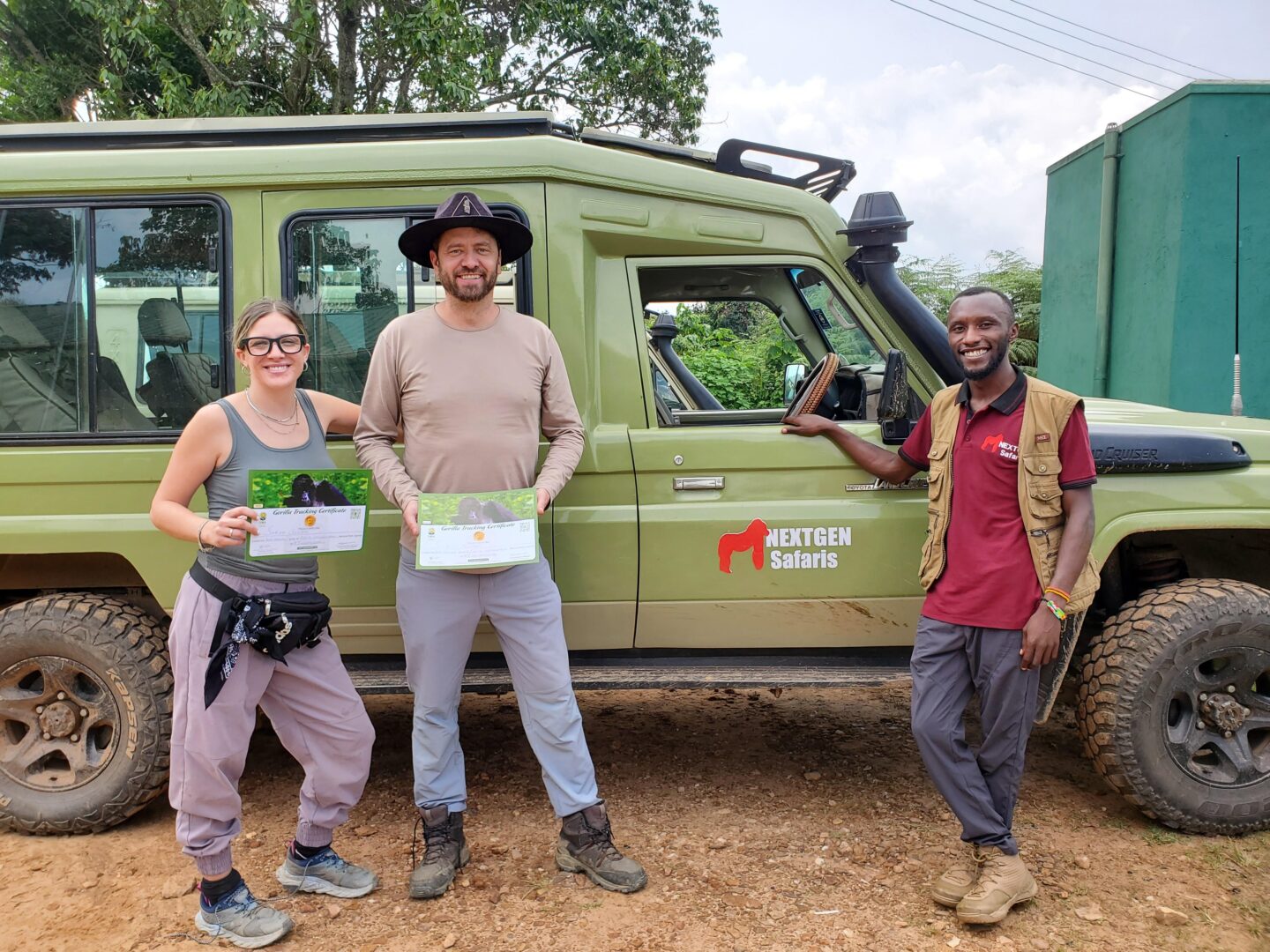
At Nextgen Safaris, we work directly with local guides, trackers, porters, lodge staff, and park teams every day. This guide reflects real on-the-ground practices, not copied advice or vague recommendations. By the end of this guide, you will understand exactly how tipping works, why it matters, and how to handle it confidently and respectfully.
The table below shows realistic and reasonable tipping ranges for a safari guide based on the total number of days and the style of tour. These figures are per person and reflect common expectations for budget, mid-range, and luxury safaris that include gorilla trekking. Actual tips should always reflect service quality, effort, and personal satisfaction rather than obligation.
Recommended Gorilla Safari Guide Tipping Ranges by Tour Length
| Safari Duration | Budget Tours Per Person | Mid-Range Tours Per Person | Luxury Tours Per Person |
|---|---|---|---|
| 3 Days | $30 – $50 | $50 – $80 | $80 – $120 |
| 4 Days | $40 – $60 | $70 – $100 | $100 – $150 |
| 5 Days | $50 – $80 | $90 – $130 | $140 – $200 |
| 6 Days | $60 – $100 | $120 – $180 | $180 – $260 |
| 7 Days | $70 – $120 | $150 – $220 | $220 – $320 |
| 8 Days | $90 – $140 | $180 – $260 | $280 – $400 |
| 9 Days | $110 – $170 | $220 – $320 | $350 – $500 |
| 10 Days | $130 – $200 | $260 – $380 | $420 – $600 |
| 11 Days | $150 – $230 | $300 – $450 | $500 – $700 |
| 12 Days | $170 – $260 | $350 – $520 | $600 – $850 |
These tipping ranges are general guidelines. A tip on a gorilla trekking tour should always reflect service quality, effort, and personal satisfaction rather than obligation.
Why Tipping Matters on a Gorilla Trekking Tour
To understand how much to tip on a gorilla trekking tour, it helps to first understand what tipping represents in the context of gorilla conservation and community livelihoods. Gorilla trekking is not a passive sightseeing activity. It is a highly regulated conservation experience that involves dozens of people working behind the scenes to ensure both your safety and the protection of endangered mountain gorillas.
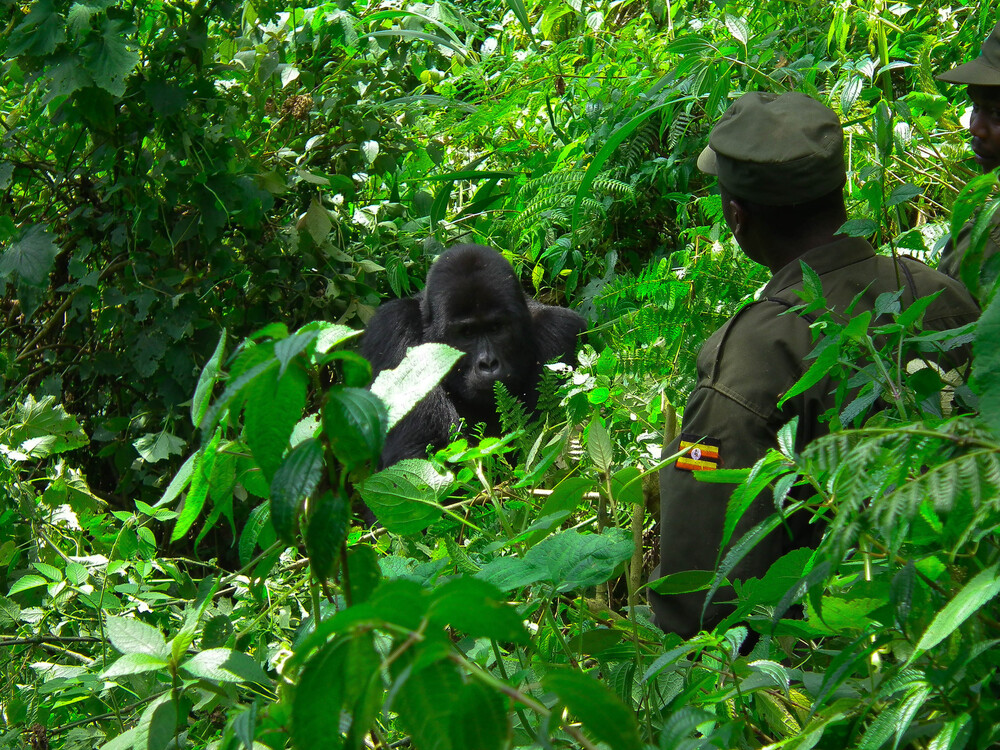
Park rangers track gorilla families daily, often starting before dawn. Guides manage group safety, interpret animal behavior, and enforce strict conservation rules. Porters assist trekkers on steep, muddy terrain. Lodge staff operate in extremely remote locations where access to services is limited. For many of these professionals, tips form a meaningful supplement to a modest base income.
A fair tip on a gorilla trekking tour directly supports conservation by improving livelihoods for people who protect gorillas every day. It encourages professionalism, reduces pressure on wildlife, and strengthens community support for protected areas. This is why tipping, while not officially mandatory, is deeply embedded in responsible gorilla tourism.
Is Tipping Mandatory on a Gorilla Trekking Tour?
One of the most important things to clarify early is that tipping on a gorilla trekking tour is not compulsory in Uganda, Rwanda, or DR Congo. You will never be denied service or treated differently for not tipping. However, tipping is widely expected and culturally accepted as a gesture of appreciation for good service.
Most travelers do choose to tip, particularly because gorilla trekking is physically demanding and highly personal. Guides often spend hours adjusting pace, offering encouragement, sharing deep knowledge, and ensuring trekkers reach the gorillas safely. When service meets or exceeds expectations, tipping is a respectful and appreciated way to acknowledge that effort.
Understanding how much to tip on a gorilla trekking tour allows you to participate confidently in local customs without feeling pressured or uncertain.
Who Typically Receives a Tip on a Gorilla Trekking Tour?
When people ask about tipping on a gorilla trekking tour, they often assume it applies only to the main guide. In reality, several roles may be involved in your experience, depending on your itinerary and trekking location.
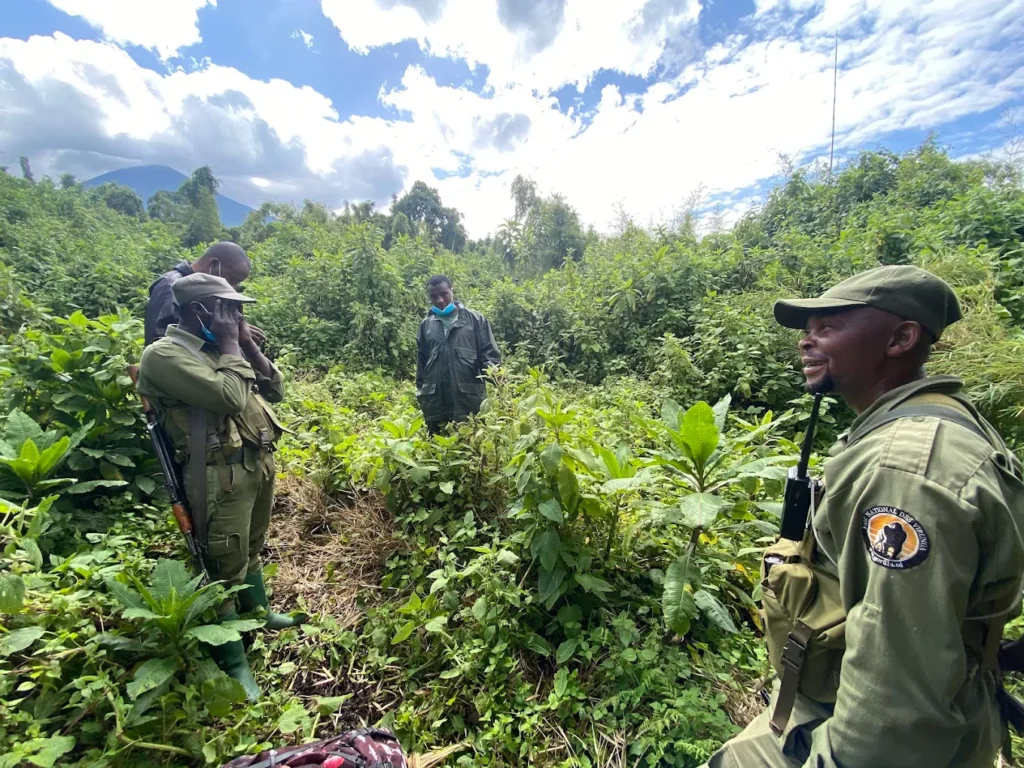
Your primary gorilla trekking guide is the most common recipient of a tip. This guide leads the trek, communicates with trackers, manages safety protocols, and interprets gorilla behavior during the encounter. Their role is highly skilled and central to the experience.
Trackers are often unseen but essential. They locate gorilla families early in the morning and relay positions to guides. In some parks, tracker tips are pooled rather than given individually.
Porters are optional but strongly recommended, especially in Bwindi Impenetrable Forest and Mgahinga Gorilla National Park. Hiring a porter not only makes trekking easier but directly supports local communities. Tipping a porter is considered standard practice when their services are used.
In some cases, lodge staff, drivers, or safari guides may also be tipped separately at the end of your trip. Each of these roles contributes differently, which is why understanding how much to tip on a gorilla trekking tour involves looking at the full journey, not just the trek itself.
How Much to Tip on a Gorilla Trekking Tour in Uganda
Uganda is the most popular destination for gorilla trekking due to permit availability, pricing, and diverse safari combinations. As a result, tipping practices in Uganda are relatively well established and traveler-friendly.
For the main gorilla trekking guide in Uganda, a commonly accepted tip range reflects the length and quality of the trek, the level of personal attention, and overall satisfaction. Travelers who receive excellent service often choose to tip generously, while those on shorter or less demanding treks may tip more modestly.
Porters in Uganda typically rely heavily on tips. When you hire a porter, you are directly supporting someone from a nearby community, often a former poacher turned conservation worker. Tipping here is not only customary but socially impactful.
Trackers and ranger teams usually receive pooled tips through official park channels or guide coordination. Your safari company can advise on the appropriate method so tips reach the intended recipients fairly.
Knowing how much to tip on a gorilla trekking tour in Uganda allows you to align your contribution with local expectations while staying within your comfort level.
How Tipping Differs in Rwanda and DR Congo
While the fundamentals of tipping on a gorilla trekking tour remain similar across destinations, Rwanda and DR Congo have subtle differences shaped by permit pricing, tourism structure, and cost of living.
In Rwanda, gorilla trekking permits are significantly more expensive, and the overall tourism model is positioned at a premium level. As a result, tipping amounts are often slightly higher, particularly for guides. Travelers staying in luxury lodges may also encounter more formalized tipping guidelines.
In DR Congo, particularly in Virunga National Park, tipping practices exist but are often more community-focused. Security conditions, ranger responsibilities, and conservation challenges are more complex, which influences how tipping is structured and distributed.
Regardless of destination, understanding how much to tip on a gorilla trekking tour ensures that your contribution is appropriate to the local context and reaches the people who truly earn it.
When and How to Give a Tip on a Gorilla Trekking Tour
Timing matters when tipping on a gorilla trekking tour. Tips are usually given after the trek is completed, once you have safely returned and had time to reflect on the experience. This allows you to base your tip on actual service rather than expectation.
Tips are almost always given in cash. Local currency is preferred, but US dollars are widely accepted in Uganda and Rwanda, provided the notes are clean and relatively new. It is advisable to prepare small denominations in advance, as remote trekking areas rarely have access to change.
Your safari guide or lodge manager can discreetly assist if you are unsure how to distribute tips fairly, especially when pooled systems are used. This guidance removes awkwardness and ensures transparency.
Knowing how much to tip on a gorilla trekking tour also includes knowing how to give it respectfully and without drawing unnecessary attention.
Common Questions Travelers Ask About Tipping on Gorilla Trekking Tours
Many travelers worry about over-tipping or under-tipping. In reality, there is flexibility, and sincerity matters more than precision. A tip on a gorilla trekking tour is a personal expression of appreciation, not a fixed tax.
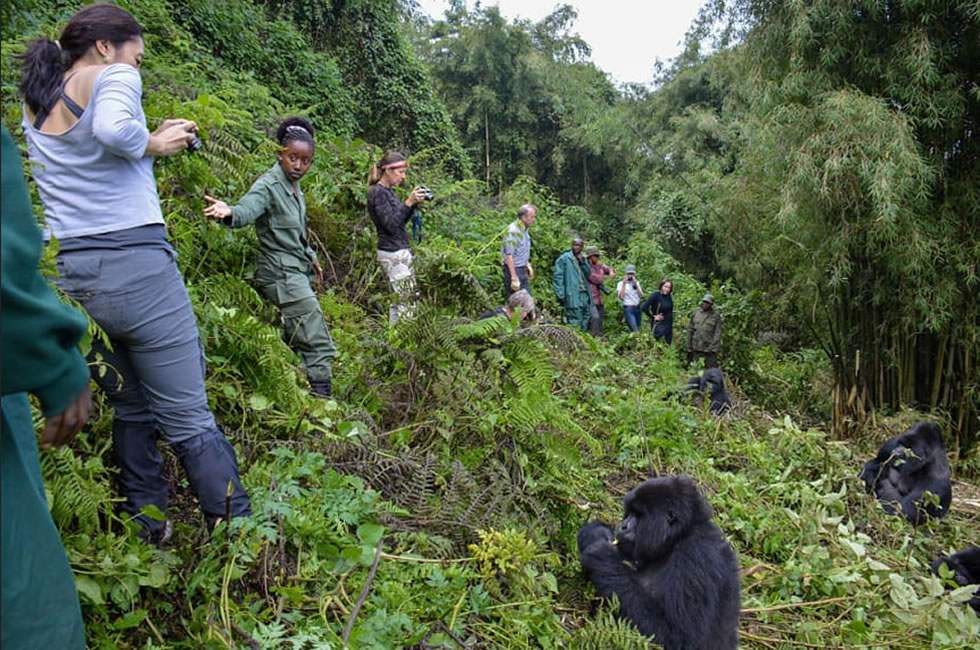
Some travelers ask whether tipping should be per person or per group. In most cases, tipping is done per trekking group, but individual travelers may choose to contribute separately depending on group dynamics.
Others ask whether tipping is included in safari packages. In most cases, tipping is not included unless explicitly stated. Safari companies prefer to keep tipping discretionary to preserve authenticity and fairness.
Understanding these nuances helps travelers approach tipping with confidence rather than anxiety.
Realistic Tipping Amounts Explained Honestly and Without Confusion
One of the biggest mistakes online guides make is presenting tipping as a rigid formula. In reality, how much to tip on a gorilla trekking tour depends on effort, terrain, duration, group size, and the level of personal attention you receive. Gorilla trekking is not a uniform experience. Some treks last two hours on gentle slopes, while others push deep into dense forest for half a day. Any guidance on tipping must reflect that reality.
For most travelers, the most important relationship during the trek is with the main gorilla trekking guide. This guide is responsible for briefing you, managing expectations, coordinating with trackers, enforcing conservation rules, and ensuring your safety during the encounter itself. When travelers ask how much to tip on a gorilla trekking tour, they are usually referring first to this role. A fair tip acknowledges not only physical effort but also knowledge, patience, and leadership.
Porters are the second most important consideration. A porter is not a luxury add-on. In steep and muddy terrain such as Bwindi Impenetrable Forest, a porter can mean the difference between exhaustion and enjoyment. Many travelers underestimate how physically demanding gorilla trekking can be, especially at altitude and in humid conditions. Tipping a porter well is one of the most direct and meaningful ways to support local livelihoods.
Trackers and ranger teams typically operate under a pooled system. Because these teams work collectively and rotate daily, tips are often shared through official park channels. This avoids favoritism and ensures fairness. Your safari company will usually advise you on how to handle this correctly.
Understanding realistic expectations around a tip on a gorilla trekking tour helps travelers give confidently without feeling unsure or exposed.
Tipping on Private Gorilla Trekking Tours vs Group Treks
Another important factor when deciding how much to tip on a gorilla trekking tour is whether your experience is private or group-based. Group treks usually consist of up to eight trekkers sharing one guide and ranger team. In these cases, tips are often pooled among group members, either formally or informally.
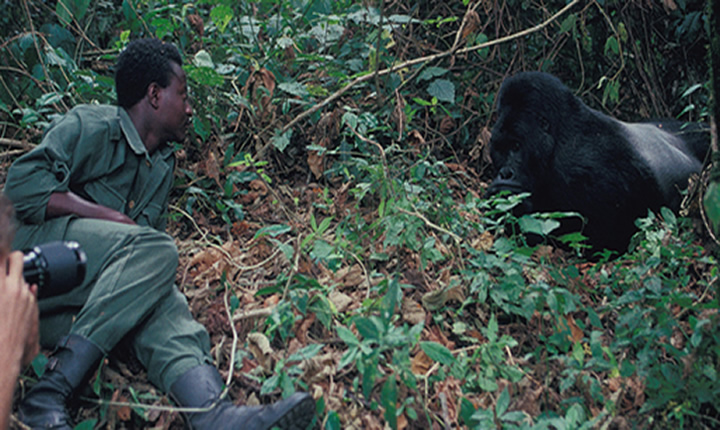
On a private gorilla trekking tour, the experience is far more personalized. The guide adjusts pace specifically for you, spends more time answering questions, and often goes out of their way to create the best possible positioning during the gorilla encounter. Because the level of individual attention is higher, many travelers choose to offer a higher tip on a gorilla trekking tour when trekking privately.
Private tours also often involve private drivers, longer transfers, and more flexible schedules. Each of these elements contributes to the overall experience and may influence tipping decisions at the end of the journey.
Ethical Tipping and Responsible Gorilla Tourism
Tipping on a gorilla trekking tour is not just a personal decision. It is part of a broader ethical tourism framework that supports conservation and community engagement. Mountain gorillas live in regions where economic opportunities are limited and conservation depends heavily on tourism revenue.
When tipping is done responsibly, it reinforces positive incentives. Former poachers become porters. Local youth train as guides. Communities surrounding national parks see tangible benefits from protecting wildlife rather than exploiting it. This is why understanding how much to tip on a gorilla trekking tour goes beyond etiquette and enters the realm of sustainability.
Over-tipping is rarely harmful, but inconsistent or unfair tipping practices can create tension. This is why safari companies like Nextgen Safaris guide guests carefully, ensuring tips are distributed fairly and in line with local norms.
Responsible tipping also means avoiding performative gestures. Quiet, respectful tipping preserves dignity and professionalism. It reinforces mutual respect between traveler and host rather than creating dependency or discomfort.
What If You Truly Cannot Tip?
A question many travelers hesitate to ask is what happens if they genuinely cannot afford to tip on a gorilla trekking tour. The honest answer is that no one will shame you or treat you poorly. Gorilla trekking guides and rangers are professionals. They understand that travelers come from different backgrounds and budgets.
However, if tipping is not possible, communication and respect matter. A sincere thank-you, verbal appreciation, and positive feedback through your safari company still carry weight. Many guides value written reviews and referrals because they contribute to long-term income and reputation.
That said, if you can afford a gorilla trekking permit, international flights, and accommodation, it is generally expected that you budget at least modestly for tipping. Planning ahead removes stress and allows you to focus on the experience rather than last-minute uncertainty.
Knowing how much to tip on a gorilla trekking tour in advance is part of responsible trip planning.
Common Myths About Tipping on Gorilla Trekking Tours
One persistent myth is that tipping is included in park fees or permits. Gorilla trekking permits fund conservation, research, and park operations, but they do not replace individual tips for guides, porters, or drivers. Another misconception is that tipping “spoils” service. In reality, service standards are already high, and tipping simply acknowledges effort rather than buying favor.
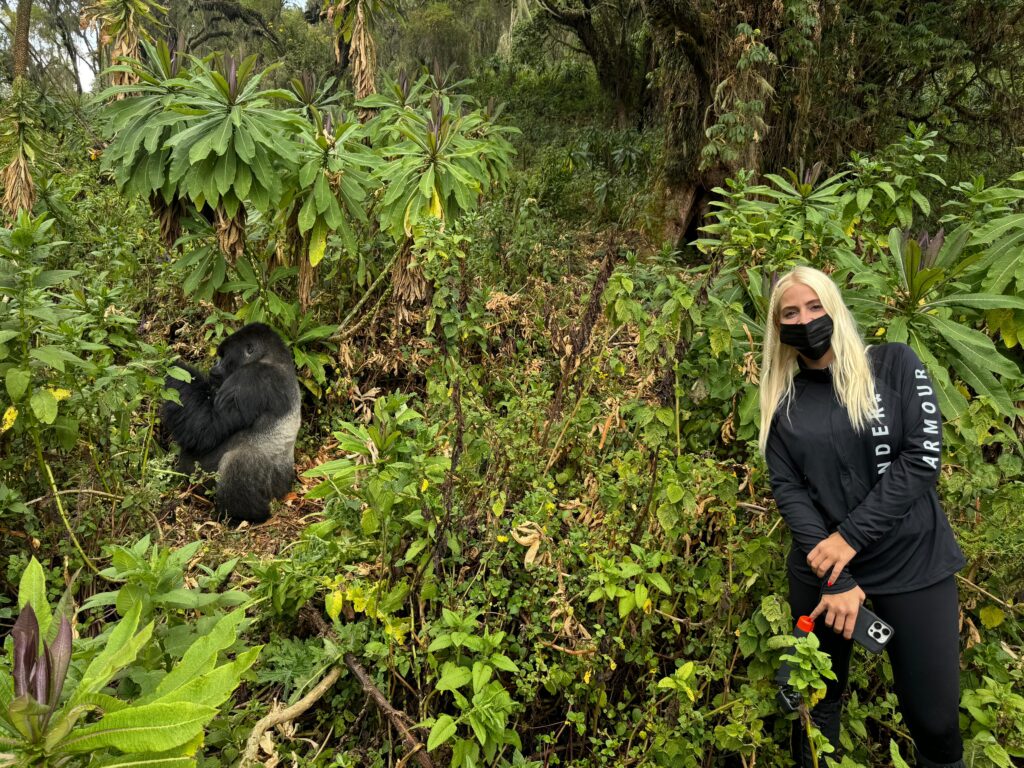
Some travelers also believe that tipping creates inequality among staff. This is why many parks and lodges use pooled systems for certain roles. When done properly, tipping strengthens team morale rather than undermining it.
Dispelling these myths helps travelers approach tipping on a gorilla trekking tour with clarity and confidence.
How Nextgen Safaris Guides Guests on Tipping
At Nextgen Safaris, we believe tipping should never feel awkward or confusing. Before your trek, we explain how tipping works in your specific destination, what is customary, and how to prepare. During the trek, we never prompt or pressure guests. After the trek, we are available to discreetly assist if guests want guidance on distribution.
This approach respects both travelers and local professionals. It ensures fairness, transparency, and cultural sensitivity. Our goal is not to maximize tips but to create an environment where appreciation flows naturally and comfortably.
When travelers understand how much to tip on a gorilla trekking tour, the entire experience feels more relaxed and respectful.
Frequently Asked Questions About Tipping on a Gorilla Trekking Tour
Many travelers ask whether children should tip separately. In most cases, tipping is handled per adult traveler. Others ask whether tips should be given in envelopes. While envelopes can be useful, they are not required. Handing a tip directly with a thank-you is perfectly acceptable.
Another common question is whether tips should be given daily or at the end of the trek. For gorilla trekking, tips are usually given at the end of the trekking experience. For multi-day safaris, drivers and guides are typically tipped at the end of the trip.
These practical details are small but important parts of understanding how to tip on a gorilla trekking tour properly.
Final Expert Guidance on Tipping with Confidence on a Gorilla Trekking Tour in Africa
A gorilla trekking experience is emotional, physical, and deeply memorable. The people who guide you through it carry responsibility, skill, and pride in their work. A thoughtful tip on a gorilla trekking tour is not about obligation. It is about recognition.
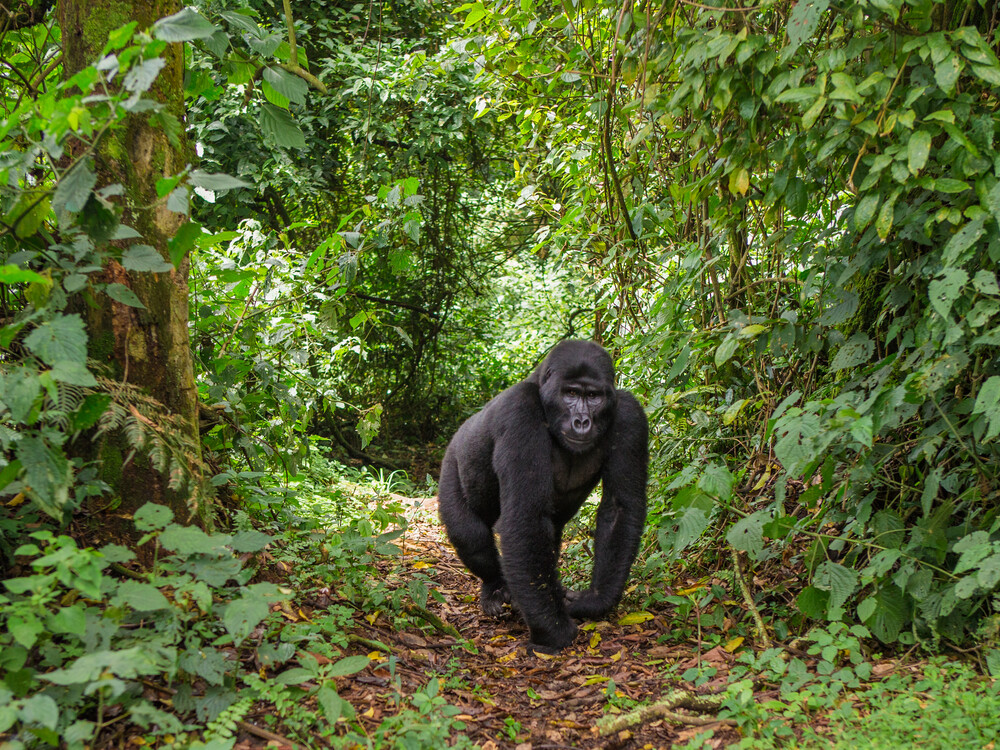
When you understand how much to tip on a gorilla trekking tour, you remove uncertainty and replace it with confidence. You engage more openly with your guides, appreciate the effort behind the scenes, and leave knowing you contributed positively to conservation and community livelihoods.
At Nextgen Safaris, we believe informed travelers make better travelers. This guide exists so that tipping becomes a natural part of your journey rather than an uncomfortable afterthought.
If you would like personal guidance tailored to your destination, trek difficulty, or travel style, our team is always available to advise quietly and honestly.
Frequently Asked Questions About Tipping on a Gorilla Trekking Tour
How much should I tip on a gorilla trekking tour?
How much you should tip on a gorilla trekking tour depends on the quality of service, the difficulty of the trek, and the level of personal attention you receive. Gorilla trekking is a physically demanding and highly skilled activity, and tips are a way of appreciating guides, porters, and support teams who make the experience safe and meaningful. While tipping is not mandatory, most travelers budget for it in advance so they can tip comfortably and confidently at the end of the trek.
Is tipping mandatory on a gorilla trekking tour?
Tipping on a gorilla trekking tour is not mandatory in Uganda, Rwanda, or the Democratic Republic of Congo. You will never be required to tip or treated differently if you choose not to. However, tipping is widely expected as a cultural norm and is considered a respectful way to thank guides and porters for good service. Most travelers do choose to tip because they recognize the effort involved in gorilla trekking.
Who should I tip on a gorilla trekking tour?
The main people typically tipped on a gorilla trekking tour are the lead gorilla trekking guide and any porter you choose to hire. Trackers and ranger teams often receive tips through pooled systems managed by the park or guide. Drivers and safari guides on multi-day itineraries are usually tipped separately at the end of the trip. Your safari company can advise on how to distribute tips fairly and appropriately.
Should I tip differently for a private gorilla trekking tour?
Yes, many travelers choose to tip more generously on a private gorilla trekking tour because the level of personalized service is higher. On private treks, guides adjust pace, provide more individual attention, and tailor the experience specifically to you. This often results in a more intensive and rewarding experience, which many travelers acknowledge through a higher tip on a gorilla trekking tour.
Are tips included in the cost of a gorilla trekking permit or safari package?
Tips are generally not included in the cost of a gorilla trekking permit or safari package unless this is clearly stated. Gorilla trekking permits primarily fund conservation, park management, and protection of the gorillas. Tipping is handled separately and remains discretionary so that travelers can reward service based on their personal experience.
Should I tip in local currency or US dollars?
Both local currency and US dollars are commonly accepted when tipping on a gorilla trekking tour. US dollars should be clean and in good condition. Local currency is often preferred for porters and community staff. It is best to carry small denominations, as trekking areas are remote and change may not be available.
When is the best time to give a tip on a gorilla trekking tour?
The best time to give a tip on a gorilla trekking tour is after the trek has been completed and you have returned safely. This allows you to base your tip on the actual experience rather than expectations. Tips are usually given discreetly, either directly to the guide or through the safari company if a pooled system is used.
What if I genuinely cannot afford to tip?
If you genuinely cannot afford to tip on a gorilla trekking tour, you will not be penalized or treated poorly. Guides and rangers are professionals and understand that travelers have different financial situations. In such cases, expressing sincere appreciation, leaving a positive review, or recommending the guide or company can still have a meaningful impact.
Does tipping support gorilla conservation?
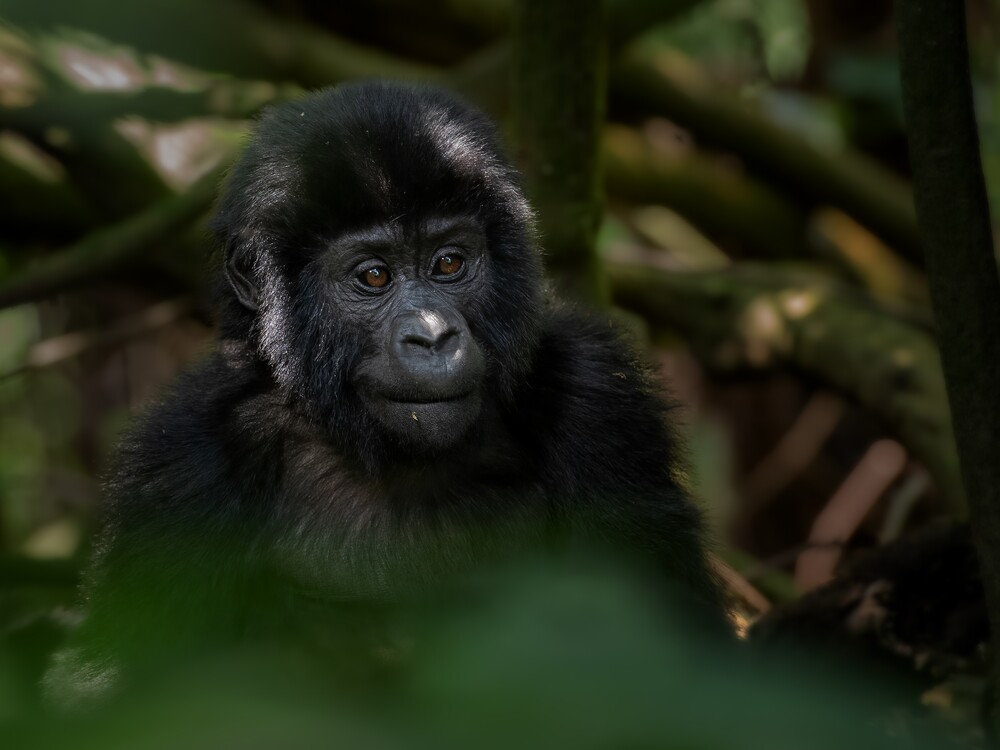
Yes, tipping on a gorilla trekking tour indirectly supports gorilla conservation by improving livelihoods for people living and working around national parks. When communities benefit from tourism, there is stronger local support for protecting gorillas and their habitats. Responsible tipping helps reinforce conservation as a viable and valuable livelihood.
Plan Your Gorilla Trek with Confidence and Local Expertise
Tipping on a gorilla trekking tour should never feel awkward, confusing, or stressful. When you understand how it works, it becomes a natural part of a respectful and rewarding experience.
At Nextgen Safaris, we prepare our guests properly before they arrive, guide them discreetly during the journey, and ensure that tipping is handled in a fair, culturally appropriate way that supports conservation and local communities. We believe informed travelers enjoy deeper experiences and travel with greater confidence.
If you would like expert guidance on planning your gorilla trekking safari including permits, routes, lodge choices, and practical details like tipping, speak with a local specialist who does this every day.