
Is It Safe to Use a Credit Card on an African Safari?
Is It Safe to Use a Credit Card on an African Safari? Ultimate Safety Guide


Is It Safe to Use a Credit Card on an African Safari? Yes, it is generally safe to use a credit card on an African safari when you use it carefully and make payments through reputable hotels, safari companies, lodges, restaurants, banks and recognised payment systems. Credit cards can be one of the most convenient ways to pay for major safari expenses because you do not have to carry large amounts of physical cash throughout your journey. However, Africa is a vast continent with very different banking and payment environments, so you should take sensible precautions rather than assuming that every card terminal, ATM or online payment platform is equally secure.
The safety of your credit card depends less on being in Africa and more on where, how and with whom you use the card. A payment made through a reputable safari company’s secure payment system is very different from handing your card to an unknown person or entering your card information into an unverified website. Similarly, withdrawing money from an ATM at an established bank is generally preferable to using an unfamiliar machine in an isolated location.
For most safari travellers, the best strategy is to use your credit card for larger planned expenses while keeping a reasonable amount of local cash as a backup. You should also carry a second card separately from your primary card. This gives you flexibility if your main card is declined, temporarily blocked, lost or affected by a technical problem.
Why Credit Cards Can Be a Good Choice for an African Safari
Using a credit card can actually reduce some of the risks associated with carrying large amounts of cash. A safari can involve significant payments for accommodation, transportation, activities and other services, and carrying the equivalent amount in physical money is unnecessary when secure electronic payment is available.
Credit cards also provide a convenient transaction record. Your accommodation payment, safari deposit or restaurant purchase can appear on your statement, allowing you to track your spending throughout the trip. This is particularly helpful when your safari crosses several destinations or countries.
Another advantage is that you can often contact your card issuer if an unfamiliar transaction appears on your account. Many modern credit cards also provide transaction alerts through a banking application or text message, allowing you to monitor your spending while travelling.
The important thing is to combine the convenience of your credit card with sensible travel habits. A credit card should be part of your overall payment strategy rather than the only method of accessing money during your safari.
Is It Safe to Use a Credit Card at Safari Lodges?

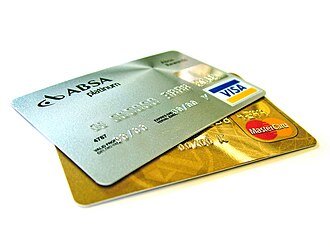
Yes, established safari lodges and hotels that regularly serve international travellers can be suitable places to use a credit card. Larger properties often have formal payment systems for accommodation, meals, drinks and additional services.
However, you should remember that safari lodges can be located in remote wilderness areas. A property may have a secure payment terminal but experience occasional connectivity problems because of its location. In such circumstances, a transaction may not process immediately even though the lodge normajlly accepts cards.
Before arriving at a remote lodge, ask your safari operator or accommodation provider whether credit cards are accepted and which card networks they support. It is also useful to know whether your accommodation has already been prepaid as part of your safari package.
If the accommodation has been paid in advance, your card may only be needed for incidental expenses such as drinks, laundry, souvenirs or optional activities.
Is It Safe to Use a Credit Card at Safari Hotels?
Hotels in major cities and established tourism centres generally provide a familiar environment for international card payments. Properties in places such as Kigali, Kampala, Nairobi and Arusha are more likely to have reliable payment infrastructure than very remote accommodation.
Even so, you should follow the same precautions you would use anywhere in the world. Check the amount displayed on the payment terminal before approving the transaction, keep your card within your control where practical and retain your receipt.
If the hotel asks to pre-authorise your card at check-in, ask what the authorisation covers. Some properties may place a temporary hold to cover potential incidental expenses, and the final amount can be adjusted when you check out.
Understanding the difference between a temporary card authorisation and an actual charge can prevent unnecessary concern when reviewing your banking application.
Is It Safe to Use a Credit Card at Safari Restaurants?

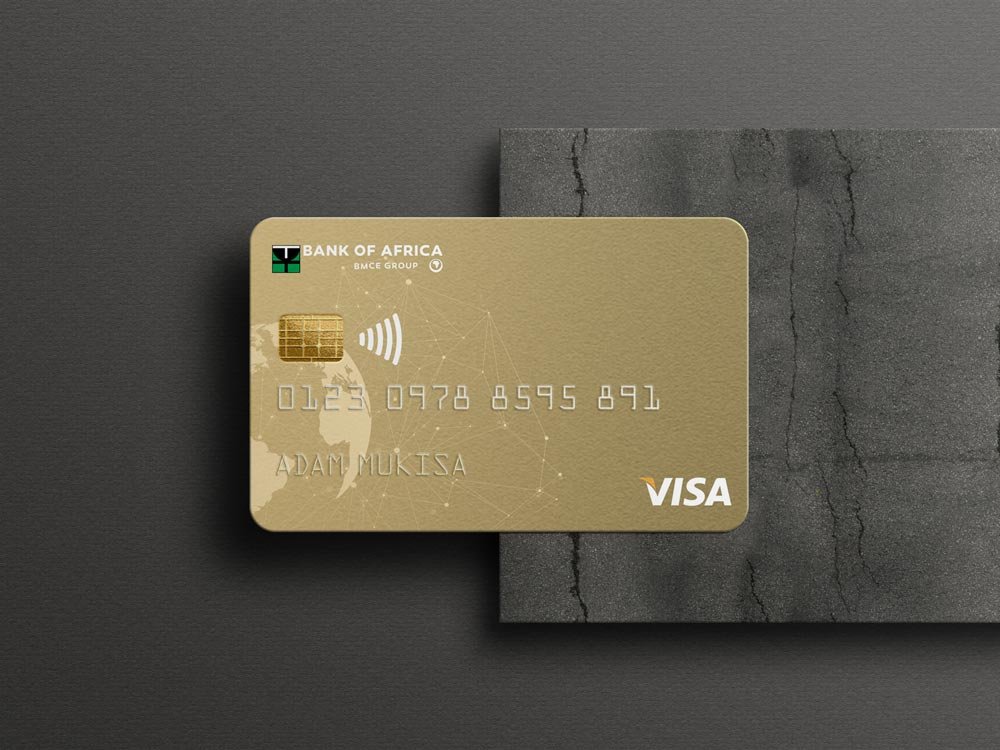
Yes, credit cards can be convenient at established restaurants, particularly in major cities and tourist centres. Before handing over your card, check whether the restaurant accepts your particular card network.
When the payment terminal is brought to your table, review the transaction amount before entering your PIN or approving the payment. Keep your receipt until you have checked that the transaction appears correctly on your account.
At smaller restaurants and local establishments, card acceptance may be less predictable. In such cases, cash can be more practical.
You should never feel pressured to provide your card details through an unsecured message simply because a restaurant or service provider claims that it needs to process your payment remotely. Use an established payment method whenever possible.
Is It Safe to Pay a Safari Company With a Credit Card?
Paying a reputable safari company by credit card can be a convenient way to secure your trip, especially when you are booking from another country.
Before making a payment, confirm that you are dealing with the correct safari company and that the payment instructions correspond with the quotation or invoice you received. Be particularly careful if someone suddenly sends you new banking or card-payment instructions through an unfamiliar email address or messaging account.
For a large safari payment, request a formal invoice showing the company details, itinerary, amount due and payment conditions. The payment page should use a secure payment process rather than asking you to send sensitive card information through an ordinary chat message.
Once the payment has been completed, keep the receipt and booking confirmation. These documents provide a useful record if you need to verify the transaction later.
Is It Safe to Enter Your Credit Card Details Online?
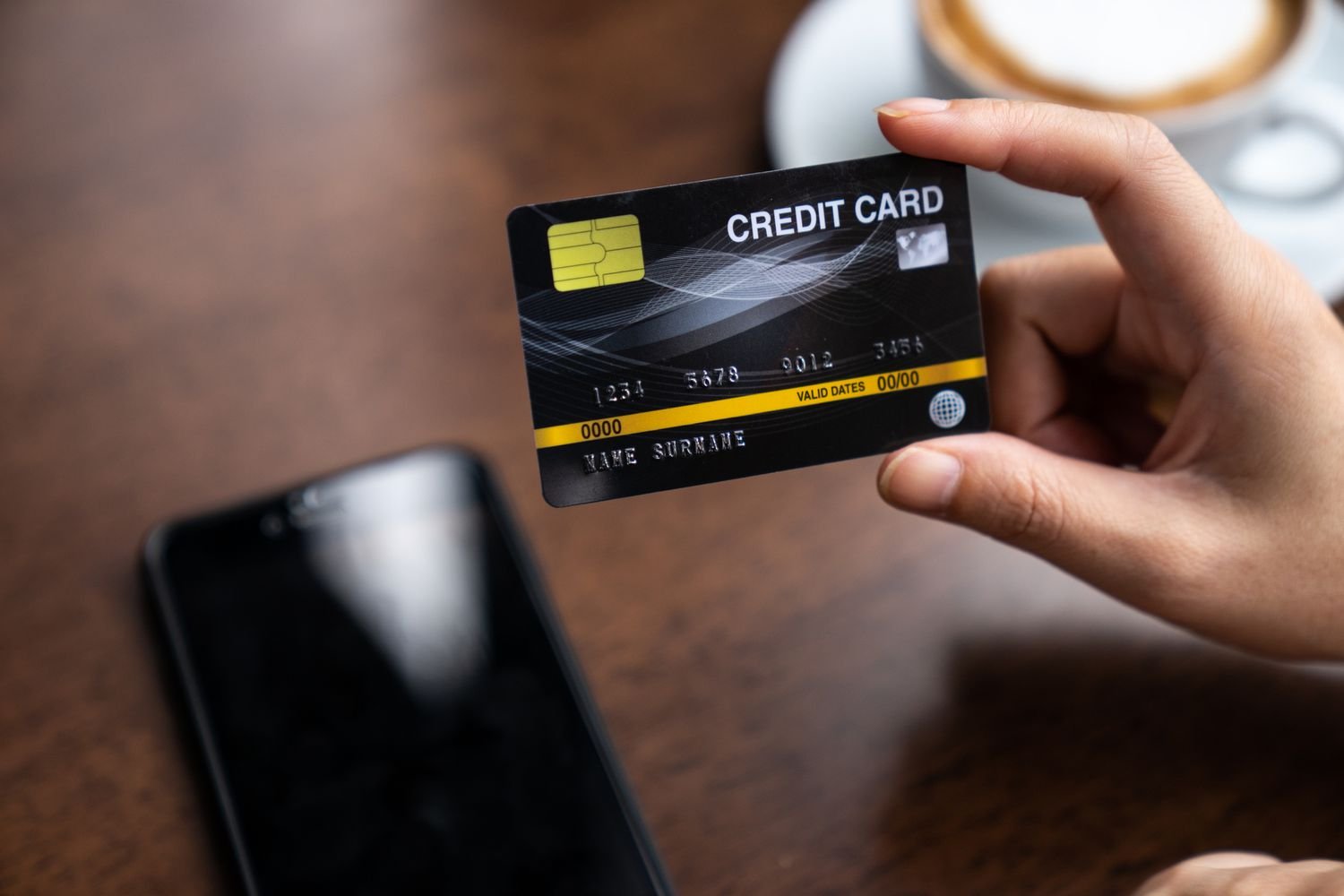
Online card payments can be safe when you use a reputable website and secure payment gateway. The main concern is not the fact that you are paying for an African safari online but whether the website and payment process are legitimate.
Before entering your card details, check that you are on the correct company’s website and that the payment page belongs to the expected payment provider. Avoid clicking unfamiliar payment links sent through unsolicited messages.
You should also avoid sending your complete card number, security code or banking passwords through ordinary email or messaging applications.
If you receive a payment request that looks different from the original quotation, contact the safari company through an established channel before proceeding.
How to Protect Your Credit Card Before an African Safari
Good card security starts before you leave home. Contact your card issuer and confirm that international transactions are enabled. Some banks use automated security systems that can block unusual overseas purchases, particularly large transactions.
Check your available credit limit and make sure it is sufficient for your expected travel expenses. If you intend to make a large safari payment, confirm that your card can handle the transaction without triggering an unnecessary decline.
Install your bank’s official mobile application if you use one and enable transaction notifications. These alerts can help you identify suspicious activity quickly.
You should also make sure you know how to freeze or block your card from your banking application if it is lost. Having this information ready before departure can save considerable stress if something goes wrong during your safari.
Should You Carry a Backup Credit Card?
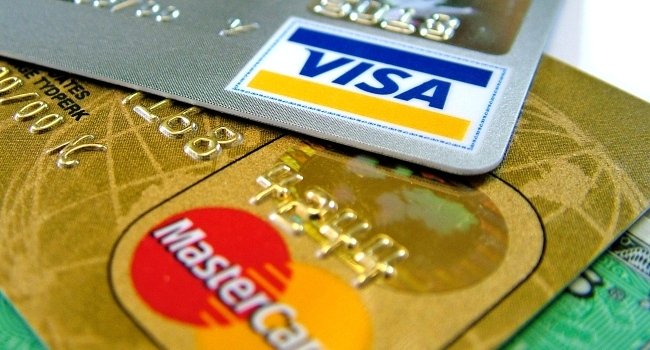
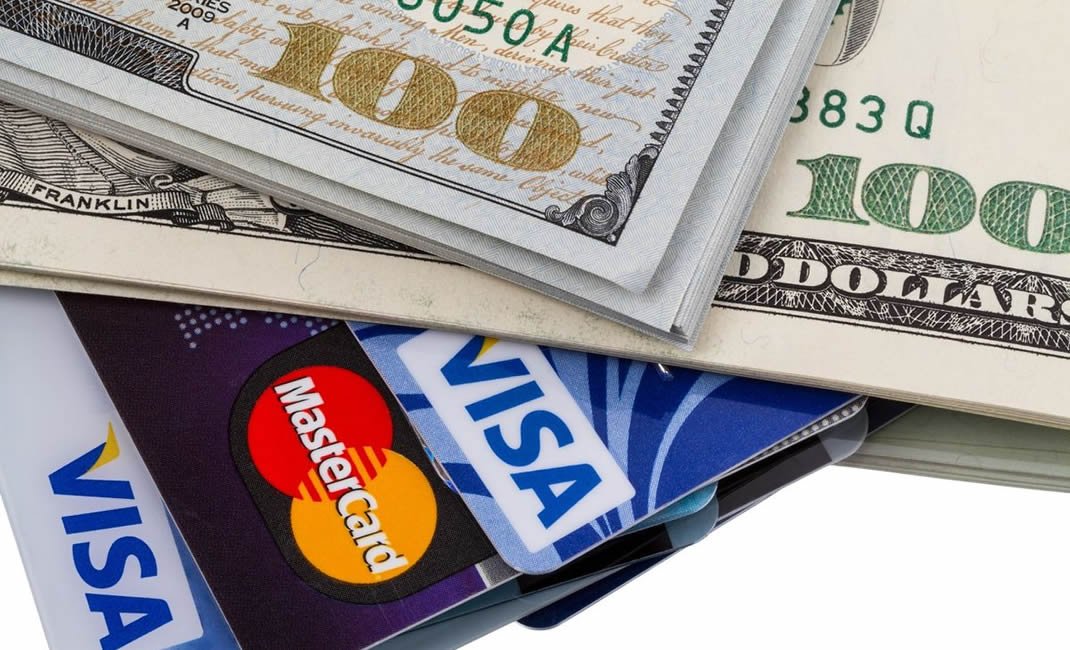
Yes. Carrying a backup credit card is one of the simplest ways to protect yourself against payment problems while travelling.
Your primary card could be declined, blocked, lost or damaged. A second card gives you another way to access money without depending entirely on your first card.
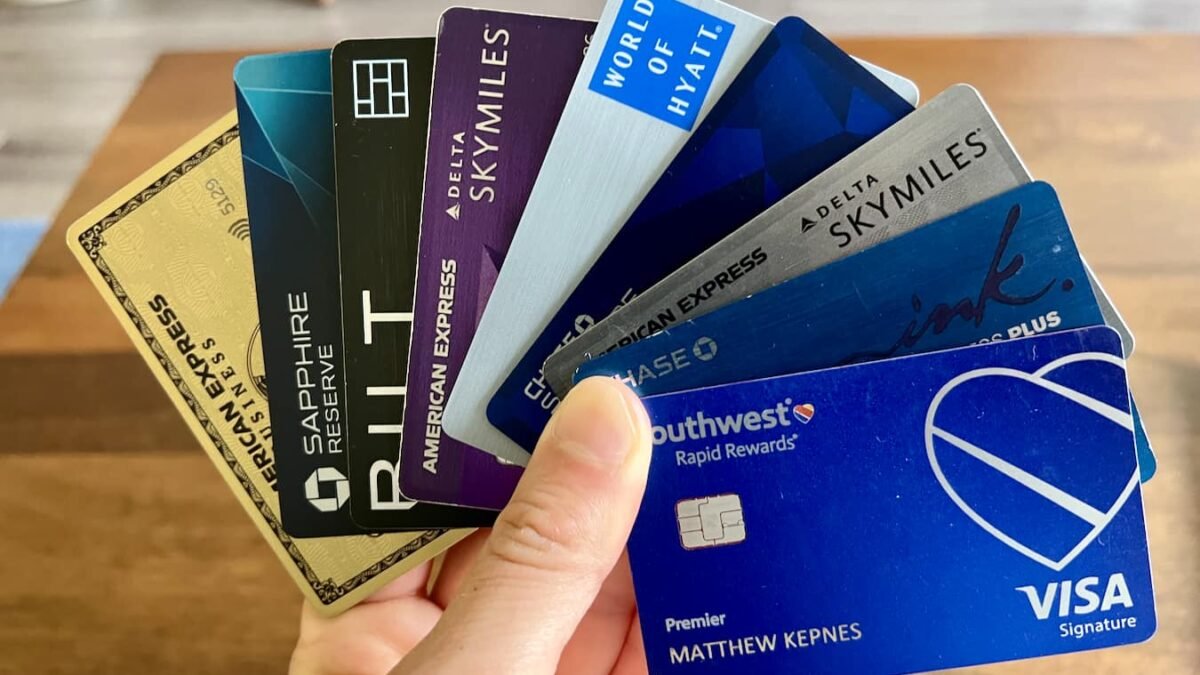
If possible, choose a backup card from a different payment network. For example, carrying both Visa and Mastercard can provide additional flexibility if one network is not accepted by a particular merchant.
Do not keep both cards in the same wallet. Store the backup separately in a secure location so that losing your primary wallet does not also mean losing your only alternative payment method.
Should You Carry Cash Alongside Your Credit Card?
Yes. Even if you plan to use your credit card for most purchases, cash remains an important backup on safari.
You may visit rural communities, small markets, roadside shops or local businesses where card payment is unavailable. Remote lodges can also experience temporary connectivity problems that prevent card transactions from processing.
You do not need to carry enough cash to pay for your entire safari. If your accommodation, transportation, permits and major activities have already been arranged, you may only need money for personal expenses, tips, souvenirs and unexpected purchases.
Carry a reasonable amount and keep it secure. Having both cash and a credit card provides much greater flexibility than relying exclusively on either method.
Is It Safe to Use ATMs on an African Safari?
ATMs can be useful when you need local currency, particularly in major cities and larger towns. However, you should be selective about where you withdraw cash.
Whenever possible, use an ATM located inside or directly associated with a reputable bank or established commercial environment. Avoid unfamiliar machines in isolated areas if you have another option.
Before inserting your card, inspect the ATM for anything that looks unusual or loose around the card slot or keypad. If the machine appears suspicious, do not use it.
When withdrawing money, shield your PIN from view and take your card and cash before leaving the ATM area. If your bank sends transaction alerts, check that the withdrawal amount is correct.
Should You Use a Credit Card for ATM Cash Withdrawals?
You should understand the difference between using a credit card to make a purchase and using it to withdraw cash.
A credit card cash withdrawal may be treated as a cash advance by your card issuer. This can involve different fees and interest conditions from a normal purchase.
If you need local currency, a debit card may be more suitable for ATM withdrawals depending on your bank’s terms. Your own card agreement should always be checked before using an ATM abroad.
For everyday purchases, direct card payments are generally more straightforward than withdrawing cash through a credit card.
Is It Safe to Use Contactless Payments on Safari?

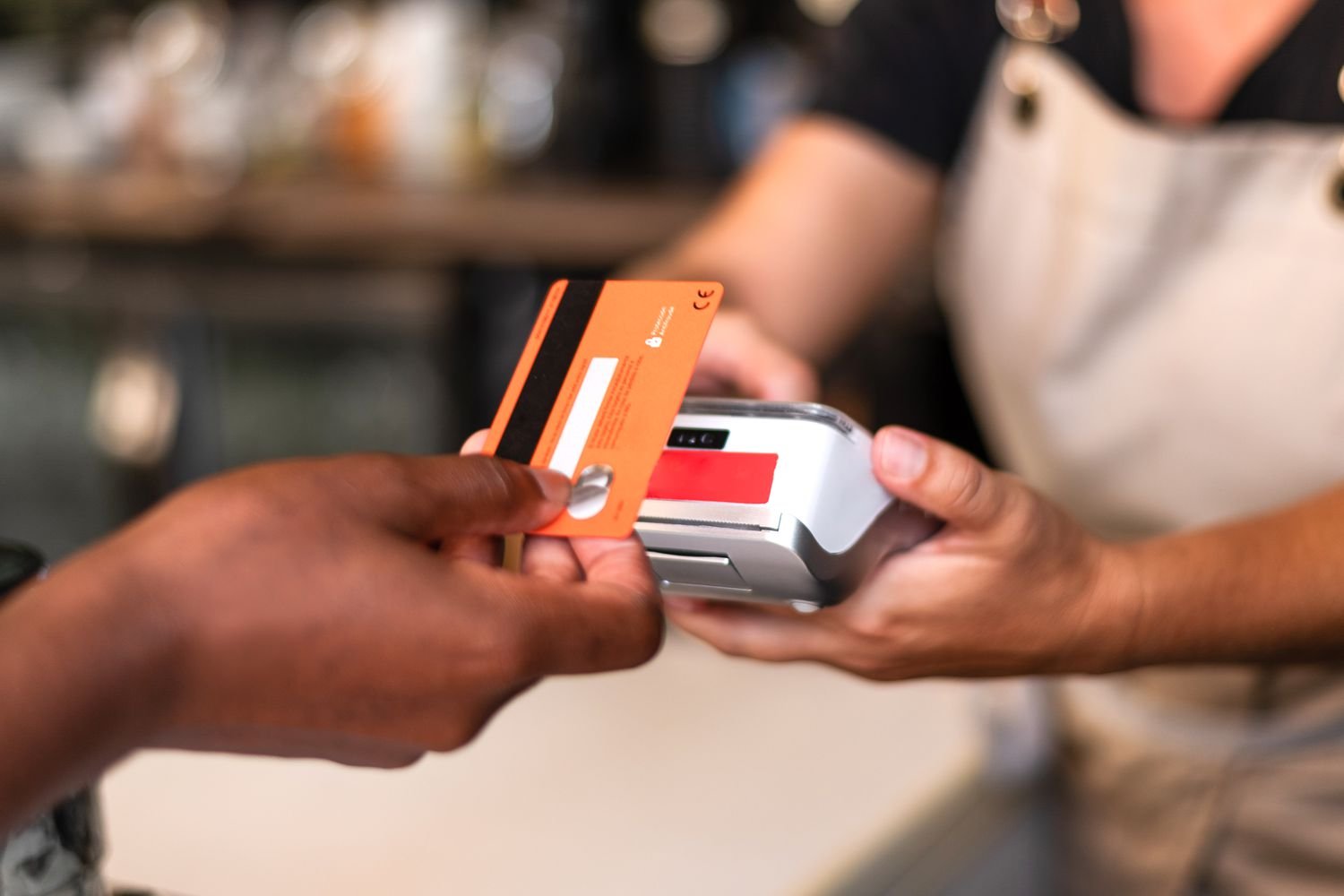
Contactless payment can be convenient where compatible terminals are available. It allows you to make smaller purchases without inserting the physical card into the terminal.
However, you should still check the amount displayed before approving a transaction. Contactless convenience does not remove the need to monitor your spending.
If you use a mobile wallet connected to your card, protect your phone with a secure password, biometric authentication or another appropriate security method.
You should also avoid leaving your phone unattended because access to your device could potentially provide access to financial applications or payment accounts.
Is It Safe to Use a Credit Card in Uganda?
Credit cards can be useful in Uganda, particularly at established hotels, safari companies, restaurants and tourism businesses. However, the availability of card facilities can become less predictable as you move from Kampala and Entebbe into remote safari regions.
If your itinerary includes destinations such as Bwindi, Kibale, Queen Elizabeth National Park or Murchison Falls, plan your payment strategy before leaving major urban areas.
Your safari operator can tell you whether accommodation and other major services have already been paid. This can reduce the amount of money you need to access while travelling.
Carry local currency for smaller purchases and maintain a backup card in case your primary payment method is unavailable.
Is It Safe to Use a Credit Card in Rwanda?
Rwanda has a well-developed tourism infrastructure, particularly in Kigali and major tourism centres. Credit cards can be useful at established hotels, restaurants, safari companies and other formal businesses.
Nevertheless, the same basic precautions apply. Do not assume that every business accepts every card network, and keep some Rwandan francs available for smaller purchases.
If you are travelling to Volcanoes National Park for gorilla trekking, your major safari arrangements can usually be organised in advance. This means you can minimise the amount of money you need to carry while travelling through the country.
A credit card, local cash and a backup payment method provide a practical combination for a Rwanda safari.
Is It Safe to Use a Credit Card in Kenya?
Credit cards are commonly useful in Kenya, particularly in Nairobi, established hotels, safari companies, restaurants and major tourism businesses.
As your safari moves into destinations such as the Maasai Mara, Amboseli or Tsavo, the availability of payment facilities can vary. Your accommodation may accept cards even though smaller businesses around the destination may not.
Before entering a remote safari area, make sure you have enough local currency for your expected personal expenses.
Keep your primary credit card secure and maintain a backup payment method in case your card does not work at a particular establishment.
Is It Safe to Use a Credit Card in Tanzania?
Credit cards can be useful in Tanzania, particularly at established hotels, lodges, restaurants and tourism businesses. However, safari routes can take you deep into remote wilderness areas where electronic payment facilities are less predictable.
If you are travelling through destinations such as Serengeti, Ngorongoro or Tarangire, ask your accommodation provider about payment arrangements before arrival.
If your lodge accepts cards, you can use your card for eligible accommodation and incidental expenses. Nevertheless, carrying local cash remains sensible for smaller transactions and situations where electronic payment is temporarily unavailable.
How to Protect Your Card at Remote Safari Lodges
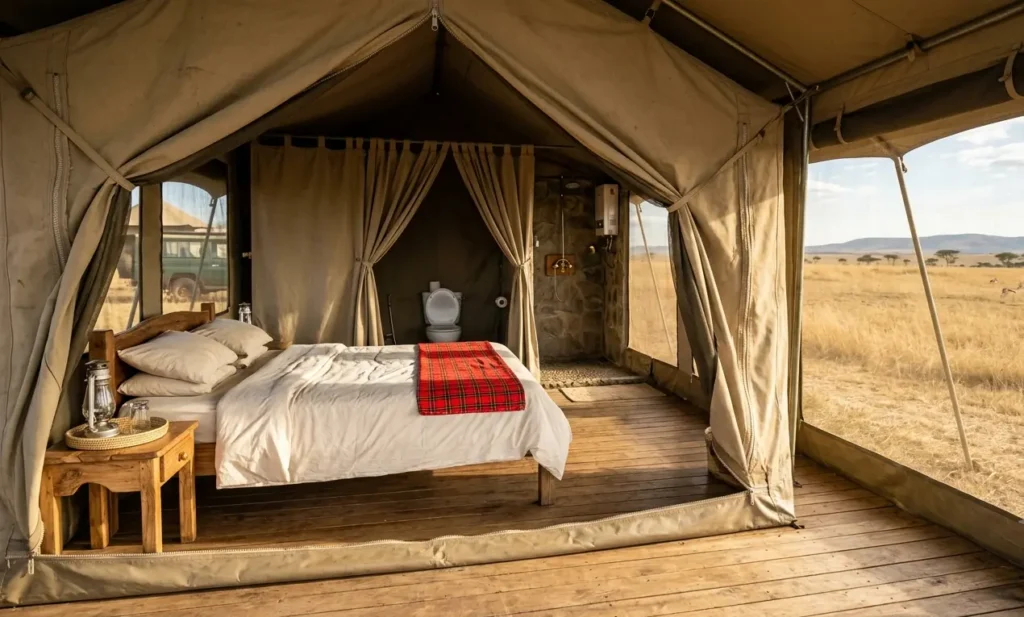

Remote safari lodges can be wonderfully isolated, but their location means you should take additional practical precautions with your payment methods.
Do not leave your wallet or cards unattended in common areas. Use the secure storage facilities provided by your accommodation where appropriate and keep your backup card separate from your main wallet.
When paying your lodge bill, review the charges carefully. If you have been charging drinks, laundry, activities or other services to your room, ask for an itemised bill before making the final payment.
This allows you to identify any misunderstanding immediately rather than discovering an unfamiliar charge after you have left the property.
How to Avoid Credit Card Fraud During Your Safari
The best protection against card fraud is careful control of your card information.
Never send your complete card number, expiry date and security code through ordinary social media messages or unsecured chats. Be cautious when someone unexpectedly asks you to make a payment using new instructions.
Avoid entering card details on websites you do not recognise. If a payment link arrives unexpectedly, contact the company directly using previously established contact information.
You should also avoid allowing strangers to handle your card unnecessarily. When paying at a business, check the amount before approving the transaction and retain your receipt.
These simple precautions are useful not only in Africa but anywhere you travel internationally.
Should You Tell Your Bank You Are Travelling?
Yes. Before leaving for Africa, check whether your bank recommends notifying it about international travel.
Some card issuers monitor unusual spending patterns and may block transactions that appear suspicious. A sudden large purchase in a country you have never previously visited could trigger additional security checks.
Make sure your bank has your correct contact information and that you can receive verification notifications while travelling.
If your card provider requires an app-based approval for unusual transactions, make sure your phone and authentication methods will work during your safari.
Is It Safe to Use a Credit Card for Safari Deposits?
Yes, provided you are paying a legitimate safari company through an appropriate payment system.
Safari deposits can be substantial, so verify the company, invoice and payment details before authorising the transaction.
Ask what the deposit secures, when the remaining balance is due and what cancellation conditions apply. Keep a copy of the payment confirmation.
If you receive new payment instructions after the original quotation has been issued, verify them directly with the safari company before making another payment.
What Credit Card Should You Take on an African Safari?
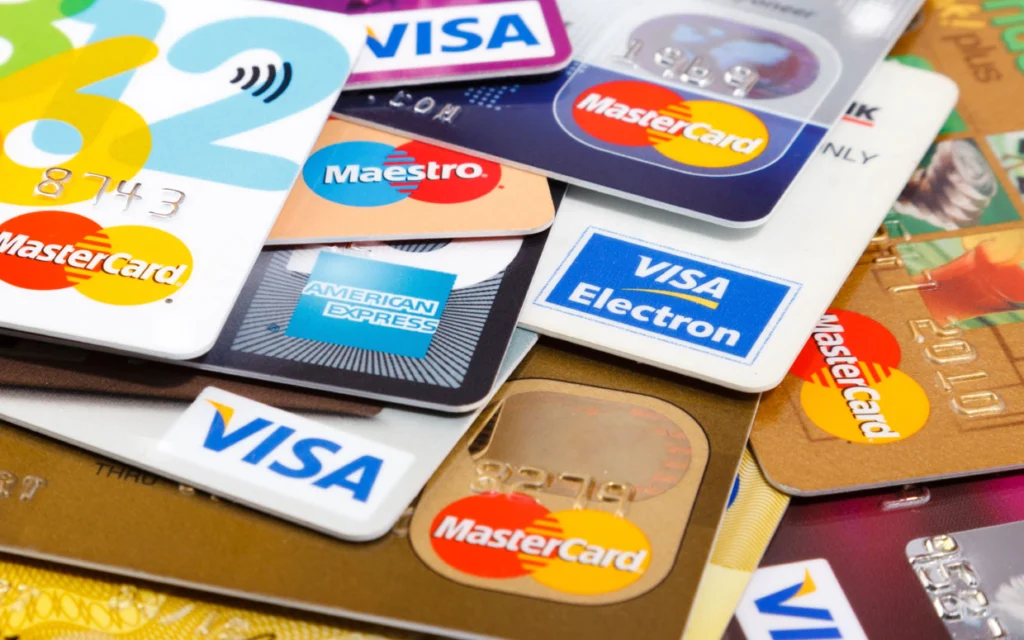
There is no single card that is perfect for every traveller, but a card with favourable international transaction terms can be particularly useful.
Look for a card that offers reasonable foreign-currency conditions, strong fraud protection and reliable international customer service.
Visa and Mastercard are generally practical networks to consider because they are widely used internationally, although acceptance can vary between businesses and countries.
If possible, take a second card from another network as a backup.
How Much Cash Should You Carry as a Backup?
There is no universal amount because your needs depend on the length of your safari, destinations and what your safari package already includes.
If accommodation, transportation, permits and major activities are prepaid, you may only need cash for personal expenses, tips, souvenirs and emergencies.
If you are travelling independently, you may need more flexibility because you could be paying for meals, accommodation and activities separately.
The key is to carry enough to handle reasonable expenses without carrying your entire travel budget in physical cash.
What Are the Safest Ways to Pay for an African Safari?
For major safari bookings, use a verified safari company and its established payment process. For accommodation, use the lodge’s official booking system or arrange payment through your safari operator.
For cash withdrawals, prefer reputable bank ATMs in established locations.
For everyday spending, use your credit card at recognised businesses where card payment is clearly supported and keep local currency available for smaller transactions.
Most importantly, never sacrifice security simply because someone says a payment is urgent.
Is It Safe to Use a Credit Card on an African Safari? The Final Answer
If you are wondering, “Is It Safe to Use a Credit Card on an African Safari?”, the answer is generally yes, provided you use sensible precautions and deal with reputable businesses and payment systems.
A credit card can be one of the most convenient ways to pay for major safari expenses, including accommodation, safari packages, restaurants and other formal tourism services. It can reduce the need to carry large amounts of physical money and gives you a convenient record of your transactions.
However, no payment method should be treated as completely risk-free. Carry a backup card, maintain some local cash, protect your PIN, monitor your account and verify payment requests before authorising them.
The strongest strategy is therefore credit card + backup card + reasonable cash + careful payment habits. This combination gives you convenience while protecting you against many of the common payment problems that can occur during international travel.
Book Your African Safari With Rwanda Family Tours.


Once you understand how to manage your money safely, you can focus on planning the safari itself. Rwanda Family Tours can help you organise a personalised African safari based on your travel dates, destinations, accommodation preferences and interests.
Your journey can be designed around mountain gorilla trekking, chimpanzee trekking, Big Five wildlife, cultural experiences, birdwatching, photography, family travel, honeymoon experiences or a combination of destinations across East Africa.
Accommodation, transportation, permits and other major safari services can be coordinated as part of your itinerary, making it easier for you to understand what has already been arranged and what personal expenses you may need to budget for.
If you prefer to pay your safari by credit card, mention this when making your enquiry so that the available payment arrangements and applicable conditions can be explained before you proceed.
Whether you want to trek mountain gorillas in Rwanda or Uganda, explore chimpanzee forests, search for the Big Five in Kenya or Tanzania, enjoy a luxury safari or create a multi-country East African adventure, Rwanda Family Tours can help you plan your journey.
Send us your travel dates, number of travellers, preferred destinations, accommodation style and safari interests to request your personalised safari quotation.
You can travel confidently with a simple payment strategy: use your credit card for major secure payments, carry a backup card, keep reasonable local cash available and always protect your financial information.
With the right preparation, you can enjoy the convenience of modern payments while focusing on the wildlife, landscapes and unforgettable experiences that make an African safari special.