
Karisoke research center
Legendary Karisoke Research Center Rwanda | Dian Fossey, Gorilla Research and Conservation
The Karisoke research center represents one of the most important chapters in the history of mountain gorilla conservation. Established by American primatologist Dian Fossey in Rwanda’s Virunga Mountains in 1967, Karisoke began with little more than two tents positioned between Mount Karisimbi and Mount Bisoke. From those extremely modest beginnings grew one of the world’s longest-running field studies of wild gorillas, a conservation legacy that transformed scientific understanding of mountain gorilla behavior and contributed significantly to the protection of a species once feared to be approaching extinction. The name “Karisoke” itself was created by combining parts of Karisimbi and Bisoke, the two volcanoes surrounding Fossey’s original research camp.
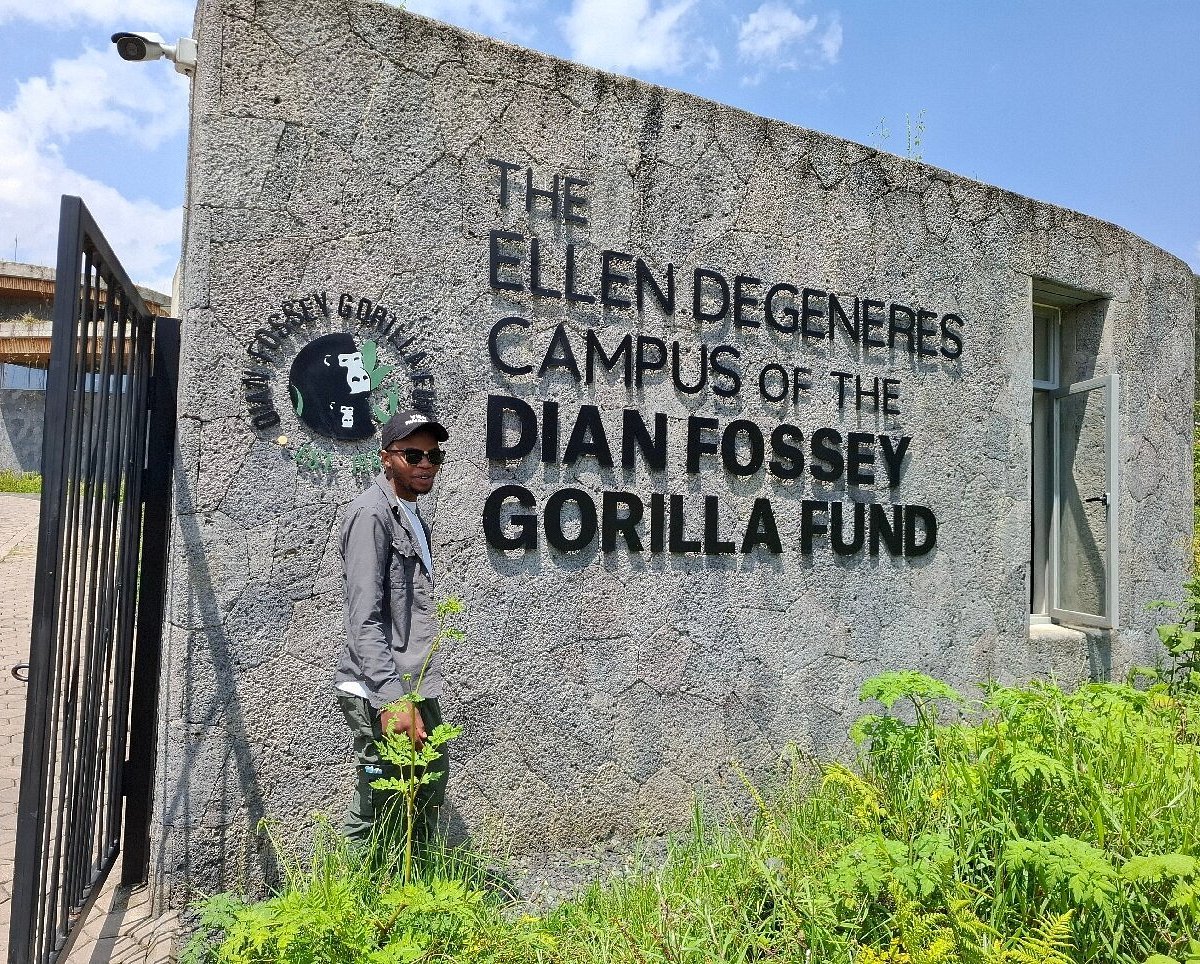
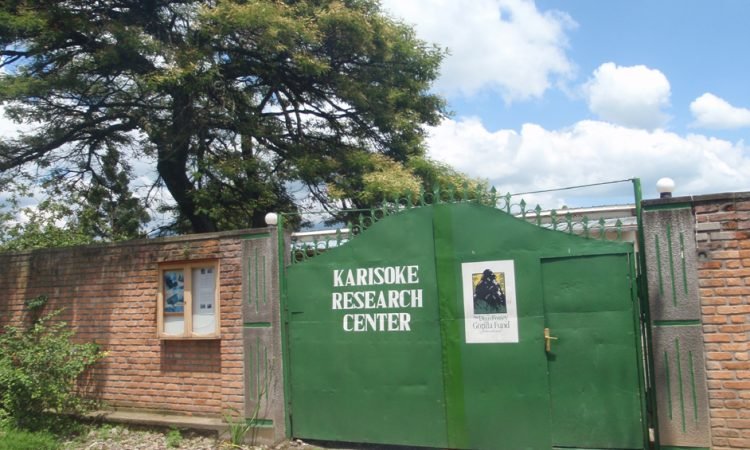
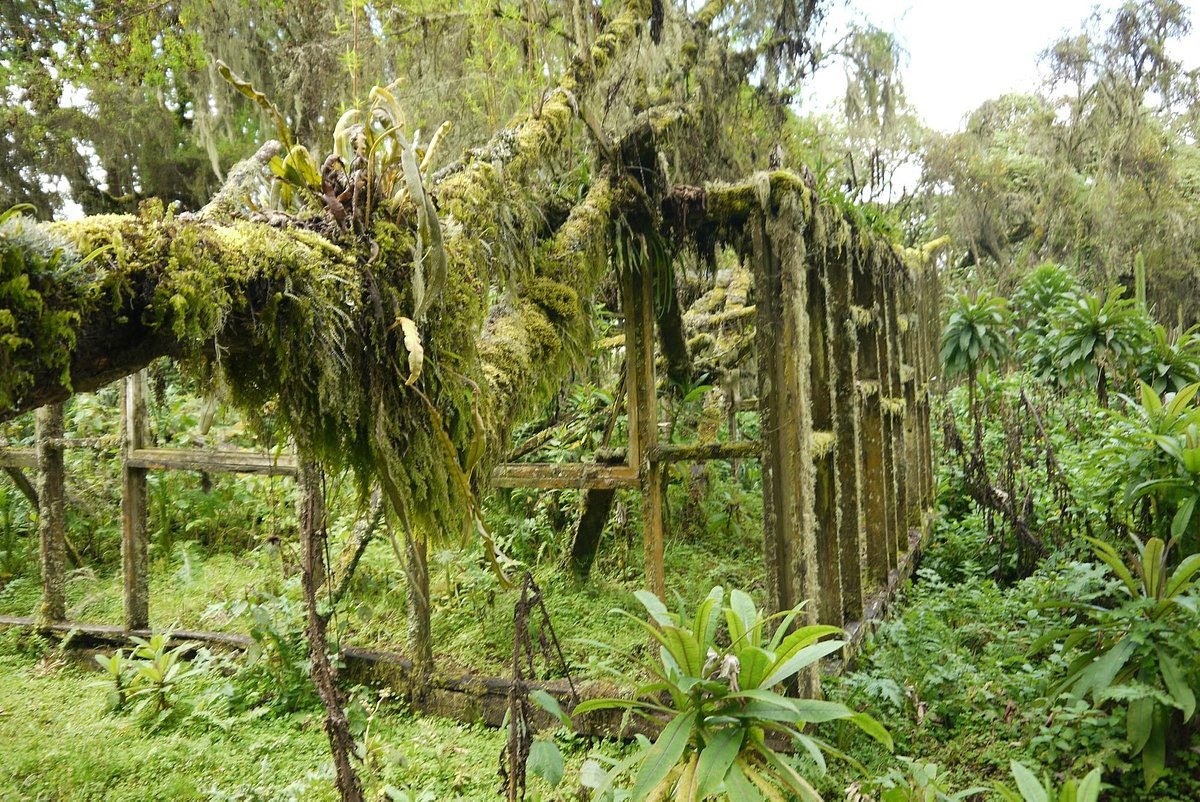
Today, travelers sometimes become confused because the name Karisoke can refer to both the historic forest research site associated with Dian Fossey and the continuing scientific program of the Dian Fossey Gorilla Fund. The original camp inside what is now Volcanoes National Park is no longer the operational headquarters used by researchers every day. Modern research, conservation, education and public engagement are now supported from the Ellen DeGeneres Campus of the Dian Fossey Gorilla Fund near the national park. The purpose-built campus opened in February 2022 and became the permanent home supporting the organization’s work in Rwanda.
For travelers visiting Rwanda with NextGen Safaris, learning about the Karisoke research center can add extraordinary depth to a gorilla safari. Seeing a mountain gorilla in Volcanoes National Park is already one of Africa’s most powerful wildlife experiences, but understanding the decades of scientific monitoring, ranger work, research and conservation behind that encounter makes the experience even more meaningful. Visitors can combine the modern conservation campus with gorilla trekking in Rwanda, take a Dian Fossey hike toward the historic Karisoke landscape and Fossey’s gravesite, or incorporate both experiences into a longer Rwanda safari.
What Is the Karisoke Research Center?
The Karisoke research center began as a remote mountain gorilla research camp established by Dian Fossey in September 1967. Fossey arrived in Rwanda to conduct long-term observations of mountain gorillas in the Virunga volcanoes, following earlier fieldwork with gorillas in what is now the Democratic Republic of Congo. She established two tents in the forest between Mount Karisimbi and Mount Bisoke and used parts of the names of the two volcanoes to create the word “Karisoke.” The camp gradually developed into a major center for the scientific study and protection of mountain gorillas.
Karisoke became particularly important because Fossey and the researchers who followed her did not simply observe gorillas occasionally. They collected detailed information on known individuals over long periods. Researchers recorded births, deaths, family relationships, dominance changes, group formation, feeding behavior, reproduction and interactions between gorilla groups. This type of continuous monitoring allows scientists to understand an animal population at a level that short-term studies cannot achieve.
The scientific program has continued for generations. The Dian Fossey Gorilla Fund has described the Karisoke dataset as one of the largest and longest-running collections of information available for a wild animal species, with much of what scientists know about mountain gorillas arising from long-term observations associated with the center. By 2016, the organization reported that research connected with Karisoke had contributed to more than 300 scientific publications concerning gorillas and the wider region.
For visitors planning a Rwanda gorilla trekking safari, Karisoke therefore represents far more than a historical site. It is part of a continuing scientific story that helps researchers, conservationists and park authorities understand how gorilla populations change and what protection strategies are most effective.
The Founding of Karisoke Research Center by Dian Fossey
Understanding the history of the Karisoke research center begins with Dian Fossey’s determination to study mountain gorillas at close range. In 1967, she established her new field station high in Rwanda’s Virunga Mountains. Conditions were extremely basic. The first camp consisted of two tents surrounded by mountain forest, far removed from the sophisticated research laboratories and visitor facilities associated with the modern Fossey Fund.
Fossey developed methods of patient observation that gradually allowed her to spend increasing amounts of time around individual gorillas. Instead of treating gorillas as anonymous animals, she identified individual members of groups according to features such as nose patterns and recorded their personalities, relationships and life histories. This approach helped transform scientific understanding of gorilla social behavior and also allowed the lives of particular gorillas to be followed across many years.
Her research became inseparable from conservation. Fossey encountered threats that included poaching and snares inside gorilla habitat and became increasingly involved in efforts to protect the animals she was studying. Following the killing of the well-known gorilla Digit, she established the Digit Fund to raise financial support for gorilla protection. The organization that carries forward this work today is the Dian Fossey Gorilla Fund.
Travelers who want to explore this history in greater depth can add the Dian Fossey hike in Rwanda to their safari. The trek takes visitors into the mountainous environment where Karisoke began and provides a physical sense of the isolation, elevation and forest conditions in which Fossey conducted her research.
Why the Name Karisoke Is Important
The name Karisoke is closely tied to the physical geography of Volcanoes National Park. Fossey created the name by taking “Kari” from Mount Karisimbi and “soke” from Mount Bisoke. Her research camp was established between these two dramatic Virunga volcanoes, giving the scientific station a name that permanently connected it with the landscape in which mountain gorillas live.
This geography remains important for visitors today. The Virunga Mountains stretch across the borders of Rwanda, Uganda and the Democratic Republic of Congo and contain some of the last remaining natural habitat of mountain gorillas. Rwanda protects its section of this ecosystem through Volcanoes National Park, where travelers can participate in carefully regulated mountain gorilla trekking.
When visitors hear “Karisoke,” they are therefore hearing more than the name of a research institution. The word represents a specific relationship between scientific research and the volcanic landscape. The steep mountains, bamboo forests, montane vegetation and changing weather conditions shaped both Fossey’s research and the daily work of the generations of trackers and scientists who followed her.
The Historic Karisoke Research Site in Volcanoes National Park
The original Karisoke research camp was located deep inside the mountainous environment of Volcanoes National Park. The historic site should not be confused with the modern permanent research facilities of the Dian Fossey Gorilla Fund. Visitors interested in Fossey’s original fieldwork can instead experience this history through the Dian Fossey hike, which takes travelers through the forest toward the historic Karisoke area and her burial site.
The trail passes through high-altitude vegetation that helps visitors understand the physical challenges associated with early gorilla research. Depending on weather conditions, the route can become wet, muddy and slippery. Bamboo, montane forest, volcanic terrain and changing elevation make the journey much more than a historical sightseeing excursion. It is also a rewarding mountain hike through one of Rwanda’s most beautiful protected landscapes.
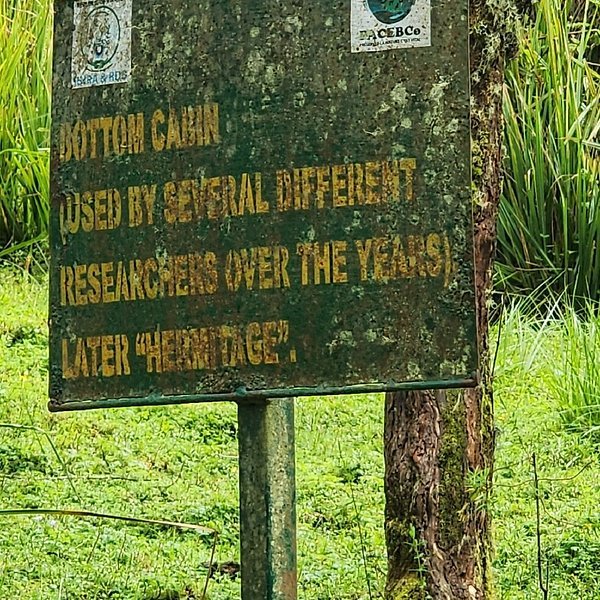
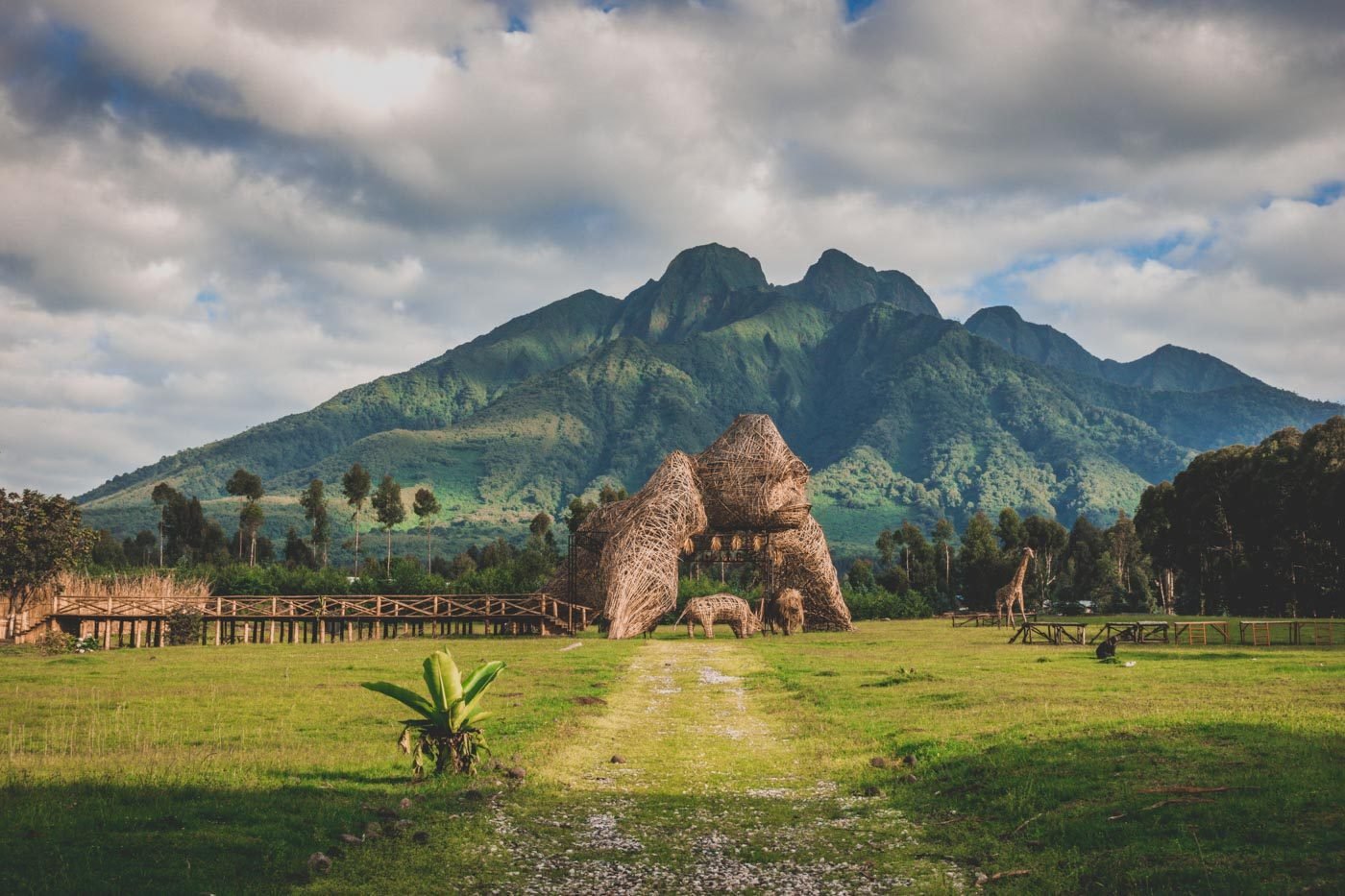
One of the most moving parts of the experience is reaching the area associated with Fossey’s life and final resting place. After her death in 1985, Fossey was buried at Karisoke near gorillas that had formed such an important part of her research and conservation work. The site has consequently become both a conservation landmark and a place of reflection for travelers interested in the history of mountain gorilla protection.
NextGen Safaris can incorporate this experience into a 4 Days Rwanda Gorilla Adventure or a longer itinerary, allowing visitors to experience both a modern gorilla trek and the historical landscape connected with the development of gorilla conservation.
Dian Fossey’s Legacy at Karisoke
The significance of the Karisoke research center cannot be separated from Dian Fossey, but its importance also extends far beyond one individual. Fossey established the foundation of long-term gorilla monitoring, yet generations of Rwandan trackers, researchers, scientists, veterinarians, park authorities and conservation professionals have continued and expanded the work.
This continuation is one of the most important aspects of the Karisoke story. Scientific conservation succeeds when knowledge accumulates across decades rather than disappearing when an individual researcher leaves. Gorilla births, deaths, group splits, changes in dominant silverbacks and movements between families can be understood more clearly because generations of observers have contributed to the same continuous body of information.
The long-term approach has also allowed researchers to answer questions that Fossey could not have answered during the earliest years of the project. Scientists can study reproductive success over generations, investigate the consequences of social change, examine health patterns and compare the behavior of animals whose parents and grandparents were also known individually.
Visitors joining gorilla trekking in Volcanoes National Park therefore enter an environment shaped by decades of scientific knowledge. The gorillas are not anonymous populations. Many individuals belong to family histories that have been documented over generations.
The Modern Karisoke Research Center and Ellen DeGeneres Campus
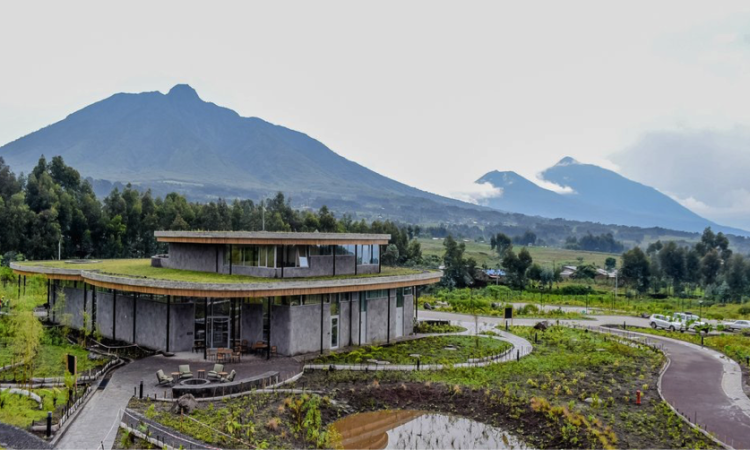
The modern chapter of the Karisoke research center is closely associated with the Ellen DeGeneres Campus of the Dian Fossey Gorilla Fund. The campus opened in February 2022 as a purpose-built permanent home for the Fossey Fund’s work in Rwanda. It was developed after a major lead gift from Ellen DeGeneres and Portia de Rossi and was designed to support research, education, conservation and public engagement on a scale impossible within the organization’s earlier rented facilities.
The architecture was designed by MASS Design Group and deliberately draws inspiration from Fossey’s original forest camp. Green roofs, locally sourced materials, connected paths and buildings integrated into the landscape create a campus intended to feel connected to the surrounding Virunga environment rather than isolated from it. The design has also been recognized for incorporating environmental, educational and community considerations.
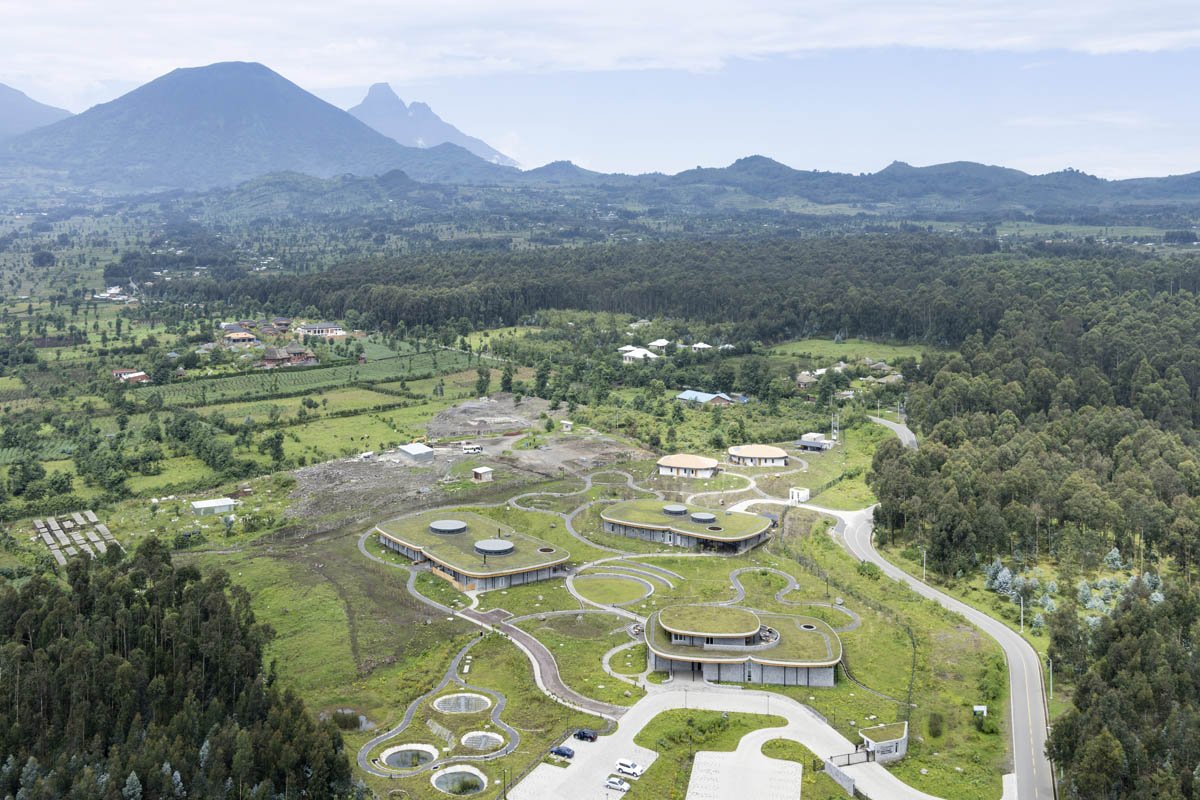
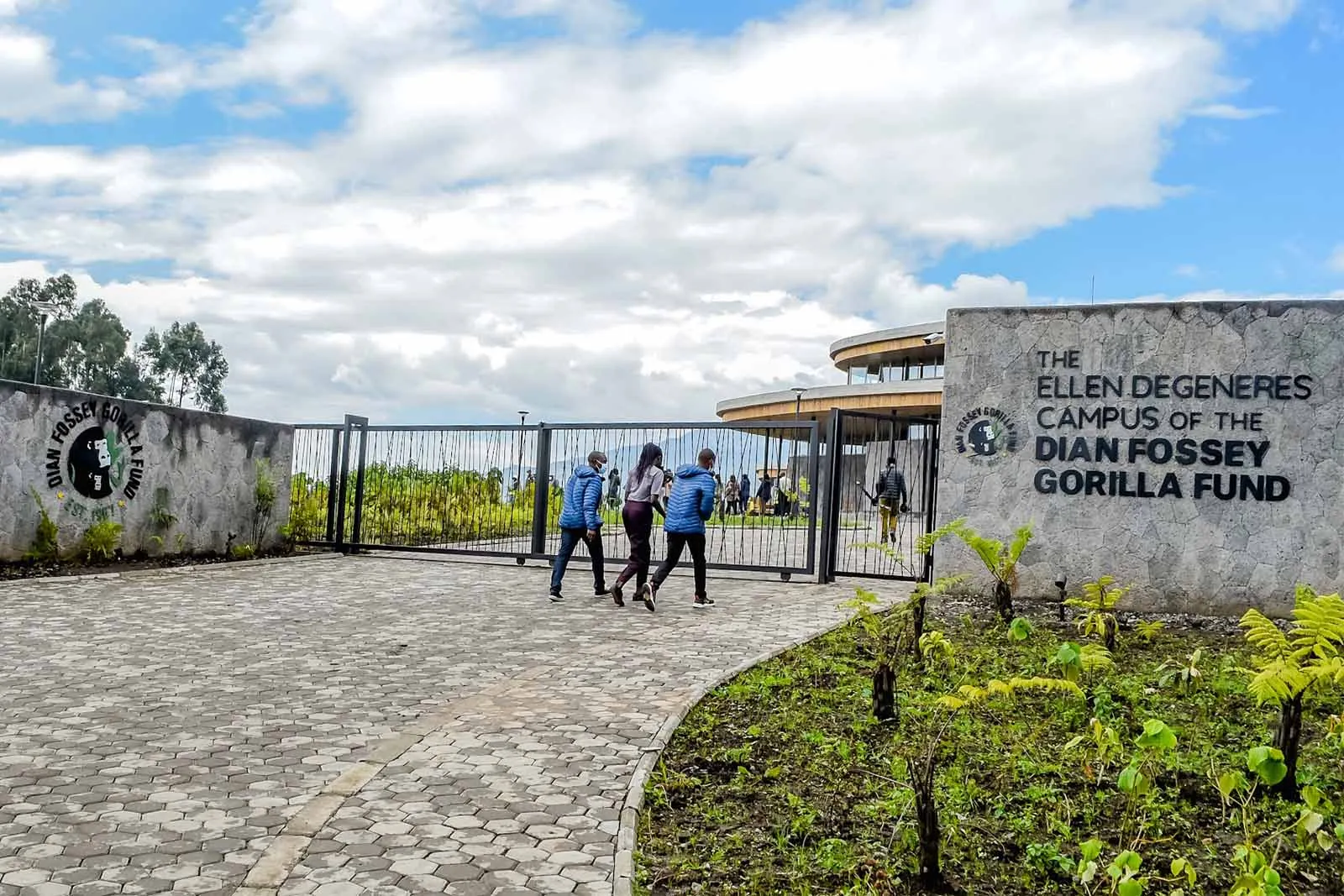
The campus contains research facilities, laboratories, educational spaces, student facilities and a public conservation gallery. For travelers, this creates a completely different experience from the historic Karisoke hike. Instead of hiking into the mountains to see the landscape where Fossey lived and worked, visitors to the modern campus can learn about gorilla biology, conservation history and contemporary science in an accessible educational environment.
This distinction is important when planning a Rwanda safari. The historic Karisoke site and the modern campus are complementary rather than interchangeable experiences.
Research Beyond Mountain Gorillas
Although mountain gorillas remain the most famous subject associated with Karisoke, research has expanded considerably beyond gorillas alone. Conservation scientists increasingly recognize that protecting one species requires understanding the entire ecosystem on which it depends.
The Fossey Fund has therefore studied biodiversity including birds, amphibians, vegetation and golden monkeys. Its biodiversity program has monitored organisms sharing gorilla habitat and examined ecological processes that influence the health of the wider forest environment.
This broader perspective is particularly important as ecosystems respond to human pressure, climate change, invasive species and habitat fragmentation. Gorillas may be the flagship species attracting international attention, but their survival ultimately depends on the health of the plants, soils, water systems and other wildlife surrounding them.
Travelers interested in experiencing another famous Virunga primate can combine their conservation visit with golden monkey trekking as part of a broader Rwanda primate safari.
Karisoke Research Center versus the Dian Fossey Hike
Travelers regularly ask whether visiting the modern Karisoke research center experience and taking the Dian Fossey hike are the same activity. They are not.
The modern Ellen DeGeneres Campus provides an accessible educational experience focused on conservation history, research methods, gorilla biology and the continuing work of the Fossey Fund. Visitors can explore exhibits without undertaking a strenuous mountain trek.
The Dian Fossey hike, by contrast, takes travelers into Volcanoes National Park toward the historic landscape associated with the original Karisoke camp and Fossey’s grave. The activity requires hiking through mountainous forest terrain and is therefore more physically demanding.
For travelers particularly interested in conservation history, doing both can be highly rewarding. Visiting the campus first provides intellectual context, while hiking into the original landscape afterward gives that history a powerful physical dimension.l Park Region
The Volcanoes National Park region is one of Rwanda’s most accessible major wildlife destinations. Most travelers begin in Kigali and travel north through Rwanda’s characteristic rolling landscape toward Musanze and Kinigi.
NextGen Safaris generally allows approximately two and a half to three hours for the road journey from Kigali toward the Volcanoes National Park area, depending on traffic, stops and the location of the accommodation. Our Rwanda Gorilla Trekking Guide explains the route, trekking logistics and accommodation planning in greater detail.
The modern Ellen Campus is positioned near the Volcanoes National Park tourism area, making it relatively easy to include within a gorilla itinerary. The historic Karisoke landscape requires a completely different arrangement because reaching it involves entering the national park on a guided hike.
When booking with NextGen Safaris, we can coordinate the timing so the conservation visit does not interfere with gorilla trekking briefings, permit schedules or longer transfers.
Photography at Karisoke and the Ellen Campus
The Karisoke story provides excellent photographic opportunities, although the type of photography differs dramatically between the modern campus and the historic mountain environment.
The Ellen Campus combines contemporary architecture with views toward Rwanda’s volcanoes. Its landscaped grounds, green roofs and integration into the surrounding environment make it particularly interesting for architectural and conservation photography.
The historic hike instead offers forest landscapes, bamboo, moss-covered vegetation and the atmospheric volcanic environment associated with Fossey’s life and research. Weather can change quickly, producing mist and cloud that often add to the character of photographs.
Travelers should always follow instructions regarding photography around exhibits, artifacts, research facilities and sensitive conservation areas. Inside the national park, ranger instructions take priority over photographic ambitions.
Accommodation Near Karisoke and Volcanoes National Park
The Volcanoes National Park region offers accommodation ranging from comfortable locally operated hotels to some of Africa’s most celebrated luxury gorilla lodges.
Travelers who want a high-end conservation-focused journey may choose properties such as Wilderness Bisate, Singita Kwitonda, One&Only Gorilla’s Nest or other luxury lodges surrounding the park. Mid-range and more affordable accommodation is also available around Musanze and Kinigi.
The correct lodge should be chosen according to the entire itinerary rather than appearance alone. Distance from the morning gorilla briefing point, road access, planned activities and the number of nights in the region all matter.
Our Luxury Gorilla Trekking Safaris and Rwanda Gorilla Trekking Guide can help travelers compare different styles of accommodation before designing a private itinerary.
How Many Days Should You Spend Around Karisoke?
Travelers whose only objective is the modern conservation campus can incorporate it within a relatively short Volcanoes National Park visit. However, anyone wanting gorilla trekking, the historic Dian Fossey hike and time to appreciate the region should allow several nights.
A three-day journey can comfortably focus on Kigali, Volcanoes National Park and one major gorilla trek, while a four-day safari provides greater flexibility for an additional conservation or hiking experience. Longer journeys can include golden monkeys, a second gorilla trek, Lake Kivu or another Rwandan national park.
Our 4 Days Rwanda Gorilla Adventure provides a useful starting point, while travelers wanting multiple gorilla encounters across borders can consider the 7 Days Triple Gorilla Trekking Safari.
The important principle is not to overcrowd every day. Conservation experiences are more meaningful when travelers have enough time to absorb what they have learned rather than moving immediately to another destination.
Why Visit Karisoke Research Center with NextGen Safaris?
NextGen Safaris can connect the story of Karisoke with the wider Rwanda safari rather than treating it as an isolated attraction. Our team can arrange your private transfers, accommodation, gorilla trekking logistics and additional activities around Volcanoes National Park.
Travelers particularly interested in history can combine the modern campus with the Dian Fossey hike. Wildlife-focused visitors can make gorilla trekking in Rwanda the centerpiece of the journey before visiting the conservation campus for deeper scientific context.
Luxury travelers can combine the experience with premium accommodation through our Luxury Gorilla Trekking Safaris, while first-time visitors can use our Rwanda Travel Guide to expand the journey beyond Volcanoes National Park.
Working with a local gorilla trekking company in Rwanda also makes it easier to coordinate activity timing, transport and changing permit requirements within one itinerary.
Frequently Asked Questions About Karisoke Research Center
1. What is the Karisoke research center?
The Karisoke research center is one of the most important mountain gorilla research and conservation programs in Rwanda. It was founded by Dian Fossey in 1967 between Mount Karisimbi and Mount Bisoke in the Virunga Mountains. The center became internationally known for long-term studies of mountain gorilla behavior, family structure, conservation and protection.
2. Who founded the Karisoke research center?
The Karisoke research center was founded by American primatologist Dian Fossey in September 1967. She established the original research camp in the forest between Mount Karisimbi and Mount Bisoke and created the name “Karisoke” by combining parts of the names of the two volcanoes.
3. Where is the Karisoke research center located?
The historic Karisoke research site is located inside the Volcanoes National Park region of northern Rwanda. The modern research and conservation activities of the Dian Fossey Gorilla Fund are supported from the Ellen DeGeneres Campus near Volcanoes National Park.
4. Can tourists visit the Karisoke research center?
Yes. Travelers can visit the modern conservation campus and learn about gorilla research, Dian Fossey and mountain gorilla conservation. Those interested in the historic Karisoke site can also take the Dian Fossey hike into Volcanoes National Park.
5. Is the Karisoke research center still operating today?
Yes. The Karisoke research program continues through the Dian Fossey Gorilla Fund, although the original forest camp is no longer used as the main operational headquarters. Modern research, conservation, education and training activities are now supported from the Ellen DeGeneres Campus near Volcanoes National Park.
6. Why is the Karisoke research center important?
The Karisoke research center is important because it has contributed decades of continuous scientific information about mountain gorillas. Researchers have documented births, deaths, family relationships, dominant silverbacks, group changes, health and behavior, helping conservationists understand how best to protect mountain gorilla populations.
7. What is the connection between Dian Fossey and Karisoke research center?
Dian Fossey founded the Karisoke research center and spent many years studying mountain gorillas in Rwanda. Her research changed the way scientists understood gorilla behavior and helped draw international attention to the need for mountain gorilla conservation.
8. What does the name Karisoke mean?
The name Karisoke comes from Mount Karisimbi and Mount Bisoke. Dian Fossey used “Kari” from Karisimbi and “soke” from Bisoke when naming the research camp she established between the two volcanoes.
9. Can I combine Karisoke research center with gorilla trekking?
Yes. Visiting the Karisoke research center can be combined with gorilla trekking in Rwanda. This is one of the best ways to understand both the scientific history of mountain gorillas and the actual experience of observing them in Volcanoes National Park.
10. What is the difference between Karisoke research center and the Dian Fossey hike?
The modern Karisoke research experience focuses on conservation education, scientific research and the work of the Dian Fossey Gorilla Fund. The Dian Fossey hike takes visitors through Volcanoes National Park toward the historic Karisoke area and Fossey’s gravesite.
11. How difficult is the hike to the historic Karisoke research center?
The historic Karisoke hike can be moderately challenging because it passes through mountainous forest terrain, uneven trails and areas that may become muddy during wet weather. Visitors should have reasonable fitness, wear strong hiking shoes and consider hiring a porter for additional support.
12. How far is Karisoke research center from Kigali?
The Volcanoes National Park region is approximately two and a half to three hours by road from Kigali, depending on traffic, road conditions and the location of your accommodation. NextGen Safaris can arrange private transport from Kigali to the Karisoke and gorilla trekking region.
13. What can visitors learn at the modern Karisoke research center?
Visitors can learn about mountain gorilla biology, Dian Fossey’s research, conservation history, gorilla family structures, scientific monitoring, biodiversity and the work being done to protect gorillas and their habitat. The modern campus also includes educational exhibits and conservation displays.
14. How many days do I need to visit Karisoke research center and gorilla trek?
A three- or four-day Rwanda itinerary is ideal for travelers who want to combine the Karisoke research center with gorilla trekking. Additional days can be added for the Dian Fossey hike, golden monkey trekking, Lake Kivu or other Rwanda safari experiences.
15. How do I book a Karisoke research center and gorilla safari with NextGen Safaris?
You can book a customized Karisoke research center and gorilla safari by sharing your preferred travel dates, number of travelers and activities you want to include. NextGen Safaris can arrange private transportation, accommodation, gorilla trekking logistics and additional conservation experiences through the NextGen Safaris booking page.
Plan Your Karisoke Research Center and Gorilla Safari
The Karisoke research center tells one of the most remarkable conservation stories in Africa. What began with two tents between Mount Karisimbi and Mount Bisoke in 1967 developed into decades of continuous mountain gorilla science, protection and education. Dian Fossey’s pioneering work helped establish the foundation, but generations of trackers, scientists, conservationists and Rwandan professionals have carried that work far beyond its beginnings.
Today, visitors can experience two different sides of that legacy. The historic forest landscape allows adventurous travelers to hike toward the place where Fossey established Karisoke and where she was eventually buried. The modern Ellen DeGeneres Campus shows how gorilla research has evolved into a sophisticated conservation program combining laboratories, education, biodiversity science, community engagement and public interpretation.
Combining these experiences with mountain gorilla trekking creates one of the richest ways to understand Rwanda’s Volcanoes National Park. You do not simply see gorillas for an hour. You begin to understand how individual gorillas became known to science, why their families are continuously monitored and how decades of field research contributed to one of Africa’s most important wildlife conservation efforts.
Start with our 3 Days Mountain Gorilla Trekking in Rwanda, extend the journey with the Dian Fossey hike, explore our complete Gorilla Trekking in Rwanda Guide or choose a more exclusive experience through our Luxury Gorilla Trekking Safaris.
With NextGen Safaris, the Karisoke research center can become more than a brief stop on your Rwanda itinerary. It can become the historical and scientific thread connecting your entire gorilla journey—from the earliest days of Dian Fossey’s field research to the sophisticated conservation work protecting mountain gorillas today.