
Kibira National Park Safari
Ultimate Kibira National Park Safari: Discover Burundi’s Ancient Rainforest Paradise
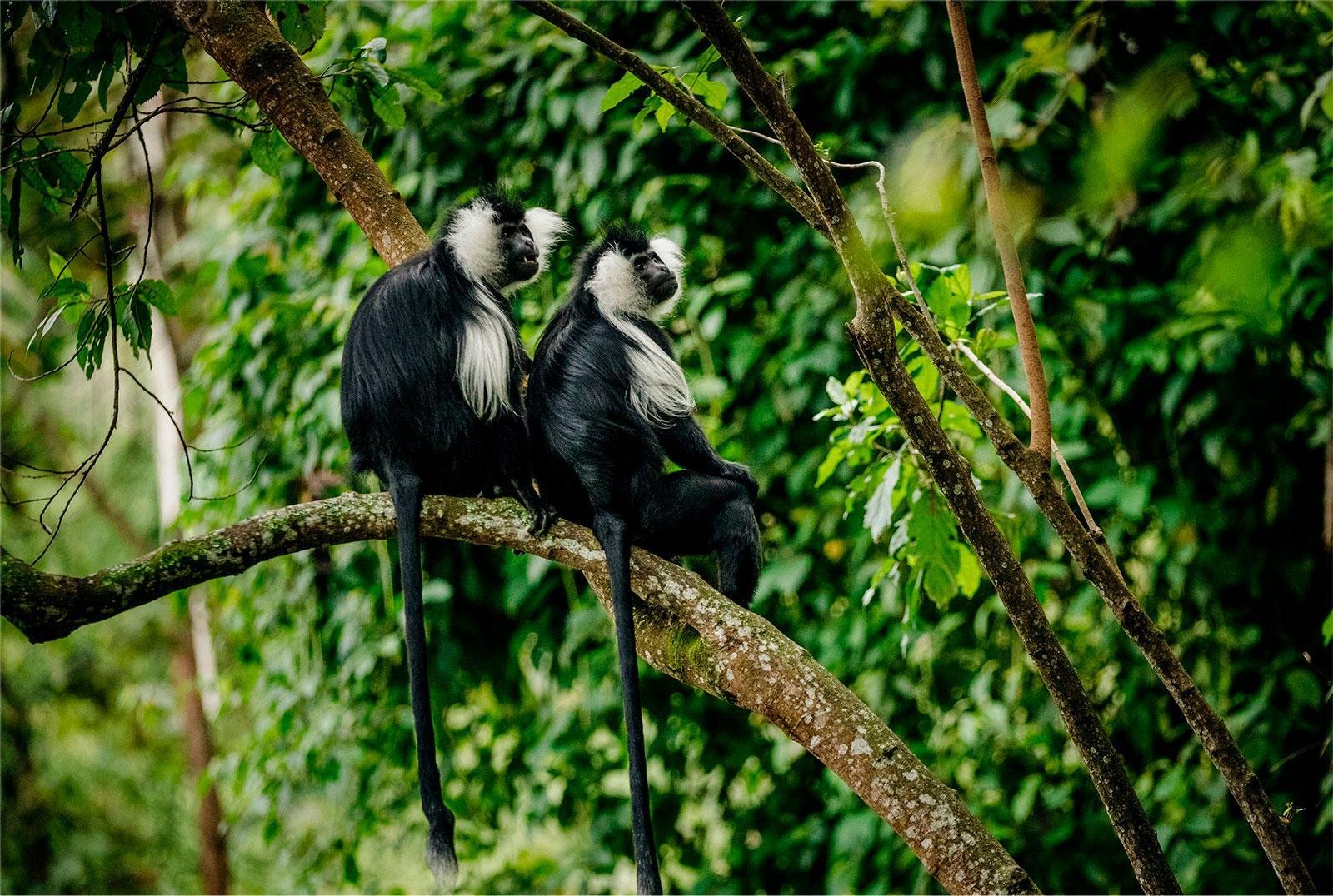
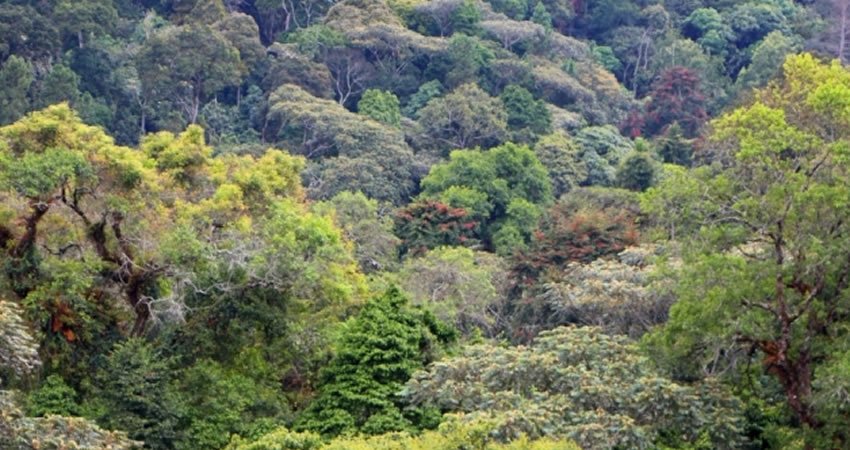
Kibira National Park Safari offers travelers an extraordinary opportunity to explore one of Burundi’s most important natural treasures, a vast tropical rainforest filled with incredible biodiversity, breathtaking landscapes, unique wildlife, and unforgettable nature experiences. Located in the northwestern highlands of Burundi, Kibira National Park protects one of the country’s largest remaining rainforest ecosystems and provides a peaceful escape for travelers searching for authentic African adventures away from crowded tourist destinations.
Stretching across the mountainous regions near the Congo-Nile Divide, Kibira National Park is often described as the green heart of Burundi. The park’s ancient forests, mist-covered hills, flowing streams, and rich ecosystems create a remarkable environment where visitors can reconnect with nature and discover the hidden beauty of one of East Africa’s lesser-known destinations.
A Kibira National Park Safari is different from traditional African safaris focused mainly on large mammals. Instead, it offers a deeper exploration of rainforest environments through guided forest walks, bird watching, primate encounters, nature photography, and cultural experiences. The park provides travelers with the chance to discover rare species, experience untouched wilderness, and learn about Burundi’s conservation efforts.
For visitors exploring the Best Places to Visit in Burundi, Kibira National Park is an essential destination. Whether included in a Burundi Safari Package, combined with Lake Tanganyika and cultural attractions, or added to a wider East African adventure, this incredible rainforest offers an authentic and memorable experience.
Discovering the Beauty of Kibira National Park
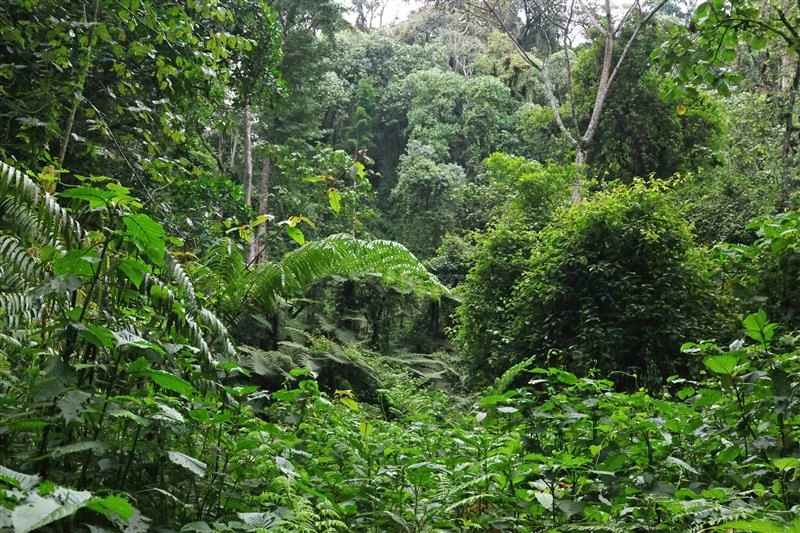
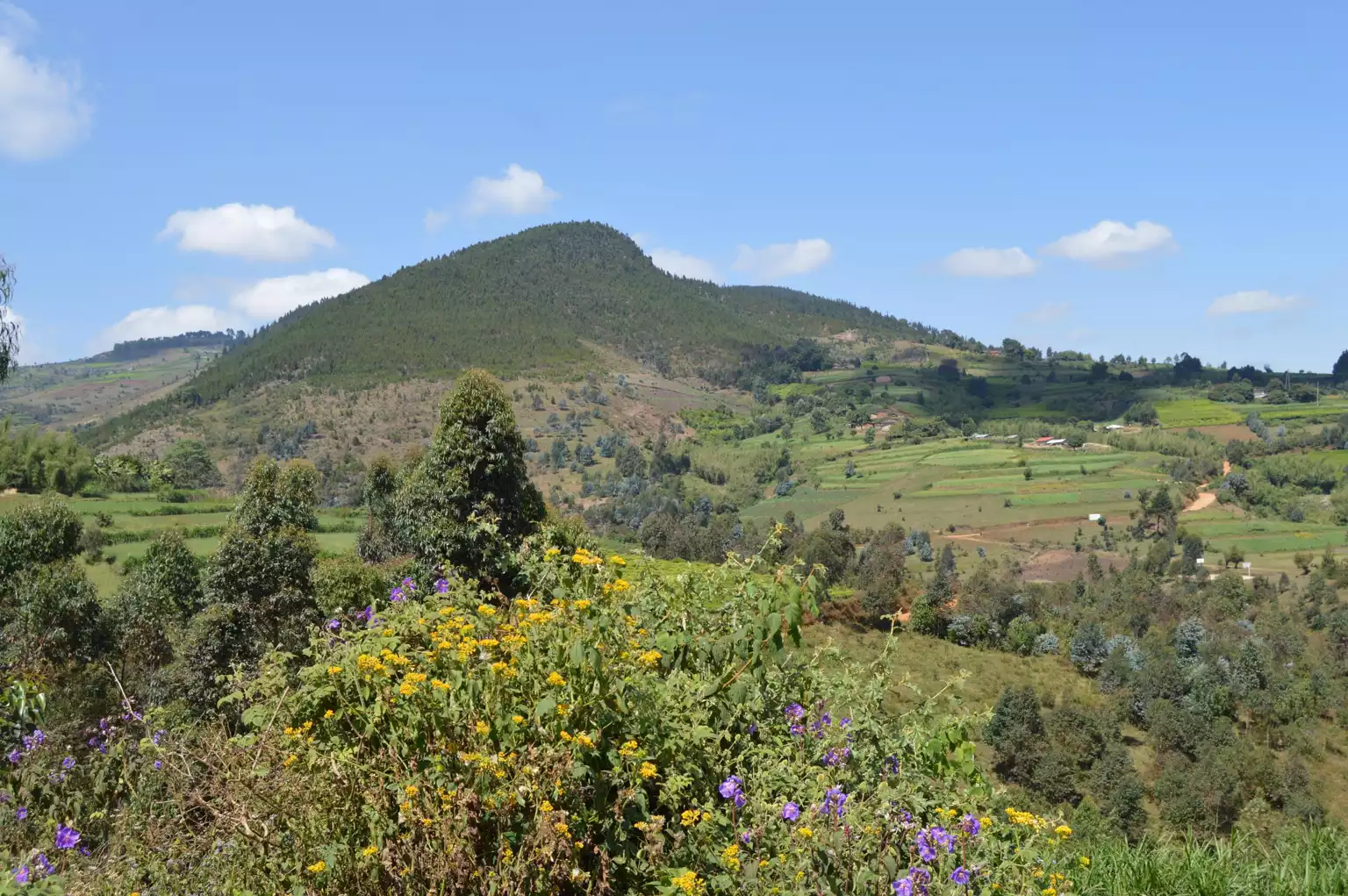
A Kibira National Park Safari introduces visitors to one of Burundi’s most impressive natural landscapes. Covering approximately 400 square kilometers, the park is characterized by dense montane rainforest, rolling hills, valleys, and beautiful scenery shaped by thousands of years of natural evolution.
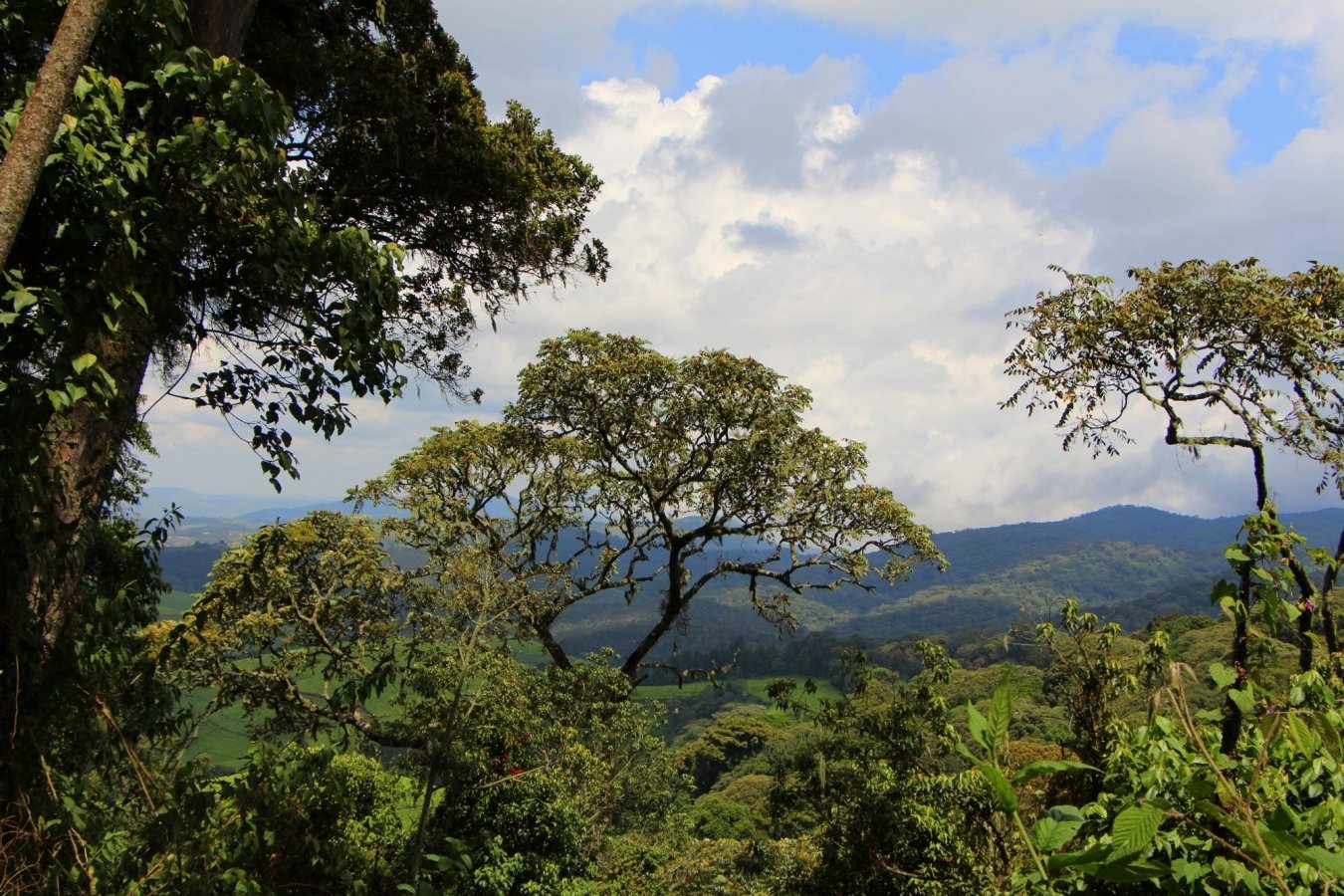
The park’s location along the Congo-Nile Divide gives it exceptional ecological importance. The high-altitude rainforest environment creates ideal conditions for a wide variety of plants, animals, and bird species. Walking through Kibira feels like entering another world, where ancient trees rise above forest trails, streams flow through the vegetation, and the sounds of birds and wildlife surround visitors.
Unlike heavily visited national parks in other parts of East Africa, Kibira offers a quiet and exclusive experience. Travelers can explore the forest at a relaxed pace, enjoying the peaceful atmosphere and discovering nature without large crowds.
The untouched character of Kibira National Park makes every visit unique. Each forest walk provides opportunities to observe different aspects of the ecosystem, from colorful birds flying through the canopy to primates moving through the trees and rare plant species growing along the trails.
Wildlife Experiences During a Kibira National Park Safari
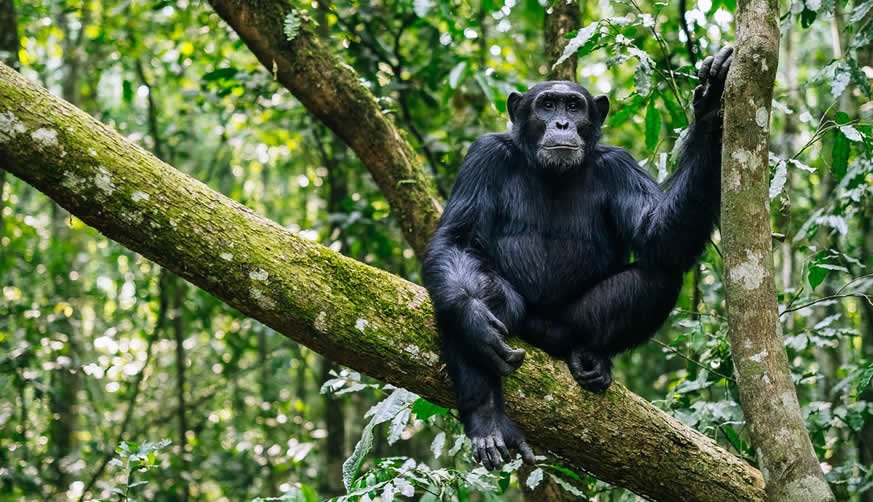

A Kibira National Park Safari provides visitors with opportunities to discover Burundi’s incredible forest biodiversity. While the park does not offer the large concentrations of wildlife found in traditional savannah destinations, its rainforest environment supports a fascinating variety of species that make every visit rewarding.
The park is home to several primate species, including chimpanzees and different types of monkeys. Although chimpanzee encounters in Kibira are more challenging and less developed compared to destinations such as Kibale National Park in Uganda, the possibility of discovering primates within this ancient forest adds excitement to the experience.
Forest elephants are also historically associated with Kibira’s ecosystem, although sightings are rare due to their movements and the dense nature of the rainforest. Other wildlife species found within and around the park include small mammals, forest antelopes, and various reptiles.
The real highlight of wildlife exploration in Kibira is the opportunity to experience a living rainforest ecosystem. Every trail offers discoveries, from animal tracks and forest sounds to hidden creatures that represent the incredible biodiversity of Burundi.
Bird Watching in Kibira National Park
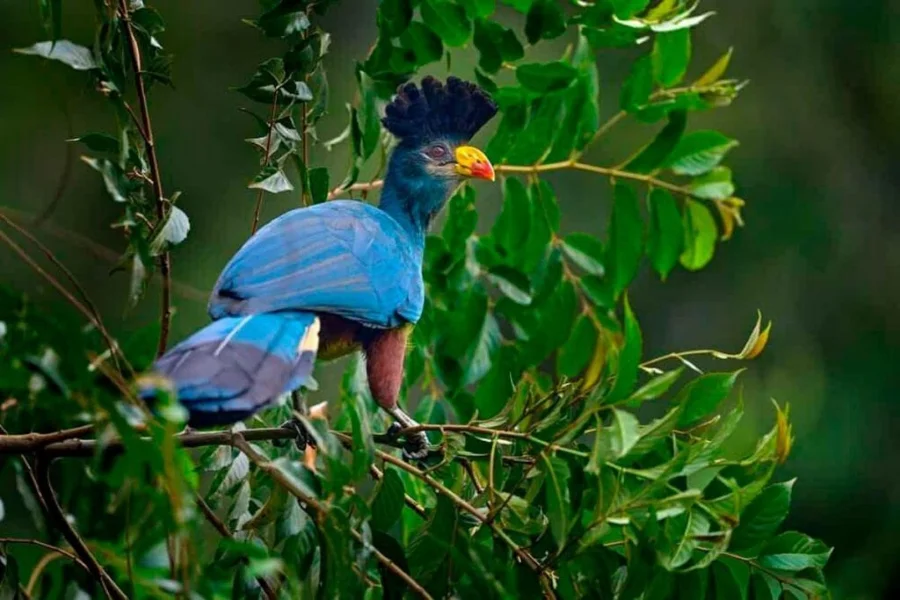
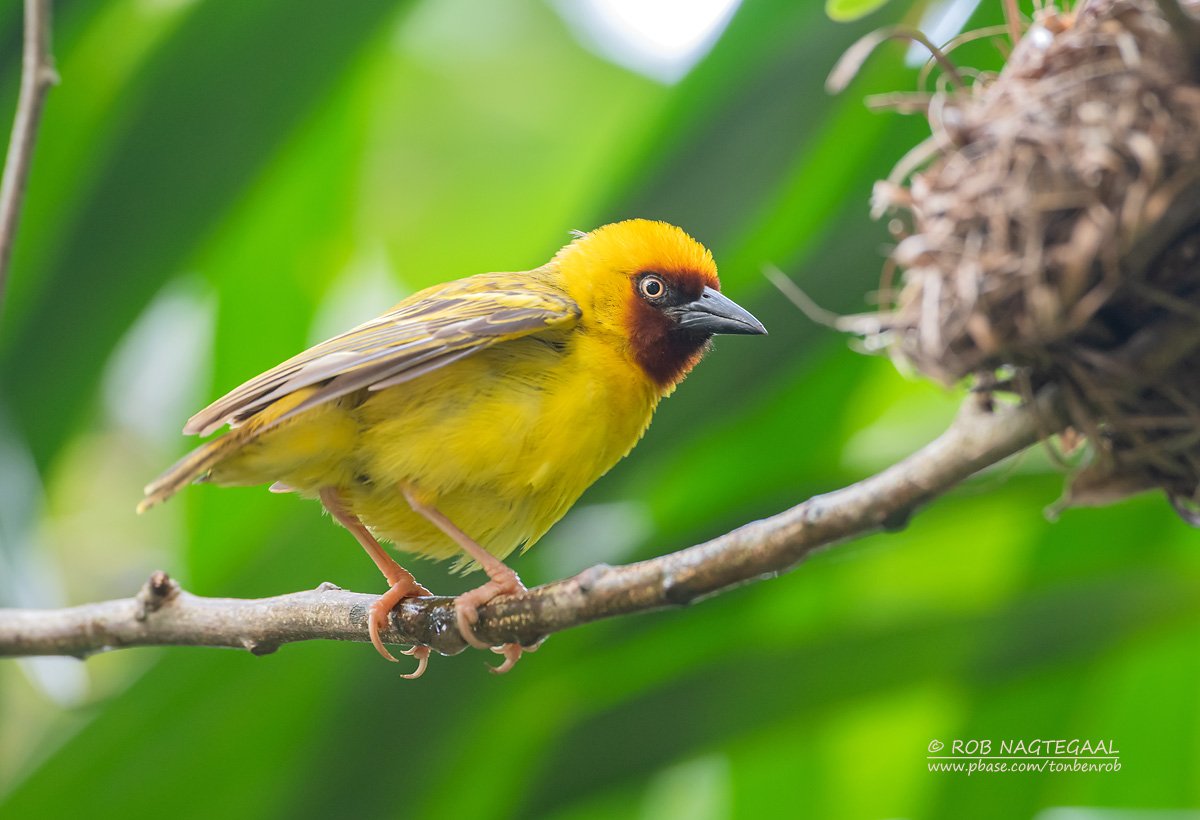
Bird lovers will find a Kibira National Park Safari especially rewarding because the park protects one of Burundi’s most important bird habitats. The combination of rainforest, mountain landscapes, and diverse vegetation supports many bird species, including forest specialists that are difficult to find in other environments.
Walking through Kibira’s trails allows visitors to listen to the sounds of the forest while searching for colorful birds moving through the canopy. The peaceful environment and limited human disturbance create excellent conditions for bird photography and observation.
The park’s bird diversity makes it an attractive destination for photographers, researchers, and nature enthusiasts who appreciate discovering rare and beautiful species. Experienced local guides help visitors identify different birds and understand their importance within the forest ecosystem.
For travelers who enjoy combining wildlife with photography and nature exploration, Kibira National Park provides one of the most rewarding experiences in Burundi.
Forest Hiking and Nature Walks in Kibira National Park
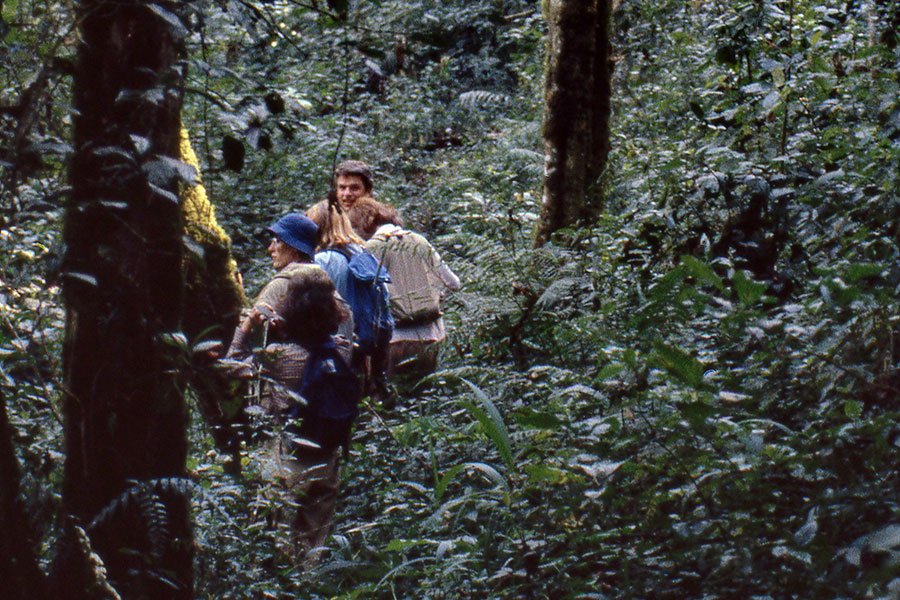
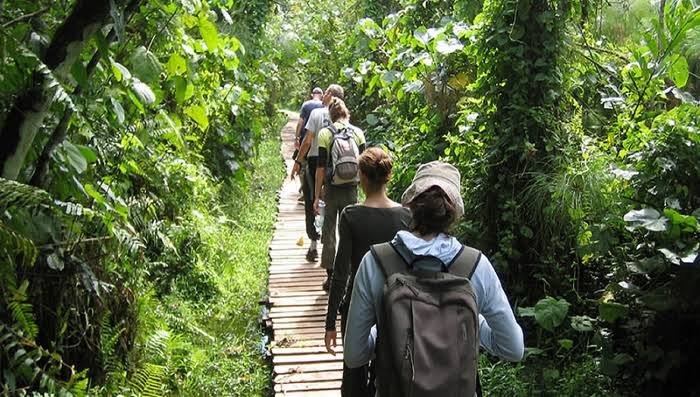
One of the main highlights of a Kibira National Park Safari is exploring the rainforest on foot. Guided nature walks allow visitors to experience the forest at a slower pace, discovering details that are often missed during traditional wildlife viewing.
The hiking experience takes travelers through beautiful forest trails surrounded by ancient trees, green vegetation, streams, and mountain scenery. The cool highland climate makes walking through Kibira comfortable while providing incredible opportunities for photography and nature observation.
During guided walks, visitors learn about the different plant species, traditional uses of forest resources, wildlife habitats, and conservation efforts protecting the park. The experience is not only about seeing wildlife but also understanding the importance of preserving these ecosystems.
For adventure travelers, hiking through Kibira offers a genuine wilderness experience where exploration, discovery, and connection with nature come together.
Cultural Experiences Around Kibira National Park
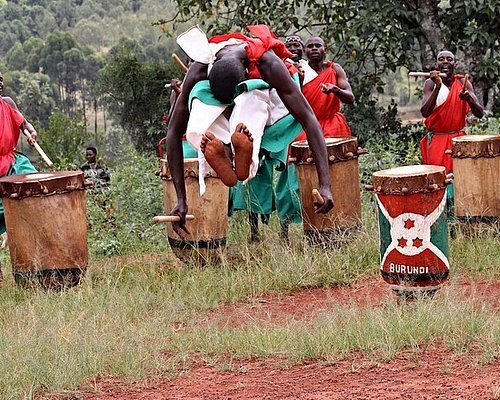
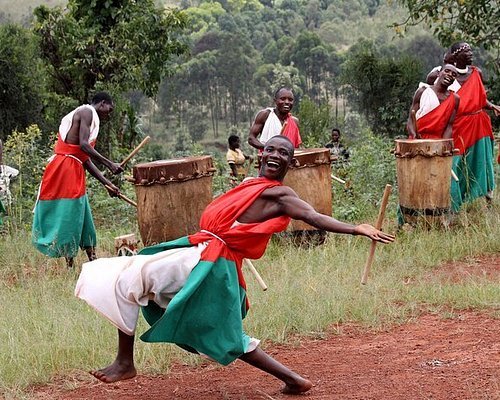
A Kibira National Park Safari can also include meaningful cultural experiences with communities living around the forest. The relationship between local people and the environment provides visitors with insight into traditional lifestyles, conservation challenges, and Burundian culture.
Communities surrounding Kibira have developed strong connections with the forest over generations. Visitors can learn about local traditions, agriculture, crafts, and daily life while experiencing the warmth and hospitality of Burundian communities.
Responsible tourism plays an important role in supporting these communities by creating opportunities through guiding services, accommodation, and cultural experiences. By visiting Kibira, travelers contribute to conservation efforts and sustainable tourism development.
Combining rainforest exploration with cultural interaction creates a more complete journey, allowing visitors to understand both the natural and human stories connected to this remarkable region.
Best Time for a Kibira National Park Safari
A Kibira National Park Safari can be enjoyed throughout the year, although the best time to visit depends on your preferred activities and travel plans. Many travelers prefer the drier periods because forest trails are generally easier to navigate, and outdoor activities such as hiking and photography are more comfortable.
The wetter months bring their own advantages, especially for nature lovers who enjoy lush landscapes, vibrant vegetation, and excellent opportunities for bird watching. During this period, the rainforest becomes even more beautiful as streams flow strongly and the vegetation becomes greener.
Because Kibira is a rainforest destination, visitors should always be prepared for changing weather conditions. Rain can occur at any time, making waterproof clothing and suitable hiking equipment important parts of preparation.
The unique beauty of Kibira means every season offers a different perspective of the forest and its incredible ecosystem.
Accommodation for Kibira National Park Safari
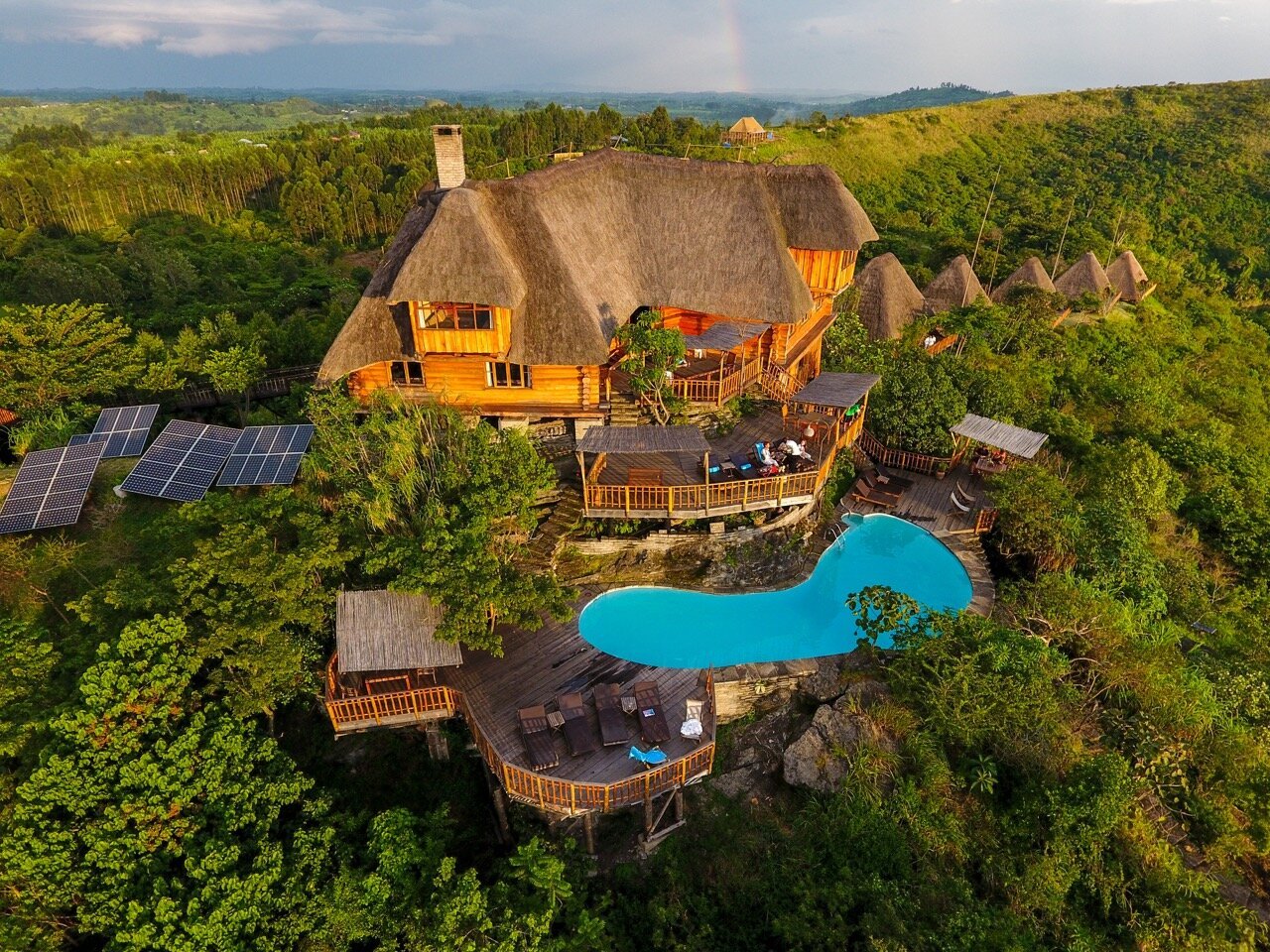
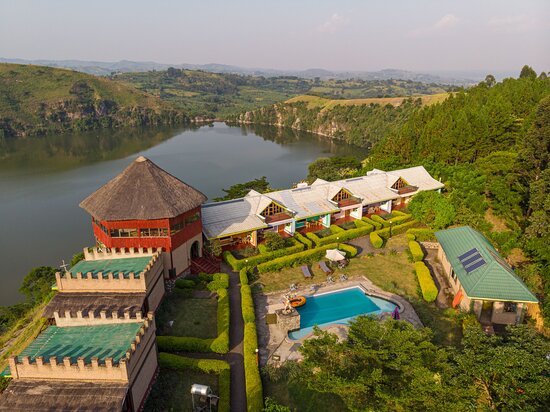
Accommodation during a Kibira National Park Safari depends on the style of experience you want and the rest of your Burundi itinerary. Travelers can choose comfortable hotels in nearby towns, especially around Bujumbura, or accommodation options that provide convenient access to the park and surrounding attractions.
Many visitors combine Kibira with other Burundi destinations, staying in Bujumbura before or after their forest adventure. This allows easy access to Lake Tanganyika, Rusizi National Park, cultural attractions, and other highlights of the country.
At Nextgen Safaris, we carefully select accommodation based on location, comfort, quality, and your preferred travel style. Whether you prefer a simple nature-focused stay or a more comfortable safari experience, we help create an itinerary that allows you to enjoy Kibira National Park at its best.
Frequently Asked Questions About Kibira National Park Safari
1. What makes a Kibira National Park Safari unique?
A Kibira National Park Safari is unique because it offers travelers the opportunity to explore one of Burundi’s most important rainforest ecosystems through authentic nature experiences. Unlike traditional savannah safaris focused mainly on large animals, Kibira provides a deeper connection with nature through forest hiking, bird watching, primate encounters, photography, and conservation experiences.
The park’s ancient rainforest, misty mountains, peaceful trails, and rich biodiversity create an unforgettable adventure for travelers looking for an off-the-beaten-path African experience. A visit to Kibira allows you to discover a quieter side of East Africa while exploring one of Burundi’s most valuable natural treasures.
2. Where is Kibira National Park located?
Kibira National Park is located in northwestern Burundi, stretching across the highlands along the Congo-Nile Divide. The park is situated near the border with Rwanda and covers a large area of montane rainforest that forms one of the country’s most important protected ecosystems.
Its location makes it possible to combine a Kibira National Park Safari with other Burundi attractions such as Bujumbura, Lake Tanganyika, Rusizi National Park, and cultural destinations around Gitega. Travelers can also include Kibira as part of a wider Great Lakes region itinerary.
3. What wildlife can I see during a Kibira National Park Safari?
A Kibira National Park Safari offers opportunities to observe a variety of rainforest wildlife, including primates, forest birds, small mammals, and other species adapted to the tropical forest environment.
The park is known for its primate populations, including chimpanzees and different monkey species. While wildlife sightings require patience because of the dense rainforest, the experience of exploring the natural habitat is one of the main highlights of visiting Kibira.
The park also supports numerous bird species, reptiles, butterflies, and unique plant species, making it a rewarding destination for nature lovers and photographers.
4. Can I see chimpanzees during a Kibira National Park Safari?
Yes, chimpanzees are found in Kibira National Park, and visitors may have opportunities to encounter them during guided forest experiences. However, chimpanzee trekking in Kibira is a more remote and less developed experience compared to dedicated chimpanzee destinations such as Kibale National Park in Uganda.
A Kibira National Park Safari focuses more broadly on rainforest exploration, where visitors enjoy the complete forest ecosystem rather than only searching for one specific species. The possibility of encountering chimpanzees adds excitement and adventure to the experience.
5. What activities can I do during a Kibira National Park Safari?
A Kibira National Park Safari offers several nature-based activities, including guided forest walks, hiking, bird watching, wildlife observation, nature photography, and cultural experiences with communities around the park.
Forest walks allow travelers to explore ancient trees, discover different plant species, listen to birds, and experience the peaceful atmosphere of the rainforest. Photography enthusiasts can capture beautiful landscapes, wildlife, and unique forest scenes.
The safari experience can also be combined with visits to nearby attractions, creating a complete Burundi adventure.
6. Is Kibira National Park suitable for first-time safari travelers?
Yes, Kibira National Park is suitable for first-time safari travelers, especially those interested in nature, forests, and authentic experiences. Visitors do not need previous safari experience to enjoy the park because professional guides provide assistance throughout the journey.
A Kibira National Park Safari is especially rewarding for travelers who appreciate quieter destinations, hiking, photography, and learning about ecosystems. Proper preparation, including suitable clothing and comfortable hiking shoes, helps ensure an enjoyable experience.
7. How difficult is hiking during a Kibira National Park Safari?
The difficulty of hiking during a Kibira National Park Safari depends on the trail selected, weather conditions, and individual fitness level. Because the park is located in mountainous rainforest terrain, visitors should expect uneven paths, slopes, and changing conditions.
Most travelers with moderate fitness can enjoy guided walks with proper preparation. Wearing comfortable hiking shoes, carrying water, and following the guidance of local guides helps make the experience safer and more enjoyable.
The effort required is rewarded with beautiful forest scenery, wildlife encounters, and the feeling of exploring a true wilderness environment.
8. What is the best time to visit Kibira National Park?
Kibira National Park can be visited throughout the year, but many travelers prefer the drier months when forest trails are generally easier to explore. These periods are ideal for hiking, photography, and comfortable outdoor activities.
The wetter months also provide a beautiful experience because the rainforest becomes greener and more vibrant. Bird watchers and photographers may enjoy this season because of the lush landscapes and increased activity within the forest.
The best time for your Kibira National Park Safari depends on your travel plans and the type of experience you want to enjoy.
9. How many days do I need for a Kibira National Park Safari?
A short Kibira National Park Safari can be completed within one or two days, allowing travelers to experience guided forest walks and nature exploration. However, spending additional time in the region provides a more relaxed experience and allows you to combine Kibira with other Burundi attractions.
A longer Burundi itinerary may include Kibira National Park, Lake Tanganyika, Rusizi National Park, Bujumbura, and cultural sites. This allows travelers to experience the country’s diverse landscapes and traditions.
10. What should I pack for a Kibira National Park Safari?
Travelers visiting Kibira National Park should pack comfortable hiking clothing, waterproof jackets, sturdy hiking shoes, insect repellent, a camera, binoculars, sunscreen, and personal essentials.
Because the park is a rainforest environment, weather conditions can change quickly. Waterproof clothing and suitable footwear are especially important for enjoying forest walks comfortably.
Preparing correctly ensures that your Kibira National Park Safari is enjoyable regardless of the weather conditions.
11. Can families visit Kibira National Park?
Yes, families can enjoy a Kibira National Park Safari, especially those interested in nature, outdoor exploration, and educational experiences. Children who enjoy wildlife, forests, and adventure can appreciate discovering the rainforest environment and learning about conservation.
Family itineraries can be customized with suitable activities and comfortable pacing to ensure everyone enjoys the experience. A professional guide helps make the journey informative, safe, and enjoyable for all ages.
12. What accommodation options are available for a Kibira National Park Safari?
Accommodation for a Kibira National Park Safari includes comfortable hotels, guesthouses, and lodges located near the park or in nearby towns. Many travelers choose accommodation around Bujumbura or other convenient locations depending on their itinerary.
The best accommodation choice depends on your travel style, budget, and whether you are combining Kibira with other destinations in Burundi. Comfortable accommodation allows visitors to relax after exploring the rainforest.
13. Can I combine Kibira National Park Safari with Lake Tanganyika?
Yes, combining a Kibira National Park Safari with Lake Tanganyika creates one of the best Burundi travel experiences. The two destinations provide a perfect balance between rainforest adventure and lakeside relaxation.
After exploring the forests of Kibira, travelers can enjoy the beaches, boat experiences, and beautiful scenery of Lake Tanganyika. This combination allows visitors to experience the natural diversity of Burundi.
14. Is a Kibira National Park Safari safe for international visitors?
Yes, a Kibira National Park Safari is safe when organized with experienced guides and proper planning. Visitors are accompanied by knowledgeable local guides who understand the park, trails, wildlife, and recommended travel procedures.
Traveling with a professional safari company ensures reliable transportation, suitable accommodation, and a well-organized experience from start to finish.
15. How can I book a Kibira National Park Safari with Nextgen Safaris?
Booking a Kibira National Park Safari with Nextgen Safaris allows you to explore Burundi’s rainforest beauty with expert planning and local support. Our team creates customized itineraries based on your interests, available time, accommodation preferences, and budget.
We arrange transportation, accommodation, guided experiences, and connections with other Burundi destinations such as Lake Tanganyika, Rusizi National Park, and cultural attractions.
Contact Nextgen Safaris today and start planning your unforgettable Kibira National Park Safari to discover one of Burundi’s most beautiful hidden natural treasures.
Book Your Kibira National Park Safari with Nextgen Safaris
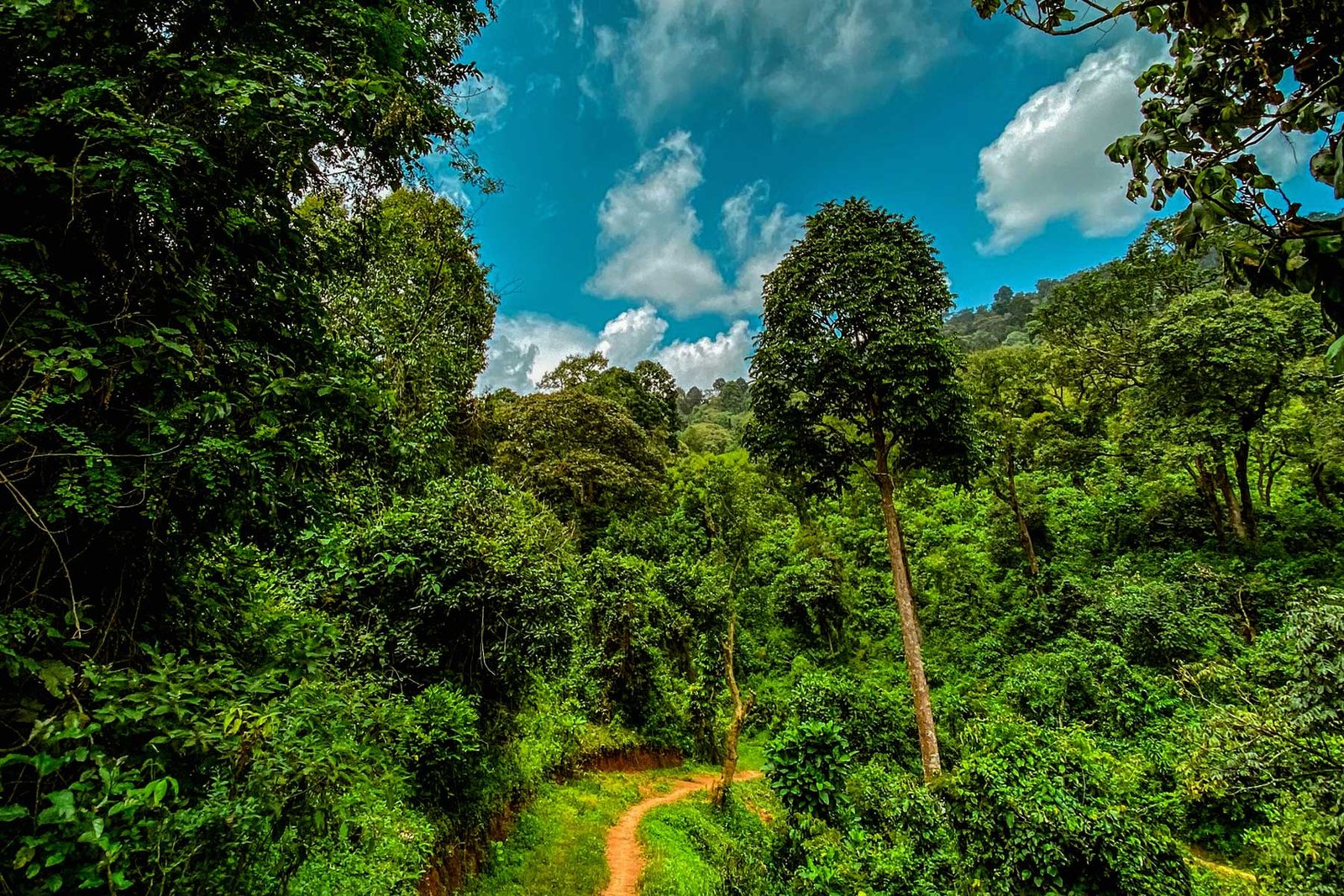
A Kibira National Park Safari is an opportunity to discover one of Burundi’s most beautiful and untouched natural destinations. From ancient rainforest landscapes and incredible biodiversity to cultural connections and peaceful hiking experiences, Kibira offers a unique African adventure unlike any other.
At Nextgen Safaris, we create customized Burundi safari experiences designed around your interests, travel dates, and preferred level of comfort. Our team organizes transportation, accommodation, guides, and activities to ensure a smooth and memorable journey.
Whether you want to explore Kibira as part of a complete Burundi Safari Package or combine it with Lake Tanganyika, Rwanda, Uganda, or other East African destinations, we can design an unforgettable itinerary tailored to your expectations.