
Lake Mburo National Park Tours – The Complete Safari Guide
Lake Mburo National Park Tours offer a very different safari experience compared to Uganda’s larger and more famous parks. While destinations like Murchison Falls National Park and Queen Elizabeth National Park are known for vast landscapes and high predator densities, Lake Mburo National Park delivers intimacy, accessibility, and activity diversity in a compact and highly rewarding setting.
Located in western Uganda, Lake Mburo National Park is the closest savannah park to Kampala and Entebbe. The drive typically takes four to five hours from the capital, making Lake Mburo National Park Tours the most convenient true wildlife safari experience for travelers with limited time. For international visitors arriving late or departing early, the park fits perfectly into short Uganda itineraries without requiring domestic flights or long transfer days.
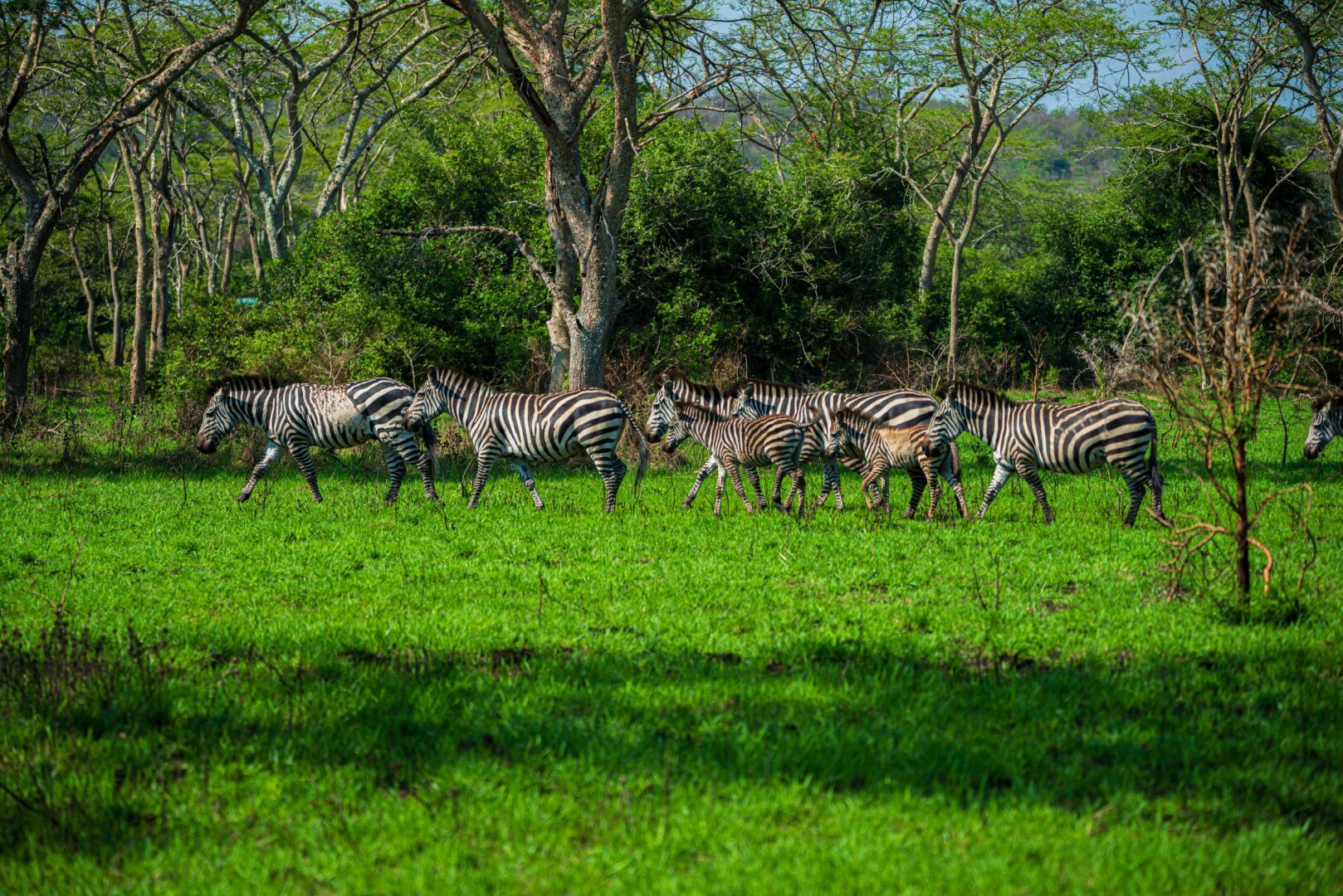
What makes Lake Mburo truly unique is not just its proximity. It is the only national park in Uganda where you can see large herds of zebra roaming freely across open grasslands. These Burchell’s zebras form one of the park’s signature wildlife highlights and are often the first animals visitors encounter during Lake Mburo National Park Tours. The presence of zebras alone distinguishes the park from others in Uganda and adds a classic East African safari aesthetic that many travelers associate with the Serengeti National Park or Maasai Mara National Reserve.
2026-2030 Lake Mburo National Park Tours and Safari Packages
2 Days Lake Mburo National Park Tours – Quick Zebra Safari
Ideal express safari featuring a productive game drive for zebras, giraffes and antelope, plus a calm Lake Mburo boat cruise for hippos and crocodiles.
3 Days Lake Mburo National Park Tours – Game Drive, Boat & Walking Safari
Enjoy Lake Mburo at a relaxed pace with multiple game drives, a boat safari, and a guided walking safari for close-up savannah immersion.
4 Days Lake Mburo National Park Tours + Queen Elizabeth Wildlife Safari
Combine Lake Mburo zebra encounters with Queen Elizabeth game drives and the famous Kazinga boat cruise for big wildlife and water-based viewing.

5 Days Lake Mburo National Park Tours + Bwindi Gorilla Trekking
Start with Lake Mburo game drives and boat safari, then continue to Bwindi for a once-in-a-lifetime mountain gorilla trekking experience.
6 Days Lake Mburo National Park Tours + Queen Elizabeth + Kibale Chimps
Layer Lake Mburo’s zebras and hippos with Queen Elizabeth safaris, then finish with chimpanzee trekking in Kibale for a complete western Uganda circuit.
7 Days Lake Mburo National Park Tours – Best of Western Uganda Safari
A well-paced itinerary combining Lake Mburo safari activities with key western Uganda highlights for travelers who want depth, not rush.
8 Days Lake Mburo National Park Tours + Gorilla & Chimpanzee Trekking
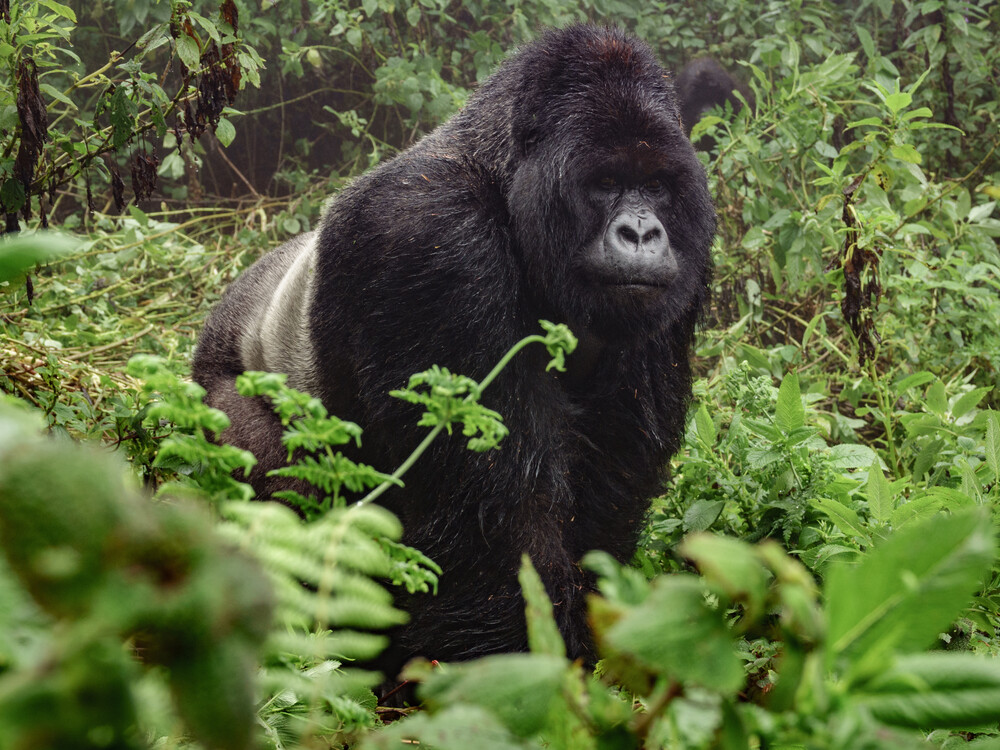
Combine Lake Mburo’s zebras with chimp trekking in Kibale and gorilla trekking in Bwindi for an unforgettable Uganda primate-and-safari journey.
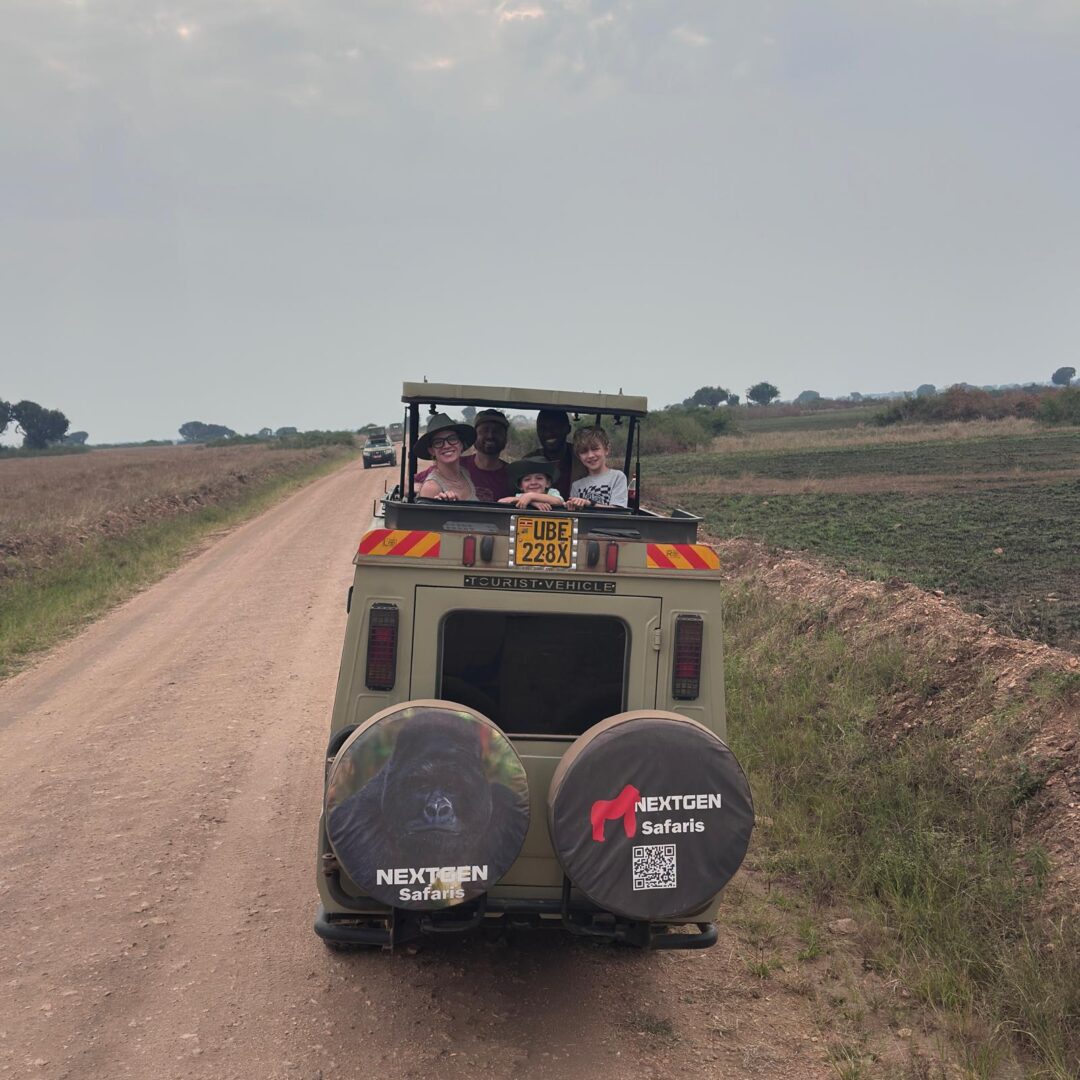
9 Days Lake Mburo National Park Tours – Family-Friendly Uganda Safari
Designed for families, this safari blends Lake Mburo boat and game drives with gentle wildlife viewing and comfortable lodge stays across Uganda.
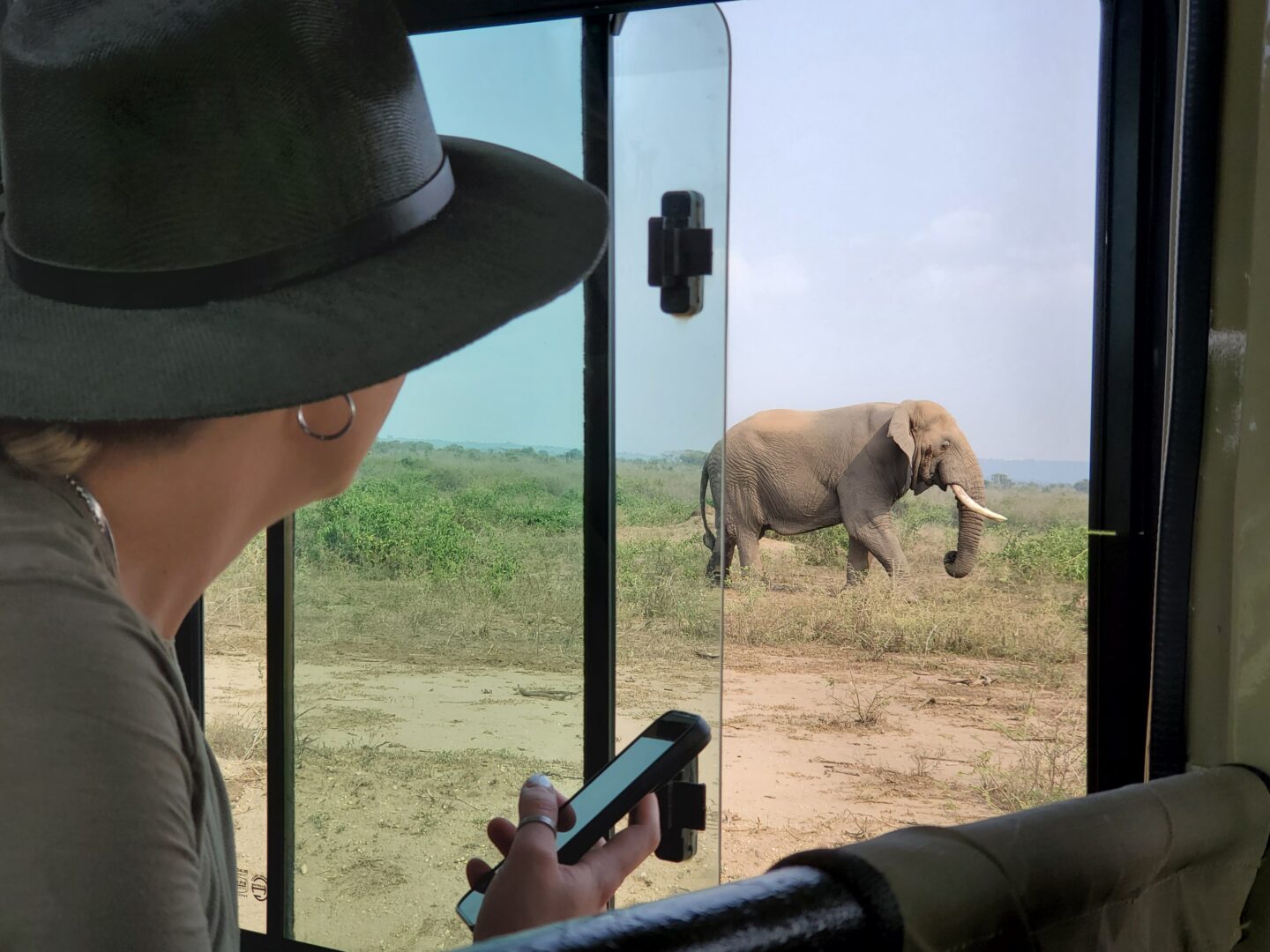
10 Days Lake Mburo National Park Tours – Ultimate Uganda Safari Circuit
A full safari circuit combining Lake Mburo’s zebras and activities with Uganda’s prime parks for wildlife, primates, and scenic diversity.
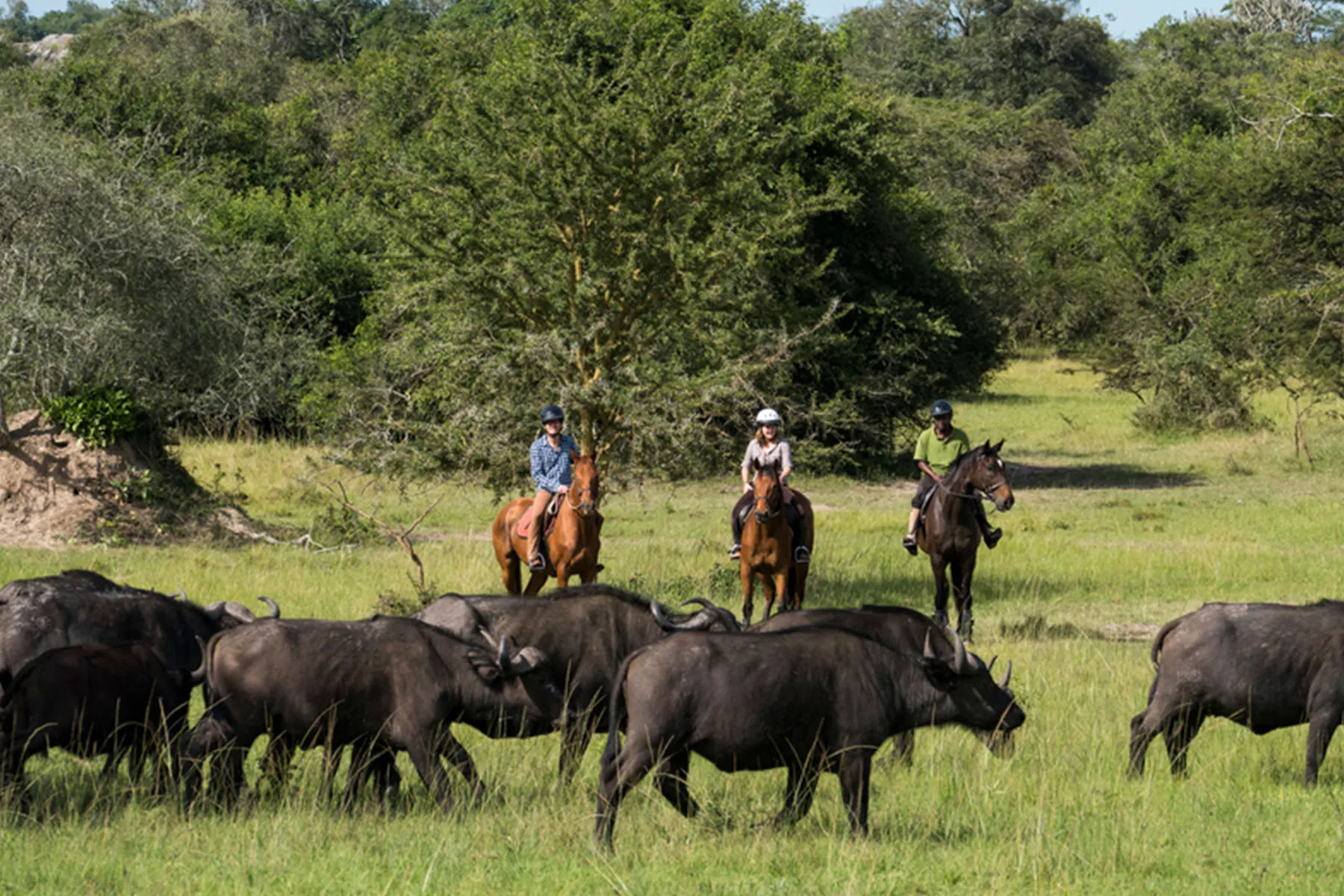
Another defining feature of Lake Mburo National Park Tours is activity variety. Unlike most Ugandan parks where wildlife viewing is limited to game drives and boat safaris, Lake Mburo National Park offers guided walking safaris, cycling safaris, night game drives, and most notably, horseback safaris. It is the only national park in Uganda where you can explore the savannah on horseback alongside wildlife such as zebra, eland, and impala. This creates a completely different safari perspective and makes Lake Mburo National Park Tours especially appealing to repeat Africa travelers seeking something beyond traditional vehicle-based experiences.
The park’s relatively small size enhances the experience rather than limiting it. Because distances between habitats are shorter, wildlife sightings often occur quickly and consistently. Lake Mburo National Park Tours do not require long hours of driving to locate animals. Instead, the landscape reveals wildlife gradually—impala grazing near acacia woodlands, buffalo resting in open plains, and hippos gathering along the shores of Lake Mburo National Park itself.
Lake Mburo is also the only park in Uganda where impala are found in significant numbers. In fact, the park is named after the impala, and their presence is central to the ecosystem. Large eland, the biggest antelope species in Africa, are also frequently seen here, further adding to the diversity of wildlife encountered during Lake Mburo National Park Tours.
Beyond wildlife, the park’s scenery offers a striking blend of rolling hills, open savannah, acacia woodland, and tranquil lakes. The chain of lakes within the park, particularly Lake Mburo, supports boat safaris that provide close encounters with hippos, crocodiles, and abundant birdlife. This combination of land and water activities allows Lake Mburo National Park Tours to feel dynamic despite the park’s modest footprint.
Strategically, Lake Mburo plays a vital role in many Uganda safari itineraries. It is commonly included as either the first stop after arrival or the final stop before departure. For travelers heading to Bwindi Impenetrable National Park for gorilla trekking, Lake Mburo National Park Tours offer an excellent break in the journey. The park sits conveniently along the southwestern safari circuit, making it an ideal addition to 8-day, 10-day, or 12-day Uganda wildlife and primate safaris.
Lake Mburo is also one of the best parks in Uganda for self-drive safaris. The road network is manageable, wildlife densities are high relative to the park’s size, and navigation is straightforward. This accessibility strengthens the appeal of Lake Mburo National Park Tours for independent travelers and families seeking flexibility.
Perhaps most importantly, Lake Mburo offers a calm and less crowded safari atmosphere. Compared to larger parks, visitor numbers are lower, which often results in quieter game drives and more private wildlife encounters. For honeymooners, photographers, and travelers who value peaceful landscapes, Lake Mburo National Park Tours provide a refined and unhurried experience.
In summary, Lake Mburo National Park is not a smaller version of Uganda’s other parks. It is a different type of safari altogether. Its accessibility, zebra populations, horseback safaris, diverse activities, and strategic location make Lake Mburo National Park Tours an essential component of well-designed Uganda itineraries. Whether you are planning a short two-day getaway from Kampala or integrating it into a longer wildlife circuit, Lake Mburo National Park delivers a distinctive and rewarding safari experience that stands confidently on its own.
Where Is Lake Mburo National Park Located?
Lake Mburo National Park is located in western Uganda within Kiruhura District, forming part of the greater Ankole savannah ecosystem. Strategically positioned along the main highway that connects Kampala to southwestern Uganda, the park is exceptionally accessible compared to other wildlife destinations in the country. This accessibility is one of the major reasons Lake Mburo National Park Tours are frequently included in short safari itineraries and longer Uganda wildlife circuits.
For travelers searching Lake Mburo from Kampala, the driving distance is approximately 240 kilometers. Under normal traffic conditions, the journey takes between four and five hours by road. The route follows a well-maintained tarmac highway through Masaka and Lyantonde before branching toward the park entrance. Because of this direct road access, Lake Mburo National Park Tours are often chosen by travelers who want a real savannah safari without flying domestically.
For those arriving internationally and searching Lake Mburo from Entebbe, the distance is slightly longer at roughly 270 kilometers. The drive typically takes about five hours depending on traffic leaving Entebbe or Kampala. This makes Lake Mburo one of the most practical wildlife parks to visit immediately after arrival or just before departure. Many travelers schedule Lake Mburo National Park Tours either on their first night in Uganda or as their final safari stop before returning to Entebbe International Airport.
Road conditions to Lake Mburo are generally good. The highway from Kampala to the park turnoff is fully paved and reliable year-round. Inside the park, roads are murram (gravel) but well maintained and navigable in a standard 4×4 safari vehicle. Even during the rainy seasons, access remains manageable, which further strengthens the reliability of Lake Mburo National Park Tours for travelers on fixed schedules.
Lake Mburo also plays a strategic role in the southwestern safari circuit. For visitors traveling between Bwindi Impenetrable National Park and Kampala, Lake Mburo serves as an ideal break in what would otherwise be a long transfer day. Many travelers intentionally design a Lake Mburo stopover safari when returning from gorilla trekking in Bwindi. Instead of driving the entire distance in one day, they overnight in Lake Mburo, enjoy a game drive or boat safari, and continue to Kampala the following morning. This structure improves comfort and maximizes wildlife exposure without extending the overall itinerary significantly.
Another highlight along the route is the Uganda Equator crossing in Kayabwe. Travelers heading to or from Lake Mburo pass directly through this famous landmark. Most Lake Mburo National Park Tours incorporate a stop at the Equator for photographs, educational demonstrations, and local craft shopping. This stop naturally enriches the journey and provides one of Uganda’s most iconic geographic moments.
Geographically, Lake Mburo lies at a lower altitude compared to Bwindi Impenetrable National Park and Rwanda’s Volcanoes National Park. The landscape transitions from rolling hills to open savannah and scattered acacia woodland as you approach the park. This ecological shift marks the beginning of Uganda’s savannah wildlife zone and signals the start of classic safari territory.
Because of its location and accessibility, Lake Mburo National Park Tours function both as a destination in their own right and as a connector between major safari regions. Whether starting a Uganda safari, ending one, or linking primate trekking with savannah wildlife, Lake Mburo remains one of the most logically positioned parks in the country.
What You See on Lake Mburo National Park Tours
Lake Mburo National Park Tours offer a surprisingly rich concentration of wildlife within a relatively compact landscape. Although the park is smaller than Uganda’s larger reserves, its biodiversity and wildlife density make it highly rewarding, particularly for travelers seeking varied species encounters within a short time frame.
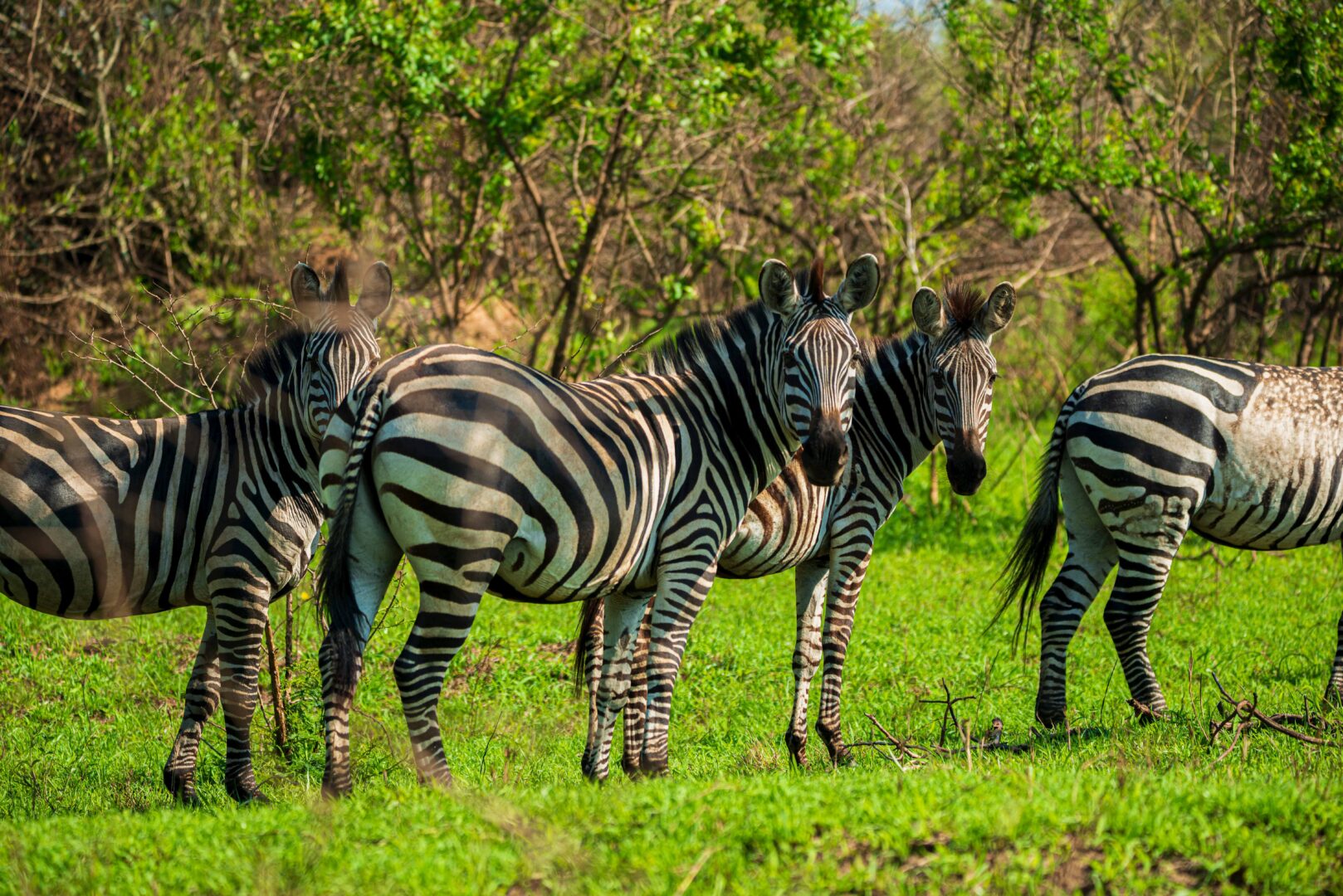
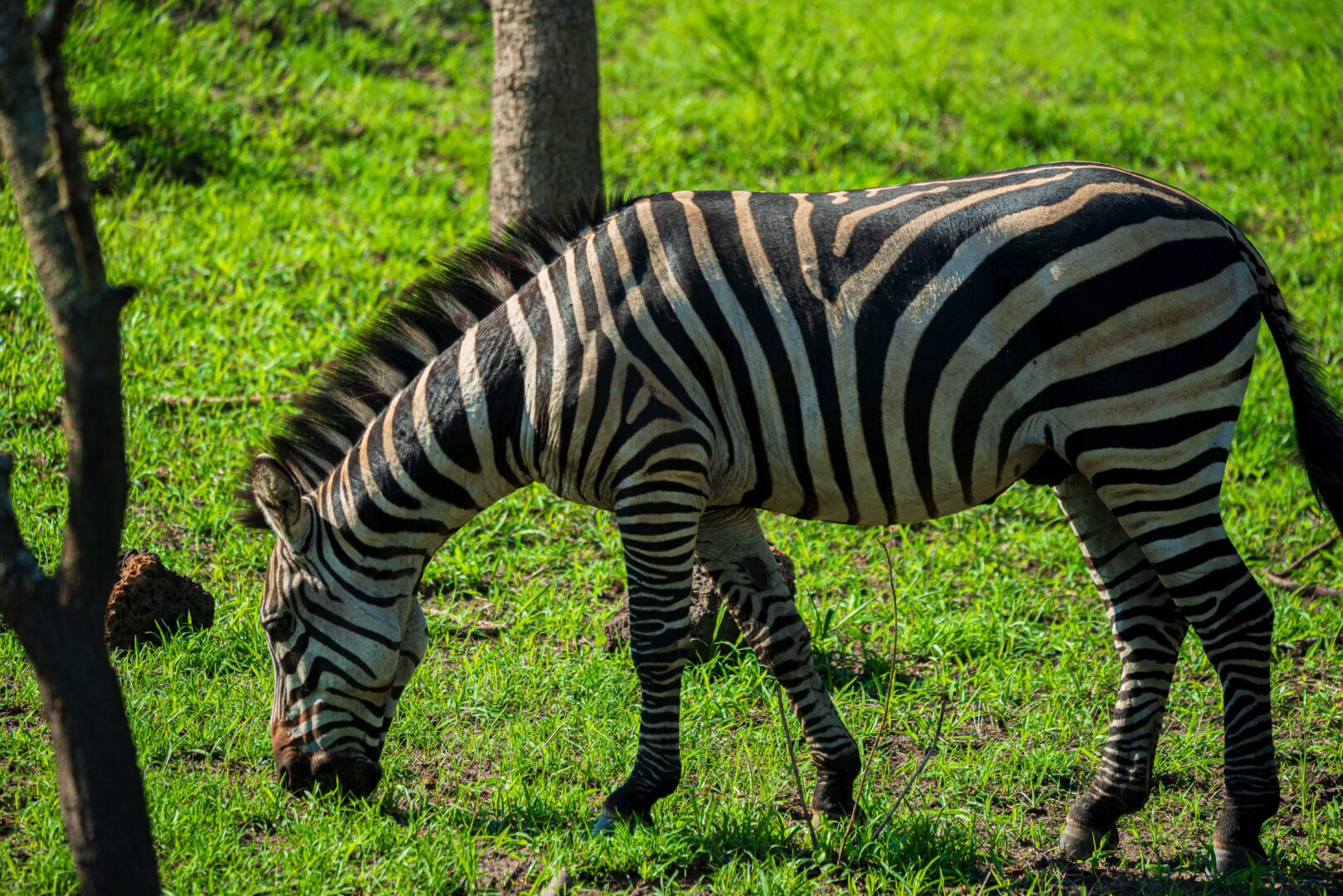
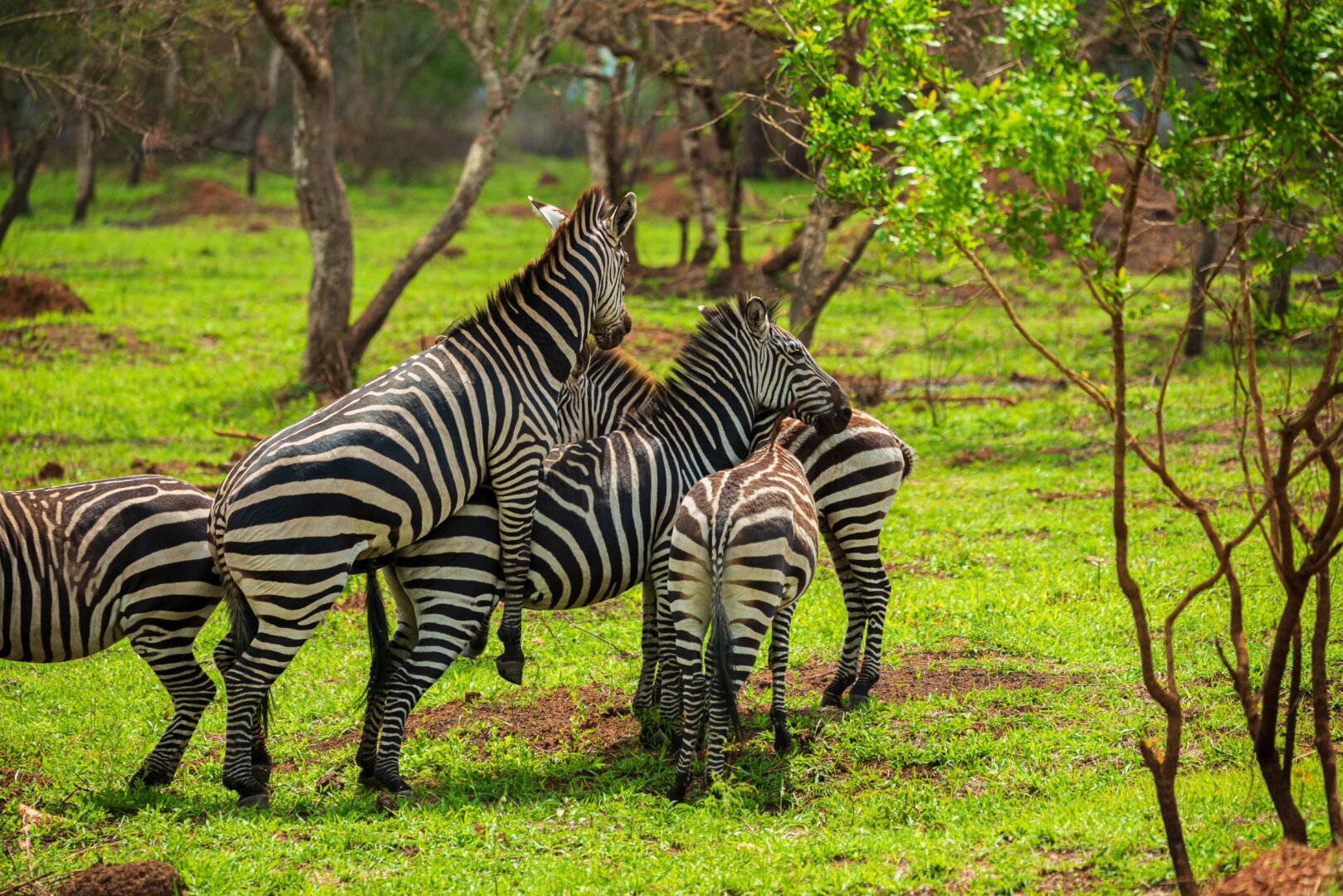
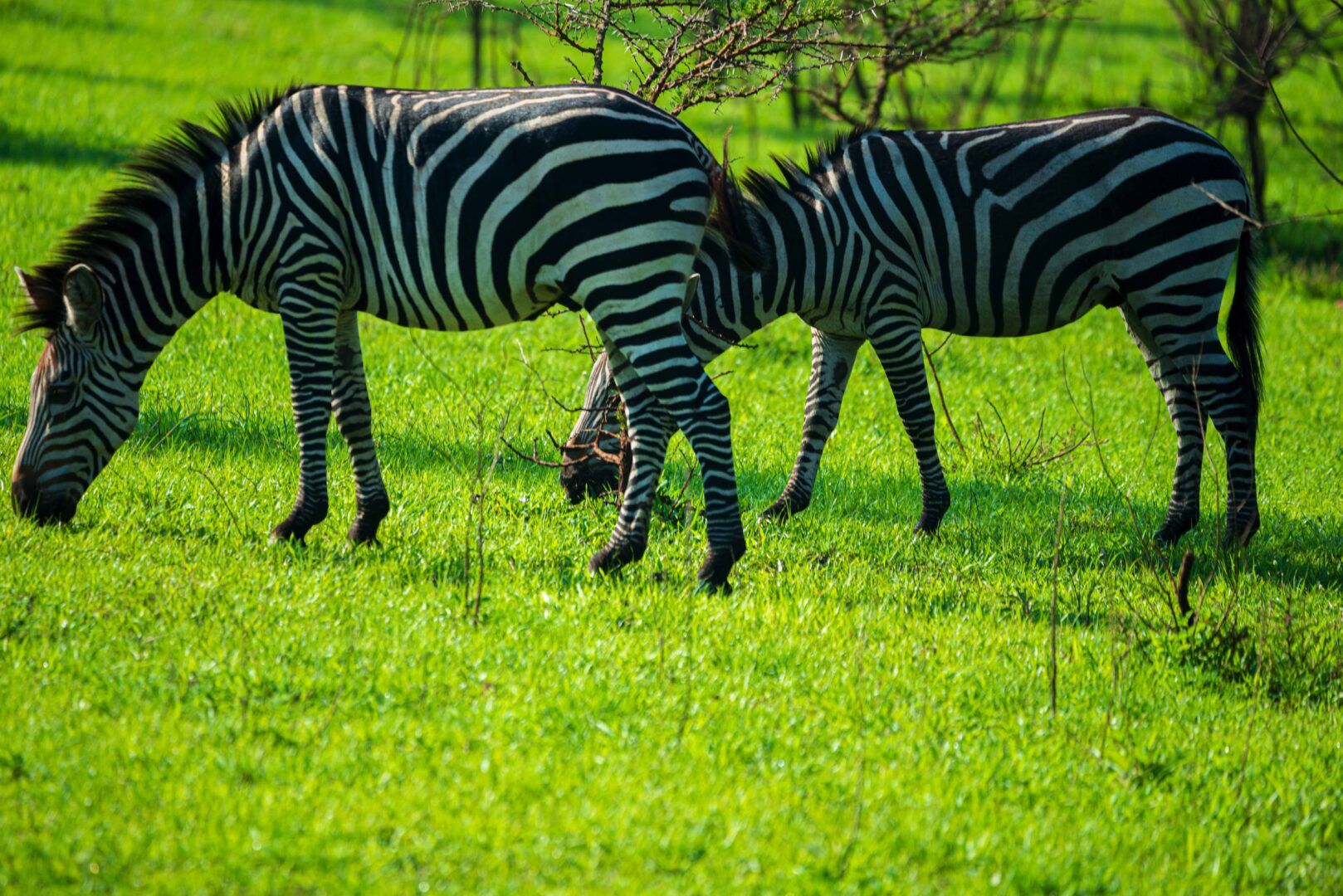
The most iconic species encountered during Lake Mburo National Park Tours is the zebra. Lake Mburo National Park is the only national park in Uganda where large herds of Burchell’s zebra roam freely. Their striking black-and-white patterns against golden savannah grass create one of the most photogenic scenes in the country. Zebras are often seen grazing alongside impala and eland, forming mixed-species herds that reflect the ecological harmony of the park.
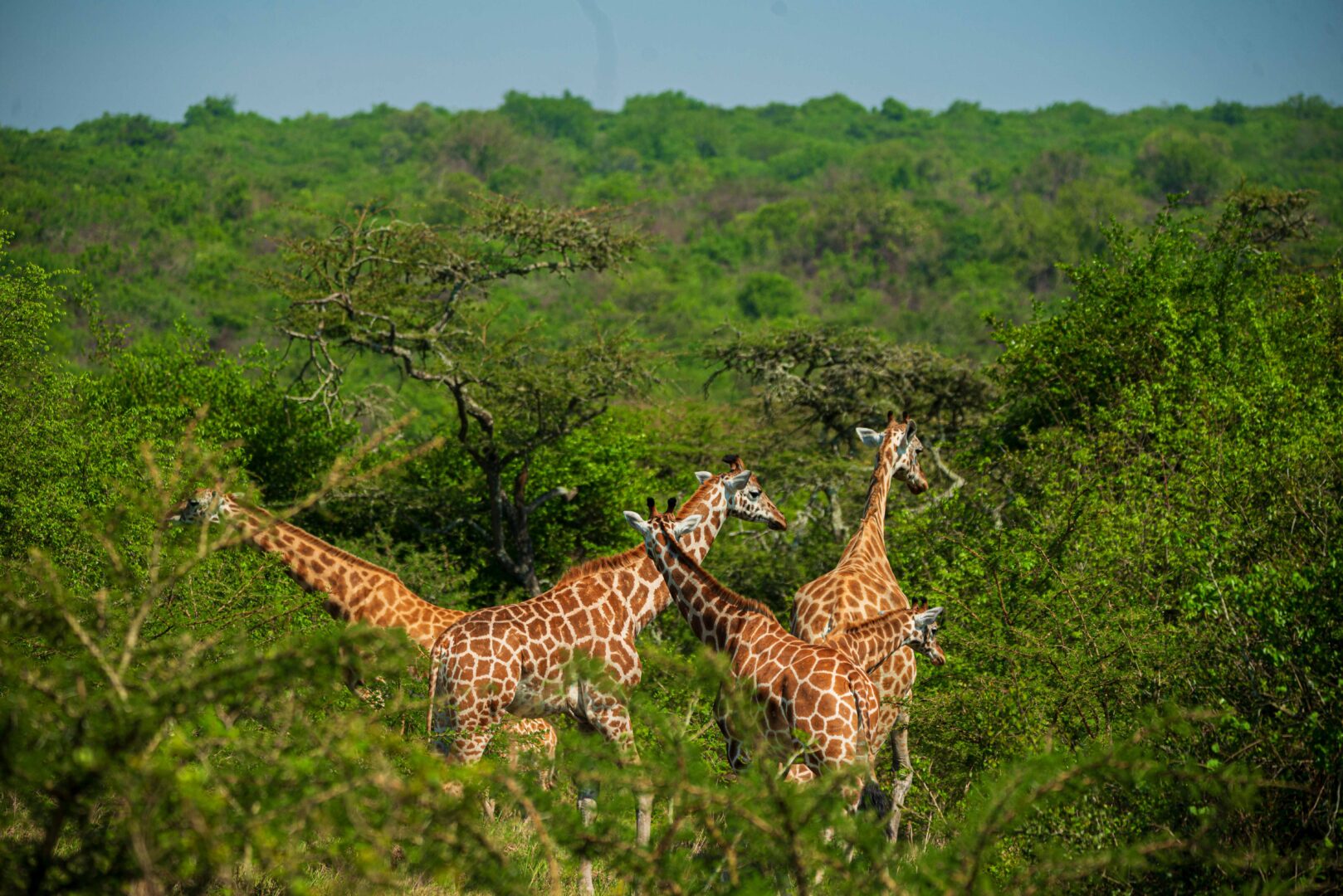
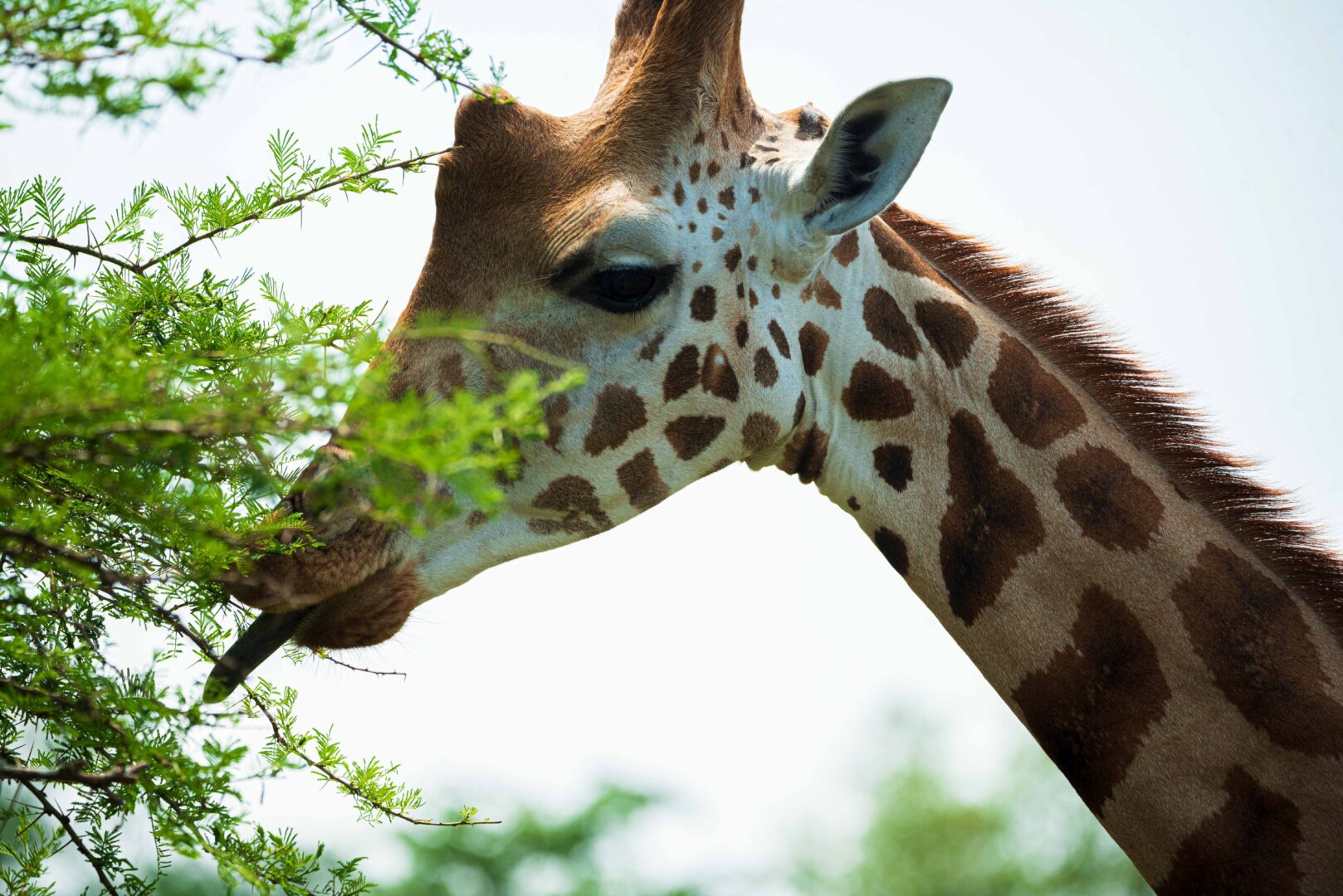
Rothschild’s giraffes are another highlight. Although giraffes are present in other Ugandan parks, sightings in Lake Mburo National Park are particularly consistent due to the open terrain and manageable park size. Their tall silhouettes rising above acacia woodland add vertical drama to the savannah landscape and are frequently observed during morning and evening game drives.
Impala hold special significance in Lake Mburo National Park. The park is the only protected area in Uganda where impala exist in substantial numbers. These elegant antelope species are central to the park’s identity and even lend their name to Kampala, which was originally known as “Kasozi ka Mbala” or “Hill of the Impala.” During Lake Mburo National Park Tours, impala are among the most commonly sighted animals, often moving in large, coordinated groups across open plains.
Eland, the largest antelope species in Africa, are another distinctive feature of Lake Mburo National Park wildlife. Mature males can weigh up to 900 kilograms and are recognizable by their spiral horns and massive build. Seeing eland in their natural habitat is a highlight for wildlife enthusiasts, as they are less frequently observed in other Ugandan parks.
African buffalo are present throughout the park and are commonly encountered during game drives. While Lake Mburo does not have lions, buffalo populations remain strong, contributing to the overall diversity of large mammals in the ecosystem.
Leopards inhabit Lake Mburo National Park as well, although sightings are relatively rare. Night game drives increase the chance of spotting these elusive predators. While leopard encounters cannot be guaranteed, their presence adds an element of wilderness authenticity to Lake Mburo National Park Tours.
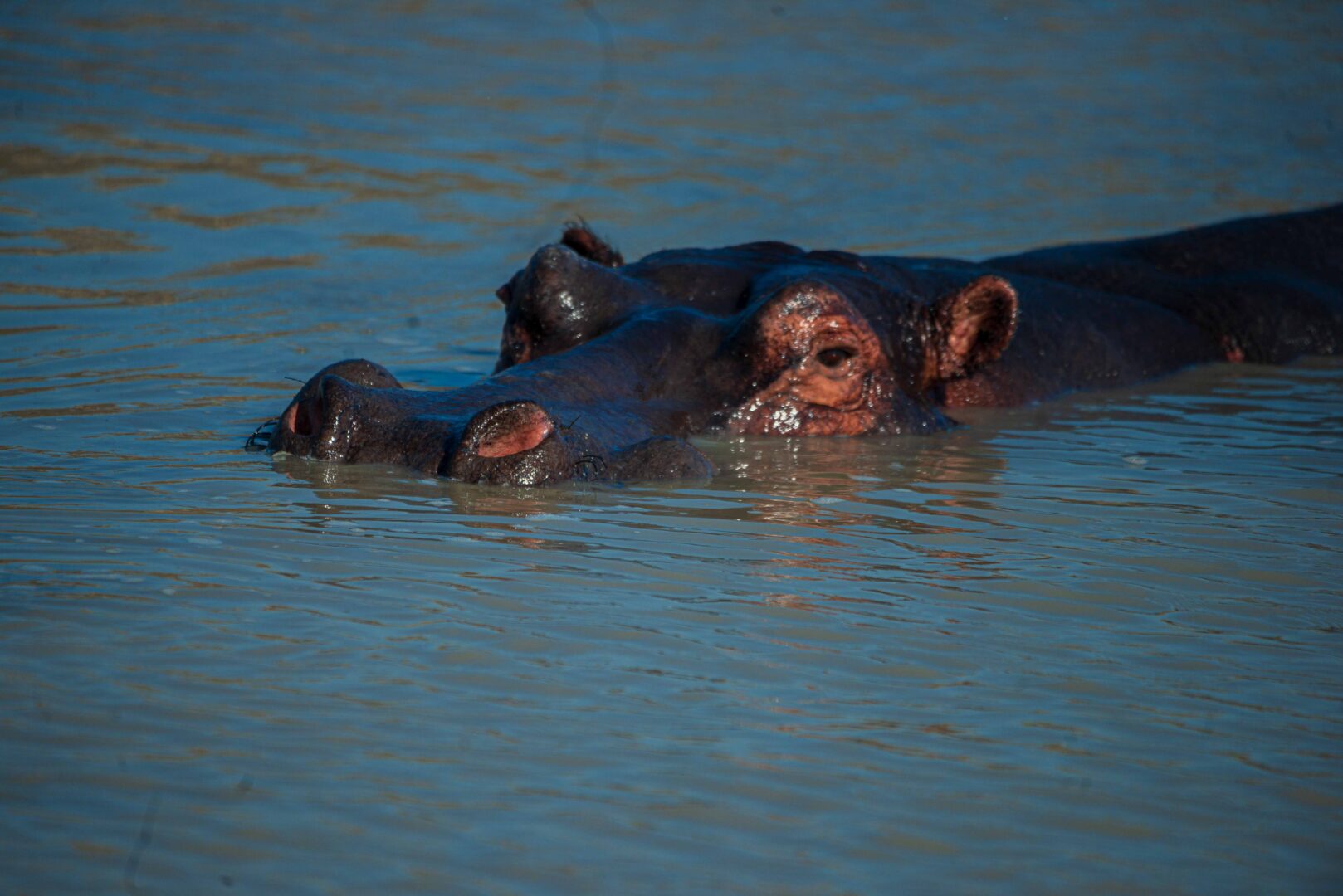
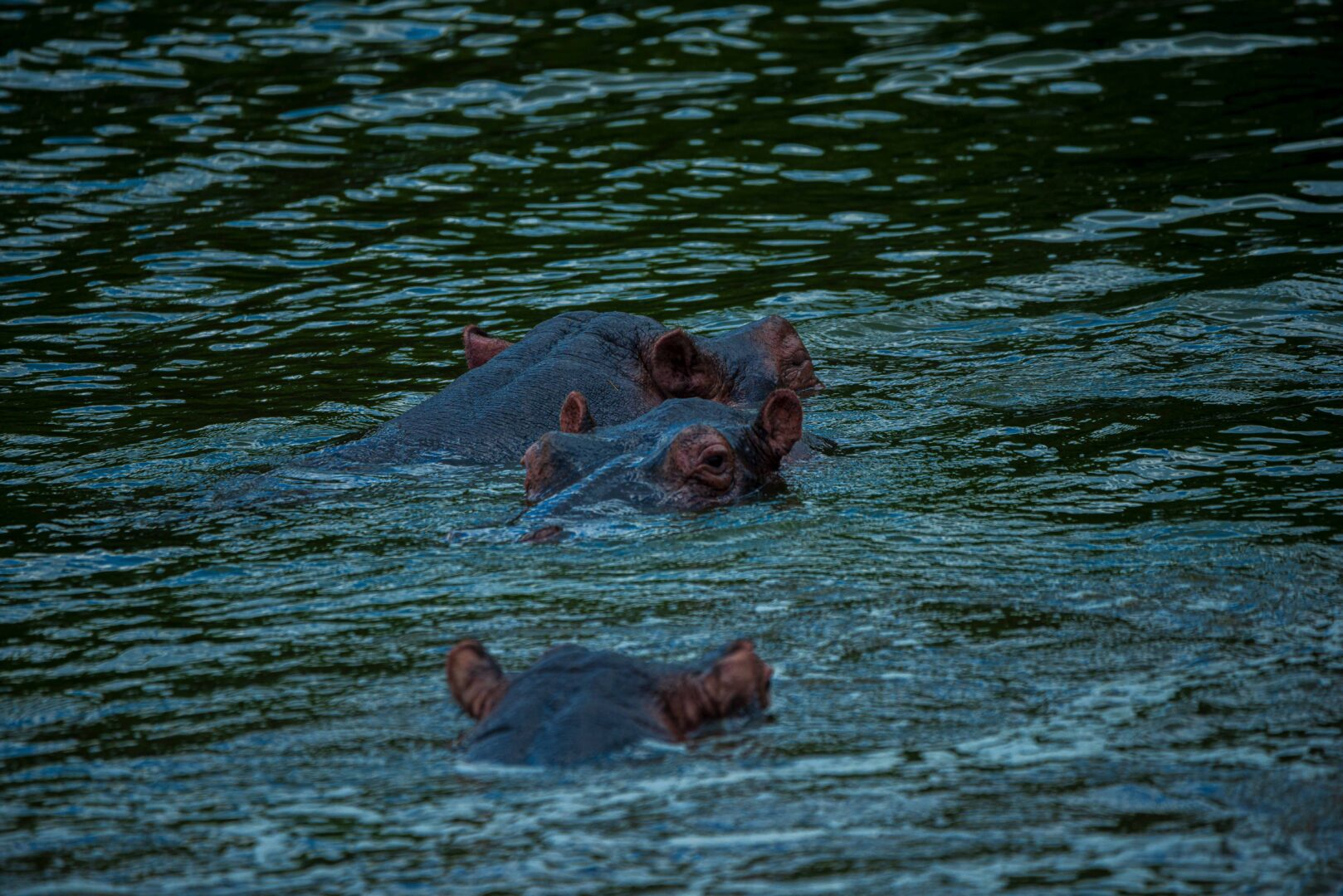
Lake Mburo National Park itself supports aquatic wildlife including hippos and Nile crocodiles. Boat safaris provide close-up views of hippos resting in pods along the shoreline and crocodiles basking in the sun. These water-based activities diversify the wildlife experience and add a tranquil dimension to the safari.
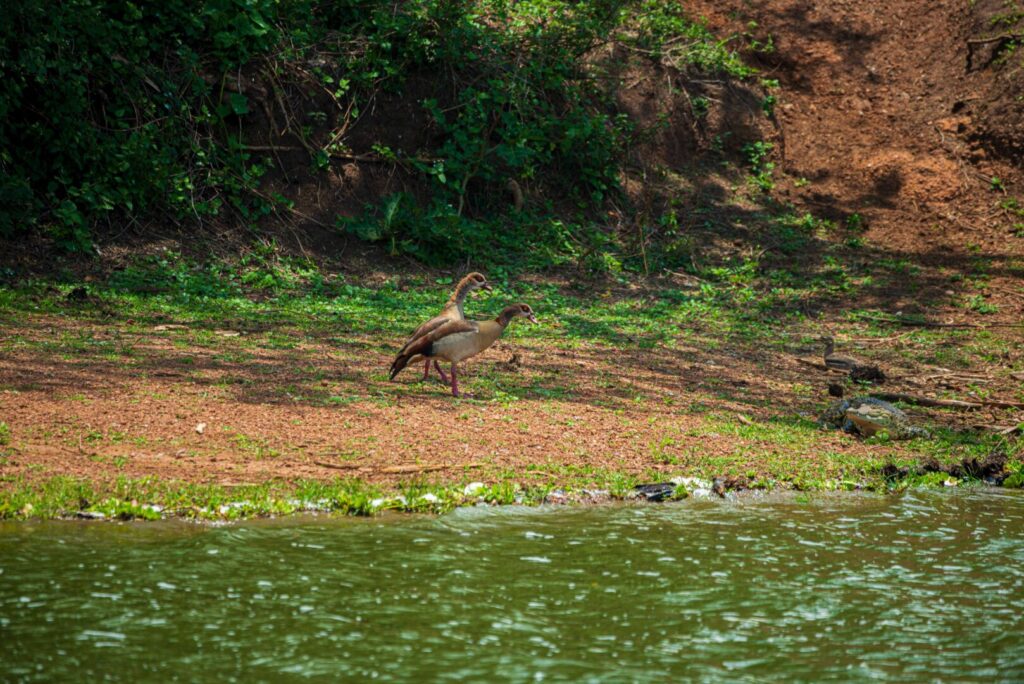
Birdlife is exceptionally strong, with over 300 recorded species within the park. Lake Mburo National Park Tours are especially appealing to birdwatchers because of the mix of savannah, wetland, and woodland habitats. Species such as the African finfoot, papyrus gonolek, African fish eagle, and numerous kingfishers are regularly observed. The park’s manageable size allows focused birding without extensive travel distances.
Taken together, the wildlife composition of Lake Mburo National Park Tours offers a balanced and accessible safari experience. While it does not aim to replicate predator-heavy ecosystems like the Serengeti, it delivers a rich combination of plains wildlife, unique antelope species, aquatic habitats, and diverse birdlife within a peaceful and compact setting. This diversity makes Lake Mburo a valuable component of Uganda’s broader safari landscape.
Lake Mburo National Park Tours for Families with Kids
Lake Mburo National Park Tours are particularly well suited for families traveling with children. Unlike larger parks that require long game drives and extended road transfers, Lake Mburo offers a compact and flexible safari experience that works well for younger travelers. The relatively short distance from Kampala or Entebbe reduces travel fatigue, and the park’s manageable size allows wildlife viewing without spending entire days inside a vehicle.

One of the biggest advantages for families is wildlife visibility. Zebra, impala, giraffe, and buffalo are commonly seen within short driving distances. Because there are no lions in Lake Mburo, the safari atmosphere feels calmer and less intimidating for children who may be experiencing African wildlife for the first time. Lake Mburo National Park Tours often become a confidence-building introduction to safari travel for young guests.
Boat safaris on Lake Mburo are especially engaging for children. Watching hippos surface near the shoreline and spotting crocodiles resting along the banks creates a memorable experience without requiring long physical effort. The boat environment is structured and guided, making it both safe and educational. Guides often explain bird species and aquatic ecosystems in simple, engaging ways that children can understand.
Walking safaris, when age-appropriate and supervised by trained rangers, provide another interactive opportunity. While younger children may not participate in full walking safaris, older children and teenagers can experience guided nature walks that introduce them to tracking signs, animal footprints, and savannah ecology. These activities transform Lake Mburo National Park Tours from passive observation into active learning.
Horseback safaris are one of the park’s most unique family-friendly experiences. For children who are comfortable riding and meet age and safety requirements, horseback safaris create an unforgettable way to observe wildlife. Seeing zebra and giraffe at eye level from horseback adds excitement and novelty that appeals strongly to adventurous families.
For families seeking relaxed downtime between activities, many lodges around Lake Mburo National Park provide spacious environments with safe walking areas, swimming pools, and panoramic views over the savannah or lake. This balance of activity and rest is important when traveling with children. Lake Mburo National Park Tours can be structured with flexible pacing, ensuring that safari days do not feel rushed or overwhelming. Look at our partner lodge in Lake Mburo National Park: Mpogo Safari lodge
Educational value is another strength. Lake Mburo offers opportunities for children to learn about conservation, ecosystem balance, and wildlife behavior in a real-world context. Parents often find that the park provides meaningful teaching moments about African biodiversity without the scale or intensity of larger reserves.
In summary, Lake Mburo National Park Tours work extremely well for families because they combine accessibility, wildlife density, and activity variety within a controlled and comfortable setting. For parents introducing children to safari travel, Lake Mburo offers one of the most balanced and manageable wildlife experiences in Uganda.
Activities on Lake Mburo National Park Tours
Lake Mburo National Park Tours stand out because of the sheer diversity of activities available within a relatively small and accessible landscape. Unlike many wildlife parks where the safari experience is limited to vehicle-based exploration, Lake Mburo allows visitors to engage with the environment in multiple ways. This variety makes the park one of the most activity-rich destinations in Uganda and a strategic addition to both short and extended safari itineraries.
Game drives form the foundation of most Lake Mburo National Park Tours. Morning and late afternoon drives reveal open savannah landscapes dotted with zebra, impala, buffalo, and giraffe. Because the park is compact, wildlife sightings often occur quickly, and routes can be adjusted easily depending on recent animal movement. The absence of lions creates a different atmosphere compared to larger parks, allowing herbivore populations to move more freely and often closer to safari tracks. For photographers and first-time safari visitors, this accessibility creates consistent and rewarding wildlife viewing opportunities.
Boat safaris on Lake Mburo add a completely different perspective. The lake supports dense hippo populations, Nile crocodiles, and an impressive concentration of water birds. Drifting along the shoreline in the late afternoon light reveals a calm, reflective side of the park that contrasts beautifully with savannah game drives. Lake Mburo National Park Tours that include a boat safari offer visitors the chance to experience both terrestrial and aquatic ecosystems within a single day.
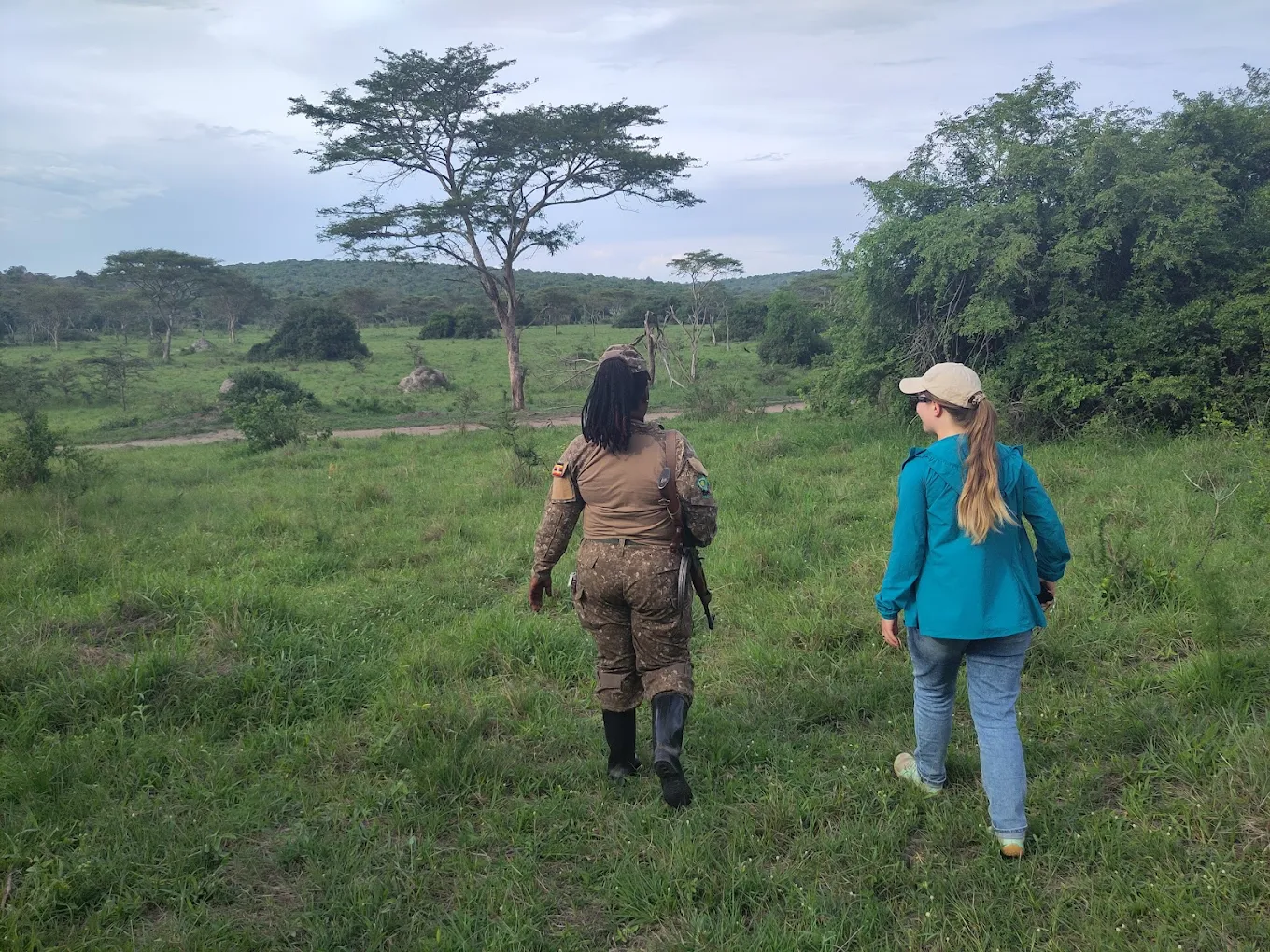
Walking safaris further distinguish Lake Mburo from many other Ugandan parks. Accompanied by an armed ranger, visitors explore selected areas on foot, observing wildlife such as zebra and impala from a ground-level perspective. Walking safaris provide insight into tracking signs, vegetation patterns, and ecosystem dynamics that are often missed during vehicle-based drives. This immersive approach enhances Lake Mburo National Park Tours by creating a deeper connection to the landscape.
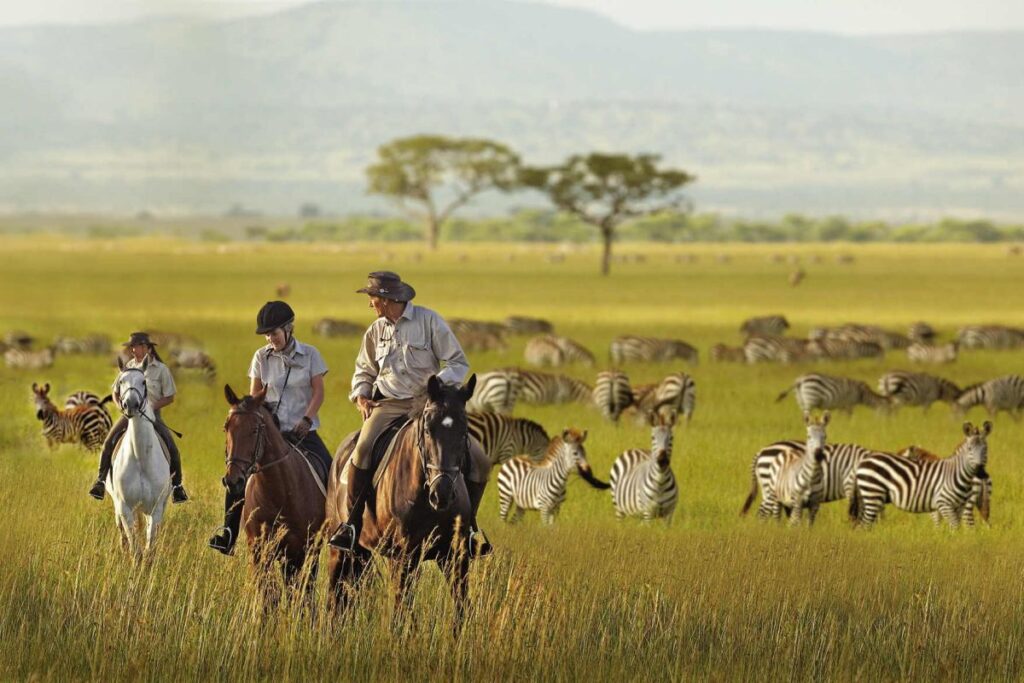
Perhaps the most unique activity in the park is the horseback safari. Lake Mburo is the only national park in Uganda where wildlife viewing on horseback is permitted. Riding quietly through open savannah allows visitors to approach zebra, eland, and giraffe in a way that feels natural and unintrusive. Without engine noise, animals often behave more calmly, creating an intimate and memorable safari experience. For travelers seeking something beyond traditional safari formats, horseback exploration is one of the strongest differentiators of Lake Mburo National Park Tours.
Cycling safaris also operate in designated areas around the park. Guided mountain biking routes provide an active and adventurous way to experience the landscape. Cycling past grazing zebra or along scenic lake shores adds a dynamic element to the safari and appeals particularly to travelers who value physical engagement alongside wildlife viewing.
Night game drives are another highlight. Conducted with spotlights and experienced guides, these drives focus on nocturnal wildlife. Although leopard sightings are never guaranteed, night drives increase the possibility of encountering elusive species such as bush babies, porcupines, and genets. Including a night drive in Lake Mburo National Park Tours introduces a new dimension to the safari experience and expands species visibility beyond daytime activity patterns.
Birdwatching in Lake Mburo is exceptional, with over 300 recorded species across savannah, woodland, and wetland habitats. The park is particularly known for sightings of African fish eagles, papyrus specialists, kingfishers, and rare water-associated species. Because of the park’s manageable size and varied habitats, Lake Mburo National Park Tours often double as rewarding birding safaris.
Taken together, these activities make Lake Mburo more versatile than many larger parks. Its compact geography allows multiple safari experiences to be combined within a short time frame, enhancing both value and depth for travelers.
Best Lake Mburo National Park Tours
Well-designed Lake Mburo National Park Tours focus on structure rather than excess. Instead of offering dozens of similar packages, the strongest safari options combine the park logically within Uganda’s broader wildlife circuit.
2 Days Lake Mburo Safari
A two-day Lake Mburo safari is ideal for travelers with limited time or those seeking a short wildlife escape from Kampala. This itinerary typically includes an afternoon game drive upon arrival and a morning boat safari before departure. It provides exposure to zebra, giraffe, buffalo, and hippo without requiring extended travel days. For domestic travelers and short-stay visitors, this is one of the most efficient Lake Mburo National Park Tours available.
3 Days Lake Mburo Safari
A three-day itinerary allows for deeper exploration. With additional time, visitors can include walking safaris or horseback experiences alongside game drives and boat cruises. This format reduces travel pressure and allows wildlife viewing to unfold at a relaxed pace. Among Lake Mburo National Park Tours, the three-day option offers the best balance between time investment and activity variety.
4 Days Lake Mburo and Bwindi Combination
For travelers planning gorilla trekking in Bwindi Impenetrable National Park, adding Lake Mburo creates a powerful savannah-and-forest contrast. This four-day combination breaks up long road transfers and introduces plains wildlife before or after primate trekking. Lake Mburo National Park Tours integrated with Bwindi offer both accessibility and ecological diversity within a short itinerary. View Itinerary
Lake Mburo and Queen Elizabeth Combination
Combining Lake Mburo with Queen Elizabeth National Park expands the safari scale. Lake Mburo provides zebra, horseback safaris, and compact exploration, while Queen Elizabeth adds tree-climbing lions, larger savannah landscapes, and Kazinga Channel boat cruises. Together, these parks form a balanced wildlife itinerary that captures both intimacy and scale. Lake Mburo National Park Tours that link with Queen Elizabeth create strong internal routing across western Uganda.
Lake Mburo and Gorilla Trekking Circuit
For international visitors prioritizing gorilla trekking, integrating Lake Mburo National Park into the itinerary enhances overall wildlife diversity. Many Uganda safaris follow a route from Entebbe to Lake Mburo, onward to Bwindi for gorillas, and then potentially to Queen Elizabeth or back to Kampala. Structuring Lake Mburo National Park Tours within this circuit maximizes wildlife exposure without significantly increasing travel time.
The most successful Lake Mburo itineraries are not the longest. They are the most logically integrated. Whether planned as a short two-day escape or as part of a multi-park circuit, Lake Mburo remains one of the most flexible and rewarding components of Uganda’s safari landscape.
Lake Mburo National Park Tours Cost
Understanding the cost of Lake Mburo National Park Tours is essential for travelers comparing safari options within Uganda. While Lake Mburo is smaller than parks like Murchison Falls or Queen Elizabeth, pricing is influenced by similar structural components: park entry, vehicle use, accommodation tier, and selected activities. Transparency in these areas allows visitors to plan intelligently and compare value across different itinerary lengths.
Park entrance fees are charged per 24-hour period and are determined by residency category. For foreign non-residents, entrance fees are typically lower than those for Uganda’s largest parks, making Lake Mburo National Park Tours comparatively accessible. Residents of East Africa and foreign residents benefit from discounted rates. Because Lake Mburo National Park is often used as a short safari extension, travelers typically pay for one or two entry cycles depending on the itinerary design.
Safari cost ranges vary based on accommodation level and duration. Budget Lake Mburo National Park Tours typically involve simple lodges or tented camps located either just outside or within the park boundary. These packages often focus on essential activities such as one game drive and a boat safari. Midrange tours offer upgraded lodge comfort, expanded activity inclusion, and private 4×4 vehicles with professional guides. Luxury Lake Mburo National Park Tours include premium lodges with elevated viewpoints, enhanced privacy, personalized guiding, and exclusive safari pacing. While the park itself is smaller, the accommodation standard can significantly influence total safari pricing.
Vehicle costs are another core component. Most Lake Mburo National Park Tours operate using 4×4 safari Land Cruisers equipped with pop-up roofs for wildlife viewing. Daily vehicle hire typically includes fuel, an experienced driver-guide, and park entry coordination. Because Lake Mburo National Park is closer to Kampala and Entebbe than other parks, transport costs are lower relative to longer-distance safaris in northern Uganda. This proximity contributes to the park’s reputation as one of the best-value wildlife destinations in the country.
Activity costs depend on the experiences selected. Boat safaris on Lake Mburo are moderately priced and are often included in packaged itineraries. Horseback safaris carry a higher activity fee due to specialized equipment and trained riding guides. Walking safaris and night game drives involve ranger allocation and may be charged separately depending on itinerary structure. Cycling safaris and guided birding experiences may also carry additional fees. The advantage of Lake Mburo National Park Tours is that multiple activities can be layered within a short timeframe, allowing travelers to maximize diversity without extending travel days.
The best value strategy for Lake Mburo is thoughtful integration rather than stand-alone excess. A two or three-day itinerary that combines a game drive, boat safari, and one specialized activity such as horseback riding provides strong diversity without inflating overall costs. When Lake Mburo National Park Tours are combined with gorilla trekking in Bwindi Forest or wildlife exploration in Queen Elizabeth, the park functions as both a wildlife highlight and a logistical break in long transfers. This dual function enhances overall safari efficiency.
From a cost perspective, Lake Mburo offers one of the strongest value-to-experience ratios in Uganda. Its accessibility reduces transport expenses, while its activity diversity expands safari depth. For travelers evaluating safari pricing across East Africa, Lake Mburo National Park Tours present a well-balanced and financially efficient option.
Lake Mburo National Park – Official UWA Fees (2024–2026)
| Activity / Fee | Foreign Non-Resident (USD) | Foreign Resident (USD) | East African Citizen (UGX) |
|---|---|---|---|
| Park Entrance (Per 24 Hours) | $40 | $30 | 20,000 UGX |
| Game Drive (Day – Per Guide) | $20 | $15 | 20,000 UGX |
| Night Game Drive (Per Person) | $30 | $15 | 50,000 UGX |
| Self Game Drive (Per Vehicle) | $10 | $10 | 10,000 UGX |
| Boat Ride on Lake Mburo | $30 | $25 | 30,000 UGX |
| Bird Watching & Nature Walk | $25 | $20 | 20,000 UGX |
| Cycling Safari | $30 | $25 | 30,000 UGX |
| Sport Fishing Permit (1 Day) | $15 | $15 | 20,000 UGX |
| Sport Fishing Permit (4 Days) | $25 | $25 | 60,000 UGX |
Source: Uganda Wildlife Authority Conservation Tariff (July 2024 – June 2026). Fees are subject to change without prior notice. Entrance fees are charged per 24 hours.
Best Time for Lake Mburo National Park Tours
Lake Mburo National Park Tours operate year-round, but seasonal variations influence wildlife visibility, vegetation density, and overall comfort. Understanding these seasonal dynamics helps travelers align expectations with travel goals.
The dry seasons, typically from June to September and December to February, are widely considered the best time to visit Lake Mburo. During these months, rainfall is minimal, grass levels are lower, and wildlife concentrates more predictably near water sources. Game drives during dry periods offer clearer visibility across open savannah, making it easier to observe zebra, giraffe, buffalo, and eland. For many travelers searching for the best time for Lake Mburo safari, dry season conditions provide optimal comfort and wildlife concentration.
The green seasons, generally March to May and October to November, transform the park into a lush landscape with vibrant vegetation and replenished water sources. While taller grass may reduce long-distance visibility during some game drives, the scenery becomes visually striking. Birdlife activity increases significantly during these months due to migratory patterns and breeding behavior. For birdwatchers, the green season can be the best time to visit Lake Mburo National Park.
Zebras, one of the park’s signature species, are visible year-round. However, they are often easier to photograph during dry seasons when grass cover is shorter and herds gather in open plains. Impala and eland are similarly consistent throughout the year, although herd movement may shift slightly depending on rainfall patterns.
Boat safaris on Lake Mburo remain strong across all seasons. During dry months, animals congregate closer to shorelines, increasing chances of observing hippos and crocodiles in predictable locations. In wetter months, the lake level rises, expanding aquatic habitat and enhancing birdlife diversity. Both conditions offer advantages depending on photographic and wildlife priorities.
Temperature variations across seasons are moderate due to the park’s altitude and savannah climate. Mornings and evenings remain comfortable throughout the year, making early game drives consistently productive regardless of month.
Ultimately, the best time for Lake Mburo National Park Tours depends on traveler preference. Those prioritizing easier wildlife spotting and drier roads may prefer the dry seasons. Those seeking vibrant scenery and peak birding conditions may favor the green months. Because the park is smaller and wildlife densities are strong relative to its size, Lake Mburo National Park delivers rewarding safari experiences in all seasons.
This year-round reliability strengthens Lake Mburo’s appeal as a flexible addition to Uganda safari itineraries. Whether included as a short escape or integrated into a longer wildlife circuit, Lake Mburo National Park Tours remain consistently worthwhile across calendar months.
Is Lake Mburo Worth Visiting?
This is one of the most searched and debated questions about the park, and answering it honestly strengthens both traveler trust and search visibility. Lake Mburo National Park Tours are not designed to replace Uganda’s largest wildlife reserves, but they serve a distinct and valuable purpose within a well-structured safari itinerary.
If you are short on time, Lake Mburo is absolutely worth visiting. It is the closest savannah national park to Kampala and Entebbe, making it the most accessible wildlife destination in Uganda. For travelers with only two or three days available, Lake Mburo National Park Tours provide authentic safari experiences without requiring long domestic flights or extended road transfers. You can see zebra, giraffe, buffalo, hippo, and a wide range of antelope species within a compact landscape that allows efficient wildlife viewing.
If you are already visiting larger parks such as Queen Elizabeth National Park or Murchison Falls National Park, Lake Mburo still adds meaningful value. Its ecosystem differs significantly from other Ugandan reserves. The presence of large zebra herds, impala populations, and horseback safari opportunities gives the park a distinctive identity. Lake Mburo National Park Tours are often included as a transitional or concluding safari stop, creating ecological contrast and adding activity diversity.
If you are seeking variety in your safari experience, Lake Mburo strongly delivers. Few parks in East Africa offer game drives, boat safaris, walking safaris, horseback safaris, cycling safaris, and night game drives within such a manageable space. This activity range enhances itinerary depth without increasing travel fatigue. For travelers who want to engage with wildlife beyond vehicle-based viewing, Lake Mburo National Park Tours provide flexibility that many larger parks cannot match.
However, if you are visiting Uganda and can only choose one wildlife park, and your primary goal is to see lions in large numbers or experience massive landscapes, you may prefer a bigger reserve such as Queen Elizabeth or Murchison Falls. Lake Mburo does not have lions and does not aim to replicate the scale of East Africa’s largest ecosystems. Its strength lies in accessibility, diversity, and intimate wildlife interaction rather than scale and predator density.
In practical terms, Lake Mburo National Park Tours are worth visiting when integrated intelligently into a broader Uganda safari. The park is not about size; it is about balance, accessibility, and distinctive experiences. For most travelers, especially those combining gorilla trekking in Bwindi or moving between southwestern and central Uganda, Lake Mburo enhances the overall safari structure significantly.
Lake Mburo vs Other Parks
Comparison content performs strongly in search results because it directly addresses decision-making questions. Understanding how Lake Mburo compares to other destinations helps travelers align expectations with their safari goals.
Lake Mburo vs Queen Elizabeth National Park
Queen Elizabeth National Park is larger, more diverse in predator presence, and supports tree-climbing lions in the Ishasha sector. It offers expansive savannah, crater lakes, and the Kazinga Channel boat safari, which hosts one of Africa’s highest hippo densities. For travelers prioritizing big-game density and classic safari scale, Queen Elizabeth provides a broader ecosystem.

Lake Mburo, in contrast, offers greater accessibility and a more intimate safari atmosphere. It is the only park in Uganda where zebra roam naturally and the only park offering horseback safaris. Lake Mburo National Park Tours tend to feel quieter and more flexible due to smaller visitor volumes and shorter driving distances within the park.
For many itineraries, the ideal approach is not choosing between the two, but combining them. Lake Mburo can serve as an introduction or conclusion to a Queen Elizabeth safari, creating ecological contrast without redundancy.
Lake Mburo vs Murchison Falls National Park
Murchison Falls National Park is Uganda’s largest and supports the full Big Five experience, including lions, elephants, buffalo, and the potential for leopard sightings. It is also home to the dramatic Murchison Falls waterfall and a powerful Nile River boat safari. Murchison offers scale, diversity, and iconic scenery.
Lake Mburo, by comparison, is compact and more accessible from Kampala. It lacks lions and elephants, but compensates with zebra, impala, eland, and unique activity options such as walking and horseback safaris. Lake Mburo National Park Tours are easier to integrate into shorter itineraries, while Murchison requires more travel time and logistical commitment.
Travelers seeking a comprehensive northern Uganda safari often prioritize Murchison. Those looking for efficient wildlife exposure near the capital frequently choose Lake Mburo.
Lake Mburo vs Serengeti
Comparing Lake Mburo to Serengeti National Park in Tanzania requires context. Serengeti is globally recognized for its massive wildlife migrations, predator populations, and expansive plains that stretch beyond the horizon. It is one of the largest and most iconic safari ecosystems in Africa.
Lake Mburo is significantly smaller and does not attempt to replicate Serengeti’s scale. Instead, Lake Mburo National Park Tours provide a compact, activity-rich safari that fits seamlessly into Uganda itineraries. While Serengeti National Park delivers dramatic scale and migration spectacle, Lake Mburo delivers accessibility, flexibility, and unique interactive experiences such as horseback and walking safaris.
For travelers already planning a Uganda itinerary focused on gorilla trekking, adding Lake Mburo is far more practical than incorporating Serengeti, which would require international border crossings and extended travel time.
In conclusion, Lake Mburo National Park Tours are not about competing with larger parks. They are about complementing them. When evaluated within the structure of a Uganda safari, Lake Mburo strengthens itinerary balance, increases wildlife diversity, and offers experiential activities that are rarely available elsewhere in the region.
Who Lake Mburo National Park Tours Are Best For
Lake Mburo National Park Tours are not designed for one single type of traveler. The strength of the park lies in its flexibility. Because of its accessibility, manageable size, and activity diversity, it attracts a wide range of safari visitors with very different expectations. Understanding who benefits most from Lake Mburo National Park Tours helps travelers make confident decisions and ensures the park is chosen for the right reasons.
Lake Mburo National Park Tours are especially well suited for first-time safari travelers. For visitors new to Africa, the park offers a gentle introduction to wildlife viewing without overwhelming distances or complex logistics. Game drives are productive and not excessively long. Wildlife sightings happen quickly due to the compact terrain. The absence of lions removes a layer of tension for travelers who may feel apprehensive about large predators. At the same time, zebra, giraffe, buffalo, and antelope species provide authentic savannah encounters. For those seeking their first real safari experience, Lake Mburo offers confidence-building exposure to African wildlife in a manageable setting.
Families also benefit significantly from Lake Mburo National Park Tours. The relatively short travel time from Kampala and Entebbe reduces road fatigue for children. The variety of activities keeps younger travelers engaged. Boat safaris, short guided walks, and even horseback experiences for older children create a dynamic schedule that feels active rather than repetitive. Because the park is smaller, families can enjoy meaningful wildlife sightings without spending entire days inside a vehicle. This balance makes Lake Mburo particularly attractive for multi-generational trips.
Self-drive visitors frequently choose Lake Mburo National Park Tours because of the straightforward road access. The paved highway from Kampala to the park gate simplifies navigation, and internal park tracks are generally well maintained. For travelers exploring Uganda independently, Lake Mburo provides one of the safest and most practical introductions to self-drive safari conditions. The compact size of the park reduces the risk of getting lost, while wildlife density ensures that even self-guided visitors encounter animals without needing to cover large distances.
Honeymooners often find Lake Mburo surprisingly romantic. The open savannah landscape, tranquil lake views, and smaller visitor numbers create a quieter safari atmosphere. Several lodges in and around the park are positioned on elevated ridges overlooking the lake, offering private verandas and panoramic sunsets. Lake Mburo National Park Tours that incorporate boat cruises or horseback rides add an experiential dimension that feels personal and memorable. For couples combining gorilla trekking with a savannah escape, Lake Mburo National Park adds diversity without extending travel time significantly.
Photographers appreciate Lake Mburo for different reasons. The presence of zebra, impala, and eland in open grassland provides clean, unobstructed sightlines. The acacia-dotted savannah creates balanced compositions, especially during early morning and late afternoon light. Boat safaris offer reflective water scenes with hippos and birds silhouetted against the horizon. Because the park is less crowded than some larger reserves, vehicles are fewer and angles are often easier to manage. Lake Mburo National Park Tours allow photographers to work patiently within a contained environment that still delivers strong wildlife subjects.
Short trip travelers perhaps benefit the most. For visitors with only two or three days available in Uganda, Lake Mburo offers authentic safari exposure without requiring flights or extensive road transfers. It functions perfectly as a quick wildlife break from Kampala or as a logical stopover when traveling between southwestern Uganda and the capital. Lake Mburo National Park Tours maximize wildlife return relative to travel time, which is critical for business travelers, regional visitors, or those combining safaris with other commitments.
In summary, Lake Mburo National Park Tours are best for travelers seeking balance rather than scale. The park rewards those who value accessibility, activity diversity, and efficient wildlife viewing. It may not offer the dramatic predator density of East Africa’s largest reserves, but it delivers consistency, intimacy, and flexibility in a way few other parks in Uganda can match.
Lake Mburo National Park Tours – Frequently Asked Questions

Is Lake Mburo worth visiting?
Yes, Lake Mburo National Park Tours are absolutely worth visiting when positioned correctly within a Uganda safari itinerary. The park is not the largest in Uganda, but it delivers strong wildlife encounters in a compact, accessible setting. It is particularly valuable for travelers short on time, those seeking zebra sightings, or visitors wanting diverse activities such as horseback safaris and walking experiences. If you are already visiting larger parks, Lake Mburo adds variety and balance. If you can only choose one park and your priority is predator density, you may prefer a larger reserve. However, as part of a structured safari circuit, Lake Mburo consistently adds value.
How many days do you need in Lake Mburo?
Most Lake Mburo National Park Tours are structured as two or three-day safaris. Two days allow for an afternoon game drive and a morning boat safari. Three days provide additional time for walking safaris, horseback riding, or night game drives. Because the park is compact, wildlife sightings are often achieved efficiently, meaning longer stays are rarely necessary unless you want a slower, activity-rich experience. For travelers combining gorilla Safaris in Bwindi Impenetrable National Park with savannah wildlife, two nights in Lake Mburo is often ideal.
Can you see the Big Five in Lake Mburo?
No, Lake Mburo does not have the full Big Five. The park has buffalo but does not have lions or elephants. Leopard are present but rarely seen. Rhinos are not in Lake Mburo; they are located at Ziwa Rhino Sanctuary. Lake Mburo National Park Tours focus more on zebra, impala, eland, giraffe, and aquatic wildlife rather than large predator viewing. For a complete Big Five safari in Uganda, travelers typically combine Lake Mburo with Murchison Falls National Park or Queen Elizabeth National Park.
Is Lake Mburo good for walking safaris?
Yes, Lake Mburo is one of the best parks in Uganda for walking safaris. Guided by armed rangers, walking experiences allow visitors to explore the savannah on foot, often encountering zebra, impala, and other antelope species at safe distances. Walking safaris in Lake Mburo are structured and controlled, making them ideal for travelers seeking immersive wildlife experiences beyond vehicle-based game drives. This activity is one of the reasons Lake Mburo National Park Tours stand out among Uganda safari options.
How far is Lake Mburo from Kampala?
Lake Mburo is approximately 240 kilometers from Kampala and around 270 kilometers from Entebbe International Airport. The drive typically takes four to five hours depending on traffic and road conditions. The main highway to the park is fully paved, making Lake Mburo one of the most accessible savannah parks in Uganda. Because of this proximity, Lake Mburo National Park Tours are often included as short safari extensions or stopovers between southwestern Uganda and the capital.
Are there lions in Lake Mburo?
No, there are no lions in Lake Mburo National Park. The absence of lions creates a unique ecological environment where herbivore populations, particularly zebra and impala, are more visible and less dispersed. While travelers seeking lion sightings may prefer Queen Elizabeth or Murchison Falls, Lake Mburo National Park Tours focus on diversity, accessibility, and activity variety rather than predator density.
Is Lake Mburo good for birdwatching?
Yes, Lake Mburo is an excellent birding destination with over 300 recorded species. The mix of savannah, acacia woodland, and wetland habitats supports a wide range of birds, including African fish eagles, papyrus species, and numerous kingfishers. Birdwatching can be integrated into most Lake Mburo National Park Tours, particularly during boat safaris and guided nature walks.
Is Lake Mburo suitable for self-drive safaris?
Yes, Lake Mburo is one of the most practical parks in Uganda for self-drive safaris. The road from Kampala is paved, and the internal park roads are generally manageable in a 4×4 vehicle. Wildlife sightings are consistent even without covering vast distances. Many self-drive visitors choose Lake Mburo as their first national park experience in Uganda.
Plan Lake Mburo National Park Tours with Confidence
Lake Mburo National Park Tours work best when they are positioned thoughtfully within a broader Uganda safari design. Whether you are combining gorilla trekking in Bwindi, wildlife viewing in Queen Elizabeth, or simply seeking a short savannah escape near Kampala, the timing and structure of your itinerary matter.
A well-planned Lake Mburo safari is not about adding days. It is about creating balance between accessibility, wildlife diversity, and activity experience. When integrated properly, Lake Mburo enhances the overall flow of your Uganda journey without unnecessary travel fatigue.
If you would like your safari designed with the right routing, lodge selection, and activity balance:
A tailored consultation ensures your Lake Mburo National Park Tours align seamlessly with the rest of your Uganda adventure.