
Luangwa River Zambia Guide, Wildlife, Safari Experience & Best Time to Visit
Overview of the Luangwa River
The Luangwa River is one of the most important and ecologically significant rivers in southern Africa. Flowing through eastern Zambia, the Luangwa River forms the lifeline of the famous Luangwa Valley, a vast wilderness region known for its exceptional wildlife populations and pristine ecosystems.
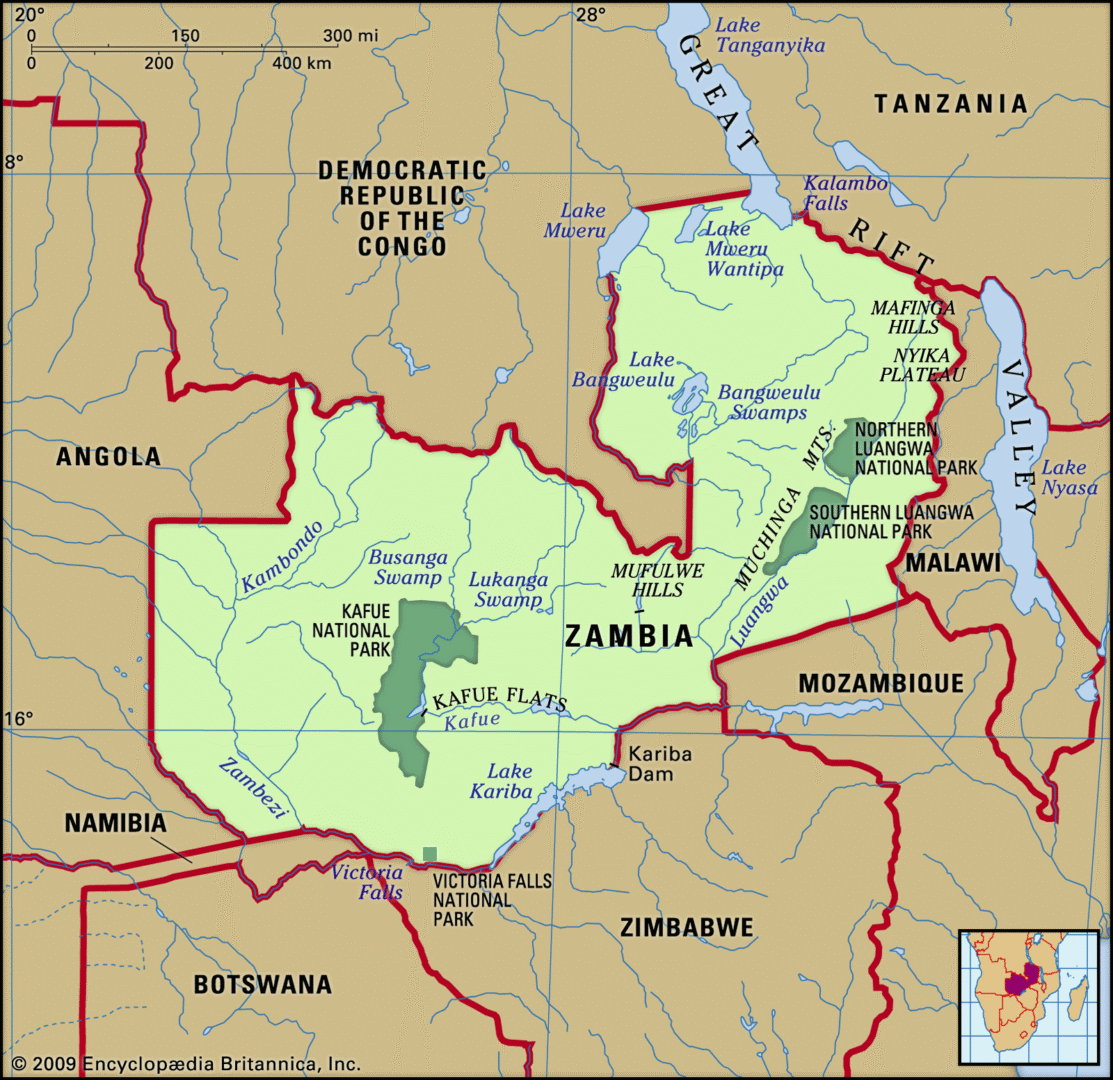
Stretching for approximately 770 kilometers, the Luangwa River eventually joins the Zambezi River near the border between Zambia and Mozambique. Along its course, the river creates a network of floodplains, lagoons, oxbow lakes, and riverine forests that support one of the richest wildlife environments on the African continent.
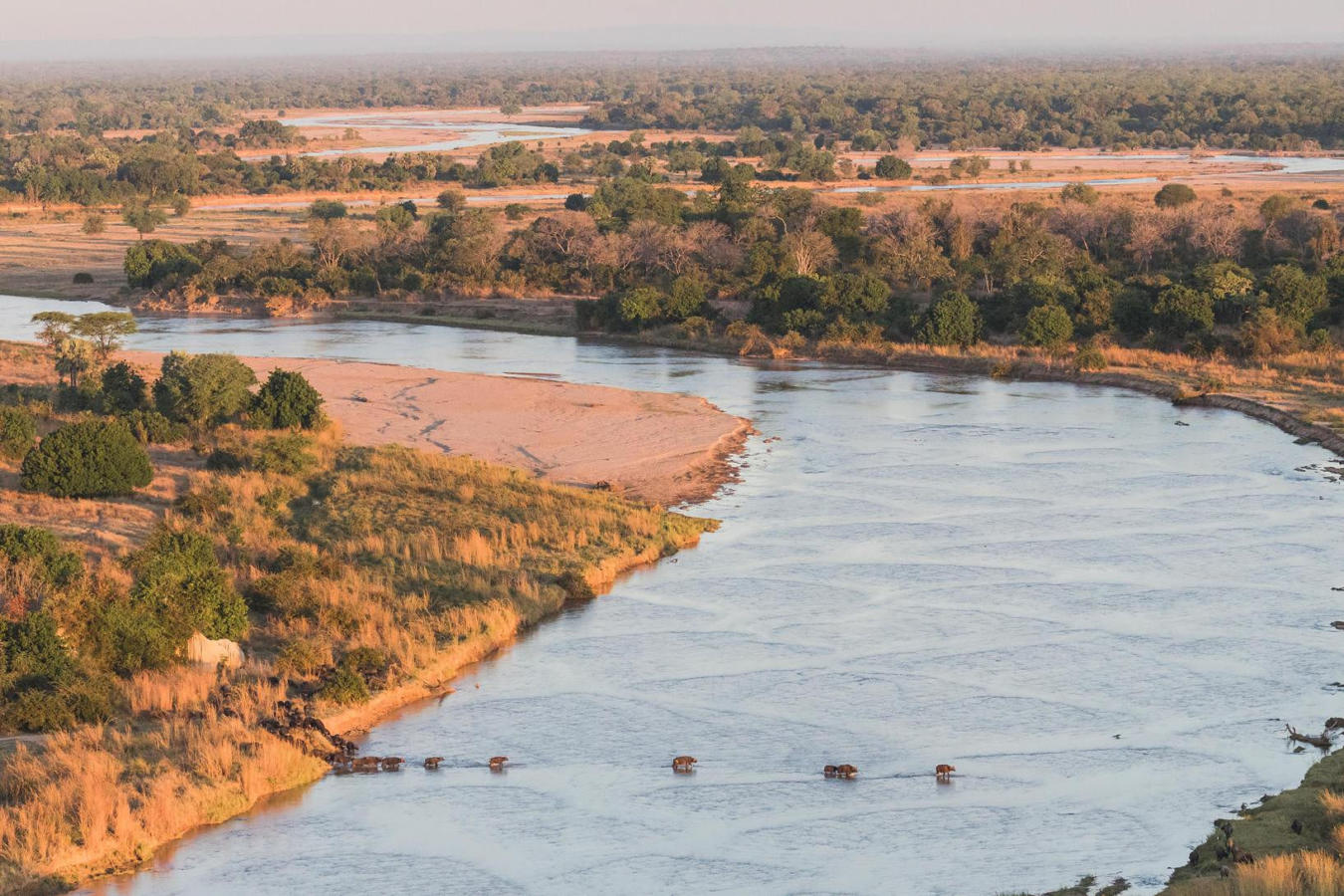
The Luangwa River is particularly famous for its role in sustaining wildlife within South Luangwa National Park, North Luangwa National Park, and Luambe National Park. These protected areas form one of Africa’s most important conservation landscapes and are among the best safari destinations in Zambia.
Throughout the year, thousands of animals rely on the Luangwa River as a critical water source. During the dry season, when much of the surrounding landscape becomes dry and dusty, the river becomes a magnet for wildlife.
Large herds of elephants gather along the riverbanks to drink and bathe. Buffalo graze on the fertile floodplains, while predators such as lions and leopards patrol the river corridors searching for prey.
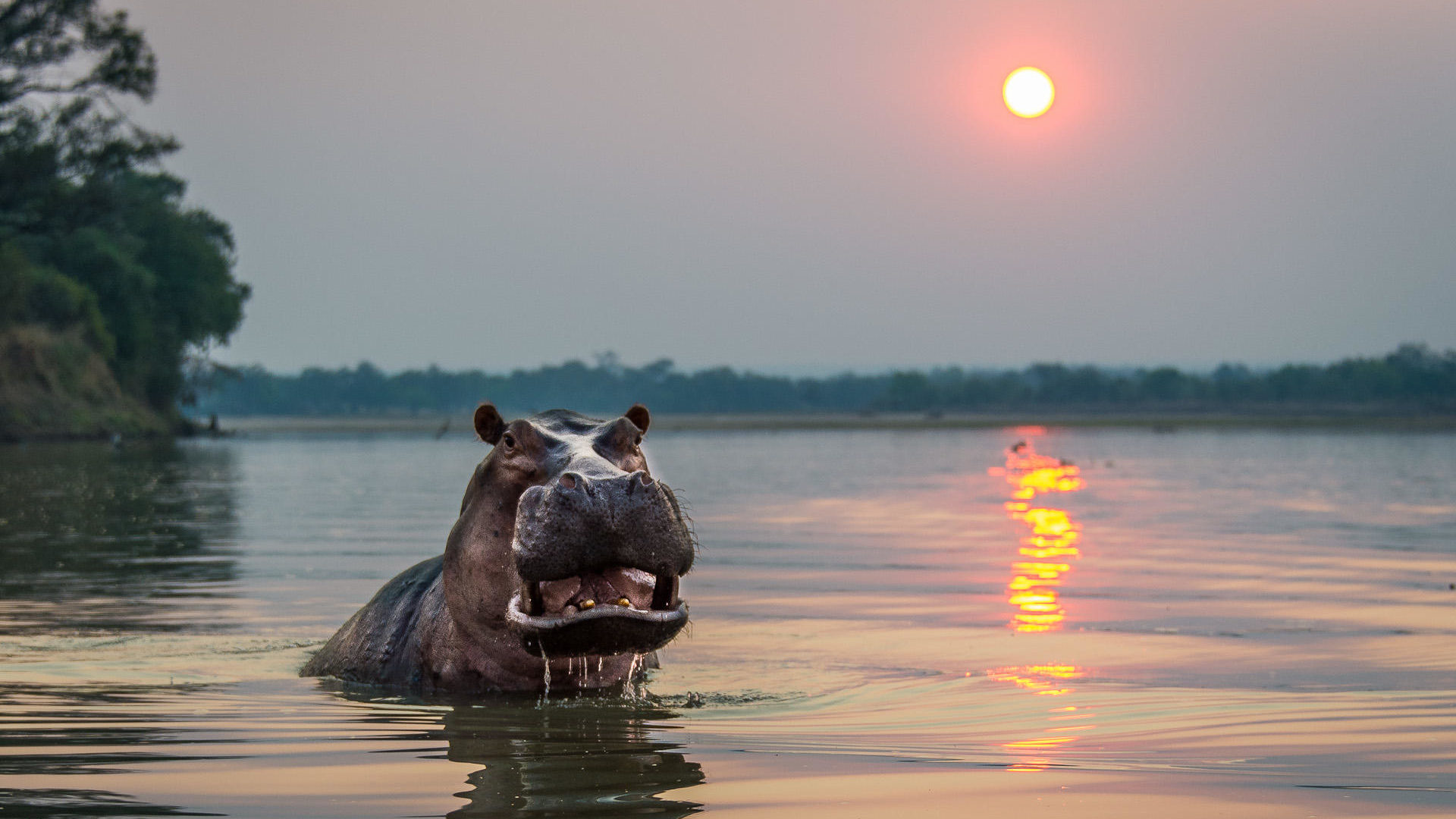
The Luangwa River is also known for hosting one of the largest concentrations of hippos in Africa, along with substantial populations of Nile crocodiles.
Because the river flows through relatively remote and protected wilderness areas, the ecosystems surrounding the Luangwa River remain largely intact and undisturbed by large-scale human development.
For travelers exploring Zambia on safari, the Luangwa River represents the beating heart of the region’s wildlife and natural beauty.
Where the Luangwa River Is Located
The Luangwa River is located in eastern Zambia, flowing through the vast Luangwa Valley before eventually joining the Zambezi River near Zambia’s border with Mozambique.
The river forms the central feature of the Luangwa Valley ecosystem, which is one of the largest intact wilderness areas in southern Africa.
Several of Zambia’s most famous national parks are located along the Luangwa River, including:
- South Luangwa National Park
- North Luangwa National Park
- Luambe National Park
These parks rely heavily on the river to sustain their wildlife populations and ecological balance.
The Luangwa River begins in the Muchinga Mountains in northeastern Zambia. From its mountainous source, the river flows southward through steep valleys before widening into the expansive Luangwa Valley floodplains.
The valley itself is bordered by the Muchinga Escarpment, a dramatic geological formation that rises sharply above the valley floor. This escarpment creates a natural boundary that helps protect the valley’s wildlife habitats.
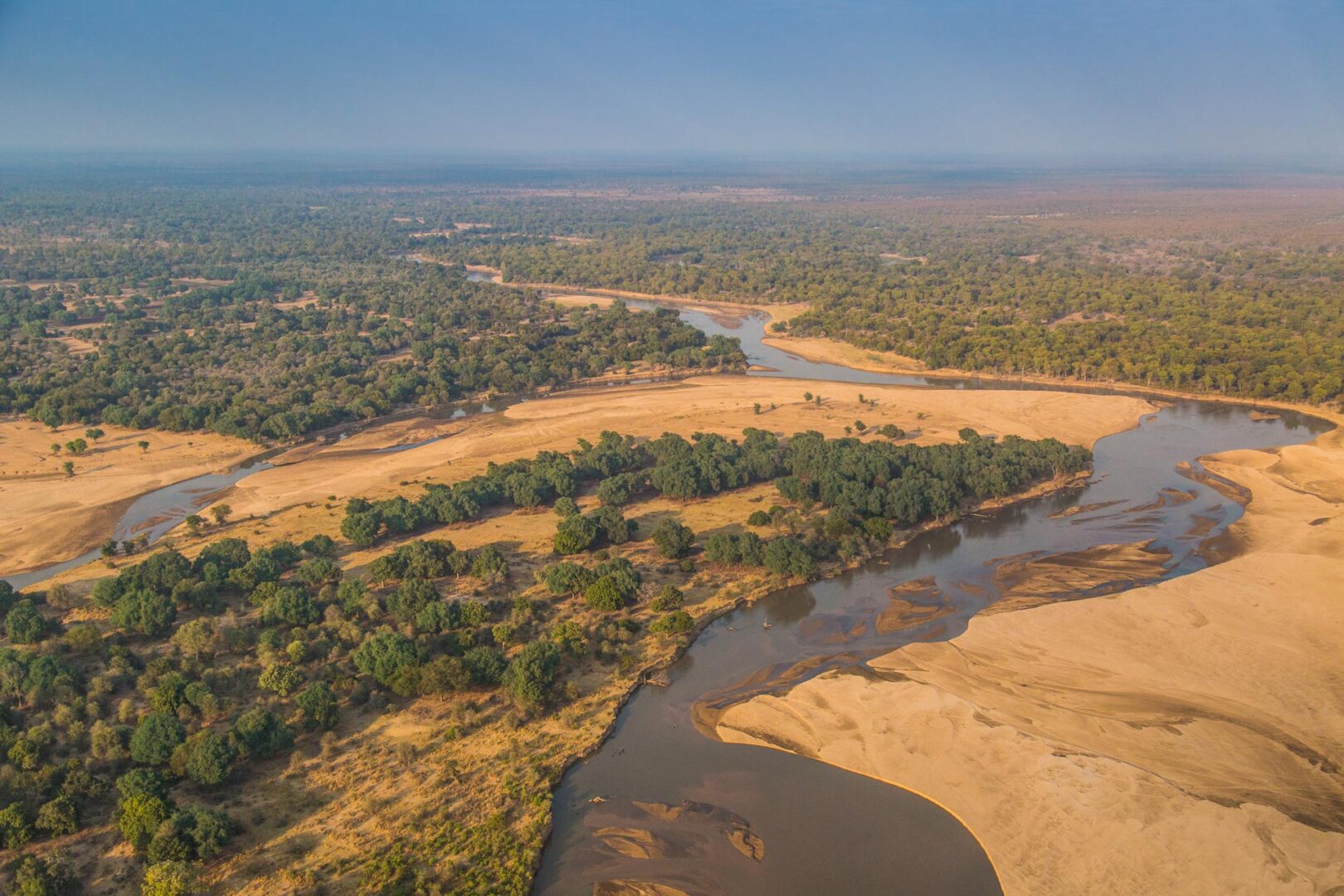
As the river flows southward, it meanders across the valley floor, creating numerous channels, lagoons, and oxbow lakes.
Eventually, the Luangwa River merges with the Zambezi River, which continues its journey toward the Indian Ocean.
The remote location of the Luangwa River has helped preserve its ecosystems and maintain healthy wildlife populations throughout the region.
Source and Course of the Luangwa River
The Luangwa River originates in the Muchinga Mountains, a rugged highland region located in northeastern Zambia. From these mountainous origins, the river flows southward through narrow valleys before entering the wide floodplains of the Luangwa Valley.
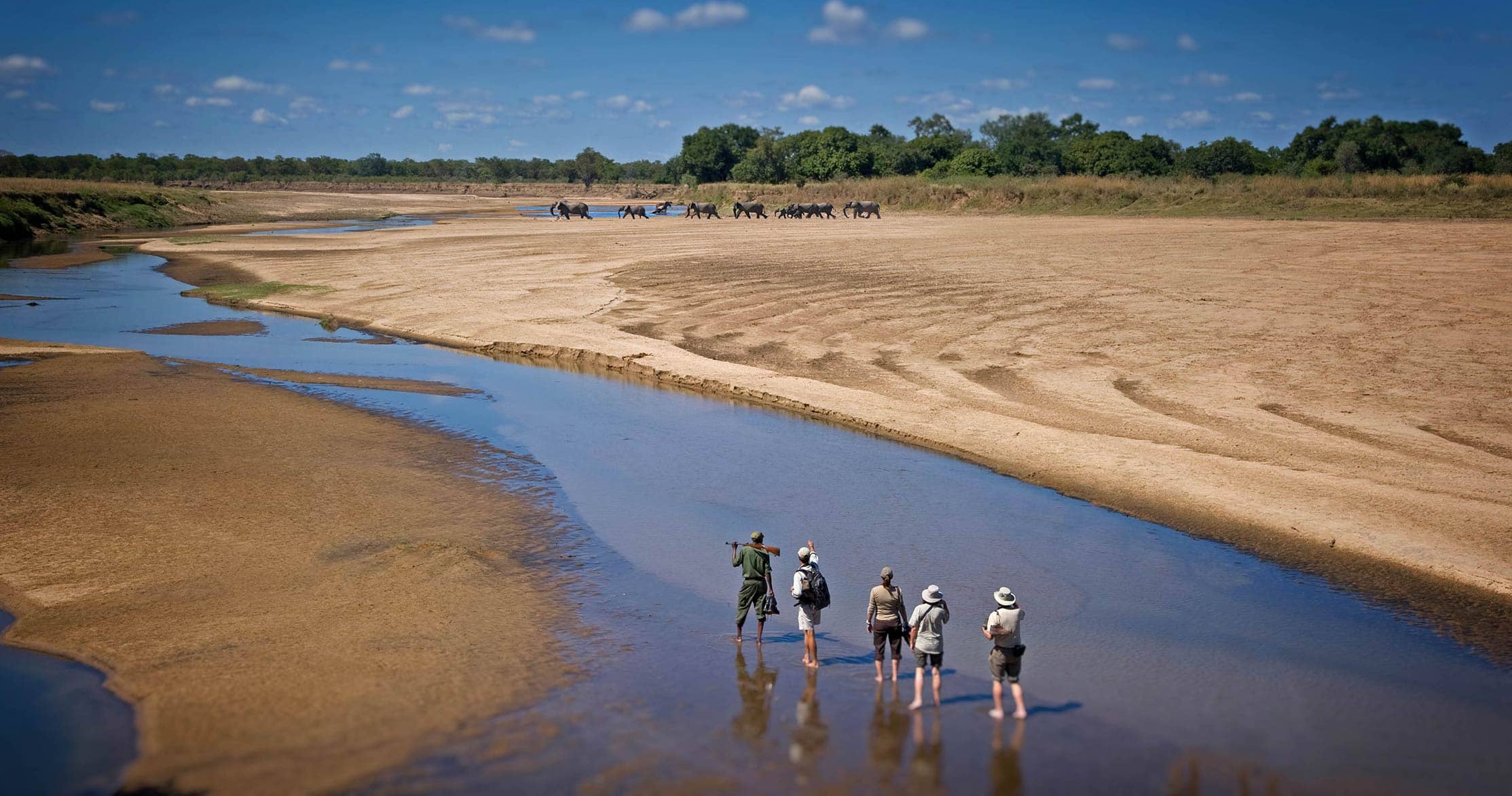
Over its journey of more than 700 kilometers, the Luangwa River changes dramatically in character.
In its upper reaches, the river flows through steep terrain with fast-moving water channels and rocky banks. As it descends into the Luangwa Valley, the river becomes wider and slower, creating the fertile floodplains that support abundant wildlife.
One of the most fascinating characteristics of the Luangwa River is its highly meandering course. The river constantly shifts its path across the valley floor, carving new channels and leaving behind oxbow lakes and lagoons.
These lagoons become extremely important habitats during the dry season, providing water sources for animals when other areas become dry.
Seasonal flooding also plays an important role in shaping the ecosystem. During the rainy season, the river overflows its banks and spreads nutrient-rich sediments across the floodplains.
These sediments help maintain fertile soils that support grasses and vegetation, which in turn sustain grazing animals such as buffalo, antelope, and elephants.
The Luangwa River’s natural flooding cycles are one of the key reasons why the Luangwa Valley supports such extraordinary wildlife populations.
The Luangwa River and the Great Rift Valley
The Luangwa Valley is part of the larger East African Rift Valley system, one of the most important geological formations on Earth.
Millions of years ago, tectonic forces caused sections of the Earth’s crust to stretch and sink, creating deep valleys surrounded by steep escarpments. The Luangwa Valley formed as one of these rift valleys.
The Luangwa River flows along the floor of this valley, shaping the landscape and supporting the region’s ecosystems.
The valley’s steep escarpments, combined with the river’s floodplains, create a wide range of habitats that support diverse wildlife populations.
Because the Luangwa Valley remains relatively isolated compared to other African safari regions, many species have evolved unique characteristics within this ecosystem.
For example, the Thornicroft’s giraffe and Cookson’s wildebeest are endemic to the Luangwa Valley and are rarely found elsewhere in Africa.
The geological history of the Luangwa Valley continues to influence the river’s behavior and the ecosystems that depend on it.
The Importance of the Luangwa River Ecosystem
The Luangwa River ecosystem is one of the most productive and biologically diverse environments in southern Africa.
The river provides water, food, and habitat for thousands of species of plants and animals.
Floodplains along the river support lush grasses that feed herbivores such as buffalo, antelope, and elephants.
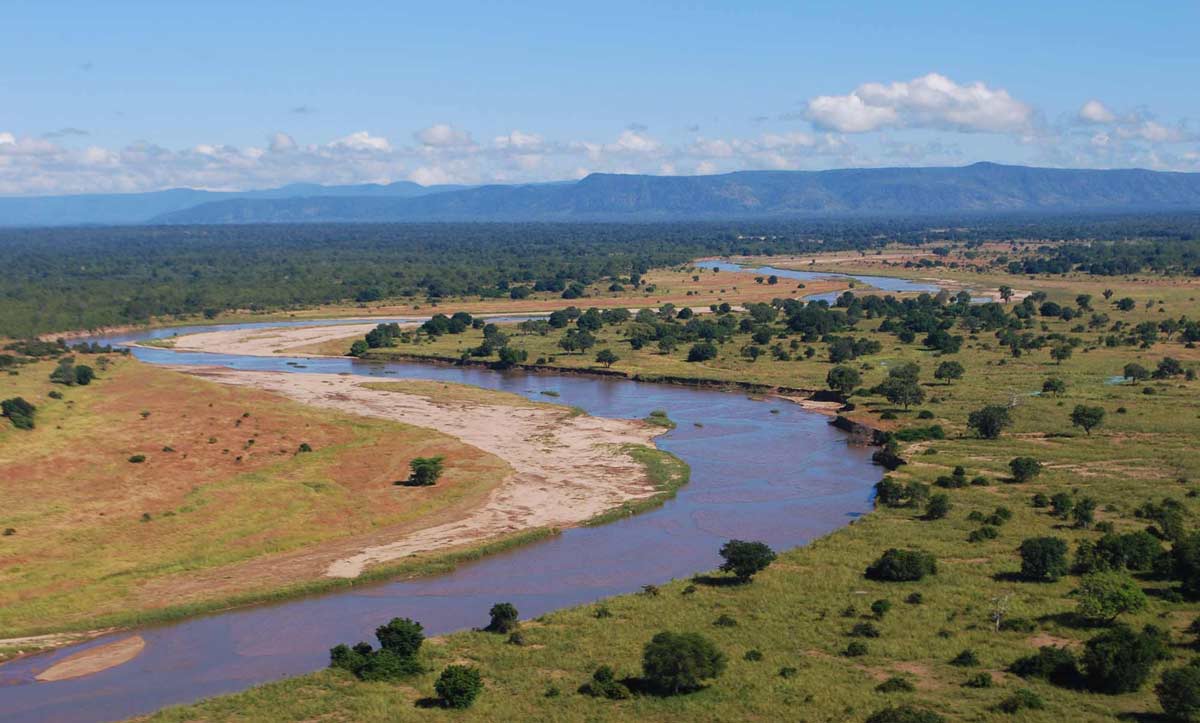
These herbivores in turn support predator populations including lions, leopards, and hyenas.
Riverine forests along the riverbanks provide shelter for birds, primates, and smaller mammals.
The river also plays a critical role in supporting birdlife. Many migratory and resident bird species rely on the river’s wetlands and lagoons for feeding and nesting.
The presence of permanent water also makes the Luangwa River essential during the dry season, when much of the surrounding landscape becomes arid.
Without the Luangwa River, the entire Luangwa Valley ecosystem would struggle to sustain its remarkable wildlife populations.
For this reason, the river is considered one of the most important natural features in Zambia’s conservation landscape.
Wildlife Along the Luangwa River
The Luangwa River supports one of the most extraordinary concentrations of wildlife in Africa. Flowing through the heart of the Luangwa Valley, the river acts as the lifeline for thousands of animals that depend on its water, vegetation, and floodplain ecosystems for survival.
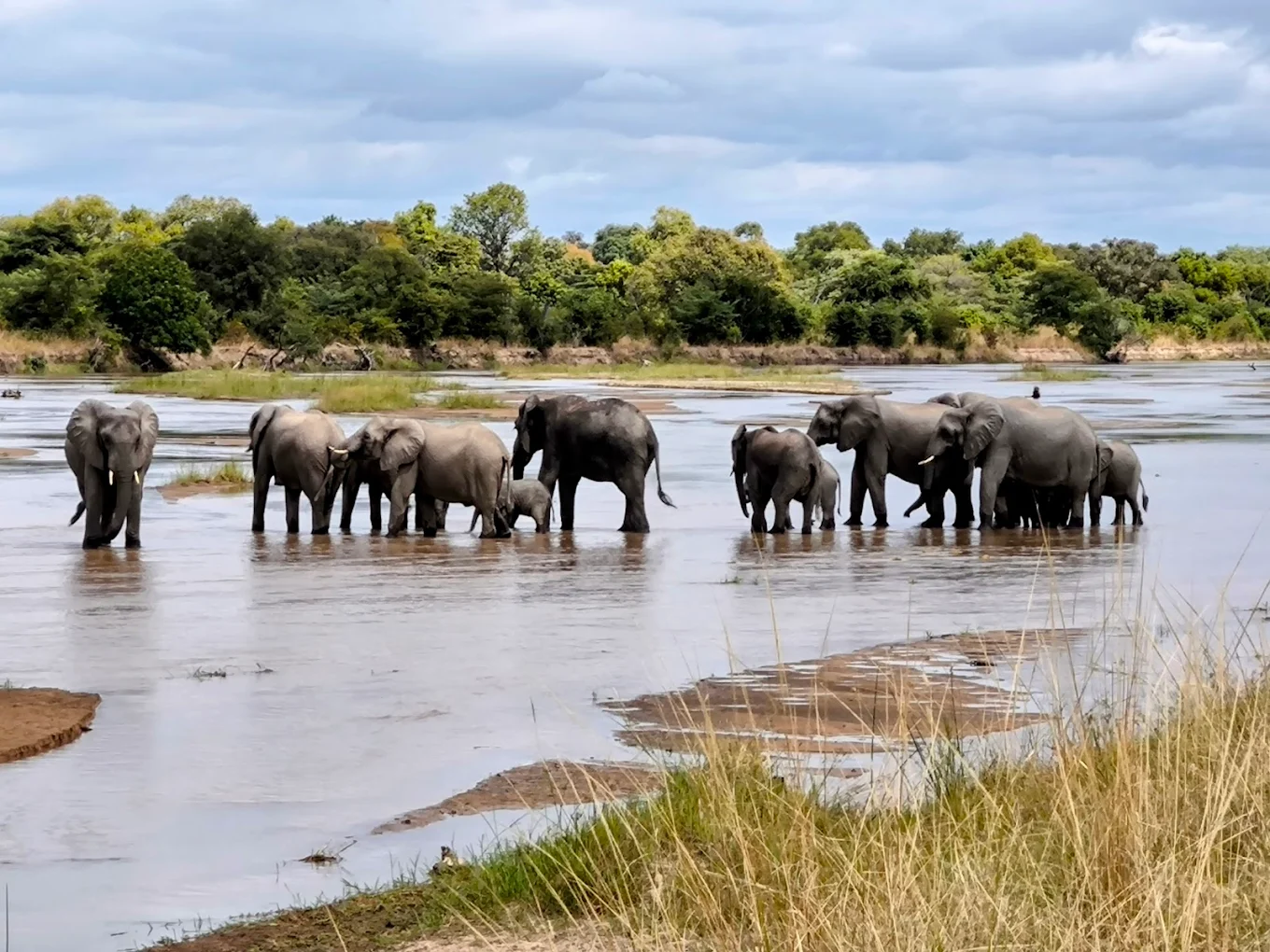
One of the most iconic animals found along the Luangwa River is the African elephant. Large elephant herds regularly gather along the riverbanks to drink, bathe, and feed on the lush vegetation that grows near the water. During the dry season, elephants can often be seen crossing the river or digging into the sandy riverbanks to access underground water sources.
The Luangwa River is also famous for hosting one of the largest concentrations of hippos in Africa. Hundreds of hippos inhabit the river’s deeper channels and lagoons, spending their days submerged in the water before emerging at night to graze on nearby floodplains. The sounds of hippos grunting and splashing are among the defining features of the Luangwa Valley wilderness.
Alongside the hippos, Nile crocodiles dominate the river’s aquatic ecosystem. These powerful reptiles bask on sandbanks during the day and hunt along the river’s edges, often targeting fish, birds, and occasionally larger animals that approach the water.
The fertile floodplains surrounding the Luangwa River support large populations of herbivores such as Cape buffalo, puku, impala, waterbuck, kudu, and bushbuck. These grazing animals are drawn to the nutritious grasses that grow in areas nourished by seasonal floods.
The abundance of prey animals also attracts predators. Lions, leopards, and spotted hyenas frequently patrol the riverbanks and surrounding woodlands. South Luangwa National Park in particular is known for its excellent leopard sightings, many of which occur near the river corridors.
Birdlife along the Luangwa River is equally spectacular. The riverbanks and lagoons provide habitat for hundreds of bird species including African fish eagles, saddle-billed storks, kingfishers, bee-eaters, herons, and pelicans.
Because the Luangwa River flows through several protected areas including South Luangwa National Park and North Luangwa National Park, its wildlife populations remain healthy and abundant.
For safari travelers, the Luangwa River offers one of the most rewarding wildlife viewing environments in Africa.
The Luangwa River Floodplain Ecosystem
The floodplains of the Luangwa River form one of the most productive ecosystems in southern Africa. Each year, seasonal rainfall causes the river to rise and overflow its banks, spreading water across the surrounding valley floor.
These annual floods deposit nutrient-rich sediments that fertilize the soil and support lush grass growth. As a result, the floodplains become important feeding grounds for grazing animals such as buffalo, puku, and antelope.
As the dry season progresses and floodwaters recede, the Luangwa River leaves behind numerous oxbow lakes and lagoons. These lagoons become essential water sources for wildlife during the dry months when many smaller streams and ponds dry up.
Vegetation within the floodplain ecosystem includes tall grasses, riverine forests, and seasonal wetlands. These habitats provide food and shelter for a wide range of species.
Riverine forests along the Luangwa River are particularly important ecological zones. These forests contain large trees such as ebony, mahogany, and sausage trees that create shaded environments for wildlife.
Monkeys and baboons often forage within these forests, while birds nest in the tree canopies above the riverbanks.
The floodplain ecosystem also supports insect populations that play vital roles in pollination and food chains within the environment.
This intricate balance between water cycles, vegetation, and wildlife interactions makes the Luangwa River floodplain one of the most dynamic ecosystems in Africa.
Safari Experiences Along the Luangwa River
The Luangwa River is central to many safari experiences within the Luangwa Valley. Visitors exploring this region often find that the river provides the most reliable wildlife sightings and dramatic safari moments.
One of the most popular safari activities along the Luangwa River is the classic game drive. During early morning and late afternoon drives, safari vehicles follow tracks along the riverbanks and floodplains where animals gather to drink and graze.
These drives often produce excellent sightings of elephants, buffalo, antelope, and predators moving through the landscape.
Another signature experience of the Luangwa Valley is the walking safari. Walking safaris allow travelers to explore the landscapes surrounding the Luangwa River on foot while accompanied by professional guides and wildlife scouts.
Walking along the riverbanks provides opportunities to observe animal tracks, birdlife, and smaller details of the ecosystem that are often missed during vehicle safaris.
The Luangwa River also provides excellent opportunities for wildlife photography. Photographers often capture dramatic scenes of elephants crossing the river, crocodiles basking on sandbanks, and birds diving into the water to catch fish.
Some safari lodges located along the Luangwa River offer night game drives, which allow visitors to observe nocturnal wildlife such as leopards, civets, genets, and bush babies.
Because the Luangwa River attracts animals throughout the year, it remains one of the most reliable locations for wildlife viewing during Zambia safaris.
Best Time to Visit the Luangwa River
The best time to visit the Luangwa River depends largely on seasonal weather patterns and wildlife movements.
The dry season from May to October is generally considered the best time for wildlife viewing along the Luangwa River. During this period, vegetation becomes thinner and animals concentrate around the river and its remaining lagoons.
Between May and June, the landscapes remain relatively green after the rainy season, and temperatures are comfortable for safari activities.
From July to September, wildlife viewing reaches its peak as animals gather along the Luangwa River to drink and feed on the floodplains.
The months of September and October are the hottest months of the year in the Luangwa Valley, but they also offer some of the most dramatic wildlife encounters as animals compete for limited water sources.
The rainy season from November to April transforms the Luangwa Valley into lush green landscapes. Although some safari camps close during heavy rains, this period offers exceptional birdwatching opportunities as migratory birds arrive in the region.
For most safari travelers seeking the best wildlife viewing conditions, the dry season remains the most recommended time to explore the Luangwa River.
Luangwa River vs Other African Safari Rivers
The Luangwa River is often compared with other famous African rivers such as the Zambezi River, Chobe River, and Mara River, all of which play important roles in their respective ecosystems.
One of the main differences between the Luangwa River and other safari rivers is the level of wilderness that surrounds it. While rivers such as the Chobe and Mara attract large numbers of safari vehicles and tourists, the Luangwa River flows through relatively remote landscapes with fewer visitors.
This lower tourism pressure allows wildlife along the Luangwa River to behave more naturally, creating a more authentic safari experience.
Another unique feature of the Luangwa River is the abundance of oxbow lagoons and seasonal floodplains, which create diverse habitats for wildlife.
The Mara River is famous for dramatic wildebeest migration crossings, while the Chobe River is known for large elephant herds gathering along its banks.
The Luangwa River, however, is celebrated for its exceptional predator populations, particularly leopards, as well as its reputation as the birthplace of the walking safari.
Because of these characteristics, the Luangwa River is often considered one of the most rewarding safari rivers in Africa for travelers seeking wilderness, wildlife diversity, and authentic safari experiences.
Frequently Asked Questions About the Luangwa River
Where is the Luangwa River located?
The Luangwa River flows through eastern Zambia within the Luangwa Valley and eventually joins the Zambezi River near the border with Mozambique.
Which national parks are located along the Luangwa River?
The Luangwa River flows through several protected areas including South Luangwa National Park, North Luangwa National Park, and Luambe National Park.
What animals live in the Luangwa River?
The Luangwa River supports hippos, Nile crocodiles, fish species, and attracts wildlife such as elephants, buffalo, antelope, lions, and leopards that depend on the river for water.
Is the Luangwa River good for safaris?
Yes, the Luangwa River is one of the best places in Africa for wildlife safaris because animals gather along its banks, especially during the dry season.
Why is the Luangwa River important?
The Luangwa River sustains the entire Luangwa Valley ecosystem by providing water, fertile floodplains, and habitats that support diverse wildlife populations.
Animals of the Luangwa Valley (Top 20 Species Guide)
The Luangwa Valley is one of the most biologically diverse wildlife regions in Africa. The valley’s ecosystems, shaped by the Luangwa River and its seasonal floodplains, support extraordinary populations of mammals, birds, reptiles, and insects.
Travelers visiting the Luangwa Valley on safari often encounter an impressive range of wildlife species within a relatively small area. The combination of riverine forests, floodplains, woodlands, and lagoons creates ideal habitats for both herbivores and predators.
Below are twenty of the most iconic animals found in the Luangwa Valley, many of which are commonly seen during safaris in South Luangwa National Park, North Luangwa National Park, and Luambe National Park.
African Elephant
The African elephant is one of the most frequently seen animals in the Luangwa Valley. Large herds move through riverine forests and across floodplains, often gathering along the Luangwa River to drink and bathe.
Elephants are also known for their remarkable ability to adapt to the seasonal changes of the valley, migrating between feeding areas depending on water availability.
African Lion
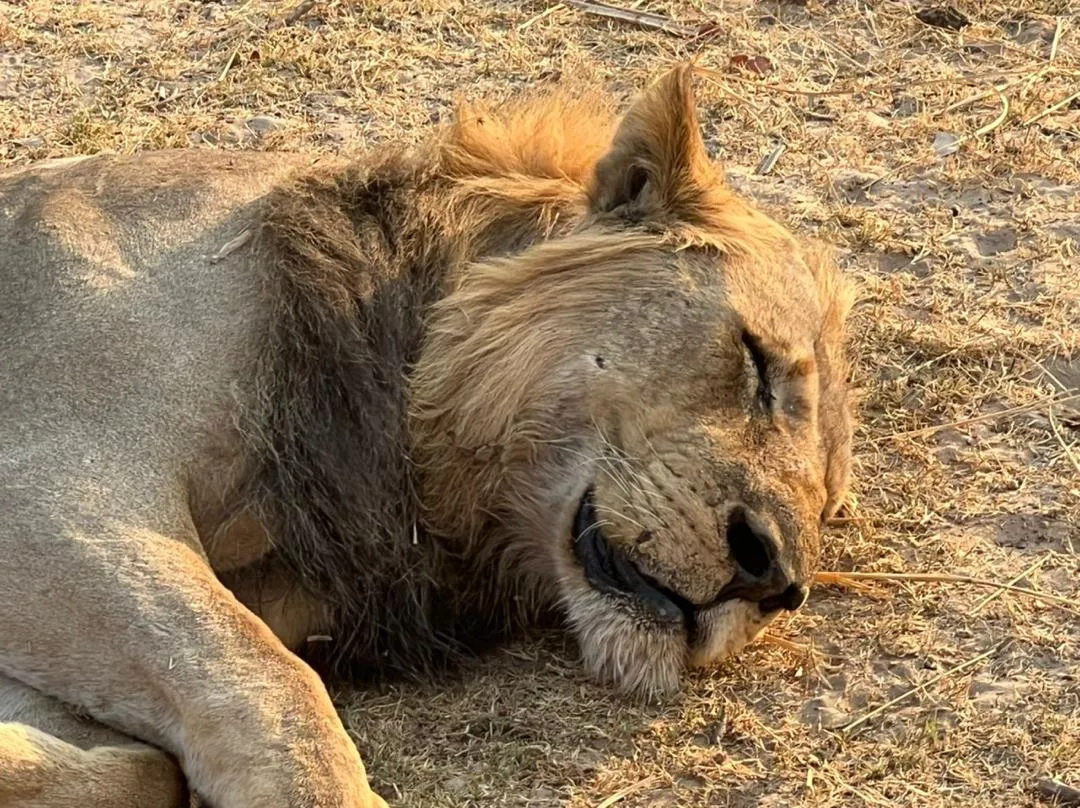
The Luangwa Valley supports healthy populations of African lions. These powerful predators often hunt along floodplains and riverbanks where prey animals gather.
Lions in the Luangwa Valley are particularly active during the cooler hours of the day and night.
Leopard
South Luangwa National Park is widely regarded as one of the best places in Africa to see leopards. These elusive predators are often spotted resting in trees during the day or hunting during evening game drives.
The dense vegetation along the Luangwa River provides excellent habitat for these solitary cats.
Cape Buffalo
Cape buffalo form massive herds throughout the Luangwa Valley. These powerful herbivores graze across floodplains and woodland areas, playing an important role in shaping the ecosystem.
Buffalo herds often attract predators such as lions.
Thornicroft’s Giraffe
The Thornicroft’s giraffe is a rare subspecies found only in the Luangwa Valley. Distinguished by its unique coat pattern, this giraffe is one of the region’s most fascinating endemic species.
Visitors exploring South Luangwa National Park often encounter these giraffes browsing on acacia trees.
Cookson’s Wildebeest
Another endemic species of the Luangwa Valley is Cookson’s wildebeest, a subspecies closely related to the blue wildebeest found elsewhere in Africa.
These animals are commonly seen grazing across open floodplains.
Puku Antelope
The puku is one of the most common antelope species in the Luangwa Valley. These medium-sized antelopes are particularly abundant along river floodplains where grasses are rich and nutritious.
Greater Kudu
The greater kudu is one of the most elegant antelope species in Africa. Known for their spiral horns and striped bodies, kudu are often seen browsing within woodland areas.
Impala
Impala are among the most abundant herbivores in the Luangwa Valley. Large herds roam throughout the park, and their presence supports predator populations such as lions and leopards.
Bushbuck
Bushbuck are shy antelope species typically found near riverine vegetation. Their secretive nature makes sightings particularly rewarding during safari drives.
Waterbuck
Waterbuck are large antelope that prefer habitats near rivers and lagoons. Their shaggy coats and distinctive white ring markings make them easy to identify.
Hippopotamus
The Luangwa River contains one of the largest concentrations of hippos in Africa. Hundreds of hippos gather in deep channels and lagoons during the day before emerging at night to graze.
Nile Crocodile
The Nile crocodile is the dominant aquatic predator of the Luangwa River. These reptiles often bask along sandbanks and hunt fish, birds, and occasionally large mammals that approach the water.
Spotted Hyena
Spotted hyenas play a crucial role as both predators and scavengers in the Luangwa Valley ecosystem. Their distinctive calls are often heard during night safaris.
African Wild Dog
African wild dogs occasionally roam through parts of the Luangwa Valley. These highly social predators hunt in coordinated packs and are among the most fascinating animals to observe.
Baboon
Large troops of baboons inhabit the riverine forests of the Luangwa Valley. These intelligent primates are highly adaptable and play important ecological roles within the ecosystem.
Vervet Monkey
Vervet monkeys are commonly seen in trees along riverbanks and lodge areas. Their playful behavior often entertains visitors during safaris.
African Fish Eagle
One of the most iconic birds of the Luangwa Valley is the African fish eagle. Its distinctive call is often heard echoing across the river as it hunts for fish.
Carmine Bee-Eater
Carmine bee-eaters nest in large colonies along riverbanks. Their bright red plumage and aerial feeding behavior make them a highlight for birdwatchers.
Saddle-Billed Stork
The saddle-billed stork is one of the most striking birds found along the Luangwa River floodplains. These large wading birds are often seen searching for fish and amphibians in shallow waters.
Luangwa Valley Safari Itineraries
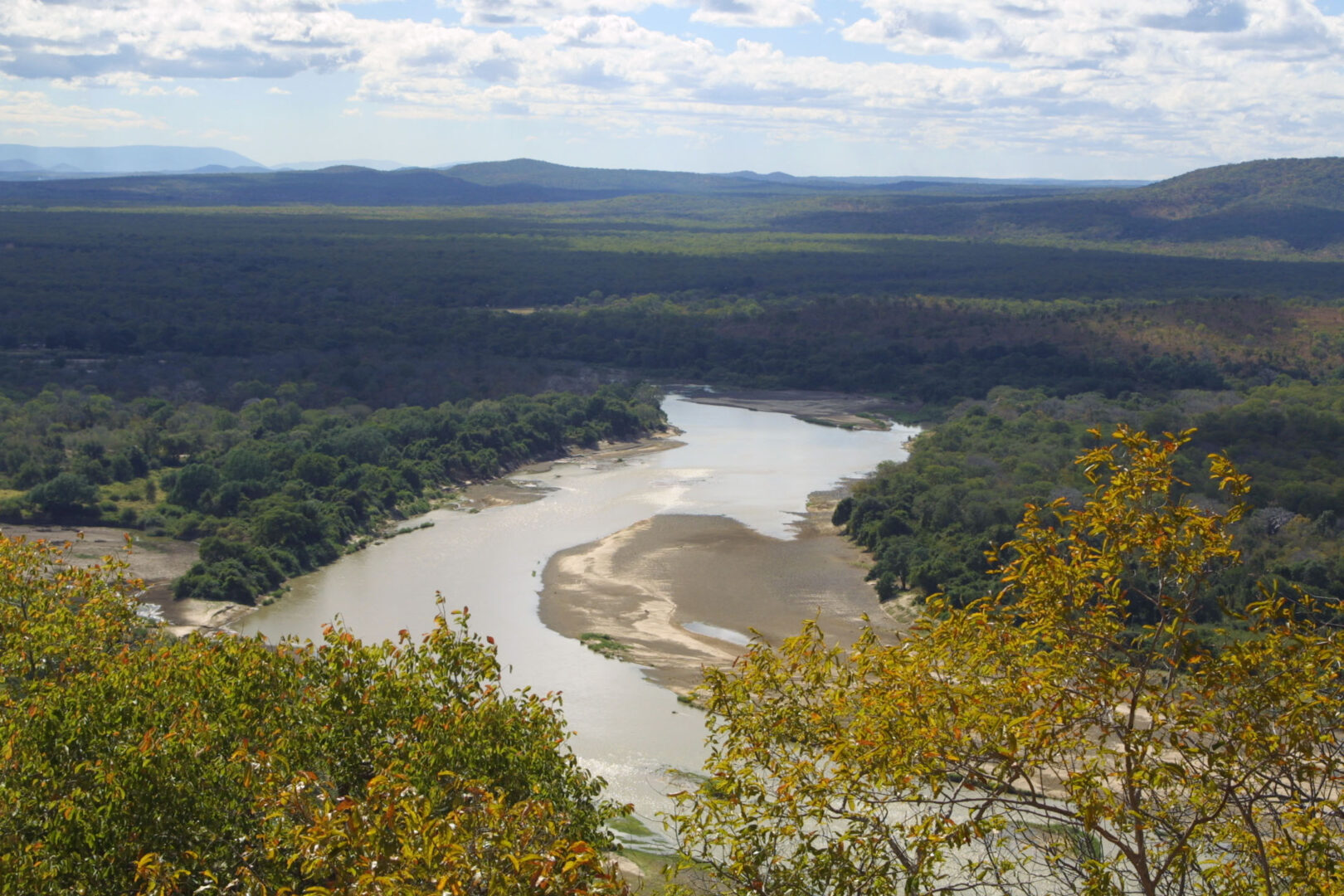
The Luangwa Valley offers a variety of safari itineraries that allow travelers to explore Zambia’s most famous wildlife regions. Safaris in the valley often combine South Luangwa National Park, North Luangwa National Park, and the Luangwa River ecosystem to create unforgettable wildlife experiences.
Below are some of the most popular safari itineraries for exploring the Luangwa Valley.
3 Days South Luangwa Safari
A three-day safari in South Luangwa National Park is ideal for travelers with limited time who still want to experience Zambia’s world-class wildlife.
This itinerary typically includes:
Day 1 – Arrival at Mfuwe Airport and transfer to your safari lodge
Day 2 – Morning and evening game drives in South Luangwa National Park
Day 3 – Morning safari and transfer back to Mfuwe Airport
This short safari offers excellent opportunities to see elephants, lions, leopards, and numerous antelope species.
5 Days South Luangwa Walking Safari
A five-day walking safari allows visitors to experience the birthplace of the walking safari tradition.
This itinerary includes guided bush walks through the Luangwa Valley, where travelers learn about animal tracking, birdlife, and ecosystems while exploring the wilderness on foot.
Walking safaris offer a deeper connection with nature and are considered one of the most authentic safari experiences in Africa.
7 Days Luangwa Valley Safari
A seven-day safari allows travelers to explore both South Luangwa National Park and North Luangwa National Park, combining vehicle safaris with guided walking experiences.
This itinerary typically includes:
- Game drives along the Luangwa River
- Walking safaris with expert guides
- Wildlife viewing across floodplains and woodlands
- Exploration of remote wilderness areas
10 Days Zambia Safari Adventure
A ten-day safari provides a comprehensive exploration of Zambia’s wildlife regions.
Many travelers combine the Luangwa Valley with other destinations such as:
- Lower Zambezi National Park
- Kafue National Park
- Victoria Falls
This extended itinerary allows visitors to experience diverse landscapes and wildlife across Zambia.
Custom Luangwa Valley Safaris
Many safari operators offer customized Luangwa Valley safaris tailored to individual travel preferences.
Customized itineraries can include luxury safari lodges, photography safaris, birdwatching tours, or walking safari expeditions through remote areas of the valley.
Because the Luangwa Valley remains one of Africa’s most authentic safari regions, custom safaris provide exceptional opportunities to explore wildlife in its natural environment.