Recent U.S. Embassy Advisory on Marburg Virus
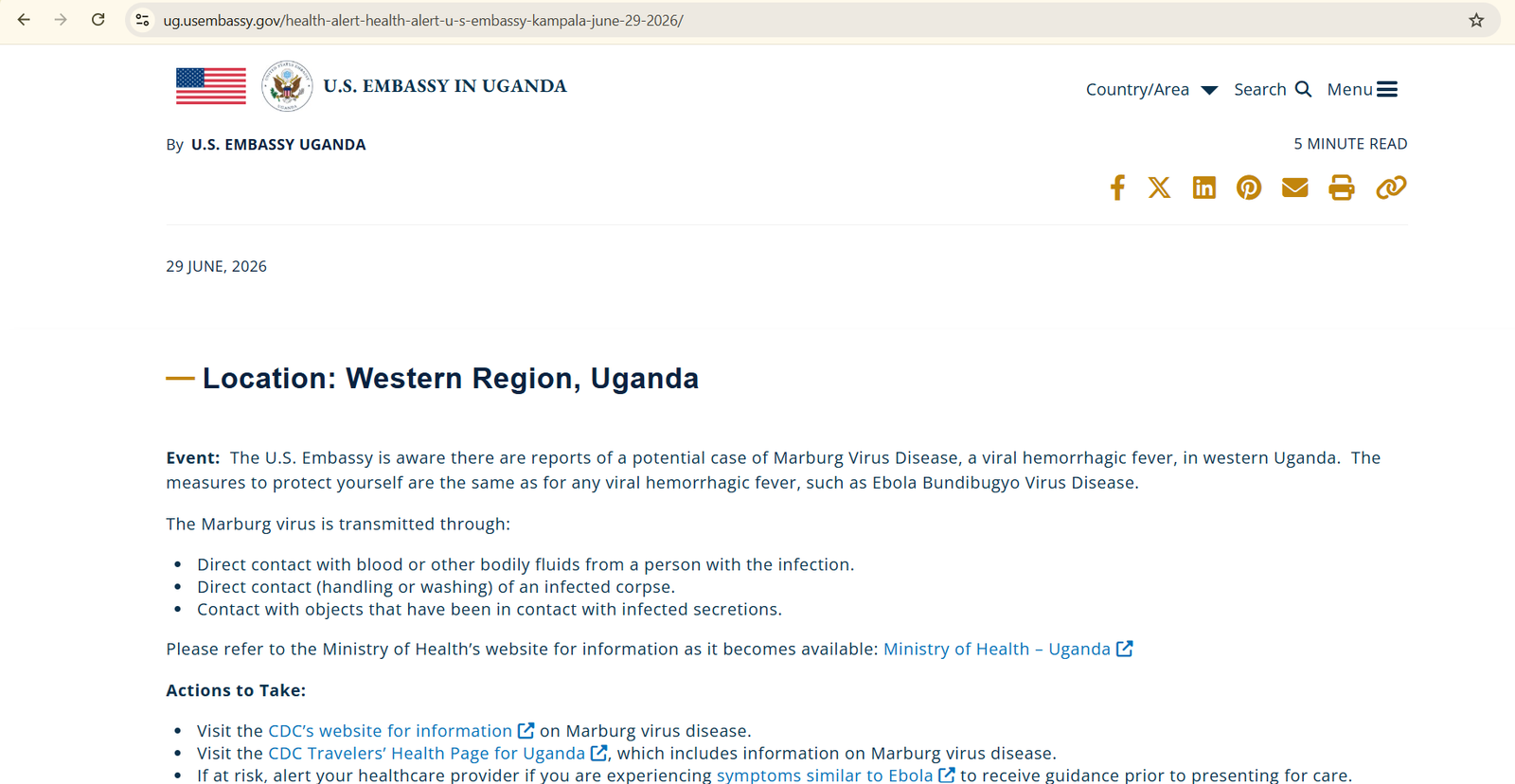
On June 29, 2026, the U.S. Embassy in Uganda issued a health alert regarding a potential case of Marburg Virus Disease in western Uganda. The advisory, part of the broader Uganda Marburg travel advisory, highlighted that the virus is transmitted through direct contact with bodily fluids of infected individuals or contaminated objects.
The Embassy recommended standard precautions for travelers, such as avoiding contact with infected persons and practicing good hygiene, while also monitoring personal health after visiting areas with reported cases. Although the alert raised concerns, it was precautionary in nature, and the Uganda Ministry of Health later clarified the situation, emphasizing that no confirmed cases were detected.
This alert serves as an important reminder for travelers to follow health guidance while planning trips, but does not indicate a widespread threat to tourists, especially those visiting major cities and safari destinations.
Uganda Ministry of Health Clarification
Following the U.S. Embassy Uganda Marburg alert issued on June 29, 2026, the Uganda Ministry of Health has officially dismissed reports of confirmed Marburg virus cases. Current public health monitoring shows no confirmed cases, and the government continues to actively track and monitor borders, high-risk regions, and potential outbreak areas to ensure the safety of both residents and visitors.
The Ministry emphasizes that the alert was precautionary, and Uganda’s public health infrastructure is fully equipped to handle any potential viral hemorrhagic threats. Travelers can be reassured that tourism zones, national parks, and safari destinations remain safe, and the government continues to provide timely updates to protect public health.
By maintaining rigorous monitoring and early-response protocols, Uganda demonstrates its commitment to public safety and traveler confidence, making it clear that visitors planning safaris or cultural trips in 2026–2030 can do so safely.
Current Ebola Situation in Uganda
Uganda continues to maintain a robust and effective public health response to viral hemorrhagic diseases. As of mid-2026, only three individuals are currently receiving treatment for Ebola, and all cases are being managed under strict medical supervision. The country’s health infrastructure and rapid response teams are actively monitoring and controlling potential outbreaks to ensure the safety of both residents and visitors.
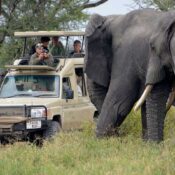
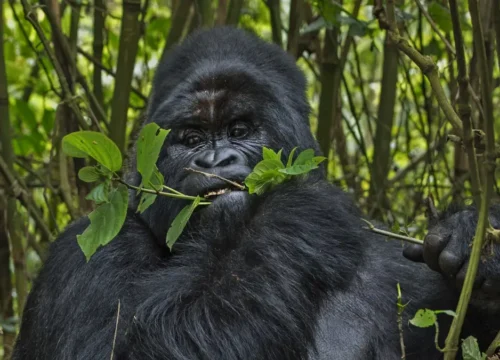
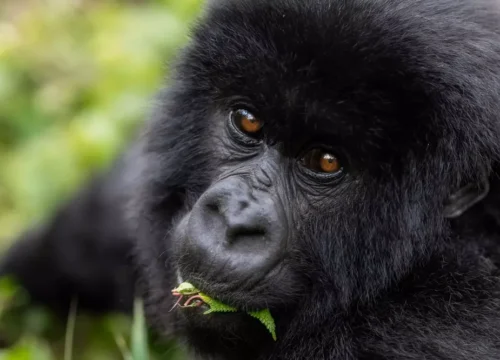
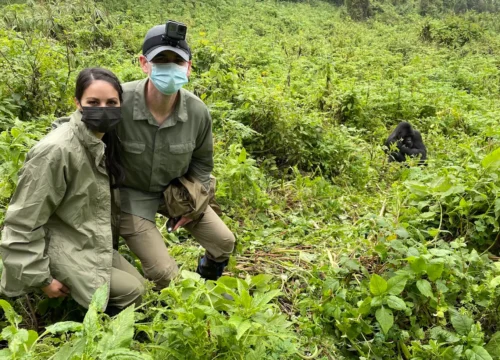
Travelers should be reassured that tourism zones, including national parks, safari lodges, and urban centers, remain fully operational and safe. Popular destinations like Bwindi, Kibale, Queen Elizabeth, and Murchison Falls National Parks are accessible for safaris, chimpanzee and gorilla trekking, and cultural tours without heightened risk.
Uganda is considered safe for travel and tourism, with strict health protocols in place to protect visitors. Travelers are encouraged to follow standard precautions, including practicing hand hygiene, avoiding contact with blood or bodily fluids of anyone unwell, and adhering to park and lodge safety instructions.
Visitors should also continue malaria prophylaxis, as malaria symptoms can mimic those of viral hemorrhagic fevers, helping prevent unnecessary health scares. For U.S. citizens, it is recommended to register with the Smart Traveler Enrollment Program (STEP) and maintain adequate travel health insurance, including coverage for medical evacuation if necessary.
By following these common-sense safety measures, travelers can confidently enjoy Uganda’s rich wildlife, safari adventures, and cultural experiences while staying fully protected.
Reassurance for Tourists and Safari Visitors
Tourism in Uganda continues to operate safely and reliably, with strict health measures in place across the country. Major national parks, including Bwindi Impenetrable Forest, Kibale Forest, Queen Elizabeth, and Murchison Falls, remain fully operational, offering visitors the opportunity to enjoy safaris, gorilla and chimpanzee trekking, and wildlife experiences without disruption.
NextGEN Safaris and other reputable local operators adhere to stringent health and safety protocols, ensuring that accommodations, transportation, and guided tours meet the highest standards of hygiene and visitor protection. Whether exploring lush forests, taking a safari drive, or visiting cultural sites, travelers can be confident that Uganda is safe for tourists in 2026.
Contact and Resources for Travelers
For travelers seeking official information and guidance, the following resources are recommended:
- Uganda Ministry of Health – https://www.health.go.ug
- U.S. Embassy Uganda Travel Advisory – https://ug.usembassy.gov
- Local Hospitals & Emergency Contacts – including emergency numbers in Kampala and regional tourist zones
We advise travelers to monitor these official sources regularly, register with the U.S. Smart Traveler Enrollment Program (STEP) for updates, and ensure travel insurance coverage that includes medical emergencies. By following these guidelines, visitors can safely enjoy Uganda’s wildlife, safaris, and cultural experiences.
Frequently Asked Questions – Uganda Travel Safety (Marburg & Ebola)
1. Is Uganda safe for travel after the Marburg alert?
Yes. The Uganda Ministry of Health has confirmed there are no confirmed Marburg cases, and tourism zones, including national parks and safari destinations, remain safe.
2. How many Ebola cases are currently in Uganda?
As of mid-2026, only three individuals are receiving treatment for Ebola, all under strict medical supervision.
3. Are national parks and safaris safe in Uganda?
Yes. Parks like Bwindi, Kibale, Queen Elizabeth, and Murchison Falls remain fully operational with health and safety protocols.
4. What precautions should travelers take against viral hemorrhagic fevers?
Travelers should practice hand hygiene, avoid contact with sick individuals, follow park and lodge guidance, and carry travel insurance covering emergencies.
5. Is Uganda currently experiencing a Marburg outbreak?
No confirmed Marburg cases have been reported. The U.S. Embassy alert was precautionary.
6. Can tourists safely visit Bwindi Impenetrable Forest?
Yes. Bwindi is open for gorilla trekking with professional guides and strict safety measures.
7. Are safari lodges in Uganda following health protocols?
Yes. Lodges implement rigorous sanitation, hygiene, and visitor protection protocols.
8. Should travelers avoid rural areas due to Ebola or Marburg?
No, rural areas are generally safe with standard precautions and guidance from tour operators.
9. What should U.S. citizens do before traveling to Uganda?
Enroll in the STEP program, check U.S. Embassy advisories, and maintain travel health insurance including medical evacuation coverage.
10. Can I safely go on a chimpanzee or gorilla trek?
Yes. Treks are fully operational with trained rangers and health protocols enforced.
11. How is Uganda managing the current Ebola cases?
Uganda has designated hospitals, trained response teams, and strict monitoring to contain and treat cases effectively.
12. Are urban centers like Kampala safe for tourists?
Yes. Kampala and other cities follow health regulations, and standard precautions ensure visitor safety.
13. Is it necessary to carry vaccination records?
Yes. Yellow fever vaccination and routine immunizations are recommended.
14. Are there travel restrictions in Uganda due to Marburg or Ebola?
No. There are currently no restrictions; tourism and urban areas remain open.
15. How can travelers monitor health updates in Uganda?
Regularly consult the Uganda Ministry of Health website and the U.S. Embassy Uganda travel advisory page.
16. Are wildlife reserves like Kibale and Queen Elizabeth safe for families?
Yes. Parks are family-friendly with strict health and safety protocols.
17. Do I need medical evacuation coverage?
It is recommended to have travel insurance covering medical evacuation.
18. Are local hospitals equipped for viral hemorrhagic fevers?
Yes. Uganda has hospitals and treatment centers trained to handle Ebola and Marburg cases.
19. Can I safely go on cultural tours in Uganda?
Yes. Cultural tours, village visits, and city tours follow strict health protocols and are considered safe.
20. What should I do if I develop symptoms while in Uganda?
Seek immediate medical attention, inform your tour operator, and follow guidance from health authorities.