
North Luangwa National Park
Overview of North Luangwa National Park
North Luangwa National Park is one of Africa’s most remote and untouched wilderness areas, located in the northern section of Zambia’s famous Luangwa Valley. Covering approximately 4,636 square kilometers, North Luangwa National Park offers an extraordinary safari experience for travelers seeking raw, unspoiled African wilderness far away from mass tourism.
Unlike many popular safari parks across Africa, North Luangwa National Park remains largely undeveloped and strictly protected. Visitor numbers are intentionally limited, which allows the park to maintain its pristine ecosystems and exceptional wildlife habitats. For travelers looking for a true wilderness adventure, North Luangwa National Park offers one of the most authentic safari experiences on the continent.
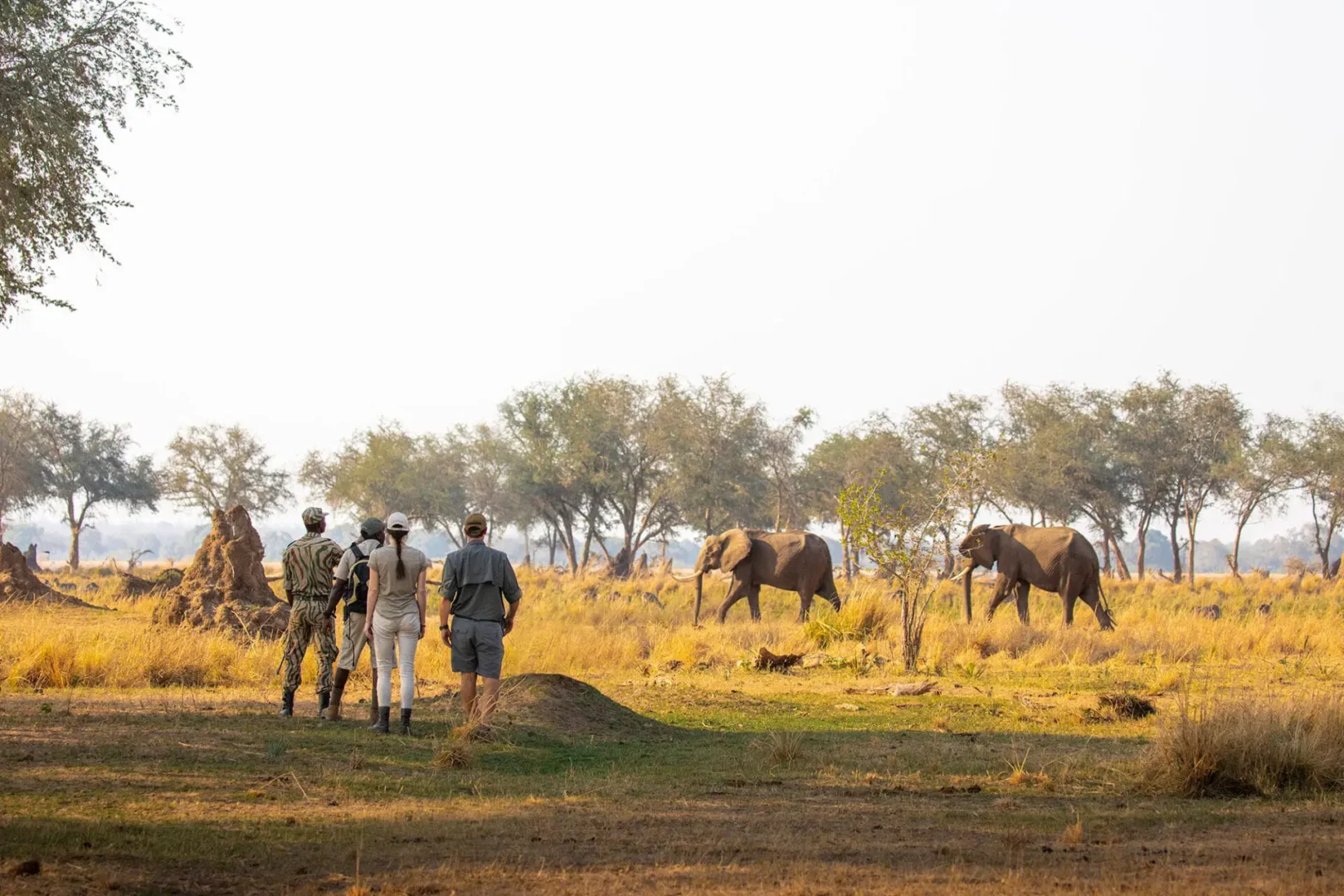
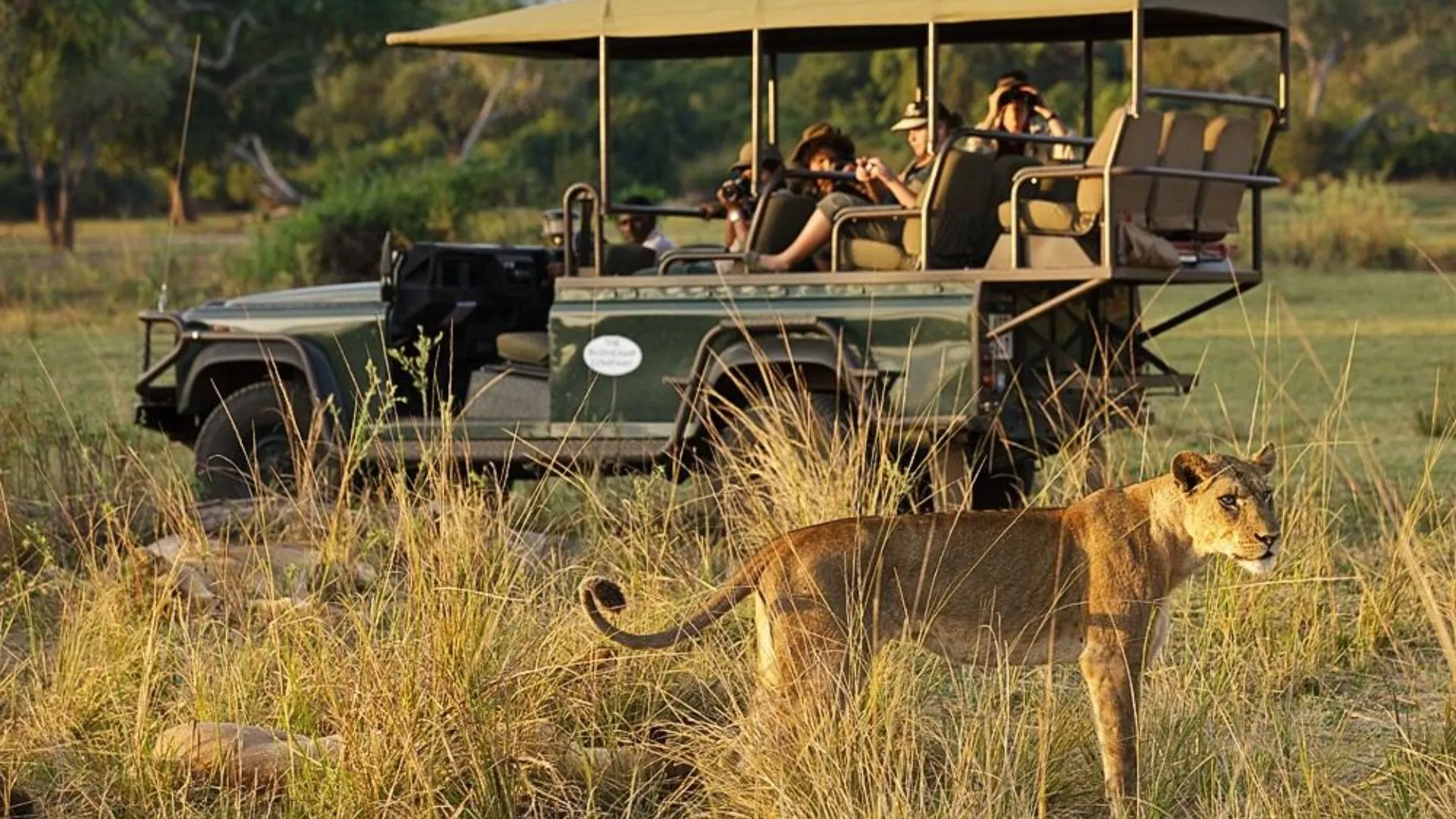
North Luangwa is especially famous for its guided walking safaris, where visitors explore the park on foot with experienced guides and armed wildlife scouts. Walking through the landscapes of North Luangwa allows travelers to experience nature from a completely different perspective, learning about animal tracks, birdlife, vegetation, and the intricate relationships within the African ecosystem.
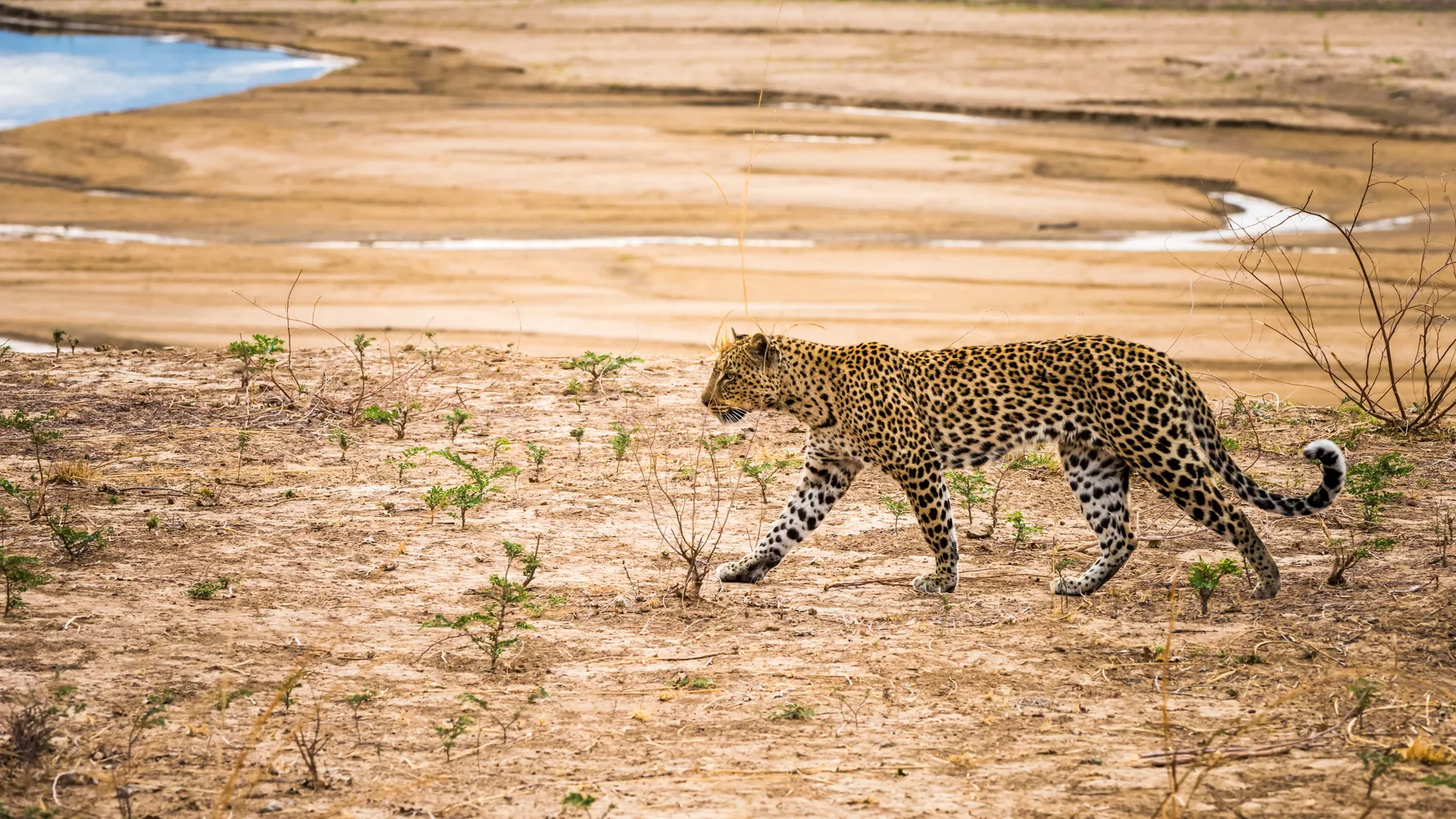
The park is home to impressive populations of elephants, buffalo, lions, leopards, and numerous antelope species. In addition, North Luangwa National Park plays an important role in wildlife conservation, particularly in the protection and recovery of Zambia’s black rhino population.
For travelers seeking exclusivity, adventure, and one of Africa’s most untouched safari destinations, North Luangwa National Park offers a rare opportunity to explore a wilderness that has remained largely unchanged for centuries.
Where Is North Luangwa National Park Located?
North Luangwa National Park is located in northern Zambia, within the vast Luangwa Valley ecosystem. The park lies directly north of the more famous South Luangwa National Park and is separated from it by the Luangwa River.
From Mfuwe, travelers heading to North Luangwa National Park usually continue their journey by charter aircraft to remote bush airstrips such as Mwaleshi Airstrip.
The Luangwa Valley itself is one of the most important wildlife regions in southern Africa, supporting an extraordinary diversity of mammals, birds, reptiles, and plant species. The valley forms part of the Great Rift Valley system, creating dramatic landscapes of escarpments, river floodplains, woodlands, and seasonal lagoons.
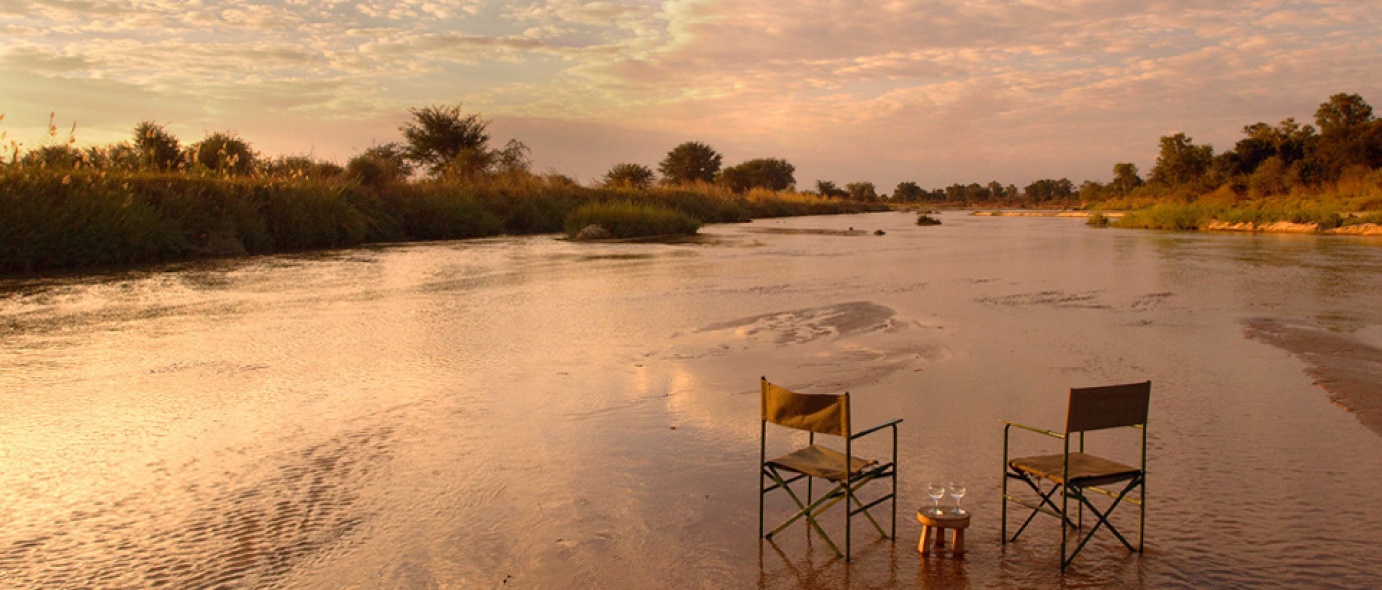
North Luangwa National Park is bordered by the Muchinga Escarpment to the west, which rises steeply and creates a natural barrier separating the valley floor from Zambia’s central plateau. The Luangwa River flows along the eastern boundary of the park, providing vital water sources that sustain wildlife throughout the dry season.
The nearest gateway to North Luangwa National Park is Mfuwe Airport, located near South Luangwa National Park. From Mfuwe, travelers can access North Luangwa either by charter flight to remote airstrips or by adventurous overland safari routes through Luambe National Park.
Due to its remote location and limited accessibility, North Luangwa National Park remains one of Africa’s least visited safari destinations. This isolation has helped preserve its wilderness character and maintain healthy wildlife populations.
History of North Luangwa National Park
North Luangwa National Park was officially established in 1972, although the Luangwa Valley had long been recognized as one of Africa’s richest wildlife areas.
Before the park’s establishment, the region was used primarily for traditional hunting and wildlife exploitation. However, conservationists and wildlife authorities recognized the ecological importance of protecting the northern section of the Luangwa Valley.
The park’s early years were challenging due to widespread poaching across the region. During the 1970s and 1980s, populations of several wildlife species, including black rhinos, declined dramatically as a result of illegal hunting.
In response, the Zambian government partnered with international conservation organizations to strengthen wildlife protection in North Luangwa National Park. One of the most significant conservation initiatives involved the reintroduction of black rhinos, which had previously been wiped out in the Luangwa Valley.
Through dedicated anti-poaching patrols and conservation programs, wildlife populations have gradually recovered in North Luangwa National Park. Today the park represents one of Zambia’s most important conservation success stories.
North Luangwa now plays a vital role in protecting endangered species while maintaining one of Africa’s most pristine ecosystems.
Why North Luangwa National Park Is One of Africa’s Last True Wilderness Parks
Many African safari destinations have become increasingly developed to accommodate large numbers of tourists. While this development provides comfortable safari experiences, it can sometimes reduce the sense of wilderness that originally defined African safaris.
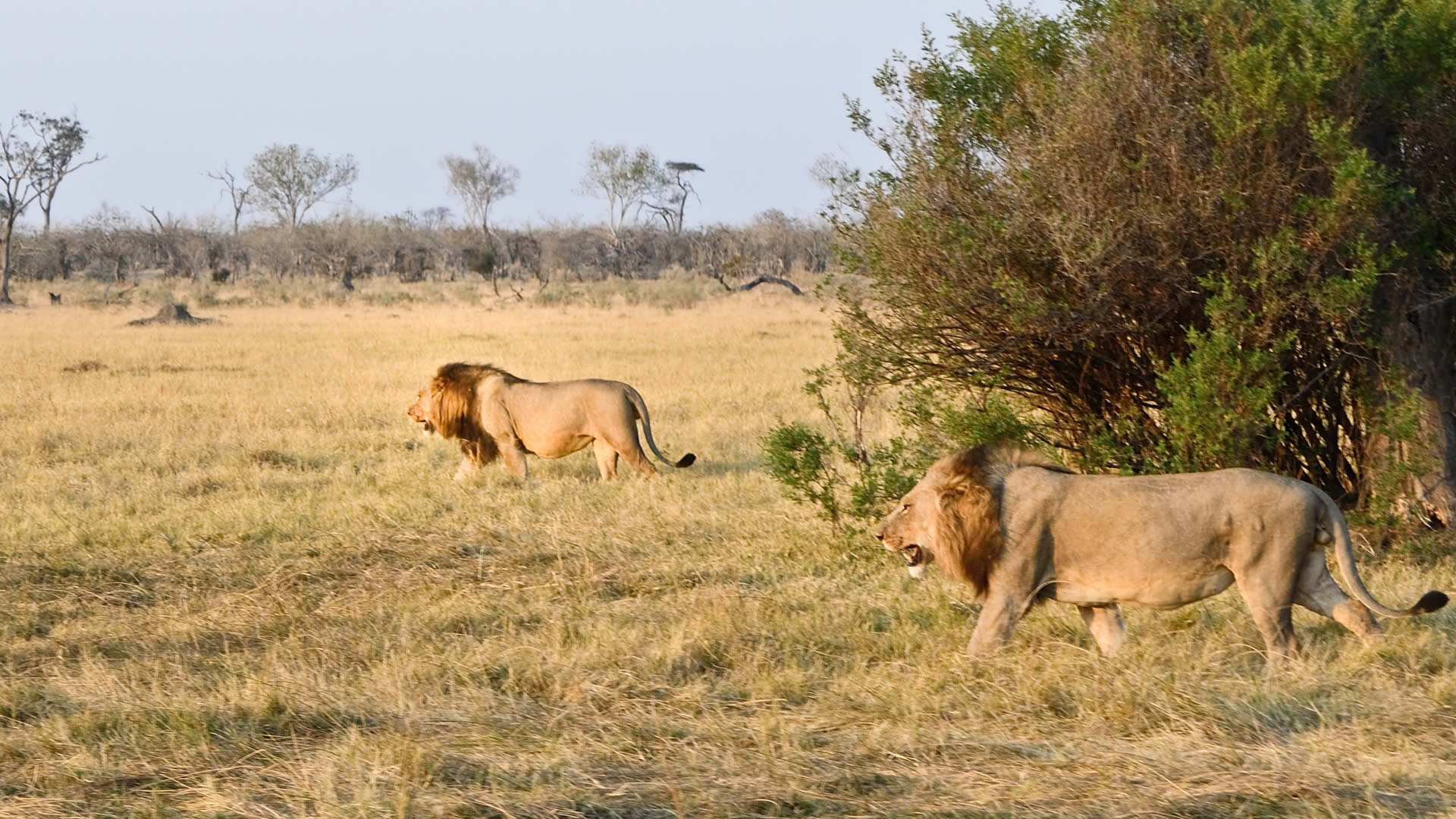
North Luangwa National Park stands apart from many other parks because it has remained largely untouched by large-scale tourism development. The park contains only a handful of small safari camps, and strict visitor limits ensure that wildlife habitats remain protected.
As a result, travelers visiting North Luangwa National Park often experience the rare sensation of exploring vast landscapes where wildlife dominates and human presence is minimal.
Game drives in North Luangwa often take place without encountering other vehicles, and walking safaris allow visitors to follow animal tracks across landscapes that feel completely wild.
This level of exclusivity makes North Luangwa National Park especially appealing to experienced safari travelers who want to move beyond traditional safari routes and explore one of Africa’s most authentic wilderness areas.
Landscapes and Ecosystems of North Luangwa National Park
North Luangwa National Park contains a remarkable variety of landscapes that support its rich wildlife populations.
The Luangwa River is the lifeline of the park. During the dry season, the river becomes a focal point for wildlife as animals gather along its banks to drink and graze. The river also supports large populations of hippos and crocodiles, making it one of the most dynamic ecosystems in the park.
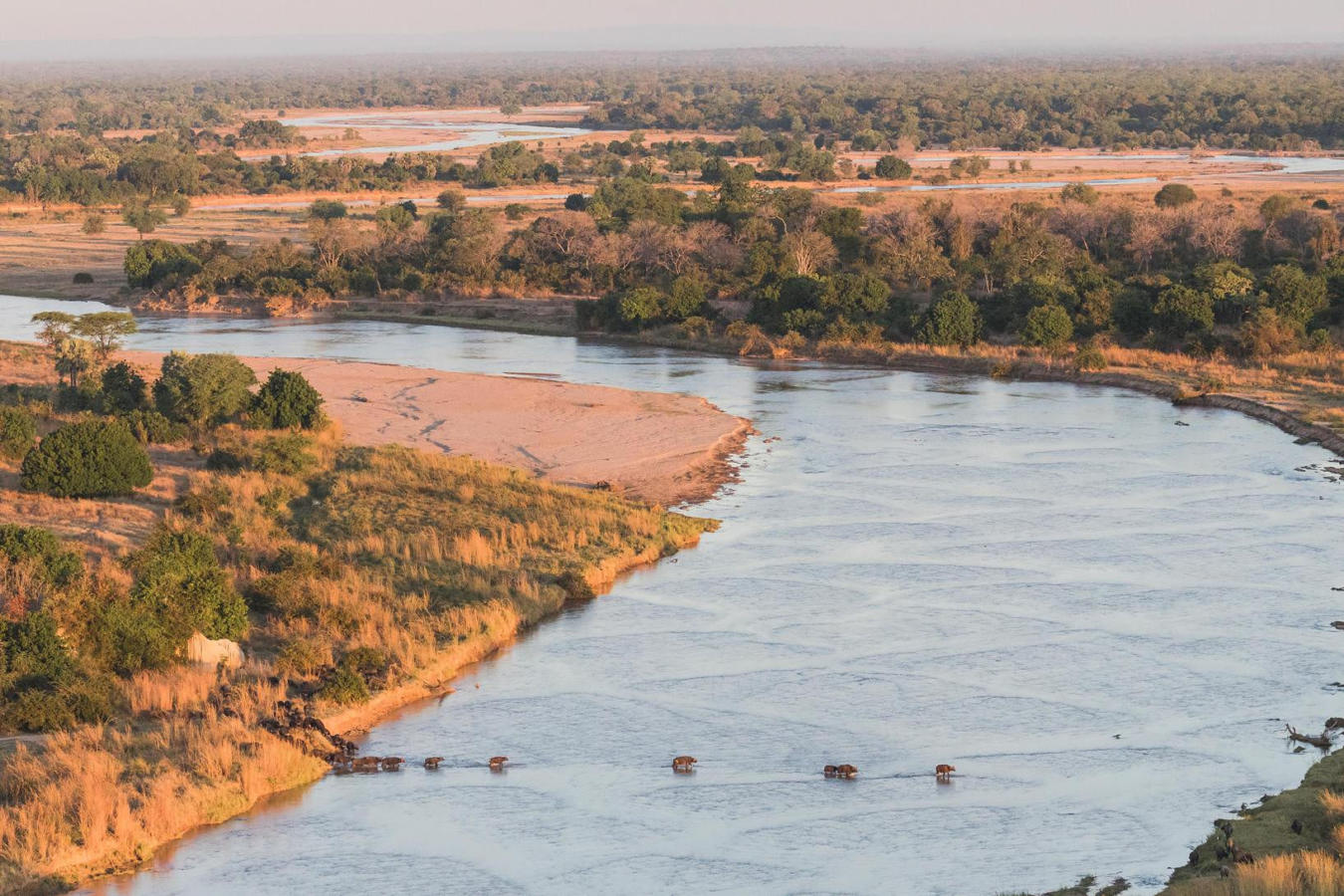
Floodplains along the river provide fertile grazing areas for antelope species and buffalo herds. These open plains are also prime hunting grounds for predators such as lions and hyenas.
Away from the river, North Luangwa National Park is dominated by miombo woodland, a distinctive type of African woodland characterized by tall trees and seasonal vegetation. These woodlands provide habitat for elephants, giraffes, and many smaller mammal species.
The park also contains riverine forests, which grow along seasonal watercourses. These lush areas attract birdlife and provide important feeding grounds for primates and other wildlife.
To the west, the landscape rises dramatically toward the Muchinga Escarpment, creating rugged terrain and spectacular views over the Luangwa Valley.
The combination of river ecosystems, floodplains, woodlands, and escarpment landscapes creates a diverse environment that supports an extraordinary variety of wildlife species.
Wildlife in North Luangwa National Park
North Luangwa National Park is widely recognized as one of the most wildlife-rich wilderness areas in Zambia. Although the park receives far fewer visitors than other safari destinations in Africa, it supports impressive populations of mammals, birds, reptiles, and plant species that thrive within the remote ecosystems of the Luangwa Valley.
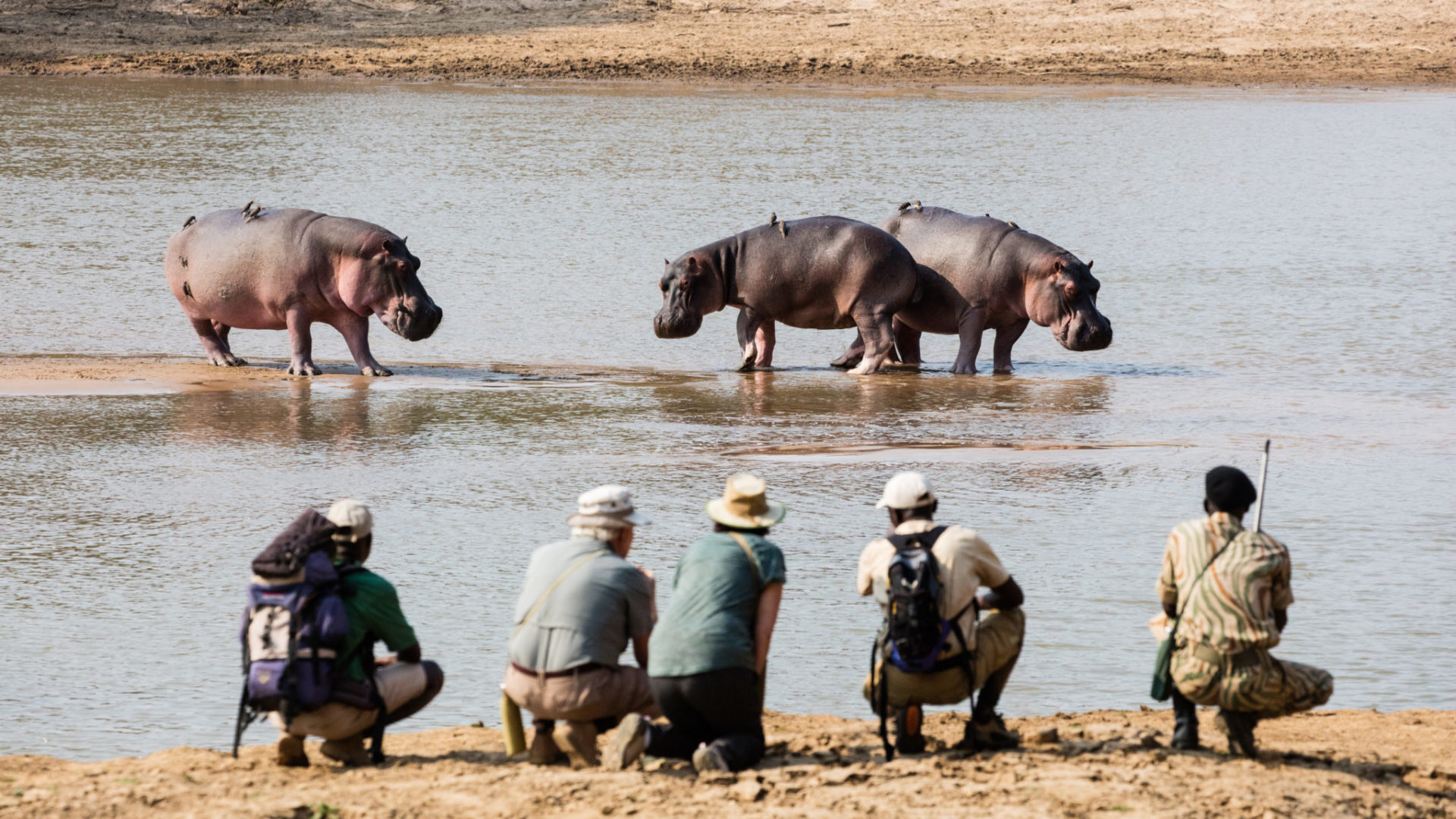
The park forms part of the greater Luangwa Valley ecosystem, one of the most important wildlife corridors in southern Africa. The Luangwa River provides a permanent water source that attracts wildlife from surrounding woodlands, floodplains, and escarpment habitats throughout the year.
Large mammals are among the most frequently seen animals in North Luangwa National Park. Herds of African elephants move through the woodlands and along the riverbanks, often gathering near water sources during the dry season. These elephants are known for their calm behavior and natural movements within the park’s vast wilderness areas.
Cape buffalo are another dominant species in North Luangwa. Large herds can often be seen grazing across floodplains and open grasslands. Their presence also supports healthy predator populations, as buffalo are an important prey species for lions.
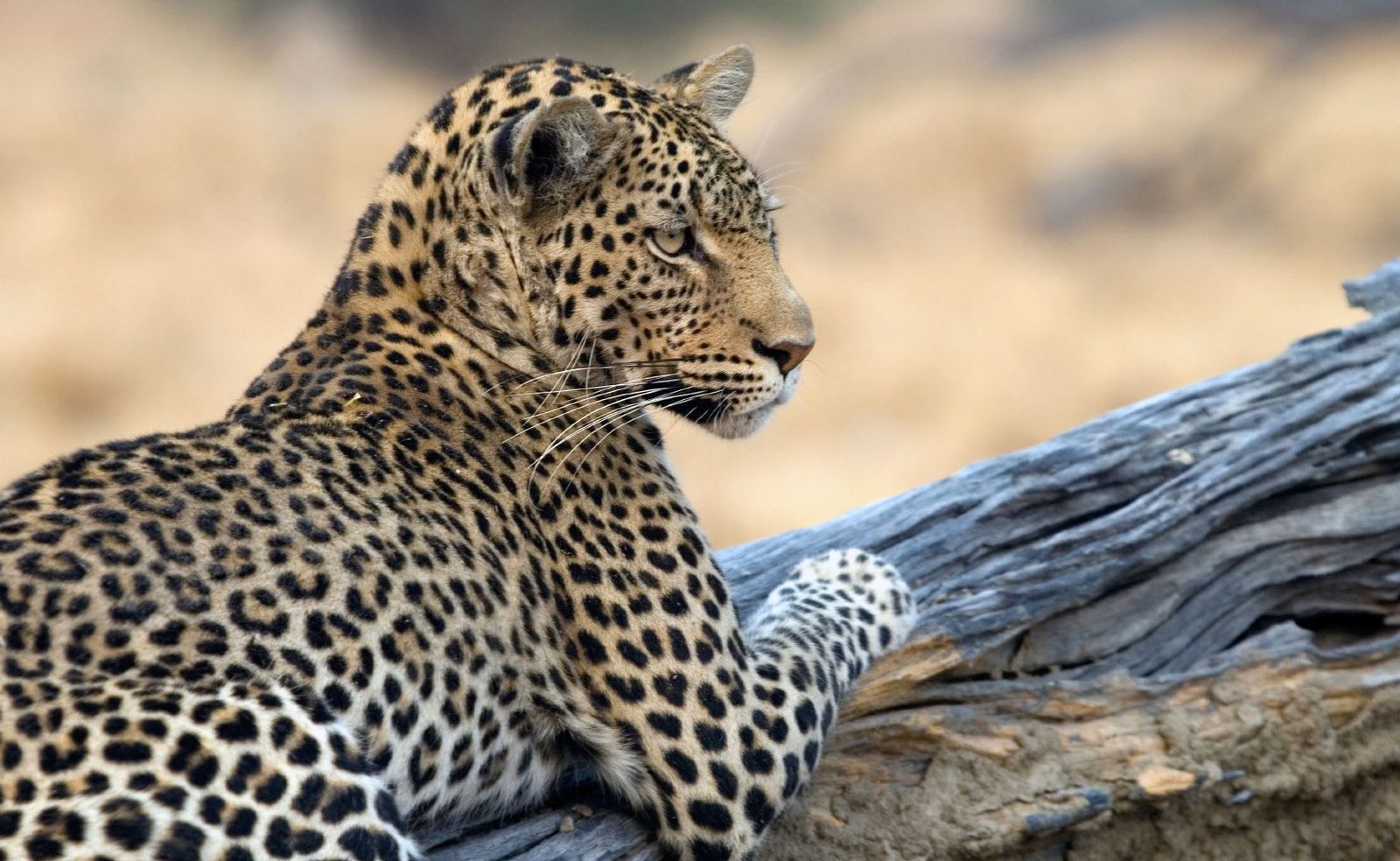
North Luangwa National Park also supports populations of lions, leopards, and spotted hyenas, which roam across the park’s diverse habitats. While predator sightings are often more frequent during game drives, visitors may encounter tracks and hear distant calls during walking safaris.
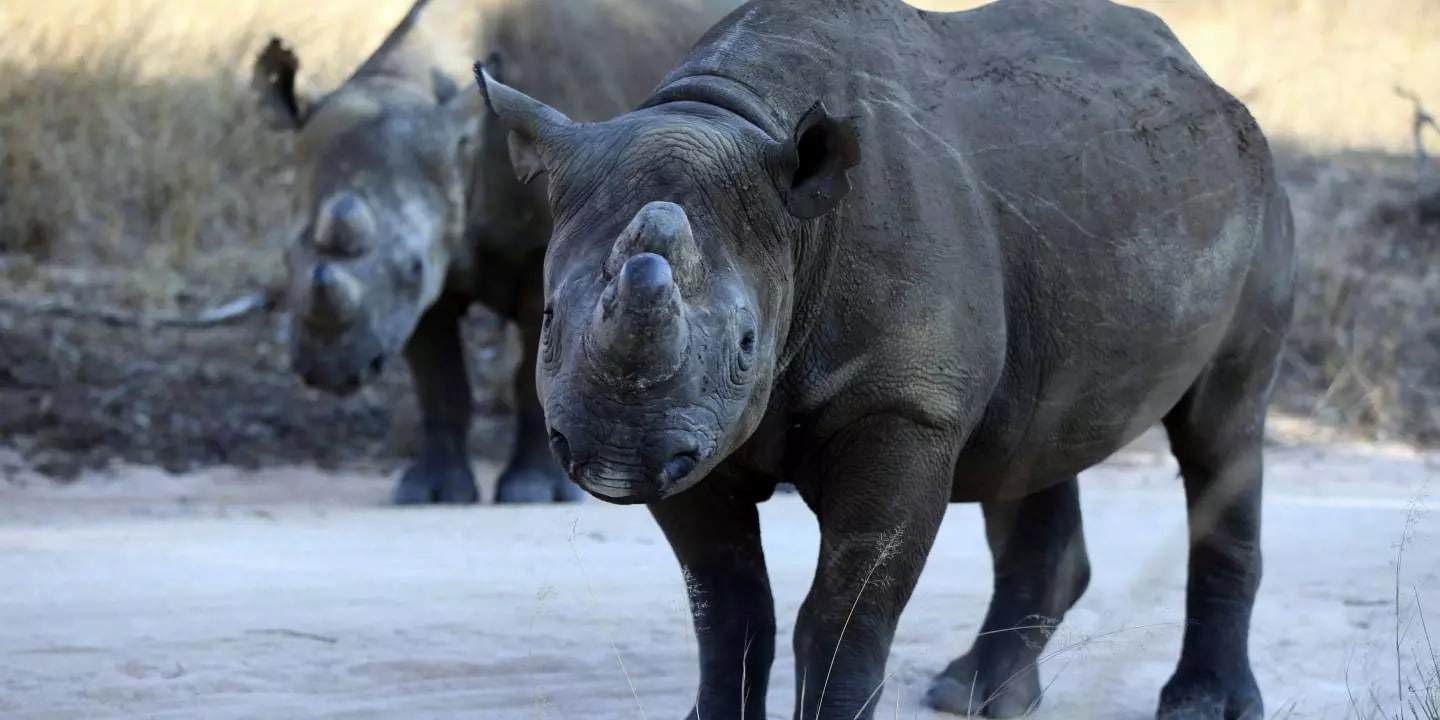
One of the most exciting conservation achievements in North Luangwa National Park is the reintroduction of black rhinos. These critically endangered animals were once extinct in the Luangwa Valley due to poaching. Through dedicated conservation programs and strict protection, small populations have been successfully reintroduced and are now carefully protected within the park.
Several antelope species thrive in North Luangwa National Park. Visitors often encounter puku, impala, bushbuck, waterbuck, kudu, and reedbuck, which graze along floodplains and woodland edges. These antelope species play an important role in the ecosystem as prey for predators while maintaining vegetation balance across the landscape.
Birdlife in North Luangwa National Park is also remarkable. The park supports over 400 bird species, making it a rewarding destination for birdwatchers. Common sightings include African fish eagles, saddle-billed storks, carmine bee-eaters, kingfishers, hornbills, and various raptors.
The Luangwa River itself supports one of the largest populations of hippos in Africa. Crocodiles are also commonly seen basking along riverbanks or floating silently in the water.
Because North Luangwa National Park remains relatively undisturbed by tourism, wildlife behavior here is often more natural and less influenced by human activity. This makes the park a particularly rewarding destination for travelers seeking authentic wildlife encounters.
Walking Safaris in North Luangwa National Park
North Luangwa National Park is considered one of the best places in Africa to experience a true walking safari. Zambia is widely known as the birthplace of the walking safari, and the Luangwa Valley has played a central role in developing this unique style of wildlife exploration.
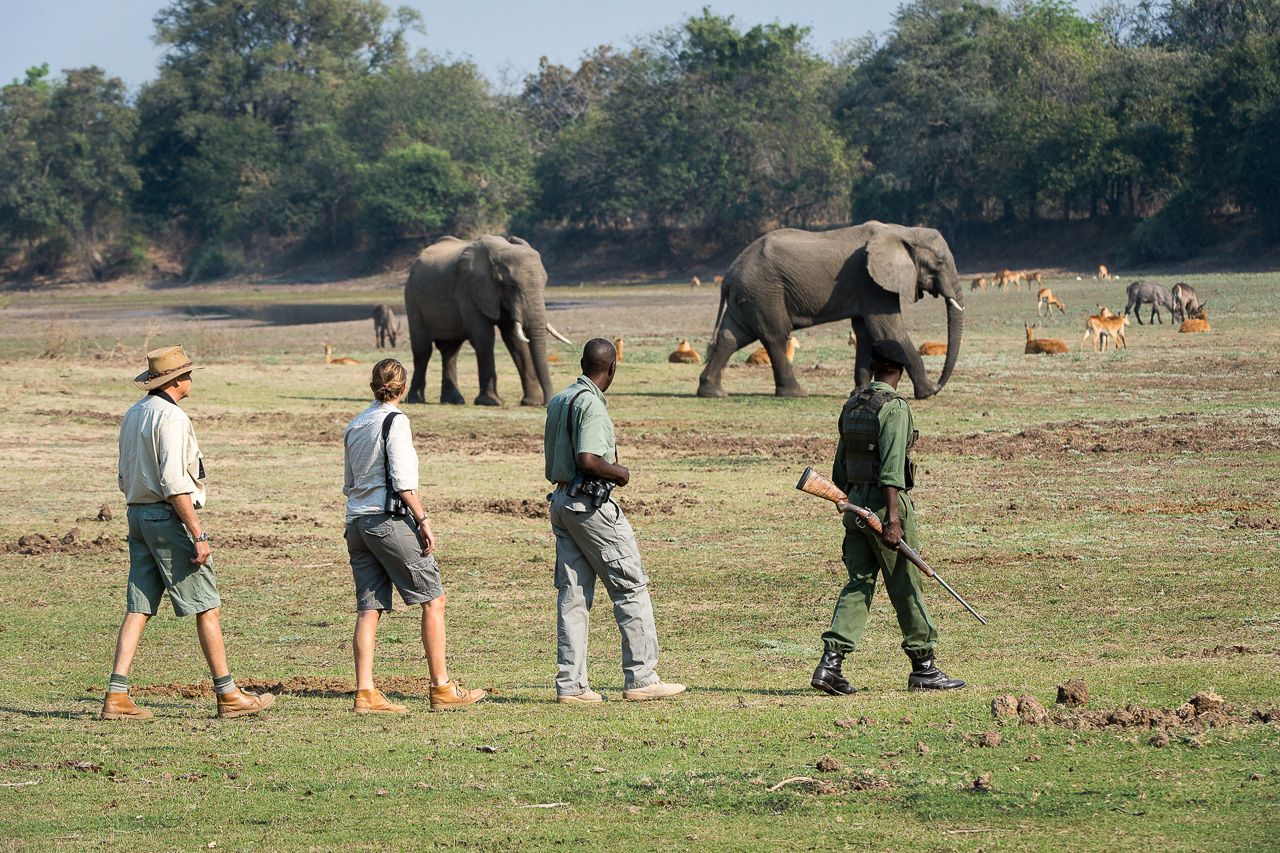
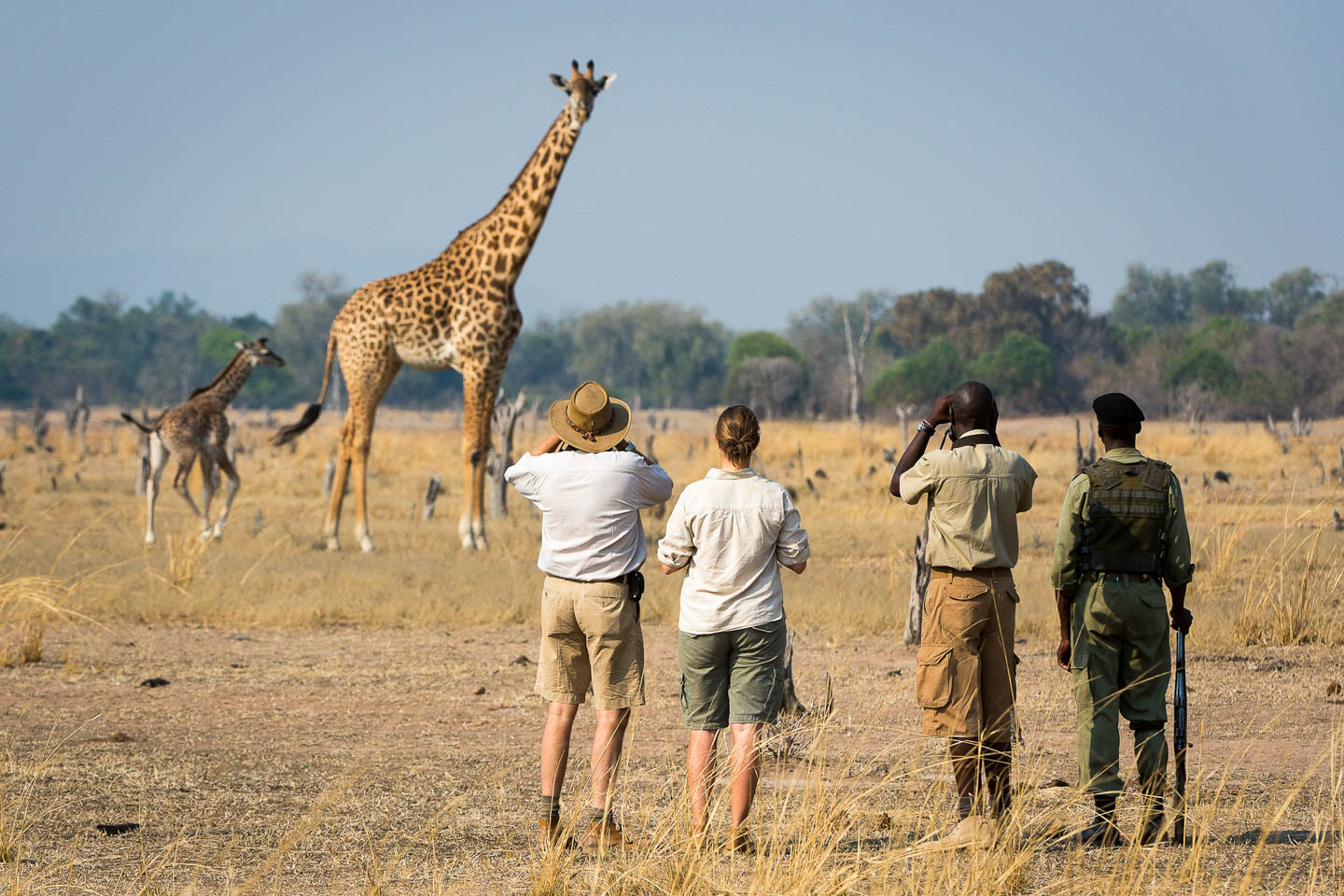
Unlike traditional safaris where wildlife is viewed primarily from vehicles, walking safaris allow visitors to explore the bush on foot under the guidance of experienced safari guides and armed park scouts. This approach provides a deeper understanding of the environment and a more immersive connection with nature.
During walking safaris in North Luangwa National Park, guides lead small groups through woodland trails, riverbanks, and open plains while interpreting animal tracks, bird calls, and plant life. Travelers learn how to identify signs of wildlife such as footprints, feeding patterns, and territorial markings.
Walking through the landscapes of North Luangwa allows visitors to observe wildlife behavior from a unique perspective. While large animals such as elephants and buffalo are sometimes seen during walking safaris, the experience also focuses on the smaller details of the ecosystem.
Guests may encounter colorful bird species, butterflies, reptiles, and fascinating plant life that often go unnoticed during vehicle safaris. Guides also explain traditional bush knowledge, including how local communities have historically used plants for medicine, food, and shelter.
Safety is always a top priority during walking safaris in North Luangwa National Park. Professional guides are highly trained in wildlife behavior and maintain safe distances from animals at all times. Armed wildlife scouts accompany each group to ensure security while moving through the bush.
Walking safaris in North Luangwa are typically conducted during the early morning hours when temperatures are cooler and wildlife activity is high. The slow pace of walking safaris allows guests to fully appreciate the sights, sounds, and atmosphere of the African wilderness.
For many travelers, walking through the landscapes of North Luangwa National Park becomes one of the most memorable experiences of their safari journey.
Best Safari Activities in North Luangwa National Park
North Luangwa National Park offers a range of safari activities that allow visitors to experience the wilderness from different perspectives. While the park is most famous for its walking safaris, several other activities provide exciting opportunities to explore the Luangwa Valley.
Walking safaris remain the signature experience of North Luangwa National Park. Guided bush walks allow travelers to track wildlife, observe the landscape closely, and gain insight into the delicate balance of the ecosystem.
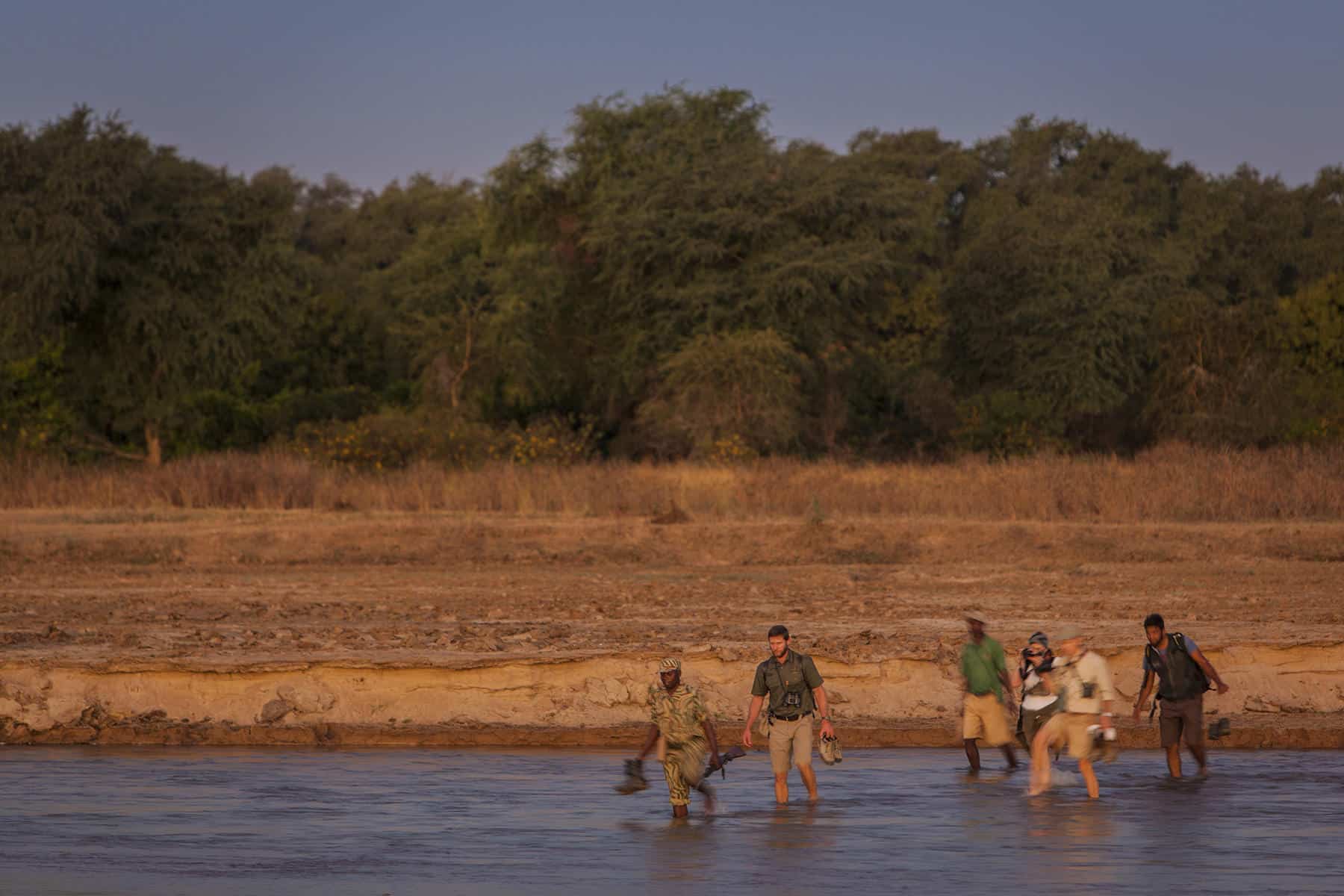
Game drives are also an important safari activity in the park. During early morning and late afternoon drives, visitors travel through the park’s road network in specialized safari vehicles. Game drives offer opportunities to observe larger animals such as elephants, buffalo, giraffes, and predators.
Birdwatching is another rewarding activity in North Luangwa National Park. With hundreds of recorded bird species, the park attracts bird enthusiasts from around the world. Riverbanks, lagoons, and woodland areas provide excellent habitats for numerous bird species.
Photography safaris are particularly rewarding in North Luangwa due to the park’s untouched landscapes and natural wildlife behavior. Photographers often capture dramatic scenes of elephants crossing rivers, birds nesting along riverbanks, and wildlife moving through golden savannah landscapes.
Visitors also enjoy learning about conservation programs operating within the park. Anti-poaching initiatives, wildlife monitoring programs, and rhino protection efforts play a vital role in maintaining the ecological health of North Luangwa National Park.
Together, these safari activities create a diverse and immersive wilderness experience for travelers exploring one of Zambia’s most remote national parks.
Best Time to Visit North Luangwa National Park
The best time to visit North Luangwa National Park depends largely on weather conditions and wildlife viewing opportunities.
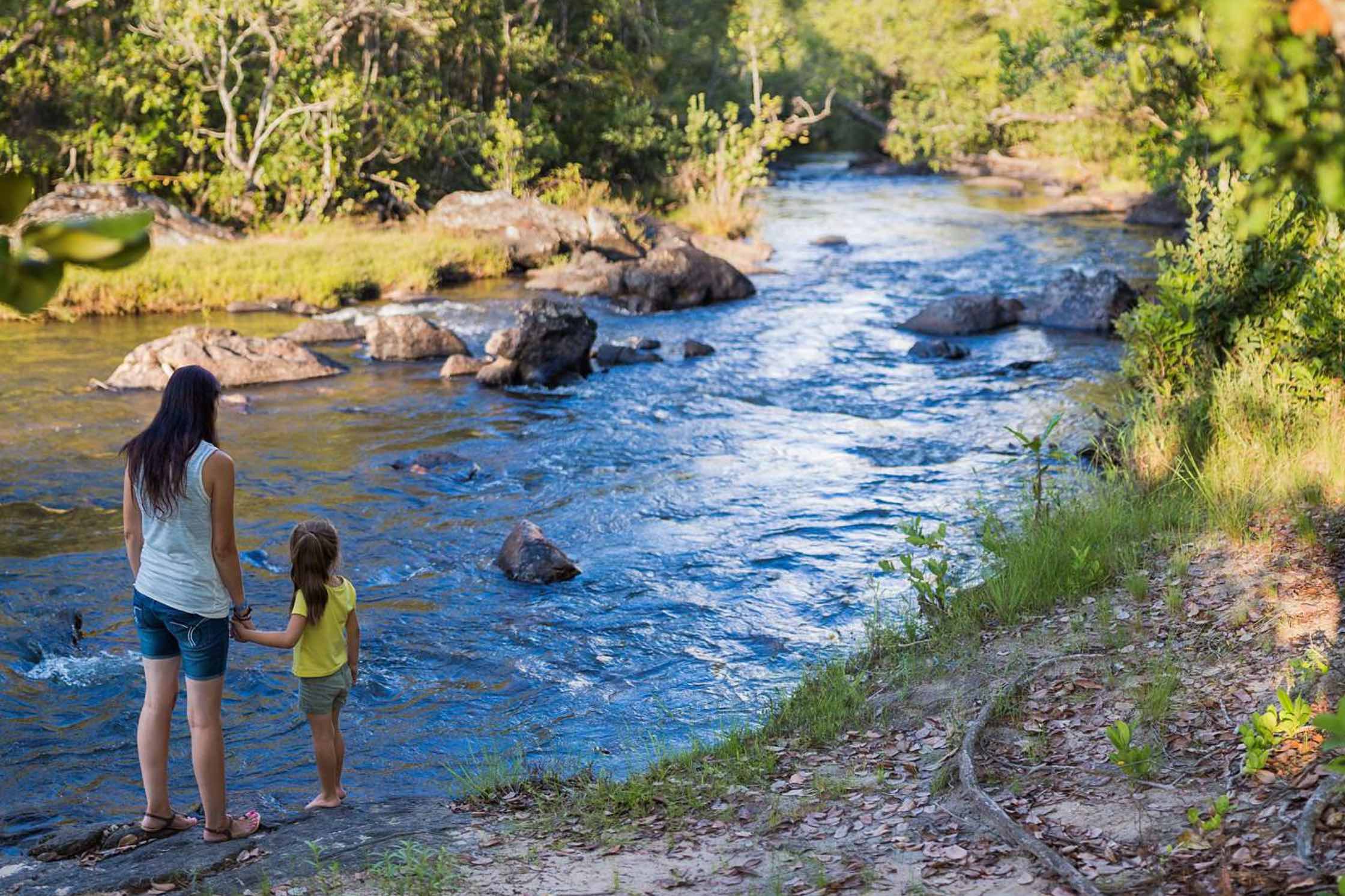
The dry season, which runs from May to October, is widely considered the best time for safari activities in North Luangwa. During this period, vegetation becomes thinner and wildlife gathers around permanent water sources such as the Luangwa River.
From May to June, the landscape remains relatively green following the rainy season. Temperatures are comfortable, and wildlife sightings begin to improve as animals move toward river areas.
Between July and September, wildlife viewing conditions reach their peak. The dry environment forces animals to concentrate near water sources, making it easier to observe elephants, buffalo, antelope, and predators.
The months of September and October can be extremely hot, but they often produce the most dramatic wildlife encounters as animals compete for limited water sources along the Luangwa River.
The rainy season typically occurs between November and April. During this time, heavy rains transform the landscape into lush green wilderness, but many roads become difficult to access. As a result, some safari camps in North Luangwa National Park close temporarily during the wet season.
For travelers interested in wildlife viewing and walking safaris, the dry months remain the ideal time to explore North Luangwa National Park.
North Luangwa vs South Luangwa National Park
North Luangwa National Park and South Luangwa National Park are both located within the same Luangwa Valley ecosystem, yet they offer very different safari experiences.
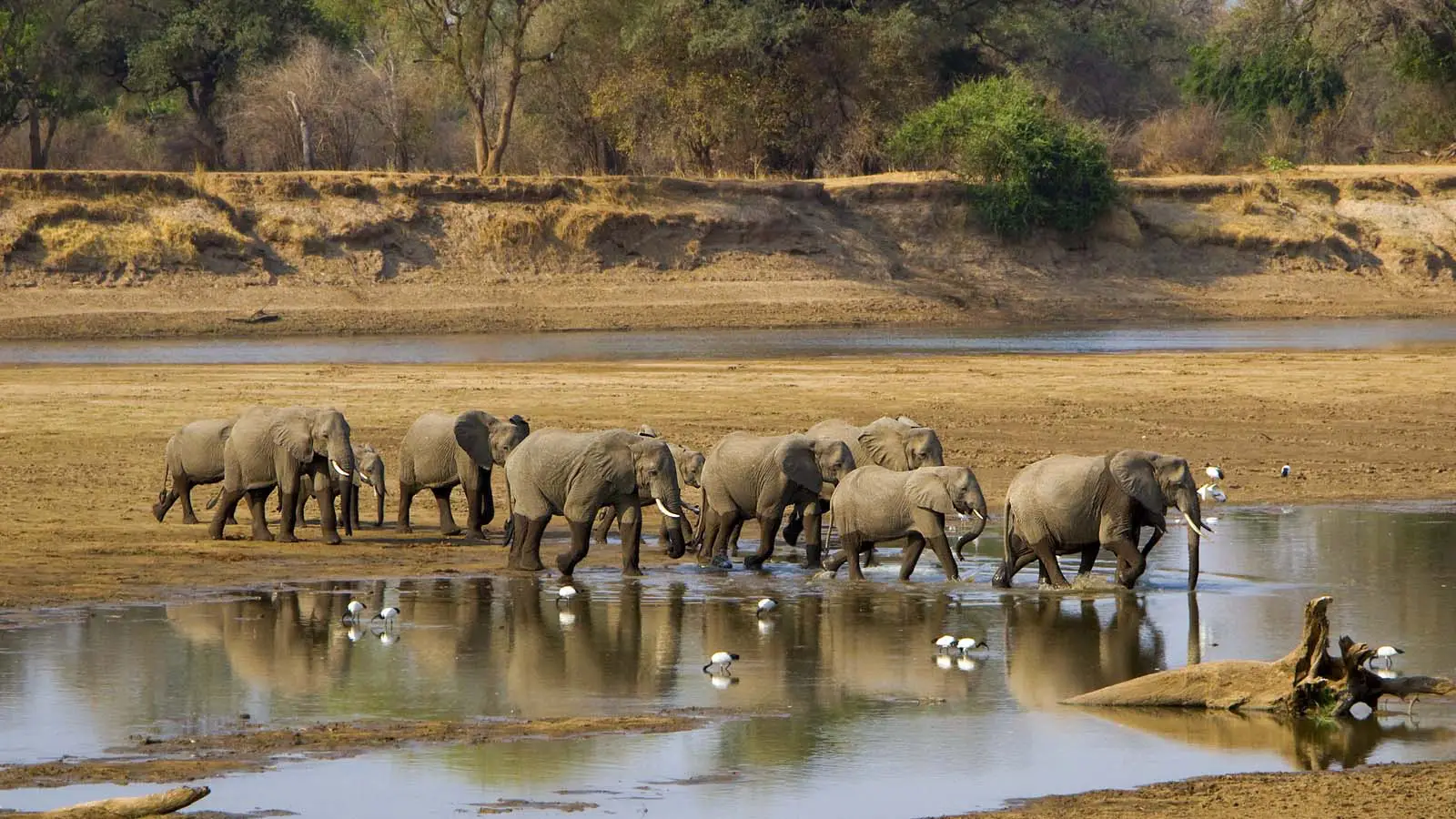
South Luangwa National Park is Zambia’s most popular safari destination and is well known for its excellent wildlife viewing, luxury lodges, and diverse safari activities. The park attracts visitors from around the world who come to experience classic African safaris with comfortable accommodations and professional guiding services.
North Luangwa National Park, by contrast, remains far more remote and less developed. Tourism infrastructure is minimal, and visitor numbers are intentionally limited in order to protect the park’s fragile ecosystems.
Travelers visiting North Luangwa National Park often experience a stronger sense of wilderness compared to South Luangwa. It is common to explore large areas of the park without encountering other safari vehicles or groups.
Another key difference is the emphasis on walking safaris. While both parks offer walking experiences, North Luangwa is particularly renowned for its traditional walking safari programs that allow visitors to explore the bush on foot for extended periods.
South Luangwa National Park offers greater accessibility and a wider range of safari accommodations, while North Luangwa provides one of the most exclusive and remote safari experiences in Africa.
For travelers seeking adventure and untouched wilderness, North Luangwa National Park represents one of the most extraordinary safari destinations in Zambia.
How to Get to North Luangwa National Park
Reaching North Luangwa National Park is part of the adventure. Because the park is located in one of Zambia’s most remote regions, travel to North Luangwa requires careful planning and usually involves a combination of flights and overland transfers.
Most international travelers begin their journey by flying into Kenneth Kaunda International Airport in Lusaka or Harry Mwanga Nkumbula International Airport in Livingstone. From these entry points, visitors typically connect to Mfuwe Airport, which serves as the primary gateway to the Luangwa Valley.
Mfuwe Airport is located near South Luangwa National Park and acts as a logistical hub for safari operations in the region. Several domestic airlines operate scheduled and charter flights between Lusaka, Livingstone, and Mfuwe.
From Mfuwe, travelers heading to North Luangwa National Park usually continue their journey by charter aircraft to remote bush airstrips such as Mwaleshi Airstrip. Charter flights provide spectacular aerial views of the Luangwa Valley, allowing visitors to appreciate the vast wilderness landscapes from above.
Another option involves an adventurous overland transfer through Luambe National Park and into the northern sections of the Luangwa Valley. This journey is typically arranged as part of a guided safari and may take several hours depending on road conditions.
Because North Luangwa National Park remains intentionally remote, visitor access is limited. This limited accessibility plays a major role in preserving the park’s pristine wilderness environment and ensuring that wildlife habitats remain undisturbed.
Travelers planning a safari to North Luangwa are encouraged to work with experienced safari operators who can coordinate flights, transfers, park permits, and accommodation arrangements.
Accommodation in North Luangwa National Park
Accommodation options in North Luangwa National Park are intentionally limited in order to protect the park’s fragile ecosystem and maintain its wilderness character. Unlike many popular safari destinations with dozens of lodges, North Luangwa offers only a handful of small camps designed to provide low-impact tourism experiences.
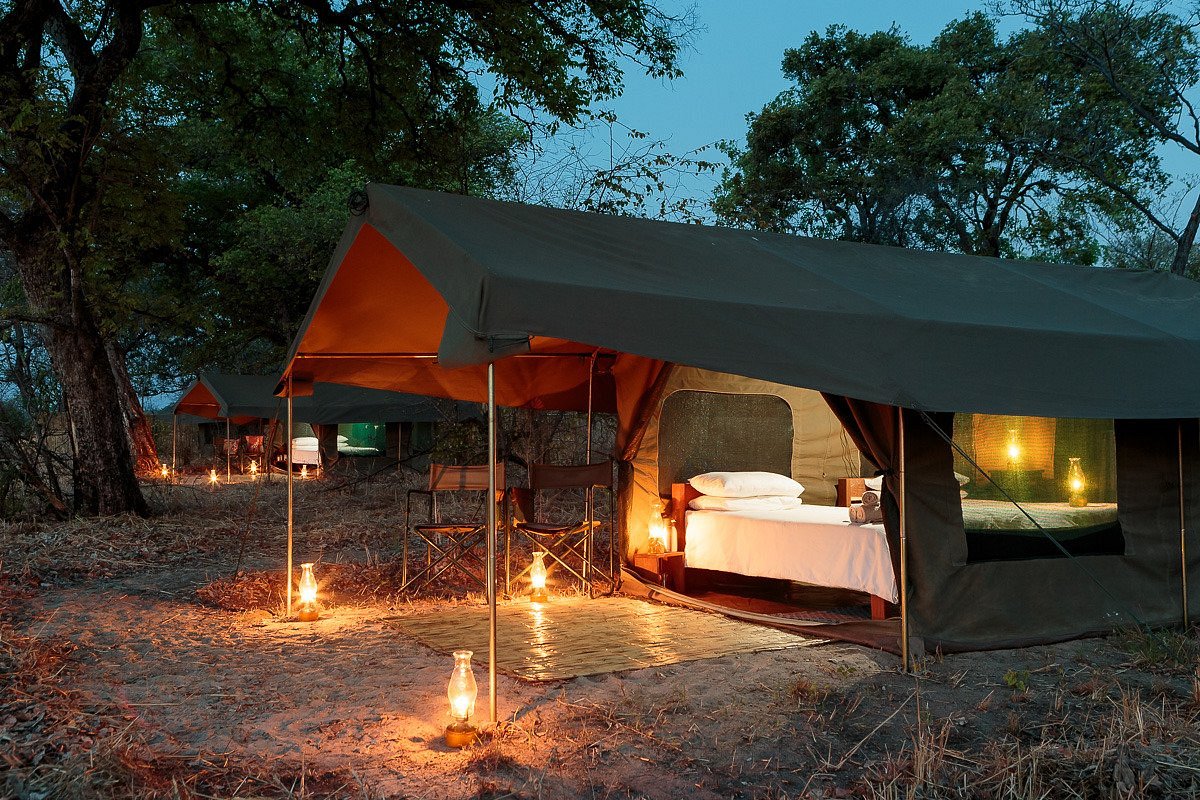
Most accommodations in North Luangwa National Park are remote bush camps or tented safari camps that operate on a seasonal basis during the dry months.
These camps are designed to blend into the natural environment while providing comfortable facilities for travelers exploring the park. Accommodation typically includes spacious safari tents with beds, mosquito nets, private or shared bathroom facilities, and communal dining areas where guests gather for meals and storytelling around the campfire.
Some camps are located along the Luangwa River, offering stunning views of wildlife activity along the riverbanks. It is common for elephants, hippos, and antelope to pass near camp areas, creating unforgettable safari moments.
A few exclusive camps in North Luangwa specialize in walking safari experiences, where guests move between remote camps on foot accompanied by professional guides. These walking safari camps provide a truly immersive wilderness experience that few destinations in Africa can match.
Because visitor numbers are limited and camps operate with small guest capacities, travelers are encouraged to book accommodation in North Luangwa National Park well in advance, particularly during the peak safari season between June and October.
Despite their remote locations, these camps provide a surprisingly comfortable safari experience while maintaining the authentic atmosphere of wilderness exploration.
Cost of a North Luangwa Safari
The cost of a safari in North Luangwa National Park varies depending on the style of safari, level of accommodation, and transportation logistics involved.
Due to the park’s remote location and limited infrastructure, safaris to North Luangwa are often more specialized than traditional safari tours in other destinations.
Budget-style camping safaris to North Luangwa National Park may range between USD 3,000 and USD 4,500 per person for multi-day itineraries that include guided walks, game drives, park fees, and camping accommodation.
Mid-range safaris that combine comfortable bush camps with guided walking safaris typically cost between USD 4,500 and USD 7,000 per person, depending on the length of the safari and transportation arrangements.
Luxury safari experiences in North Luangwa National Park can range from USD 7,000 to USD 10,000 or more per person. These safaris often include charter flights between destinations, exclusive bush camps, private guides, and personalized safari experiences.
Several factors influence the cost of a North Luangwa safari, including park entrance fees, conservation levies, charter flights to remote airstrips, guiding services, and accommodation logistics.
While the cost may be higher than standard safari packages in more accessible destinations, many travelers consider North Luangwa National Park to offer exceptional value due to its exclusivity, untouched landscapes, and authentic wildlife encounters.
Travel Tips for Visiting North Luangwa National Park
Traveling to North Luangwa National Park requires preparation and an adventurous spirit. Because the park remains one of Africa’s least visited safari destinations, travelers should be ready for a remote wilderness experience.
One of the most important travel tips for visiting North Luangwa is to pack light and use soft luggage. Small charter aircraft serving the park often have strict baggage weight limits, and soft duffel bags are easier to store during bush flights.
Clothing should be practical and suitable for outdoor activities. Neutral-colored safari clothing helps blend into the environment and is ideal for walking safaris. Lightweight long sleeves and trousers provide protection from sun exposure and insects.
Travelers should also bring essential items such as sunscreen, insect repellent, binoculars, and a good camera with zoom lenses. North Luangwa offers exceptional wildlife photography opportunities, and many visitors capture stunning images of elephants, antelope, and birdlife within the park.
Because North Luangwa is a remote wilderness area, visitors should be prepared for limited internet connectivity and minimal modern distractions. This absence of technology is part of the experience, allowing travelers to fully immerse themselves in the natural environment.
Working with an experienced safari operator is highly recommended when planning a visit to North Luangwa National Park. Professional guides and safari planners ensure that all logistics are carefully arranged, allowing guests to focus entirely on enjoying the adventure.
Frequently Asked Questions About North Luangwa National Park
Is North Luangwa National Park safe for tourists?
Yes, North Luangwa National Park is considered safe for visitors when traveling with experienced safari guides. Walking safaris and game drives are conducted under strict safety protocols, and trained guides ensure that wildlife encounters are managed responsibly.
What animals can be seen in North Luangwa National Park?
North Luangwa National Park supports populations of elephants, buffalo, lions, leopards, hyenas, antelope species, hippos, and crocodiles. The park is also home to protected black rhinos that have been reintroduced through conservation programs.
Is North Luangwa better than South Luangwa?
Both parks offer excellent safari experiences but differ in style. South Luangwa National Park is more accessible and offers a wider range of safari lodges and activities. North Luangwa National Park is more remote and provides a deeper wilderness experience with fewer visitors.
When is the best time to visit North Luangwa National Park?
The best time to visit North Luangwa National Park is during the dry season from May to October, when wildlife viewing conditions are excellent and walking safaris are easier to conduct.
Can you do walking safaris in North Luangwa?
Yes, walking safaris are one of the signature experiences of North Luangwa National Park. Visitors explore the wilderness on foot accompanied by experienced guides and armed wildlife scouts.
Plan Your North Luangwa Safari
North Luangwa National Park remains one of Africa’s most extraordinary wilderness destinations, offering travelers a rare opportunity to explore untouched landscapes and observe wildlife in its natural environment.
Whether you are interested in guided walking safaris, remote bush camps, or exclusive wildlife encounters, North Luangwa National Park delivers an unforgettable safari experience.
Combining North Luangwa with destinations such as South Luangwa National Park, Victoria Falls, or Lower Zambezi National Park allows travelers to experience the incredible diversity of Zambia’s wildlife and landscapes.
If you are planning an African safari and want to explore one of the continent’s most pristine national parks, our safari specialists can design a customized itinerary tailored to your travel dates, interests, and budget.
Contact our safari experts today to start planning your North Luangwa National Park adventure.