
Rwanda Gorilla Trekking Weather Month-by-Month
The Ultimate Guide to Rwanda Gorilla Trekking Weather Month-by-Month
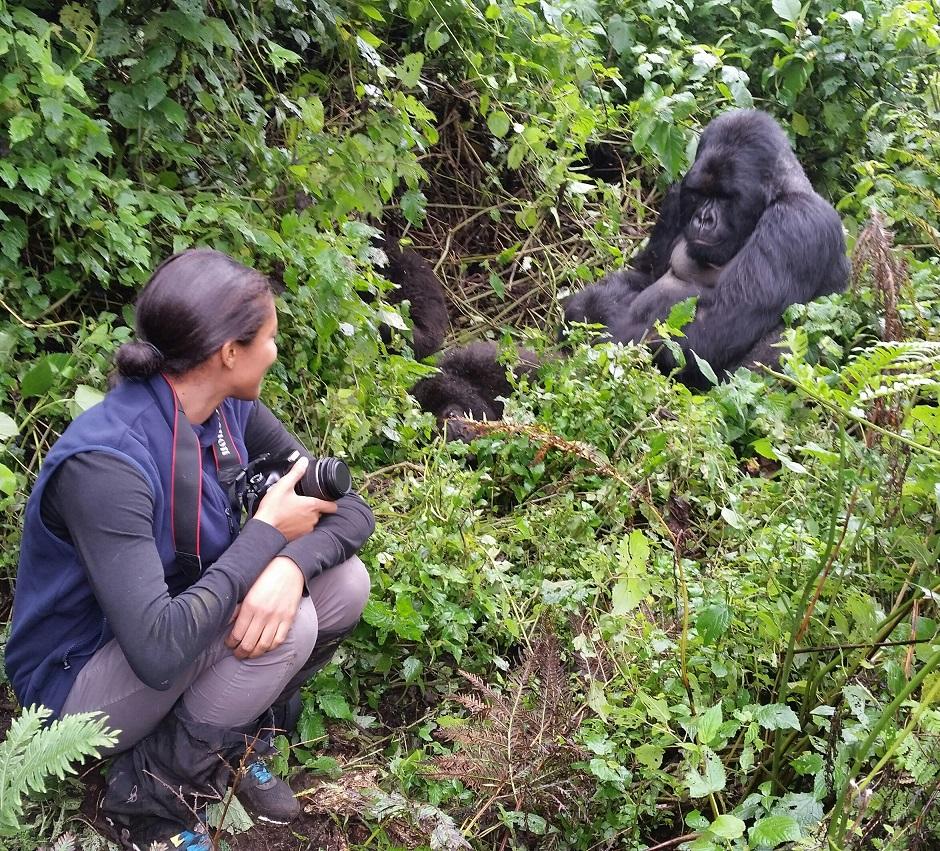
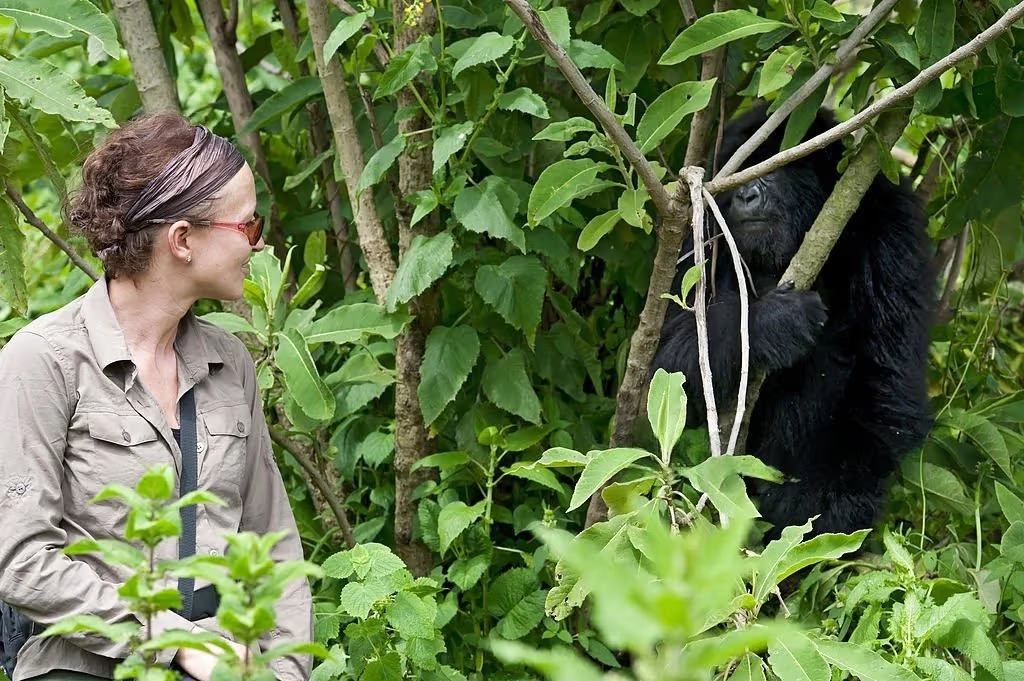
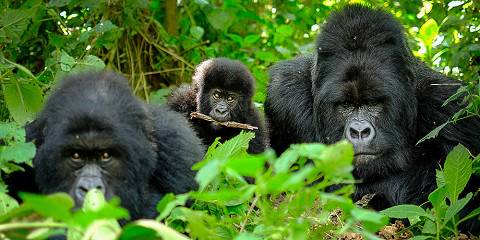
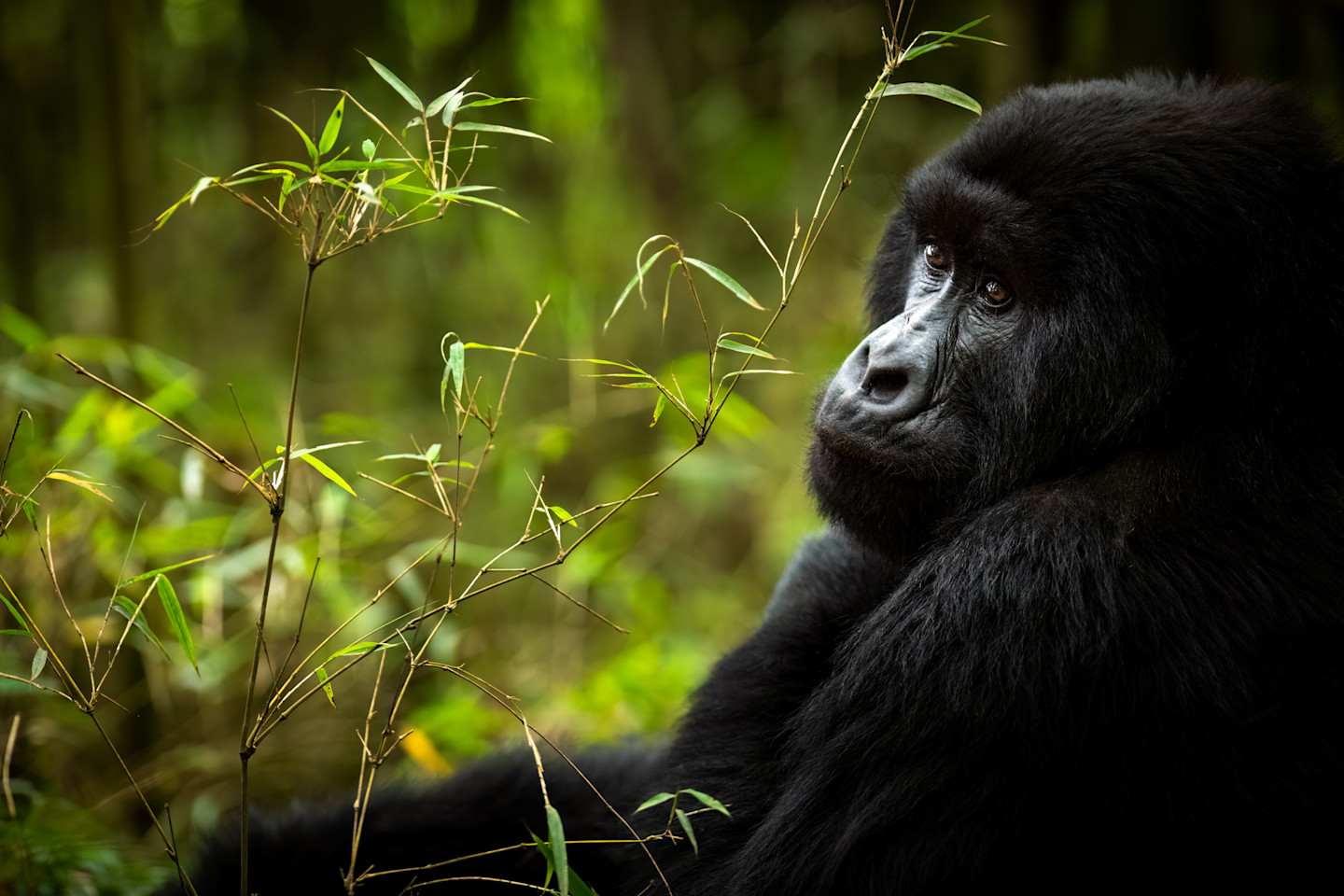
Understanding Rwanda Gorilla Trekking Weather is essential because it directly shapes your entire experience in Volcanoes National Park. This region is not a typical safari environment—it is a high-altitude rainforest where climate, terrain, and altitude combine to create unique trekking conditions.
Rwanda Gorilla Trekking Weather is influenced by both its equatorial location and its elevation, which ranges between 2,400 and 4,500 meters above sea level. Because of this, the weather can change quickly, often shifting from sunshine to mist or light rain within a short time. Even during drier months, the forest retains moisture, keeping the environment lush and humid throughout the year.
Temperatures remain relatively mild compared to other African safari destinations. Daytime conditions usually range between 15°C and 25°C, while early mornings and evenings tend to be cooler, especially at higher altitudes. The cool climate actually makes trekking more comfortable, even when the hike becomes physically demanding.
Rainfall is a defining part of Rwanda Gorilla Trekking Weather. It rarely rains continuously all day; instead, showers often come in short bursts, followed by mist and cloud cover that settle across the forest. This consistent moisture is what sustains the dense vegetation and supports the gorillas’ natural habitat.
For travelers, this means one important thing: Rwanda Gorilla Trekking Weather should always be approached with flexibility. Even in the dry season, you should be prepared for occasional rain, while in the wet season, you can still enjoy clear windows and incredible trekking conditions.
Rwanda Gorilla Trekking Weather by Season (Detailed Breakdown)
Dry Season – Best Conditions for Trekking
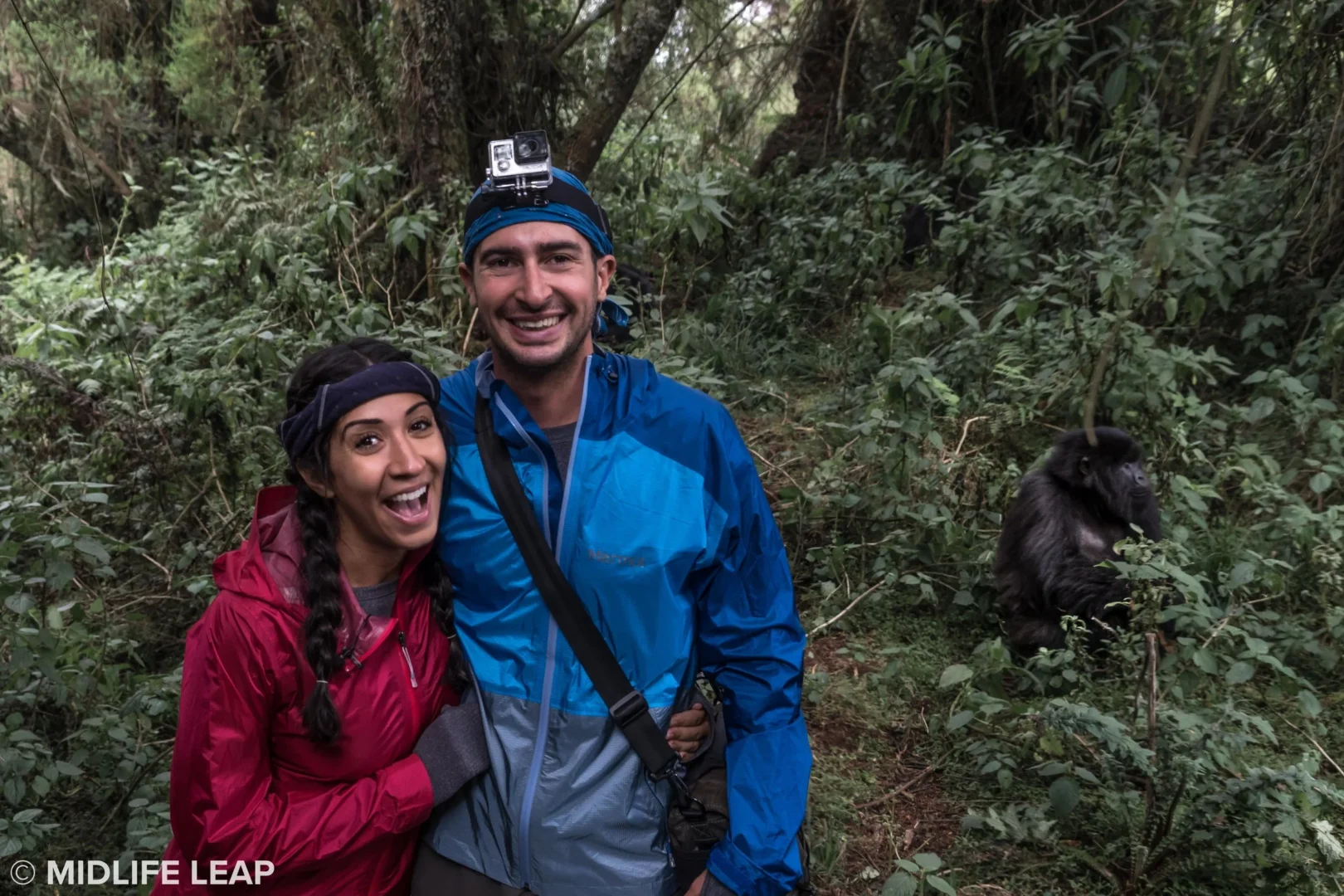
The dry season, which runs from June to September and again from December to February, is widely considered the most comfortable time to experience Rwanda Gorilla Trekking Weather. During this period, rainfall reduces, and the trekking environment becomes more manageable.
Trails are generally firmer and less slippery, making hikes easier, especially on steep volcanic terrain. Visibility improves, which enhances photography and allows for clearer views of the surrounding Virunga volcanoes. The overall trekking pace tends to be smoother, making this season especially suitable for first-time trekkers, families, and travelers seeking a more relaxed experience.
However, Rwanda Gorilla Trekking Weather in the dry season does not mean completely dry conditions. The rainforest environment remains green, and light rain or morning mist can still occur. What changes is the frequency and intensity of rainfall rather than its complete absence.
This is also the peak travel period. Because Rwanda Gorilla Trekking Weather is at its most favorable, demand for permits and accommodation increases significantly. Lodges tend to operate at higher rates, and early booking becomes essential to secure preferred options.
Rainy / Low Season – Best Value and Scenic Beauty
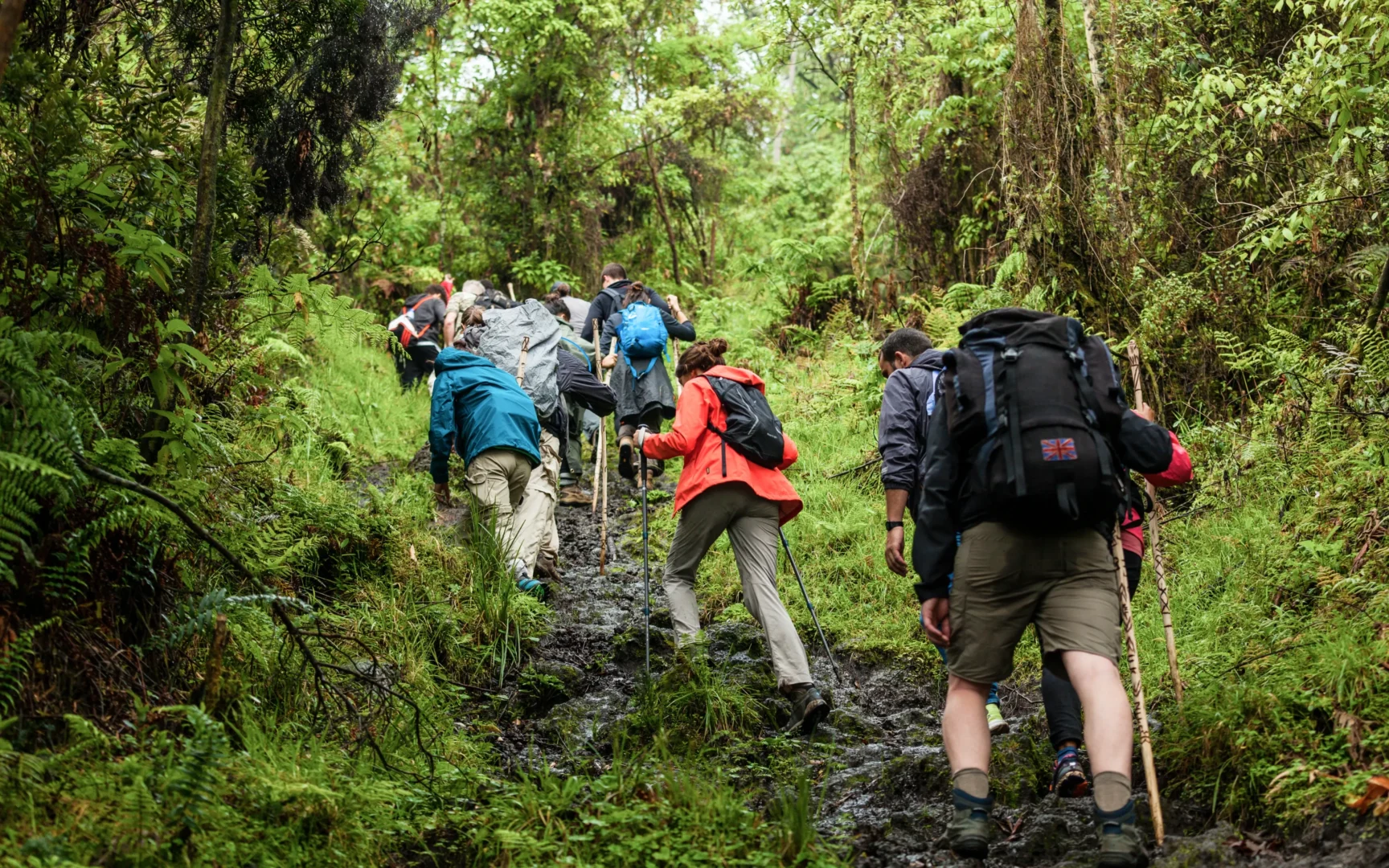
The rainy season, which typically spans from March to May and again from October to November, brings a different dimension to Rwanda Gorilla Trekking Weather. This is when rainfall becomes more frequent, and the forest reaches its most vibrant state.
During these months, trekking conditions become more challenging. Trails can be muddy and slippery, and hikes may take longer depending on terrain and gorilla movement. However, the experience becomes more immersive, as the forest is at its most alive—thick vegetation, flowing streams, and mist-covered landscapes create a dramatic atmosphere.
Despite the increased rainfall, gorilla trekking continues daily. The presence of rain does not affect the ability to see gorillas, and sightings remain just as rewarding. In fact, some travelers find this season more authentic, as it reflects the natural rhythm of the rainforest.
One of the biggest advantages of Rwanda Gorilla Trekking Weather in the rainy season is value. Accommodation rates are often lower, lodges are quieter, and availability is much better compared to peak months. This creates an opportunity for travelers to enjoy high-quality experiences at a more accessible cost.
The rainy season is particularly appealing to photographers and experienced travelers. The mist adds depth to images, the greenery becomes more intense, and the overall atmosphere feels more raw and untouched.
Rwanda Gorilla Trekking Weather Month-by-Month
| Month | Season | Rwanda Gorilla Trekking Weather Overview |
|---|---|---|
| January | Short Dry Season | Rwanda Gorilla Trekking Weather in January is generally dry and favorable, with easier trails and excellent photography conditions. |
| February | Warm & Dry | Rwanda Gorilla Trekking Weather remains excellent in February, with high visibility and comfortable trekking conditions. |
| March | Start of Rainy Season | Rwanda Gorilla Trekking Weather begins to shift in March as rainfall increases and the forest becomes greener and more lush. |
| April | Peak Rainy Season | April is usually the wettest month, and Rwanda Gorilla Trekking Weather can be more challenging, though it often comes with the lowest travel costs. |
| May | Rain Easing | Rwanda Gorilla Trekking Weather starts improving in May, with conditions still wet and green but usually better than April. |
| June | Start of Peak Season | Rwanda Gorilla Trekking Weather becomes ideal in June as trails dry out and hiking conditions become easier. |
| July | Best Conditions | July is one of the best months, with Rwanda Gorilla Trekking Weather being dry, cool, and excellent for hiking. |
| August | Peak Season Continues | Rwanda Gorilla Trekking Weather remains excellent in August, although demand for permits and lodges is high. |
| September | End of Dry Season | September still offers good trekking conditions, though Rwanda Gorilla Trekking Weather begins to shift toward wetter patterns. |
| October | Rain Returns | Rainfall increases again in October, and Rwanda Gorilla Trekking Weather becomes wetter, greener, and quieter. |
| November | Low Season Value | Rwanda Gorilla Trekking Weather in November offers strong value, with fewer tourists and often lower lodge rates. |
| December | Dry Season Returns | Rwanda Gorilla Trekking Weather improves again in December, making it a popular month for festive season travel. |
Best Time Based on Rwanda Gorilla Trekking Weather
The rainy season, which typically spans from March to May and again from October to November, brings a different di
Choosing the right time depends on what you value most from your safari. Rwanda Gorilla Trekking Weather offers year-round access, but each period delivers a slightly different experience in Volcanoes National Park.
If your priority is comfort and ease, the months from June to September provide the most stable Rwanda Gorilla Trekking Weather. Trails are drier, hiking is less demanding, and visibility is generally clearer. This is the period most travelers consider the “best overall weather.”
For those focused on cost, April, May, and November stand out. Rwanda Gorilla Trekking Weather during these months is wetter, but the trade-off comes with lower lodge rates, quieter trekking days, and better overall value.
If you are looking for a balance between conditions and cost, March and October offer a smart middle ground. Rwanda Gorilla Trekking Weather during these months is slightly unpredictable, but often delivers manageable trekking conditions with fewer crowds than peak season.
Ultimately, Rwanda Gorilla Trekking Weather allows you to travel at any time of the year. The key is aligning your expectations with the season you choose.
How Rwanda Gorilla Trekking Weather Affects Your Experience
Rwanda Gorilla Trekking Weather plays a major role in shaping how your trekking day unfolds. It influences not only the physical aspect of the hike but also the visual and emotional experience of being in the rainforest.
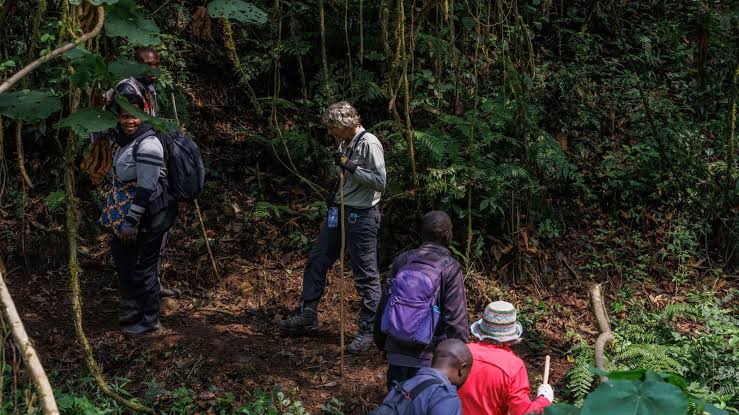
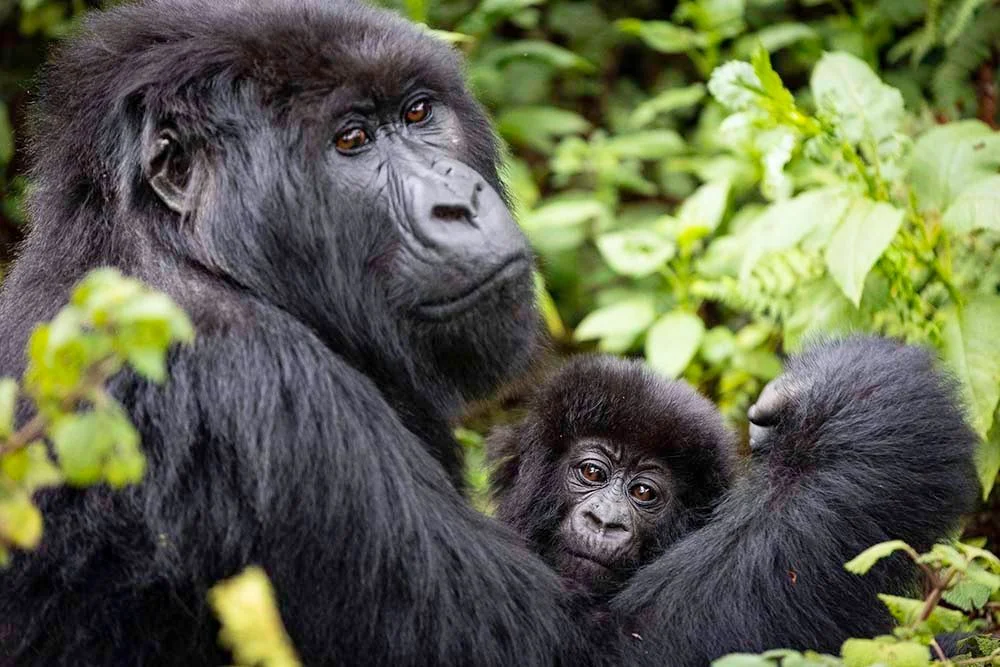
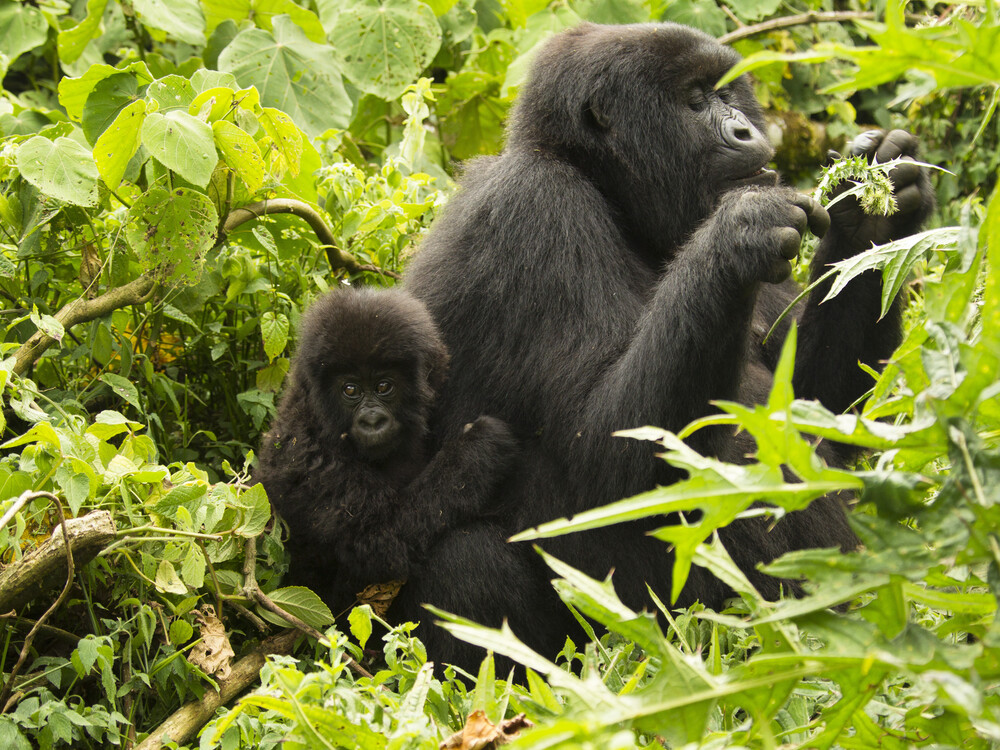
Trail conditions vary significantly depending on rainfall. During drier months, paths are firmer and easier to navigate, while wetter months can bring mud and slippery sections that require more effort and patience. This directly affects how strenuous the trek feels.
Photography is also heavily influenced by Rwanda Gorilla Trekking Weather. In dry conditions, you are more likely to capture clearer images with better lighting. In contrast, rainy and misty conditions create a more atmospheric setting, with soft light and dramatic forest backdrops that many photographers find even more rewarding.
The movement of gorillas can also be indirectly influenced by weather. While gorillas are tracked daily and sightings are reliable, wet conditions can mean navigating denser vegetation or slightly longer treks depending on where the families have moved.
Comfort levels vary with the weather as well. Dry season allows for lighter gear and easier movement, while rainy season requires proper waterproof clothing and preparation. However, even in wetter conditions, the cool temperatures help keep trekking manageable.
One important point remains constant: Rwanda Gorilla Trekking Weather does not stop trekking. Gorilla tracking takes place every day, regardless of rain, ensuring that your experience will go ahead as planned.
Packing for Rwanda Gorilla Trekking Weather
Preparing properly for Rwanda Gorilla Trekking Weather makes a significant difference in your overall experience. Because the environment is a rainforest, the goal is not to avoid weather, but to be ready for it.
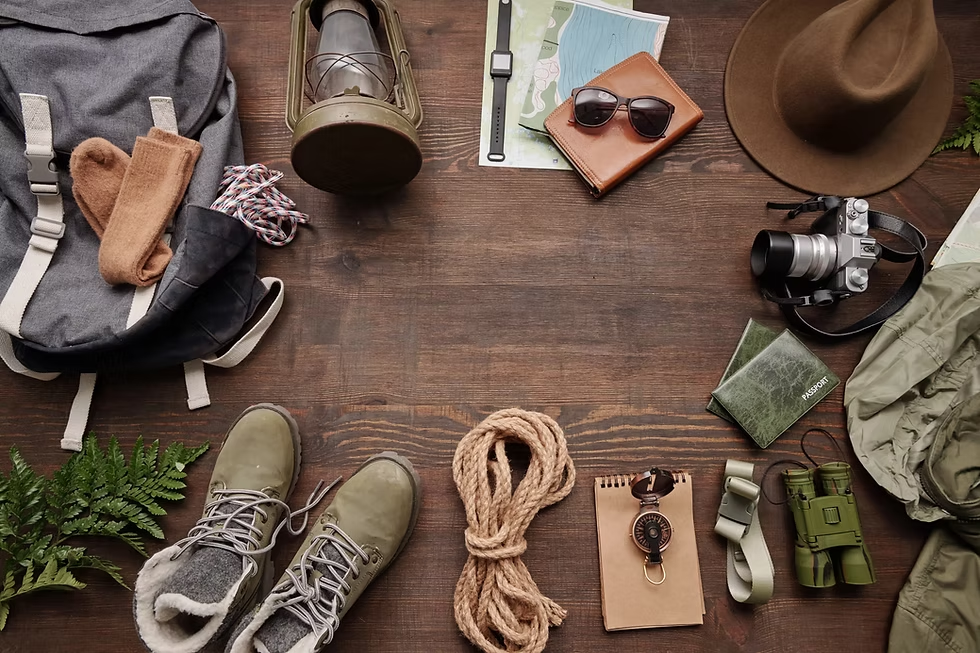
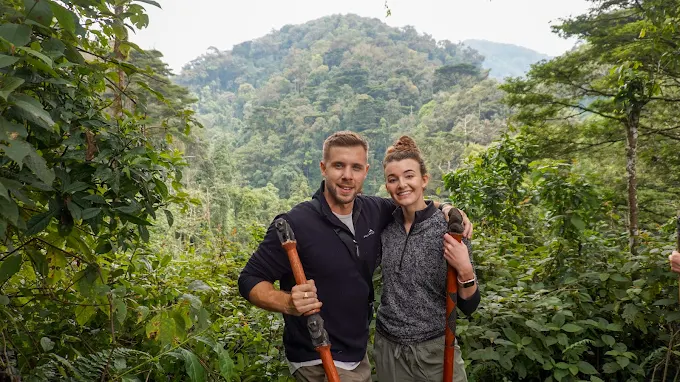
A waterproof jacket is essential, as rain can come unexpectedly even during drier months. Good hiking boots with strong grip are equally important, especially when trails become muddy or steep.
Gloves are often overlooked but highly recommended. They protect your hands when holding onto vegetation or navigating through dense forest. Long-sleeved clothing helps protect against scratches, insects, and exposure to the elements.
A small, comfortable backpack allows you to carry essentials such as water, snacks, and personal items without weighing you down. With the right preparation, Rwanda Gorilla Trekking Weather becomes part of the adventure rather than a challenge.
FAQs About Rwanda Gorilla Trekking Weather
Is Rwanda Gorilla Trekking Weather predictable?
Rwanda Gorilla Trekking Weather is not entirely predictable. While general seasonal patterns exist, rain can occur at almost any time due to the rainforest environment.
Is rainy season bad for trekking?
Not at all. Rwanda Gorilla Trekking Weather in the rainy season can make trails more challenging, but it also creates a more vibrant and scenic environment. Many travelers enjoy this period for its beauty and fewer crowds.
Which month has the best weather?
July and August are widely considered to have the most stable Rwanda Gorilla Trekking Weather, offering drier trails and comfortable trekking conditions.
When is it cheapest to travel?
The most affordable time is during the rainy months, particularly April, May, and November, when Rwanda Gorilla Trekking Weather is wetter but overall travel costs are lower.
Plan Your Gorilla Trekking Safari with Experts
Understanding Rwanda Gorilla Trekking Weather is only the beginning. Turning that knowledge into a well-designed safari is what truly shapes your experience in Volcanoes National Park.
Our team helps you match the right season with the right itinerary, ensuring that Rwanda Gorilla Trekking Weather works in your favor rather than against you. From securing permits to selecting lodges and arranging smooth transfers from Kigali, every detail is handled with precision.
We guide you in choosing the best month based on Rwanda Gorilla Trekking Weather, align your trip with your budget and comfort level, and ensure that every part of your journey flows seamlessly.
Let us help you plan a Rwanda gorilla trekking safari that is perfectly timed, expertly arranged, and truly unforgettable.