
Best Self-Drive Gorilla Trekking Safaris in Uganda and Rwanda
Self-drive Gorilla Trekking Safaris – What Travelers Need to Know First
Self-driving to see mountain gorillas sounds simple on the surface, but Self-drive Gorilla Trekking Safaris are very different from the kind of self-drive safaris many travelers know from Southern or East Africa’s open savannah parks. This is not a destination where you drive through a gate, follow animals at your own pace, and camp wherever the road ends. Gorilla trekking happens in tightly protected rainforest environments, under strict conservation rules and with limited daily access.
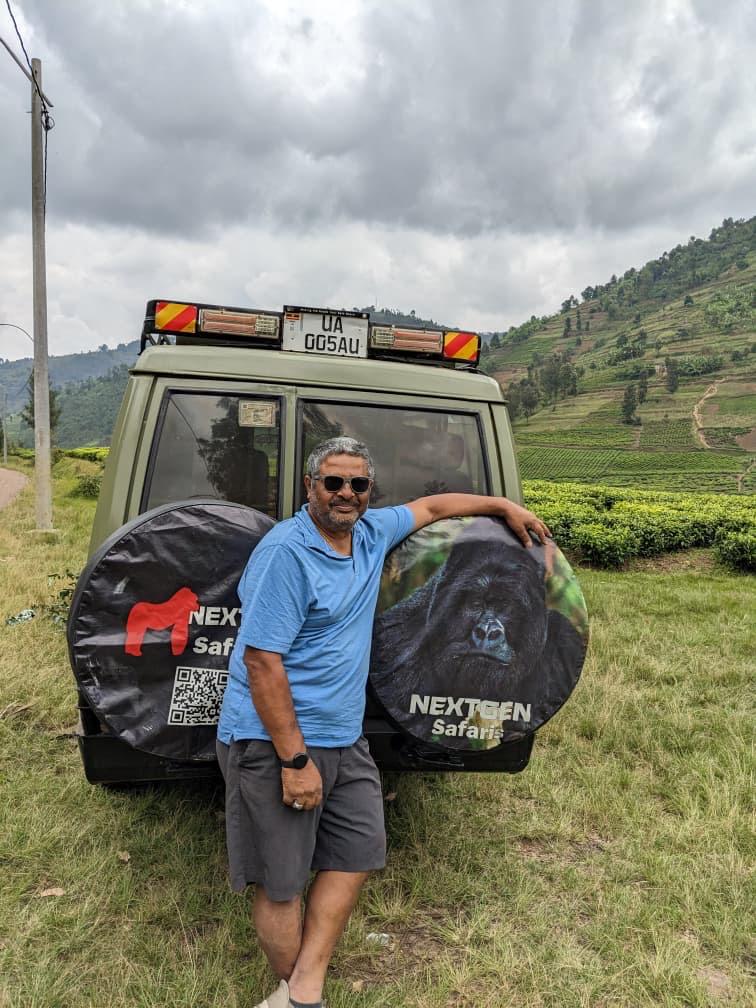
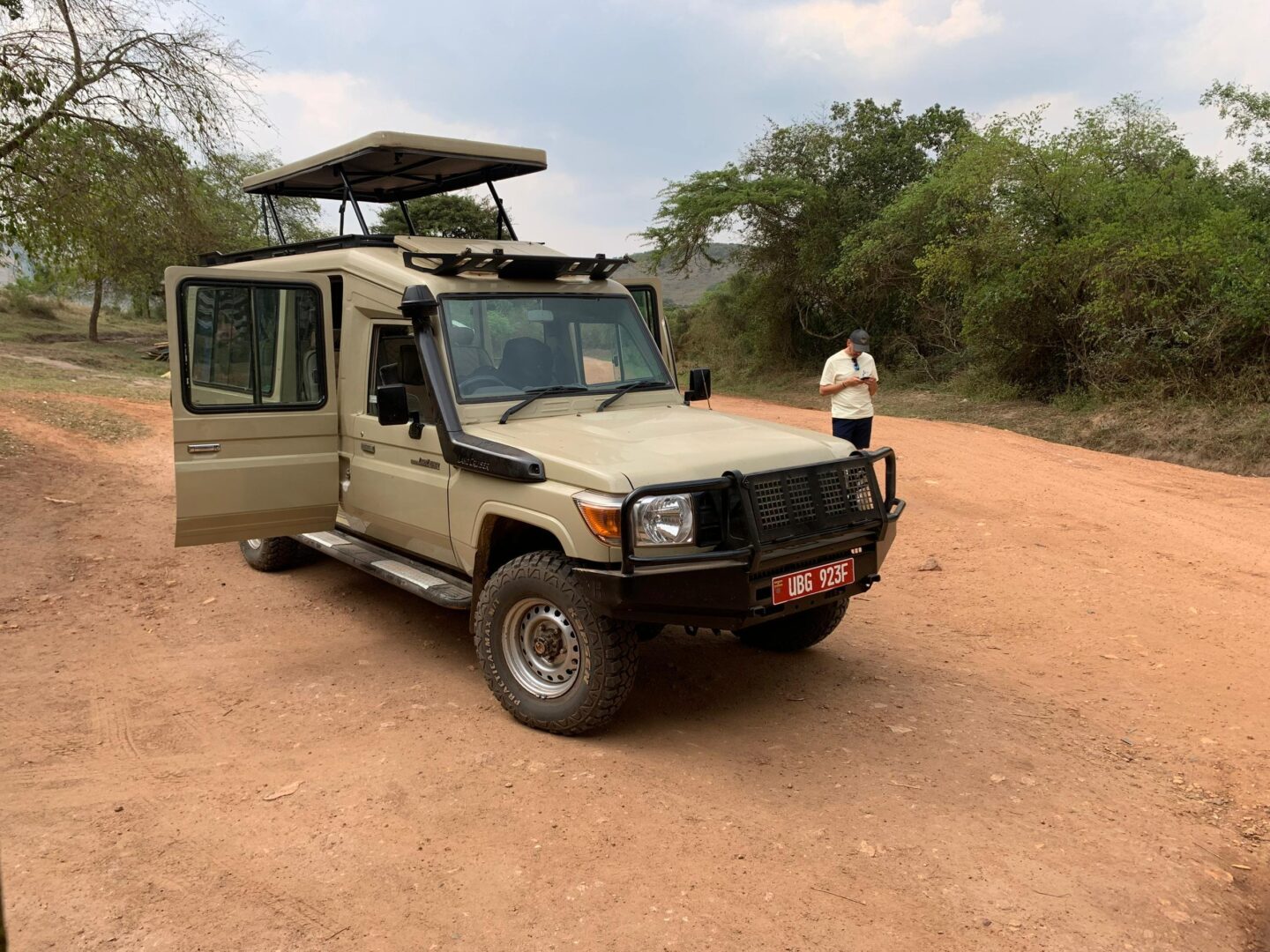
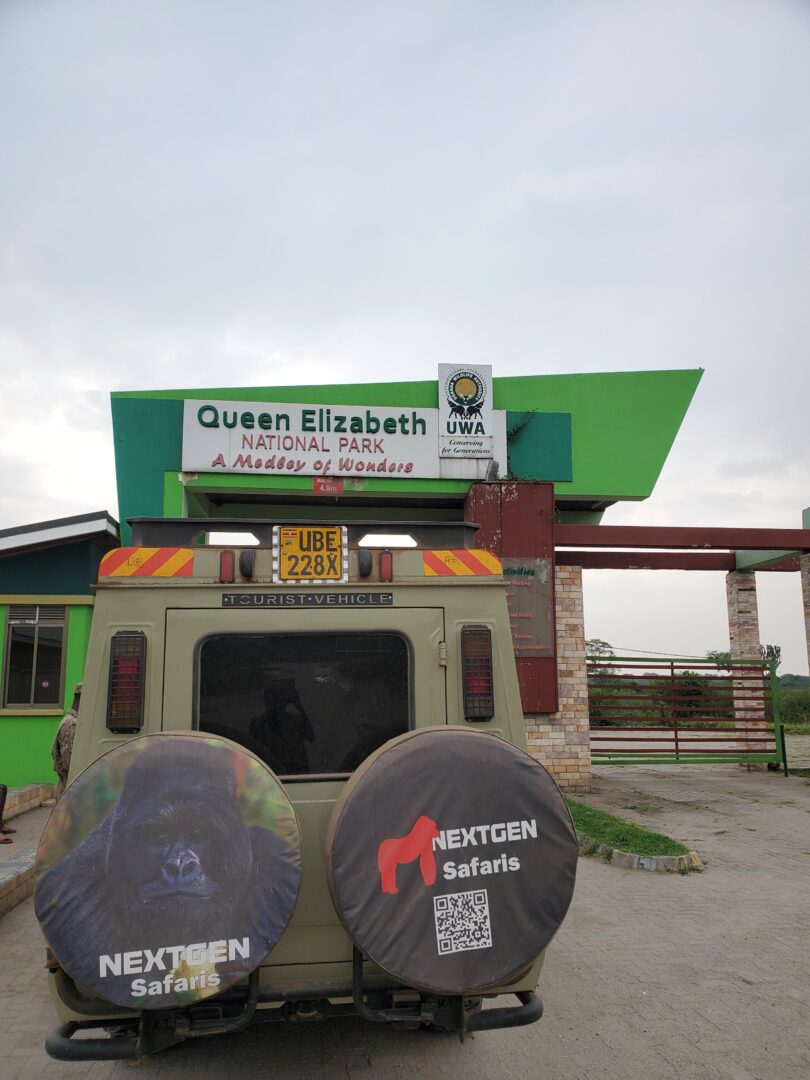
That distinction matters immediately. Anyone considering Self-Drive Gorilla Trekking Safaris needs to understand that “self-drive” refers only to how you move between destinations, not how you experience the gorillas themselves. You cannot guide yourself to gorillas, you cannot trek without rangers, and you cannot improvise once you arrive at the park. The trekking experience is fully controlled by park authorities, and access is determined by permits issued in advance.
This Self-drive Gorilla Trekking Safaris guide is written by people who actually plan and operate gorilla safaris on the ground. It is not based on theory, forums or second-hand travel stories. The goal here is to set realistic expectations from the first moment, because self-drive gorilla trekking works best when travelers understand the boundaries clearly before committing to the idea.
Self-Drive Gorilla Trekking Safari Itineraries (Uganda & Rwanda)
Below are carefully structured itineraries for a Self-Drive Gorilla Trekking Safari, designed for travelers who want independence on the road with professionally handled permits and trekking logistics designed by Nextgen Safaris. All routes are flexible and can be refined to match your travel dates, comfort level, and driving experience.
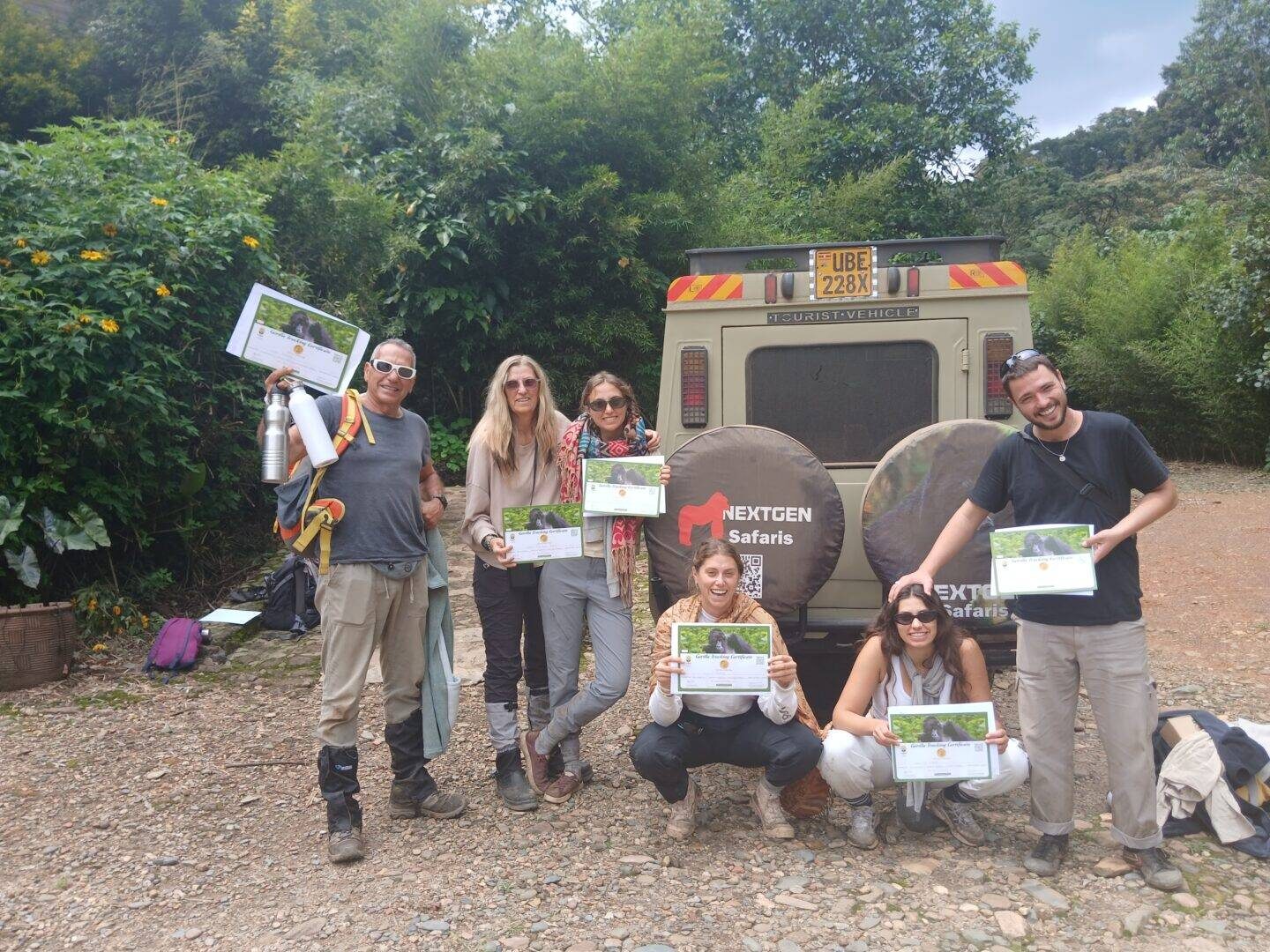
3 Days Self-Drive Gorilla Trekking Safari in Uganda – Bwindi Express
A focused self-drive itinerary designed around one gorilla trek in Bwindi, with overnight stays close to the correct trekking sector.
Request a Quote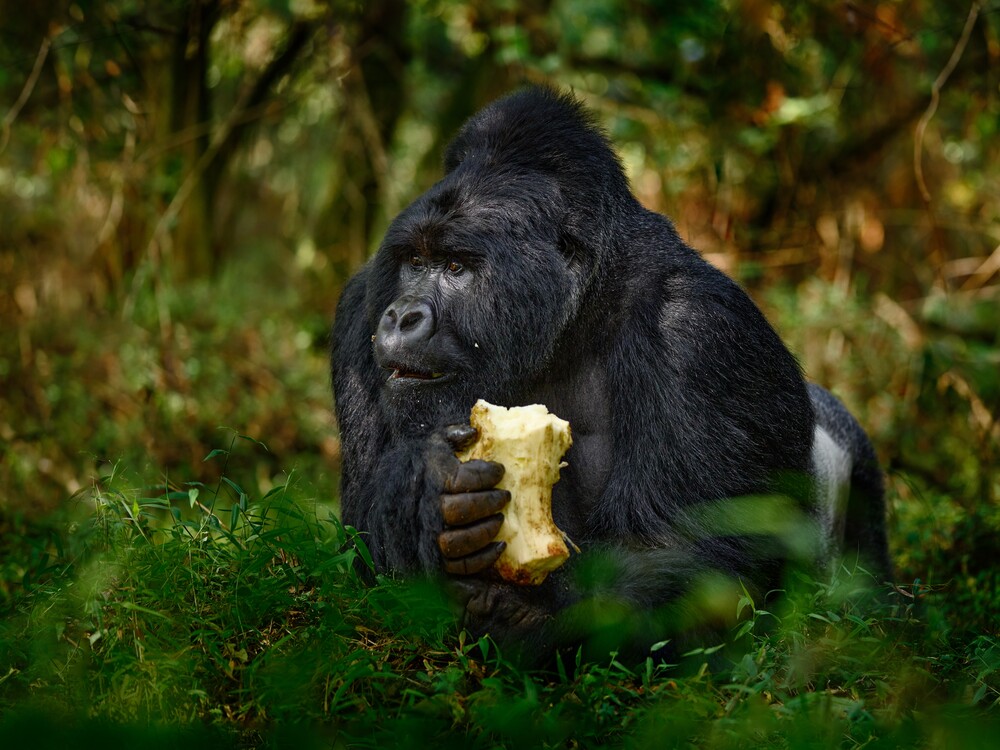
4 Days Self-Drive Gorilla Trekking Safari in Uganda – Bwindi Forest Escape
Allows relaxed driving and proper recovery time before and after gorilla trekking in Bwindi Impenetrable National Park.
Request a Quote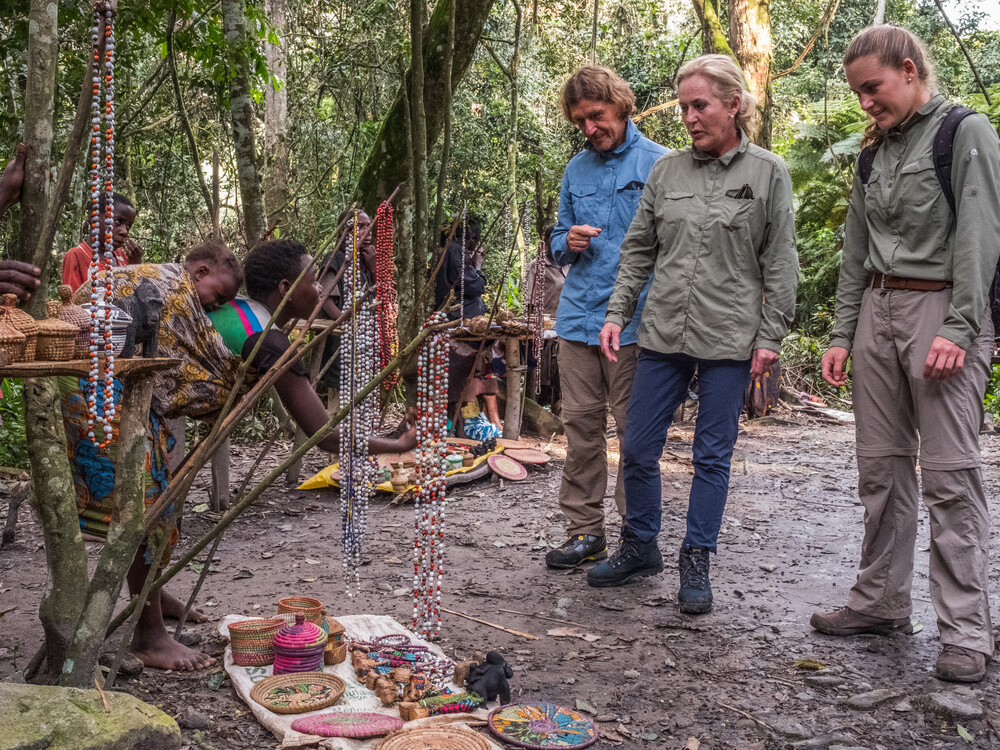
5 Days Self-Drive Gorilla Trekking Safari in Uganda – Bwindi & Batwa Experience
Combines self-drive gorilla trekking in Bwindi with a cultural visit, adding depth beyond the trek itself.
Request a Quote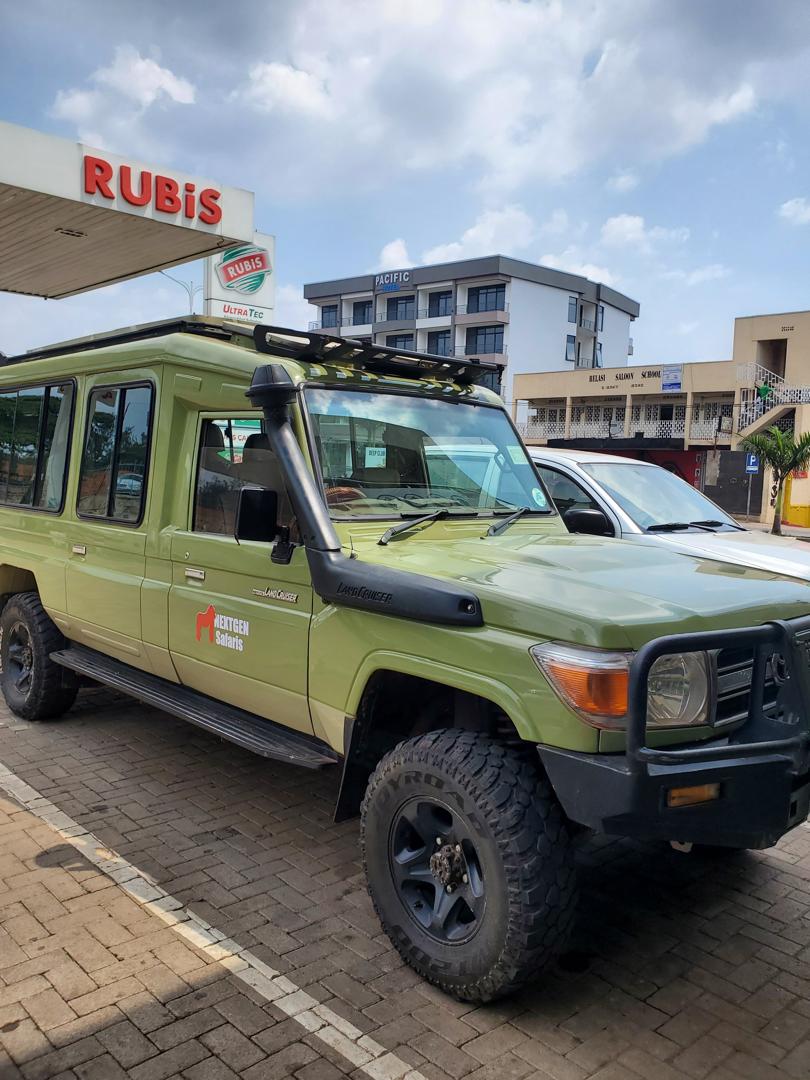
6 Days Self-Drive Gorilla Trekking Safari in Uganda – Bwindi & Lake Bunyonyi
A balanced self-drive route pairing gorilla trekking with lakeside relaxation after demanding forest terrain.
Request a Quote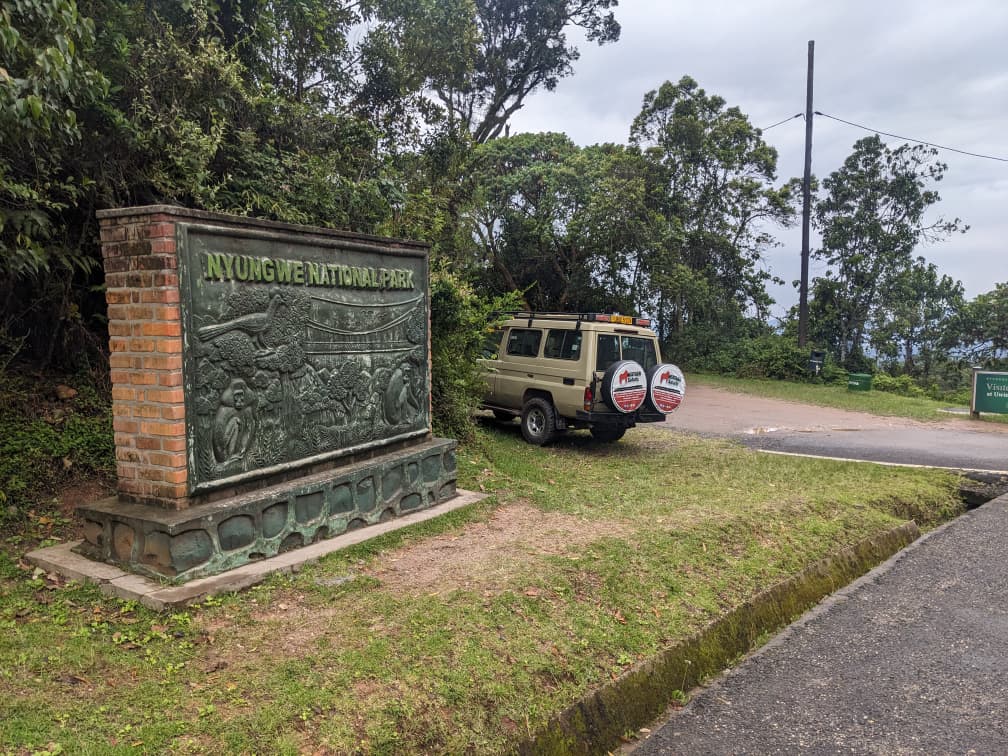
7 Days Self-Drive Gorilla Trekking Safari in Uganda – Queen Elizabeth & Bwindi
Designed for travelers combining self-drive gorilla trekking with savannah wildlife in Queen Elizabeth National Park.
Request a Quote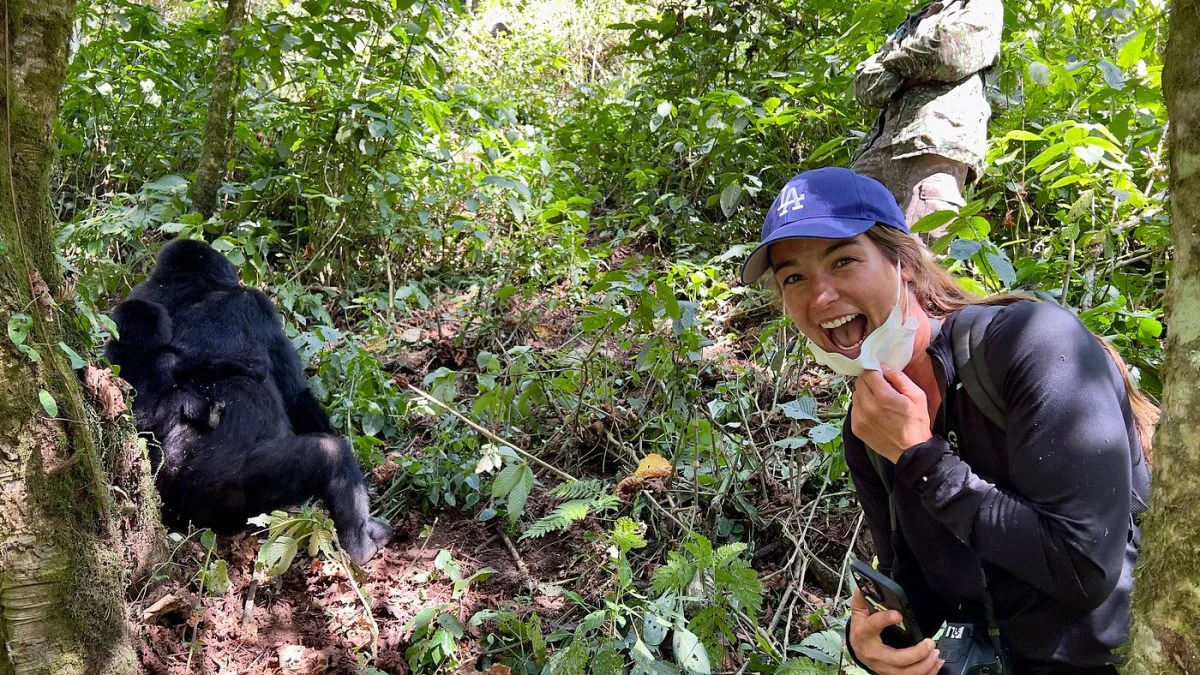
8 Days Self-Drive Gorilla Trekking Safari in Uganda – Comfort-Focused Route
Ideal for travelers seeking slower pacing, shorter driving days, and well-positioned lodges near trekking points.
Request a Quote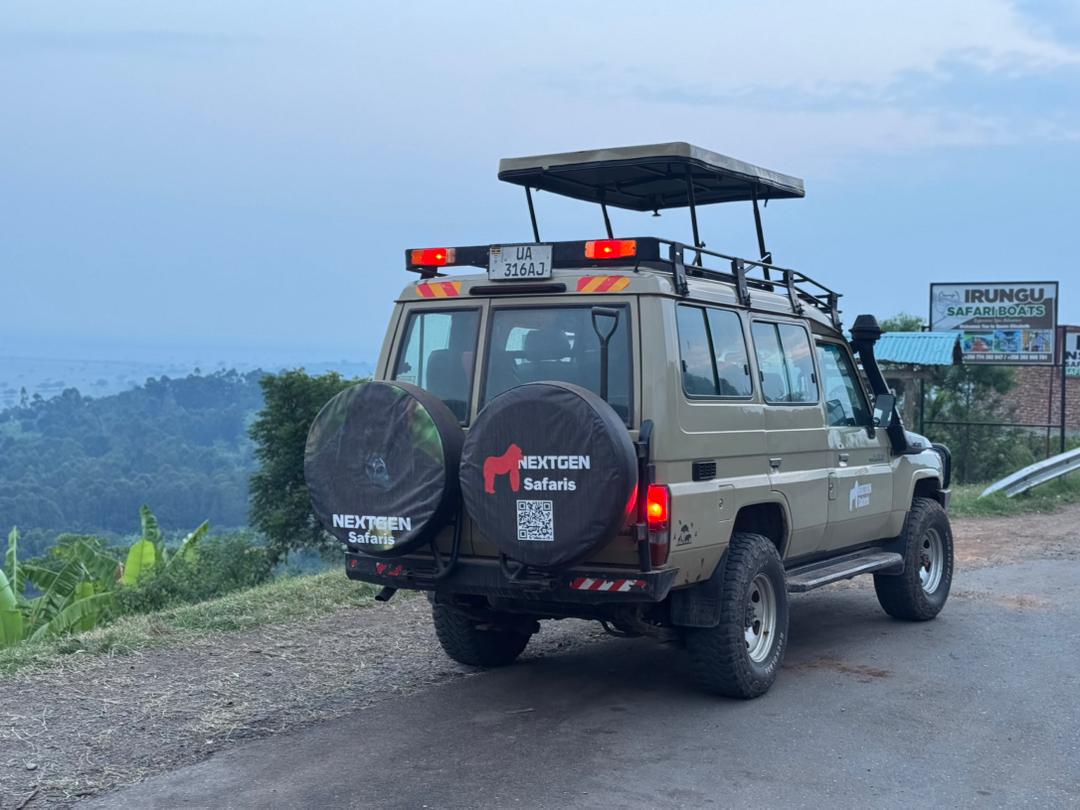
9 Days Self-Drive Gorilla Trekking Safari in Uganda – Primates & Landscapes
A longer self-drive journey combining gorilla trekking with varied scenery and secondary primate regions.
Request a Quote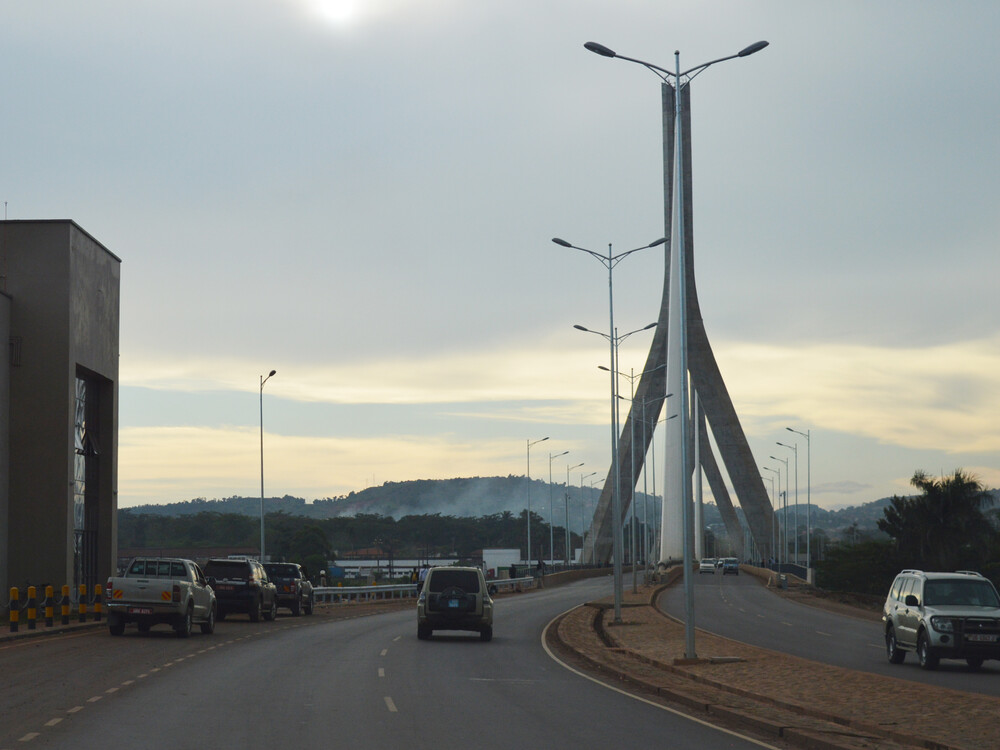
10 Days Self-Drive Gorilla Trekking Safari in Uganda – Extended Circuit
For experienced self-drive travelers seeking a full-country route anchored by gorilla trekking in Bwindi.
Request a Quote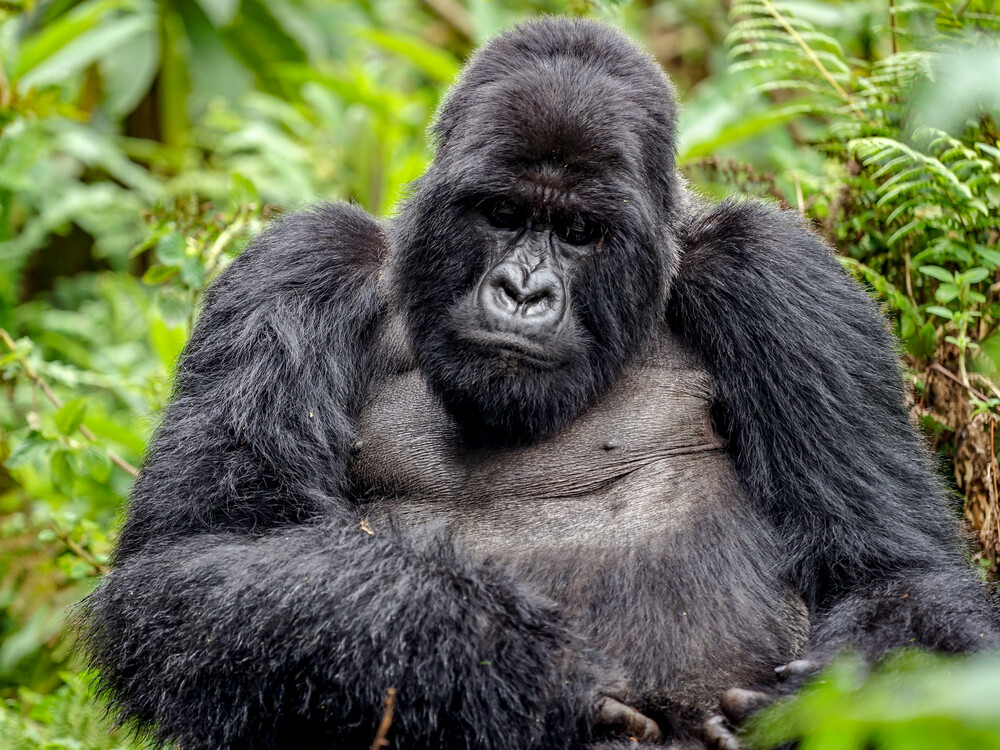
3 Days Self-Drive Gorilla Trekking Safari in Rwanda – Volcanoes National Park
The most direct self-drive option, with short paved-road access from Kigali to Volcanoes National Park.
Request a Quote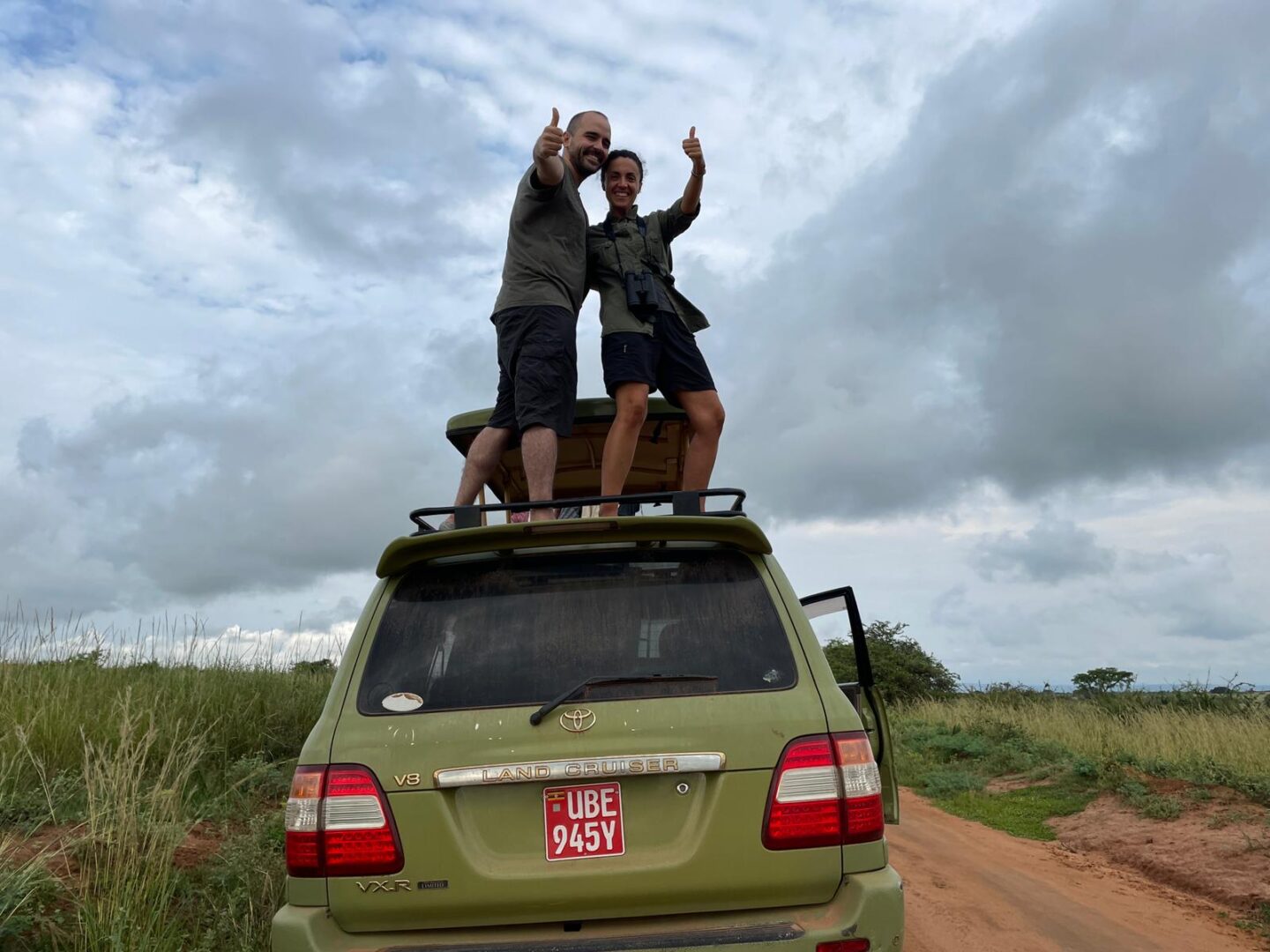
4 Days Self-Drive Gorilla Trekking Safari in Rwanda – Luxury Route
A refined Rwanda self-drive itinerary emphasizing comfort, short drives, and premium lodge locations.
Request a Quote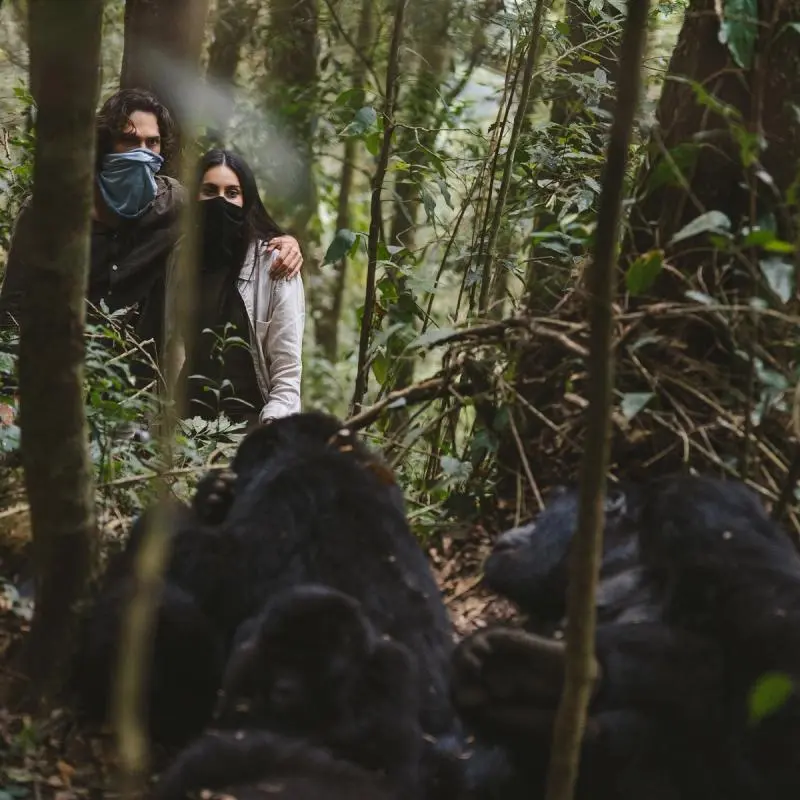
5 Days Self-Drive Gorilla Trekking Safari in Rwanda – Honeymoon Focus
Designed for couples seeking a private, self-drive gorilla trekking experience with minimal logistics complexity.
Request a Quote12 Days Self-Drive Gorilla Trekking Safari – Uganda & Rwanda Combined
An advanced cross-border self-drive itinerary featuring gorilla trekking in both Uganda and Rwanda.
Request a QuoteWhat Self-Drive Gorilla Trekking Really Means
At its core, Self-Drive Gorilla Trekking Safaris mean that you rent and drive your own 4×4 vehicle to the gorilla trekking region, stay at lodges or camps of your choice, and arrive at the park headquarters on your scheduled trekking date. From that point onward, the experience is no longer self-directed. Park rangers take over completely.
Gorilla trekking is conducted on foot, in small groups, led by trained guides and accompanied by armed rangers. Gorilla families are assigned on the morning of the trek, routes are determined by trackers who follow the gorillas daily, and the one-hour encounter rule is enforced strictly. Self-driving does not give you more freedom inside the park; it only gives you independence in how you reach it.
Understanding this distinction is essential. Many travelers assume Self-Drive Gorilla Trekking Safaris offer the same flexibility as self-drive wildlife safaris elsewhere. In reality, gorilla trekking is one of the most regulated wildlife experiences in Africa, and that regulation is the reason it exists at all.
Why Gorilla Trekking Is Not a Typical Self-Drive Safari
Gorillas are not viewed from a vehicle, and there are no public roads through their habitat. Their forest environment is dense, steep, and constantly changing. Unlike open savannah parks, where animals move visibly across large landscapes, gorillas are tracked daily by specialist teams who operate entirely off-road.
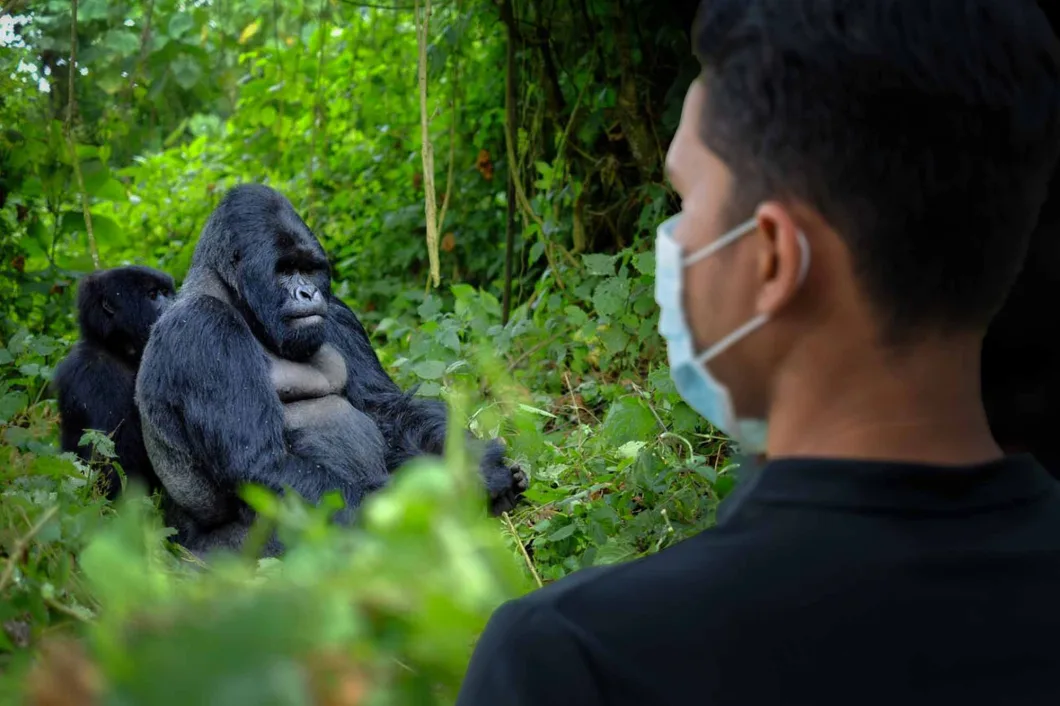
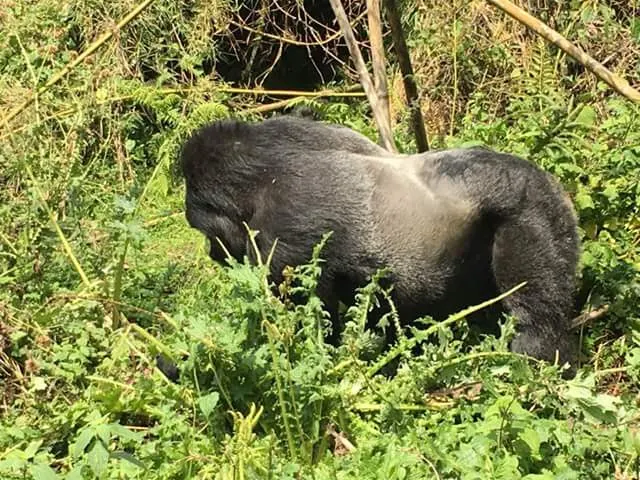
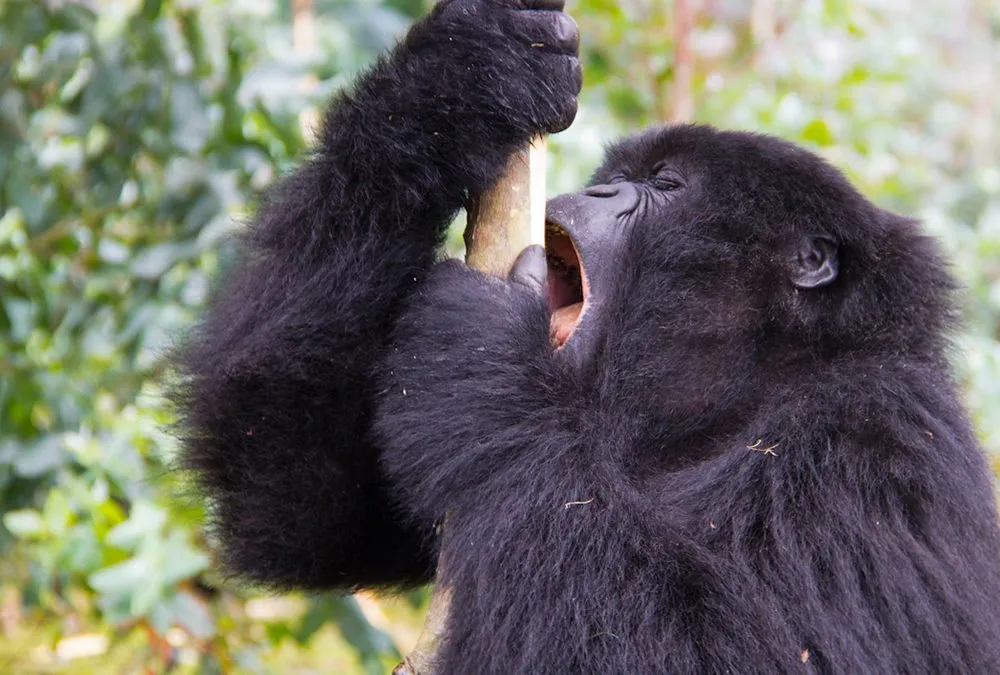
This is why Self-Drive Gorilla Trekking Safaris cannot be approached like self-drive trips to national parks in Kenya, Tanzania, or Namibia. Driving skill alone does not determine success. What matters far more is understanding permit systems, trekking sectors, arrival timing, and the realities of forest access.
Self-drive travelers who arrive without this understanding often find themselves frustrated, not because the system is broken, but because they expected a level of freedom that simply does not exist with gorilla conservation.
Why Planning Matters More Than Driving Skill
Good planning is the single most important factor in successful Self-Drive Gorilla Trekking Safaris. Driving experience helps, but it does not replace the need for correct permits, accurate sector selection, realistic driving times, and accommodation placed near the correct trekking headquarters.
Gorilla trekking permits are date-specific and location-specific. Arriving at the wrong park sector, on the wrong date, or after the briefing time means you do not trek regardless of how well you drive. Weather, road conditions, and terrain can also dramatically affect travel time, especially in remote forest regions.
This is why experienced self-drive travelers often still seek logistical guidance for gorilla trekking. Not to give up independence, but to avoid mistakes that can cost time, money, and the experience itself.
Self-drive gorilla trekking can work exceptionally well when it is approached with clarity and respect for how the system functions. When it is treated like a normal self-drive safari, it often fails. Understanding that difference from the start is what separates a rewarding journey from a costly lesson.
This is the foundation of Self-Drive Gorilla Trekking Safaris done properly and everything else on this page builds from that reality.
Is Self-Drive Gorilla Trekking Safari Possible in Uganda and Rwanda?
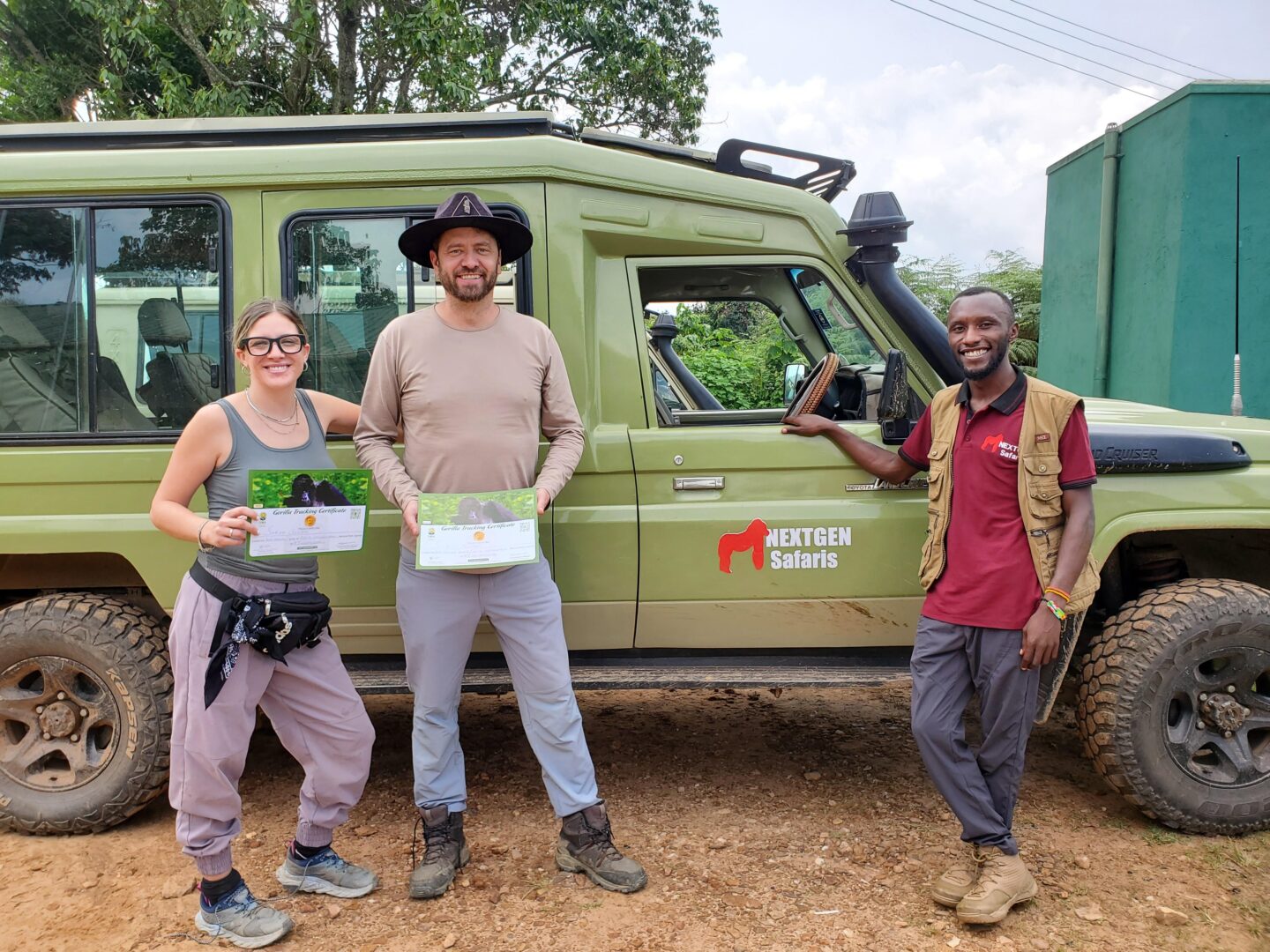
Yes, Self-Drive Gorilla Trekking Safaris are possible, but only under strict, non-negotiable conditions that many travelers do not initially understand. This is where clarity matters most. Self-drive is allowed for transport and logistics only. Gorilla trekking itself is never self-guided, in either Uganda or Rwanda, and cannot be done independently under any circumstances.
Understanding this distinction is essential for anyone asking whether self-drive gorilla trekking is realistic or allowed.
What “Self-Drive” Actually Means in Gorilla Trekking
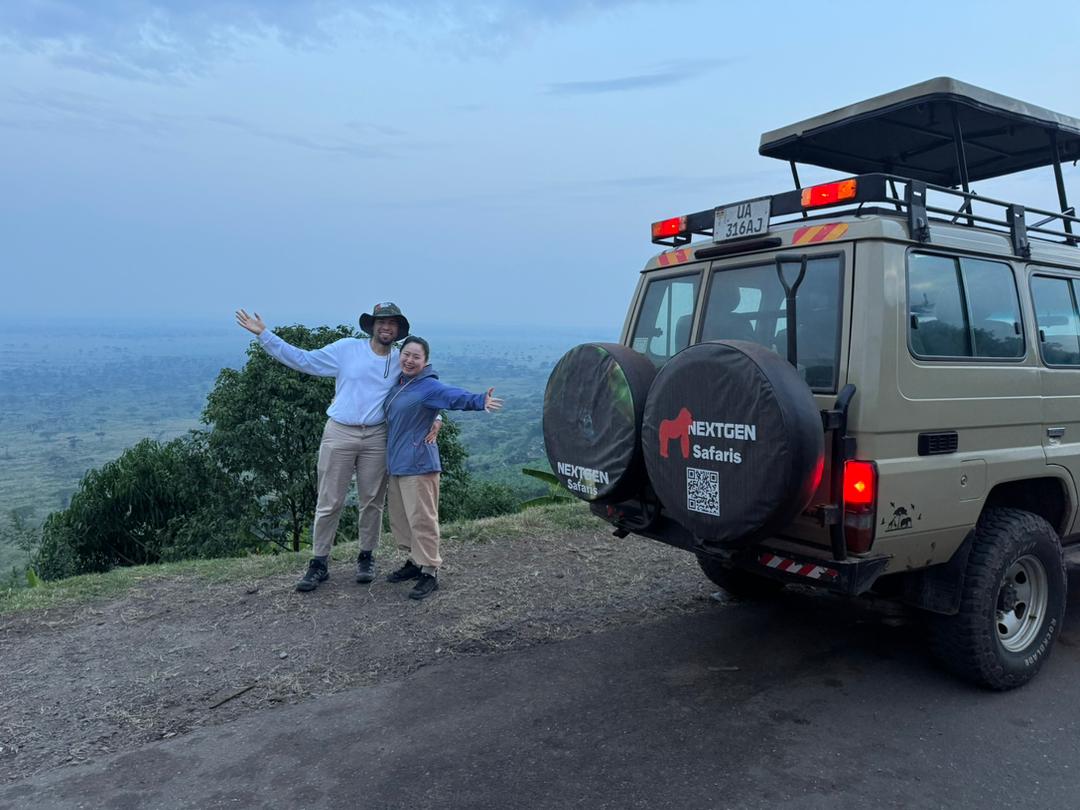
When travelers ask if self drive gorilla trekking is possible, they are usually referring to whether they can rent a vehicle, plan their own route, and reach the gorilla trekking regions without a guide. The answer to that part is yes, with preparation, a suitable 4×4 vehicle, and realistic expectations.
However, Self-Drive Gorilla Trekking Safaris do not mean driving into the forest to look for gorillas or choosing your own trekking route. Once you arrive at the park headquarters on your permit date, the experience becomes fully regulated. From that point on, park authorities take over.
This applies equally in Uganda and Rwanda.
You Cannot Self-Guide a Gorilla Trek (Ever)
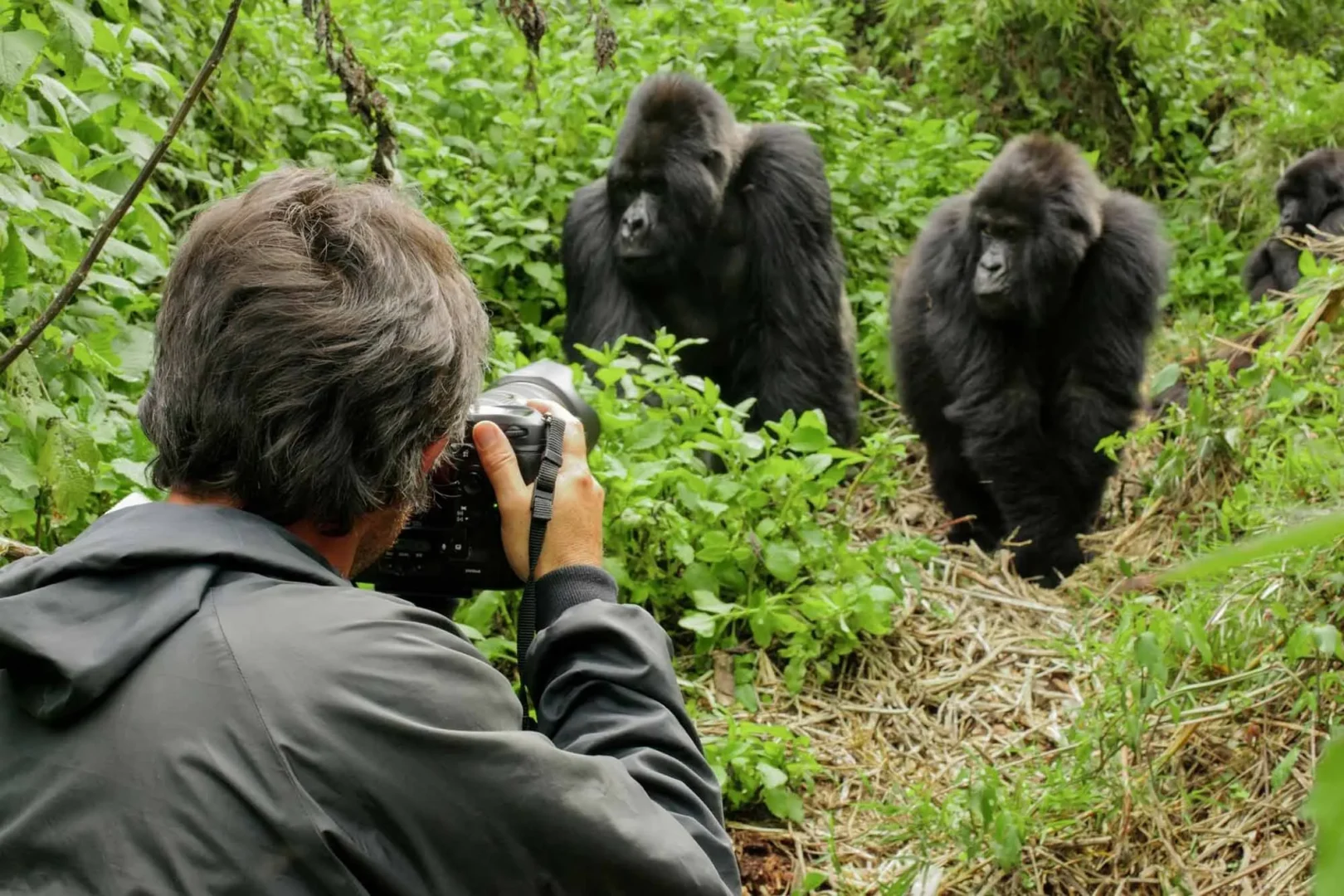
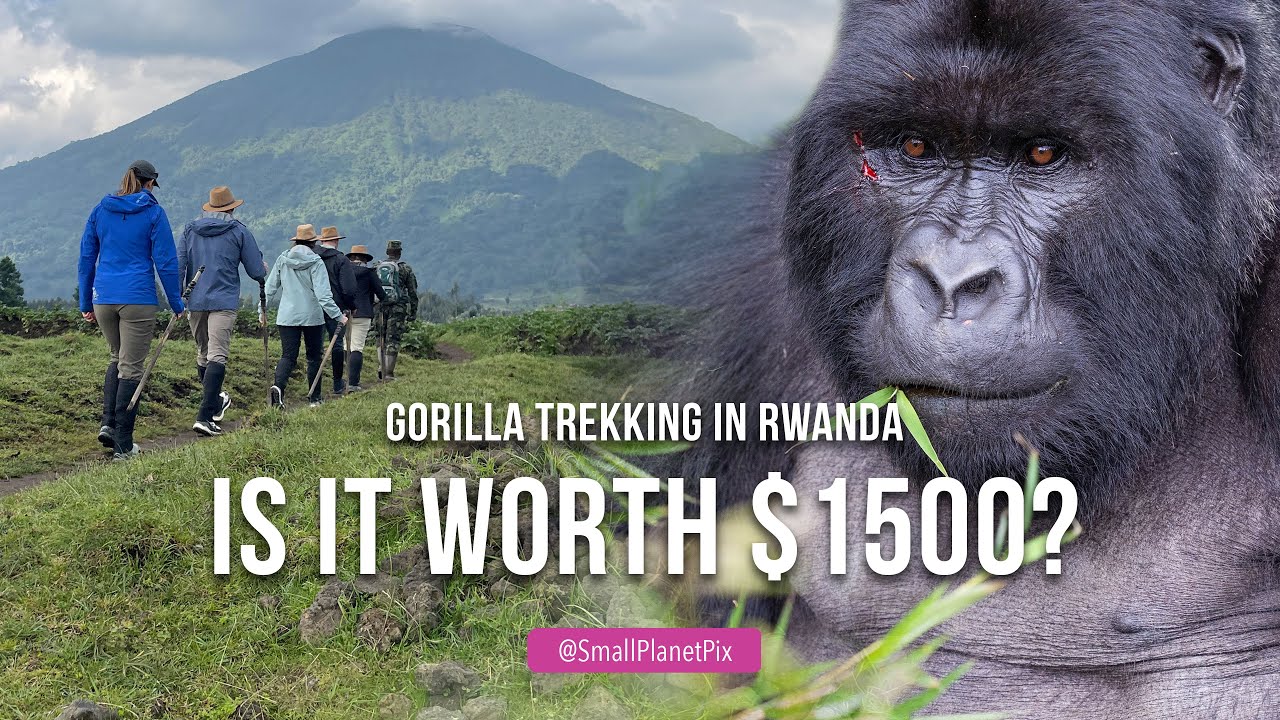
One of the most important rules to understand is that you cannot self-guide a gorilla trek. Gorilla trekking is conducted only in small groups, assigned daily by park authorities, and led by professional guides and armed rangers.
Trackers locate gorilla families early each morning, assess conditions, and determine which groups are suitable for visitors that day. Routes are adjusted constantly based on gorilla movement, weather, and conservation needs. Visitors are briefed before entering the forest and escorted throughout the entire trek.
This system exists to protect both gorillas and people. It is the reason gorilla trekking remains safe, ethical, and sustainable. No amount of driving experience or wilderness confidence changes this rule.
For Self-Drive Gorilla Trekking Safaris, independence stops at the park gate.
Self-Drive Equals Transport Only
The correct way to think about Self-Drive Gorilla Trekking Safaris is this: you control how you get to the gorilla trekking region, where you stay, and how you move between destinations but you do not control the trekking itself.
Self-drive travelers arrive at the correct park sector on the correct date, attend the mandatory morning briefing, and are then assigned a guide, ranger team, and gorilla family just like any other visitor. The trekking rules, one-hour limit, group size, and behavior guidelines apply equally to everyone, regardless of whether they arrived by private vehicle or guided safari.
This structure is identical in Uganda and Rwanda and is strictly enforced.
Uganda vs Rwanda: What Changes for Self-Drive Travelers
While the trekking rules are the same, the self-drive experience around gorilla trekking differs slightly between Uganda and Rwanda.
Uganda offers more flexibility in terms of routes, accommodation options, and trip combinations, which is why searches like self drive gorilla safari Uganda are common. At the same time, distances are longer, road conditions are more variable, and correct sector planning is critical.
Rwanda offers shorter driving distances from the main airport to the gorilla trekking park and generally easier navigation, but with less flexibility and higher overall costs. Self-drive is possible, but the margin for logistical error is smaller.
In both countries, self-drive works only when travelers respect the boundaries between independent travel and regulated trekking.
The Reality Check for Self-Drive Gorilla Trekking Safaris
So, is Self-Drive Gorilla Trekking Safari possible in Uganda and Rwanda? Yes, but only when travelers understand that self-drive is about how you travel, not how you trek.
Those who approach self-drive gorilla trekking with this clarity tend to have smooth, rewarding journeys. Those who expect unrestricted access or on-the-spot flexibility often run into avoidable problems.
This is why the most successful Self-Drive Gorilla Trekking Safaris are planned with precision, realistic timelines, and a clear understanding of how the gorilla trekking system actually works on the ground.
Self-Drive Gorilla Trekking Safaris – Uganda vs Rwanda
For travelers seriously considering Self-Drive Gorilla Trekking Safaris, the choice between Uganda and Rwanda is not about which country is “better.” It is about driving reality, logistical flexibility, and margin for error. Both countries allow self-drive access to gorilla trekking regions, but the experience of getting there and how much room you have to adapt plans differs significantly.
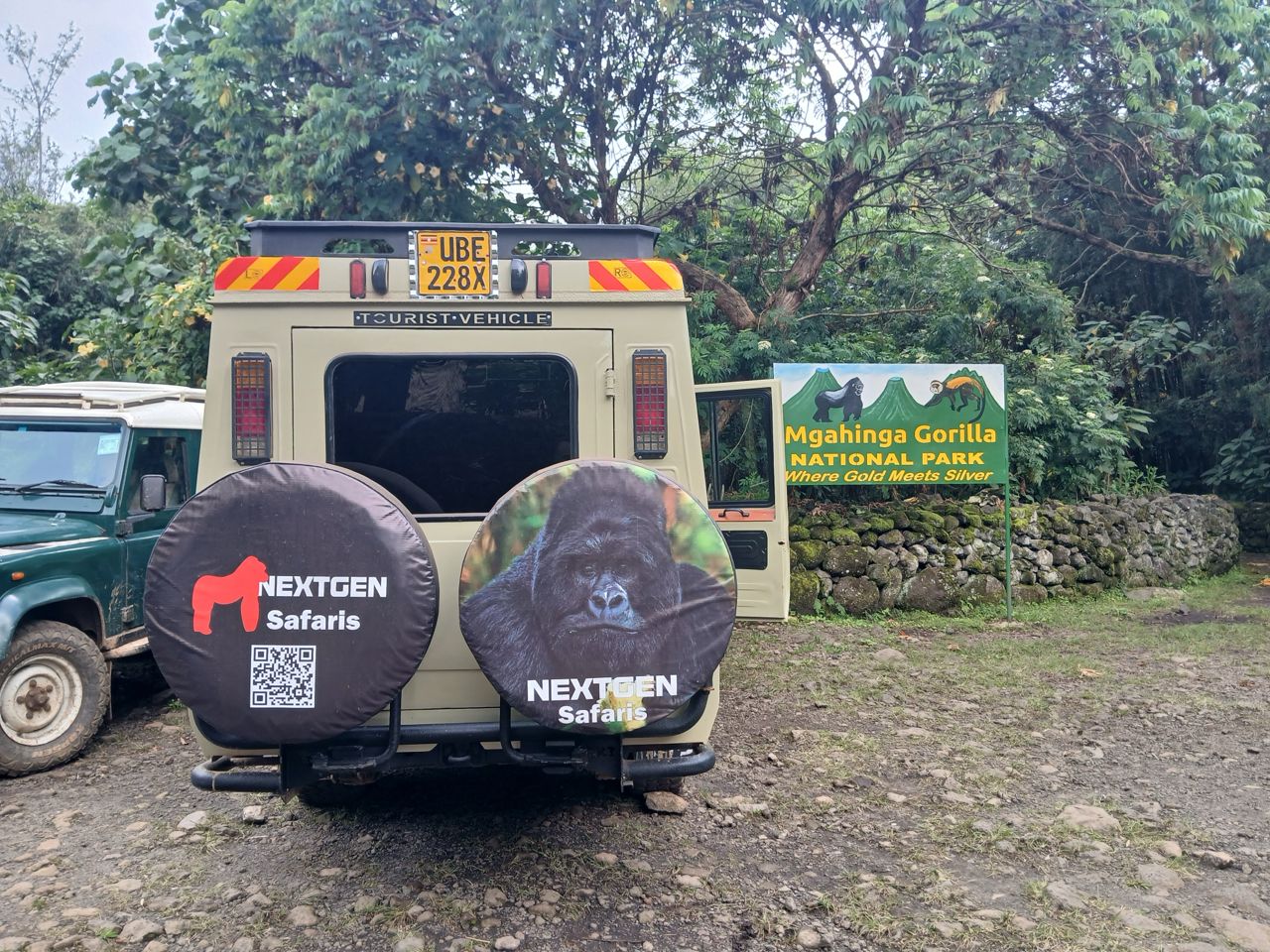
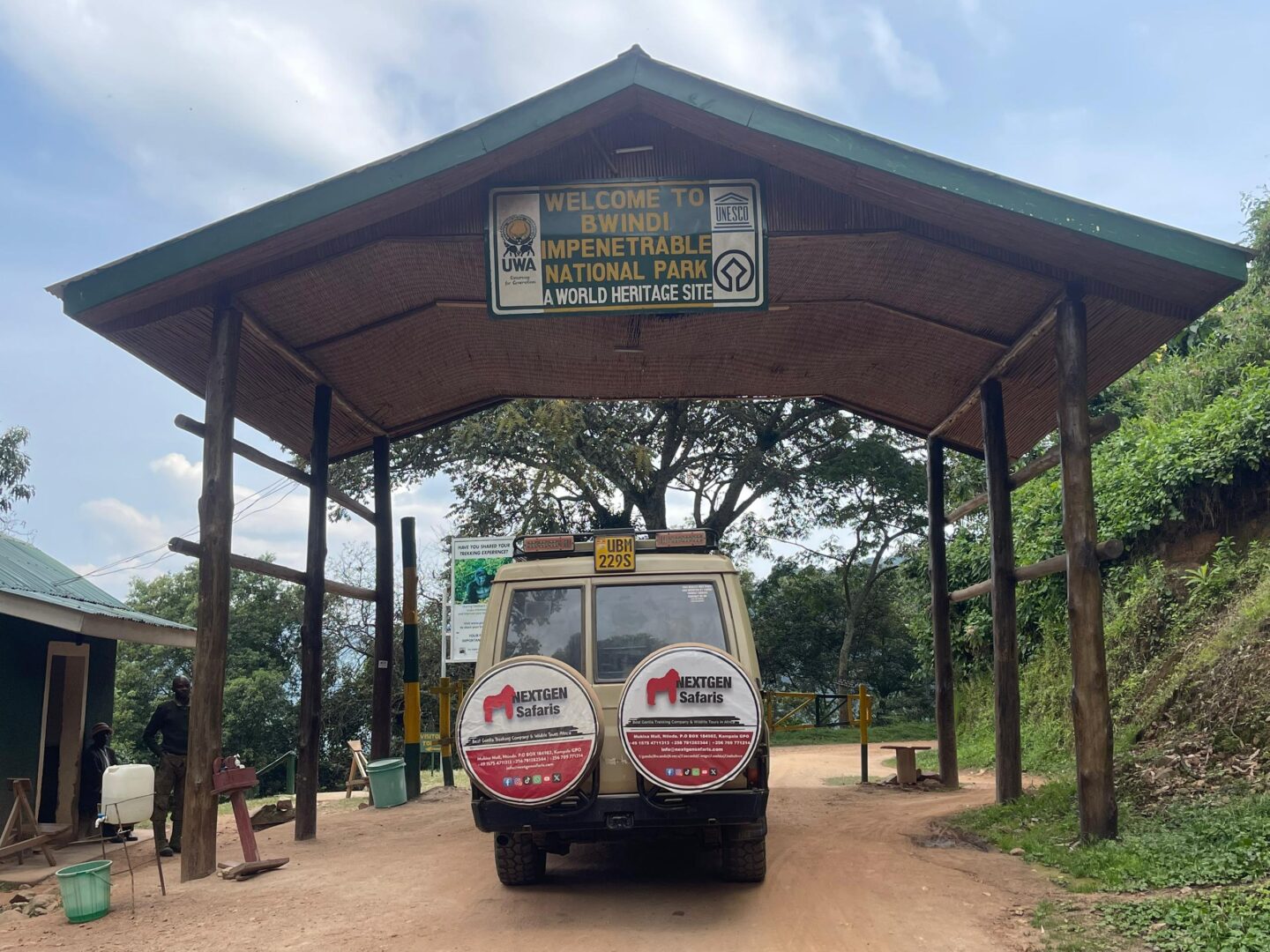
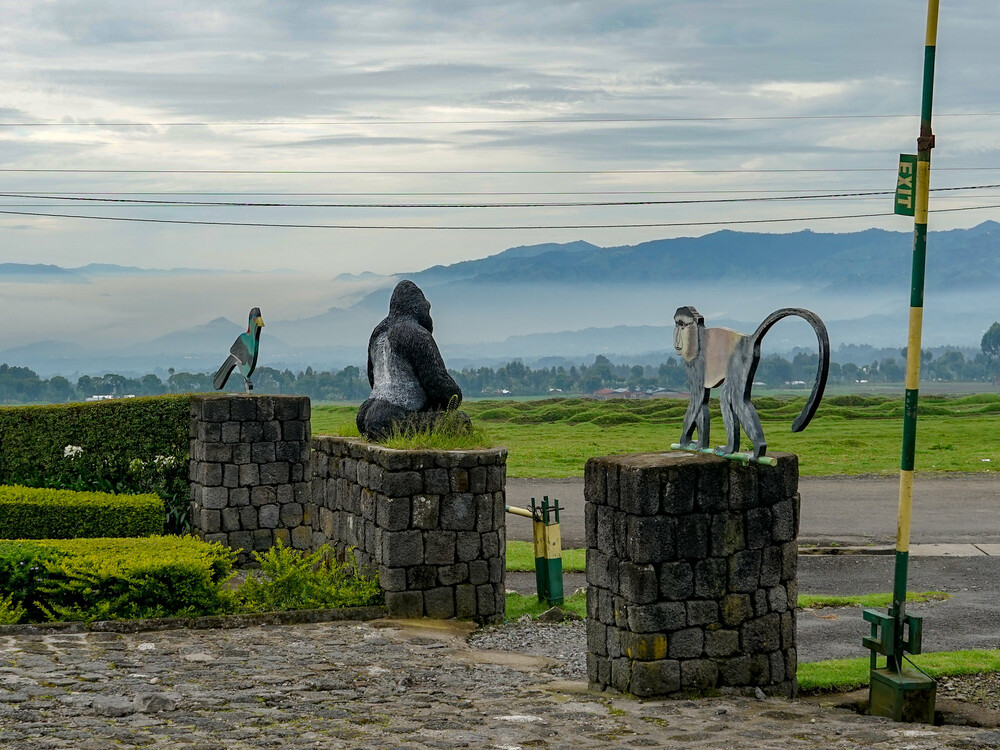
Understanding these differences clearly is what separates a smooth self-drive gorilla safari from a stressful one.
Road Conditions and Driving Reality
In Uganda, self-drive travelers must be prepared for mixed road conditions. Major highways from Entebbe toward the southwest are generally paved, but the final approach to gorilla trekking sectors in Bwindi Impenetrable National Park or Mgahinga Gorilla National Park often involves long stretches of gravel, steep gradients, and occasionally muddy or rutted roads. During rainy periods, some sections can become slow and physically demanding to drive.
This is why Self-Drive Gorilla Trekking Safaris in Uganda require genuine off-road confidence, not just basic driving ability. A high-clearance 4×4 is essential, and travel times are often longer than they appear on maps.
In Rwanda, road conditions are markedly different. Most routes from Kigali to Volcanoes National Park are paved, well maintained, and clearly marked. Driving is generally smoother, faster, and more predictable. For travelers new to African self-driving, Rwanda often feels less intimidating behind the wheel.
This contrast leads directly to the key truth: Uganda is more flexible but harder to drive, while Rwanda is easier to drive but less flexible.
Distance from Airports and Transfer Time
Distance from the international airport plays a major role in self-drive planning.
In Rwanda, Volcanoes National Park is approximately a 2.5 to 3-hour drive from Kigali International Airport. This short distance makes it possible to arrive, drive, and settle in with minimal fatigue. For Self-Drive Gorilla Trekking Safaris, this is one of Rwanda’s strongest advantages, especially for travelers with limited time or those uncomfortable with long drives.
Uganda’s gorilla trekking areas are much farther from Entebbe International Airport. Reaching Bwindi Impenetrable National Park or Mgahinga Gorilla National Park by road typically requires a full day of driving, often broken into stages. While domestic flights can reduce travel time, pure self-drive itineraries must factor in longer, more demanding road journeys.
The reward for this extra effort is flexibility. Uganda allows self-drive travelers to combine gorilla trekking with multiple regions, parks, and experiences more easily than Rwanda.
Terrain Difficulty Around Gorilla Trekking Regions
Terrain difficulty affects not only the drive but also overall trip planning.
Uganda’s gorilla regions are mountainous and forested, with narrow roads and changing weather conditions. Navigation requires concentration, patience, and realistic scheduling. This environment suits experienced self-drive travelers who enjoy remote routes and are comfortable adjusting plans on the fly.
Rwanda’s Volcanoes National Park sits in volcanic highlands, but access roads are comparatively straightforward. Terrain challenges exist, especially in wet conditions, but overall driving is less demanding. This makes Rwanda appealing for travelers who want Self-Drive Gorilla Trekking Safaris without extended exposure to difficult road conditions.
Fuel Availability, Signage, and Navigation
Fuel planning is a critical but often overlooked aspect of Self-Drive Gorilla Trekking Safaris.
In Rwanda, fuel stations are readily available along main routes, and signage is clear. Navigation apps work well, and road networks are intuitive. This reduces the need for contingency planning and makes self-driving feel more structured.
In Uganda, fuel stations are available but can be sparse in remote regions. Signage is inconsistent, and navigation apps may not always reflect current road conditions. Experienced self-drive travelers rely on offline maps, local advice, and conservative fuel planning to avoid issues.
These differences reinforce why Uganda offers more freedom but demands more preparation.
Permit Logistics and Sector Sensitivity
Permit logistics are identical in principle but different in impact for Self-Drive Gorilla Trekking Safaris.
In both Uganda and Rwanda, gorilla trekking permits are mandatory, date-specific, and tied to a specific park. However, Uganda adds another layer of complexity: multiple trekking sectors within Bwindi Impenetrable National Park. Each sector has its own briefing point, access roads, and accommodation clusters.
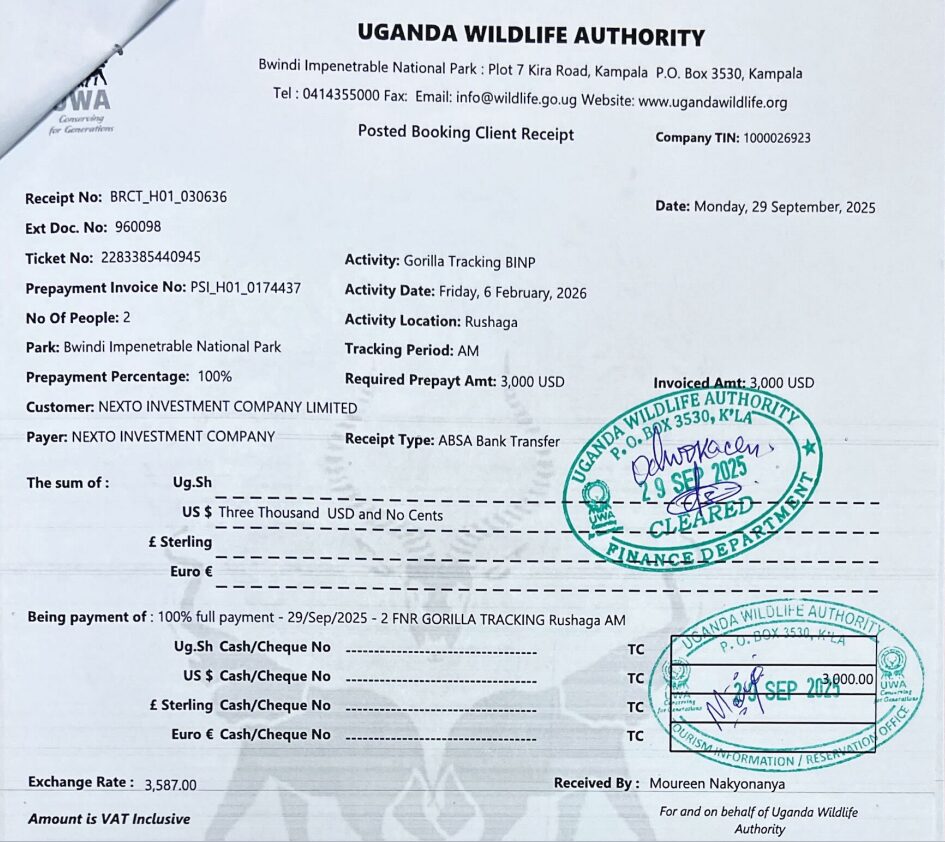
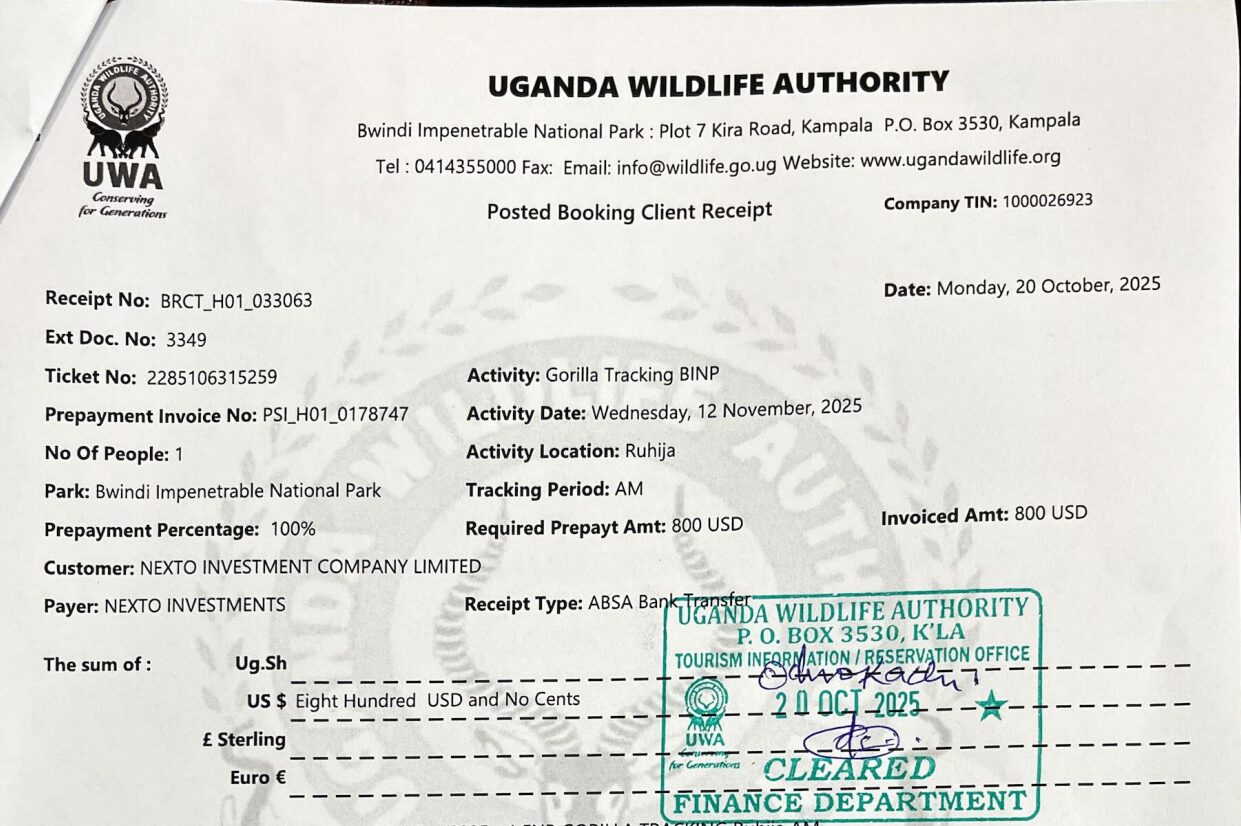
For self-drive travelers, arriving at the wrong sector, even if you are inside Bwindi Impenetrable National Park can mean missing your trek. This makes permit-sector alignment absolutely critical in Uganda.
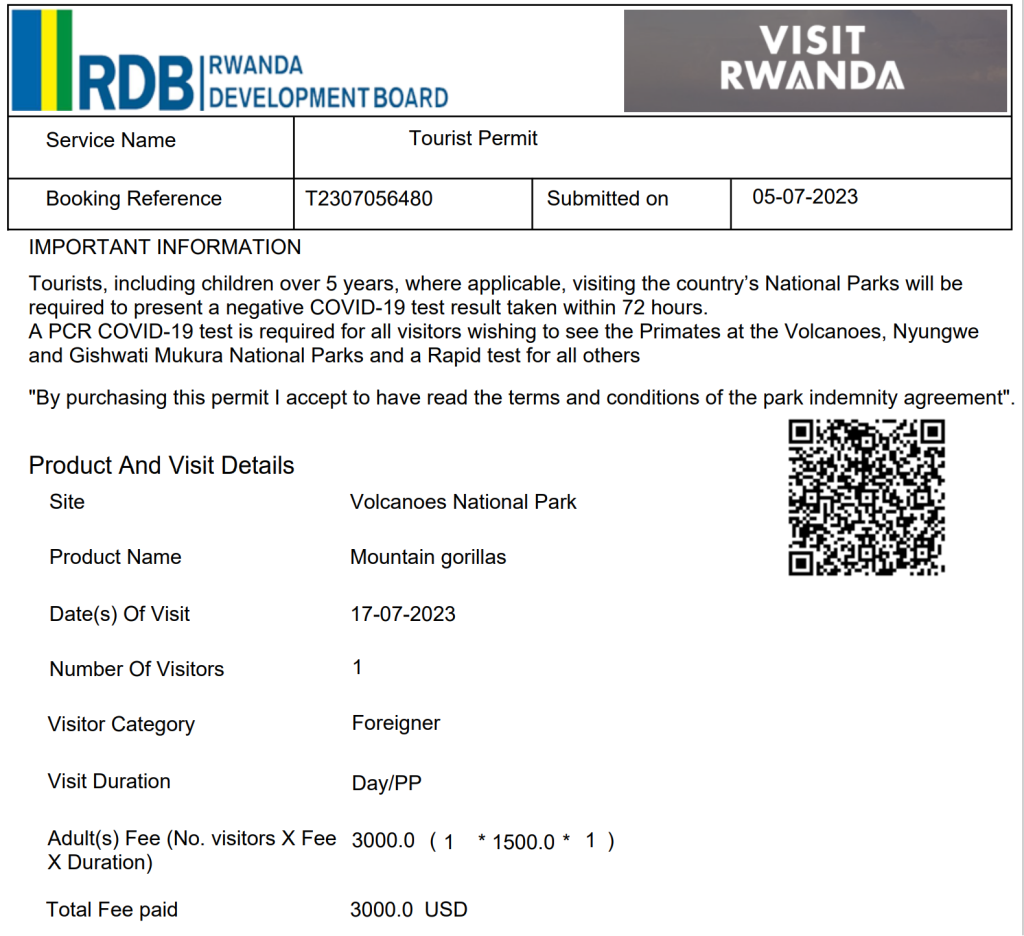
Rwanda has only one main gorilla trekking hub at Volcanoes National Park, which simplifies logistics. There is less room for confusion, but also less flexibility if plans change.
The Practical Decision for Self-Drive Gorilla Trekking Safaris
When comparing Self-Drive Gorilla Trekking Safaris in Uganda and Rwanda, the decision comes down to experience versus ease.
Uganda is ideal for travelers who want flexibility, longer routes, and the ability to build broader self-drive itineraries that include wildlife parks, lakes, and cultural stops. It rewards preparation and experience but punishes poor planning.
Rwanda is ideal for travelers who prioritize simplicity, shorter driving days, and lower logistical risk. It is easier to drive, but the experience is more focused and less adaptable.
Neither approach is superior in isolation. The best choice depends on how comfortable you are with African driving, how much flexibility you need, and how much responsibility you are willing to manage yourself.
This balanced reality is the foundation of successful Self-Drive Gorilla Trekking Safaris and understanding it upfront is exactly what prevents costly mistakes later.
Gorilla Permits for Self-Drive Gorilla Trekking Safaris
This is where most Self-Drive Gorilla Trekking Safaris fail not because travelers cannot drive, but because permits are misunderstood, mishandled, or left too late. Gorilla trekking permits are the single most critical element of any gorilla safari, and self-driving does not change that reality in any way.
The most important thing to understand is simple and absolute: self-drive does NOT mean self-managed permits.
Gorilla Trekking Permits Are Mandatory and Strictly Controlled
For all Self-Drive Gorilla Trekking Safaris, a gorilla trekking permit is mandatory for every person, for every trek, in both Uganda and Rwanda. There are no exceptions.
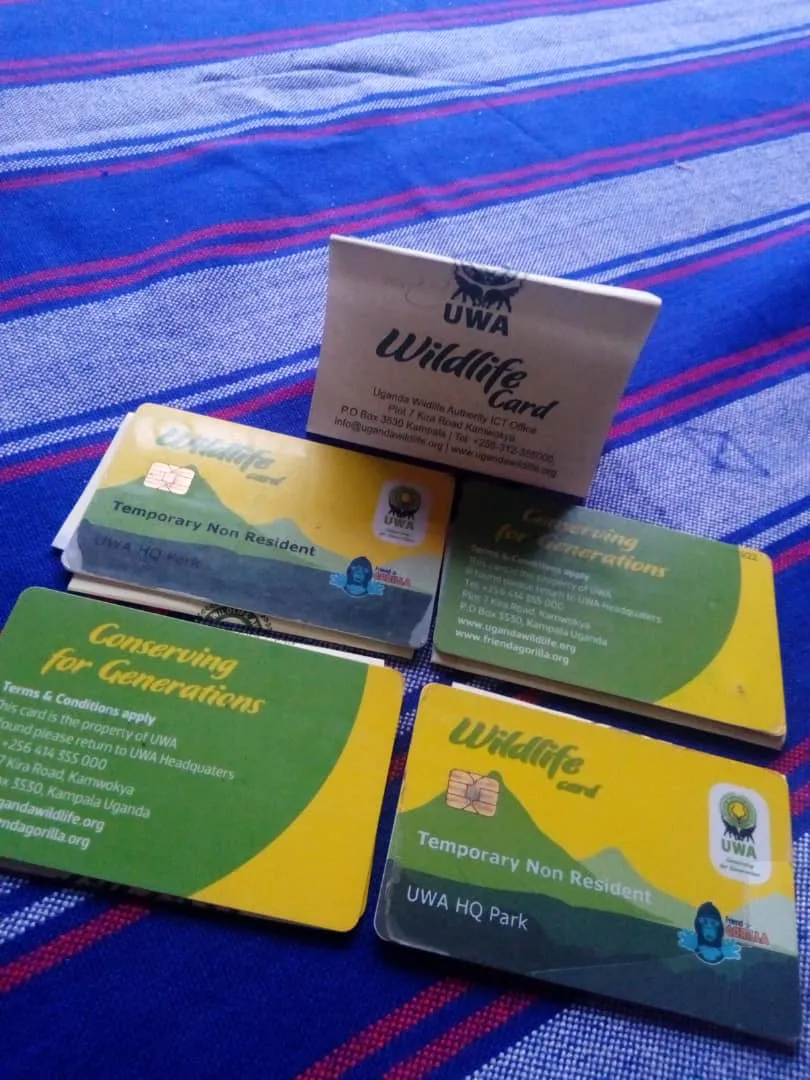

Permits are issued by national park authorities, not lodges and not tour companies and they control:
- How many people enter the forest each day
- Which gorilla family is visited
- Which park sector you must report to
- The exact date of your trek
Because gorilla populations are small and protected, permits are deliberately limited. This is why gorilla trekking remains ethical and sustainable and also why permits cannot be treated casually.
You Cannot Buy Gorilla Permits at the Gate
One of the most damaging myths around Self-Drive Gorilla Trekking Safaris is the idea that permits can be bought on arrival or “sorted out locally.” This is incorrect and leads to many failed self-drive attempts.
Gorilla permits cannot be purchased at the park gate. They must be secured in advance, often weeks or months ahead, especially during popular travel periods. Arriving without a permit means you will not trek, regardless of how far you have driven or how prepared you feel.
Self-drive travelers who underestimate this rule often end up stranded in gorilla regions without access to the experience they came for.
Dates and Sectors Matter More Than Most Travelers Realize
For Self-drive Gorilla Trekking Safaris, permits are not just date-specific in Uganda, they are also sector-specific. Bwindi Impenetrable National Park is divided into multiple trekking sectors, each with its own briefing point, access roads, and surrounding accommodation.
If your permit is issued for one sector and you arrive at another, you will not be allowed to trek. Being “inside Bwindi” is not enough. You must be at the correct sector on the correct date, at the correct time.
This is where many self-drive itineraries break down. Driving distances between sectors can be long, roads can be difficult, and missing the morning briefing effectively cancels your trek for the day.
In Rwanda, logistics are simpler because Volcanoes National Park operates from a single main hub, but permits are still date-specific and strictly enforced.
Why Self-Drivers Still Need Permit Handling Support
Even experienced self-drive travelers benefit from professional permit handling. This is not about giving up independence, it is about removing the single biggest point of failure in gorilla trekking.
For Self-drive Gorilla Trekking Safaris, permit handling includes:
- Securing permits well in advance
- Matching permit sectors to realistic driving routes
- Aligning lodge locations with trekking points
- Adjusting plans if availability changes
- Ensuring correct documentation is in place
When permits are handled incorrectly, self-drive flexibility disappears instantly. When they are handled properly, the rest of the safari flows smoothly.
This is why we secure gorilla permits upfront for self-drive travelers. Doing so ensures that driving routes, accommodation, and timing are built around confirmed access not assumptions.
The Authority Truth About Self-drive Gorilla Trekking Safaris
The defining rule of Self-Drive Gorilla Trekking Safaris is this:
You may drive yourself, but you cannot manage gorilla trekking casually.
Permits are the foundation of the entire experience. Everything else, the vehicle, the route, the lodge, even the border crossing must be planned around them. Treating permits as an afterthought is the fastest way to turn a self-drive adventure into an expensive disappointment.
Handled correctly, with permits secured upfront and logistics aligned properly, self-drive gorilla trekking can be smooth, rewarding, and deeply satisfying. That level of precision is what separates successful self-drive safaris from the ones that never make it into the forest.
Driving to Bwindi, Mgahinga & Volcanoes National Park
For anyone planning Self-Drive Gorilla Trekking Safaris, understanding park access is just as important as securing permits. Many self-drive plans fail not because of poor driving skills, but because travelers misunderstand where they are supposed to go, how long it really takes and what conditions affect access to gorilla trekking parks.
This section deals with the real-world driving realities that most competitors gloss over.
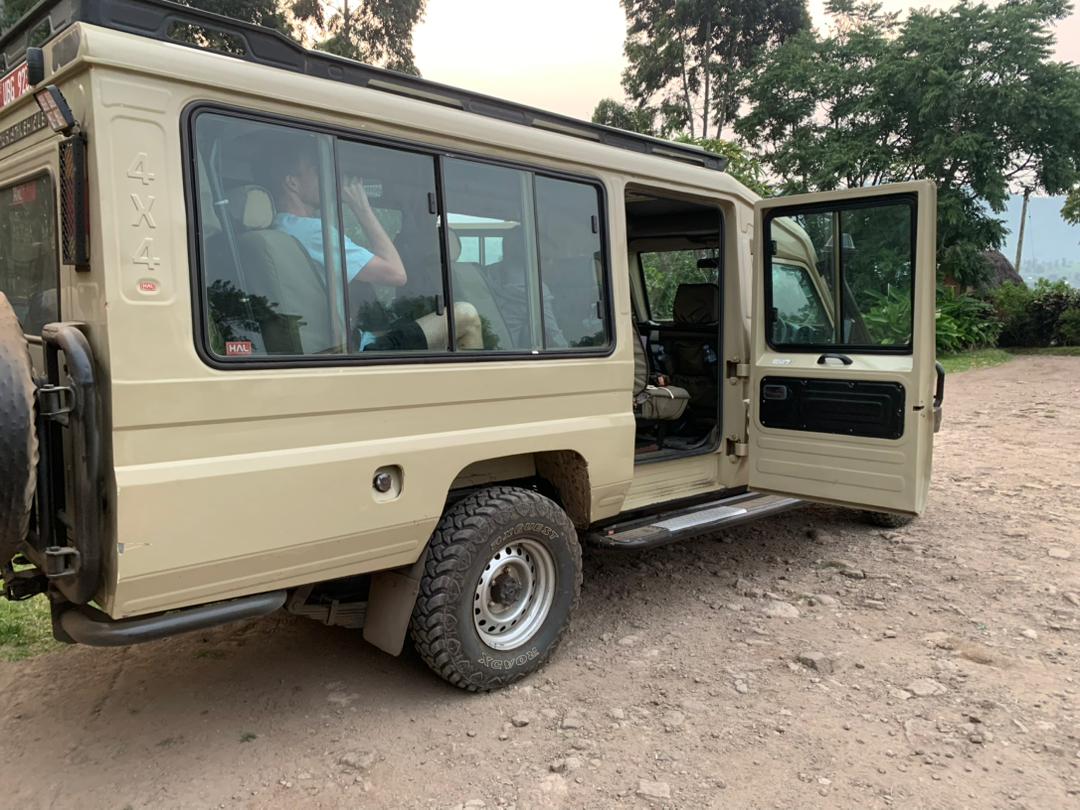
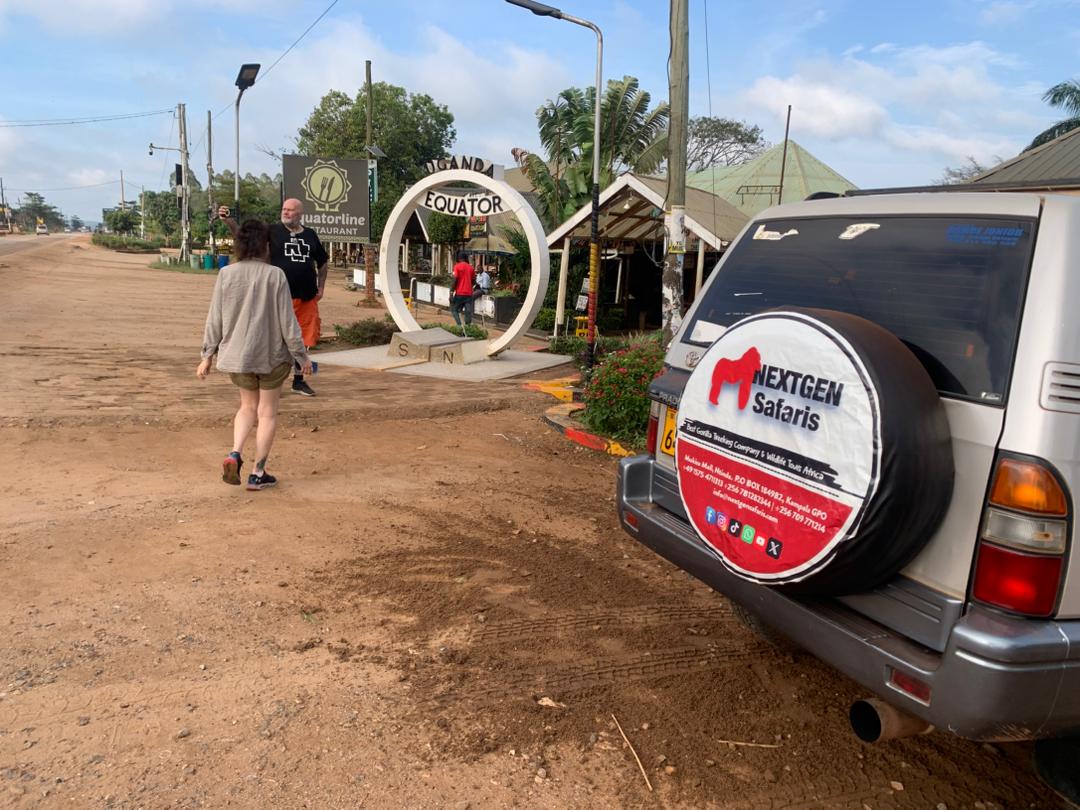
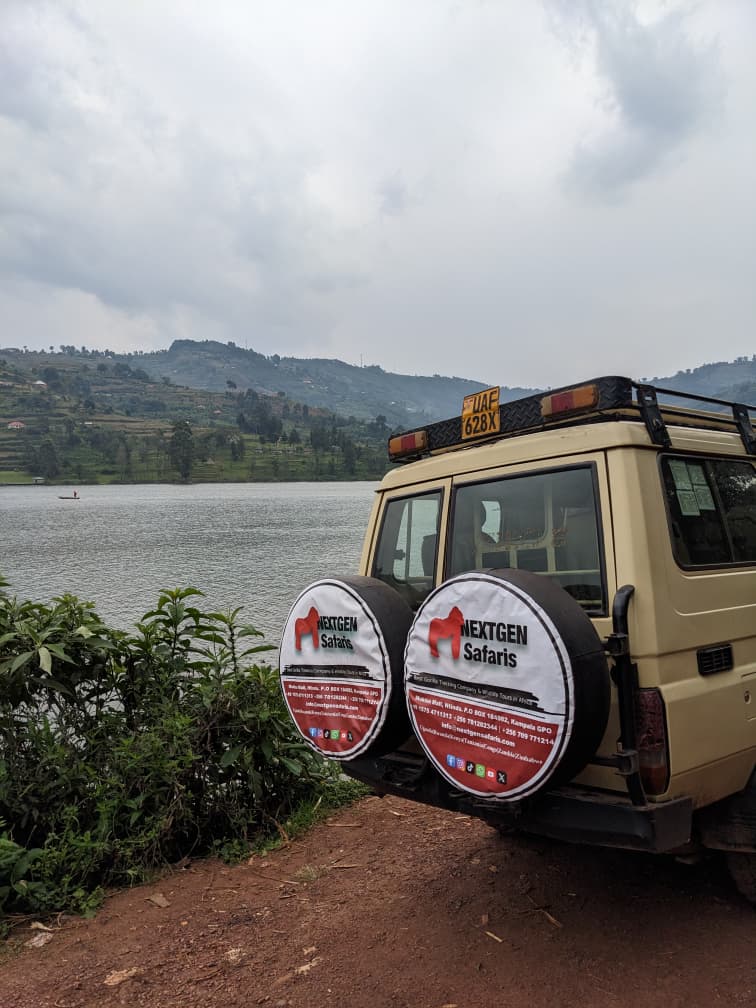
Bwindi Sector Confusion: The #1 Self-Drive Mistake
Bwindi Impenetrable National Park is the most complex destination for Self-Drive Gorilla Trekking Safaris, and it is also where most errors happen. Bwindi Impenetrable National Park is not a single entry point park. It is divided into multiple trekking sectors, each operating independently with its own briefing area, access roads, and surrounding accommodation zones.
Driving into “Bwindi Impenetrable National Park” without knowing your exact sector is a critical mistake. Some sectors are several hours apart by road, often on rough terrain. Arriving at the wrong sector on the morning of your trek means missing the briefing and missing the trek entirely.
For Self-Drive Gorilla Trekking Safaris in Uganda, route planning must always start with the permit sector, not the accommodation or the map shortcut. The correct order is: permit sector first, then driving route, then overnight stop. Reversing this logic is how most self-drive itineraries break down.
Driving to Mgahinga: Fewer Sectors, Steep Terrain
Mgahinga Gorilla National Park is simpler in structure but not necessarily easier to drive to. There is only one main trekking area, which removes sector confusion, but access roads are steep, narrow, and highly sensitive to weather.
For Self-Drive Gorilla Trekking Safaris, Mgahinga Gorilla National Park requires confident hill driving and conservative timing. The final approach includes winding roads with sharp gradients, and fog or rain can reduce visibility quickly. While navigation is more straightforward than Bwindi, driving demands remain high.
Driving to Volcanoes National Park in Rwanda
Volcanoes National Park offers the most straightforward access for Self-Drive Gorilla Trekking Safaris. The park operates from a single main hub, and roads from the capital are generally paved and well marked.
This simplicity is one reason Rwanda appeals to travelers new to African self-driving. However, simplicity does not equal flexibility. Permit dates are fixed, accommodation options are concentrated, and there is less room to adjust plans if delays occur.
For Self-Drive Gorilla Trekking Safaris in Rwanda, precision still matters just with fewer variables than Uganda.
Road Access vs Flight Access: What Self-Drivers Should Know
Self-drive travelers often ask whether flying makes more sense than driving. Domestic flights can reduce travel time dramatically, especially in Uganda, but they change the nature of a self-drive trip.
If you fly, the journey becomes a hybrid rather than a pure self-drive experience. Vehicles are typically arranged at the destination and logistics must be synchronized tightly with flight schedules and permit times.
For Self-Drive Gorilla Trekking Safaris, road access offers more autonomy but requires realistic scheduling. Flights offer speed but reduce flexibility. The right choice depends on time available, comfort level, and tolerance for long driving days.
Weather Impact on Self-Drive Routes
Weather plays a much bigger role in Self-Drive Gorilla Trekking Safaris than many travelers expect. Rain can transform gravel roads into slow, slippery surfaces, especially around Bwindi Impenetrable National Park and Mgahinga Gorilla National Park. What looks like a manageable drive in dry conditions can double in time after heavy rain.
This is why self-drive itineraries must include buffer time. Driving times shown online rarely account for weather, roadworks, livestock, or local traffic patterns. Conservative planning prevents late arrivals and rushed mornings before trekking days.
Night Driving Risks You Should Not Ignore
Night driving is one of the most underestimated risks in Self-Drive Gorilla Trekking Safaris. Poor lighting, wildlife on roads, unmarked hazards, and limited roadside assistance make night travel particularly risky in gorilla regions.
Arriving after dark increases stress, reduces recovery time before trekking, and raises the likelihood of navigation errors. For self-drive gorilla safaris, planning to reach lodges before sunset is not a preference, it is a safety standard.
The Practical Reality of Self-Drive Park Access
Successful Self-Drive Gorilla Trekking Safaris are built around access reality, not optimism. Knowing exactly which park sector you are trekking in, how long the drive truly takes, how weather can affect roads, and when to stop driving for the day is what keeps the experience smooth.
When routes and access are planned with this level of detail, self-drive gorilla trekking becomes rewarding rather than stressful. When they are not, even the best vehicle and the strongest driving confidence cannot compensate.
Vehicles, Navigation & Safety for Self-Drive Gorilla Safaris
When it comes to Self-Drive Gorilla Trekking Safaris, the vehicle and safety setup matters just as much as permits and routing. Many travelers underestimate this aspect, assuming that any SUV and a navigation app are sufficient. In reality, gorilla regions demand a higher standard of preparation, especially in Uganda.
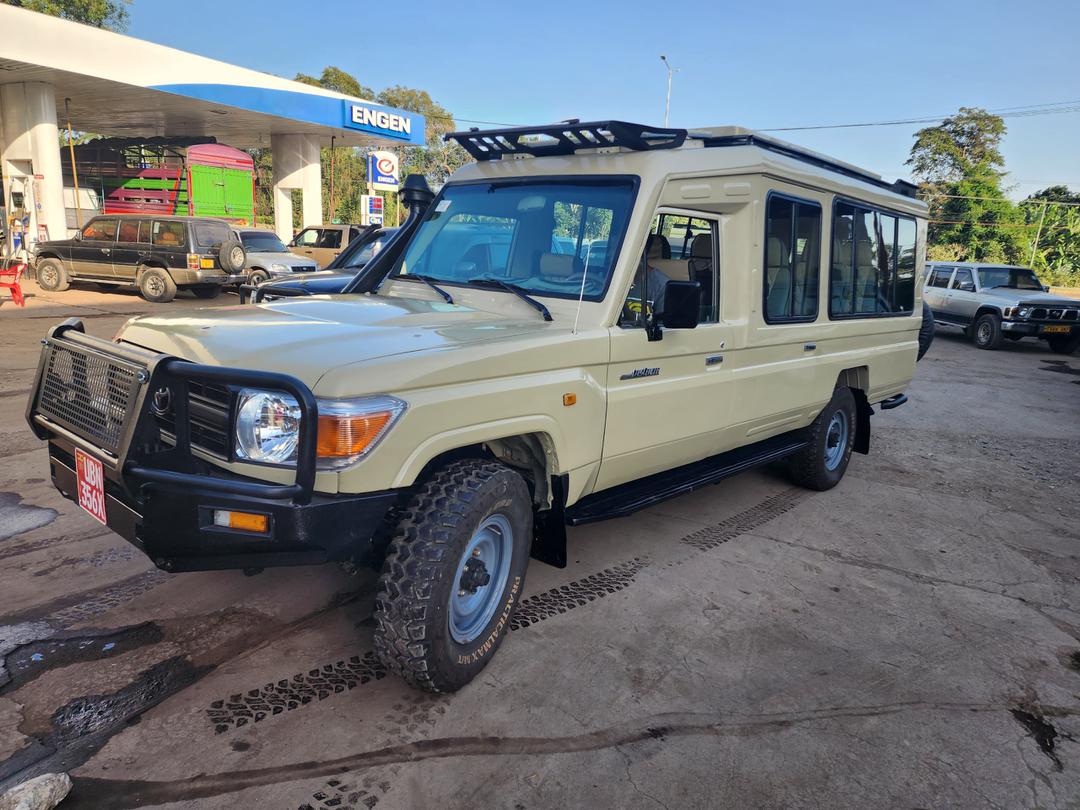
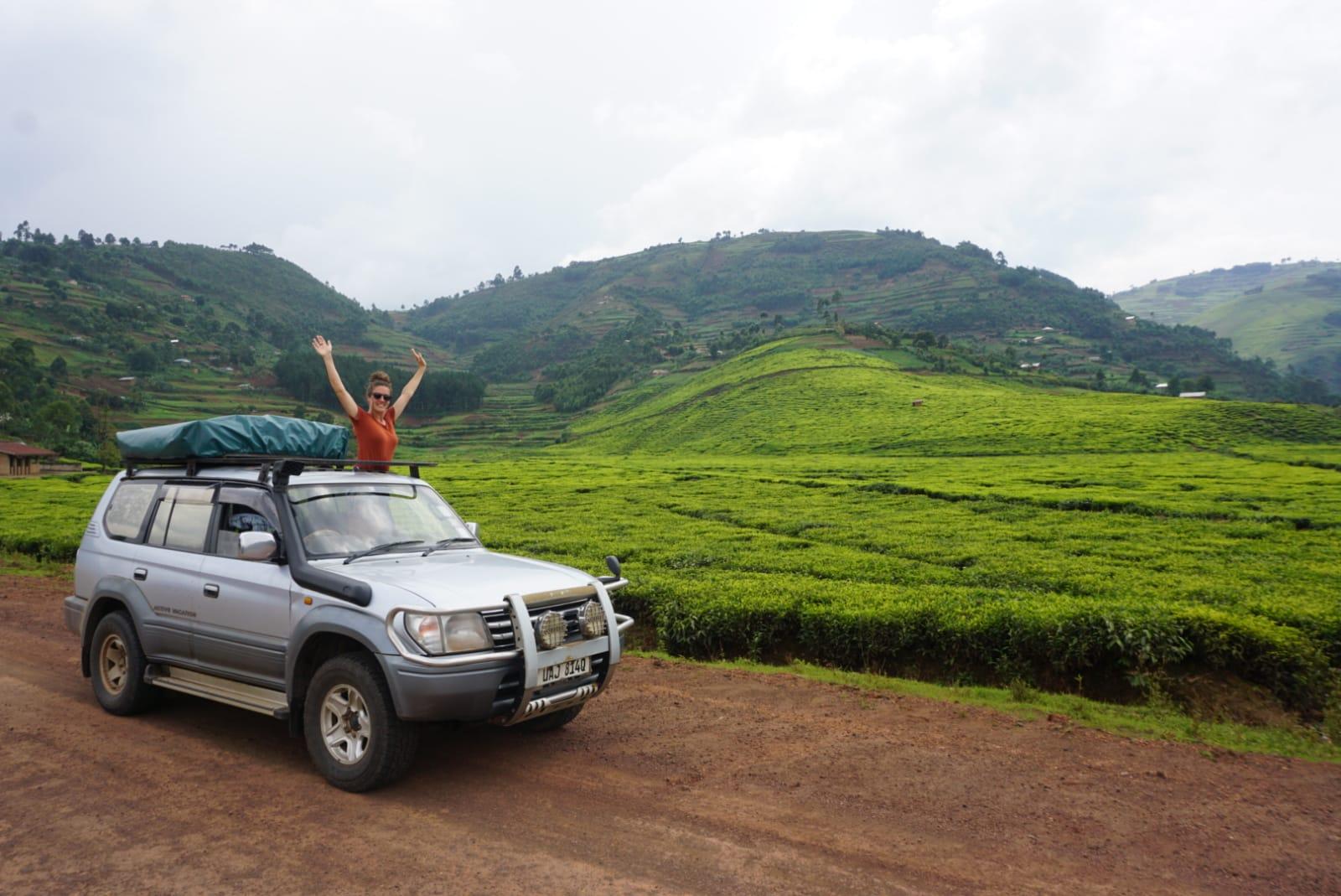
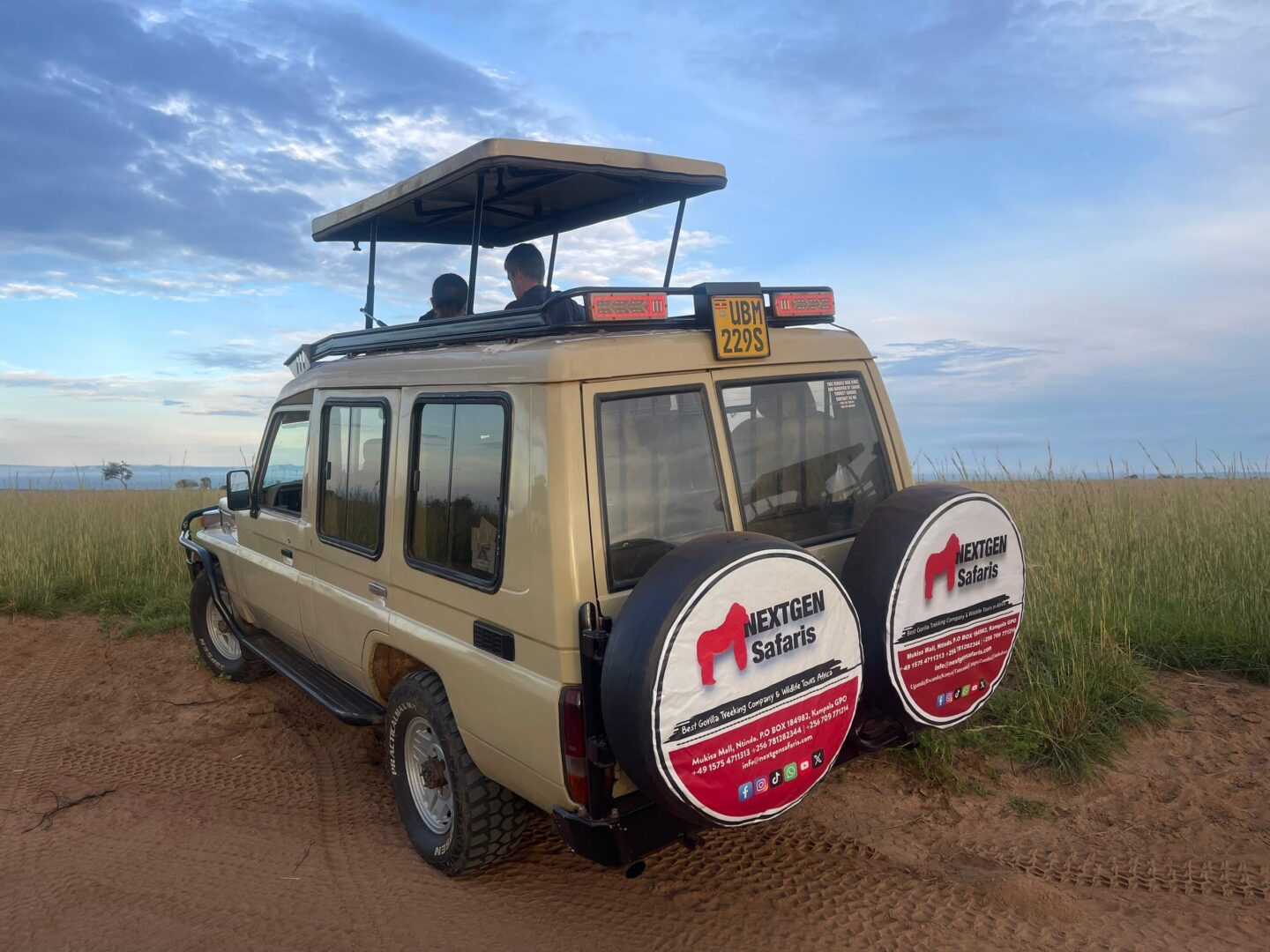
This is one of the reasons searches such as self drive gorilla safari safety and self drive safari Uganda gorillas are so common and so often poorly answered elsewhere.
A 4×4 Vehicle Is Not Optional
For all Self-Drive Gorilla Trekking Safaris, a true 4×4 vehicle is essential, not a recommendation. Gorilla trekking areas are mountainous, remote, and often reached via steep or uneven roads. During wet conditions, traction becomes critical, and two-wheel drive vehicles simply do not cope reliably.
In Uganda especially, the final approaches to Bwindi Impenetrable National Park or Mgahinga Gorilla National Park frequently involve gravel, mud, and sharp gradients. Even in dry season, road quality can change quickly. A high-clearance 4×4 with low-range capability is the baseline requirement for safe and predictable travel.
In Rwanda, roads are generally better, but a 4×4 is still strongly advised for flexibility and peace of mind, particularly around Volcanoes National Park and secondary routes.
Manual vs Automatic Transmission
Transmission choice plays a bigger role in Self-Drive Gorilla Trekking Safaris than many travelers expect. Manual vehicles are more widely available and usually cheaper, but they require confidence driving steep slopes and uneven terrain, sometimes at low speeds.
Automatic vehicles reduce fatigue, especially for travelers arriving after long international flights. They are easier to manage on hills and in traffic, but availability is limited and rental costs are higher. For drivers unfamiliar with African road conditions, an automatic 4×4 often provides a smoother experience.
Choosing the right transmission is not about cost alone; it is about reducing stress in challenging environments.
Recovery Gear and Breakdown Preparedness
Remote driving means self-reliance. For Self-Drive Gorilla Trekking Safaris, recovery gear is not an accessory, it is part of responsible planning. This includes basic equipment such as a spare tire in good condition, a jack that works on uneven ground, and simple recovery tools.
While full recovery kits are not always required, understanding what support your rental company provides is essential. In remote gorilla regions, roadside assistance may take time, and travelers should be mentally prepared for delays rather than expecting instant help.
GPS, Offline Maps and Navigation Reality
Navigation is another area where Self-Drive Gorilla Trekking Safaris differ from standard road trips. Online maps are helpful but unreliable in forest regions where signal coverage is inconsistent and road data may be outdated.
Successful self-drive travelers use a combination of GPS navigation and offline maps, along with printed directions from lodges or local advice. Relying on a single navigation source increases the risk of wrong turns, late arrivals, or unnecessary detours especially near Bwindi sectors.
Navigation is not about finding the shortest route; it is about finding the correct and reliable route.
Police Checkpoints and Driving Conduct
Police checkpoints are a normal part of driving in both Uganda and Rwanda. They are usually routine and professional, but self-drive travelers should be prepared.
Having the correct documentation, respecting speed limits, and driving calmly goes a long way. These checkpoints are not obstacles; they are part of road safety enforcement. For Self-Drive Gorilla Trekking Safaris, understanding and accepting this reality helps avoid unnecessary stress.
Safety Reality for Self-Drive Gorilla Safaris
The safety of Self-Drive Gorilla Trekking Safaris depends less on danger and more on preparation. Well-maintained vehicles, realistic driving times and conservative decisions such as avoiding night driving dramatically reduce risk.
When approached responsibly, self-drive gorilla safaris are not unsafe. When approached casually, they can become unnecessarily challenging.
Cost of Self-drive Gorilla Trekking Safaris in Uganda and Rwanda
One of the most misunderstood aspects of Self-Drive Gorilla Trekking Safaris is cost. Many travelers assume that driving themselves automatically means saving money. In reality, self-drive is about flexibility and independence, not guaranteed savings.
Understanding the true cost structure helps travelers make informed decisions.
Self-Drive Gorilla Trekking Safaris – Typical Permit & Vehicle Costs
The table below shows realistic, commonly applied costs for Self-Drive Gorilla Trekking Safaris, including mandatory gorilla permits and suitable 4×4 vehicle rental options in Uganda and Rwanda.
| Cost Component | Details | Typical Cost (USD) | Notes for Self-Drive Travelers |
|---|---|---|---|
| Gorilla Trekking Permit | Uganda (Bwindi / Mgahinga) | USD 800 | Mandatory, date-specific, sector-specific; same price for guided or self-drive |
| Gorilla Trekking Permit | Rwanda (Volcanoes National Park) | USD 1,500 | Mandatory; fewer permits available, higher base cost |
| 4×4 Vehicle Rental | TX / VX / GX Safari Land Cruiser | USD 90 / day | Manual transmission and automatic; suitable for experienced self-drive travelers |
| 4×4 Vehicle Rental | 5-Seater Safari Land Cruiser | USD 150 / day | More comfort and luggage space; often automatic transmission |
| 4×4 Vehicle Rental | 7-Seater Safari Land Cruiser | USD 230 / day | Ideal for families or groups; higher fuel consumption |
Gorilla Trekking Permit Costs
For all Self-Drive Gorilla Trekking Safaris, the gorilla trekking permit remains the single largest fixed cost. Permits are mandatory and priced by national park authorities, not negotiable and not discounted for self-drive travelers.
Whether you arrive by guided safari or self-drive vehicle, the permit cost is the same. This means that self-driving does not reduce the core cost of gorilla trekking.
Vehicle Rental Costs
Vehicle rental is the most visible self-drive expense. A suitable 4×4, particularly an automatic model, represents a significant daily cost. Longer itineraries increase rental value, but shorter trips may feel disproportionately expensive when compared to guided options.
For Self-Drive Gorilla Trekking Safaris, rental cost must be weighed against the convenience of having a driver-guide who handles navigation, timing, and vehicle logistics.
Fuel and Distance Considerations
Fuel costs vary depending on distance covered, route choice, and driving conditions. In Uganda, long distances and slower roads mean higher fuel consumption. In Rwanda, distances are shorter, but fuel prices can be slightly higher.
Fuel is rarely the largest expense, but it adds up over multi-day self-drive itineraries and should be budgeted conservatively.
Accommodation Costs
Accommodation pricing does not change simply because you are self-driving. Lodges near gorilla trekking sectors are priced based on location and demand, not travel style. Self-drive travelers pay the same rates as guided safari guests.
For Self-Drive Gorilla Trekking Safaris, choosing accommodation close to trekking points can reduce driving stress but may increase nightly cost.
Ranger and Guide Costs (Mandatory for Trekking)
A critical point often overlooked is that ranger and guide services are mandatory during the gorilla trek itself. These costs are built into the permit and are not optional.
Self-drive travelers cannot opt out of guided trekking to reduce cost. This reinforces the reality that self-drive affects transport logistics, not the structure of the trekking experience.
The Key Cost Truth About Self-Drive Gorilla Trekking
The most honest insight about Self-Drive Gorilla Trekking Safaris is this: self-drive is not always cheaper. In some cases, especially for short trips or solo travelers, it can cost the same or more than a guided safari.
The true value of self-drive lies in independence, route flexibility, and the experience of traveling at your own pace. Travelers who choose self-drive for these reasons tend to be satisfied. Those who choose it expecting major savings are often disappointed.
When costs are understood clearly and expectations are realistic, Self-Drive Gorilla Trekking Safaris can be rewarding, empowering and memorable not because they are cheaper, but because they fit the traveler’s style.
Who Should Choose Self-Drive Gorilla Trekking Safaris?
Self-drive Gorilla Trekking Safaris are not designed for everyone and that clarity is exactly what makes them valuable for the right travelers. Google rewards content that protects users from poor-fit decisions, and in real-world travel planning, honesty matters more than enthusiasm.
This guides explains who self-drive gorilla trekking works best for, and just as importantly, who should consider other options.

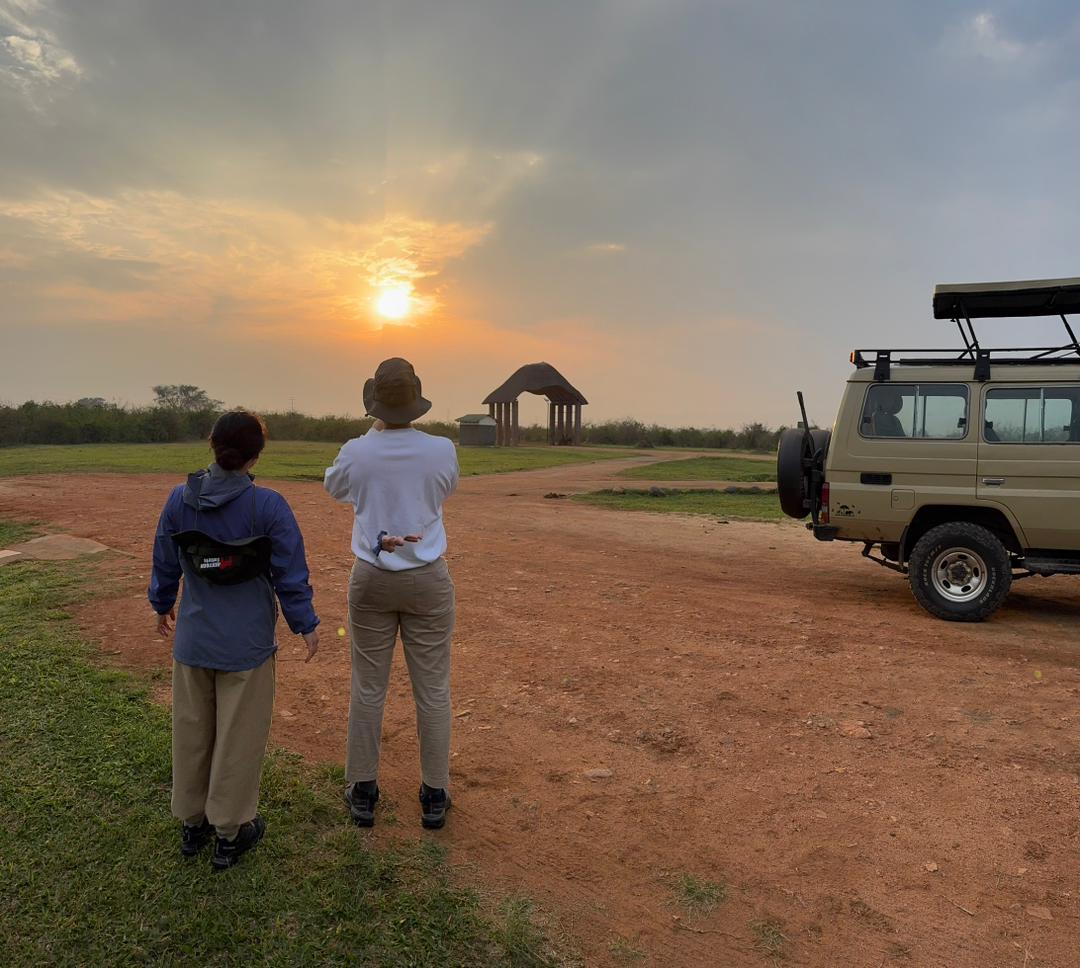
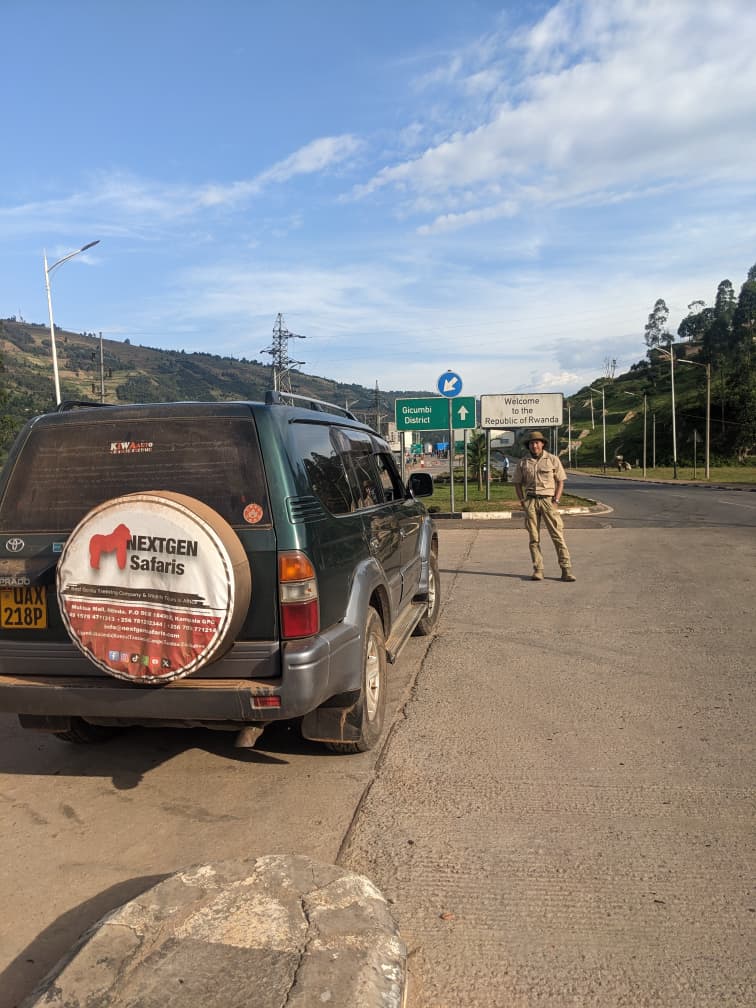
Experienced Africa Drivers
Self-drive gorilla trekking is best suited to travelers who already have experience driving in Africa or in similarly challenging environments. This does not mean professional off-road drivers, but it does mean people who are comfortable with variable road conditions, informal traffic patterns, and long days behind the wheel.
For these travelers, Self-drive Gorilla Trekking Safaris offer a sense of control and independence that guided safaris cannot replicate. They understand that progress may be slow, conditions may change, and patience is part of the journey.
Experience reduces stress and stress management is essential when driving to remote gorilla trekking regions.
Long-Stay and Slow-Travel Visitors
Travelers spending extended time in East Africa often benefit most from Self-drive Gorilla Trekking Safaris. With more days available, there is less pressure to rush between destinations or arrive at precise times after long drives.
Long-stay travelers can build in rest days, weather buffers, and alternative routes, making self-drive travel feel natural rather than forced. This flexibility aligns well with the realities of gorilla trekking logistics, especially in Uganda.
For these visitors, self-drive is not about efficiency; it is about rhythm and exploration.
Wildlife Photographers and Observational Travelers
Photographers often prefer self-drive travel because it allows control over timing, light, and pacing. While gorilla trekking itself is strictly regulated, Self-drive Gorilla Trekking Safaris allow photographers to manage their surroundings outside the trek choosing where to stop, when to move, and how long to stay in a region.
This approach works particularly well when gorilla trekking is part of a broader journey that includes landscapes, communities, and secondary wildlife experiences. Self-drive allows photographers to move deliberately rather than following fixed schedules.
Overlanders and Independent Adventure Travelers
Overlanders and seasoned independent travelers are a natural fit for Self-drive Gorilla Trekking Safaris. They are accustomed to managing logistics, adapting plans, and accepting that not everything will go perfectly.
For this group, self-drive gorilla trekking is not intimidating; it is an extension of how they already travel. They understand the limits of independence and respect regulated experiences like gorilla trekking without frustration.
Who Should Not Choose Self-drive Gorilla Trekking Safaris
Just as important is recognizing who should not choose self-drive gorilla trekking.
First-time Africa visitors with limited time often struggle with self-drive logistics. Long flights, unfamiliar driving conditions, and tight schedules create unnecessary pressure. For these travelers, a guided safari is usually more enjoyable and less stressful.
Travelers who expect savings as the main benefit of self-drive are also often disappointed. Self-drive Gorilla Trekking Safaris are not always cheaper, especially for short trips or small groups.
Anyone uncomfortable with long drives, changing road conditions or handling unexpected delays may find self-drive frustrating rather than empowering. Gorilla trekking is an emotionally intense experience, and arriving exhausted or stressed diminishes its impact.
The Honest Decision Filter
The most successful Self-drive Gorilla Trekking Safaris happen when travelers choose them for the right reasons: independence, flexibility and a genuine enjoyment of driving and planning. When chosen purely out of curiosity or cost assumptions, self-drive often becomes more work than reward.
Choosing the right travel style is not about bravery or skill it is about alignment. When self-drive fits the traveler, it enhances the experience. When it does not, guided travel is not a compromise; it is the smarter option.
This clarity protects travelers, improves satisfaction, and ensures that gorilla trekking remains the meaningful experience it is meant to be.
Best Self-drive Gorilla Trekking Safari Routes (Uganda & Rwanda)
When planning Self-drive Gorilla Trekking Safaris, fewer, well-designed routes always outperform long lists of options. Gorilla trekking is permit-driven and location-specific, so the strongest self-drive itineraries are those that respect driving reality, permit sectors, and recovery time.
Below are proven self-drive routes that work consistently in real conditions. Each route highlights realistic drive times, correct permit sectors and where guided support is still essential.
Route 1: Entebbe – Bwindi Impenetrable National Park – Lake Bunyonyi – Entebbe (Uganda)
This is the most reliable route for Self-drive Gorilla Trekking Safaris in Uganda and works well for travelers focused primarily on gorilla trekking.
From Entebbe, the drive to Bwindi Impenetrable National Park is typically split into stages, with an overnight stop recommended before reaching the trekking sector. Drive time varies depending on the assigned sector, but a full-day journey should always be expected. Permits must be secured for a specific Bwindi sector, and accommodation must match that sector precisely.
After the gorilla trek, continuing to Lake Bunyonyi allows for recovery time and a gentler driving day before returning toward Entebbe. Guided support is mandatory on the trekking day itself and recommended for permit handling, but the driving portion remains fully self-managed.
Route 2: Entebbe – Queen Elizabeth National Park – Bwindi – Entebbe (Uganda)
This route suits travelers who want to combine Self-drive Gorilla Trekking Safaris with a classic wildlife park while maintaining a logical driving loop.
From Entebbe, the drive to Queen Elizabeth National Park is long but manageable with an overnight stop. After wildlife viewing, the route continues south toward Bwindi Impenetrable National Park, often via the Ishasha sector. Drive times are influenced heavily by road conditions and weather.
Permits must be aligned with the correct Bwindi sector, and timing is critical to ensure arrival before the trekking briefing. Guided support is required for gorilla trekking and wildlife activities inside Queen Elizabeth, but self-driving works well between destinations for experienced travelers.
Route 3: Entebbe – Mgahinga Gorilla National Park – Lake Mutanda – Entebbe (Uganda)
This is one of the simplest and most controlled Self-drive Gorilla Trekking Safaris in Uganda due to Mgahinga’s single trekking area.
The drive from Entebbe to the far southwest is long and should be broken into stages. Once in the region, navigation is more straightforward than Bwindi, and accommodation around Lake Mutanda offers excellent access and recovery options.
Permits are date-specific but not sector-specific, reducing logistical complexity. Guided support is required for the gorilla trek itself, while self-drive works smoothly for transfers when planned conservatively.
Route 4: Kigali – Volcanoes National Park – Lake Kivu – Kigali (Rwanda)
This is the most accessible route for Self-drive Gorilla Trekking Safaris in Rwanda and ideal for travelers seeking minimal driving complexity.
From Kigali, Volcanoes National Park is reached in approximately three hours on paved roads. Permits are issued for a single trekking hub, simplifying logistics. After the trek, continuing to Lake Kivu provides a scenic and relaxing extension before returning to Kigali.
Guided support is mandatory during the gorilla trek, but self-driving is straightforward for the rest of the route. This itinerary suits travelers with limited time and moderate self-drive experience.
Route 5: Kigali – Volcanoes National Park – Bwindi – Entebbe (Cross-Border)
This advanced route is suitable only for experienced travelers undertaking Self-drive Gorilla Trekking Safaris across borders.
It involves self-driving from Kigali to Volcanoes National Park, trekking in Rwanda, then crossing into Uganda and continuing to Bwindi Impenetrable National Park for a second trek. Permits must be secured separately for each country, and border logistics require careful coordination.
Guided support is essential for permit handling and trekking days in both destinations. While this route offers a rare double-trekking experience, it should only be attempted with strong planning support and realistic timing.
Why These Routes Work for Self-drive Gorilla Trekking Safaris
Each of these routes has been proven under real conditions. They respect permit logistics, allow realistic driving times, and minimize unnecessary complexity. Most importantly, they acknowledge where independence ends and guided support becomes essential.
Successful Self-drive Gorilla Trekking Safaris are not about how many routes are possible, but about choosing the few that work reliably. When routes are designed with this discipline, self-drive gorilla trekking becomes practical, rewarding, and free from avoidable stress.
Self-Drive Gorilla Trekking Safaris – FAQs

Can I drive myself to gorilla trekking?
Yes. With Self-Drive Gorilla Trekking Safaris, you can legally rent a 4×4 vehicle and drive yourself to the gorilla trekking regions in Uganda and Rwanda. Self-drive applies to transportation between destinations only.
Once you reach the park headquarters on your permit date, the gorilla trek itself is no longer self-directed. Park authorities take over completely for the trekking experience.
Do I need a guide for gorilla trekking if I am self-driving?
Yes. A guide and armed rangers are mandatory for all gorilla treks, regardless of whether you arrive by self-drive or guided safari.
With Self-Drive Gorilla Trekking Safaris, you cannot enter the forest alone, choose your own gorilla family, or set your own trekking route. Every trek is ranger-led, strictly controlled, and limited to one hour with the gorillas.
Self-driving never replaces guided trekking.
Is self-drive gorilla trekking safe?
When planned correctly, Self-Drive Gorilla Trekking Safaris are considered safe. The main risks are not related to gorillas, but to driving conditions, navigation errors, and unrealistic timing.
Gorilla trekking itself is one of the safest wildlife activities in Africa due to ranger protection, strict rules, and decades of conservation management. Driving safety depends on vehicle quality, avoiding night driving, respecting road conditions, and allowing sufficient buffer time.
Most safety issues arise from poor planning, not from self-drive itself.
Is Uganda or Rwanda better for self-drive gorilla trekking?
Neither country is objectively better; they suit different types of self-drive travelers.
Uganda is better for travelers who want flexibility, longer itineraries, and the ability to combine gorilla trekking with other parks. However, roads are tougher, distances are longer, and sector planning is critical.
Rwanda is better for travelers who want easier driving, shorter distances, and simpler logistics. The trade-off is less flexibility and higher permit costs.
This is why Self-Drive Gorilla Trekking Safaris are described as more flexible but harder in Uganda, easier but less flexible in Rwanda.
Is self-drive gorilla trekking cheaper than a guided safari?
Not always. A key reality of Self-Drive Gorilla Trekking Safaris is that self-drive does not automatically mean cheaper.
Gorilla trekking permits cost the same whether you self-drive or use a guide. Vehicle rental, fuel, and accommodation can equal or exceed the cost of a guided safari, especially for short trips or solo travelers.
Self-drive is best chosen for independence and flexibility, not purely for cost savings.
Can I buy gorilla permits myself if I am self-driving?
Technically, permits are issued by park authorities, but in practice, most self-drive travelers still use professional permit handling.
Permits are date-specific, limited in number, and in Uganda, sector-specific. Mistakes can result in missed treks. This is why successful Self-Drive Gorilla Trekking Safaris almost always involve permits secured in advance by specialists, even when travelers drive themselves.
Self-drive does not mean self-managed permits.
Can I do a self-drive gorilla trekking safari without prior Africa driving experience?
It is possible, but not recommended. Self-Drive Gorilla Trekking Safaris are best suited to travelers who are already comfortable with African road conditions, informal traffic, and long driving days.
First-time Africa visitors with tight schedules usually enjoy the experience more with a guided safari. Self-drive works best when confidence and patience are already in place.
Can I combine self-drive gorilla trekking with wildlife safaris?
Yes. Many travelers combine Self-Drive Gorilla Trekking Safaris with self-drive routes through wildlife parks, particularly in Uganda.
However, game drives inside national parks often require guides or rangers, and some activities cannot be done independently. Planning must clearly separate where self-drive is allowed and where guided support is mandatory.
Is a 4×4 vehicle really required?
Yes. A true 4×4 vehicle is essential for Self-Drive Gorilla Trekking Safaris, especially in Uganda. Roads to gorilla regions are steep, uneven and weather-sensitive.
Two-wheel drive vehicles are not suitable and regularly fail to reach trekking areas, particularly during rainy periods.
Can I arrive late for a gorilla trek if I am self-driving?
No. Gorilla trekking briefings happen early in the morning, and late arrival usually means you do not trek that day.
This is why conservative driving schedules, overnight stays near trekking points, and buffer time are essential for Self-Drive Gorilla Trekking Safaris. Driving confidence cannot compensate for missed briefings.
What is the biggest mistake people make with self-drive gorilla trekking?
The most common mistake is assuming that self-drive means flexibility on the trekking day. Gorilla trekking is fixed, regulated, and non-negotiable.
Successful Self-Drive Gorilla Trekking Safaris respect this structure and build everything around confirmed permits, correct sectors, and realistic driving times.
Is self-drive gorilla trekking ethical?
Yes, when done properly. Gorilla trekking itself follows strict conservation rules regardless of travel style. Self-driving does not increase environmental impact as long as travelers respect park regulations, designated roads, and trekking protocols.
Ethics in gorilla trekking are determined by permit systems and ranger management, not by whether you drive yourself.
Who should avoid self-drive gorilla trekking?
Travelers with very limited time, those uncomfortable driving long distances, and those expecting significant cost savings are usually better served by guided safaris.
Self-Drive Gorilla Trekking Safaris work best for travelers who value independence and are comfortable managing logistics responsibly.
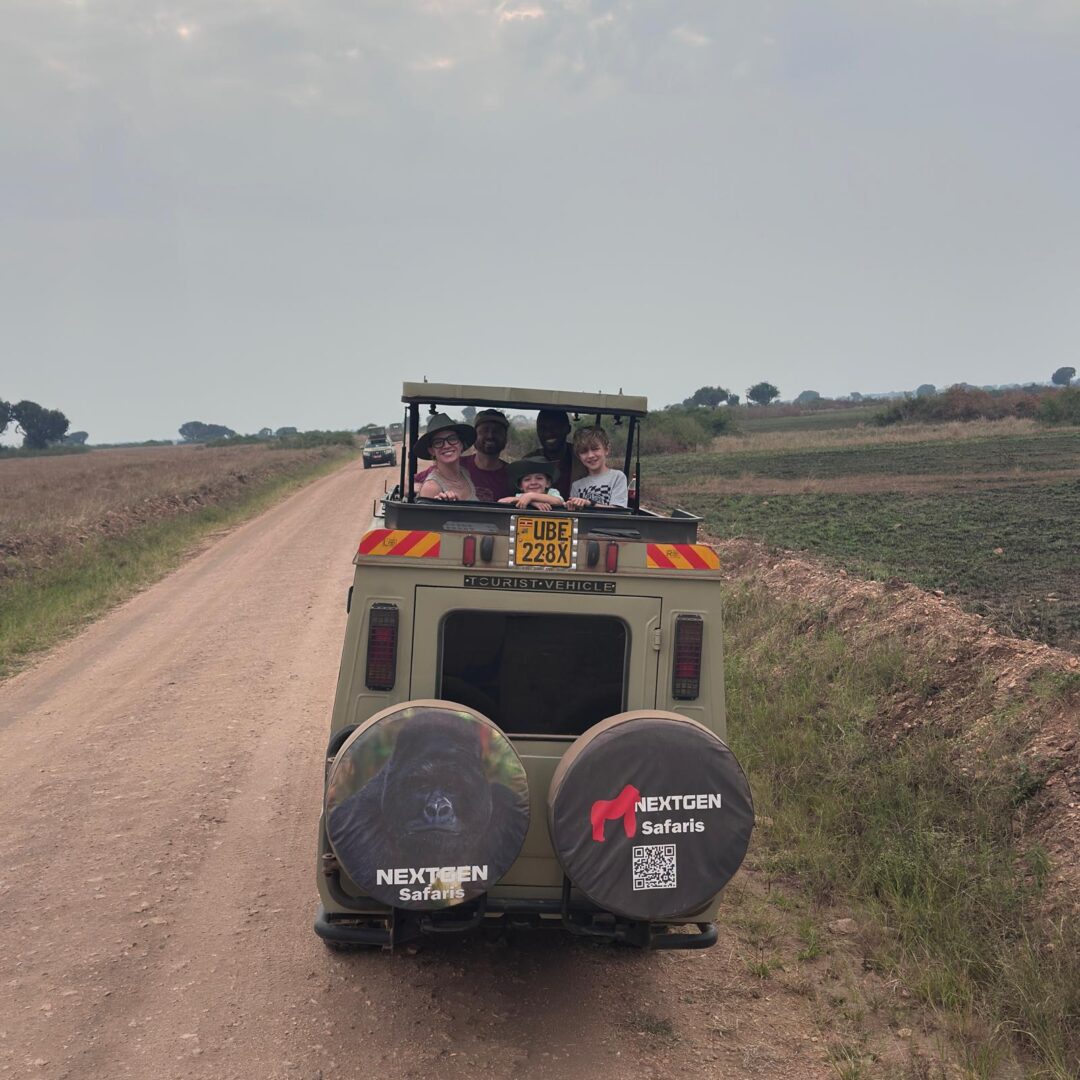
Plan Your Self-Drive Gorilla Trekking Safari with Clarity
Self-drive gorilla trekking is at its best when independence is balanced with precision. Self-Drive Gorilla Trekking Safaris work smoothly only when permits are secured correctly, routes are realistic, and local driving realities are understood in advance. Small planning mistakes can easily lead to missed treks, unnecessary delays, or costs that far exceed expectations.
A short, focused consultation helps align everything that matters, permit dates and sectors, driving routes, accommodation placement and timing before you commit to the road. This approach protects your time, your budget, and the experience itself, while still allowing you to enjoy the freedom of self-drive travel.
If you want your self-drive gorilla trekking planned properly, without guesswork and without pressure, speak to specialists who handle these safaris every day.
Request a Self-Drive Gorilla Trekking Consultation