
Should You Bring Multiple Credit Cards on an African Safari?
Should You Bring Multiple Credit Cards on an African Safari? 12 Essential Reasons for Smarter and Safer Travel
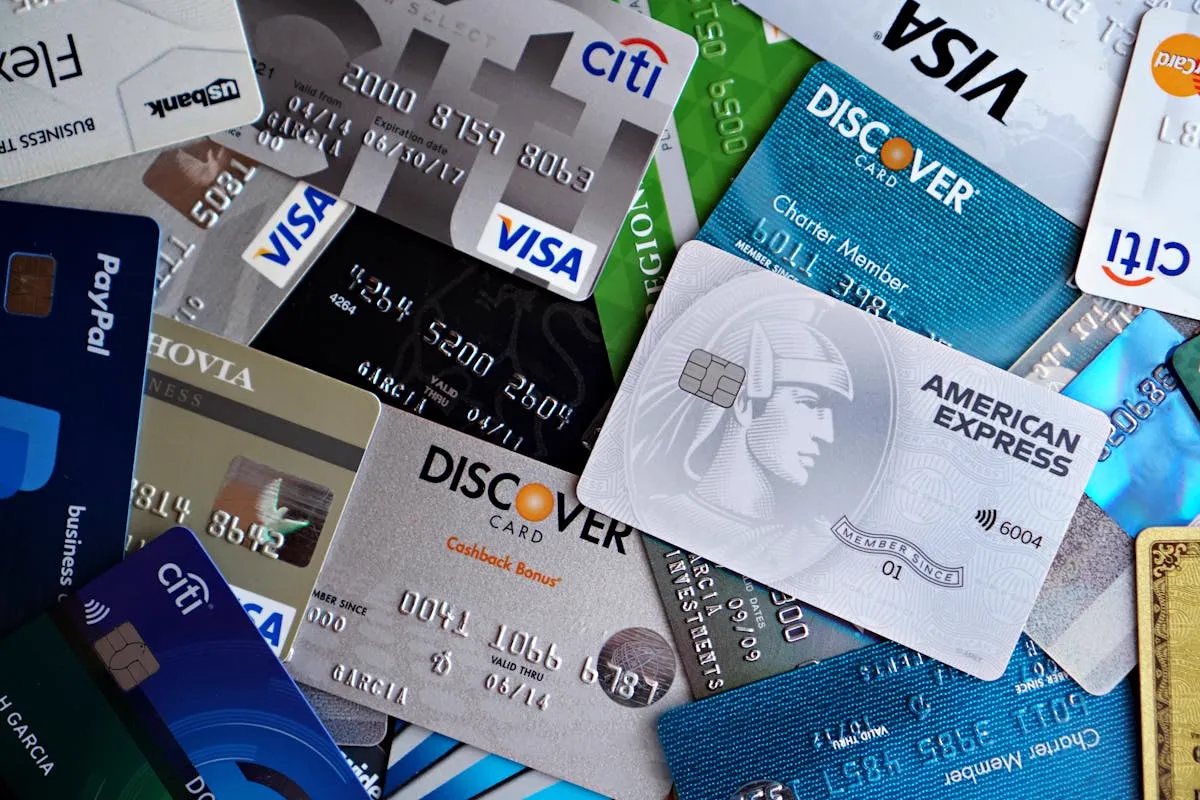
Planning an African safari is an exciting experience that involves choosing remarkable wildlife destinations, arranging comfortable accommodation, securing national park permits, and preparing for unforgettable adventures. However, one important aspect of travel preparation that is sometimes overlooked is managing your finances while visiting different African countries. Whether you are planning mountain gorilla trekking in Uganda, a luxury safari in Rwanda, wildlife encounters in Kenya, or an extended journey through Tanzania, having reliable access to money is essential. This raises an important question: Should You Bring Multiple Credit Cards on an African Safari?
The answer is generally yes. Carrying two credit cards, preferably issued by different banks, can provide valuable financial flexibility during an African safari. Credit cards are accepted by many established safari lodges, hotels, restaurants, and tourism businesses, but no single payment method is guaranteed to work everywhere. Transactions may occasionally be declined because of bank security restrictions, insufficient available credit, technical difficulties, unsupported card networks, or interruptions in electronic payment services.
Bringing more than one credit card allows you to prepare for unexpected payment problems without depending entirely on a single financial institution. A secondary card can become especially useful when traveling through remote national parks, crossing international borders, paying for additional activities, or dealing with unforeseen expenses. Nevertheless, carrying multiple cards requires careful security planning, and travelers should understand that having several cards does not completely eliminate the possibility of payment difficulties.
This comprehensive guide explains why bringing multiple credit cards on an African safari can be beneficial, how many cards you should consider carrying, which types of cards are most practical, how to store them safely, and what precautions you should take before visiting Uganda, Rwanda, Kenya, Tanzania, and other African safari destinations.
Should You Bring Multiple Credit Cards on an African Safari?
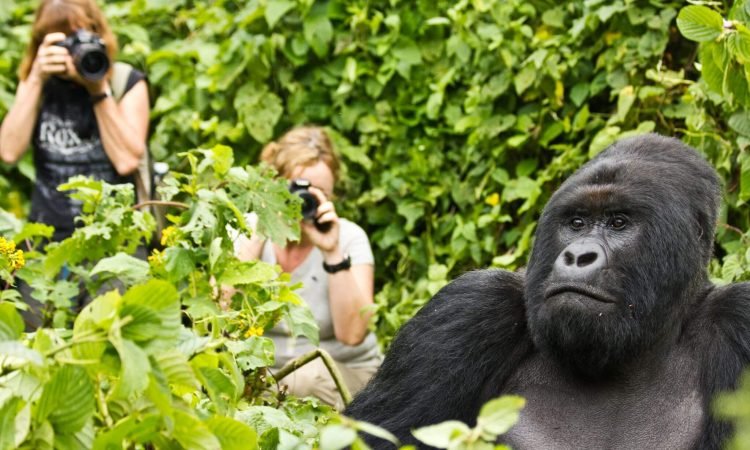
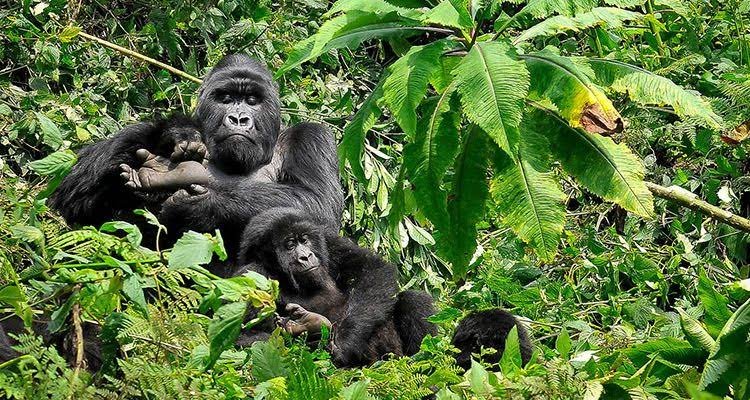
Bringing multiple credit cards on an African safari is generally recommended because it provides an additional payment option if your primary card becomes unavailable. International travel can involve unfamiliar merchants, different currencies, large transactions, and payment systems that vary between destinations. A backup credit card offers an additional layer of financial preparedness when one of these factors creates a problem.
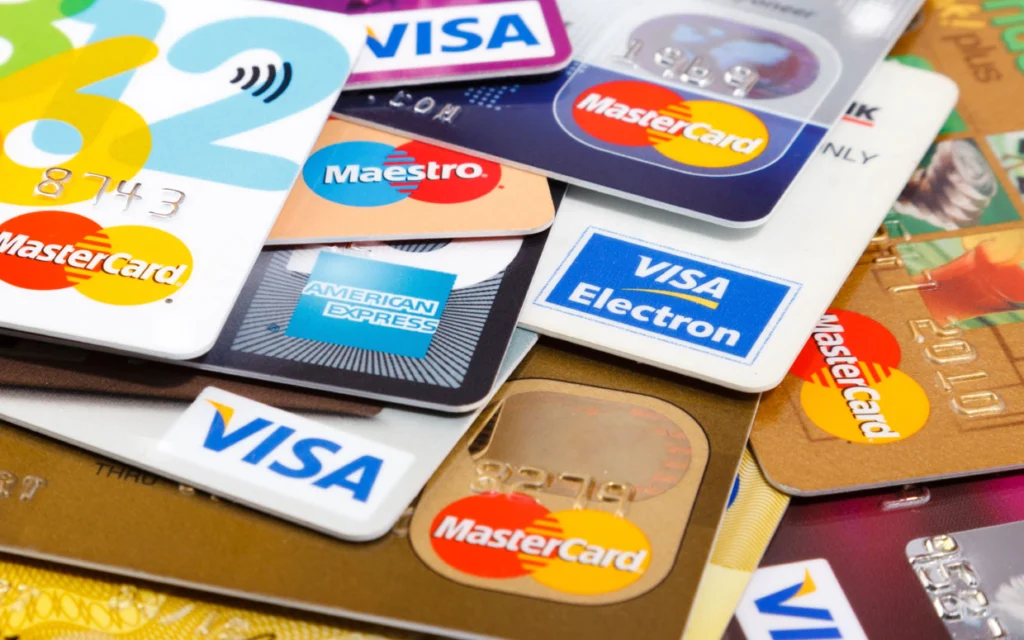
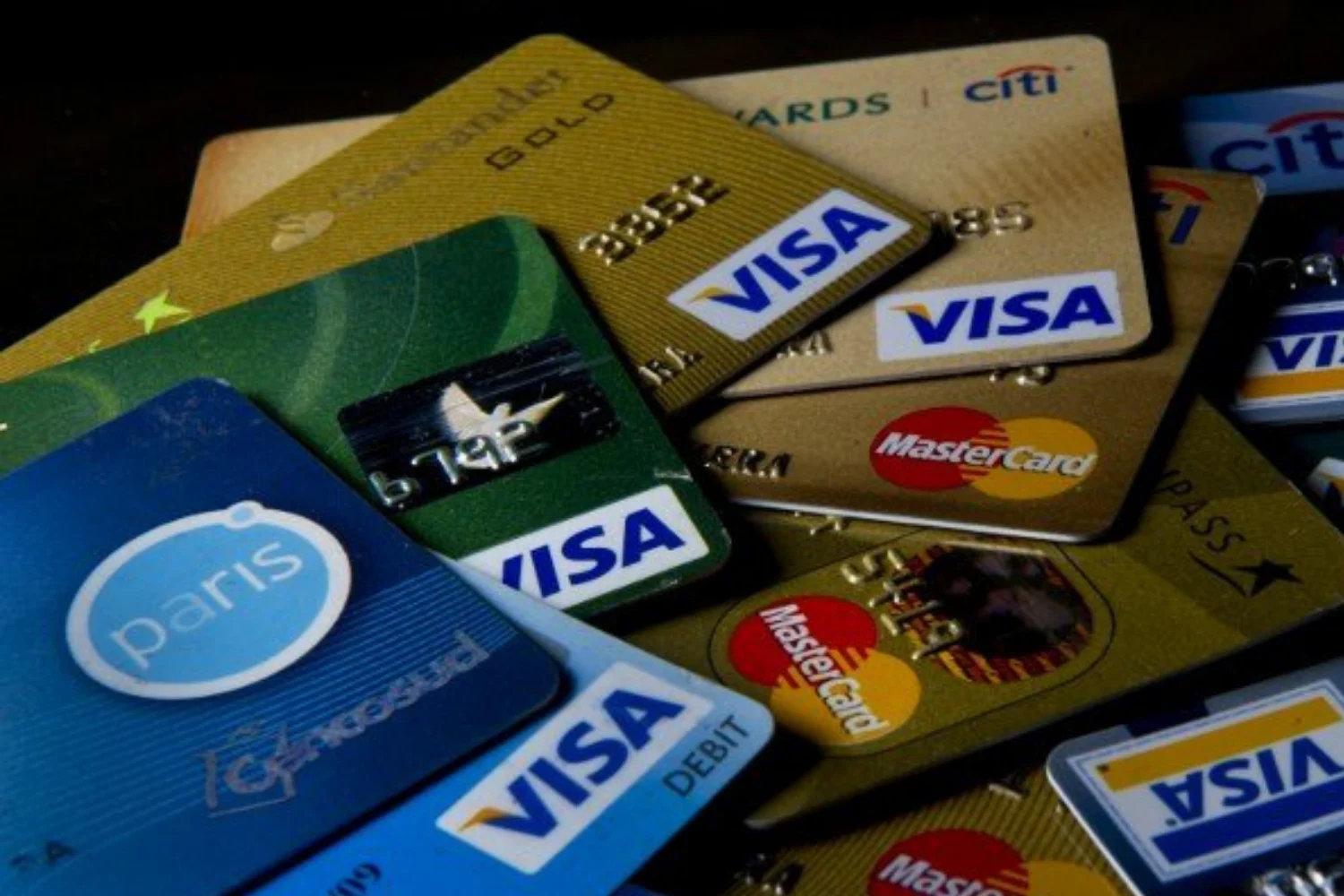
For most international safari travelers, two suitable credit cards can provide a practical balance between convenience and security. Ideally, the cards should be issued by different financial institutions, and choosing different international card networks may offer further flexibility. Visa and Mastercard are commonly accepted by established tourism businesses in many African destinations, although individual merchants determine which payment methods they support.
For example, you might use your primary card to pay for additional accommodation services at a luxury lodge in Rwanda. If your bank unexpectedly declines the transaction, a second card from another issuer may allow you to settle the bill while you investigate the original problem. Similarly, if your wallet is lost, a separately stored backup card may help you maintain access to essential travel funds.
Mastercard’s international travel advice specifically recommends having multiple payment options and keeping an alternative payment method in a separate bag in case a wallet is lost or stolen
However, it is important to distinguish between financial redundancy and guaranteed payment access. Multiple credit cards can reduce your dependence on one account, but they cannot guarantee acceptance at businesses that operate exclusively with cash, mobile money, or other payment methods.
The best arrangement combines appropriate credit cards, a functioning debit card where possible, advance payment of major safari expenses, and a reasonable reserve of cash for personal purchases and emergencies.
Why Financial Preparation Matters During an African Safari
African safaris frequently involve travel through national parks, wildlife reserves, forest destinations, and remote landscapes where access to banking infrastructure may be limited. While major cities and established tourism centers generally provide more electronic payment facilities, smaller communities and isolated wilderness properties may offer fewer options.
An organized safari commonly includes several substantial expenses, such as accommodation, private transportation, professional guiding services, national park entrance fees, gorilla trekking permits, and scheduled wildlife activities. Many of these services can be paid before departure through your safari operator, helping reduce the number of transactions required during the journey.
Nevertheless, travelers may encounter additional costs for optional excursions, lodge services, souvenirs, beverages outside the meal plan, and personal purchases. Unforeseen expenses may also arise if travel plans change, extra accommodation becomes necessary, or a traveler requires alternative transportation.
Depending entirely on one credit card creates an avoidable financial vulnerability. If the issuing bank temporarily restricts the card or an individual merchant cannot process the payment, you may have limited immediate alternatives.
A secondary card provides greater flexibility, particularly if it comes from a different bank with separate security controls and transaction limits. Having access to your banking application and sufficient available funds is equally important.
Financial preparation should therefore be approached as part of your overall safari planning, alongside travel documents, health requirements, accommodation confirmations, and emergency contact information.
1. A Backup Credit Card Protects You Against Unexpected Payment Declines

One of the strongest reasons to bring multiple credit cards on an African safari is the possibility of an unexpected transaction decline. International card payments can occasionally trigger automated security checks because they differ from a traveler’s usual spending patterns.
For example, if you normally use your credit card in the United States or Europe and suddenly make a substantial payment at a safari lodge in Uganda, your bank may request additional verification before approving the transaction. The same issue can occur when paying for a last-minute accommodation upgrade, booking an additional wildlife activity, or settling a hotel bill in another African country.
A declined payment does not necessarily indicate insufficient funds. Other possible explanations include international transaction restrictions, spending limits, authentication difficulties, and temporary processing problems.
If your primary card is declined, having a second card issued by another bank may allow you to complete the purchase without immediately interrupting your travel plans. You should still contact the original issuer to investigate the problem, particularly if the account has been restricted for security reasons.
A backup card is most useful when it is genuinely independent of the first. Two cards linked to the same bank account or issuer may be affected by the same account-level restriction.
Before departure, confirm that both cards are active, valid throughout your journey, and approved for the international transactions you expect to make.
2. Different Credit Card Networks Improve Payment Flexibility
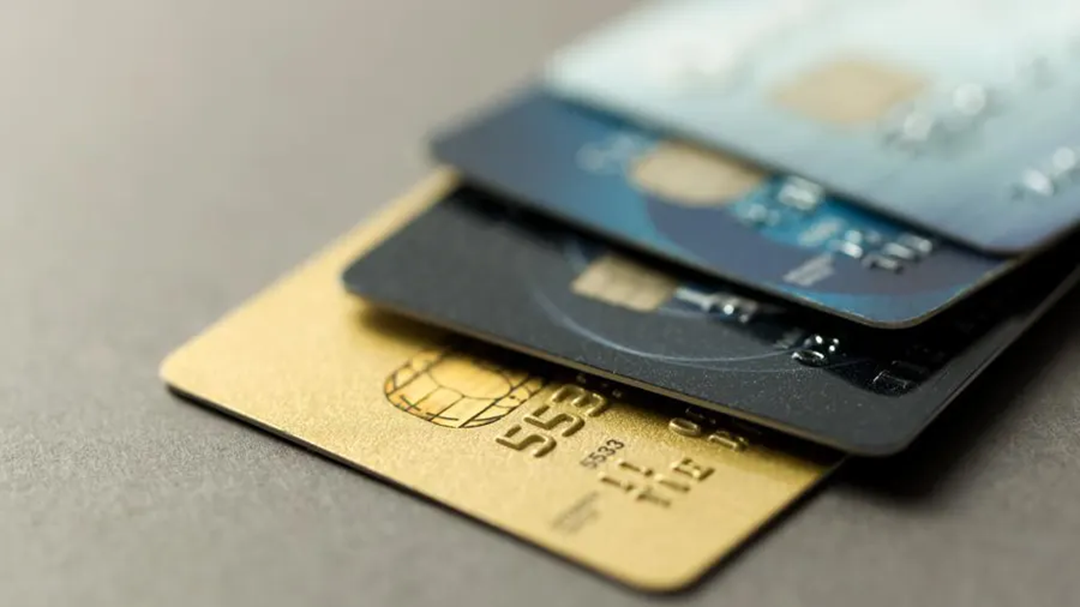
Choosing credit cards from different payment networks can provide an additional advantage when traveling internationally. Some businesses accept Visa but not Mastercard, while others support both networks or impose different processing arrangements.
Although Visa and Mastercard are widely recognized internationally, travelers should not assume that every lodge, hotel, restaurant, or safari activity provider accepts both. Payment acceptance depends on the merchant’s acquiring bank, equipment, commercial arrangements, and available transaction facilities.
For example, a lodge might accept your Visa credit card through its payment terminal but be unable to process another card type. Having access to a supported alternative may help you complete the transaction.
However, the card network is only one part of the payment process. Two cards using different networks can still fail if the business’s electronic payment system is offline or if the merchant does not accept cards at all.
When planning a safari, ask your operator which payment cards are accepted by the accommodation providers and businesses where you expect to make additional payments.
It is especially useful to confirm payment arrangements for remote lodges, optional activities, and destinations where you may spend several days away from major urban centers.
3. Multiple Credit Cards Provide Protection if One Card Is Lost or Stolen

Losing a credit card while traveling can be inconvenient, particularly when you are visiting remote wildlife destinations with limited access to banking services. A misplaced wallet, stolen bag, or damaged card may leave you unable to settle unexpected expenses if you depend exclusively on one payment method.
Carrying a backup card reduces this risk, provided the cards are stored separately. Keeping both credit cards in the same wallet offers little protection if the entire wallet disappears.
A practical arrangement is to carry your primary card in a secure wallet while leaving your backup card in another protected location, such as your accommodation safe or a concealed compartment of your luggage. When changing lodges or using transfers, ensure the backup remains secure and under your control.
If a card is lost or stolen, immediately contact the issuing bank through its official communication channels. Depending on the circumstances, you may be able to freeze the card temporarily or report it as lost and request replacement.
A secondary card can allow you to continue making necessary purchases while the original issue is being resolved.
It is also helpful to keep secure records of your card issuers’ emergency telephone numbers. These should be stored separately from the physical cards, without exposing confidential security information.
4. Separate Credit Cards Can Help Manage Large Safari Expenses
African safaris can involve substantial travel costs, particularly when combining luxury accommodation, specialist wildlife experiences, private transportation, and multiple destinations. While major expenses are often prepaid, travelers may occasionally need to settle additional charges during their holiday.
Using more than one credit card can provide flexibility when a large transaction would otherwise exceed the available credit or transaction limit on your primary card.
For example, suppose your main card has USD 2,000 in available credit remaining, but an unexpected accommodation arrangement costs USD 2,500. A second card with sufficient available credit may allow you to complete the payment without needing an immediate credit limit adjustment.
This can be particularly useful during extended safaris lasting several weeks, when temporary hotel authorizations, additional activities, and other expenses can reduce the amount of credit available for new purchases.
However, maintaining multiple credit cards should not encourage spending beyond your financial means. Credit card balances may attract interest if they are not repaid according to the account agreement, and international fees may increase the cost of purchases.
The objective is to maintain reasonable financial flexibility rather than unnecessarily increase your safari expenditure.
5. A Second Credit Card Can Help During Multi-Country African Safaris
Multi-country safaris are becoming increasingly attractive to travelers who want to combine different wildlife experiences within one holiday. A journey might begin with mountain gorilla trekking in Rwanda, continue through Uganda’s national parks, and conclude with a traditional wildlife safari in Kenya or Tanzania.
Although these destinations offer excellent tourism experiences, their currencies, banking systems, payment networks, and merchant facilities are not identical. International transactions may therefore be processed differently as you move between countries.
A financial institution may also monitor changes in your transaction locations as part of its fraud-prevention procedures. Payments made across several countries within a short period can occasionally lead to verification requests.
Carrying two cards from different issuing banks may reduce your dependence on a single institution’s security policies. However, this is not a substitute for reviewing international transaction settings and ensuring that your banks have appropriate information about your travel plans where required.
Travelers should keep their banking applications accessible, maintain reliable authentication methods, and review their accounts regularly.
If your itinerary includes several border crossings, it is particularly helpful to organize permits, accommodation, and transportation in advance so that major expenses do not depend on last-minute international card payments.
Where Should You Keep Multiple Credit Cards During an African Safari?


Carrying multiple credit cards is only useful if they are stored securely and remain accessible when needed.
Your primary card should be kept in a secure wallet or travel organizer that you can control during daily activities. Your backup card should be stored separately so that the loss or theft of one bag does not compromise every payment option.
When staying at an established safari lodge, an appropriate secure storage facility may be useful for cards that are not needed during daily game drives or other activities. Always consider the property’s security arrangements and avoid leaving valuables unattended in publicly accessible areas.
During road transfers, flights, or changes of accommodation, ensure that your cards remain in your possession or in secure luggage under your control.
Avoid photographing full card details or storing card numbers, expiration dates, and security codes in unsecured phone galleries or messages.
Instead, maintain the official customer service details of your issuing banks and use their approved mobile applications for account management.
A practical security arrangement reduces the risk of losing access to all your available payment methods at once.
Should You Carry Cash Alongside Multiple Credit Cards?
Yes. Even when you bring several credit cards, carrying some cash remains advisable during an African safari.
Certain expenses may not be payable by card, particularly gratuities for guides and lodge personnel, purchases from local markets, small community activities, and services provided in remote locations.
The amount of cash needed depends on the safari package, planned destinations, personal spending habits, and expenses already paid before departure.
Travelers staying at luxury lodges may have relatively few additional expenses because accommodation, scheduled meals, transport, and wildlife activities are often included in their packages. However, tips, souvenirs, and optional purchases may still require cash.
Before arriving, confirm which currencies are practical for the countries you intend to visit. The Ugandan shilling, Rwandan franc, Kenyan shilling, and Tanzanian shilling are national currencies used for many local transactions in their respective countries.
US dollars may be accepted for certain tourism-related expenses, but they are not universally suitable for every purchase.
Carrying an appropriate combination of cards and cash is generally more flexible than relying exclusively on electronic payments.
Should You Bring Multiple Credit Cards on a Uganda Safari?


Uganda is one of Africa’s most rewarding safari destinations, offering mountain gorilla trekking in Bwindi Impenetrable National Park, chimpanzee tracking in Kibale National Park, wildlife viewing in Queen Elizabeth National Park, and game drives and boat cruises in Murchison Falls National Park.
For international travelers visiting Uganda, carrying two suitable credit cards can be particularly helpful because payment facilities differ between major urban centers and remote wildlife destinations.
Established hotels and tourism businesses in Kampala and Entebbe commonly offer international card payment facilities, while smaller establishments and isolated safari locations may have more limited options.
If your primary card is declined while settling an additional lodge expense, a second card may provide an immediate alternative. However, if the property does not accept cards or its electronic payment system is unavailable, you may need another approved payment method.
Travelers should also carry a reasonable amount of Ugandan shillings for personal expenses, tips, and smaller purchases.
If you book an organized Uganda safari, major expenses such as accommodation, transport, selected park fees, and scheduled wildlife activities can be arranged in advance, according to your quotation. This reduces the need for numerous separate payments while visiting national parks.
Should You Bring Multiple Credit Cards on a Rwanda Safari?
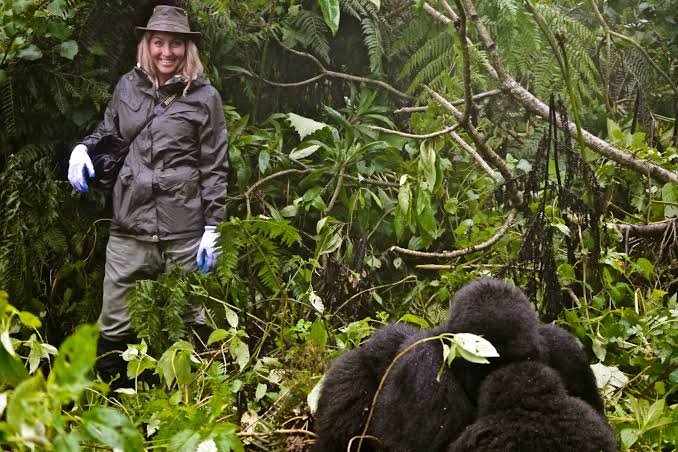

Rwanda is internationally recognized for its mountain gorilla trekking experiences, luxury safari lodges, scenic landscapes, and carefully managed tourism destinations. Visitors frequently travel between Kigali, Volcanoes National Park, Akagera National Park, and Nyungwe National Park.
International credit cards are accepted at numerous established hotels and tourism businesses, particularly in Kigali and major visitor areas. However, travelers should confirm the payment facilities available at individual lodges and activity providers.
Carrying a backup credit card is useful when paying for additional accommodation services, restaurant expenses, private transfers, or optional excursions.
Travelers should also remember that gorilla trekking permits and other regulated wildlife experiences require authorized reservations. These should generally be arranged before travel rather than depending on last-minute card payments.
Rwandan francs are practical for many smaller local purchases, while the currency accepted for tourism services varies according to the provider.
For a Rwanda safari, two suitable credit cards and a modest cash reserve can provide a useful balance between convenience and financial security.
Should You Bring Multiple Credit Cards on a Kenya Safari?
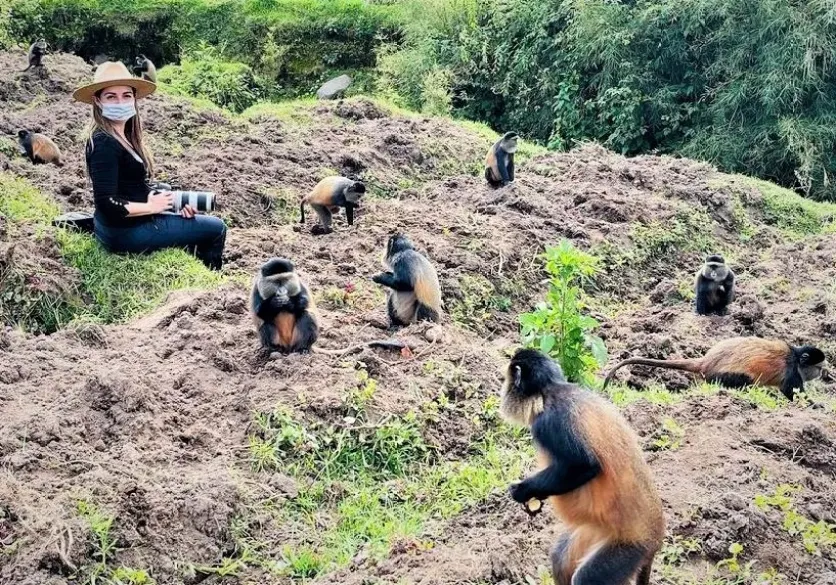
Kenya offers extensive wildlife experiences in the Maasai Mara, Amboseli National Park, Samburu, Tsavo, and other renowned destinations. Travelers may combine luxury lodges, private conservancies, cultural experiences, and additional activities within one itinerary.
Established hotels, restaurants, and tourism companies in Nairobi and other major destinations commonly provide electronic payment services. However, smaller community businesses and remote camps may operate differently.
Having two credit cards can be beneficial for international hotel payments, optional safari activities, and unexpected expenses.
Kenya also has a well-developed mobile money system, although international visitors should not assume they can access every mobile payment facility without meeting the provider’s registration and eligibility requirements.
When traveling through remote conservancies, it is useful to confirm which services have been prepaid and whether additional expenses can be settled by card.
Carrying a reasonable amount of Kenyan shillings provides an alternative for smaller purchases and personal gratuities.
Should You Bring Multiple Credit Cards on a Tanzania Safari?
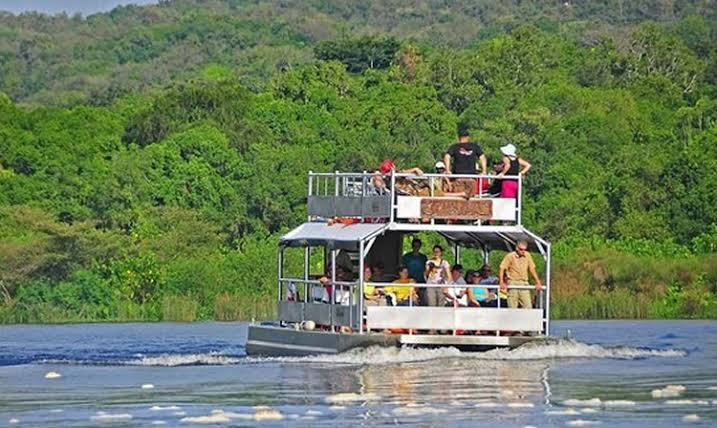

Tanzania attracts travelers to exceptional destinations such as Serengeti National Park, Ngorongoro Conservation Area, Tarangire National Park, Lake Manyara National Park, and Zanzibar.
Many established tourism businesses accept international credit cards, particularly when arranging accommodation, specialized activities, and travel services. Nevertheless, payment arrangements can vary between urban hotels, coastal resorts, remote safari lodges, and independent local providers.
A backup credit card is particularly useful on extended itineraries involving several accommodation properties and additional activities.
For example, travelers may decide to add a hot-air balloon safari, arrange another night at a lodge, or purchase services outside their prepaid itinerary. Having more than one payment card can provide additional flexibility when settling these expenses.
However, electronic payment facilities may be limited in some remote locations, and travelers should carry suitable Tanzanian shillings for smaller local purchases.
Whenever possible, major safari expenses should be arranged before departure through the relevant authorized providers.
Frequently Asked Questions About Bringing Multiple Credit Cards on an African Safari
Should You Bring Multiple Credit Cards on an African Safari?
Yes. Two credit cards from different banks can provide useful financial flexibility if one is lost, declined, damaged, or temporarily unavailable.
How Many Credit Cards Should I Take on an African Safari?
Two credit cards are generally sufficient for many travelers. Longer multi-country journeys may justify an additional backup depending on your individual needs.
Is Visa or Mastercard Better for an African Safari?
Both are commonly accepted by established tourism businesses. Carrying one of each may improve flexibility, but acceptance varies by merchant.
Should My Credit Cards Be Issued by Different Banks?
Preferably, yes. Different issuing banks reduce your reliance on one financial institution’s account controls and security systems.
Do I Need a Debit Card if I Have Two Credit Cards?
A debit card can be useful for withdrawing local currency from compatible ATMs. It may also provide another payment option when accepted.
Can I Use Credit Cards at African Safari Lodges?
Many established safari lodges accept international credit cards, but remote properties may have limitations. Confirm payment arrangements before arrival.
Should I Carry Cash if I Have Multiple Credit Cards?
Yes. Cash can be useful for tips, small purchases, and services where electronic payments are unavailable.
Is It Safe to Carry Three Credit Cards in Africa?
It can be safe with appropriate precautions, but extra cards require additional security and monitoring. Three cards are not necessary for every traveler.
Book Your African Safari With Nextgen Safaris
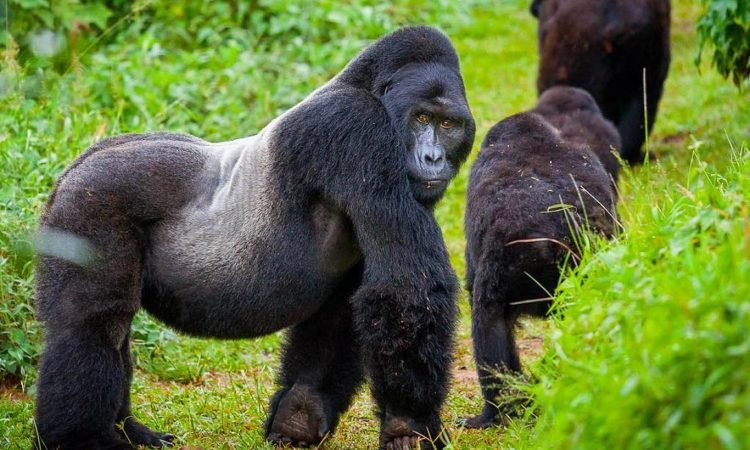
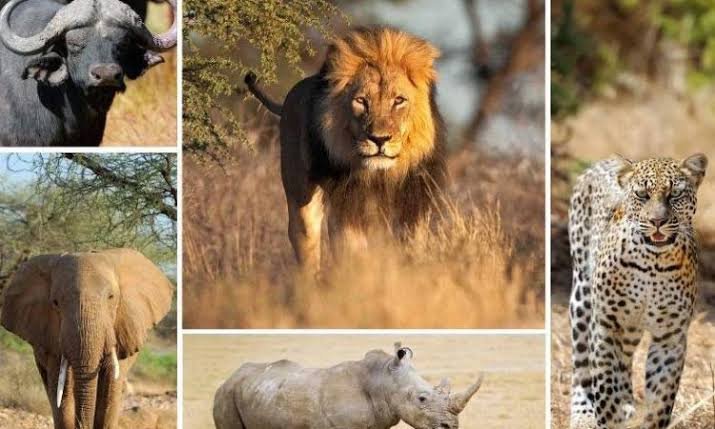
Preparing for an African safari involves much more than choosing the destinations you want to explore. A well-organized holiday should also provide clarity about accommodation, transportation, park fees, wildlife activities, and the payment arrangements required before your departure.
Nextgen Safaris organizes personalized wildlife holidays across Uganda, Rwanda, Kenya, Tanzania, and other African destinations. Whether you dream of tracking mountain gorillas in Bwindi Impenetrable National Park, enjoying a luxury gorilla trekking experience in Rwanda, exploring Kenya’s spectacular wildlife reserves, or discovering Tanzania’s Serengeti, your safari can be customized to suit your travel preferences.
Our safari planning approach allows you to request detailed information about the services included in your itinerary, payment schedules, accepted booking methods, and additional expenses that may arise during your holiday. Organizing major arrangements in advance can help reduce the need for numerous transactions in remote destinations.
Whether you are planning a private gorilla trekking holiday, family safari, honeymoon, luxury fly-in experience, or extended multi-country African adventure, you can request an itinerary tailored to your preferred travel dates, interests, and accommodation standards.
Understanding Should You Bring Multiple Credit Cards on an African Safari? is an important part of preparing for a safe, comfortable, and financially organized wildlife holiday. While one credit card may be sufficient for certain purchases, having a second card provides additional flexibility when unexpected payment problems arise.
For most international travelers, two suitable credit cards issued by different financial institutions offer a practical arrangement. Where possible, choosing different payment networks and ensuring that both cards support international transactions can provide additional advantages.
However, financial preparation should not depend on credit cards alone. Carrying a functioning debit card, a reasonable amount of local cash, and secure access to your banking services can help you manage expenses in locations where electronic payment facilities are limited.
Before departure, review your bank’s international transaction policies, confirm your spending limits, check your card expiration dates, and arrange major safari payments through recognized channels. It is equally important to store backup cards separately and remain alert to unusual account activity.
Whether your African adventure takes you to the mountain gorilla forests of Uganda, Rwanda’s magnificent national parks, Kenya’s wildlife-rich plains, or Tanzania’s world-famous safari landscapes, proper financial planning allows you to enjoy the journey with greater peace of mind.
The best approach is simple: bring reliable payment options, prepare for unexpected situations, and organize your major safari expenses before traveling. With these precautions in place, you can devote more attention to the extraordinary wildlife, beautiful landscapes, and memorable experiences that make an African safari truly special.