
South Luangwa National Park Safari Guide, Wildlife, Best Time & Travel Tips
Overview of South Luangwa National Park
South Luangwa National Park is one of Africa’s most celebrated safari destinations and widely considered the heart of Zambia’s wildlife tourism. Located in eastern Zambia along the banks of the Luangwa River, the park covers approximately 9,050 square kilometers of pristine wilderness and supports some of the most diverse wildlife populations on the African continent.
Often described as one of the greatest wildlife sanctuaries in Africa, South Luangwa National Park is famous for its exceptional game viewing, rich biodiversity, and authentic safari experiences. The park is particularly well known for its walking safaris, a safari tradition that was pioneered in the Luangwa Valley and later adopted across Africa.
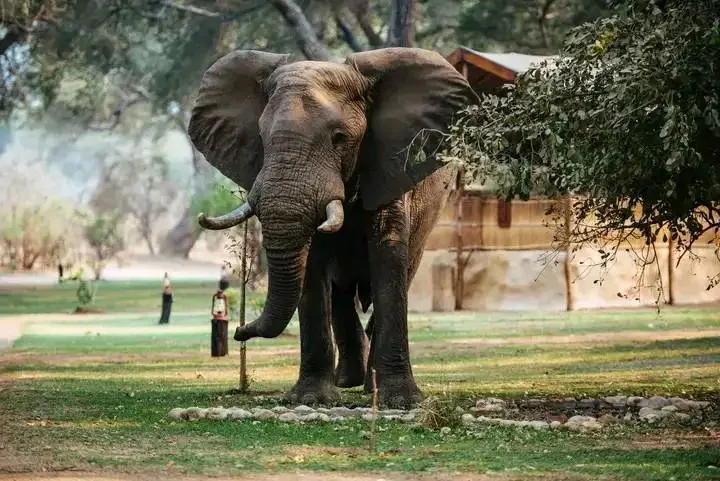
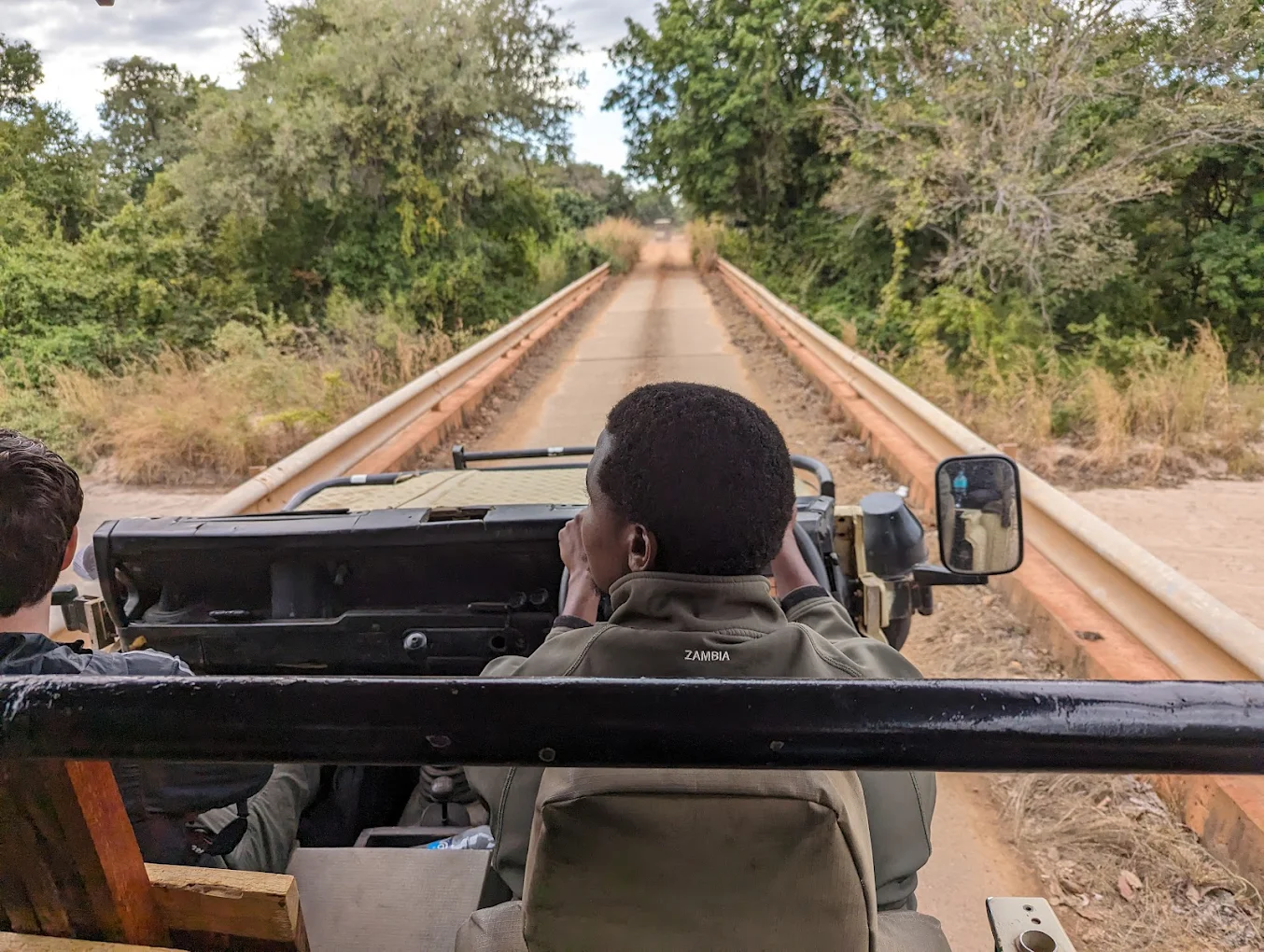
The landscapes of South Luangwa National Park include vast floodplains, riverine forests, lagoons, and miombo woodlands. These diverse habitats support large populations of elephants, lions, leopards, buffalo, giraffes, antelope species, and more than 400 species of birds.
One of the defining features of South Luangwa National Park is the Luangwa River, which serves as the lifeline of the ecosystem. During the dry season, wildlife gathers along the riverbanks and lagoons, creating some of the most spectacular wildlife viewing opportunities in Africa.
Unlike some heavily developed safari parks, South Luangwa retains a strong sense of wilderness while still offering excellent safari lodges, guided game drives, and walking safari experiences.
For travelers seeking a classic African safari with outstanding wildlife encounters, South Luangwa National Park remains one of the best destinations on the continent.
Where is South Luangwa National Park Located?
South Luangwa National Park is located in eastern Zambia, within the Luangwa Valley, one of Africa’s most important wildlife ecosystems. The park lies approximately 700 kilometers from Lusaka, Zambia’s capital city.
The Luangwa Valley forms part of the Great Rift Valley system, which has shaped the region’s dramatic landscapes and rich biodiversity over millions of years. The valley is bordered by the Muchinga Escarpment to the west and the Luangwa River to the east.
The park’s main gateway is Mfuwe Airport, a small but important airport located near the park entrance. Mfuwe serves as the primary access point for international travelers visiting South Luangwa National Park.
From Mfuwe Airport, most safari lodges and camps are located within a short drive of the park entrance. Many safari operators provide direct transfers from the airport to lodges inside or near the national park.
South Luangwa National Park is also connected to other important safari destinations in Zambia, including:
- North Luangwa National Park
- Lower Zambezi National Park
- Luambe National Park
This connectivity allows travelers to combine multiple destinations into a broader Zambia safari itinerary.
History of South Luangwa National Park
The history of South Luangwa National Park dates back to the early 20th century when the Luangwa Valley began to attract attention from explorers and conservationists due to its extraordinary wildlife populations.
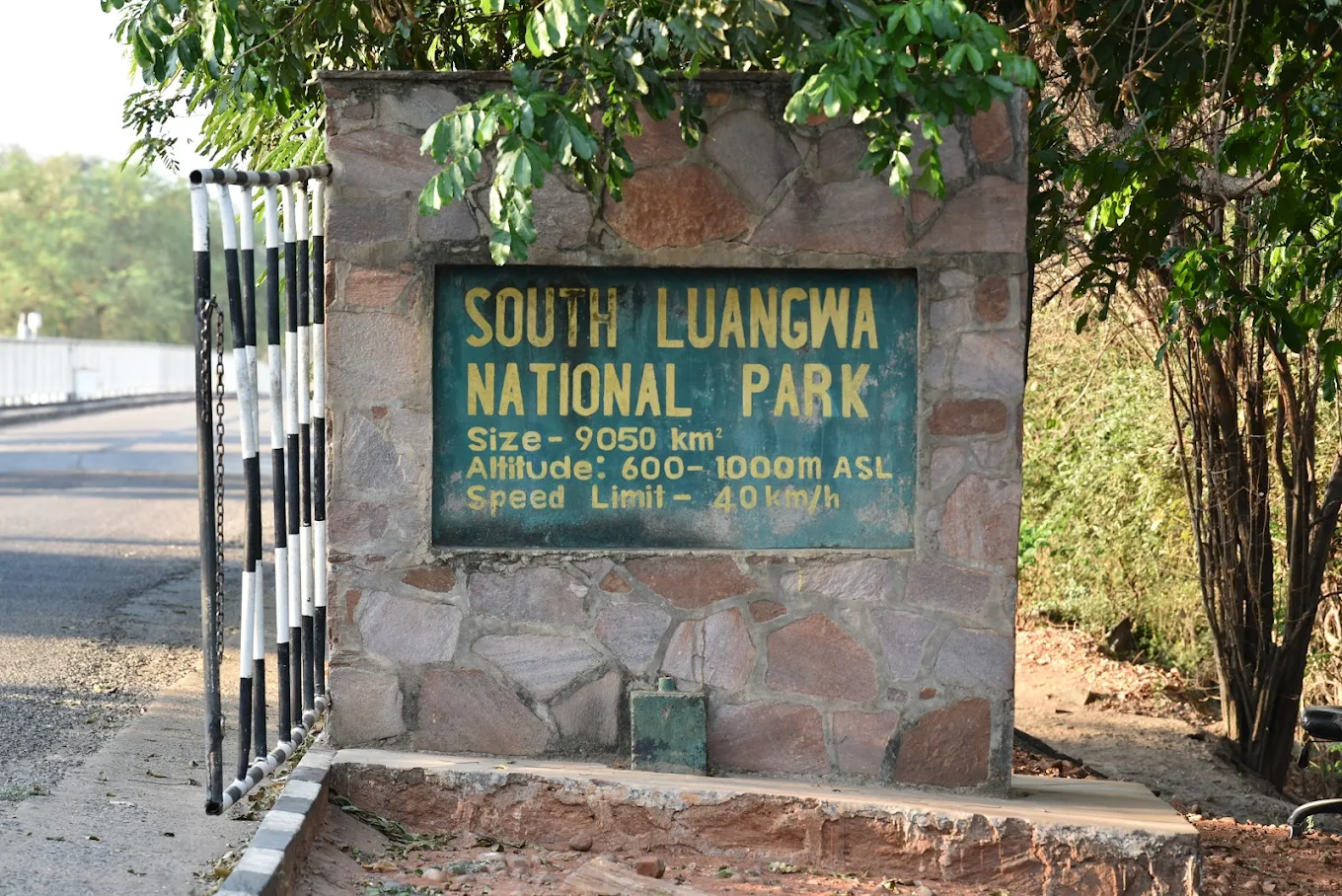
In 1938, the British colonial administration designated the area as a protected game reserve in order to safeguard its wildlife resources. At the time, the region was already known for its large populations of elephants, buffalo, and predators.
Following Zambia’s independence in 1964, the area was formally declared South Luangwa National Park, marking the beginning of modern conservation efforts in the region.
One of the most influential figures in the park’s history was Norman Carr, a British conservationist who pioneered the concept of photographic safaris in Zambia. At a time when hunting tourism dominated the safari industry, Carr promoted wildlife viewing and conservation-based tourism as a sustainable alternative.
Norman Carr also introduced the idea of guided walking safaris, allowing visitors to experience the African wilderness on foot while learning about wildlife and ecosystems from expert guides.
Today, South Luangwa National Park continues to build upon this legacy of conservation, sustainable tourism, and community engagement.
Landscapes and Ecosystems of South Luangwa National Park
South Luangwa National Park contains a remarkable diversity of landscapes that support its extraordinary wildlife populations.
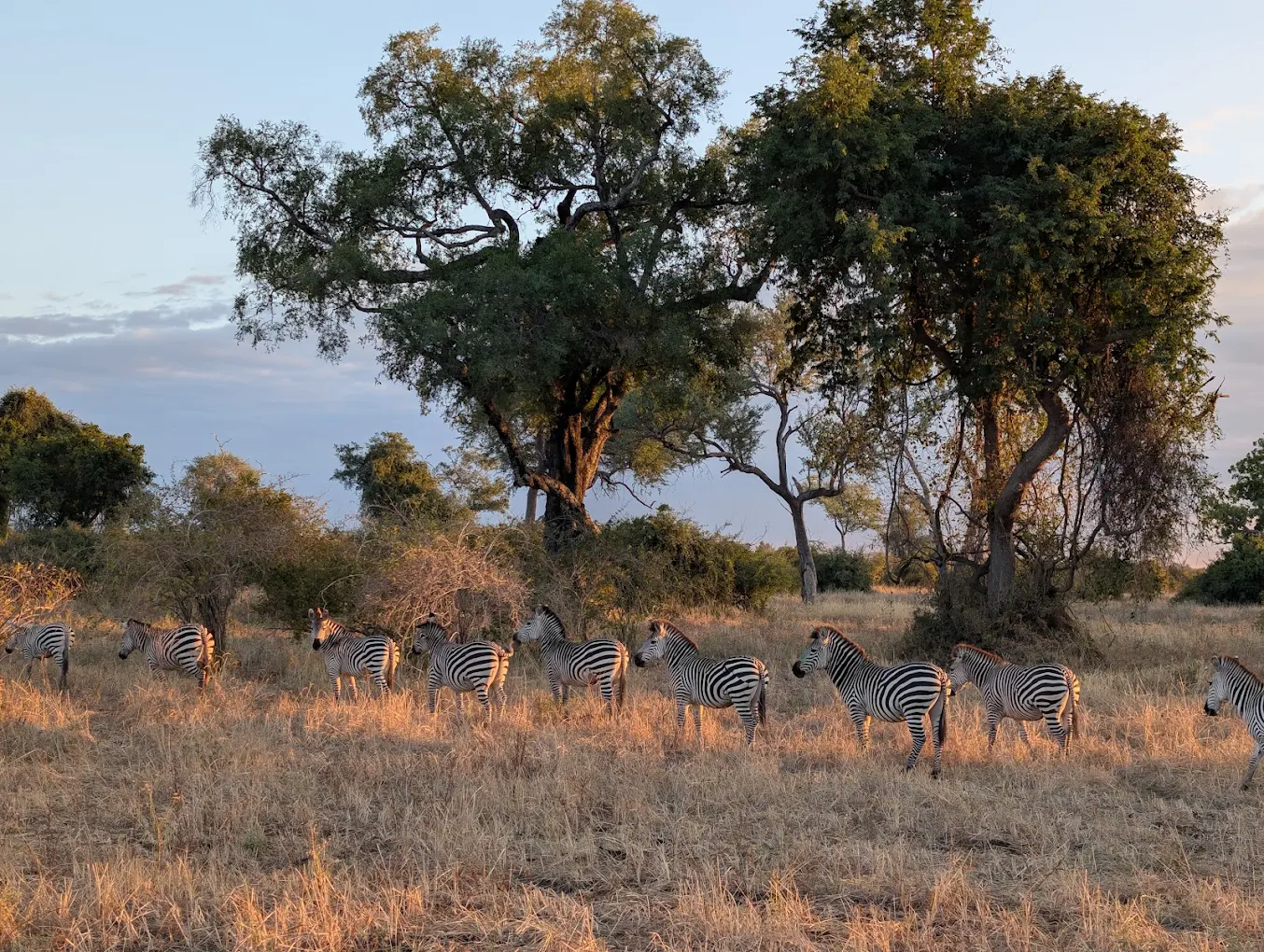
The Luangwa River is the ecological backbone of the park. During the rainy season, the river floods large areas of the valley floor, creating fertile floodplains that sustain vegetation and attract grazing animals.
As the dry season progresses, the river recedes and leaves behind numerous oxbow lagoons, which become critical water sources for wildlife.
The floodplains of South Luangwa National Park are some of the most productive ecosystems in Africa. These open grasslands support large herds of buffalo, elephants, puku, and other grazing species.
Riverine forests grow along the banks of the Luangwa River and its tributaries. These forests provide shade, food, and shelter for many animals, including monkeys, baboons, and birds.
Away from the river, the landscape transitions into miombo woodland, characterized by tall trees and seasonal vegetation. These woodlands support giraffes, antelope, and numerous bird species.
The western boundary of South Luangwa National Park rises toward the Muchinga Escarpment, creating dramatic scenery and providing important habitats for wildlife.
This combination of rivers, lagoons, floodplains, forests, and woodlands makes South Luangwa National Park one of the most ecologically diverse safari destinations in Africa.
Wildlife in South Luangwa National Park
South Luangwa National Park is widely regarded as one of the best wildlife viewing destinations in Africa, offering exceptional biodiversity and some of the highest concentrations of animals found anywhere on the continent. Travelers searching for an authentic South Luangwa safari experience often discover that the park provides extraordinary opportunities to observe wildlife in natural and undisturbed environments.
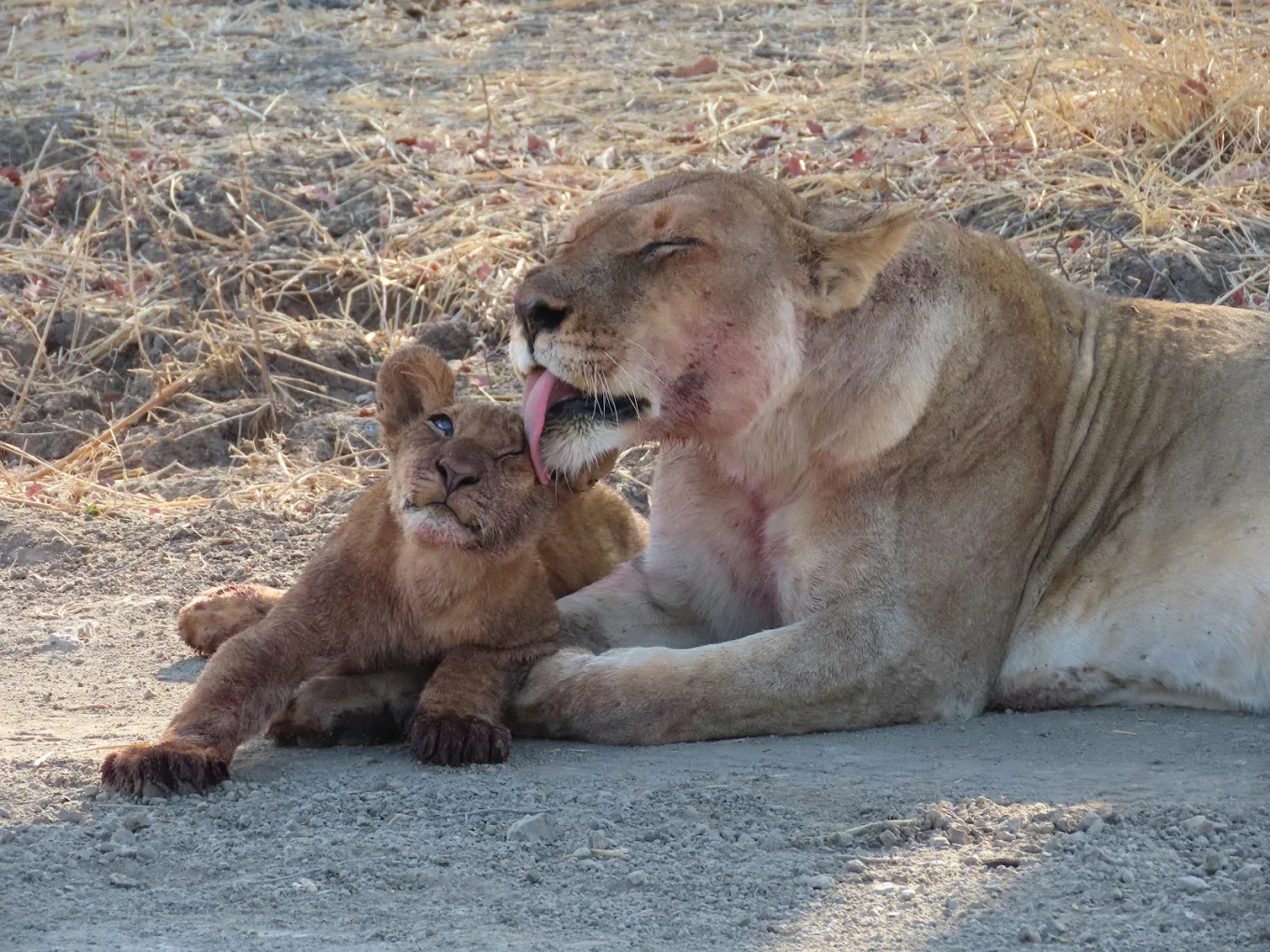
The park’s rich ecosystems support an impressive variety of mammals, birds, reptiles, and plant species. The Luangwa River, which flows through the park, acts as the lifeline of the ecosystem and attracts wildlife throughout the year. During the dry season, animals gather along the riverbanks and lagoons, creating some of the most dramatic wildlife encounters in Africa.
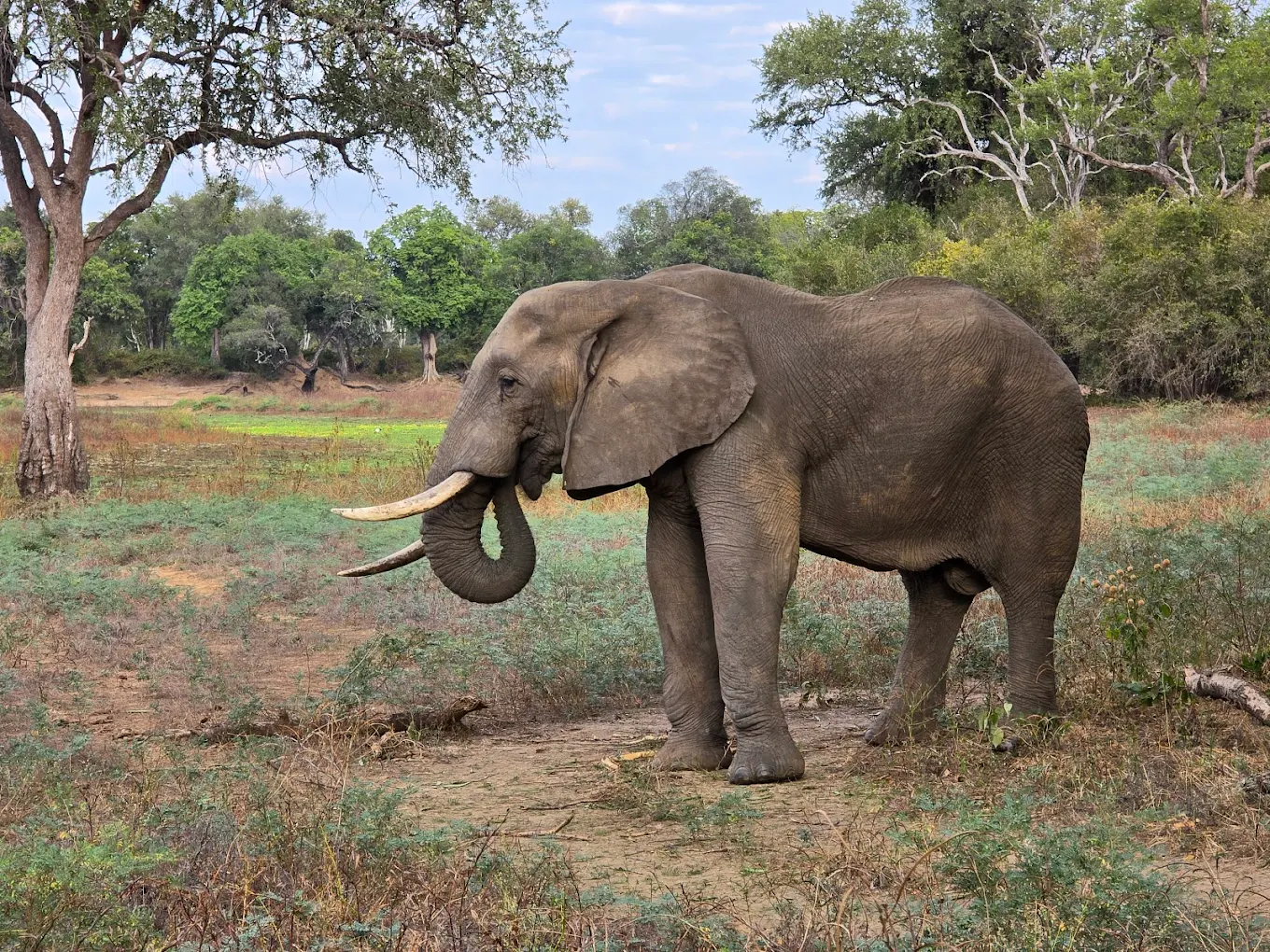
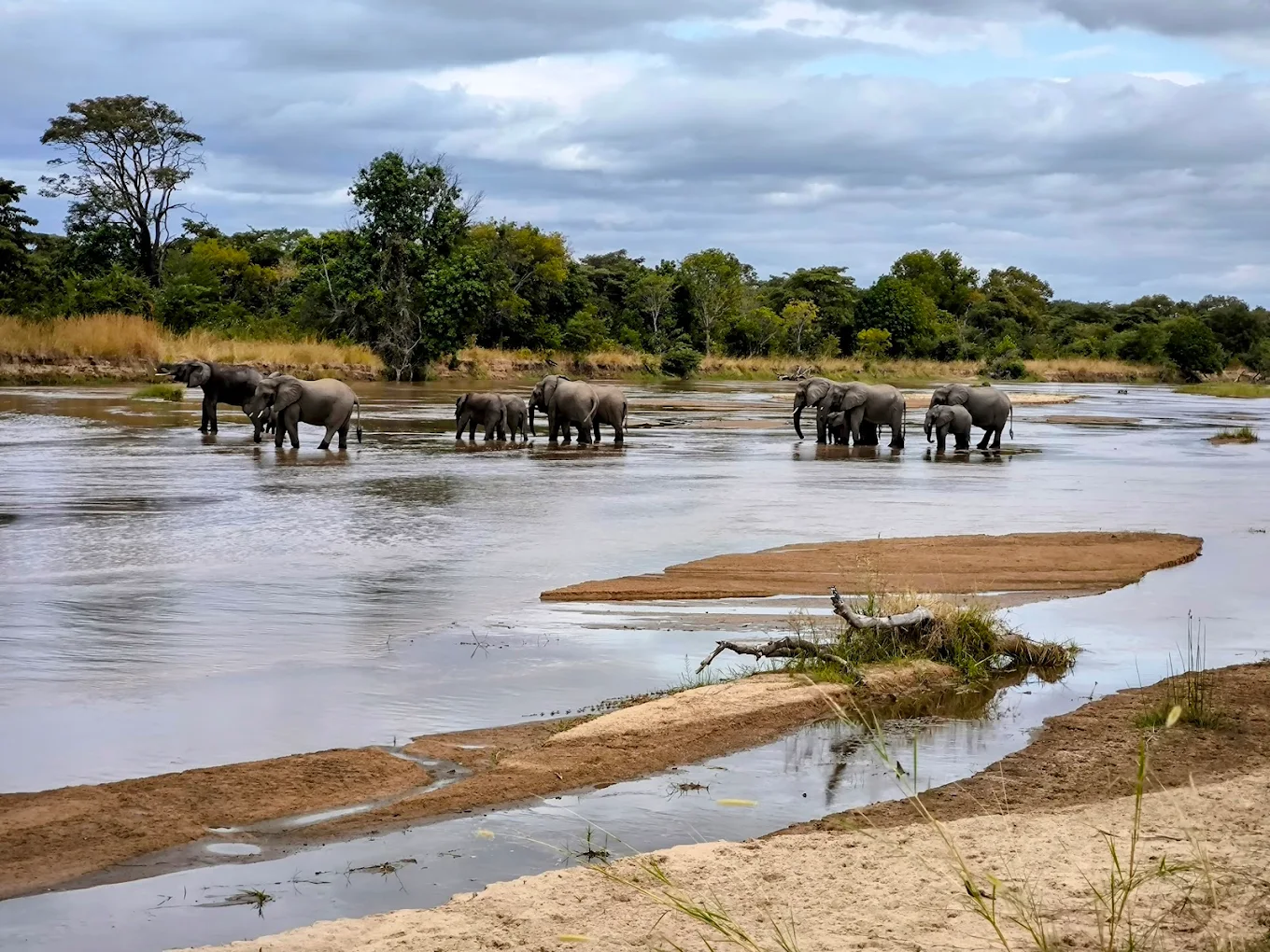
Large populations of African elephants roam throughout South Luangwa National Park, frequently moving between riverine forests and open floodplains. Watching elephant herds cross the Luangwa River or gather at waterholes is one of the most memorable experiences during a South Luangwa safari.
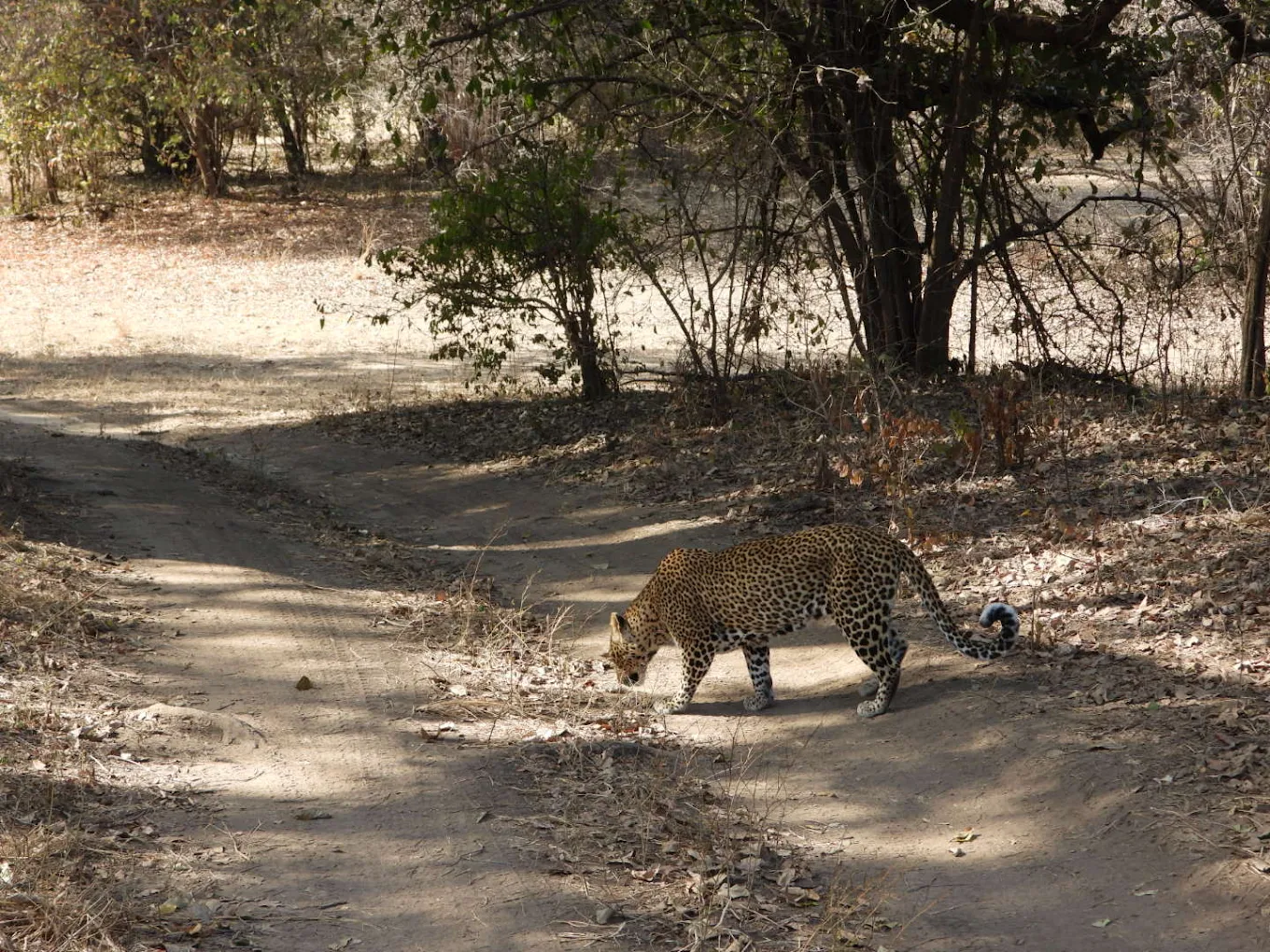
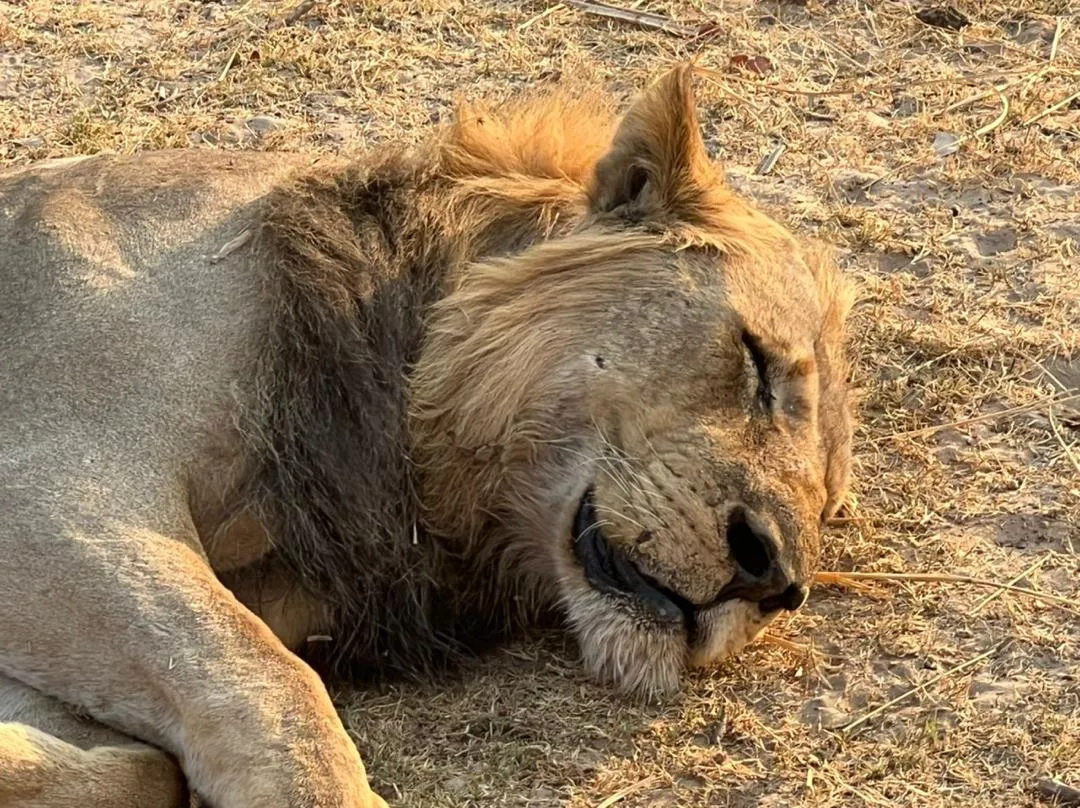
The park is also famous for its exceptional predator populations. Lions, leopards, and spotted hyenas are commonly seen during game drives, particularly in the early morning or late evening hours. South Luangwa National Park is especially well known for its leopard sightings and is often considered one of the best places in Africa to see leopards in the wild.
Large herds of Cape buffalo are frequently seen grazing across the park’s floodplains and woodlands. These massive herds can sometimes number in the hundreds and play an important role in maintaining the park’s ecological balance.
Several antelope species thrive in South Luangwa National Park, including puku, impala, kudu, bushbuck, waterbuck, and reedbuck. One of the most fascinating aspects of the park’s wildlife is the presence of endemic species found almost exclusively in the Luangwa Valley.
Among these are the Thornicroft’s giraffe, a unique subspecies of giraffe that exists only in the Luangwa Valley, and Cookson’s wildebeest, another species closely associated with this region.
The birdlife of South Luangwa National Park is equally impressive. The park supports more than 400 recorded bird species, making it a paradise for birdwatchers and wildlife photographers. Visitors often spot African fish eagles, carmine bee-eaters, saddle-billed storks, kingfishers, and various raptors along the riverbanks and lagoons.
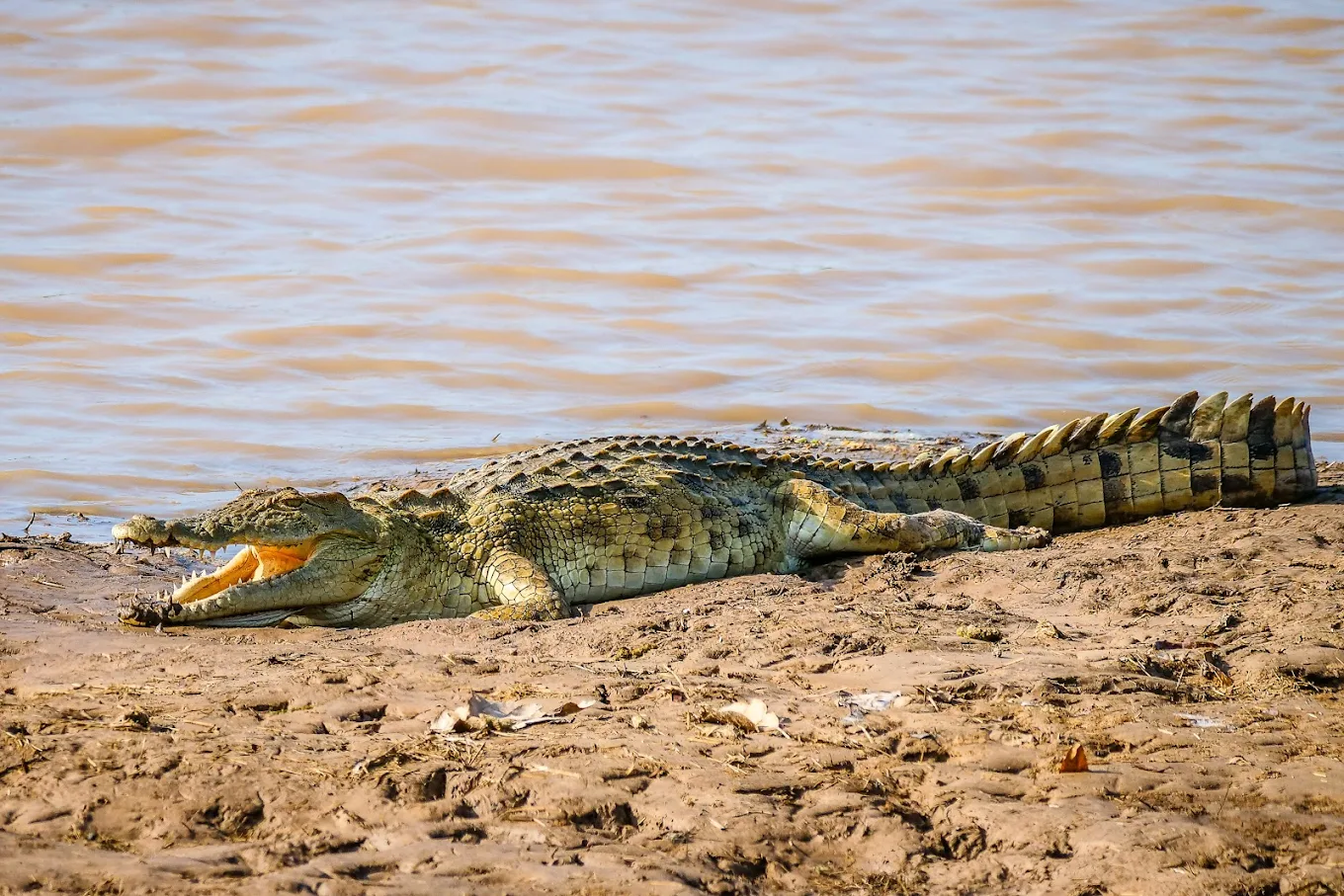
The Luangwa River itself supports one of the largest concentrations of hippos and Nile crocodiles in Africa. It is not uncommon to see hundreds of hippos gathered in river channels while crocodiles bask on sandy banks nearby.
Because South Luangwa National Park remains relatively wild compared to some other safari destinations, wildlife behavior here is often natural and undisturbed, offering visitors an authentic and unforgettable African safari experience.
Walking Safaris in South Luangwa
South Luangwa National Park is internationally famous as the birthplace of the walking safari, a unique safari experience that allows visitors to explore the African wilderness on foot.
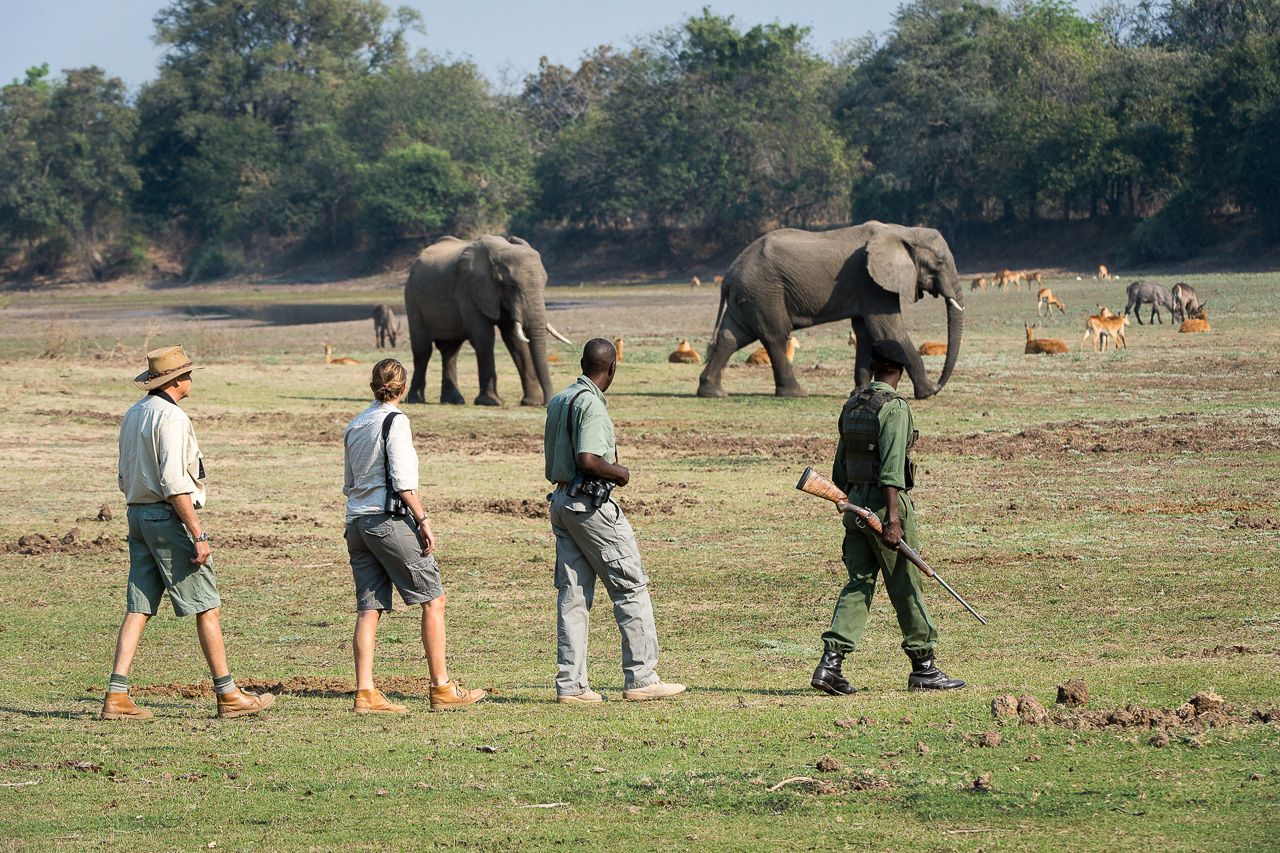
Walking safaris were pioneered in the Luangwa Valley by conservationist Norman Carr, who believed that travelers could develop a deeper understanding of wildlife and ecosystems by walking through the landscape rather than simply observing animals from vehicles.
Today, South Luangwa walking safaris remain one of the most iconic safari experiences available in Africa.
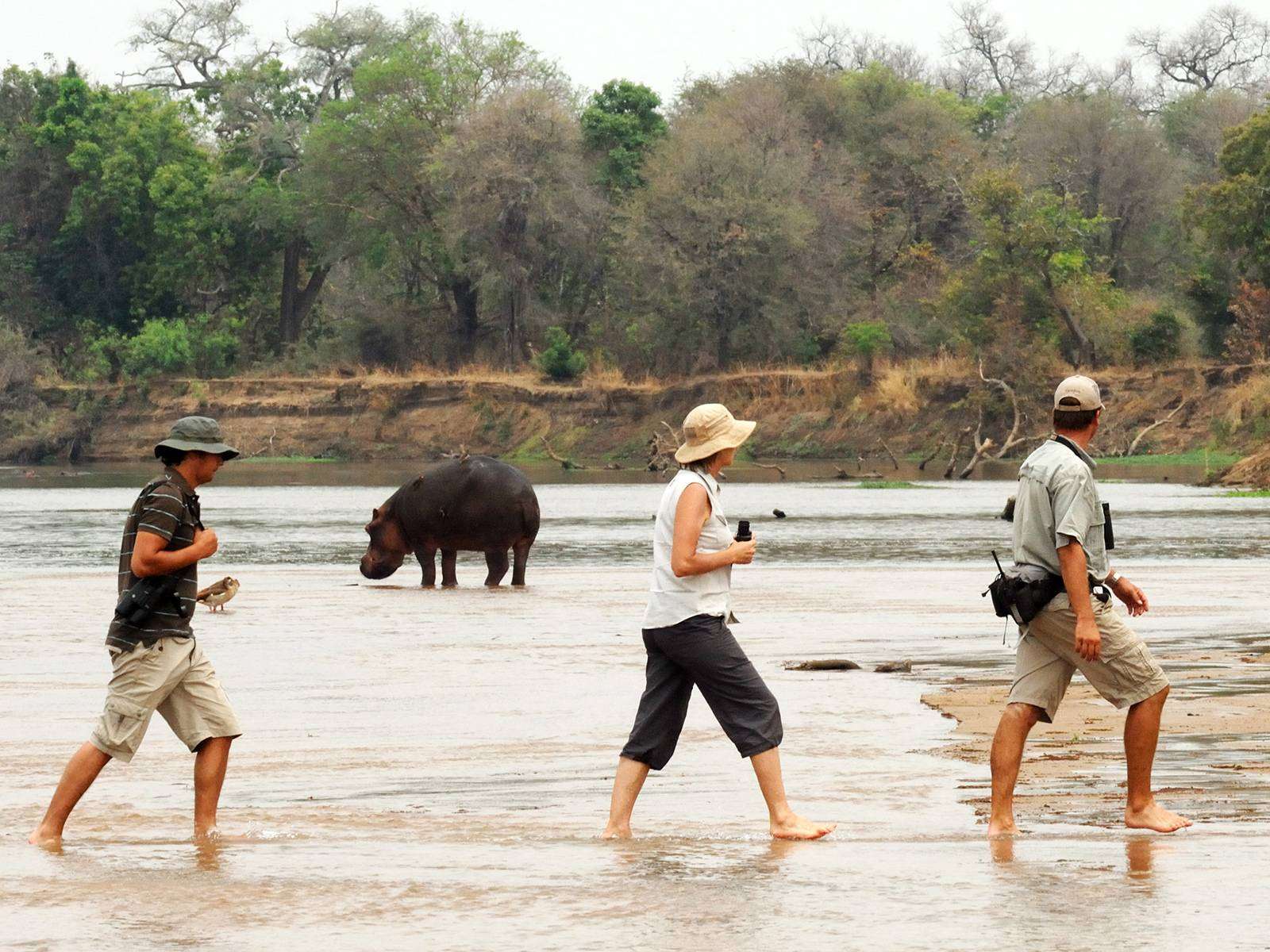
During a walking safari in South Luangwa National Park, guests are guided by highly trained professional guides and accompanied by armed wildlife scouts who ensure safety throughout the experience. Walking groups are typically small, allowing guests to fully immerse themselves in the surrounding wilderness.
Unlike vehicle safaris that focus primarily on large mammals, walking safaris reveal the intricate details of the ecosystem. Guides explain animal tracks, bird calls, plant species, and ecological interactions that shape life in the African bush.
Walking along riverbanks, floodplains, and woodland trails allows visitors to observe wildlife behavior in a completely different way. Guests often encounter elephants browsing through forests, antelope grazing in open plains, and numerous bird species moving through the vegetation.
Walking safaris also offer incredible opportunities to learn traditional bush skills and understand how wildlife interacts with the landscape. Visitors discover how to track animals using footprints, identify medicinal plants, and interpret signs left behind by predators and prey.
For travelers seeking a deeper and more immersive safari experience, a South Luangwa walking safari offers one of the most authentic ways to explore the African wilderness.
Best Safari Activities in South Luangwa National Park
South Luangwa National Park offers a variety of safari activities that allow visitors to explore the wilderness from different perspectives.
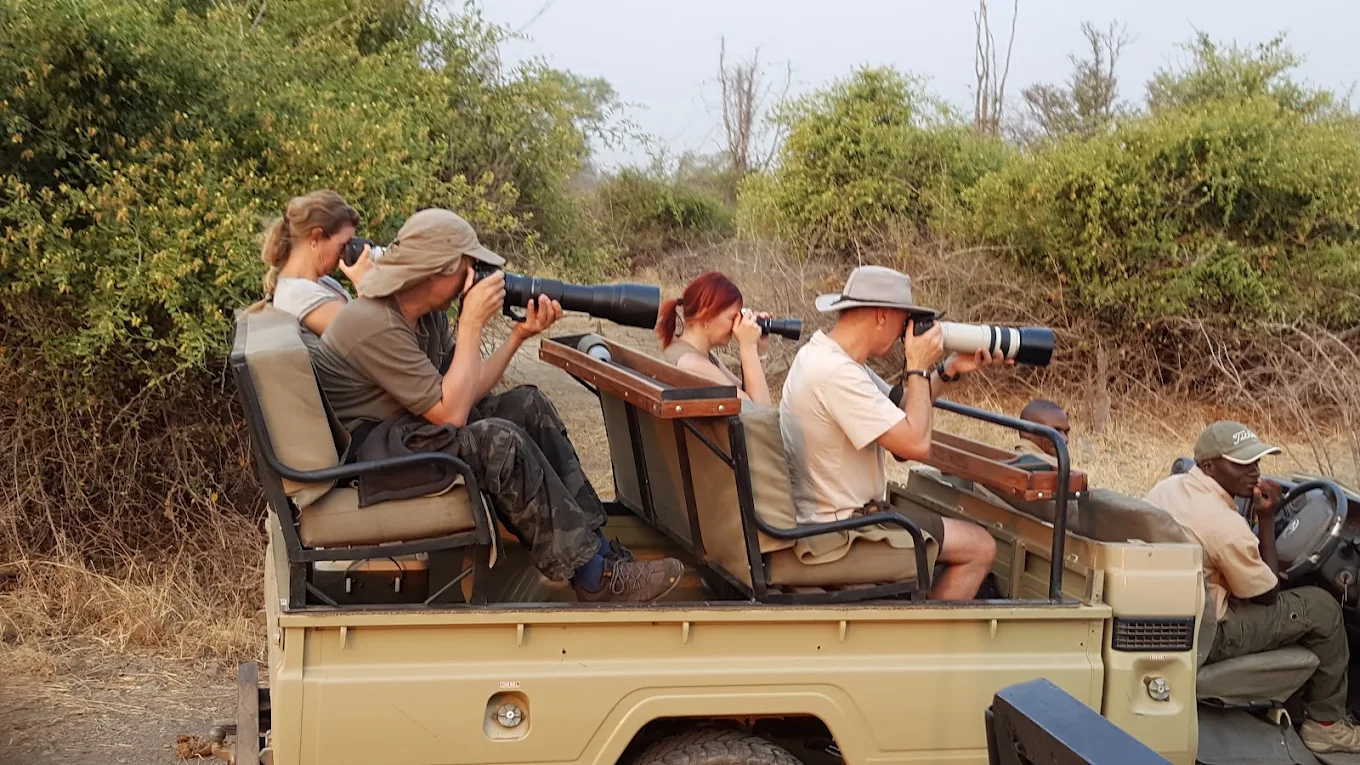
The most popular activity in the park is the classic game drive safari. Game drives are typically conducted during the early morning and late afternoon when wildlife activity is at its peak. During these drives, visitors travel through the park in specially designed safari vehicles while experienced guides help locate animals and explain wildlife behavior.
Night game drives are another unique activity offered in South Luangwa National Park. Unlike many other national parks in Africa, South Luangwa allows night safaris, providing visitors with the opportunity to observe nocturnal wildlife such as leopards, civets, genets, and bush babies.
Walking safaris are another highlight of visiting South Luangwa National Park. These guided bush walks allow travelers to explore the park’s ecosystems on foot while learning about wildlife tracking, plants, and the natural environment.
Birdwatching safaris are also highly rewarding in South Luangwa National Park. The park’s diverse habitats support hundreds of bird species, making it one of the best birding destinations in Zambia.
Photography safaris are increasingly popular in South Luangwa as well. The park’s landscapes, wildlife density, and dramatic lighting conditions provide exceptional opportunities for capturing stunning images of African wildlife.
Cultural visits to nearby villages can also be arranged for travelers interested in learning about local communities and traditional lifestyles in the Luangwa Valley.
Together, these activities make South Luangwa National Park one of the most diverse safari destinations in Africa.
Best Time to Visit South Luangwa National Park
The best time to visit South Luangwa National Park depends on weather conditions and the type of safari experience travelers are seeking.
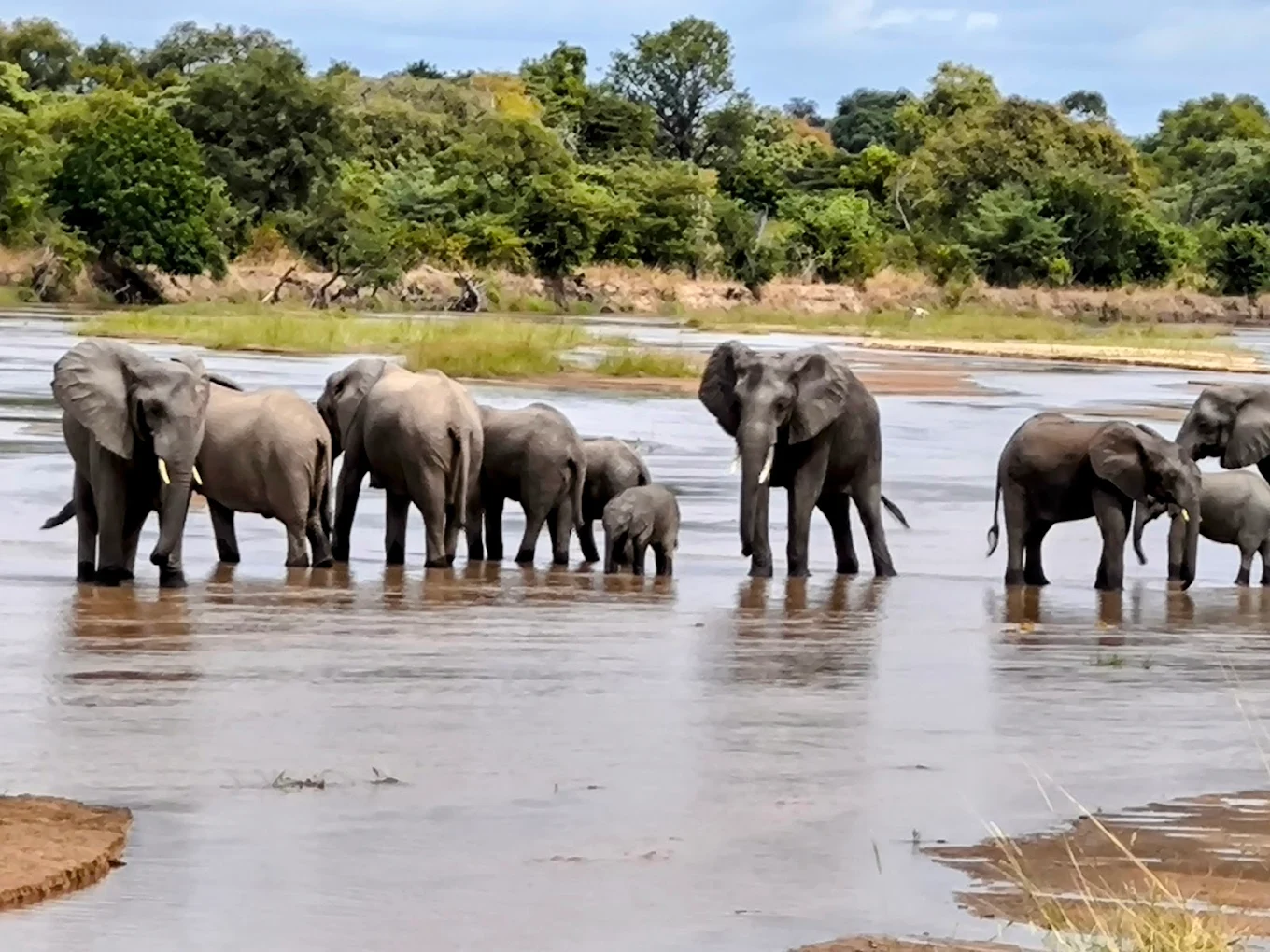
The dry season from May to October is generally considered the best time for wildlife viewing in South Luangwa National Park. During this period, vegetation becomes thinner and animals concentrate around water sources such as the Luangwa River and seasonal lagoons.
From May to June, the landscape remains green following the rainy season while temperatures are cooler and comfortable for safari activities.
Between July and September, wildlife viewing conditions reach their peak. Large numbers of animals gather along the riverbanks, creating spectacular game viewing opportunities.
The months of September and October are the hottest months in South Luangwa National Park, but they also provide some of the most dramatic wildlife sightings as animals compete for limited water sources.
The rainy season from November to April transforms the park into lush green landscapes. Although some camps close during this period due to flooding, the rainy season offers excellent birdwatching and beautiful scenery.
For most travelers planning a South Luangwa safari, the dry months remain the most popular time to visit due to the exceptional wildlife viewing conditions.
South Luangwa vs Other African Safari Parks
South Luangwa National Park is often compared with other famous African safari destinations such as the Serengeti in Tanzania, Kruger National Park in South Africa, and the Maasai Mara in Kenya.
While these parks are renowned for their wildlife and large tourism infrastructure, South Luangwa National Park offers a safari experience that many travelers consider more authentic and less crowded.
One of the key differences between South Luangwa and other safari parks is the emphasis on walking safaris. While walking safaris are offered in several African destinations, South Luangwa remains the region where this tradition was originally developed and perfected.
Another advantage of South Luangwa National Park is the relatively low number of visitors compared to more famous safari destinations. This means that wildlife sightings are often enjoyed without large numbers of safari vehicles surrounding animals.
South Luangwa is also known for its excellent leopard sightings, which many safari guides consider among the best in Africa.
In addition, the park’s combination of river ecosystems, floodplains, lagoons, and woodlands creates diverse habitats that support an impressive range of wildlife species.
For travelers seeking a balance between outstanding wildlife viewing, authentic wilderness experiences, and fewer tourist crowds, South Luangwa National Park offers one of the most rewarding safari destinations in Africa.
How to Get to South Luangwa National Park
South Luangwa National Park is located in eastern Zambia and is most commonly accessed through Mfuwe Airport, which serves as the main gateway to the park. Although South Luangwa National Park is located in a relatively remote part of the country, reaching the park is straightforward thanks to domestic flight connections and well-organized safari logistics.
Most international travelers begin their journey by flying into Kenneth Kaunda International Airport in Lusaka, Zambia’s capital city. Lusaka acts as the primary hub for domestic flights that connect travelers to various safari destinations across the country.
From Lusaka, visitors typically take a scheduled domestic flight to Mfuwe Airport, which takes approximately one hour. Several regional airlines operate daily flights between Lusaka and Mfuwe, especially during the peak safari season.
Once you arrive at Mfuwe Airport, most safari lodges provide complimentary transfers to their camps or lodges, which are usually located within a short driving distance of the park entrance.
For travelers seeking a more adventurous route, South Luangwa National Park can also be reached by road transfer from Lusaka, although the journey can take around 10 to 12 hours depending on road conditions.
Another popular option is combining South Luangwa National Park with other safari destinations in Zambia. Travelers often link South Luangwa with:
- North Luangwa National Park
- Lower Zambezi National Park
- Kafue National Park
- Victoria Falls
These combinations allow visitors to experience multiple ecosystems and wildlife habitats within one extended Zambia safari itinerary.
Because of the park’s popularity among safari enthusiasts, travel to South Luangwa National Park is well organized, making it one of the most accessible wilderness areas in Zambia.
Accommodation in South Luangwa National Park
South Luangwa National Park offers a wide range of accommodation options that cater to different travel styles and budgets. From luxury safari lodges to intimate bush camps and budget-friendly tented camps, the park provides a variety of choices for travelers seeking different levels of comfort.
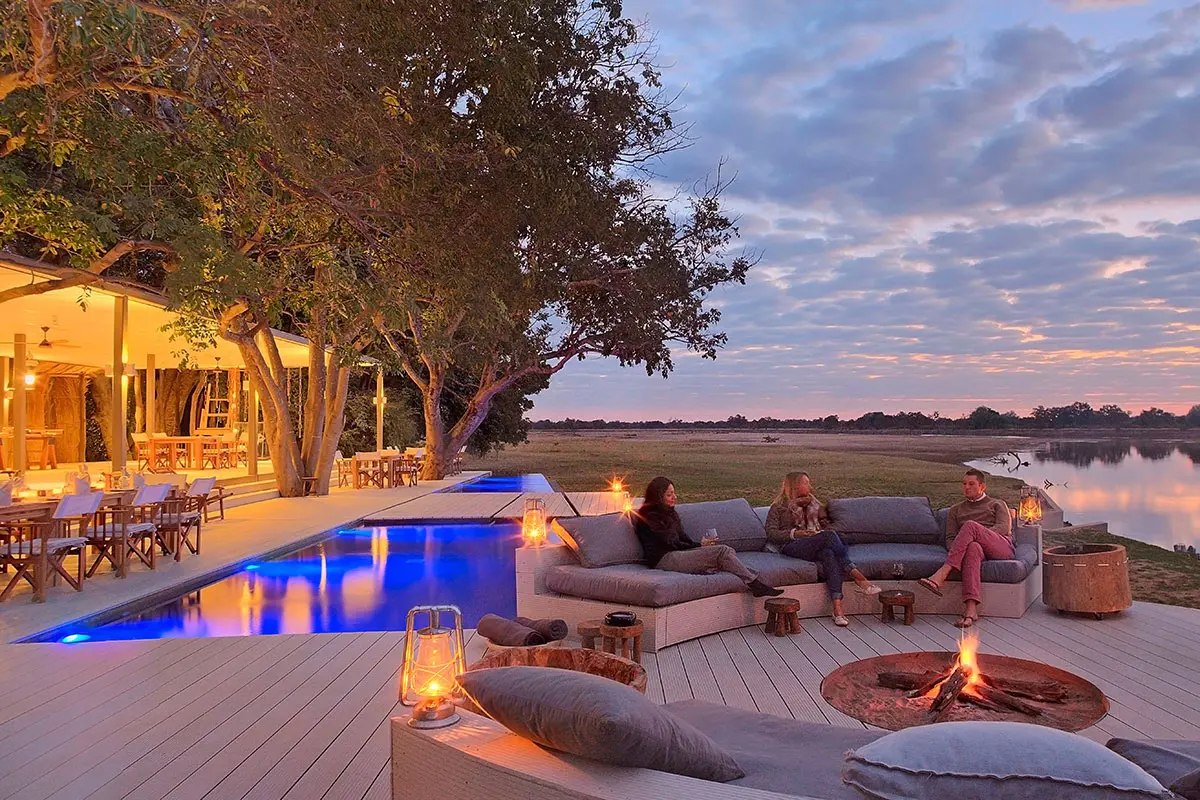
Luxury safari lodges in South Luangwa National Park offer exceptional comfort while maintaining close connections with the surrounding wilderness. Many of these lodges are located along the Luangwa River, providing spectacular views of wildlife activity directly from lodge decks or private verandas.
Luxury camps typically feature spacious suites, private plunge pools, fine dining, and personalized safari guiding. These lodges are ideal for honeymooners, photographers, and travelers seeking premium safari experiences.
Mid-range safari lodges in South Luangwa National Park provide comfortable accommodations with excellent guiding services and well-designed safari experiences. Guests staying in mid-range lodges often enjoy guided game drives, walking safaris, and relaxing lodge environments while maintaining a more affordable safari budget.
For adventurous travelers, bush camps provide one of the most authentic safari experiences in South Luangwa National Park. These smaller camps are usually located deeper within the park and often focus on walking safaris between remote camps.
Bush camps typically operate during the dry season and offer an intimate wilderness experience with limited guest numbers.
Budget safari camps and campsites are also available for travelers looking to explore South Luangwa National Park without high accommodation costs. These camps provide basic but comfortable facilities while still offering access to excellent wildlife viewing.
Because South Luangwa National Park is one of Zambia’s most popular safari destinations, travelers are encouraged to book accommodation well in advance, particularly during peak safari months between June and October.
South Luangwa Safari Cost
The cost of a safari in South Luangwa National Park can vary significantly depending on the style of travel, length of stay, and level of accommodation chosen.
Budget safari packages in South Luangwa National Park may start from approximately USD 200 to USD 400 per person per day. These packages usually include accommodation in tented camps, shared game drives, meals, and park fees.
Mid-range safari experiences generally range between USD 400 and USD 900 per person per day. These safaris typically include comfortable lodge accommodation, guided game drives, walking safaris, and meals.
Luxury safaris in South Luangwa National Park can range from USD 900 to USD 2,000 or more per person per day, depending on the lodge, exclusivity, and safari activities included.
Several factors influence the overall cost of a South Luangwa safari, including:
- park entrance fees
- accommodation level
- guiding services
- domestic flights to Mfuwe
- safari vehicle logistics
- private safari arrangements
Although luxury options can be expensive, South Luangwa National Park offers excellent value due to the quality of wildlife viewing and the authenticity of the safari experience.
Many safari travelers choose to combine South Luangwa National Park with other destinations in Zambia or neighboring countries to create a broader southern Africa safari itinerary.
Travel Tips for Visiting South Luangwa National Park
Travelers planning a safari to South Luangwa National Park can enhance their experience by preparing carefully for the conditions of the African wilderness.
Packing appropriate clothing is important when visiting the park. Lightweight, breathable clothing in neutral colors such as khaki, olive, or beige helps travelers stay comfortable during game drives and walking safaris.
Long-sleeved shirts and lightweight trousers provide protection against the sun and insects, while comfortable walking shoes are recommended for bush walks and lodge activities.
Visitors should also bring essential safari accessories such as binoculars, sunscreen, insect repellent, sunglasses, and a wide-brimmed hat. These items help ensure comfort during long hours spent exploring the park.
Because many safari lodges in South Luangwa National Park operate in remote locations, internet connectivity may be limited. Travelers should be prepared to disconnect from technology and fully immerse themselves in the natural environment.
Photography enthusiasts visiting South Luangwa National Park will find excellent opportunities to capture wildlife and landscapes. A camera with a zoom lens is highly recommended for photographing animals at safe distances.
Working with experienced safari guides is another key aspect of enjoying a successful safari in South Luangwa National Park. Professional guides have deep knowledge of wildlife behavior and know the best areas within the park for wildlife sightings.
Frequently Asked Questions About South Luangwa National Park
What animals can you see in South Luangwa National Park?
South Luangwa National Park is home to elephants, lions, leopards, buffalo, giraffes, antelope species, hippos, crocodiles, and over 400 bird species. The park is particularly famous for its leopard sightings and large populations of elephants.
Is South Luangwa National Park safe for tourists?
Yes, South Luangwa National Park is considered safe for visitors when traveling with experienced guides and safari operators. All safari activities are conducted under strict safety guidelines.
When is the best time to visit South Luangwa National Park?
The best time to visit South Luangwa National Park is during the dry season from May to October, when wildlife viewing conditions are excellent and animals gather around water sources.
Can you do walking safaris in South Luangwa?
Yes, South Luangwa National Park is famous for its walking safaris. Visitors can explore the wilderness on foot accompanied by professional safari guides and armed wildlife scouts.
How many days should you spend in South Luangwa National Park?
Most travelers spend three to five days exploring South Luangwa National Park. This allows enough time for multiple game drives, walking safaris, and wildlife photography opportunities.
Plan Your South Luangwa Safari
South Luangwa National Park offers one of the most remarkable safari experiences in Africa. With its abundant wildlife, stunning landscapes, and pioneering walking safari traditions, the park remains a dream destination for travelers seeking authentic African adventures.
Whether you are interested in luxury safari lodges, guided walking safaris, photography safaris, or classic game drive experiences, South Luangwa National Park offers unforgettable wildlife encounters.
Many travelers combine South Luangwa National Park with other iconic destinations such as Victoria Falls, North Luangwa National Park, or Lower Zambezi National Park to create a diverse and exciting southern Africa safari itinerary.
If you are planning a safari to Zambia, our safari specialists can help design a customized itinerary tailored to your travel dates, interests, and budget.
Contact our safari experts today to start planning your South Luangwa National Park adventure.