
Souvenirs to Buy from Rwanda – 7 Must-Have Local Gifts
Discover the most meaningful souvenirs to buy from Rwanda, a beautiful East African country celebrated for its traditional craftsmanship, vibrant cultural heritage and remarkable creativity. Beyond breathtaking mountain gorilla encounters, magnificent landscapes and memorable wildlife safaris, Rwanda offers travellers an opportunity to take home authentic gifts that reflect the country’s artistic traditions and everyday life. From carefully handwoven Agaseke baskets to distinctive Imigongo artwork, locally grown coffee and beautiful handmade jewellery, the best souvenirs tell a story about Rwanda and the people who create them.
Choosing souvenirs to buy from Rwanda is about more than finding something attractive to place in your luggage. A thoughtfully selected handmade product can represent generations of craftsmanship, provide a meaningful reminder of your travels and support local artisans and small businesses. Visitors exploring Kigali, Volcanoes National Park or other destinations can discover a wonderful variety of locally produced gifts in craft markets, independent shops and artisan cooperatives. At Nextgen Safaris Africa, we encourage travellers to explore Rwanda’s cultural experiences alongside its extraordinary wildlife attractions.
In this carefully selected guide, we focus on seven essential souvenirs to buy from Rwanda rather than an overwhelming list of ordinary tourist products. These include Agaseke baskets, Imigongo artwork, Rwandan coffee, locally produced tea, colourful Kitenge fabrics, handmade beaded jewellery and gorilla-themed keepsakes. Each item offers something different, whether you prefer a traditional work of art, a practical gift for friends, a small reminder of your mountain gorilla trekking experience or a beautiful handmade accessory.
The guide also explains where to shop in Kigali, what to consider before purchasing handmade products, how to select authentic items and the best ways to pack your purchases for international travel. If you are planning a longer holiday, explore our Rwanda safari tours and holiday packages to combine cultural discovery with Volcanoes National Park, Akagera National Park, Nyungwe Forest or Lake Kivu.
The 7 Essential Souvenirs to Buy from Rwanda
The best souvenirs to buy from Rwanda combine cultural significance, quality craftsmanship and personal meaning. Some make beautiful decorative pieces, while others are practical gifts that can be enjoyed long after the holiday. The following seven categories represent a well-balanced selection for travellers who want to return home with something memorable without purchasing unnecessary items.
Agaseke Baskets – Rwanda’s Iconic Traditional Souvenir
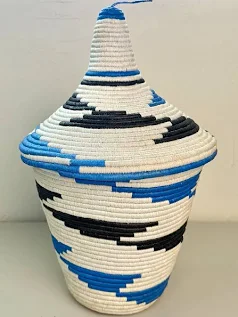
Agaseke baskets are among the most culturally distinctive souvenirs to buy from Rwanda. These beautifully handwoven baskets have a long history in Rwandan society and are traditionally associated with meaningful gifts, ceremonies, hospitality and the storage of valued items. Their carefully arranged geometric designs, elegant shapes and natural materials reflect the creativity of Rwandan basket makers. Agaseke baskets are also widely associated with peace, reconciliation and community cooperation, giving them a significance that extends beyond their attractive appearance.
Traditional baskets are woven using natural plant fibres, with designs created through skilful combinations of colours and patterns. The weaving process requires concentration, patience and detailed craftsmanship, particularly when producing tightly fitted lids and symmetrical decorative designs. Some baskets feature restrained natural tones, while contemporary versions incorporate more colourful arrangements to suit different tastes. Visitors can choose small decorative baskets for shelves and tables or larger pieces suitable for home interiors.
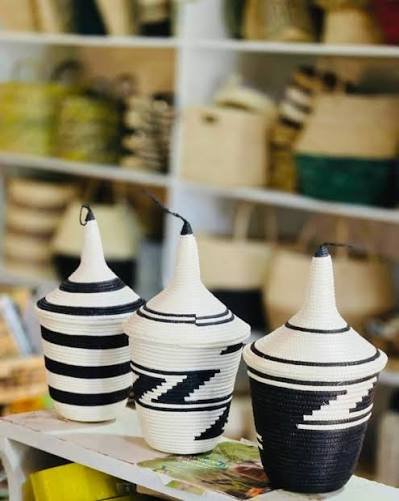
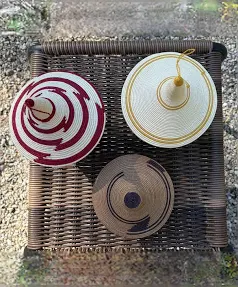
Agaseke baskets are especially suitable for international travellers because smaller varieties are lightweight, attractive and relatively easy to transport. They also make thoughtful presents for weddings, family celebrations and home decoration. When shopping, ask the seller about the basket’s origin, materials and maker. Purchasing directly from an artisan or recognised cooperative can provide a more personal experience and help visitors understand the work involved in creating each piece.
Check that the weaving is firm, the basket stands evenly and the lid fits properly. Choose a size that can be packed without crushing the woven structure, and ask about the artisan or cooperative that produced it.
Imigongo Artwork – Unique Traditional Rwandan Wall Art
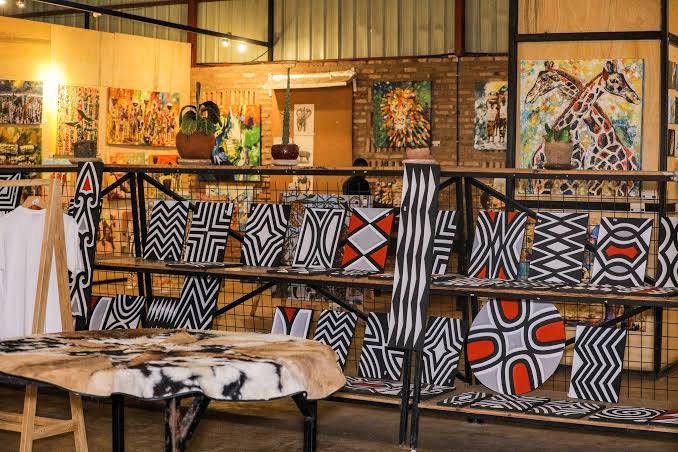
Imigongo artwork is another essential choice among souvenirs to buy from Rwanda, especially for travellers who appreciate distinctive cultural art. This traditional Rwandan decorative art is famous for its raised geometric patterns, spirals, zigzags and contrasting colours. Historically associated with eastern Rwanda, Imigongo developed as a form of decorative artwork used on buildings and interior surfaces. Today, artisans produce beautiful panels and decorative objects that preserve the visual traditions of this remarkable craft.
Traditional Imigongo techniques use cow dung mixed and shaped into raised decorative patterns, which are dried and painted in characteristic colours such as black, white, brown and red. Contemporary artists may also produce designs using different supporting materials and methods. The combination of relief texture and striking geometry gives Imigongo a distinctive appearance that works beautifully in both traditional and modern interiors. Visitors purchasing original panels can take home a meaningful reminder of Rwanda’s artistic heritage.
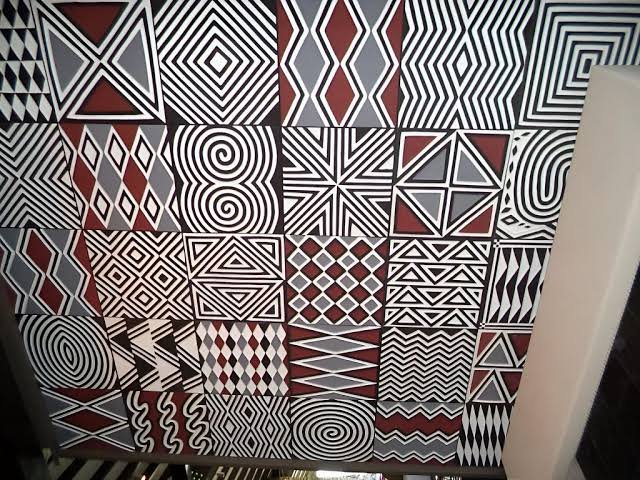
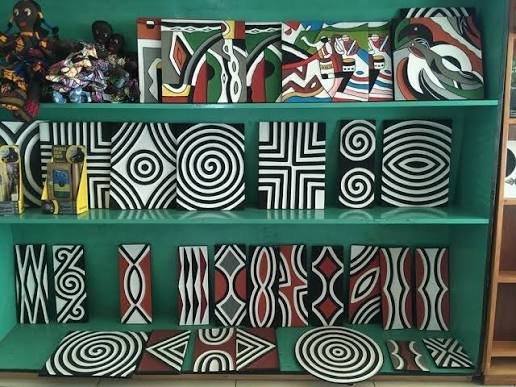
When selecting Imigongo artwork, examine the surface carefully and ask whether the piece is handmade or a printed reproduction. Both may be attractive, but original handmade panels offer a closer connection to the artisan’s skills and traditional techniques. Smaller framed or unframed pieces are more practical for travellers with limited luggage space. If you are planning a wider Rwanda cultural and wildlife holiday, a visit to a craft workshop can make the purchase even more meaningful by allowing you to learn about how the artwork is made.
Ask about the production method, check that the surface is completely dry and request protective packaging. Raised designs can be fragile when packed tightly beside heavy luggage.
Rwandan Coffee – A Delicious Gift from the Land of a Thousand Hills
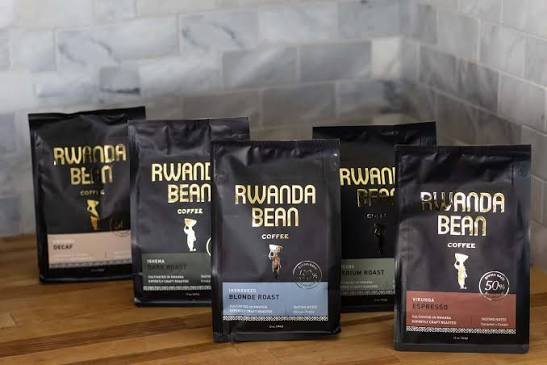
For coffee lovers, locally grown coffee is one of the most practical souvenirs to buy from Rwanda. The country is known for producing high-quality Arabica coffee, with much of its production linked to smallholder farmers and washing stations. Rwanda’s growing conditions and careful processing methods have helped build an international reputation for specialty coffee. Visitors can purchase roasted beans or ground coffee to enjoy at home, making it a gift that brings back memories of the country’s beautiful landscapes long after the holiday has ended.
Different Rwandan coffees offer different tasting experiences depending on their growing region, processing method, roasting profile and freshness. Some may feature bright fruit-like notes, while others offer chocolate, floral or sweeter flavour characteristics. Travellers interested in coffee culture may enjoy visiting a café, attending a tasting session or learning about the country’s coffee production before selecting their favourite product. Coffee is particularly convenient for travellers who prefer useful gifts over decorative keepsakes.
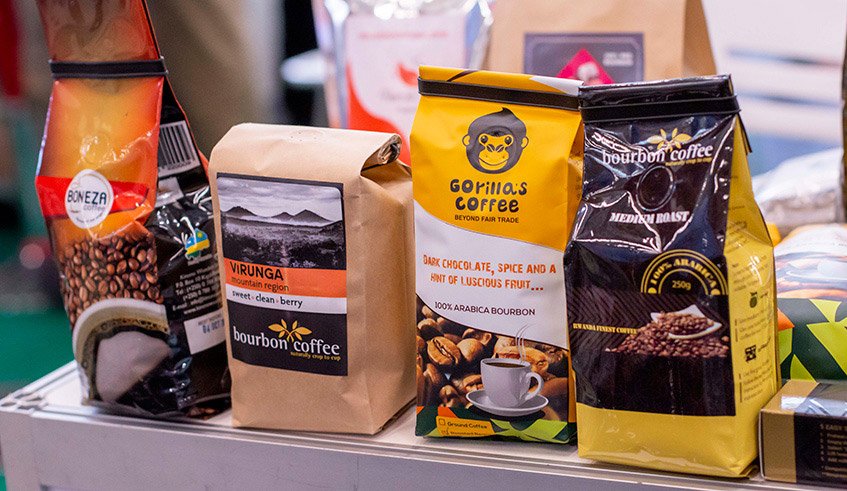
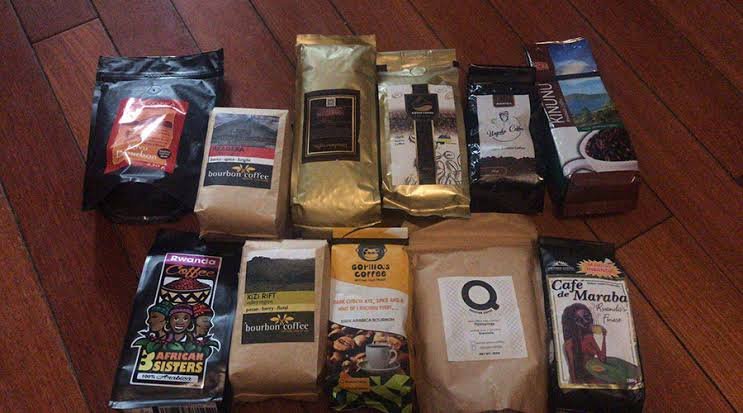
When buying coffee, choose properly sealed packaging and check the roasting date, origin information and recommended brewing method where these details are available. Whole beans may be preferable for visitors who have a grinder, while ground coffee is more convenient for recipients who use a particular brewing method. Coffee also makes an excellent gift for friends and relatives who enjoy trying products from different countries. A well-chosen pack of Rwandan coffee is an accessible way to share something of the country’s agricultural heritage.
Choose sealed, clearly labelled coffee with a recent roasting date where possible. Check whether the recipient prefers whole beans or ground coffee, and verify food import rules for your destination country.
Rwandan Tea – A Lightweight and Authentic Local Gift
Rwandan tea is another excellent option among souvenirs to buy from Rwanda, particularly for travellers looking for a lightweight, affordable and easy-to-share present. Tea is an important agricultural product in Rwanda, with plantations located in suitable highland areas across the country. Rwandan tea is internationally recognised for its quality, and visitors can find locally produced black tea as well as selected other tea varieties. The product makes a meaningful souvenir for tea lovers who want to experience a flavour associated with Rwanda’s beautiful green highlands.
Tea is particularly convenient for international travellers because it is commonly sold in sealed packets, tea bags or other retail packaging that can be placed safely in luggage. It is an appealing gift for family members, friends and colleagues, especially when visitors want to bring several small presents home. Travellers who enjoy learning about agricultural traditions can also include a tea-related experience during a longer Rwanda safari and cultural holiday, depending on the itinerary and available activities.
When shopping, check that the product is labelled as tea grown or produced in Rwanda rather than assuming every tea sold locally originated in the country. Review the ingredients, packaging condition, weight and best-before date. Black tea is widely produced, while other varieties may be available from selected producers and retailers. Tea is an especially practical purchase for visitors who prefer useful souvenirs that do not require special display space or delicate handling.
Select sealed retail packaging that identifies the producer or origin. Keep the tea dry, check the best-before date and confirm your destination country’s rules for bringing in packaged plant-based food products.
Kitenge Fabrics and African Clothing – Colourful Wearable Souvenirs
Colourful Kitenge fabrics and locally tailored clothing are popular souvenirs to buy from Rwanda for travellers who appreciate fashion, textiles and practical handmade accessories. Kitenge is a style of printed fabric used widely across East and Central Africa, rather than a craft exclusive to Rwanda. In Kigali, visitors can find vibrant fabrics, dresses, shirts, skirts, handbags and other accessories created or tailored by local designers and craftspeople. These products offer an attractive way to remember Rwanda through something that can be worn or used regularly.
The wide range of patterns and colours makes Kitenge particularly appealing to travellers searching for personalised gifts. Some visitors prefer to buy fabric by the metre, while others choose finished clothing or accessories that are ready to wear. Locally tailored pieces can be especially memorable because they combine the fabric’s visual appeal with the skills of the person who made the garment. When buying a finished item, ask about its place of production rather than assuming all printed fabrics or clothing sold in Rwanda were manufactured locally.
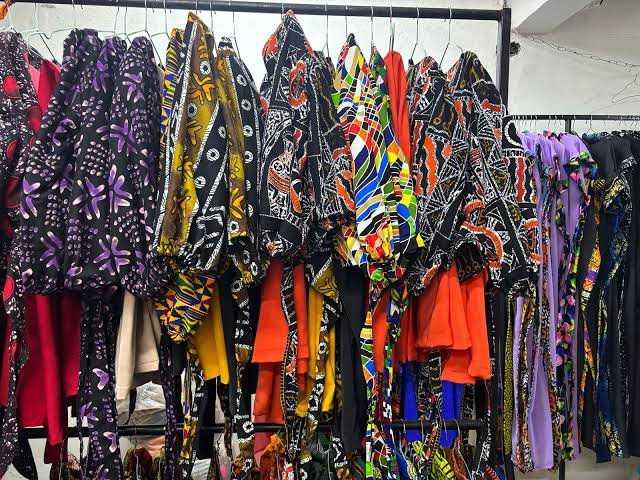
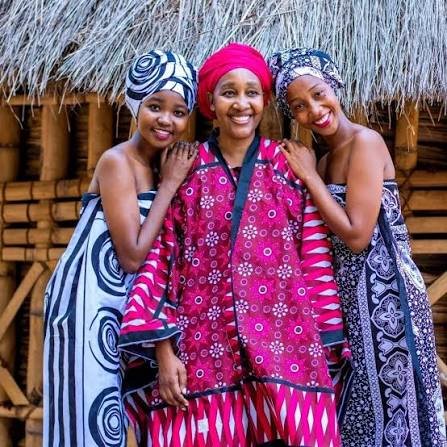
Kitenge products are ideal for travellers who want lightweight souvenirs without carrying delicate artwork. Fabric can be folded neatly into luggage, while smaller accessories such as bags or headwraps make useful presents. Before purchasing clothing, check the measurements, stitching, fabric finish and care instructions. Kigali’s textile markets can also be an interesting place to observe tailoring and everyday local shopping culture during a Rwanda sightseeing and cultural tour.
Check the fabric quality and colour fastness, inspect seams on finished clothing and confirm sizing before purchase. Ask which items were locally tailored if supporting Rwandan makers is important to you.
Handmade Beaded Jewellery – Beautiful Gifts by Local Artisans
Handmade beaded jewellery is among the most convenient souvenirs to buy from Rwanda because it is attractive, lightweight and available in a wide variety of designs. Visitors can discover necklaces, bracelets, earrings and other accessories created with colourful beads, thread, metal findings and different decorative materials. Many pieces combine traditional craft techniques with contemporary fashion influences, creating gifts that appeal to different ages and personal styles. Jewellery is particularly suitable for travellers who wish to purchase several small presents without using much luggage space.
The appeal of handmade jewellery lies in its variety and connection to the individual maker. Some items feature bright colours and geometric arrangements, while others use more restrained designs suitable for everyday wear. Purchasing from a local craftsperson or artisan cooperative can create an opportunity to learn how the piece was produced and the inspiration behind its design. Visitors may also find items created through community craft initiatives, although the precise maker and origin should always be confirmed with the seller.
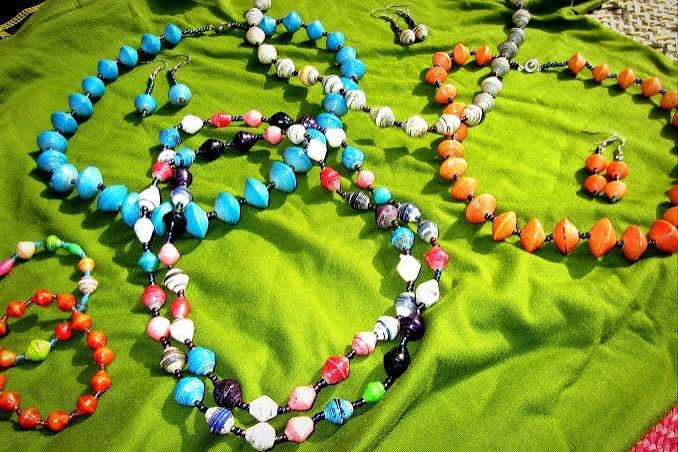
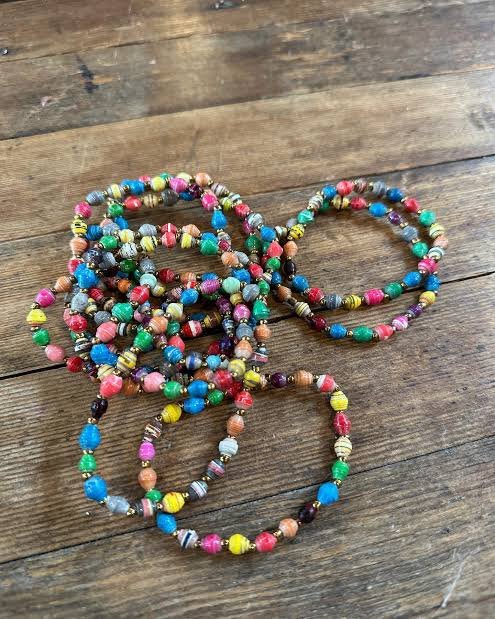
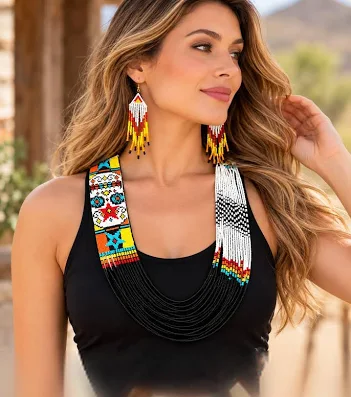
When choosing jewellery, consider the recipient’s style, the durability of the materials and the quality of the fastening. Earrings should have secure hooks or closures, while bracelets and necklaces should be inspected for strong threading. If the item contains natural materials, ask the seller what they are made from and check any applicable customs restrictions. A carefully selected handmade necklace or bracelet is a thoughtful reminder of Rwanda’s creative communities.
Check clasps, stitching and bead attachment before purchasing. Ask about the materials and maker, and pack delicate pieces separately to prevent tangling or breakage.
Gorilla-Themed Souvenirs – Remember Rwanda’s Mountain Gorillas
For wildlife enthusiasts, gorilla-themed gifts are among the most memorable souvenirs to buy from Rwanda, especially after an unforgettable mountain gorilla trekking experience in Volcanoes National Park. Rwanda is internationally celebrated for its endangered mountain gorillas, and visitors often want a keepsake that reflects the extraordinary moment of observing these remarkable primates in their natural environment. Gorilla-themed souvenirs can include handcrafted decorative figures, paintings, illustrations and other wildlife-inspired artwork created for travellers and collectors.
These products are particularly meaningful because they remind visitors of the forest scenery, the excitement of the trekking expedition and the remarkable social behaviour of mountain gorillas. A small carved figure or original painting can become a lasting reminder of an experience that is difficult to capture through photographs alone. Guests planning a gorilla encounter can explore our partner’s guide to gorilla trekking in Rwanda’s Volcanoes National Park for more information about the destination.
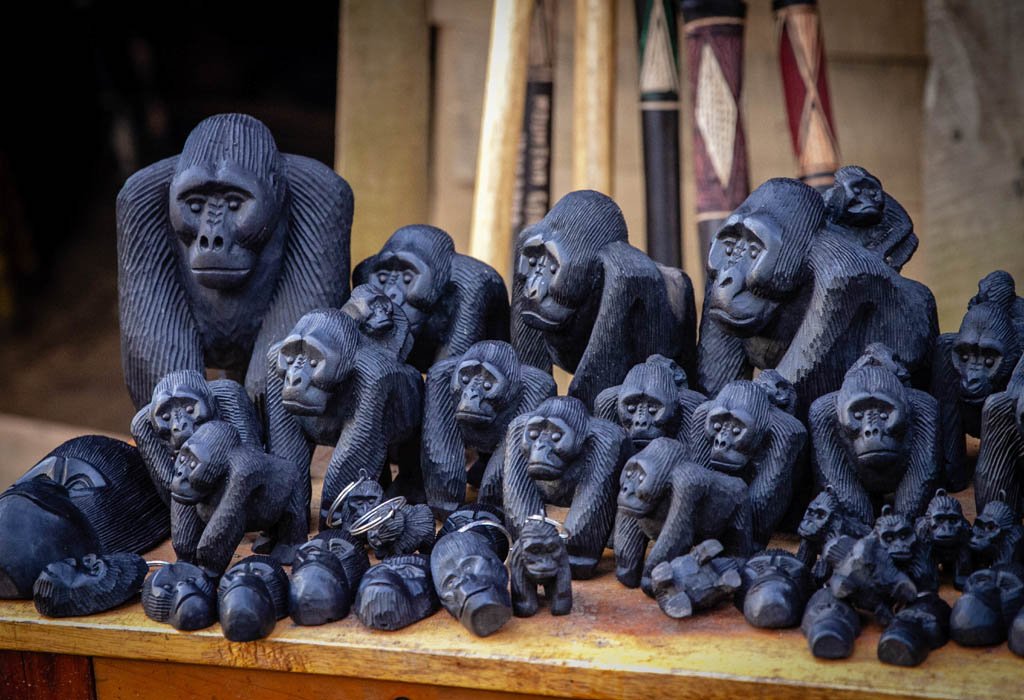
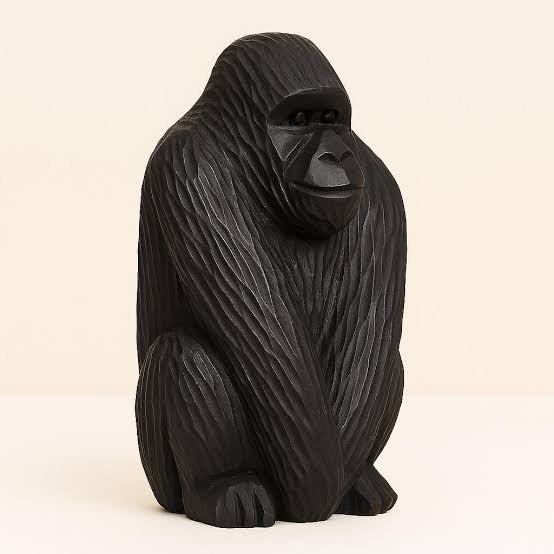
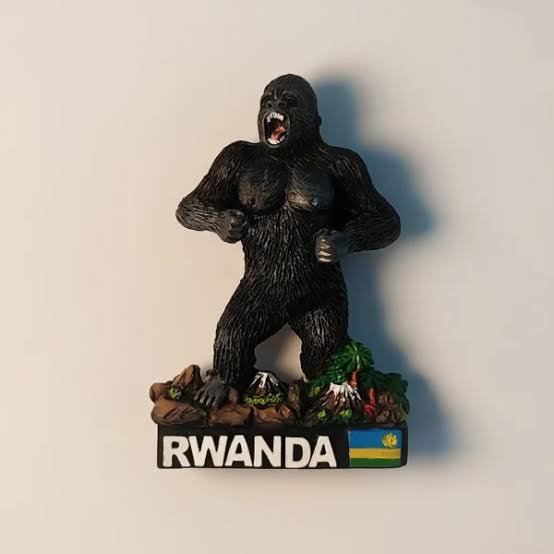
When selecting wildlife-inspired souvenirs, choose products made from responsibly sourced and lawful materials. Avoid items made from protected animal parts, wildlife products or uncertain natural materials. Wooden or other plant-based items may also face destination-country biosecurity rules, so travellers should verify relevant restrictions. Purchasing artwork from local makers is a positive way to celebrate Rwanda’s wildlife heritage without encouraging harmful trade in wildlife products.
Choose responsibly produced paintings, sculptures or illustrated keepsakes. Avoid products containing actual animal parts or materials of uncertain origin, and check customs rules before purchase.
Where to Buy Souvenirs in Kigali, Rwanda
Finding authentic souvenirs to buy from Rwanda is relatively convenient in Kigali, where visitors can explore craft markets, textile stalls, artisan shops and established retail outlets. The capital offers a broad selection of handmade baskets, decorative artwork, clothing, jewellery, coffee and other gifts. Some locations are particularly suitable for comparing different handicrafts, while others provide an opportunity to experience the lively atmosphere of everyday Rwandan shopping. A well-planned Rwanda holiday itinerary can include time for a cultural and shopping stop before or after wildlife activities.
Caplaki Craft Village – Traditional Crafts and Artwork
Caplaki Craft Village is one of Kigali’s established destinations for visitors searching for locally made gifts and traditional handicrafts. Travellers can browse a selection of Agaseke baskets, Imigongo-inspired artwork, beaded jewellery, wooden decorative products and other artisan crafts. The variety makes the market useful for comparing different designs, sizes and qualities before choosing a souvenir. Some sellers may be open to reasonable price negotiation, although visitors should approach discussions respectfully and recognise the work involved in handmade production.
Kimironko Market – Fabrics, Accessories and Everyday Shopping
Kimironko Market provides a different shopping atmosphere, combining everyday market activity with opportunities to find colourful textiles, clothing materials and selected craft products. It is a particularly interesting destination for travellers searching for Kitenge fabrics and accessories. Visitors may encounter fabric sellers and tailoring services offering a wide range of colours and designs. Exploring the market with a knowledgeable local guide can make the experience easier for first-time visitors who are unfamiliar with its layout and trading practices.
Artisan Cooperatives and Independent Craft Shops
Visitors who want to learn more about how their purchases are produced should also consider artisan cooperatives and independent craft shops. These outlets may offer opportunities to ask about the maker, production methods and cultural background of the item. Some specialise in traditional weaving or decorative art, while others focus on contemporary fashion and accessories. The most suitable place to shop depends on the type of gift, available time and whether the visitor values a broad market selection or a more personal connection with a maker.
How to Choose Authentic Souvenirs to Buy from Rwanda
Choosing authentic souvenirs to buy from Rwanda requires a little attention to where and how an item was produced. Not every product sold in a tourist market is necessarily handmade or manufactured in Rwanda. Some are imported or mass-produced, while others are crafted locally using materials that may come from neighbouring countries. Asking simple questions about the maker, materials and place of production can help travellers make informed choices and avoid assumptions based only on appearance.
Quality is equally important. With Agaseke baskets, inspect the weaving and structure; with Imigongo artwork, examine the surface and decorative finish; and with jewellery, check the strength of clasps and threads. Coffee and tea should be packaged appropriately and clearly labelled. For Kitenge clothing, confirm the measurements, stitching and care instructions. Selecting fewer well-made items is often more satisfying than filling luggage with souvenirs that may not last.
Purchasing from artisans and established cooperatives can also provide opportunities to understand the cultural and economic value of a craft. However, labels describing products as fair trade, cooperative-made or locally produced should be considered in relation to the information actually provided by the seller. Thoughtful purchasing involves both appreciation of Rwandan creativity and a willingness to pay a fair price for skilled labour.
Essential Shopping Tips for Travellers Visiting Rwanda
When planning which souvenirs to buy from Rwanda, consider the available luggage space, the purpose of the gift and the destination country’s import requirements. Traditional handicrafts may be lightweight but delicate, while food products require suitable packaging and attention to customs rules. Visitors should also allow enough time to compare products rather than rushing through the shopping experience immediately before an international flight.
Buy from Reputable Sellers
Ask about the product’s origin, materials and maker. Artisan cooperatives and established shops can offer useful information about traditional crafts and production methods.
Compare Quality Before Price
Inspect weaving, stitching, finishes and packaging before purchasing. A carefully made item is often a better souvenir than a cheaper product of uncertain quality.
Negotiate Respectfully
Some markets allow bargaining, while boutiques and cooperatives may use fixed prices. Ask politely and remember that skilled handmade work deserves fair payment.
Protect Fragile Artwork
Request suitable wrapping for Imigongo panels and decorative sculptures. Avoid placing heavy luggage items directly against fragile souvenirs.
Check Airline Baggage Rules
Review cabin and checked-baggage allowances before purchasing large baskets or artwork. Additional luggage charges may affect your final souvenir-shopping budget.
Respect Customs Regulations
Verify the destination country’s rules for food, plant products, wooden goods and wildlife-related materials. Retain receipts and avoid items of uncertain origin.
Which Rwanda Souvenir Should You Choose?
The ideal souvenirs to buy from Rwanda depend on whether you want an important cultural keepsake, a beautiful decorative object or a practical gift. The following guide makes it easier to choose among the seven essential categories according to their main appeal and packing considerations.
| Souvenir | Best For | Packing Consideration |
|---|---|---|
| Agaseke Baskets | Traditional gifts and home décor | Protect from crushing |
| Imigongo Artwork | Cultural art and wall decoration | Protect the decorative surface |
| Rwandan Coffee | Coffee lovers and practical gifts | Choose sealed packaging |
| Rwandan Tea | Tea lovers and lightweight presents | Keep packaging dry and sealed |
| Kitenge Fabrics | Fashion, clothing and accessories | Fold neatly to save space |
| Handmade Jewellery | Small personal gifts | Protect clasps and beadwork |
| Gorilla-Themed Souvenirs | Remembering a gorilla trek | Check materials and protect fragile items |
For a first visit, a small Agaseke basket or an original Imigongo piece offers a particularly distinctive cultural keepsake. Coffee and tea are excellent options for practical gifts, while jewellery and Kitenge accessories are useful when shopping for several family members or friends. Travellers who have enjoyed an unforgettable gorilla encounter may prefer wildlife-inspired artwork to mark the experience.
Combining Souvenir Shopping with a Rwanda Safari
Shopping for souvenirs to buy from Rwanda can be incorporated into a wider holiday that includes wildlife encounters, sightseeing and cultural experiences. Many international travellers begin or end their journey in Kigali, making the capital a convenient place to browse traditional crafts and select gifts before departure. Depending on flight times and personal interests, a shopping visit can be arranged alongside city sightseeing or as a relaxed activity after completing a safari.
Visitors travelling to Volcanoes National Park for mountain gorilla trekking in Rwanda may find gorilla-inspired artwork especially meaningful after their forest encounter. A longer itinerary can include time to discover local communities and cultural traditions around the broader Musanze region, according to available activities. These experiences add context to the souvenirs by connecting visitors with the landscapes and people who make Rwanda such a memorable destination.
Travellers interested in a broader holiday can explore Rwanda safari packages that feature Kigali, Volcanoes National Park, Nyungwe Forest, Akagera National Park and Lake Kivu. Families may also find inspiration through Rwanda family holidays, where sightseeing and cultural activities can complement wildlife experiences. Nextgen Safaris Africa can help coordinate a suitable shopping stop without compromising the main safari programme.
Frequently Asked Questions About Souvenirs to Buy from Rwanda
What are the best souvenirs to buy from Rwanda?
Seven particularly worthwhile choices are Agaseke baskets, Imigongo artwork, Rwandan coffee, locally produced tea, Kitenge fabrics, handmade beaded jewellery and gorilla-themed keepsakes. The best choice depends on your interests, budget and available luggage space.
What is the most traditional souvenir from Rwanda?
Agaseke baskets are among Rwanda’s most recognisable traditional handicrafts. They are associated with skilled weaving, important gifts and cultural traditions. Imigongo is another distinctive Rwandan art form.
Why are Agaseke baskets special in Rwanda?
Agaseke baskets are traditional handwoven items historically used for storing valued objects and presenting gifts. They have also become symbols associated with peace, reconciliation and cooperation.
What is Imigongo artwork made from?
Traditional Imigongo uses cow dung shaped into raised geometric patterns, dried and painted. Some modern pieces use alternative materials or techniques, so travellers should ask about how the specific item was made.
Where can tourists buy souvenirs in Kigali?
Caplaki Craft Village is known for traditional crafts and decorative artwork, while Kimironko Market is a popular destination for fabrics, everyday shopping and selected handicrafts. Independent artisan shops and cooperatives are additional options.
Is Rwandan coffee a good souvenir?
Yes. Rwanda produces internationally recognised Arabica coffee, and sealed retail packs make practical gifts. Check the origin, roast date and packaging before purchasing.
Can I buy locally produced Rwandan tea?
Yes. Rwanda is an established tea producer. Visitors can find locally produced packaged tea, particularly black tea, through selected shops and retailers. Check the label to confirm the product’s origin.
Are Kitenge fabrics originally from Rwanda?
Kitenge-style printed fabrics are used widely across East and Central Africa and are not exclusive to Rwanda. However, Rwandan tailors and designers create attractive clothing and accessories using these textiles.
Are handmade Rwandan souvenirs expensive?
Prices vary considerably depending on materials, workmanship, size, seller and whether an item is handmade or mass-produced. Small gifts may be relatively affordable, while detailed original artwork can cost more.
Can tourists negotiate souvenir prices in Rwanda?
Polite bargaining may be acceptable in some markets, but many shops and artisan cooperatives use fixed prices. Visitors should approach negotiation respectfully and recognise the value of handmade craftsmanship.
How can I tell if a souvenir is locally made?
Ask the seller who made the product, where it was produced and what materials were used. Buying directly from an artisan or recognised cooperative can provide more information about the item’s origin.
Which souvenirs are easiest to carry on an international flight?
Sealed coffee, packaged tea, small jewellery items and folded fabrics are generally convenient to pack. Larger baskets and fragile artwork need additional protection and may take up more luggage space.
Can I take Agaseke baskets home from Rwanda?
Many travellers purchase woven baskets for international travel. However, rules concerning plant-based materials vary by destination. Check your country’s import requirements before purchasing and transporting them.
Can I take Rwandan coffee and tea through customs?
Rules depend on your destination country and the type of product. Commercially sealed retail packs are often easier to identify and declare, but travellers should check the applicable food import rules before departure.
What souvenirs should I buy after gorilla trekking in Rwanda?
Gorilla-inspired artwork or a handcrafted decorative keepsake can be a meaningful reminder of gorilla trekking in Volcanoes National Park. Choose lawful, responsibly made items that do not contain wildlife parts.
Are handmade souvenirs good gifts for families?
Yes. Handmade jewellery, baskets, small artwork and colourful accessories can make thoughtful presents. Coffee and tea may also be practical gifts for adults who enjoy them.
How can souvenir shopping support local artisans?
Purchasing directly from makers and artisan cooperatives can create income opportunities and help sustain craft traditions. Ask about the production process and purchase at a fair price.
Can souvenir shopping be included in a Rwanda safari?
Yes. Nextgen Safaris Africa can help arrange suitable shopping time during a Kigali visit or broader Rwanda holiday, depending on the confirmed itinerary and available travel time.
Discover Rwanda’s Culture, Wildlife and Authentic Souvenirs with Nextgen Safaris Africa
Exploring the best souvenirs to buy from Rwanda is a wonderful way to connect with the country’s artistic traditions and the talented people who help preserve them. Whether you choose a beautifully woven Agaseke basket, distinctive Imigongo artwork, locally grown coffee or a meaningful gorilla-themed keepsake, each purchase can become a lasting reminder of your journey through the Land of a Thousand Hills. Thoughtful shopping adds a valuable cultural dimension to an already unforgettable African holiday.
At Nextgen Safaris Africa, we create personalised holidays that combine Rwanda’s extraordinary wildlife with memorable landscapes, local culture and carefully coordinated travel services. Visitors can explore Kigali, experience mountain gorilla trekking in Volcanoes National Park or discover other destinations through our Rwanda safari tours. Suitable cultural stops and shopping visits can be incorporated according to your interests.
Whether you are travelling as a couple, family, solo visitor or private group, our team can help create a comfortable itinerary with appropriate accommodation, transportation, wildlife activities and cultural experiences. A little time spent discovering traditional crafts and speaking with artisans can make your Rwanda holiday even more rewarding, providing memories that extend beyond the photographs taken during your safari.
Contact our reservations team to discuss your preferred travel dates, destinations and interests. We can prepare a personalised Rwanda itinerary featuring wildlife encounters, sightseeing and opportunities to discover authentic local crafts without unnecessarily extending or overcrowding your holiday.