
Uganda Driving Guide
Ultimate Uganda Driving Guide: Essential Road Travel Tips, Rules and Safari Driving Information 2026–2030
The Uganda Driving Guide is an essential resource for travellers who want to understand road travel, driving conditions, vehicle requirements, traffic regulations, and transportation options while exploring the Pearl of Africa. Uganda offers incredible opportunities for self-drive adventures, private road trips, and safari journeys across diverse landscapes, from Kampala’s busy streets to the remote wilderness areas of Bwindi Impenetrable National Park, Queen Elizabeth National Park, Murchison Falls National Park, and Kidepo Valley National Park.
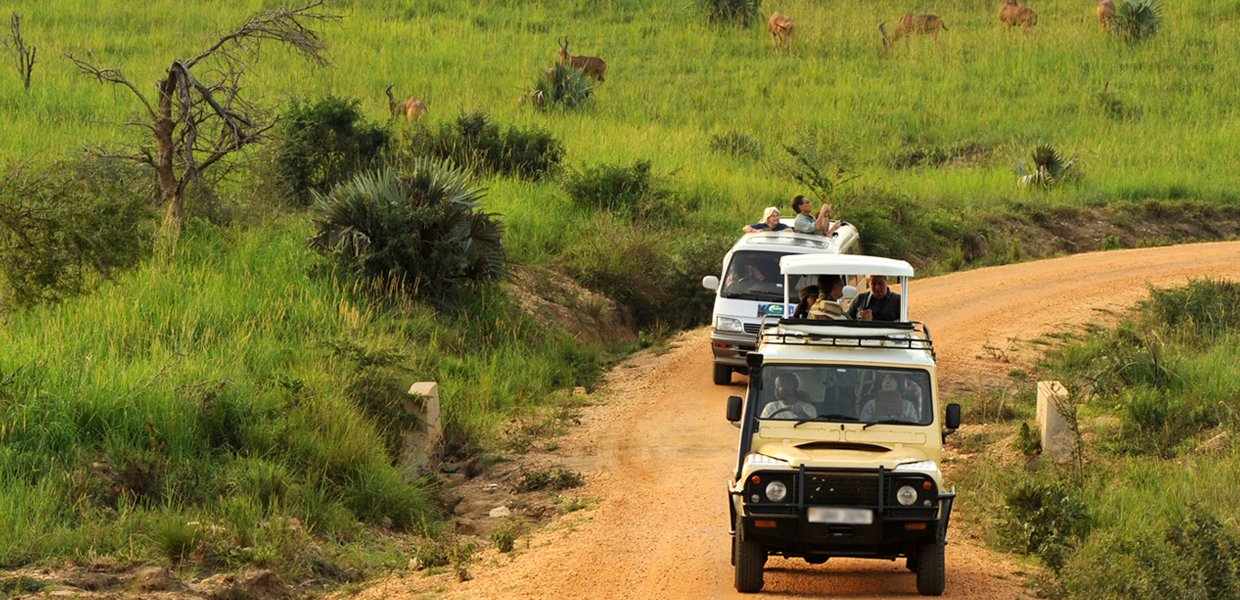
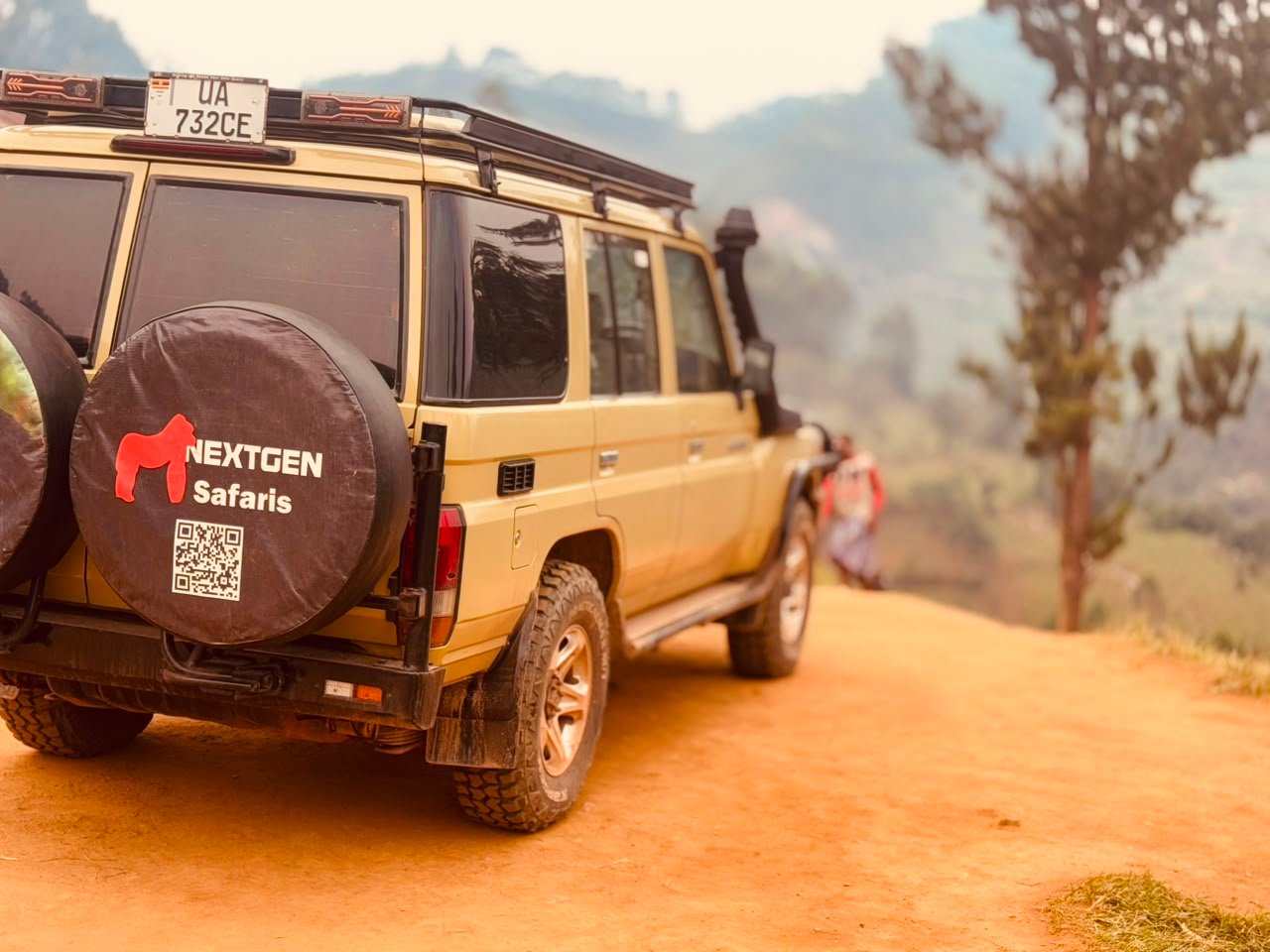
Driving in Uganda provides travellers with the freedom to explore destinations at their own pace while experiencing the country’s beautiful countryside, local communities, scenic routes, and hidden attractions. However, understanding local driving conditions is important because Uganda’s roads vary greatly between urban areas, highways, rural routes, and national park tracks. A well-prepared traveller can enjoy a safe and rewarding driving experience by understanding traffic rules, road conditions, vehicle requirements, and practical travel advice.
A detailed Uganda Driving Guide helps visitors understand important aspects of driving in Uganda, including whether foreigners can drive, how to obtain a temporary driving permit, road safety practices, fuel availability, navigation options, car rental advice, and the differences between self-driving and using a professional safari driver. This information is especially valuable for travellers planning independent adventures or considering hiring a vehicle during their Uganda holiday.
At Nextgen Safaris, we understand that transportation is one of the most important parts of any Uganda safari. While some travellers prefer the independence of self-driving, many choose professional driver-guided safaris because local drivers understand road conditions, wildlife areas, and travel routes. Our team provides safe and comfortable transportation solutions designed around each traveller’s needs, ensuring a smooth journey through Uganda.
Can Tourists Drive in Uganda?
Yes, international visitors can drive in Uganda, provided they have the necessary documents and meet the required driving regulations. Many travellers choose self-drive experiences because they enjoy flexibility, independence, and the opportunity to explore destinations at their own pace.
The Uganda Driving Guide recommends that visitors understand local driving conditions before choosing a self-drive adventure. While major highways connecting cities and towns are generally accessible, rural roads and routes leading to national parks may present additional challenges, especially during rainy seasons.
Foreign visitors can generally use their valid home country driving licence for a limited period, but travellers staying longer may need an international driving permit or additional documentation depending on their circumstances. Carrying your passport, driving licence, rental documents, and insurance information is highly recommended.
For travellers unfamiliar with Uganda’s roads, traffic patterns, or driving culture, hiring a professional driver-guide is often the most comfortable option. Local drivers provide valuable knowledge about routes, wildlife areas, road conditions, and safe travel practices.
Driving Side in Uganda
One of the most important things to understand in the Uganda Driving Guide is that Uganda drives on the left-hand side of the road. This means vehicles are generally right-hand-drive, and traffic flows differently from countries that drive on the right.
Visitors from countries that use right-hand traffic may need time to adjust, especially when entering busy areas such as Kampala. Paying attention at junctions, roundabouts, and overtaking situations is particularly important during the first days of driving.
Driving on the left side becomes easier with practice, but travellers should remain cautious when changing lanes, turning, or navigating unfamiliar roads. Rental companies usually provide basic guidance before handing over vehicles.
For safari travellers, understanding left-side driving is especially important because many national park routes involve narrow roads, uneven surfaces, and changing conditions.
Driving Conditions in Uganda
Road conditions in Uganda vary depending on location. Major highways connecting Kampala with other cities are generally paved and regularly used, while roads leading to rural communities and national parks can range from good gravel roads to rough tracks.
The Uganda Driving Guide recommends understanding that safari destinations often involve long-distance travel and different road environments. For example, reaching Bwindi Impenetrable National Park requires travelling through mountainous landscapes, while destinations such as Kidepo Valley National Park involve more remote roads.
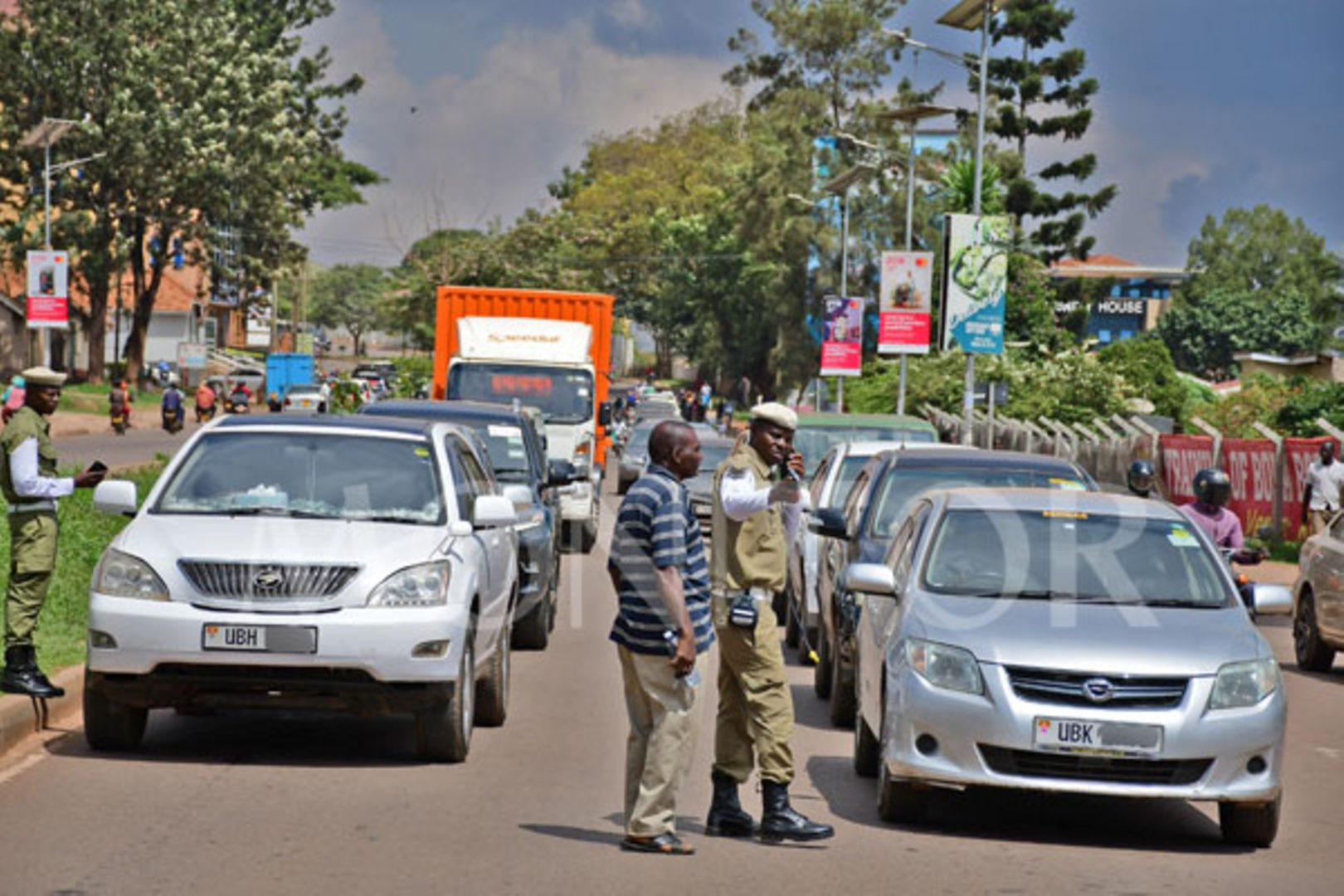
Urban areas such as Kampala experience heavy traffic, especially during peak hours. Congestion, motorcycles known as boda bodas, pedestrians, and busy intersections require increased attention from drivers.
Outside cities, roads are usually quieter, but drivers should still remain alert because of animals, pedestrians, bicycles, motorcycles, and changing road conditions.
Driving in Kampala and Major Cities
Driving in Kampala can be challenging for first-time visitors because of heavy traffic, busy streets, motorcycles, and crowded areas. The capital city has a fast-moving transport environment where patience and awareness are important.
The Uganda Driving Guide recommends that visitors unfamiliar with Kampala consider using a professional driver or arranged transfers rather than immediately attempting to drive themselves. Navigation, parking, and traffic patterns can be difficult for newcomers.
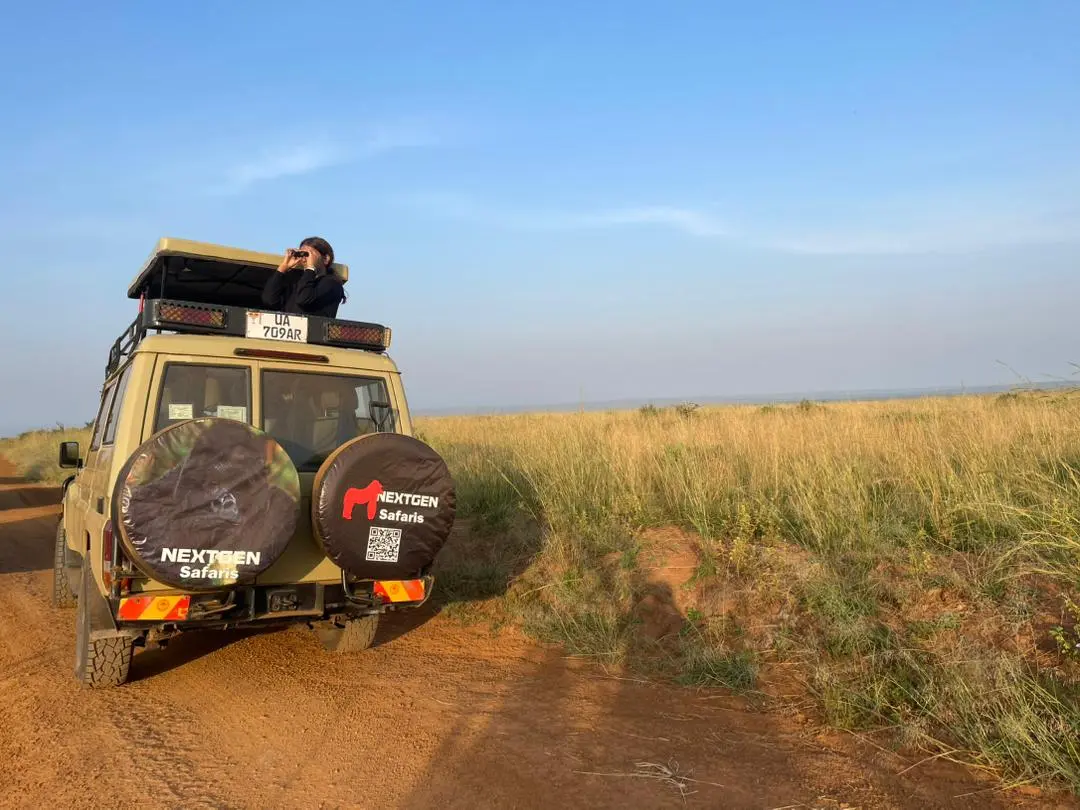
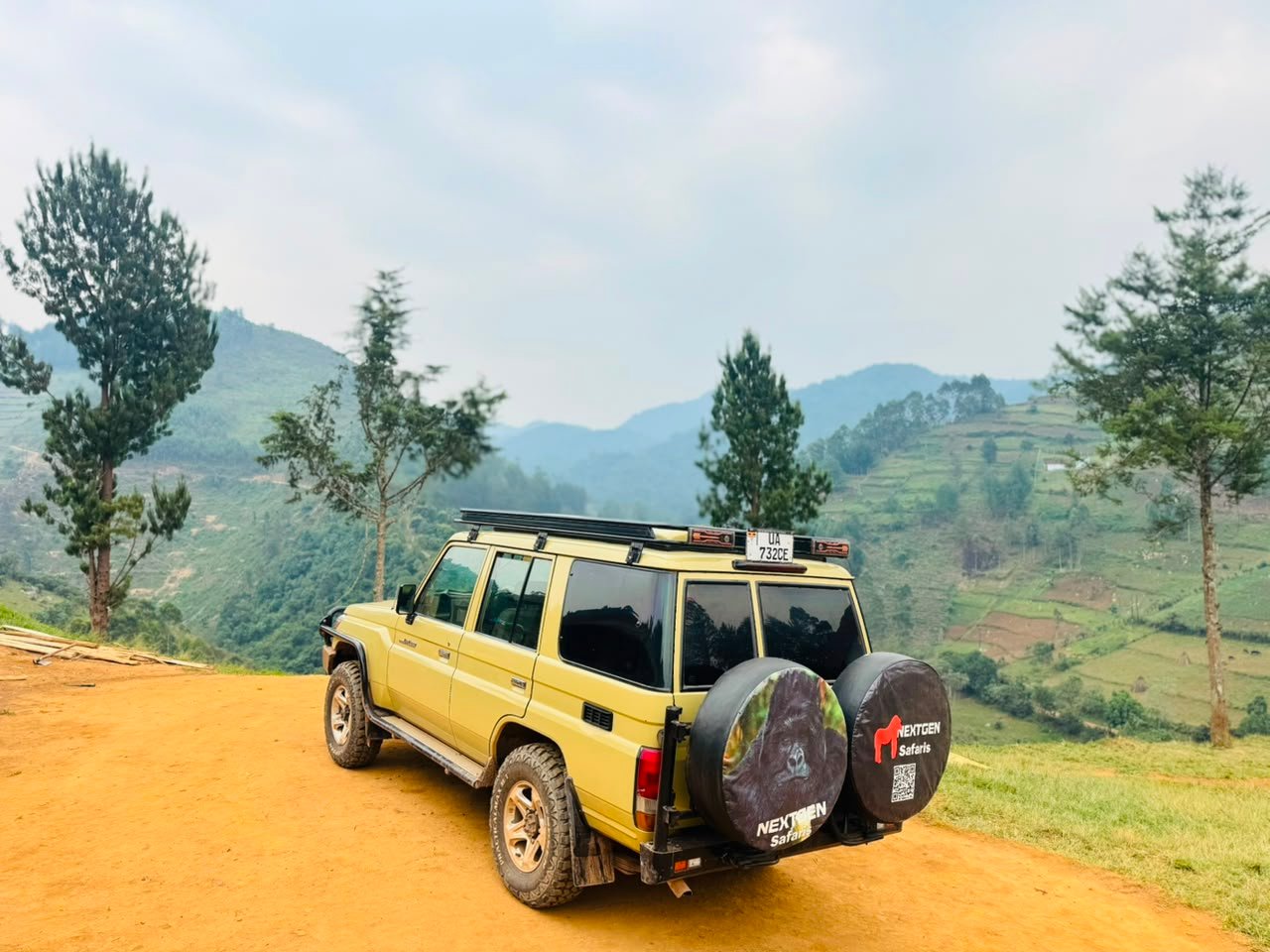
Traffic congestion is common during morning and evening rush hours. Travellers should allow extra time when travelling to important locations such as Entebbe International Airport, hotels, business meetings, or tour departure points.
Outside Kampala, cities such as Entebbe, Jinja, Fort Portal, and Mbarara generally offer easier driving conditions, making them more comfortable for travellers exploring Uganda by road.
Uganda Road Safety Tips for Visitors
Safety should always be the priority when driving in Uganda. The Uganda Driving Guide recommends following basic road safety practices to reduce risks and enjoy a comfortable journey.
Drivers should always wear seat belts, avoid using phones while driving, respect speed limits, and remain patient with other road users. Defensive driving is particularly important because road behaviour may differ from what visitors are familiar with in their home countries.
Travellers should avoid driving long distances at night whenever possible. Night driving can be more challenging because of limited lighting, pedestrians, animals, and unpredictable road conditions. Keeping doors locked in busy areas, securing valuables, and parking in safe locations are also recommended practices for visitors using rental vehicles.
Speed Limits in Uganda
Speed limits in Uganda vary depending on the type of road and location. Drivers should always follow posted signs and adjust their speed according to road conditions.
Urban areas generally have lower speed limits due to pedestrians, traffic congestion, and residential areas. Highways allow higher speeds but require caution because of changing conditions and other road users.
The Uganda Driving Guide recommends driving according to conditions rather than only focusing on speed limits. During rainy seasons, roads may become slippery, and rural routes may require slower speeds. Safari areas require particular caution because wildlife and domestic animals may cross roads unexpectedly.
Car Rental and Self-Drive in Uganda
Self-drive car rentals are available in Uganda, especially in Kampala and Entebbe. Travellers can choose from different vehicle types depending on their travel plans.
For city travel and normal road trips, standard vehicles may be sufficient. However, travellers planning national park visits should consider a strong 4×4 vehicle because many safari routes involve gravel roads, uneven terrain, and challenging conditions.
The Uganda Driving Guide recommends choosing reputable rental companies that provide properly maintained vehicles, insurance coverage, emergency support, and clear rental agreements.
Before accepting a rental vehicle, travellers should inspect the vehicle carefully, confirm insurance details, understand fuel policies, and ensure they have emergency contacts.
Best Vehicles for Driving in Uganda
The type of vehicle needed depends on your travel plans. Travellers exploring Uganda’s cities and main highways may use ordinary vehicles, but safari destinations often require stronger vehicles.
A 4×4 vehicle is highly recommended for destinations such as Bwindi, Kidepo Valley, Queen Elizabeth National Park, and Murchison Falls National Park.
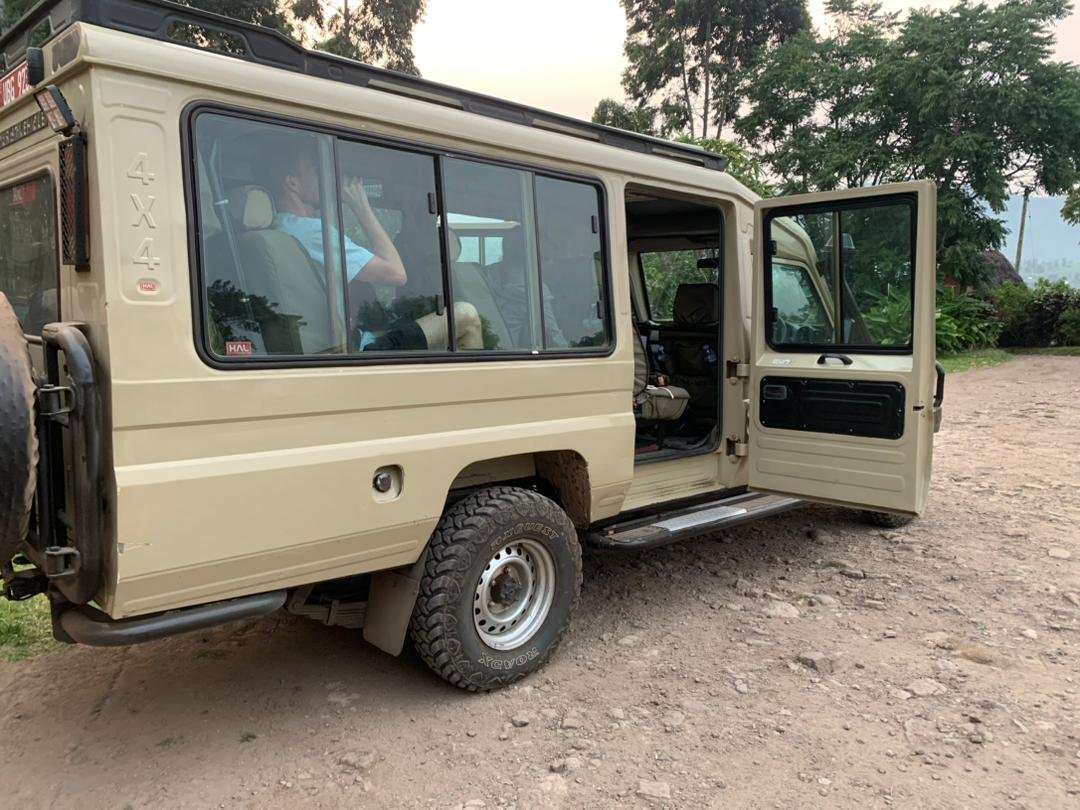
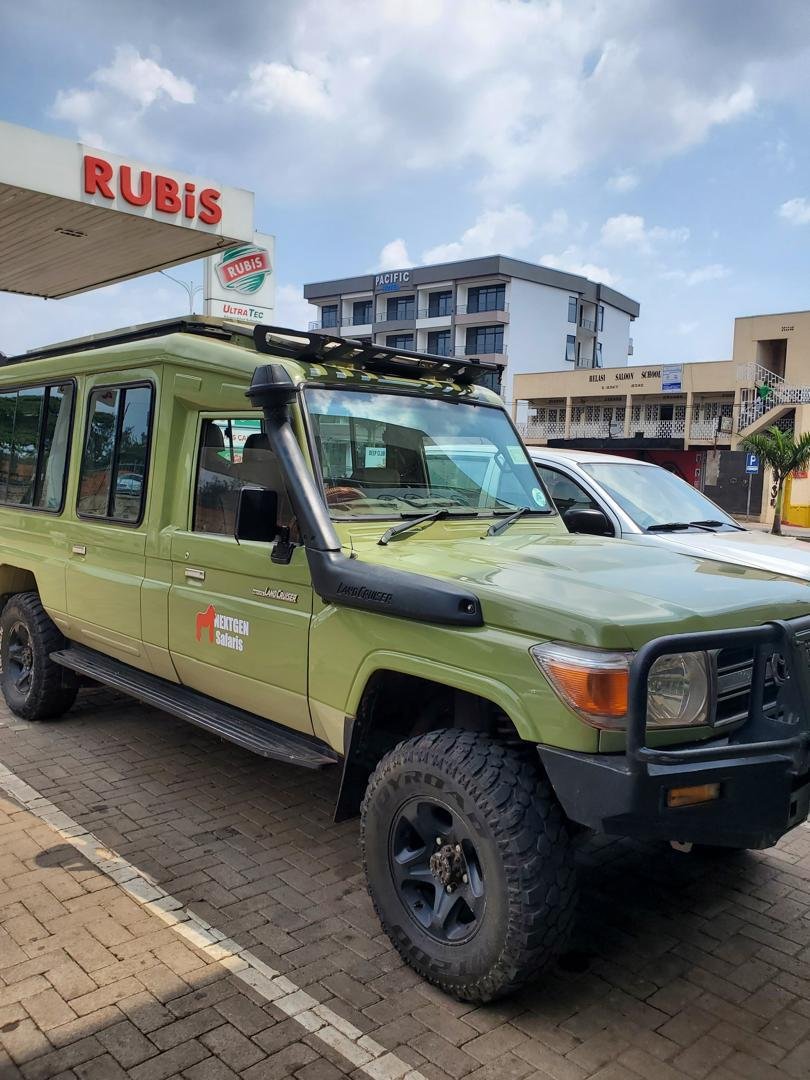
Safari vehicles are designed to handle different terrains while providing better comfort and reliability. They are especially useful during rainy seasons when roads may become muddy or difficult. At Nextgen Safaris, our safari vehicles are selected to provide comfort, safety, and reliability throughout Uganda’s diverse landscapes.
Driving to Uganda National Parks
Many of Uganda’s national parks are accessible by road, making driving an important part of safari experiences. However, distances between destinations can be significant.
For example, travelling from Entebbe to Bwindi may involve several hours of driving through changing landscapes, while reaching Murchison Falls requires travelling north through rural regions.

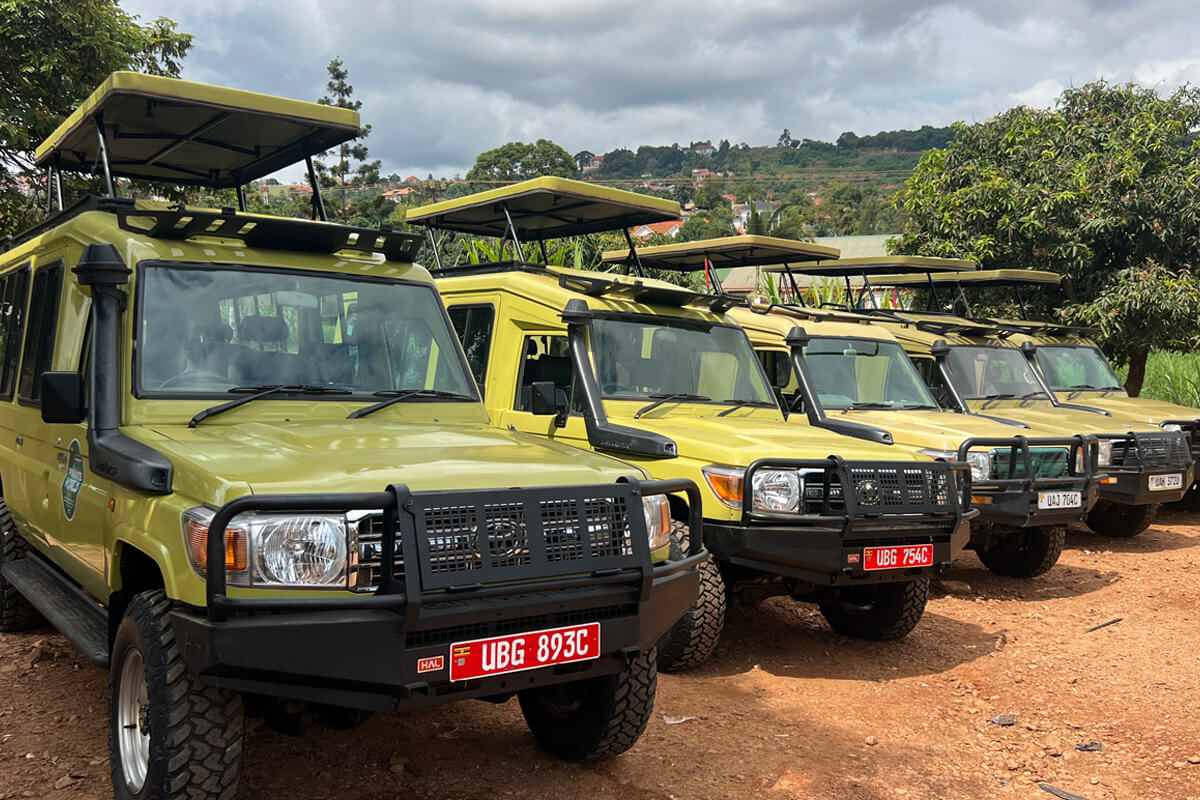
The Uganda Driving Guide recommends planning realistic travel times because distances can appear shorter on maps than they feel on actual roads.
Professional safari drivers provide an advantage because they understand routes, rest stops, fuel locations, and the best ways to manage long journeys.
Fuel Availability in Uganda
Fuel stations are widely available in cities, towns, and along major highways. However, travellers visiting remote safari destinations should plan carefully because fuel stations may be limited in isolated areas.
The Uganda Driving Guide recommends keeping the fuel tank sufficiently filled, especially when travelling through remote regions or national parks.
Major towns usually have petrol stations offering petrol and diesel. Travellers should avoid waiting until the last moment before refuelling during long journeys. Safari operators plan fuel stops carefully to ensure vehicles remain reliable throughout the journey.
Navigation and GPS Use in Uganda
Navigation tools are extremely useful for travellers driving in Uganda. Mobile applications such as Google Maps and offline navigation apps can help visitors understand routes and distances. However, travellers should not depend entirely on digital navigation because some remote roads may have limited information or changing conditions.
The Uganda Driving Guide recommends downloading offline maps before travelling to areas with weaker internet coverage. Local knowledge remains extremely valuable, especially when visiting national parks where entrance gates, routes, and wildlife areas may not always be accurately represented online.
Self-Drive Safari vs Driver-Guided Safari in Uganda
Travellers often ask whether they should choose self-drive or a driver-guided safari. Both options have advantages depending on travel style and experience. Self-drive provides independence and flexibility, allowing travellers to create their own schedules. It can be rewarding for experienced drivers who enjoy adventure and exploration.
However, driver-guided safaris provide comfort, safety, and expert knowledge. Local drivers understand wildlife behaviour, park regulations, road conditions, and hidden attractions that visitors may miss. For first-time visitors, families, honeymoon travellers, and travellers focused on gorilla trekking or wildlife experiences, a professional driver-guide is often the preferred choice.
Driving During the Rainy Season in Uganda
Uganda’s rainy seasons can affect driving conditions, especially on rural roads and safari routes. Heavy rainfall may create muddy sections, slippery surfaces, and slower travel times. The Uganda Driving Guide recommends extra caution during rainy periods and using appropriate vehicles for challenging conditions.
Travellers should allow additional travel time and avoid rushing between destinations. Experienced safari drivers understand how to adjust routes and schedules according to weather conditions.
Why Choose Nextgen Safaris for Uganda Road Travel?
A successful Uganda safari requires reliable transportation, experienced drivers, and proper route planning. At Nextgen Safaris, we provide professional safari transportation designed around safety, comfort, and unforgettable experiences.
Our experienced driver-guides understand Uganda’s roads, national parks, wildlife areas, and travel conditions. They provide more than transportation by sharing local knowledge and helping travellers discover hidden parts of Uganda.
Whether you are planning gorilla trekking, wildlife safaris, family holidays, honeymoon experiences, or luxury adventures, our team ensures your journey is smooth from arrival to departure.
Frequently Asked Questions About Uganda Driving Guide
1. Can tourists drive in Uganda?
Yes, tourists can drive in Uganda if they have a valid driving licence and meet the required requirements. Many international visitors choose to explore Uganda through self-drive adventures because it provides flexibility and independence.
The Uganda Driving Guide recommends that travellers understand local driving conditions before choosing self-drive. While major highways are generally accessible, roads leading to national parks and remote areas can be challenging, especially for visitors unfamiliar with Uganda’s terrain and traffic patterns.
2. Does Uganda drive on the left or right side of the road?
Uganda drives on the left-hand side of the road. This means vehicles are usually right-hand-drive, and traffic flows differently from countries that drive on the right.
The Uganda Driving Guide recommends that visitors take extra care when joining traffic, navigating roundabouts, overtaking, and driving in busy urban areas such as Kampala. Travellers from countries with different driving systems may need some time to adjust.
3. Do I need an international driving permit to drive in Uganda?
Many visitors can use their valid home country driving licence for a limited period, while others may require an International Driving Permit depending on their circumstances and country of origin.
The Uganda Driving Guide recommends carrying your original driving licence, passport, rental documents, and insurance information whenever driving in Uganda. Travellers planning longer stays should confirm the specific requirements before arrival.
4. Is it safe to drive in Uganda as a foreign visitor?
Yes, driving in Uganda can be safe for foreign visitors when proper precautions are followed. However, travellers should understand that driving conditions may differ from what they are used to in their home countries.
The Uganda Driving Guide recommends defensive driving, avoiding unnecessary night travel, respecting speed limits, and remaining alert because of motorcycles, pedestrians, animals, and changing road conditions.
For many first-time visitors, hiring a professional driver-guide is a safer and more comfortable option.
5. Is self-driving recommended for Uganda safaris?
Self-driving is possible in Uganda, but whether it is recommended depends on your experience and travel plans. Experienced drivers who enjoy adventure may appreciate the freedom of exploring Uganda independently.
However, many safari travellers prefer a professional driver-guide because national parks often involve remote roads, wildlife areas, and unfamiliar terrain.
The Uganda Driving Guide recommends considering a guided safari if you are visiting Uganda for gorilla trekking, wildlife safaris, or travelling long distances between destinations.
6. What type of vehicle do I need for driving in Uganda?
The type of vehicle required depends on your itinerary. Standard vehicles may be suitable for cities and major highways, but a 4×4 vehicle is highly recommended for national parks and remote destinations.
The Uganda Driving Guide explains that areas such as Bwindi Impenetrable National Park, Kidepo Valley National Park, and Murchison Falls National Park often involve gravel roads, uneven terrain, and changing conditions.
A reliable 4×4 provides better comfort, safety, and performance during safari journeys.
7. Can I drive to Uganda national parks?
Yes, many Uganda national parks can be accessed by road. Driving allows travellers to experience Uganda’s beautiful landscapes, rural communities, and scenic routes along the way.
However, distances between destinations can be long, and some park roads require careful navigation. The Uganda Driving Guide recommends planning realistic travel times and preparing properly before driving to destinations such as Bwindi, Kibale, Queen Elizabeth National Park, and Murchison Falls National Park.
8. How are roads in Uganda?
Road conditions in Uganda vary depending on location. Major highways connecting cities and towns are generally paved, while rural roads and national park routes may include gravel, dirt roads, or uneven sections. The Uganda Driving Guide recommends adjusting your driving speed according to road conditions and weather. During rainy seasons, some roads may become muddy or slippery. Travellers should allow extra time when travelling between safari destinations.
9. Is driving in Kampala difficult for tourists?
Driving in Kampala can be challenging for first-time visitors because of heavy traffic, motorcycles known as boda bodas, pedestrians, and busy streets. The Uganda Driving Guide recommends that visitors unfamiliar with Kampala consider using airport transfers or professional drivers instead of immediately attempting to navigate the city. Outside Kampala, driving conditions are generally more relaxed, especially in smaller towns and rural areas.
10. Can I rent a car in Uganda?
Yes, visitors can rent cars in Uganda, including standard vehicles and 4×4 safari vehicles. Rental options are available mainly in Kampala and Entebbe. The Uganda Driving Guide recommends choosing a reputable rental company that provides well-maintained vehicles, insurance coverage, emergency support, and clear rental agreements. Before accepting a vehicle, travellers should inspect it carefully and confirm all rental conditions.
11. Is night driving safe in Uganda?
Night driving in Uganda is generally not recommended, especially for visitors unfamiliar with local roads. Reduced visibility, limited road lighting, pedestrians, animals, and changing road conditions can make driving more challenging after dark.
The Uganda Driving Guide recommends planning journeys during daylight hours whenever possible, particularly when travelling to rural areas and national parks. Professional safari drivers usually schedule transfers to maximise safety and comfort.
12. Are fuel stations available throughout Uganda?
Fuel stations are available in major towns, cities, and along important highways. However, remote areas may have fewer fuel options. The Uganda Driving Guide recommends keeping your fuel tank sufficiently filled, especially when travelling to remote safari destinations or national parks. Safari operators plan fuel stops carefully to ensure vehicles remain reliable throughout long journeys.
13. Can I use GPS when driving in Uganda?
Yes, GPS navigation apps such as Google Maps can be useful when driving in Uganda. They help travellers understand routes, distances, and travel times.
However, the Uganda Driving Guide recommends not relying entirely on GPS, especially in remote areas where maps may not always provide complete information. Local knowledge remains valuable, particularly when accessing national parks and rural destinations.
14. Should I choose a self-drive safari or a driver-guided safari in Uganda?
Both options have advantages depending on your travel style. Self-drive provides independence and flexibility, while a driver-guided safari offers convenience, safety, and expert local knowledge.
The Uganda Driving Guide recommends driver-guided safaris for first-time visitors, families, honeymoon travellers, and those planning gorilla trekking or extensive wildlife experiences. A professional driver-guide understands roads, wildlife behaviour, park regulations, and the best routes.
15. Why choose Nextgen Safaris for transportation during a Uganda safari?
Choosing Nextgen Safaris ensures your journey is supported by experienced local driver-guides, reliable safari vehicles, and carefully planned routes.
Our team understands Uganda’s roads, national parks, border routes, and travel conditions. We provide comfortable and safe transportation for gorilla trekking, chimpanzee tracking, wildlife safaris, family holidays, and luxury adventures.
With Nextgen Safaris, travellers can relax and enjoy Uganda’s incredible landscapes while our experts handle the driving and logistics.
Book Your Uganda Safari Adventure Today
Understanding the Uganda Driving Guide helps travellers make informed decisions about transportation and road travel during their Uganda adventure. Whether you choose self-driving or a professional safari experience, proper preparation ensures a safer and more enjoyable journey.
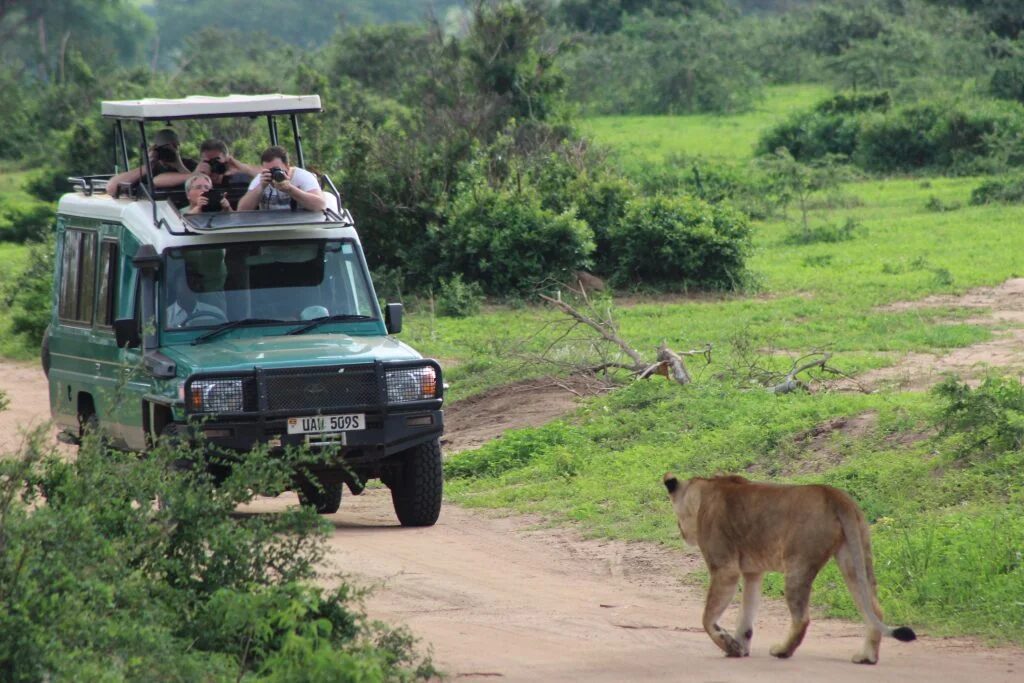
Uganda offers incredible road experiences, from scenic countryside routes to unforgettable journeys through national parks and wildlife landscapes. At Nextgen Safaris, we create personalised Uganda safari experiences with reliable transportation, expert planning, and local knowledge. Contact us today and let us help you explore the Pearl of Africa comfortably and confidently.