
Understanding Masai People and their Way of Life
Ultimate Understanding Masai People and their Way of Life | Culture, Traditions and Modern Maasai Society
Understanding Masai People and their Way of Life opens a fascinating window into one of East Africa’s best-known yet frequently oversimplified cultures. The Maasai, whose name is also commonly written as “Masai” in travel searches, are a Maa-speaking people whose communities are found principally across southern Kenya and northern Tanzania. Their history is closely connected with pastoralism, cattle, extensive rangelands, family relationships, age-set institutions, ceremonial traditions and a remarkable ability to adapt to major economic and environmental changes without simply abandoning cultural identity. The red shuka, intricate beadwork, cattle herds and famous jumping dances seen in photographs represent genuine elements of Maasai culture, but they are only a small part of a much deeper and constantly evolving society.
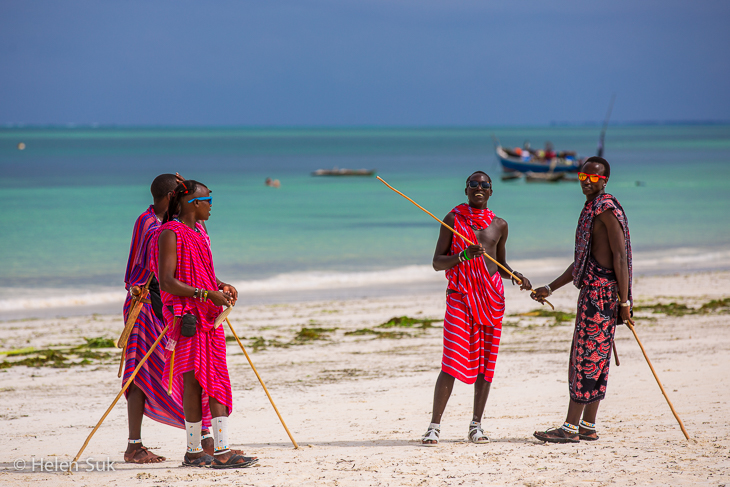
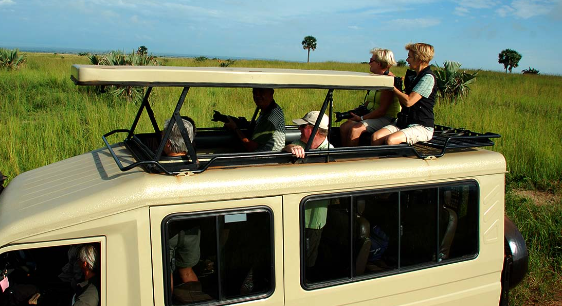
For travelers visiting Kenya or Tanzania with NextGen Safaris, a thoughtfully arranged cultural encounter can add a human dimension to a safari otherwise dominated by game drives and wildlife photography. The landscapes surrounding the Maasai Mara, Amboseli, Ngorongoro and sections of the Serengeti are not simply empty wildernesses surrounding tourist lodges. They are also cultural landscapes in which pastoral communities have lived, moved livestock, raised families and developed sophisticated knowledge of seasons, grazing and wildlife over generations.Understanding Masai People and their Way of Life Contemporary Maasai communities are diverse, however, and no single village or family represents every Maasai person in Kenya and Tanzania. National Geographic’s recent reporting from southern Kenya similarly emphasizes that Maasai life exists alongside modern conservation, tourism, education and changing economic opportunities rather than outside them.
NextGen Safaris can incorporate respectful cultural experiences into a Kenya or Tanzania itinerary alongside the Serengeti National Park Safari Guide, a 3 Days Masai Mara Safari, the 14 Days Tanzania, Kenya and Uganda Safari or a customized East African journey that combines wildlife with meaningful community encounters.
Who Are the Maasai People?
Understanding Masai People and their Way of Life begins with recognizing that the Maasai are a living East African society rather than a historical exhibit preserved unchanged for visitors. Understanding Masai People and their Way of Life, They are commonly identified as Nilotic pastoralists and are found primarily across southern Kenya and northern Tanzania. The National Museums of Kenya describes a long history of southward movement into what are now Kenya and Tanzania, with Maasai communities becoming established across the region that today contains some of East Africa’s most famous wildlife areas. Contemporary Maasai populations are spread across numerous local sections and communities, and lifestyles differ according to location, access to land, schooling, employment, religion, family history and exposure to urban economies.
The word “Maasai” is generally preferred in anthropological and cultural writing, although “Masai” remains extremely common in tourism searches and geographic names such as Masai Mara. The language spoken traditionally is Maa, although many people today also speak Swahili, English or other regional languages according to where they live and work. Language remains an important part of cultural continuity because stories, songs, proverbs, livestock knowledge and community histories have traditionally been transmitted orally between generations.
It is therefore inaccurate to imagine every Maasai person as a semi-nomadic cattle herder living in an isolated rural settlement. Pastoralism remains central to cultural identity in many areas, yet Maasai people today are also teachers, conservationists, safari guides, business owners, political leaders, farmers, students, hospitality professionals and urban workers. The culture continues because people adapt it rather than because they remain disconnected from change.
The Historical Homeland of the Maasai
The landscapes associated with Maasai history stretch across a broad section of the East African Rift, particularly areas of southern Kenya and northern Tanzania. These territories overlap with some of the continent’s most recognizable safari destinations, including the Maasai Mara ecosystem, Amboseli and the wider landscapes surrounding northern Tanzania’s Ngorongoro and Serengeti region. The overlap between cultural territory and wildlife habitat explains why travelers so frequently encounter Maasai communities when travelling on safari.
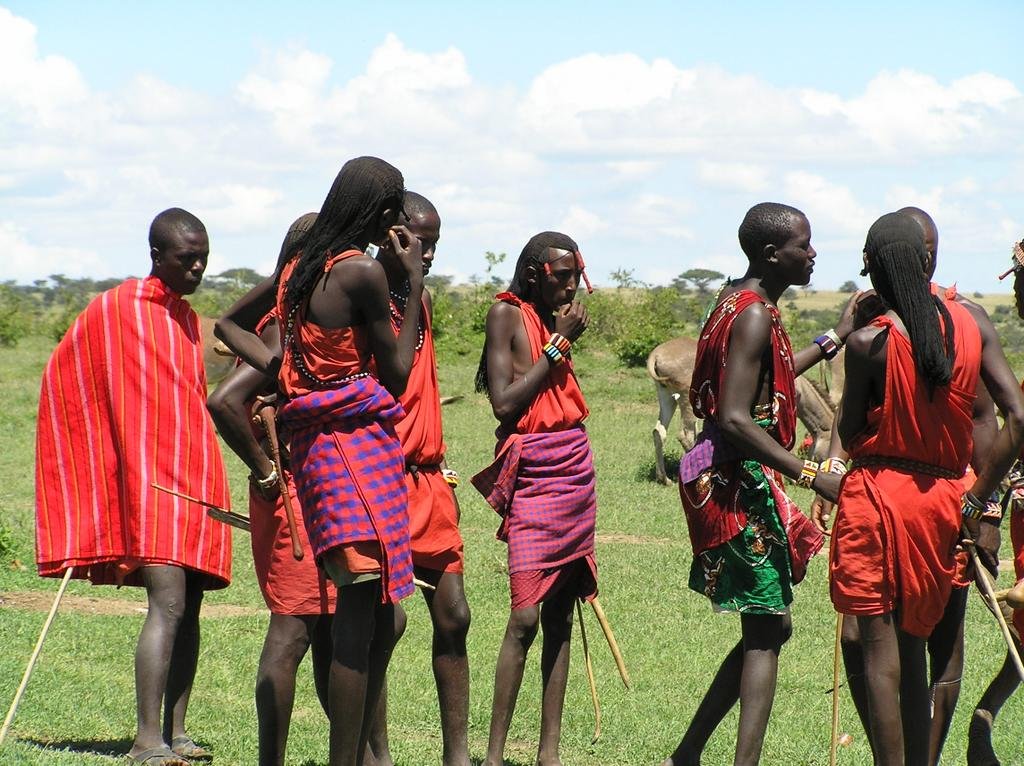
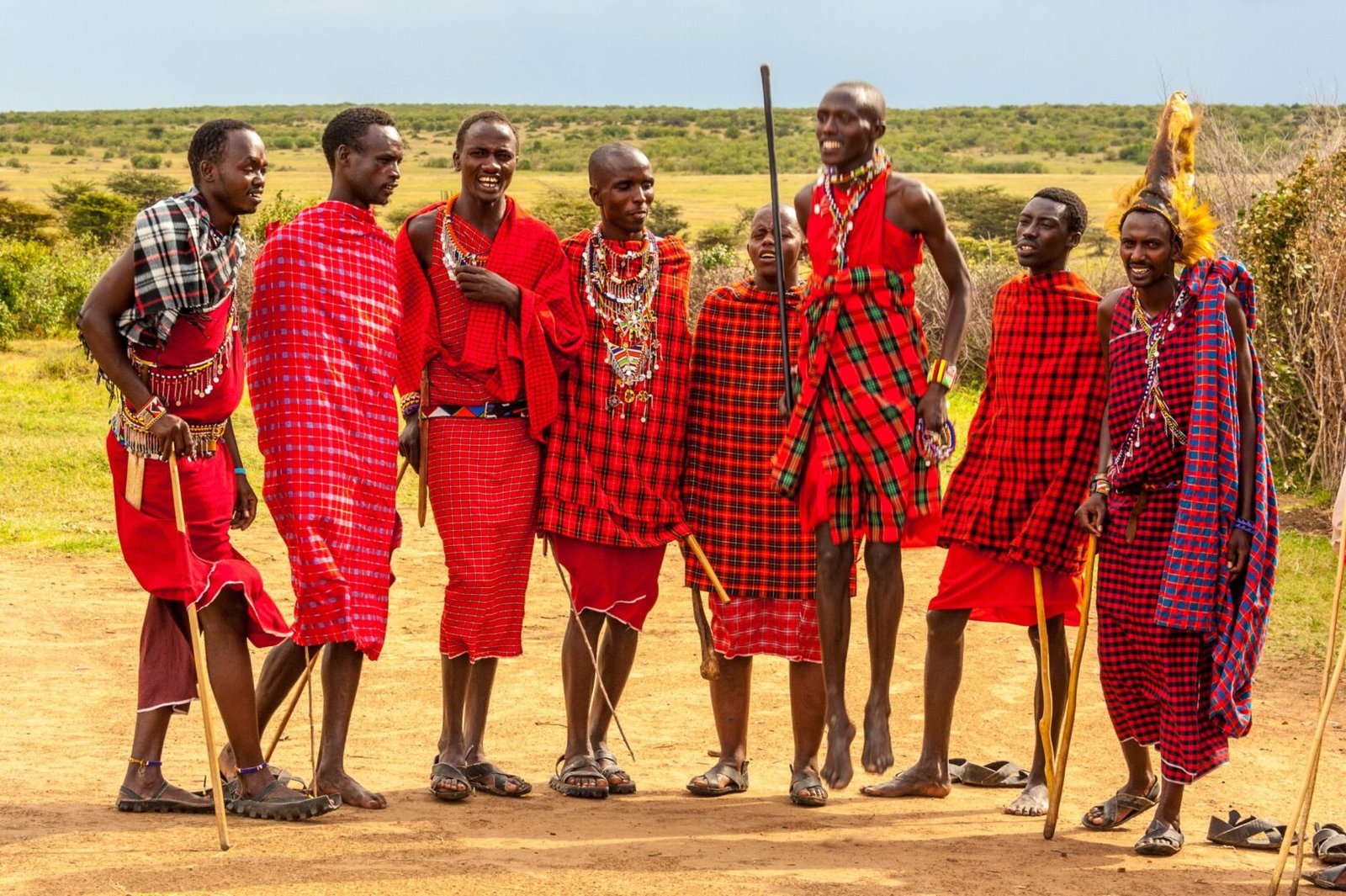
This connection can be seen clearly on a 3 Days Serengeti Safari, where the road from the Ngorongoro Highlands toward Serengeti crosses landscapes associated with Maasai settlement and livestock keeping. NextGen Safaris also incorporates cultural encounters into the 14 Days Tanzania, Kenya and Uganda Safari, allowing guests to see that the Great Migration landscape is also a human landscape with a complex cultural history.
Historically, control of land and access to grazing were fundamental because pastoralism depends upon mobility. Understanding Masai People and their Way of Life, Livestock must be able to reach water and seasonal pasture, particularly in dry environments where grass does not remain equally productive throughout the year. Colonial land policies, national parks, privatization, farming, urban expansion and modern land subdivision have all altered this system. Indigenous-rights organizations continue to document disputes involving land access and tenure among pastoral communities in Kenya and Tanzania. Understanding the Maasai therefore requires understanding land. Livestock, wildlife, family wealth, drought resilience and cultural practice are all influenced by whether sufficient grazing territory remains accessible.
Cattle at the Heart of Traditional Maasai Life
Few subjects are as central to Understanding Masai People and their Way of Life as cattle. Understanding Masai People and their Way of Life, Traditionally, cattle have represented food, household wealth, security, social relationships and cultural prestige. Livestock also connect families to the environment because successful pastoralism requires intimate knowledge of water sources, grazing conditions, rainfall and seasonal movement.
A visitor seeing large herds of cattle beside a road may interpret them simply as farm animals. Understanding Masai People and their Way of Life Within pastoral life, however, every herd represents accumulated family investment and generations of livestock knowledge. Herd composition can include cattle, goats and sheep, while households make strategic decisions about grazing, breeding, sale and movement according to environmental and economic conditions.
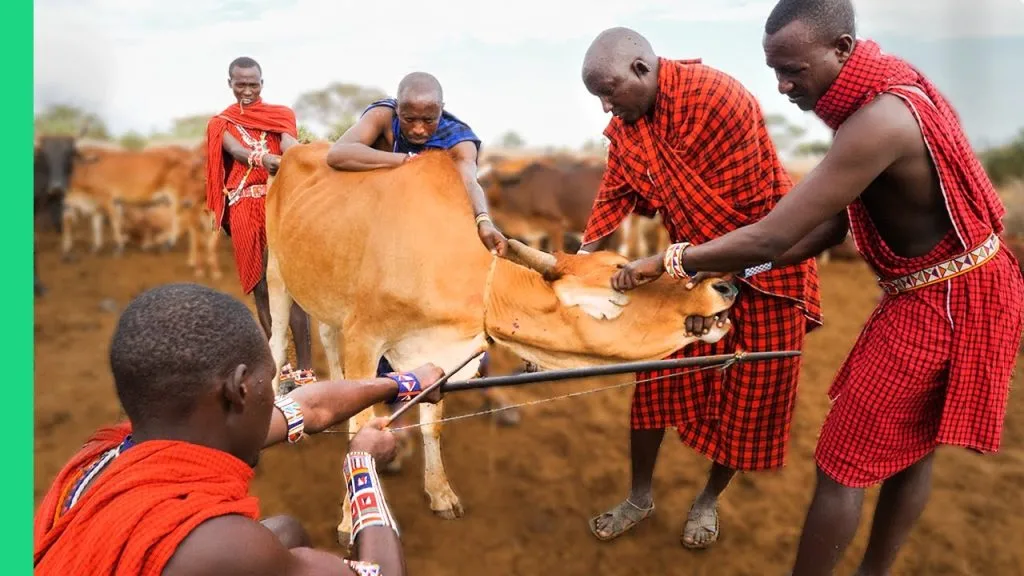
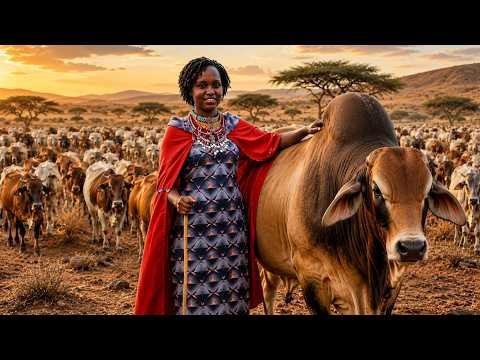
Milk has historically been especially important in Maasai diets, while meat is associated with particular occasions and circumstances. Contemporary diets are far more varied than simplified tourist descriptions often suggest. Understanding Masai People and their Way of Life Maize meal, rice, vegetables, tea, purchased foods and locally available produce are common in many communities. Families living closer to towns and markets may have diets that differ significantly from those in more remote pastoral areas.
Pastoralism should also not be confused with random wandering. It is an adaptive livestock-production system suited to landscapes where rainfall and pasture vary considerably across seasons. IWGIA notes that pastoralists make productive use of environments that can be difficult for sedentary agriculture, while also emphasizing the pressures created when mobility and access to communal resources are restricted.
Maasai Homesteads and Traditional Housing
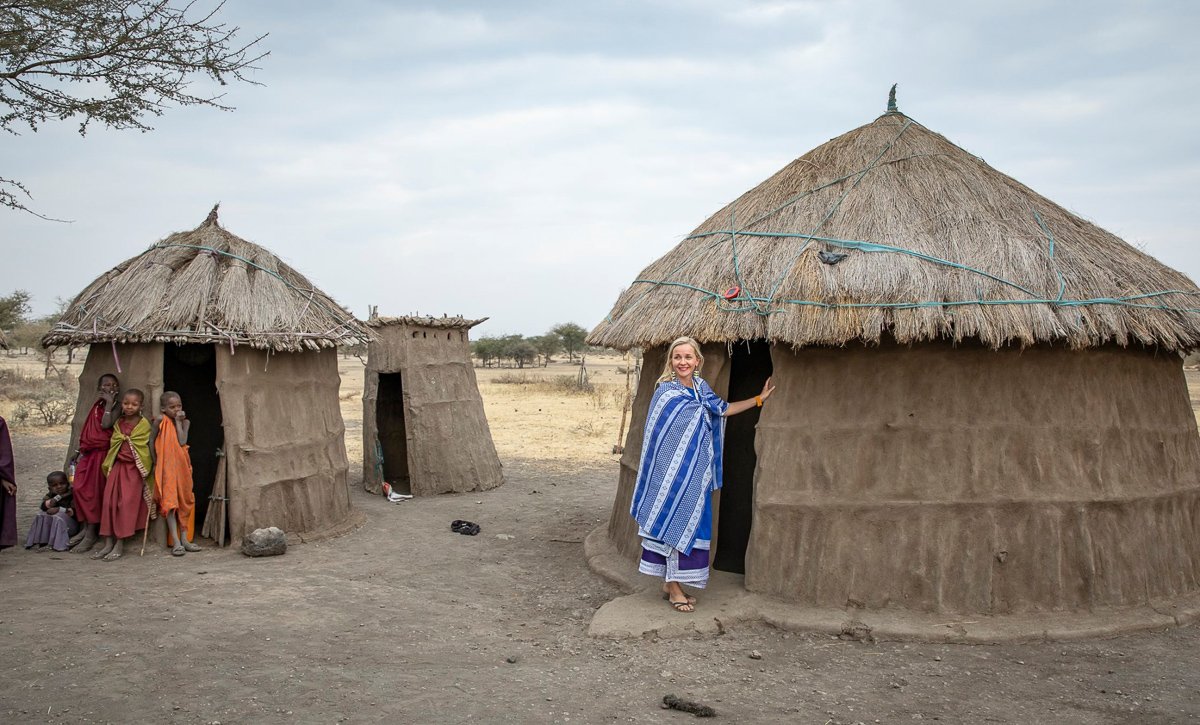
A traditional Maasai settlement is often described using terms such as enkang or boma, depending on local usage and the language of the speaker. Rather than representing one individual household in the modern urban sense, such settlements traditionally organize domestic life, livestock security and family relationships within a shared enclosure.
Traditional houses have historically been constructed from locally available materials such as sticks, mud, grass and cattle dung. Understanding Masai People and their Way of Life The National Museums of Kenya notes that Maasai houses are traditionally built by women, while ceremonial settlements known as emanyattas may be constructed for important social events and rites of passage.
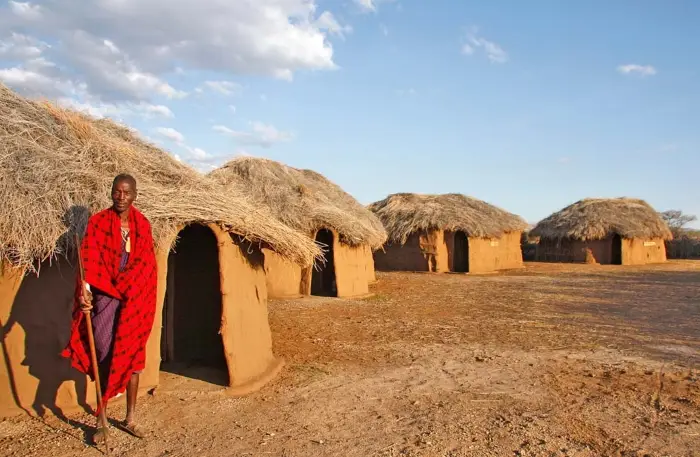
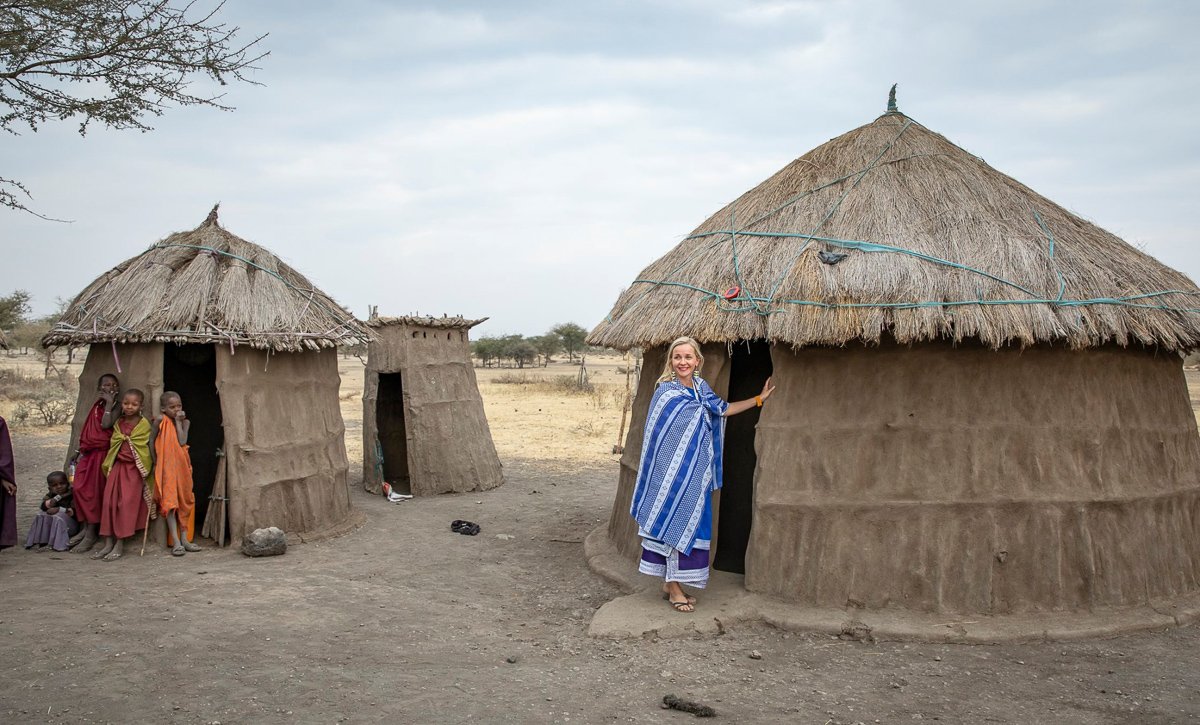
The arrangement of a settlement reflects the practical realities of pastoral life. Livestock security is important, particularly at night, while the surrounding landscape must allow people and animals to move efficiently between water, grazing and home. In some communities, traditional homes remain common, while in others they stand beside newer houses built from timber, stone, concrete or metal roofing.
This variation is important for travelers to understand. Understanding Masai People and their Way of Life, A genuine cultural visit should not require a community to appear frozen in the nineteenth century in order to feel “authentic.” A Maasai family can own a mobile phone, send children to school, use modern building materials and still maintain strong Maasai identity.
The Maa Language and Oral Tradition
The Maa language is one of the strongest cultural links connecting Maasai communities across national boundaries. Language carries far more than simple conversation. Understanding Masai People and their Way of Life, It holds names for livestock, relationships, landscape features, age groups, ceremonies, moral values and knowledge that may not translate perfectly into English or Swahili.
Oral communication has traditionally played a central role in transferring history and cultural knowledge. Songs, stories and spoken teachings communicate ideas about leadership, bravery, family responsibility, livestock, weather and community memory. National Geographic has documented how song and dance continue to transmit cultural knowledge across generations in Maasai communities, even as younger people increasingly participate in formal education and modern employment.
Travelers may hear Maa during a cultural visit and then notice guides moving effortlessly between Maa, Swahili and English. This multilingual ability reflects contemporary East Africa rather than cultural loss. Language adapts to the environment in which people live.
Maasai Age Sets and Social Organization
One of the most distinctive features of traditional Maasai social organization is the age-set system. Rather than understanding adulthood only as an individual transition, Maasai societies historically grouped people into generations and age categories carrying different responsibilities and levels of authority.
The role of moran, commonly translated as warrior, has become particularly famous through tourism imagery. Historically, young men entered this phase as part of a wider age-set transition involving responsibilities toward community protection, livestock and social life. As individuals grew older, they progressed toward elderhood, when authority and responsibility increasingly shifted toward community decision-making and guidance.
UNESCO recognizes three interconnected Maasai male rites of passage—Enkipaata, Eunoto and Olng’esherr—as intangible cultural heritage in need of urgent safeguarding. UNESCO explains that these ceremonies help transmit responsibility, livestock knowledge, conflict-management skills, traditions and social values from one age set to another. The organization also notes that the continuation of these practices is affected by economic change, land-tenure reform, agriculture and climate pressures on cattle-based livelihoods.
Modern life has altered how these institutions function. Formal schooling, employment, Christianity, urban residence and national law all influence contemporary age-set practices. Different communities may therefore observe traditions differently, and cultural explanations offered during a safari should avoid implying that every Maasai individual follows identical ceremonies.
Maasai Clothing and the Famous Shuka
The brightly colored shuka is one of the most recognizable visual symbols of East Africa. Visitors frequently associate Maasai clothing with brilliant red, but blue, purple, black, checked and striped fabrics are also widely worn. The wrapped cloth has become so visually associated with Maasai identity that it appears in almost every tourism photograph of the community.
Clothing, however, has changed considerably over time. Earlier dress included leather and hides, while manufactured textiles became increasingly prominent through trade and economic change. The Lam Museum of Anthropology documents this shift in Maasai ceremonial clothing, noting the increasing replacement of hides with manufactured fabrics during the twentieth century.
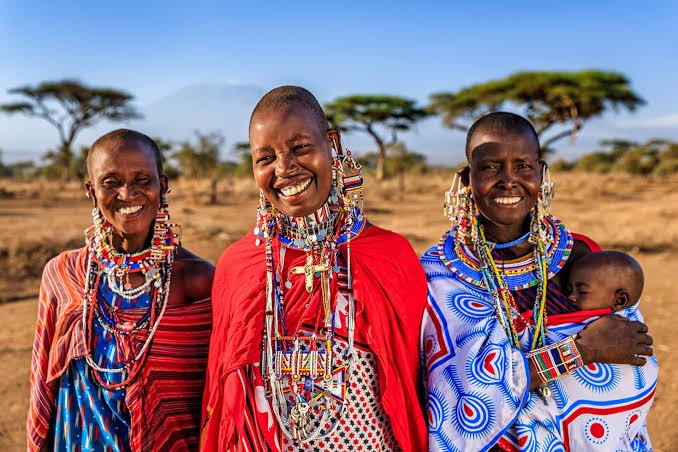
Today clothing varies by setting. A person may wear traditional dress for ceremonies, community events, guiding or cultural presentations while wearing jeans, shirts, suits, school uniforms or other modern clothes on another day. These choices are not contradictions. Culture is expressed through context, identity and social participation rather than through one permanent costume.
For photographers, respectful behavior matters. Always ask before taking close portraits during community visits, particularly of children or ceremonial events. A visit should be an interaction between people, not an opportunity to treat residents as photographic objects.
The Meaning and Beauty of Maasai Beadwork
Beadwork provides one of the richest areas for Understanding Masai People and their Way of Life because jewelry can communicate beauty, identity, relationships, age, life stage and ceremonial context. Maasai women are particularly associated with beadwork production, often learning techniques through family and community networks.
Museum collections show that beading has long been both artistic and social. The Lam Museum notes that Maasai women traditionally create beaded accessories while participating in social activity and that sales of beadwork have also become an important source of household income.
Colors can carry symbolic meanings, but visitors should be cautious about overly rigid charts claiming that every color always means exactly the same thing everywhere. Meanings vary across location, family, occasion and time. Beadwork itself also evolves. Modern artisans may produce ceremonial pieces alongside bracelets, belts, earrings and decorative items designed for tourism markets.
Buying directly from women’s associations or community artisans can be one of the more meaningful ways to spend during a cultural visit. The transaction provides direct economic value while allowing travelers to appreciate the skill and time required to create each item.
Maasai Singing, Dancing and the Adumu
One of the most famous cultural images associated with the Maasai is the jumping dance commonly called adumu. During performances, participants may form a group while individuals jump vertically, accompanied by rhythmic singing and vocal responses.
Tourism has made the jumping performance internationally recognizable, but it should not be presented as if Maasai life consists of people jumping for visitors every afternoon. Song and dance occur within broader social and ceremonial contexts, and specific performances have meanings connected with age, occasion and community.
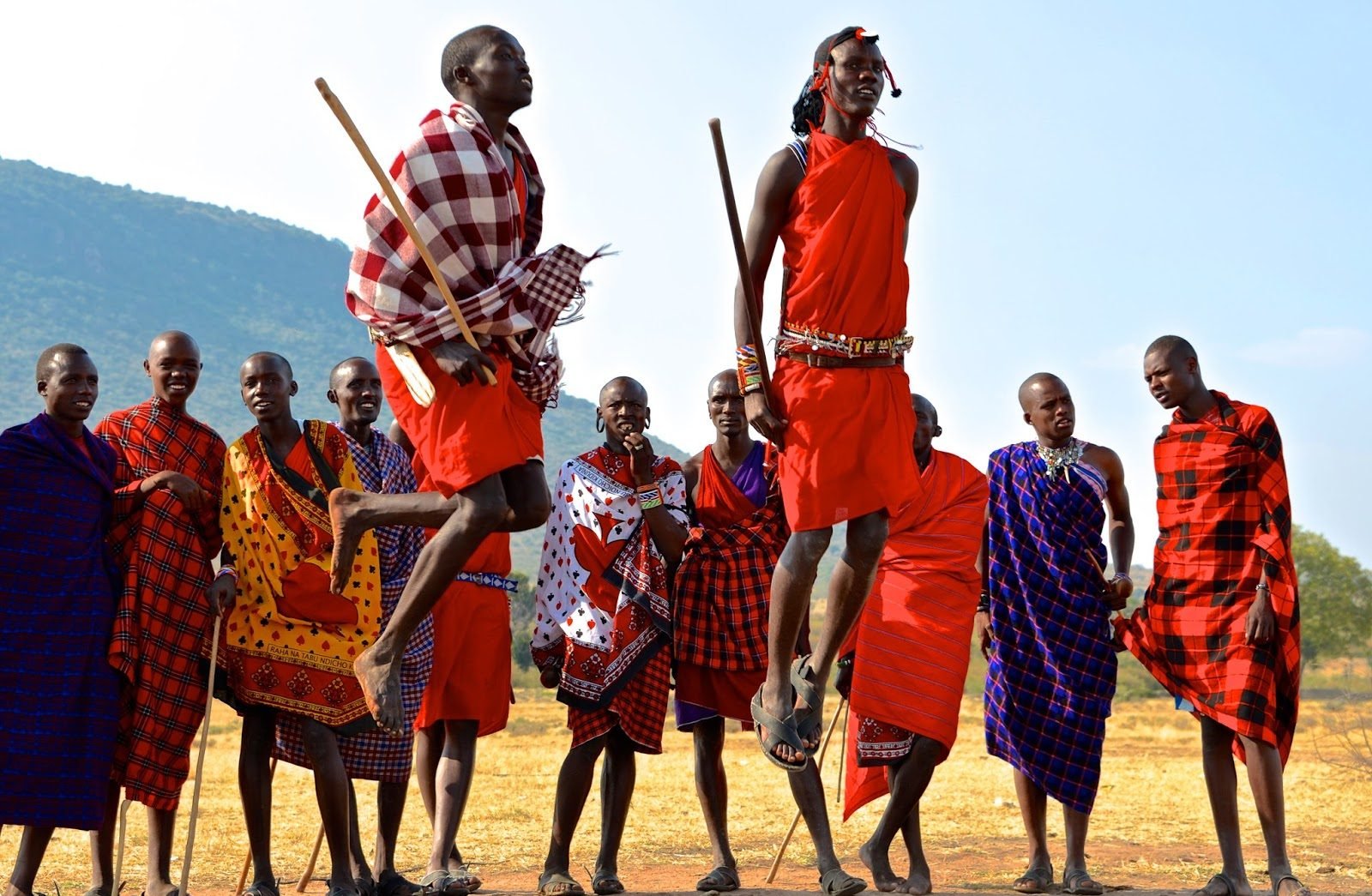
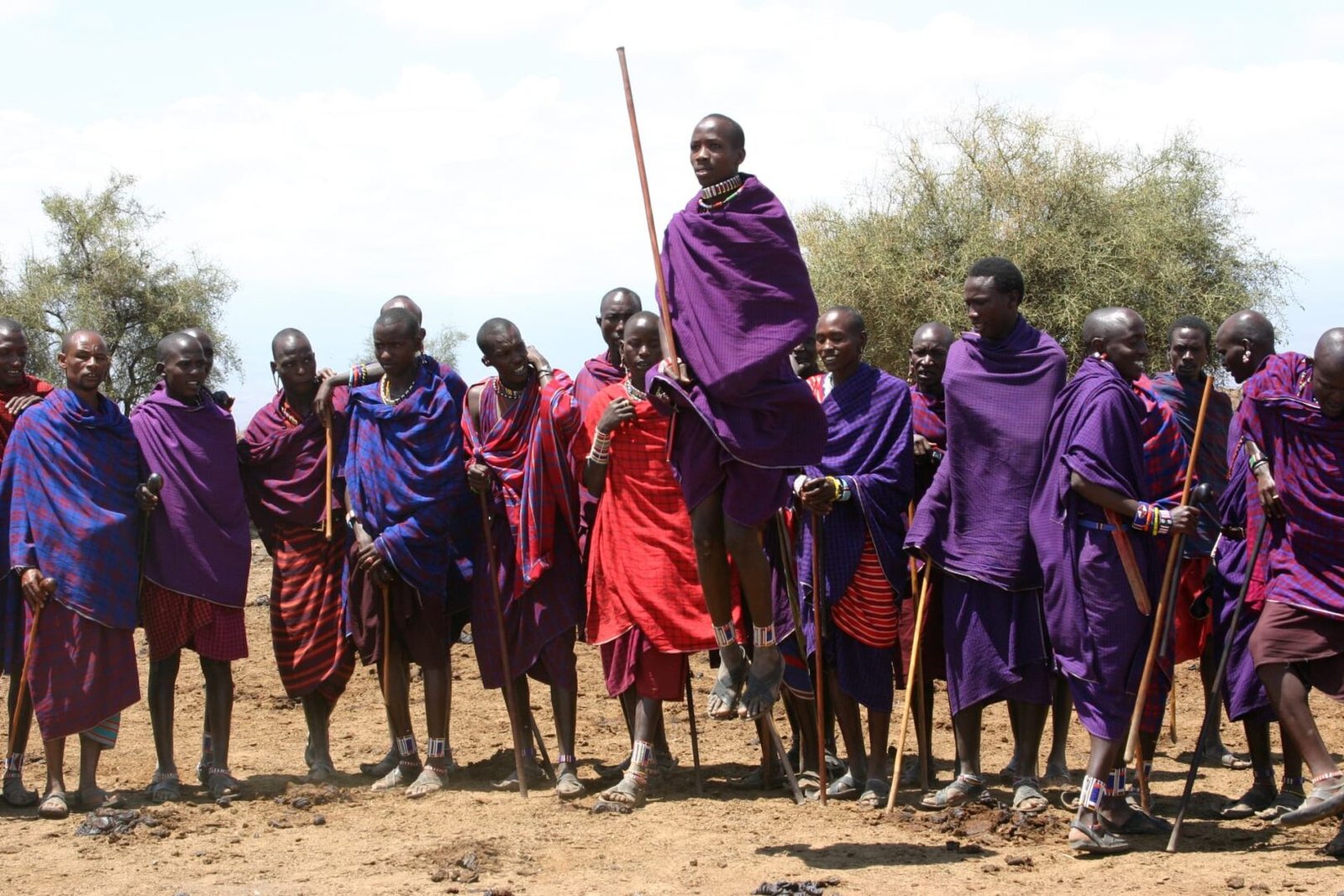
When a community chooses to present singing or dance during a cultural visit, travelers can appreciate it as an introduction rather than claiming to have witnessed the entirety of Maasai culture in thirty minutes.
A good NextGen Safaris cultural experience should allow time for questions and conversation alongside performances. Learning why cattle matter, asking about education or hearing how families respond to drought can provide greater understanding than simply recording a dance and immediately leaving.
Marriage, Family and Community Relationships
Family remains central within many Maasai communities, but the organization of marriage, household responsibilities and gender roles continues to change. Traditionally, marriages created important relationships between families and communities, while livestock could form part of marriage exchanges.
Historical Maasai society has included polygynous marriage, particularly among men with sufficient livestock resources, although contemporary patterns vary considerably according to individual circumstances, religion, education and economic change. It would be misleading to describe every modern Maasai marriage using one traditional model.
Women have historically played critical roles in domestic life, house construction, child care, livestock-related work and the production of beadwork. Their economic role is also changing rapidly through tourism enterprises, community cooperatives, education and employment. National Geographic has documented initiatives in the Maasai Mara area where women are increasingly training for professional tourism roles, including guiding and hospitality positions that were once overwhelmingly occupied by men.
This makes contemporary Maasai society particularly interesting because travelers can observe continuity and change happening simultaneously.
Maasai Spiritual Beliefs and Religion Today
Traditional Maasai spirituality includes belief in a supreme creator commonly referred to as Enkai or Engai. Spiritual ideas are deeply connected with rain, fertility, livestock, health and the natural world. Historically, spiritual specialists commonly known as laibons have held important ritual and advisory roles.
Religion today is diverse. Christianity is widespread among Maasai communities, while traditional beliefs and practices may continue alongside or within modern religious life. Different individuals and families approach spirituality differently, so no visitor should assume that traditional religious descriptions automatically apply to every person they meet.
This mixture of continuity and change illustrates a broader point about Understanding Masai People and their Way of Life. Culture is not destroyed simply because new ideas arrive. Communities continually negotiate which practices remain central, which change and how traditional identity fits within national and global life.
Maasai People and Wildlife Conservation
The relationship between Maasai communities and wildlife is one of the most important subjects for anyone taking a Kenya safari or Tanzania safari. Maasai pastoral landscapes overlap with ecosystems used by elephants, lions, giraffes, wildebeest, zebras and many other animals.
Wildlife conservation is therefore not something taking place on empty land. National parks, reserves, conservancies, livestock areas, settlements and seasonal wildlife corridors often interact with one another.
In southern Kenya, community conservancies have become an important conservation and tourism model. Some landowners receive revenue from tourism or conservation arrangements while maintaining areas valuable for wildlife movement. National Geographic has reported on the way Maasai community members increasingly work as rangers, guides and conservation professionals while maintaining cultural relationships with their land.
The relationship is not always simple or conflict-free. Livestock can be killed by predators, elephants can damage crops or infrastructure and restrictions on grazing can create economic hardship. Conservation therefore works best when communities receive tangible benefits and have meaningful participation in decisions about their land.
Maasai Communities and the Great Migration Landscape
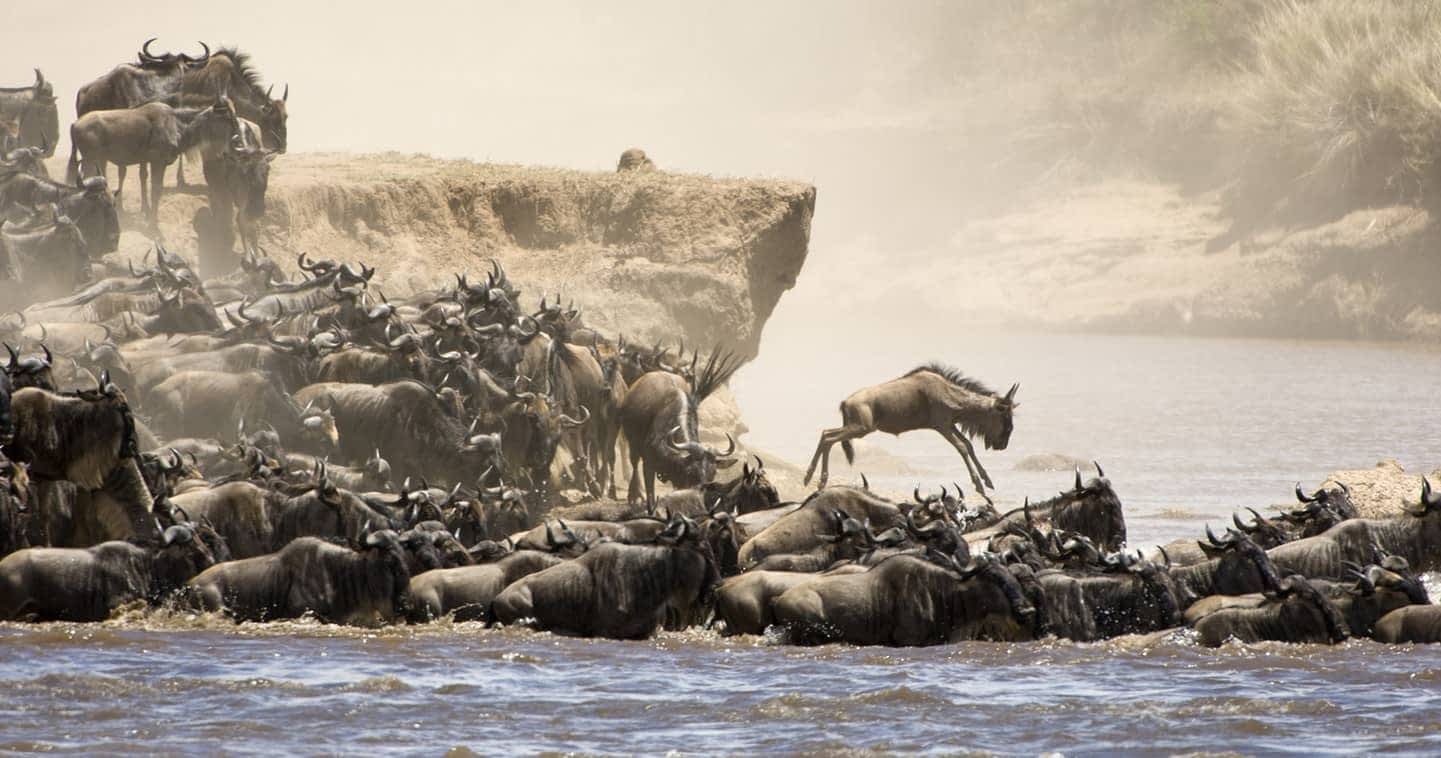
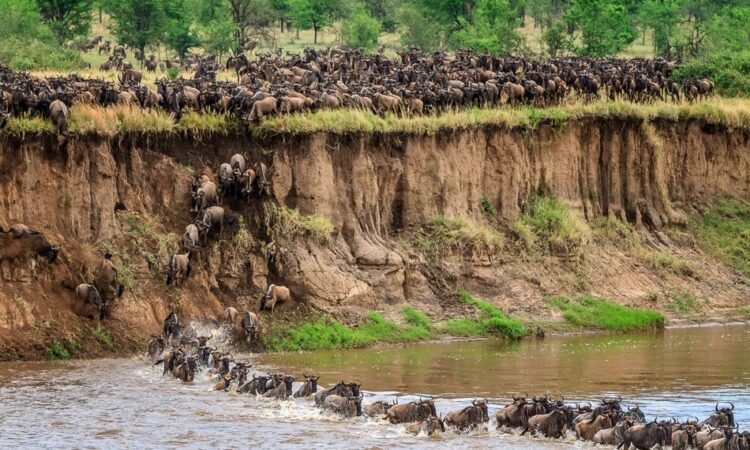
The Great Migration attracts travelers from around the world to Kenya and Tanzania, yet the journey is often described only through wildebeest, zebras and predators. Human communities are equally important to understanding the greater Serengeti–Mara ecosystem.
In Kenya, the Maasai Mara takes its name from the Maasai people and the Mara River. In Tanzania, pastoral communities have long lived in and around landscapes adjoining Ngorongoro and Serengeti. Travelers moving through these regions may see cattle herds, homesteads and community areas close to famous wildlife zones.
Our Serengeti National Park Safari Guide gives travelers a deeper introduction to the wildlife side of this landscape, while the 14 Days Tanzania, Kenya and Uganda Safari combines Serengeti, Maasai Mara and cultural encounters within one wider East African journey.
Understanding both people and wildlife prevents the safari narrative from becoming unrealistically simple. The landscapes visitors admire have complex ecological and human histories.
Land Rights and the Modern Maasai Experience
A complete page about Understanding Masai People and their Way of Life cannot discuss beautiful clothing and dances while ignoring land.
Maasai communities in both Kenya and Tanzania have experienced substantial changes in control over ancestral landscapes. Colonial-era agreements, wildlife conservation areas, private property systems, agriculture and modern development have altered access to grazing land and migration routes.
In Kenya, the Community Land Act created a legal framework intended to strengthen community land ownership, although Indigenous organizations have reported continuing challenges around implementation and tenure security.
In Tanzania, disputes involving Maasai communities, conservation areas and resettlement remain sensitive and contested. Indigenous-rights organizations have documented concerns about displacement and restrictions affecting pastoralist livelihoods, while government authorities have often presented conservation and land-management arguments for policy changes.
Travelers do not need to become experts in land law before taking a safari, but understanding that these landscapes contain ongoing questions of community rights makes cultural tourism more thoughtful and responsible.
Tourism and Maasai Communities
Tourism can create both opportunities and problems. When cultural visits are community-led and revenues are distributed transparently, tourism can help support guides, schools, beadwork groups, conservation programs and household income. It can also create employment that allows young people to remain economically connected to their home region.
Poorly managed cultural tourism, however, can reduce people to stereotypes. Visitors may arrive in buses, photograph residents without permission, negotiate aggressively over inexpensive crafts and leave after a rehearsed performance without learning anything meaningful about the community.
Responsible cultural tourism should therefore involve respect, consent and genuine economic benefit.
When NextGen Safaris adds a community experience to a Masai Mara safari or Serengeti safari, the goal should be to complement wildlife travel rather than turn a community into another “sighting” on the checklist.
Combining Maasai Culture with a Kenya Safari
Kenya provides some of the easiest opportunities to combine Understanding Masai People and their Way of Life with classic wildlife viewing. A journey to the Maasai Mara can combine morning and afternoon game drives with a carefully arranged community visit.
The 3 Days Masai Mara Budget Safari is suitable for travelers wanting a short Kenya wildlife experience, while the 4 Days Budget Kenya Safari adds Lake Nakuru to the journey.
Travelers with more time can combine Kenya with Tanzania, following the wider Great Migration ecosystem before continuing toward Ngorongoro and Serengeti.
This allows visitors to appreciate the environmental connection between livestock country, wildlife conservancies, national reserves and the communities living around them.
Combining Maasai Culture with a Tanzania Safari
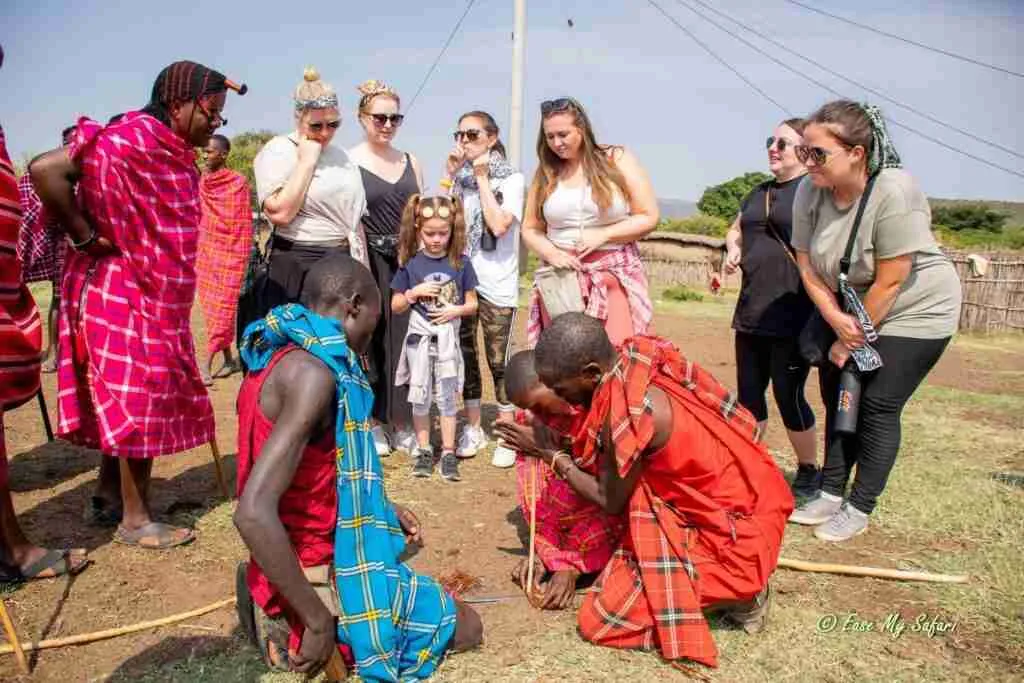
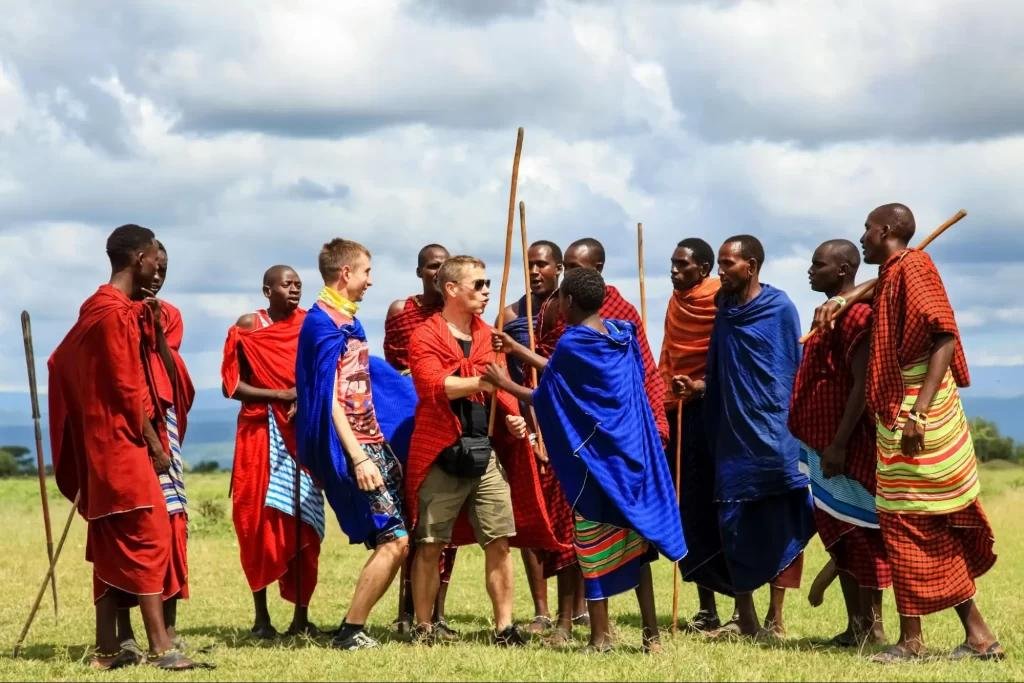
Northern Tanzania provides equally rewarding cultural opportunities because Maasai communities live across parts of the landscape surrounding Arusha, Ngorongoro and the Serengeti.
NextGen Safaris’ 3 Days Wildlife and Cultural Tour in Tanzania provides a short introduction to the relationship between culture and wildlife, while the 3 Days Serengeti Safari passes through the Ngorongoro Highlands and Maasai landscapes before reaching Serengeti.
Travelers wanting a longer Tanzania journey can choose an 8 Days Great Migration Safari or combine the mainland with the coast through a 10 Days Tanzania Safari and Zanzibar.
Adding a cultural experience changes the journey significantly. Tanzania stops being only a collection of parks and becomes a country of communities, histories and living traditions.
Why Experience Maasai Culture with NextGen Safaris?
NextGen Safaris designs African journeys around more than wildlife sightings. A safari can be far more memorable when travelers understand the people and landscapes surrounding the animals they have travelled to see.
A cultural component can be combined with the Serengeti National Park, a Masai Mara safari, the Great Migration or a larger 14 Days Tanzania, Kenya and Uganda Safari.
Travelers who want an even larger East African journey can combine Kenya and Tanzania with mountain gorilla trekking through our Luxury Gorilla and Great Migration Safari. Such a route brings together dramatically different environments and cultures, from Maasai pastoral landscapes and Serengeti wildlife to Uganda or Rwanda’s mountain forests.
Our role is to coordinate the logistics while allowing each destination to retain its own character.
Frequently Asked Questions About Understanding Masai People and their Way of Life
1. What does Understanding Masai People and their Way of Life involve?
Understanding Masai People and their Way of Life means learning about Maasai history, cattle keeping, family structure, language, age-set traditions, clothing, beadwork, ceremonies, land use and the way modern education and employment are influencing communities today. It is important to see Maasai culture as a living and changing society rather than as something frozen in the past.
2. Who are the Maasai people?
The Maasai are a Maa-speaking people found mainly in southern Kenya and northern Tanzania. They are traditionally associated with pastoralism and cattle keeping, although modern Maasai people also work in tourism, education, conservation, business, government and many other professions.
3. Why are cattle important when Understanding Masai People and their Way of Life?
Cattle have traditionally played a central role in Maasai society because they represent food, wealth, security, family status and cultural identity. Livestock also shape relationships with the environment because pastoral communities depend on access to grazing land, water and seasonal movement.
4. Where do the Maasai people live?
Maasai communities are found mainly across southern Kenya and northern Tanzania. Important Maasai landscapes include areas around the Maasai Mara, Amboseli, Ngorongoro and sections of northern Tanzania close to the Serengeti ecosystem.
5. What language do the Maasai people speak?
The traditional Maasai language is Maa. Many Maasai people today also speak Swahili, English and other local languages depending on where they live, their education and their profession.
6. Why do Maasai people wear red clothing?
Red has become one of the colors most strongly associated with Maasai clothing and identity, especially through the famous shuka. However, Maasai clothing also includes blue, purple, black, checked and striped fabrics. Clothing styles vary depending on age, location, ceremony and personal preference.
7. What role does beadwork play in Understanding Masai People and their Way of Life?
Beadwork is an important part of Maasai cultural expression and can reflect beauty, identity, social relationships, age and ceremonial life. Maasai women are particularly associated with beadwork production, and the sale of bracelets, necklaces and other handmade items can also provide important household income.
8. What is the Maasai jumping dance?
The famous Maasai jumping dance is commonly known as adumu. It is often performed as part of cultural presentations and is traditionally connected with age-set and ceremonial traditions. Visitors should understand that the dance represents only one part of a much broader Maasai culture.
9. What is a traditional Maasai homestead called?
A traditional Maasai settlement is often referred to as an enkang or boma. These settlements traditionally include family homes and protected areas for livestock. Houses have historically been built using locally available materials such as sticks, mud, grass and cattle dung.
10. What are Maasai age sets?
Age sets are an important part of traditional Maasai social organization. People progress through different stages of life that carry specific social responsibilities. The moran, often translated as warrior, is one of the best-known stages, while elders traditionally hold important leadership and advisory roles within communities.
11. Are Maasai people still living a traditional lifestyle today?
Some Maasai communities continue to depend heavily on pastoralism and livestock, while others combine traditional practices with formal education, tourism, business, farming and urban employment. Understanding Masai People and their Way of Life therefore requires recognizing both cultural continuity and modern change.
12. Can tourists visit Maasai communities during a safari?
Yes. Cultural visits can be included in many Kenya and Tanzania safari itineraries, especially around the Maasai Mara, Amboseli, Ngorongoro and northern Tanzania. A responsible visit should be community-led and should respect privacy, local customs and the wishes of the people hosting travelers.
13. Can I combine Maasai culture with a wildlife safari?
Yes. A cultural experience can be combined with wildlife viewing in the Maasai Mara, the Serengeti National Park or the wider Great Migration safari. This allows travelers to understand both the wildlife and the communities connected with the landscape.
14. How should travelers behave when visiting a Maasai community?
Travelers should listen to their hosts, ask permission before taking close photographs, respect homes and ceremonies, and avoid treating people as tourist attractions. Buying locally made beadwork and supporting community-led tourism can also help ensure that cultural visits provide direct benefits to local families.
15. How can I book a safari focused on Understanding Masai People and their Way of Life?
NextGen Safaris can include Maasai cultural experiences within a Kenya or Tanzania wildlife itinerary. Travelers can combine community visits with the Maasai Mara, Serengeti, Ngorongoro, the Great Migration and other East African destinations. You can begin planning through the NextGen Safaris booking page and request a tailor-made cultural and wildlife safari.
Plan a Maasai Cultural and Wildlife Safari
Understanding Masai People and their Way of Life makes a Kenya or Tanzania safari richer because it gives context to the landscapes through which travelers move. The Maasai are not simply the people wearing red beside the road to a national park. They are pastoralists, students, elders, entrepreneurs, guides, artisans, conservationists, parents and professionals whose society continues to evolve while maintaining a strong cultural identity.
Cattle remain an important cultural and economic foundation for many families. Maa connects generations through language. Age-set traditions preserve social knowledge and responsibility. Beadwork communicates beauty and identity. Singing and dancing carry histories and celebrations. At the same time, education, business, conservation, tourism, technology and urbanization are shaping the lives of younger generations.
A well-planned cultural safari gives travelers the opportunity to understand these connections rather than leaving East Africa with only photographs and simplified impressions.
NextGen Safaris can incorporate a respectful Maasai community experience into a wildlife itinerary through the Maasai Mara, Serengeti, Ngorongoro or a wider East African safari. You can begin with our 3 Days Masai Mara Safari, explore the Serengeti National Park or choose the comprehensive 14 Days Tanzania, Kenya and Uganda Safari.
When you are ready to create a journey around your travel dates and interests, use the NextGen Safaris booking page to request a personalized safari. Tell us whether you are most interested in Maasai culture, the Great Migration, Big Five wildlife, photography, gorilla trekking or a combination of experiences, and we can design the route around your priorities.
Understanding Masai People and their Way of Life ultimately means seeing the Maasai as they truly are: not a tourist image from the past, but a diverse, living East African society balancing heritage, livestock, community, education, conservation and modern opportunity across some of Africa’s most extraordinary landscapes.