
Walking Safaris in Queen Elizabeth National Park – Complete Guide
Walking Safaris in Queen Elizabeth National Park – What You Need to Know First
Queen Elizabeth National Park is widely known for classic 4×4 game drives, tree-climbing lions in Ishasha Sector, and boat cruises along the Kazinga Channel. However, beyond the vehicle tracks and open savannah lies a more immersive, slower, and deeply engaging experience: Walking Safaris in Queen Elizabeth National Park.
A walking safari is exactly what it sounds like exploring the African wilderness on foot under the guidance of a trained, armed ranger. It is not a hike for exercise. It is not an unstructured bush walk. It is a professionally guided wildlife experience designed to reconnect visitors with the ecosystem at ground level.
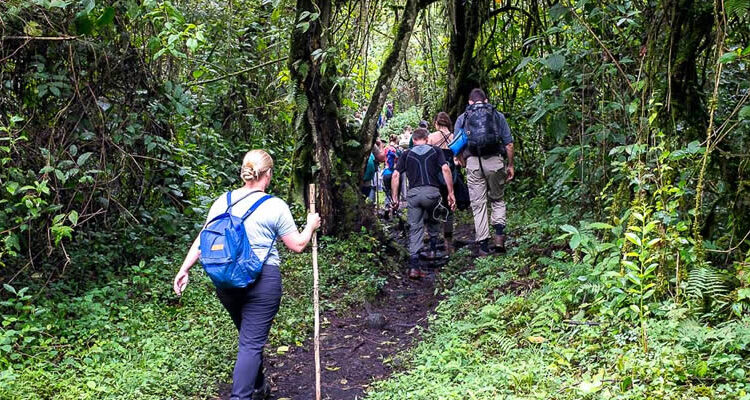

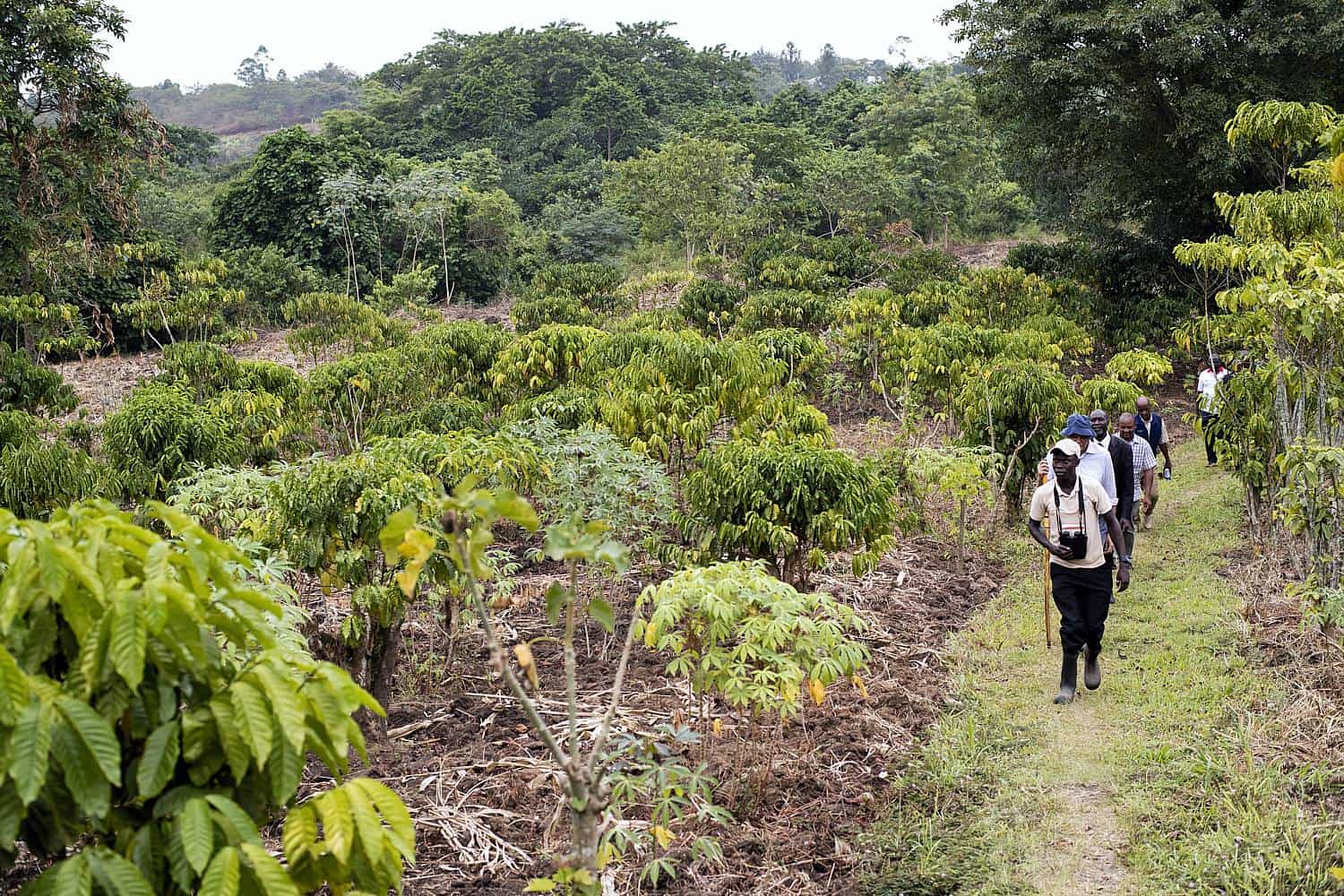
Unlike game drives, where wildlife is observed from inside a safari vehicle, Walking Safaris in Queen Elizabeth National Park remove the physical barrier between you and the environment. You feel the terrain beneath your boots, hear the subtle sounds of movement in the grass, and become aware of details often missed from a vehicle, tracks in the soil, fresh dung, bird calls, wind direction and grazing patterns.
Walking Safaris in Queen Elizabeth National Park Costs and Fees
| Activity | Foreign Non-Residents | Foreign Residents | East African Residents |
|---|---|---|---|
| Guided Day Nature Walk (Mweya, Ishasha, Maramagambo) | $15 USD | $10 USD | 10,000 UGX |
| Birdwatching Walking Activity | $30 USD | Varies | Varies |
| Chimpanzee Tracking (Kyambura Gorge or Kibale) | $100 USD | Varies | Varies |
| Queen Elizabeth National Park Entrance Fee (Per Day) | $40 USD | Discounted Rate Applies | Resident Rate Applies |
Best Walking Safaris in Queen Elizabeth National Park | 3–12 Day Uganda Safari Itineraries

3 Days Walking Safaris in Queen Elizabeth National Park
Experience immersive walking safaris in Queen Elizabeth National Park combined with classic game drives and a Kazinga Channel boat cruise. Perfect short adventure for wildlife enthusiasts.

4 Days Kyambura Gorge & Walking Safari Experience
Combine chimpanzee trekking in Kyambura Gorge with guided walking safaris in Queen Elizabeth National Park for a balanced primate and savannah adventure.
5 Days Walking Safari & Kazinga Channel Adventure
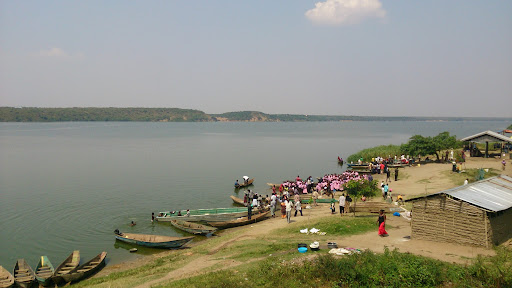
Explore Walking Safaris in Queen Elizabeth National Park alongside fishing excursions and scenic boat cruises for a diverse wildlife safari experience.
6 Days Uganda Walking Safari & Wildlife Circuit
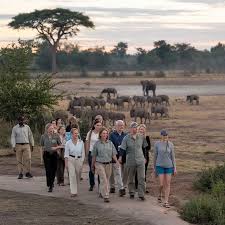
Discover Mweya Peninsula and Ishasha Sector through guided walking safaris, tree-climbing lions, and extended savannah exploration.

7 Days Gorilla Trekking & Walking Safari Combo
Pair Bwindi gorilla trekking with Walking Safaris in Queen Elizabeth National Park for an immersive Uganda primate and savannah experience.

8 Days Birding & Walking Safari in Queen Elizabeth
Ideal for birdwatchers and nature lovers, this safari blends guided walking safaris, crater lake exploration, and rich savannah birdlife encounters.
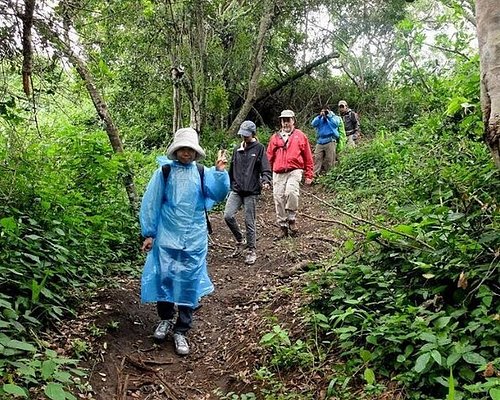
9 Days Hiking Trails & Walking Safaris Experience
Extended walking safaris in Queen Elizabeth National Park combined with crater lake hikes and wildlife-rich savannah game drives.
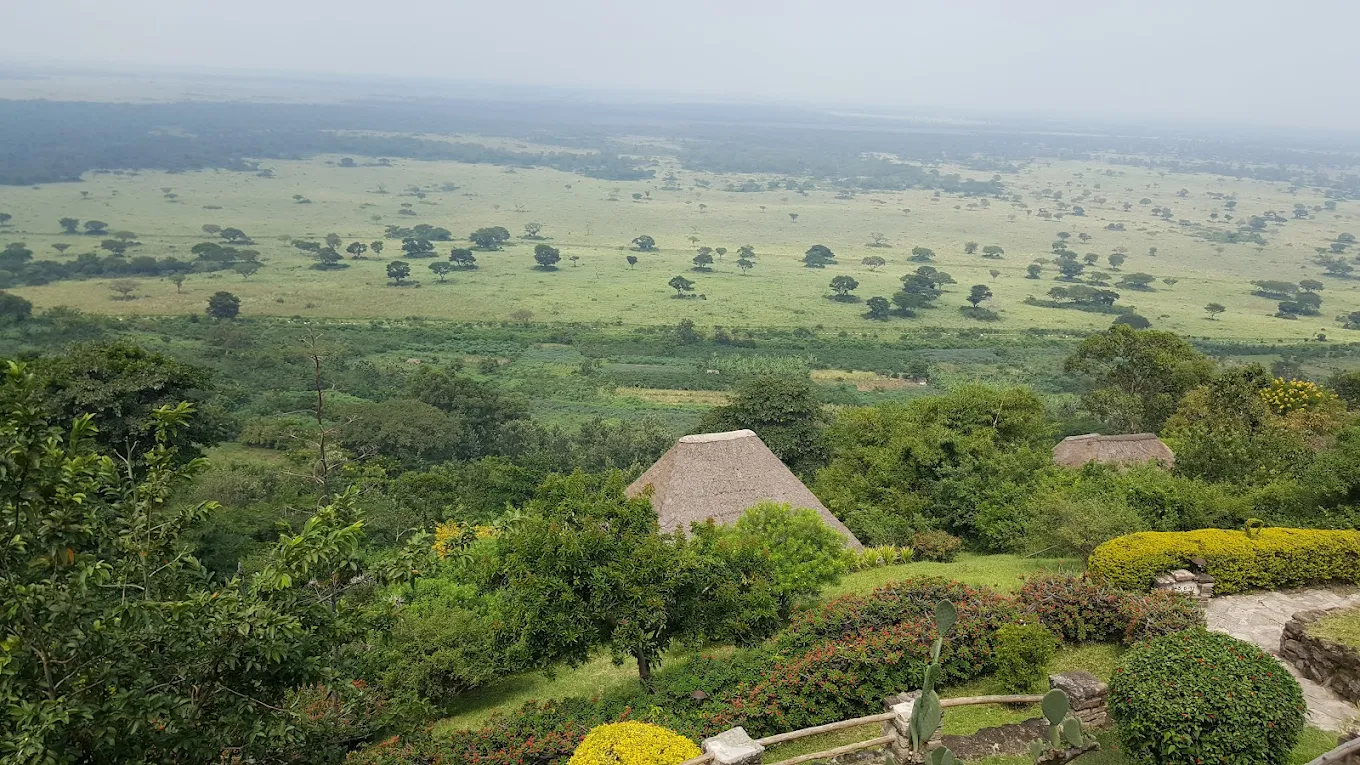
10 Days Luxury Walking Safari & Primate Expedition
Stay at premium lodges while enjoying structured walking safaris, chimpanzee tracking, and immersive wildlife experiences in western Uganda.
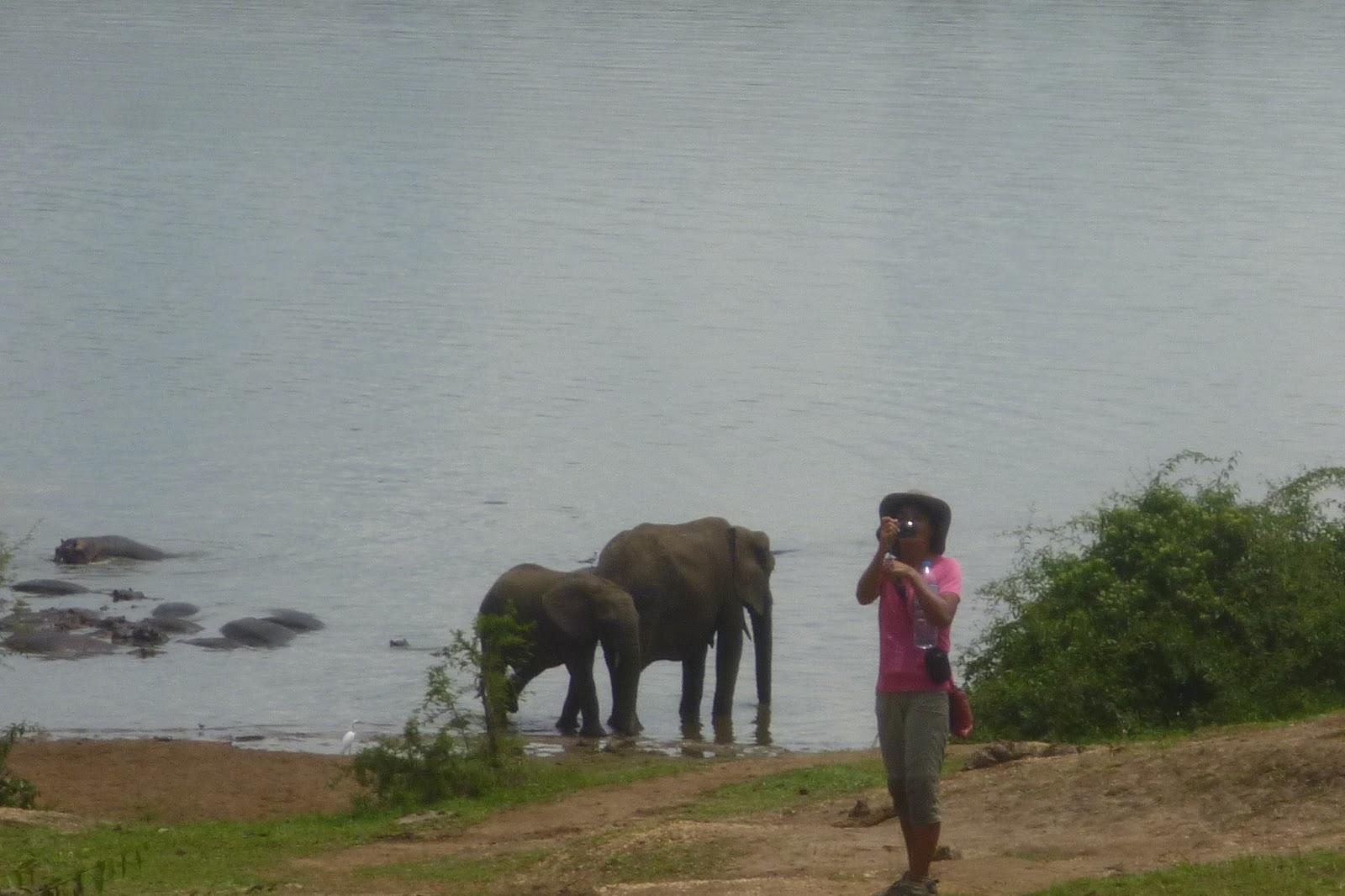
12 Days Ultimate Uganda Walking Safari & Big Five Tour
The most complete Uganda safari combining Walking Safaris in Queen Elizabeth National Park, rhino tracking, gorilla trekking, and Murchison Falls exploration.
What a Walking Safari Really Is
Walking Safaris in Queen Elizabeth National Park are ranger-led, conservation-regulated experiences that focus on tracking wildlife safely while interpreting the ecosystem in detail. Rather than racing across large areas searching for predators, walking safaris emphasize awareness, patience, and understanding.
The pace is deliberate and controlled. Groups are small. Rangers brief participants before departure, explaining movement protocols, wildlife behavior, and safety positioning. The objective is not adrenaline but immersion.
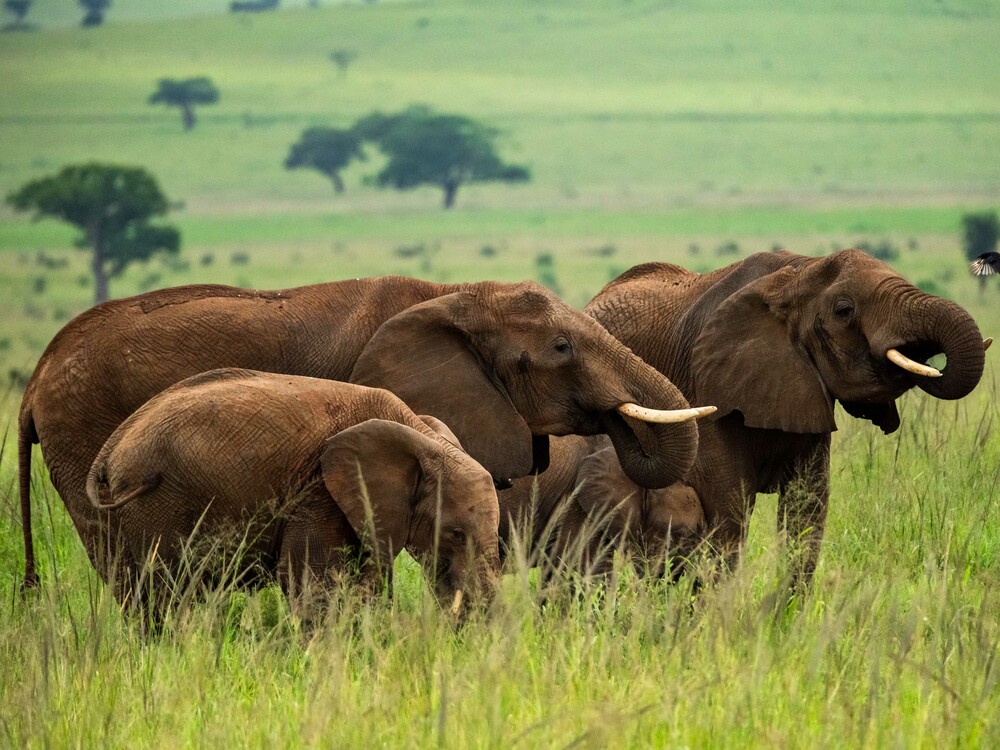
On foot, you begin to understand scale. A buffalo herd feels larger. Elephant footprints appear deeper. The distance between species becomes more meaningful. You experience the savannah not as a spectator behind glass but as a quiet participant moving respectfully through it.
For travelers researching “what is a walking safari in Uganda” or “guided walking safari Queen Elizabeth,” this distinction is essential. It is not simply another safari activity. It is a fundamentally different way of engaging with the African landscape.
How Walking Safaris Differ from Game Drives
Game drives in Queen Elizabeth National Park focus on covering distance efficiently. Vehicles allow guides to search for lions, leopards, elephants, and other large mammals across wide areas of savannah. They are ideal for classic wildlife viewing and photography.
Walking Safaris in Queen Elizabeth National Park, by contrast, are about depth rather than distance.
In a vehicle, wildlife encounters are often brief and dictated by where animals move. On foot, the experience becomes sensory. You notice smaller details, the smell of crushed grass, the rhythm of antelope grazing, the sound of oxpeckers on buffalo backs.
Vehicles provide speed and range. Walking safaris provide intimacy and ecological context.
Both experiences complement each other. Many of the most rewarding Queen Elizabeth safari itineraries combine morning game drives with structured walking safaris later in the day, creating a balanced wildlife experience.
For those searching “walking safari vs game drive Uganda,” the answer is not which is better, but how they differ. Walking safaris deliver immersion. Game drives deliver scale.
Why Queen Elizabeth National Park Is Unique for Walking Safaris
Not every national park in Uganda permits structured walking safaris. Queen Elizabeth National Park stands out because of its diverse habitats and controlled walking zones.
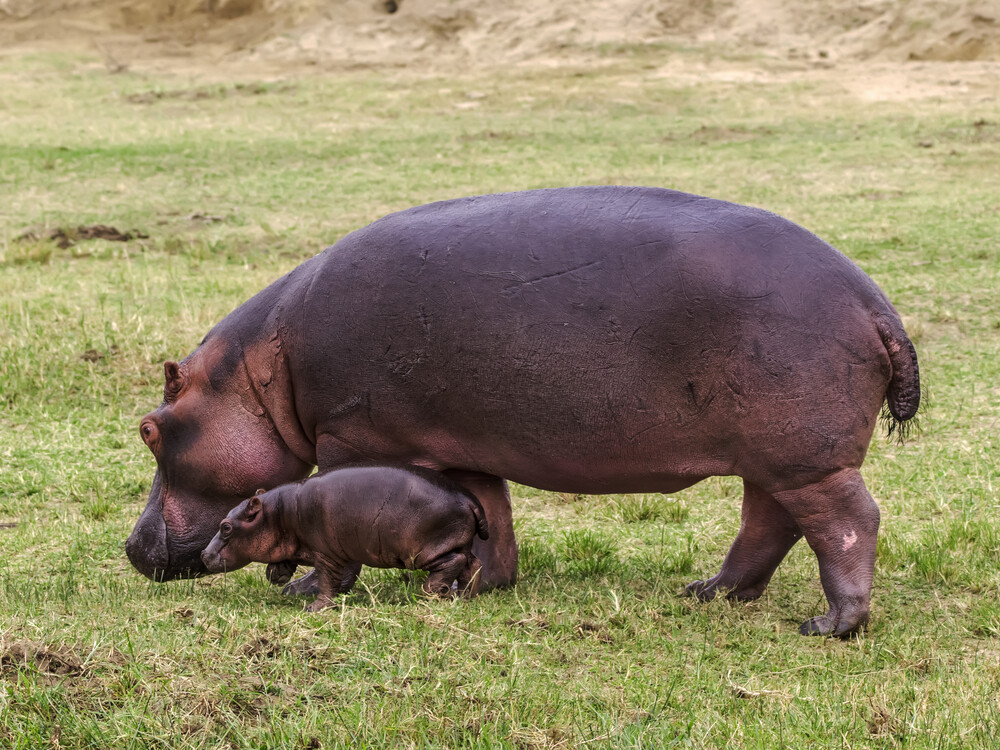
The park combines open savannah, crater lakes, woodland patches, and riverine ecosystems. This habitat variety allows Walking Safaris in Queen Elizabeth National Park to focus on tracking plains wildlife such as Uganda kob, waterbuck, bushbuck and occasionally buffalo under strict ranger supervision.
The terrain is also more open compared to dense forest parks, which improves visibility and makes walking experiences safer and more manageable. Certain sectors of the park are designated specifically for guided walks, ensuring that both wildlife conservation and visitor safety remain priorities.
Queen Elizabeth’s accessibility also makes it ideal. Located in western Uganda and commonly included in gorilla trekking circuits, it is already part of many 8-day and 10-day Uganda safari itineraries. Adding Walking Safaris in Queen Elizabeth National Park enhances these itineraries without requiring additional long transfers.
The combination of ecological diversity, regulated walking zones, and integration into broader safari circuits makes Queen Elizabeth one of the best destinations in Uganda for a walking safari experience.
Is It Safe to Do Walking Safaris in Queen Elizabeth National Park?
Safety is a structured and controlled component of Walking Safaris in Queen Elizabeth National Park. Every walk is conducted under the supervision of an armed Uganda Wildlife Authority ranger. Participants receive a safety briefing before departure, and group size is kept limited to maintain control and communication.
Walking safaris do not target predators. The routes are selected based on recent wildlife movement patterns and environmental conditions. Rangers constantly assess surroundings and adjust direction when necessary.
The experience is designed to balance proximity with safety. Visitors are never left unaccompanied, and movement protocols are strictly followed. As a result, Queen Elizabeth walking safaris are considered safe when conducted through authorized channels.
For travelers searching “is walking safari safe in Queen Elizabeth National Park,” the key understanding is that this is not independent exploration. It is a professionally guided wildlife activity regulated by park authorities.
Where Walking Safaris in Queen Elizabeth National Park Take Place
Walking Safaris in Queen Elizabeth National Park are not conducted randomly across the entire park. They operate in specific sectors where terrain, wildlife movement, and ranger supervision allow for controlled, safe, and meaningful exploration on foot.
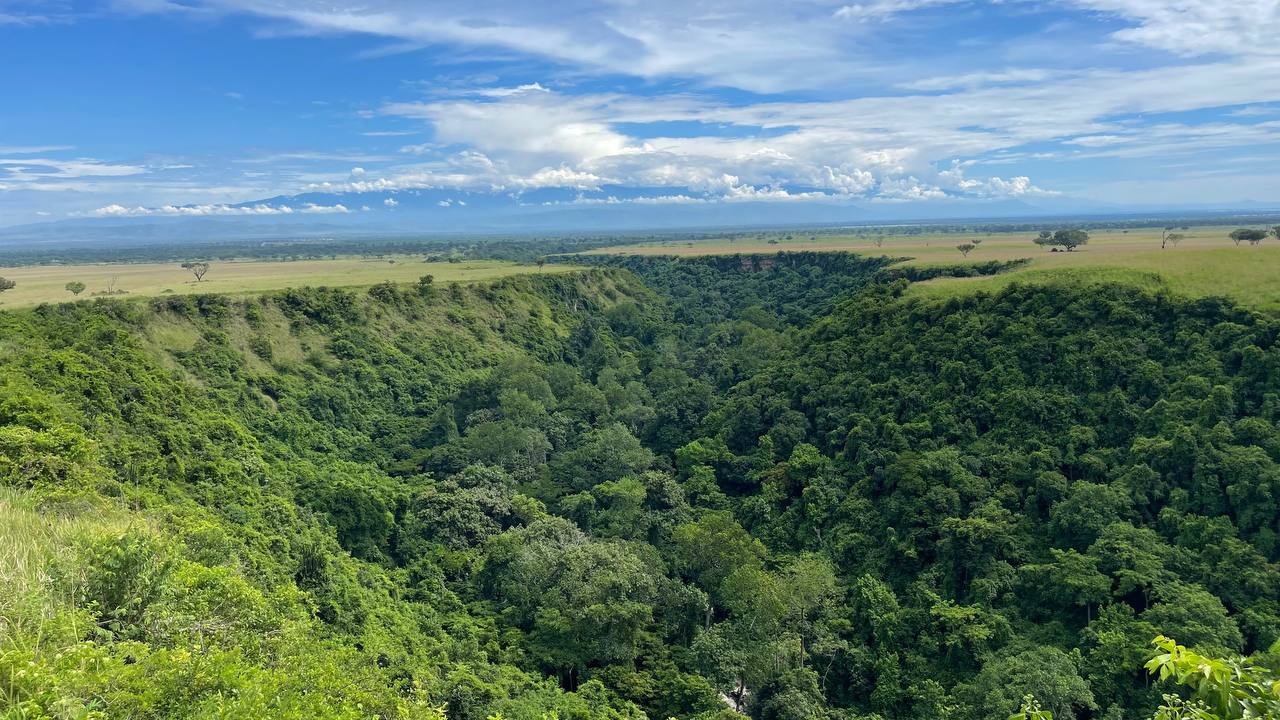
Understanding where walking safaris take place is essential for planning the right itinerary and setting realistic expectations.
The park is vast, covering nearly 2,000 square kilometers, but structured walking experiences are typically concentrated in four key areas: Mweya Peninsula, Ishasha Sector, the Kyambura Gorge region, and Maramagambo Forest.
Each area offers a different ecological character and walking style.
Mweya Peninsula – Open Savannah Walking Experience
Mweya Peninsula is one of the most accessible and established areas for Walking Safaris in Queen Elizabeth National Park.
Located near the Kazinga Channel, Mweya features open savannah landscapes with scattered acacia trees and rolling grasslands. This terrain provides good visibility, which is critical for safety and wildlife awareness during walking safaris.
Walking in Mweya often focuses on tracking plains wildlife such as Uganda kob, waterbuck, bushbuck, and occasionally buffalo under strict ranger guidance. Because of the open landscape, participants gain a clear perspective of distance and movement patterns across the savannah.
Mweya walking safaris are often combined with boat cruises along the Kazinga Channel, creating a layered wildlife experience within the same sector. The combination of land-based tracking and water-based viewing makes Mweya one of the most balanced areas for integrating Walking Safaris in Queen Elizabeth National Park into broader safari itineraries.
Ishasha Sector – Remote and Wild Walking Terrain
Ishasha Sector lies in the southern portion of the park and is internationally known for its tree-climbing lions. While game drives are the primary activity here, controlled walking experiences are sometimes conducted in designated areas under ranger supervision.
The landscape in Ishasha is more remote and less trafficked than Mweya. It features open fig-tree dotted plains and riverine habitats near the Ishasha River. Walking safaris here focus on ecological awareness, spoor identification, and understanding predator-prey dynamics in a less disturbed environment.
Because Ishasha is a predator-rich area, walking routes are carefully chosen and strictly regulated. Walking Safaris in Queen Elizabeth National Park within Ishasha are never conducted casually. Rangers assess wildlife movement before authorizing specific routes.
For travelers researching “Ishasha walking safari Uganda,” it is important to understand that this is not a lion-tracking-on-foot activity. Instead, it is a structured ecological walk emphasizing habitat interpretation and controlled wildlife proximity.
The remoteness of Ishasha gives walking experiences here a more wilderness-oriented atmosphere compared to Mweya.
Kyambura Gorge Area – Transition Zone Walking
Kyambura Gorge sits along the eastern boundary of Queen Elizabeth National Park and is famous for chimpanzee tracking within its dramatic forested gorge.
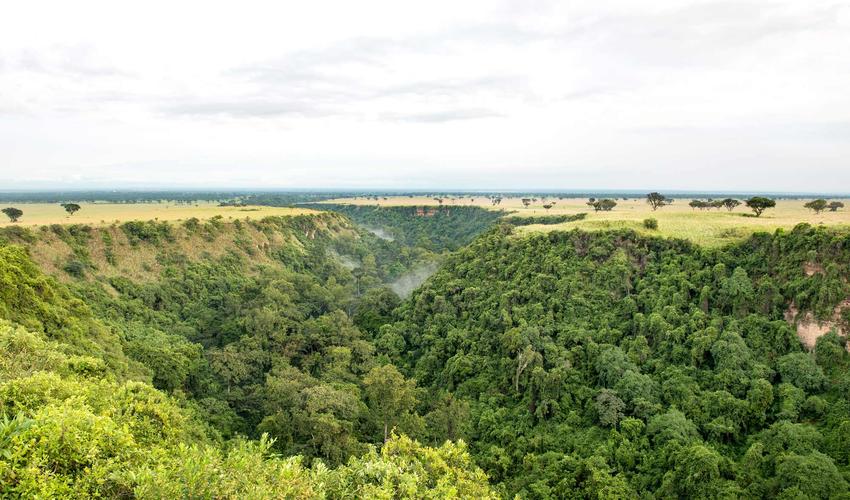
While chimpanzee trekking occurs inside the gorge itself, the surrounding savannah and crater lake areas sometimes host guided walking experiences. These walks focus less on large mammals and more on ecosystem interpretation, birdlife, and landscape transitions between forest and savannah.
The Kyambura region offers a unique ecological contrast. Walking here introduces visitors to the volcanic history of the area, crater lakes, and the interplay between woodland and grassland species.
For those combining chimpanzee tracking with Walking Safaris in Queen Elizabeth National Park, the Kyambura area offers an excellent transitional experience between primate-focused forest activities and open savannah exploration.
Maramagambo Forest – Woodland and Cave Exploration
Maramagambo Forest provides a completely different walking environment within Queen Elizabeth National Park.
Unlike Mweya’s open plains, Maramagambo is characterized by tropical woodland, forest trails, and cave systems. Walking safaris here are less about large mammals and more about forest ecology, bats, primates, and birdlife.
Guided forest walks in Maramagambo allow visitors to experience the park’s biodiversity beyond the typical savannah species. The forest environment supports a different set of sounds, vegetation types, and microhabitats.
For travelers interested in more than traditional wildlife viewing, Maramagambo adds diversity to Walking Safaris in Queen Elizabeth National Park by highlighting ecological complexity rather than big-game encounters.
Why Location Matters When Planning Walking Safaris
Each sector of Queen Elizabeth National Park offers a distinct walking experience. Mweya emphasizes open savannah tracking. Ishasha offers remoteness and ecological interpretation in predator territory. Kyambura provides transition-zone walking near chimpanzee habitats. Maramagambo introduces forest-based exploration.
When planning Walking Safaris in Queen Elizabeth National Park, selecting the right sector depends on:
The broader safari route
Accommodation location
Wildlife interests
Season and ground conditions
Fitness and comfort levels
Walking experiences are always ranger-led, and routes are determined daily based on safety assessments.
Understanding these geographic differences helps travelers choose the walking safari style that aligns with their expectations rather than assuming all walks are identical across the park.
What You Actually See on a Walking Safari in Queen Elizabeth National Park
Walking Safaris in Queen Elizabeth National Park are not about chasing predators or recreating dramatic wildlife documentaries. They are about understanding the landscape at ground level and observing wildlife in a controlled, respectful way.
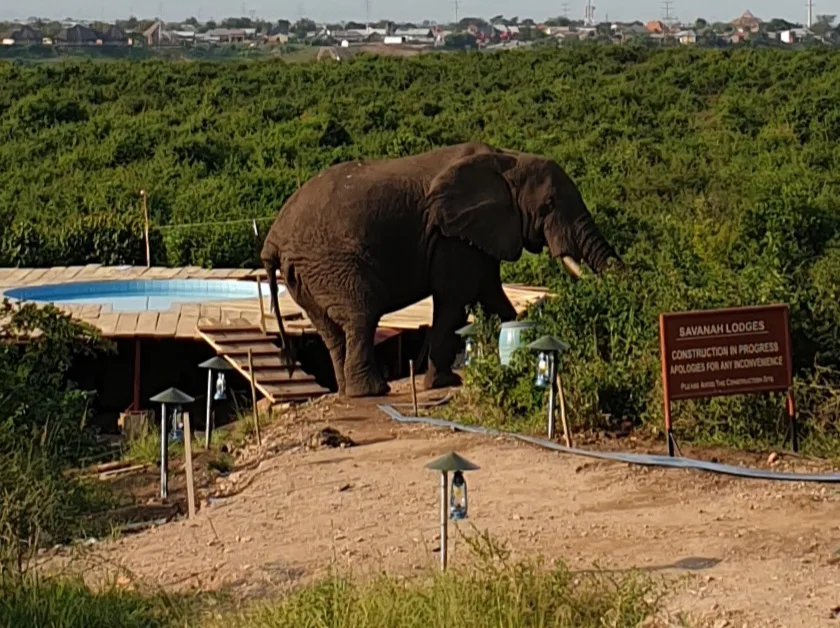
Expect immersion. Not spectacle.
Because walking routes are selected based on safety and current wildlife movement, the species encountered can vary from day to day. However, there are consistent patterns in what visitors typically experience.
Buffalo Tracking at Controlled Distance
African buffalo are among the most powerful herbivores in the park, and they are one of the species occasionally encountered during Walking Safaris in Queen Elizabeth National Park.
It is important to clarify that buffalo tracking on foot does not mean approaching aggressively or closing distance recklessly. Rangers identify herd positions in advance and maintain strict buffer zones. Visitors observe from a controlled distance that allows clear viewing without provoking stress in the animals.
Buffalo are often seen grazing in open savannah or resting in shaded patches. On foot, their scale feels more imposing than from inside a vehicle. Their breathing, body language, and herd dynamics become more apparent.
However, if buffalo movement appears unpredictable or if terrain limits visibility, rangers will adjust direction immediately. Safety overrides proximity every time.
Elephants – Rare but Possible
Elephants are present in Queen Elizabeth National Park, but they are not the primary focus of walking safaris. Encounters are possible, particularly in open areas where visibility is strong, but they are not guaranteed.
When elephants are seen, observation distance is maintained carefully. Elephants are highly intelligent and responsive animals, and rangers are trained to read subtle behavioral signals. If elephants show signs of awareness or discomfort, groups reposition.
Walking Safaris in Queen Elizabeth National Park are not designed to deliberately seek elephants on foot. Any encounter is managed conservatively.
Antelope Species and Plains Wildlife
The most consistent wildlife encounters during walking safaris involve antelope species. Uganda kob, waterbuck, bushbuck, and occasionally topi are commonly observed in open areas.
Seeing these animals on foot creates a different perspective compared to a game drive. You begin to notice grazing patterns, alert postures, herd spacing, and interaction with birds such as oxpeckers.
These species are essential to understanding the savannah ecosystem. They form the prey base for predators and shape vegetation patterns through grazing.
For travelers searching “what animals do you see on a walking safari in Queen Elizabeth,” antelope encounters are among the most realistic and rewarding sightings.
Birdlife and Small-Scale Detail
Walking Safaris in Queen Elizabeth National Park significantly enhance birdwatching opportunities. Without the engine noise of a safari vehicle, smaller bird species are easier to observe and identify.
Open grasslands attract lapwings and weavers. Woodland edges may reveal hornbills and barbets. Wetland-adjacent zones support water-associated species.
Because walking safaris move at a slower pace, guides often interpret bird calls and ecological relationships in more depth than during game drives.
Understanding Savannah Ecology
One of the most underestimated aspects of Walking Safaris in Queen Elizabeth National Park is ecological interpretation.
On foot, rangers explain termite mound structures, soil composition, plant adaptation to drought, and how grazing pressure shapes vegetation. You begin to see how different species coexist within the same landscape.
Rather than focusing only on large mammals, walking safaris emphasize interconnected systems.
Reading Tracking Signs
Tracking signs are a core part of the experience. Rangers identify fresh spoor in the soil, dung patterns, broken vegetation, and resting depressions in grass.
You may follow buffalo tracks for a short distance or observe how antelope movement differs from warthog trails. Learning to read the ground transforms the way you perceive the environment.
Walking Safaris in Queen Elizabeth National Park are as much about understanding what happened before you arrived as they are about what you see in the moment.
Is Walking Safari Safe in Queen Elizabeth National Park?
Safety is the most important consideration when planning Walking Safaris in Queen Elizabeth National Park.
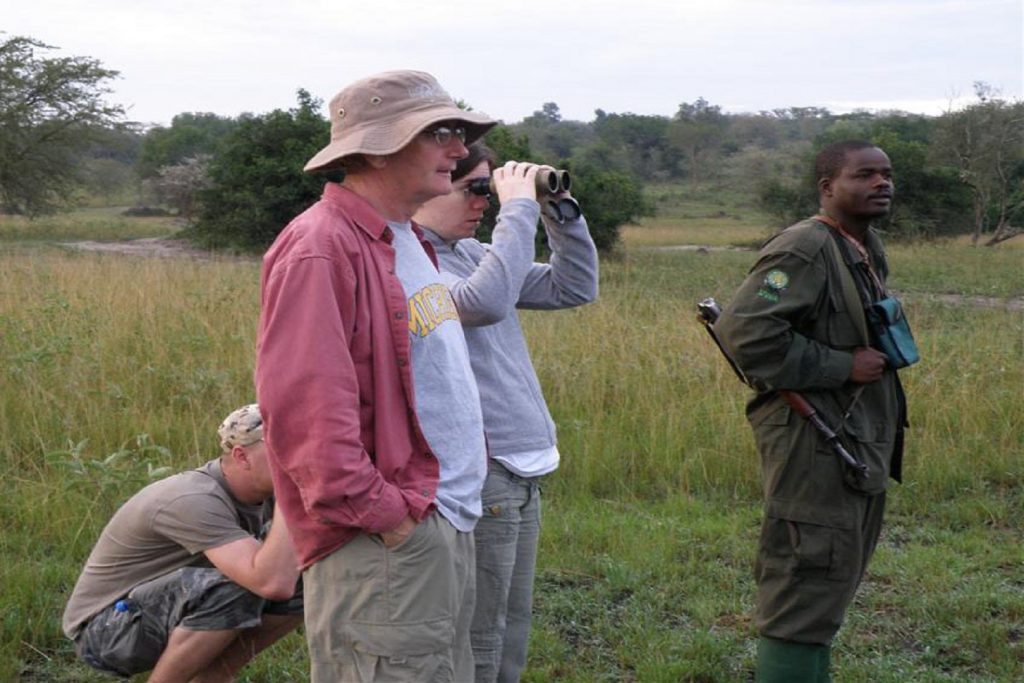
The short answer is yes, walking safaris are safe when conducted under official supervision.
The longer answer requires understanding how safety protocols are structured.
Armed Ranger Escort
Every walking safari is led by an armed Uganda Wildlife Authority ranger. This is not optional and is not symbolic. Rangers are trained professionals who understand wildlife behavior, terrain risk, and group management.
Their presence ensures that walking safaris are conducted within clearly defined parameters.
No Predators Are Targeted
Walking safaris in Queen Elizabeth National Park do not target lions, leopards, or hyenas. Routes are selected based on recent wildlife movement patterns and risk assessment.
If predator presence is confirmed in a specific zone, that area is avoided. Walking safaris are designed for ecological immersion, not high-risk encounters.
Distance Protocols
Distance is always maintained between visitors and wildlife. Rangers control approach angles, positioning, and retreat direction. Guests are instructed never to move independently or close gaps without guidance.
The goal is to observe without altering animal behavior.
Maximum Group Size
Walking Safaris in Queen Elizabeth National Park operate with limited group sizes. Smaller groups improve communication, reduce noise, and increase ranger control.
This structure ensures that instructions can be heard clearly and adjustments can be made quickly if necessary.
Time of Day Restrictions
Walking safaris typically occur in early morning or late afternoon when temperatures are moderate and wildlife movement is more predictable. Midday walks are uncommon due to heat and reduced animal activity.
Night walking is highly restricted and conducted only in designated areas under special supervision.
For travelers searching “Is walking safari safe in Uganda?” or “Is walking safari safe in Queen Elizabeth National Park?”, the key understanding is this:
Walking safaris are structured, regulated, and ranger-led conservation activities — not unsupervised wilderness adventures.
They are designed to balance immersion with safety.
Walking Safaris in Queen Elizabeth National Park – FAQs
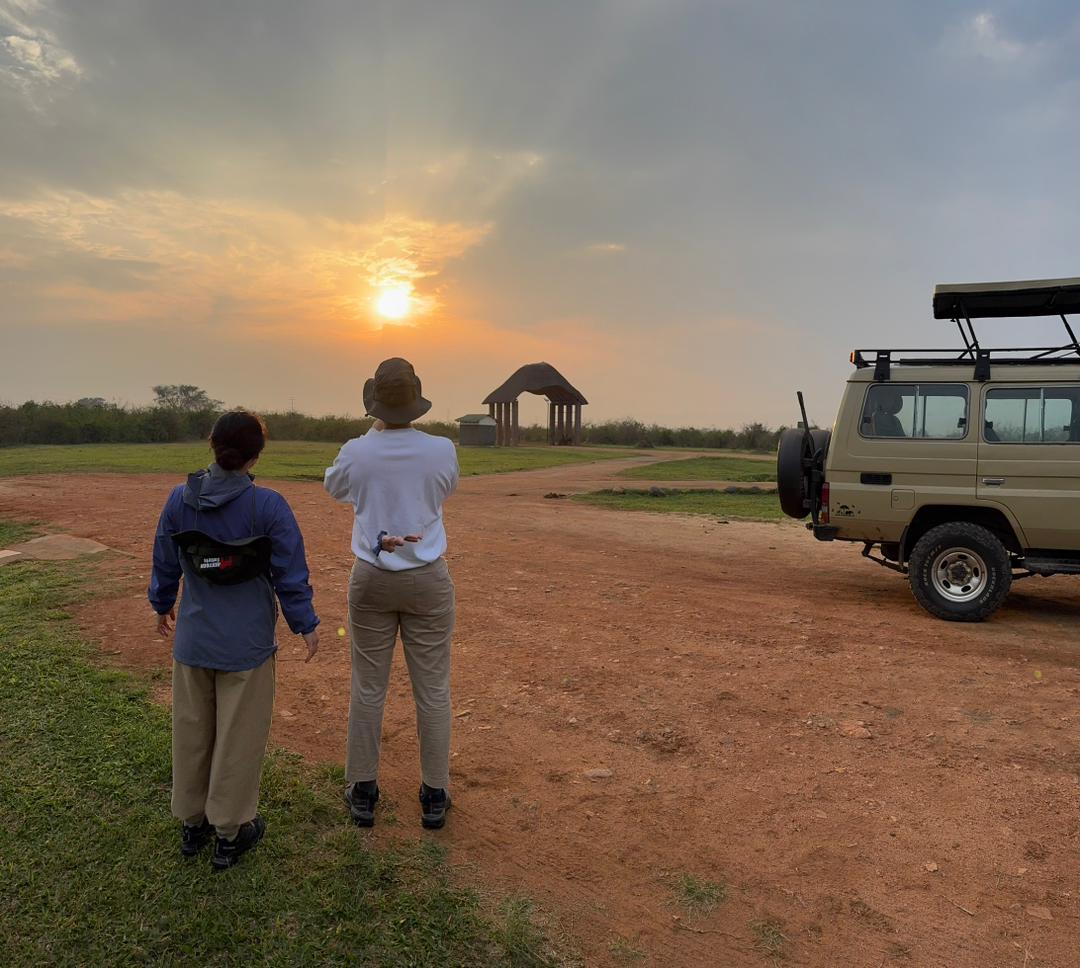
Can you walk with lions in Queen Elizabeth National Park?
No. Walking Safaris in Queen Elizabeth National Park do not target lions or other large predators. All walking routes are selected based on safety assessments, and areas with active predator movement are avoided. Lion sightings are best experienced during game drives.
Is a walking safari in Queen Elizabeth National Park safe?
Yes, walking safaris are safe when conducted under official supervision. Every walk is led by an armed Uganda Wildlife Authority ranger. Group sizes are limited, safety briefings are mandatory, and strict distance protocols are followed at all times.
What animals can you see on a walking safari in Queen Elizabeth?
Walking Safaris in Queen Elizabeth National Park typically focus on plains wildlife such as Uganda kob, waterbuck, bushbuck, and occasionally buffalo at controlled distances. Elephant encounters are possible but not guaranteed. Birdlife and ecological interpretation are major highlights.
How long does a walking safari last?
Most walking safaris last between one and two hours depending on terrain, wildlife movement, and group pace. The experience is structured and ranger-led, with flexibility built into the route for safety and learning.
Is walking safari better than a game drive?
Walking safaris and game drives offer different experiences. Game drives cover larger distances and increase chances of predator sightings. Walking Safaris in Queen Elizabeth National Park provide immersion, ecological insight, and ground-level wildlife engagement. The best itineraries combine both.
What is the best time for walking safaris in Queen Elizabeth?
Dry seasons between June and September and December to February offer the most comfortable walking conditions due to shorter grass and firmer terrain. However, walking safaris operate year-round.
Are walking safaris suitable for seniors?
Walking safaris require moderate mobility and the ability to walk on uneven terrain. Pace is controlled and manageable, but travelers with mobility limitations may prefer vehicle-based safaris.
Do you need a guide for walking safaris?
Yes. Walking Safaris in Queen Elizabeth National Park must be conducted with an authorized armed ranger. Independent walking inside the park is not permitted.
Can children join walking safaris?
Age restrictions apply and vary depending on park regulations and safety assessments. Young children are generally better suited to game drives.
Are walking safaris worth it in Uganda?
For travelers seeking deeper ecological understanding and immersive wildlife encounters, walking safaris are highly rewarding. They offer a completely different perspective compared to vehicle-based safaris.
Plan Walking Safaris in Queen Elizabeth National Park Properly
Walking Safaris in Queen Elizabeth National Park work best when they are structured within a well-planned itinerary.
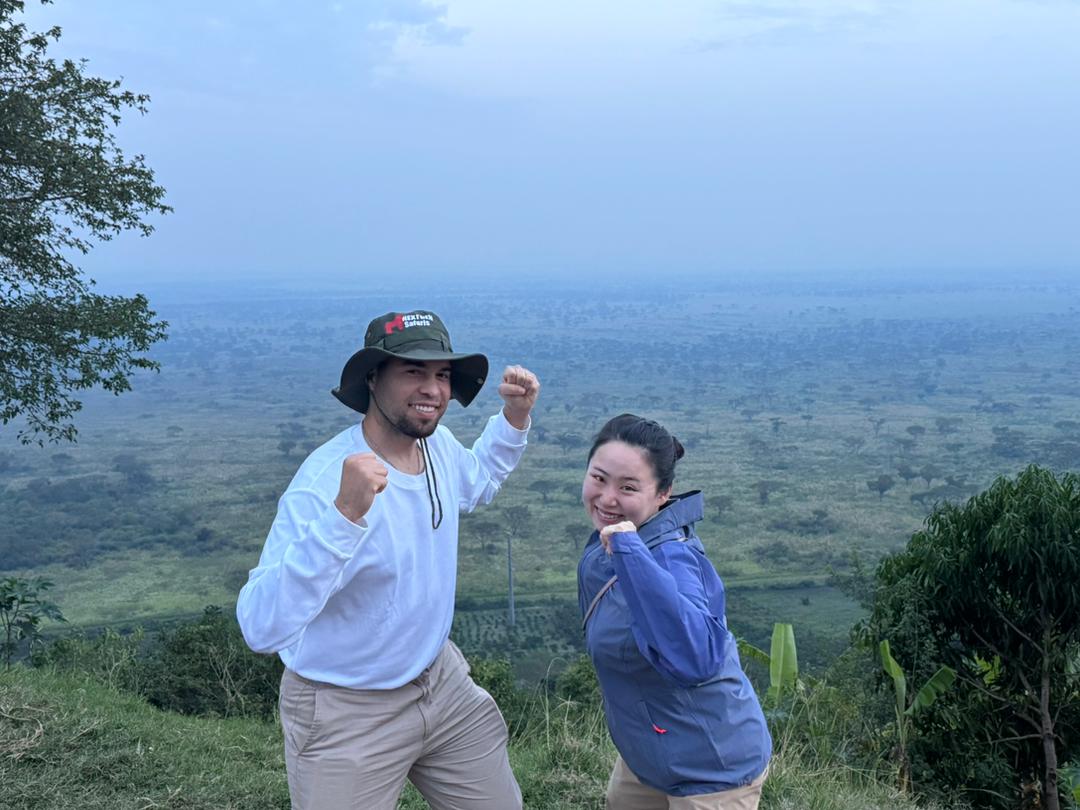
They are not stand-alone thrill activities. They are carefully regulated conservation experiences that complement game drives, boat cruises, and primate tracking.
When timed correctly, placed in the right sector, and paired with the appropriate lodge, walking safaris transform a standard wildlife trip into a layered safari experience.
If you want Walking Safaris in Queen Elizabeth National Park integrated at the right pace, in the right location, and under proper ranger coordination, speak to a safari planner who structures these experiences regularly.
Request a Private Safari Consultation
Clear planning. Proper pacing. Real immersion.