
What Credit Card Fees Should You Expect When Booking an African Safari?
What Credit Card Fees Should You Expect When Booking an African Safari? Complete Cost Guide
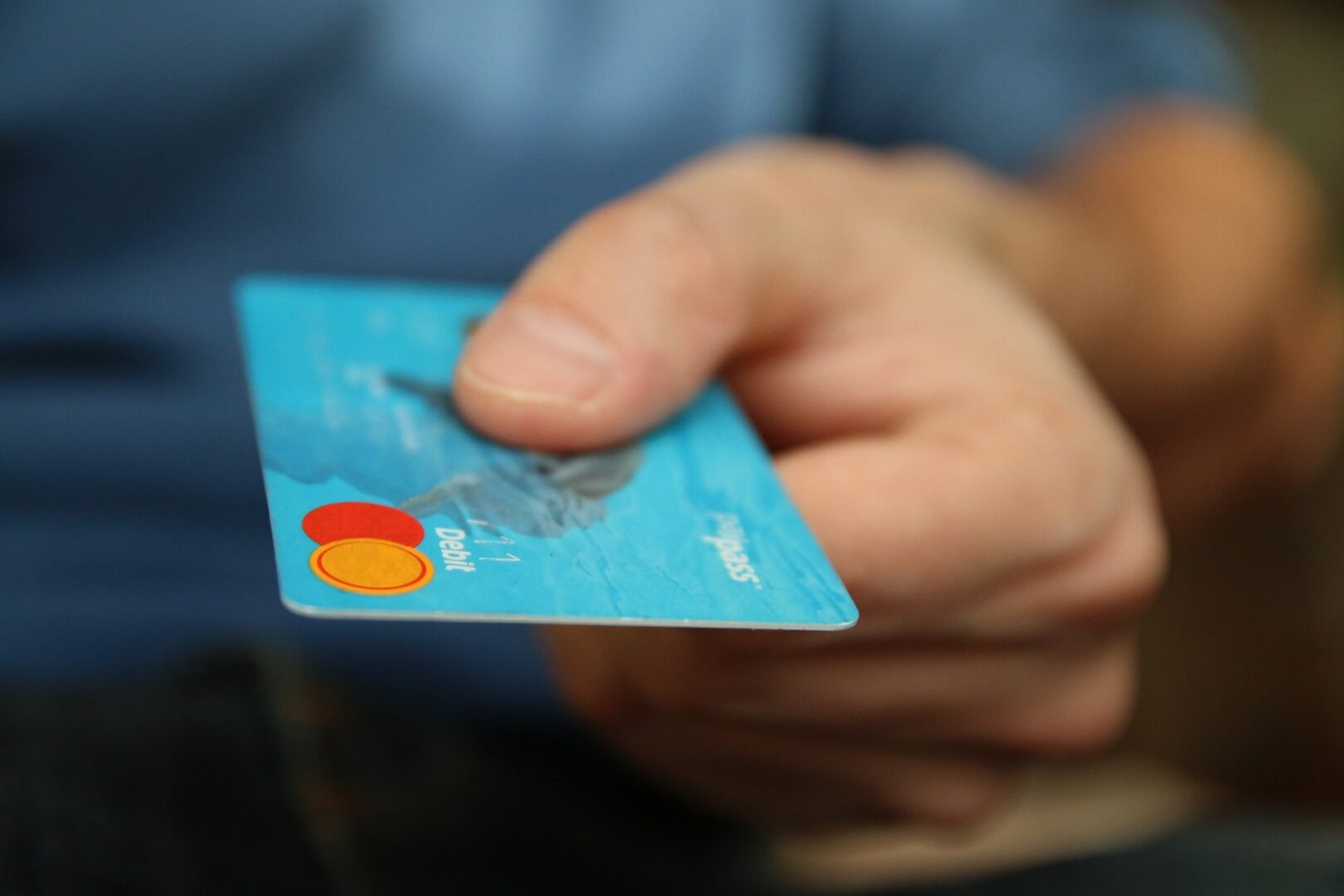
When you book an African safari using a credit card, the amount shown on your safari quotation may not always be the exact amount that eventually appears on your card statement. Depending on the safari company, payment provider, card issuer, transaction currency and country where the payment is processed, you may encounter different types of charges. Understanding these costs before paying can help you budget accurately and avoid unexpected surprises.
The most common costs can include a safari company’s card-processing fee, a foreign transaction fee charged by your bank, a currency-conversion cost, an exchange-rate difference and, in some circumstances, fees associated with refunds or cash withdrawals. Not every traveller will pay all of these charges, and some safari companies absorb their own processing costs rather than passing them on to customers.
The most important point is that there is no single standard credit card fee for every African safari. A safari operator in Rwanda may use a different payment gateway from one in Uganda, Kenya, Tanzania or South Africa. Your bank may also have completely different international transaction terms from another traveller’s bank. Before making a large payment, you should therefore ask exactly how much will be charged, in what currency and whether any additional fee applies.
Why Credit Card Fees Can Apply to an African Safari
What Credit Card Fees Should You Expect When Booking an African Safari?, An international safari payment can pass through several financial systems before the money reaches the safari company. Your safari operator may use a payment gateway to process your card, while your card issuer handles the transaction in your home country. If the safari price is quoted in US dollars and your card account is denominated in pounds, euros, Canadian dollars or another currency, currency conversion may also take place.
Each stage can have different costs. The safari company may pay a merchant processing fee to its payment provider. Your bank may charge an international transaction fee. The exchange rate used by your card issuer may include a spread compared with the rate you see on a currency-conversion website.
This is why two travellers paying exactly the same safari price can sometimes see slightly different final amounts on their card statements. Their cards, banks, currencies and payment arrangements may not be identical.
What Credit Card Fees Should You Expect When Booking an African Safari?
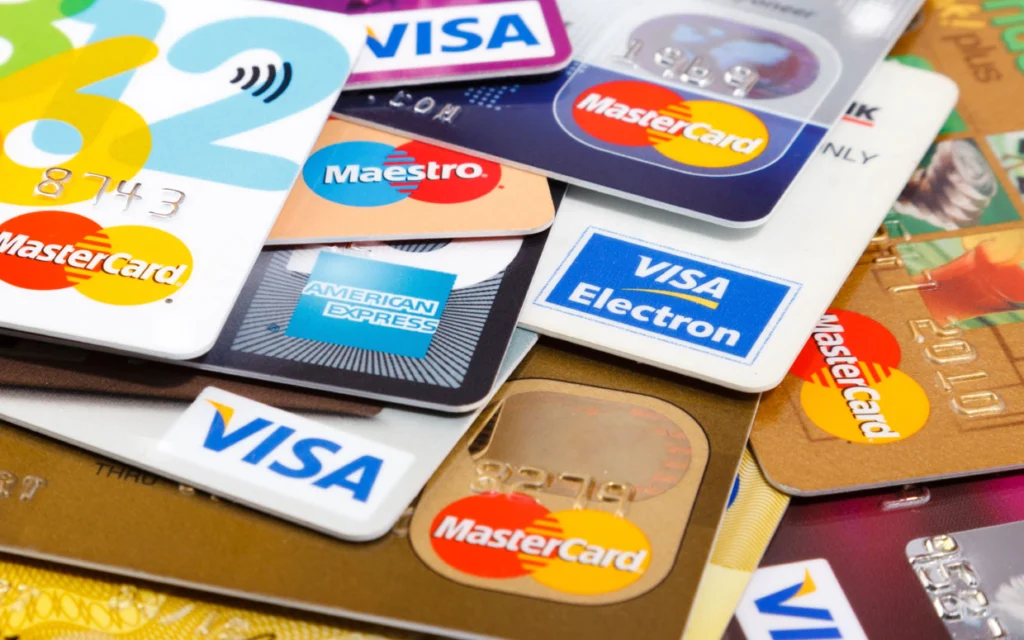
One of the first costs you should ask about is the card-processing fee charged by the safari company or its payment provider. When a business accepts a credit card, the transaction normally passes through a payment network and merchant processor, which can involve costs for the business.
Some safari companies absorb these costs as part of doing business. Others may pass some or all of the processing expense to the traveller. The policy can also depend on the payment method you choose.
For example, a safari company may offer card payment and bank transfer as two options, with different costs associated with each. The card option may be convenient but carry a processing surcharge, while a bank transfer may have different banking charges.
Before paying, ask whether the quoted safari price is the final card price or whether a card-processing fee will be added. This is particularly important when paying a large deposit or the entire safari balance.
Foreign Transaction Fees From Your Bank
Your credit card issuer may charge a foreign transaction fee when you purchase from a merchant outside your home country or when a transaction is processed in a foreign currency.
This fee is separate from any charge imposed by the safari company. The safari operator may quote you one amount, while your bank determines how the transaction appears on your statement.
Not every credit card charges a foreign transaction fee. Some travel-focused cards are specifically designed for international spending and may offer reduced or no foreign transaction charges, subject to their own terms.
Before booking your safari, check your card’s international transaction policy. If you travel frequently, this can be an important factor when deciding which card to use for a large African safari payment.
Currency Conversion Fees on Safari Payments
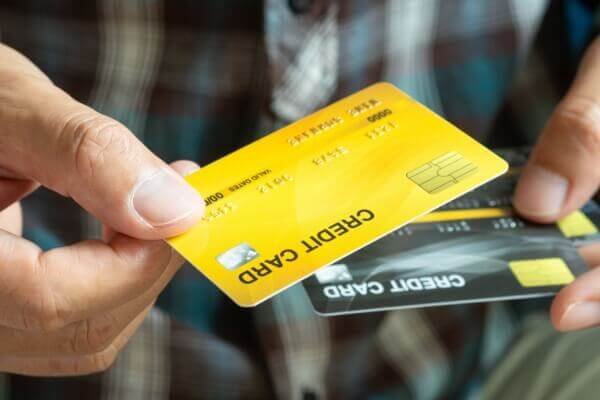
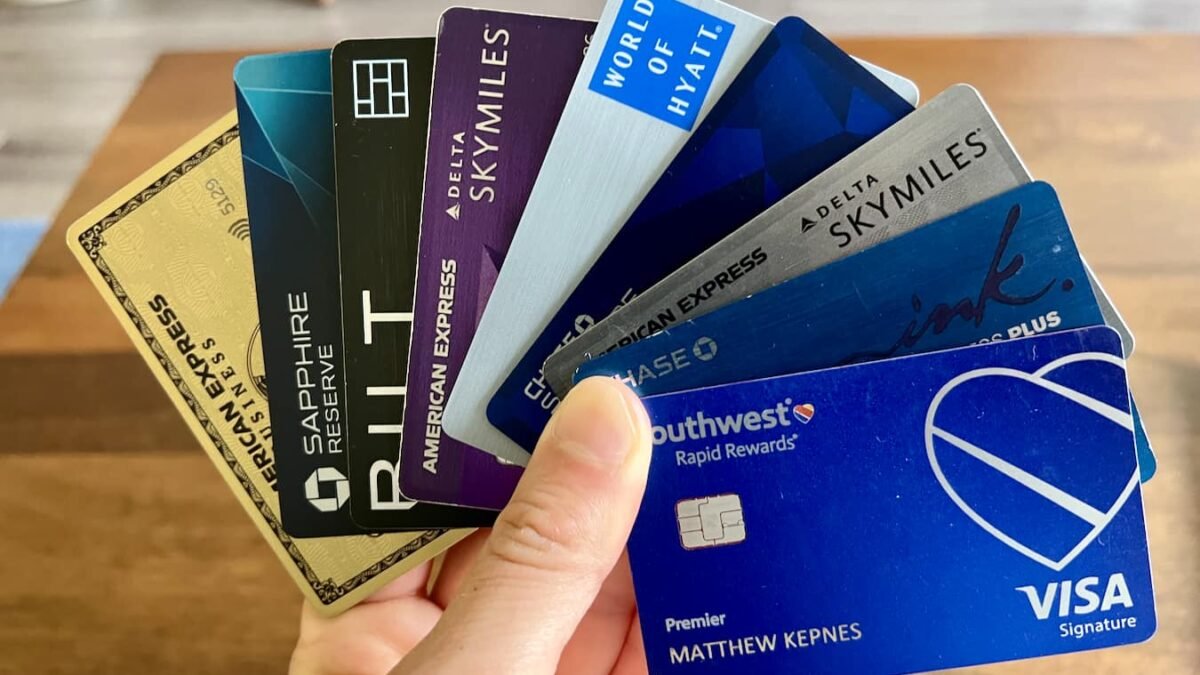
Currency conversion is another important consideration. Many African safari quotations are presented in US dollars, even when the safari itself takes place in a country that uses another currency.
If your credit card account is denominated in a different currency, your card issuer may convert the transaction when it posts the payment. The conversion may involve an exchange rate and potentially an additional foreign-currency charge.
For example, you could receive a safari quotation in US dollars while your card account is in Canadian dollars, British pounds, euros or Australian dollars. The amount appearing on your statement will therefore depend on the exchange rate used by your card provider when the transaction is processed.
Always confirm the transaction currency before paying so that you understand how the final charge will be calculated.
Exchange Rate Differences When Paying for a Safari
Even if your credit card does not charge a separate foreign transaction fee, you can still experience a difference through the exchange rate.
Currency markets move continuously, and the exchange rate used by your card issuer may not be identical to the rate displayed by a currency-conversion website or search engine. Some card issuers also apply their own exchange-rate margin.
This does not necessarily mean that the safari company has added a hidden charge. It may simply reflect the way your card provider converts foreign-currency transactions.
For a large safari payment, even a relatively small exchange-rate difference can affect the final amount in your home currency. Checking your card’s foreign exchange policy before payment can therefore be just as important as checking the safari company’s price.
Dynamic Currency Conversion
You may occasionally be offered the choice of paying in the merchant’s local currency or having the transaction converted into your home currency at the point of sale. This is commonly referred to as dynamic currency conversion.
Although paying in your own currency may appear convenient because you immediately see the amount, the exchange rate used by the merchant or payment provider may not be as favourable as the rate offered by your card issuer.
For this reason, you should understand the conversion before accepting it. If you are presented with a choice, check which currency is being charged and whether an additional conversion cost is included.
When booking a safari online, the same principle applies. Look carefully at the payment page before confirming the transaction.
Are Gorilla Permit Payments Subject to Credit Card Fees?
Gorilla permits are a special consideration because they are regulated tourism products with their own booking and payment procedures. Whether an additional card fee applies depends on how the permit is purchased and whether you are paying directly through an official system or through a safari operator.
If your safari company includes the permit within the overall safari quotation, you may be making one payment to the operator rather than paying the permit authority separately.
The important thing is to establish whether the permit price is included in your quotation and whether the quoted total already accounts for any payment-processing costs.
This is particularly important for group bookings because several permits can represent a substantial portion of the overall safari cost.
Credit Card Fees on Safari Deposits
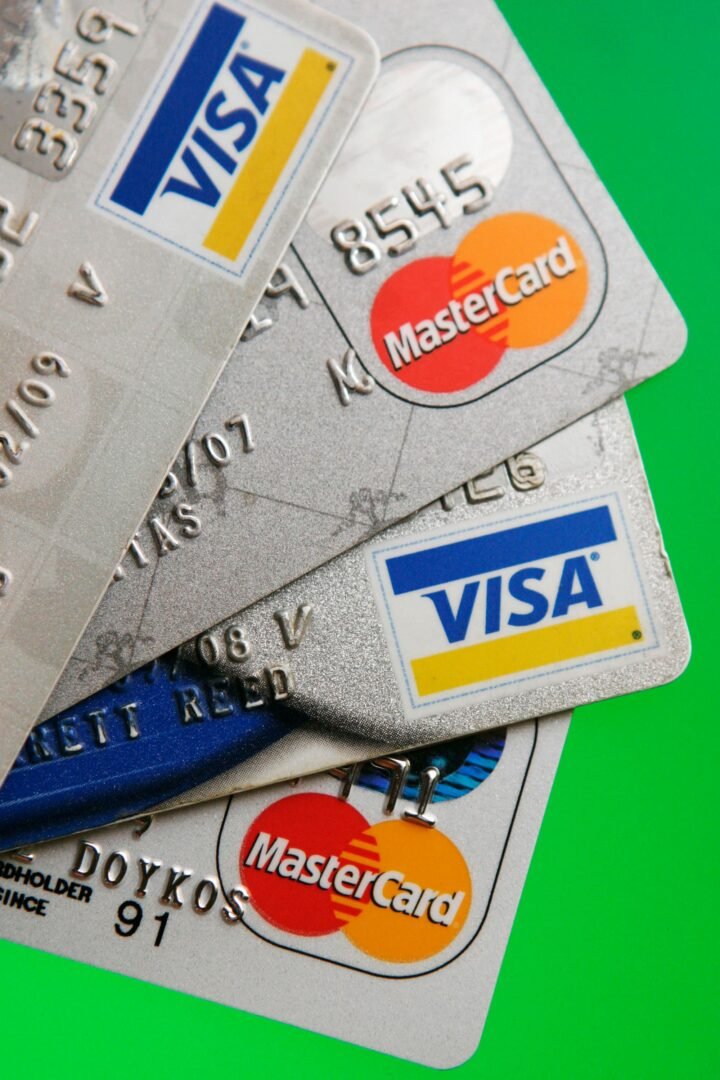
Many safari bookings require an initial deposit before reservations can be confirmed. If you pay that deposit by credit card, any applicable card-processing or foreign transaction fees may apply to that payment.
You should ask whether the fee applies only to the deposit or to every card transaction. If you make a second payment for the remaining balance, the same type of charge may potentially apply again.
For example, a traveller might pay a deposit several months before travelling and then pay the remaining balance closer to departure. If the card issuer charges an international transaction fee on each payment, the overall cost could be higher than making one transaction, depending on the card’s terms.
A clear payment schedule will help you understand the total financial commitment before booking.
Credit Card Fees on the Final Safari Balance
The final safari balance can sometimes be much larger than the initial deposit. If you plan to settle it using a credit card, you should confirm the final amount and any applicable payment charges before the deadline.
This is particularly important for luxury and ultra-luxury safaris because accommodation, private vehicles, domestic flights, permits and other premium services can make the total balance substantial.
Before making the final payment, check your available credit limit and confirm that your card permits international transactions of that size.
If your card has a foreign transaction fee, remember that the charge may be calculated by your bank rather than by the safari company.
Can Credit Card Fees Be Avoided?
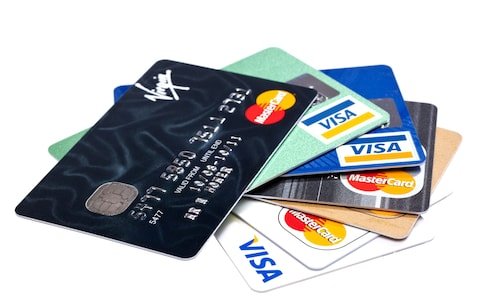
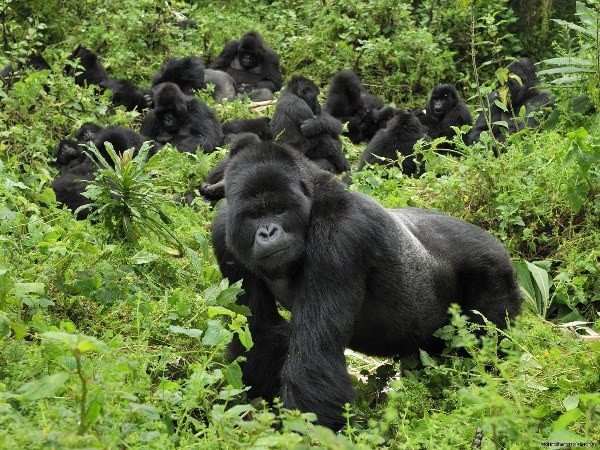
Sometimes. Whether you can avoid or reduce card fees depends on the source of the charge.
If your safari company applies a card-processing surcharge, you can ask whether another payment method is available. A bank transfer may have different costs, although international bank transfers can also involve fees.
If your bank charges a foreign transaction fee, you may be able to use a travel-oriented credit card with more favourable international terms.
If the cost comes from currency conversion, understanding your card’s exchange-rate policy can help you choose the most economical payment method.
The important thing is not to assume that one payment method is automatically cheaper. Ask for the final amount payable through each available option before deciding.
Credit Card vs Bank Transfer for Safari Payments
Credit cards and bank transfers each have advantages.
A credit card can be convenient because you can often complete the transaction online and receive an immediate transaction record. It may also allow you to use travel rewards or other card benefits, depending on your card provider.
A bank transfer can be useful for large safari payments where the operator offers it as an alternative to card payment. However, international transfers can involve bank fees, intermediary charges and processing delays.
For this reason, you should compare the total cost, not simply the advertised fee.
Ask the safari company how much you will need to pay by credit card and how much would be required through bank transfer. Then check whether your own bank adds any charges.
Credit Card vs Cash for Safari Booking
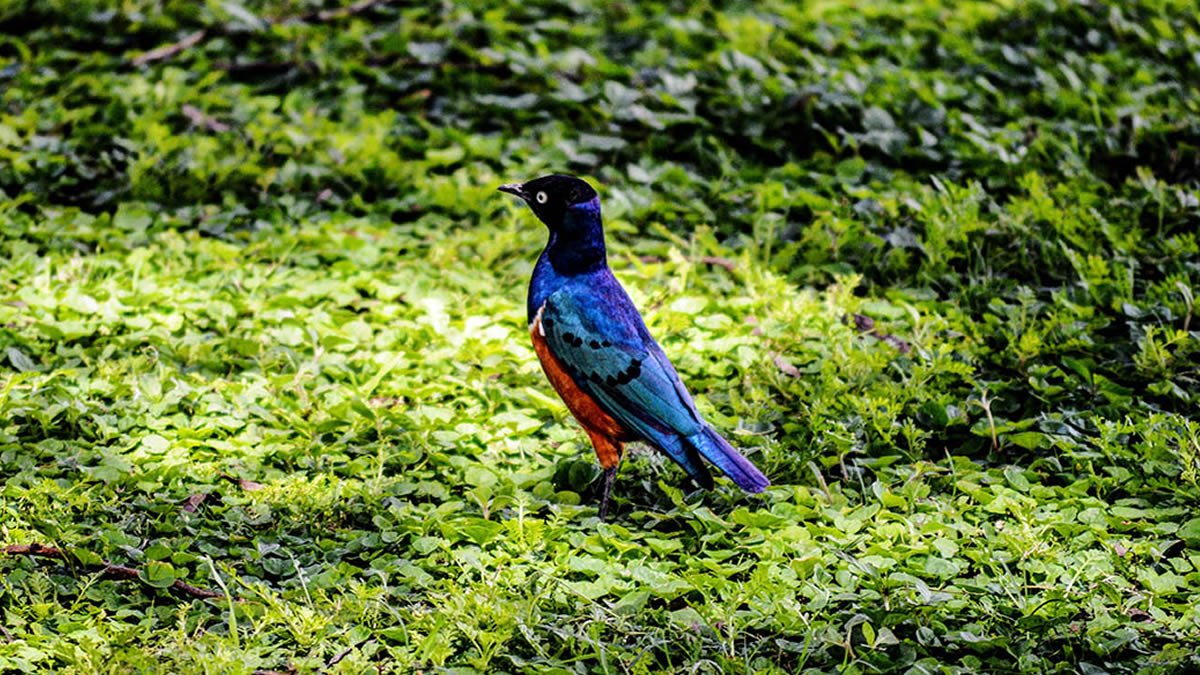
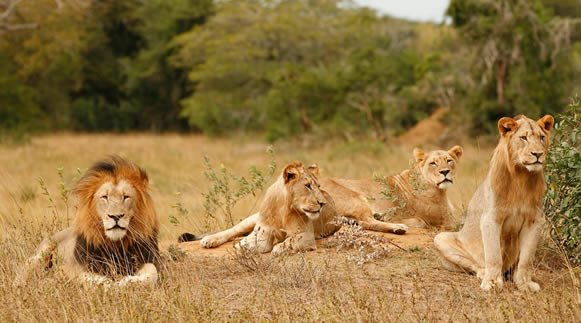
Cash is generally not the most practical way to pay for a major international safari booking. Carrying thousands of dollars or another large amount of physical currency creates unnecessary logistical and security concerns.
For major safari payments, electronic methods such as credit cards and bank transfers are generally more practical when offered by the safari company.
Cash is more useful for personal spending after you arrive. You may need local currency for small purchases, tips, souvenirs and places where cards are unavailable.
Your booking payment and your day-to-day spending should therefore be treated separately.
Credit Card Rewards and Safari Payments
Some travellers use credit cards that offer airline miles, hotel points, cashback or other rewards. A large safari payment can potentially generate substantial rewards if the transaction qualifies under your card’s programme.
However, you should not choose a payment method based solely on rewards.
If a card charges a significant foreign transaction or processing fee, the cost may outweigh the value of the rewards earned. You should compare the value of the benefits with the actual cost of making the transaction.
A travel card with favourable international terms can be useful, but always read the conditions that apply to foreign purchases.
Credit Card Fees for Luxury African Safaris
Luxury safari bookings deserve particular attention because the transaction value can be high.
A luxury safari may include premium lodges, private transportation, domestic flights, gorilla or chimpanzee permits, exclusive activities and longer stays. The total price can therefore reach a level where even a modest percentage fee becomes noticeable.
Before making a large luxury safari payment, ask for a complete breakdown of the amount being charged. Confirm the safari price, any card surcharge, the transaction currency and the expected payment schedule.
It is also worth checking your credit limit well in advance. A bank may decline an unusually large international transaction even when you have enough overall credit available.
Do Credit Card Fees Apply to Domestic Flights?
If your safari includes domestic flights, the payment arrangement can vary depending on how the flights are booked.
If your safari operator purchases the flights as part of your package, the flight cost may simply form part of the overall safari price. If you purchase the ticket separately, you will be dealing directly with the airline or its payment provider.
In either case, your credit card issuer may still apply foreign transaction or currency-conversion charges if the airline payment is processed internationally or in a foreign currency.
When comparing safari quotations, ask whether domestic flights are included and whether they are already reflected in the total price.
What Happens When a Safari Payment Is Refunded?
Refunds can sometimes be more complicated than the original payment because different suppliers may have different cancellation policies.
If a safari company refunds a card payment, the money will generally be returned through the payment route used for the original transaction, subject to the applicable terms and processing time.
However, the amount you receive in your home currency may differ from the original amount if currency exchange rates have changed between the payment and refund dates.
Some transaction or processing costs may also be non-refundable depending on the payment provider and booking conditions.
Before paying, carefully review the safari company’s cancellation and refund policy, particularly if your itinerary contains permits, flights or accommodation with strict cancellation terms.
Can Your Bank Charge You Even If the Safari Company Does Not?
Yes. This is an important distinction.
A safari company may tell you that it does not add a card surcharge, but your own bank could still charge a foreign transaction fee or apply a currency-conversion rate.
The safari company controls the price it charges you. Your bank controls the fees and exchange-rate terms attached to your card.
This means you should check both sides before making a large international payment.
Ask the safari company for the exact transaction amount and currency, then check your credit card’s international payment terms. This gives you a much more realistic estimate of your final cost.
How to Calculate Your Real Safari Payment Cost
The simplest way to understand your actual cost is to consider four potential components.
Start with the safari price itself. Then determine whether the safari company adds a card-processing fee. Next, check whether your bank charges a foreign transaction fee. Finally, consider the exchange rate that will be used if the transaction is in a currency different from your card account.
For example, if your safari is quoted in US dollars but you hold a euro-denominated card, the final euro amount depends on the exchange rate used when the transaction is processed. Any applicable international transaction charge from your bank would then be an additional cost.
You do not need to calculate every technical component yourself. The important thing is to ask the right questions before payment.
Understanding the Difference Between Safari Price and Card Cost
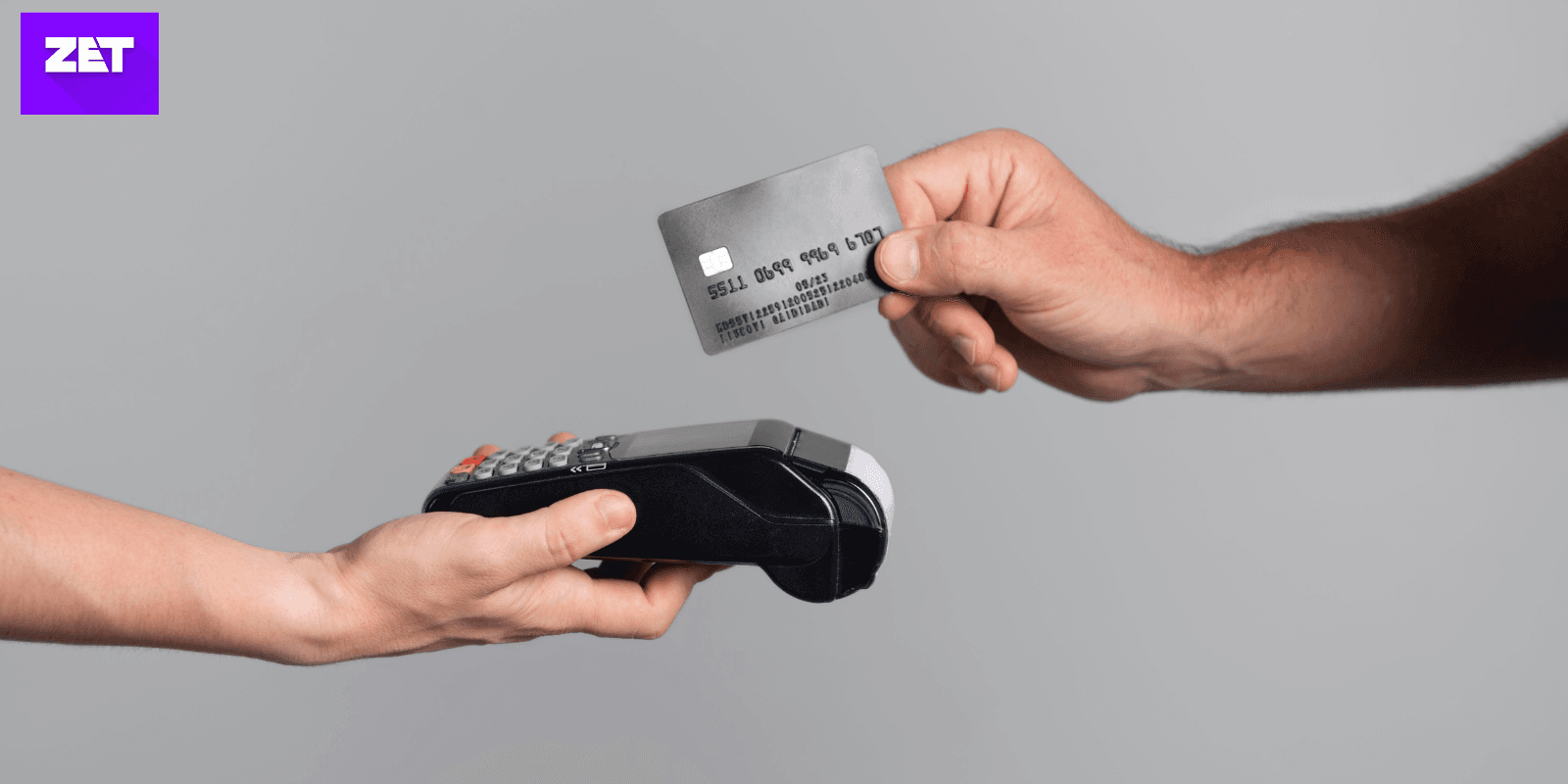

One of the most important lessons when comparing African safari quotations is to distinguish between the safari price and your personal cost of paying for that safari.
The safari company controls the package price and any processing surcharge it applies. Your bank controls its own foreign transaction fees and currency conversion. These are separate components.
Therefore, a safari advertised at a particular price may cost you slightly more in your home currency after card conversion and bank charges.
This does not necessarily make the safari more expensive. It simply means that your personal payment costs should be considered when preparing your overall travel budget.
Book Your African Safari With Nextgen Safaris
Once you understand the potential credit card costs, booking your African safari becomes much easier. Nextgen Safaris can help you plan a personalised safari based on your preferred destinations, travel dates, number of travellers, accommodation style and experiences.
Your itinerary can include mountain gorilla trekking, chimpanzee trekking, Big Five wildlife, cultural experiences, birdwatching, photography, family adventures, honeymoon experiences or a combination of destinations across East Africa.
When preparing your quotation, you can ask for a clear breakdown of the major safari costs and payment requirements. If you intend to pay by credit card, tell us before making the payment so that you can understand the available payment process and any applicable conditions.
Whether you want to experience Rwanda’s mountain gorillas, Uganda’s forests and wildlife, Kenya’s classic safari destinations, Tanzania’s Serengeti and Ngorongoro or a wider multi-country African journey, Nextgen Safaris can help you create a safari around your interests and budget.
Send us your travel dates, number of travellers, preferred destinations, accommodation style and safari interests to request your personalised safari quotation.
Before making your payment, ask about the accepted card networks, transaction currency, processing charges and payment schedule. Check your own bank’s international transaction terms as well.
With the right preparation, you can understand the true cost of your safari, avoid unnecessary payment charges and concentrate on what really matters — enjoying an unforgettable African adventure.