
What Happens If You Lose Sight of Your Gorilla Group? 7 Essential Steps
What Happens If You Lose Sight of Your Gorilla Group? During mountain gorilla trekking in Uganda or Rwanda, it is possible for a habituated gorilla family to temporarily disappear behind dense vegetation, move down a forest slope, or travel into another section of its natural habitat. If visitors suddenly lose sight of the gorillas, they should remain calm, stay together, and follow their park ranger’s instructions rather than attempting to pursue the animals independently. Mountain gorillas are wild animals that move freely, and their movements cannot be controlled for tourism. Understanding how professional trackers manage these situations helps travelers prepare for gorilla trekking in Bwindi, Rwanda gorilla trekking, Volcanoes National Park safaris, Mgahinga gorilla trekking adventures, and personalized mountain gorilla holidays.
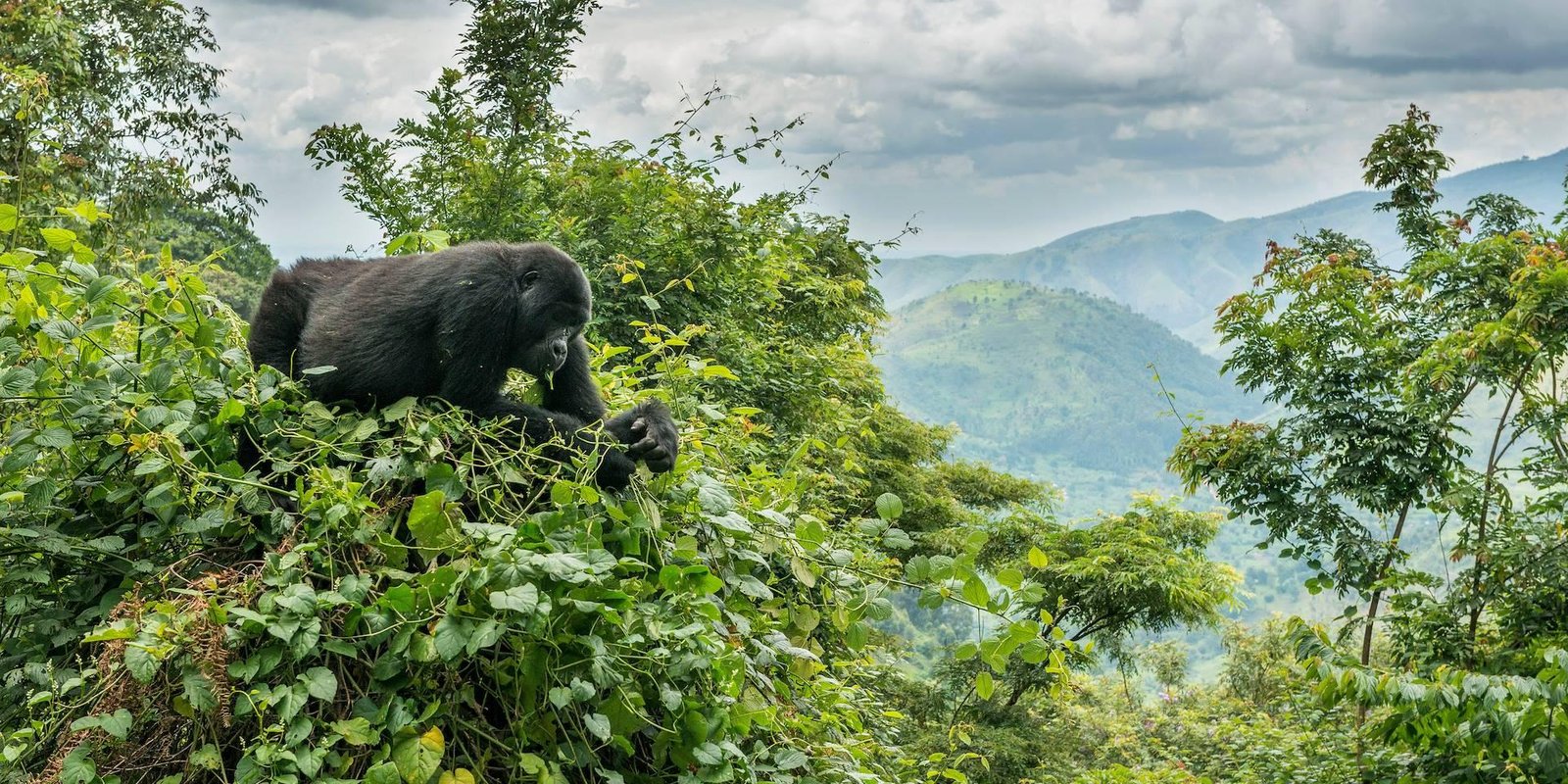
At Nextgen Safaris, we help travelers understand what happens when gorilla families move unexpectedly and how experienced rangers coordinate safe wildlife encounters. What Happens If You Lose Sight of Your Gorilla Group?Losing sight of a gorilla family is different from becoming separated from your human trekking group, and both situations require appropriate responses. A gorilla family may move behind vegetation for a few moments, travel deeper into the forest, or become difficult to observe from the group’s designated position. Experienced guides assess whether the animals can be observed again without disturbing them, while visitors remain under supervision. Our Bwindi gorilla trekking experiences, Rwanda mountain gorilla tours, luxury Uganda gorilla safaris, guided Volcanoes National Park holidays, and private safari packages introduce visitors to these important conservation principles.
Why Do Mountain Gorilla Families Sometimes Disappear from View?
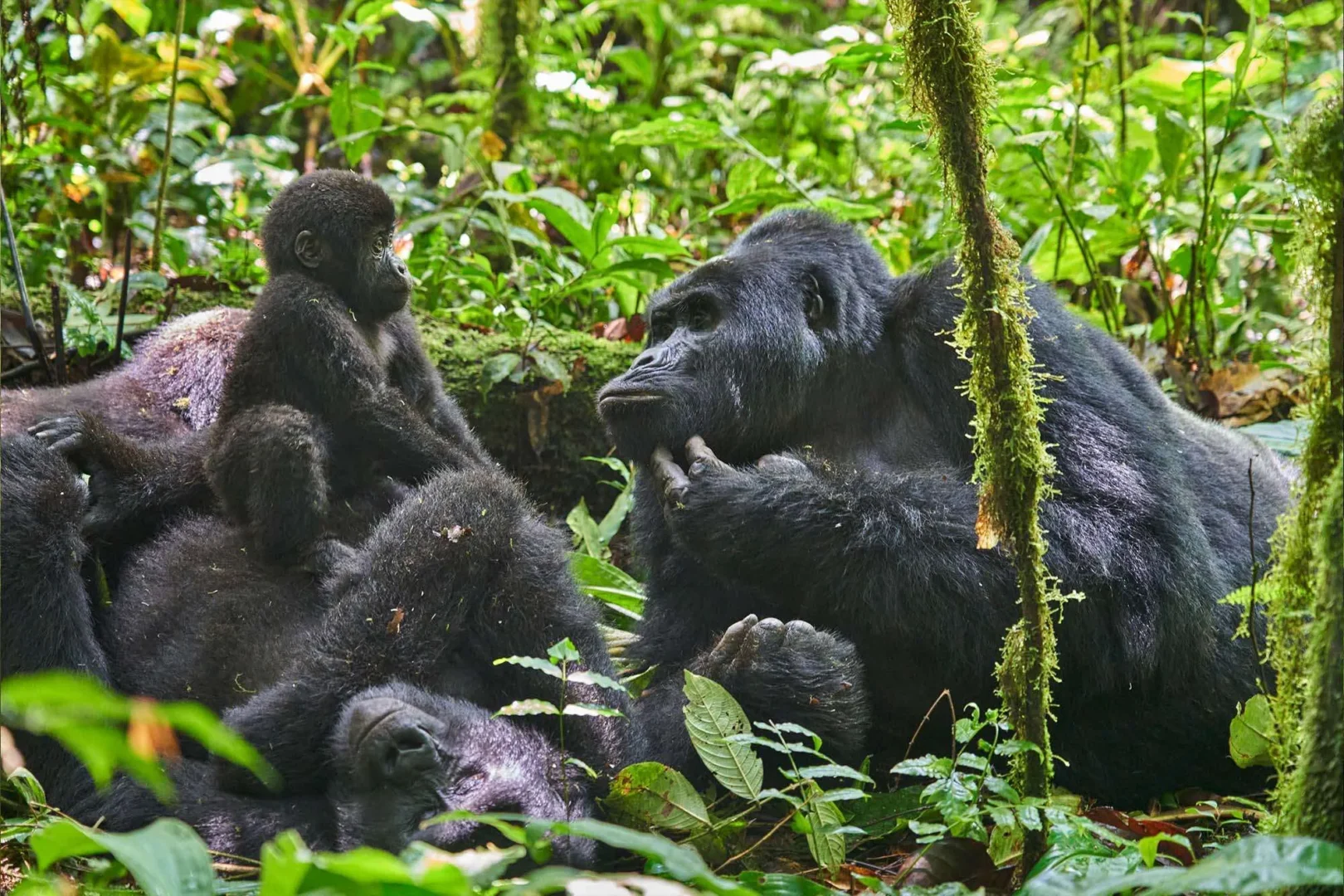
Mountain gorillas spend much of their day feeding, resting, grooming, moving through vegetation, and interacting with family members. What Happens If You Lose Sight of Your Gorilla Group?Because their natural habitats contain thick forest undergrowth, steep hillsides, bamboo vegetation, and irregular terrain, the animals may disappear from view even while remaining relatively nearby. An adult gorilla may move behind a tree, a silverback may lead the family toward another feeding location, or several members may travel through dense vegetation that prevents visitors from seeing them clearly. These movements are normal and do not necessarily indicate that the gorillas are frightened or behaving aggressively. Travelers exploring Bwindi Impenetrable Forest, Volcanoes National Park, Mgahinga Gorilla National Park, Rwanda mountain gorilla trekking, and guided primate safaris should expect natural variations in wildlife visibility.
Stay Calm When Your Gorilla Family Disappears
The first thing visitors should do when their assigned gorilla family moves out of sight is remain calm. An unexpected movement into dense vegetation is a normal part of observing wild animals, and it does not necessarily mean that the viewing experience has ended.What Happens If You Lose Sight of Your Gorilla Group? Tourists should avoid shouting, rushing into the vegetation, or attempting to identify the animals’ location without help. A ranger may ask everyone to remain still while determining whether the family is simply concealed or moving farther away. Staying calm helps guides supervise the group and reduces unnecessary disturbance. These principles apply during Rwanda gorilla trekking adventures, Bwindi gorilla safaris, Volcanoes National Park experiences, guided Mgahinga trekking, and private gorilla holidays.
Remain With Your Assigned Human Trekking Group
Visitors must remain with their assigned human trekking group whenever gorillas move out of sight. Leaving the group to search for an animal can create safety risks, particularly in forests where visibility is limited and trails may be difficult to recognize. Rangers are responsible for supervising visitors and assessing whether additional movement is appropriate. Even when a gorilla appears to be traveling along an obvious route, tourists should never follow independently or separate themselves for a better photograph. Remaining together makes it easier for guides to monitor everyone and prevent accidental approaches to nearby family members. This guidance is essential for Bwindi gorilla trekking tours, Volcanoes National Park safaris, Rwanda guided gorilla trekking, Uganda luxury gorilla holidays, and professionally arranged safari experiences.
Allow Professional Trackers to Locate the Gorilla Family
Mountain gorilla trekking involves trained trackers and rangers who monitor habituated families and help establish their locations before visitors arrive. What Happens If You Lose Sight of Your Gorilla Group?These professionals understand the forest environment, the usual movement patterns of particular gorilla families, and methods for identifying evidence of the animals’ recent movements. If a family temporarily disappears from view, the guiding team decides whether it is appropriate to reposition the visitors or continue observing from the current location. Tourists must not attempt to imitate trackers or enter unfamiliar vegetation alone. The role of these professionals is particularly important during Rwanda gorilla trekking, Bwindi mountain gorilla safaris, Mgahinga trekking adventures, Volcanoes National Park holidays, and private wildlife expeditions.
Never Chase Gorillas That Move into the Forest
An important rule during mountain gorilla trekking is that tourists must never chase gorillas or attempt to force them to remain visible. Moving quickly after an animal can disturb the family, reduce the required viewing distance, or create confusion within the group. Gorillas are free to leave a viewing location whenever they choose, and their welfare takes priority over a visitor’s desire for photographs. Rangers may sometimes lead visitors to another suitable observation position, but this must be done carefully and only when permitted. Understanding this distinction helps protect wildlife during gorilla trekking in Rwanda, Bwindi rainforest adventures, Volcanoes National Park treks, Mgahinga mountain gorilla experiences, and responsible gorilla safari holidays.
Follow Your Ranger When Changing Observation Positions
If the gorilla family moves into another visible part of the forest, the ranger may decide whether visitors can safely change their viewing position. The decision depends on the animals’ movements, vegetation density, terrain, remaining viewing time, and conservation requirements. Travelers should move only when instructed and avoid trying to reach a particular viewpoint independently. In some circumstances, the ranger may determine that following the gorillas is inappropriate and ask the group to remain where it is. These decisions are part of responsible wildlife observation and cannot be predicted before the trek. Professional supervision is central to Rwanda gorilla trekking packages, Bwindi forest encounters, Volcanoes National Park tours, luxury Uganda gorilla holidays, and customized safari arrangements.
Respect the Remaining Gorilla Viewing Time
Standard mountain gorilla trekking permits in Uganda and Rwanda generally allow a maximum of one hour observing a habituated family once the encounter begins. If the gorillas move behind vegetation during this period, visitors should not assume that the viewing clock automatically pauses or that additional time will be provided. What Happens If You Lose Sight of Your Gorilla Group?The ranger manages the permitted observation period according to the park’s operating procedures and the circumstances of the encounter. Travelers who want additional opportunities to observe gorilla behavior can consider arranging another trek on a separate date, subject to permit availability. Explore three-day Rwanda gorilla trekking, three-day Bwindi gorilla safaris, Volcanoes National Park adventures, Uganda gorilla trekking packages, and private multiple-trek itineraries.
Let the Rangers Decide When the Encounter Is Complete
Sometimes a gorilla family may travel into terrain that is unsuitable for visitors, remain hidden for an extended period, or move in a way that makes continued observation inappropriate. In such circumstances, the ranger may end the encounter and guide tourists away from the area. Although this can be disappointing, conservation rules and visitor safety must take priority over completing a particular photographic opportunity. The ranger’s decision may also reflect the family’s behavior or the remaining authorized viewing time. Travelers should accept these decisions as part of responsible wildlife tourism. Join professionally organized Bwindi gorilla trekking safaris, Rwanda mountain gorilla tours, Mgahinga gorilla expeditions, Volcanoes National Park experiences, and customized Nextgen Safaris holidays for carefully planned trekking experiences.
What Happens If You Lose Sight of Your Human Trekking Group?
Becoming separated from the people accompanying you is a different and more urgent situation than temporarily losing sight of the gorillas. If you can no longer see or hear your ranger or fellow trekkers, stop walking as soon as you are in a safe position, rather than continuing along an unfamiliar forest trail. Try to contact your guide using the communication method agreed upon during the briefing, or call out for assistance when necessary. What Happens If You Lose Sight of Your Gorilla Group?Do not wander deeper into the forest, attempt to follow unverified tracks, or descend an unfamiliar slope. If you are in immediate danger, prioritize reaching a safe position and alerting park personnel. Such preparation matters during Bwindi trekking adventures, Rwanda mountain gorilla safaris, Volcanoes National Park hikes, Mgahinga gorilla tracking, and guided private expeditions.
How Do Rangers Prevent Tourists From Getting Separated?
Park rangers help keep visitors together by explaining group procedures, supervising movement, and managing the pace of the trek. What Happens If You Lose Sight of Your Gorilla Group?Tourists are generally expected to remain behind their guides and avoid leaving the designated group position. When forest conditions become difficult, guides may pause to allow slower participants to catch up or help visitors navigate challenging areas. Porters can provide additional practical assistance with personal belongings and difficult terrain, although they do not replace park rangers. Visitors should communicate fatigue, injury, or difficulties immediately rather than quietly falling behind. These arrangements support safer Bwindi gorilla trekking experiences, Rwanda guided forest safaris, Volcanoes National Park hikes, Mgahinga mountain adventures, and private trekking holidays.
Can a Gorilla Family Split Up During a Trekking Encounter?
Mountain gorilla families are social groups whose individual members do not always remain immediately beside one another. A silverback may rest in one position while juveniles play nearby, or several females may feed in different parts of the surrounding vegetation. Because of this, visitors may see only a portion of the family at a particular moment. This does not necessarily mean that the group has permanently divided into separate families. Permanent social changes are more complex and may involve dispersal, leadership changes, or the formation of new groups over time. Travelers can observe natural family behavior during Rwanda gorilla trekking, Bwindi mountain gorilla safaris, Volcanoes National Park visits, Mgahinga forest trekking, and personalized primate tours.
What If the Silverback Moves Away Before the Other Gorillas?
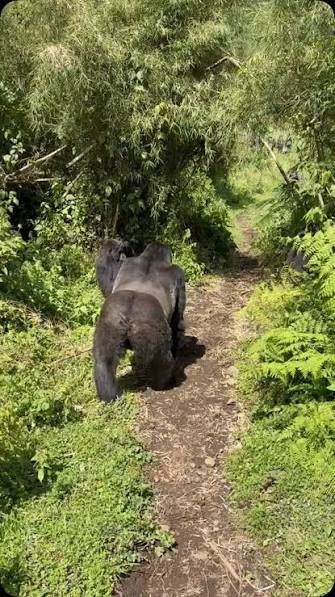
Silverbacks often play important roles in gorilla group leadership, protection, and movement, although individual animals may make independent decisions throughout the day. During a tourist encounter, a silverback may suddenly walk away while other members remain visible, or he may become hidden behind vegetation before reappearing elsewhere. What Happens If You Lose Sight of Your Gorilla Group?Visitors should not attempt to follow the silverback separately or move closer to another family member without permission. The ranger determines which animals can be safely observed from the group’s designated position. The opportunity to watch such behavior is part of Rwanda gorilla trekking holidays, Bwindi forest safaris, Volcanoes National Park tours, luxury Uganda gorilla trekking, and guided wildlife expeditions.
How Do Gorilla Trackers Locate Families in Dense Forest?
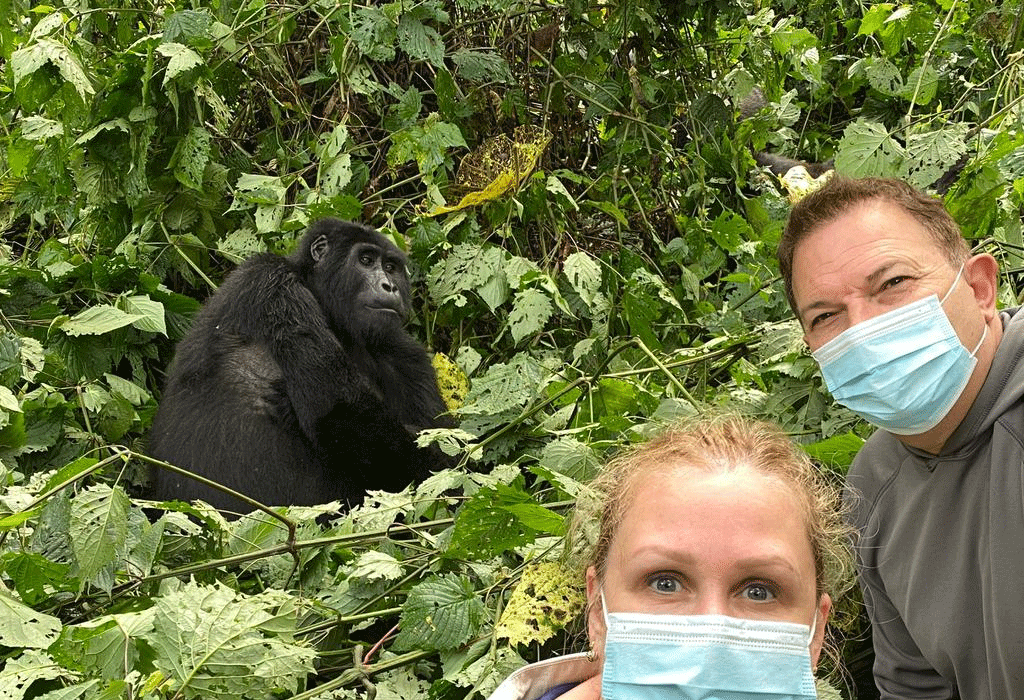
Locating mountain gorillas requires experience, local knowledge, and careful observation of signs within their forest habitat. What Happens If You Lose Sight of Your Gorilla Group?Trackers may use information from previous monitoring, recent nesting areas, feeding signs, animal movements, and communication with other park personnel to determine where a habituated family is located. Because gorillas move naturally through protected forests, their positions can change between one observation and the next. Tracking helps guide tourists toward the family but does not control the animals’ movements or guarantee uninterrupted visibility. This important work supports Bwindi gorilla trekking adventures, Rwanda mountain gorilla tracking, Mgahinga forest experiences, Volcanoes National Park safaris, and professionally organized trekking holidays.
Does Losing Sight of the Gorillas Mean Your Safari Has Failed?
Temporarily losing sight of a gorilla family does not necessarily mean the encounter has been unsuccessful. The animals may become visible again after moving through vegetation, and visitors may still have opportunities to observe resting, feeding, grooming, or social behavior. Wildlife viewing is inherently unpredictable, however, and no operator can promise that a particular gorilla will remain visible throughout the entire permitted hour. Even an encounter involving pauses and restricted visibility can provide memorable observations of endangered mountain gorillas in their natural habitat. Travelers seeking well-planned experiences can explore Rwanda gorilla safari packages, Bwindi gorilla trekking tours, Volcanoes National Park holidays, luxury gorilla trekking experiences, and personalized safari itineraries.
Can You Request a Different Gorilla Family If Yours Disappears?
Visitors are normally assigned a particular habituated gorilla family through the park’s daily trekking arrangements. If that family moves out of sight, tourists cannot independently decide to visit another family or abandon their assigned group. What Happens If You Lose Sight of Your Gorilla Group?Any change must be authorized and managed by park personnel according to operational and conservation considerations. A gorilla trekking permit is not an unlimited-access pass to multiple families, and an incomplete view does not automatically create an entitlement to another encounter. Travelers wanting additional planned viewing opportunities may arrange separate trekking permits for different dates. Compare Rwanda gorilla trekking safaris, Bwindi gorilla trekking packages, three-day Rwanda treks, Uganda gorilla trekking adventures, and customized double-trekking holidays.
How to Avoid Losing Sight of Your Gorilla Trekking Group
Good preparation begins before entering the forest. Travelers should listen carefully to the ranger briefing, stay close to the assigned group, wear suitable hiking footwear, and communicate whenever they need to stop or rest. Avoid stepping away for photographs without permission, and do not use headphones or other distractions that prevent you from hearing instructions. A suitable rain jacket, water supply, and comfortable trekking clothing can make it easier to manage changing forest conditions. Visitors should also keep personal belongings organized so that retrieving equipment does not cause delays. Prepare for Bwindi mountain gorilla trekking, Volcanoes National Park adventures, Rwanda gorilla trekking tours, Mgahinga guided safaris, and private trekking arrangements.
Why Gorilla Trekking Safety Rules Protect Wildlife and Visitors
Mountain gorilla trekking regulations help reduce disturbance, limit disease transmission, and protect visitors in forests where wildlife movements cannot be predicted. Tourists must remain with their guides, keep voices low near the gorillas, maintain the required viewing distance, and avoid direct contact with the animals. Rwanda’s published booking guidance specifies a seven-metre minimum, while additional health precautions may require greater separation; visitors should always follow their ranger’s current instructions. These conservation principles allow responsible observation while helping gorillas continue their natural activities. Discover gorilla trekking in Rwanda, Bwindi gorilla safari experiences, Volcanoes National Park, Uganda gorilla trekking and habituation, and responsible safari bookings.
Best 3-Day Rwanda Gorilla Trekking Itinerary
Day 1: Arrival in Kigali and Transfer to Volcanoes National Park
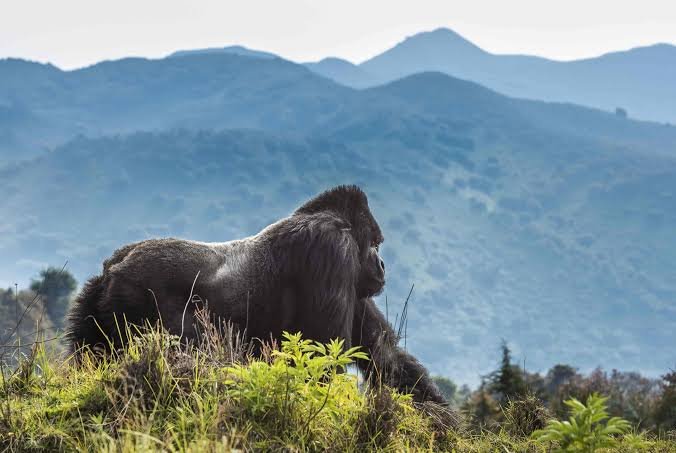
Your safari begins upon arrival at Kigali International Airport or your selected hotel, where a professional Nextgen Safaris driver-guide welcomes you for the scenic journey toward Musanze and Volcanoes National Park. The drive generally takes around two to three hours, depending on traffic and stops, passing through Rwanda’s rolling hills and picturesque countryside. What Happens If You Lose Sight of Your Gorilla Group?Upon arrival, settle into your accommodation and prepare for the following morning’s ranger briefing and guided forest adventure. Travelers can plan this experience through three-day Rwanda gorilla trekking, Volcanoes National Park tours, Rwanda mountain gorilla safaris, private gorilla trekking holidays, and customized safari arrangements.
Day 2: Mountain Gorilla Trekking and Guided Forest Observation
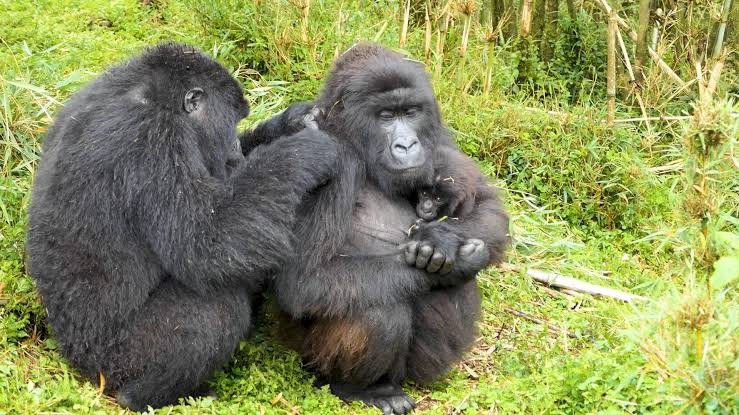
After breakfast, transfer to the Kinigi briefing centre for registration and the ranger’s instructions before entering Volcanoes National Park. What Happens If You Lose Sight of Your Gorilla Group?Professional trackers and guides lead your assigned trekking group toward a habituated gorilla family. Once the animals are located, enjoy the regulated observation period while maintaining the required distance and following the ranger’s directions. If the gorillas move behind vegetation or disappear from view, remain with your guides and allow park personnel to manage the situation. Return to your lodge after the trek for relaxation. Explore Rwanda gorilla trekking packages, Volcanoes National Park adventures, three-day mountain gorilla safaris, guided gorilla trekking in Bwindi, and private safari booking services.
Day 3: Scenic Return to Kigali and Departure

Enjoy breakfast overlooking the Virunga Mountains before beginning your return journey to Kigali with your private driver-guide. What Happens If You Lose Sight of Your Gorilla Group?Depending on your onward travel arrangements, you may include a cultural excursion or selected sightseeing experiences before transferring to the airport. Travelers who want additional wildlife encounters can consider extending their safari with another mountain gorilla trek on a separate permit, golden monkey tracking, or a longer Uganda and Rwanda primate itinerary. These extensions can be arranged through Rwanda gorilla trekking holidays, Volcanoes National Park safaris, Bwindi gorilla trekking packages, Uganda gorilla trekking and habituation experiences, and personalized safari planning.
Frequently Asked Questions About Losing Sight of Your Gorilla Group
What Happens If You Lose Sight of Your Gorilla Group?
If your assigned gorilla family moves out of sight, remain calm, stay with your human trekking group, and allow the ranger to assess whether observation can continue safely. What Happens If You Lose Sight of Your Gorilla Group?Never chase or independently follow the gorillas. Learn more through Rwanda gorilla trekking, Bwindi forest safaris, Volcanoes National Park, Mgahinga gorilla trekking, and private safari arrangements.
Can Rangers Find a Gorilla Family Again After It Disappears?
Experienced rangers and trackers may be able to locate or safely observe the family again, depending on its movements, the terrain, and park regulations. However, continued visibility cannot be guaranteed. Explore Bwindi gorilla trekking, Rwanda gorilla tracking, Volcanoes National Park tours, Mgahinga forest safaris, and personalized gorilla holidays.
What Should You Do If You Lose Sight of Your Human Trekking Group?
Stop in a safe location and try to contact your ranger using the agreed communication method. Avoid wandering through unfamiliar forest or following uncertain tracks, and call for assistance when necessary. Discover Rwanda gorilla trekking safety, Bwindi guided forest tours, Volcanoes National Park, Mgahinga trekking adventures, and professionally guided safaris.
Does Losing Sight of Gorillas Stop Your One-Hour Viewing Time?
Not automatically. The park ranger manages the authorized viewing period, and temporary loss of visibility does not guarantee additional time. Visitors should follow the guide’s instructions regarding the remaining encounter. Explore three-day Rwanda gorilla safaris, Bwindi gorilla trekking packages, Volcanoes National Park, Rwanda gorilla trekking tours, and private trekking reservations.
Can You Follow Gorillas When They Move Deeper into the Forest?
Visitors must never pursue gorillas independently. Rangers may authorize a careful change in observation position when appropriate, but the animals must not be chased or disturbed. Explore Bwindi gorilla safaris, Rwanda gorilla trekking, Mgahinga gorilla adventures, Volcanoes National Park, and responsible safari planning.
Will You Receive a Refund If Gorillas Disappear During Your Trek?
A temporary loss of visibility during an encounter does not automatically qualify visitors for a refund. If a trek fails to make contact with a gorilla family at all, the applicable park authority’s specific refund or rescheduling rules may be relevant. Explore Rwanda gorilla trekking, Bwindi trekking experiences, Uganda gorilla trekking permits, Volcanoes National Park tours, and booking assistance.
Can You Book Another Gorilla Trek for More Viewing Opportunities?
Yes. Travelers may arrange another trekking experience on a separate date, subject to permit availability and payment of an additional permit fee. Each standard trek has its own regulated observation period. Discover Rwanda gorilla trekking packages, Bwindi gorilla trekking holidays, three-day Rwanda trekking, luxury Uganda gorilla safaris, and customized double-trekking arrangements.
Book Your Mountain Gorilla Trekking Safari With Nextgen Safaris
Experience the extraordinary world of endangered mountain gorillas with Nextgen Safaris, where we arrange carefully planned gorilla trekking adventures across Uganda and Rwanda. What Happens If You Lose Sight of Your Gorilla Group?Our safari specialists coordinate trekking permits, private transportation, suitable accommodation, professional driver-guides, and personalized travel itineraries to help visitors enjoy responsible wildlife encounters. Whether you want to explore the rainforest landscapes of Bwindi, trek through Rwanda’s Volcanoes National Park, visit Mgahinga, or combine multiple gorilla experiences in one holiday, we can help create an itinerary suited to your interests and travel dates. Discover our Bwindi gorilla trekking safaris, Rwanda mountain gorilla tours, Mgahinga gorilla adventures, luxury Uganda gorilla trekking holidays, and personalized safari booking services to begin planning your journey.