
What Should You Do If Your Credit Card Is Declined During an African Safari?
What Should You Do If Your Credit Card Is Declined During an African Safari? 12 Essential Solutions to Save Your Trip
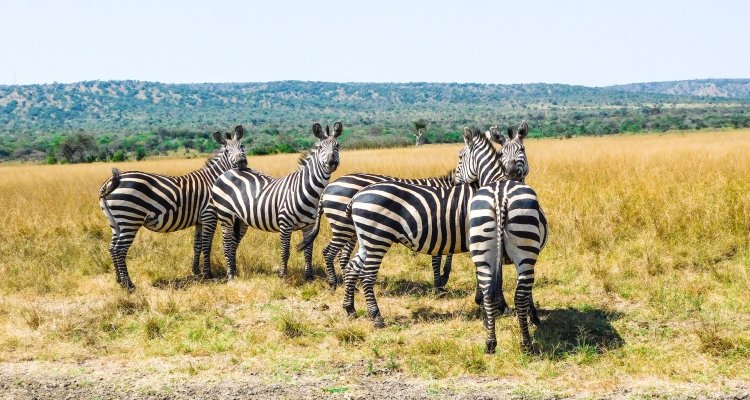

An African safari is one of the most exciting travel experiences in the world, offering unforgettable wildlife encounters, breathtaking landscapes, luxurious accommodation, and opportunities to discover the remarkable natural beauty of Africa. However, unexpected financial difficulties can occasionally interrupt even the most carefully planned holiday. Imagine checking into a beautiful safari lodge in Uganda, preparing to pay for a wildlife activity in Rwanda, or settling your accommodation bill in Tanzania, only to discover that your credit card has been declined. Naturally, one of your immediate concerns may be: What Should You Do If Your Credit Card Is Declined During an African Safari?
A declined credit card can be inconvenient, particularly when you are traveling through remote national parks, staying in wilderness lodges, or moving between countries with different currencies and banking systems. Fortunately, many card declines can be resolved by contacting your bank, confirming an international transaction, adjusting spending limits, or switching to another secure payment method. Sometimes the problem is not with your credit card at all, but with a payment terminal, internet connection, or merchant processing system.
Understanding the reasons behind declined transactions and preparing alternative payment arrangements can prevent a temporary banking problem from affecting your entire holiday. Whether you are planning gorilla trekking in Uganda, a wildlife adventure in Kenya, a luxury safari in Rwanda, or a multi-country journey through East Africa, financial preparation is essential for a smooth travel experience.
This comprehensive guide explains why credit cards are declined during African safaris, what steps you should take immediately, how to contact your bank while abroad, which alternative payment methods may be available, and how to reduce the risk of similar problems during your trip.
Why Do Credit Cards Get Declined During African Safaris?
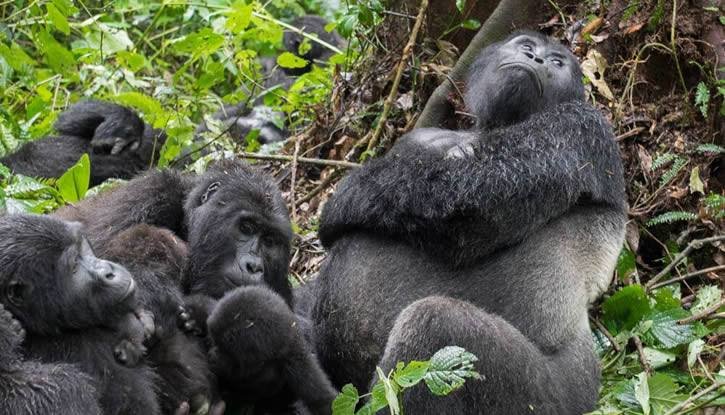
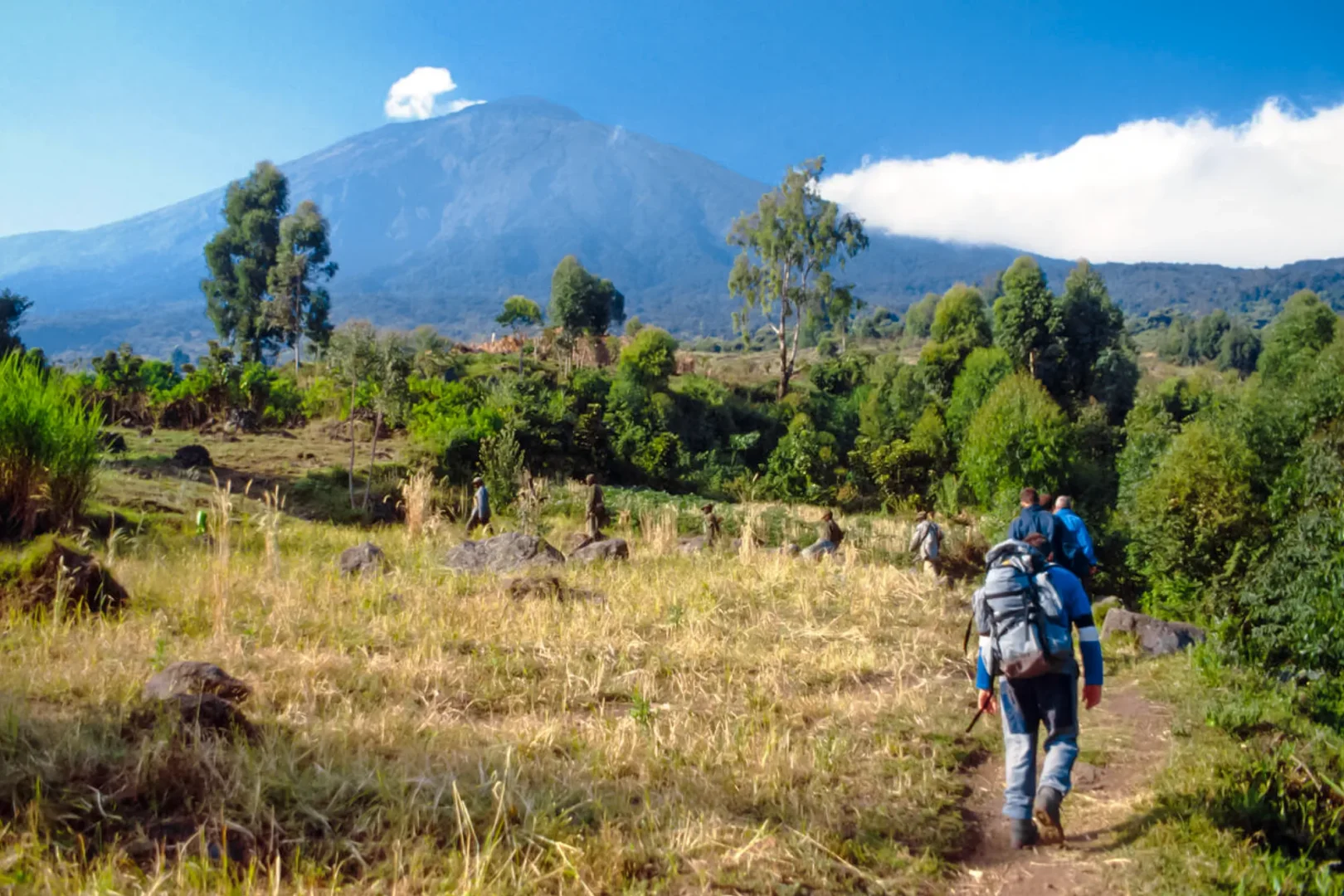
Credit cards can be declined in Africa for many of the same reasons they are declined elsewhere in the world. However, international travel introduces additional factors that can make certain transaction problems more likely, particularly when travelers move between countries or make unusually large purchases.
One common cause is an automated fraud-prevention system. Banks monitor payment activity to identify unusual spending patterns and protect cardholders against unauthorized transactions. If you normally use your credit card in the United States, United Kingdom, Canada, Australia, or Europe, a sudden payment at a safari lodge in Uganda or a hotel in Tanzania may trigger additional verification.
Other common reasons include insufficient available credit, expired cards, incorrect PIN entry, international transaction restrictions, spending limits, unsupported payment networks, or temporary problems with a merchant’s electronic payment system.
Travelers may also encounter difficulties when paying for expensive safari services. A large accommodation balance, gorilla trekking permit, private safari excursion, or luxury travel package may exceed an issuer’s transaction limits, even when sufficient funds or credit are available.
It is important to identify the underlying cause rather than assuming every declined card has been blocked by the bank. Different problems require different solutions, and taking the wrong action may create further inconvenience or unnecessary charges.
Check Whether Your Bank Has Blocked International Transactions
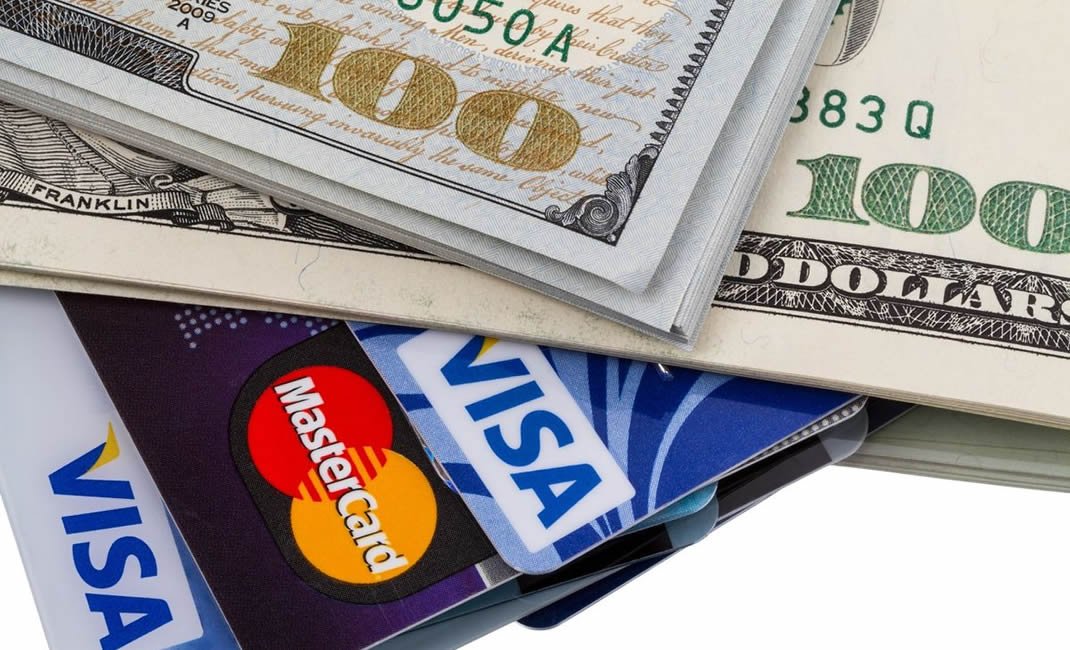

Some banks allow customers to disable or enable international purchases through account settings. These controls can protect against unauthorized overseas activity, but they may also prevent legitimate safari payments if international transactions are restricted.
Before assuming your credit card is defective, examine the card controls available in your banking application. Depending on your bank, you may find settings for international purchases, online payments, contactless transactions, ATM withdrawals, or specific geographic regions.
If an international restriction is active, follow your bank’s authorized procedure to change it. Some institutions permit immediate adjustments through their applications, while others require additional identity verification or direct customer support.
Travelers visiting multiple countries should also check whether their bank distinguishes between individual destinations. A card authorized for purchases in Kenya may not necessarily have unrestricted access everywhere else, especially if the issuer applies country-specific security controls.
For example, a traveler beginning a safari in Rwanda and continuing through Uganda and Tanzania may generate transactions in several countries within a relatively short period. These changes can resemble unusual spending activity to a bank’s automated monitoring system.
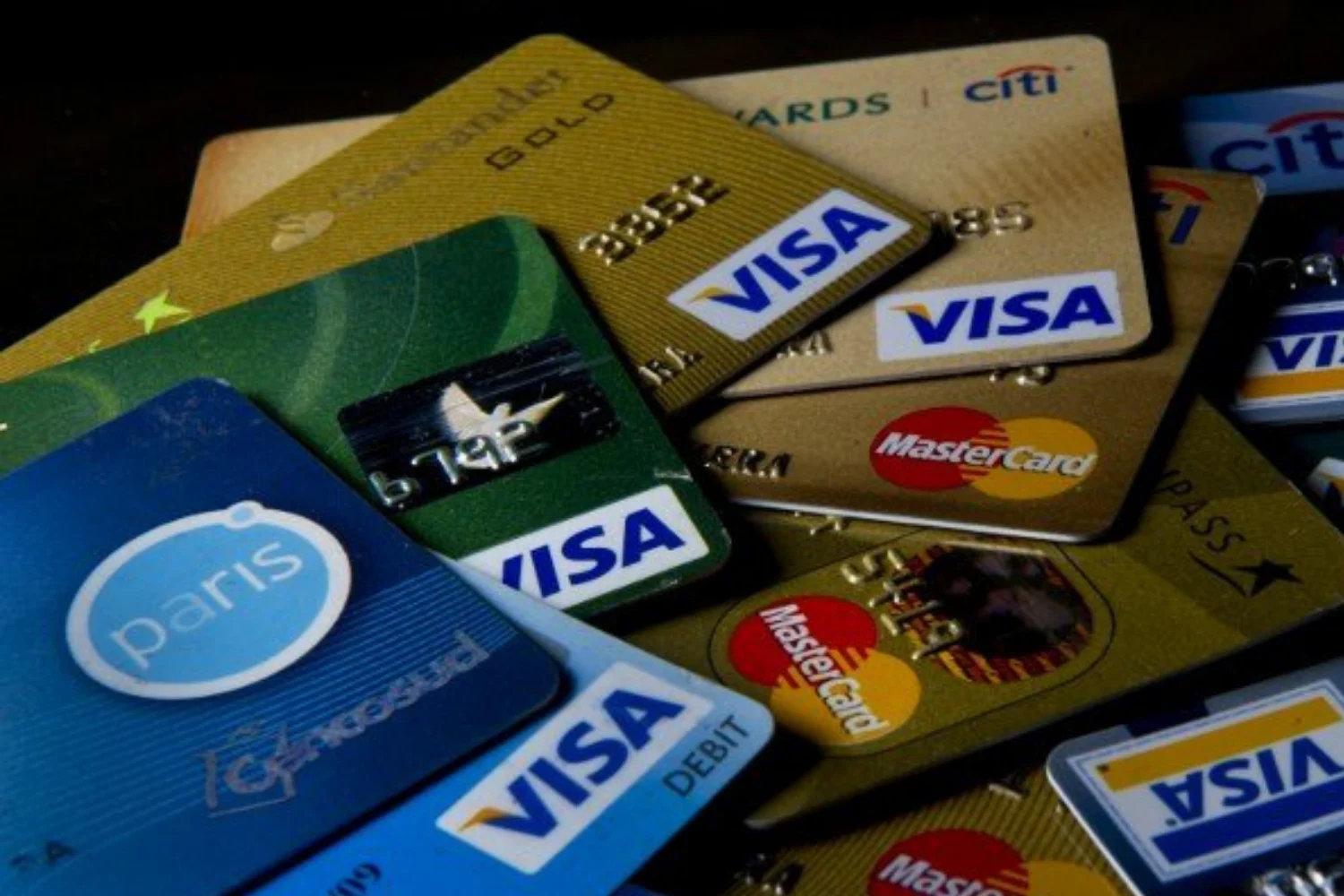
Although many financial institutions no longer require formal travel notifications, others still recommend informing them about international travel. Visa advises cardholders to notify their issuers before departure to reduce the possibility of unfamiliar transactions being flagged.
Check Your Available Credit, Account Balance, and Spending Limits

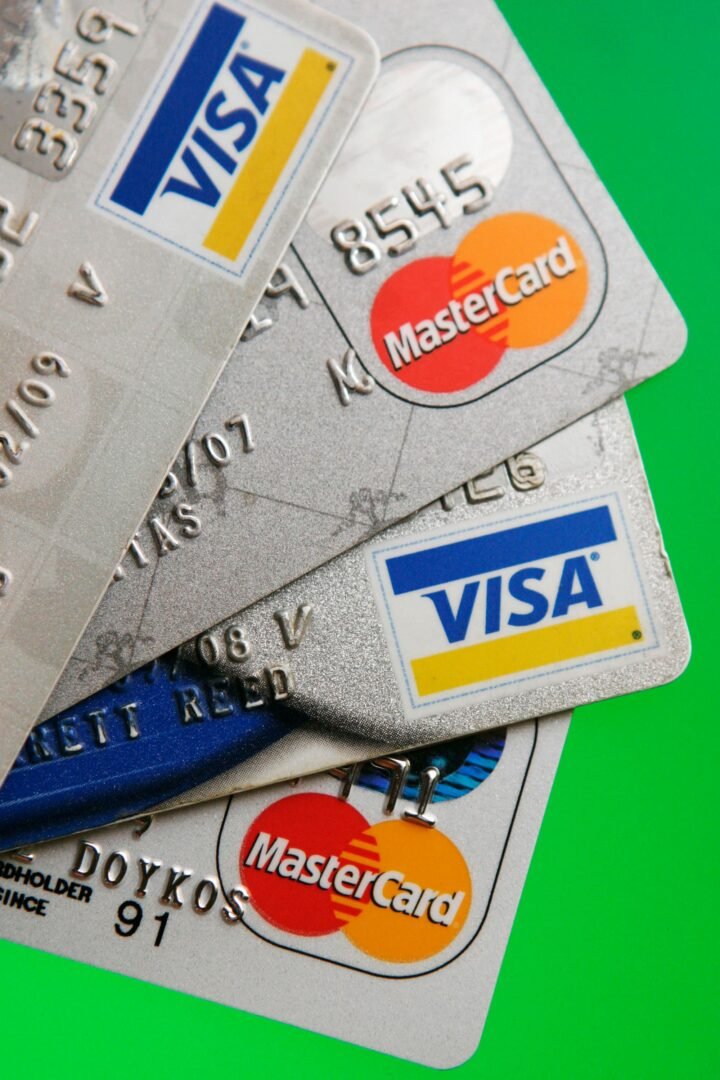
A declined credit card may result from insufficient available credit rather than a technical problem or international security restriction. This is particularly relevant during expensive safari holidays, where accommodation payments, domestic flights, additional activities, and other travel expenses can increase spending considerably.
Available credit is not always the same as the amount you expect to have remaining. Hotels, lodges, vehicle rental providers, and other businesses may place temporary authorization holds on a card. These holds can reduce your available credit even before the final payment is completed.
A traveler with a credit limit of USD 8,000 may therefore experience a decline on a USD 2,000 transaction if earlier purchases and pending authorizations have already consumed most of the available balance.
Transaction limits can create similar problems. Some financial institutions restrict the maximum value of individual payments or the total amount that can be spent within a particular period. Even a card with sufficient available credit may reject a transaction that exceeds one of these limits.
If your transaction is declined, review your available credit, recent purchases, pending authorizations, and applicable spending restrictions. Contact your bank if a temporary adjustment is required.
Avoid asking a merchant to divide a transaction into several smaller payments merely to bypass a security restriction. Any alternative payment arrangement should be approved by the issuer and handled transparently.
Ask the Safari Lodge to Check Its Payment Terminal


Not every declined transaction originates with the cardholder’s bank. Payment terminals can experience technical failures, particularly in remote safari destinations where internet connectivity or electricity may be less reliable than in major cities.
Safari lodges located deep inside national parks sometimes rely on mobile networks, satellite connections, or other communications systems to process card payments. A temporary interruption may prevent a payment request from reaching the relevant processor.
If your transaction fails without a clear bank notification, ask the lodge receptionist or cashier whether the terminal is connected and whether other guests are experiencing similar difficulties. The property may have an alternative authorized payment terminal or a secure online payment facility managed by its reservations office.
You can also ask the merchant to confirm the status of the attempted transaction. In some situations, a payment terminal may display an error after the transaction has already reached the payment processor, creating uncertainty about whether your account has been charged.
Before making another attempt, check your banking application for pending transactions and request confirmation from the merchant. This reduces the risk of duplicate charges or unnecessary authorization holds.
If the merchant’s system is unavailable, consider another accepted payment method rather than repeatedly presenting the same card through a malfunctioning terminal.
What Happens If Your Credit Card Is Declined at a Safari Lodge?


A declined credit card at a safari lodge can be stressful, particularly when you are checking out or preparing to travel to another destination. Nevertheless, many established lodges are familiar with international guests and may be able to explain the payment options they support.
The first step is to ask the reception team whether the unsuccessful transaction was rejected by the bank or whether the payment terminal experienced a technical problem. If the reason remains unclear, check your banking application and contact your issuer.
If another card is available, ask whether the lodge accepts it. Some properties may also offer an authorized payment link or allow outstanding charges to be settled through their central reservations office.
For travelers on fully organized safaris, accommodation costs may already have been settled by the tour operator. In such cases, confirm whether the amount being requested relates to additional expenses such as beverages, spa treatments, laundry, or optional activities.
Avoid leaving an unpaid bill without agreeing on a legitimate payment arrangement. Communicate openly with the lodge management and request written confirmation of any alternative procedure.
What If Your Credit Card Is Declined When Paying for Gorilla Trekking?
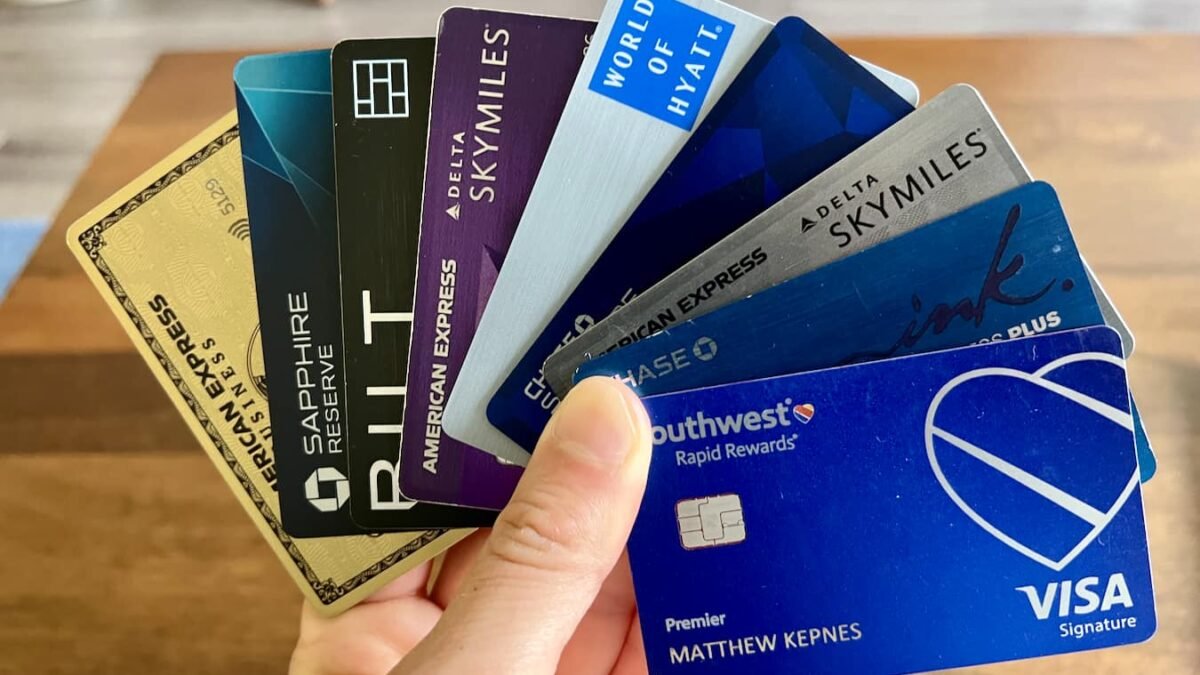
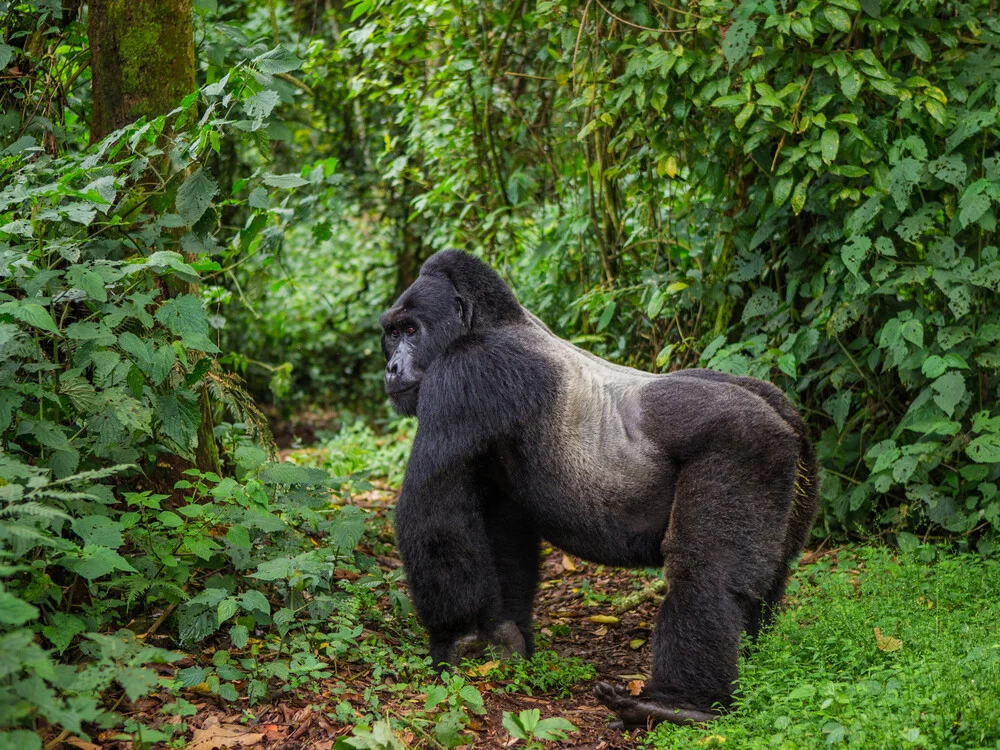
Gorilla trekking is a carefully regulated wildlife activity requiring valid permits and confirmed arrangements. If your credit card is declined while attempting to purchase a gorilla trekking permit, it is important to act promptly because availability can be limited and reservation deadlines may apply.
For Uganda, the Uganda Wildlife Authority has published permit payment guidelines that describe approved electronic transactions and reservation procedures. These guidelines also indicate that certain reservations may be cancelled if the required payment is not successfully completed.
If your payment fails, immediately check whether the permit reservation remains valid and whether the payment has been received. Contact your bank to establish the reason for the decline and ask the authorized booking provider which alternative payment arrangements are permitted.
Do not assume that a pending card authorization means your permit has been issued. Obtain official confirmation of the booking before treating the activity as secured.
Travelers who book gorilla trekking through a reputable safari operator can often avoid making the permit payment personally at the last moment. The company can arrange permit bookings according to the agreed payment schedule and provide confirmation once the reservation is completed.
Because gorilla trekking is frequently the principal reason for visiting Uganda or Rwanda, arranging permits well in advance is particularly important.
What If Your Credit Card Is Declined During a Uganda Safari?
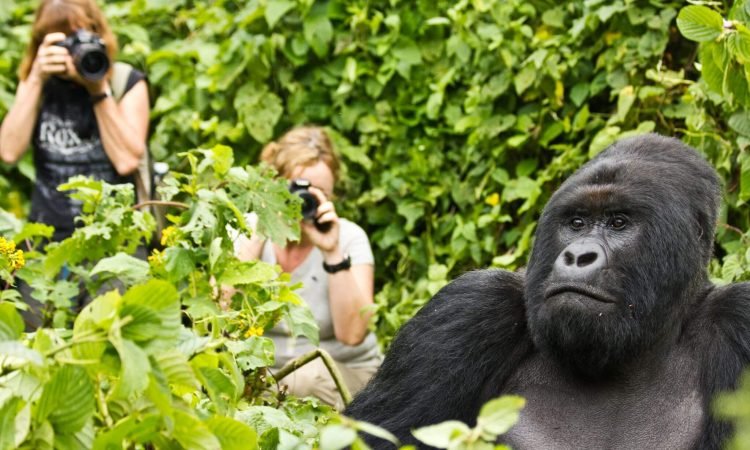
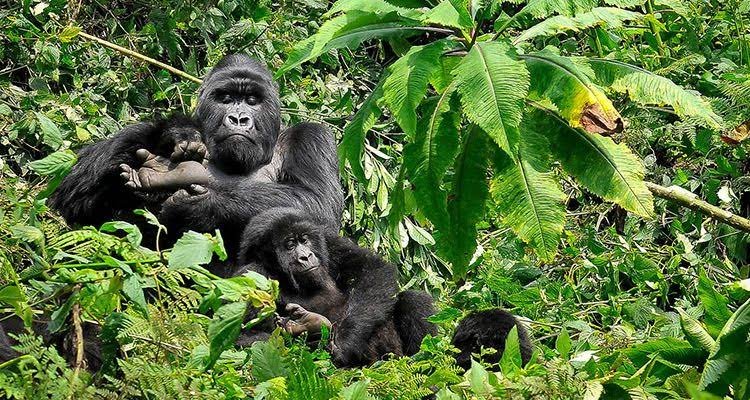
Uganda offers a remarkable variety of safari experiences, including gorilla trekking in Bwindi Impenetrable National Park, chimpanzee tracking in Kibale National Park, wildlife viewing in Queen Elizabeth National Park, and game drives and boat cruises in Murchison Falls National Park.
International visitors may use credit cards at established hotels, some restaurants, and numerous tourism businesses in Kampala and Entebbe. However, electronic payment facilities can be more limited in remote destinations, and acceptance depends on each provider.
If your credit card is declined during a Uganda safari, check your banking application and contact your issuing bank before attempting repeated payments. If the problem involves the lodge’s terminal, ask whether an alternative approved payment method is available.
Travelers with a functioning debit card may be able to withdraw Ugandan shillings from an appropriate ATM in a major town, although cash access should be planned carefully before traveling into isolated national parks.
If your safari is privately organized, communicate with your driver-guide or tour operator. They may help identify accessible banking facilities or contact accommodation providers about verified payment alternatives.
Advance payment for major safari arrangements can considerably reduce the inconvenience associated with card declines during a Uganda wildlife holiday.
What If Your Credit Card Is Declined During a Rwanda Safari?
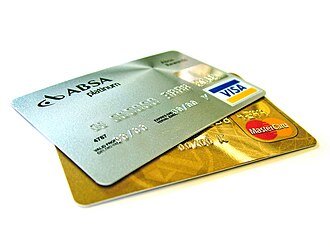
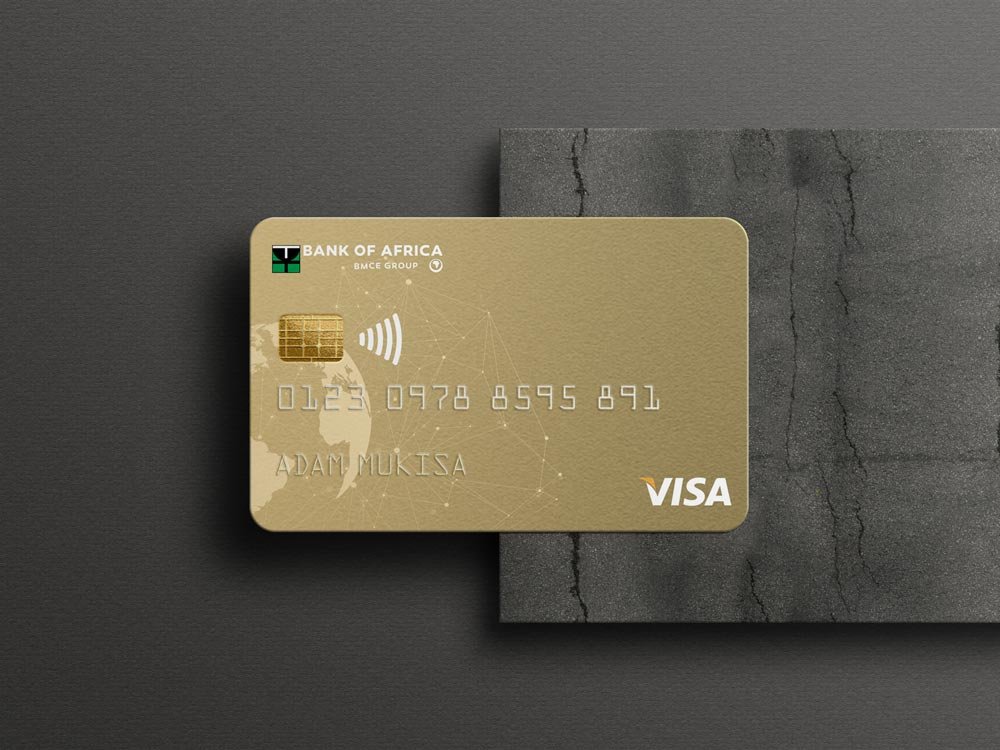
Rwanda is a popular destination for luxury gorilla trekking, golden monkey tracking, chimpanzee experiences, and wildlife safaris. Major tourism areas include Kigali, Musanze near Volcanoes National Park, Akagera National Park, and Nyungwe National Park.
Established hotels and selected tourism businesses provide international card payment facilities, but not every activity provider or remote establishment can process electronic transactions.
If your card is declined in Rwanda, determine whether the issue originates with your bank or the merchant’s payment system. Contact your issuer through its official application or customer service channel and review any security alerts or international transaction restrictions.
When staying at a lodge, ask whether the payment can be processed through another recognized channel. If you require cash for personal expenses, confirm access to reputable banking facilities before continuing to remote areas.
Travelers booking gorilla trekking or other permit-controlled experiences should prioritize advance reservations and confirmed payments. This minimizes the risk of encountering financial difficulties immediately before an important wildlife activity.
What If Your Credit Card Is Declined During a Kenya Safari?
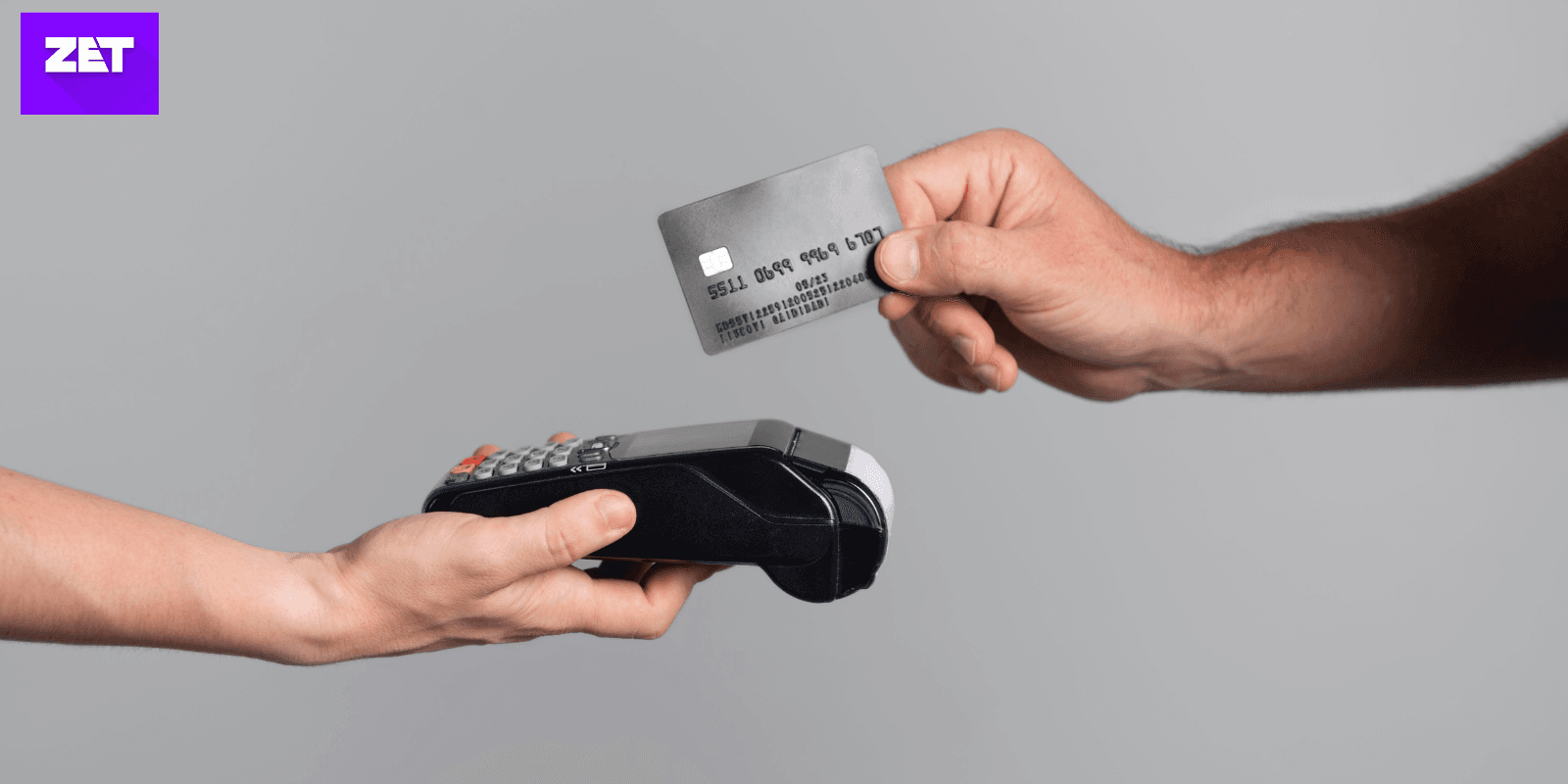

Kenya offers an extensive safari network featuring the Maasai Mara, Amboseli, Lake Nakuru, Samburu, Tsavo, and numerous private wildlife conservancies. Payment facilities range from sophisticated urban banking services in Nairobi to more limited options in remote wilderness areas.
If your credit card is declined while paying for a lodge stay or optional activity, contact your bank and ask the provider whether another card, authorized payment link, or locally accepted electronic payment option can be used.
Kenya has a well-established mobile money ecosystem, including M-Pesa. However, access to particular mobile payment services can depend on eligibility, registration, account setup, and the merchant’s accepted arrangements. International travelers should not assume that every mobile money option will be available to them.
Where park entrance fees have been prepaid through an official electronic platform or included in your safari package, a declined personal credit card may have little effect on scheduled game drives.
Keeping personal expenses separate from major prepaid safari services can make payment management considerably easier.
What If Your Credit Card Is Declined During a Tanzania Safari?
Tanzania attracts international travelers to the Serengeti, Ngorongoro Conservation Area, Tarangire National Park, Lake Manyara, and Zanzibar. These destinations range from established tourism centers to remote camps where payment connectivity may be more limited.
A declined card in Tanzania should initially be handled by checking your bank notifications and contacting the card issuer. If the merchant’s payment system is responsible, ask whether another approved terminal or payment channel is available.
Safari travelers passing through Arusha or Dar es Salaam may find more banking options than those staying deep inside wildlife reserves. It can therefore be helpful to resolve outstanding payment problems while you have access to reliable communications and banking infrastructure.
If you are traveling through Tanzania with a private safari operator, confirm which expenses are already included in your package. Accommodation, scheduled activities, and applicable park fees may have been arranged before your arrival.
Maintaining a backup payment method is especially practical on extended safaris involving several lodges and national parks.
How to Prevent Credit Card Problems Before Your African Safari
Preparation remains the most effective way to reduce the risk of unexpected card declines during international travel. Before leaving for Africa, review your credit card’s expiration date, international transaction settings, available credit, spending limits, and applicable foreign transaction charges.
Contact your bank if it requires international travel notifications or if you expect to make unusually large purchases during the trip. Confirm that you can access your online banking application and complete any additional security verification while traveling.
You should also carry more than one secure payment method whenever possible. A second credit card, suitable debit card, and reasonable cash reserve can provide flexibility if one payment channel becomes unavailable.
When booking your safari, request a detailed quotation showing the accommodation, transportation, national park fees, permits, and scheduled activities that are included in the agreed price. Paying these major expenses before departure can reduce the number of transactions you need to make while staying in remote destinations.
Finally, communicate with your safari operator about any expected additional expenses. Understanding where cash is preferable and where electronic payments are supported can help you plan your travel finances with greater confidence.
Frequently Asked Questions About Declined Credit Cards During African Safaris
What Should You Do If Your Credit Card Is Declined During an African Safari?
Check your banking application, confirm your available credit, and contact your issuing bank to identify the reason. If necessary, ask the merchant whether an alternative secure payment method is available.
Why Would My Bank Decline a Payment in Africa?
Your bank may reject an international transaction because of fraud-prevention controls, spending limits, account restrictions, insufficient available credit, or unsuccessful authentication.
Can I Use Another Credit Card If My Primary Card Is Declined?
Yes, provided the merchant accepts the alternative card and the issuing bank authorizes the payment. A backup card is particularly useful when traveling internationally.
Will My Bank Automatically Block My Credit Card in Africa?
No. Banks do not automatically block every card used in Africa. However, unfamiliar transactions may trigger security checks depending on your issuer’s monitoring systems.
Should I Notify My Bank Before Traveling to Africa?
Check your issuer’s policy. Some banks recommend travel notifications, while others rely on automated monitoring and no longer require customers to register international trips.
Can I Withdraw Cash if My Credit Card Is Declined?
You may be able to withdraw cash using another functioning card. Credit card cash advances can attract additional fees and interest, so review your card terms first.
What Happens If My Card Is Declined at a Luxury Safari Lodge?
Contact your bank and ask the lodge about accepted alternatives. These may include another credit card, a verified payment link, or a bank transfer where suitable.
Can My Safari Operator Help if My Credit Card Stops Working?
Your operator may assist by communicating with lodges and identifying authorized payment options. However, only your bank can resolve issuer-related restrictions on your card.
Can I Pay Safari Expenses in Cash Instead of Using a Credit Card?
Some safari-related expenses can be paid in cash, but certain permits and park fees require authorized electronic or advance payment arrangements. Always verify the provider’s policy.
Can a Poor Internet Connection Cause a Credit Card Payment to Fail?
Yes. Network interruptions can prevent a merchant’s payment terminal from communicating with the payment processor, particularly in remote locations.
Can I Use Mobile Money if My Credit Card Is Declined in Africa?
Mobile money may be an alternative in certain destinations, provided the service is available to you and accepted by the merchant. Eligibility and transaction rules vary.
What Happens If My Credit Card Is Lost During a Safari?
Contact your bank immediately to block or freeze the card and request assistance. Depending on your account and card network, emergency replacement or cash services may be available.
How Can I Avoid Credit Card Declines During a Multi-Country African Safari?
Review international card settings, check any country restrictions, maintain adequate available credit, and carry backup payment methods before visiting several destinations.
Will Visa or Mastercard Resolve a Declined Transaction?
The issuing bank is generally responsible for explaining the decline and approving account-specific transactions. Visa and Mastercard may provide additional support services for eligible cardholders.
Can Travel Insurance Help if My Credit Card Stops Working Abroad?
Some travel insurance policies or card benefits may provide assistance in certain financial emergencies, but ordinary card declines are not automatically covered. Review your policy conditions.
Is It Better to Prepay My African Safari Before Departure?
Prepaying major services through secure, authorized channels can simplify your trip and reduce the need for large transactions during travel. Always confirm the booking conditions and payment schedule.
Book Your African Safari With Nextgen Safaris
Your African safari should be filled with remarkable wildlife encounters, beautiful landscapes, comfortable accommodation, and unforgettable adventures rather than unnecessary financial difficulties. Careful planning can help you enjoy your journey with greater confidence, particularly when traveling through remote national parks and combining several African destinations.
Nextgen Safaris organizes personalized wildlife holidays across Uganda, Rwanda, Kenya, Tanzania, and other African destinations. Whether you are interested in mountain gorilla trekking, chimpanzee tracking, Big Five safaris, luxury wildlife experiences, or extended multi-country adventures, your itinerary can be designed around your travel dates, accommodation preferences, and desired activities.
When requesting your safari quotation, you can ask for clear information about accepted payment methods, booking deposits, final balances, and the activities included in your package. Prearranged safari services can reduce the need for repeated payments during your journey, while an appropriate backup payment method provides additional reassurance
Understanding What Should You Do If Your Credit Card Is Declined During an African Safari? can help you manage unexpected payment difficulties without allowing them to overshadow your wildlife holiday. Although declined transactions can be inconvenient, many problems can be addressed by contacting your bank, checking available credit, verifying international payment settings, or using another secure payment method.
The most important preparation involves ensuring your cards are suitable for international travel, keeping access to your bank’s support channels, and carrying a backup payment option. Travelers should also confirm which safari expenses are included in their packages and which may require additional payment during the journey.
Whether you are exploring Uganda’s mountain gorilla forests, Rwanda’s magnificent national parks, Kenya’s wildlife reserves, or Tanzania’s celebrated safari landscapes, reliable payment arrangements contribute to a comfortable and well-organized holiday.
By preparing your finances in advance and working with an experienced safari operator, you can minimize avoidable payment complications and focus on the extraordinary wildlife encounters that make an African safari so memorable.