
Why Do Baby Mountain Gorillas Ride on Their Mothers? 7 Amazing Reasons Revealed
Why Do Baby Mountain Gorillas Ride on Their Mothers? Baby mountain gorillas depend on their mothers for protection, transportation, warmth, nourishment and emotional security during their earliest stages of life. In the dense mountain forests of Uganda and Rwanda, infant gorillas are frequently observed clinging tightly to their mothers as they move through thick vegetation, climb forest slopes and search for food. This remarkable behaviour reflects the strong maternal relationships that help young gorillas survive in challenging natural environments. Travellers enjoying Uganda gorilla trekking, Rwanda gorilla safaris, Bwindi gorilla trekking, luxury gorilla holidays and African wildlife adventures may witness these extraordinary family relationships.
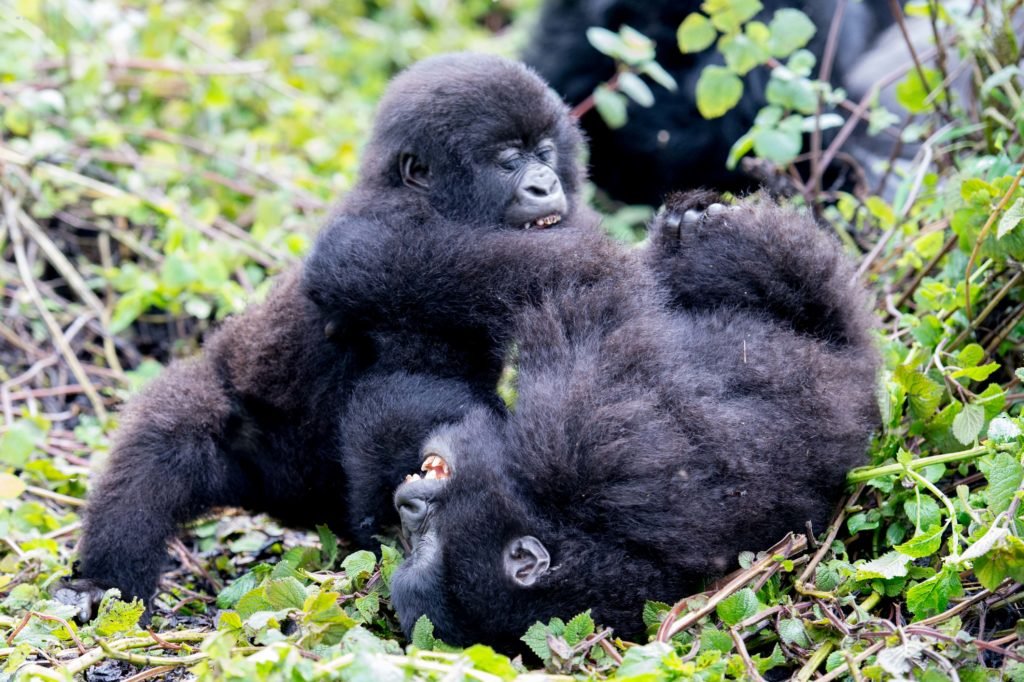
Why Do Baby Mountain Gorillas Ride on Their Mothers? The explanation involves more than simply avoiding the effort of walking. Newborn mountain gorillas have limited physical strength and coordination, making independent travel impossible during their earliest months. Their mothers provide a secure means of transportation while maintaining close contact necessary for nursing and protection. As infants develop stronger muscles and improved coordination, they gradually become capable of riding on their mothers’ backs and exploring their surroundings. Understanding these developmental stages makes mountain gorilla trekking, gorilla habituation experiences, Rwanda mountain gorilla holidays and romantic African gorilla safaris particularly fascinating.
Why Do Baby Mountain Gorillas Ride on Their Mothers? Understanding Infant Development
Why Do Baby Mountain Gorillas Ride on Their Mothers? One of the primary reasons is that mountain gorilla infants are born completely dependent on maternal care. Although newborns possess grasping abilities, they lack the muscular strength, coordination and endurance required to travel independently through rugged forest environments. During their earliest weeks, infants remain in almost continuous physical contact with their mothers, who support them while feeding, resting and moving. This dependence is essential because mountain gorilla families travel regularly in search of vegetation. Visitors exploring Bwindi Impenetrable National Park, Mgahinga Gorilla National Park and Rwanda gorilla trekking experiences can observe these remarkable developmental relationships.
As young gorillas grow older, they gradually develop stronger limbs and the confidence needed to explore nearby vegetation. Their movements change from remaining closely attached to their mothers to crawling, walking short distances and climbing small objects. However, early independence develops gradually rather than through a sudden transition. Why Do Baby Mountain Gorillas Ride on Their Mothers? Riding allows infants to remain part of their travelling families before they possess the physical abilities necessary to keep pace independently. These fascinating stages of development can be appreciated during Uganda gorilla trekking tours, guided mountain gorilla safaris and luxury wildlife holidays.
Baby Mountain Gorillas Ride on Their Mothers for Protection
The forests inhabited by mountain gorillas contain steep slopes, dense undergrowth, slippery vegetation and uneven ground. Such environments can be challenging even for mature animals, making independent movement especially difficult for small infants. A mother carrying her baby helps prevent it from becoming separated from the family or struggling to follow adult movements. Why Do Baby Mountain Gorillas Ride on Their Mothers? Remaining securely attached provides important protection during travel and allows mothers to respond quickly when circumstances change. Visitors interested in Bwindi forest gorilla trekking, Mgahinga gorilla adventures and Rwanda mountain gorilla safaris may witness mothers carefully transporting their young.
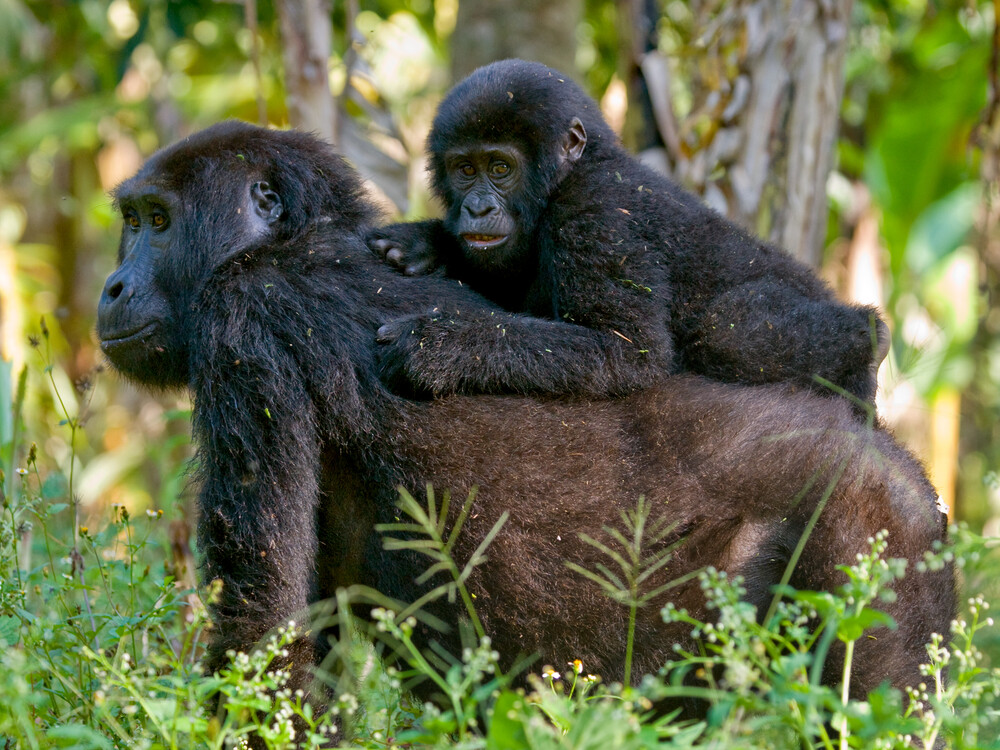
Protection also involves maintaining close contact within a socially organised gorilla family. Although mature mountain gorillas have relatively few natural predators, infants remain vulnerable to accidental injury, illness and dangerous encounters involving other animals. Maternal carrying provides a secure position close to the adult responsible for their immediate care. Dominant silverbacks can also contribute to group protection, but mothers remain central to infant survival. Why Do Baby Mountain Gorillas Ride on Their Mothers? Their mothers provide dependable physical support while the wider family moves through its habitat. Discover these relationships during private Uganda gorilla safaris, Volcanoes National Park trekking and responsible wildlife experiences.
Why Do Baby Mountain Gorillas Ride on Their Mothers’ Backs Instead of Their Chests?
Why Do Baby Mountain Gorillas Ride on Their Mothers? The carrying position usually changes as infants develop. During their earliest months, newborn gorillas remain close to the mother’s chest or abdomen, where they can maintain secure physical contact and receive maternal care. As their strength, balance and gripping abilities improve, infants increasingly ride on their mothers’ backs. This transition commonly begins around three to four months, although individual development varies. Back riding allows an infant to remain attached while its mother moves through vegetation. Travellers enjoying Uganda gorilla trekking, Rwanda gorilla holidays and Bwindi wildlife experiences may observe infants using different carrying positions.
Back riding becomes increasingly practical as an infant grows larger and more capable of maintaining its balance. The young gorilla can grasp its mother’s fur while she walks, feeds or moves through the forest. This position also allows the mother greater freedom to use her arms during movement and feeding activities. Nevertheless, gorilla infants do not follow an identical developmental timetable, and younger animals may continue using different positions. Understanding these changes provides valuable insight into mountain gorilla infant behaviour, gorilla family relationships and luxury primate trekking experiences.
Riding Helps Baby Gorillas Travel Through Dense Mountain Forests
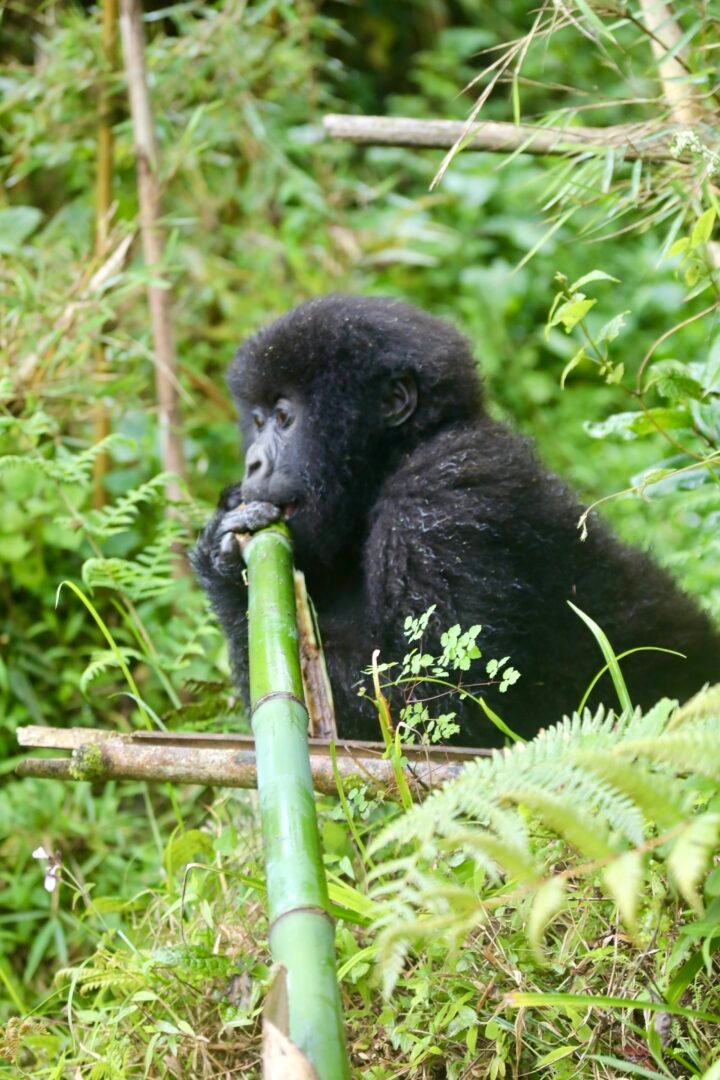
Mountain gorilla families move through forest habitats in search of leaves, stems, shoots and other vegetation. Their daily travel distances vary according to food availability, terrain and group movements. Very young gorillas cannot maintain the pace or endurance of mature animals, particularly when travelling uphill or through dense plants. Why Do Baby Mountain Gorillas Ride on Their Mothers? Maternal transportation allows infants to accompany their families without exhausting themselves or becoming separated from adult companions. This behaviour is especially important in mountainous habitats such as Bwindi Impenetrable National Park, Mgahinga Gorilla National Park and the forests visited during Rwanda gorilla trekking.
Mountain gorilla mothers frequently carry their young while navigating fallen branches, thick undergrowth and uneven slopes. Infants gradually develop the confidence to explore short distances independently but often return to maternal contact when the family begins travelling again. Riding therefore supports a gradual transition toward independent movement rather than replacing the infant’s development of walking and climbing skills. Why Do Baby Mountain Gorillas Ride on Their Mothers? It allows young gorillas to participate in the family’s daily activities before they can travel independently. Explore guided gorilla trekking tours, three-day Bwindi gorilla safaris and private Uganda wildlife journeys.
Why Do Baby Mountain Gorillas Ride on Their Mothers for Warmth and Comfort?
Why Do Baby Mountain Gorillas Ride on Their Mothers? Close maternal contact helps provide warmth and physical security during the earliest stages of development. Mountain gorillas inhabit high-altitude forests where temperatures can become relatively cool, especially during rainy periods and overnight resting. Very young infants benefit from remaining close to their mothers because they are smaller and less physically developed than older gorillas. Maternal contact also provides convenient access to nursing and reassurance during movement. These remarkable relationships can be observed during Bwindi gorilla trekking, Rwanda mountain gorilla encounters and luxury African gorilla holidays.
The comfort associated with maternal contact is connected to the strong bond between mother and infant. Newborn gorillas depend on their mothers for almost every aspect of daily survival, and this relationship remains important as the youngsters gradually mature. Physical contact provides opportunities for nursing, resting and maintaining close social attachment. However, researchers cannot directly measure every emotional experience an infant associates with being carried. Travellers exploring Uganda mountain gorilla trekking, gorilla habituation safaris and romantic Rwanda gorilla honeymoons can appreciate these bonds through respectful observation.
Riding Helps Baby Gorillas Develop Strength and Coordination
A young gorilla must gradually develop the muscular strength, balance and coordination necessary for independent movement. During early development, infants practise grasping, crawling, standing and eventually walking on all four limbs. Riding on their mothers requires increasing physical control, particularly when maintaining a position on an adult’s back during movement. Why Do Baby Mountain Gorillas Ride on Their Mothers? Their growing ability to cling securely makes transportation possible while their independence is still developing. Travellers experiencing Uganda gorilla safaris, Rwanda gorilla trekking tours and Bwindi forest excursions can observe youngsters at different developmental stages.
As infants become more active, they begin spending short periods away from their mothers, exploring nearby vegetation and interacting with other young gorillas. These experiences help them practise coordination and develop confidence in their surroundings. Maternal carrying remains useful during longer movements even when a young gorilla can already walk independently for short distances. Why Do Baby Mountain Gorillas Ride on Their Mothers? The behaviour reflects an evolving balance between dependence and growing independence rather than a complete inability to walk. Discover these developmental changes through gorilla trekking in Uganda, gorilla habituation experiences and luxury Rwanda gorilla safaris.
How Riding Supports Mother–Infant Social Bonds
Mountain gorilla mothers develop close relationships with their offspring through nursing, carrying, grooming and repeated physical contact. The early relationship between a mother and infant provides a foundation for the youngster’s social development within the family. Why Do Baby Mountain Gorillas Ride on Their Mothers? Remaining close creates frequent opportunities for maternal care and helps infants stay connected to their most important early companion. This relationship becomes particularly visible when a mother rests while her baby remains attached or adjusts her movements to accommodate the youngster. Explore mountain gorilla family experiences, Rwanda gorilla trekking and romantic gorilla safari holidays.
As young gorillas mature, their relationships expand to include siblings, juveniles, adult females and silverbacks. They increasingly engage in play, exploration and social contact beyond their mothers. Nevertheless, the maternal relationship remains important while the youngster is still dependent. Riding allows infants to stay physically connected during family travel, while opportunities for independent activity gradually increase. These relationships are among the most fascinating aspects of gorilla trekking tours, Bwindi gorilla adventures and private Rwanda wildlife holidays.
How Long Do Baby Mountain Gorillas Ride on Their Mothers?
Why Do Baby Mountain Gorillas Ride on Their Mothers? Carrying remains important throughout early development, but the frequency generally decreases as young gorillas become more physically capable. Newborns remain in close contact with their mothers, while older infants gradually begin riding on their backs and exploring independently. By approximately one year of age, many young gorillas are increasingly mobile, although they may still rely on maternal transportation during travel. Independence develops progressively, and mother–offspring relationships can remain important for several years. Observe these stages through Uganda gorilla trekking tours, Rwanda mountain gorilla safaris and gorilla habituation holidays.
Mountain gorilla youngsters often remain dependent on maternal care for roughly their first three years, although the exact timing of weaning and independence varies. Older juveniles increasingly walk alongside other family members, climb vegetation and participate in social activities. Carrying becomes less frequent as they grow stronger and heavier. Visitors interested in observing different ages of gorillas can explore Bwindi trekking packages, Mgahinga gorilla safaris and luxury Rwanda gorilla experiences, although sightings of particular age groups cannot be guaranteed.
Do Silverbacks Carry Baby Mountain Gorillas?
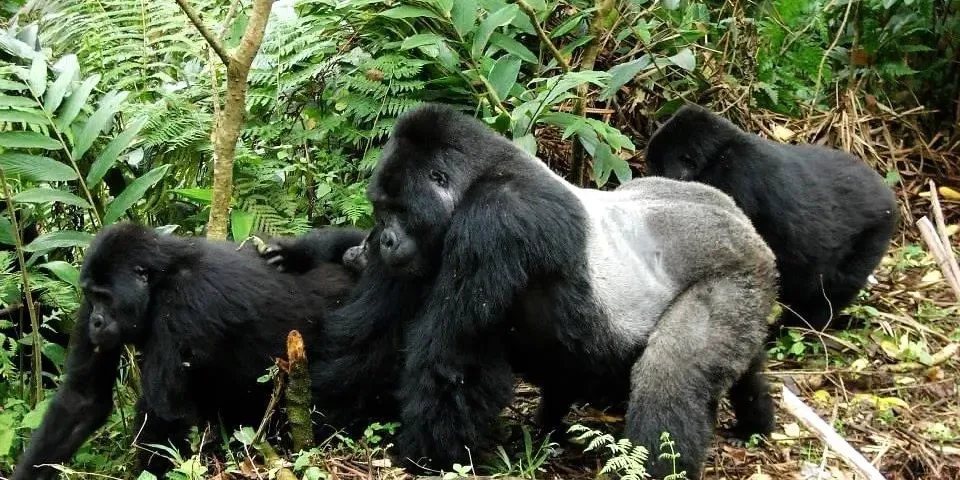
Dominant silverbacks contribute significantly to family protection and social stability, but mothers provide most of the carrying and direct care during infancy. A silverback may tolerate youngsters sitting beside him, climbing on his body or engaging in playful interactions. However, these behaviours differ from the regular transportation provided by mothers. Why Do Baby Mountain Gorillas Ride on Their Mothers? Maternal carrying is closely connected to nursing, physical dependence and the mother’s central caregiving role. During Uganda gorilla trekking, Rwanda gorilla safaris and private gorilla trekking experiences, visitors may witness both maternal care and interactions with protective adult males.
Where Can You See Baby Mountain Gorillas Riding on Their Mothers?
Bwindi Impenetrable National Park, Uganda
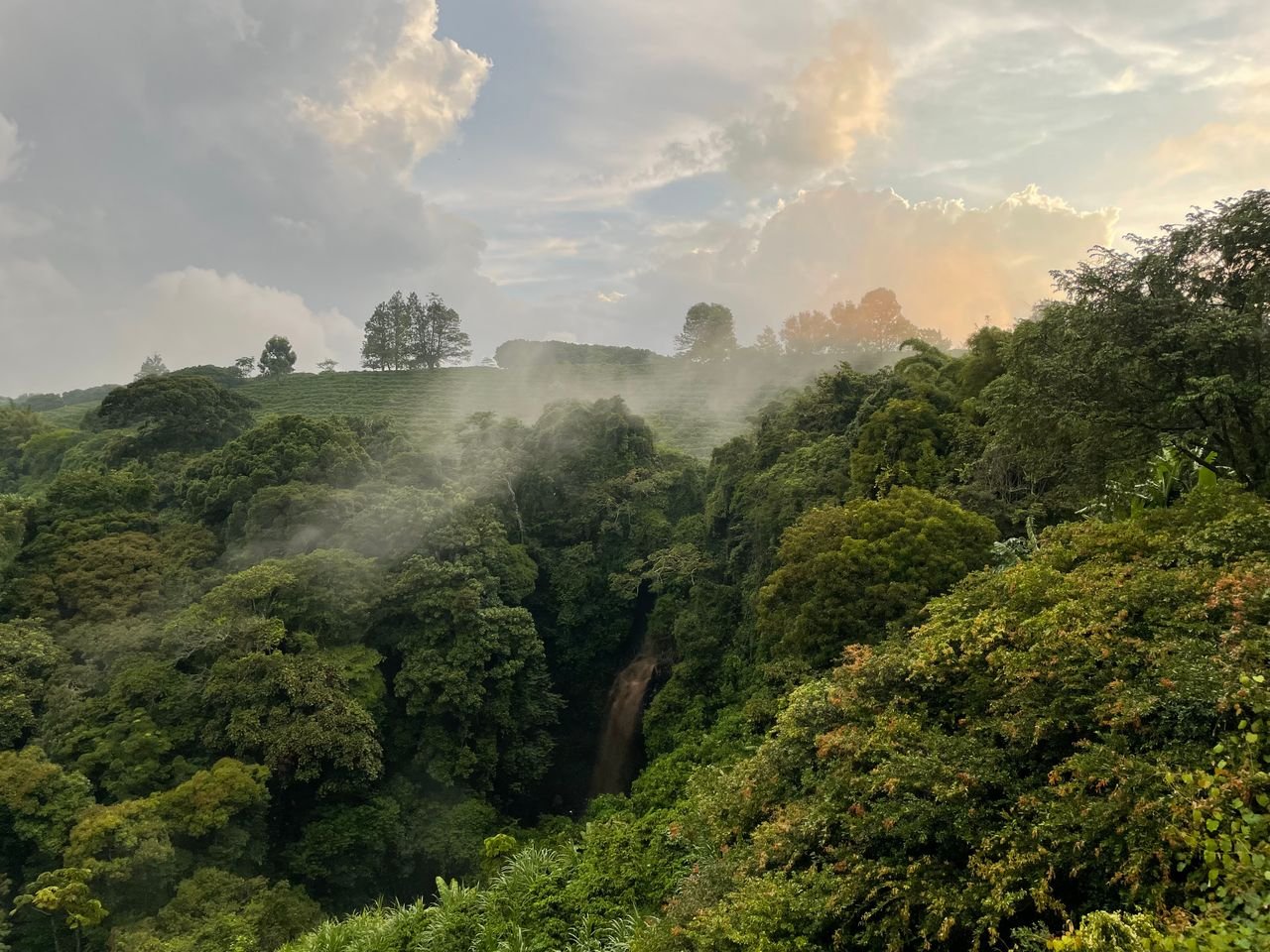
Bwindi Impenetrable National Park offers outstanding opportunities to observe mountain gorilla family behaviour in southwestern Uganda. The park’s habituated families inhabit the Buhoma, Ruhija, Rushaga and Nkuringo trekking sectors, where visitors can encounter adult gorillas, juveniles and sometimes infants. Why Do Baby Mountain Gorillas Ride on Their Mothers? Observing a youngster clinging to its mother while she moves through forest vegetation can provide a memorable example of maternal care. Discover Bwindi gorilla trekking, Uganda gorilla trekking packages, three-day gorilla trekking safaris and gorilla habituation experiences.
Mgahinga Gorilla National Park, Uganda
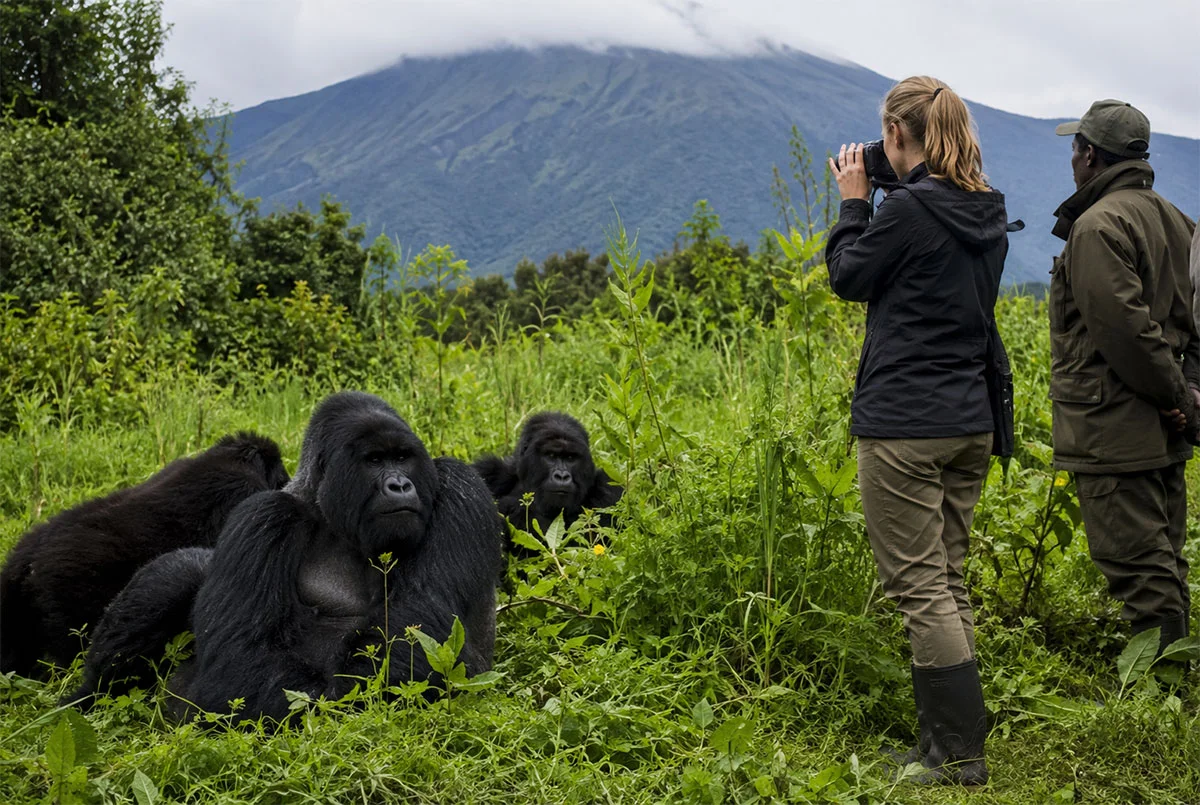
Mgahinga Gorilla National Park protects mountain gorilla habitat within Uganda’s spectacular Virunga Mountains. Its volcanic scenery, bamboo forest and mountain vegetation create a remarkable setting for observing natural gorilla behaviour. A mother carrying her infant may move through dense vegetation while other family members feed or rest nearby. Although the presence of infants cannot be guaranteed, visitors may witness fascinating family interactions during an assigned trek. Explore Mgahinga Gorilla National Park, Mgahinga gorilla trekking packages and three-day Mgahinga gorilla safaris.
Volcanoes National Park, Rwanda
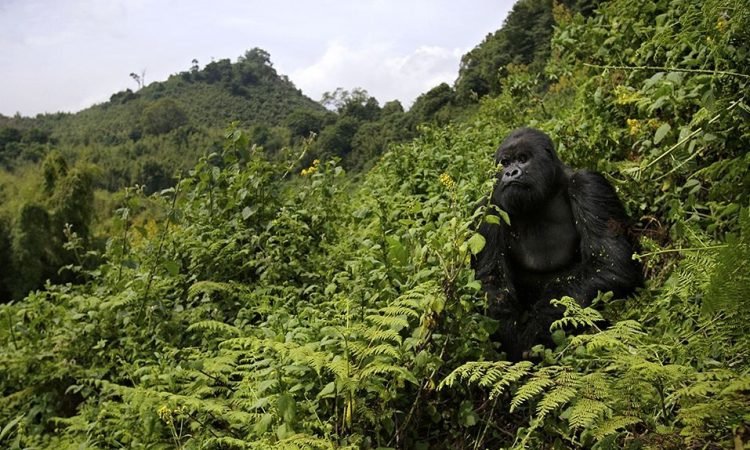
Volcanoes National Park is Rwanda’s leading destination for observing wild mountain gorillas. The park’s habituated families provide opportunities to witness maternal care, infant development and social interactions under professional supervision. Why Do Baby Mountain Gorillas Ride on Their Mothers? Visitors may observe the behaviour when a family contains young offspring, although the assignment and activities of each group determine the experience. Discover Rwanda gorilla trekking tours, luxury Rwanda gorilla safaris, Rwanda gorilla trekking packages and romantic Rwanda honeymoon holidays.
How to Observe Mother Gorillas and Their Babies Responsibly
Observing a mother gorilla carrying her infant requires patience, appropriate distance and respect for the animals’ natural behaviour. Visitors should never attempt to approach a mother and baby, attract an infant’s attention or interfere with the family’s movements. Flash photography is prohibited, and tourists must follow the current distance and health requirements explained by park authorities. Why Do Baby Mountain Gorillas Ride on Their Mothers? Their close dependence makes maternal relationships especially important, reinforcing the need to avoid unnecessary disturbance. Plan responsibly through Nextgen Safaris, Uganda gorilla trekking holidays, Rwanda gorilla safaris and professional trekking arrangements.
Why Protecting Mountain Gorilla Mothers and Infants Matters
Mountain gorilla conservation depends on protecting suitable habitat, reducing disease risks, supporting wildlife monitoring and maintaining stable environments for family groups. Mothers and infants are especially important because successful reproduction supports the future of endangered populations. Responsible tourism contributes to conservation funding and opportunities for surrounding communities, provided park regulations are followed carefully. Travellers interested in gorilla conservation tourism, Rwanda gorilla trekking, gorilla and chimpanzee safaris and private African wildlife holidays can support these efforts through regulated visits.
Frequently Asked Questions About Baby Mountain Gorillas Riding on Their Mothers
Why Do Baby Mountain Gorillas Ride on Their Mothers?
Baby mountain gorillas ride on their mothers for transportation, protection, warmth and close maternal contact. Young infants lack the strength and endurance needed to follow adult gorillas independently through challenging forest environments. Learn about Uganda gorilla trekking.
At What Age Do Baby Mountain Gorillas Start Riding on Their Mothers’ Backs?
Young mountain gorillas commonly begin riding on their mothers’ backs at around three to four months, although development varies. Before this stage, they usually remain closely attached to the mother’s front. Explore mountain gorilla trekking experiences.
Why Do Baby Mountain Gorillas Ride on Their Mothers Instead of Walking?
Very young gorillas lack sufficient strength, balance and endurance to travel alongside mature family members. Carrying provides secure transportation while their physical abilities develop. Discover Bwindi gorilla safaris.
Do Baby Mountain Gorillas Ever Fall Off Their Mothers?
Infants possess strong grasping abilities and generally cling securely to their mothers’ fur. However, young gorillas are still developing their coordination, and accidental slips are possible. Visitors can observe natural behaviour during Rwanda gorilla trekking.
How Long Do Baby Mountain Gorillas Depend on Their Mothers?
Mountain gorilla offspring remain dependent on maternal care for several years, with increasing independence commonly developing through their first three years. Carrying gradually becomes less frequent as youngsters mature. Explore Uganda mountain gorilla holidays.
Do Father Gorillas Carry Their Babies?
Silverbacks may interact gently with infants and tolerate youngsters climbing on them, but regular infant carrying is primarily performed by mothers. Their main social roles differ from maternal caregiving. Discover gorilla family behaviour.
Can Tourists See Baby Gorillas Riding on Their Mothers in Uganda?
Yes, visitors may observe mother–infant carrying behaviour in Bwindi or Mgahinga when the assigned gorilla family contains visible infants. However, sightings cannot be guaranteed. Book Uganda gorilla trekking packages.
Can You See Baby Gorillas Riding on Their Mothers in Rwanda?
Yes. Some habituated families in Volcanoes National Park contain infants that may be observed riding on their mothers. Visibility depends on family composition and natural behaviour. Explore Rwanda gorilla trekking tours.
Why Do Baby Mountain Gorillas Ride on Their Mothers During Feeding?
Carrying allows young infants to remain close while their mothers move between feeding areas and consume vegetation. As youngsters mature, they gradually begin exploring and feeding more independently. Discover Bwindi gorilla trekking adventures.
Can Visitors Touch Baby Mountain Gorillas While They Are Riding?
No. Visitors must never touch, feed or deliberately approach mountain gorillas. These rules protect infants and their families from disturbance and infectious diseases. Arrange responsible gorilla trekking with Nextgen Safaris.
Book Your Mountain Gorilla Trekking Safari With Nextgen Safaris
Why Do Baby Mountain Gorillas Ride on Their Mothers? Their remarkable behaviour demonstrates the importance of maternal protection, physical development and strong family relationships within mountain gorilla society. Witnessing a young gorilla holding tightly to its mother while she travels through the forest can become one of the most unforgettable moments of an African wildlife safari. Nextgen Safaris organises personalised gorilla trekking journeys in Uganda and Rwanda, offering professional guiding arrangements, comfortable accommodation, private safari transportation and assistance with trekking permits. Discover Uganda gorilla trekking packages, Rwanda mountain gorilla holidays, luxury gorilla trekking safaris, gorilla habituation experiences and romantic African honeymoon adventures.
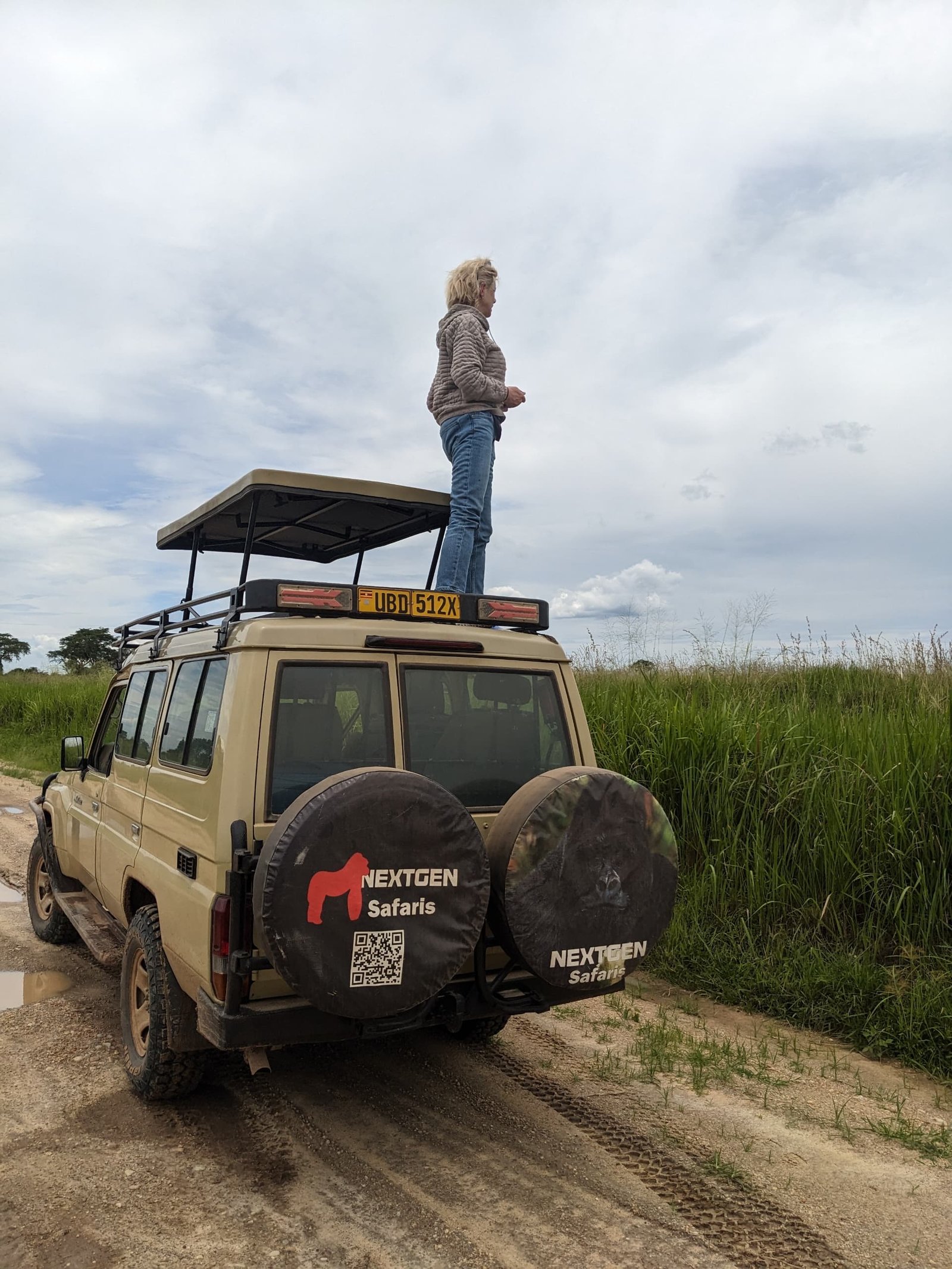
Whether you prefer a short gorilla trekking adventure from Kigali, an immersive Bwindi forest expedition or a longer Uganda wildlife safari combining gorillas and chimpanzees, our team can help create an itinerary around your preferred dates, travel style and accommodation budget. We prioritise responsible encounters, knowledgeable local guidance and carefully organised safari experiences.