
Why Do Gorillas Make Different Sounds During Trekking? 9 Amazing Gorilla Calls Explained
Why Do Gorillas Make Different Sounds During Trekking? Mountain gorillas produce a remarkable variety of vocalisations to communicate with their families, maintain social relationships, coordinate activities and respond to different situations within their forest environment. During gorilla trekking in Uganda and Rwanda, visitors may hear gentle grunts, deep rumbling sounds, playful chuckles, soft humming, infant whimpers and occasionally powerful warning calls. These sounds provide fascinating insights into the communication systems of one of Africa’s most intelligent primates. Understanding their meaning makes Uganda gorilla trekking, Rwanda gorilla trekking tours, Bwindi gorilla safaris, luxury gorilla trekking holidays and private African wildlife adventures particularly rewarding.
Why Do Gorillas Make Different Sounds During Trekking? The answer involves their complex social organisation, emotional responses and need to communicate in dense mountain forests where vegetation can obstruct visibility. Not every gorilla sound indicates danger, and many vocalisations occur naturally during peaceful feeding, resting and family interactions. Researchers have identified numerous mountain gorilla call types, including subtle contact calls that are far more common than dramatic roars. Learning about these differences helps travellers appreciate mountain gorilla behaviour, gorilla habituation experiences, Rwanda gorilla holidays, responsible gorilla trekking rules and romantic African gorilla honeymoons.
Why Do Gorillas Make Different Sounds During Trekking? Understanding Gorilla Communication
Why Do Gorillas Make Different Sounds During Trekking? Mountain gorillas use vocal communication alongside facial expressions, gestures and body movements to interact with other members of their families. Their vocal repertoire includes low-pitched calls exchanged during ordinary activities and louder calls associated with disturbance, distress or social tension. Classic research described sixteen types of mountain gorilla vocalisation, while subsequent studies have examined finer acoustic variations within particular call categories. Researchers also recognise that similar-sounding calls may serve different functions depending on context. Explore Uganda gorilla trekking packages, Bwindi rainforest encounters, Rwanda mountain gorilla safaris, private trekking arrangements and luxury primate experiences to observe these behaviours.
1. Soft Grunts: Everyday Communication Between Gorillas
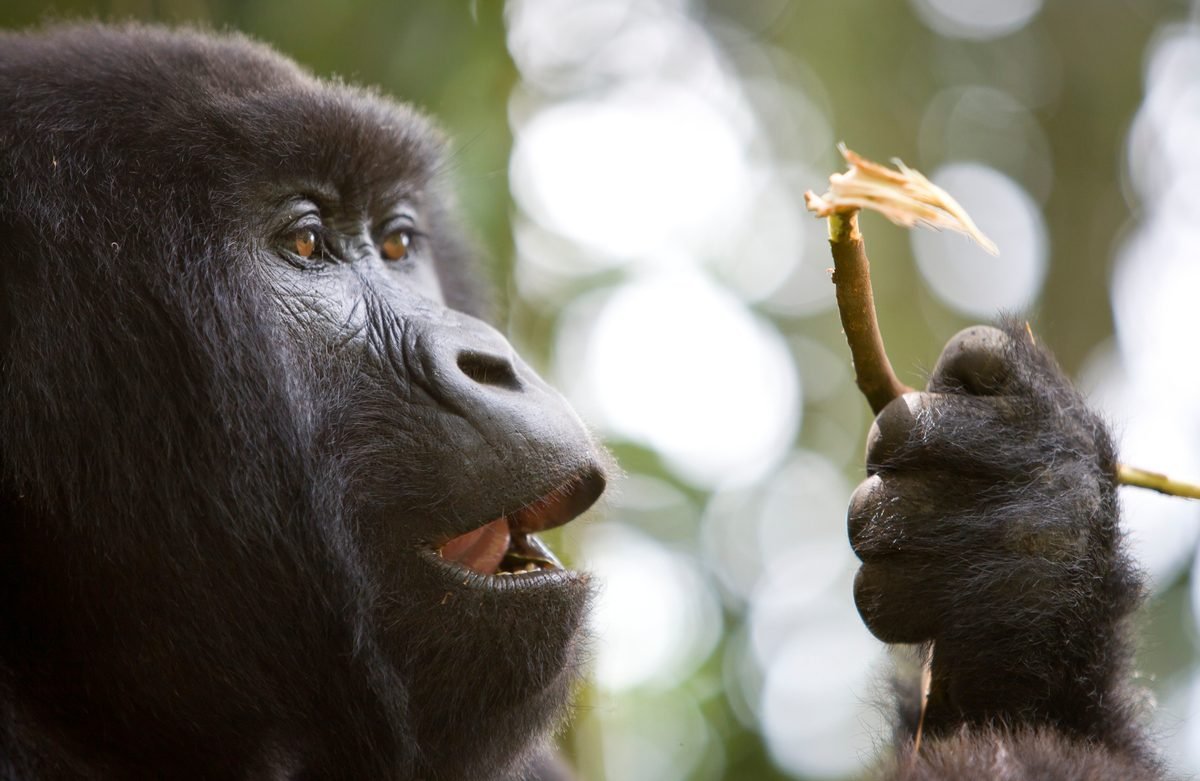
Soft grunts are among the commonly recorded vocalisations of mountain gorillas. They occur during ordinary activities, including feeding, resting and interacting with nearby family members. Some are classified as close calls because they are used within relatively short distances rather than broadcast across the entire forest. Why Do Gorillas Make Different Sounds During Trekking? Visitors may hear these gentle calls while watching a family calmly feeding or resting together. A grunt should not automatically be interpreted as a greeting or warning because its meaning depends on the call’s acoustic structure and social circumstances. Discover Bwindi gorilla trekking, Uganda mountain gorilla tours, Rwanda gorilla adventures, gorilla trekking and habituation safaris and private wildlife holidays.
2. Double Grunts: How Gorillas Maintain Vocal Contact
Double grunts consist of paired vocal sounds and have been documented in several contexts, including feeding, resting and movement. Scientific research has found that differences in their acoustic structure can relate to whether a gorilla initiates a vocal exchange or responds to another individual. Why Do Gorillas Make Different Sounds During Trekking? These calls illustrate how gorillas can communicate information during everyday family activities without relying on loud displays. A trekking group might hear paired grunts from nearby adults, but individual calls are not always easy for visitors to distinguish. Explore Uganda gorilla trekking, Bwindi family safaris, Rwanda gorilla trekking tours, luxury gorilla adventures and professionally guided gorilla holidays.
3. Deep Grumbles: Low-Pitched Sounds Within Gorilla Families
Grumbles are another category of low-pitched vocalisation documented in the mountain gorilla repertoire. They can occur during ordinary social situations and form part of the broader system of close-range communication. Their acoustic qualities may differ from shorter grunts, although inexperienced listeners sometimes find these calls difficult to separate. Why Do Gorillas Make Different Sounds During Trekking? Grumbles demonstrate that gorillas communicate through subtle sounds as well as powerful calls. Listening quietly during an authorised encounter may reveal vocal interactions that are easily missed when tourists are talking. Discover Bwindi Impenetrable National Park, Uganda gorilla trekking safaris, Rwanda mountain gorilla tours, private African adventures and luxury mountain gorilla holidays.
4. Humming and Singing: Fascinating Gorilla Feeding Sounds
One of the most surprising aspects of gorilla communication is the production of soft humming or singing-like vocalisations. Researchers have documented food-associated sounds in gorillas, and observations of mountain gorillas describe humming during feeding. These sounds are not equivalent to human singing with words or melodies, but some possess tonal qualities that can resemble gentle musical notes. Why Do Gorillas Make Different Sounds During Trekking? Gorillas may produce particular vocalisations while consuming vegetation, although not every animal hums during every meal. Visitors enjoying Uganda gorilla trekking, Bwindi rainforest safaris, Rwanda gorilla holidays, gorilla habituation packages and luxury wildlife experiences may have opportunities to hear these subtle calls.
5. Play Chuckles: Sounds Made During Gorilla Play
Young mountain gorillas frequently engage in chasing, wrestling, climbing and other playful activities with siblings and companions. Researchers have described panting chuckles associated with gorilla play, sometimes compared informally to laughter. However, these vocalisations should not be treated as identical to human laughter or interpreted as proof of a particular emotion. Why Do Gorillas Make Different Sounds During Trekking? Playful interactions provide one context in which gorillas use distinctive sounds alongside gestures and body movements. Travellers may hear these calls when active juveniles are present during Bwindi gorilla trekking, Uganda gorilla trekking tours, Rwanda gorilla safaris, private gorilla expeditions and romantic gorilla honeymoon experiences.
6. Infant Whimpers and Cries: Baby Gorilla Communication
Baby mountain gorillas depend on their mothers for nursing, transportation, warmth and protection. During infancy, they may produce whimpers, whines or cries in situations involving separation, discomfort or distress. These calls can be important for maintaining contact between mothers and dependent offspring. Why Do Gorillas Make Different Sounds During Trekking? Young gorillas possess vocal behaviours suited to their developmental needs, which differ from those of mature adults. A baby crying does not necessarily mean that tourists have caused the distress, and the wider circumstances must be considered. Discover Uganda gorilla trekking, Bwindi gorilla family experiences, Rwanda gorilla trekking packages, luxury Uganda gorilla holidays and African honeymoon safaris.
7. Cough Grunts: Sounds Associated With Social Tension
Cough grunts are distinct from an ordinary respiratory cough and have been described in gorilla communication during threatening or tense social circumstances. They may accompany changes in posture or other behaviours that indicate increasing agitation. Why Do Gorillas Make Different Sounds During Trekking? These vocalisations form part of the broader communication repertoire and can sometimes signal that a gorilla is responding to a disturbance. Nevertheless, hearing an unfamiliar grunt does not establish that a tourist is in danger. Ranger-guides interpret multiple behavioural signals rather than a single sound. Explore gorilla trekking safety rules, Uganda mountain gorilla tours, Rwanda gorilla trekking, Bwindi trekking experiences and private safari bookings.
8. Barks and Hoots: Responses to Disturbances and Other Groups
Gorillas sometimes produce louder barks or sequences of hoots during particular social encounters, including interactions involving unfamiliar individuals or disturbances. These calls can be more noticeable than the quiet grunts exchanged during feeding and resting. Why Do Gorillas Make Different Sounds During Trekking? Their repertoire includes signals suited to different social and environmental situations, from peaceful family communication to heightened attention. Tourists should never imitate alarm calls or attempt to provoke a vocal response. During Uganda gorilla trekking, Rwanda mountain gorilla safaris, Bwindi gorilla holidays, responsible forest adventures and luxury gorilla experiences, professional guides explain appropriate visitor responses.
9. Screams and Roars: Powerful Gorilla Vocalisations
Screams and roars are among the more dramatic sounds associated with gorilla communication. These vocalisations may occur during intense social conflict, alarming situations or defensive responses, although their meaning varies with context. Loud calls are generally less common than ordinary close-range communication within stable families. Why Do Gorillas Make Different Sounds During Trekking? Different circumstances can require substantially different forms of vocal signalling, but tourists should not expect a roaring performance during their visit. Quiet encounters are normal and often provide excellent opportunities to observe natural behaviour. Discover Bwindi gorilla trekking, Uganda trekking adventures, Rwanda gorilla safaris, responsible gorilla observation and personalised African wildlife holidays.
Is Gorilla Chest Beating a Vocalisation?
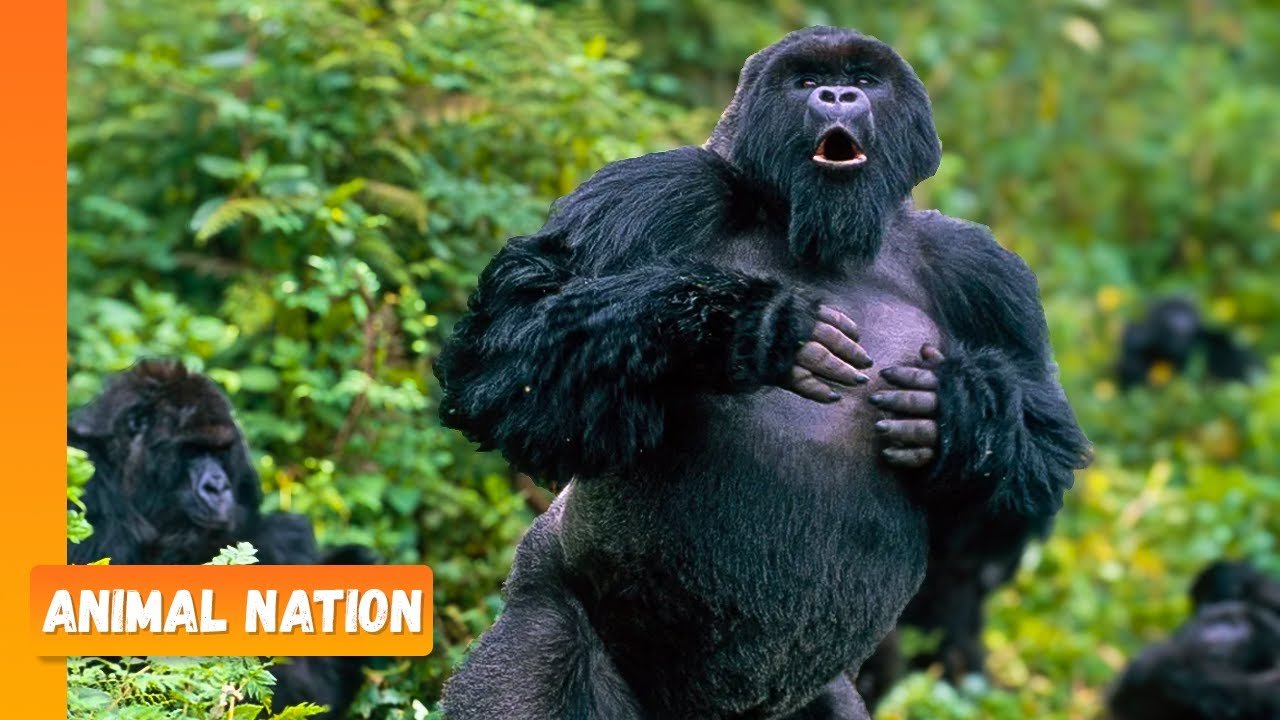
Chest beating is one of the most recognisable mountain gorilla displays, but it is not technically a vocalisation because the sound is produced by physical drumming rather than the vocal apparatus. A gorilla typically strikes its chest with cupped hands, producing resonant sounds that can travel through forest vegetation. Such displays may provide information about the animal’s size and occur in different social contexts. Why Do Gorillas Make Different Sounds During Trekking? Visitors sometimes group chest beating together with vocal calls because both can be heard during encounters, but they represent different communication mechanisms. Explore Uganda silverback encounters, Bwindi gorilla trekking, Rwanda gorilla holidays, luxury trekking safaris and private wildlife experiences.
Why Do Silverback Gorillas Produce Different Sounds?
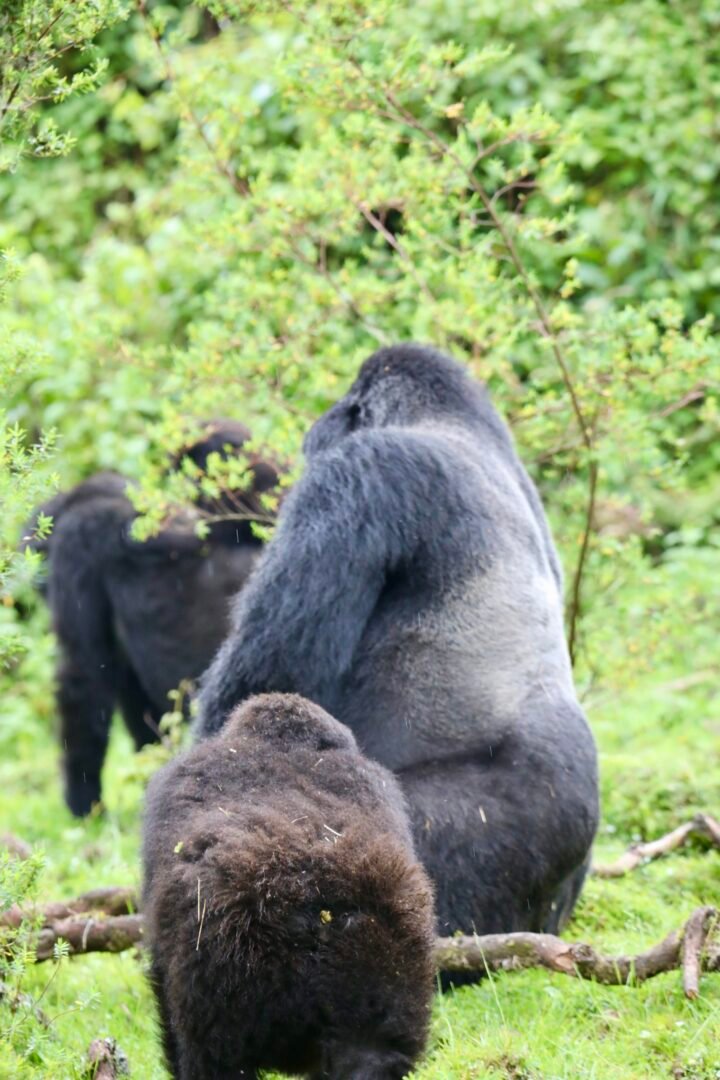
Silverbacks occupy important social positions within mountain gorilla families and participate in a wide range of interactions. They use vocalisations during feeding, resting, group activities and situations involving heightened social attention. Their calls can vary in loudness, duration and acoustic structure. Why Do Gorillas Make Different Sounds During Trekking? The different sounds produced by mature males reflect the variety of circumstances they encounter rather than one constant desire to show dominance. Tourists should avoid interpreting every silverback grunt as a threat. Discover Bwindi mountain gorilla trekking, Uganda gorilla safaris, Rwanda trekking experiences, private gorilla holidays and luxury African adventures.
Do Gorillas Make Sounds Specifically Because Tourists Are Present?
Tourist presence can sometimes influence gorilla attention and behaviour, particularly when people approach too closely or create disturbances. However, gorillas produce most of their normal vocalisations as part of interactions with other gorillas rather than for human audiences. Why Do Gorillas Make Different Sounds During Trekking? Tourists happen to witness an existing communication system that functions throughout daily forest life. A grunt heard during a visit may be directed toward another family member rather than a visitor. Explore Uganda gorilla trekking, Rwanda mountain gorilla tours, Bwindi forest encounters, gorilla habituation safaris and responsible trekking guidelines.
What Should Tourists Do When Gorillas Make Loud Sounds?
Visitors should remain calm, avoid sudden movements and follow their ranger-guide’s instructions whenever gorillas produce unfamiliar or loud vocalisations. Never shout back, imitate the call, run away or attempt to approach the animal for photographs. The meaning of a call depends on posture, the response of surrounding gorillas and the circumstances of the encounter. Why Do Gorillas Make Different Sounds During Trekking? Some sounds are routine communication while others may accompany disturbance, so professional interpretation is particularly valuable. Learn more through Uganda gorilla trekking rules, Bwindi trekking information, Rwanda gorilla trekking packages, private gorilla safari planning and Nextgen Safaris.
Why Visitors Should Remain Quiet During Gorilla Trekking
Quiet observation helps reduce unnecessary disturbance and allows visitors to notice subtle gorilla sounds that may otherwise go unheard. Both Uganda and Rwanda require tourists to keep their voices low during encounters, while flash photography and deliberate attempts to provoke gorillas are prohibited. Why Do Gorillas Make Different Sounds During Trekking? Understanding their vocal communication is easier when tourists listen carefully instead of competing with natural forest sounds. Visitors should also maintain the official viewing distance and avoid trekking while ill, helping reduce disease transmission risks. Explore Uganda gorilla trekking, Rwanda gorilla holidays, Bwindi gorilla safaris, gorilla trekking regulations and responsible African wildlife holidays.
Where Can Tourists Hear Mountain Gorilla Vocalisations?
Bwindi Impenetrable National Park, Uganda
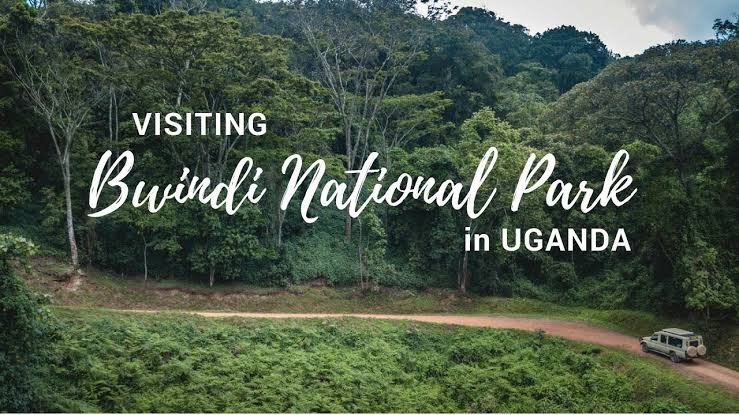
Bwindi Impenetrable National Park provides exceptional opportunities to observe mountain gorilla communication within Uganda’s tropical rainforest. Habituated families occupy the Buhoma, Ruhija, Rushaga and Nkuringo trekking sectors, where visitors may encounter adults and youngsters communicating during feeding, resting or play. Why Do Gorillas Make Different Sounds During Trekking? Their calls reveal aspects of the complex social relationships maintained within wild gorilla families. No particular vocalisation is guaranteed during a visit. Explore Bwindi gorilla trekking, Uganda gorilla trekking packages, luxury Bwindi gorilla tours, gorilla habituation experiences and private trekking arrangements.
Mgahinga Gorilla National Park, Uganda
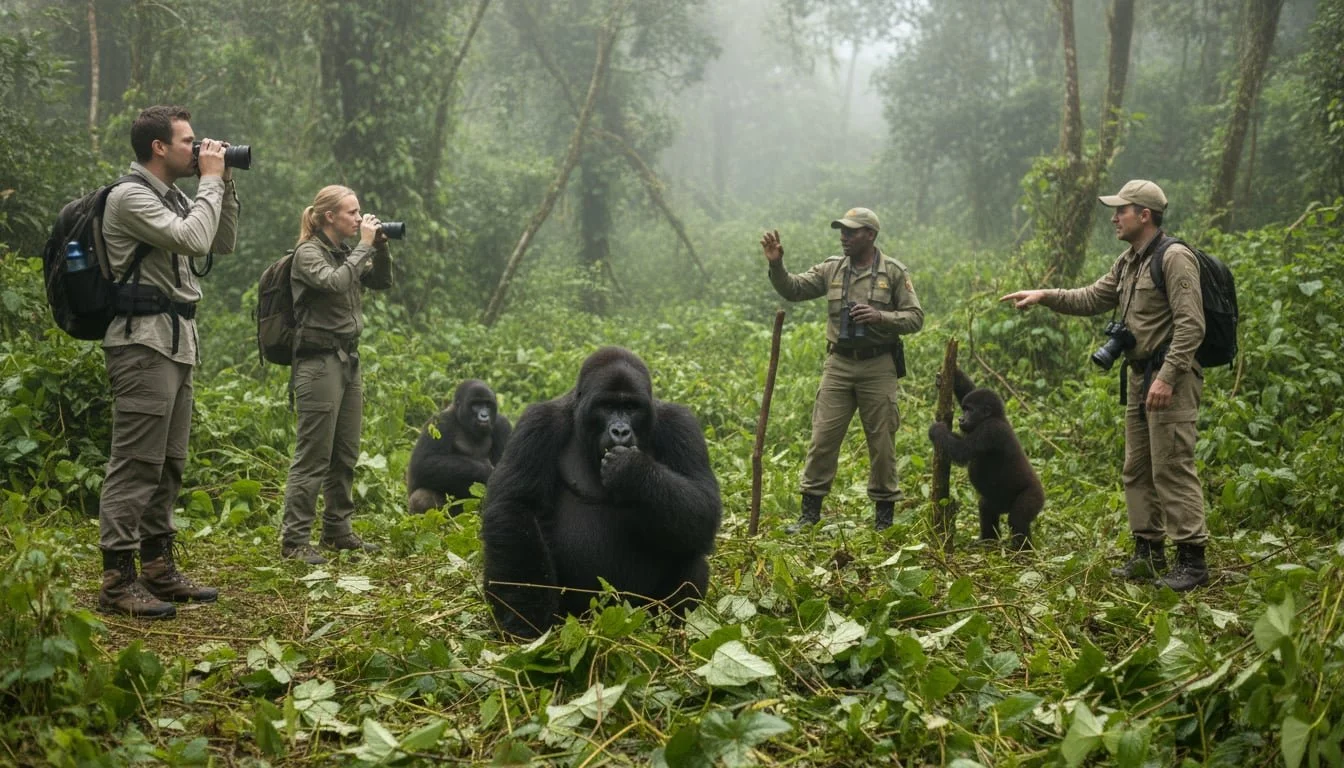
Mgahinga Gorilla National Park protects mountain gorillas within the spectacular Virunga Mountains of southwestern Uganda. Its bamboo forests, volcanic slopes and mountain vegetation create a distinctive setting for observing gorilla social interactions. Visitors may hear low-pitched calls during feeding or encounter occasional vocal exchanges between family members. These experiences depend entirely on the animals’ natural activities. Discover Mgahinga Gorilla National Park, Uganda mountain gorilla safaris, private gorilla trekking holidays, luxury Uganda adventures and Nextgen Safaris.
Volcanoes National Park, Rwanda
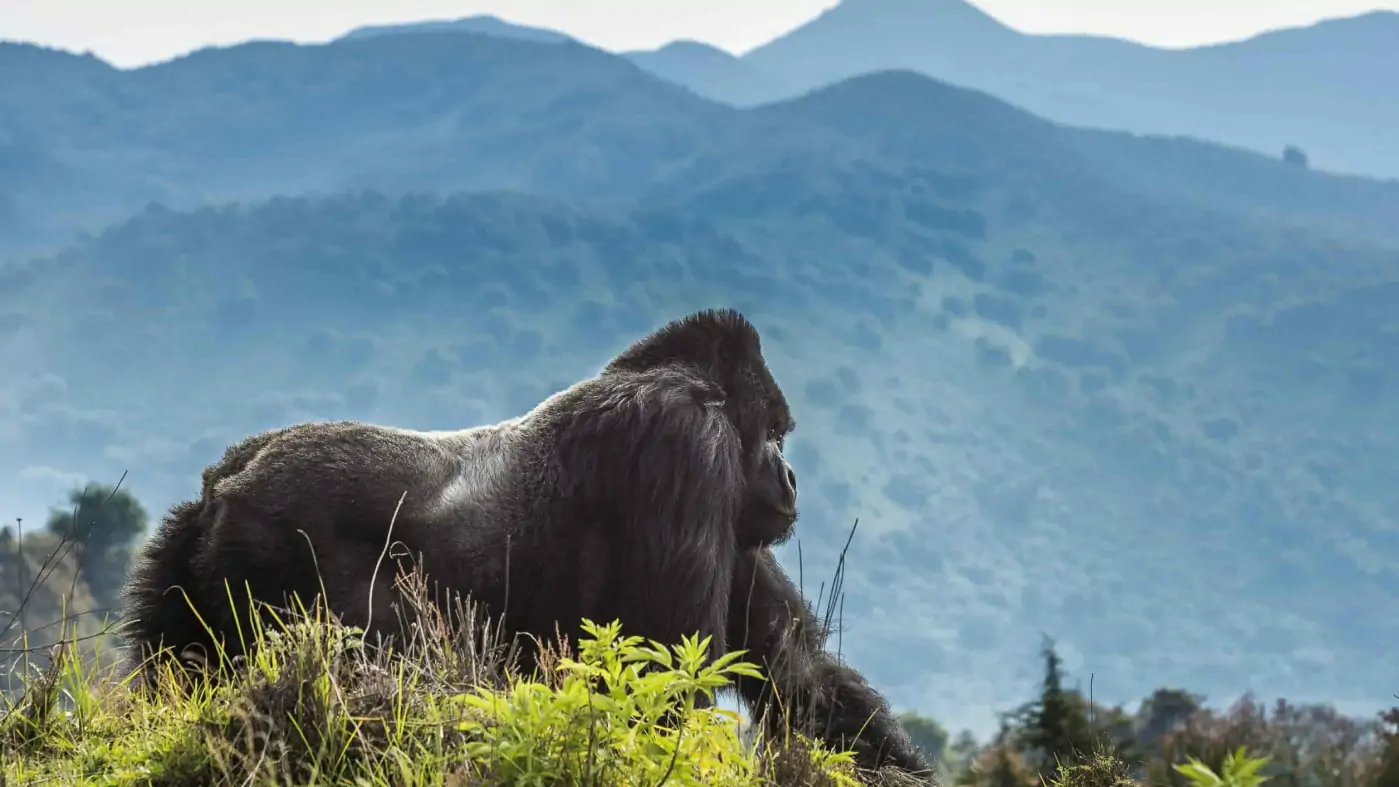
Volcanoes National Park is Rwanda’s principal destination for observing wild mountain gorilla families. Its habituated groups inhabit montane forests and bamboo vegetation within the Virunga landscape. Why Do Gorillas Make Different Sounds During Trekking? Visitors may hear the same broad categories of mountain gorilla communication found in Uganda, including soft grunts, feeding calls and occasional louder vocalisations. Their frequency and meaning vary with social circumstances, so no particular sound can be promised. Explore Rwanda gorilla trekking tours, luxury Rwanda gorilla adventures, private gorilla trekking arrangements, romantic Rwanda honeymoon safaris and luxury honeymoon journeys.
Why Understanding Gorilla Sounds Matters for Conservation
Studying mountain gorilla vocalisations helps researchers investigate social relationships, communication patterns and responses to environmental disturbances. Acoustic research also contributes to understanding how great apes combine different sounds during everyday activities. Why Do Gorillas Make Different Sounds During Trekking? Their vocal complexity demonstrates why gorilla conservation requires protecting not only individual animals but also stable social groups and natural habitats. Responsible tourism allows visitors to appreciate these behaviours without deliberately influencing them. Explore Uganda gorilla trekking, Rwanda gorilla safaris, Bwindi conservation tourism, gorilla habituation experiences and ethical safari planning.
Frequently Asked Questions About Gorilla Sounds During Trekking
Why Do Gorillas Make Different Sounds During Trekking?
Mountain gorillas use different sounds during feeding, resting, play, social interaction and potentially threatening situations. Most calls are directed toward other gorillas rather than tourists. Discover Uganda gorilla trekking and Rwanda gorilla tours.
What Is the Most Common Sound Made by Mountain Gorillas?
Soft grunts and related low-pitched close calls are among their commonly documented vocalisations. They frequently occur during feeding and resting activities. Explore Bwindi gorilla trekking and Uganda wildlife adventures.
Why Do Mountain Gorillas Grunt During Trekking?
Grunts may form part of normal communication between family members during various activities. They do not automatically indicate anger or aggression. Discover Rwanda gorilla trekking packages and guided Uganda safaris.
Do Mountain Gorillas Hum or Sing While Eating?
Yes. Researchers have described humming and singing-like vocalisations associated with gorilla feeding. Their precise functions remain subjects of scientific investigation. Explore Bwindi gorilla safaris and gorilla habituation experiences.
Why Do Baby Gorillas Make Whimpering Sounds?
Young gorillas may whimper or cry during separation, discomfort or distress, helping communicate their needs to caregivers. These calls differ from many adult vocalisations. Discover Uganda gorilla trekking holidays.
Do Gorillas Laugh When They Play?
Gorillas produce panting chuckles associated with play. Although sometimes compared with laughter, these calls should not be treated as identical to human laughter. Explore Rwanda gorilla holidays.
Are Loud Gorilla Sounds Always Dangerous?
No. Loud calls have different functions, and their meaning depends on the full behavioural context. Visitors should remain calm and follow ranger instructions. Discover gorilla trekking safety rules.
Why Do Silverbacks Make Deep Sounds?
Silverbacks produce different vocalisations during social interactions, movement and ordinary daily activities. Their deep sounds should not automatically be interpreted as threats. Explore Bwindi gorilla trekking.
Can Tourists Imitate Gorilla Sounds During Trekking?
Tourists should not deliberately imitate calls or attempt to provoke responses. Such actions can disturb natural behaviour and create unnecessary risks. Explore responsible Uganda gorilla trekking.
Where Can I Hear Mountain Gorilla Sounds in the Wild?
Bwindi Impenetrable National Park, Mgahinga Gorilla National Park and Rwanda’s Volcanoes National Park offer guided opportunities to observe wild mountain gorillas. Particular sounds cannot be guaranteed. Discover Uganda gorilla tours and Rwanda trekking safaris.
Book Your Mountain Gorilla Trekking Safari With Nextgen Safaris
Why Do Gorillas Make Different Sounds During Trekking? Their remarkable vocal behaviour reveals the complexity of mountain gorilla communication, from gentle grunts exchanged during feeding to playful chuckles and powerful calls associated with social tension. Listening to these sounds in the natural forests of Uganda and Rwanda can become one of the most memorable parts of an African wildlife adventure. Nextgen Safaris organises personalised mountain gorilla trekking journeys combining professional safari planning, private transportation, carefully selected accommodation and assistance arranging official trekking permits. Discover Uganda gorilla trekking packages, Rwanda mountain gorilla safaris, Bwindi gorilla trekking holidays, luxury gorilla experiences and romantic African honeymoon adventures.
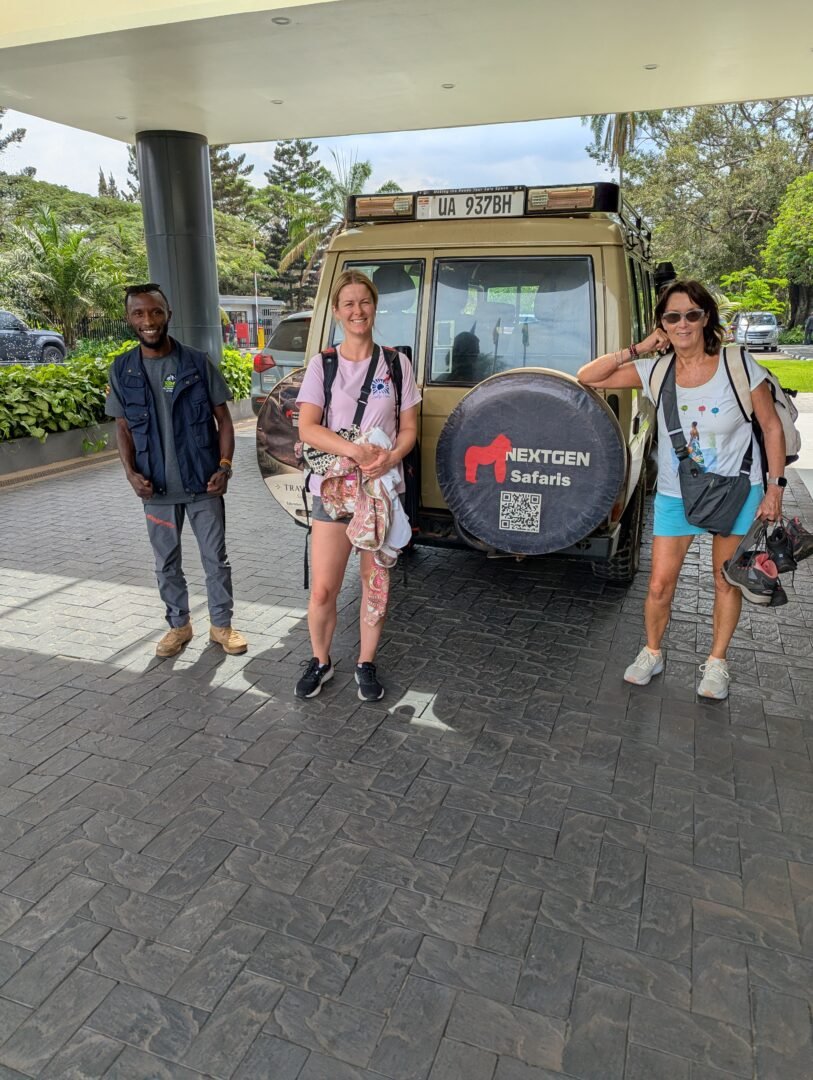
Whether you prefer a short gorilla trekking trip beginning in Kigali, an immersive Bwindi rainforest adventure or an extended Uganda and Rwanda safari, our team can customise your journey around your preferred dates, accommodation category and budget. Every safari prioritises responsible wildlife observation, visitor safety and respect for natural mountain gorilla behaviour.