
Why Do Mountain Gorilla Families Move From One Area to Another? 9 Fascinating Reasons Revealed
Why Do Mountain Gorilla Families Move From One Area to Another? Mountain gorillas naturally move through different sections of their forest habitats to find food, establish sleeping sites, maintain social relationships, and respond to environmental conditions. Unlike animals that undertake predictable long-distance migrations, mountain gorilla families generally travel within established home ranges, visiting different feeding and resting locations throughout the year. These movements are particularly fascinating in Rwanda’s Volcanoes National Park and Uganda’s Bwindi Impenetrable and Mgahinga Gorilla National Parks. Travelers interested in Rwanda gorilla trekking, Volcanoes National Park safaris, Bwindi gorilla trekking, Mgahinga gorilla trekking, and personalized Nextgen Safaris holidays can witness these remarkable natural behaviors.
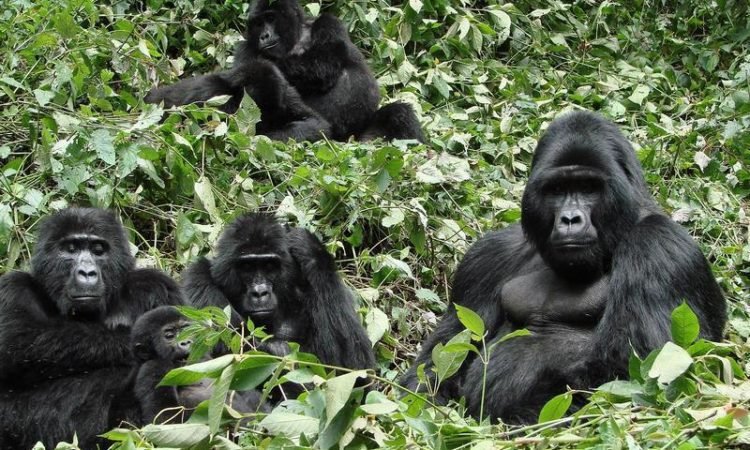
At Nextgen Safaris, we help travelers understand why gorilla families rarely remain in exactly the same location from one day to another. A family may spend one morning feeding in bamboo vegetation, move through dense undergrowth during the afternoon, and establish a different sleeping site before nightfall. These natural movements explain why gorilla trekking requires professional trackers and why the location of an assigned family cannot always be predicted in advance. Our Rwanda gorilla trekking tours, complete Rwanda trekking guide, three-day Rwanda gorilla trekking safari, Uganda gorilla trekking experiences, and customized safari arrangements help visitors prepare for these extraordinary forest encounters.
Mountain Gorilla Families Move to Find Suitable Food
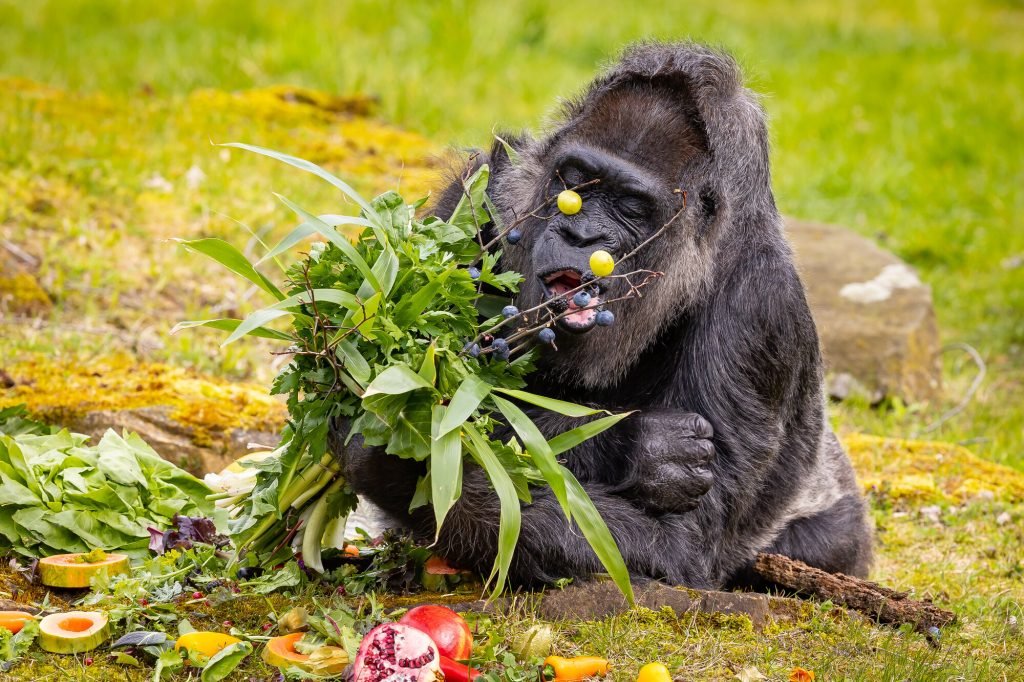
Why Do Mountain Gorilla Families Move From One Area to Another? Food availability is one of the most important influences on mountain gorilla movements. These powerful primates primarily consume vegetation, including leaves, stems, shoots, herbs, and other plant materials. Although some food plants remain abundant throughout the year, their distribution and nutritional value differ between forest areas. A family may leave one feeding location and enter another where suitable plants are more accessible. Groups also adjust their foraging as vegetation becomes depleted or regenerates within their home ranges. Visitors exploring Volcanoes National Park, Rwanda mountain gorilla trekking, Bwindi forest safaris, Mgahinga gorilla adventures, and private wildlife holidays may observe gorillas feeding naturally among dense forest vegetation.
Gorilla Families Move Between Feeding and Resting Areas
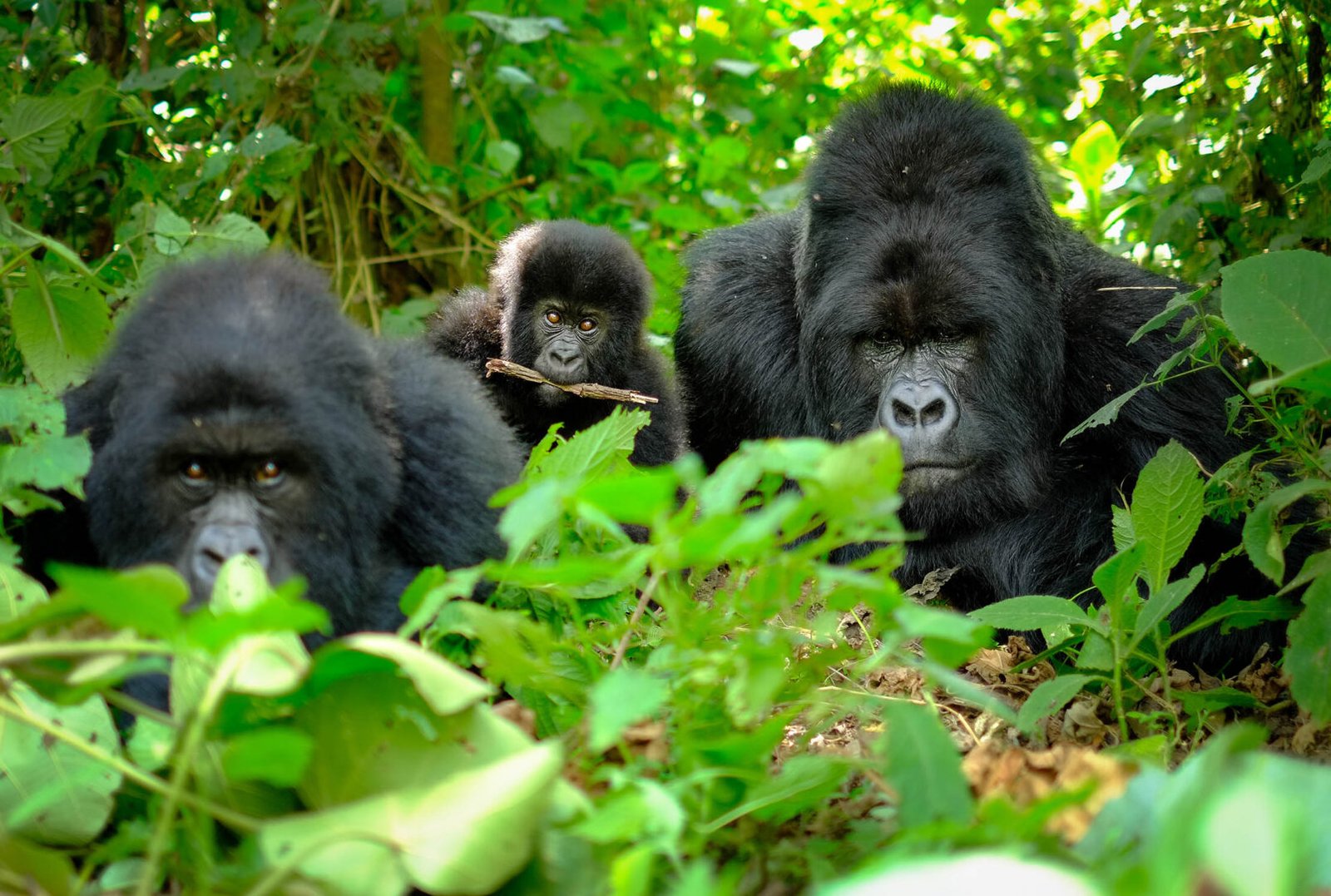
Mountain gorillas follow daily activity patterns that commonly involve feeding, resting, social interaction, and traveling. A family may begin feeding near its previous night’s sleeping site before gradually moving through vegetation to reach another food-rich area. During the day, some individuals rest while others groom, play, or continue feeding. As evening approaches, the family settles at another location where members build sleeping nests. These movements form part of normal daily life rather than an attempt to undertake a long-distance migration. Discover these behaviors during Rwanda gorilla trekking tours, Volcanoes National Park safaris, Bwindi mountain gorilla holidays, Rwanda trekking experiences, and guided private safaris.
Vegetation Regeneration Influences Gorilla Ranging Patterns
Mountain gorillas often revisit feeding areas after vegetation has had time to recover. As gorillas consume leaves and stems, some feeding patches become less attractive until plants regrow. Researchers have documented patterns in which groups use different portions of their home ranges over time, allowing access to suitable vegetation across a wider landscape. This should not be interpreted as gorillas consciously managing forest regeneration; rather, their ranging reflects changing feeding opportunities and other ecological factors. Such behavior is an important part of understanding mountain gorilla habitat use. Explore Rwanda gorilla trekking, Volcanoes National Park wildlife tours, Bwindi gorilla trekking, Mgahinga forest encounters, and conservation-focused safari holidays.
Seasonal Bamboo Shoots Can Attract Gorillas to Different Areas
The appearance of fresh bamboo shoots can influence the feeding movements of mountain gorillas in suitable Virunga habitats. Bamboo shoots are a valued seasonal food, and some families may spend more time in bamboo-dominated areas when shoots become available.Why Do Mountain Gorilla Families Move From One Area to Another? However, most mountain gorillas depend heavily on herbaceous vegetation that is available through much of the year. They do not all follow a fixed annual migration between bamboo forests and higher elevations. Seasonal food changes are one influence among several. Experience these environments through Volcanoes National Park gorilla trekking, Mgahinga Gorilla National Park, Rwanda mountain gorilla safaris, guided Rwanda trekking tours, and private safari planning.
Encounters Between Gorilla Families Can Change Their Movements
Mountain gorilla families sometimes encounter neighboring social groups while moving through overlapping home ranges. These encounters may involve displays, vocalizations, avoidance, or occasionally aggressive interactions. Research on Virunga mountain gorillas has shown that groups can increase their travel distances and shift the areas they use following encounters with other groups. Such movements may help reduce the likelihood of further conflict, although they are not necessarily permanent. Social interactions therefore influence where a family travels in addition to food availability. Discover gorilla social behavior through Rwanda gorilla trekking, Volcanoes National Park, guided Rwanda gorilla tours, Bwindi forest trekking, and personalized gorilla safaris.
Silverback Leadership Influences Family Travel
The dominant silverback plays an important role in coordinating many aspects of gorilla family life, including responses to potential threats, interactions with neighboring groups, and group movement. Other family members also influence the group’s activities through their feeding needs, social relationships, and individual behavior. Why Do Mountain Gorilla Families Move From One Area to Another? A silverback may lead the family toward another feeding location or respond when nearby gorillas are detected. However, it would be inaccurate to assume that every movement is controlled entirely by one individual. Mountain gorilla social organization is complex and changes as families develop. Observe these relationships during Rwanda gorilla trekking experiences, Volcanoes National Park adventures, Bwindi gorilla safaris, guided gorilla trekking tours, and private wildlife holidays.
Changes in Gorilla Family Structure Can Affect Home Ranges
Mountain gorilla groups change naturally through births, deaths, dispersal, and changes in adult relationships. Females sometimes transfer between groups, while young adult males may eventually leave their natal families. Groups can also divide, creating new family units that develop their own ranging patterns. Such social changes may alter where gorillas travel and which neighboring groups they encounter. Importantly, an individual transferring to another family is not the same as an entire family migrating to a new area. Learn about mountain gorilla social structure through Rwanda gorilla trekking, Volcanoes National Park safaris, Bwindi gorilla family encounters, Rwanda trekking packages, and customized primate holidays.
Different Forest Habitats Offer Different Feeding Opportunities
Mountain gorillas inhabit landscapes with several vegetation types, including bamboo forest, montane woodland, dense herbaceous vegetation, and high-altitude mountain habitats. Differences in plant abundance and food quality can influence which portions of these environments families use. Some gorillas spend considerable time within particular vegetation zones, while others move across a wider elevational range. Changes in weather may affect the conditions they experience, but there is no evidence that every family simply moves uphill in dry weather and downhill during rainfall. Explore Volcanoes National Park, Rwanda mountain gorilla tours, Mgahinga gorilla safaris, Bwindi rainforest trekking, and private mountain gorilla holidays.
Disturbance and Potential Threats May Influence Gorilla Movements
Mountain gorilla movements may also be affected by unusual disturbances or potentially dangerous situations. Illegal snares, human intrusion, and encounters with other animals can create risks within their natural habitat. Research has investigated how gorilla groups adjust ranging behavior after encountering snares, suggesting that some groups may temporarily reduce use of affected locations. Nevertheless, most ordinary daily movements reflect natural feeding and social activities rather than an immediate attempt to escape danger. Responsible conservation remains essential for protecting the habitats these animals depend upon. Discover Rwanda gorilla trekking safaris, Volcanoes National Park, Bwindi gorilla trekking, Mgahinga gorilla experiences, and responsibly organized safari holidays.
Do Mountain Gorilla Families Move Every Day?
Mountain gorilla families typically move during their daily activities, although the distance traveled differs between groups and days. Why Do Mountain Gorilla Families Move From One Area to Another? Why Do Mountain Gorilla Families Move From One Area to Another? Some families remain within a relatively small area containing abundant food, while others move farther between feeding locations. Their daily travel is generally modest compared with the long migrations of large African herbivores. Each evening, gorillas normally construct new sleeping nests, leaving signs that help trackers establish their recent movements. Visitors can observe these fascinating patterns during Rwanda gorilla trekking, Volcanoes National Park tours, Bwindi gorilla holidays, guided mountain gorilla safaris, and private trekking itineraries.
How Do Gorilla Trackers Find Families That Have Moved?
Professional gorilla trackers monitor habituated families and use their knowledge of recent nesting sites, feeding signs, trails, and previous locations to help find the animals. In Rwanda’s Volcanoes National Park, tracking teams communicate information to the guides responsible for visitor groups. As gorillas continue moving, trackers may update their positions before tourists reach them.Why Do Mountain Gorilla Families Move From One Area to Another? This is why visitors should not expect to find gorillas at a permanently fixed location. Tracking expertise is fundamental to Rwanda gorilla trekking tours, Volcanoes National Park experiences, Bwindi gorilla trekking, Rwanda trekking preparation, and personalized safari planning.
Can Mountain Gorillas Move Between Rwanda, Uganda, and Congo?
Mountain gorillas in the Virunga Massif occupy a connected volcanic landscape extending across Rwanda, Uganda, and the Democratic Republic of the Congo. Individual gorillas and groups may move across international boundaries as part of their natural ranging. However, not every family crosses borders, and Uganda’s separate Bwindi mountain gorilla population does not routinely travel across this Virunga landscape. For tourists, movement across a wildlife boundary does not authorize trekking in another country; separate permits and park regulations apply. Compare Rwanda gorilla trekking, Volcanoes National Park safaris, Mgahinga Gorilla National Park, Bwindi gorilla trekking, and customized cross-country holidays.
How Do Gorilla Movements Affect Trekking Difficulty?
A mountain gorilla family located relatively close to an accessible forest trail may require a shorter hike than one occupying distant or steep volcanic slopes. Why Do Mountain Gorilla Families Move From One Area to Another?However, the same family may move farther before the following day’s trek. Weather, elevation, vegetation density, and group pace also influence the experience. Visitors should therefore communicate their fitness and mobility needs during the park briefing rather than relying on assumptions about specific family names. Prepare through Rwanda gorilla trekking guidance, Volcanoes National Park trekking, guided Rwanda gorilla safaris, three-day gorilla trekking packages, and private safari assistance.
Best 3-Day Rwanda Gorilla Trekking Itinerary
Day 1: Arrival in Kigali and Transfer to Volcanoes National Park
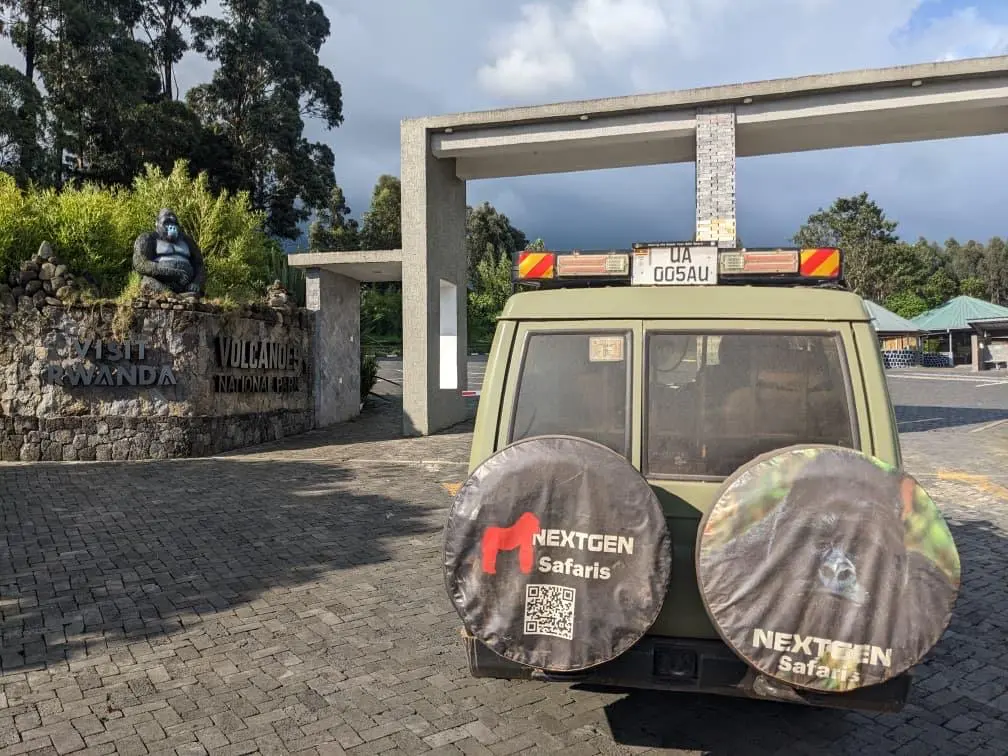
Your Rwanda mountain gorilla safari begins in Kigali, where your Nextgen Safaris driver-guide welcomes you before the scenic journey toward Musanze and Volcanoes National Park. Why Do Mountain Gorilla Families Move From One Area to Another?The transfer normally takes approximately two and a half to three hours, depending on traffic and stops. Settle into your selected lodge, enjoy the spectacular Virunga scenery, and prepare for the following morning’s trekking experience. Explore three-day Rwanda gorilla trekking, Volcanoes National Park holidays, Rwanda gorilla safari tours, Rwanda trekking experiences, and personalized travel arrangements.
Day 2: Mountain Gorilla Tracking and Family Observation
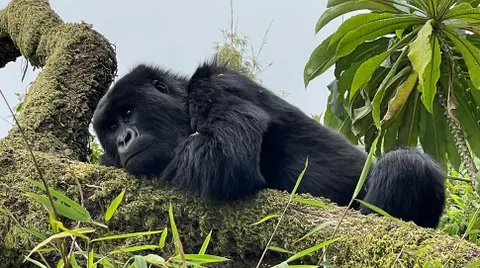
After an early breakfast, transfer to Kinigi headquarters for registration, the ranger briefing, and family allocation. Professional guides and trackers lead your group through the forest toward the assigned gorillas, whose location may differ from their previous day’s resting area. Why Do Mountain Gorilla Families Move From One Area to Another? Once the family is found, enjoy the regulated one-hour observation period, watching natural feeding, resting, and social behavior. Return to your lodge afterward. Discover Rwanda mountain gorilla trekking, Volcanoes National Park safaris, guided Rwanda trekking tours, three-day gorilla safaris, and private trekking bookings.
Day 3: Scenic Return to Kigali and Departure
Enjoy breakfast overlooking the Virunga Mountains before returning to Kigali with your private driver-guide. Optional sightseeing or cultural experiences may be arranged depending on your flight schedule. Travelers interested in further primate encounters can extend their itinerary with another gorilla trek on a separate permit or include Uganda’s Bwindi or Mgahinga national parks. Explore Rwanda safari extensions, Volcanoes National Park tours, Bwindi gorilla trekking, Mgahinga gorilla safaris, and customized multi-country safaris.
Frequently Asked Questions About Mountain Gorilla Family Movements
Why Do Mountain Gorilla Families Move From One Area to Another?
Mountain gorilla families move mainly to find food, use different parts of their home ranges, establish new resting locations, and respond to other gorilla groups. These movements are natural and generally occur within familiar habitats rather than along fixed migration routes. Learn more through Rwanda gorilla trekking, Volcanoes National Park, Bwindi forest safaris, guided Rwanda gorilla tours, and private safari planning.
Do Mountain Gorilla Families Sleep in the Same Place Every Night?
Mountain gorillas generally construct fresh sleeping nests each evening rather than returning to one permanent sleeping location. Why Do Mountain Gorilla Families Move From One Area to Another? Nesting sites depend on where the family finishes its daily activities. These sites provide valuable information to professional trackers. Discover Rwanda gorilla trekking experiences, Volcanoes National Park safaris, Bwindi gorilla trekking, Rwanda trekking guidance, and personalized wildlife holidays.
Do Mountain Gorilla Families Migrate During Certain Seasons?
Mountain gorillas do not normally undertake predictable long-distance seasonal migrations. Some families change their use of particular habitats when foods such as bamboo shoots become available, but many important food plants remain accessible throughout the year. Explore Volcanoes National Park, Rwanda mountain gorilla trekking, Mgahinga gorilla safaris, Bwindi trekking experiences, and private safari itineraries.
Can Gorilla Families Move Away During a Tourist Trek?
Yes. Gorillas may continue feeding or traveling while visitors approach or observe them. Rangers manage the encounter and instruct tourists how to behave if the family moves. Visitors must never chase, block, or disturb the animals to obtain photographs. Explore Rwanda gorilla trekking, Volcanoes National Park adventures, guided mountain gorilla tours, Rwanda trekking rules, and responsible safari bookings.
Does a Silverback Decide Where the Family Moves?
The dominant silverback has an important influence on group movement, protection, and responses to other gorillas. However, feeding needs and the behavior of other family members also contribute to group activity. Movement is part of a complex social system rather than a process controlled entirely by one individual. Discover Rwanda gorilla trekking experiences, Volcanoes National Park, Bwindi gorilla encounters, guided Rwanda trekking packages, and customized wildlife safaris.
Do Gorilla Families Move to Avoid Other Gorilla Groups?
Sometimes. Research shows that encounters with neighboring groups can affect mountain gorilla ranging patterns. Some groups temporarily increase their travel distances or shift the areas they use, potentially reducing further conflict. However, families can also share or revisit overlapping home ranges. Explore Rwanda gorilla trekking tours, Volcanoes National Park, Bwindi gorilla safaris, Rwanda trekking information, and private safari planning.
Can Mountain Gorilla Movements Make Trekking More Difficult?
Yes. A family moving farther from the trailhead or into higher, steeper forest areas may require a more demanding hike. Weather and trail conditions also affect difficulty. Park officials consider current tracking information and visitor fitness when organizing trekking groups. Discover Volcanoes National Park trekking, Rwanda gorilla trekking, guided mountain gorilla safaris, Rwanda trekking preparation, and personalized trekking assistance.
Book Your Rwanda Mountain Gorilla Trekking Safari With Nextgen Safaris
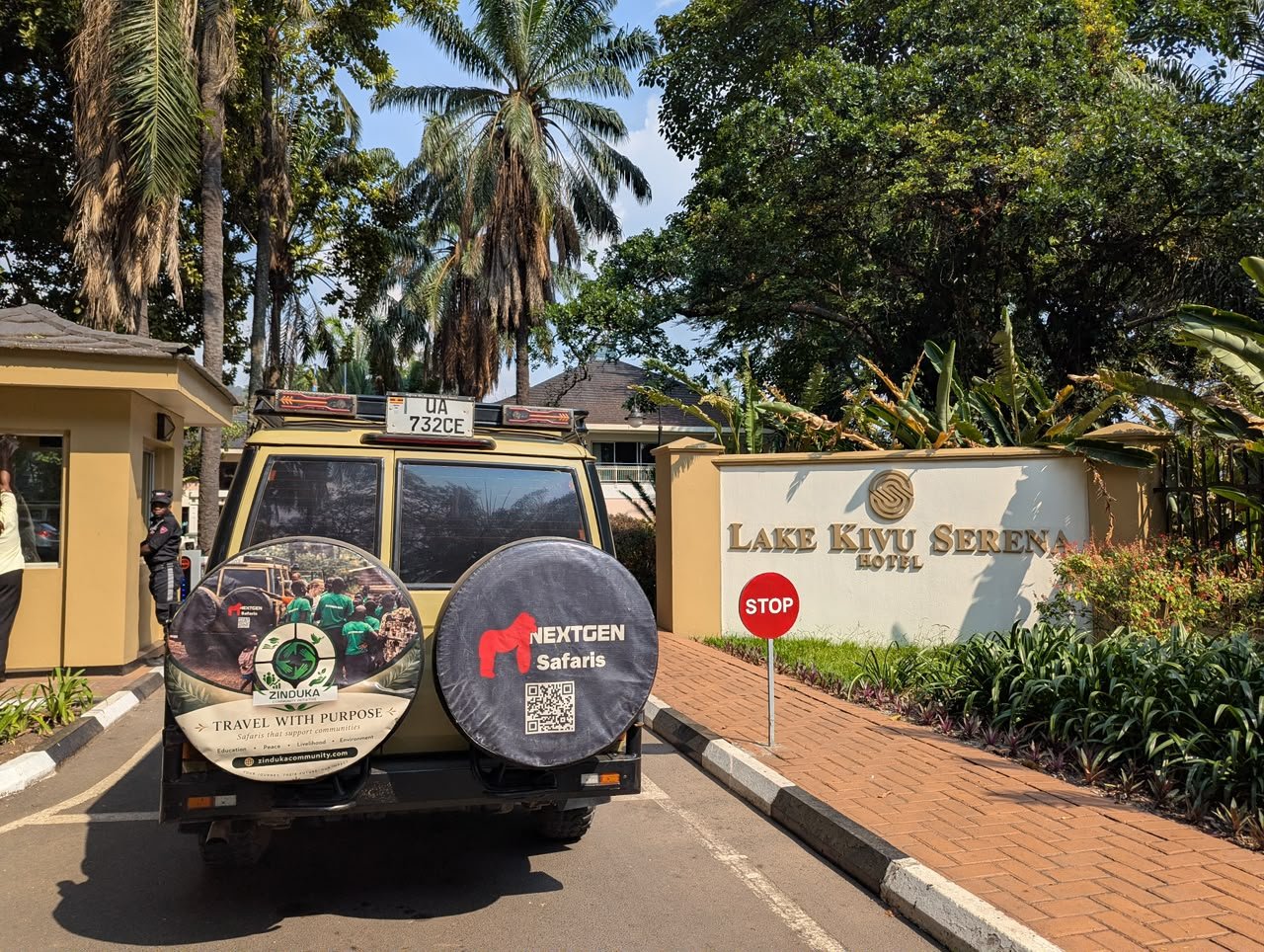
Experience the remarkable natural movements and social behavior of mountain gorillas with Nextgen Safaris, where we organize personalized trekking holidays in Rwanda and Uganda. Whether you hope to observe gorillas feeding in bamboo forest, watch a silverback guide his family, or discover how gorillas travel through their natural habitat, our safari specialists can help organize an unforgettable journey. We arrange gorilla trekking permits, accommodation, private transportation, professional driver-guides, and customized itineraries while respecting official park trekking procedures. Explore our Rwanda gorilla trekking tours, Volcanoes National Park safaris, three-day Rwanda gorilla trekking packages, Bwindi mountain gorilla holidays, and personalized safari booking services to begin planning your adventure.