
Why Do Rwanda’s Mountain Gorillas Live on Volcano Slopes? 9 Fascinating Reasons
Why Do Rwanda’s Mountain Gorillas Live on Volcano Slopes? The magnificent volcanic mountains of northwestern Rwanda provide an extraordinary natural habitat where endangered mountain gorillas find abundant vegetation, suitable climatic conditions, natural shelter and protected territories. These remarkable primates have adapted to the mountainous forests of the Virunga region over generations, establishing family groups within one of Africa’s most fascinating ecosystems. Travellers undertaking Rwanda gorilla trekking tours can discover these spectacular landscapes, explore Volcanoes National Park, experience luxury gorilla trekking in Rwanda, enjoy Rwanda honeymoon safaris and organise unforgettable adventures with Nextgen Safaris.
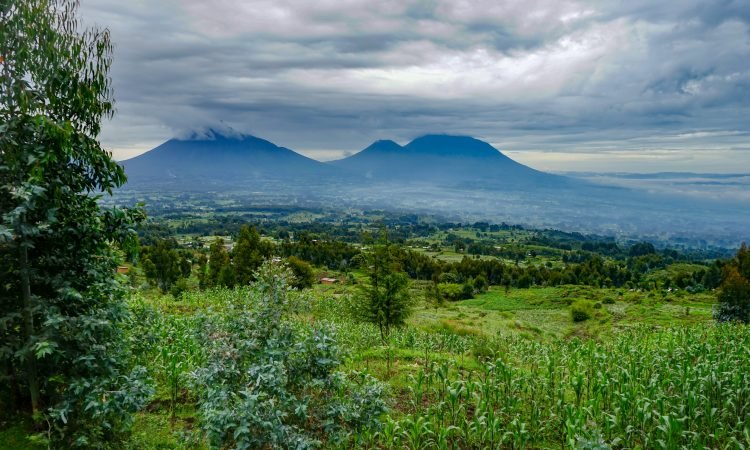
Understanding Why Do Rwanda’s Mountain Gorillas Live on Volcano Slopes? requires exploring the relationship between volcanic geography, mountain vegetation, rainfall, temperature and wildlife adaptation. Unlike many primates inhabiting tropical lowland forests, mountain gorillas possess physical and behavioural characteristics that enable them to survive in cooler high-altitude environments. Visitors can appreciate these remarkable adaptations during the best mountain gorilla trekking tours in Rwanda, discover exceptional luxury gorilla trekking lodges, undertake a gorilla and golden monkey adventure, explore Rwanda safari packages or arrange their holiday through a local gorilla trekking company in Rwanda.
Understanding the Natural Habitat of Rwanda’s Mountain Gorillas
Why Do Rwanda’s Mountain Gorillas Live on Volcano Slopes? Their natural habitat forms part of the Virunga Mountains, a spectacular volcanic mountain chain extending across Rwanda, Uganda and the Democratic Republic of Congo. These mountains contain diverse vegetation zones, including bamboo forests, montane woodland and extensive herbaceous vegetation. Mountain gorillas depend on these ecosystems for feeding, nesting, reproduction and social interaction. Travellers exploring Volcanoes National Park through guided gorilla trekking holidays, luxury gorilla trekking experiences, a 14 Days Grand Rwanda Discovery Safari or a romantic Rwanda honeymoon adventure can discover the exceptional biodiversity supported by these mountains.
9 Fascinating Reasons Why Rwanda’s Mountain Gorillas Live on Volcano Slopes
Fertile Volcanic Soils Support Abundant Vegetation
One of the most important answers to Why Do Rwanda’s Mountain Gorillas Live on Volcano Slopes? is the abundance of nutritious vegetation supported by their environment. Weathered volcanic materials contribute to soil formation, while regular rainfall encourages the development of diverse plant communities. Mountain gorillas consume large quantities of leaves, stems, shoots and herbs to meet their daily nutritional requirements. Visitors undertaking Rwanda mountain gorilla safaris can observe these feeding behaviours while exploring Volcanoes National Park, enjoying luxury mountain gorilla holidays, experiencing Rwanda gorilla trekking honeymoons or participating in an extended 12 Days Rwanda Safari.
Cool Mountain Temperatures Suit Mountain Gorillas
Why Do Rwanda’s Mountain Gorillas Live on Volcano Slopes? Mountain gorillas possess relatively thick fur that provides insulation against the cooler temperatures experienced at higher elevations. Rwanda’s volcanic forests frequently experience mist, rainfall and chilly mornings, creating climatic conditions considerably different from Africa’s warmer savannah environments. Travellers arranging luxury gorilla trekking from Kigali, exploring Rwanda gorilla trekking packages, staying at Wilderness Bisate Lodge, enjoying a VIP Rwanda honeymoon or booking a luxury fly-in gorilla trekking safari can appreciate the refreshing mountain climate.
Bamboo Forests Provide Important Food Resources
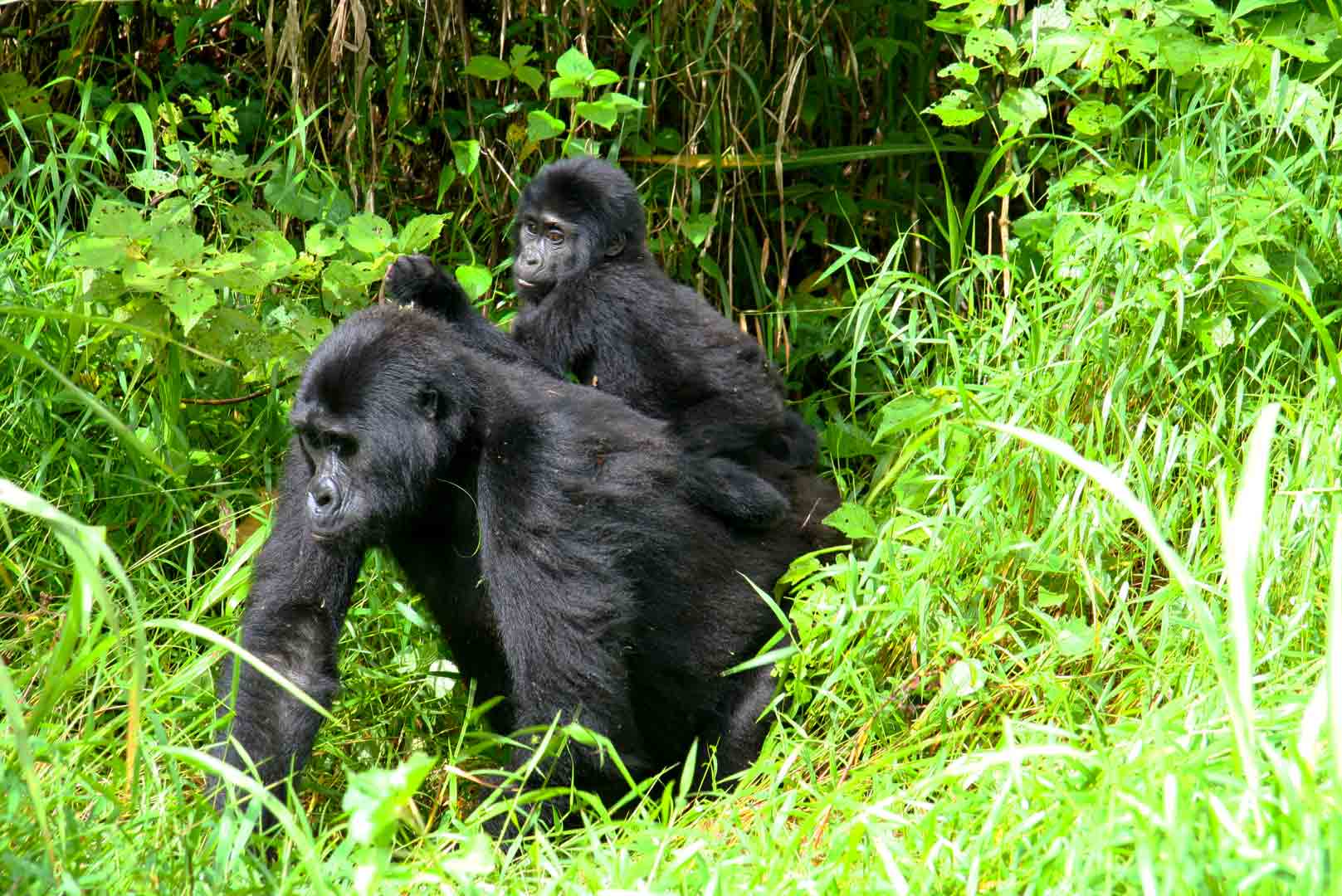
Bamboo forests offer another fascinating explanation for Why Do Rwanda’s Mountain Gorillas Live on Volcano Slopes? Fresh bamboo shoots provide an important seasonal food resource for several mountain gorilla families, although their diet includes numerous other plant species throughout the year. Gorilla families frequently move between vegetation zones depending on food availability and environmental conditions. Visitors booking mountain gorilla trekking adventures, exploring Rwanda’s volcanic forests, experiencing gorilla and golden monkey trekking, arranging luxury gorilla holidays or discovering Rwanda wildlife destinations may encounter gorillas feeding among bamboo vegetation.
Dense Mountain Forests Provide Natural Shelter
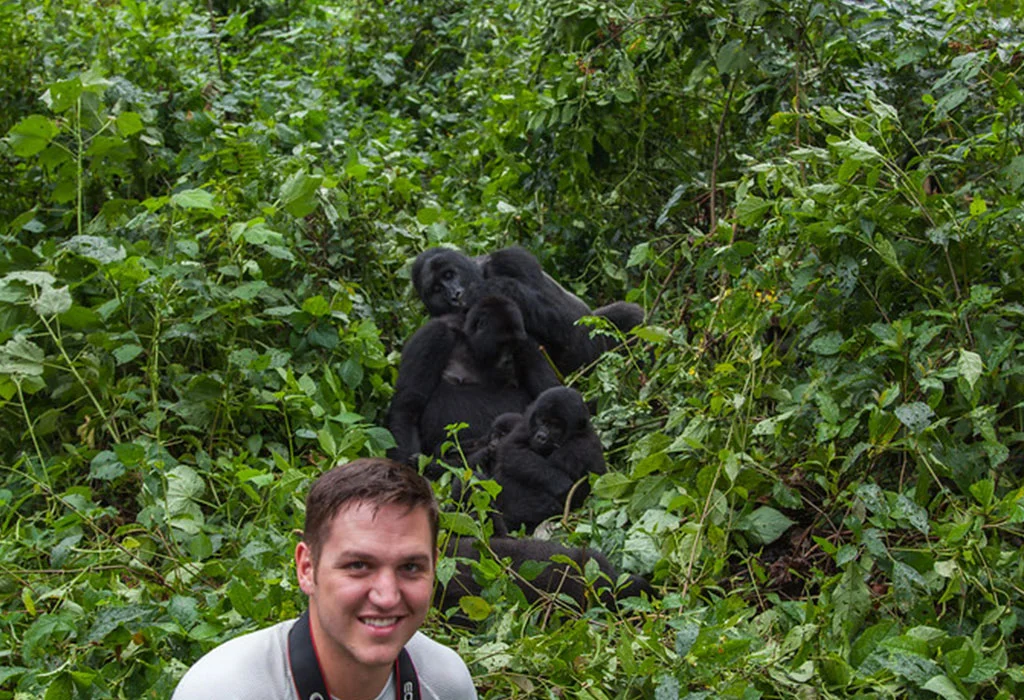
Why Do Rwanda’s Mountain Gorillas Live on Volcano Slopes? Dense mountain vegetation provides gorilla families with suitable areas for resting, feeding and constructing sleeping nests. Mountain gorillas generally construct fresh sleeping nests using leaves, branches and other available vegetation. These forests provide numerous nesting locations throughout their territories, allowing families to remain close to important feeding areas. During guided Rwanda gorilla trekking, Volcanoes National Park adventures, exclusive gorilla safari experiences, a romantic Rwanda forest safari or a personalised Nextgen Safaris holiday, travellers can learn about these fascinating nesting behaviours.
Regular Mountain Rainfall Supports Vegetation Growth
Another important answer to Why Do Rwanda’s Mountain Gorillas Live on Volcano Slopes? concerns the relationship between mountain rainfall and vegetation growth. The geographical characteristics of northwestern Rwanda contribute to moist environmental conditions that support extensive forest ecosystems. Rainfall encourages the growth of nutritious herbs, leaves and other plants essential to mountain gorilla survival. Travellers discovering Volcanoes National Park through Rwanda gorilla trekking holidays, luxury Rwanda primate safaris, romantic gorilla trekking adventures and extended Rwanda wildlife safaris can appreciate the lush landscapes created by these climatic conditions.
Protected Volcanic Forests Reduce Human Disturbance
Why Do Rwanda’s Mountain Gorillas Live on Volcano Slopes? The protection of their remaining natural habitat is fundamental to their continued survival. Historical agricultural expansion and human settlement have reduced the extent of suitable mountain gorilla habitat, making protected forests increasingly important. Conservation programmes help safeguard these ecosystems while supporting neighbouring communities. Visitors choosing responsible gorilla trekking tours, exploring Volcanoes National Park, booking luxury mountain gorilla safaris, staying at Wilderness Bisate Lodge or undertaking Rwanda honeymoon holidays participate in a tourism economy that supports wildlife conservation.
Different Mountain Elevations Create Diverse Feeding Habitats
The diversity of vegetation across different mountain elevations helps explain Why Do Rwanda’s Mountain Gorillas Live on Volcano Slopes? Lower and higher slopes support different plant communities, allowing gorilla families to access various feeding resources within their home ranges. Some families occupy areas dominated by bamboo, while others spend considerable time in herbaceous vegetation and montane woodland. Visitors participating in Rwanda gorilla trekking tours, undertaking Bisoke volcano hiking adventures, discovering Volcanoes National Park, staying at luxury volcano lodges or enjoying romantic mountain holidays can appreciate this extraordinary landscape diversity.
Mountain Gorillas Have Developed High-Altitude Adaptations
Why Do Rwanda’s Mountain Gorillas Live on Volcano Slopes? Mountain gorillas have developed remarkable physical and behavioural characteristics that help them survive within mountainous forests. Their powerful limbs assist them in navigating uneven terrain, while their thick fur provides protection against cooler environmental conditions. Their predominantly plant-based diet enables them to utilise vegetation growing across the volcanic mountains. Travellers arranging mountain gorilla encounters, private gorilla trekking holidays, Rwanda honeymoon safaris, luxury fly-in gorilla adventures and Rwanda wildlife holidays can observe these adaptations firsthand.
The Virunga Mountains Form Their Historical Natural Range
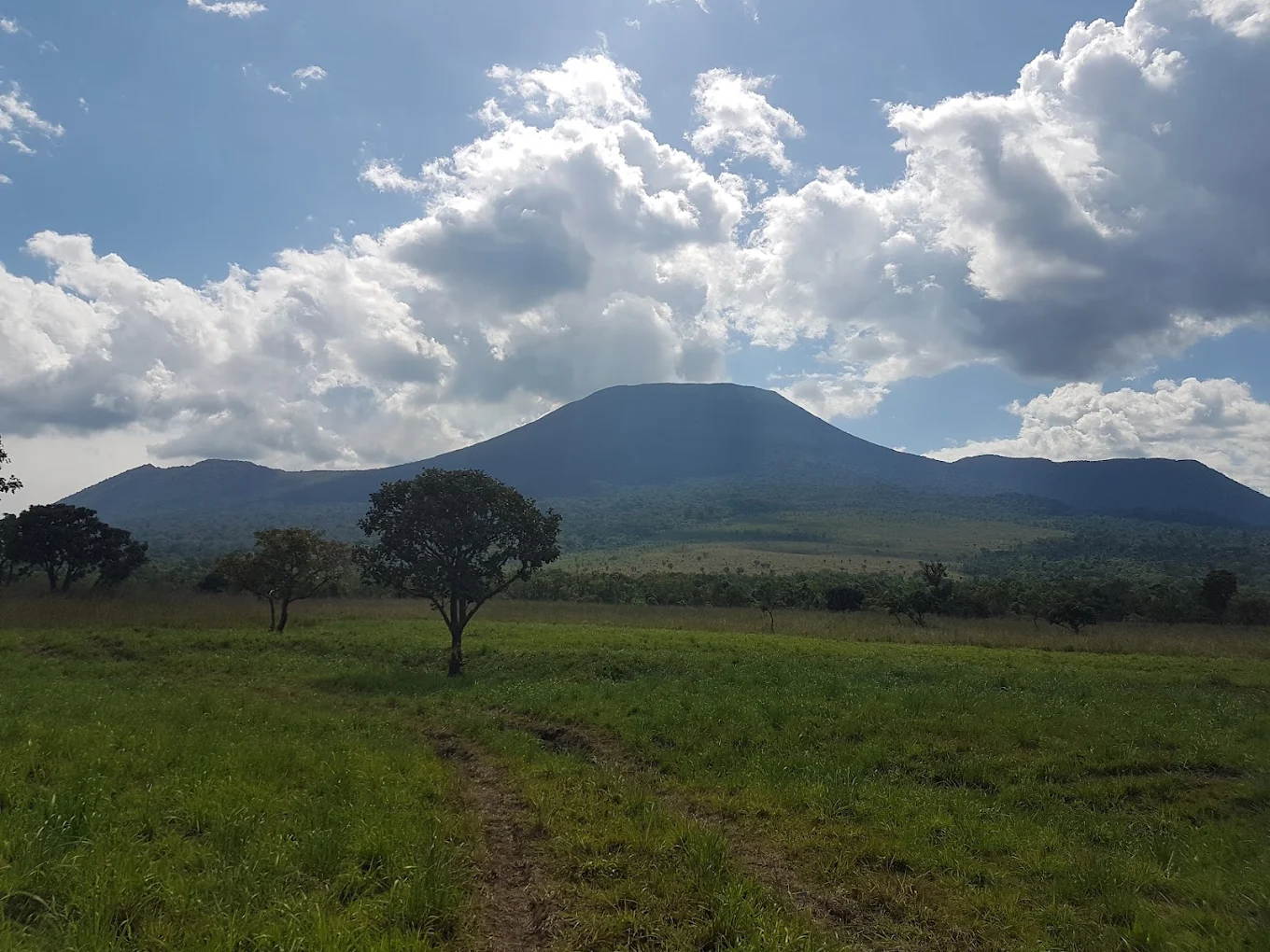
The historical distribution of mountain gorillas provides another essential answer to Why Do Rwanda’s Mountain Gorillas Live on Volcano Slopes? The Virunga Mountains represent one of the two remaining geographical regions inhabited by mountain gorillas, with the other population occupying Uganda’s Bwindi forest region. Their current distribution reflects both generations of adaptation and historical habitat loss. Visitors interested in comparing mountain gorilla habitats can combine gorilla trekking in Bwindi, luxury Uganda gorilla trekking tours, Rwanda gorilla trekking experiences, luxury gorilla trekking from Kigali and African gorilla trekking honeymoons.
Which Volcanoes Do Rwanda’s Mountain Gorillas Live Around?
Understanding Why Do Rwanda’s Mountain Gorillas Live on Volcano Slopes? becomes even more interesting when exploring the individual mountains within Volcanoes National Park. The park encompasses forested areas around Mount Karisimbi, Mount Bisoke, Mount Sabyinyo, Mount Gahinga and Mount Muhabura. Individual gorilla families occupy different home ranges across these mountainous environments. Travellers undertaking Volcanoes National Park safaris, Bisoke hiking and gorilla trekking tours, Rwanda gorilla safari holidays, staying at Rwanda’s best luxury gorilla lodges or booking exclusive Rwanda honeymoon experiences can enjoy the spectacular scenery surrounding these volcanoes.
How Volcano Slopes Influence Mountain Gorilla Behaviour
Why Do Rwanda’s Mountain Gorillas Live on Volcano Slopes? Their mountainous environment influences feeding patterns, daily movements, resting behaviour and nesting locations. Gorilla families regularly move between feeding areas depending on food availability, environmental conditions and social needs. Younger gorillas frequently engage in playful activities while adults spend considerable time feeding and resting. During Rwanda mountain gorilla trekking, private gorilla trekking experiences, a 14 Days Rwanda Discovery Safari, Rwanda romantic wildlife holidays and Volcanoes National Park adventures, visitors may witness these remarkable social interactions.
How Volcanic Slopes Affect Gorilla Trekking in Rwanda
Travellers asking Why Do Rwanda’s Mountain Gorillas Live on Volcano Slopes? should also understand how mountainous terrain influences their trekking experience. Gorilla trekking may involve walking through thick vegetation, crossing uneven ground and ascending steep or muddy forest trails. Trekking duration depends on the assigned gorilla family’s location and daily movements. Visitors preparing for Rwanda gorilla trekking packages, consulting a local Rwanda gorilla trekking company, arranging luxury gorilla permit reservations, booking gorilla trekking honeymoon holidays or comparing affordable gorilla trekking deals should prepare suitable hiking equipment.
Best Time to See Rwanda’s Mountain Gorillas on Volcano Slopes
Understanding Why Do Rwanda’s Mountain Gorillas Live on Volcano Slopes? helps travellers appreciate seasonal differences within their mountainous habitat. The relatively drier months of June to September and December to February generally offer more favourable trekking conditions, although rainfall remains possible throughout the year. Travellers planning Rwanda gorilla trekking holidays, selecting luxury Rwanda gorilla lodges, organising Rwanda honeymoon safaris, arranging gorilla trekking tour reservations or exploring Volcanoes National Park should secure their permits sufficiently early.
Combining Rwanda Gorilla Trekking With Other Wildlife Experiences
After discovering Why Do Rwanda’s Mountain Gorillas Live on Volcano Slopes?, visitors can extend their holiday to experience Rwanda’s wider natural attractions. Golden monkey trekking, chimpanzee tracking, volcanic mountain hiking, cultural experiences and lakeside relaxation offer excellent opportunities to complement mountain gorilla encounters. Consider a 12 Days Rwanda Safari, a 6 Days Luxury Gorilla and Chimpanzee Safari, a 10 Days Rwanda Honeymoon Safari, a 7 Days Bisoke Hiking and Gorilla Safari or a relaxing Rwanda gorilla trekking and Lake Kivu honeymoon.
Frequently Asked Questions About Rwanda’s Mountain Gorillas and Volcano Slopes
Why Do Rwanda’s Mountain Gorillas Live on Volcano Slopes?
Rwanda’s volcanic slopes provide abundant vegetation, suitable temperatures, natural shelter and protected forest ecosystems. Visitors can discover these habitats through Rwanda gorilla trekking tours, Volcanoes National Park adventures, luxury gorilla trekking holidays, Rwanda honeymoon packages and guided mountain gorilla safaris.
Do Rwanda’s Mountain Gorillas Live Inside Volcanoes?
No. Mountain gorillas primarily inhabit forested volcanic slopes rather than volcanic craters. Travellers can explore these environments through Volcanoes National Park tours, Rwanda gorilla trekking adventures, Bisoke hiking safaris, luxury mountain retreats and romantic Rwanda holidays.
Why Do Rwanda’s Mountain Gorillas Live on Volcano Slopes Instead of Savannahs?
Mountain gorillas depend heavily on forest vegetation and are adapted to mountainous forest ecosystems rather than open grasslands. Visitors can compare different wildlife habitats through extended Rwanda safaris, Uganda gorilla trekking adventures, luxury Rwanda wildlife holidays, Rwanda romantic safaris and East African safari packages.
What Do Rwanda’s Mountain Gorillas Eat on Volcano Slopes?
Mountain gorillas primarily consume leaves, stems, herbs, bamboo shoots and other vegetation. Visitors undertaking Rwanda mountain gorilla trekking, Volcanoes National Park experiences, private gorilla safaris, romantic gorilla trekking adventures and guided Rwanda holidays may observe these fascinating feeding behaviours.
Why Do Rwanda’s Mountain Gorillas Live on Volcano Slopes With Bamboo Forests?
Bamboo forests provide important seasonal feeding resources, while surrounding vegetation supports gorilla nutrition throughout the year. Explore these ecosystems through Rwanda gorilla trekking packages, luxury gorilla holidays, Volcanoes National Park safaris, Rwanda honeymoon adventures and personalised gorilla trekking tours.
Is Gorilla Trekking on Rwanda’s Volcano Slopes Difficult?
Trekking difficulty depends on terrain, weather and the assigned gorilla family’s location. Suitable preparation is important when arranging guided Rwanda gorilla tours, luxury gorilla trekking adventures, affordable gorilla trekking packages, Rwanda honeymoon holidays and private Rwanda safari experiences.
Can Couples Visit Rwanda’s Mountain Gorillas During Their Honeymoon?
Yes. Rwanda combines extraordinary wildlife encounters with spectacular mountain scenery and luxurious accommodation. Couples can discover Rwanda honeymoon packages, explore the best gorilla trekking honeymoon lodges, enjoy a VIP Rwanda honeymoon experience, arrange luxury gorilla trekking holidays or book a luxury fly-in gorilla safari.
Book Your Rwanda Mountain Gorilla Trekking Safari With Nextgen Safaris
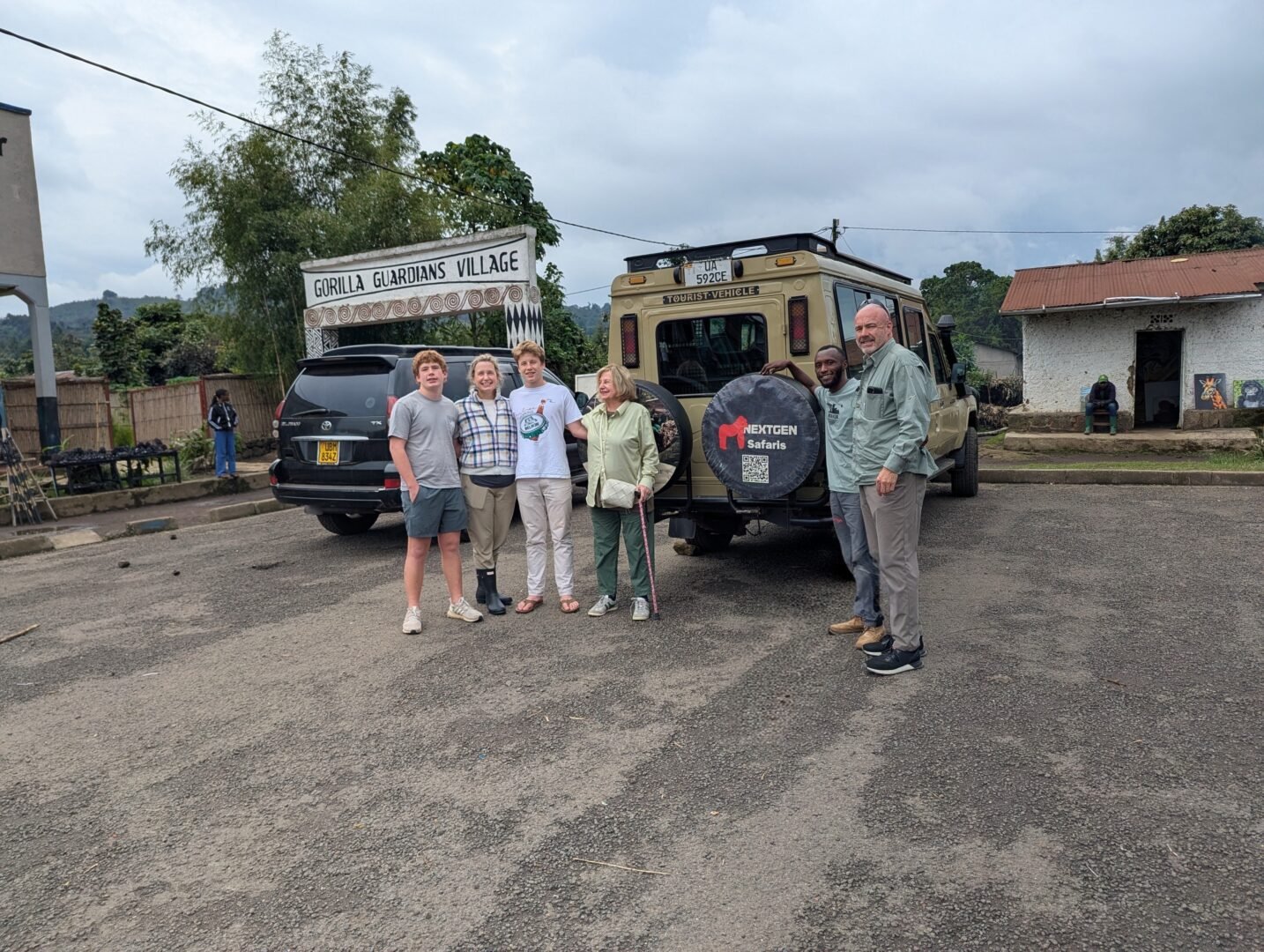
Understanding Why Do Rwanda’s Mountain Gorillas Live on Volcano Slopes? reveals why Rwanda remains one of Africa’s most extraordinary primate destinations. Its magnificent volcanic mountains, protected forests, diverse vegetation and remarkable gorilla families create an unforgettable wildlife experience. At Nextgen Safaris, we organise personalised gorilla trekking holidays, accommodation arrangements, private transportation and gorilla permit reservations. Discover our Rwanda gorilla trekking packages, explore our best mountain gorilla safaris, choose exclusive luxury gorilla trekking experiences, plan unforgettable Rwanda honeymoon safaris and book your Rwanda gorilla trekking adventure today