
Why Do Some Mountain Gorilla Families Live Higher in the Mountains? 7 Fascinating Reasons Revealed
Why Do Some Mountain Gorilla Families Live Higher in the Mountains? Some mountain gorilla families occupy higher elevations because of the availability of suitable vegetation, established home ranges, natural feeding patterns, and interactions with neighboring gorilla groups. In Rwanda’s Volcanoes National Park, the volcanic landscape contains several vegetation zones, including bamboo forests, montane woodland, and high-altitude herbaceous vegetation. Different families use these habitats according to their ecological and social circumstances rather than following one fixed movement pattern. Travelers exploring Rwanda gorilla trekking tours, Volcanoes National Park safaris, Bwindi gorilla trekking, Mgahinga gorilla trekking adventures, and personalized mountain gorilla holidays can experience these remarkable natural environments.
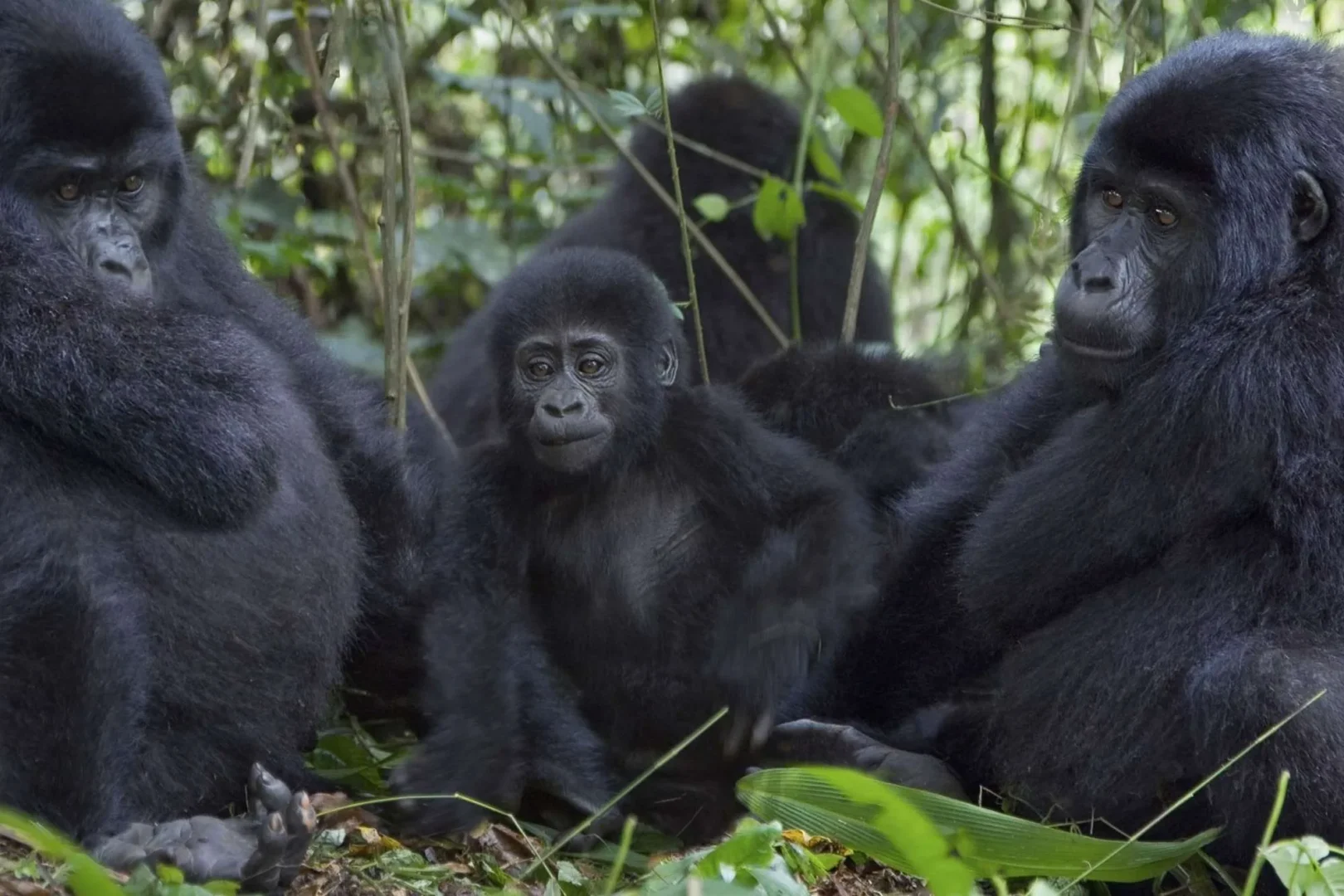
At Nextgen Safaris, we help travelers understand how mountain gorilla habitats influence trekking difficulty and wildlife observation. Some gorilla families range across relatively accessible forest slopes, while others occupy areas requiring longer hikes through steep, high-altitude terrain. However, gorilla locations can change between trekking days, and a family historically associated with higher mountains may occasionally move into more accessible areas. Understanding these natural movements helps visitors prepare for their adventure without expecting a guaranteed hiking distance. Discover our complete Rwanda gorilla trekking guide, guided Volcanoes National Park experiences, Rwanda mountain gorilla safaris, luxury gorilla trekking holidays, and private safari booking services.
Food Availability Influences Where Gorilla Families Live
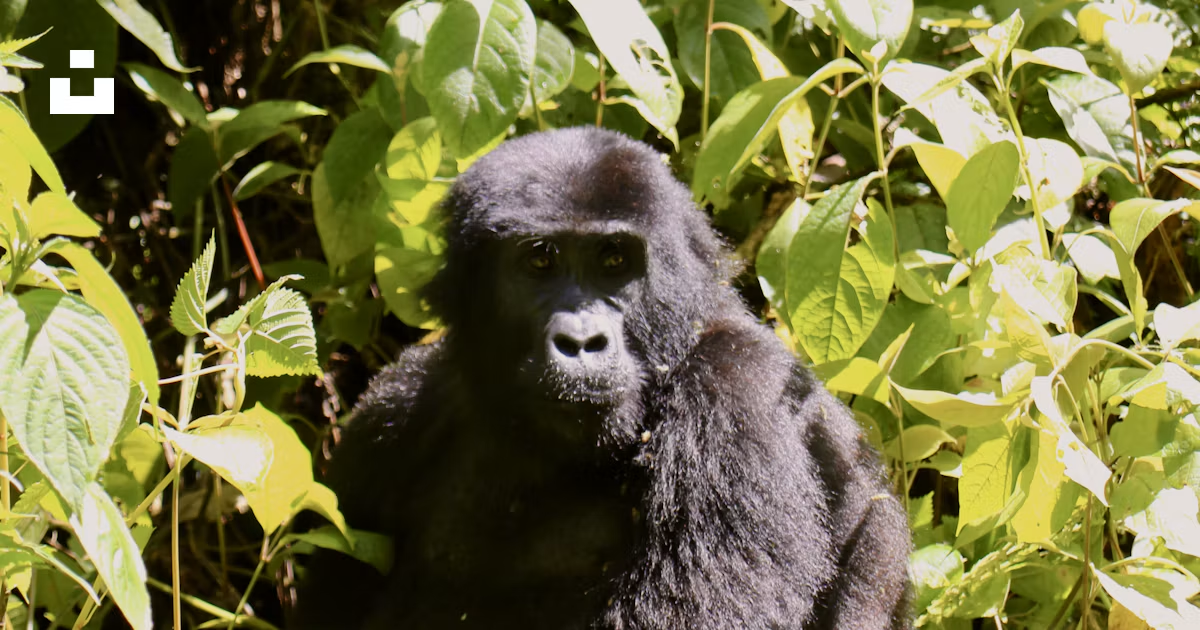
Mountain gorillas depend heavily on vegetation for their daily nutrition, making the availability of suitable food an important influence on their movements and home ranges. Their diet includes leaves, stems, shoots, herbs, and other plant materials found throughout different forest habitats. Some higher mountain areas support abundant herbaceous vegetation that provides reliable feeding opportunities. Families may use these environments because they can obtain sufficient food without needing to descend to lower elevations. Nevertheless, food availability alone does not explain every family’s location. Observe natural feeding behavior during Rwanda mountain gorilla trekking, Volcanoes National Park tours, Bwindi gorilla safaris, Mgahinga forest adventures, and private guided wildlife holidays.
Different Mountain Elevations Support Different Vegetation
Volcanoes National Park contains distinct vegetation zones shaped by altitude, rainfall, temperature, and volcanic terrain. Lower mountain slopes include bamboo and mixed montane forest, while higher areas support Hagenia-Hypericum woodland, dense herbaceous plants, and subalpine vegetation. These habitats offer different combinations of feeding plants and natural shelter. A gorilla family using higher elevations may find abundant vegetation suited to its feeding patterns, whereas another family may regularly use lower forest zones. Their distribution reflects ecological conditions rather than a simple preference for climbing higher. Explore the scenery through Volcanoes National Park trekking, Rwanda gorilla safari packages, Bwindi rainforest experiences, Mgahinga mountain gorilla tours, and personalized forest safaris.
Gorilla Families Develop Established Home Ranges
Mountain gorilla families occupy home ranges that they use for feeding, resting, nesting, and social activities. These ranges develop through long-term movement patterns and can overlap with the areas occupied by neighboring groups. A family that has historically used higher volcanic slopes may continue visiting familiar feeding locations because those areas provide suitable habitat. Other groups may spend more time at lower elevations as a result of their own ranging histories. Gorillas are not confined to permanently fixed territories, and their use of space can change over time. Learn about their movements through Rwanda gorilla trekking experiences, Volcanoes National Park, guided Rwanda gorilla holidays, Bwindi mountain gorilla adventures, and customized primate tours.
Interactions Between Gorilla Families Affect Their Movements
Mountain gorilla families occasionally encounter neighboring groups or solitary males, and these interactions can influence their movements through the forest. Research in Rwanda has documented changes in travel patterns following encounters between social groups, demonstrating that gorilla movements are shaped by social circumstances as well as habitat conditions. Some families may temporarily avoid areas where another group has recently been encountered. However, this does not mean that every high-altitude family moved uphill to escape conflict. The relationship between social behavior and ranging is more complex. Discover mountain gorilla family dynamics during Rwanda gorilla trekking tours, Volcanoes National Park adventures, Bwindi gorilla encounters, luxury Rwanda gorilla holidays, and private trekking expeditions.
Seasonal Food Changes Can Influence Gorilla Ranging
Seasonal changes can influence the availability of certain foods within mountain gorilla habitats. For example, bamboo shoots become available during particular periods and may attract gorillas to suitable bamboo vegetation. However, many of the herbaceous plants eaten by Virunga mountain gorillas remain available throughout much of the year, meaning their movements do not follow a simple annual migration between high and low elevations. Individual groups may respond differently to food conditions depending on their home ranges. Visitors should therefore avoid assuming that all gorillas descend during one season and climb during another. Explore Rwanda gorilla trekking holidays, Volcanoes National Park safaris, Mgahinga bamboo forest encounters, Bwindi gorilla adventures, and year-round trekking packages.
Mountain Gorillas Are Adapted to Cool High-Altitude Habitats
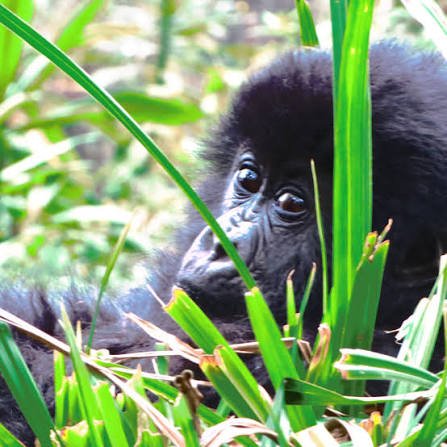
Mountain gorillas possess physical adaptations that help them live in cool mountain environments. Their thick fur provides insulation against lower temperatures, while their powerful bodies allow movement through rugged terrain and dense vegetation. These adaptations make higher elevations within their natural range suitable habitats, provided sufficient food and other ecological requirements are available. However, thick fur does not mean that gorillas deliberately seek the highest mountains or that cold temperatures alone determine where a family lives. Habitat selection involves several interacting environmental and social factors. Observe these remarkable animals through Rwanda mountain gorilla trekking, Volcanoes National Park, Bwindi forest safaris, Mgahinga gorilla trekking, and private mountain adventures.
Protected Habitat and Conservation Shape Gorilla Distribution
Mountain gorillas survive within a relatively restricted geographical range, making protected forest habitat essential to their conservation. As gorilla populations recover within limited protected landscapes, group formation, overlapping home ranges, and social interactions can affect the way different areas are used. Higher slopes form part of this protected habitat mosaic, although it would be inaccurate to assume that every family living at altitude was forced there by human activity. Conservation efforts focus on protecting suitable habitat across the gorillas’ natural range. Discover responsible tourism through Volcanoes National Park conservation experiences, Rwanda gorilla trekking, Bwindi mountain gorilla safaris, luxury Uganda gorilla holidays, and conservation-focused safari arrangements.
How High in the Mountains Do Gorillas Live in Rwanda?
Mountain gorillas in the Virunga region occupy high-altitude habitats, although the elevation used by individual families varies considerably. Research in Volcanoes National Park has documented monitored gorilla groups ranging at approximately 2,630 to 3,850 metres above sea level. The wider volcanic landscape reaches higher elevations, but this does not mean gorillas regularly occupy every part of those mountain peaks. Vegetation, slope conditions, food distribution, and social ranging patterns all influence where families are found. Travelers can explore these environments through Volcanoes National Park trekking, Rwanda gorilla trekking packages, guided mountain gorilla safaris, luxury Rwanda trekking experiences, and private safari itineraries.
Which Mountain Gorilla Families Are Known for Higher-Altitude Trekking?
Some gorilla families historically associated with the Mount Karisimbi region, including the Susa and Karisimbi groups, have been described as requiring more demanding treks because of their higher-ranging habitats. However, these descriptions should not be interpreted as permanent guarantees of location or difficulty. Gorilla families move naturally, and park authorities use current tracking information when organizing trekking groups. Visitors interested in a challenging high-altitude experience may communicate that preference, but the final allocation remains with park officials. Explore Rwanda gorilla trekking tours, Volcanoes National Park safaris, Rwanda trekking preparation, three-day gorilla holidays, and personalized trekking arrangements.
Are High-Altitude Gorilla Families More Difficult to Trek?
A gorilla family located higher in the mountains may require a longer or more physically demanding hike than one occupying accessible lower slopes. Visitors may encounter steep ascents, muddy pathways, dense vegetation, and thinner air at elevation. Nevertheless, altitude alone does not determine trekking difficulty because distance from the trailhead, vegetation density, weather, and the animals’ movements also matter. A lower-elevation family may still require considerable effort to reach. Travelers should prepare for changing conditions rather than expecting a guaranteed easy or difficult route. Learn more through Rwanda gorilla trekking guidance, Volcanoes National Park tours, Rwanda mountain gorilla experiences, luxury trekking holidays, and private safari assistance.
Can You Request a Lower-Altitude Gorilla Family in Rwanda?
Visitors can express a preference for a shorter or less demanding trek during the morning briefing at Volcanoes National Park headquarters in Kinigi. Physical fitness, mobility limitations, and current gorilla locations may be considered when officials allocate trekking groups. However, no named family or particular walking duration can be guaranteed under a standard permit. Travelers who are concerned about challenging terrain should communicate their needs honestly and consider using a porter for assistance. Our team can help guests prepare before reaching the park through Rwanda gorilla trekking packages, Volcanoes National Park itineraries, Rwanda trekking information, private gorilla safari holidays, and personalized safari planning.
Do Mountain Gorilla Families Stay at the Same Altitude Throughout the Year?
Mountain gorilla families do not remain at exactly the same elevation throughout the year. They move through their home ranges to feed, rest, build nests, and interact with neighboring groups. Some families regularly use several vegetation zones, while others may concentrate their movements within a smaller elevational range. Changes in food availability or social circumstances can influence these patterns, but there is no universal seasonal schedule followed by every gorilla family. This explains why trekking conditions may differ even when visiting the same family on separate dates. Discover Rwanda mountain gorilla trekking, Volcanoes National Park experiences, Bwindi forest adventures, Mgahinga gorilla safaris, and customized multiple-trek holidays.
How Does Higher Altitude Affect Mountain Gorilla Trekking Photography?
High-altitude gorilla trekking can provide remarkable photographic opportunities among misty volcanic slopes, dense vegetation, and unusual mountain plants. The natural setting may create dramatic backgrounds for photographs of silverbacks, young gorillas, and family interactions. However, changing light, rainfall, difficult terrain, and forest vegetation can also make photography more challenging. Visitors must maintain the viewing distance required by park rangers, avoid flash photography, and never move toward gorillas to obtain a better angle. Discover Rwanda gorilla trekking experiences, Volcanoes National Park tours, guided photography safaris, luxury Rwanda gorilla holidays, and personalized wildlife expeditions.
How to Prepare for Trekking Gorilla Families at Higher Elevations
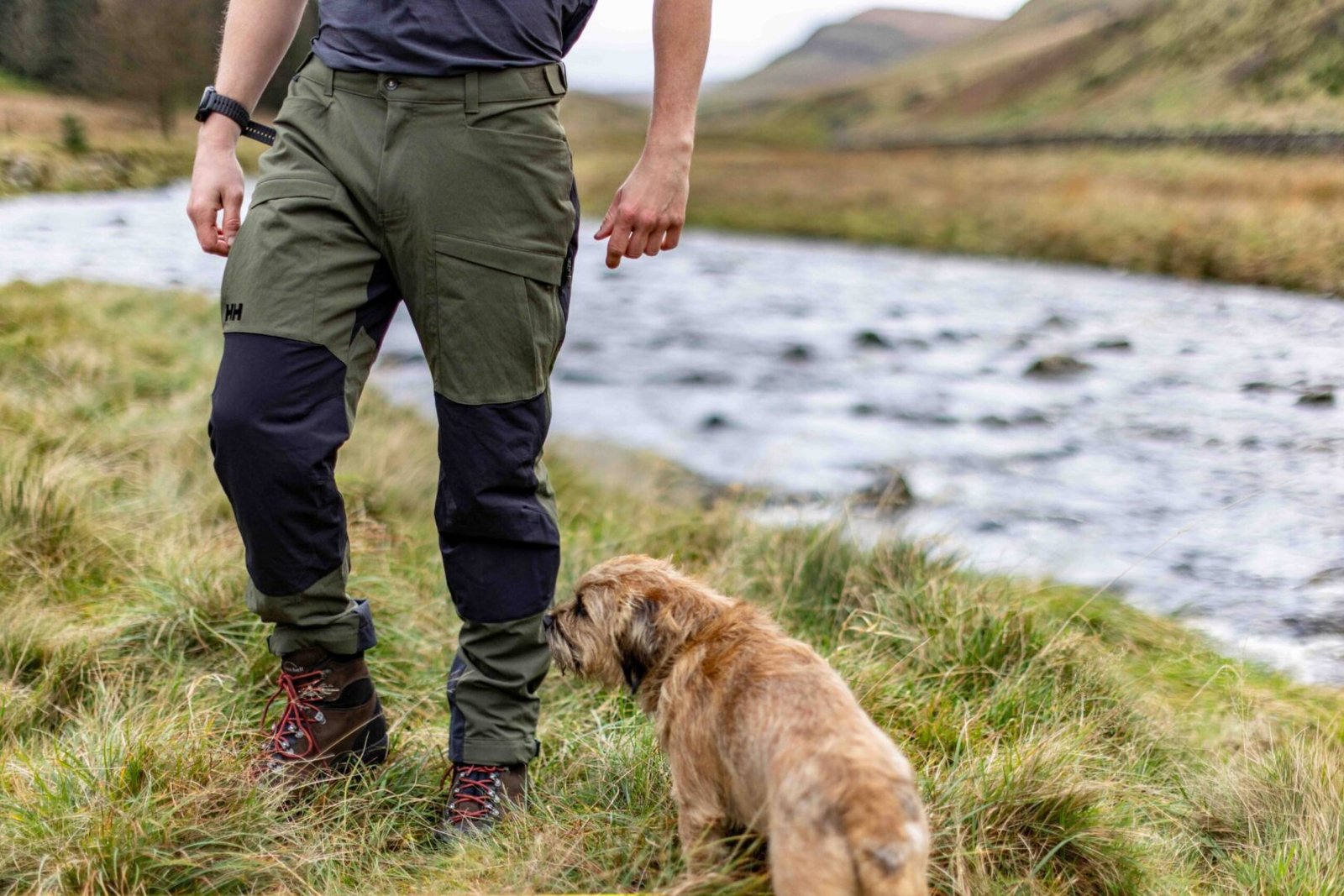
Preparing for a potentially demanding gorilla trek involves suitable hiking boots, long trousers, a rain jacket, drinking water, and comfortable clothing that allows easy movement. Trekking poles and porter assistance may also be helpful on steep, slippery terrain. Visitors should pace themselves, communicate fatigue or mobility concerns to their guides, and avoid assuming that all trails are equally accessible. The higher elevations may feel physically demanding, particularly for travelers who are not accustomed to walking in mountainous environments. Proper preparation enhances comfort and safety during Rwanda gorilla trekking, Volcanoes National Park hikes, guided Rwanda trekking tours, luxury gorilla trekking safaris, and private forest adventures.
Best 3-Day Rwanda Mountain Gorilla Trekking Itinerary
Day 1: Arrival in Kigali and Transfer to Volcanoes National Park
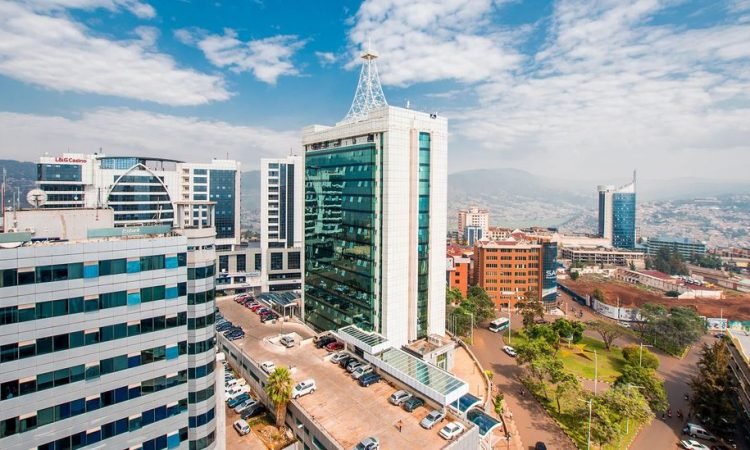
Your Rwanda gorilla safari begins upon arrival at Kigali International Airport or your selected hotel, where a professional Nextgen Safaris driver-guide welcomes you for the scenic journey toward Musanze and Volcanoes National Park. The drive generally takes approximately two and a half to three hours, depending on traffic and sightseeing stops. Enjoy the picturesque countryside before reaching your selected lodge, where you can relax and prepare for the next day’s mountain adventure. Explore three-day Rwanda gorilla trekking, Volcanoes National Park holidays, Rwanda gorilla trekking packages, luxury Rwanda gorilla lodges, and private safari arrangements.
Day 2: Mountain Gorilla Trekking and High-Altitude Forest Exploration
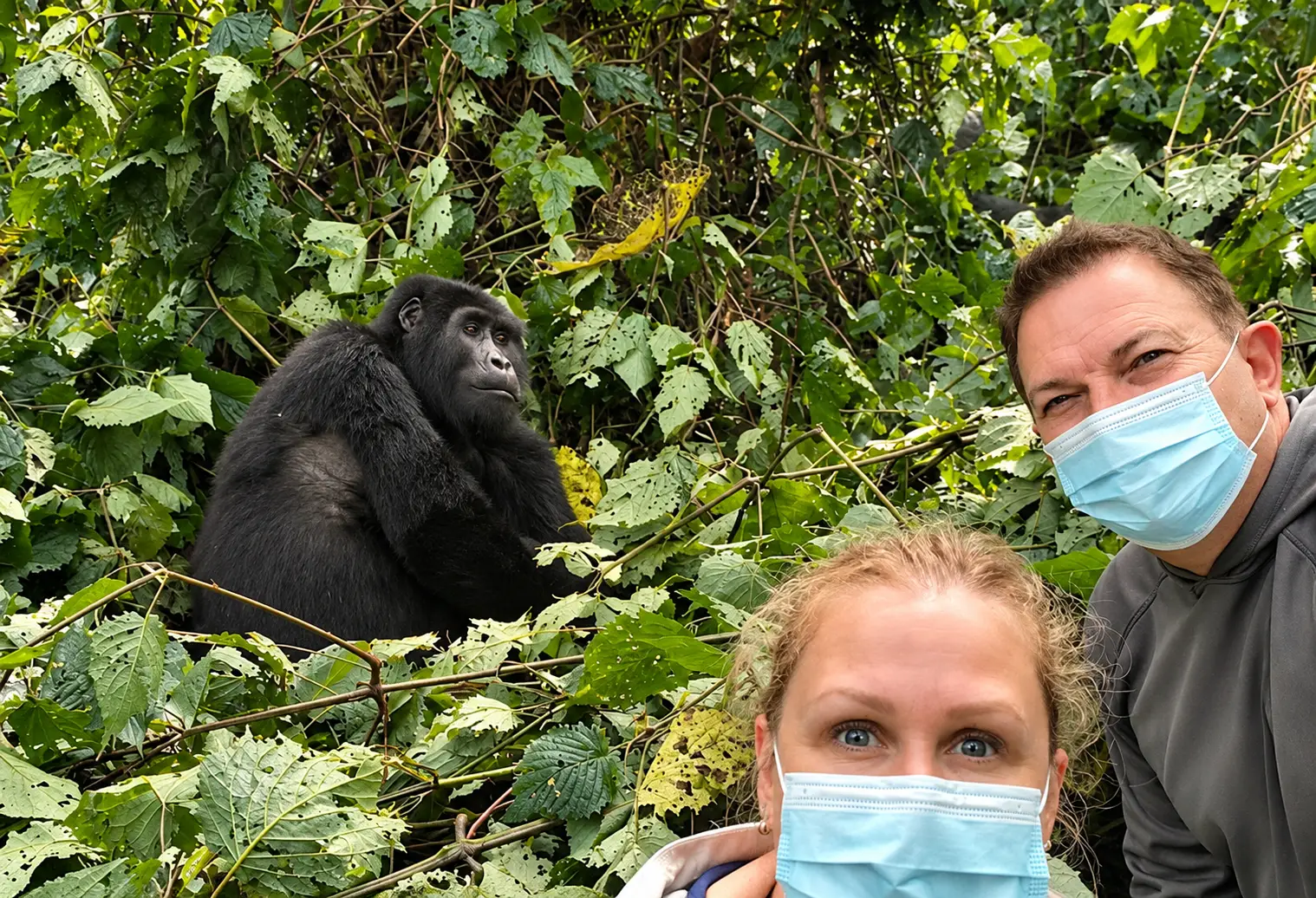
After an early breakfast, transfer to Kinigi park headquarters for registration, group allocation, and the ranger briefing. Inform park officials of your fitness level and trekking preferences before the final assignment. Experienced guides and trackers lead your group through Volcanoes National Park toward the allocated habituated gorilla family. Depending on the family’s location, your trek may involve lower bamboo forest or more demanding mountain slopes. Once the gorillas are located, enjoy the regulated one-hour viewing period. Discover Rwanda gorilla trekking experiences, Volcanoes National Park adventures, guided mountain gorilla safaris, three-day gorilla holidays, and personalized trekking packages.
Day 3: Return to Kigali and Departure
Enjoy breakfast overlooking the beautiful Virunga Mountains before beginning your return journey to Kigali with your private driver-guide. Depending on your departure schedule, optional sightseeing or cultural activities can be arranged before your airport transfer. Travelers wanting additional mountain gorilla experiences may extend their itinerary with another Rwanda trek on a separate permit or visit Uganda’s Bwindi and Mgahinga national parks. Explore Rwanda gorilla trekking extensions, Volcanoes National Park tours, Bwindi gorilla trekking holidays, Mgahinga gorilla adventures, and customized African safari itineraries.
Frequently Asked Questions About Mountain Gorilla Families Living Higher in the Mountains
Why Do Some Mountain Gorilla Families Live Higher in the Mountains?
Some mountain gorilla families use higher elevations because suitable food plants, established home ranges, vegetation patterns, and social interactions influence where they live. Higher altitude is not necessarily better for every family. Discover Rwanda gorilla trekking, Volcanoes National Park, Bwindi gorilla safaris, Mgahinga gorilla tracking, and private mountain gorilla tours.
Do Mountain Gorillas Prefer Higher or Lower Elevations?
Mountain gorillas use suitable habitats across different elevations within their natural ranges. Their distribution depends on food availability, home ranges, forest vegetation, and social circumstances rather than one universal preference. Explore Rwanda gorilla trekking experiences, Volcanoes National Park safaris, Bwindi mountain gorilla holidays, Mgahinga forest adventures, and personalized trekking packages.
Which Gorilla Families Live Highest in Rwanda?
Families historically associated with the Mount Karisimbi area, including Susa and Karisimbi, are often described as higher-ranging groups. Their exact locations change, and no family can be guaranteed to occupy a particular elevation on your trekking date. Discover Volcanoes National Park gorilla trekking, Rwanda gorilla trekking tours, Rwanda trekking guidance, luxury gorilla experiences, and private safari planning.
Are High-Altitude Gorilla Treks More Difficult?
They can be. Higher-altitude treks may involve steep slopes, longer walks, and physically demanding terrain. However, difficulty also depends on weather, vegetation, trail conditions, and the gorillas’ current location. Explore Rwanda gorilla trekking, Volcanoes National Park, guided trekking holidays, Rwanda trekking preparation, and personalized safari assistance.
Can You Request an Easier Gorilla Trek in Rwanda?
Yes. Visitors can communicate their fitness and mobility needs during the morning briefing. Park officials may consider these requirements when allocating groups, but no particular trekking difficulty can be guaranteed. Explore Rwanda gorilla trekking tours, Volcanoes National Park, Rwanda trekking guidelines, luxury gorilla holidays, and private safari bookings.
Do Mountain Gorillas Move Downhill During Certain Seasons?
Some gorilla families may change their use of different vegetation zones as particular foods become available. However, there is no fixed seasonal migration pattern that applies to every family. Discover Rwanda mountain gorilla trekking, Volcanoes National Park, Mgahinga gorilla safaris, Bwindi gorilla tracking, and private wildlife holidays.
Does a Higher-Altitude Gorilla Trek Cost More in Rwanda?
The standard Rwanda gorilla trekking permit does not normally change price according to the elevation of the assigned family. The standard foreign non-resident permit costs USD 1,500, while eligible visitor categories may have different official rates. Explore Rwanda gorilla trekking permits, Volcanoes National Park tours, three-day Rwanda gorilla safaris, luxury Rwanda trekking packages, and personalized quotations.
Book Your Rwanda Mountain Gorilla Trekking Safari With Nextgen Safaris
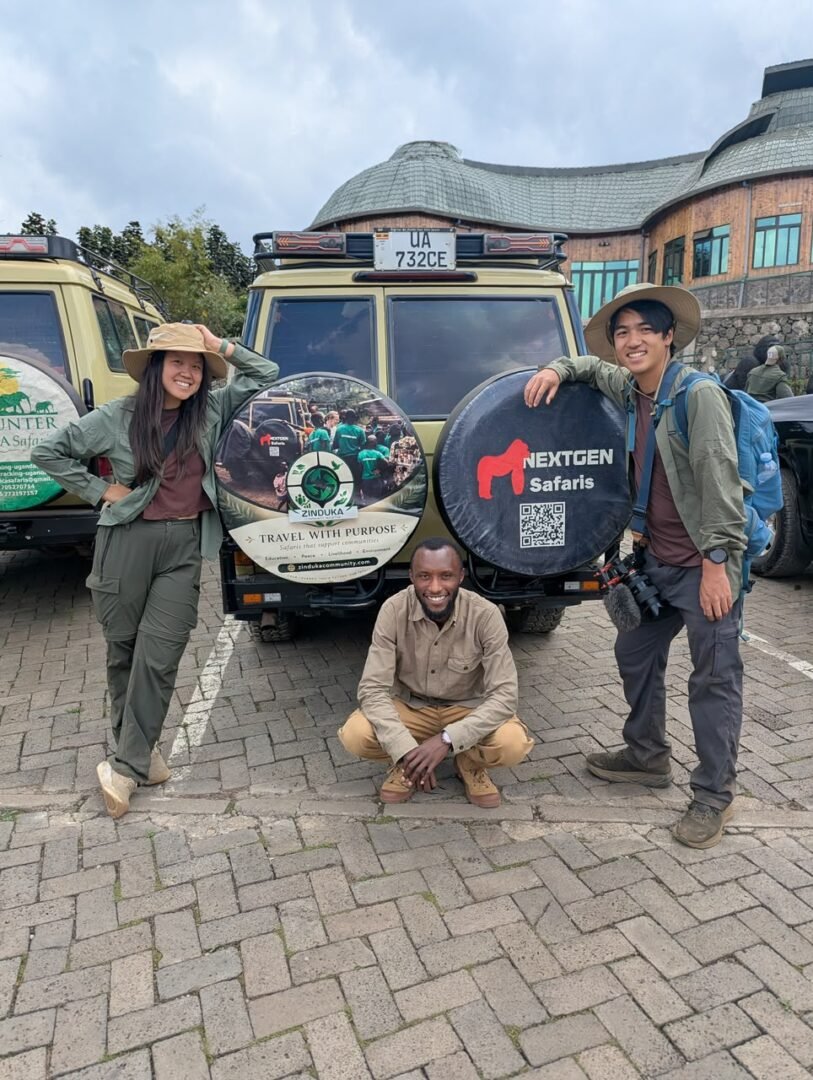
Discover the magnificent high-altitude forests of Rwanda with Nextgen Safaris, where we arrange personalized mountain gorilla trekking holidays in Volcanoes National Park. Whether you want to explore the beautiful volcanic slopes, observe powerful silverbacks, or request a trekking experience appropriate for your fitness level, our safari specialists can help organize a rewarding journey while respecting official park allocation procedures. We coordinate trekking permits, professional driver-guides, private transportation, and carefully selected accommodation according to your travel preferences. Explore our Rwanda gorilla trekking tours, Volcanoes National Park safaris, three-day mountain gorilla packages, luxury Rwanda gorilla trekking, and personalized safari booking services to plan your adventure.