
Why Is a Male Mountain Gorilla Called a Silverback? 7 Amazing Facts
Why Is a Male Mountain Gorilla Called a Silverback? The answer comes from one of the most recognisable physical changes in the animal kingdom. As a male mountain gorilla reaches adulthood, the dark hair across his back gradually develops a distinctive silver-grey colour. This natural transformation gives mature males their famous name, silverbacks, and distinguishes them from younger males known as blackbacks. Visitors exploring Uganda’s mountain gorilla trekking experiences often find these magnificent animals especially fascinating because of their enormous size, remarkable intelligence, and important responsibilities within gorilla families.
Understanding Why Is a Male Mountain Gorilla Called a Silverback? reveals much more than the origin of a name. Silverback gorillas are central figures in mountain gorilla society, providing protection, maintaining social relationships, and influencing the movements of their families. Across Uganda’s Bwindi Impenetrable National Park and Mgahinga Gorilla National Park, visitors can observe these behaviours during responsibly guided gorilla trekking safaris. Their impressive appearance and surprisingly gentle interactions make silverbacks among Africa’s most extraordinary wildlife encounters.
Why Is a Male Mountain Gorilla Called a Silverback? Understanding the Name
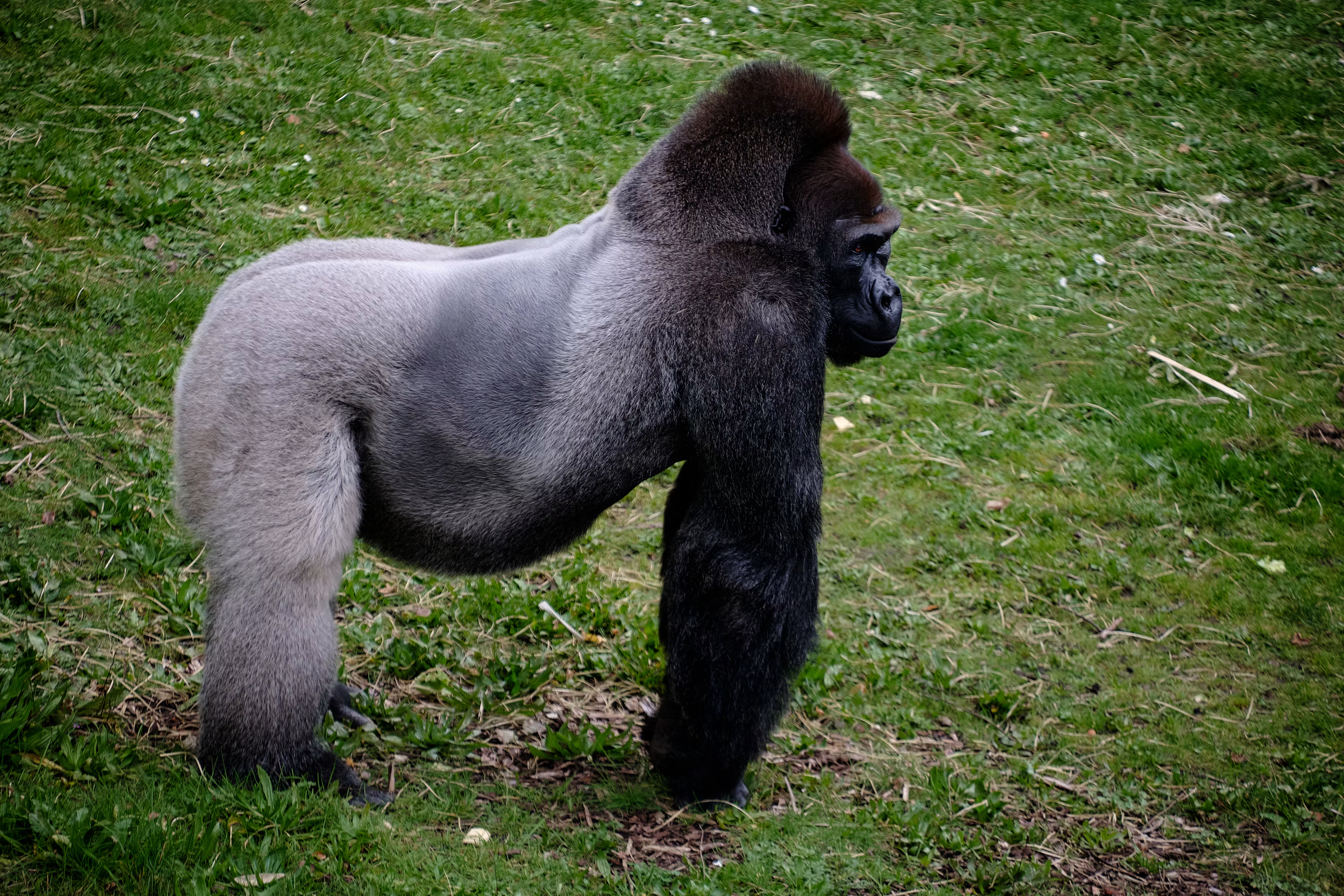
A male mountain gorilla is called a silverback because of the silver-grey saddle of hair that develops across his back and hips as he matures. Young male gorillas generally have dark hair covering their bodies, but this distinctive colouration gradually appears as they approach full adulthood. The silver saddle is an outward indication of physical maturity rather than an award for dominance or leadership. This means that a mature male does not need to control a family to qualify as a silverback. Travellers interested in Uganda gorilla trekking can often distinguish mature males from younger gorillas by observing this characteristic.
Why Is a Male Mountain Gorilla Called a Silverback? also connects to the gradual physical development that accompanies adulthood. As male mountain gorillas mature, they develop larger bodies, broader shoulders, powerful jaws, and more prominent head crests associated with their substantial chewing muscles. Their silver-grey back contrasts dramatically with the darker hair covering most of the body. Together, these features create the unmistakable appearance of an adult male gorilla, making silverbacks especially impressive during carefully organised mountain gorilla safaris.
At What Age Does a Male Mountain Gorilla Become a Silverback?
Male mountain gorillas are generally classified as silverbacks from approximately 12 years of age, although their physical development continues afterward. The silver-grey saddle commonly becomes increasingly visible between about 12 and 15 years, with individual variations in timing and appearance. Before this stage, younger males are commonly referred to as blackbacks. Scientists use these developmental categories to understand mountain gorilla populations, their reproductive histories, and the changing relationships within gorilla groups.
Why Is a Male Mountain Gorilla Called a Silverback? becomes easier to understand when examining this transition from adolescence to adulthood. A young male gradually increases in body mass, develops more pronounced musculature, and begins displaying characteristics associated with mature males. However, becoming physically mature does not automatically make him the dominant gorilla within a family. Some silverbacks remain subordinate to older males, while others eventually establish independent groups. These differences are important for visitors interested in understanding gorilla family dynamics during Bwindi gorilla trekking holidays.
What Is the Difference Between a Blackback and a Silverback Gorilla?
The difference between a blackback and a silverback is primarily based on age and physical maturity. Blackbacks are adolescent or young adult male gorillas, commonly classified between approximately eight and eleven years old. Their backs remain predominantly dark, and their bodies have not yet developed the full appearance of mature adult males. Silverbacks, in comparison, have developed the characteristic grey saddle and generally possess greater body mass and more pronounced adult features.
Understanding Why Is a Male Mountain Gorilla Called a Silverback? also helps explain why gorilla families may include males at several developmental stages. A blackback may remain with his birth group while learning important social behaviours from older gorillas. Eventually, he may become a silverback without immediately leaving the group. Some adult males remain alongside relatives, while others disperse and attempt to establish their own families. These changing relationships make mountain gorilla society particularly interesting for wildlife enthusiasts visiting Uganda.
Why Does a Silverback Gorilla Develop Silver Hair?
The development of silver hair is a normal part of male gorilla maturation. As a male approaches adulthood, changes in hair pigmentation produce the distinctive grey coloration across the back and hips. This transition resembles age-related changes in hair colour observed among humans, although it occurs as part of the normal development of mature male gorillas rather than necessarily indicating old age. The appearance of silver hair is therefore an important characteristic of adulthood, not a sign that the animal is elderly or physically declining.
Why Is a Male Mountain Gorilla Called a Silverback? is sometimes mistakenly explained as a consequence of becoming the strongest or most dominant member of a family. However, the physical transformation is not caused by winning fights, controlling territory, or becoming a group leader. Even subordinate adult males develop silver hair as they mature. This distinction is important because mountain gorilla groups can contain several mature males with different social positions. Observing these differences adds educational value to a professionally guided gorilla trekking experience in Uganda.
7 Fascinating Facts About Silverback Mountain Gorillas
Silverbacks Are Among the Largest Living Primates
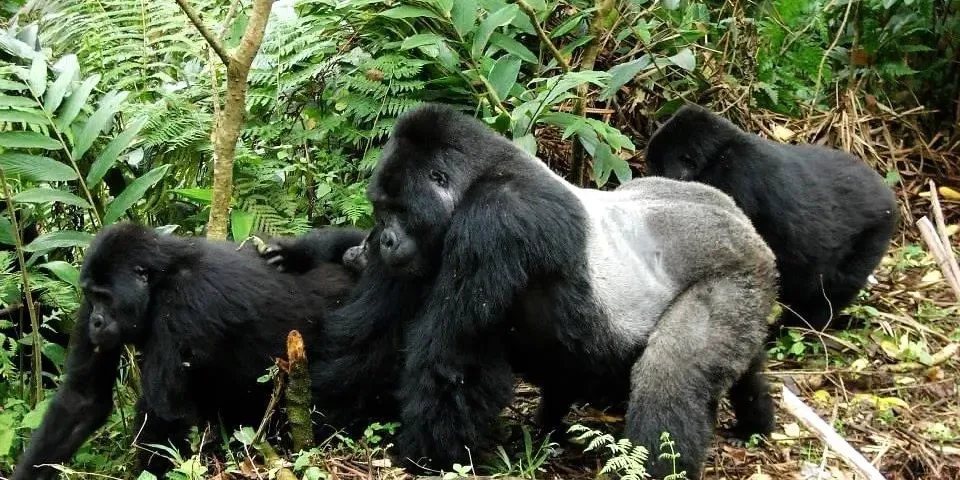
Adult male mountain gorillas are exceptionally powerful animals with heavily muscled bodies, broad chests, and strong arms. Mature males commonly weigh considerably more than adult females, demonstrating pronounced sexual differences in body size. Their physical strength is supported by specialised muscles and a skeletal structure adapted to climbing, travelling across challenging terrain, and processing substantial quantities of vegetation. Despite this strength, mountain gorillas spend much of their time feeding, resting, and maintaining social relationships.
Silverbacks Are Often the Leaders of Gorilla Families

In many mountain gorilla groups, the dominant silverback plays an important role in coordinating family movements and responding to potential threats. His presence can provide stability and reassurance to females and younger gorillas. Why Is a Male Mountain Gorilla Called a Silverback? is therefore frequently discussed alongside leadership, although the silverback designation itself refers to physical maturity rather than social rank.
A Gorilla Family Can Have More Than One Silverback
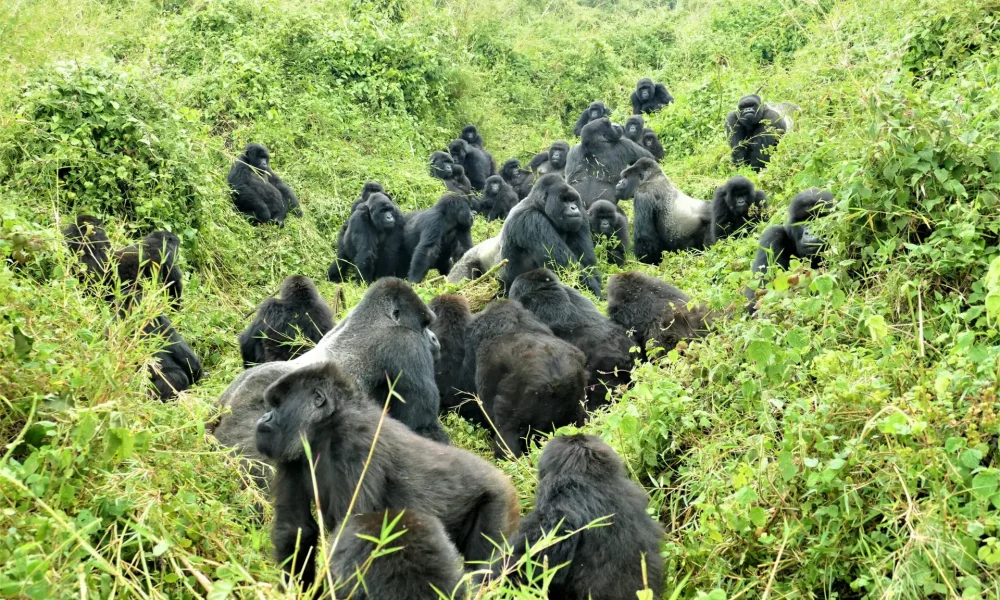
Mountain gorilla groups sometimes contain multiple mature males. One silverback generally occupies the dominant position, while others may remain subordinate or develop important relationships with other group members. Their coexistence demonstrates that mountain gorilla society is more flexible than the simple assumption that every family contains only one adult male.
Silverbacks Communicate Through Different Behaviours
Silverbacks communicate using vocalisations, facial expressions, body postures, gestures, and physical displays. Chest beating is particularly recognisable, but it represents only one part of their communication system. Softer sounds and subtle movements are also important during everyday social interactions.
Silverbacks Can Show Remarkable Gentleness
Although their appearance can seem intimidating, silverbacks frequently display calm behaviour toward familiar group members. They may rest near infants, tolerate playful youngsters, and maintain close relationships with adult females. These interactions reveal the complexity of their social lives.
Not Every Silverback Has His Own Family
Some mature males live outside established breeding groups, either temporarily or for extended periods. Others remain within groups led by more dominant males. Becoming a silverback does not guarantee immediate leadership, reproductive opportunities, or the formation of an independent family.
Silverbacks Are Important to Gorilla Conservation
Adult males contribute significantly to the social organisation and stability of mountain gorilla populations. Protecting their forest habitats and reducing threats from human activities helps preserve the family relationships on which these endangered great apes depend. Travellers can support responsible conservation through carefully regulated gorilla trekking experiences.
What Is the Role of a Silverback in a Mountain Gorilla Family?
The dominant silverback commonly serves as an important social centre of the family. His movements influence where the group travels, feeds, and rests, while his presence helps maintain cohesion among individuals of different ages. Adult females may maintain long-term relationships with the dominant male, and younger gorillas often spend considerable time near him. These bonds contribute to the social stability that makes mountain gorilla groups relatively cohesive.
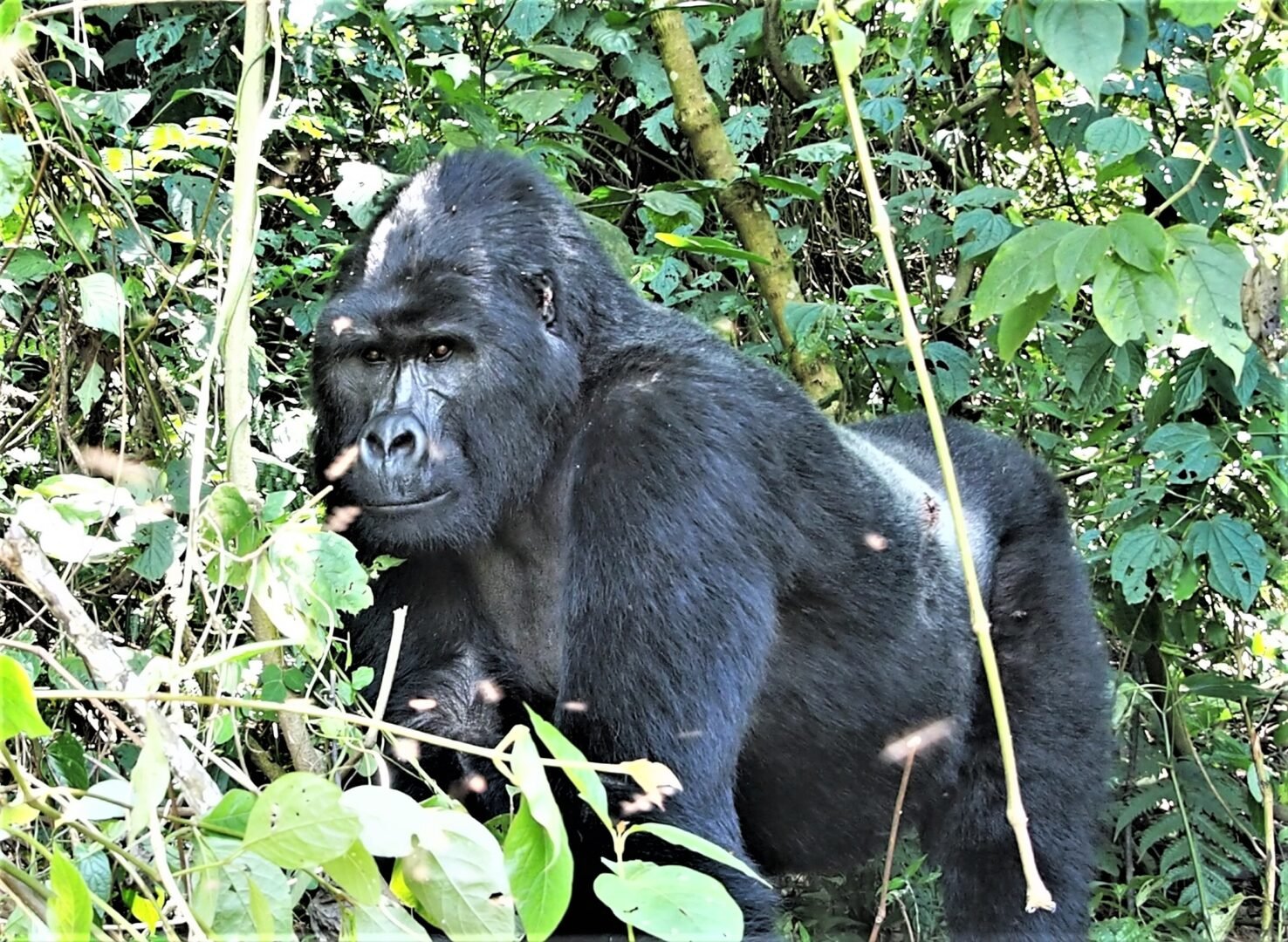
Why Is a Male Mountain Gorilla Called a Silverback? also raises questions about how physical maturity relates to responsibility. Although the silver saddle does not itself establish authority, dominant males frequently use their size, experience, and social relationships to maintain their position. Leadership involves more than displays of strength. It can include responding to disturbances, managing interactions with other gorillas, and providing reassurance through familiar behaviour. Travellers exploring Uganda’s mountain gorilla destinations may witness these behaviours during their permitted observation period.
Can Several Silverbacks Live Together Peacefully?
Yes. Multiple silverbacks can coexist within a single mountain gorilla group, particularly when they have established social relationships. These groups typically contain a dominance hierarchy, but subordinate adult males do not necessarily challenge the leader continuously. They may remain within the family for extended periods, and some may eventually gain reproductive opportunities or assume greater social importance.
Why Is a Male Mountain Gorilla Called a Silverback? becomes particularly interesting in these multi-male groups because visitors can observe several silver-haired adults occupying different positions. One may be dominant, another subordinate, and a third may be a younger silverback still developing his social standing. Group membership can change through dispersal, transfers, deaths, or divisions, demonstrating the dynamic nature of mountain gorilla social organisation.
How Do Silverbacks Protect Their Gorilla Families?
Protection is one of the most important responsibilities associated with dominant silverbacks. When a potential threat appears, a male may respond with vocalisations, body postures, chest beating, or other displays intended to communicate strength and discourage confrontation. Direct fighting is possible, particularly during serious disputes involving competing males, but aggressive displays do not always progress into physical contact.
Why Is a Male Mountain Gorilla Called a Silverback? is often asked by visitors who associate these impressive males with dangerous behaviour. In reality, silverbacks do not spend their lives fighting. Much of their daily activity involves peaceful feeding, resting, and interacting with familiar gorillas. When encountering habituated groups during guided gorilla trekking safaris, visitors must follow ranger instructions, maintain the required distance, and avoid actions that could disturb the animals.
Are Silverback Gorillas Intelligent?
Silverbacks demonstrate considerable social awareness and behavioural flexibility. Mountain gorillas can recognise familiar individuals, respond to different social situations, and communicate through a variety of signals. Adult males develop experience through years of interaction with relatives, group members, and neighbouring gorillas. Their responses can vary depending on circumstances, including the presence of infants, unfamiliar males, or disturbances within their environment.
Why Is a Male Mountain Gorilla Called a Silverback? introduces visitors to an animal whose intelligence is often overshadowed by its appearance. Silverbacks are not simply powerful forest animals; they are socially sophisticated primates capable of maintaining long-term relationships and adapting their behaviour to different situations. Watching a mature male peacefully interact with younger gorillas can be among the most memorable moments of a Uganda gorilla safari.
Do Silverback Gorillas Care for Baby Gorillas?
Silverbacks can develop important relationships with infants and juveniles living in their families. Young gorillas sometimes approach adult males, rest nearby, or engage in playful interactions in their presence. A dominant male may tolerate considerable activity from youngsters, even while maintaining a calm and relatively inactive posture. These relationships can offer social reassurance and help maintain family cohesion.
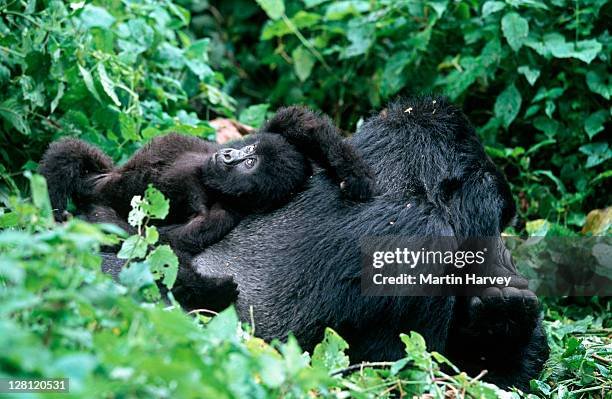
Why Is a Male Mountain Gorilla Called a Silverback? therefore opens a wider conversation about gorilla parenting and social behaviour. Although mothers provide the primary direct care for infants, adult males may contribute through protection, tolerance, and social support. These behaviours vary between individuals and groups, but they demonstrate that silverbacks have roles extending far beyond physical dominance.
Where Can You See Silverback Mountain Gorillas in Africa?
Silverback Gorilla Trekking in Uganda
Uganda is one of the most rewarding destinations for observing mountain gorillas in their natural habitat. Bwindi Impenetrable National Park supports numerous gorilla families within its mountainous tropical forest, with trekking organised across Buhoma, Ruhija, Rushaga, and Nkuringo. Mgahinga Gorilla National Park provides another opportunity to encounter mountain gorillas in the Virunga mountain landscape. Visitors can arrange their journeys through Nextgen Safaris and obtain the necessary Uganda gorilla trekking permits before travelling.
Silverback Gorilla Trekking in Rwanda
Rwanda’s Volcanoes National Park is another established destination for mountain gorilla trekking. Its volcanic scenery, high-altitude vegetation, and habituated gorilla groups create memorable opportunities for observing mature males and their families. Visitors can combine gorilla trekking with additional wildlife experiences and regional travel arrangements. For couples planning a special romantic adventure, Pieland Honeymoon Safaris provides a related starting point for exploring personalised African safari experiences.
Why Is Silverback Gorilla Conservation Important?
Silverback mountain gorillas form part of a highly endangered wildlife population that depends on protected forest habitats and effective conservation management. Threats such as habitat disturbance, disease transmission, and human-wildlife conflict require continued attention from conservation organisations, park authorities, and neighbouring communities. Protecting mature males is important alongside safeguarding females, juveniles, infants, and the wider ecosystems supporting their survival.
Why Is a Male Mountain Gorilla Called a Silverback? may begin as a question about physical appearance, but learning the answer can inspire a greater appreciation of mountain gorilla conservation. Responsible tourism helps create economic incentives for protecting gorilla habitats while supporting conservation activities and local livelihoods. Visitors should choose properly organised experiences, respect established wildlife-viewing regulations, and make their bookings through trusted operators such as Nextgen Safaris.
Frequently Asked Questions About Silverback Mountain Gorillas
Why Is a Male Mountain Gorilla Called a Silverback?
A mature male mountain gorilla is called a silverback because silver-grey hair develops across his back and hips as he reaches adulthood. This characteristic generally becomes visible around 12 years of age and becomes more pronounced with maturity. The name describes his physical appearance rather than his position within a gorilla family.
At What Age Does a Gorilla Become a Silverback?
Male mountain gorillas are generally classified as silverbacks from approximately 12 years old. Their distinctive silver hair develops gradually, and full adult physical development may continue until around 15 years of age. The exact timing varies between individuals.
Does Every Male Mountain Gorilla Become a Silverback?
Male mountain gorillas that survive to full adulthood normally develop the characteristic silver-grey saddle. However, not every silverback becomes the dominant leader of a family. Some remain subordinate, while others live independently or eventually establish their own groups.
Why Is a Male Mountain Gorilla Called a Silverback Instead of a Blackback?
The terms distinguish different developmental stages. Blackbacks are younger males whose back hair remains predominantly dark, while silverbacks are physically mature males displaying silver-grey coloration. The transition reflects natural growth and maturation.
Are Silverback Gorillas Dangerous to Humans?
Silverbacks are extremely powerful wild animals and can be dangerous if threatened, provoked, or approached irresponsibly. However, habituated gorillas generally tolerate carefully controlled human observation when visitors follow the instructions of trained guides and rangers.
Can a Gorilla Family Have Two Silverbacks?
Yes. Mountain gorilla families can contain two or more silverbacks. One generally holds the dominant position, while other mature males occupy subordinate positions. These social arrangements can change over time.
Are Silverback Gorillas Stronger Than Female Gorillas?
Mature male mountain gorillas are generally much larger and more heavily muscled than adult females. This difference in physical development contributes to the striking appearance of silverbacks, although female gorillas also have significant physical strength and important social roles.
Where Is the Best Place to See a Silverback Gorilla?
Uganda’s Bwindi Impenetrable National Park and Mgahinga Gorilla National Park, together with Rwanda’s Volcanoes National Park, provide established mountain gorilla trekking opportunities. The most suitable destination depends on permit availability, travel preferences, accessibility, and the overall safari itinerary.
Can Tourists See Silverback Gorillas in Bwindi?
Yes. Visitors holding valid permits can join guided treks to habituated gorilla families in Bwindi Impenetrable National Park. Encounters depend on the gorillas’ movements and trekking conditions, so sightings of a particular silverback or family cannot be guaranteed.
Do Silverback Gorillas Always Lead Their Families?
No. Silverback describes a mature male’s physical characteristics, not necessarily his leadership status. In groups containing several silverbacks, one male may be dominant while others occupy subordinate positions.
Book Your Silverback Gorilla Trekking Safari With Nextgen Safaris
Now that you understand Why Is a Male Mountain Gorilla Called a Silverback?, experiencing these remarkable animals in their natural habitat offers an opportunity to appreciate their behaviour firsthand. Uganda’s mountain forests provide unforgettable wildlife encounters where visitors may observe silverbacks feeding, resting, communicating, and interacting with their families.
Nextgen Safaris helps travellers organise personalised gorilla trekking holidays in Uganda and Rwanda, including permit arrangements, accommodation selection, private transportation, and carefully planned safari itineraries. Whether you are planning a short gorilla trekking adventure, a luxury safari, or a combined wildlife holiday, our team can help coordinate the experience around your interests.