
Why Is Gorilla Habituation More Expensive Than Gorilla Trekking? 7 Powerful Reasons
Why Is Gorilla Habituation More Expensive Than Gorilla Trekking? Gorilla habituation costs more because visitors spend up to four hours observing mountain gorillas instead of the standard one hour, participate in a smaller group of only four tourists, and experience a specialized conservation programme involving researchers, trackers, and experienced park rangers. The extended observation period, limited availability, and additional conservation management make gorilla habituation one of Uganda’s most exclusive wildlife experiences.
In 2026, a Uganda gorilla habituation permit costs USD 1,500 for foreign non-residents, compared with USD 800 for ordinary gorilla trekking. From 1 January 2027, the habituation permit increases to USD 1,800, while the standard foreign non-resident gorilla trekking permit remains USD 800 under the announced tariffs. This creates a USD 1,000 difference between the two activities.
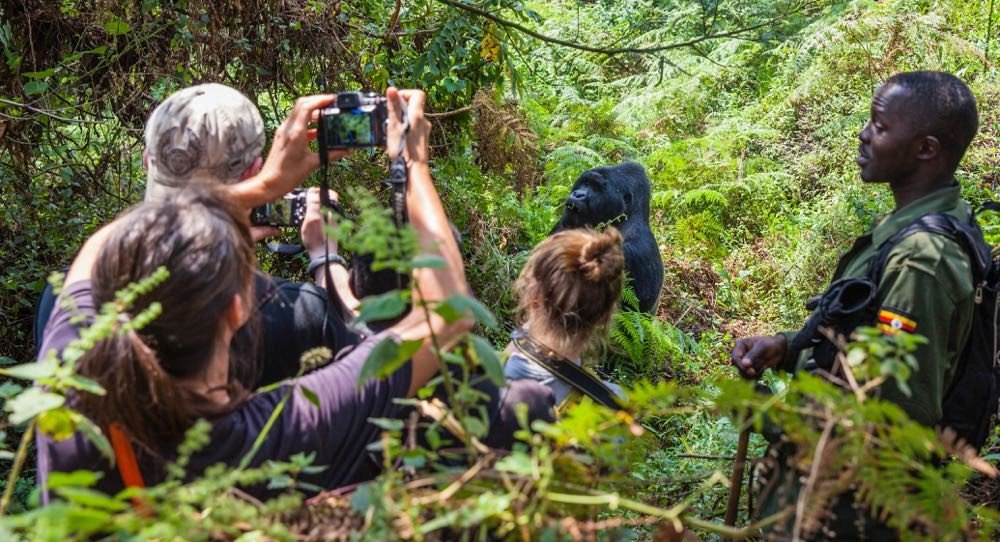
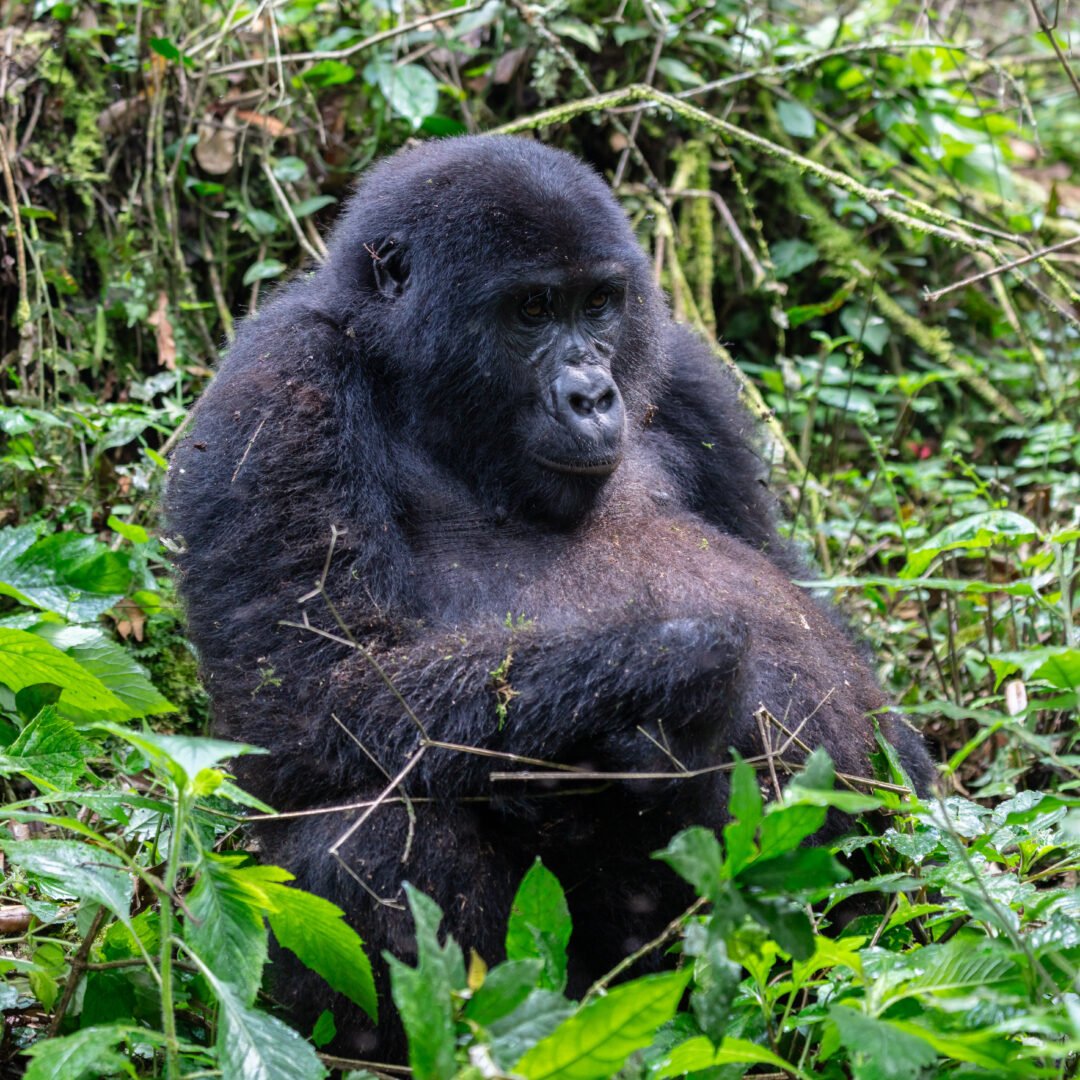
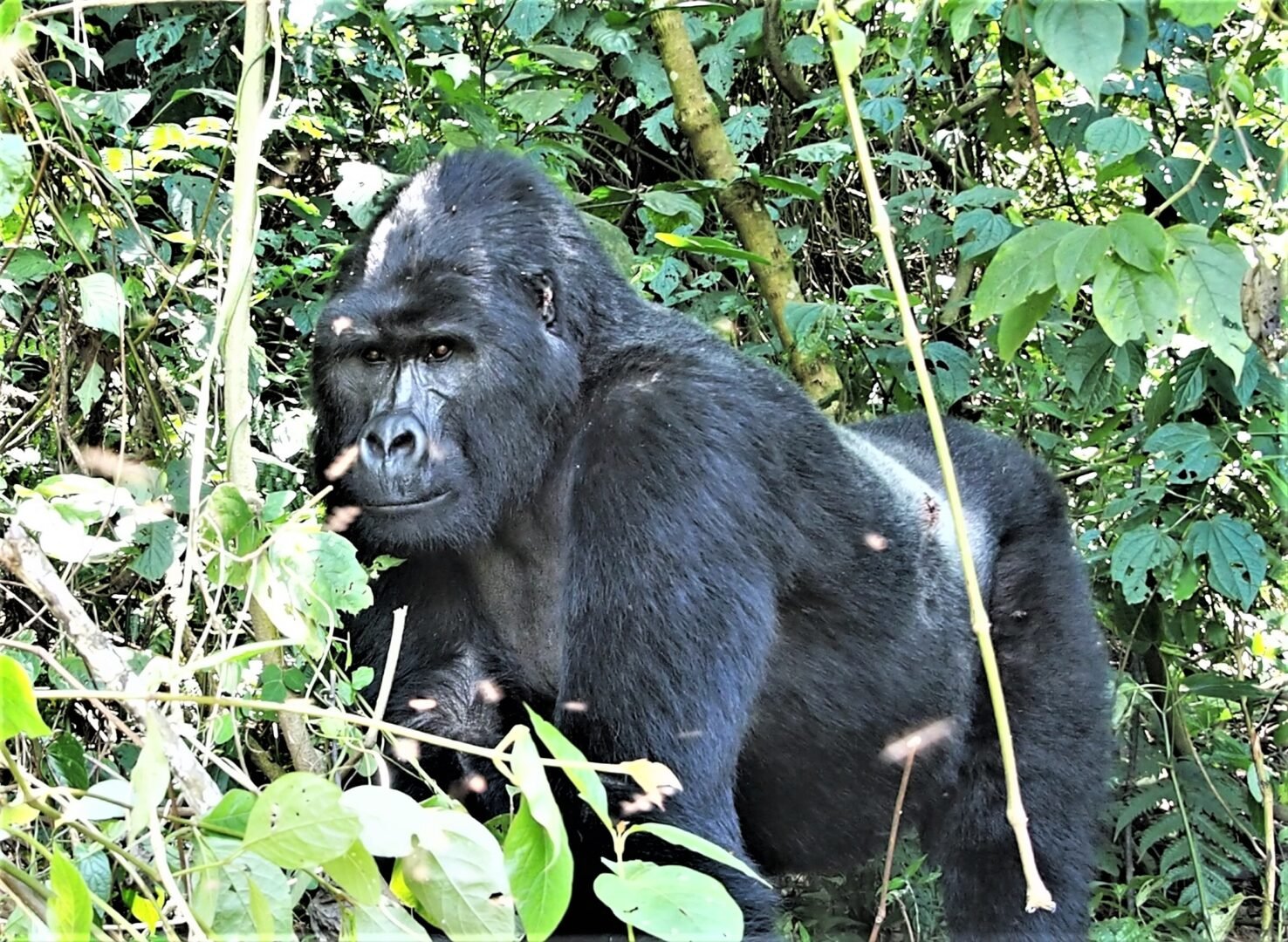
At Nextgen Safaris, we help travellers understand these differences before choosing between the traditional gorilla trekking experience and the more intensive four-hour habituation programme in Bwindi Impenetrable National Park.
1. Gorilla Habituation Allows Four Hours With Mountain Gorillas Instead of One
One of the main reasons why gorilla habituation is more expensive than gorilla trekking is the amount of time visitors are permitted to observe mountain gorillas in their natural habitat.
During ordinary gorilla trekking in Bwindi Impenetrable National Park, visitors follow experienced Uganda Wildlife Authority rangers into the rainforest in search of a fully habituated gorilla family. Once the gorillas are located, visitors are normally allowed one hour to observe their behaviour, photograph them, and appreciate this extraordinary wildlife encounter.
The Gorilla Habituation Experience offers a substantially longer observation period. Participants may spend up to four hours with a gorilla family undergoing habituation, subject to the animals’ behaviour and park regulations.
This additional time creates opportunities to observe feeding, grooming, resting, family interactions, and movement through the forest. Instead of experiencing a relatively brief encounter, visitors can appreciate how gorilla behaviour changes throughout the observation period.
The four-hour activity also requires longer supervision by the conservation team. This extended field commitment is one practical reason the permit carries a higher price.
2. Gorilla Habituation Has Smaller Groups and Greater Exclusivity
Another important explanation for Why Is Gorilla Habituation More Expensive Than Gorilla Trekking is the difference in the number of visitors allowed to participate.
Regular gorilla trekking generally permits a maximum of eight tourists to visit a habituated gorilla family in one group. In comparison, gorilla habituation permits a maximum of four visitors per participating gorilla family.
This significantly smaller group size creates a more personal atmosphere and allows visitors to follow the conservation team’s guidance with fewer people sharing the experience.
For wildlife photographers, the reduced group size may provide greater flexibility when observing animal behaviour, although vegetation, terrain, light conditions, and mandatory viewing distances still determine photographic opportunities.
Smaller groups also mean that fewer permits can be sold for an individual gorilla family. With limited visitor capacity and high operational demands, the programme is priced as a specialized wildlife experience.
Visitors seeking detailed information about this exclusive activity can read the Uganda Gorilla Habituation Experience guide.
3. Gorilla Habituation Involves Specialist Conservation Teams
Gorilla habituation is not simply a longer version of traditional trekking. It is connected to a gradual conservation process through which wild mountain gorillas become accustomed to the controlled presence of humans.
This process requires careful monitoring by trained conservation personnel who understand gorilla behaviour and recognize signs of stress, aggression, curiosity, and changes in group dynamics.
During a habituation activity, visitors may accompany authorized rangers, trackers, and research personnel involved in observing the gorilla family.
The work requires experienced staff, ongoing monitoring, conservation knowledge, and strict adherence to wildlife protection guidelines.
Unlike families visited during standard gorilla trekking, gorillas undergoing habituation have not completed the same process of becoming accustomed to regular human observation.
Consequently, the activity requires particular care and professional supervision. Visitors must follow instructions precisely, maintain the prescribed distance, and understand that gorilla welfare takes priority over photography or sightseeing.
For additional background, explore gorilla habituation permits in Uganda.
4. Gorilla Habituation Supports Long-Term Conservation and Research
The higher price of a gorilla habituation permit also reflects the conservation value associated with managing endangered mountain gorillas.
Habituation is a lengthy process that can take several years, depending on the gorilla family and the responses of individual animals. Conservation teams carefully monitor behaviour while gradually introducing the gorillas to controlled human observation.
This work must be managed responsibly because mountain gorillas remain vulnerable to habitat disturbance, human-transmitted diseases, and inappropriate interactions.
Permit revenue supports Uganda Wildlife Authority’s broader conservation responsibilities, including protected-area management, ranger services, wildlife monitoring, and community conservation contributions.
It is important to understand that the entire additional permit amount is not necessarily allocated exclusively to habituation research. The tariff is an official conservation charge rather than a published itemized bill for individual researchers or equipment.
Travellers participating in the programme therefore contribute to the management of the protected area while gaining insight into the complex work involved in maintaining a sustainable gorilla tourism programme.
5. Gorilla Habituation Permits Are More Limited
The availability of permits also helps explain why gorilla habituation is more expensive than gorilla trekking.
Regular gorilla trekking operates across several sectors of Bwindi Impenetrable National Park, including Buhoma, Ruhija, Rushaga, and Nkuringo. Trekking is also available in Mgahinga Gorilla National Park.
Gorilla habituation, however, is associated with the Rushaga sector of southern Bwindi, where designated gorilla families participate in the habituation programme.
Because visitor groups are smaller and fewer families are available for this specialized activity, permit availability is considerably more restricted than for standard trekking.
Travellers planning visits during the popular June–September and December–February seasons should make arrangements well in advance.
Nextgen Safaris can assist with checking available dates and organizing Gorilla Habituation Experience bookings.
6. Gorilla Habituation Offers a More Immersive Forest Experience
Gorilla habituation appeals particularly to travellers who want to understand the animals beyond the excitement of a single encounter.
The longer observation period may reveal how mountain gorillas respond to their environment, communicate with one another, select vegetation, care for their young, and move through the forest.
Participants can also gain a deeper appreciation of the patient conservation work required before a wild gorilla family can receive carefully regulated human visitors.
This makes habituation attractive to wildlife enthusiasts, conservation-minded travellers, and photographers interested in animal behaviour.
However, a higher permit price does not guarantee closer gorilla encounters, easier walking conditions, or better photographs. Gorillas remain wild animals, and visitors must respect the same fundamental health and wildlife protection principles throughout the experience.
7. The January 2027 Permit Increase Makes Gorilla Habituation More Expensive
The Uganda Wildlife Authority’s revised permit tariffs will further increase the difference between gorilla habituation and regular trekking from 1 January 2027.
The foreign non-resident Gorilla Habituation permit increases by USD 300, while the ordinary gorilla trekking permit remains unchanged at USD 800.
Foreign residents will experience a larger habituation permit adjustment, from USD 1,000 to USD 1,600. The published tariffs retain different prices for qualifying African and East African Community visitors. Savanna Sync+1
These changes make it especially important for travellers planning 2027 and 2028 gorilla safaris to understand the applicable permit fees before preparing their travel budgets.
Gorilla Habituation vs Gorilla Trekking Permit Prices in 2026 and 2027
Gorilla Trekking vs Gorilla Habituation in Uganda
Compare official permit prices, gorilla observation time, group sizes, activity differences, and locations for Uganda’s two mountain gorilla experiences.
| Feature | Gorilla Trekking | Gorilla Habituation |
|---|---|---|
| 2026 Foreign Non-Resident Permit | USD 800 | USD 1,500 |
| From 1 January 2027 | USD 800 | USD 1,800 |
| Time Observing Gorillas | 1 hour | Up to 4 hours |
| Maximum Visitors | 8 visitors | 4 visitors |
| Gorilla Family | Fully habituated | Undergoing habituation |
| Activity Emphasis | Wildlife viewing | Extended observation and conservation learning |
| Location | Bwindi and Mgahinga | Rushaga, Bwindi |
Important: Prices shown apply to foreign non-residents and are per person. Standard gorilla trekking permits remain USD 800 in 2027, while gorilla habituation permits increase to USD 1,800 from 1 January 2027, according to Uganda Wildlife Authority’s announced tariffs.
The 2026 published permit-price difference is USD 700. From January 2027, the difference rises to USD 1,000 per foreign non-resident visitor.
For a couple, the 2027 combined permits would cost USD 1,600 for standard trekking or USD 3,600 for gorilla habituation, before accommodation and transportation.
These comparisons demonstrate why choosing the appropriate experience can have a considerable effect on the overall cost of a Uganda safari.
Is Gorilla Habituation Worth the Extra USD 1,000 in 2027?
For travellers who particularly value extended wildlife encounters, smaller visitor groups, and conservation-focused experiences, gorilla habituation can justify its additional cost.
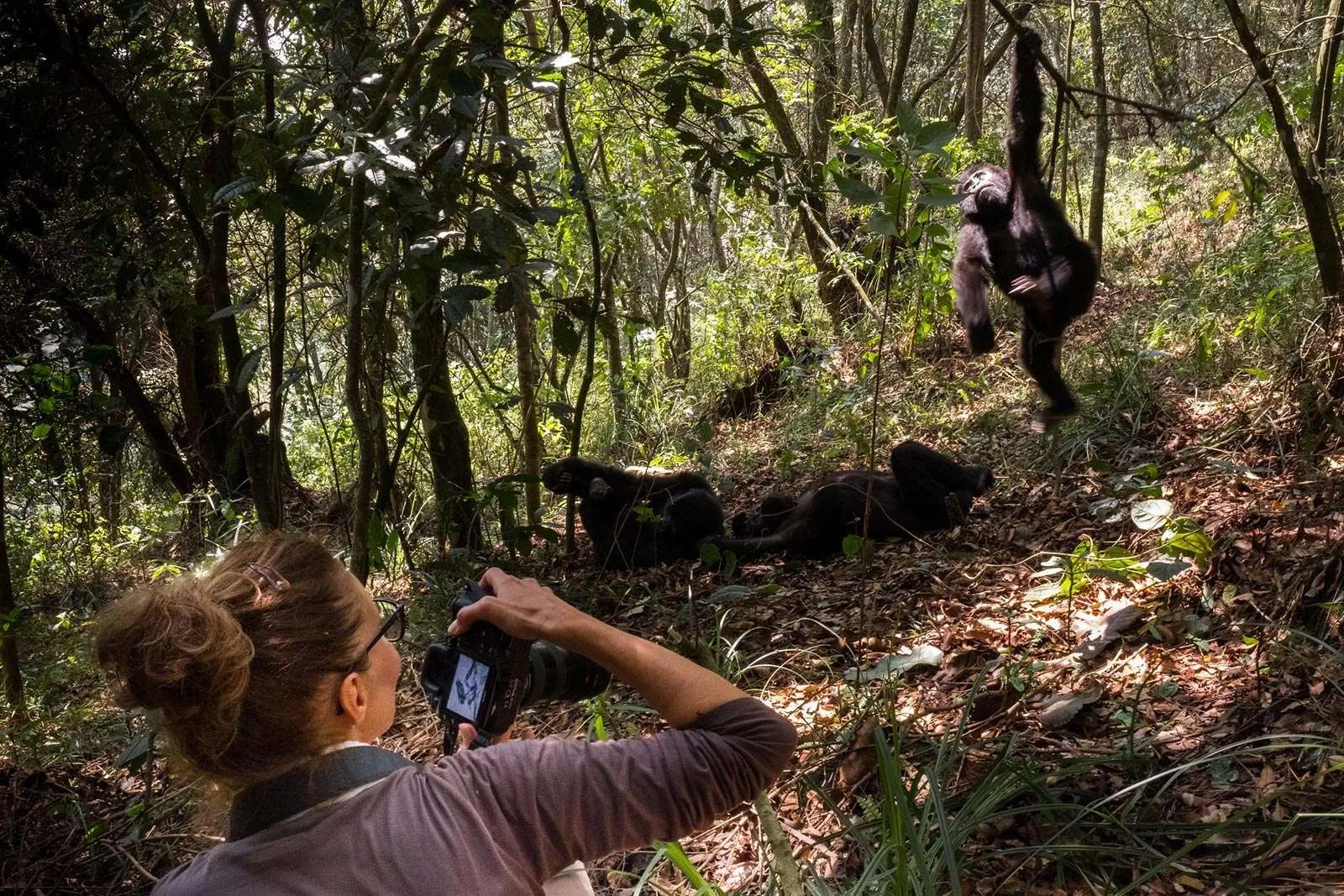
The ability to spend up to four hours observing mountain gorillas provides more time to appreciate their natural behaviour and the extraordinary environment of Bwindi Impenetrable National Park.
However, ordinary gorilla trekking remains an outstanding wildlife experience and may be the better option for travellers visiting gorillas for the first time, those with limited budgets, or visitors who prefer a shorter encounter.
The decision should depend on individual interests, fitness levels, available time, and overall safari budget rather than price alone.
Does Gorilla Habituation Include Accommodation and Transport?
Neither standard gorilla trekking nor gorilla habituation permits automatically include accommodation, private road transfers, meals, international flights, or personal travel expenses.
Travellers must budget separately for these services when arranging a complete safari.
Nextgen Safaris offers customized itineraries combining gorilla habituation with comfortable accommodation in the Rushaga area, private 4×4 safari transportation, and optional activities elsewhere in Uganda.
Visitors can also combine gorilla habituation with regular gorilla trekking to experience both types of encounters during a single journey.
Explore our Gorilla Trekking and Gorilla Habituation safari guide for more information about combining the two experiences.
Frequently Asked Questions About Gorilla Habituation and Trekking Costs
Why Is Gorilla Habituation More Expensive Than Gorilla Trekking in Uganda?
Gorilla habituation costs more because it allows up to four hours with mountain gorillas, involves smaller visitor groups, and is connected to a specialized conservation programme requiring extended supervision.
How Much More Expensive Is Gorilla Habituation in 2027?
From 1 January 2027, foreign non-residents will pay USD 1,800 for gorilla habituation and USD 800 for standard gorilla trekking. The difference is USD 1,000 per person.
Is Gorilla Habituation Better Than Gorilla Trekking?
Neither experience is universally better. Gorilla habituation offers longer observation and greater exclusivity, while regular trekking provides an excellent one-hour encounter at a significantly lower price.
Why Are Only Four People Allowed for Gorilla Habituation?
The smaller visitor group supports careful management of gorilla families undergoing habituation and allows conservation personnel to supervise human activity more closely.
Is Gorilla Habituation More Difficult Than Gorilla Trekking?
It can be more physically demanding because visitors may spend considerably longer in the forest. However, the difficulty of either activity depends on terrain, weather, and the location of the gorillas.
Can I Do Gorilla Trekking and Gorilla Habituation on the Same Safari?
Yes. Travellers can arrange both activities on separate days, subject to permit availability. This provides an opportunity to compare a fully habituated gorilla family with one undergoing the habituation process.
Can I Book Gorilla Habituation Permits for 2027 or 2028?
Yes, subject to Uganda Wildlife Authority booking procedures and permit availability. Travellers should confirm the applicable tariff and permit allocation before paying.
Book Gorilla Habituation or Gorilla Trekking With Nextgen Safaris
Understanding Why Is Gorilla Habituation More Expensive Than Gorilla Trekking helps travellers choose an experience that matches their expectations, interests, and budget.
At Nextgen Safaris, we organize personalized mountain gorilla experiences in Bwindi Impenetrable National Park, including official permit arrangements, carefully selected lodges, private safari transportation, and professional local guiding.
Whether you prefer the traditional one-hour encounter or the exclusive four-hour Gorilla Habituation Experience, our team can help you plan a memorable Uganda safari.