
Yellow Fever Vaccination Card (Rwanda and Uganda)
Essential Yellow Fever Vaccination Card (Rwanda and Uganda) Guide – Entry Requirements, Travel Rules & Safari Advice
Planning a safari to East Africa involves more than booking gorilla permits, accommodation, and flights. One of the most important travel requirements every international visitor should understand is the Yellow Fever Vaccination Card (Rwanda and Uganda). This internationally recognized certificate serves as proof that a traveler has been vaccinated against yellow fever, a mosquito-borne viral disease found in parts of Africa and South America. Having the correct documentation before departure can prevent unnecessary delays, denied boarding, quarantine, or even refusal of entry upon arrival.
At Nextgen Safaris, we encourage all guests to verify the latest health and travel requirements before beginning their journey. Whether you are planning gorilla trekking in Uganda, wildlife safaris in Rwanda, chimpanzee tracking, birdwatching, cultural tours, or a combined East African adventure, understanding the Yellow Fever Vaccination Card (Rwanda and Uganda) requirements helps ensure a smooth and stress-free travel experience. This guide explains who needs the vaccination, when it should be taken, how to obtain the certificate, exemptions, validity, and everything travelers should know before visiting Uganda and Rwanda.
What Is a Yellow Fever Vaccination Card (Rwanda and Uganda)?
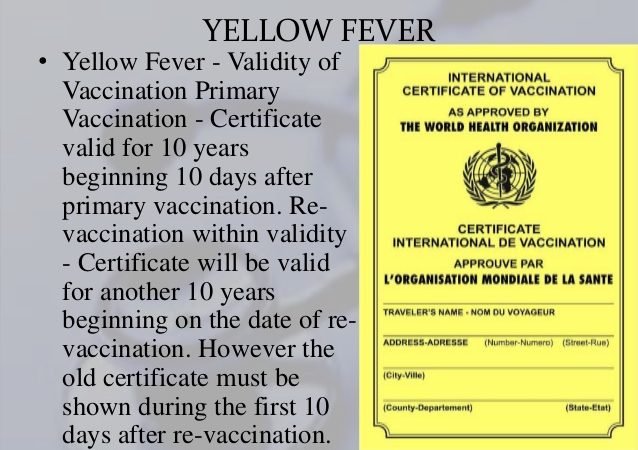
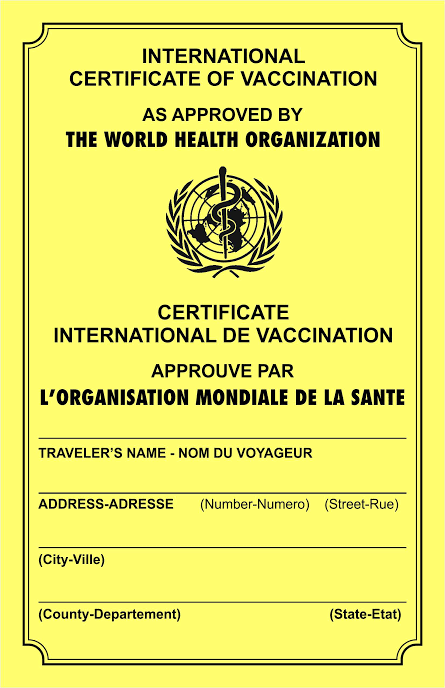
The Yellow Fever Vaccination Card (Rwanda and Uganda) is an official International Certificate of Vaccination or Prophylaxis (ICVP) issued after receiving an approved yellow fever vaccine. The certificate follows international health regulations and is recognized by immigration and health authorities around the world as evidence that a traveler has been vaccinated against yellow fever. It contains important information including the traveler’s name, vaccination date, vaccine details, the administering health center, and the signature and official stamp of an authorized medical provider.
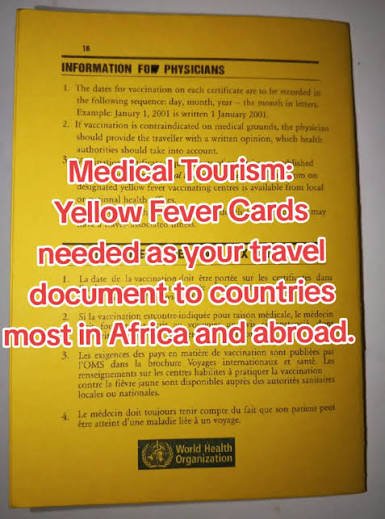
For travelers visiting Uganda and Rwanda, the card is far more than a medical record. It is often an essential travel document that may be requested by airlines before boarding, immigration officials upon arrival, or health officers during border crossings between East African countries. Carrying the original certificate throughout your journey provides peace of mind and helps avoid complications while traveling between different destinations.
Why Is the Yellow Fever Vaccination Required?
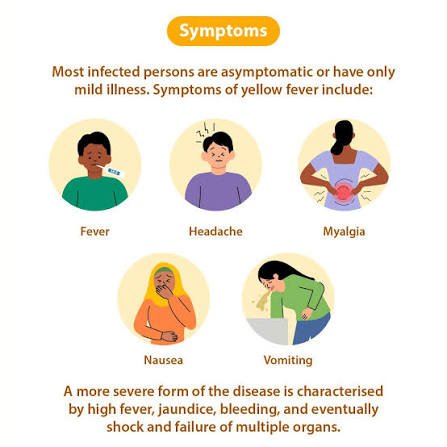
Yellow fever is a viral disease transmitted through the bite of infected mosquitoes. Although many travelers never encounter the disease during their visit, governments continue to enforce vaccination requirements because prevention remains the most effective method of controlling international spread. Uganda and Rwanda are committed to protecting both residents and visitors by reducing the risk of imported infections and maintaining public health standards that comply with international regulations.
The Yellow Fever Vaccination Card (Rwanda and Uganda) plays a crucial role in these preventive measures. By confirming that eligible travelers have received the vaccine before entering the country, authorities help reduce the possibility of outbreaks while supporting safe international tourism. For safari visitors exploring remote forests, wetlands, and national parks where mosquitoes may be present, vaccination also provides an additional layer of personal health protection during their adventure.
Do You Need a Yellow Fever Vaccination Card to Enter Uganda?
Uganda requires many international travelers to present a valid Yellow Fever Vaccination Card (Rwanda and Uganda) upon arrival, particularly when arriving from or transiting through countries where yellow fever transmission is considered a risk. Immigration and health officials may ask to inspect the certificate before allowing entry into the country. Airlines may also verify that passengers meet Uganda’s health requirements before departure, helping to prevent travel disruptions at the destination.
Travelers should not assume that simply carrying a vaccination record from a local clinic will satisfy entry requirements. Uganda recognizes the official International Certificate of Vaccination or Prophylaxis issued by an authorized vaccination center. To avoid unnecessary inconvenience, visitors should ensure the certificate is completed correctly, signed, stamped, and kept together with their passport and other important travel documents throughout their safari.
Do You Need a Yellow Fever Vaccination Card to Enter Rwanda?
Rwanda also applies yellow fever entry requirements in accordance with international health regulations. Depending on your country of origin, recent travel history, or transit through areas where yellow fever is present, you may be required to present a valid Yellow Fever Vaccination Card (Rwanda and Uganda) before entering the country. Border health officials have the authority to inspect travel documents and verify compliance with health regulations as part of routine entry procedures.
Visitors planning gorilla trekking in Volcanoes National Park, chimpanzee trekking in Nyungwe Forest National Park, wildlife safaris in Akagera National Park, or cultural tours around Kigali should ensure they understand Rwanda’s current health requirements before traveling. Having the correct documentation allows visitors to begin their safari without unnecessary delays and demonstrates compliance with the country’s public health measures.
When Should You Receive the Yellow Fever Vaccine?
Travelers are generally advised to receive the yellow fever vaccination at least ten days before departure. This period allows the body sufficient time to develop immunity and ensures that the vaccination certificate becomes valid under international health regulations. Waiting until the last minute may result in the certificate not being accepted if the required validity period has not yet been reached before arrival.
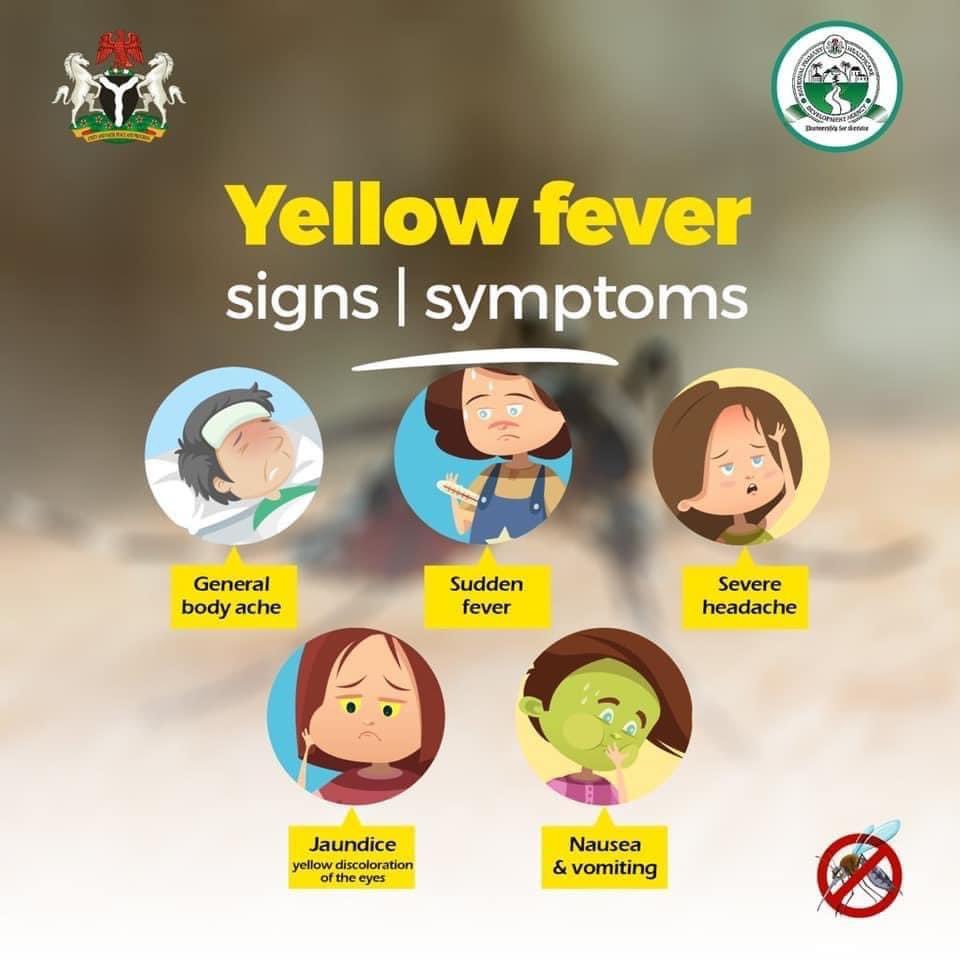
Anyone planning a safari involving both countries should obtain their Yellow Fever Vaccination Card (Rwanda and Uganda) well in advance of travel. Early preparation provides enough time to consult healthcare professionals, discuss any medical considerations, and organize other recommended travel vaccinations before departing for East Africa.
How Long Is the Yellow Fever Vaccination Card Valid?
One of the advantages of receiving the yellow fever vaccine is its long-lasting protection. Under current international health regulations, a properly administered yellow fever vaccination is generally considered valid for life, and the accompanying International Certificate of Vaccination remains valid without the need for routine booster doses in most circumstances.
Travelers who already possess a valid Yellow Fever Vaccination Card (Rwanda and Uganda) issued after an approved vaccination usually do not need to receive another vaccine solely for travel purposes. However, if your certificate has been lost or damaged, it is advisable to contact the original vaccination center or healthcare provider for guidance on obtaining a replacement before your trip.
Where Can You Get a Yellow Fever Vaccination?
The yellow fever vaccine should only be administered at authorized vaccination centers approved to issue the International Certificate of Vaccination or Prophylaxis. These facilities follow international standards for vaccine storage, administration, and certification, ensuring that the document will be recognized by immigration and health authorities worldwide.
Travelers should schedule their vaccination appointment well before their safari departure, particularly during busy travel seasons when appointments may be limited. Nextgen Safaris recommends confirming that the clinic is officially authorized to issue international vaccination certificates to avoid problems during your journey.
Medical Exemptions for Yellow Fever Vaccination
Although the yellow fever vaccine is safe and effective for most people, certain individuals may not be able to receive it because of specific medical conditions or other health considerations. In such cases, a qualified healthcare professional may provide a medical exemption certificate explaining why vaccination is not recommended.
Travelers relying on a medical exemption should understand that acceptance of exemption documentation remains subject to the policies of the destination country and border health authorities. Before traveling, it is important to consult both your healthcare provider and the relevant government travel advisories to understand whether additional requirements may apply.
Crossing Between Uganda and Rwanda During Your Safari
Many travelers combine Uganda and Rwanda into a single safari, enjoying gorilla trekking, wildlife viewing, cultural experiences, and scenic landscapes across both countries. During these cross-border journeys, officials may request to see your passport, visa, and Yellow Fever Vaccination Card (Rwanda and Uganda) at designated border crossings.
Keeping your vaccination certificate easily accessible throughout your safari helps ensure faster processing and a smoother travel experience. Whether crossing through Katuna-Gatuna, Cyanika, or arriving by air, carrying your original certificate together with your travel documents is highly recommended.
Additional Health Tips for Travelers
While the Yellow Fever Vaccination Card (Rwanda and Uganda) is one of the most important travel health requirements, visitors should also consider other preventive measures to stay healthy during their safari. Using insect repellent, wearing long-sleeved clothing in mosquito-prone areas, sleeping under mosquito nets where provided, drinking safe water, maintaining good hygiene, and consulting a travel health clinic before departure all contribute to a safer and more enjoyable journey.
Preparing for your safari involves more than meeting entry requirements. Taking sensible health precautions allows you to focus on enjoying unforgettable wildlife encounters, spectacular landscapes, and authentic cultural experiences throughout Uganda and Rwanda.
Why Travel with Nextgen Safaris?
At Nextgen Safaris, we believe that careful preparation is the foundation of an exceptional safari experience. Our experienced travel consultants provide guests with practical advice on visas, gorilla permits, border crossings, accommodation, transportation, travel insurance, and health requirements, including guidance regarding the Yellow Fever Vaccination Card (Rwanda and Uganda).
Whether you are planning a luxury gorilla trekking safari, a family holiday, a honeymoon, a wildlife photography expedition, or a tailor-made East African adventure, our team works closely with you to ensure every detail is organized before your arrival. From your first inquiry until your departure, Nextgen Safaris is committed to making your journey safe, seamless, and unforgettable.
Frequently Asked Questions About Yellow Fever Vaccination Card (Rwanda and Uganda)
1. Is a Yellow Fever Vaccination Card (Rwanda and Uganda) mandatory for all travelers?
The Yellow Fever Vaccination Card (Rwanda and Uganda) is required for many international travelers, particularly those arriving from or transiting through countries where yellow fever is present. Entry requirements may vary depending on your nationality, travel history, and route to Uganda or Rwanda. Travelers should always check the latest government travel and health regulations before departure to ensure they meet all entry requirements.
2. How many days before travel should I get the yellow fever vaccine?
The yellow fever vaccine should generally be administered at least 10 days before your departure. This allows your body enough time to develop immunity and ensures that your Yellow Fever Vaccination Card (Rwanda and Uganda) becomes valid under international health regulations before you arrive in either country.
3. How long is a Yellow Fever Vaccination Card (Rwanda and Uganda) valid?
In most cases, the yellow fever vaccination provides lifelong protection, and the International Certificate of Vaccination remains valid for life. Travelers who already possess a valid Yellow Fever Vaccination Card (Rwanda and Uganda) usually do not need another vaccination unless specifically advised by a healthcare professional.
4. Can I enter Uganda or Rwanda without a Yellow Fever Vaccination Card?
If you are required to present a Yellow Fever Vaccination Card (Rwanda and Uganda) and fail to do so, you may experience delays, additional health screening, quarantine measures, or even refusal of entry depending on the applicable regulations at the time of travel. Airlines may also refuse boarding if passengers do not meet the destination’s health requirements.
5. Can children receive the yellow fever vaccine?
Yes. Most children aged nine months and older can receive the yellow fever vaccine, although recommendations may vary depending on their health condition and travel plans. Parents should consult a qualified healthcare provider well before travel to determine whether vaccination is appropriate for their child.
6. Where can I obtain a Yellow Fever Vaccination Card (Rwanda and Uganda)?
The vaccine should only be administered at an authorized yellow fever vaccination center approved to issue the International Certificate of Vaccination or Prophylaxis (ICVP). These certificates are internationally recognized and accepted by immigration and health authorities in Uganda, Rwanda, and many other countries.
7. What happens if I lose my Yellow Fever Vaccination Card?
If your Yellow Fever Vaccination Card (Rwanda and Uganda) is lost or damaged, contact the vaccination center where you originally received the vaccine. They may be able to issue a replacement certificate based on your vaccination records. It is also advisable to keep a digital copy of your certificate as a backup while traveling.
8. Do I need to carry my Yellow Fever Vaccination Card during my entire safari?
Yes. It is recommended that you keep your original Yellow Fever Vaccination Card (Rwanda and Uganda) together with your passport throughout your journey. You may be asked to present it at airports, land border crossings, or during travel between Uganda and Rwanda.
9. Is the yellow fever vaccine safe?
The yellow fever vaccine is considered safe and highly effective for most healthy travelers. However, some individuals with certain medical conditions, weakened immune systems, or allergies may not be suitable candidates. A healthcare professional should assess your medical history before vaccination and advise whether the vaccine is appropriate.
10. Can Nextgen Safaris help me understand the Yellow Fever Vaccination Card (Rwanda and Uganda) requirements?
Absolutely. Nextgen Safaris provides travelers with the latest guidance on the Yellow Fever Vaccination Card (Rwanda and Uganda), visa requirements, border crossing procedures, gorilla permits, and other important travel preparations. Our experienced team helps ensure that you are fully prepared before your safari begins, allowing you to enjoy a smooth and worry-free adventure in Uganda and Rwanda.
Book Your Uganda and Rwanda Safari with Nextgen Safaris
Your East African adventure begins with proper planning, and understanding the Yellow Fever Vaccination Card (Rwanda and Uganda) requirements is an important part of that preparation. Once your travel documents, health requirements, and safari itinerary are in place, you can look forward to exploring mountain gorillas, chimpanzees, the Big Five, breathtaking landscapes, vibrant cultures, and some of Africa’s most remarkable national parks with complete confidence.
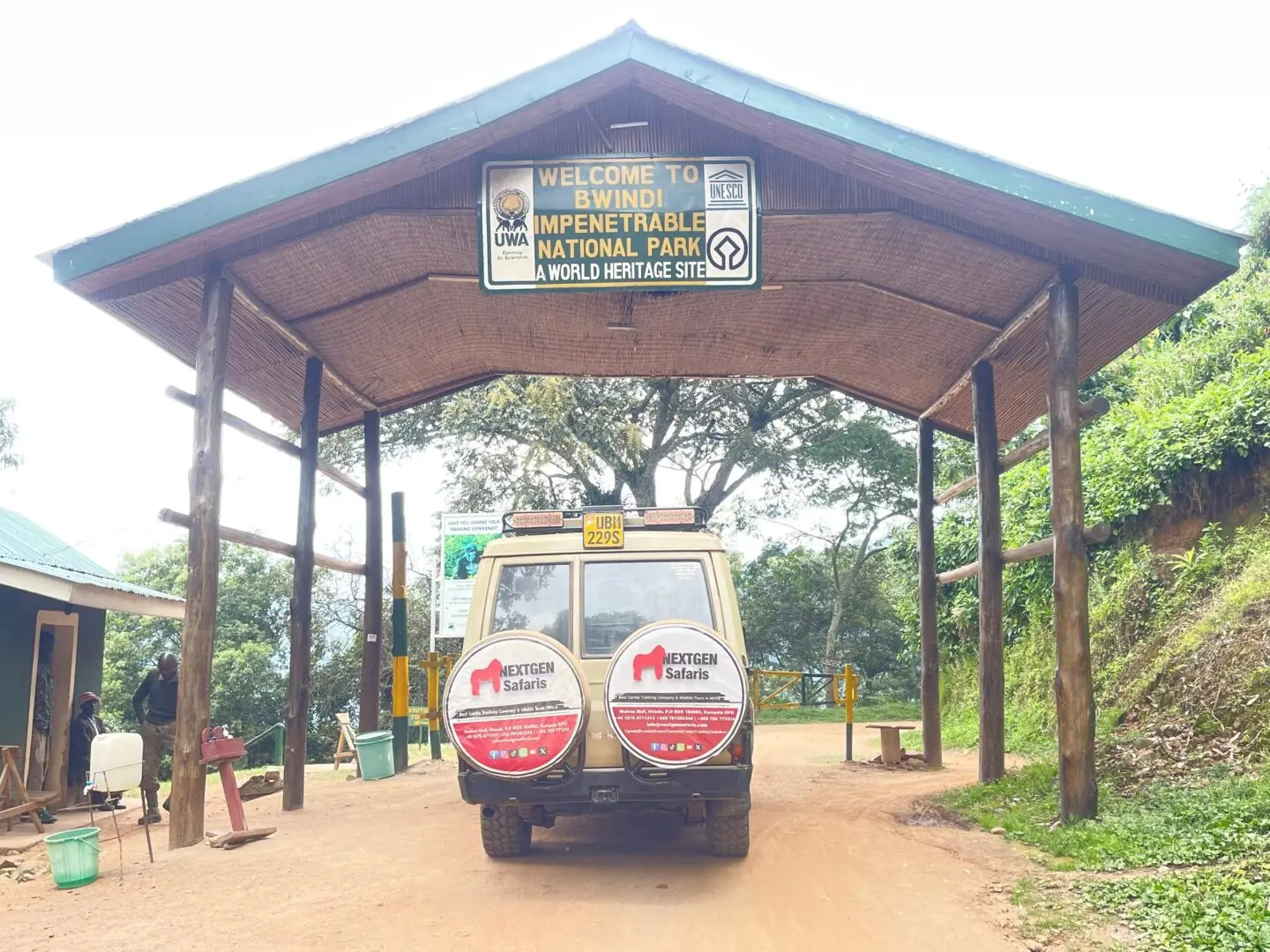
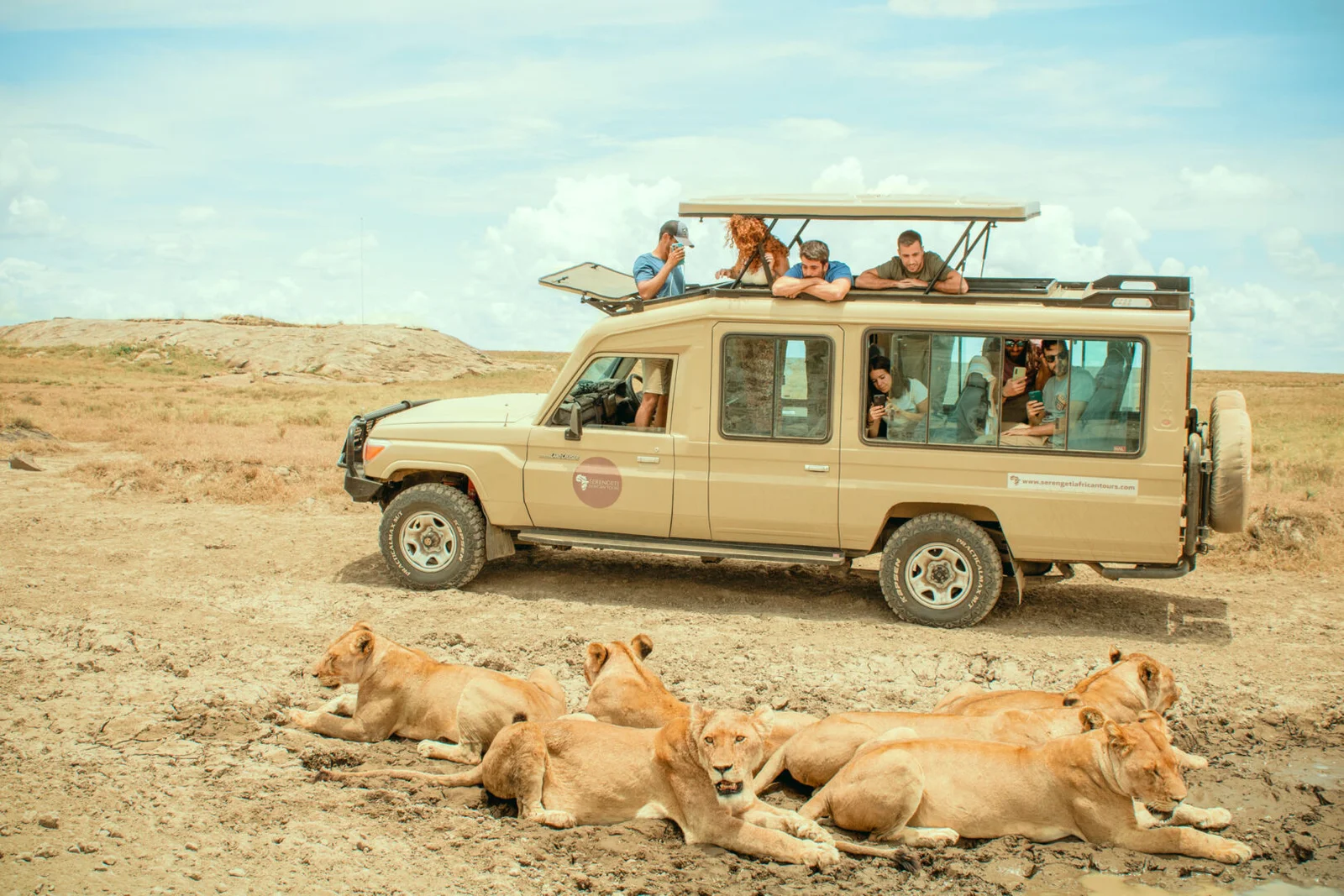

Contact Nextgen Safaris today to start planning your customized Uganda and Rwanda safari, and let our experienced team guide you through every stage of your journey, from travel advice and gorilla permits to unforgettable wildlife experiences across East Africa.